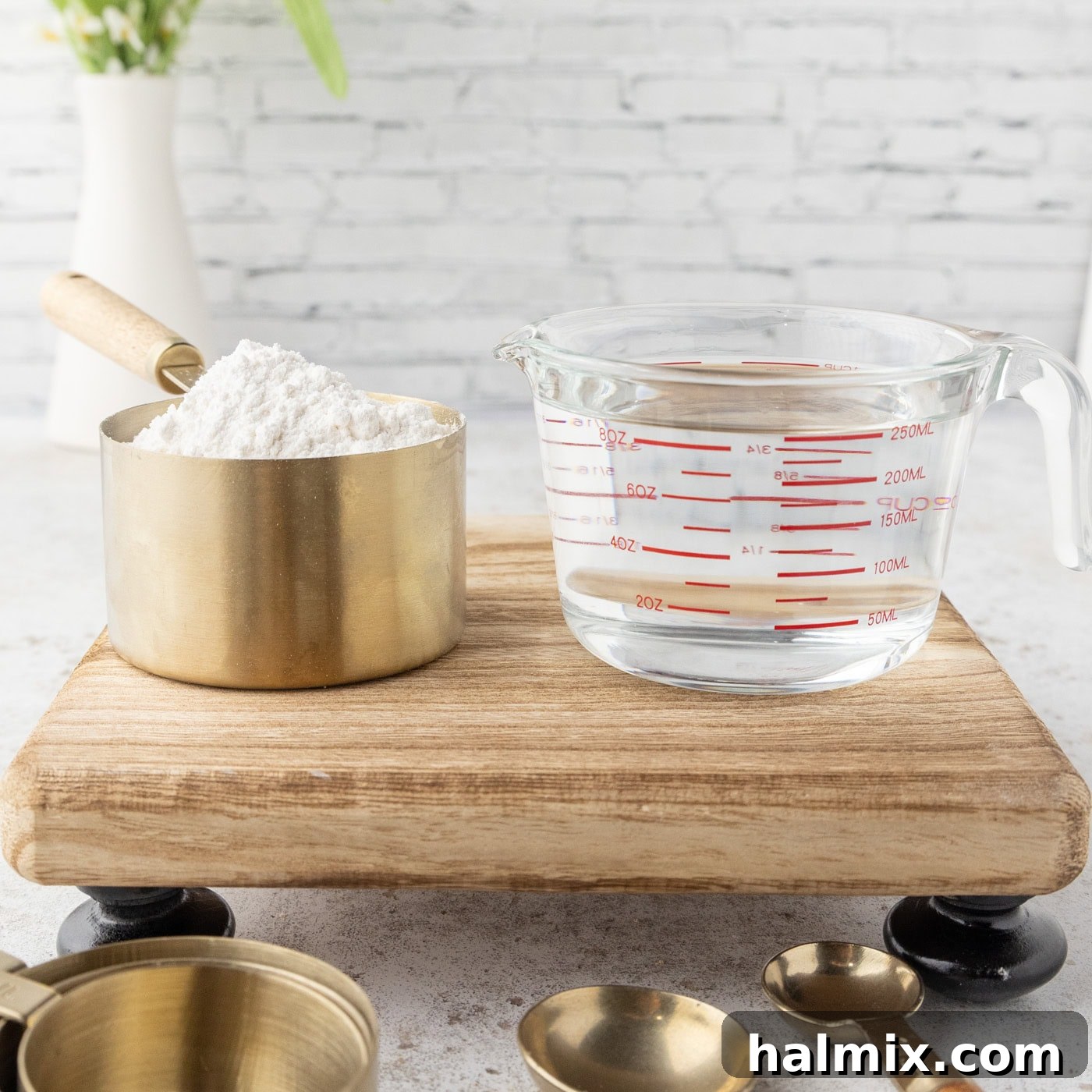
If you’ve ever found yourself scratching your head, puzzled by why a recipe calls for “1 cup of flour (4.25 ounces)” instead of the seemingly intuitive “8 ounces,” you’re certainly not alone. This is one of the most frequently asked questions and a widespread source of confusion for home cooks and bakers alike. It’s a common stumbling block that can lead to unexpected results in the kitchen, turning what should be a delightful baking experience into a frustrating mystery.
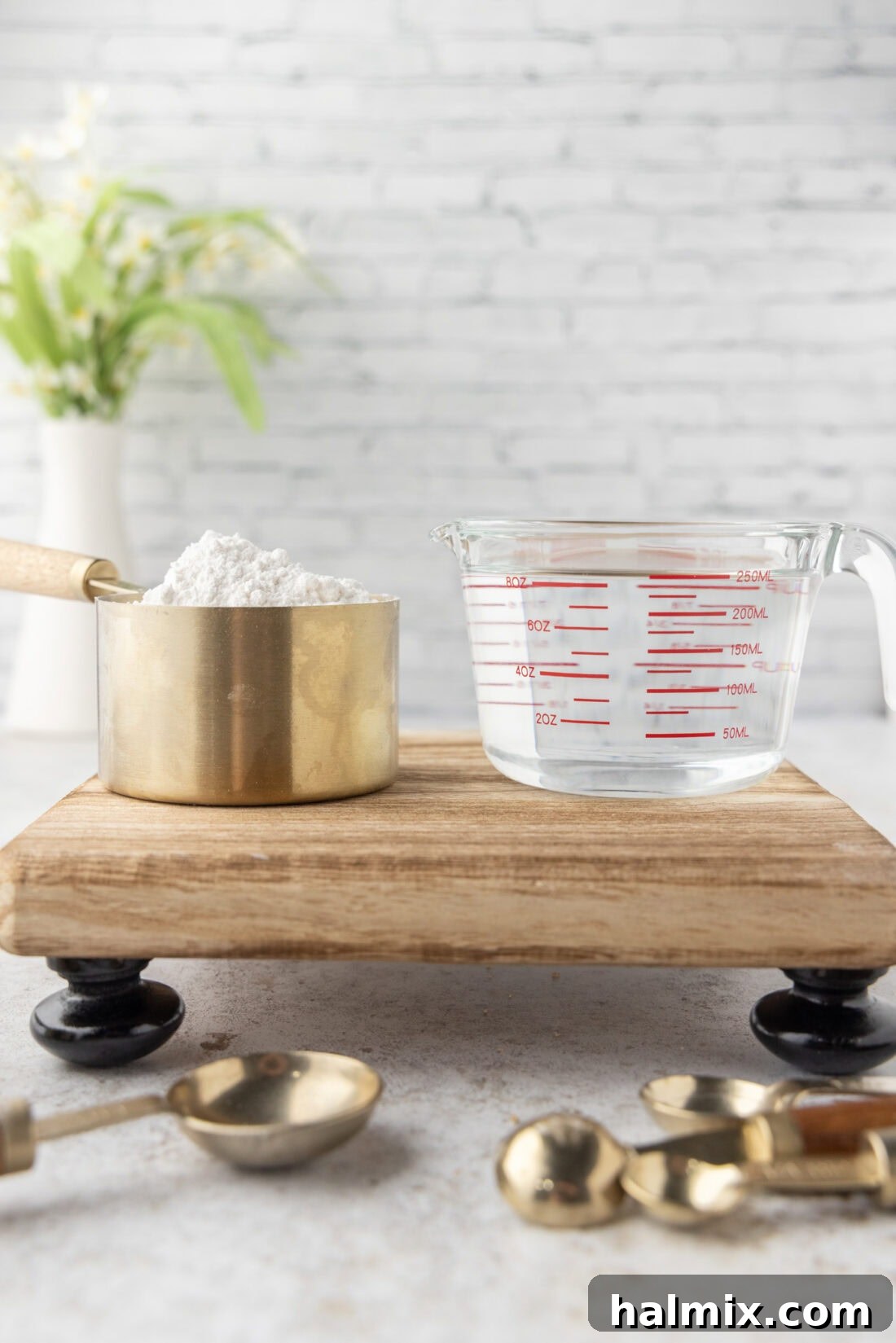
Today, we’re going to demystify this culinary conundrum once and for all. Understanding this fundamental concept isn’t just about clarifying a confusing measurement; it’s about unlocking the secrets to consistently successful baking and cooking. By grasping the core differences, you’ll be empowered to approach recipes with greater confidence and achieve perfect results every time.
The Fundamental Difference: Volume vs. Weight
To truly understand why 1 cup does not always equal 8 ounces, we must first grasp the most crucial distinction in the world of measurements:
- Cups measure volume: This refers to the amount of space an ingredient occupies. Think of it as how much “room” an ingredient takes up in a container.
- Ounces (weight) measure weight: This refers to how heavy an ingredient is, determined by the force of gravity acting upon its mass.
These are two entirely distinct physical properties. A measuring cup, by its very design, indicates volume, whereas a kitchen scale provides a precise weight. Therefore, the common assumption that 1 cup automatically equals 8 ounces is fundamentally incorrect for most ingredients, because you are attempting to equate a measure of space with a measure of heaviness.
Why This Distinction Matters in Cooking and Baking
In cooking, especially baking, precision is paramount. The chemical reactions that occur during baking depend on specific ratios of ingredients. Too much flour, too little liquid, or an imbalance of leavening agents can completely alter the final product. Understanding whether a recipe is asking for a specific volume or a specific weight is the first step towards mastering consistency and achieving delicious outcomes.
Visualizing the Concept: An Easy Example
To illustrate this point clearly, let’s conduct a simple mental experiment. Imagine you take the exact same 1-cup measuring cup, and you fill it with various everyday ingredients:
- Fluffy mini marshmallows
- Finely milled all-purpose flour
- Granulated sugar
- Small, dense pebbles
Each of these ingredients will fill the identical volume of one cup. However, if you were to place each filled cup on a kitchen scale, you would find that they register vastly different weights. This is because each ingredient has a unique density – a measure of how much mass is contained within a given volume.
Example Demonstrating Density:
- 1 cup of marshmallows would be incredibly light, due to the large amount of air trapped within.
- 1 cup of flour would register a medium weight, as it’s denser than marshmallows but still relatively light and airy.
- 1 cup of sugar would be noticeably heavier than flour, its granular structure packing more mass into the same space.
- 1 cup of pebbles would be exceptionally heavy, showcasing how much mass a very dense material can occupy in the same volume.
The core takeaway here is clear: the same volume (one cup) can correspond to dramatically different weights depending on the ingredient’s density. This fundamental principle is critical for understanding why simply converting “cups” to “ounces” without considering the ingredient type is misleading.
Unraveling the Misconception: Why We Think “1 Cup = 8 Ounces”
The persistent belief that “1 cup equals 8 ounces” stems from a specific context: liquids. This equivalency holds true predominantly for water and liquids with a similar density, where 1 cup is indeed approximately equal to 8 fluid ounces. If you examine a standard glass liquid measuring cup, you’ll observe markings for cups, fluid ounces, and milliliters. The 8-fluid-ounce mark is typically aligned with the 1-cup mark, which has understandably contributed to the widespread confusion.
For many common liquids used in our kitchens, this approximation works well:
- 1 cup of water ≈ 8 fluid ounces
- 1 cup of milk ≈ 8 fluid ounces
- 1 cup of oil ≈ 8 fluid ounces
The critical factor here is that liquids are measured in fluid ounces, which is itself a unit of volume, not a unit of weight. A fluid ounce measures how much space a liquid takes up. This is where the core of the misconception lies; people often mistakenly apply this liquid volume equivalency to dry ingredients, failing to differentiate between fluid ounces (volume) and weight ounces (mass).
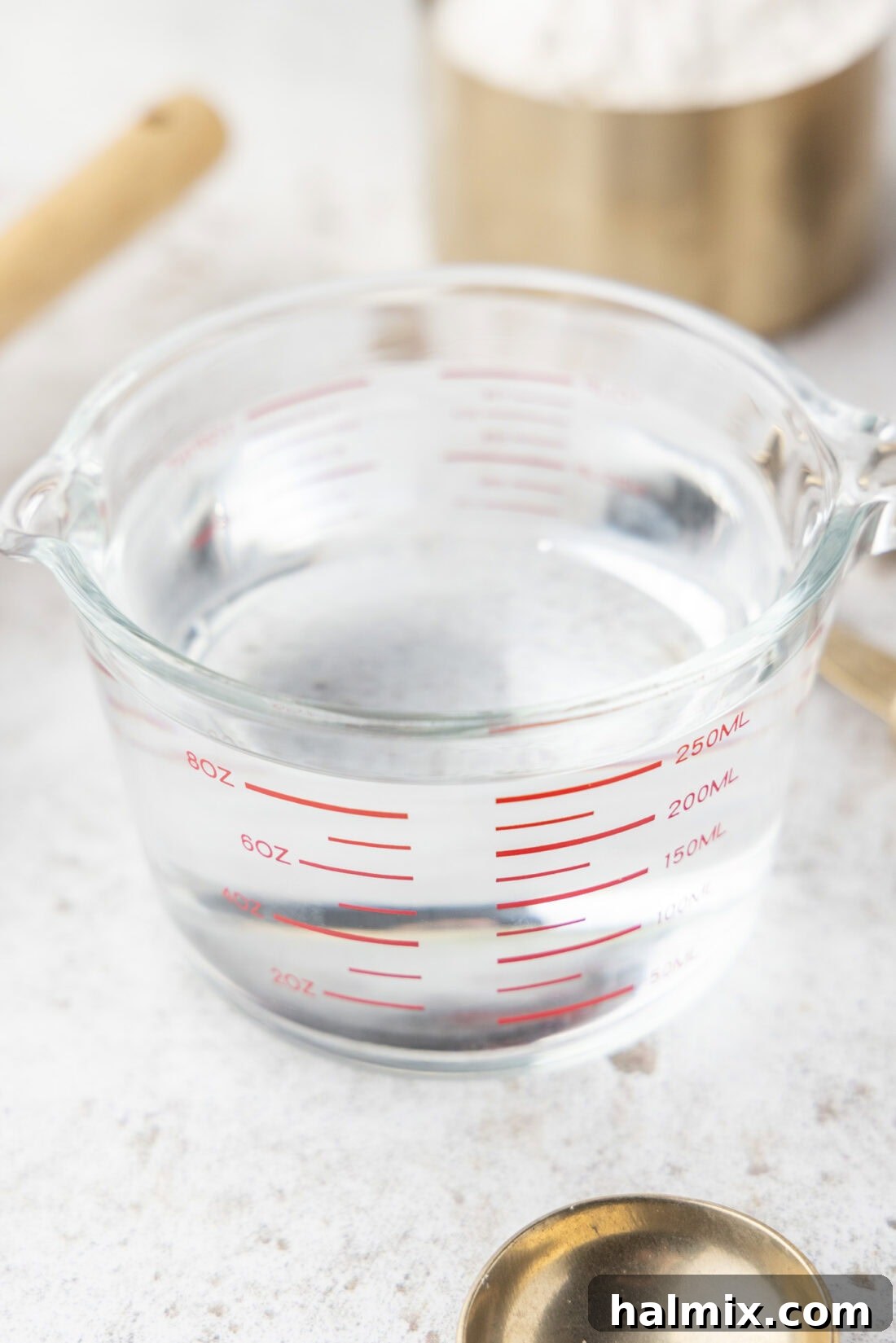
Fluid Ounces vs. Weight Ounces: A Critical Distinction
Although they share a similar-sounding name, “fluid ounces” and “ounces (weight)” are fundamentally different and are not interchangeable:
- Fluid ounces (fl oz): This is a unit of volume, specifically used for liquids. It tells you how much space a liquid occupies.
- Ounces (oz): This is a unit of weight or mass, used for both dry and liquid ingredients when their heaviness is being measured.
To put it simply, your glass measuring cup displays fluid ounces (a volume measurement for liquids), while your kitchen scale displays weight ounces (a mass measurement for anything you place on it). One measures space, the other measures heaviness. Mixing these two concepts is a primary cause of measurement errors in recipes.
Why 1 Cup of Flour is Only About 4.25 Ounces (Not 8 Ounces)
Flour, being a fine powder, is inherently light and airy. It contains a significant amount of trapped air between its particles. When measured correctly using the “spoon and level” method (lightly spooning flour into a dry measuring cup until overflowing, then leveling off with a straight edge), 1 cup of all-purpose flour typically weighs around 4.25 ounces, or approximately 120 grams. This measurement represents the ideal amount for most recipes.
If a recipe intended for 1 cup of flour to weigh 8 ounces, it would mean you’d be adding almost double the necessary amount of flour. The consequences for your baked goods would be disastrous: they would turn out dense, dry, crumbly, and heavy. The texture would be compromised, and the overall balance of the recipe would be thrown off. This stark difference highlights why relying on volume alone for dry ingredients like flour can be so problematic for precise baking. Professional bakers and pastry chefs universally rely on weighing their ingredients because it eliminates these inconsistencies and ensures predictable, consistent results every single time.
The Impact of Improper Flour Measurement
Even using a dry measuring cup, your technique can drastically alter the actual amount of flour you’re adding. If you scoop flour directly from the bag with your measuring cup, you inevitably compress the flour, packing more into the cup than intended. This simple action can easily add an extra 1 to 2 ounces of flour per cup, leading to a much heavier, drier final product. This variability in volume measurement is precisely why weights are preferred for accuracy.
The Superiority of Weight Measurements for Accuracy and Consistency
When it comes to baking, accuracy is king, and weight measurements reign supreme. Here’s why relying on a kitchen scale offers unparalleled advantages:
- Eliminates Variability: When you use a dry measuring cup to scoop flour directly from a bag, you compress the flour, packing more into the cup. Two different people measuring “1 cup of flour” can easily end up with significantly different amounts depending on how loosely or tightly they pack it, ambient humidity, and even the type of measuring cup used.
- Guaranteed Precision: With a kitchen scale, 4.25 ounces of flour is always 4.25 ounces of flour. There’s no guesswork, no differences in packing, and no room for interpretation. The exact amount of each ingredient ensures the delicate balance of your recipe is maintained.
- Consistent Results: This precision directly translates to consistent results. Every time you make a recipe using weight measurements, you’re starting with the exact same ingredient ratios, which means your baked goods will turn out the same way, batch after batch. This reproducibility is what separates good bakers from great ones.
- Easier Scaling: Doubling or halving a recipe becomes incredibly simple and accurate with weights. There’s no need to worry about awkward half-cup measurements for dry ingredients; you simply halve or double the gram or ounce amount.
- Less Mess, More Efficiency: Many recipes designed for weighing allow you to measure multiple ingredients directly into the same bowl, simply taring the scale back to zero between additions. This can significantly reduce the number of dishes you use and streamline your baking process.
- Professional Standard: This isn’t just a suggestion for home bakers; it’s the industry standard. Professional chefs and bakers worldwide almost exclusively use scales for their ingredients because they cannot afford the inconsistencies that volume measurements introduce.
That’s why you’ll increasingly see exact weights listed in well-tested recipes, including many of ours. We use a reliable digital kitchen scale to ensure the precise amounts we used during recipe development are accurately communicated to you, guaranteeing your success.
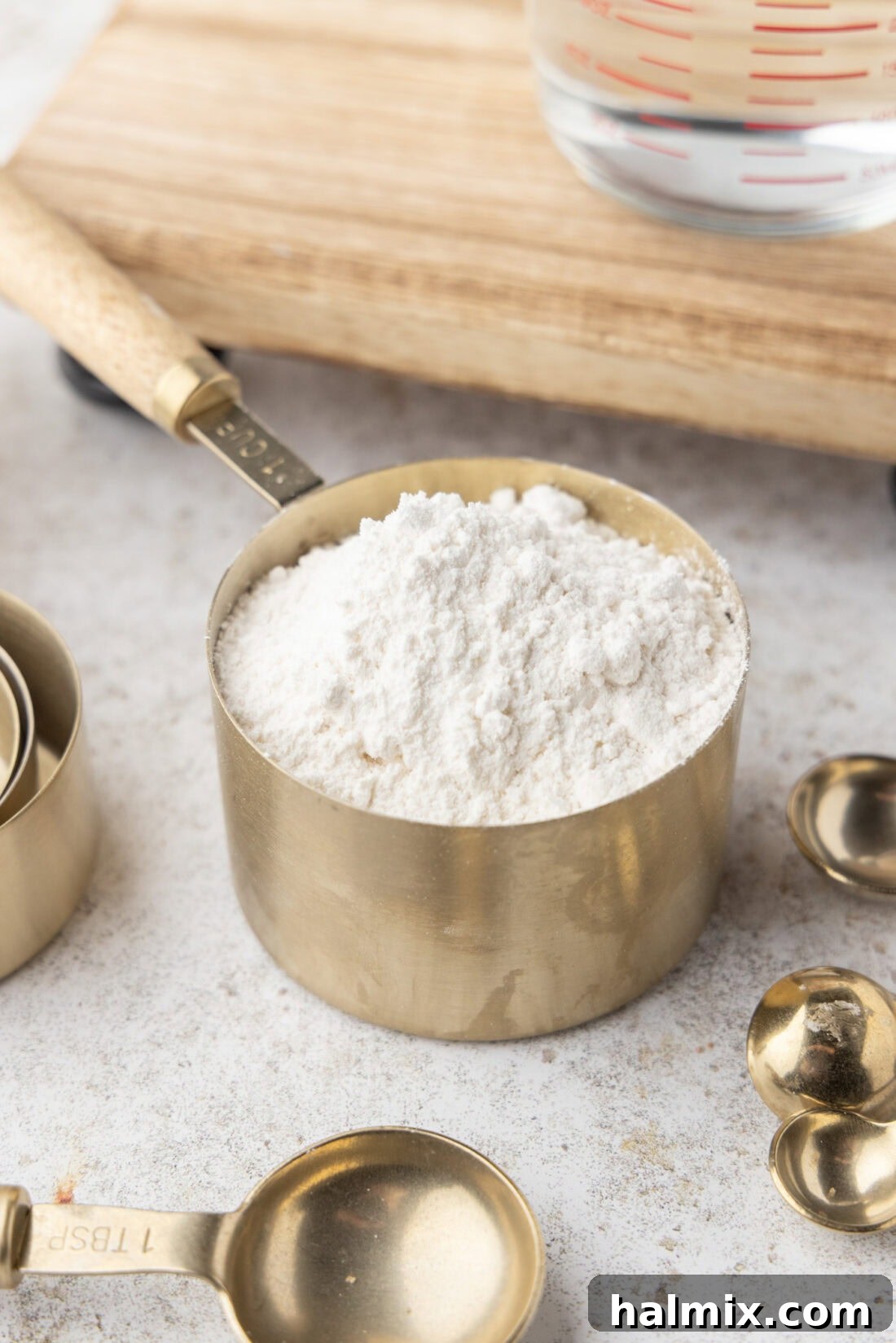
The Simple Rule to Remember for All Your Measuring Needs
To avoid confusion and ensure accuracy in your cooking and baking, keep this straightforward rule in mind:
- Only liquids reliably measure 1 cup as 8 fluid ounces. This is a volume-to-volume equivalency specific to water and water-like liquids.
- Dry ingredients and dense liquids vary significantly by density. For these, 1 cup will correspond to a unique weight. Always use a kitchen scale for dry ingredients if a weight measurement is provided.
By internalizing this rule, you’ll eliminate a major source of baking frustration and immediately improve your consistency in the kitchen. When in doubt, especially for baking, trust the scale!
Why Recipes Often List Both Cups and Weights
In many regions, particularly North America, recipes are traditionally written using volume measurements like cups, tablespoons, and teaspoons. Consequently, generations of home cooks and bakers are accustomed to these methods. However, with the rising awareness of baking science and the availability of affordable kitchen scales, there’s a growing trend towards more precise weight measurements. This is where dual measurements become invaluable.
When you encounter a recipe that specifies an ingredient like:
- 1 cup all-purpose flour (4.25 ounces)
This isn’t a mistake or an oversight — it’s a deliberate and highly beneficial inclusion. It serves multiple important purposes:
- Supports New Cooks: It provides the familiar cup measurement for those who are just starting out or don’t yet own a kitchen scale.
- Empowers Experienced Bakers: It offers the precision of weight measurements for those who understand its importance and prefer using kitchen scales.
- Ensures Consistent Results for Everyone: By providing the weight, the recipe writer is giving you the exact, tested amount of the ingredient, minimizing the risk of error, regardless of your chosen measurement method. It acts as a benchmark, clarifying what the “correct” cup measurement should ultimately weigh.
This dual approach bridges the gap between traditional home cooking methods and the scientific precision required for truly consistent and successful baking. It’s a testament to thorough recipe development, designed to help every cook achieve the best possible outcome.
Understanding this fundamental difference between volume and weight, and recognizing the specific roles of fluid ounces versus weight ounces, can be a true game-changer in your kitchen. If you’ve ever struggled with inconsistent baking results – cakes that are too dry, bread that’s too dense, or cookies that spread too much – mastering this one concept can make an enormous difference.
Once you stop thinking of cups and ounces as interchangeable units for all ingredients and begin to appreciate their distinct purposes, a new world of culinary precision will open up to you. Embracing a kitchen scale, even for just your dry ingredients, is one of the simplest yet most impactful upgrades you can make to your cooking and baking journey.
We sincerely hope this detailed explanation helps clarify one of the most common kitchen confusions. Happy and precise baking and cooking!