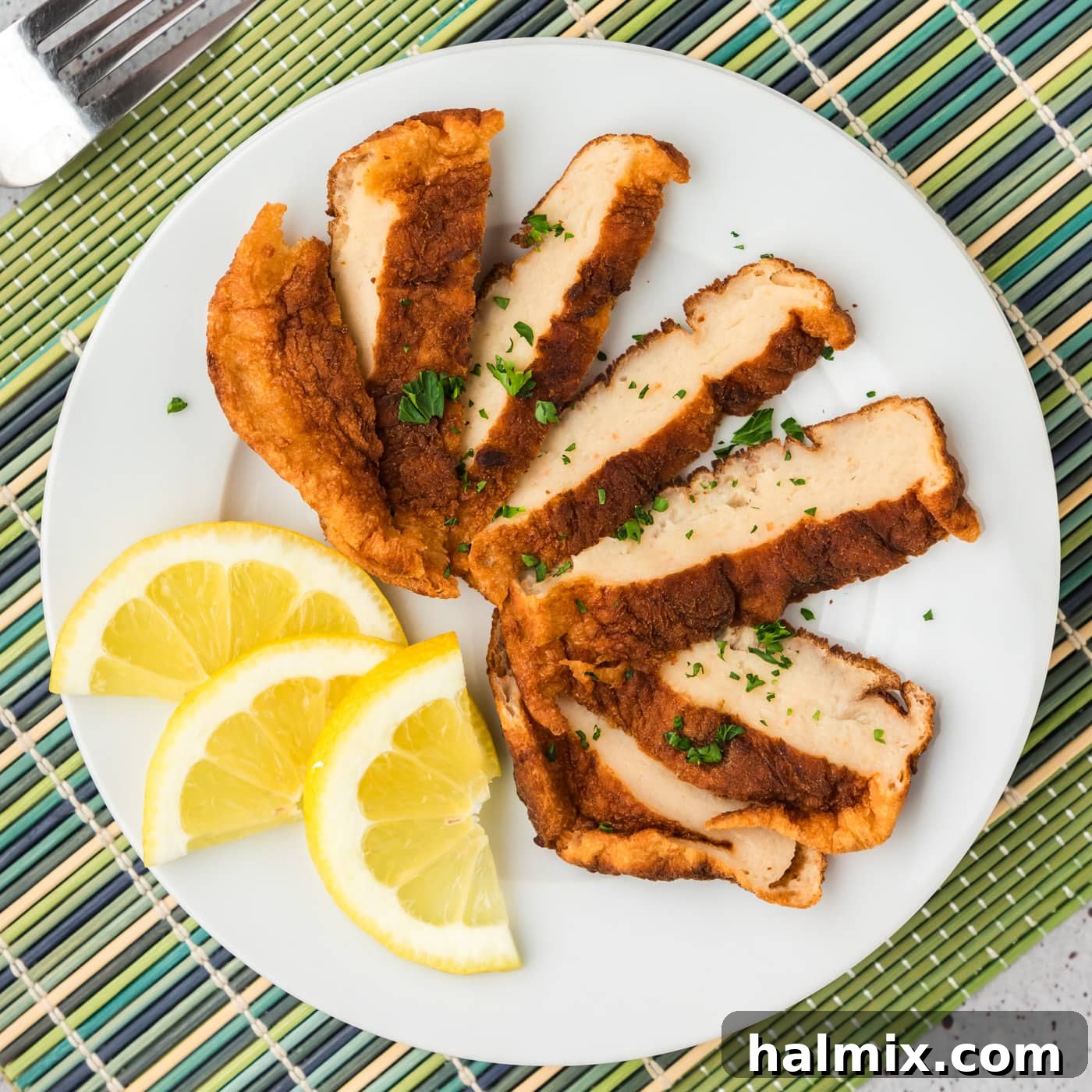
Embark on a culinary journey to Korea right from your kitchen with this incredible recipe for homemade Korean fish cakes. Known affectionately as eomuk or odeng, these savory, pan-fried delights are a beloved staple in Korean cuisine, often enjoyed as a versatile side dish (banchan) or a satisfying street food snack. Forget the store-bought versions; crafting these Korean fish cakes from scratch allows for superior freshness, control over ingredients, and an intensely flavorful experience that simply can’t be matched. With a simple process of pureeing, shaping, and pan-frying until perfectly golden brown, you’ll be amazed at how easily these mouth-watering treats come together.
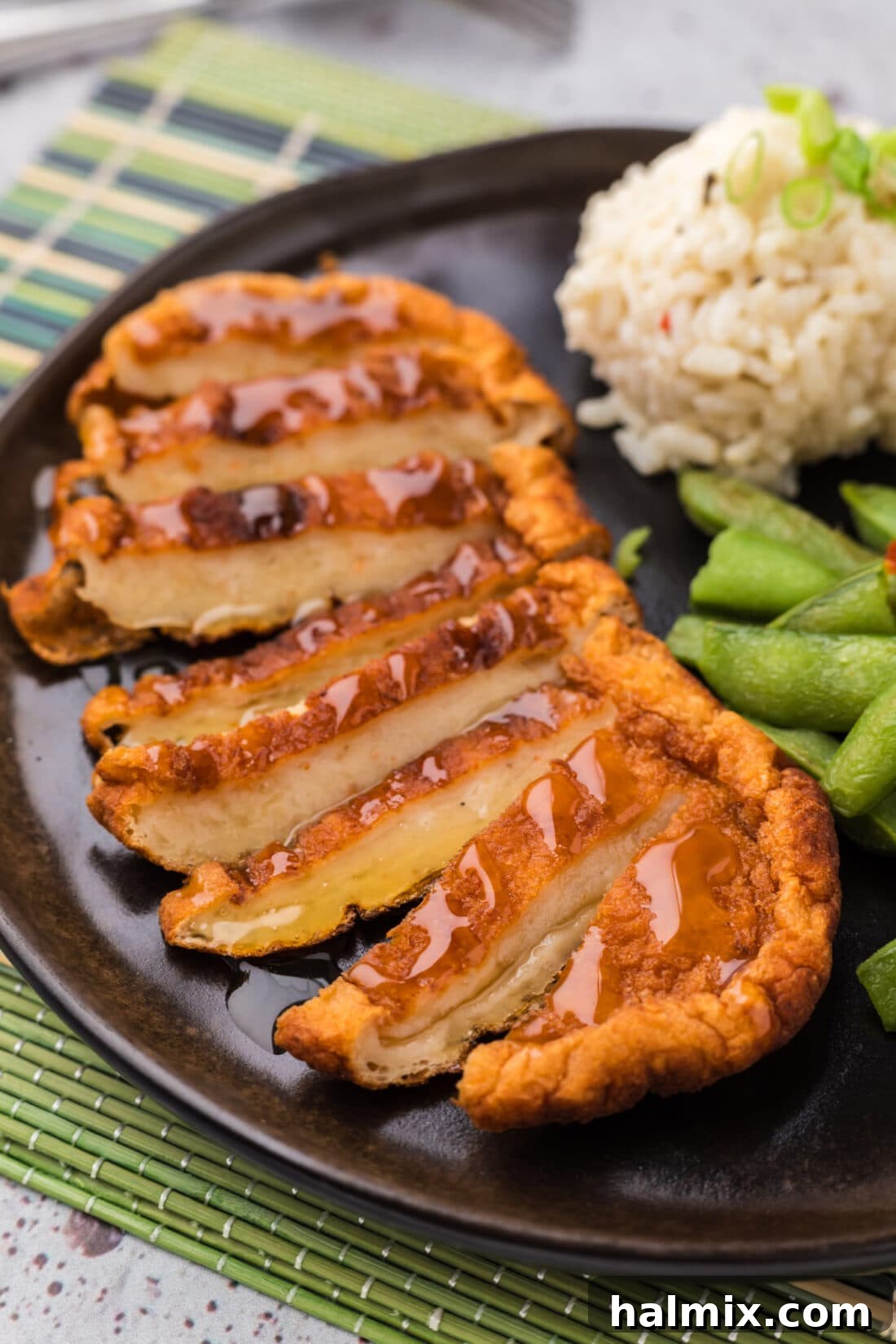
Why This Homemade Korean Fish Cake Recipe Works Wonders
Korean fish cakes, especially the pan-fried variety known as eomuk bokkeum, hold a special place in the hearts of many, from bustling street food vendors to home kitchens across Korea. While many recipes start with pre-made fish cakes, this approach takes you back to basics, creating an authentic and deeply satisfying experience. This particular recipe stands out because it empowers you to craft these delicious cakes entirely from scratch, ensuring freshness and allowing you to customize flavors to your exact preference.
Our unique blend of lean tilapia, firm orange roughy, and succulent shrimp forms the perfect foundation for these fish cakes. This combination not only provides a rich, complex seafood flavor but also contributes to the signature tender yet slightly chewy texture that makes authentic eomuk so appealing. The umami-packed flavor profile, enhanced by traditional Korean seasonings, results in a delightful taste sensation that beautifully complements various meals. The texture, often compared to a light, breaded tofu, is surprisingly addictive and makes these pan-fried Korean fish cakes incredibly versatile.
By opting to make Korean fish cakes from scratch, you gain control over the quality and type of fish, avoiding unnecessary additives often found in commercially processed versions. This makes them a healthier and more wholesome option for your family. They are absolutely delicious, especially when served as a hearty accompaniment to steaming bowls of rice and an array of vibrant stir-fried or steamed vegetables. This recipe isn’t just about making food; it’s about bringing a piece of Korean culinary tradition into your home with confidence and ease.
Essential Ingredients for Authentic Korean Fish Cakes
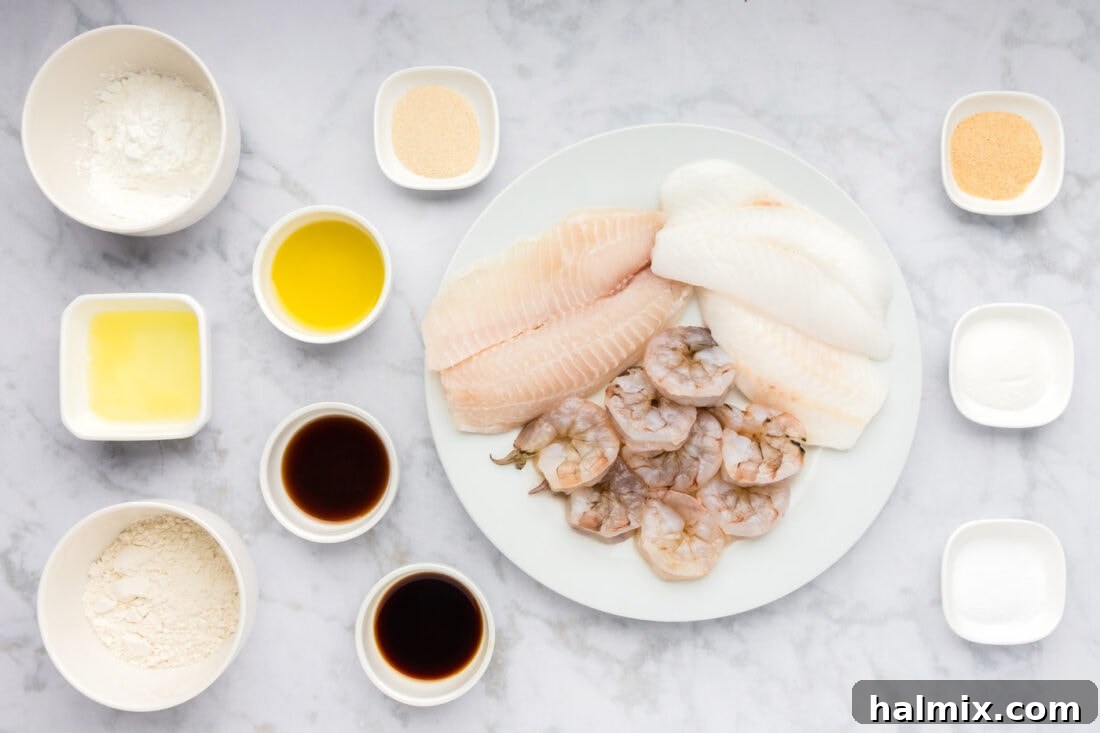
Creating these delightful homemade fish cakes requires a careful selection of fresh ingredients to achieve that perfect balance of flavor and texture. Below is a detailed list of what you’ll need, along with insights into each component. You’ll find all exact measurements and step-by-step instructions in the printable recipe card at the very end of this comprehensive guide.
Ingredient Spotlight & Expert Substitution Tips
Let’s dive deeper into the core ingredients and explore some versatile substitution options to ensure your eomuk bokkeum turns out perfect every time, even if you need to adapt to what’s available.
- FISH SELECTION – For his exceptional homemade Korean fish cakes, Chef Antoine masterfully uses a combination of pureed tilapia, orange roughy, and shrimp. This blend offers a fantastic balance of lean white fish and a touch of sweetness from the shrimp. Tilapia is known for its mild flavor and flaky texture, while orange roughy contributes a slightly firmer consistency when pureed. For substitutions, aim for any firm, flaky white fish. Excellent choices include cod, pollock, haddock, or even snapper. Avoid overly oily fish like salmon, as it can change the texture and flavor significantly. If you’re not a fan of shrimp, you can simply increase the amount of white fish, ensuring the total weight remains consistent.
- EGG WHITE – The egg white is a critical binding agent in this recipe. Its protein structure helps hold the pureed fish and other ingredients together, preventing the cakes from falling apart during cooking. Do not skip this ingredient, as it’s essential for the structural integrity of your fish cakes. If you need an egg-free alternative, a small amount of flax egg (1 tbsp ground flaxseed mixed with 3 tbsp water, let sit for 5 minutes) might work, but it can slightly alter the texture.
- ALL-PURPOSE FLOUR & CORNSTARCH – These two ingredients play a dual role. Within the fish cake mixture, they contribute to the structure and help achieve the desired texture, preventing the cakes from becoming too dense or rubbery. The additional flour for rolling is crucial for handling the sticky dough and creating a light, crispy exterior when pan-fried. For a gluten-free option, you can experiment with gluten-free all-purpose flour blends and cornstarch, ensuring they are certified gluten-free.
- AROMATICS & SEASONINGS – The recipe calls for olive oil, garlic powder, onion powder, soy sauce, oyster sauce, granulated sugar, and salt.
- Olive Oil: Used in the mixture for richness and flavor. Any neutral oil like vegetable or canola oil can be substituted.
- Garlic Powder & Onion Powder: These provide a foundational savory depth that is essential in Korean cuisine. Fresh minced garlic and onion can be used, but ensure they are very finely minced to integrate smoothly into the puree.
- Soy Sauce & Oyster Sauce: These are key for umami and characteristic Asian flavors. Use low-sodium soy sauce if preferred. For a vegetarian option, mushroom-based “oyster” sauce substitutes are available, or you can increase the soy sauce slightly and add a dash of mushroom powder for umami.
- Granulated Sugar & Salt: Balance the savory flavors and enhance the overall taste. Adjust to your preference.
- ADDITIONAL VEGETABLES – Feel free to unleash your creativity by incorporating finely diced vegetables into the fish cake mixture. Options such as finely minced onion, colorful bell peppers (red, yellow, green), thinly sliced green onions, or shredded carrots not only add nutritional value but also introduce delightful textures and subtle sweetness. Ensure they are minced very finely so they don’t overpower the delicate fish texture.
- SPICE FACTOR – For those who enjoy a kick of heat, a pinch of Korean chili peppers (gochugaru) can be added to the mixture. Alternatively, a dash of gochujang (Korean chili pepper paste or sauce) will infuse a vibrant, spicy, and slightly fermented depth of flavor. Start with a small amount and adjust to your desired spice level.
Step-by-Step Guide: Crafting Your Own Korean Fish Cakes
Making easy fish cakes at home is a rewarding process, and these detailed steps, accompanied by visual aids (where images are provided in the original content), will guide you to perfection. For a convenient printable version of this recipe, complete with precise measurements and instructions, simply scroll down to the recipe card at the bottom of this post.
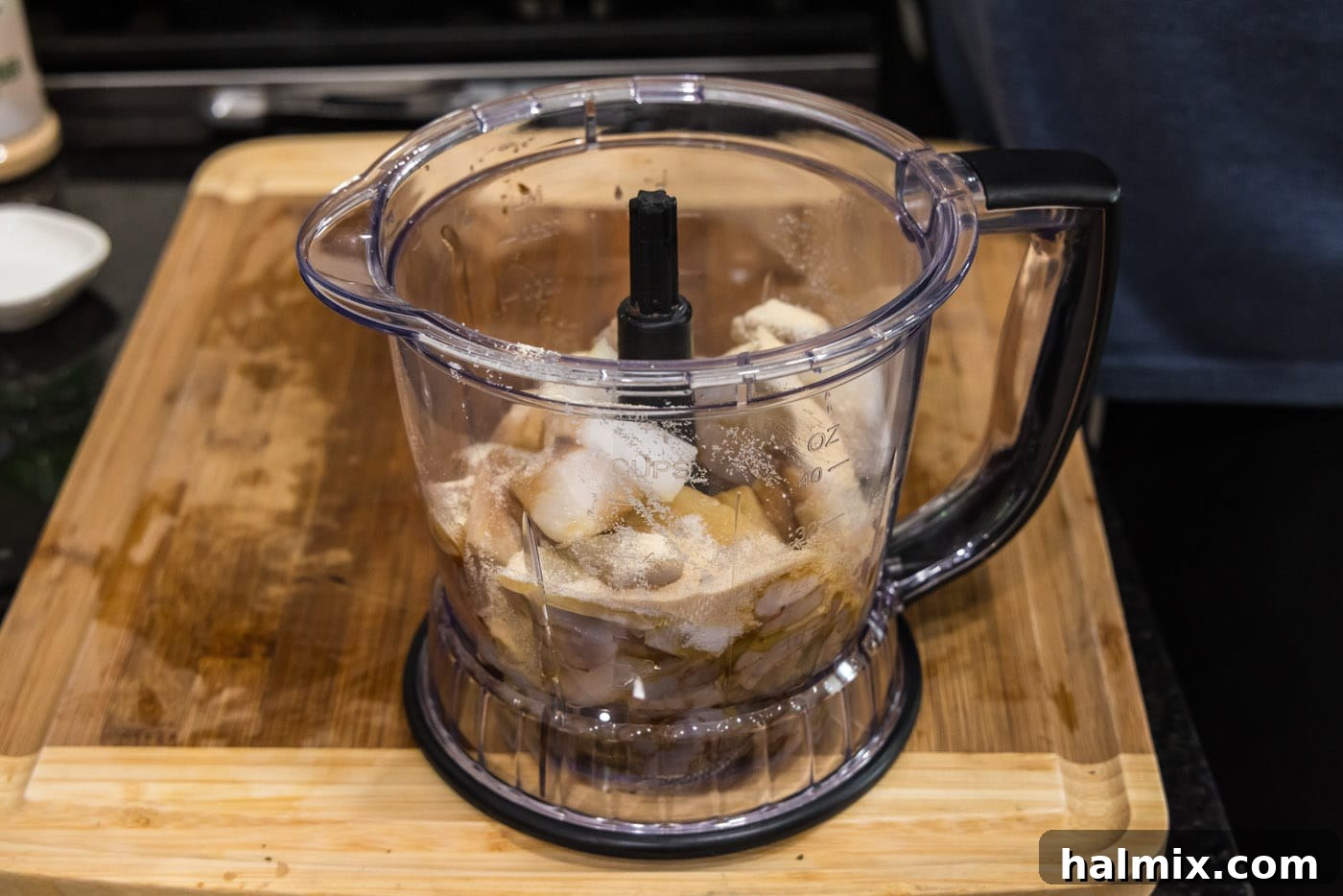
- Prepare the Seafood: Begin by cutting your chosen fish fillets (tilapia, orange roughy, or your chosen substitute) and shrimp into rough chunks. This helps them process more evenly. Place these chunks directly into the bowl of your food processor.

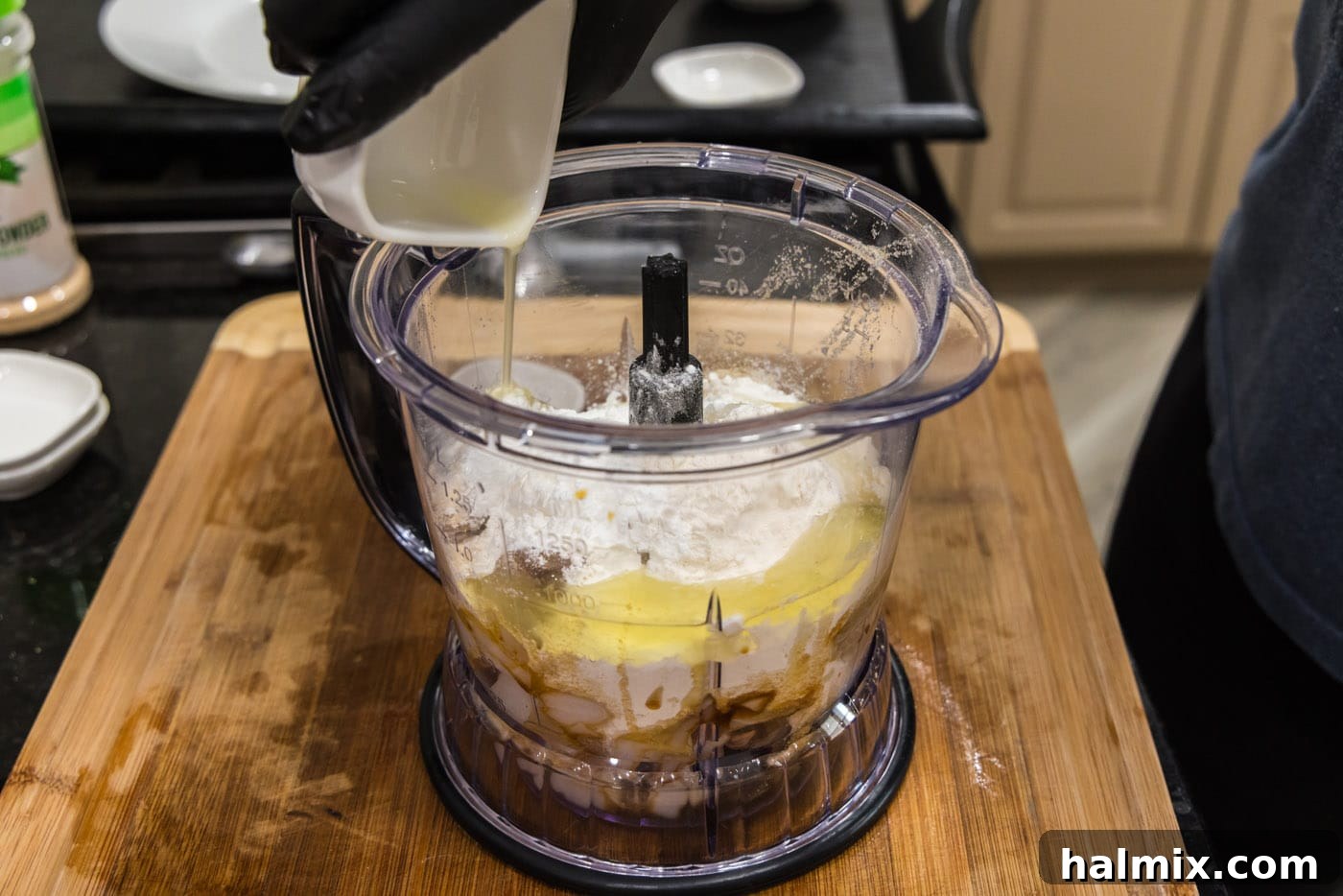
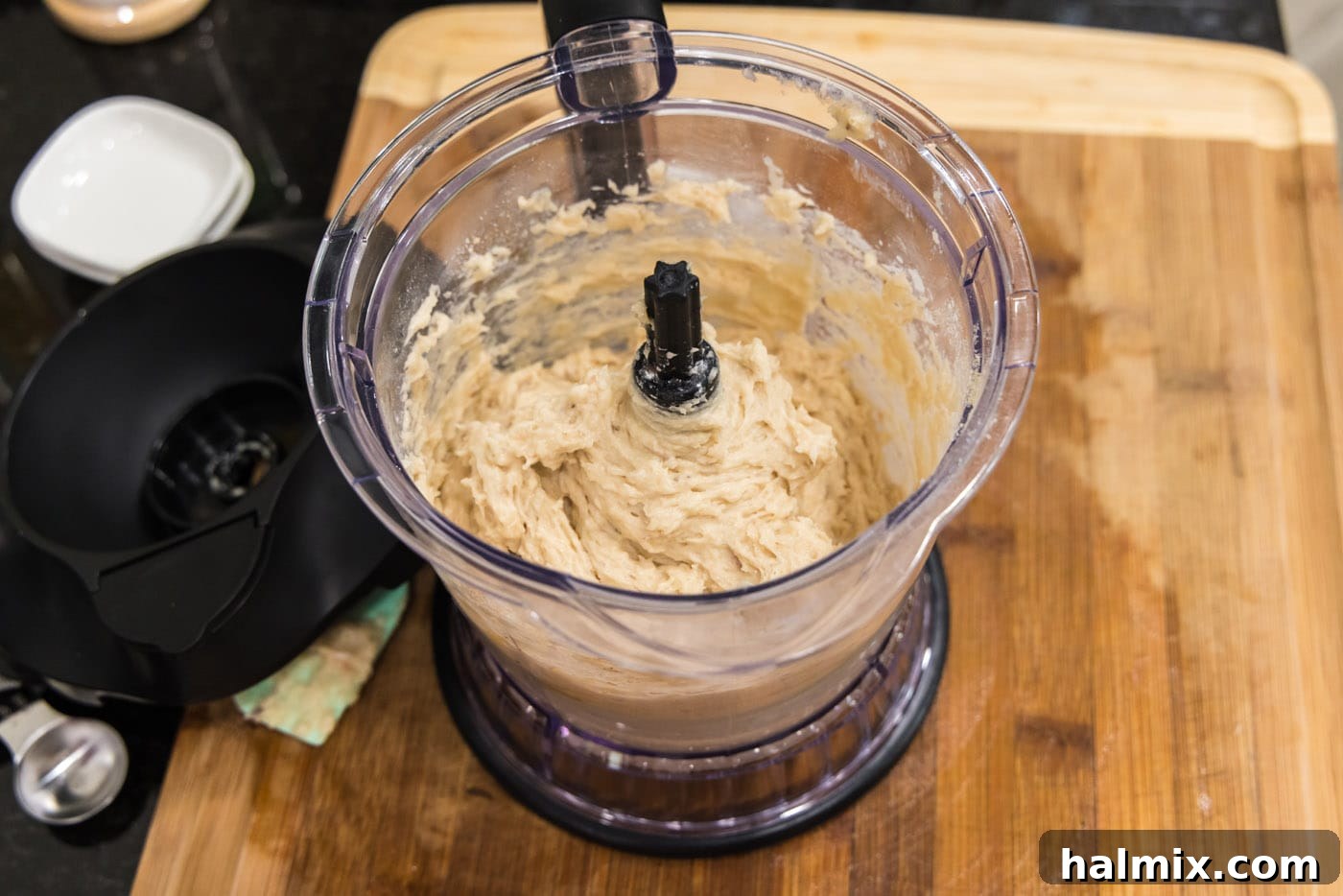
- Combine Ingredients: Add all remaining ingredients to the food processor with the seafood, excluding only the extra flour specifically reserved for rolling. This includes your all-purpose flour, cornstarch, olive oil, garlic powder, onion powder, soy sauce, oyster sauce, egg white, granulated sugar, and salt. Pulse the mixture until it forms a cohesive, somewhat sticky dough. Be careful not to over-process, as this can make the fish cakes tough. You’re looking for a smooth paste with no large chunks of fish remaining.
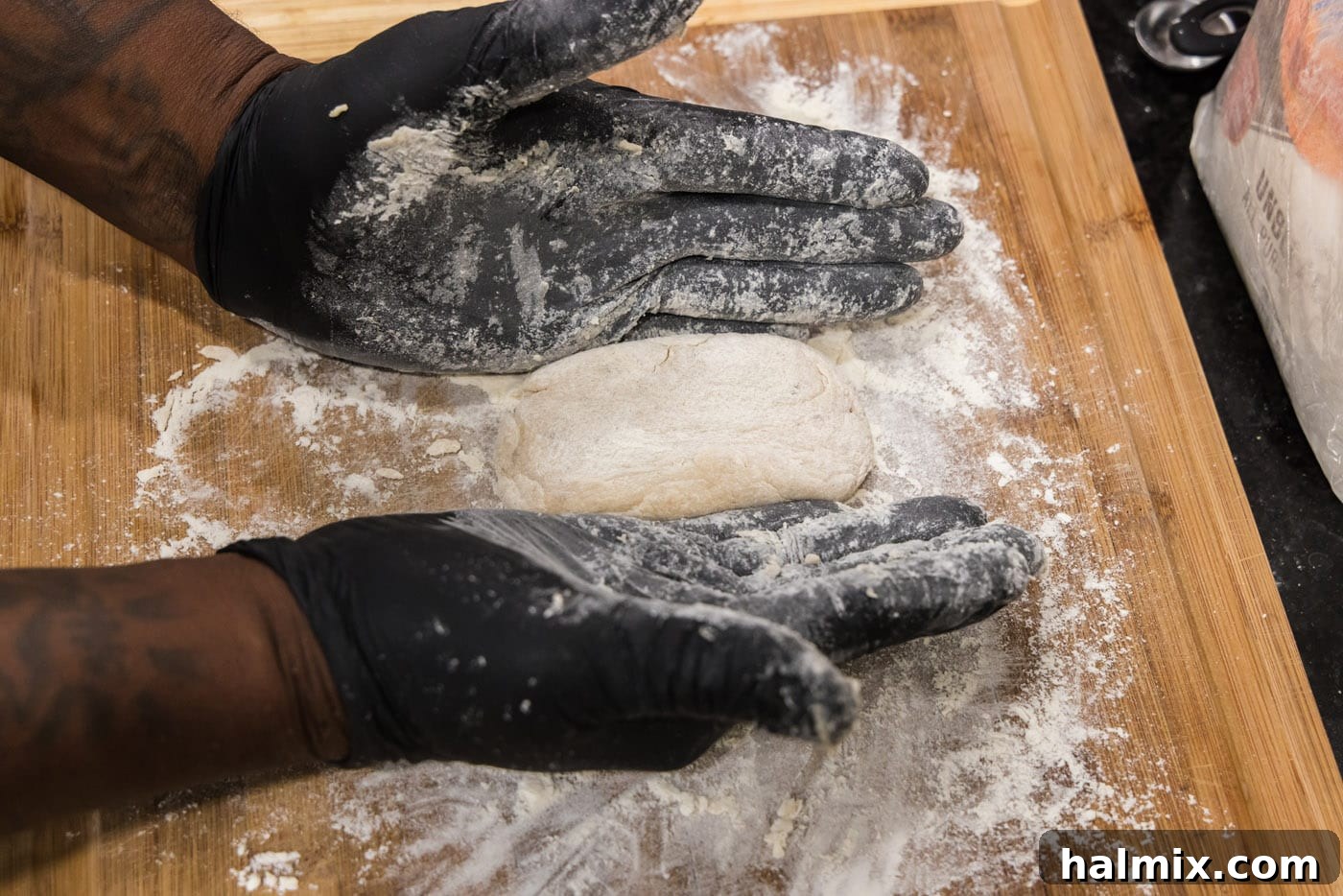
- Prepare Your Workspace for Shaping: Generously sprinkle your work surface with the reserved all-purpose flour. The dough for these Korean street food fish cakes will be quite wet and sticky, so it’s crucial to prepare your hands as well. Put on vinyl gloves and dust them thoroughly with flour. This will prevent the dough from adhering to your hands and make the shaping process much easier.
- Shape the Fish Cakes: Using a rubber spatula, scoop out approximately ½ cup of the fish cake dough onto your floured work surface. With the heel of your gloved hand, gently knead the dough, rolling it to ensure it’s completely covered with flour. This coating of flour helps to create a drier, more manageable surface for shaping and contributes to the crispy exterior during frying.
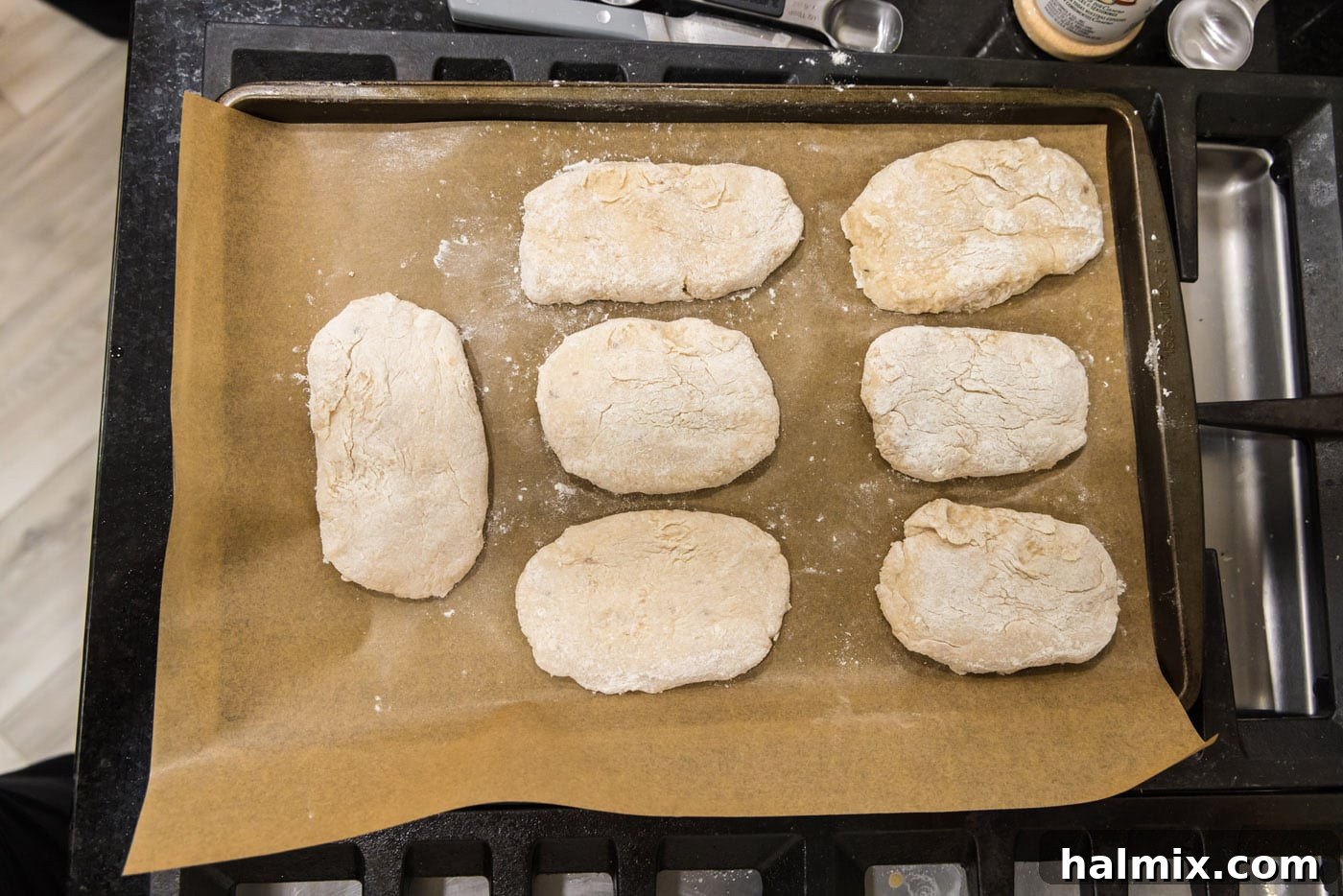
- Chill for Firmness: Shape each flour-coated dough portion into a rough rectangle, about ½ inch thick. The exact dimensions aren’t critical, but aim for consistency. Place the shaped fish cakes onto a baking sheet or plate lined with parchment paper. Transfer them to the freezer for 15-20 minutes. This chilling step is vital as it helps the fish cakes firm up, preventing them from falling apart when they hit the hot oil and ensuring they maintain their shape beautifully.
- Preheat the Oil: Pour enough vegetable oil into a large, deep-sided skillet to reach a depth of about ½ inch. Heat the oil over medium-high heat until it shimmers. To ensure ideal frying conditions, the oil temperature should be approximately 350°F (175°C). Use a kitchen thermometer if you have one; proper oil temperature is key to achieving a golden, crispy exterior without overcooking the inside.
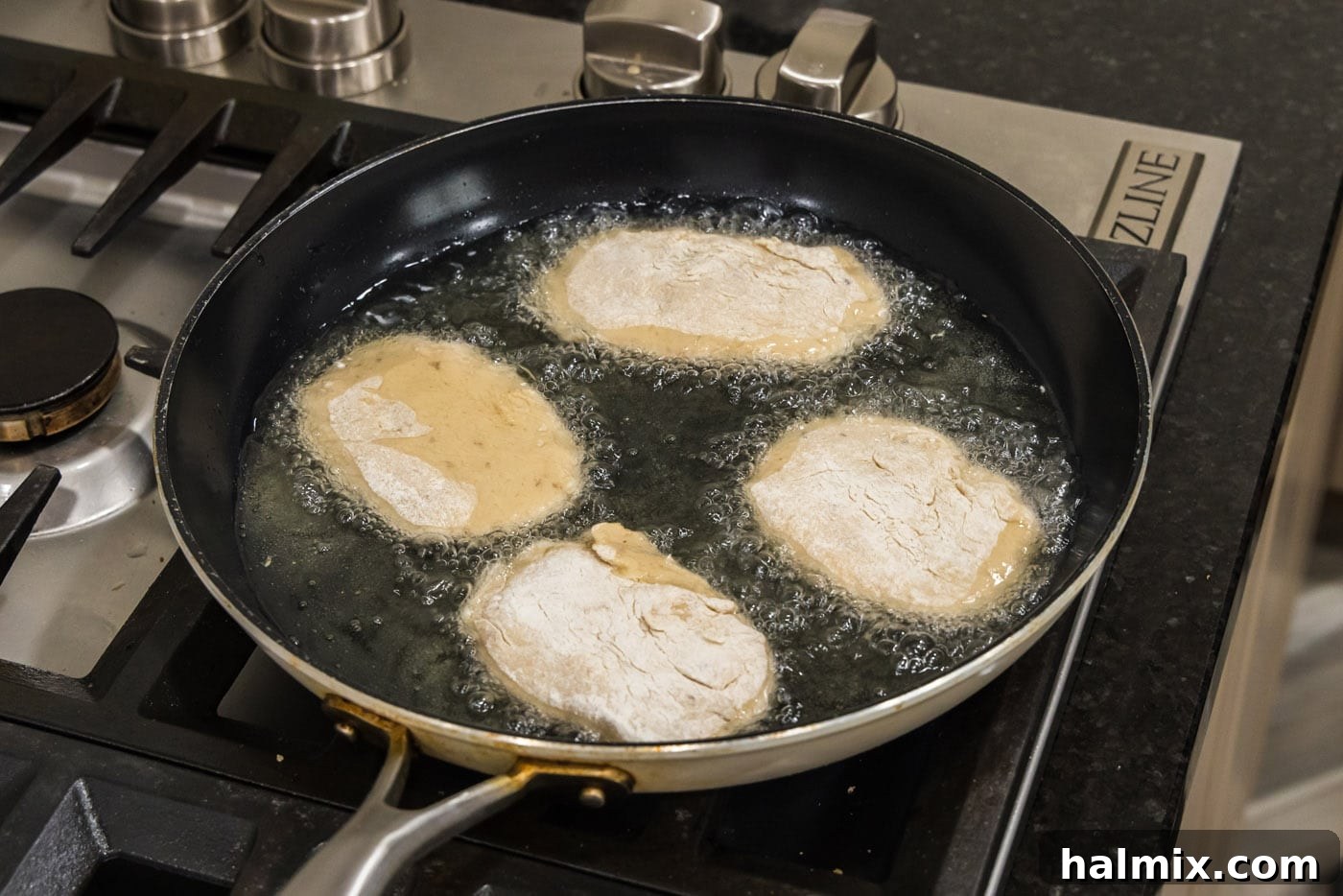
- Begin Pan-Frying: Carefully remove the chilled fish cakes from the freezer. Gently add 3-4 fish cakes to the hot skillet, being mindful not to overcrowd the pan. Overcrowding can lower the oil temperature and lead to soggy fish cakes. Remember that the fish cakes will expand slightly as they cook, so giving them enough space is important.
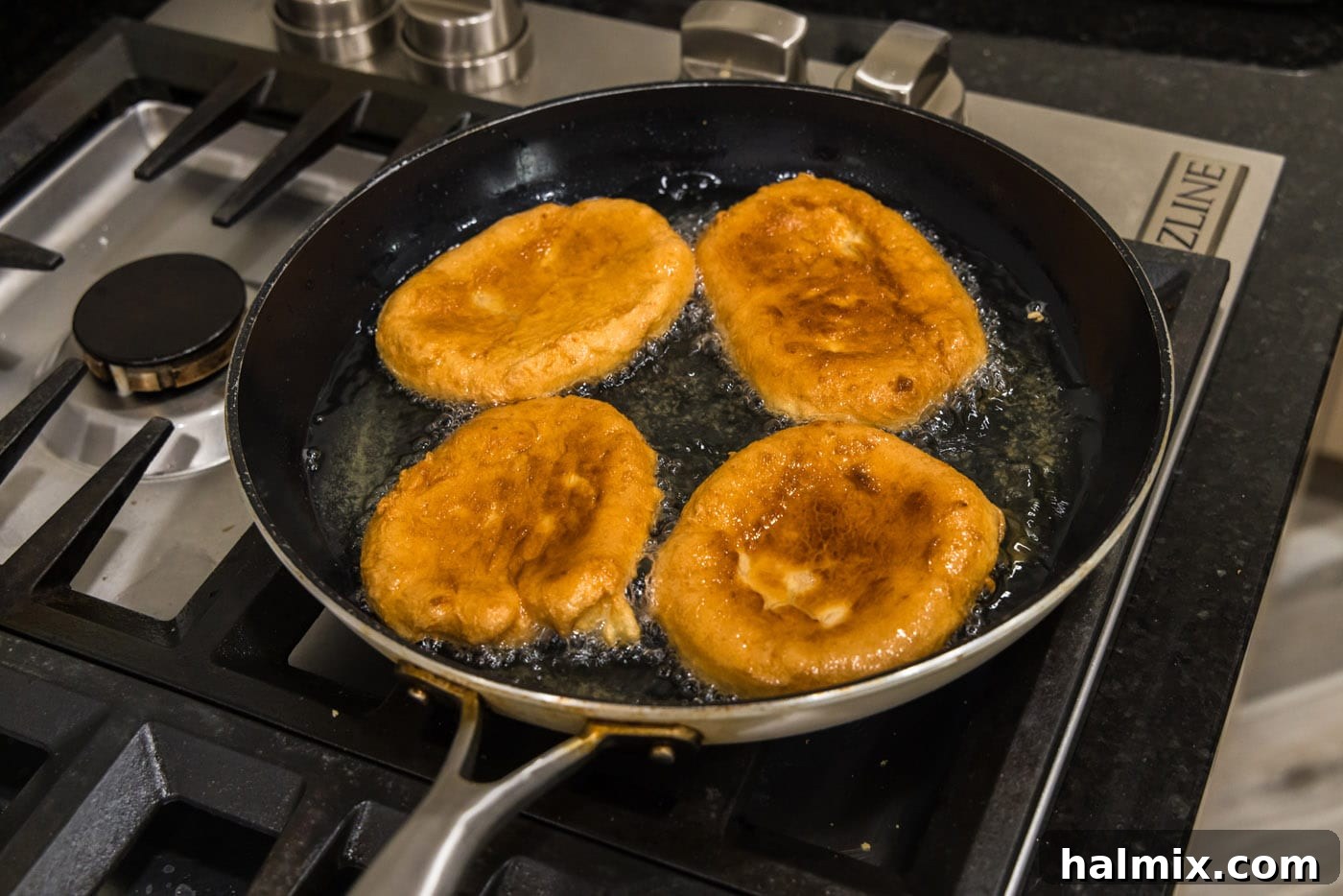
- Cook to Golden Perfection: Cook the fish cakes for 3-4 minutes on the first side, or until they develop a beautiful golden-brown crust. Using tongs, carefully flip them over and continue to cook for an additional 3-4 minutes on the second side, ensuring both sides are evenly browned and cooked through.
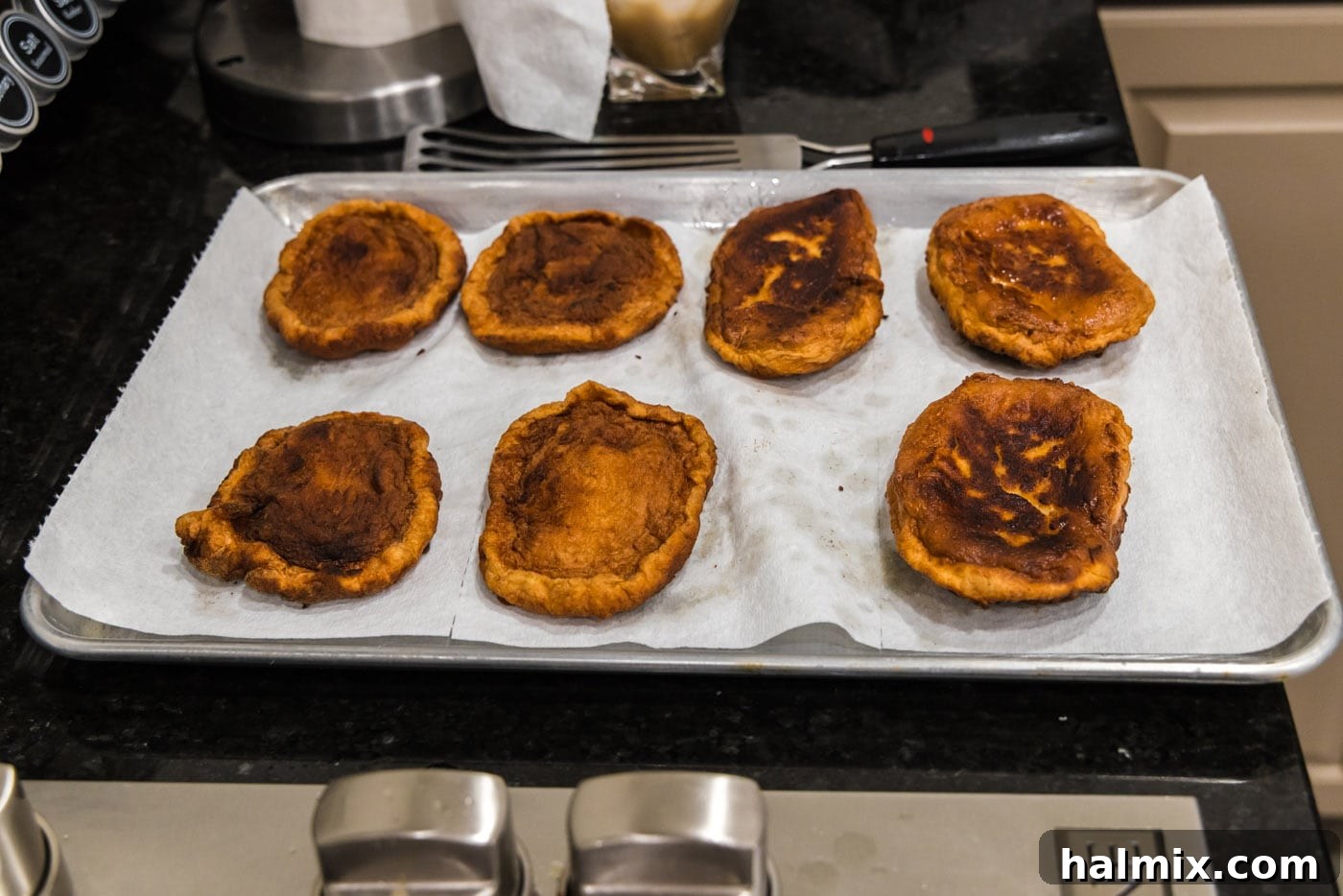
- Drain and Serve: Once the fish cakes are perfectly golden brown and cooked, remove them from the skillet using tongs. Transfer them to a plate or pan lined with paper towels to drain any excess oil. This step helps maintain their crispiness. Repeat with any remaining fish cake dough until all are cooked. Serve hot and enjoy!
Frequently Asked Questions & Expert Tips for Perfect Fish Cakes
How do you store leftover homemade Korean fish cakes?
Homemade Korean fish cakes are best enjoyed fresh, but leftovers can be stored. Place them in an airtight container and keep them in the refrigerator for up to 3-4 days. This will help maintain their flavor and texture.
What’s the best way to reheat leftover Korean fish cakes?
To bring your leftover fish cakes back to their golden glory, arrange them on a baking sheet and reheat in a preheated 350°F (175°C) oven for about 10 minutes, or until warmed through and slightly crispy. Alternatively, an air fryer works wonderfully; simply air fry at 350°F (175°C) for 5-7 minutes, shaking the basket halfway, until heated and crisp.
Can you freeze these homemade fish cakes?
Yes, these fish cakes freeze exceptionally well, both raw and cooked! For raw cakes, I highly recommend flash-freezing them on a baking sheet until solid. This prevents them from sticking together. Once frozen, transfer them to an airtight container or a gallon-sized freezer-safe zip-top bag. They can be frozen for up to 3 months. When ready to cook, allow them to thaw in the refrigerator overnight, then fry according to the recipe instructions. You can also freeze cooked and cooled fish cakes using the same flash-freezing method. Reheat frozen cooked fish cakes in the oven or air fryer directly, adding a few extra minutes to the cooking time.
Why is my fish cake dough so sticky?
The fish cake dough is naturally quite sticky due to the high moisture content of fish and shrimp, along with the binding agents. This is normal! The key to handling it successfully is generous flouring of both your work surface and your gloved hands, as detailed in the instructions. Don’t be afraid to use extra flour for rolling and shaping.
Can I deep fry these fish cakes instead of pan-frying?
Absolutely! While this recipe focuses on pan-frying for convenience, deep-frying will yield an even crispier exterior. Heat oil to 350-375°F (175-190°C) and deep fry for 2-3 minutes until golden brown and cooked through. Ensure not to overcrowd the fryer.
What if my fish cakes are falling apart?
If your fish cakes are crumbling, it’s usually due to one of two reasons: either there wasn’t enough binder (egg white, flour, cornstarch), or the chilling step was skipped or too short. Ensure you use the correct amounts of flour and cornstarch, and always chill the shaped fish cakes in the freezer for the recommended 15-20 minutes to firm them up before frying.
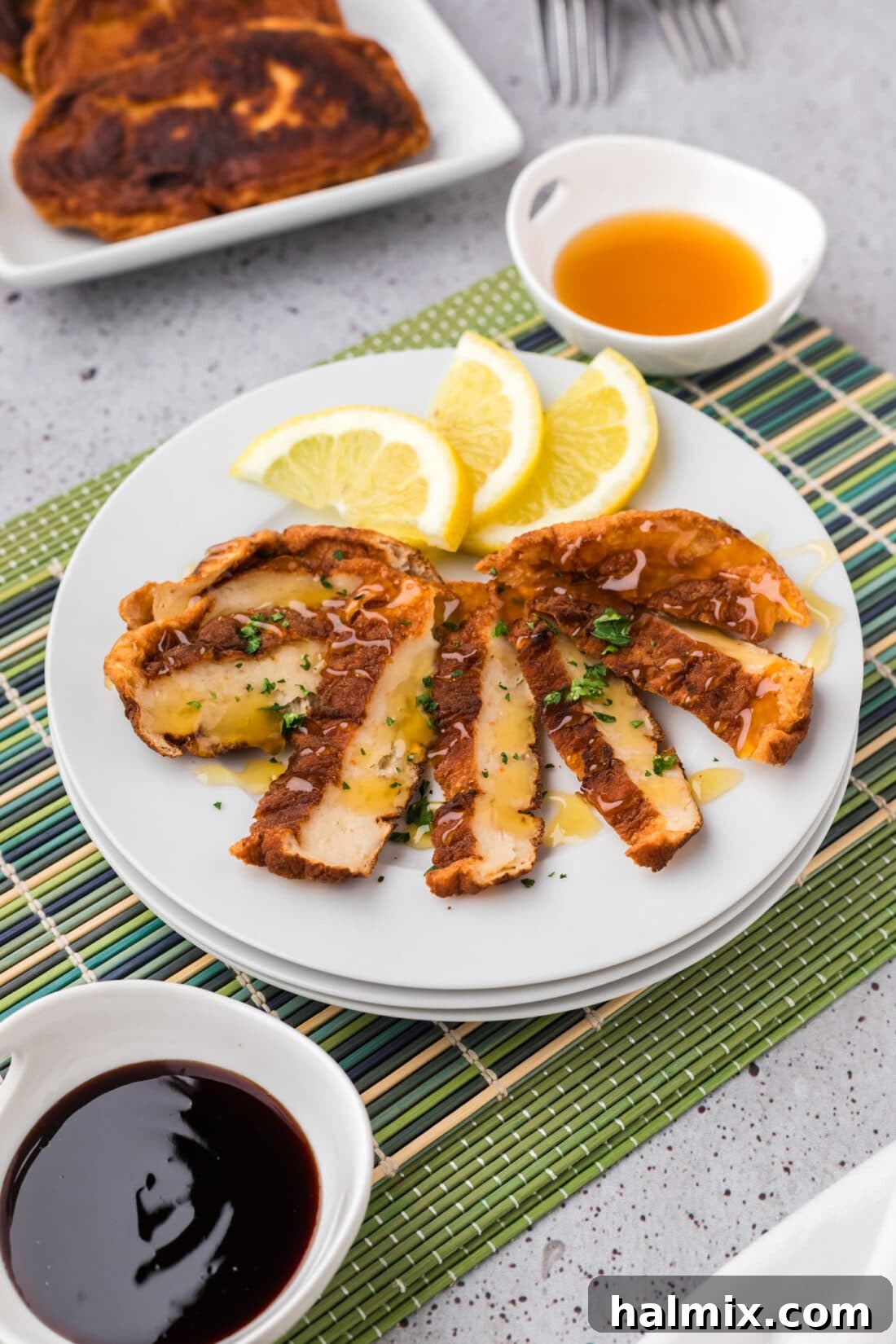
Delicious Serving Suggestions for Your Korean Fish Cakes
These versatile Korean fish cakes are traditionally cherished as a flavorful side dish (banchan), bringing texture and savory depth to any Korean meal. However, their deliciousness extends far beyond that; they also make for an irresistible appetizer or a delightful snack on their own. Here are some ideas to elevate your serving experience:
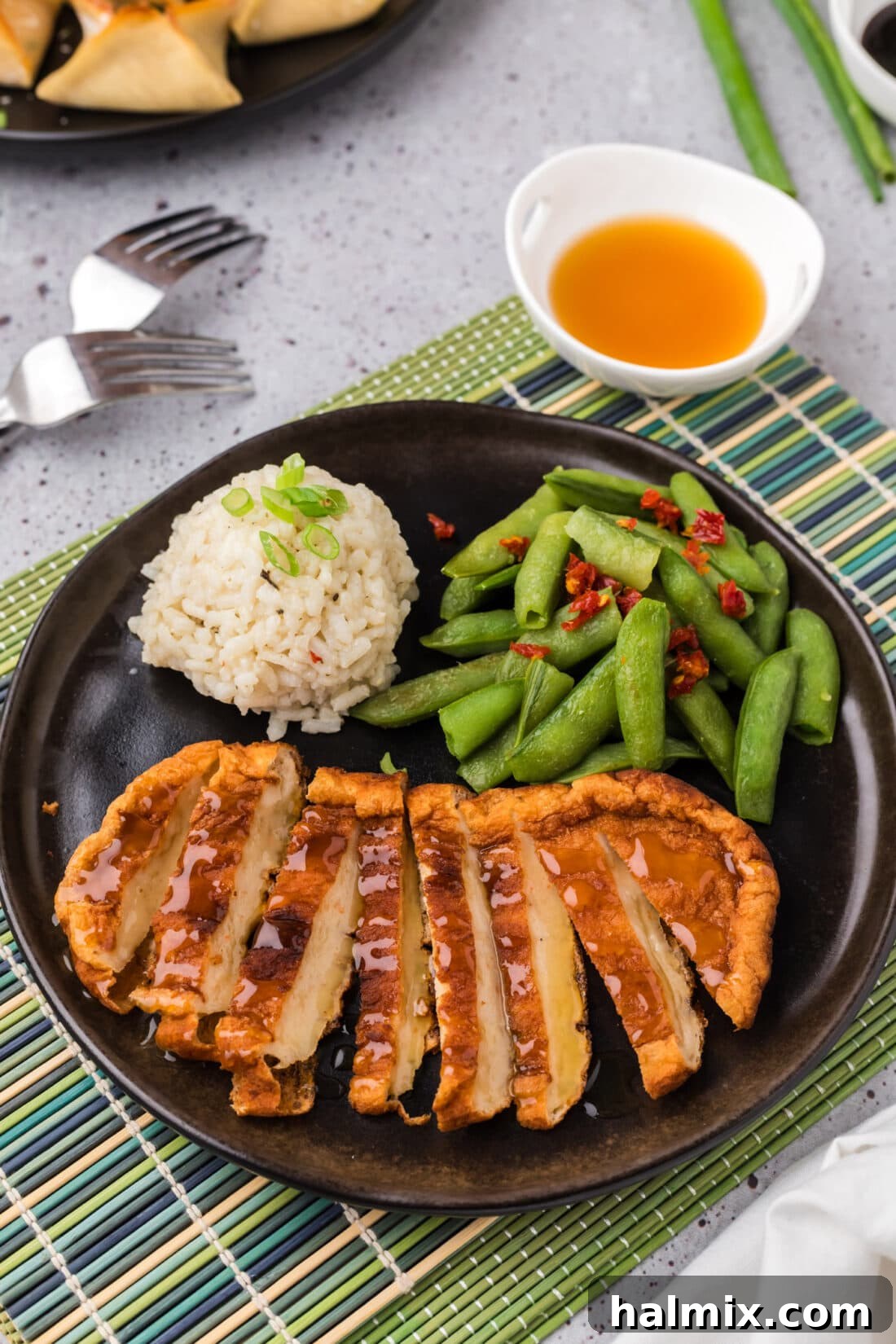
- Classic Side Dish: Serve alongside a steaming bowl of fluffy white or brown rice and a variety of Korean side dishes like kimchi, pickled radishes, or stir-fried seasoned vegetables (e.g., spinach, bean sprouts).
- Dipping Sauce Perfection: While flavorful on their own, a dipping sauce can take them to the next level. A simple soy sauce seasoned with a dash of sesame oil, green onions, and a sprinkle of sesame seeds is perfect. For a spicier kick, mix gochujang with a little soy sauce, vinegar, sugar, and sesame oil. A sweet chili sauce also pairs wonderfully.
- Appetizer Platter: Arrange them beautifully on a platter with lemon wedges for a vibrant presentation. They are fantastic finger foods for gatherings.
- Noodle & Soup Companion: Cut them into strips and add them to Korean noodle soups (like ramyeon or udon) or stews. They absorb the broth beautifully and add a delightful chewiness. They are also a classic addition to Tteokbokki (spicy rice cakes), soaking up all that delicious sauce.
- Skewered Street Food Style: For an authentic street food experience, thread the cooked fish cakes onto wooden skewers, perhaps alongside some bell peppers or cherry tomatoes, and serve them with a drizzle of sweet and spicy sauce.
- Bento Box Addition: Pack them cold in a lunch box (bento) for a delicious and satisfying midday meal, perhaps with some rice and sliced cucumbers.
Discover More Delicious Korean-Inspired & Seafood Recipes
If you’ve enjoyed making these from scratch Korean fish cakes, you’ll love exploring other recipes that offer similar flavors or cooking styles. Expand your culinary repertoire with these fantastic related dishes:
- Classic Fish Cakes: Explore a different take on fish cakes, often featuring herbs and spices.
- Irresistible Crab Cakes: A beloved seafood classic, perfect for a special occasion.
- Savory Korean Short Ribs (Galbi): Dive into another iconic Korean dish, known for its tender meat and rich marinade.
- Crispy Korean Fried Chicken: Master the art of perfectly crunchy, saucy fried chicken.
- Delicate Cod Fish Cakes: A lighter, flaky alternative to the more robust Korean style.
I love to bake and cook and share my kitchen experience with all of you! Remembering to come back each day can be tough, that’s why I offer a convenient newsletter every time a new recipe posts. Simply subscribe and start receiving your free daily recipes!
Homemade Korean Fish Cakes (Eomuk)
IMPORTANT – There are often Frequently Asked Questions within the blog post that you may find helpful. Simply scroll back up to read them!
Print Recipe
Pin It
Course:
Appetizer, Dinner, Side Dish
Cuisine:
American, Korean
7
servings
43
113
Amanda Davis
Ingredients
- 1 filet tilapia
- 2 filets orange roughy
- ½ pound shrimp peeled, deveined, tails removed
- ¼ cup all purpose flour plus more for rolling
- ¼ cup cornstarch
- 1 ½ Tablespoons olive oil
- 1 teaspoon garlic powder
- 1 Tablespoon onion powder
- 1 teaspoon soy sauce
- 1 teaspoon oyster sauce
- 1 egg white
- 2 teaspoons granulated sugar
- ½ Tablespoon salt
- oil for frying
Equipment You’ll Need
-
Food processor
-
Rubber spatula
-
Large deep sided skillet
-
Vinyl gloves
-
Tongs
Before You Begin
- Chef Antoine uses a combination of pureed tilapia, orange roughy, and shrimp for his take on homemade Korean fish cakes. If needed, you can substitute with any flaky white fish you prefer, such as cod or pollock.
- If you enjoy spice, feel free to add a pinch of Korean chili peppers (gochugaru) or a dash of gochujang (chili pepper paste or sauce) to the mixture for an extra kick.
Instructions
-
Cut fish and shrimp into chunks. Place them into a food processor.
-
Add all remaining ingredients to the food processor, except for the extra flour needed for rolling. Process until a sticky, cohesive dough forms.
-
Generously sprinkle your work surface with flour. Put on vinyl gloves and dust them with flour to prevent the dough from sticking.
TIP – The dough will feel very wet and sticky; therefore, thoroughly flouring your hands and the work surface are imperative for easy handling.
-
Place about ½ cup of the fish cake dough onto the floured surface using a rubber spatula. Knead with the heel of your gloved hand, rolling to cover completely with flour.
-
Shape the floured dough into a rough rectangle. Place the shaped fish cakes on a parchment paper-lined baking sheet or plate, and freeze for 15-20 minutes to firm them up.
-
Pour vegetable oil into a skillet to reach about ½-inch up the sides of the pan. Heat over medium-high heat until the oil is shimmering, ideally around 350°F (175°C).
-
Remove the chilled fish cakes from the freezer and carefully add a few to the hot skillet. Do not overcrowd the pan, as the fish cakes will expand in size.
-
Cook for 3-4 minutes per side until they are golden brown and cooked through. Flip gently to ensure even browning.
-
Once golden brown, remove the fish cakes from the skillet and place them on a paper towel-lined plate or pan to drain any excess oil. Serve hot.
Expert Tips & FAQs
- Homemade Korean fish cakes should be stored in an airtight container in the refrigerator for 3-4 days.
- Reheat leftover fish cakes on a baking sheet in a 350°F (175°C) oven until warmed through, approximately 10 minutes, or in an air fryer.
- Freezing: For uncooked fish cakes, flash-freeze them on a baking sheet until solid before transferring to an airtight container or zip-top bag. Freeze for up to 3 months. Thaw in the refrigerator before frying. Cooked and cooled cakes can also be frozen following the same steps.
- The dough is sticky; liberal use of flour on your work surface and gloved hands is essential for shaping.
- For added flavor, consider incorporating finely minced vegetables like onion, bell peppers, or carrots into the fish mixture before processing.
Nutrition Information
Serving: 1 serving (1 fish cake) | Calories: 113cal | Carbohydrates: 10g | Protein: 6g | Fat: 5g | Saturated Fat: 1g | Polyunsaturated Fat: 1g | Monounsaturated Fat: 3g | Trans Fat: 0.02g | Cholesterol: 41mg | Sodium: 762mg | Potassium: 67mg | Fiber: 0.4g | Sugar: 1g | Vitamin A: 59IU | Vitamin C: 0.2mg | Calcium: 24mg | Iron: 0.4mg
Tried this Recipe? Pin it for Later!
Follow on Pinterest @AmandasCookin or tag #AmandasCookin!
The recipes on this blog are tested with a conventional gas oven and gas stovetop. It’s important to note that some ovens, especially as they age, can cook and bake inconsistently. Using an inexpensive oven thermometer can assure you that your oven is truly heating to the proper temperature. If you use a toaster oven or countertop oven, please keep in mind that they may not distribute heat the same as a conventional full sized oven and you may need to adjust your cooking/baking times. In the case of recipes made with a pressure cooker, air fryer, slow cooker, or other appliance, a link to the appliances we use is listed within each respective recipe. For baking recipes where measurements are given by weight, please note that results may not be the same if cups are used instead, and we can’t guarantee success with that method.