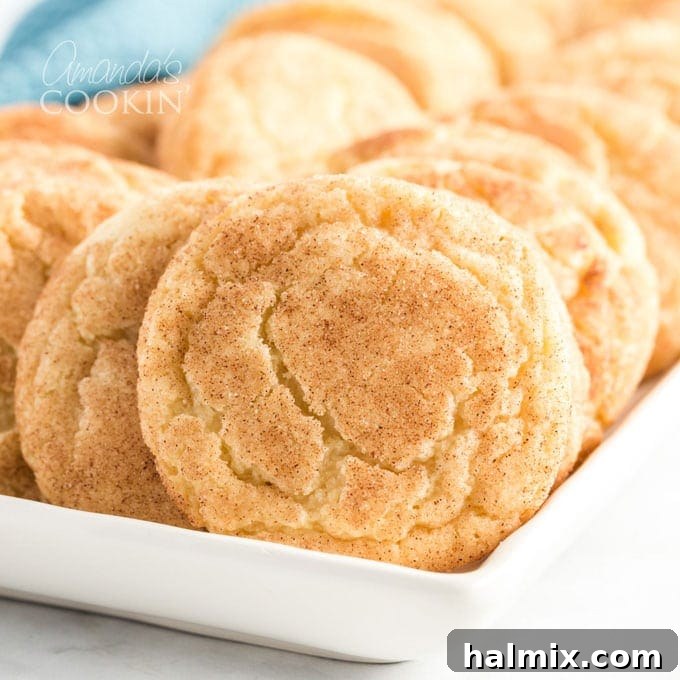
The Ultimate Classic Snickerdoodle Recipe: Soft, Chewy, and Irresistible Cinnamon Sugar Cookies
There’s a special magic in a classic snickerdoodle cookie. Imagine sinking your teeth into a cookie that’s perfectly soft, delightfully chewy, and bursting with the warm, sweet spice of cinnamon sugar. These aren’t just any cookies; they are the quintessential snickerdoodle cookies, promising a buttery richness and a distinctive tangy finish that makes them utterly irresistible. While many associate them with festive holiday seasons or crisp autumn days, I believe these delectable treats are perfect for enjoying all year long. Forget waiting for a special occasion – every day is a good day for a snickerdoodle!
Unlike some seasonal delights that are tucked away until December, these cinnamon sugar wonders deserve a permanent spot in your baking rotation. Their timeless appeal transcends seasons, offering comfort and joy with every bite.
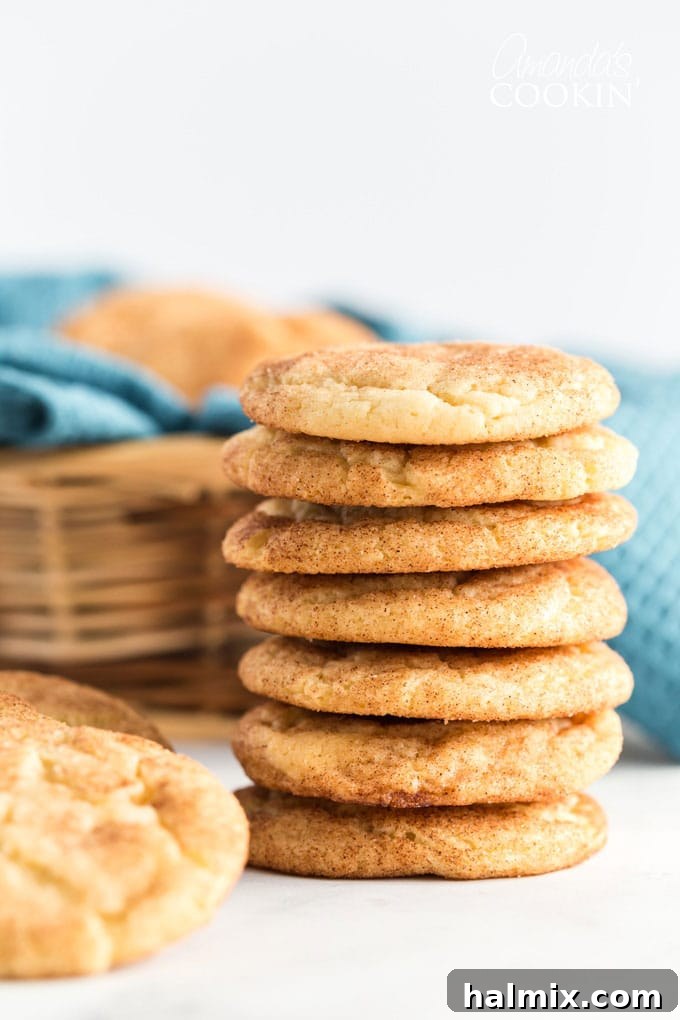
Snickerdoodle Cinnamon Cookie Recipe: A Timeless Favorite
The allure of a cinnamon sugar cookie is undeniable, and snickerdoodles stand at the pinnacle of this beloved category. I’ve had countless friends, like Cathy, who always gravitate towards these soft, cinnamon-kissed cookies over other popular choices such as chocolate chip or peanut butter cookies. There’s just something about that signature taste and texture that sets them apart. This past summer, during our local outdoor concert series, a friend consistently brought a batch of homemade snickerdoodles from her work cafeteria. Each cookie was a testament to their enduring popularity, prompting me to realize it was high time I shared my tried-and-true recipe with all of you.
This recipe isn’t just about making cookies; it’s about crafting moments of pure delight. Whether you’re a seasoned baker or just starting, you’ll find this easy snickerdoodle recipe straightforward and incredibly rewarding. The result? A batch of cookies so perfect, they’ll become a staple in your home.
The Charming History of Snickerdoodles
While the exact origin of the name “Snickerdoodle” remains a playful mystery, most culinary historians agree that these delightful cookies have German-American roots, possibly tracing back to New England. Some believe the name is a corruption of the German word “Schneckennudel,” which refers to a sweet pastry. Others suggest it’s simply a whimsical, nonsense word, much like many folk recipes of the era. Regardless of its etymology, what’s clear is that the classic snickerdoodle has been cherished for generations.
The defining characteristic of a snickerdoodle, beyond its iconic cinnamon-sugar coating, is the inclusion of cream of tartar. This seemingly humble ingredient is what sets snickerdoodles apart from other sugar cookies. It reacts with baking soda to give the cookies their distinct puffy, yet soft and chewy texture, and it imparts that subtle, signature tangy flavor that is unmistakably snickerdoodle. This unique combination of ingredients creates a cookie that is both familiar and exciting, a true testament to its enduring popularity in American baking.
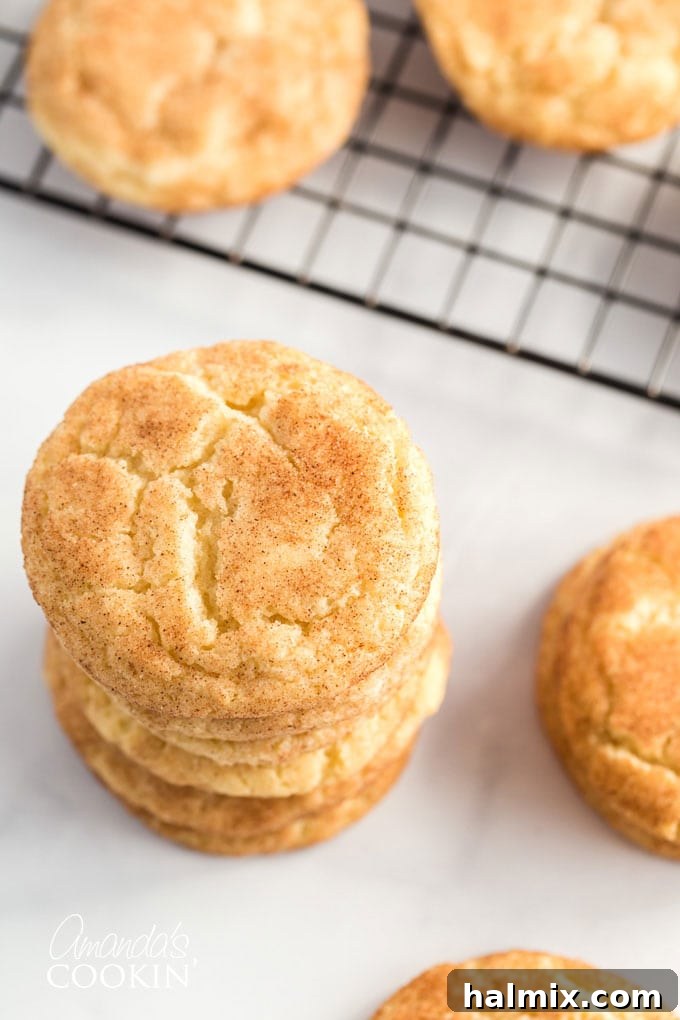
Key Ingredients for Perfect Snickerdoodle Cookies
The secret to truly exceptional homemade snickerdoodles lies in understanding the role of each ingredient. Below, I’ll provide detailed tips and recommendations, along with answers to common questions about substitutions. You’ll find the complete list of ingredients with precise measurements in the printable recipe card at the end of this post.
- Softened Butter: The Foundation of Flavor and Texture
The consistency of your butter is paramount in cookie baking. “Softened” butter doesn’t mean melted or greasy. It means butter that has been left at room temperature for about 20-30 minutes after being removed from the fridge. When gently pressed with a finger, it should yield slightly, leaving a small indentation. If your butter is too cold, it won’t cream properly with the sugar, resulting in a dense cookie. If it’s too warm or melted, the cookie dough will become too loose, leading to cookies that spread excessively and become thin and crispy instead of soft and chewy. This precise temperature allows for proper aeration when creaming, creating a light and tender crumb. - Shortening: For That Signature Chewy Texture
I often incorporate shortening into my cookie recipes for its ability to create a wonderfully chewy texture and prevent excessive spreading. Shortening has a higher melting point than butter, which means it stays solid longer during baking, resulting in a softer, more tender cookie. For those who prefer an all-butter cookie, you can substitute an equal amount of unsalted butter for the shortening. Be aware that this might slightly alter the texture, making the cookies a bit richer and potentially spreading a little more. - Granulated White Sugar: The Sweet Backbone
For this snickerdoodle recipe, stick to regular granulated white sugar. Brown sugar would introduce too much moisture and a molasses flavor, changing the characteristic taste and texture. Powdered sugar is too fine and would also alter the dough consistency. - Large Eggs: For Structure and Moisture
All my recipes specify large eggs. These provide essential moisture and act as a binder, giving the cookies structure. For best results, ensure your eggs are also at room temperature, as they emulsify better with the butter and sugar. While I haven’t personally tested egg substitutes, you could likely use them; please let me know your results if you do! - Pure Vanilla Extract: Elevating the Flavor
Always opt for pure vanilla extract. Imitation vanilla has a distinctly different, often less complex, flavor profile that can detract from the overall taste of your cookies. A good quality pure vanilla enhances all the other flavors in the cookie dough. - All-Purpose Flour: The Structural Component
Use regular all-purpose flour for this recipe. It provides the necessary structure without being too heavy. I have not tested this recipe with whole wheat flour, gluten-free flour blends, or any other type of flour, so I cannot guarantee the same results with substitutions. Accurate flour measurement is crucial; spoon your flour into the measuring cup and level it off with a straight edge to avoid over-measuring, which can lead to dry, dense cookies. - Cream of Tartar: The Snickerdoodle’s Signature Ingredient
This is the star ingredient that truly defines a snickerdoodle! Cream of tartar is an acidic salt that works in tandem with baking soda. It not only provides the leavening needed for a puffy cookie but also gives snickerdoodles their characteristic tangy flavor and contributes to their wonderfully chewy texture. Many older recipes, including this classic, rely on this unique chemical reaction. Do not skip it for an authentic snickerdoodle experience. - Baking Soda: The Leavening Agent
Baking soda is a base that reacts with the acid in cream of tartar (and other acidic ingredients) to produce carbon dioxide gas, which helps the cookies rise and become light and airy. Ensure your baking soda is fresh for optimal leavening. - Table Salt: Balancing Sweetness
A small amount of regular table salt is essential to balance the sweetness and enhance all the flavors in the cookie. It brings out the best in the butter and cinnamon. - Ground Cinnamon: The Iconic Spice
Naturally, you’ll need ground cinnamon for both the cookie dough (though not in this particular traditional recipe, it’s key in the coating!) and, most importantly, the delightful cinnamon-sugar coating. Using fresh, good quality cinnamon will make a noticeable difference in flavor.
For more detailed cooking and baking insights, be sure to browse my collection of cookbooks!
Essential Baking Tools for Snickerdoodle Perfection
Having the right tools can make all the difference in ensuring your best snickerdoodle recipe comes out perfectly. Here are some helpful items:
- Hand Mixer or Stand Mixer: Essential for creaming butter and sugar effectively, ensuring a light and fluffy dough base.
- Mixing Bowls: You’ll need at least two – one for wet ingredients and one for dry, before combining them.
- Cookie Scoop: Guarantees uniform cookie size, which leads to even baking.
- Parchment Paper or a Silicone Baking Mat: Prevents sticking and promotes even browning, making cleanup a breeze.
- Insulated Baking Sheets: Help prevent the bottoms of your cookies from browning too quickly, ensuring a perfectly chewy interior.
- Wire Cooling Racks: Crucial for allowing air circulation around the cookies, preventing them from becoming soggy and helping them set properly.
- Measuring Cups and Spoons: For accurate ingredient measurement, which is vital in baking.
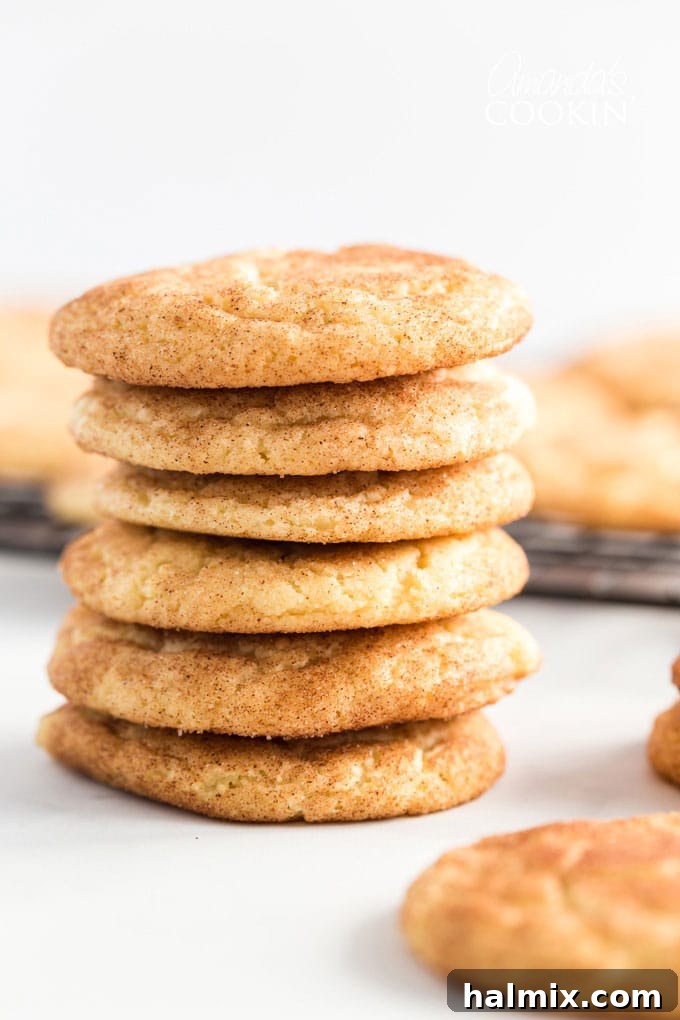
How to Make the Perfect Chewy Snickerdoodles
Crafting these delicious chewy snickerdoodles is a straightforward process, but paying attention to each step will ensure perfect results every time. Follow these instructions for cookies that are soft, chewy, and bursting with flavor:
- Prepare Your Baking Environment: Preheat your conventional oven to a precise 400 degrees Fahrenheit (200 degrees Celsius). Line insulated baking sheets with parchment paper or a silicone baking mat. This ensures even baking and prevents your cookies from sticking.
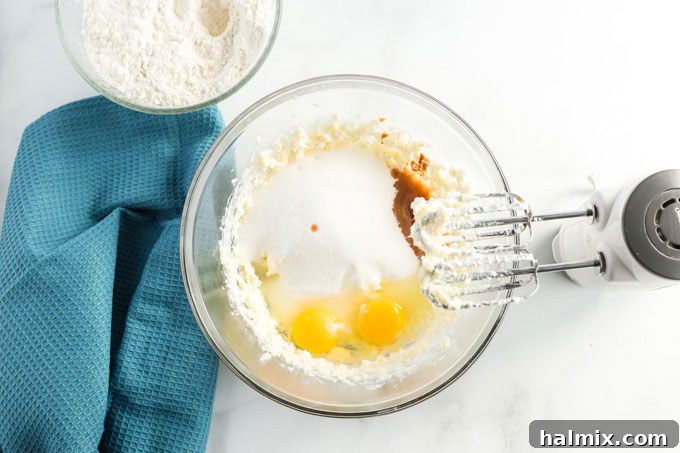
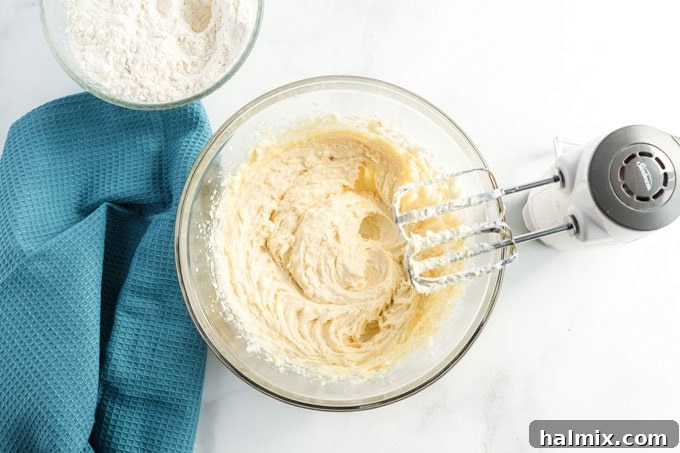
- Cream Wet Ingredients: In a large mixing bowl, using either a hand mixer or a stand mixer fitted with the paddle attachment, cream together the softened butter, shortening, 1 1/2 cups of the granulated sugar, the large eggs, and the pure vanilla extract. Beat until the mixture is light in color and fluffy, about 2-3 minutes. This step incorporates air, which contributes to the cookies’ soft texture.
- Combine Dry Ingredients: In a separate, medium-sized bowl, whisk together the all-purpose flour, cream of tartar, baking soda, and salt. Make sure these dry ingredients are thoroughly combined to ensure proper distribution throughout the dough.
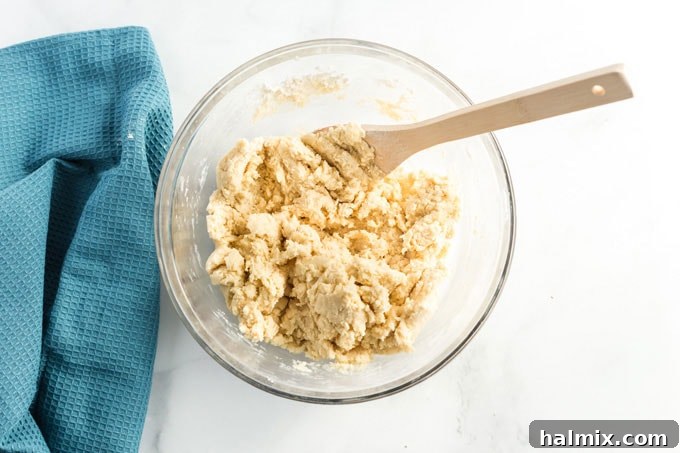
- Incorporate Dry into Wet: Gradually add the whisked dry ingredient mixture to the butter mixture, mixing on low speed until just combined. Be careful not to overmix the dough, as this can develop the gluten in the flour and result in tough cookies. Stop mixing as soon as no dry streaks of flour are visible.
- Prepare Cinnamon Sugar Coating: In a small, shallow bowl, combine the remaining 2 tablespoons of white sugar and the 2 teaspoons of ground cinnamon. Stir well to create a uniform cinnamon sugar topping. This mixture is what gives snickerdoodles their iconic spiced exterior.
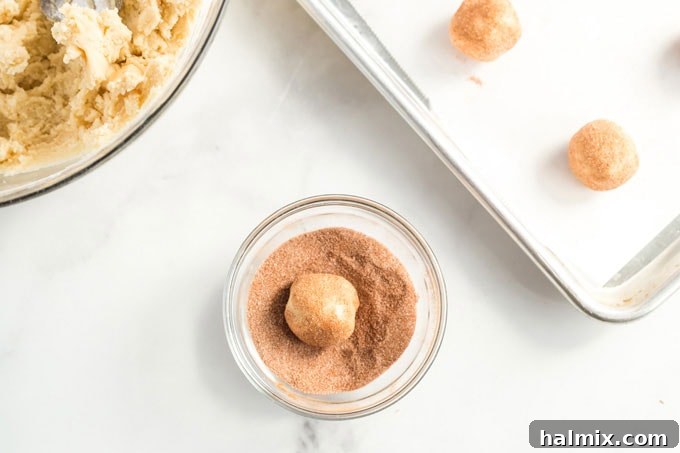
- Form and Coat Cookies: Roll the cookie dough into uniform balls, using about 1 tablespoon of dough for each cookie. A cookie scoop is ideal for achieving consistent sizing. Once rolled, generously roll each dough ball around in the prepared cinnamon sugar mixture, ensuring it is thoroughly coated on all sides.
- Arrange on Baking Sheets: Place the coated cookie dough balls about 2 inches apart on your prepared baking sheets. This spacing allows the cookies to spread slightly without touching each other during baking.
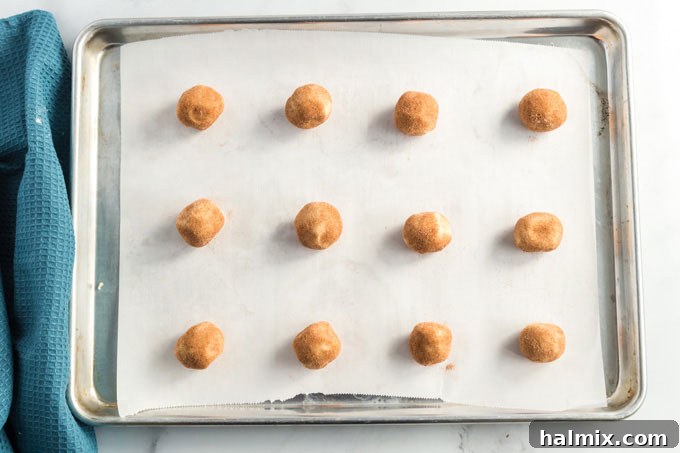
- Bake to Perfection: Bake for 8 to 10 minutes. Baking time can vary depending on your oven, so keep a close eye on them. The cookies are done when the edges are lightly set and very lightly golden, but the centers still look soft and slightly puffy. For me, 8 minutes is typically perfect, yielding that ideal soft and chewy texture. Avoid overbaking, as this will result in a harder, crispier cookie rather than the desired chewiness.
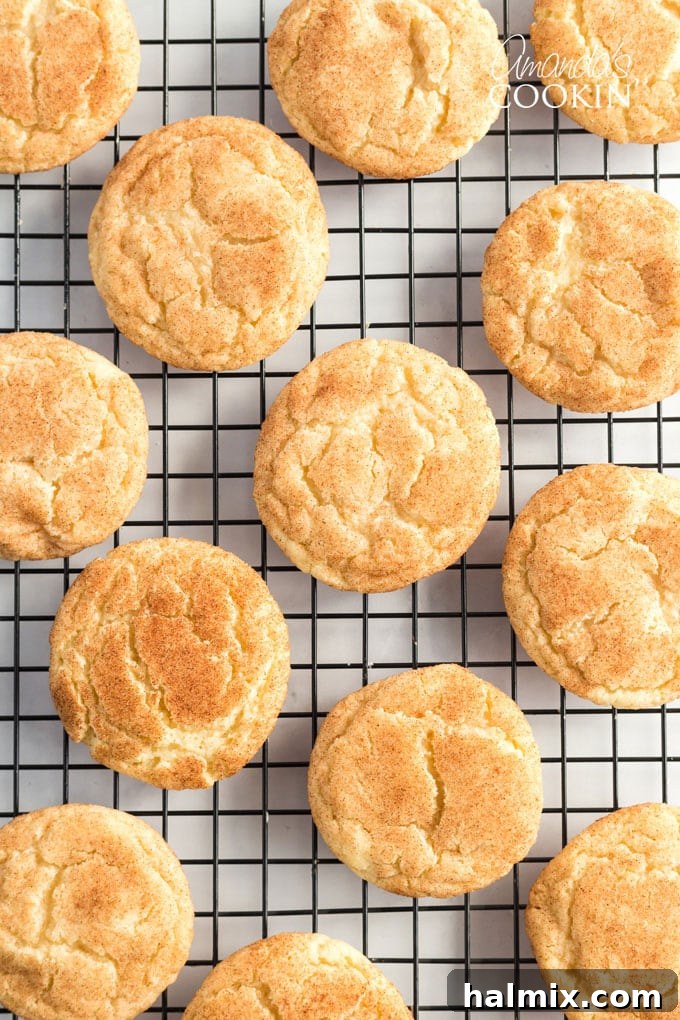
- Cooling: Immediately remove the baked snickerdoodles from the hot baking sheets and transfer them to wire cooling racks. Allowing them to cool completely on the racks prevents them from becoming soggy on the bottom and helps them firm up to their perfect texture.
Expert Tips for Snickerdoodle Success
Even with a great recipe, a few extra tips can elevate your baking from good to extraordinary:
- Room Temperature Ingredients: As mentioned, this is crucial for butter and eggs. They blend more smoothly, creating a homogeneous dough and a better emulsification for consistent texture.
- Measure Flour Accurately: Too much flour is a common cause of dry, crumbly cookies. Use the “spoon and level” method: spoon flour into your measuring cup, then level off the top with a straight edge. Don’t scoop directly from the bag, as this compacts the flour.
- Don’t Overmix the Dough: Once you add the flour, mix only until just combined. Overmixing develops gluten, which can lead to tough, dense cookies.
- Achieve Uniformity: A cookie scoop is your best friend for perfectly round, evenly sized cookies. This ensures they all bake at the same rate.
- Don’t Overbake: Snickerdoodles are meant to be soft and chewy. Pull them from the oven when the edges are set but the centers still look slightly underdone. They will continue to set on the cooling rack.
- Proper Cooling: Always transfer cookies to a wire rack immediately. Leaving them on a hot baking sheet can continue to cook them, leading to overbaked results.
- Storage: Store cooled snickerdoodles in an airtight container at room temperature for up to 3-5 days. To keep them extra soft, you can place a slice of bread in the container with them (replace the bread daily).
- Freezing Dough: You can prepare the dough, roll it into balls, coat them in cinnamon sugar, and then freeze them on a baking sheet. Once frozen solid, transfer them to a freezer-safe bag for up to 3 months. Bake from frozen, adding a minute or two to the baking time.
Frequently Asked Questions About Snickerdoodles
Here are answers to some common questions about making snickerdoodle cookies:
What makes a snickerdoodle cookie different from a regular sugar cookie?
The primary difference is the use of cream of tartar, which gives snickerdoodles their characteristic tangy flavor and contributes to their chewy texture. Snickerdoodles are also always rolled in a cinnamon-sugar mixture before baking, a coating not typically found on traditional sugar cookies.
Why are my snickerdoodles flat?
Flat snickerdoodles are a common issue. This can happen for several reasons: the butter was too soft (or melted), the oven temperature was too low, the baking soda or cream of tartar was old, or too much flour was used (or not enough leavening agent).
Can I make snickerdoodles without cream of tartar?
You can, but they won’t be true snickerdoodles. The cream of tartar is essential for their unique tangy flavor and chewy texture. While some recipes suggest substitutions like lemon juice or vinegar with baking soda, these will alter the flavor profile and may not yield the exact texture of a classic snickerdoodle. For an authentic experience, cream of tartar is a must.
How should I store my snickerdoodles to keep them fresh?
Store cooled snickerdoodles in an airtight container at room temperature. For maximum softness, you can place a half slice of plain white bread in the container; the cookies will absorb moisture from the bread. Replace the bread every day or two.
Can I freeze snickerdoodle dough or baked cookies?
Yes, both can be frozen! For dough, form balls, coat in cinnamon sugar, then freeze on a tray until solid. Transfer to a freezer bag and bake from frozen, adding a couple of minutes to the bake time. Baked cookies can be frozen in an airtight container for up to 3 months; thaw at room temperature.
Is Snickerdoodle a Christmas cookie?
While often enjoyed during the holidays, snickerdoodles are truly a year-round delight! Their warm, comforting flavors make them welcome at any time.
Serving Suggestions for Snickerdoodle Cookies
These versatile cookies are wonderful on their own, but here are some ideas to enjoy them even more:
- Classic Pairing: Serve with a cold glass of milk, a warm cup of coffee, or a mug of hot tea.
- Dessert Upgrade: Crumble them over vanilla ice cream or serve alongside a scoop of your favorite sorbet.
- Holiday Treats: Arrange them on a platter with other festive cookies for a beautiful holiday spread.
- Edible Gifts: Package them in pretty bags or tins for a thoughtful homemade gift that everyone will appreciate.
More Cookie Recipes You Will Love
If you adore snickerdoodles, you’re likely a fan of other classic and comforting cookies. Here are a few more recipes to inspire your baking adventures:
- Chocolate Snow Cookies: Rich, fudgy, and coated in powdered sugar, these are a winter wonderland in cookie form.
- Monster Cookies: A crowd-pleasing medley of oats, peanut butter, chocolate chips, and M&Ms, offering a delightful mix of textures and flavors.
- Gingersnap Cookies: Spicy, crisp, and wonderfully aromatic, these are perfect for ginger lovers.
- Orange Crinkle Cookies: Bright and zesty, these soft cookies are rolled in powdered sugar for a striking crinkled appearance.
Snickerdoodles
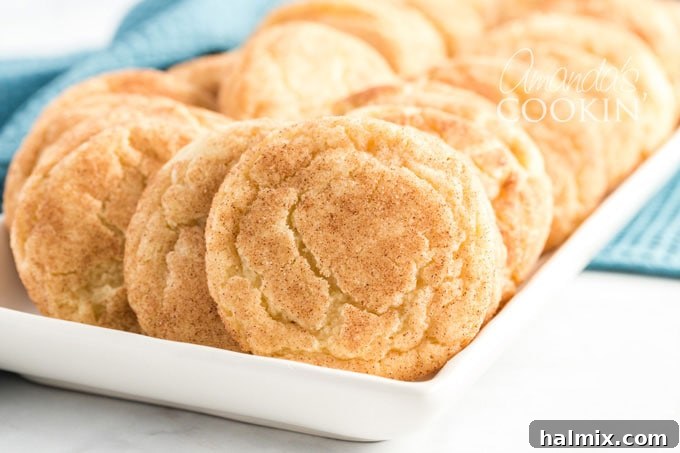
Snickerdoodles! You don’t have to wait for fall or winter for these cookies. Soft, sweet, buttery cinnamon cookies that are chewy and irresistible.
IMPORTANT – There are often Frequently Asked Questions within the blog post that you may find helpful. Simply scroll back up to read them!
Print It
Desserts
American
36
cookies
18
123
Amanda Davis
(Video on how to make Snickerdoodles is available within the original blog post.)
Ingredients
Cookie Dough:
-
½
cup
butter
softened -
½
cup
shortening -
1 ½
cups
white sugar -
2
large
eggs -
2
teaspoons
vanilla extract -
2 ¾
cups
all-purpose flour -
2
teaspoons
cream of tartar -
1
teaspoon
baking soda -
¼
teaspoon
salt
Cinnamon Sugar:
-
2
tablespoons
white sugar -
2
teaspoons
ground cinnamon
Things You’ll Need
-
Stand mixer
-
Insulated baking sheets
-
Mixing bowls
-
Cookie scoop
-
Wire cooling racks
Before You Begin
Instructions
-
Preheat oven to 400 degrees Fahrenheit (200 degrees Celsius). Line insulated baking sheets with parchment paper or a silicone baking mat.
-
Cream together softened butter, shortening, 1 1/2 cups sugar, the eggs, and the vanilla until light and fluffy.
-
In a separate bowl, whisk flour, cream of tartar, baking soda, and salt together, then gradually add to the butter mixture until just combined. Do not overmix.
-
In a small bowl, mix together the cinnamon sugar ingredients (2 tablespoons white sugar and 2 teaspoons ground cinnamon) for the coating.
-
Roll dough into balls (about 1 tablespoon each), then roll thoroughly in the cinnamon sugar mixture to coat.
-
Place cookie dough balls about 2 inches apart on the prepared baking sheets.
-
Bake for 8 to 10 minutes, or until the edges are lightly set and very lightly golden but the centers still look soft. Mine are perfect at 8 minutes for a chewy texture. Remove immediately from baking sheets to a wire cooling rack.
Nutrition
Serving:
1
cookie
|
Calories:
123
cal
|
Carbohydrates:
17
g
|
Protein:
1
g
|
Fat:
6
g
|
Saturated Fat:
2
g
|
Cholesterol:
18
mg
|
Sodium:
74
mg
|
Potassium:
42
mg
|
Fiber:
1
g
|
Sugar:
9
g
|
Vitamin A:
96
IU
|
Calcium:
5
mg
|
Iron:
1
mg
Tried this Recipe? Pin it for Later!
Follow on Pinterest @AmandasCookin or tag #AmandasCookin!
The recipes on this blog are tested with a conventional gas oven and gas stovetop. It’s important to note that some ovens, especially as they age, can cook and bake inconsistently. Using an inexpensive oven thermometer can assure you that your oven is truly heating to the proper temperature. If you use a toaster oven or countertop oven, please keep in mind that they may not distribute heat the same as a conventional full sized oven and you may need to adjust your cooking/baking times. In the case of recipes made with a pressure cooker, air fryer, slow cooker, or other appliance, a link to the appliances we use is listed within each respective recipe. For baking recipes where measurements are given by weight, please note that results may not be the same if cups are used instead, and we can’t guarantee success with that method.