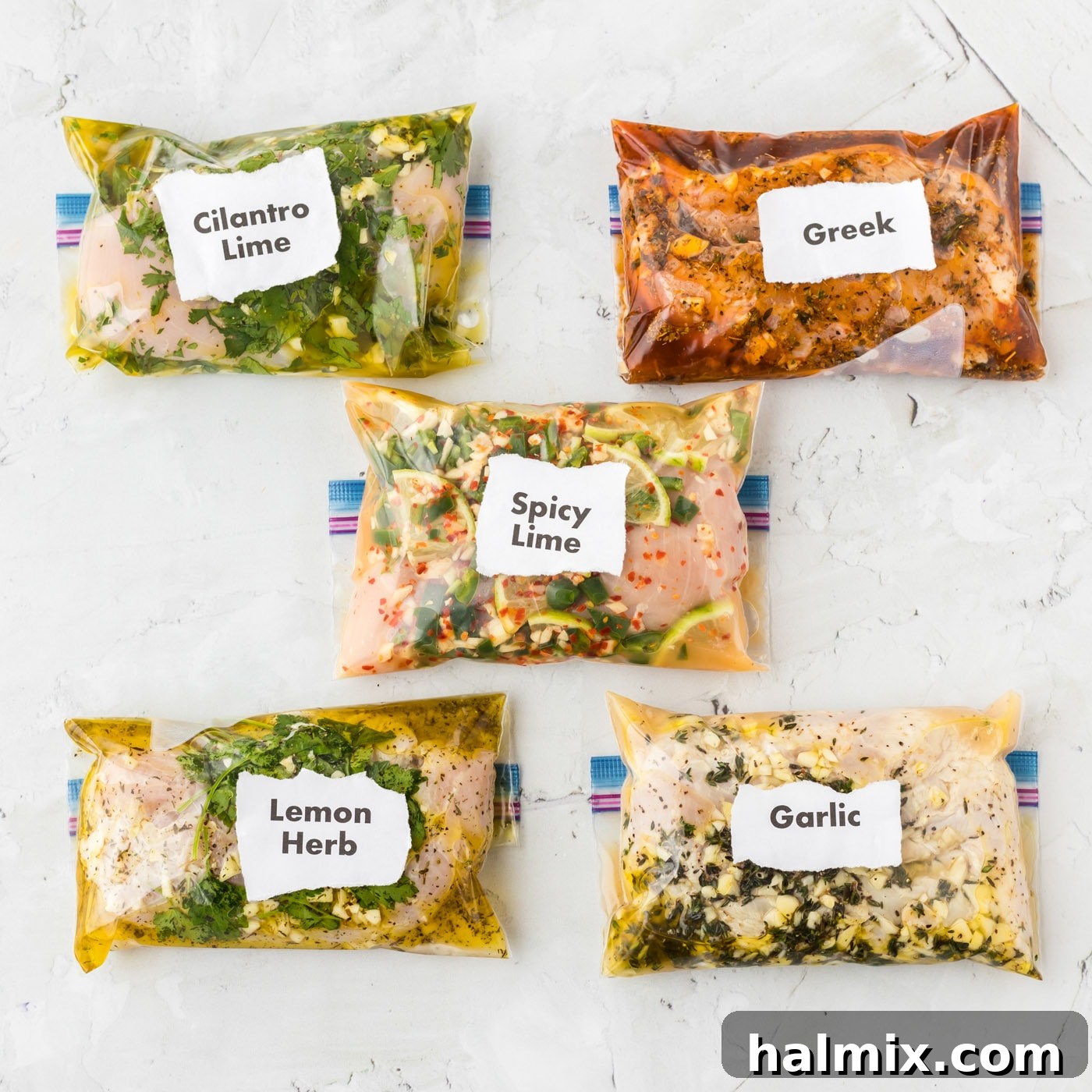
Unlock a world of vibrant flavors and transform your everyday chicken dishes into culinary masterpieces with these 5 incredible chicken marinade recipes! Whether you crave a zesty lemon-herb kick, the fiery embrace of spicy lime, the aromatic depth of garlic, the Mediterranean charm of Greek, or the fresh brightness of cilantro lime, there’s a perfect marinade here for every palate and occasion. Say goodbye to dry, bland chicken and prepare to indulge in exceptionally juicy, tender, and intensely flavorful meals that are simple to prepare and unforgettable to taste.
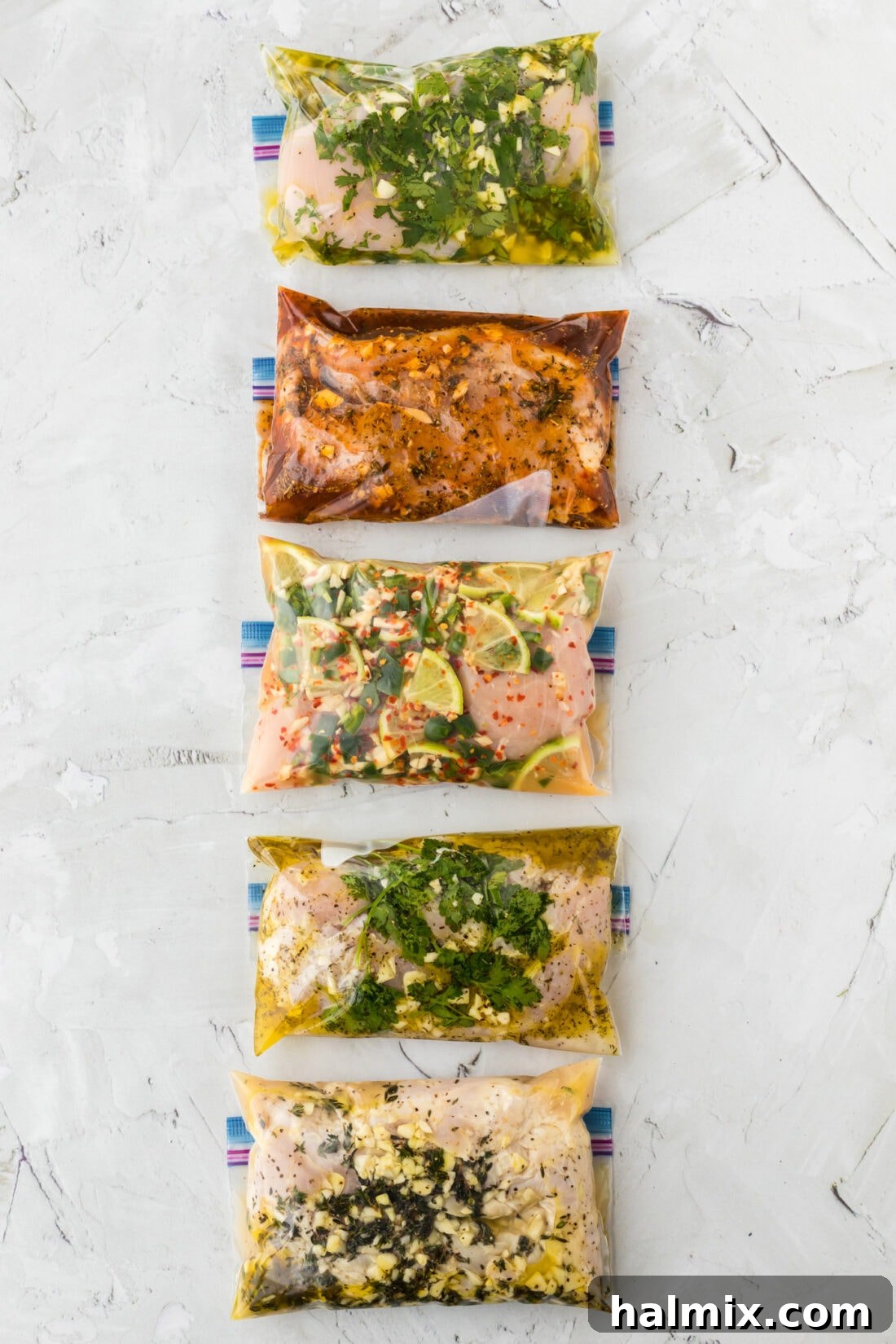
Why Marinating Chicken is a Game Changer
There’s a reason seasoned chefs and home cooks alike swear by the power of marinating. It’s more than just adding flavor to your meat; it’s a fundamental technique that enhances the overall eating experience. Marinades work their magic in several key ways, ensuring your chicken is not only delicious but also perfectly cooked every time.
The Science Behind Juicy, Tender Chicken
At its core, a marinade is a liquid mixture designed to infuse flavor and tenderize meat. It typically consists of three main components: an acid, an oil, and various aromatics and seasonings. Each plays a crucial role:
- Acids (e.g., vinegar, lemon juice, lime juice): These ingredients work to break down the tough muscle fibers in the chicken, leading to a more tender texture. They also help the flavors penetrate deeper into the meat. However, it’s essential not to over-marinate with strong acids, as this can result in a mushy texture.
- Oils (e.g., olive oil): Oils serve multiple purposes. They help to carry fat-soluble flavors from herbs and spices into the chicken, and they also contribute to moisture retention during cooking, preventing the chicken from drying out. Furthermore, oil helps create a beautiful sear on the chicken, particularly when grilling or pan-frying.
- Aromatics and Seasonings (e.g., garlic, herbs, spices, salt, pepper): This is where the magic of flavor really happens. Herbs, spices, and other aromatics impart their unique characteristics to the chicken, creating distinct taste profiles. Salt, in particular, aids in drawing moisture into the meat through osmosis, contributing to its juiciness, and also enhances overall flavor.
By preventing chicken from drying out, tenderizing it, and infusing it with maximum flavor – often far more effectively than a dry rub – a good marinade is your secret weapon for consistently delicious results. Plus, marinating chicken is an excellent strategy for advance meal prep, allowing you to get ahead on busy weeknights or for entertaining.
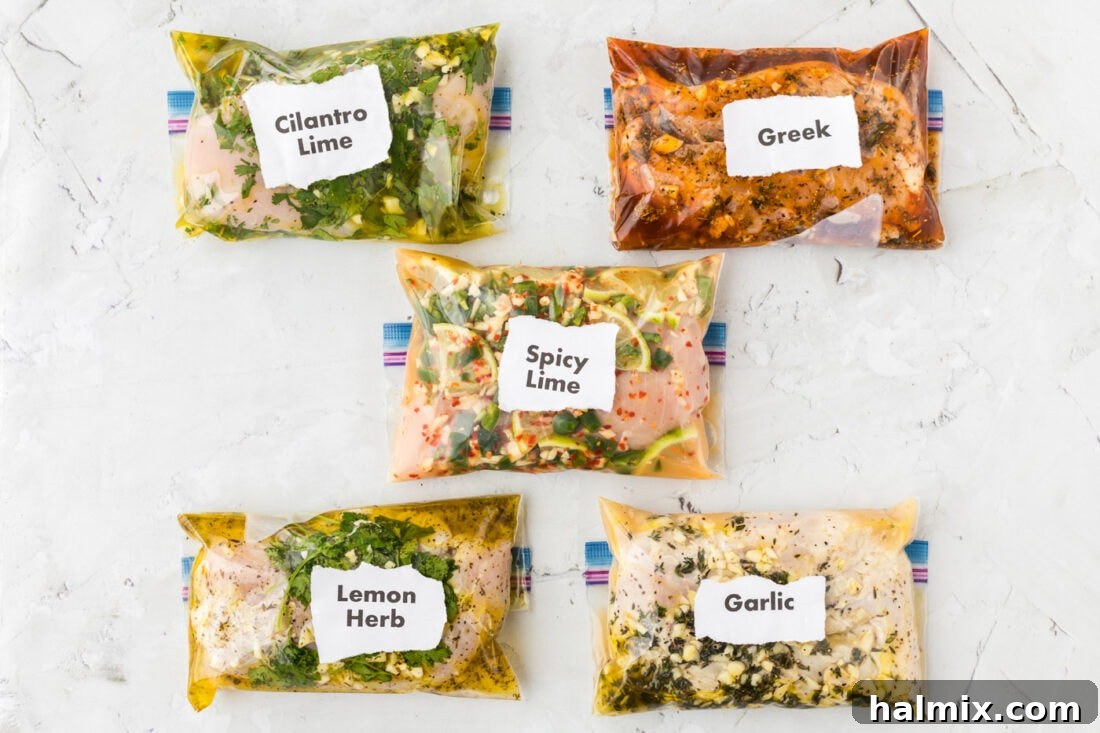
Essential Ingredients for Each Flavorful Marinade
Below, you’ll find a detailed list of ingredients for each of our five top-tier chicken marinades. Each recipe is crafted to deliver a unique and memorable flavor experience.
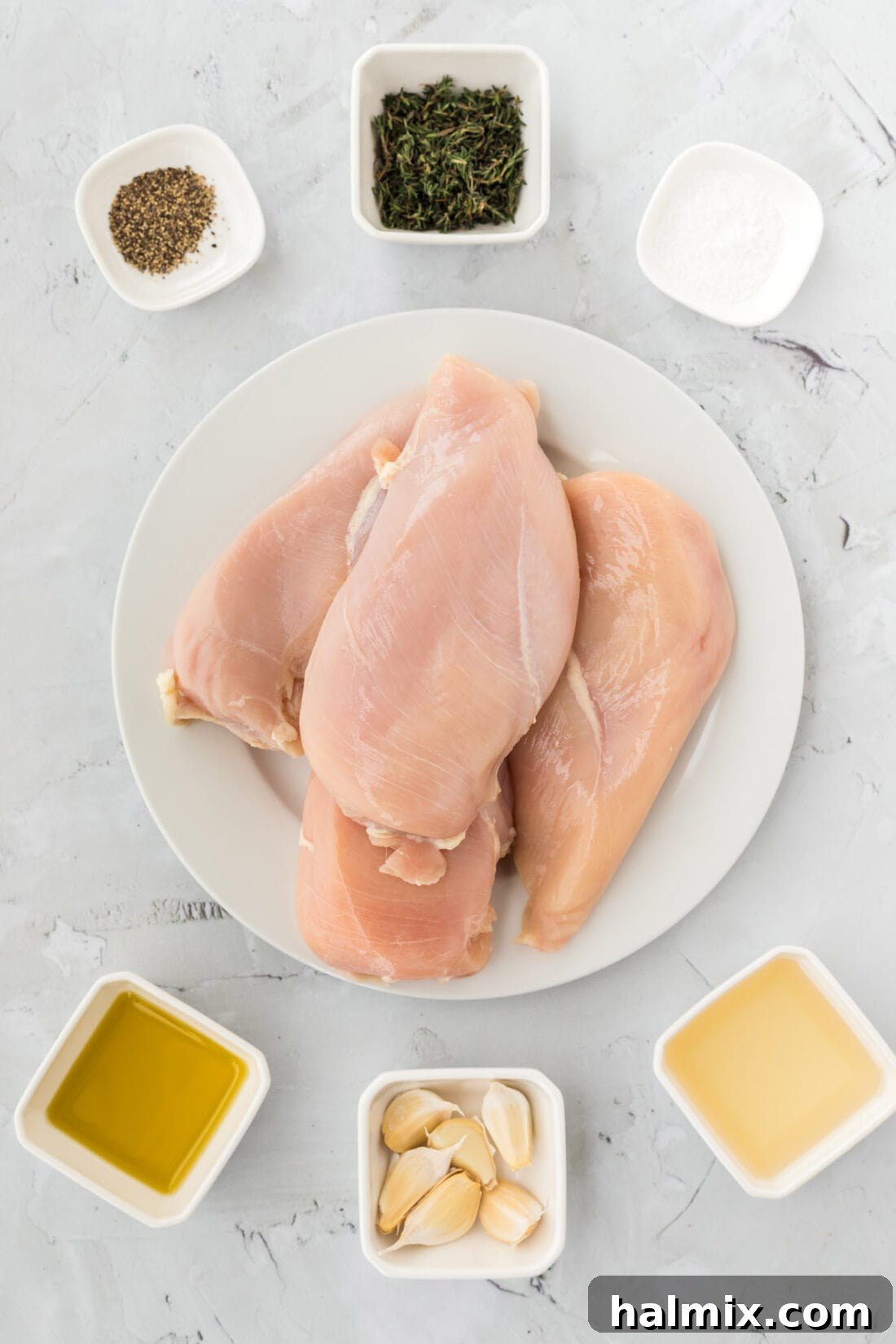
Garlic Chicken Marinade
For a classic, savory flavor profile that pairs well with almost any side, our garlic marinade is a timeless choice. It highlights the robust, earthy notes of fresh garlic and thyme, brightened by white wine vinegar.
You will need:
- 24 ounces boneless skinless chicken breasts (about 4 breasts)
- 2 tablespoons olive oil
- 6 cloves garlic, minced
- 1/4 cup white wine vinegar
- 3 tablespoons fresh thyme leaves, chopped
- 1 tsp Kosher salt
- 1/2 tsp freshly ground black pepper
Lemon Herb Chicken Marinade
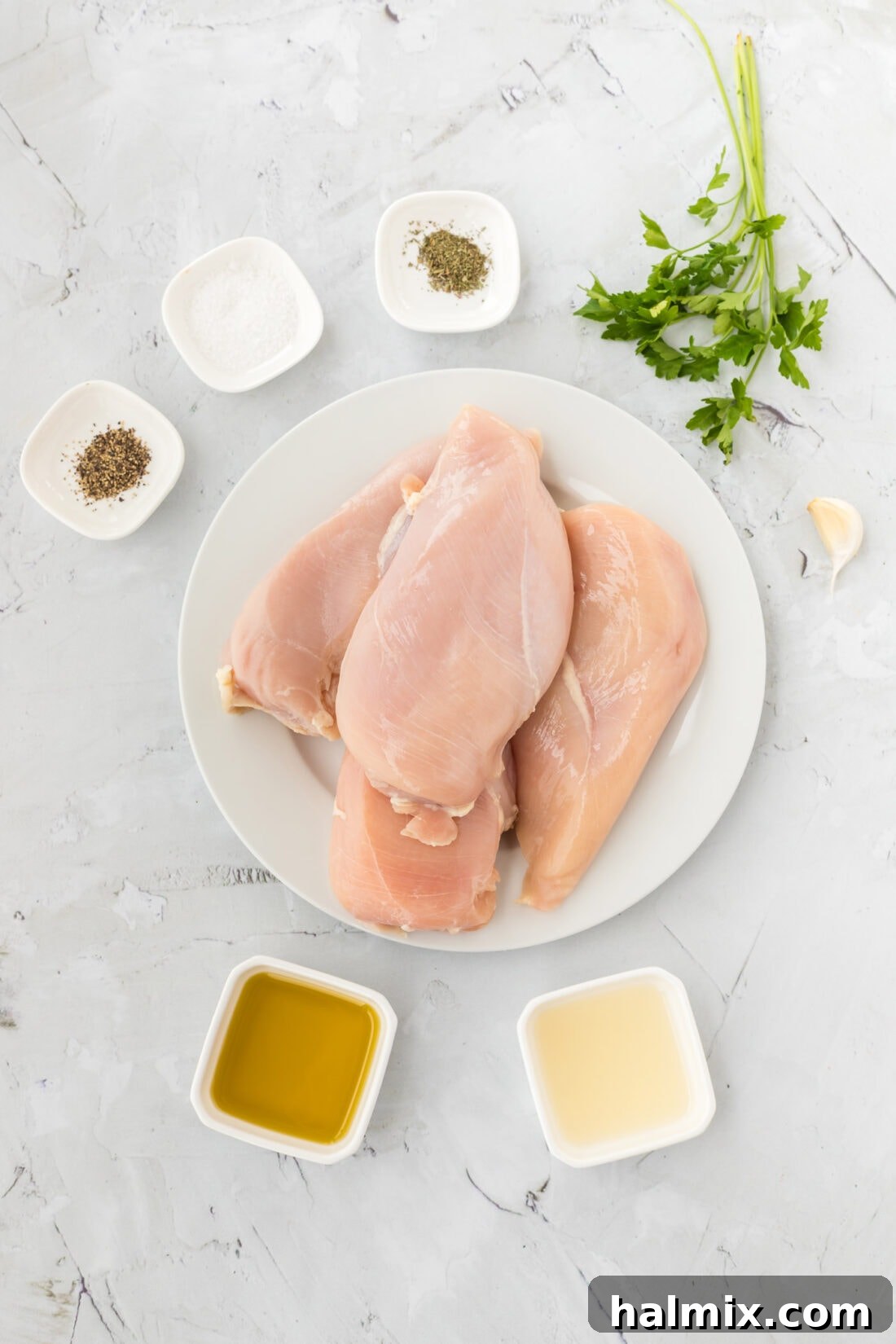
Bright, fresh, and aromatic, the lemon herb marinade infuses chicken with a delightful zestiness and the fragrant essence of garden herbs. This marinade is particularly excellent for grilling, offering a light yet impactful taste.
You will need:
- 1 pound of chicken breasts
- 1 teaspoon Kosher salt
- 1/4 teaspoon freshly ground black pepper
- 3 tablespoons lemon juice
- 3 tablespoons olive oil
- 3 fresh parsley sprigs
- 1/4 teaspoon dried thyme
- 1 clove of mashed garlic
Spicy Lime Chicken Marinade
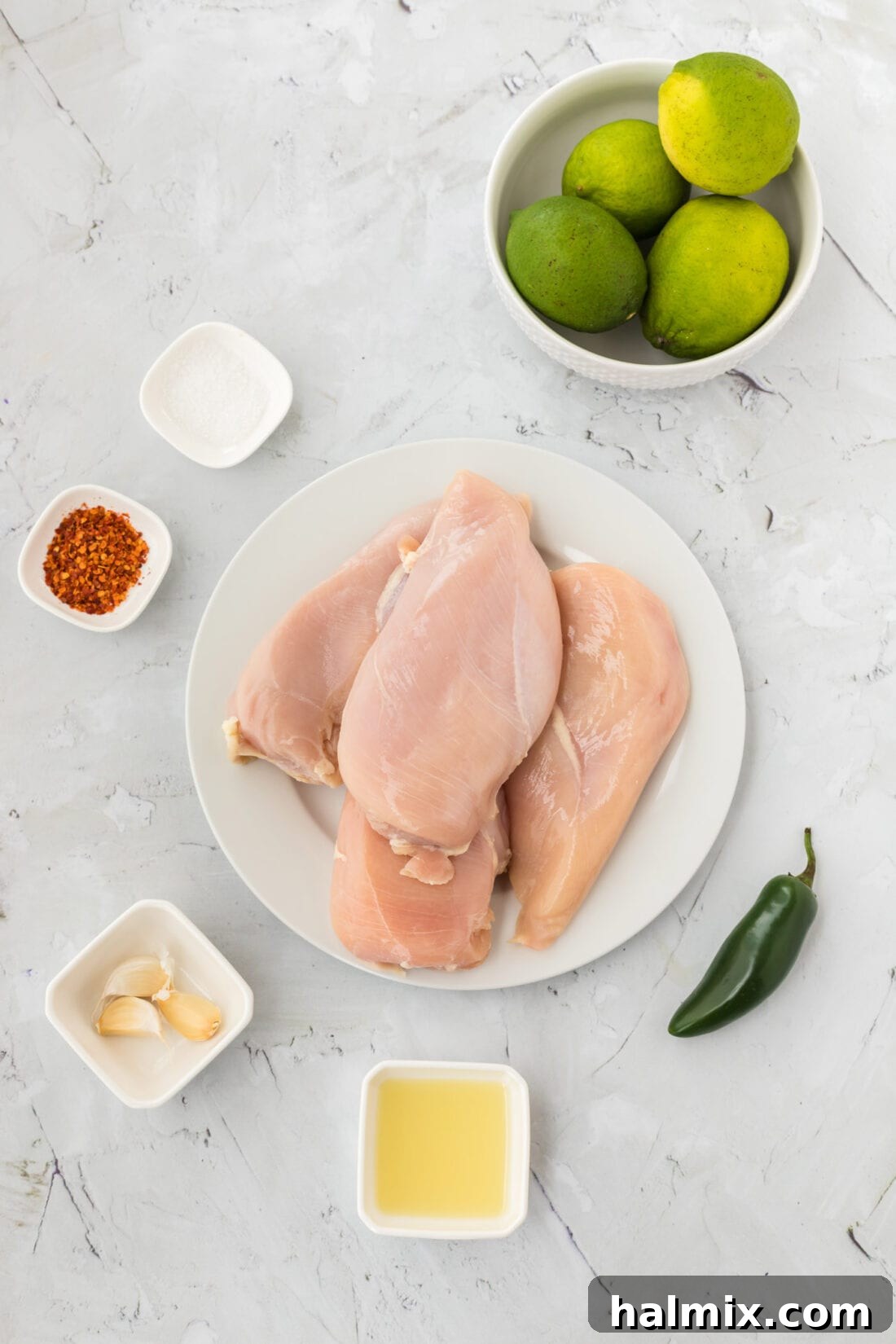
For those who love a bit of heat and a tangy punch, our chile lime marinade delivers an exhilarating blend of spicy and citrusy notes. The jalapeño and dried red chiles provide a customizable level of heat, balanced by the vibrant lime.
You will need:
- 1 1/2 pounds boneless skinless chicken breasts
- 4 dried red chiles, seeded or 1/2 tablespoon red pepper flakes
- 4 limes (you’ll use their zest and juice)
- 3 tablespoons lime juice
- 1 Jalapeno, seeded and coarsely chopped
- 3 cloves of garlic, crushed or finely diced
- 1/2 teaspoon salt
Greek Chicken Marinade
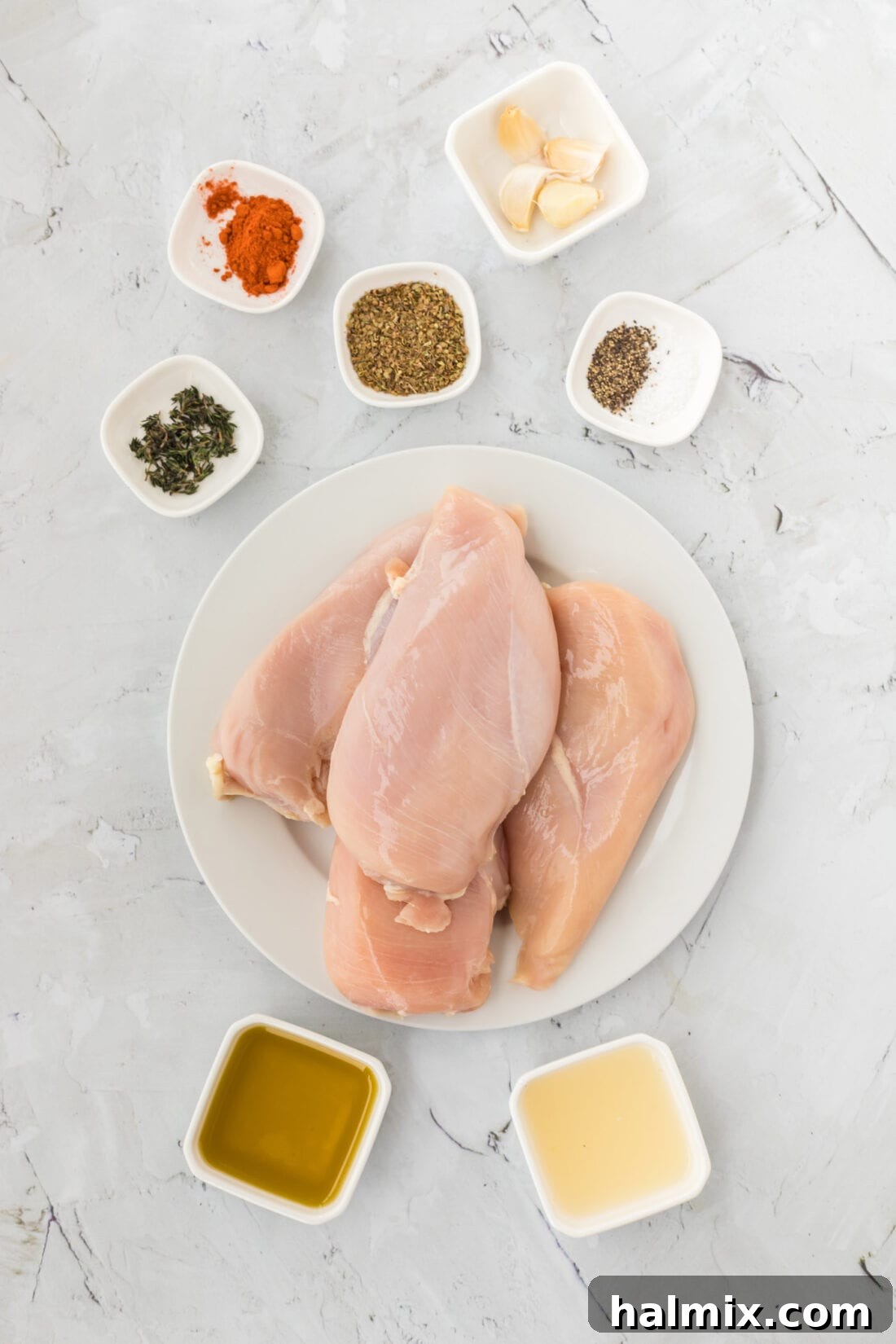
Transport your taste buds to the Mediterranean with our authentic Greek marinade. This blend of oregano, thyme, lemon, and olive oil creates a deeply aromatic and savory chicken that’s perfect for kabobs or a hearty dinner.
You will need:
- 1 1/2 pounds boneless skinless chicken breasts
- 4 cloves garlic, minced, or 1 Tbsp garlic paste
- 1 tsp fresh thyme
- 1 Tbsp dried oregano
- 1 tsp cayenne pepper (optional, for a hint of warmth)
- 4 Tbsp lemon juice (the juice of 1 lemon)
- 1/4 cup extra virgin olive oil
- sea salt and black pepper to taste
Cilantro Lime Chicken Marinade
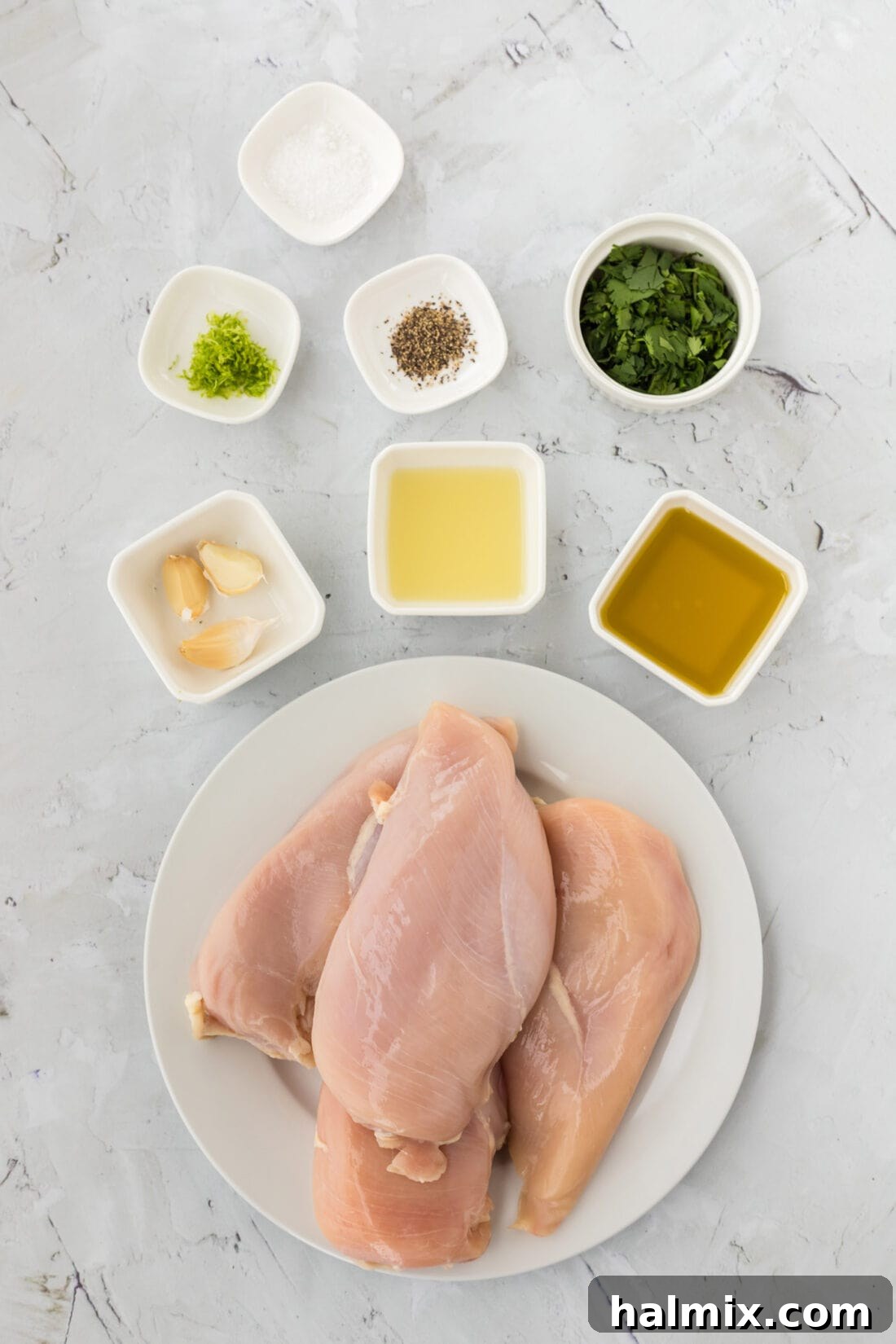
A staple in many Mexican-inspired dishes, the cilantro lime marinade is bursting with vibrant, refreshing flavors. The combination of fresh cilantro, zesty lime juice, and aromatic garlic creates a mouthwatering profile perfect for tacos, salads, or simply grilled chicken.
You will need:
- 4 boneless skinless chicken breast halves
- 1/4 cup olive oil
- 2 tablespoons lime juice (from one lime)
- 1 teaspoon lime zest (from one lime)
- 1/2 teaspoon salt
- 1/4 teaspoon ground black pepper
- 3 cloves garlic finely minced
- 1/4 cup chopped fresh cilantro
Ingredient Info and Smart Substitution Suggestions
Understanding your ingredients and knowing how to make smart substitutions can greatly enhance your cooking flexibility and ensure delicious results every time.
CHICKEN – While these recipes specifically mention chicken breasts, feel free to experiment with other cuts. Boneless, skinless chicken thighs are an excellent alternative, offering even more juiciness and flavor, and they are more forgiving if slightly overcooked. Chicken drumsticks or even bone-in, skin-on pieces can also be used; just be aware that cooking times will vary, and bone-in pieces might require longer marination for flavors to penetrate deeply. Regardless of the cut, always pat your chicken thoroughly dry with paper towels before cooking. This crucial step prevents the marinade from burning on the outside of the meat and ensures a beautiful sear or crust, rather than steaming the chicken, which can happen if excess moisture is present.
OLIVE OIL – Extra virgin olive oil is recommended for its flavor and quality, but a lighter olive oil or even avocado oil can be used if you prefer a more neutral taste or have dietary considerations.
VINEGAR/CITRUS JUICE – The acidic component is vital for tenderizing and flavor. If you don’t have white wine vinegar for the garlic marinade, apple cider vinegar or even red wine vinegar (though it might change the color slightly) can work. For lime-based marinades, fresh lime juice is always best, but bottled lime juice can be a last-resort substitute. Similarly, fresh lemon juice is superior for the lemon herb and Greek marinades.
HERBS (FRESH VS. DRIED) – Fresh herbs like thyme, parsley, and cilantro offer the brightest, most vibrant flavors. However, if fresh herbs aren’t available, dried herbs can be used at about one-third of the amount (e.g., 1 tsp fresh = 1/3 tsp dried), as dried herbs are more concentrated. Remember that dried herbs benefit from a bit of time to rehydrate in the marinade.
GARLIC – Freshly minced garlic provides the best flavor. Garlic paste can be a convenient substitute (use equal amounts), or even garlic powder if absolutely necessary (use about 1/4 teaspoon of powder for every clove of fresh garlic).
SPICES (CHILE/CAYENNE) – Adjust the amount of dried red chiles, red pepper flakes, or cayenne pepper to suit your preferred level of heat. For less spice, reduce the quantity or omit entirely. For more heat, add an extra pinch or slice of jalapeño.
How to Prepare Your Perfect Chicken Marinade
These step-by-step photos and instructions are here to help you visualize how to make this recipe. You can jump to the complete recipe card at the bottom of the post for a printable version with all measurements.
- Combine Ingredients: For each specific marinade recipe, simply combine all the listed marinade ingredients in a glass baking dish or a gallon-sized zipper plastic bag. Whisk or stir well to ensure all components are thoroughly mixed and seasonings are dissolved.
- Add Chicken: Place your chosen chicken pieces into the marinade. Turn the chicken several times to ensure it is completely coated on all sides. For even marination, ensure the chicken is submerged or evenly distributed within the marinade.
- Marinate & Chill: Seal the bag (pressing out as much air as possible) or cover the pan tightly with plastic wrap. Refrigerate for a minimum of 1 hour and up to 4 hours. While chicken can be marinated for up to 24 hours, shorter times are often sufficient, especially for thinner cuts or if using strong acidic marinades.
- Bring to Room Temperature: Approximately 20-30 minutes before you plan to cook, remove the chicken from the refrigerator. Allowing it to come closer to room temperature helps it cook more evenly.
- Cook as Desired: Cook your marinated chicken using your preferred method. It’s incredibly versatile and can be grilled to perfection, baked in the oven until golden, air-fried for a crispy exterior, or cooked in a skillet for a quick and easy meal!
Frequently Asked Questions & Expert Tips
Chicken can typically be marinated safely for up to 24 hours in the refrigerator. While some recipes might suggest longer, extending past 24 hours, especially with highly acidic marinades, can lead to the meat’s fibers breaking down too much, resulting in a mushy or mealy texture. For most recipes and cuts, 1-4 hours is ideal for flavor penetration and tenderization.
Absolutely, freezing chicken in its marinade is an excellent meal prep hack! Place the chicken and marinade in a freezer-safe bag or container, ensuring all air is squeezed out. It can be frozen for up to 2 months. When ready to cook, thaw the chicken completely in the refrigerator, allowing it to continue marinating as it thaws, which further enhances flavor. Cook immediately after thawing.
Generally, no. For most marinades, you want to keep the flavor on the chicken. However, it’s crucial to scrape off any large pieces of herbs or garlic that could burn during high-heat cooking (like grilling). If your marinade has a lot of sugar, watch it carefully as sugar can caramelize and burn quickly. Always pat the chicken dry to remove excess liquid, which helps create a better sear.
No, you should never use raw marinade that has been in contact with uncooked chicken as a serving sauce without cooking it thoroughly first. Raw marinade can contain harmful bacteria. If you wish to use some of the marinade as a sauce, set aside a portion of it BEFORE adding the chicken. This reserved portion can then be used as a finishing sauce or glaze.
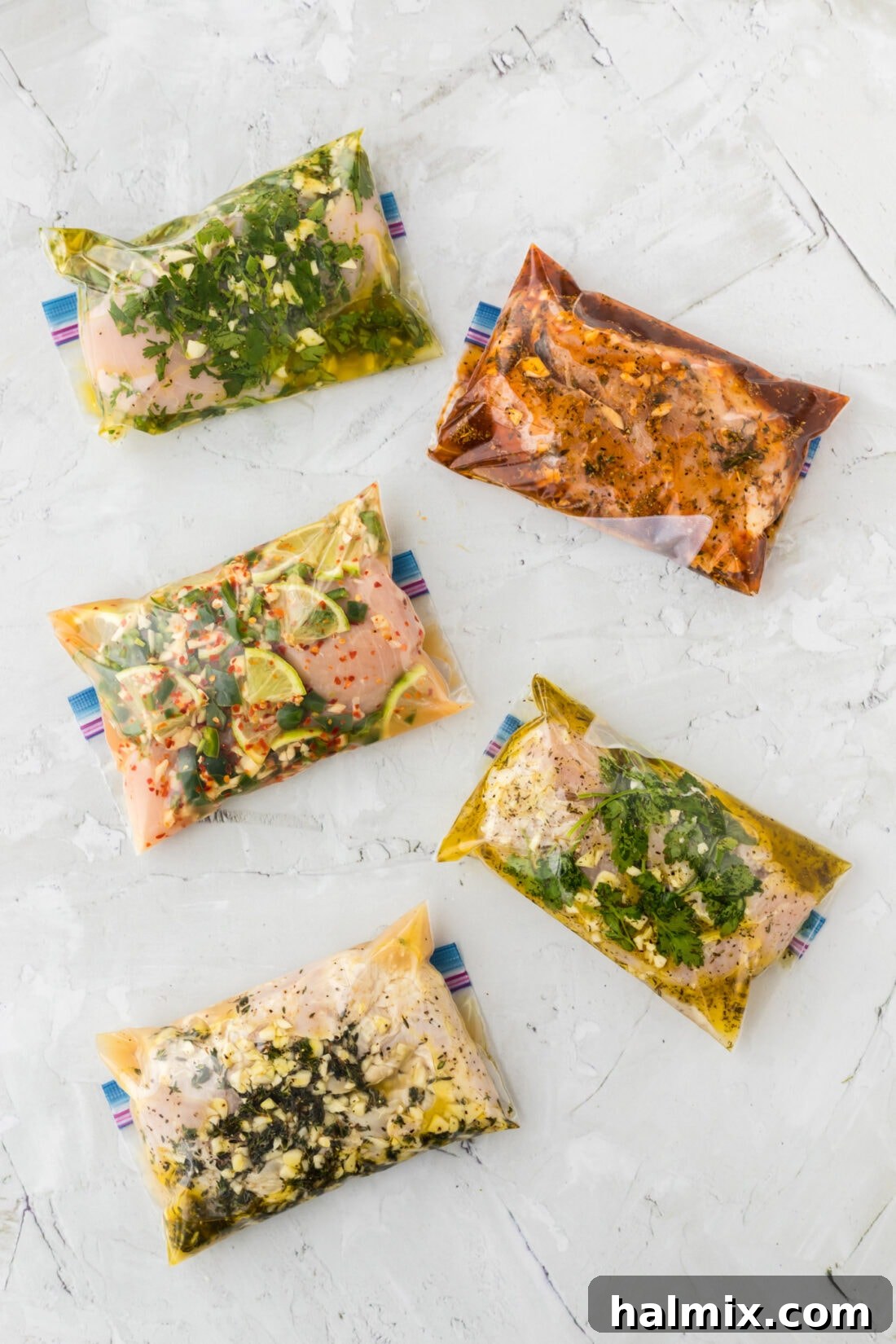
Delicious Serving Suggestions to Complement Your Chicken
Once your perfectly marinated chicken is cooked, the possibilities for serving are endless! Whether you grill, air fry, bake, or sear your chicken in a skillet, these marinade recipes are incredibly versatile and pair beautifully with a wide array of side dishes. Here are some ideas to inspire your next meal:
- Garlic Chicken: This versatile flavor pairs wonderfully with creamy mashed potatoes, roasted broccoli, a simple green salad, or a side of fluffy couscous.
- Lemon Herb Chicken: Embrace the fresh flavors with roasted asparagus, quinoa, a vibrant spinach salad with a light vinaigrette, or oven-baked sweet potato fries.
- Spicy Lime Chicken: Perfect for a Tex-Mex theme! Serve with cilantro-lime rice, black beans, corn salsa, warm tortillas for tacos or fajitas, or a fresh avocado salad to cool the heat.
- Greek Chicken: Transport yourself to the Mediterranean with sides like a classic Greek salad, warm pita bread, tzatziki sauce, lemon-oregano roasted potatoes, or a refreshing cucumber and tomato salad.
- Cilantro Lime Chicken: Excellent in burrito bowls, alongside refried beans, Mexican rice, as a topping for nachos, or shredded into chicken tacos with all your favorite fixings.
No matter which marinade you choose, a side of steamed rice, a crisp garden salad, or a medley of seasonal roasted vegetables will always make for a satisfying and complete meal.
Explore More Irresistible Chicken Recipes
If you’ve enjoyed these marinades and are looking for more ways to cook and enjoy chicken, we have a diverse collection of recipes to inspire your culinary adventures. From quick weeknight meals to impressive dishes for entertaining, you’ll find something new to love.
- Spicy Wings
- Chicken Marsala
- Chicken Cacciatore
- Greek Chicken Kabobs
- Crockpot Sticky Chicken
- Air Fryer Chicken Breasts
- Stuffed Chicken Breast
I love to bake and cook and share my kitchen experience with all of you! Remembering to come back each day can be tough, that’s why I offer a convenient newsletter every time a new recipe posts. Simply subscribe and start receiving your free daily recipes!
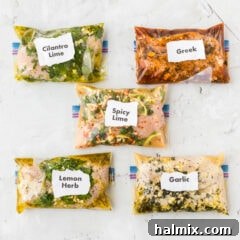
5 Delicious Chicken Marinades
IMPORTANT – There are often Frequently Asked Questions within the blog post that you may find helpful. Simply scroll back up to read them!
Print It
Pin It
Ingredients
Garlic Marinade
- 24 ounces boneless skinless chicken breasts about 4 breasts
- 2 tablespoons olive oil
- 6 cloves garlic minced
- ¼ cup white wine vinegar
- 3 tablespoons fresh thyme leaves chopped
- 1 tsp Kosher salt
- ½ tsp Freshly ground black pepper
Lemon Herb Marinade
- 1 pound of boneless skinless chicken breasts
- 1 teaspoon Kosher salt
- ¼ teaspoon freshly ground black pepper
- 3 tablespoons lemon juice
- 3 tablespoons olive oil
- 3 fresh parsley sprigs
- ¼ teaspoon dried thyme
- 1 clove of mashed garlic
Chile Lime Marinade
- 1 ½ pounds boneless skinless chicken breasts
- 4 dried red chiles seeded or 1/2 tablespoon red pepper flakes
- 4 limes
- 3 tablespoons lime juice
- 1 Jalapeno pepper seeded and coarsely chopped
- 3 cloves of garlic crushed or finely diced
- ½ teaspoon salt
Greek Marinade
- 1 ½ pounds boneless skinless chicken breasts
- 4 cloves garlic minced, or 1 Tbsp garlic paste
- 1 tsp fresh thyme
- 1 Tbsp dried oregano
- 1 tsp cayenne pepper
- 4 Tbsp lemon juice the juice of 1 lemon
- ¼ cup extra virgin olive oil
- sea salt and black pepper to taste
Cilantro Lime Marinade
- 4 boneless skinless chicken breast halves
- ¼ cup olive oil
- 2 tablespoons lime juice from one lime
- 1 teaspoon lime zest from one lime
- ½ teaspoon salt
- ¼ teaspoon ground black pepper
- 3 cloves garlic finely minced
- ¼ cup chopped fresh cilantro
Instructions
General Marinade Instructions:
-
Combine all marinade ingredients in a glass baking dish or gallon-sized zipper plastic bag. Add chicken and turn to coat, ensuring all pieces are well-covered. Seal the bag or cover the pan with plastic wrap.
-
Refrigerate for 1-4 hours to allow flavors to meld and the chicken to tenderize.
-
Before cooking, remove the chicken from the refrigerator and let it sit at room temperature for 20-30 minutes. This promotes more even cooking.
-
Pat chicken dry to remove excess marinade. Cook using your preferred method: grilling, baking, air-frying, or pan-frying in a skillet.
Special Instructions for Chile Lime Marinade:
-
If using dried chiles, soak them in hot water for about 15-20 minutes to rehydrate. Once softened, remove seeds (for less heat) and roughly chop. Place the rehydrated chiles, garlic, lime juice, and seeded jalapeño into a blender or mini food processor. Puree until smooth.
-
Slice 4 limes into 1/4 inch rounds. Gently fold these slices into the chile mixture along with the salt. (Tip: zest the limes first before slicing for extra lime flavor in your marinade.)
-
Proceed with marinating the chicken as per the general instructions above.
The recipes on this blog are tested with a conventional gas oven and gas stovetop. It’s important to note that some ovens, especially as they age, can cook and bake inconsistently. Using an inexpensive oven thermometer can assure you that your oven is truly heating to the proper temperature. If you use a toaster oven or countertop oven, please keep in mind that they may not distribute heat the same as a conventional full sized oven and you may need to adjust your cooking/baking times. In the case of recipes made with a pressure cooker, air fryer, slow cooker, or other appliance, a link to the appliances we use is listed within each respective recipe. For baking recipes where measurements are given by weight, please note that results may not be the same if cups are used instead, and we can’t guarantee success with that method.