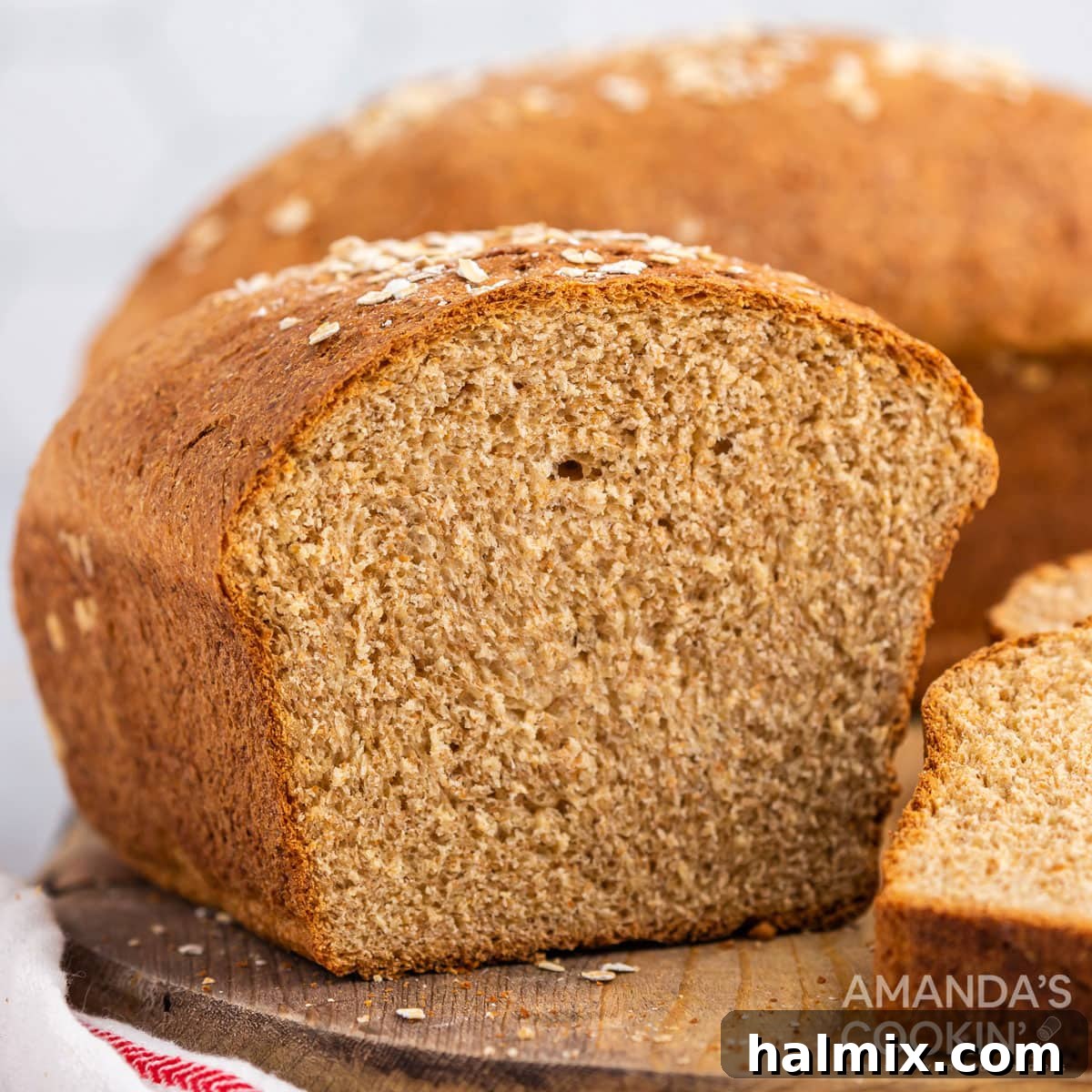
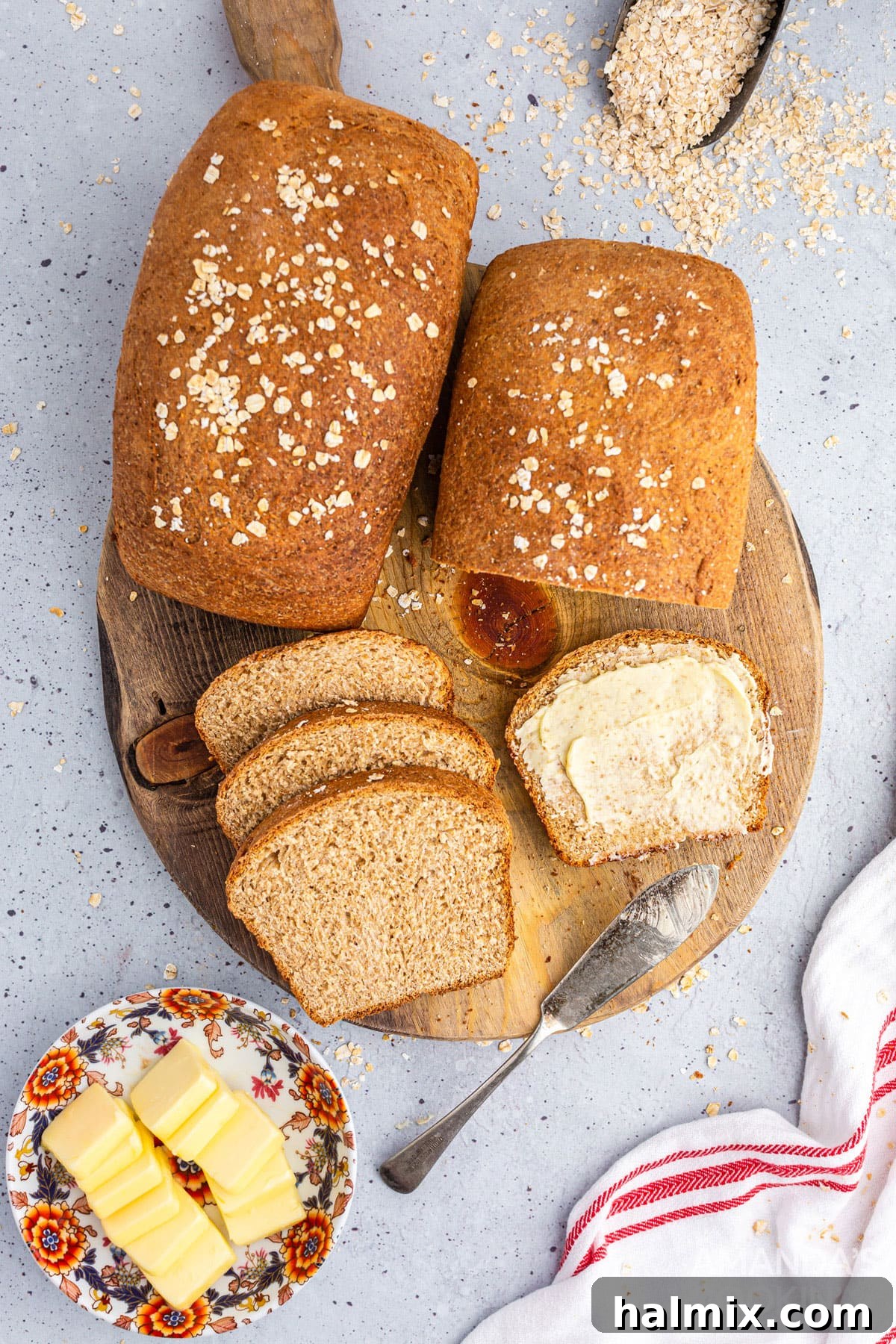
Welcome to the delightful world of homemade bread! There’s an unmatched satisfaction that comes from baking your own loaf, and this multigrain bread recipe is the perfect place to start. Combining the lightness of all-purpose flour with the hearty goodness of whole wheat flour, this bread offers an incredibly soft texture and rich flavor that’s ideal for any sandwich. Once you experience the aroma and taste of freshly baked bread from your own kitchen, those trips down the grocery store bread aisle might just become a thing of the past.
Why This Homemade Multigrain Bread Recipe Stands Out
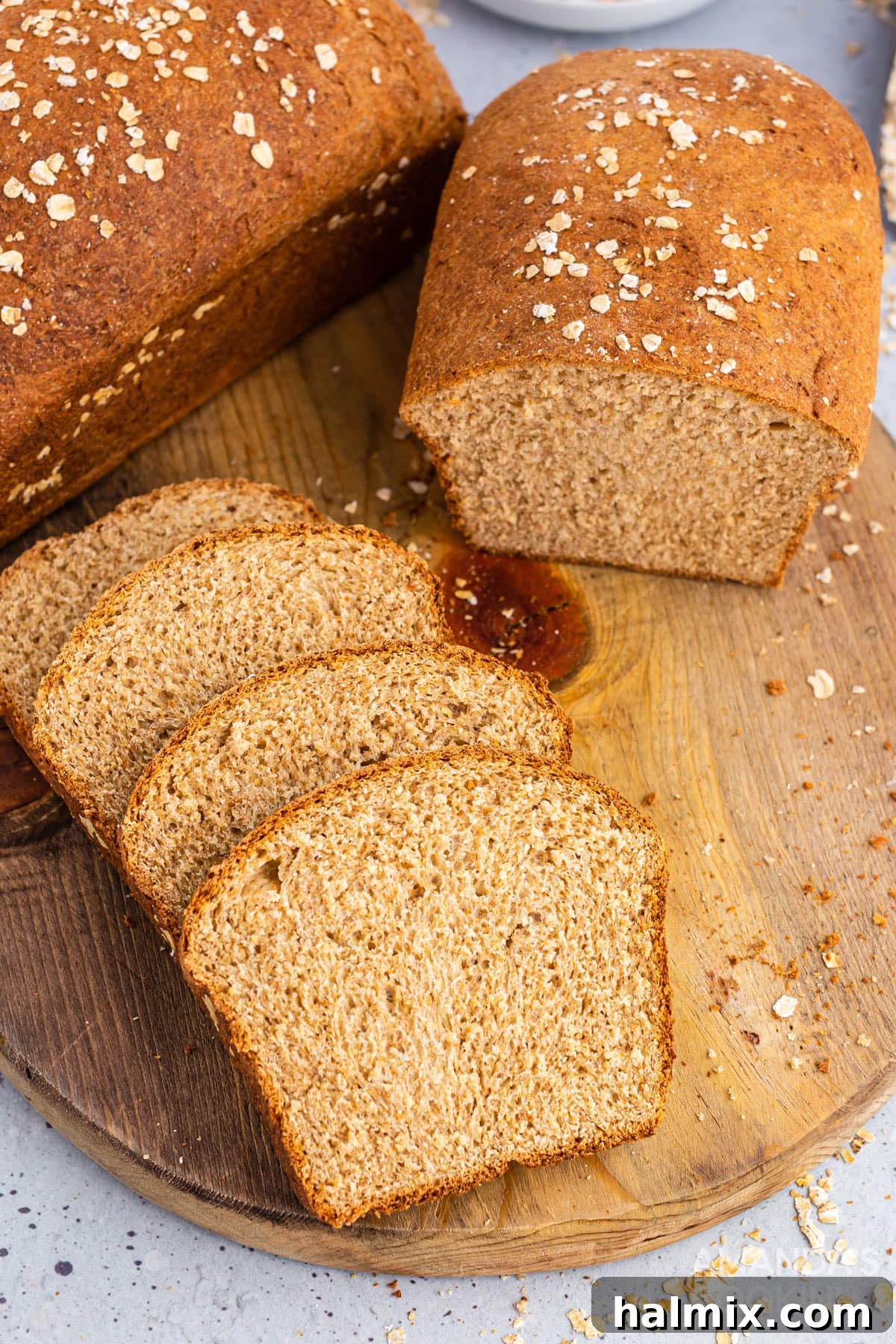
This isn’t just another bread recipe; it’s a game-changer for your kitchen. This homemade multigrain bread truly works because it strikes a perfect balance: it’s as soft and inviting as classic white bread, yet it’s packed with the wholesome benefits and robust flavor of whole wheat flour, oats, and wheat germ. This makes it an incredibly versatile and satisfying option for the entire family. Its nuanced, slightly sweet, and nutty profile, coupled with a wonderfully tender crumb, elevates everyday sandwiches and toast into something truly special.
Beyond its irresistible taste and texture, baking your own bread offers several advantages. You have complete control over the ingredients, ensuring no unwanted additives or preservatives. The aroma that fills your home as it bakes is pure bliss, and the pride of serving a loaf you created from scratch is immensely rewarding. This recipe is designed to be approachable for home bakers, providing clear steps that lead to consistently delicious results, making it a valuable addition to any cook’s repertoire.
Essential Ingredients for Your Multigrain Masterpiece
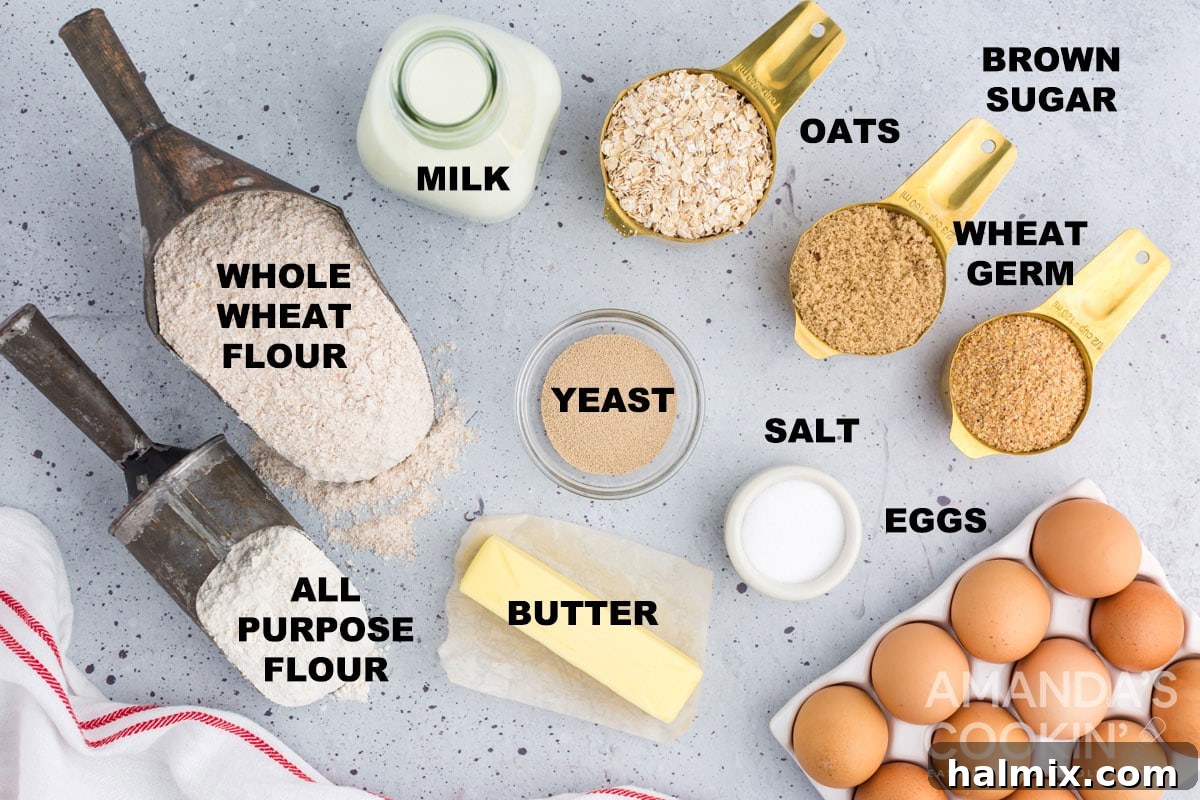
Crafting the perfect loaf of multigrain bread begins with understanding the role each ingredient plays. This recipe calls for a thoughtful selection of components that contribute to its distinctive flavor, texture, and nutritional value. From the liquid base to the various grains and leavening agents, every element is crucial for success.
- Milk: Used as the liquid base, milk not only hydrates the flour but also adds richness and tenderness to the dough. Its fats and sugars contribute to a softer crumb and a beautifully browned crust. Warming the milk helps activate the yeast effectively.
- Old-Fashioned Oats: These provide a wonderful chewiness and a subtle nutty flavor, enhancing the multigrain character of the bread. They also add dietary fiber, boosting the bread’s nutritional profile.
- Brown Sugar: This isn’t just for sweetness; brown sugar acts as food for the yeast, helping it activate and produce carbon dioxide, which makes the bread rise. It also adds a deeper, more complex flavor compared to white sugar.
- Butter: Essential for tenderness and flavor, butter enriches the dough, making it more pliable and contributing to a luxurious mouthfeel. It also helps in achieving a crispier, golden crust.
- Salt: While often overlooked, salt is vital for flavor balance and controlling yeast activity. Without salt, bread can taste bland and dough can rise too quickly, leading to an inferior texture.
- Active Dry Yeast: The leavening agent that makes your bread rise. Ensure your yeast is fresh and active for reliable results. This recipe specifically calls for active dry yeast, so avoid substituting with instant or quick-rise varieties as they behave differently.
- Eggs: Eggs add richness, moisture, and help create a more stable and tender crumb structure. They also contribute to the bread’s golden color.
- Wheat Germ: A nutritional powerhouse, wheat germ adds a distinct nutty flavor and boosts the bread’s content of vitamins, minerals, and fiber. If you don’t have wheat germ, you can substitute it with an equal amount of whole wheat flour.
- Whole Wheat Flour: This provides the hearty, wholesome character of the multigrain bread. Rich in fiber and nutrients, it contributes to the bread’s structure and flavor.
- All-Purpose Flour: By combining all-purpose flour with whole wheat flour, we achieve a lighter, softer texture than using 100% whole wheat. It provides the necessary gluten for structure while maintaining tenderness. Keep extra on hand for dusting and adjusting dough consistency.
Always ensure your ingredients are fresh, especially your yeast and flours, as expired items can significantly impact the success of your bread. Having all ingredients measured and ready before you start will make the baking process smoother and more enjoyable.
Find all precise measurements, ingredients list, and comprehensive instructions in the detailed recipe card at the conclusion of this article.
Step-by-Step Guide to Baking Perfect Multigrain Bread at Home
These detailed step-by-step photos and clear instructions are provided to guide you visually through each stage of making this delicious multigrain bread. For a convenient printable version of the full recipe, please scroll down to the end of this post!
- Scald the Milk & Infuse Flavors: Begin by heating the milk in a microwave-safe bowl until it is just about to boil – look for small bubbles forming around the edges, but do not let it boil over. This scalding process helps to denature proteins in the milk, which can otherwise interfere with gluten development, leading to a softer bread. Carefully pour the hot milk into the bowl of your free-standing mixer (or into a large mixing bowl if you plan to mix and knead by hand).
- Create the Flavor Base: To the hot milk, add the old-fashioned oatmeal, brown sugar, butter, and salt. Stir the mixture well until the butter has melted and the sugar and salt have dissolved. It’s crucial to let this mixture cool down to a lukewarm temperature, typically between 105-115°F (40-46°C), which should take approximately 15 minutes. This temperature is ideal for activating the yeast without killing it.
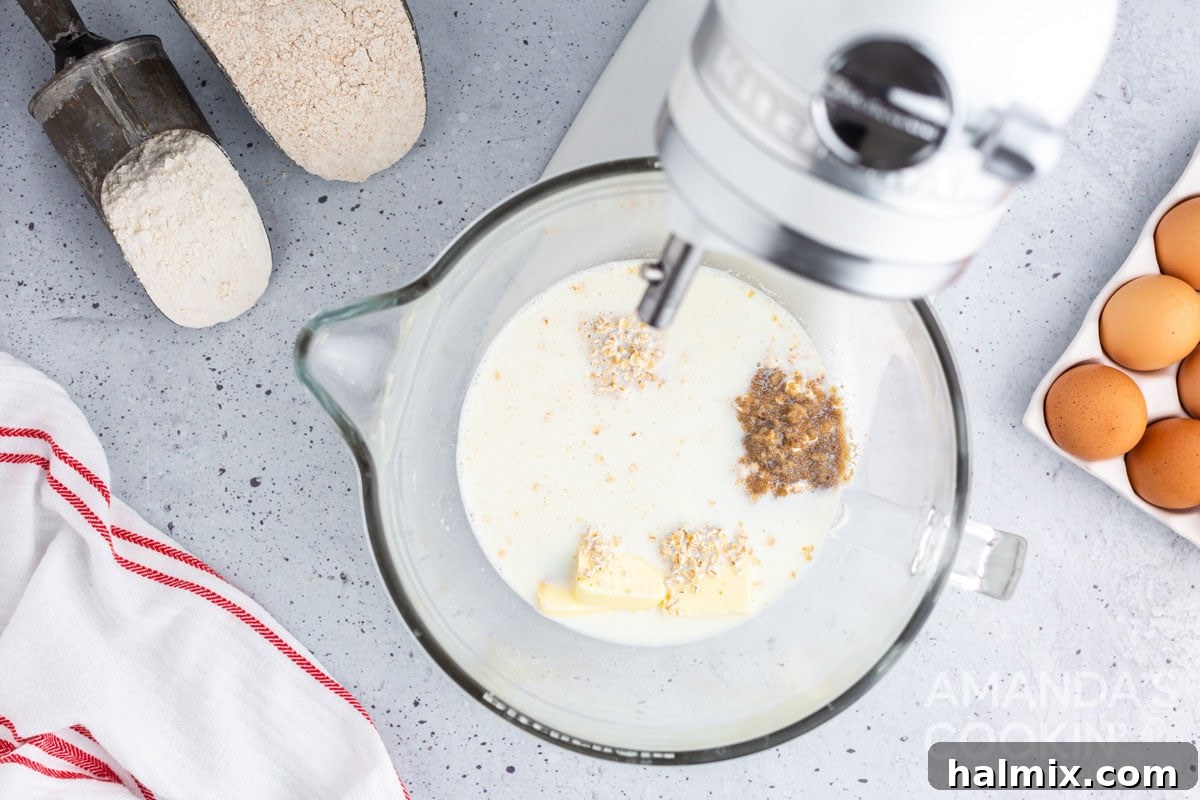
- Introduce Yeast and Flours: Once your milk mixture has cooled to lukewarm, sprinkle in the active dry yeast and allow it to bloom for 5-10 minutes until foamy, confirming its activity. Then, add the eggs, wheat germ, and three cups of whole wheat flour. With your stand mixer set to a low speed, gradually incorporate the remaining three cups of all-purpose flour, adding it slowly to allow it to fully combine.
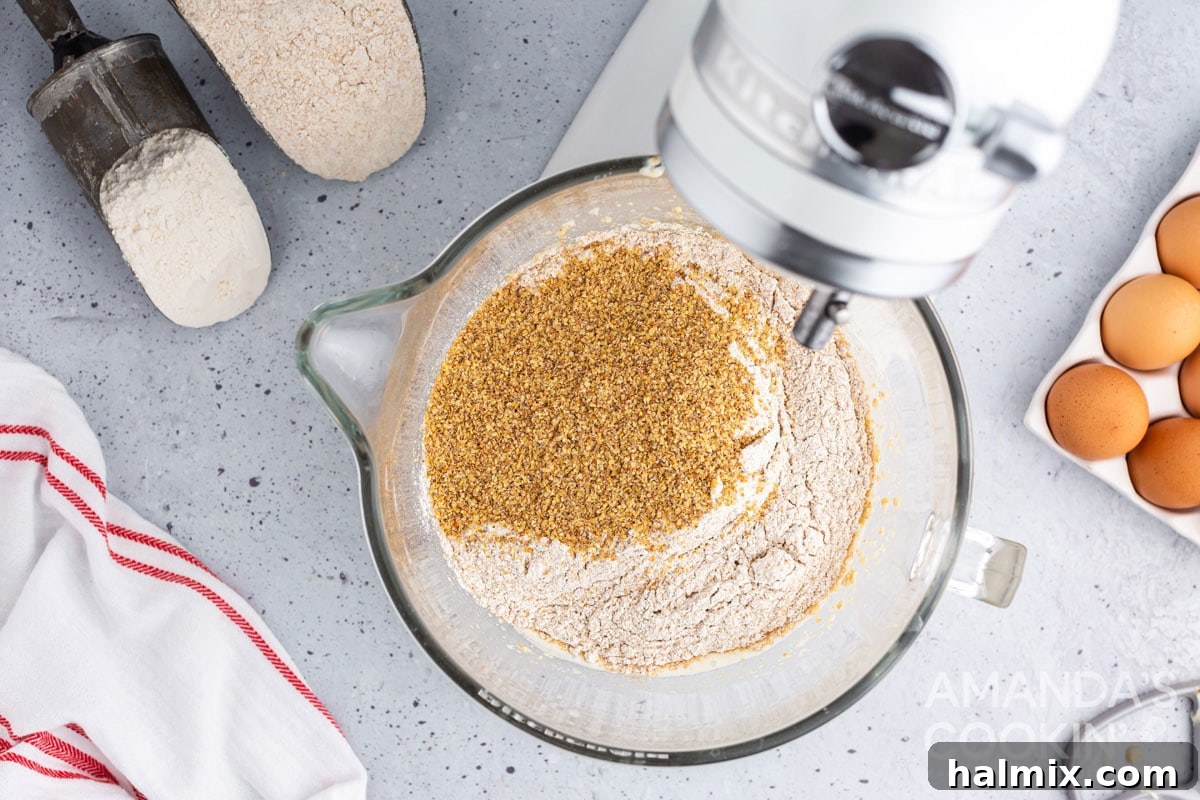
- The Art of Kneading: Increase the mixer speed to medium and knead the dough for a full 6 minutes. Kneading is a critical step that develops the gluten in the flour, which gives the bread its structure and elasticity. A well-kneaded dough will be smooth, elastic, and will pull away from the sides of the bowl.
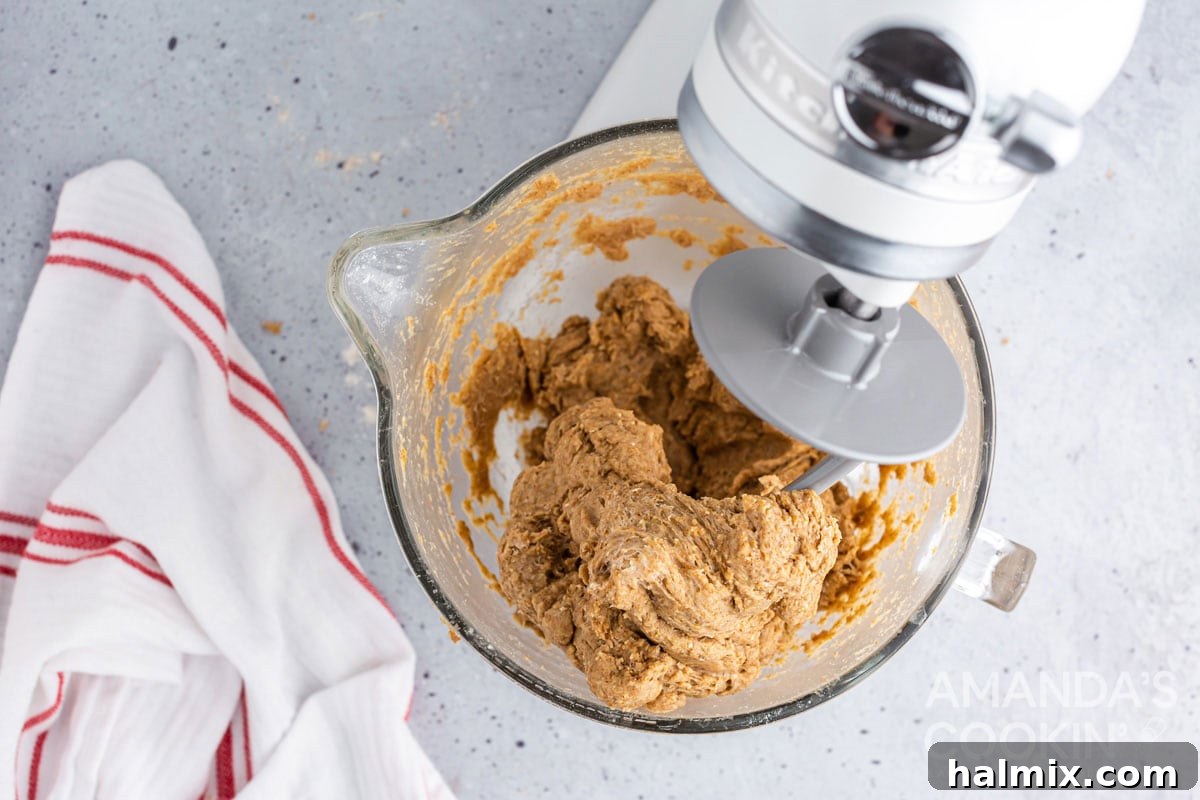
- Adjusting Dough Consistency: After 6 minutes of kneading, check the dough’s consistency. If it still feels excessively sticky and doesn’t readily pull away from the edges of the mixing bowl, add additional all-purpose flour one tablespoon at a time. Continue kneading for a short period after each addition until the dough reaches a soft, slightly tacky but manageable state.
- Prepare for the First Rise: Once the dough is perfectly kneaded, remove it from the mixer and shape it into a large, smooth ball using your hands. Take a small amount of butter and generously rub it all over the outside surface of the dough ball. This butter coating helps prevent a dry crust from forming during the rising process and adds extra flavor.
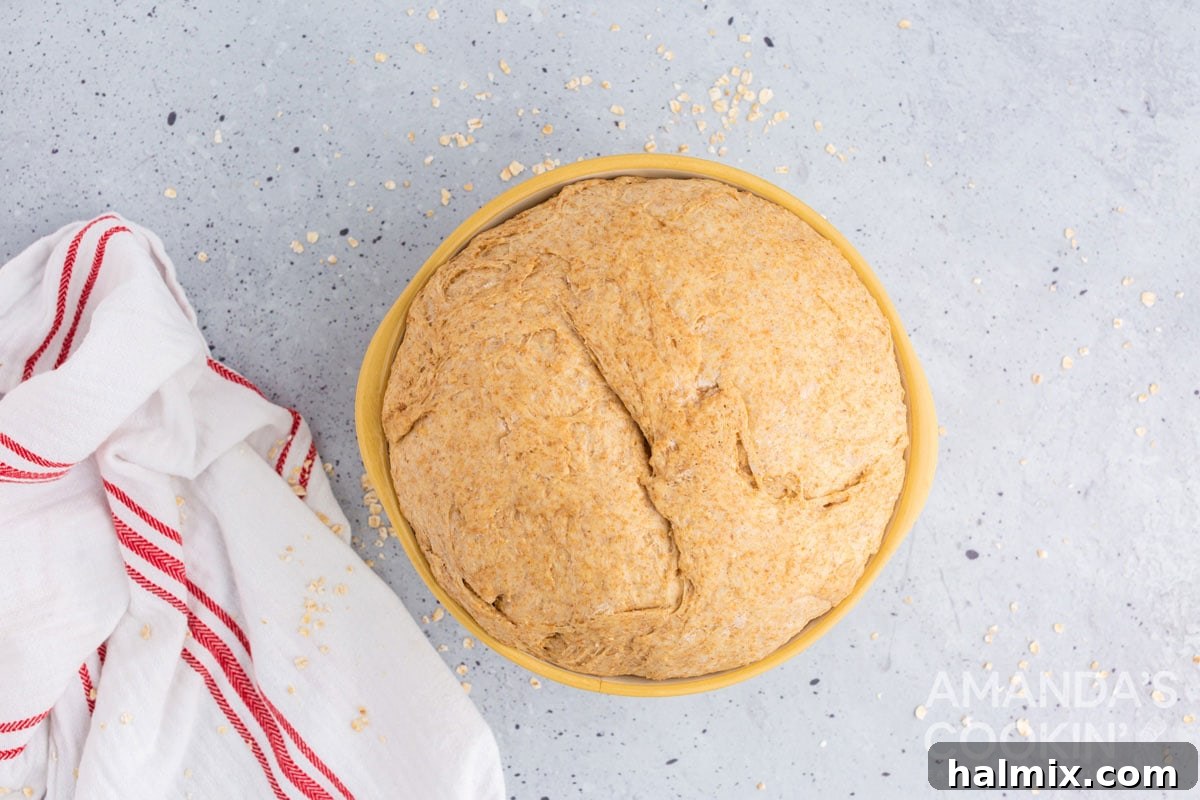
- First Proof – Allowing the Dough to Double: Place the buttered dough ball back into the clean mixing bowl. Cover the bowl tightly with plastic wrap to create a warm, humid environment, which is ideal for yeast activity. Let the dough rise in a warm, draft-free place until it has visibly doubled in size. This typically takes about 1 and 1/2 hours, but timing can vary depending on your ambient room temperature.
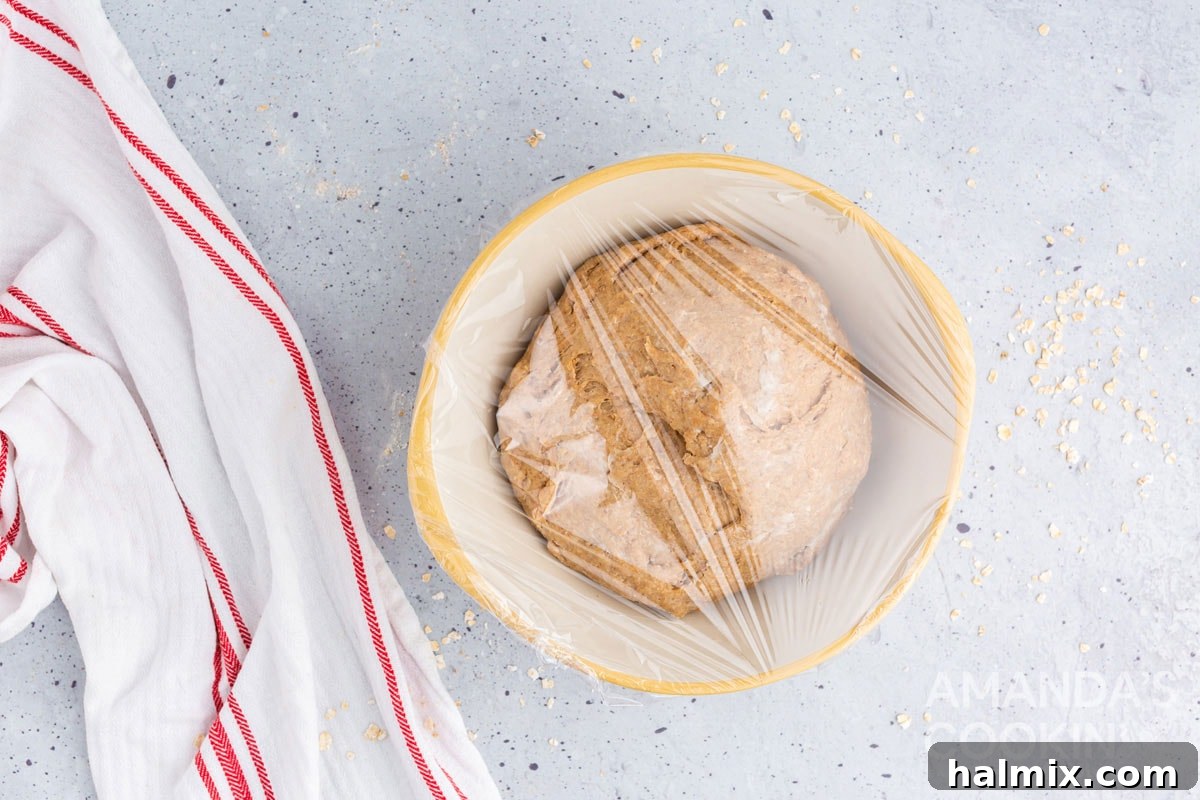
- Check for Doubled Dough: To confirm your dough has properly doubled, gently press two fingers into the dough; if the indentations remain, it’s ready.
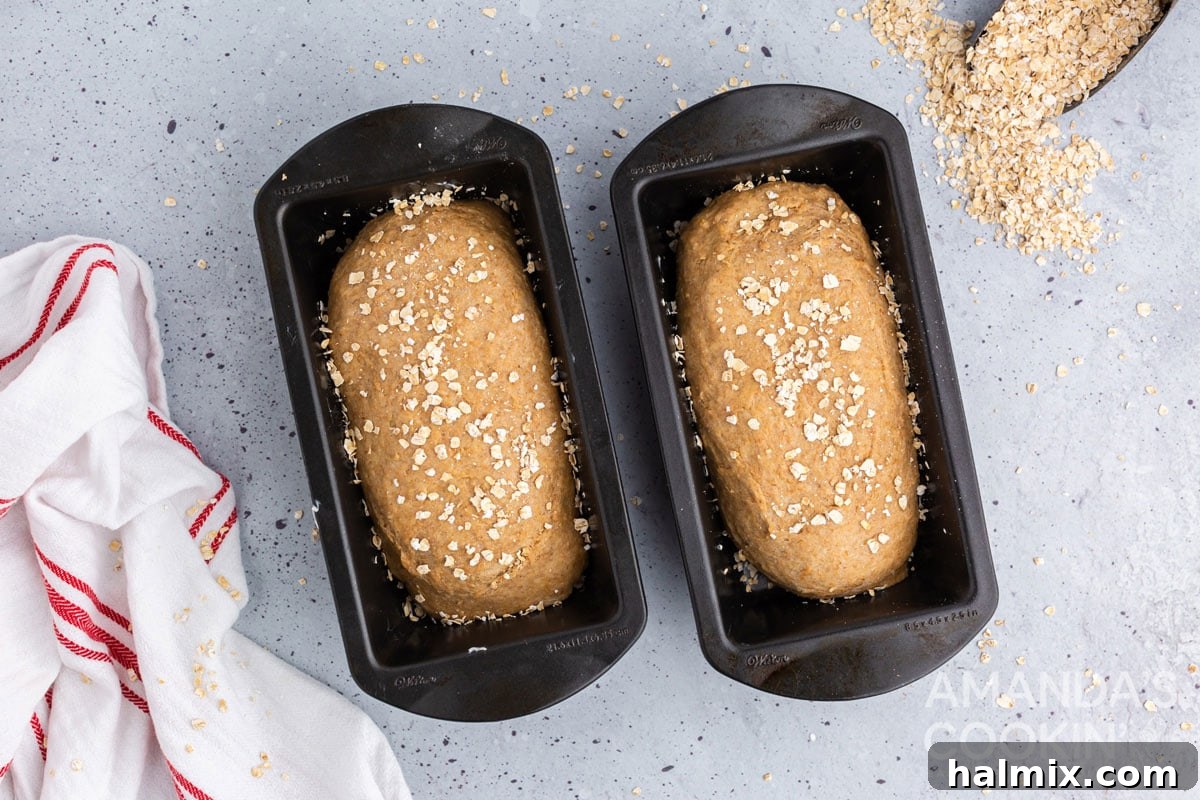
- Shape Your Loaves: Gently punch down the risen dough to release the air. Divide the dough into two equal portions. On a lightly floured surface, shape each portion into a neat loaf. Place each shaped loaf into a greased nine-inch loaf pan. To add a rustic touch and extra texture, sprinkle the top of each loaf with approximately 1/2 tablespoon of old-fashioned oats.
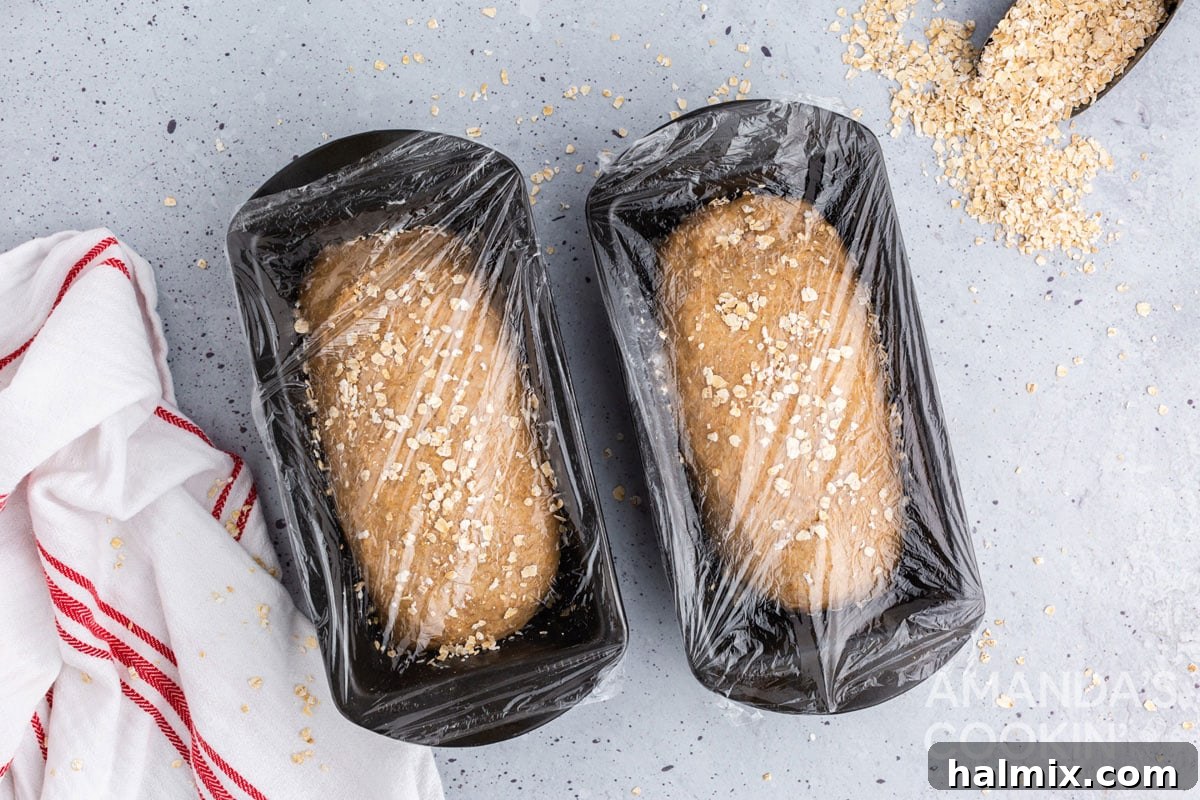
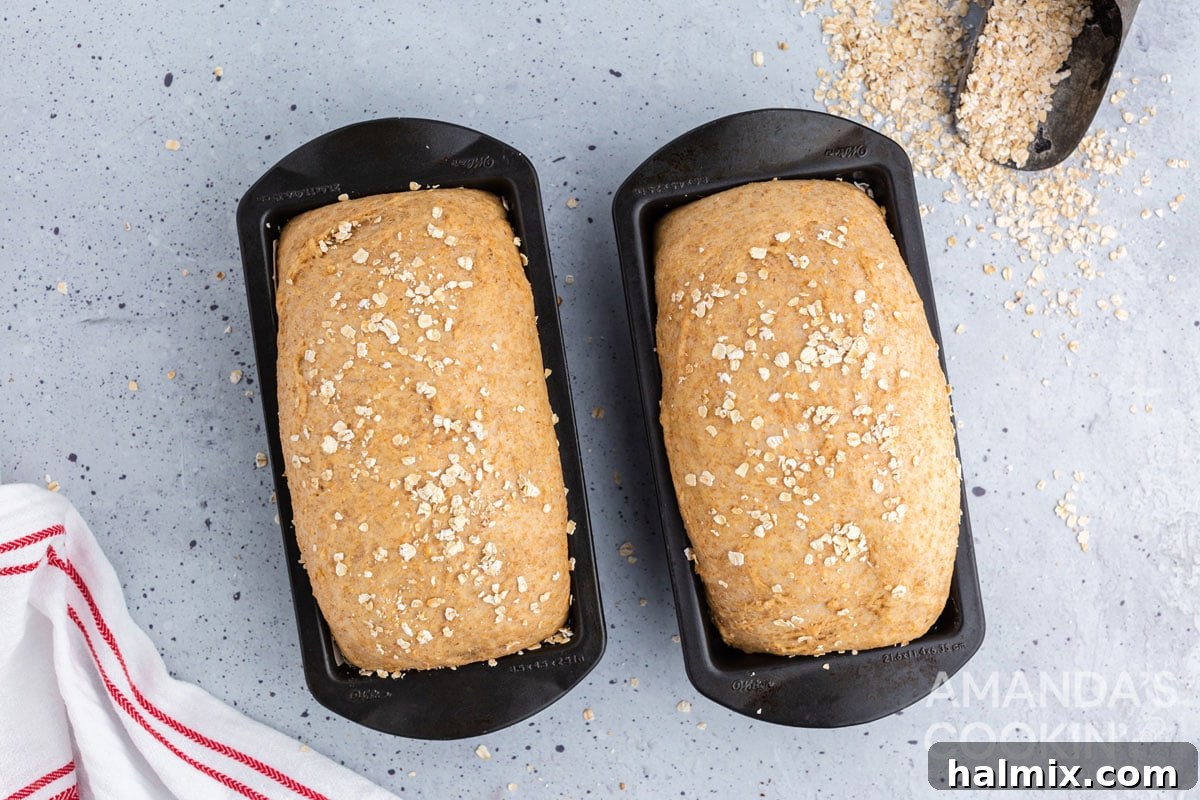
- Second Proof for Fluffy Loaves: Cover the loaf pans loosely with plastic wrap once more. Allow the loaves to rise again in a warm, draft-free place until they have doubled in size and crowned above the rim of the pans, which usually takes about 1 hour. This second rise is crucial for achieving a light and airy texture in your final bread.
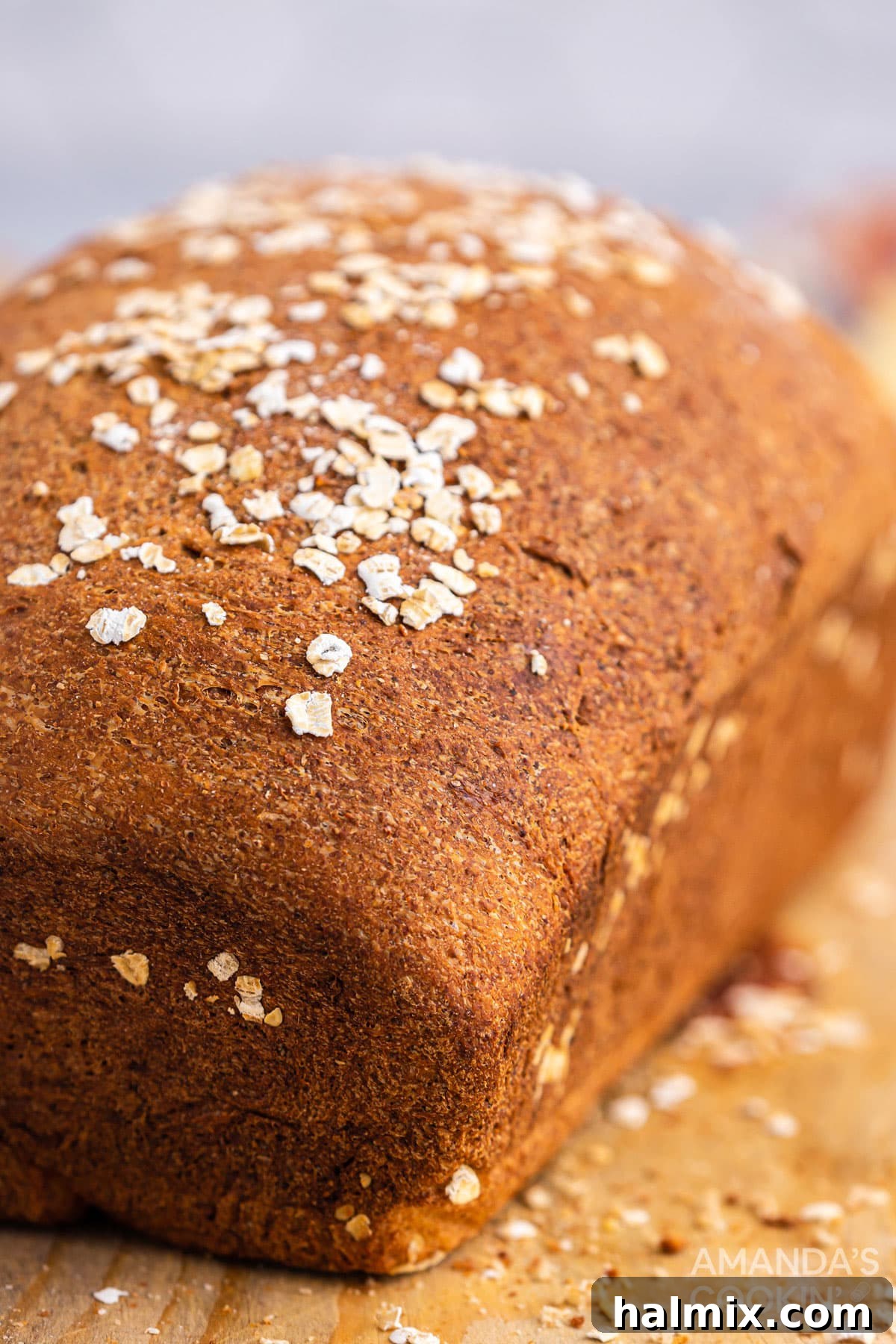
- Bake to Golden Perfection: While your loaves are undergoing their second rise, preheat your oven to 350°F (175°C). Once the oven is ready and the loaves have doubled, carefully place them in the preheated oven. Bake for 30-40 minutes, or until the tops are a rich dark golden brown and the internal temperature reaches 200-210°F (93-99°C). A tap on the bottom of the loaf should sound hollow, indicating it’s fully baked.
Cooling and Storing Your Homemade Multigrain Bread
Once your magnificent loaves emerge from the oven, resist the temptation to slice into them immediately! Allowing your baked loaves to cool completely on a wire rack is a critical step. This process, known as ‘carry-over baking,’ allows the internal structure of the bread to set, the steam to dissipate properly, and the flavors to fully develop. Slicing too early can result in a gummy texture.
Once cooled, your homemade multigrain bread can be stored in a few ways:
- Countertop: For up to 2-3 days, store a whole or partially sliced loaf in an airtight bread box or wrapped in plastic wrap at room temperature.
- Refrigerator: To extend freshness, tightly wrap the extra loaf in plastic wrap or foil and store it in the refrigerator for up to a week. While refrigeration can sometimes alter the texture slightly, it helps prevent mold.
- Freezer: For longer storage, this bread freezes beautifully. Once completely cooled, wrap each loaf tightly in plastic wrap, then an additional layer of aluminum foil. Freeze for up to 2 months. Thaw at room temperature and refresh in a warm oven for a few minutes before serving to bring back that “freshly baked” feel.
Expert Baking Tips & Frequently Asked Questions (FAQs)
Baking bread is a rewarding experience, and a few key tips can ensure consistent success:
- Yeast Viability is Key: Always check the expiration dates of your yeast. Old or inactive yeast is the most common reason for bread not rising. If you’re unsure, you can proof your yeast by dissolving 1 teaspoon of sugar in 1/4 cup of warm water (105-115°F/40-46°C), then sprinkling 2 1/4 teaspoons of active dry yeast over it. Let it sit for 5-10 minutes. If it becomes foamy, your yeast is active and ready to use.
- Flour Measurement Matters: For consistent results, measure flour by weight using a kitchen scale if possible. If measuring by volume, use the “spoon and level” method: spoon flour into your measuring cup until it overflows, then level it off with a straight edge without packing it down. This prevents adding too much flour, which can lead to dense bread.
- Temperature Control: The temperature of your liquids (milk in this case) is crucial for yeast activity. Too hot, and it kills the yeast; too cold, and it won’t activate properly. Aim for 105-115°F (40-46°C) for active dry yeast. An instant-read thermometer is your best friend here.
- Kneading for Structure: Don’t cut short the kneading time. This process develops the gluten, which forms the elastic network that traps the gases released by the yeast, giving your bread its characteristic airy texture. A properly kneaded dough will be smooth, elastic, and pass the “windowpane test” (you can stretch a small piece until it’s thin enough to see light through without tearing).
- Rising Environment: Yeast thrives in warm, draft-free environments. If your kitchen is cool, you can create a makeshift proofing box: turn your oven on to its lowest setting for a minute or two, then turn it off. Place the covered dough in the slightly warmed oven (with the door ajar if it’s too hot).
- Oven Accuracy: Oven temperatures can vary significantly. Invest in an inexpensive oven thermometer to ensure your oven is truly heating to the proper temperature. This can prevent over or under-baking.
- Don’t Substitute Quick Rise Yeast: This recipe is formulated for active dry yeast, which requires a specific rising time. Quick rise or instant yeast acts faster and may alter the bread’s texture or rise time, so stick to active dry for best results.
This homemade multigrain bread is a fantastic addition to any baker’s recipe collection, offering a rewarding experience and a delicious outcome!
Enjoying Your Multigrain Creation
Once you’ve baked and cooled your homemade multigrain bread, the possibilities are endless! Its soft texture and rich, nutty flavor make it incredibly versatile. Here are some favorite ways to savor your creation:
- The Perfect Sandwich Bread: This bread is truly made for sandwiches. Its sturdy yet tender crumb holds up beautifully to all sorts of fillings, from classic deli meats and cheeses to hearty vegetable creations.
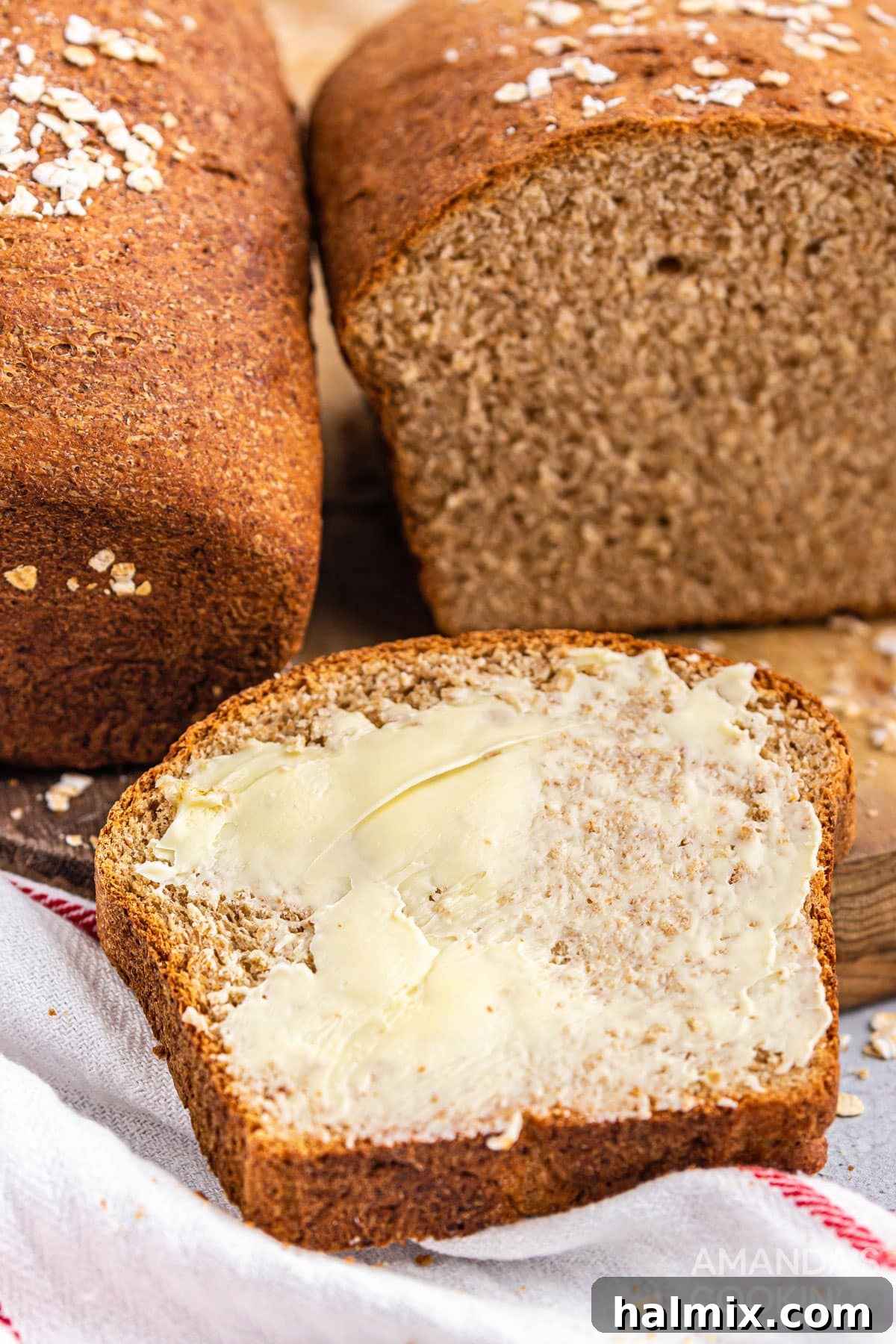
- Glorious Toast: A slice toasted to golden perfection, spread with butter, jam, or avocado, is a breakfast dream. The oats and whole wheat add a delightful crunch and extra flavor.
- Sidekick to Soups and Stews: Serve warm slices alongside your favorite comforting soups, chili, or stews. Its robust texture is perfect for soaking up every last drop.
- Open-Faced Delights: Create elegant open-faced sandwiches with cream cheese and smoked salmon, or a simple bruschetta-style topping.
- Sweet Treats: Don’t limit it to savory! Try it as French toast for a special brunch, or with a drizzle of honey and a sprinkle of cinnamon for a sweet snack.
Explore More Homemade Bread Recipes
If you’ve fallen in love with the process of baking your own bread, there’s a whole world of delicious loaves to discover. Expand your baking horizons with some of our other cherished bread recipes:
- Homemade Amish White Bread – A classic, incredibly soft and slightly sweet loaf.
- Homemade Italian Bread – Perfect for dipping in olive oil or making hearty subs.
- Dutch Oven Bread – Achieve a rustic, crusty loaf with minimal effort.
- 1963 Homemade White Bread – A timeless recipe for a nostalgic, comforting loaf.
- Almost Everything Peasant Bread – Loaded with seeds and flavor, no kneading required!
I adore baking and cooking, and I love sharing my favorite recipes with you! I understand how easy it is to forget to revisit a site or search for new ideas, so I’ve simplified it for you with my complimentary weekly newsletter! You can subscribe for free today, and I’ll deliver a curated selection of delicious recipes straight to your inbox every week.
Homemade Multigrain Bread
IMPORTANT – There are often Frequently Asked Questions within the blog post that you may find helpful. Simply scroll back up to read them!
Print It
Rate It
Ingredients
- 2 cups milk
- 1 cup old fashioned oats
- ⅔ cup brown sugar
- 5 tablespoons butter
- 2 teaspoons salt
- 2 tablespoons active dry yeast
- 2 eggs
- ½ cup wheat germ or substitute whole wheat flour
- 3 cups whole wheat flour
- 3 cups all purpose flour plus more if needed
- extra butter
- 1 tablespoon oats for top of loaves
Things You’ll Need
-
Stand mixer
-
9 inch loaf pans
-
Measuring cups and spoons
Before You Begin
- Be sure to check the expiration dates of all your ingredients. Expired/old flour, yeast, and other ingredients can cause homemade bread to fail.
- For this recipe, do not substitute quick rise yeast.
Instructions
-
Heat milk in microwave until just boiling. Pour into free standing mixer bowl (or into large bowl to mix and knead by hand).
-
Add oatmeal, sugar, butter, and salt. Mix well and cool to luke warm, about 15 minutes.
-
Add yeast, eggs, wheat germ and whole wheat flour. With mixer on low, add in remaining all purpose flour. Knead on medium for 6 minutes.
-
If dough is still sticky, add 1 tablespoon of flour at a time until dough pulls away from edges of bowl.
-
Shape dough into large ball and using your hands, rub the outside of the dough with butter.
-
Put the dough back into the bowl and cover with plastic wrap. Let rise until doubled, about 1 and 1/2 hours.
-
Shape dough into two loaves, and place in two nine inch loaf pans. Sprinkle the top of each loaf with 1/2 tablespoon of oats.
-
Let rise again, covered with plastic wrap, until doubled, about 1 hour.
-
Preheat the oven to 350 degrees. Bake 30-40 minutes, until dark golden brown.
Nutrition
The recipes on this blog are tested with a conventional gas oven and gas stovetop. It’s important to note that some ovens, especially as they age, can cook and bake inconsistently. Using an inexpensive oven thermometer can assure you that your oven is truly heating to the proper temperature. If you use a toaster oven or countertop oven, please keep in mind that they may not distribute heat the same as a conventional full sized oven and you may need to adjust your cooking/baking times. In the case of recipes made with a pressure cooker, air fryer, slow cooker, or other appliance, a link to the appliances we use is listed within each respective recipe. For baking recipes where measurements are given by weight, please note that results may not be the same if cups are used instead, and we can’t guarantee success with that method.
This post originally appeared here on Feb 25, 2009 and has since been updated with new photos and helpful tips to enhance your baking experience.