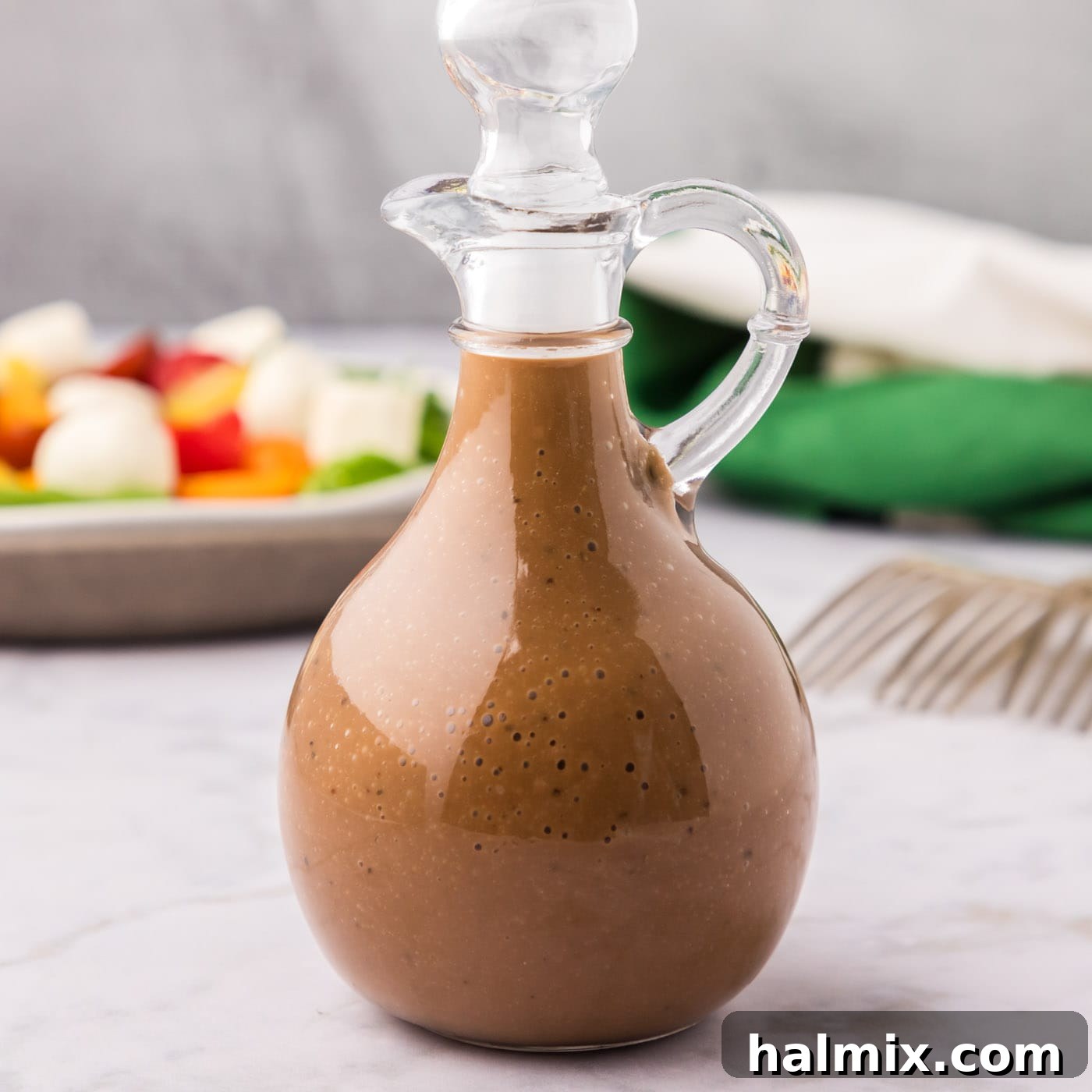
Transform your everyday meals with a homemade Balsamic Vinaigrette that’s bursting with tangy, zesty, and subtly sweet flavors. Forget store-bought options filled with unpronounceable ingredients; this recipe brings a fresh, vibrant taste to your table in mere minutes. Perfectly complementing everything from crisp green salads to succulent roasted vegetables and even grilled proteins, this versatile dressing is about to become your new kitchen essential.
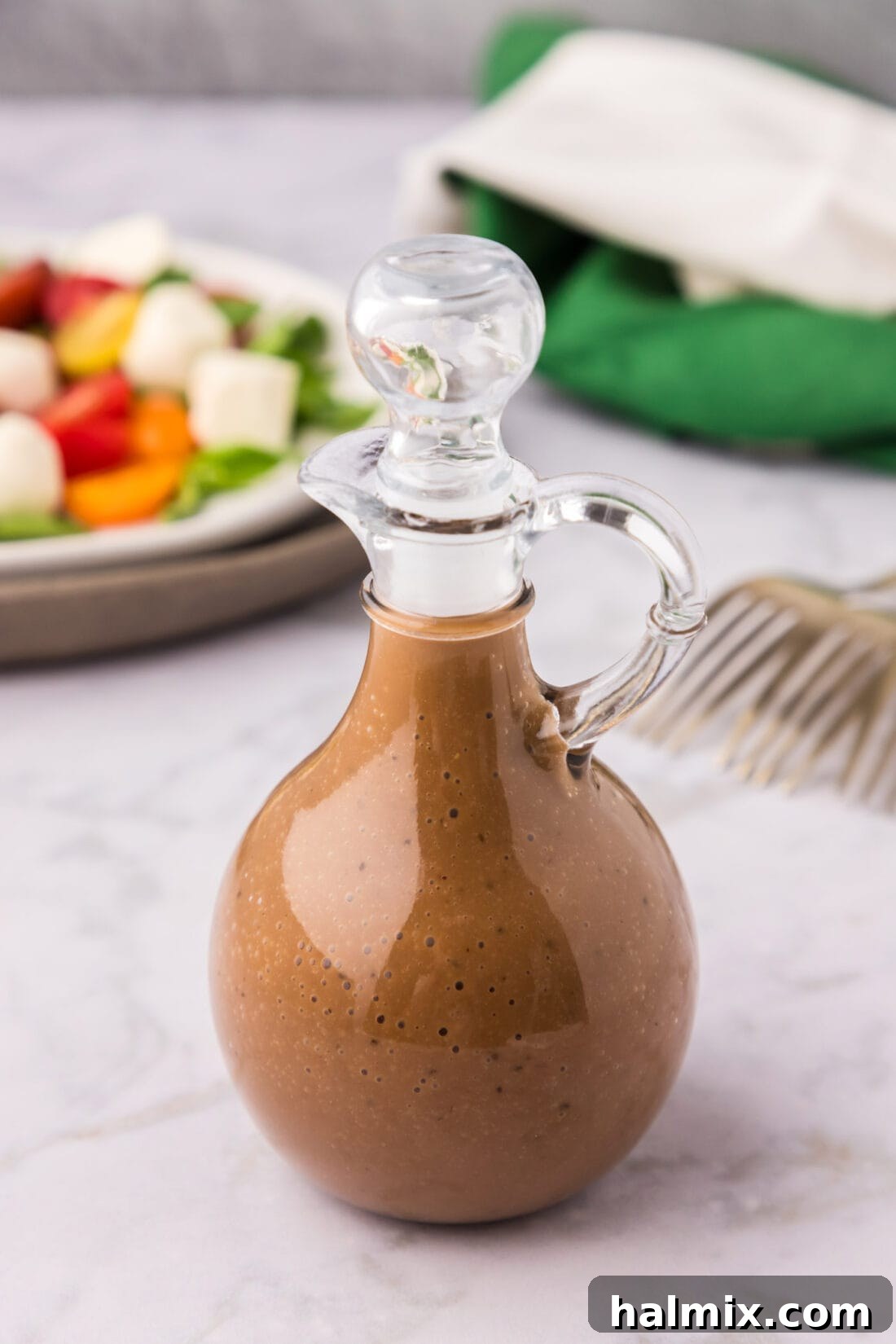
Why Homemade Balsamic Vinaigrette is a Must-Try
Balsamic vinaigrette is much more than just a salad dressing; it’s a culinary powerhouse. Its distinctive blend of sweet and tart makes it incredibly versatile, capable of elevating a wide array of dishes. From drizzling over fresh, seasonal fruits for an unexpected twist to creating a robust marinade for meats and whisking into sophisticated sauces, balsamic vinaigrette adds unparalleled depth and a rich flavor profile.
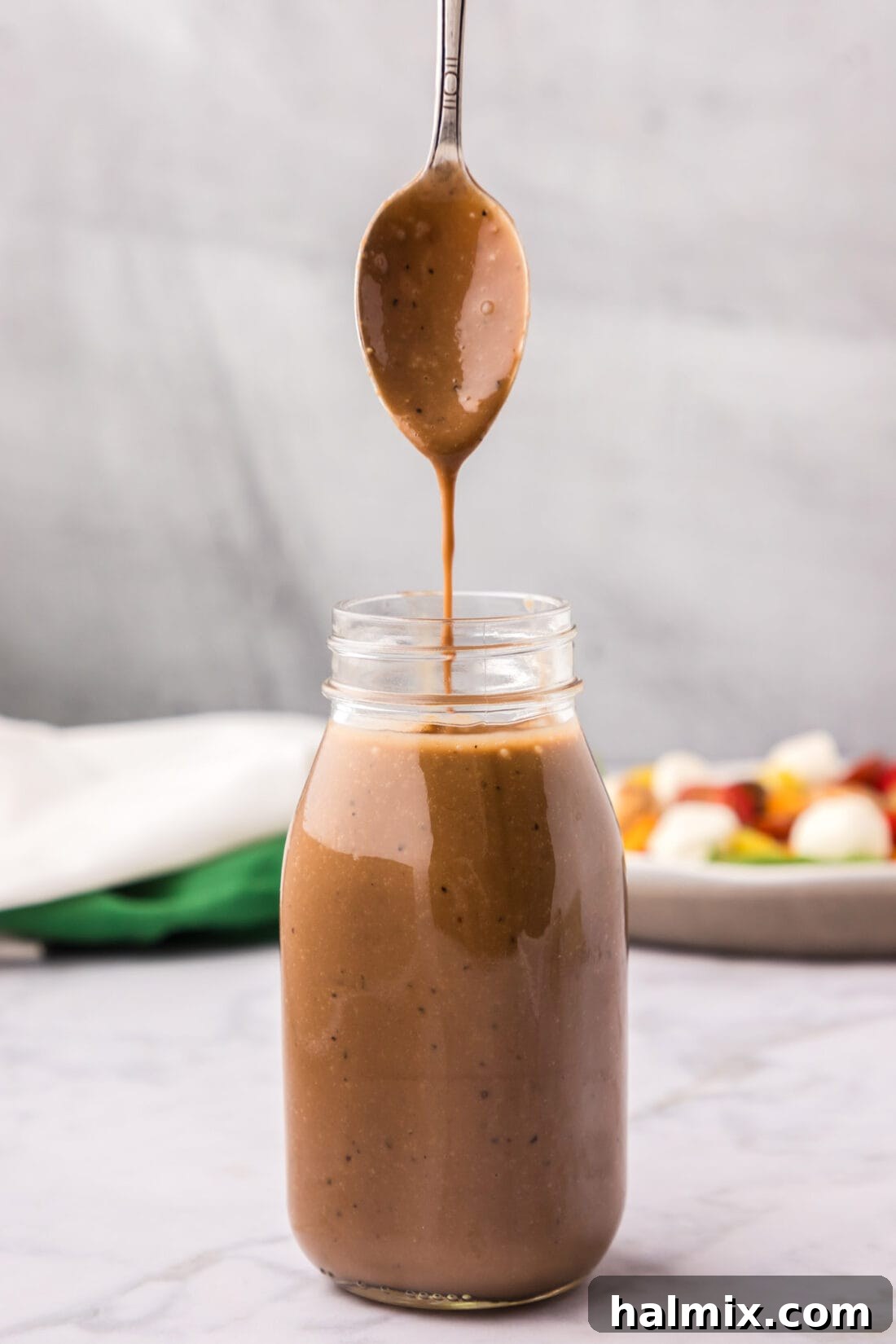
What makes this particular recipe stand out? Its sheer simplicity and the luxurious texture it achieves. We harness the power of an immersion blender to quickly emulsify all the ingredients, resulting in a smooth, almost creamy vinaigrette that clings beautifully to every leaf and morsel. This method eliminates the need for vigorous whisking and ensures a consistently perfect dressing every time. It’s seriously that simple to whip together, requiring minimal effort for maximum flavor payoff. So, gather your fresh ingredients, and let’s embark on a journey to create the ultimate homemade balsamic vinaigrette.
Essential Ingredients for Your Perfect Vinaigrette
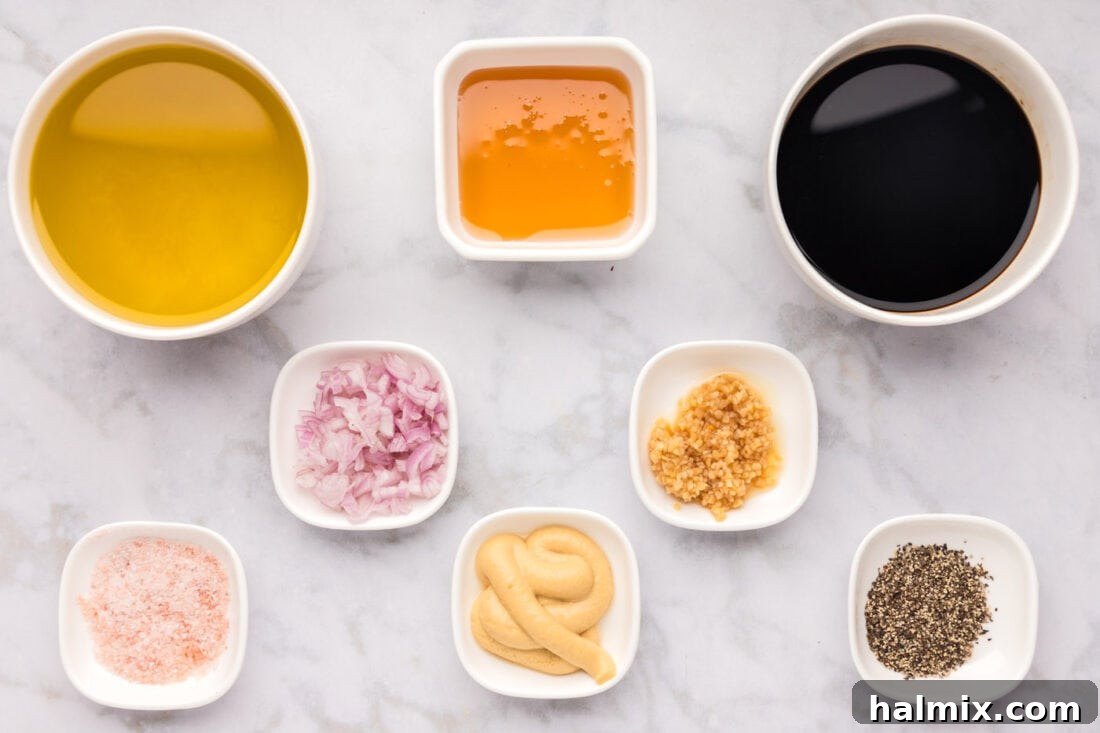
Crafting this exquisite balsamic vinaigrette requires just a handful of quality ingredients, most of which you likely already have in your pantry. Opting for fresh, high-quality components will truly make a difference in the final taste of your dressing. You’ll find a complete list of measurements and step-by-step instructions in the printable recipe card at the conclusion of this article.
Ingredient Deep Dive & Smart Substitution Tips
Understanding each ingredient’s role and knowing how to make smart substitutions can elevate your culinary experience and allow for customization based on your preferences or what you have on hand. Here’s a closer look:
Balsamic Vinegar
This recipe calls for standard balsamic vinegar. Its rich, complex flavor forms the backbone of our vinaigrette. If you have access to aged balsamic vinegar, you’ll notice it’s naturally sweeter and thicker. Should you choose to use aged balsamic, consider reducing the amount of honey specified in the recipe card, as the vinegar itself contributes a significant sweetness that develops with age. Experiment to find your perfect balance!
Honey
Honey serves as the perfect natural sweetener, beautifully balancing the tartness of the balsamic vinegar. It also acts as a natural emulsifier, helping to create that smooth, cohesive texture we desire. Feel free to taste and adjust the amount to suit your personal sweetness preference. If you prefer a vegan option or simply don’t have honey, maple syrup or agave nectar can be excellent substitutes, offering similar sweetness and a delightful flavor profile.
Oil
Extra-virgin olive oil is our top choice for this vinaigrette due to its robust flavor, fruity notes, and health benefits. Its quality significantly impacts the overall taste of the dressing. However, if you’re looking for alternatives, canola oil, sunflower oil, or even a mild sesame oil can be used. Be aware that substituting with these oils will alter the flavor profile of the vinaigrette, introducing different nuances. For a neutral flavor, avocado oil or grapeseed oil are also excellent choices.
Fresh Aromatics: Shallots and Garlic
The addition of minced shallots and garlic infuses the vinaigrette with a pungent, aromatic depth that store-bought dressings often lack. Using fresh ingredients here is highly recommended for the best flavor. If fresh isn’t available, you could use a small pinch of garlic powder and onion powder, but be mindful that the flavor will be less vibrant. These aromatics are key to giving the vinaigrette a gourmet touch.
Dijon Mustard
Dijon mustard is more than just a flavor enhancer; it’s a crucial emulsifier in vinaigrettes. It helps bind the oil and vinegar together, preventing them from separating too quickly and contributing to the creamy texture. Its sharp, tangy notes also complement the balsamic beautifully. If you don’t have Dijon, a stone-ground mustard can work, but avoid overly spicy or sweet varieties that might overpower the dressing.
Salt & Black Pepper
We specify pink Himalayan salt for its mineral richness and slightly coarser grain. If you don’t have it, you can certainly substitute with another coarse salt of equal grain size, such as sea salt. It’s vital not to substitute with an equal amount of fine table salt, as its smaller grain size will make your vinaigrette excessively salty. Always taste and adjust seasoning to your liking. Freshly ground black pepper adds a subtle kick and aroma that enhances the overall flavor.
Step-by-Step Guide: Crafting Your Perfect Balsamic Vinaigrette
These detailed step-by-step photos and instructions are designed to help you visualize the process of making this delicious vinaigrette. For a printable version of this recipe, complete with precise measurements and comprehensive instructions, please jump to the recipe card at the bottom of this post.
-
Prepare Your Ingredients
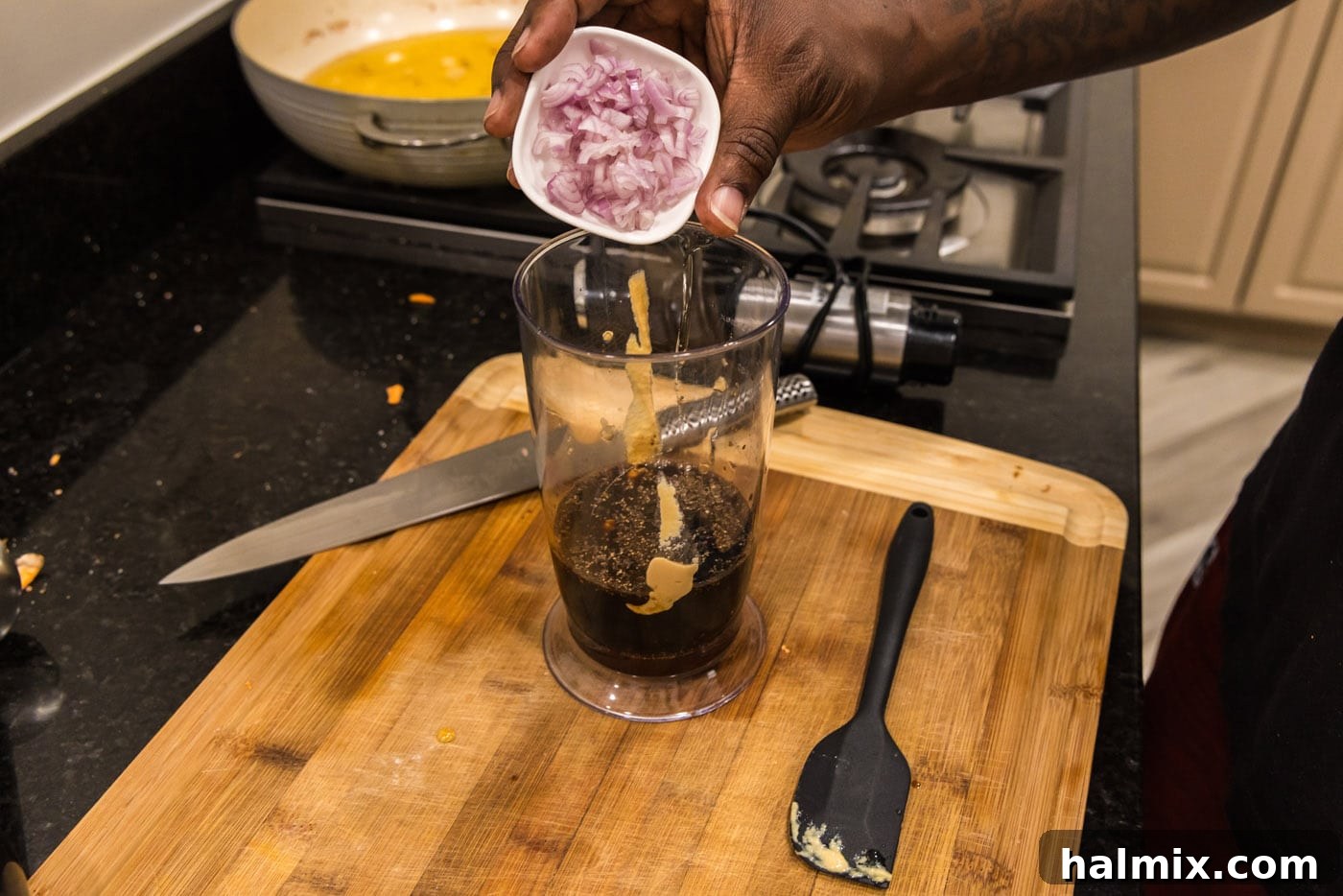
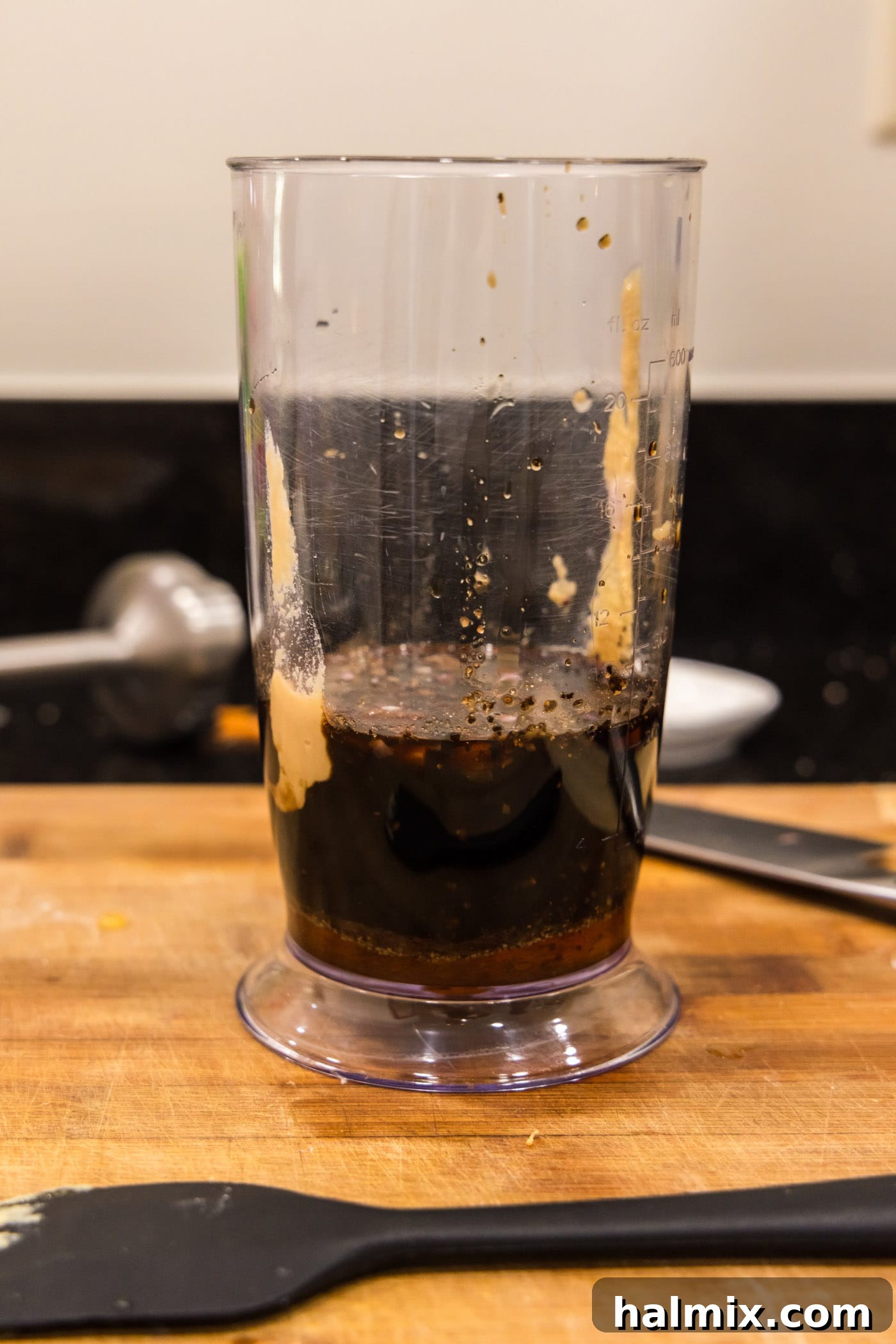
Start by gathering all your ingredients. Place the balsamic vinegar, honey, minced shallots, minced garlic, Dijon mustard, black pepper, and pink Himalayan salt into the container of an immersion blender. Ensure that all ingredients, except the olive oil, are in the blending vessel. This allows the aromatics and seasonings to begin infusing the vinegar base.

All dry and liquid ingredients (except olive oil) ready for blending. The vibrant mix of ingredients before emulsification. -
Emulsify to Perfection
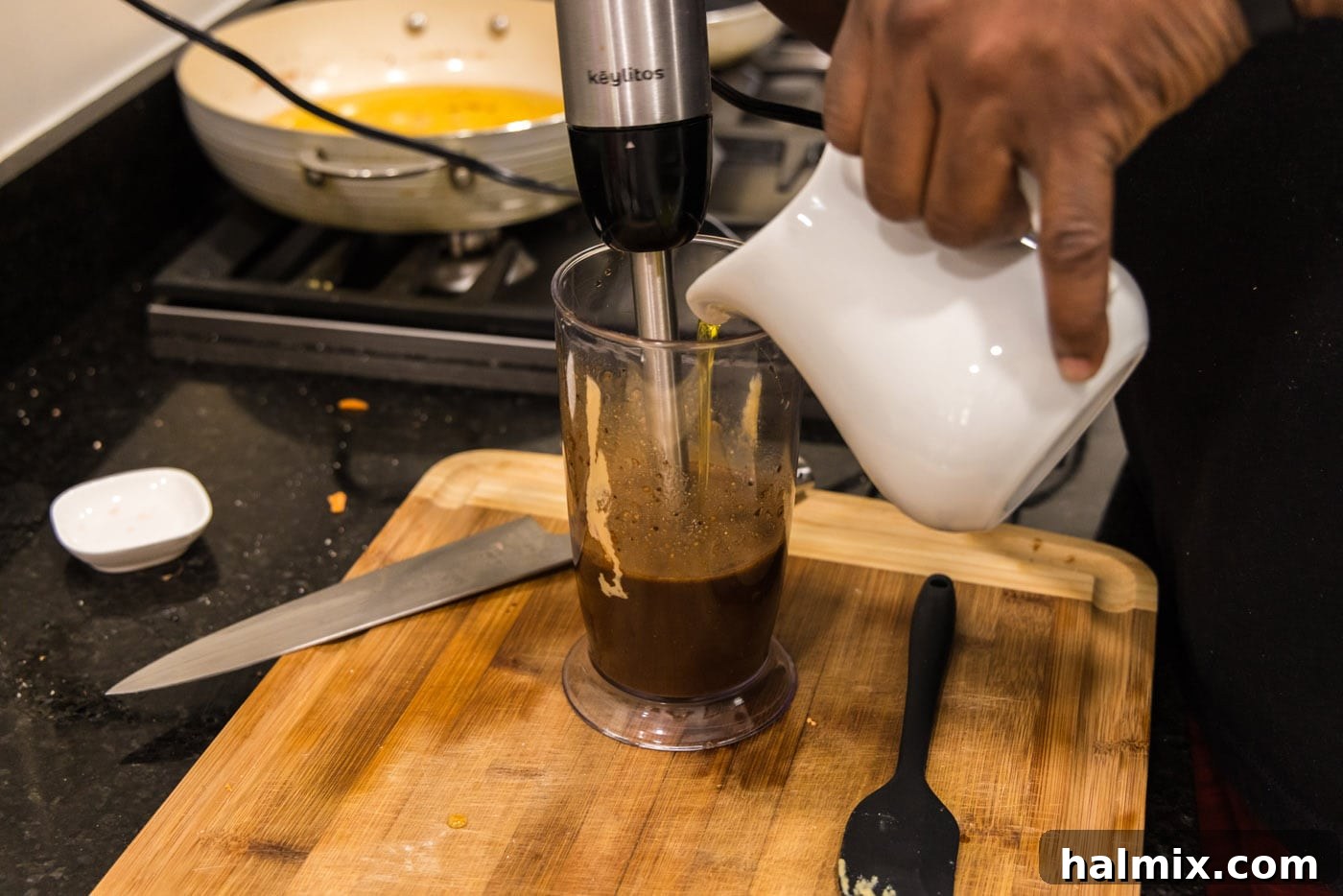
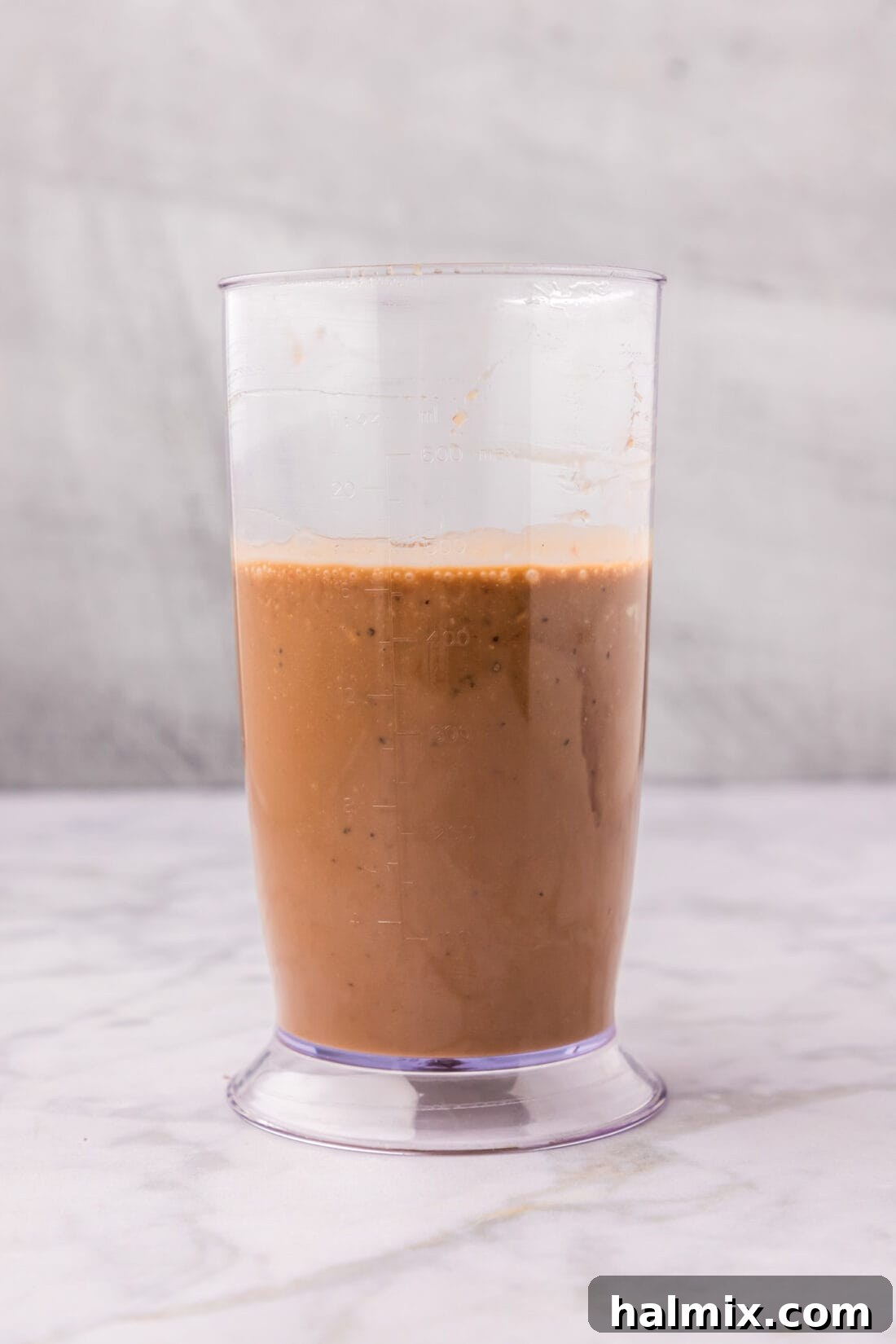
With the immersion blender switched on, begin blending all the ingredients together. While the blender is running, slowly and steadily drizzle in the extra virgin olive oil. The key here is patience; a slow drizzle allows the oil to incorporate gradually, creating a stable emulsion. Continue blending until everything is thoroughly combined and the mixture transforms into a smooth, slightly thickened, and homogenous vinaigrette. You’ll notice it becoming visibly creamier and lighter in color.
Slowly drizzling olive oil as the immersion blender works its magic, creating a perfect emulsion. -
Chill and Serve
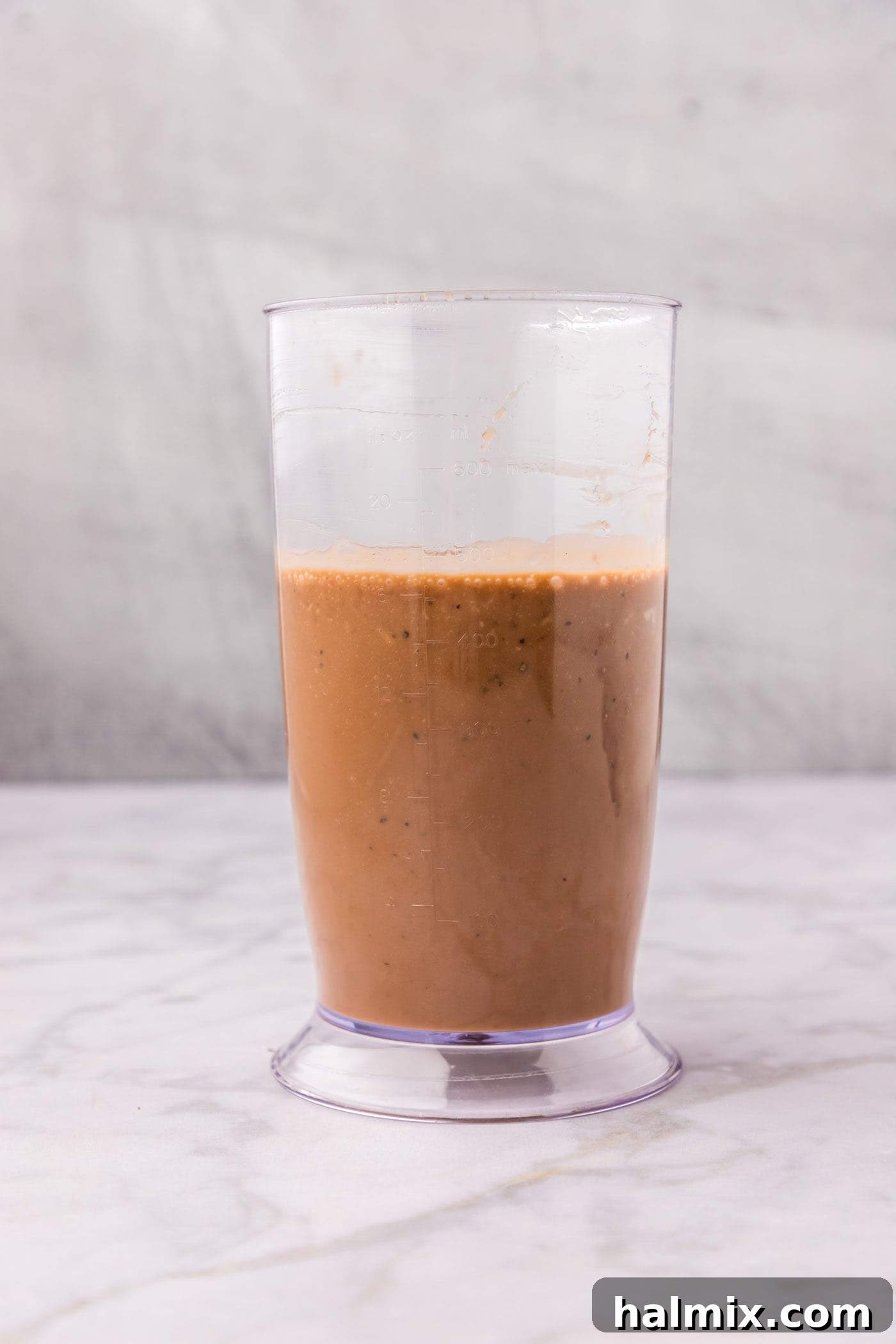
For the best flavor and consistency, chill your freshly made balsamic vinaigrette in the refrigerator for at least 30 minutes before serving. This allows the flavors to meld and deepen, resulting in a more harmonious dressing. The chilling process also helps the vinaigrette to thicken slightly.
The beautifully blended vinaigrette, smooth and ready to chill. -
Storage Instructions
Once chilled, transfer any unused vinaigrette to a sealed, airtight container – a glass jar with a tight-fitting lid works wonderfully. Store it in the refrigerator. Before each use, give the container a good shake, as natural separation of ingredients may occur over time. This will bring it back to its emulsified state.
Frequently Asked Questions & Expert Tips for Success
Proper storage is key to enjoying your homemade balsamic vinaigrette for an extended period. When stored correctly in an airtight container, preferably a glass jar, in the refrigerator, your vinaigrette can last for up to one month. It’s common for the dressing to thicken in the cold or for the oil and vinegar to separate. Don’t worry, this is natural! Simply give the jar a vigorous shake before each use to re-emulsify it. If it’s too thick, you can warm it gently for 5-10 seconds in the microwave or let it sit at room temperature for a few minutes to loosen its consistency.
Balsamic vinegar is a distinct condiment made from pressed grape juice that is aged in wooden barrels. It is typically dark, syrupy, and boasts a complex flavor profile that ranges from intensely sweet to deeply tart, depending on its age and quality. It’s often used as a finishing touch, drizzled over dishes like bruschetta, cheeses, or fresh fruit.
Balsamic vinaigrette, on the other hand, is a dressing or marinade built upon a balsamic vinegar base. It incorporates other ingredients such as oil (typically olive oil), a sweetener (like honey), emulsifiers (such as Dijon mustard), and various seasonings (like garlic, shallots, salt, and pepper). The addition of these components results in a thicker, often lighter-colored, and more balanced liquid that is primarily used for dressing salads, marinating meats, or accompanying roasted vegetables. Its texture is designed to coat food evenly, making it a functional and flavorful addition to many meals.
Absolutely! While an immersion blender creates the creamiest, most stable emulsion, you can certainly make this vinaigrette using a whisk or a regular blender. If whisking by hand, combine all ingredients except the olive oil in a bowl. Then, slowly drizzle in the olive oil in a thin stream while continuously whisking vigorously until the mixture is fully emulsified and thickened. If using a regular blender, follow the same steps: combine all ingredients except the oil, start blending, and slowly pour in the oil through the top opening until emulsified.
Creative & Delicious Serving Suggestions
The versatility of this homemade balsamic vinaigrette knows no bounds. While it’s a natural fit for salads, its applications extend far beyond the greens in your bowl, promising to elevate a myriad of dishes with its vibrant flavor profile.
Salad Sensations
Of course, this vinaigrette shines brightest when tossed with fresh salads. It’s particularly exceptional with salads that feature fresh fruit, offering a delightful interplay of sweet and savory. Consider pairing it with a spinach salad loaded with juicy strawberries, crisp apples, tender peaches, or plump blueberries for a truly unforgettable experience. It’s also fantastic on a classic Caprese salad with ripe tomatoes, fresh mozzarella, and basil, or drizzled over a robust kale and quinoa salad.
Marinade Masterpiece
Beyond salads, this balsamic vinaigrette excels as a marinade. Its acidic properties tenderize and infuse flavor into a variety of proteins. Use it to marinate tofu for a plant-based delight, or let it work its magic on pork tenderloin, beef steaks, or chicken breasts. Even portobello mushrooms benefit immensely from a good soak in this flavorful mixture before grilling or roasting.
Drizzles and Finishes
Elevate your roasted vegetables to new heights by drizzling this vinaigrette over carrots, broccoli, asparagus, Brussels sprouts, or bell peppers. The heat from roasting caramelizes the vinegar, creating an even richer, more complex taste. It’s also a fantastic finish for grilled fish, a simple pasta dish, or even a homemade pizza after it comes out of the oven. Don’t forget to try it over fresh mozzarella or a burrata cheese appetizer, or simply as a dipping oil for crusty bread.
Explore More Homemade Salad Dressing Recipes
If you’ve enjoyed the fresh, customizable taste of this homemade balsamic vinaigrette, you’ll love discovering other easy-to-make dressings that can transform your meals. Expand your culinary repertoire with these delicious recipes:
- Creamy Dill Dressing
- Classic Blue Cheese Dressing
- Bright Lemon Salad Dressing
- Homestyle Buttermilk Ranch Dressing
- Sweet Blueberry Vinaigrette Salad Dressing
I find immense joy in cooking and baking, and it’s a pleasure to share my kitchen adventures with all of you! To make sure you never miss a new recipe, I offer a convenient newsletter. Simply subscribe today and start receiving free daily recipes directly to your inbox!
Balsamic Vinaigrette Recipe Card
Balsamic Vinaigrette
This homemade balsamic vinaigrette adds incredible depth and robust flavor to a multitude of dishes. Drizzle it over sweet fruit or roasted vegetables, incorporate it into meat marinades, or whisk it into savory sauces for an instant flavor upgrade!
Pin Recipe
Cuisine: American, Italian-inspired
Servings: 16 servings (approximately 2 cups)
Total Time: 35 minutes (includes chilling)
Calories: 107 kcal per serving
Author: Amanda Davis
Ingredients
- 1 cup balsamic vinegar (regular)
- 3 Tablespoons honey
- 2 teaspoons minced shallots
- 2 teaspoons minced garlic
- 1 Tablespoon Dijon mustard
- 2 teaspoons black pepper (freshly ground recommended)
- 2 teaspoons pink Himalayan salt (or coarse sea salt)
- ⅔ cup extra virgin olive oil (high quality)
Things You’ll Need
- Immersion blender (or standard blender/whisk)
- Airtight container or jar for storage
Before You Begin: Important Tips
- Blending with an immersion blender will introduce air, causing the vinaigrette to froth up slightly and increase in volume. This is normal and contributes to its creamy texture.
- If using aged balsamic vinegar, which is naturally sweeter and thicker, you may want to start with less honey and adjust to taste.
- While extra-virgin olive oil is preferred for its flavor, you can substitute with canola, sunflower, avocado, or grapeseed oil. Be aware that the flavor profile will subtly change.
- If you don’t have pink Himalayan salt, use an equal grain-sized coarse salt like sea salt. Do NOT substitute with an equal amount of fine table salt, as it will make your vinaigrette too salty.
- Homemade balsamic vinaigrette stores well in a sealed container in the refrigerator for up to 1 month. It may thicken or separate; simply shake well before using. If too thick from chilling, a few seconds in the microwave can help loosen it.
Instructions
- Place all ingredients into the container of an immersion blender, with the exception of the olive oil.
- Activate the immersion blender and begin blending. Slowly and steadily drizzle in the olive oil until all ingredients are well combined and the mixture is smooth and emulsified.
- Transfer the vinaigrette to a container and chill in the refrigerator for at least 30 minutes before serving to allow flavors to meld and consistency to settle.
- Store any leftover vinaigrette in a sealed container in the refrigerator for future use. Remember to shake well before each serving.
Nutrition Facts
|
Calories: 107 kcal
|
Carbohydrates: 6g
|
Protein: 0.2g
|
Fat: 9g
|
Saturated Fat: 1g
|
Polyunsaturated Fat: 1g
|
Monounsaturated Fat: 7g
|
Sodium: 305mg
|
Potassium: 27mg
|
Fiber: 0.1g
|
Sugar: 6g
|
Vitamin A: 2 IU
|
Vitamin C: 0.2mg
|
Calcium: 7mg
|
Iron: 0.2mg
Tried this Recipe? Pin it for Later!
Follow on Pinterest @AmandasCookin or tag #AmandasCookin!
The recipes on this blog are typically tested with a conventional gas oven and gas stovetop. Please be aware that cooking and baking times can vary, especially with older ovens or different appliance types. Using an inexpensive oven thermometer can help ensure your oven maintains the correct temperature. If you use a toaster oven or countertop oven, be mindful that heat distribution may differ from a full-sized conventional oven, potentially requiring adjustments to cooking or baking times. For recipes prepared with specific appliances like pressure cookers, air fryers, or slow cookers, a link to the models we use is usually provided within the respective recipe. For baking recipes where measurements are given by weight, please note that using volume (cups) instead may lead to different results, and success cannot be guaranteed with that method.