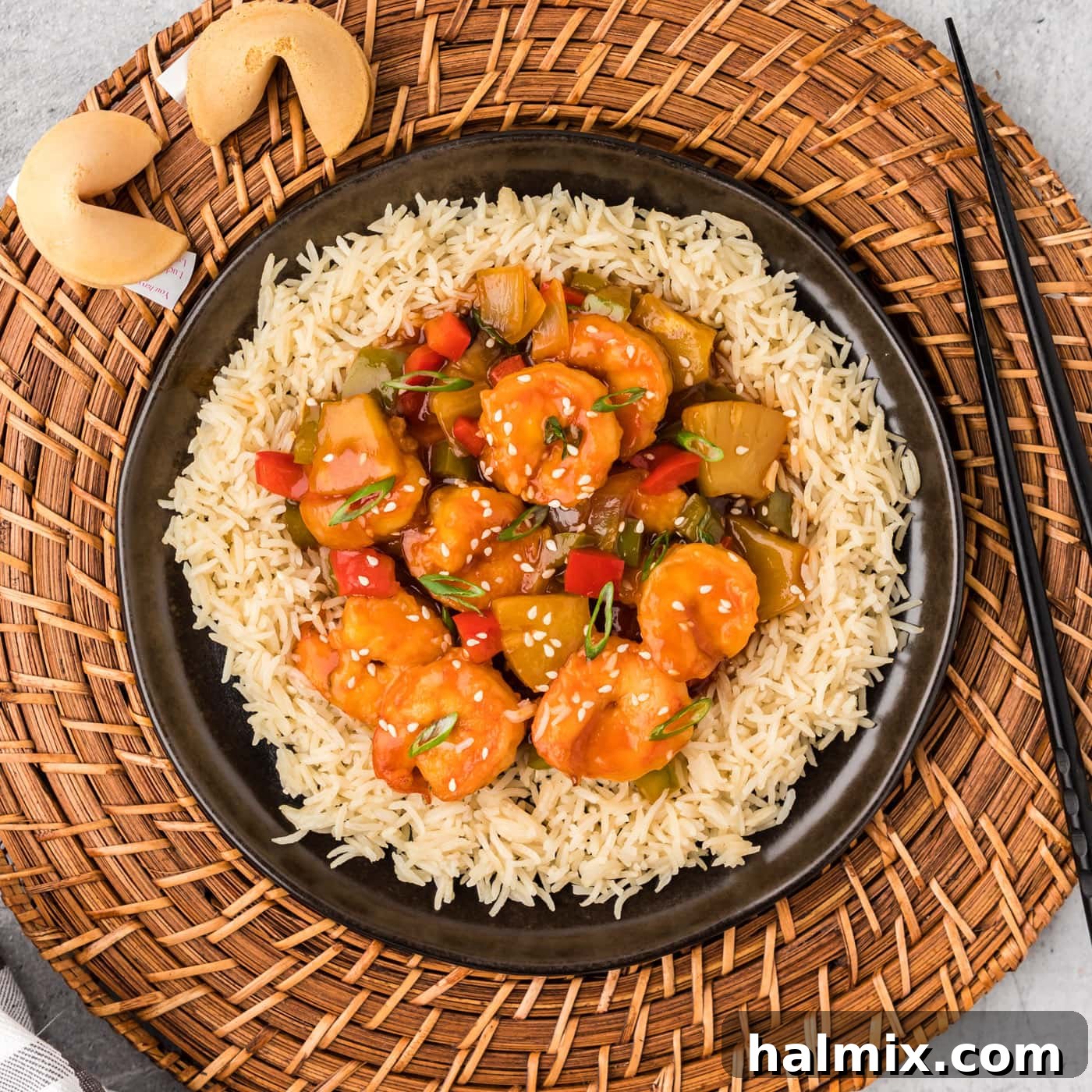
Crispy Sweet and Sour Shrimp: Your Ultimate Guide to a Flavorful Takeout Favorite at Home
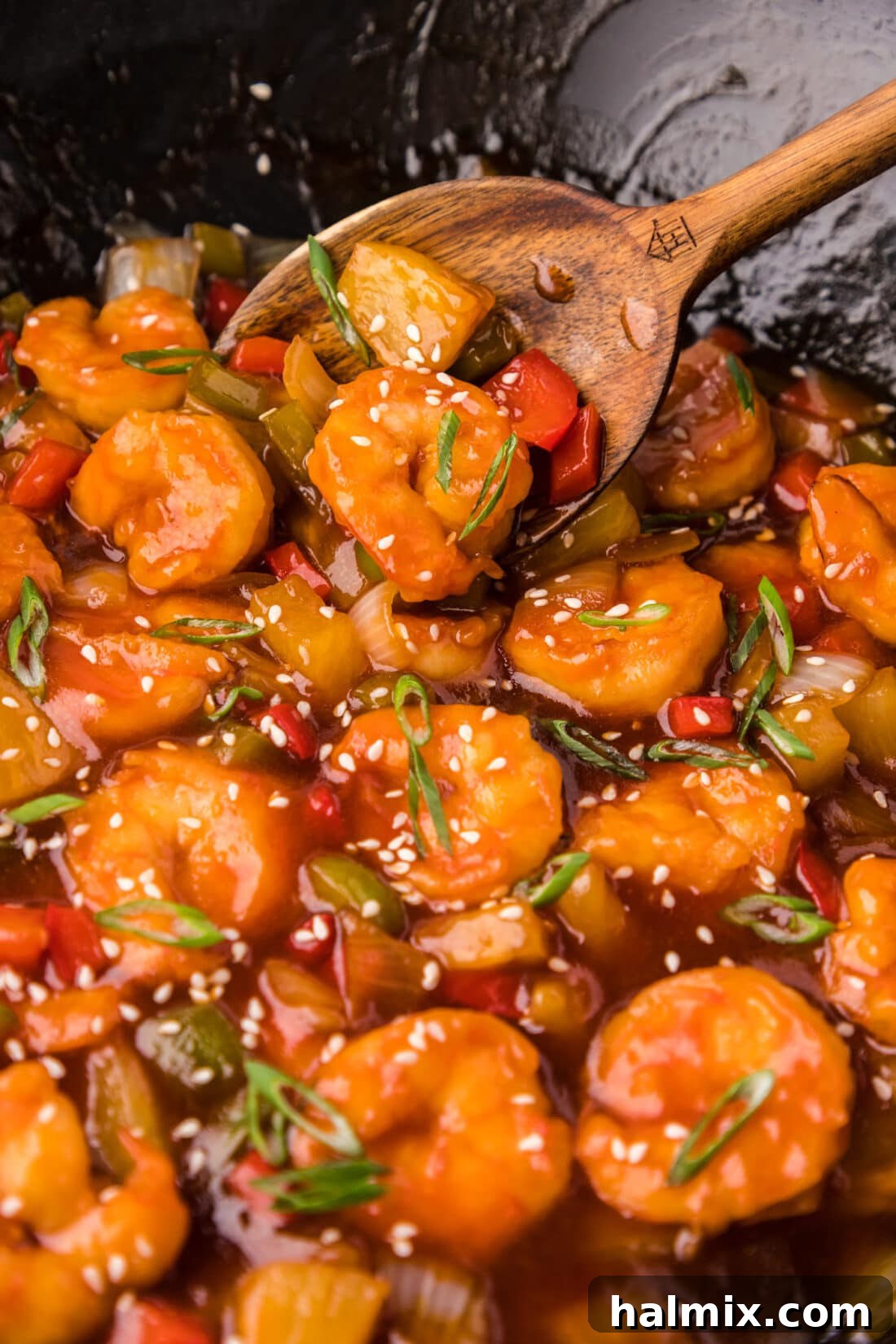
Embark on a culinary journey to create the most delicious Sweet and Sour Shrimp right in your own kitchen! This comprehensive guide will walk you through crafting succulent, crispy shrimp stir-fried with vibrant bell peppers and onions, all coated in a perfectly balanced sweet and savory sauce. Forget about expensive takeout; this recipe promises a restaurant-quality meal in under 40 minutes, bringing an explosion of tangy, sweet, and umami flavors directly to your dining table.
Why This Recipe Is a Must-Try
There’s a reason sweet and sour shrimp remains a perennial favorite on Chinese restaurant menus. It’s the delightful contrast of textures and the harmonious blend of flavors that captivates every palate. Our recipe elevates this classic, ensuring that each bite delivers golden, crispy shrimp perfectly complemented by tender-crisp vegetables, all bathed in an irresistible homemade sauce. This isn’t just a meal; it’s an experience that rivals your favorite takeout, made with fresh ingredients and the satisfaction of cooking it yourself.
The magic begins with a simple cornstarch coating for the shrimp, which is then swiftly fried to achieve that coveted golden crispness. This crucial step creates a protective layer, sealing in the shrimp’s natural sweetness and providing an ideal texture that stands up beautifully to the rich sauce. Following this, a quick stir-fry of fresh onions and colorful bell peppers ensures they retain their slight bite and vibrant appeal. The grand finale is the expertly crafted sweet and sour sauce, a masterful blend of tangy vinegar, tropical pineapple juice, rich tomato, and sweet honey, all thickened to perfection. Combining these elements transforms simple ingredients into a gourmet dish that will impress family and friends alike.
Beyond its incredible taste and texture, this recipe shines in its efficiency. From preparation to plate, you’re looking at approximately 35-40 minutes of active cooking. This makes it an ideal choice for busy weeknights when you crave something special without the lengthy commitment. It’s a versatile dish that pairs wonderfully with a variety of sides, offering a balanced and satisfying meal that is both comforting and exciting.
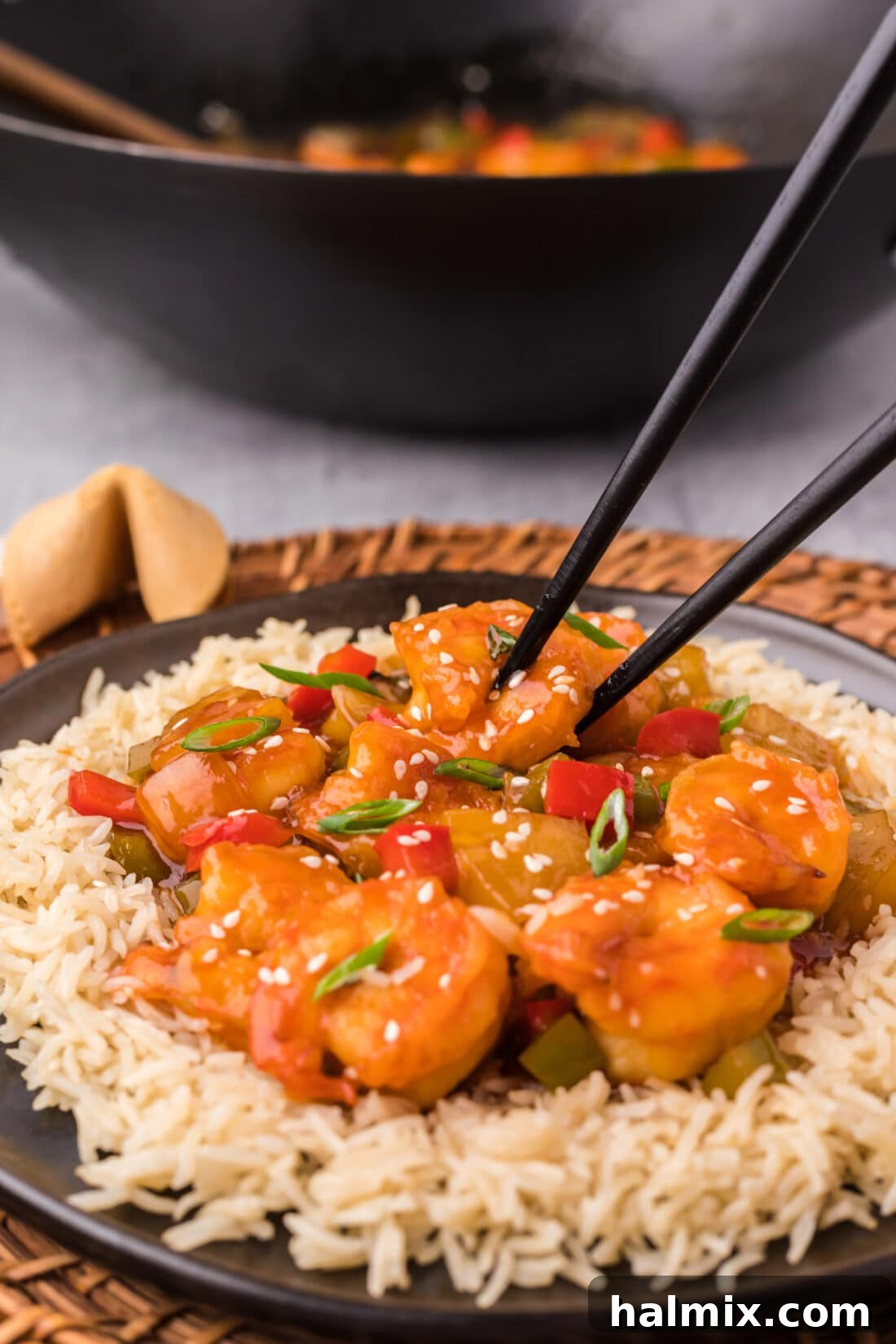
Essential Ingredients for Your Sweet and Sour Masterpiece
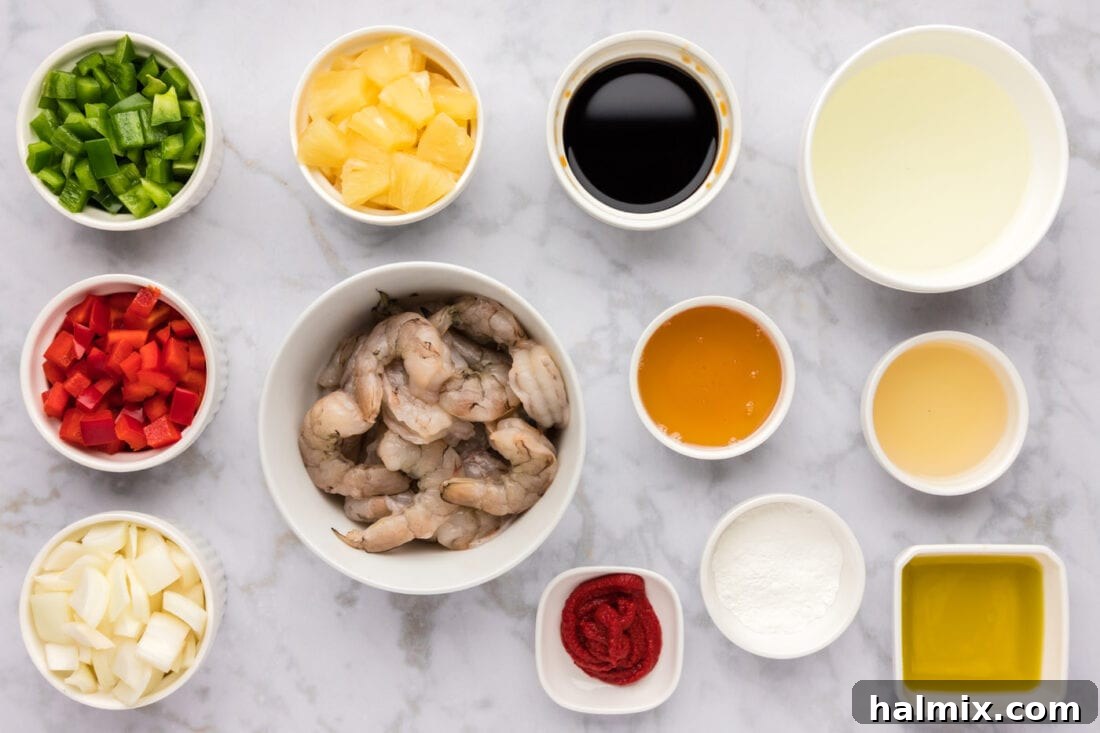
Crafting exceptional sweet and sour shrimp starts with quality ingredients. Here’s what you’ll need to gather for this delightful culinary adventure:
Ingredient Info and Substitution Suggestions
- Shrimp: You’ll need approximately 12 ounces of raw shrimp. For the best results, opt for medium to large shrimp, peeled, deveined, and with tails removed for ease of eating. While fresh shrimp are always fantastic, high-quality frozen shrimp work equally well. If using frozen, ensure they are fully thawed and thoroughly patted dry before proceeding. Excess moisture is the enemy of crispiness, so this step is critical for achieving that perfect golden crunch.
- Cornstarch: This serves two vital roles. First, it creates that glorious crispy coating on the shrimp. Second, a cornstarch slurry is used to thicken the sweet and sour sauce to just the right consistency, giving it that classic glossy finish.
- Oils for Frying and Stir-Frying: You’ll need vegetable oil (or another neutral oil like canola or peanut oil) for deep-frying the shrimp, ensuring they get beautifully golden and crisp. Additionally, a smaller amount of olive oil (or sesame oil for an added aromatic touch) is used for stir-frying the vegetables and building the sauce base.
- The Homemade Sweet and Sour Sauce: This is the heart of the dish, and it’s remarkably simple to assemble from pantry staples:
- Soy Sauce: Provides a foundational umami and savory depth. For a gluten-free option, use tamari.
- Rice Vinegar: Delivers the essential tanginess, balancing the sweetness. Do not substitute with white vinegar, as its acidity is too harsh.
- Pineapple Juice: Contributes natural sweetness and a tropical fruitiness that complements the shrimp beautifully. Fresh or canned unsweetened pineapple juice works perfectly.
- Tomato Paste: Adds richness, a subtle savory note, and a beautiful red hue to the sauce. It’s a concentrated flavor booster.
- Honey: The primary sweet component, offering a more nuanced sweetness than granulated sugar. Maple syrup or brown sugar can be used as alternatives if needed.
- Water: Used to adjust the sauce consistency and create the cornstarch slurry.
- Pineapple Wedges: Added at the end, these offer bursts of juicy, sweet-tart flavor and a delightful textural contrast. Canned pineapple chunks (drained) are convenient, or you can use fresh pineapple.
- Fresh Vegetables: Onions and both red and green bell peppers are standard for their vibrant colors and complementary flavors. They add a lovely crunch and freshness to the dish. Feel free to experiment with other stir-fry friendly vegetables like broccoli florets, sliced carrots, snow peas, water chestnuts, or bamboo shoots for added variety and texture.
- Optional Garnishes: Sliced green onions and toasted sesame seeds add a fresh, aromatic finish and visual appeal.
Step-by-Step Guide to Making Sweet and Sour Shrimp
Follow these detailed steps to create your own irresistible sweet and sour shrimp at home. These instructions will guide you through each stage, ensuring a delicious and successful meal.
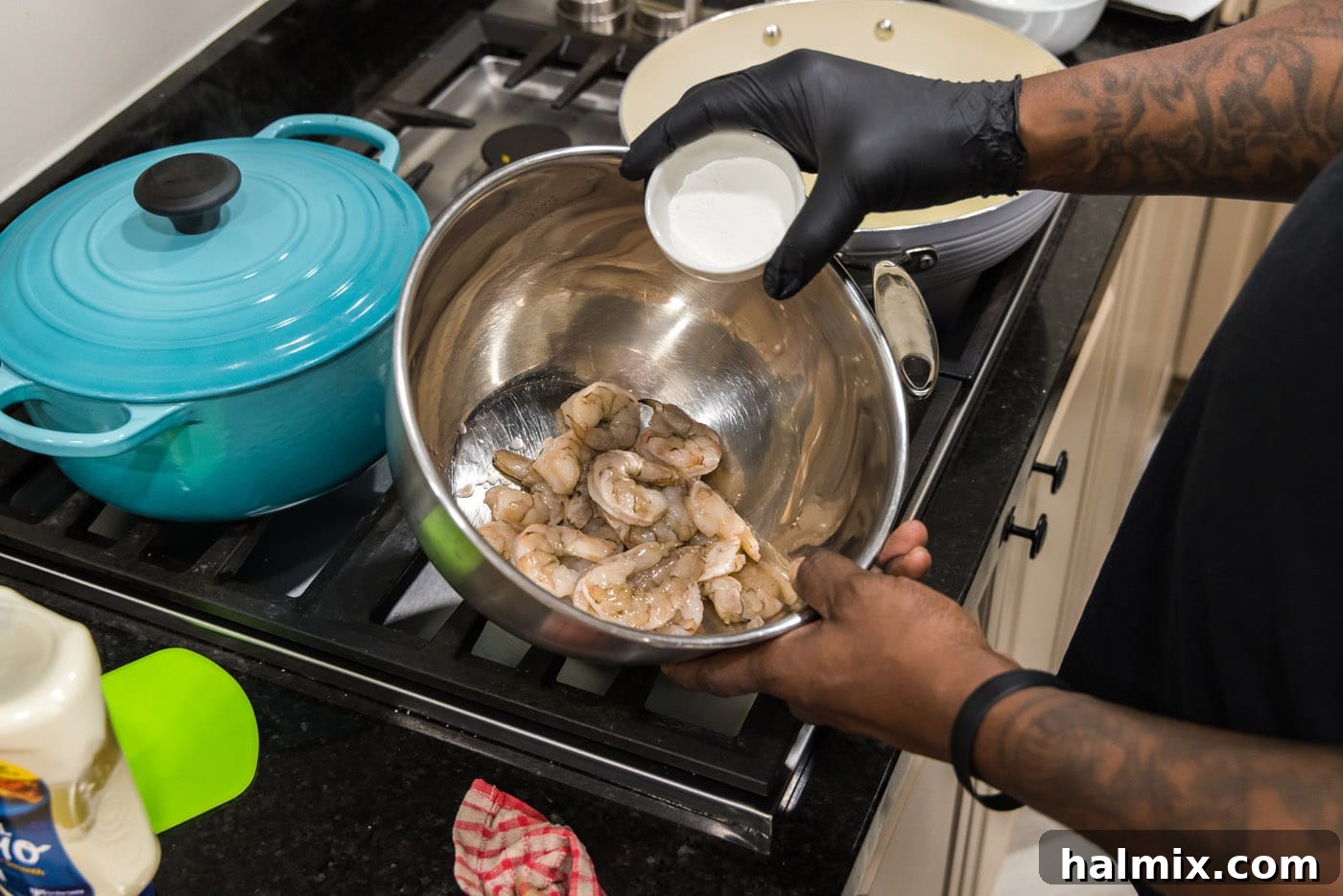
- Prepare the Shrimp: In a large mixing bowl, take your peeled, deveined, and tail-removed shrimp. Add half of the cornstarch. Using a gloved hand or a spatula, gently toss the shrimp until each piece is evenly coated. This thin layer of cornstarch is key to achieving that perfect crispy exterior.

Ensuring each shrimp is perfectly coated in cornstarch for maximum crispness. - Heat the Frying Oil: In a large deep-sided skillet or Dutch oven, add enough vegetable oil to come about an inch up the sides. Heat the oil over medium-high heat until it’s shimmering and reaches approximately 350-375°F (175-190°C). You can test the oil by dropping a tiny pinch of cornstarch; if it sizzles immediately, the oil is ready.
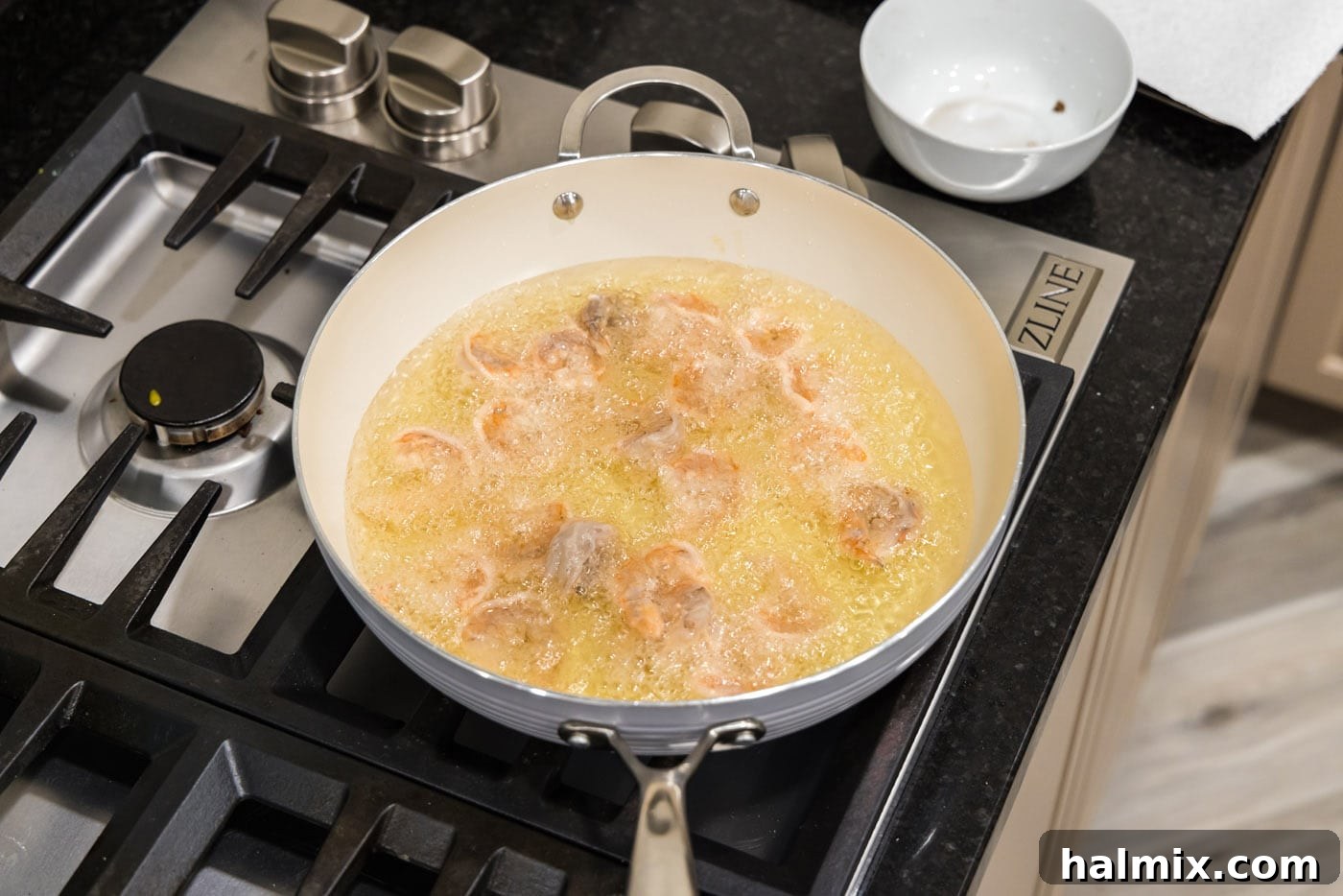
- Fry the Shrimp: Carefully add the coated shrimp to the hot oil in batches, ensuring not to overcrowd the pan. Overcrowding can lower the oil temperature and lead to soggy shrimp. Cook for 2-3 minutes per side, or until the shrimp turn opaque, curl into a C-shape, and develop a beautiful golden-brown crust. Remove the cooked shrimp with a slotted spoon and place them on a plate lined with paper towels to drain excess oil. Repeat with remaining shrimp.
Frying the shrimp to golden perfection in hot oil. - Prepare the Wok/Skillet for Sauce and Veggies: Drain most of the oil from your skillet (or use a fresh wok or large pan) and add 3 tablespoons of olive oil. Heat over medium-high heat until shimmering.
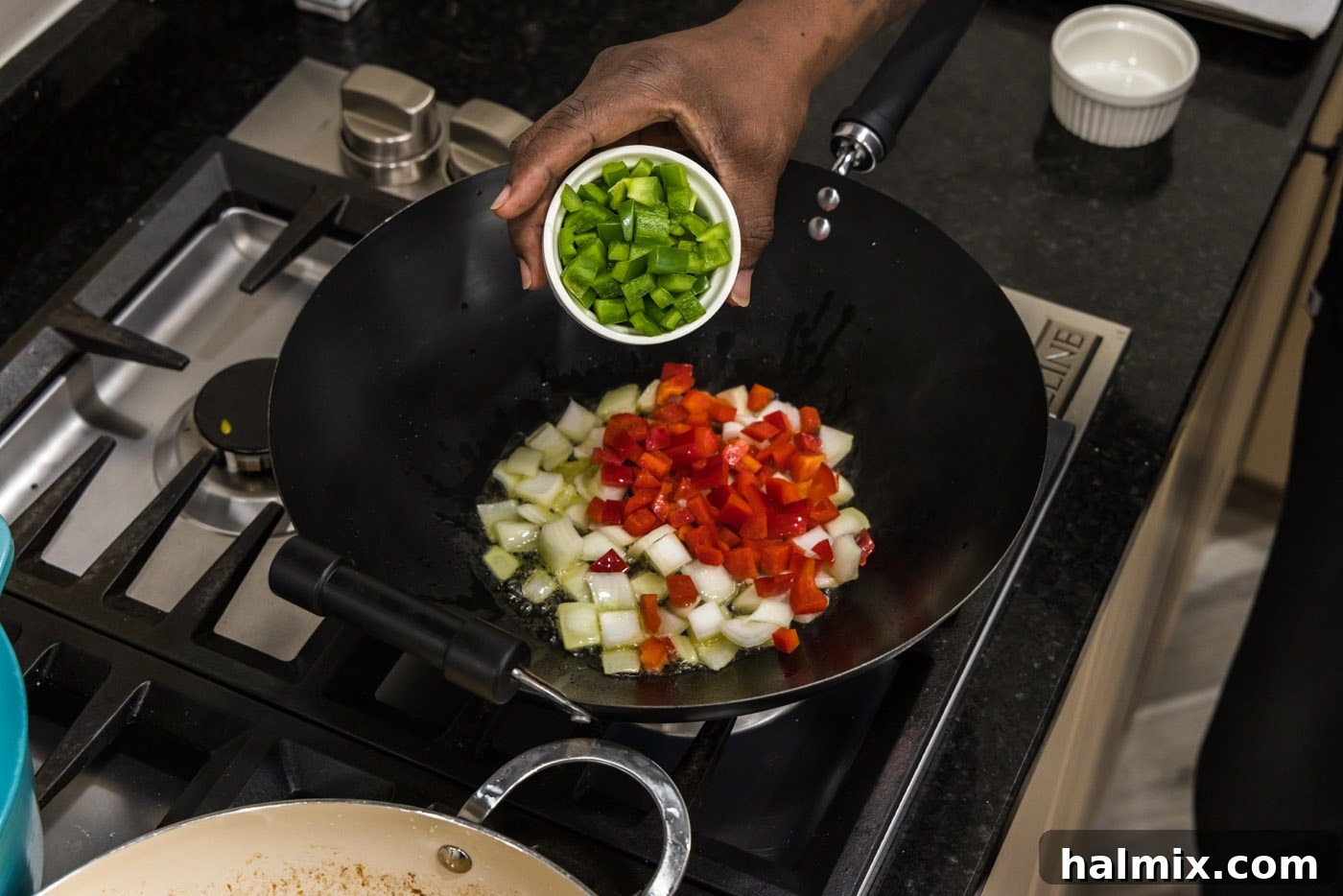
- Stir-Fry the Vegetables: Add the chopped onion, red bell pepper, and green bell pepper to the hot oil. Stir-fry constantly for about 2 minutes, until the vegetables are tender-crisp and fragrant. They should still have a slight bite to them.
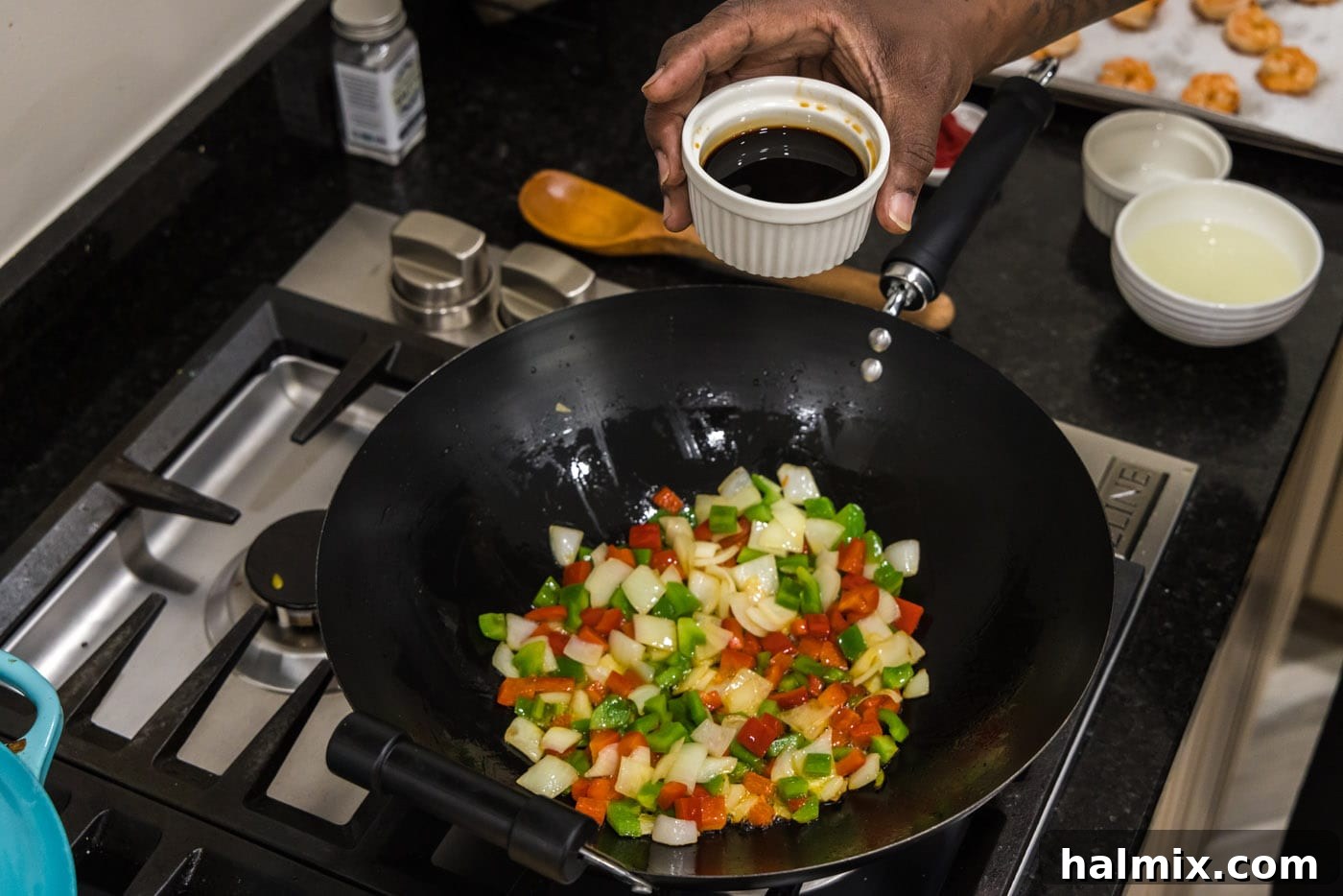
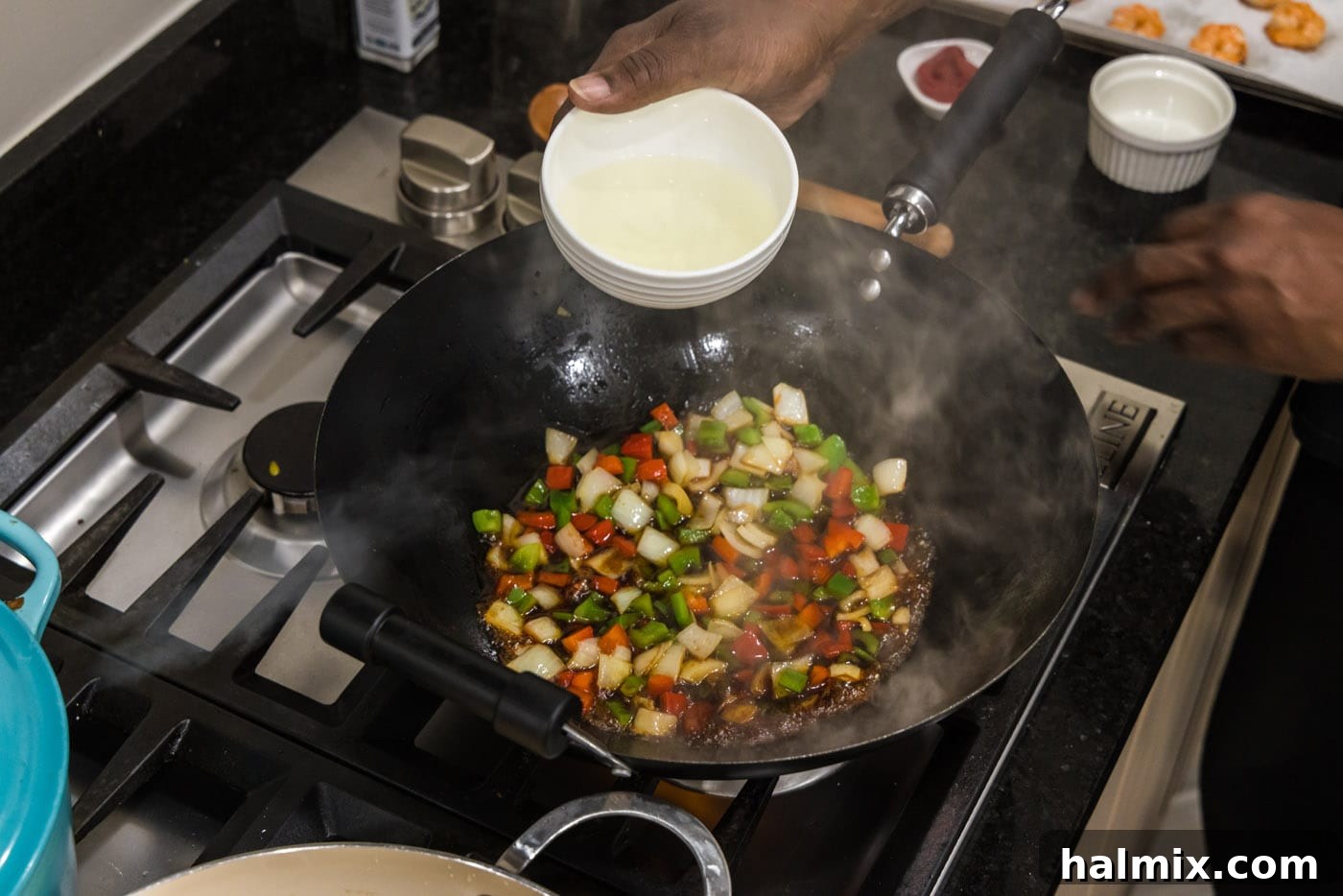
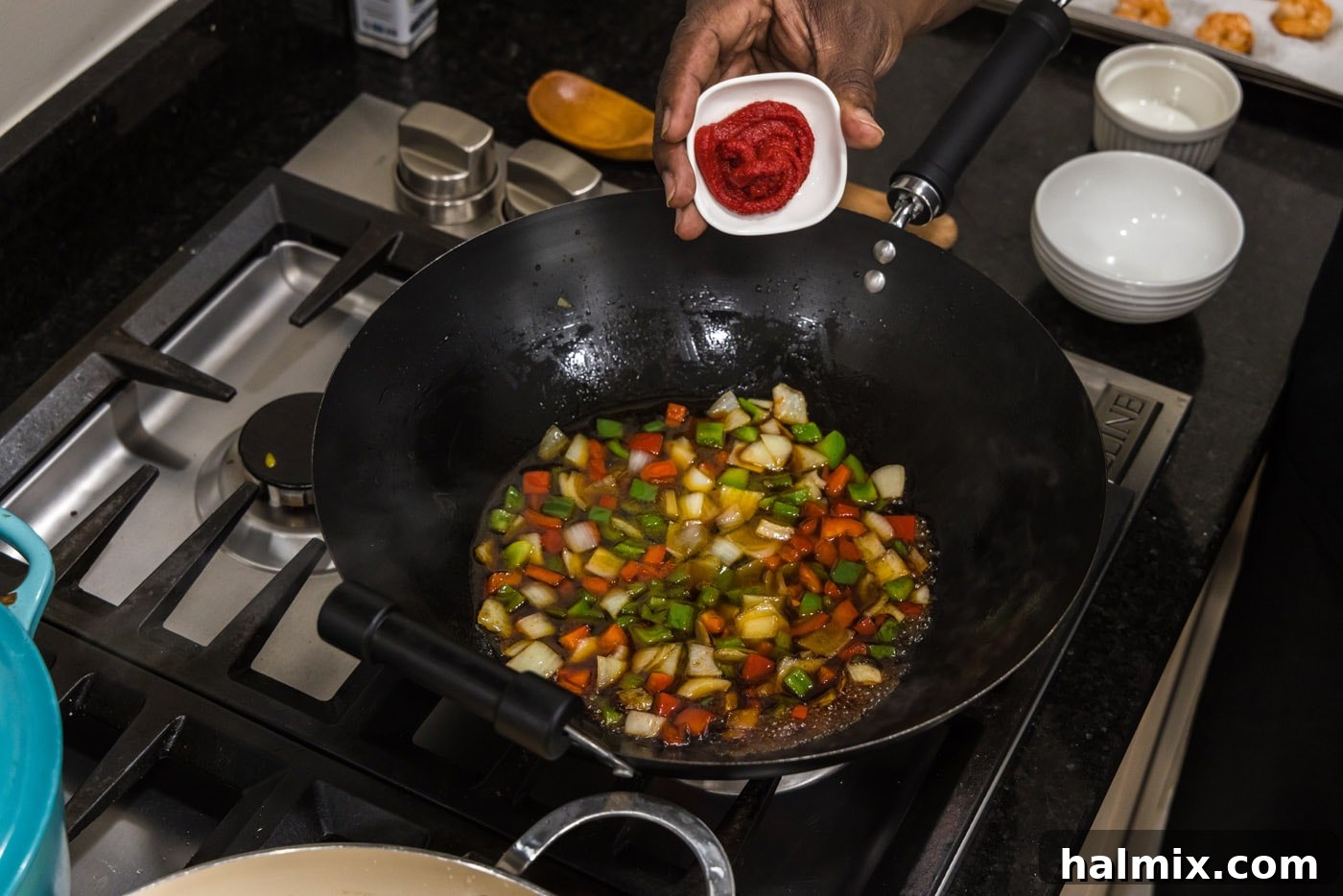
Stir-frying colorful bell peppers and onions until tender-crisp. - Create the Sweet and Sour Sauce Base: Pour in the soy sauce, rice vinegar, pineapple juice, tomato paste, and honey into the wok with the vegetables. Stir well to combine all ingredients, ensuring the tomato paste dissolves thoroughly and creates a smooth, aromatic sauce.
Adding the first components of the sweet and sour sauce. Introducing the tangy sweetness of pineapple juice. Enriching the sauce with concentrated tomato paste. - Thicken the Sauce: In a small separate bowl, combine the remaining cornstarch with ¼ cup of water to create a smooth slurry. Pour this slurry into the simmering sauce in the wok, stirring continuously. Continue to cook for 2-4 minutes, or until the sauce thickens to your desired consistency – it should be glossy and able to coat the back of a spoon.
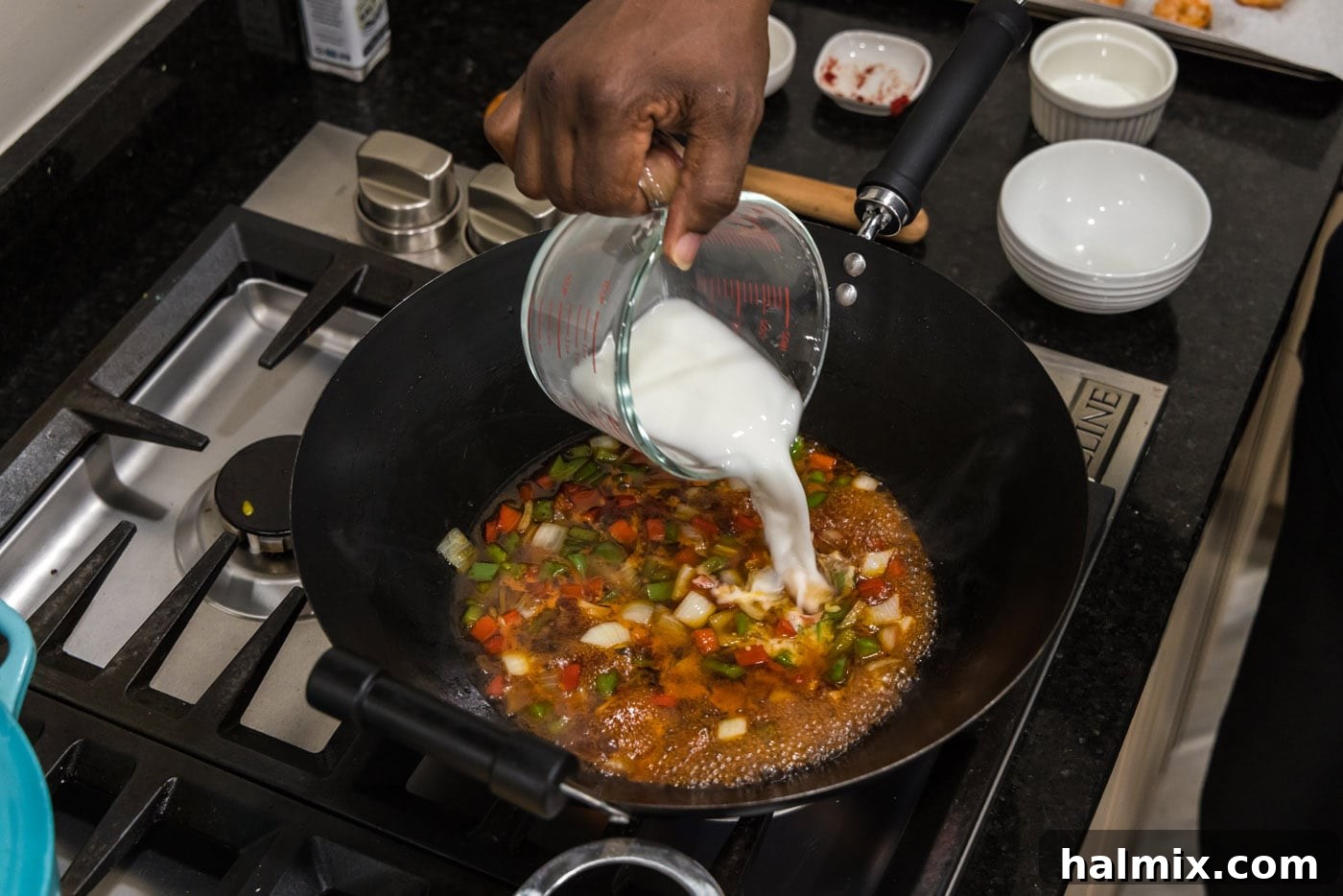
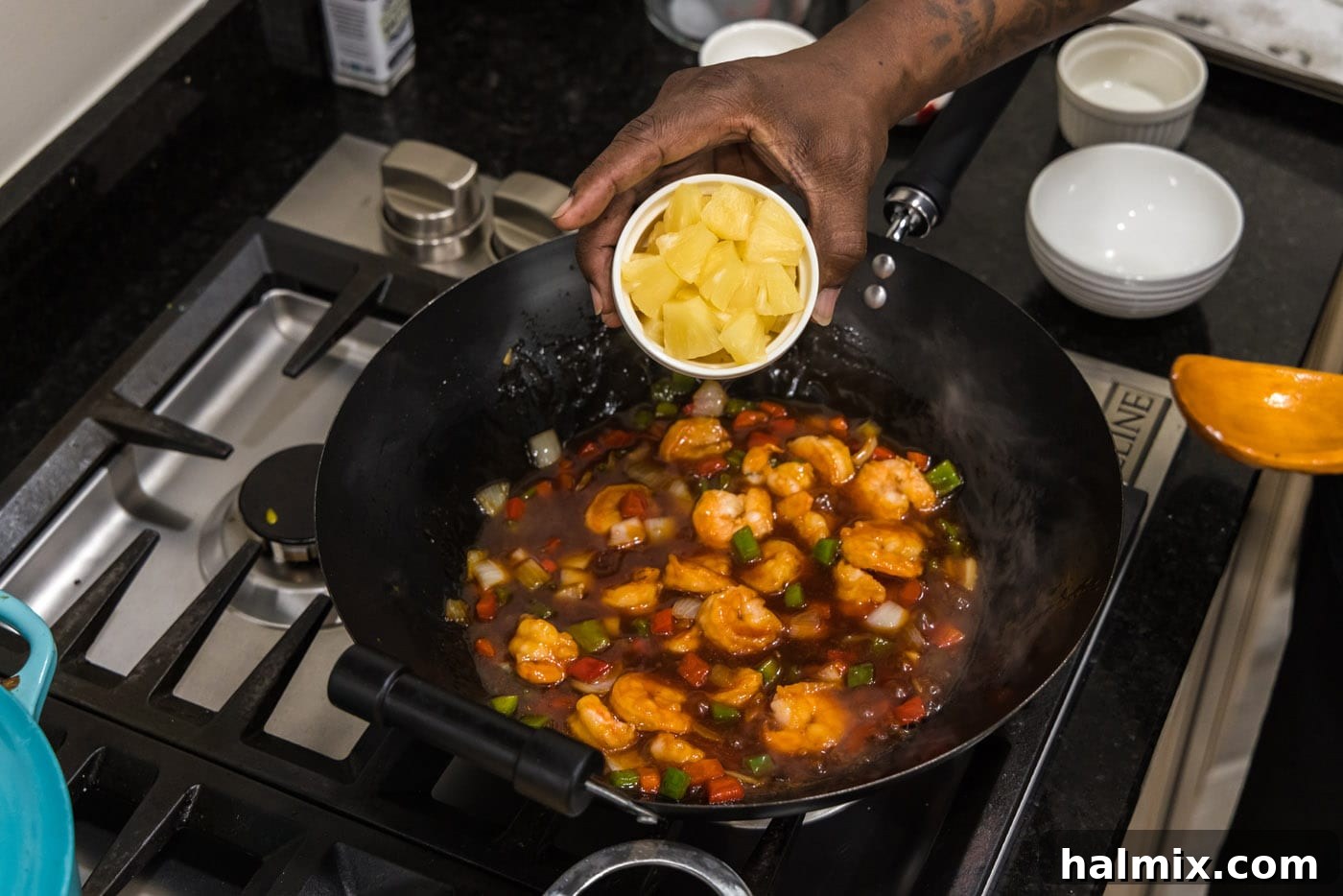
Thickening the sauce with a cornstarch slurry for a perfect glaze. - Combine and Serve: Finally, add the fried shrimp and pineapple wedges to the wok with the thickened sauce. Toss everything gently to ensure the shrimp and pineapple are thoroughly coated. Cook for just another minute, allowing the shrimp to heat through without losing their crispiness and the flavors to meld beautifully. Serve immediately.
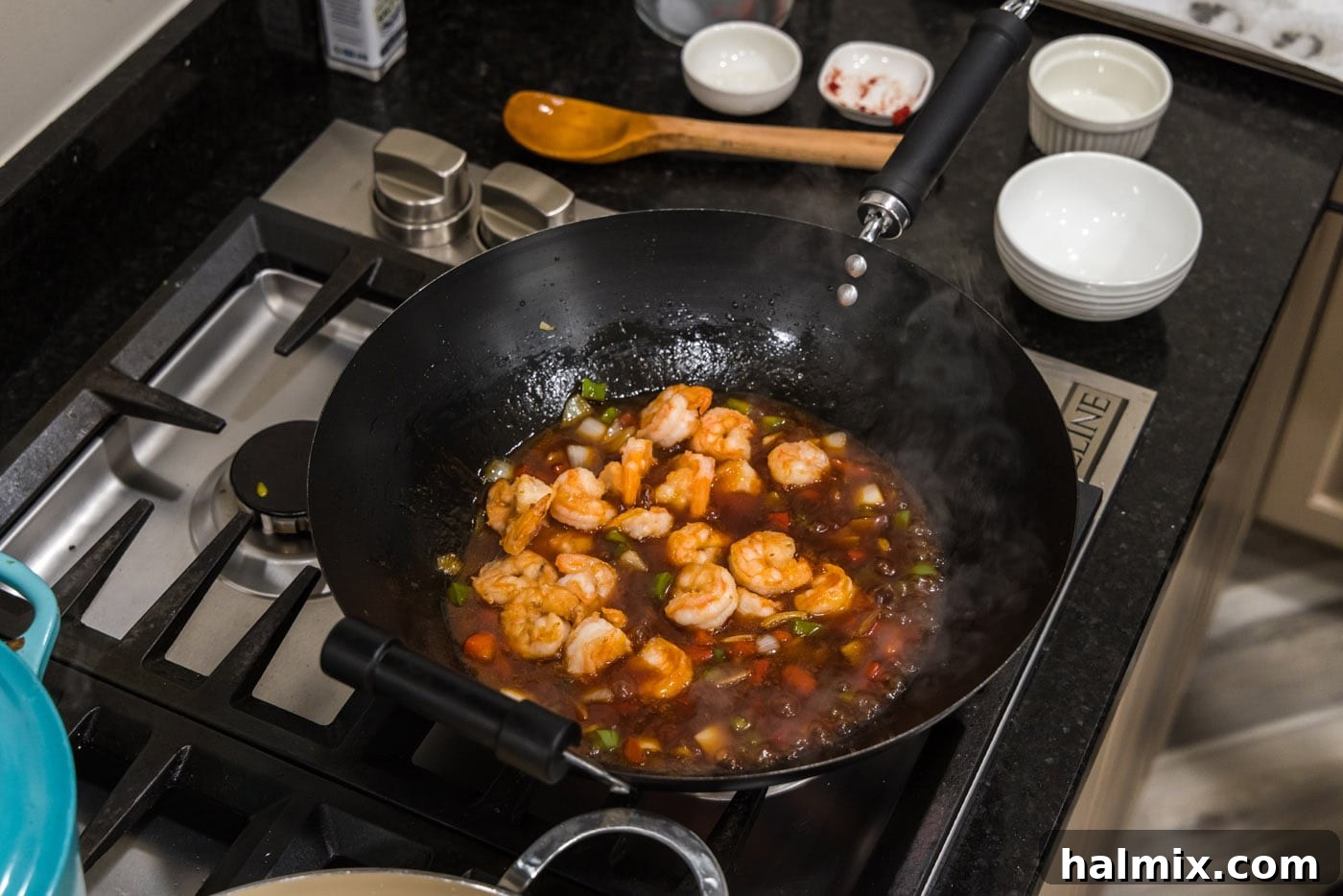
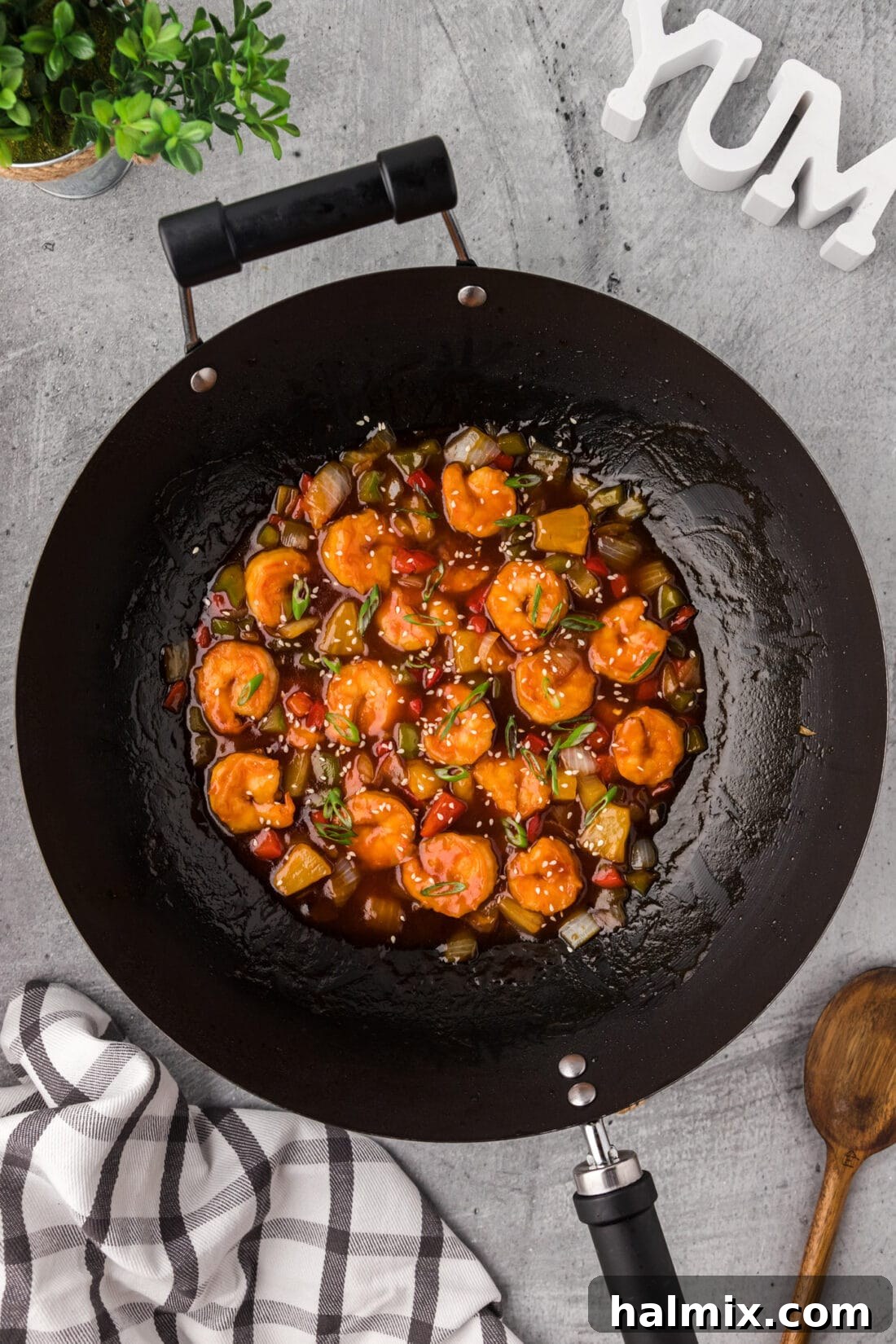
The perfectly coated crispy shrimp ready to be served. Adding a burst of fresh pineapple to complete the dish.
Frequently Asked Questions & Expert Tips
How do you store leftover sweet and sour shrimp?
While this dish is undeniably best enjoyed fresh, you can store leftovers in an airtight container in the refrigerator for up to 3 days. Be aware that the shrimp’s crispy texture will likely soften as it soaks up the sauce over time. To reheat, you can use a microwave for convenience, but for a better texture, gently warm it in a wok or skillet on the stovetop over medium heat. An air fryer can also help revive some crispiness in the shrimp if reheated separately from the sauce.
Can I use frozen shrimp?
Absolutely! Frozen shrimp are a perfectly acceptable and often convenient choice. In fact, many “fresh” shrimp at the seafood counter have likely been previously frozen and thawed. The most crucial step when using frozen shrimp is to ensure they are completely thawed and thoroughly patted dry with paper towels before you begin the cornstarch coating process. This eliminates excess moisture, allowing the cornstarch to adhere properly and the shrimp to fry up to crispy perfection without steaming or splattering.
How do you know when shrimp is cooked?
Shrimp cook very quickly, which also means they can easily be overcooked. Properly cooked shrimp will turn opaque and curl into a loose “C” shape, showcasing pink and reddish hues. Overcooked shrimp, on the other hand, tend to curl into a tight “O” shape, turn a dull whitish-grey, and become rubbery and tough in texture. Keep a close eye on them during frying to achieve that ideal tenderness.
Can I prepare the sweet and sour sauce ahead of time?
Yes, you can! The sweet and sour sauce can be mixed a day or two in advance and stored in an airtight container in the refrigerator. This can be a great time-saver for busy evenings. When ready to cook, simply heat the sauce in your wok, stir in the cornstarch slurry to thicken, and then add your freshly fried shrimp and vegetables.
What if my sauce is too thin or too thick?
Achieving the perfect sauce consistency is easy. If your sauce is too thin after adding the cornstarch slurry and cooking, mix a small amount of additional cornstarch with cold water to create another slurry, then stir it into the simmering sauce gradually until it reaches your desired thickness. If the sauce becomes too thick, you can thin it out by stirring in a tablespoon or two of water or chicken broth until the consistency is just right.
Can I use other proteins besides shrimp?
Absolutely! This sweet and sour sauce recipe is incredibly versatile. You can easily substitute shrimp with other proteins like bite-sized pieces of chicken breast or thigh, lean pork tenderloin, or even firm tofu for a vegetarian option. Ensure chicken and pork are cooked through, and tofu is pressed and fried until crispy, following similar preparation steps to the shrimp.
How can I make this dish spicier or less sweet?
To add a kick, consider incorporating a pinch of red pepper flakes or a dash of sriracha into the sauce. For extra heat, finely minced fresh ginger and garlic can also be stir-fried with the bell peppers. If you prefer a less sweet profile, you can slightly reduce the amount of honey or pineapple juice, and increase the rice vinegar by half a tablespoon at a time until it meets your taste.
Serving Suggestions for a Complete Meal
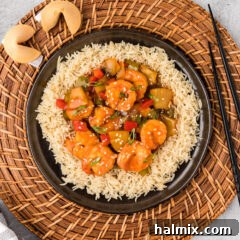
Sweet and Sour Shrimp is a complete meal on its own, but it truly shines when paired with complementary side dishes. For a classic experience, serve it warm over a bed of fluffy white rice, which perfectly absorbs the delicious sauce. Other excellent choices include brown rice for added fiber, flavorful fried rice, or even simple steamed noodles. For extra vegetables, consider serving it alongside steamed broccoli, sautéed bok choy, or a fresh Asian-inspired salad. Garnish with a sprinkle of sliced green onions and toasted sesame seeds for an added layer of flavor and visual appeal.
Explore More Delicious Shrimp Recipes
If you love the versatility and quick cooking time of shrimp, you’re in for a treat! Discover more fantastic ways to incorporate this beloved seafood into your weekly meal rotation:
- Cajun Shrimp: A spicy and flavorful dish with a taste of the South.
- Hibachi Shrimp: Recreate your favorite Japanese steakhouse experience at home.
- Teriyaki Shrimp: Sweet and savory glazed shrimp that’s perfect for a quick dinner.
- Garlic Butter Shrimp: A simple yet incredibly delicious classic.
- Citrus Pepper Shrimp: Light, zesty, and refreshing.
We are passionate about cooking and sharing culinary inspiration! If you enjoyed this recipe, remember to subscribe to our newsletter for free daily recipes delivered straight to your inbox. Simply subscribe here and join our vibrant community of home cooks!
Sweet and Sour Shrimp Recipe
An explosion of tangy sweet flavors over golden crispy shrimp and tender vegetables brings this sweet and sour shrimp recipe to the top of our list as one of our favorite Chinese takeout dinners. Plus, it’s ready in only 35 minutes!
IMPORTANT: Don’t forget to check out the Frequently Asked Questions section above for helpful tips and tricks!
Ingredients
- 12 ounces raw shrimp, peeled, deveined, tails removed
- 2 Tablespoons cornstarch, divided
- Vegetable oil or olive oil for frying
- 3 Tablespoons olive oil
- ½ cup chopped onion
- ½ cup chopped red bell pepper
- ½ cup chopped green bell pepper
- ¼ cup soy sauce
- 3 Tablespoons rice vinegar
- ¾ cup pineapple juice
- 2 Tablespoons tomato paste
- ¼ cup honey
- ¼ cup water
- ½ cup pineapple wedges
Things You’ll Need
- Large deep-sided skillet
- Wok
Before You Begin (Helpful Notes)
- You can use the wok for both cooking the shrimp in vegetable oil and the remaining part of the recipe; just remember to drain the vegetable oil from the pan after cooking the shrimp.
- Frozen shrimp are perfectly fine for this recipe. Just make sure to thaw them completely and pat them thoroughly dry before coating with cornstarch. This ensures maximum crispiness.
- While bell peppers and onions are classic, feel free to substitute or add other vegetables like broccoli, zucchini, or carrots to enhance flavor and texture.
- For optimal crispiness, this dish is best enjoyed immediately. If you have leftovers, they will keep in an airtight container in the refrigerator for up to 3 days, though the shrimp’s crisp texture will diminish.
Instructions
- In a large bowl, toss the shrimp with half of the cornstarch. Use a gloved hand or spatula to coat the shrimp thoroughly and evenly.
- Add enough vegetable oil to a large deep-sided skillet (or Dutch oven) to reach about an inch up the sides. Heat the oil over medium-high heat until it shimmers (approximately 350-375°F / 175-190°C).
- Carefully add the shrimp to the hot oil in batches, ensuring not to overcrowd the pan. Cook for 2-3 minutes per side, or until the shrimp are opaque, curled, and golden brown. Remove the cooked shrimp to a plate lined with paper towels to drain excess oil.
- Drain most of the oil from the skillet (or use a clean wok) and add 3 tablespoons of olive oil. Heat over medium-high heat until shimmering.
- Add the chopped onion, red bell pepper, and green bell pepper to the wok. Cook, stirring occasionally, for 2 minutes until they are tender-crisp.
- Pour in the soy sauce, rice vinegar, pineapple juice, tomato paste, and honey. Stir well to combine all ingredients, creating the sweet and sour sauce base.
- In a small bowl, combine the remaining cornstarch with ¼ cup of water to form a smooth slurry. Add this slurry to the wok and stir continuously. Allow the mixture to cook for 2-4 minutes, until the sauce thickens to your desired consistency and appears glossy.
- Finally, add the fried shrimp and pineapple wedges to the wok. Gently stir and cook for just another minute, allowing the shrimp to heat through and the flavors to fully meld.
Nutrition Information (per serving)
Serving: 1 serving | Calories: 308 cal | Carbohydrates: 38g | Protein: 14g | Fat: 12g | Saturated Fat: 2g | Polyunsaturated Fat: 1g | Monounsaturated Fat: 8g | Trans Fat: 0.01g | Cholesterol: 107mg | Sodium: 1360mg | Potassium: 415mg | Fiber: 2g | Sugar: 29g | Vitamin A: 945IU | Vitamin C: 49mg | Calcium: 73mg | Iron: 1mg
Tried this Recipe? Pin it for Later!
We love seeing your culinary creations! Follow us on Pinterest @AmandasCookin or tag your photos with #AmandasCookin to share your delicious results with our community!
Please note: The recipes on this blog are tested with a conventional gas oven and gas stovetop. Cooking appliances can vary, and an inexpensive oven thermometer can help ensure accurate temperatures. If using smaller appliances like a toaster oven or air fryer, cooking times may need adjustment. For baking recipes specifying measurements by weight, using cups instead may yield different results, and success cannot be guaranteed with that method.