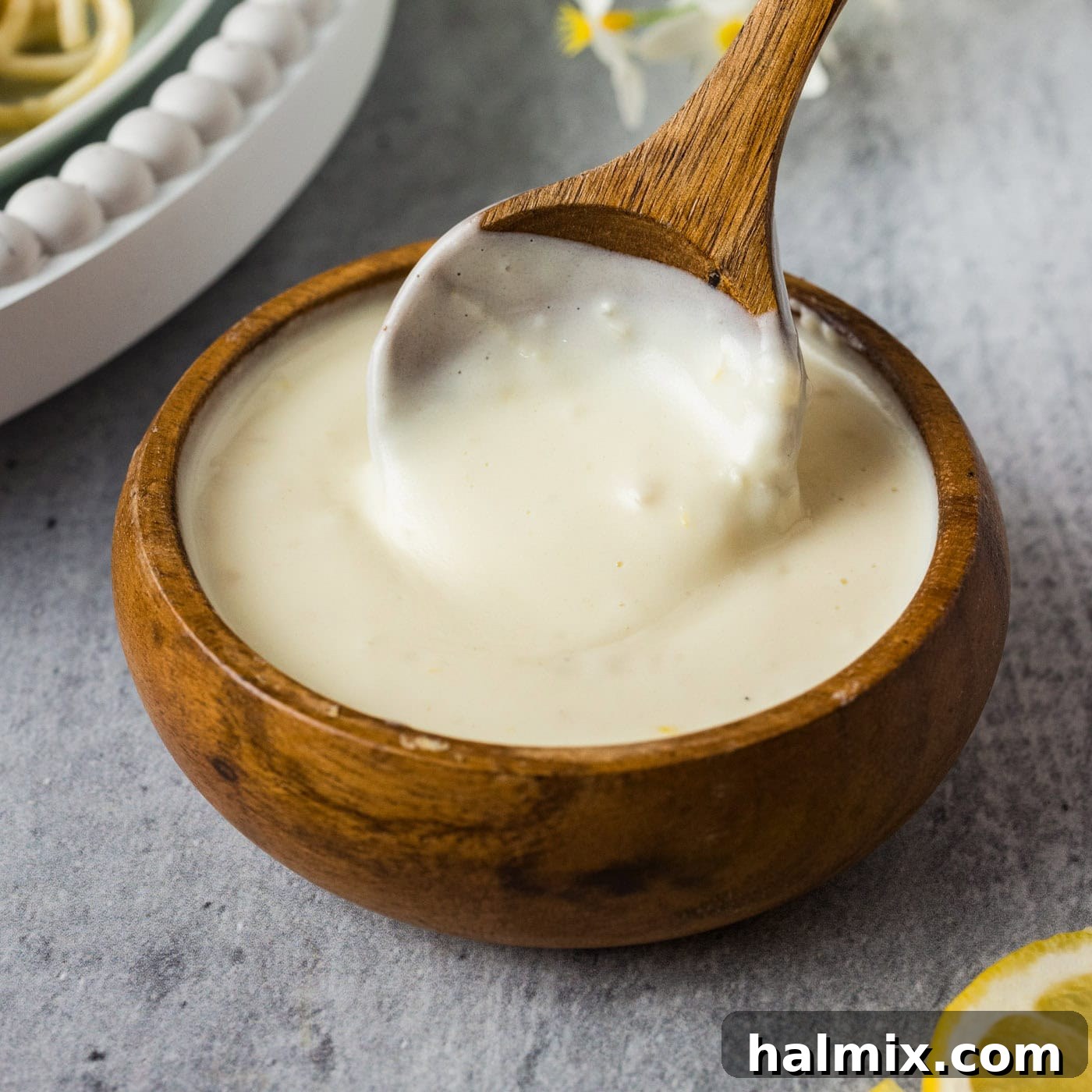
Exquisite Lemon Cream Sauce: Your Ultimate Guide to a Bright and Creamy Delight
Discover how to create a remarkably vibrant and velvety lemon cream sauce that will transform your everyday meals into extraordinary culinary experiences. This refreshingly bright burst of citrus and garlic perfectly complements chicken, veggies, seafood, and pasta dishes, making it an indispensable addition to your recipe repertoire.
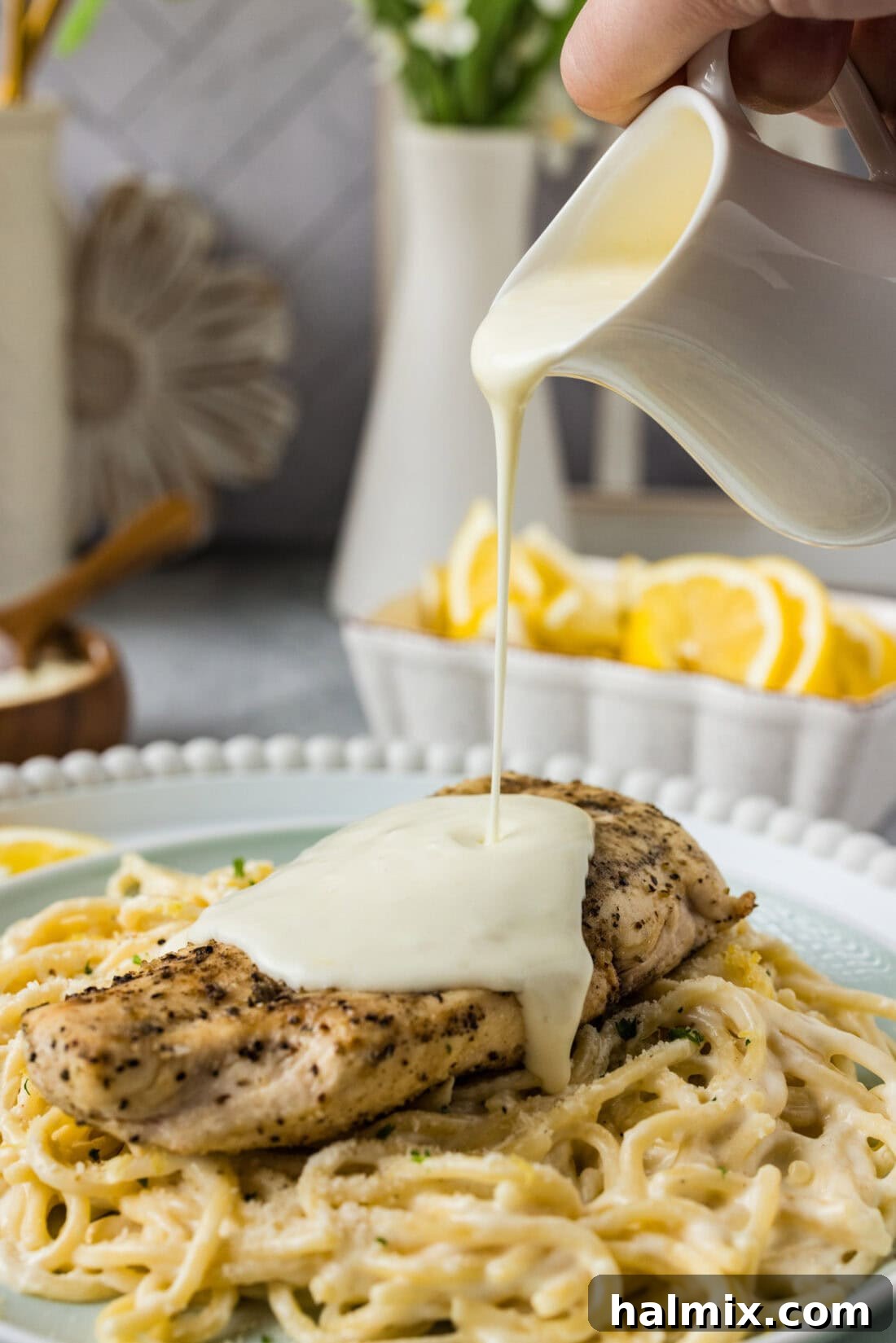
Why This Easy Lemon Cream Sauce Recipe Will Be Your New Favorite
Imagine a sauce that’s both indulgently rich and refreshingly tangy, capable of brightening any dish with its zesty character. This homemade lemon cream sauce is precisely that – a culinary marvel that comes together in approximately 20 minutes, proving that gourmet flavors don’t have to demand hours in the kitchen. Its creamy texture, infused with bright lemon and aromatic garlic, makes it an incredibly versatile sauce.
Whether you’re looking to elevate a simple grilled chicken breast, enhance a delicate seafood dish, or create a show-stopping pasta entree, this sauce is the answer. It effortlessly becomes the star of your plate, adding a sophisticated depth of flavor that’s hard to resist. A generous drizzle or a full douse of this glorious lemon cream sauce can turn an otherwise plain meal into a memorable feast. It’s particularly delightful when tossed with fresh pasta and tender chicken, or served as an irresistible dipping sauce for crispy salmon bites or air-fried shrimp. Get ready to fall in love with its irresistible charm!
This recipe isn’t just about taste; it’s about convenience. In less time than it takes to decide on takeout, you can whip up a fresh, flavorful sauce that’s far superior to anything store-bought. It’s perfect for busy weeknights when you crave something special without the fuss. Plus, with simple, readily available ingredients, you likely already have most of what you need in your pantry. Let’s dive into what makes this lemon cream sauce a kitchen essential.
Essential Ingredients for Your Creamy Lemon Sauce
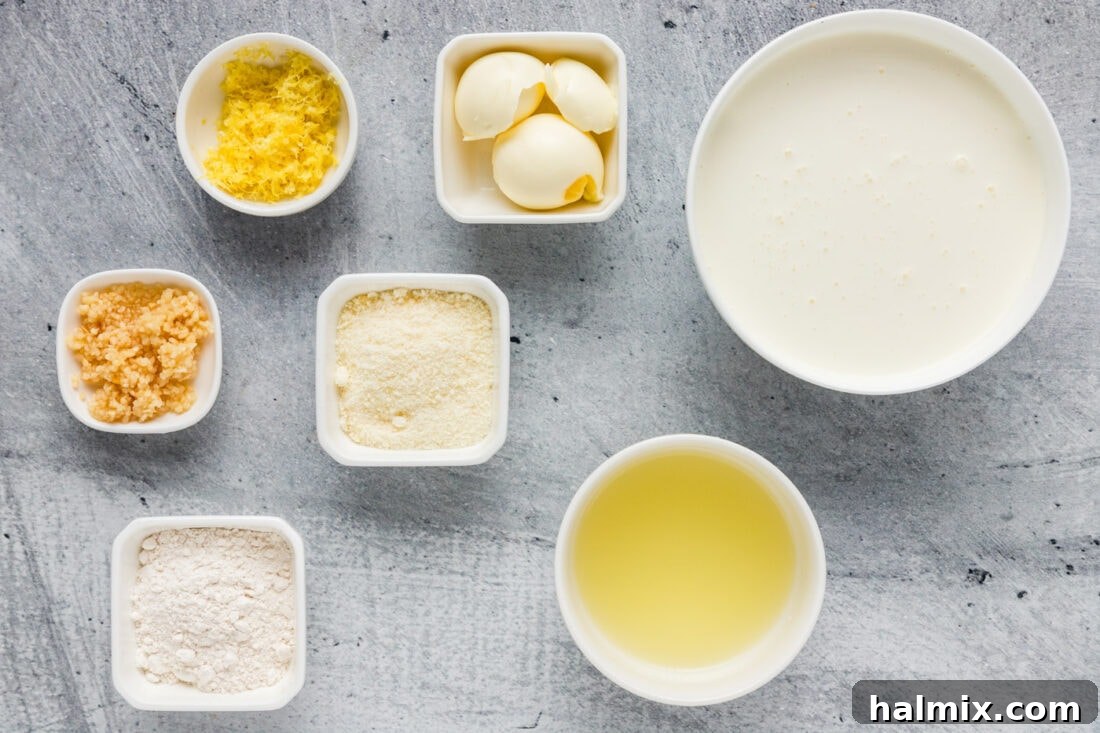
Crafting the perfect lemon cream sauce starts with selecting the right ingredients. Each component plays a vital role in achieving that desired balance of richness, tang, and aromatic depth. Below is a detailed look at the ingredients you’ll need, along with helpful insights and substitution suggestions to ensure your sauce turns out perfectly every time.
Ingredient Spotlight & Smart Swaps
- Garlic: We recommend using 1½ tablespoons of minced garlic to infuse a warm, pungent base into the sauce. While jarred minced garlic is convenient and works beautifully, for an even fresher and more robust flavor, substitute with 3-4 cloves of freshly minced garlic. Fresh garlic offers a sharper, more vibrant aroma that truly shines in this bright sauce.
- Lemon: The star of the show! To achieve the required ½ cup of freshly squeezed lemon juice, you’ll typically need about 2½ lemons, so picking up 3 medium-sized lemons is a safe bet. Fresh lemon juice is absolutely crucial for the bright, clean acidity this sauce demands. Avoid bottled lemon juice, as it often contains preservatives and lacks the nuanced flavor and aroma of fresh citrus. Don’t discard those zested lemons! We also use 2 tablespoons of lemon zest to capture the aromatic oils from the peel, which provides an intense lemon perfume without adding extra tartness. Remember, zest the lemon before juicing!
- Heavy Whipping Cream: This is the foundation of our rich and luxurious sauce. Heavy whipping cream provides the ultimate creamy texture and indulgent mouthfeel. For a slightly lighter sauce that’s still wonderfully creamy, you can substitute with half-and-half. Be aware that using half-and-half might result in a slightly thinner consistency and a less opulent taste, but it’s a viable option if you’re looking to cut down on fat. For a dairy-free alternative, full-fat coconut milk or a plant-based heavy cream substitute can work, though the flavor profile will shift.
- Parmesan Cheese: Finely grated Parmesan is key for melting smoothly into the sauce, creating a silky texture and adding a savory, umami depth. Whether you opt for pre-grated Parmesan from the dairy aisle or grate it yourself from a block, ensure it’s finely textured. Coarsely shredded Parmesan can clump and may not melt as evenly. For a slightly different nutty, salty flavor, you could experiment with Pecorino Romano or Grana Padano.
- Butter: Essential for sautéing the garlic and forming the roux. Use unsalted butter to control the seasoning of your sauce.
- All-Purpose Flour: This acts as a thickening agent, forming a roux with the butter to give the sauce its desirable consistency. It prevents the sauce from being too thin and helps bind the liquids together.
Step-by-Step Guide: How to Make Luscious Lemon Cream Sauce
Follow these detailed steps to create a perfect, restaurant-quality lemon cream sauce right in your own kitchen. For a printable version of the full recipe, including precise measurements and comprehensive instructions, please refer to the recipe card at the end of this post.
- Melt the Butter: Begin by melting 3 tablespoons of butter in a large, heavy-bottomed skillet over medium-high heat. Using a heavy-bottomed skillet ensures even heat distribution, preventing butter from burning and promoting a consistent cooking temperature.
- Sauté the Garlic: Once the butter is fully melted and slightly shimmering, add 1½ tablespoons of minced garlic to the skillet. Sauté the garlic for approximately one minute, stirring constantly. This quick sauté allows the garlic to release its fragrant oils and mellow slightly, infusing the butter with its aromatic essence without browning or becoming bitter.
- Create the Roux: Sprinkle 2 tablespoons of all-purpose flour evenly over the sautéed garlic and butter mixture. Stir continuously with a whisk for 30-45 seconds. This step creates a roux, a classic French thickening agent. Cooking the flour briefly helps eliminate any raw flour taste and ensures a smooth, lump-free sauce. The mixture should form a paste.
- Whisk in Liquids: Gradually whisk in ½ cup of fresh lemon juice, followed by 2 cups of heavy whipping cream. Continue whisking gently to combine all ingredients smoothly. Bring the mixture to a gentle boil, whisking occasionally to prevent scorching and ensure the sauce thickens evenly. It’s crucial not to bring it to a rolling boil, as excessive heat can cause the cream to curdle.
- Incorporate Cheese and Zest: Reduce the heat to low. Whisk in ¼ cup of finely grated Parmesan cheese and 2 tablespoons of lemon zest. The Parmesan will melt seamlessly into the warm sauce, adding a rich, savory layer, while the lemon zest contributes a bright, fresh aroma.
- Simmer to Thicken: Allow the sauce to simmer gently on low heat, stirring occasionally, until it reaches your desired thickened consistency. This usually takes a few minutes. The sauce will naturally thicken as it simmers and will continue to thicken slightly as it cools. Taste and adjust seasoning with salt and freshly ground black pepper if needed.
Frequently Asked Questions & Expert Tips for Success
Curdling is a common issue with dairy-based sauces that contain acid, like lemon juice. It typically occurs when the cream mixture gets too hot too quickly, causing the milk proteins to separate. To prevent curdling, it’s essential to keep the sauce at a gentle boil, never a rapid one. Once the lemon juice and cream are added, reduce the heat to low as soon as the sauce begins to simmer. Whisking continuously during the initial heating also helps temper the cream and acid, promoting a smoother emulsion.
Cooled lemon cream sauce can be stored in an airtight container in the refrigerator for up to 5 days. When reheating, do so gently over low heat on the stovetop, stirring frequently. Avoid high heat, which can cause the sauce to separate or curdle. If the sauce seems too thick after refrigeration, you can thin it out with a tablespoon or two of warm chicken broth, vegetable broth, or extra cream while reheating. We do not recommend freezing this sauce due to its high dairy content, as freezing and thawing can significantly alter the texture, making it grainy or separated.
Yes, with some adjustments! For a dairy-free version, you can substitute heavy whipping cream with full-fat canned coconut milk (ensure it’s well-shaken) or a plant-based heavy cream alternative. Keep in mind that coconut milk will impart a subtle coconut flavor. For a lighter sauce, use half-and-half instead of heavy cream, and you can reduce the amount of butter slightly. The sauce will be thinner but still flavorful. You can also increase the vegetable broth in place of some cream for a lower-fat option.
Absolutely! This sauce is a fantastic base for customization. Consider adding fresh herbs like chopped parsley, chives, or dill for an extra layer of freshness. A pinch of red pepper flakes can introduce a subtle heat, while a splash of dry white wine (added before the cream) can deepen the flavor profile. For a richer, more umami taste, a teaspoon of Dijon mustard can be whisked in at the end. Experiment with different cheeses, such as Asiago or a blend, for unique flavor variations.
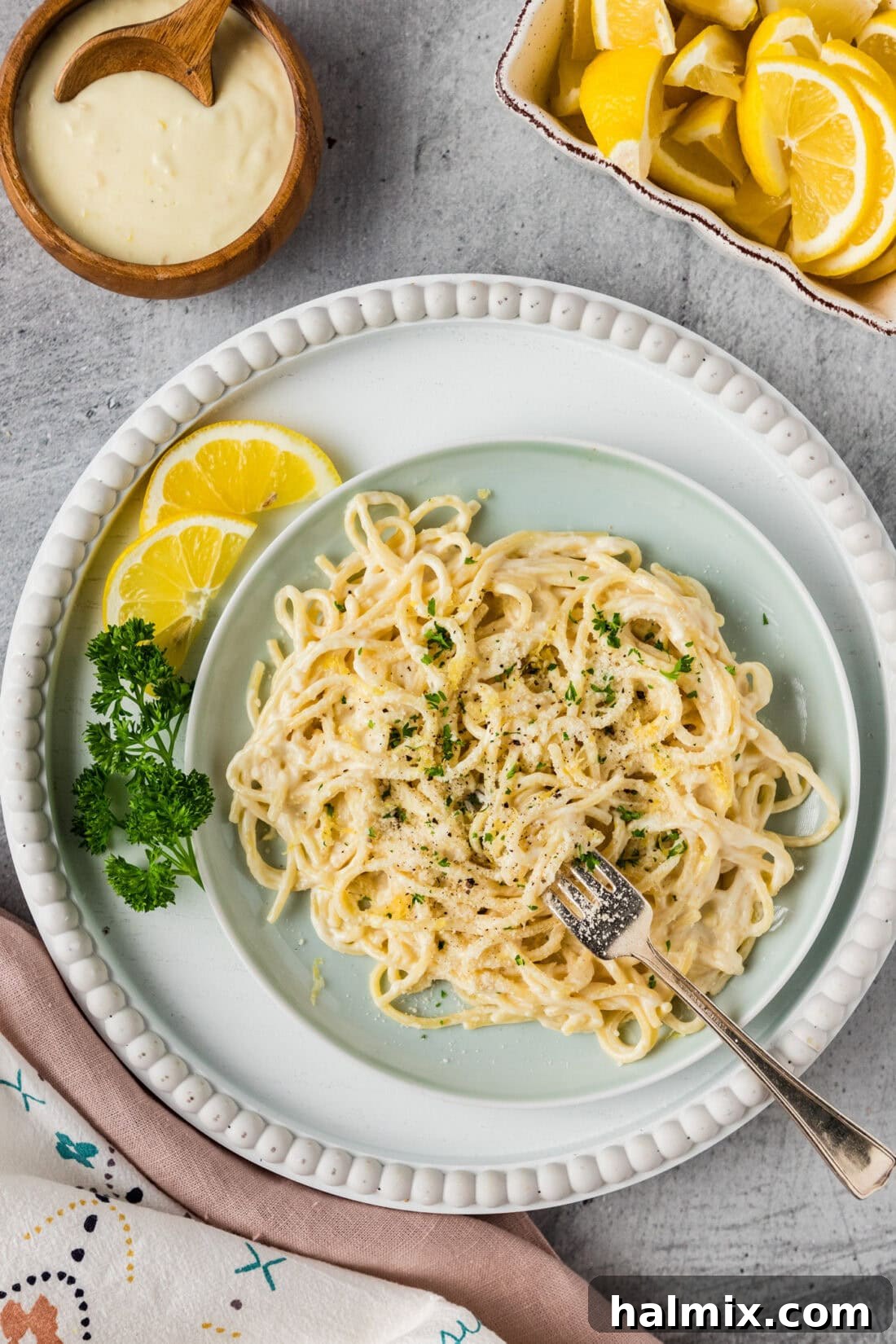
Delicious Ways to Serve Your Homemade Lemon Cream Sauce
As highlighted, this lemon cream sauce is incredibly versatile and pairs wonderfully with an array of dishes. Its bright, creamy profile makes it a perfect accompaniment for both rich and delicate flavors. Here are some delectable serving suggestions to inspire your next meal:
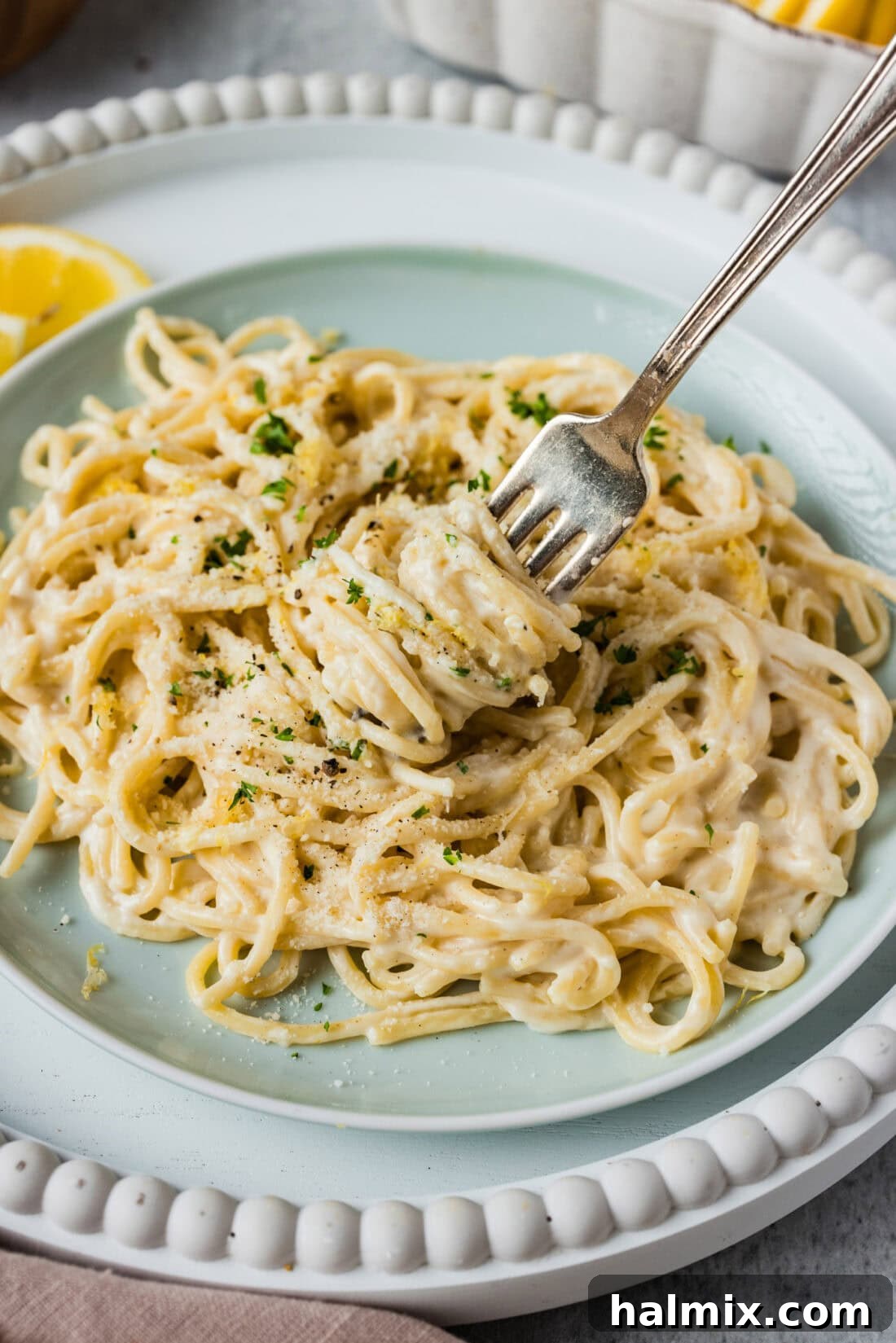
- With Pasta: Toss it generously with your favorite pasta – fettuccine, linguine, spaghetti, penne, or even tortellini. Add grilled chicken, sautéed shrimp, or roasted vegetables for a complete meal.
- Poultry Perfection: Drizzle over pan-seared or baked chicken breasts, thighs, or even a whole roasted chicken. It adds a gourmet touch to everyday chicken dishes.
- Seafood Sensation: It’s a match made in heaven for seafood! Spoon over baked salmon fillets, pan-seared scallops, grilled cod, or sautéed shrimp. It enhances the natural sweetness of the seafood beautifully. You can also use it as a dipping sauce for crab cakes or fish sticks.
- Vegetable Vibe: Elevate your vegetables by drizzling this sauce over steamed asparagus, roasted broccoli florets, green beans, or sautéed spinach. It also complements roasted potatoes, mashed potatoes, or even baked sweet potatoes.
- Risotto & Grains: Stir into a creamy risotto at the end for an extra burst of lemon flavor, or serve alongside quinoa, couscous, or rice for a delightful accompaniment.
- Brunch Booster: Pair with egg dishes like frittatas, omelets, or even as a hollandaise alternative for eggs Benedict for a zesty twist.
- Bread Dipper: Serve warm with crusty bread or garlic bread for a simple yet satisfying appetizer or side.
More Creamy Sauce Recipes to Explore
If you loved this lemon cream sauce, you might enjoy exploring other flavorful sauces that can elevate your cooking. Here are some related recipes to inspire your culinary adventures:
- Creamy Dill Salmon Sauce
- Elegant Rosemary Cream Sauce
- Classic Garlic Butter Sauce
- Hearty Butternut Squash Pasta Sauce
I absolutely love to bake and cook, and sharing my kitchen experiences with all of you brings me immense joy! Remembering to check back for new recipes can be tough, which is why I offer a convenient newsletter delivered right to your inbox every time a new recipe posts. Simply subscribe today and start receiving your free daily recipes to inspire your cooking!
Lemon Cream Sauce
This lemon cream sauce is a rich, creamy, and undeniably bright sauce with a pop of zingy citrus flair. Best of all, this dream boat of a sauce comes together in around 20 minutes, making it perfect for any weeknight meal or special occasion.
IMPORTANT – There are often Frequently Asked Questions within the blog post that you may find helpful. Simply scroll back up to read them for expert tips and advice!
Print Recipe
Pin It for Later
Ingredients
- 3 Tablespoons unsalted butter
- 1 ½ Tablespoons minced garlic (or 3-4 fresh cloves, minced)
- 2 Tablespoons all-purpose flour
- ½ cup freshly squeezed lemon juice (from approx. 2-3 lemons)
- 2 cups heavy whipping cream
- ¼ cup finely grated Parmesan cheese
- 2 Tablespoons lemon zest
- Salt and freshly ground black pepper, to taste
Equipment You’ll Need
- Large heavy-bottomed skillet
- Whisk
- Citrus juicer and zester (optional, but recommended for fresh lemon)
Instructions
- Melt 3 tablespoons of butter in a large heavy-bottomed skillet over medium-high heat.
- Add 1½ tablespoons of minced garlic and sauté for one minute until fragrant, stirring constantly.
- Sprinkle in 2 tablespoons of all-purpose flour and stir with a whisk for 30-45 seconds to create a roux, cooking out the raw flour taste.
- Gradually whisk in ½ cup of lemon juice and then 2 cups of heavy whipping cream. Bring the sauce to a gentle simmer, whisking occasionally. Do not bring to a rolling boil to prevent curdling.
- Once simmering, reduce the heat to low. Whisk in ¼ cup of grated Parmesan cheese and 2 tablespoons of lemon zest.
- Continue to simmer on low heat, stirring occasionally, until the sauce thickens to your desired consistency. Taste and season with salt and freshly ground black pepper as needed. Serve immediately.
Before You Begin & Expert Tips
- For the best flavor, always use freshly squeezed lemon juice and fresh lemon zest.
- Ensure your Parmesan cheese is finely grated so it melts smoothly into the sauce.
- If the sauce becomes too thick upon standing, gently reheat it over low heat and add a splash of milk, cream, or broth to thin it to your desired consistency.
- Avoid freezing this sauce as the dairy may separate and change texture upon thawing.
Nutrition Information
Serving Size: 1 serving (approx. ½ cup)
Calories: 355 kcal | Carbohydrates: 7g | Protein: 4g | Fat: 36g | Saturated Fat: 23g | Polyunsaturated Fat: 2g | Monounsaturated Fat: 9g | Trans Fat: 0.2g | Cholesterol: 108mg | Sodium: 140mg | Potassium: 120mg | Fiber: 0.4g | Sugar: 3g | Vitamin A: 1380IU | Vitamin C: 12mg | Calcium: 99mg | Iron: 0.3mg
Tried this Delicious Recipe? Pin it for Later!
Follow us on Pinterest @AmandasCookin or tag #AmandasCookin with your creations!
The recipes on this blog are typically tested with a conventional gas oven and gas stovetop. Please note that oven performance, especially in older models, can vary significantly. An inexpensive oven thermometer can help ensure your oven heats to the correct temperature. If using a toaster oven, countertop oven, pressure cooker, air fryer, or slow cooker, cooking times and heat distribution may differ, requiring adjustments to achieve optimal results. For baking recipes where measurements are given by weight, using volume measurements (cups) instead may lead to inconsistent results, and we cannot guarantee success with such adaptations.