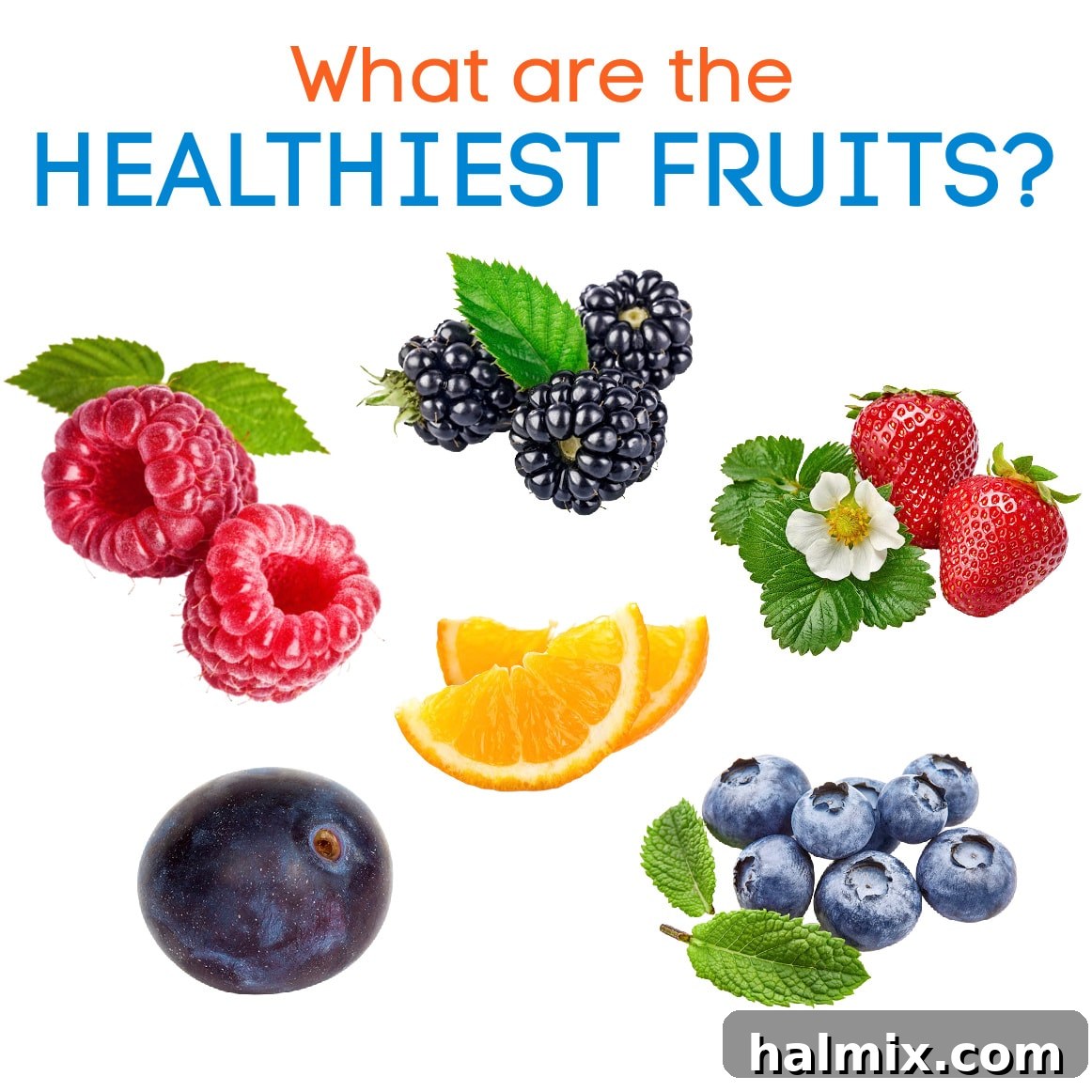
The Ultimate Guide to Healthiest Fruits: Low-Carb Options and Smart Choices
Fruits are nature’s candy, packed with an incredible array of vitamins, essential minerals, and powerful antioxidants that make them indispensable components of a balanced and healthy diet. Each fruit offers a unique profile of nutrients and associated health benefits. However, with thousands of diverse fruit varieties available, discerning which fruits are truly the healthiest – especially for those mindful of sugar and carbohydrate intake – can be a challenge. How do low-carb fruits fit into this picture, and why are they so often highlighted?
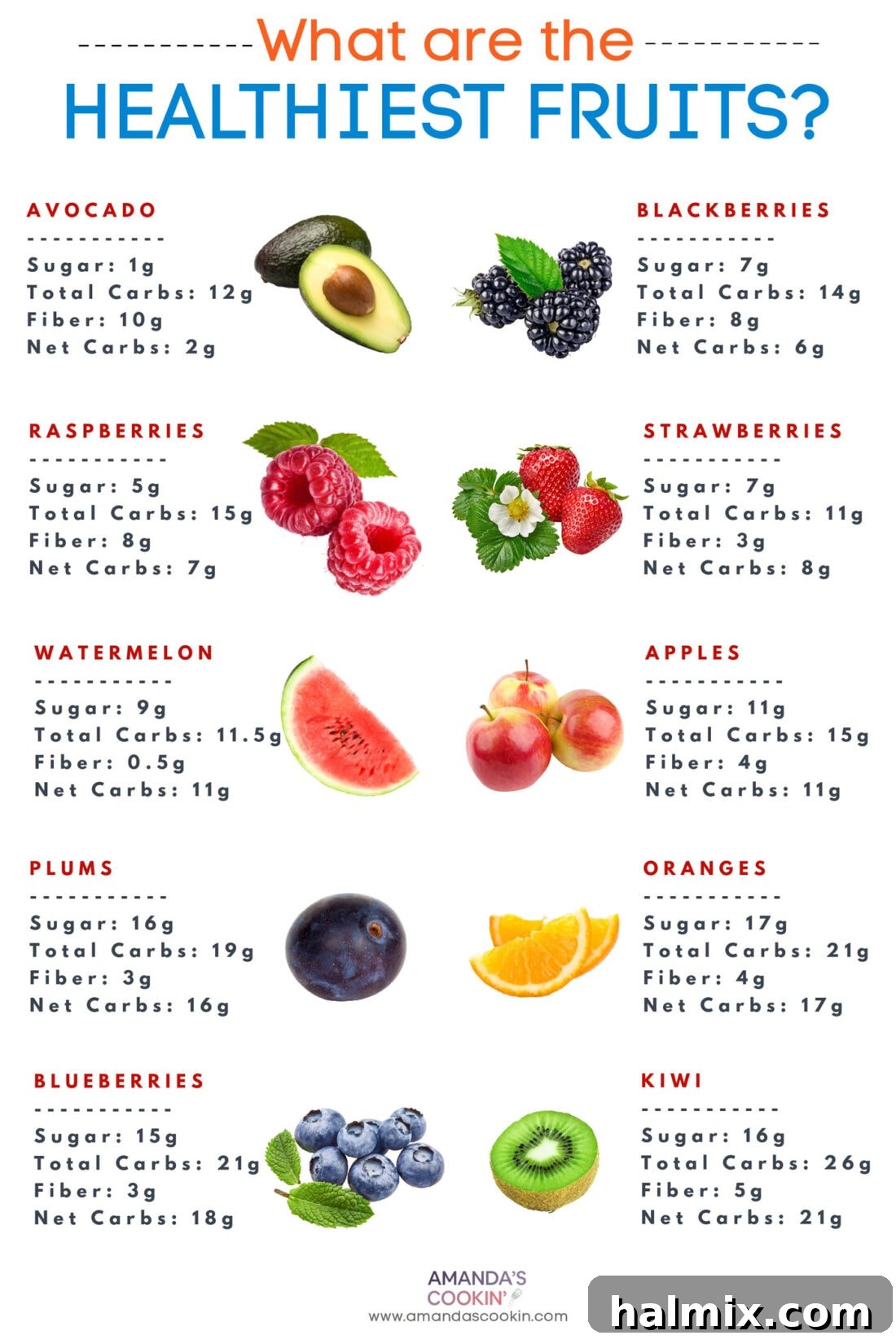
This comprehensive guide aims to demystify the world of fruits, breaking down the healthiest choices based on their sugar and carbohydrate content. We’ll delve into the nuances of ‘net carbs,’ highlight the best low-sugar and low-carb fruits to integrate into your diet, and discuss certain higher-sugar fruits that, while nutritious, should be enjoyed in moderation. Prepare your shopping list, as this information will empower you to make informed decisions for a healthier lifestyle!
Why Fruits Are Essential for Your Health
Beyond their delightful flavors, fruits are powerhouses of nutrition, playing a vital role in maintaining overall health and well-being. They are naturally low in calories and fat but rich in dietary fiber, which aids digestion, promotes satiety, and helps regulate blood sugar levels. The vibrant colors of fruits often signal the presence of various phytonutrients and antioxidants, compounds that combat oxidative stress, reduce inflammation, and may lower the risk of chronic diseases such, as heart disease, certain cancers, and type 2 diabetes.
Regular fruit consumption contributes significantly to your daily intake of essential vitamins like Vitamin C (crucial for immune function and skin health), Vitamin A (important for vision), and various B vitamins (vital for energy metabolism). Minerals such as potassium, magnesium, and folate, which support heart health, nerve function, and cell growth, are also abundant in many fruits. Furthermore, their high water content contributes to hydration, an often-overlooked aspect of a healthy diet. Incorporating a diverse range of fruits ensures you receive a broad spectrum of these beneficial compounds, paving the way for improved health and vitality.
Total Carbs vs. Net Carbs: Understanding the Difference
When navigating dietary choices, especially for those on low-carb or ketogenic lifestyles, understanding the distinction between “total carbs” and “net carbs” is crucial. While both refer to carbohydrates, their impact on your body, particularly blood sugar, differs significantly. Total carbohydrates encompass all forms of carbs found in food: starches, sugars, and dietary fiber. However, not all these components are processed by your body in the same way.
Net carbs represent only those carbohydrates that the body can fully digest and convert into glucose, thereby directly impacting your blood sugar levels. Dietary fiber, a type of carbohydrate, is largely indigestible. It passes through your digestive system without being absorbed or turning into glucose, thus not contributing to a rise in blood sugar. Therefore, when you are counting carbohydrates for dietary purposes, particularly for managing blood sugar or adhering to a low-carb diet, focusing on net carbs provides a more accurate picture of a food’s real impact.
Calculating net carbs is straightforward: simply subtract the number of grams of dietary fiber from the total carbohydrate grams listed on a nutrition label. For example, if a serving of fruit contains 15 grams of total carbs and 5 grams of dietary fiber, its net carb count would be 10 grams (15 – 5 = 10). This simple calculation allows you to make more informed choices, especially when selecting fruits that offer substantial fiber alongside their natural sugars, making them excellent low-carb options.
Best Low-Sugar, Low-Carb Fruits for a Healthy Diet
For individuals managing diabetes, following a ketogenic diet, or simply aiming to reduce sugar intake, selecting fruits with lower net carbohydrate counts is key. The following list details some of the healthiest fruits, ranked from lowest to highest in net carbs per serving. Keep this guide handy to make smart choices that support your health goals without sacrificing flavor or nutrition.
Avocado
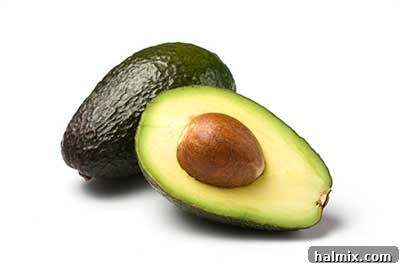
Often mistaken for a vegetable due to its savory applications, the avocado is indeed a fruit, and a remarkably healthy one at that! Its creamy texture and rich flavor come from an abundance of heart-healthy monounsaturated fats, making it a cornerstone in many ketogenic and low-carb diets. Beyond its fat content, avocados are nutritional powerhouses, boasting over 20 different essential vitamins and minerals, including potassium, Vitamin K, Vitamin C, Vitamin E, and several B vitamins. Regular consumption of avocado supports cardiovascular health, aids nutrient absorption, and provides a significant boost of fiber for digestive wellness. It’s an incredibly versatile fruit, perfect in salads, smoothies, or as a standalone snack.
Explore delicious avocado recipes.
Nutrition Facts (1 cup serving, sliced):
Sugar: 1 gram
Total Carbs: 12 grams
Dietary Fiber: 10 gramsNet Carbs: 2 grams
Blackberries
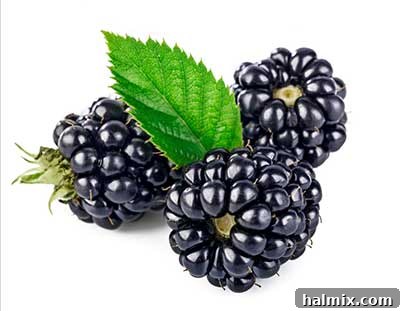
Blackberries are not only a delicious treat, especially perfect in refreshing cocktails like a Blackberry Mojito, but they are also incredibly rich in essential vitamins, minerals, and a remarkable amount of dietary fiber. These sweet-tart berries are a beloved summer staple, offering an impressive range of health benefits. They are particularly known for supporting cognitive function and boosting brain health, thanks to their high antioxidant content. Blackberries also provide robust immune support and promote increased digestive health due to their fiber. Their deep color indicates the presence of anthocyanins, potent antioxidants that contribute to their anti-inflammatory properties and overall disease-fighting capabilities. Enjoy them fresh, in smoothies, or as a healthy addition to desserts.
Discover recipes featuring blackberries.
Nutrition Facts (1 cup serving):
Sugar: 7 grams
Total Carbs: 14 grams
Dietary Fiber: 8 gramsNet Carbs: 6 grams
Raspberries

Among the healthiest fruits available, raspberries stand out for their low sugar content and exceptional nutritional profile. They are abundant in dietary fiber, powerful antioxidants, phytonutrients, and a broad spectrum of vitamins. If you’re looking to significantly increase your Vitamin C intake, raspberries are an excellent choice, providing over 32 milligrams per cup – a fantastic way to boost your immune system and support skin health. Their rich antioxidant content, including ellagic acid, contributes to their anti-inflammatory properties and potential to protect against various chronic diseases. Raspberries are delightful on their own, mixed into yogurt, or used in healthy baked goods, adding both flavor and immense nutritional value.
Find more raspberry-infused recipes.
Nutrition Facts (1 cup serving):
Sugar: 5 grams
Total Carbs: 15 grams
Dietary Fiber: 8 gramsNet Carbs: 7 grams
Strawberries

Strawberries are undeniably one of the world’s most beloved and popular low-carb fruits, enjoyed fresh, in homemade jams, and a variety of baked goods. Despite their misleading name, botanically speaking, strawberries are aggregate fruits, not true berries. These delicious red fruits are brimming with beneficial nutrients, including an excellent source of Vitamin C, folate, manganese, and a rich profile of antioxidants like anthocyanins and ellagic acid. Thanks to their relatively low glycemic index, strawberries have a minimal impact on blood sugar levels, making them a safe and healthy choice for many diets. Regular consumption is linked to improved heart health, enhanced antioxidant defense, and potential anti-cancer properties.
Browse our favorite strawberry recipes.
Nutrition Facts (1 cup serving, sliced):
Sugar: 7 grams
Total Carbs: 11 grams
Dietary Fiber: 3 gramsNet Carbs: 8 grams
Watermelon

Often hailed as the quintessential summer fruit, watermelon is not only refreshing but also surprisingly low in sugar compared to its sweetness. Its name is a testament to its significantly high water content, making it an excellent choice for hydration, especially during warmer months. Beyond its hydrating properties, watermelon is a rich source of essential vitamins like Vitamin C and Vitamin A, various minerals, and powerful antioxidants, most notably lycopene. Lycopene is a potent carotenoid responsible for watermelon’s red hue and is associated with heart health and protection against certain cancers. For a delicious and healthy summer dessert, consider trying a Watermelon Pizza, a creative way to enjoy this nutritious fruit.
Explore more refreshing watermelon recipes.
Nutrition Facts (1 cup serving, diced):
Sugar: 9 grams
Total Carbs: 11.5 grams
Dietary Fiber: 0.5 gramsNet Carbs: 11 grams
Apples
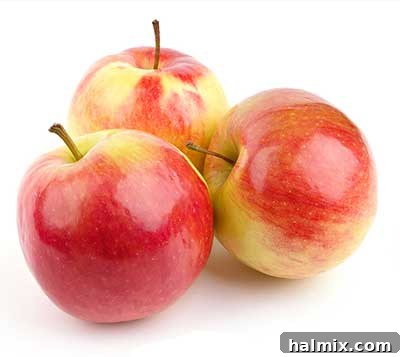
The saying “an apple a day keeps the doctor away” holds a lot of truth! Apples are widely recognized as one of the best fruits for weight management due to their low-calorie count and high fiber content, particularly soluble fiber like pectin. This fiber contributes to a feeling of fullness, which can help reduce overall calorie intake. Regular consumption of apples offers a wide array of health benefits, including robust digestion support, improved heart health by lowering cholesterol, and a reduced risk of chronic diseases. A significant portion of an apple’s beneficial fiber and antioxidants is concentrated in its skin, so it’s highly recommended to eat them unpeeled to maximize their nutritional value. Apples are perfect as a quick snack, in salads, or baked into healthy desserts.
Discover a variety of apple recipes.
Nutrition Facts (1 cup serving, sliced):
Sugar: 11 grams
Total Carbs: 15 grams
Dietary Fiber: 4 gramsNet Carbs: 11 grams
Plums

Tracing their origins back thousands of years to China, plums have since spread globally, with over 2,000 known varieties delighting palates worldwide. This stone fruit offers a wealth of vital nutrients and a delicate sweetness, making it an ideal addition to smoothie bowls, fresh salads, and healthy desserts. Plums are particularly celebrated for their exceptionally high levels of antioxidants, including phenolic compounds and anthocyanins, which contribute to their potent cancer-fighting abilities and protect cells from damage. They are also a good source of fiber, Vitamin C, and Vitamin K, supporting digestive health, immune function, and bone health. Enjoy plums fresh, dried as prunes, or incorporated into various culinary creations.
See all of our recipes using plums.
Nutrition Facts (1 cup serving, sliced):
Sugar: 16 grams
Total Carbs: 19 grams
Dietary Fiber: 3 gramsNet Carbs: 16 grams
Oranges

Oranges are synonymous with Vitamin C, and for good reason: a single medium orange provides nearly all (91%) of the recommended daily value of this powerful antioxidant vitamin. But the benefits don’t stop there. Oranges are also packed with high volumes of other vital nutrients, including folate, thiamine, and various plant compounds like flavonoids, making them one of the healthiest low-carb fruits to include in your diet. The health benefits of oranges are extensive, including supporting a robust immune system, decreasing blood pressure, reducing inflammation, and helping to lower cholesterol levels. Their bright, citrusy flavor makes them a refreshing snack, a great addition to salads, or a zesty component in many recipes.
Explore our collection of orange recipes.
Nutrition Facts (1 cup serving, sections):
Sugar: 17 grams
Total Carbs: 21 grams
Dietary Fiber: 4 gramsNet Carbs: 17 grams
Blueberries
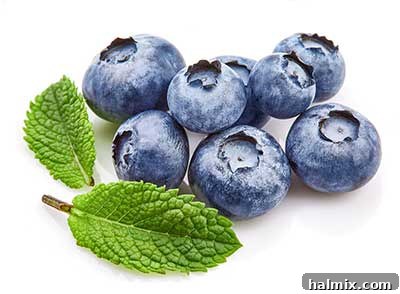
From delightful breakfast muffins to invigorating cocktails and nutritious snacks, blueberries are a perennial favorite and a prominent member of the low-carb fruit family. While they contain slightly more natural sugar than some other berries, their benefits are immense. Blueberries are loaded with specific phytonutrients, particularly anthocyanins, which not only give them their characteristic deep blue hue but also help to modulate the absorption of sugar into the bloodstream, mitigating potential blood sugar spikes. These tiny powerhouses are also packed with an exceptional concentration of antioxidants and a variety of vitamins, offering a multitude of health benefits. These include lowering cholesterol, improving heart health, enhancing brain function, and powerfully protecting the body from oxidative stress and cellular damage. They are truly a superfood worth savoring.
Find inspiring blueberry recipes.
Nutrition Facts (1 cup serving):
Sugar: 15 grams
Total Carbs: 21 grams
Dietary Fiber: 3 gramsNet Carbs: 18 grams
Kiwi

Did you know that the fuzzy kiwi fruit is also affectionately known as the Chinese gooseberry? This tropical delight has been revered in traditional Chinese medicine for centuries, particularly for its remarkable ability to support digestion and promote robust gut health. Kiwis are incredible sources of a wide array of vitamins (especially Vitamin C and K), essential minerals, dietary fiber, and beneficial polyphenols. Some of the leading health benefits attributed to kiwi consumption include significantly boosted immunity, reduced blood pressure, and powerful digestive support thanks to enzymes like actinidin. I love incorporating this distinctive tart fruit into refreshing summer snacks such as these vibrant Fruit Popsicles, adding a unique flavor and nutrient boost.
Discover recipes that use kiwi.
Nutrition Facts (1 cup serving, sliced):
Sugar: 16 grams
Total Carbs: 26 grams
Dietary Fiber: 5 gramsNet Carbs: 21 grams
High-Sugar Fruits: Enjoying in Moderation
While all fruits are undeniable sources of essential vitamins, minerals, and potent antioxidants, their sugar content can vary significantly. For those monitoring carbohydrate intake or managing blood sugar, it’s prudent to be aware of which fruits contain higher levels of natural sugars. This doesn’t mean these fruits should be avoided entirely, as they still offer valuable nutrients; rather, it suggests consuming them in smaller quantities or less frequently to maintain a healthy sugar intake.
Understanding the net carb count helps in making these choices. Here are some examples of fruits with higher sugar content per 1-cup serving, along with their approximate net carb counts:
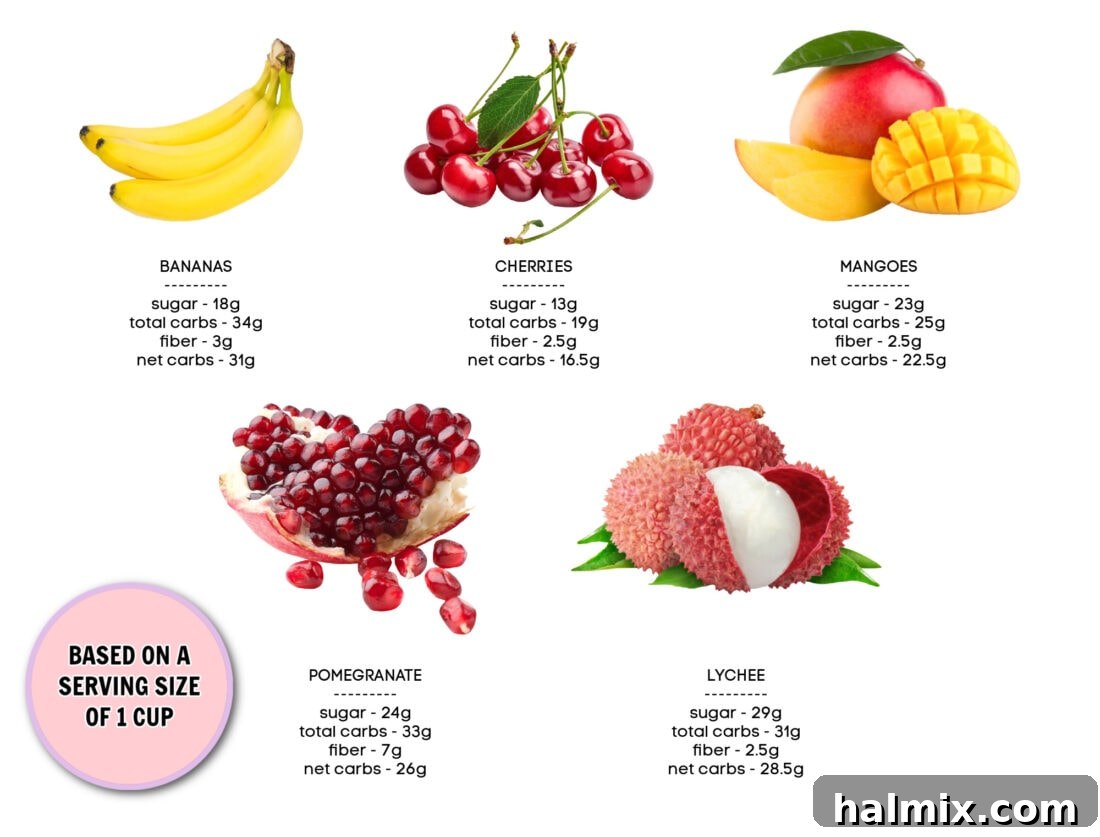
- Bananas – 18 grams of sugar, 3 grams of fiber, and 34 grams of total carbs. [31 net carbs]
- Cherries – 13 grams of sugar, 2.5 grams of fiber, and 19 grams of total carbs. [16.5 net carbs]
- Mangos – 23 grams of sugar, 2.5 grams of fiber, and 25 grams of total carbs. [22.5 net carbs]
- Pomegranate – 24 grams of sugar, 7 grams of fiber, and 33 grams of total carbs. [26 net carbs]
- Lychee – 29 grams of sugar, 2.5 grams of fiber, and 31 grams of total carbs. [28.5 net carbs]
These fruits are still incredibly nutritious, offering unique benefits like potassium in bananas, melatonin in cherries, and powerful antioxidants in mangoes and pomegranates. The key is to incorporate them thoughtfully into your diet, perhaps opting for smaller portions or pairing them with sources of protein or healthy fats to help stabilize blood sugar response.
Embracing a Balanced Approach to Fruit Consumption
Having explored some of the world’s healthiest fruits and their respective sugar and carb contents, it’s clear that understanding the numbers is paramount when eating on a low-carb diet. Does this imply that you must completely eliminate fruits with higher carbohydrate counts, such as bananas or cherries? Absolutely not. A healthy diet, even a low-carb one, is about balance and conscious choices, not deprivation.
Embracing a low-carb lifestyle doesn’t mean forsaking your favorite fruits. Instead, it encourages moderation and smart portion control. For instance, rather than topping your morning yogurt bowl with an entire sliced banana, consider using half a banana combined with a generous handful of fiber-rich raspberries or blackberries. This approach allows you to enjoy the flavors and nutrients of all fruits while staying within your dietary guidelines.
Low-carb diets can offer significant health benefits, from improved blood sugar management to sustainable weight loss and increased energy. They are most effective and enjoyable when they remain flexible and flavorful. By understanding the nutritional composition of various fruits and applying the concept of net carbs, you can tailor your diet to meet your health goals without sacrificing the joy and variety that fresh produce brings. Remember, the goal is sustainable health, which means finding a way to eat well that you can maintain long-term, enjoying a colorful spectrum of nature’s bounty.
Beyond Fruits: Expanding Your Low-Carb Journey
Eager to further enhance your understanding of low-carb eating? Just as with fruits, vegetables also vary widely in their carbohydrate content. For a detailed exploration and a comprehensive list of the best and worst low-carb vegetable choices, we invite you to visit our companion guide:
Visit our Guide to the Best and Worst Low-Carb Vegetables for more essential information and tips to diversify your healthy plate!
Sources:
List of the Best Low-Carb Fruits and Vegetables by Healthline
20 Healthy Fruits That Are Super Nutritious by Healthline
The 25 Healthiest Fruits You Can Eat, According to a Nutritionist by Jaclyn London
This post originally appeared on this blog on July 9, 2021.