
Sweetheart’s Delight: Irresistible Valentine Cake Pops Recipe
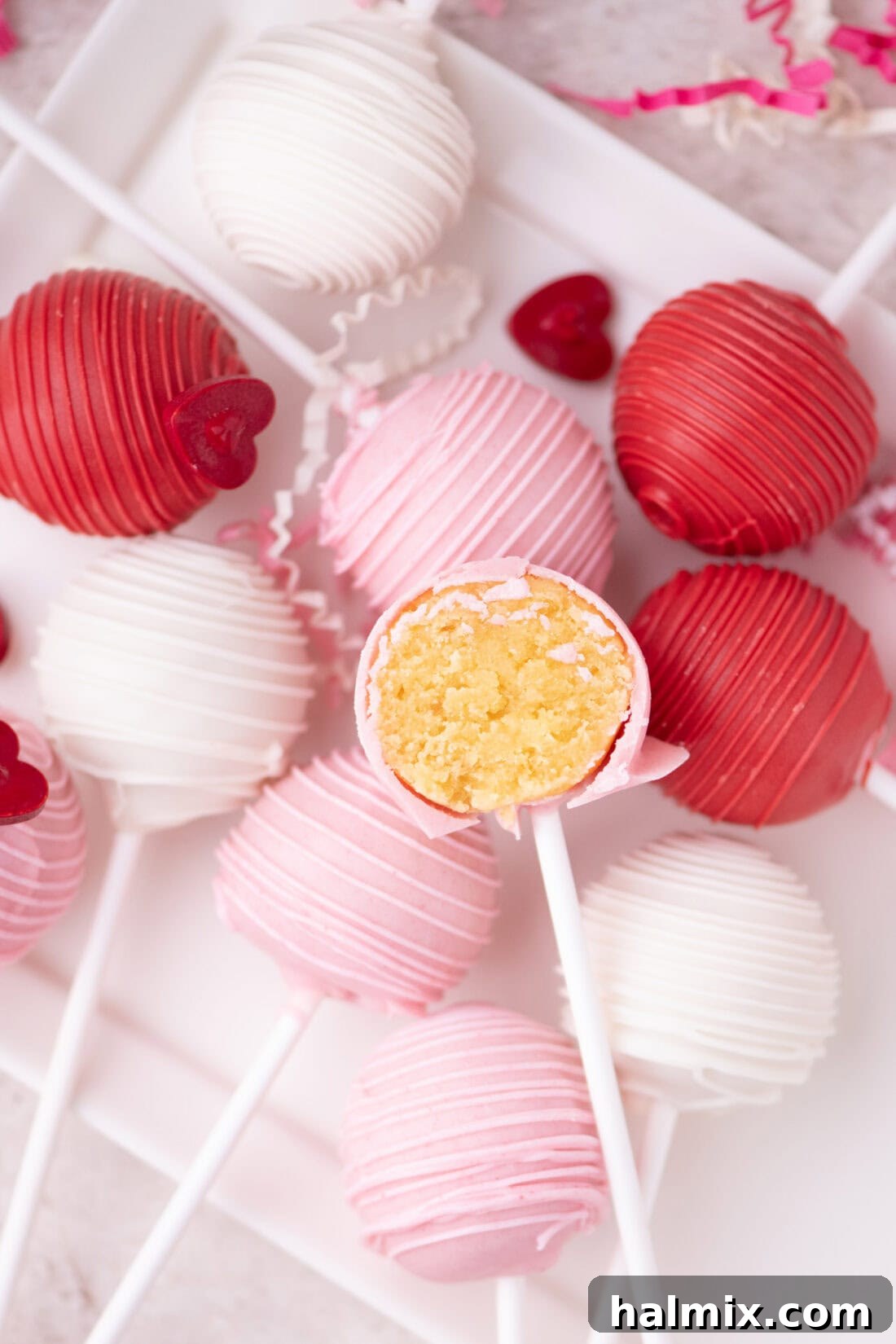
Celebrate love and sweetness this Valentine’s Day with our delightful Valentine Cake Pops. Crafted with a touch of affection, these charming treats combine the rich flavors of a classic cake mix with creamy frosting and a vibrant chocolate coating. Perfect for sharing with loved ones or indulging in a moment of pure bliss, these cake pops promise to make your Valentine’s Day celebrations undeniably sweeter and truly memorable.

Why This Valentine Cake Pop Recipe is a Must-Try
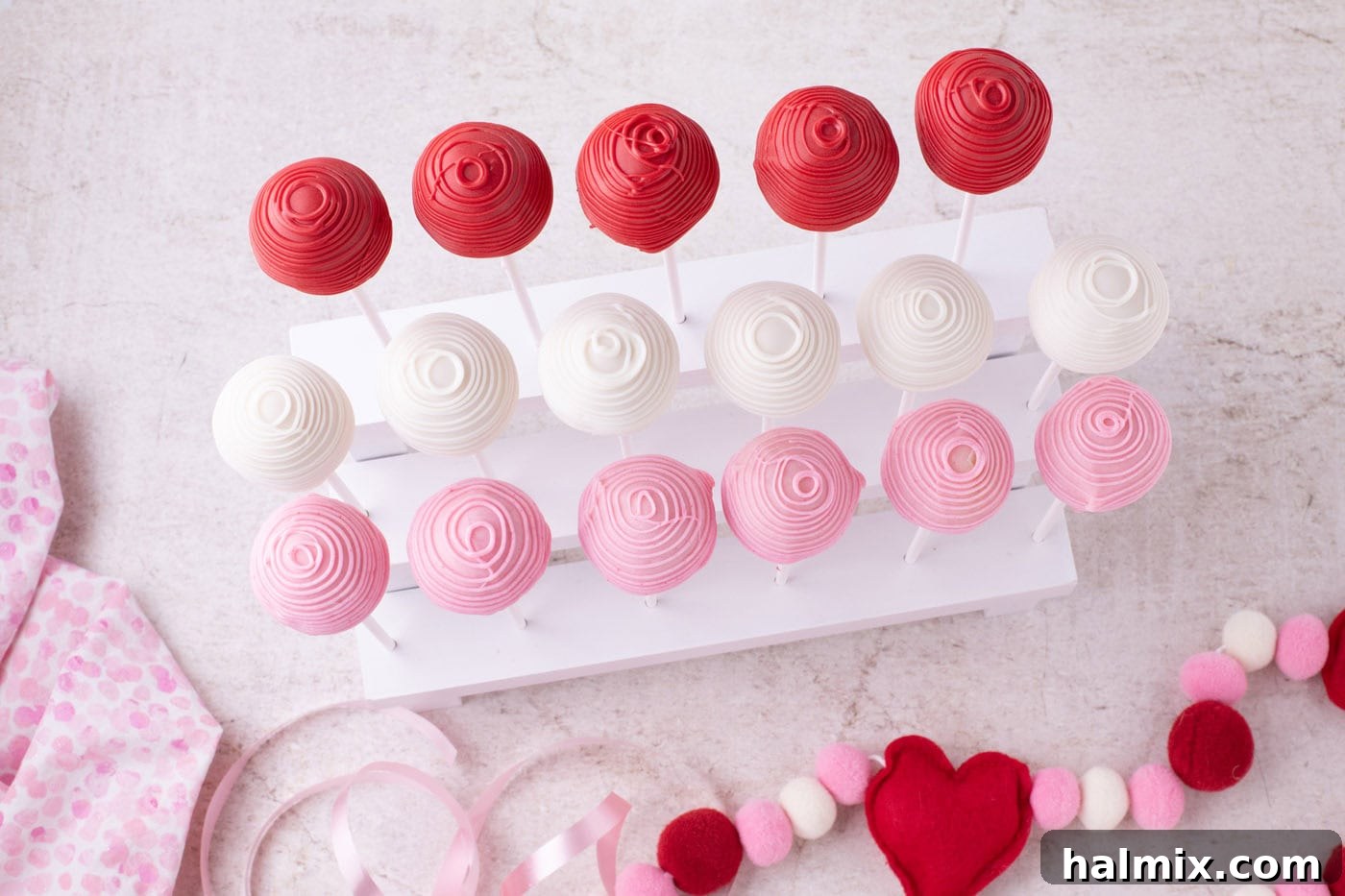
These Valentine Cake Pops are more than just a dessert; they are a charming expression of love, making them an absolute must-try for your holiday celebrations. Their adorable appearance, featuring delightful red, white, and pink candy coatings, instantly brightens any festive spread. Each bite offers a burst of sweet, moist cake, making them the sweetest treat you can gift or enjoy on Valentine’s Day. What truly sets this recipe apart is its incredible simplicity, proving that you don’t need to be a seasoned baker to create something spectacular.
Using a readily available box of cake mix, a tub of your favorite frosting, and a selection of colorful candy wafers streamlines the entire process, turning what might seem like a complex confectionery task into a seriously simple and enjoyable baking adventure. This accessibility means anyone can whip up a batch of these charming cake pops with minimal fuss, perfect for busy schedules or impromptu celebrations.
Beyond their ease of creation, these cake pops offer remarkable versatility. Imagine them individually wrapped in clear cellophane treat bags, tied with a festive bow, and ready to be distributed at classroom parties, given as thoughtful homemade gifts, or shared as party favors. For those who prefer a more traditional bite-sized dessert, simply omit the stick and enjoy them as delightful Valentine cake balls. They are an ideal centerpiece for a romantic dinner, a joyful addition to a family gathering, or a heartwarming surprise for friends. Their festive colors and delightful taste make them suitable for any occasion where a touch of sweetness and cheer is desired, extending their appeal far beyond just Valentine’s Day.
Essential Ingredients for Perfect Valentine Cake Pops
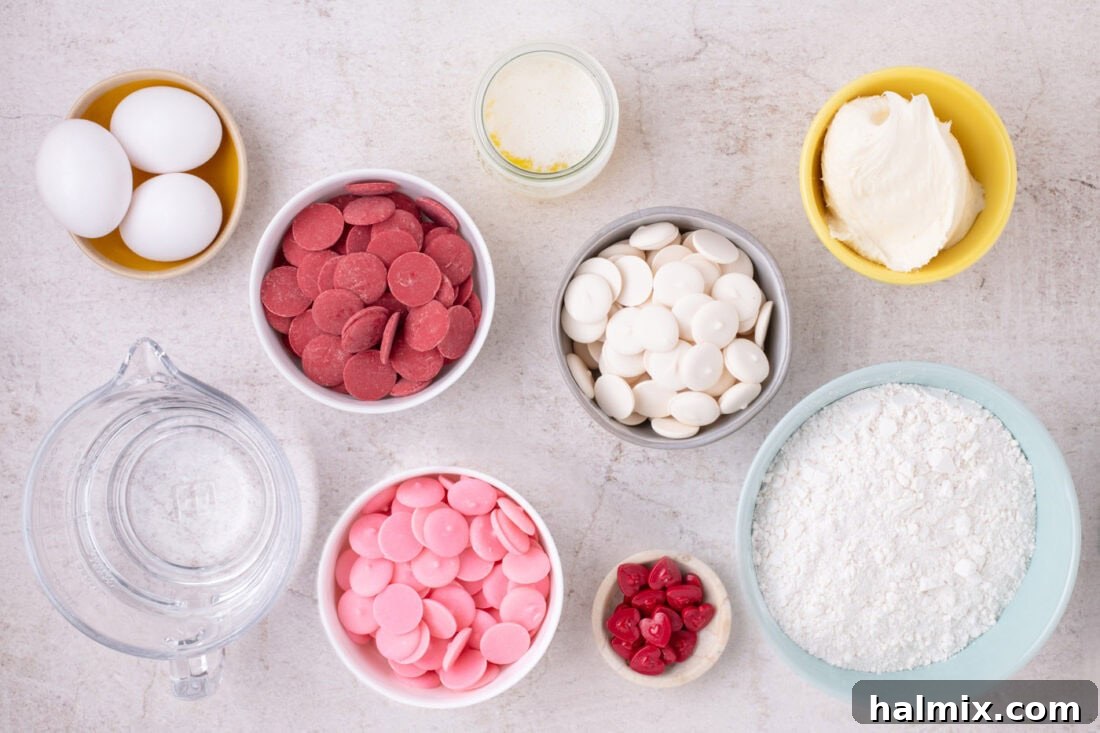
Creating these delightful Valentine Cake Pops requires a few key ingredients, mostly pantry staples with a couple of special additions for that signature cake pop flair. Below, you’ll find a visual guide to gather everything you need. For precise measurements, detailed instructions, and a printable version, please refer to the comprehensive recipe card at the end of this article.
Ingredient Spotlight & Smart Substitutions for Your Cake Pops
Crafting the perfect cake pop often comes down to understanding your ingredients and knowing when to make smart substitutions. Here’s a deeper look into the components of our Valentine Cake Pops and how you can adapt them to your taste or what you have on hand.
CAKE BASE: Achieving the Ideal Texture
For the foundation of these lovely cake pops, we start with a standard box of cake mix. While the box typically calls for oil, a crucial modification for cake pops is to replace the oil with butter. This isn’t just a flavor preference; it’s a structural necessity. Butter contributes to a denser, more robust cake crumb, which is essential for creating firm cake balls that hold their shape and stay securely on the stick when dipped. Cakes made with oil tend to be lighter and fluffier, which can lead to crumbling or falling off the stick during the dipping process. Follow our specific directions in the recipe card to prepare your cake mix, ensuring you achieve the perfect sturdy base for your pops. Feel free to experiment with various cake mix flavors, such as classic yellow, rich chocolate, festive funfetti, delicate white, or even a romantic red velvet to match the Valentine’s theme.
FROSTING: The Unsung Hero of Moisture and Bind
A good quality premade tub of vanilla frosting is your best friend for this recipe, serving as the binding agent that transforms cake crumbs into pliable, rollable cake balls. Its primary role is to add moisture and act as a glue, ensuring your cake pops are soft, chewy, and stay together. It’s important not to use the entire container; only the specified amount in the recipe card is needed to achieve the right consistency – too much frosting can make the mixture overly sticky and hard to handle, while too little will result in dry, crumbly balls. Just like with the cake mix, you have a world of flavor options for your frosting. Consider homemade or store-bought cream cheese frosting for a tangy counterpoint, a rich chocolate frosting for a double chocolate delight, or a classic vanilla buttercream to complement any cake flavor. The frosting is where you can truly personalize the inner taste of your cake pops.
CHOCOLATE COATING: For That Perfect Outer Shell
Our top recommendation for the outer coating is candy melts. These confectionary wafers are specifically engineered for melting smoothly and providing a hard, vibrant coating, making them incredibly user-friendly for cake pops. They also come in an impressive array of pre-colored options, perfect for achieving those signature Valentine’s Day hues of red, pink, and white without extra effort. However, if candy melts aren’t available, or you prefer alternatives, vanilla almond bark or high-quality white chocolate chips can be used. When using white chocolate chips, it’s highly advisable to add a small amount (start with 1 teaspoon) of coconut oil or vegetable oil to the melted chocolate. This helps to thin out the chocolate, making it less viscous and easier to dip the cake balls smoothly without a thick, gloopy coating. If you’re using white chocolate or almond bark and want to add color, always opt for gel food coloring, as liquid food coloring can cause the chocolate to seize and become unusable. This ensures a beautiful, smooth, and evenly colored finish for your festive treats.
Step-by-Step Guide: Crafting Your Valentine Cake Pops
These step-by-step photos and instructions are here to help you visualize how to make this recipe. You can Jump to Recipe to get the printable version of this recipe, complete with measurements and instructions at the bottom.
- Prepare for Baking: Begin by preheating your oven to 325°F (160°C). Thoroughly grease a 9 x 13-inch baking dish to prevent sticking. Additionally, line two large baking sheets with parchment paper; these will be used later for chilling your cake balls. Set all prepared items aside.
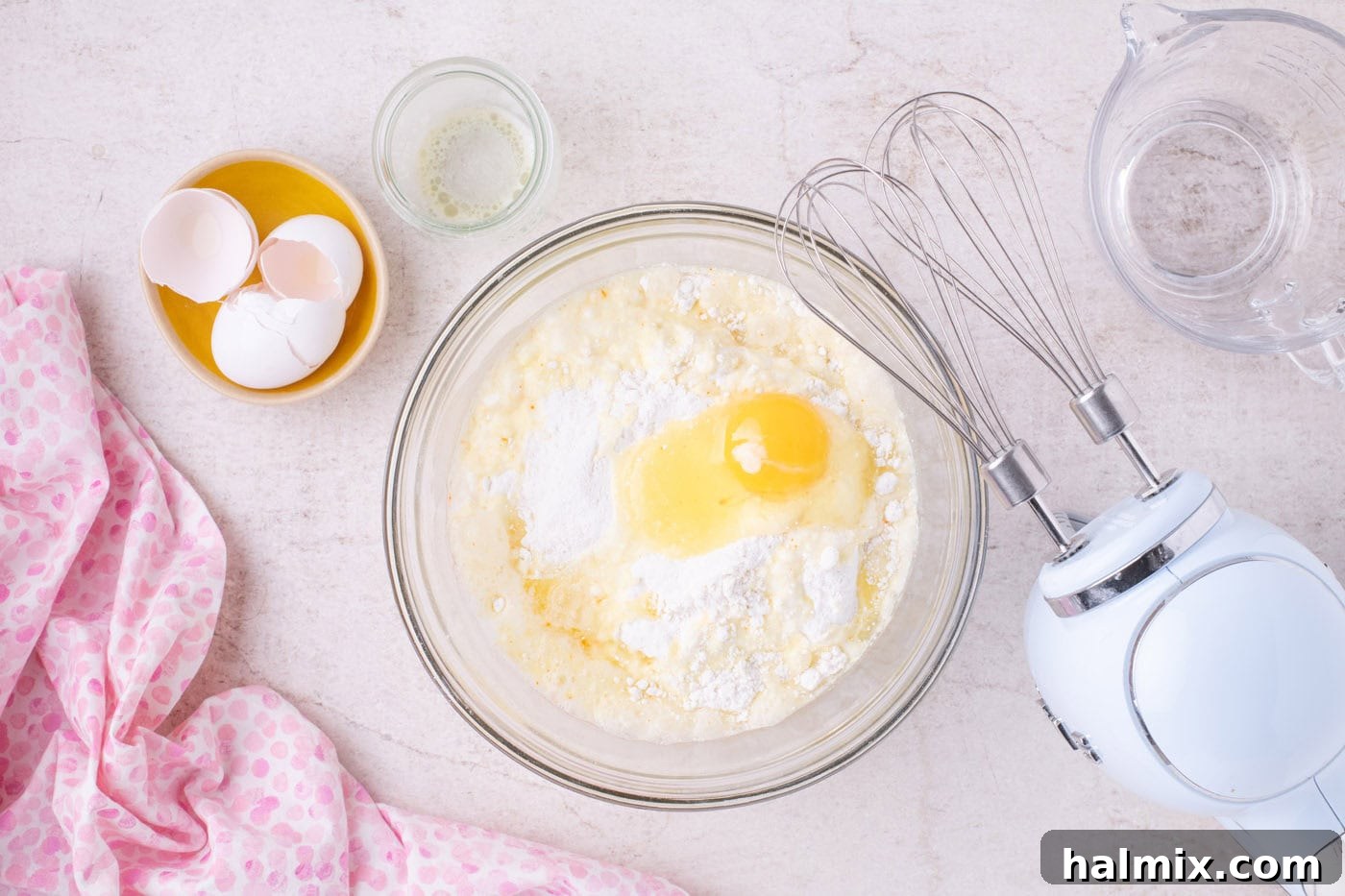
- Mix the Cake Batter: In a spacious mixing bowl, combine the dry cake mix, three eggs, one cup of water, and five tablespoons of melted unsalted butter. Mix these ingredients together thoroughly until you achieve a smooth, lump-free batter. The melted butter replacement is crucial for the cake pop’s structure.

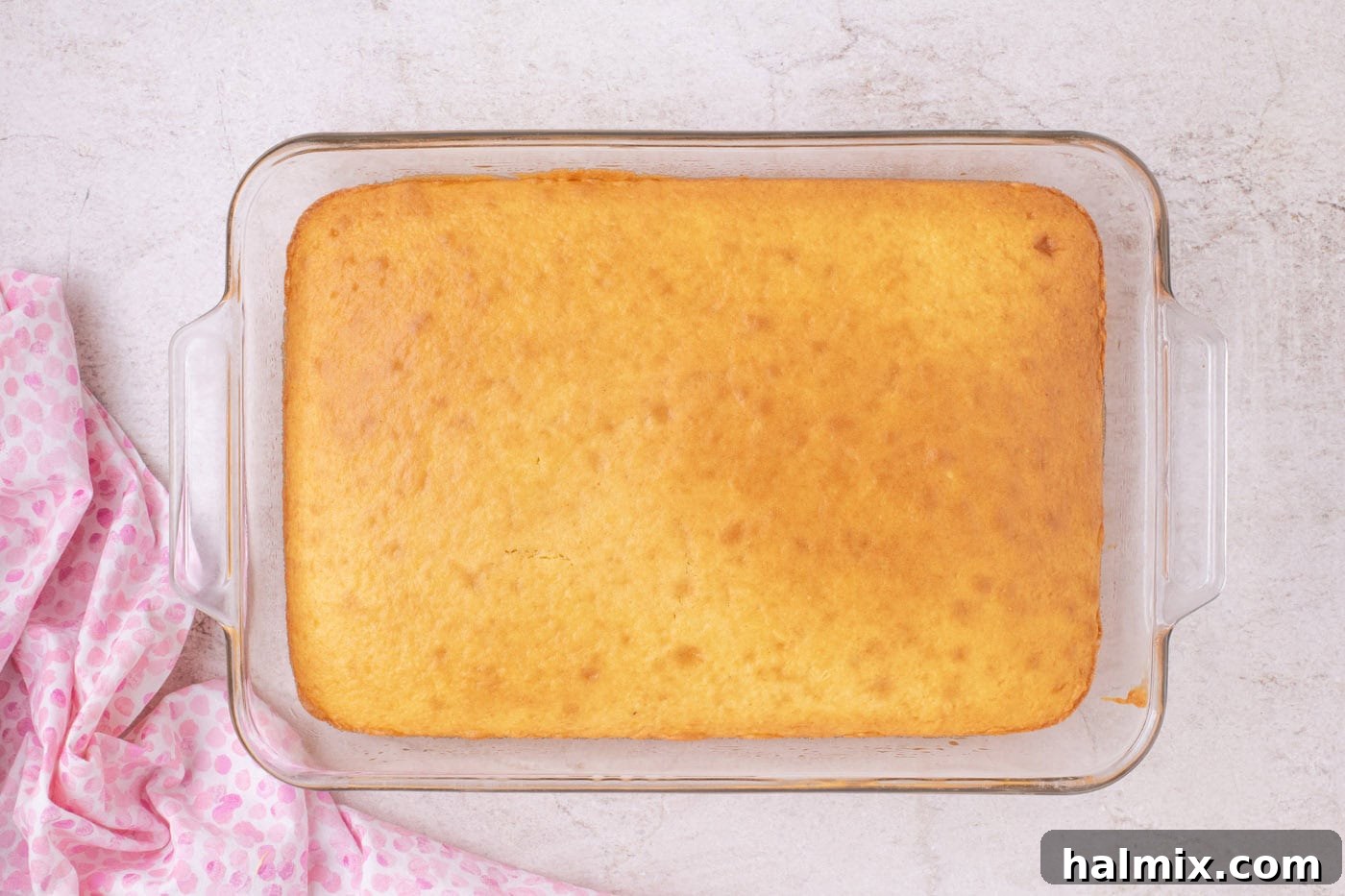
- Bake the Cake: Carefully pour the prepared cake batter into your greased baking dish. Bake for approximately 20 to 22 minutes, or until a toothpick inserted into the center comes out clean, indicating it’s fully cooked. Avoid overbaking, as this can lead to a dry cake. Once baked, remove the cake from the oven and allow it to cool completely on a wire rack for 2 to 3 hours. This cooling time is essential for the cake to firm up.
- Crumble the Cooled Cake: Once the cake has cooled completely to room temperature, gently break it into smaller pieces using your hands. Transfer all the broken cake pieces into a large mixing bowl.
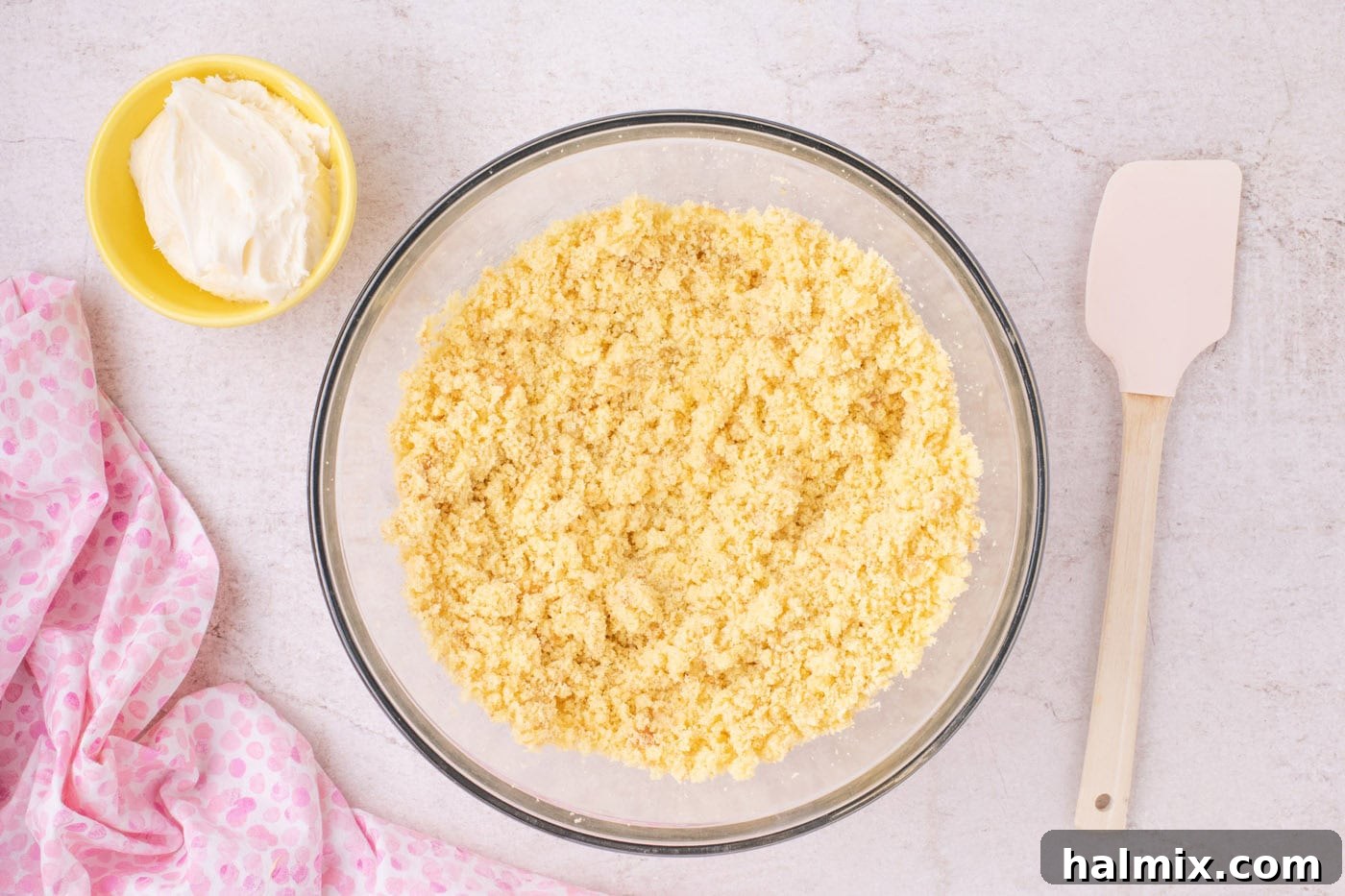
- Further Crumble for Fine Texture: Take a fork and continue to break down the cake pieces. Your goal is to achieve very fine, uniform crumbs. This step is vital for ensuring your cake balls are smooth and consistent in texture, without large chunks of cake.
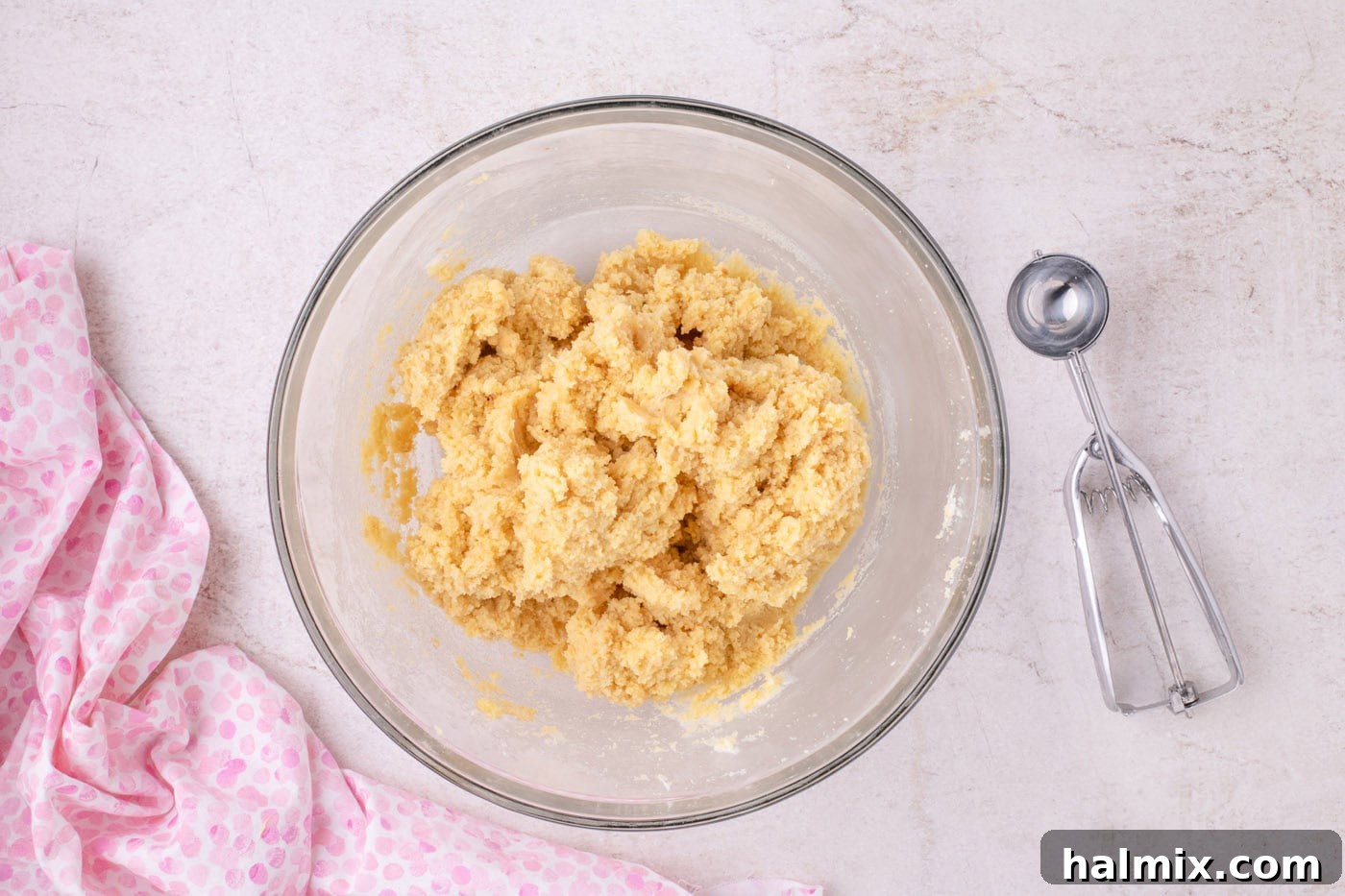
- Incorporate the Frosting: Begin adding the vanilla frosting to the cake crumbs, starting with ½ cup and mixing thoroughly. Continue adding the frosting in small increments, stirring until it is fully incorporated and the mixture reaches a dough-like consistency that can be easily rolled into balls. Be careful not to add too much, as this can make the cake balls too soft.
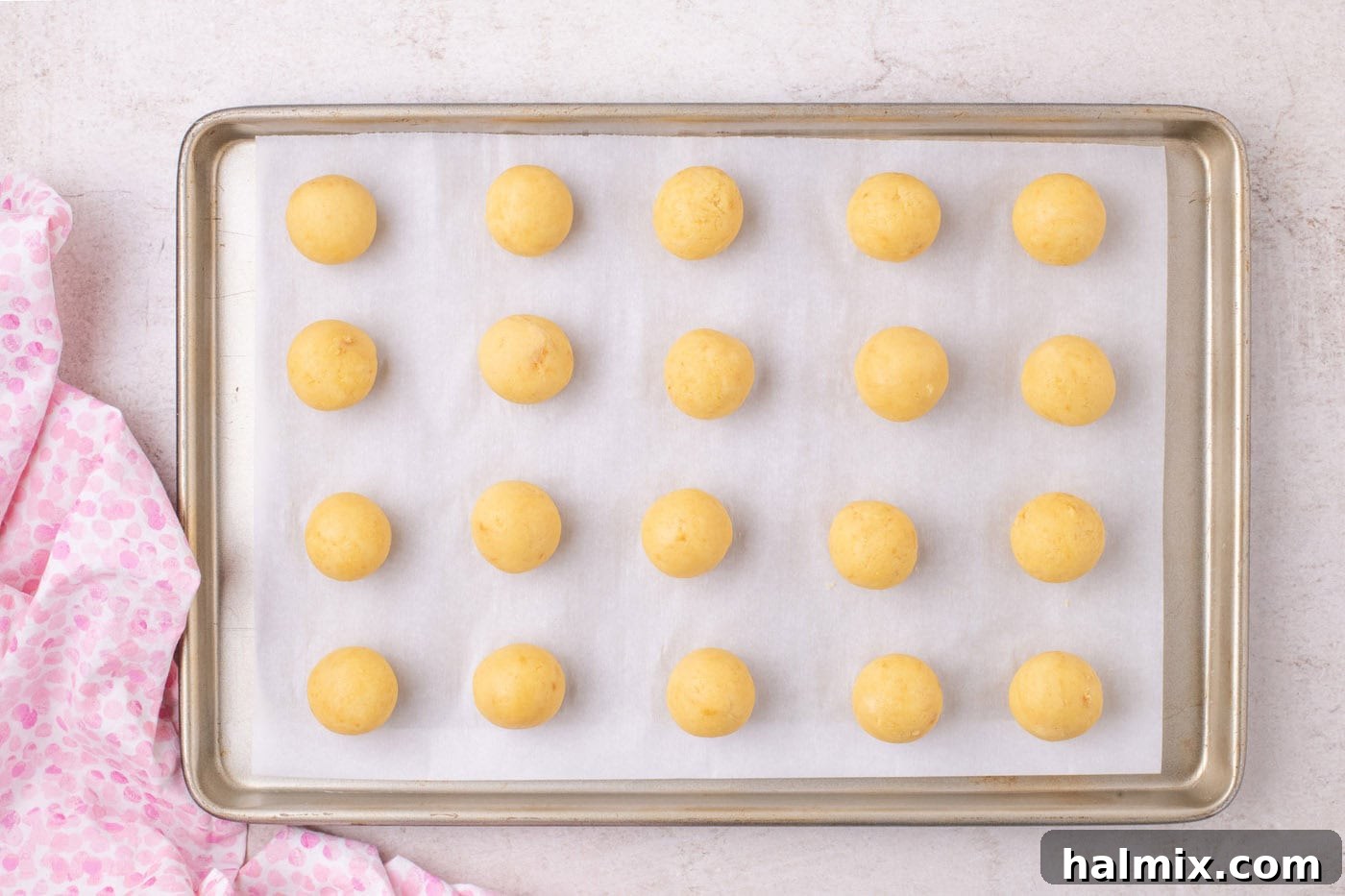
- Scoop the Cake Balls: Use a 2-tablespoon cookie scoop to portion out even-sized mounds of the cake mixture. Place each scooped mound onto one of your prepared parchment-lined baking sheets. This ensures uniformity in size, which is key for consistent baking and dipping.
- Shape and Chill: Roll each mound of cake mixture firmly between your palms to form smooth, round cake balls. Once all are shaped, place the baking sheets with the cake balls into the refrigerator for one to two hours. This chilling period is crucial as it allows the cake balls to harden sufficiently, making them easier to handle and preventing them from crumbling or falling apart during the dipping process.
- Melt the Candy Coatings: Place each of your three colored candy melts (white, pink, and red) into separate microwave-safe bowls or glass jars. Heat the candy melts in the microwave in 30-second increments, stirring well after each interval, until they are fully melted and perfectly smooth. Stirring frequently helps prevent scorching.
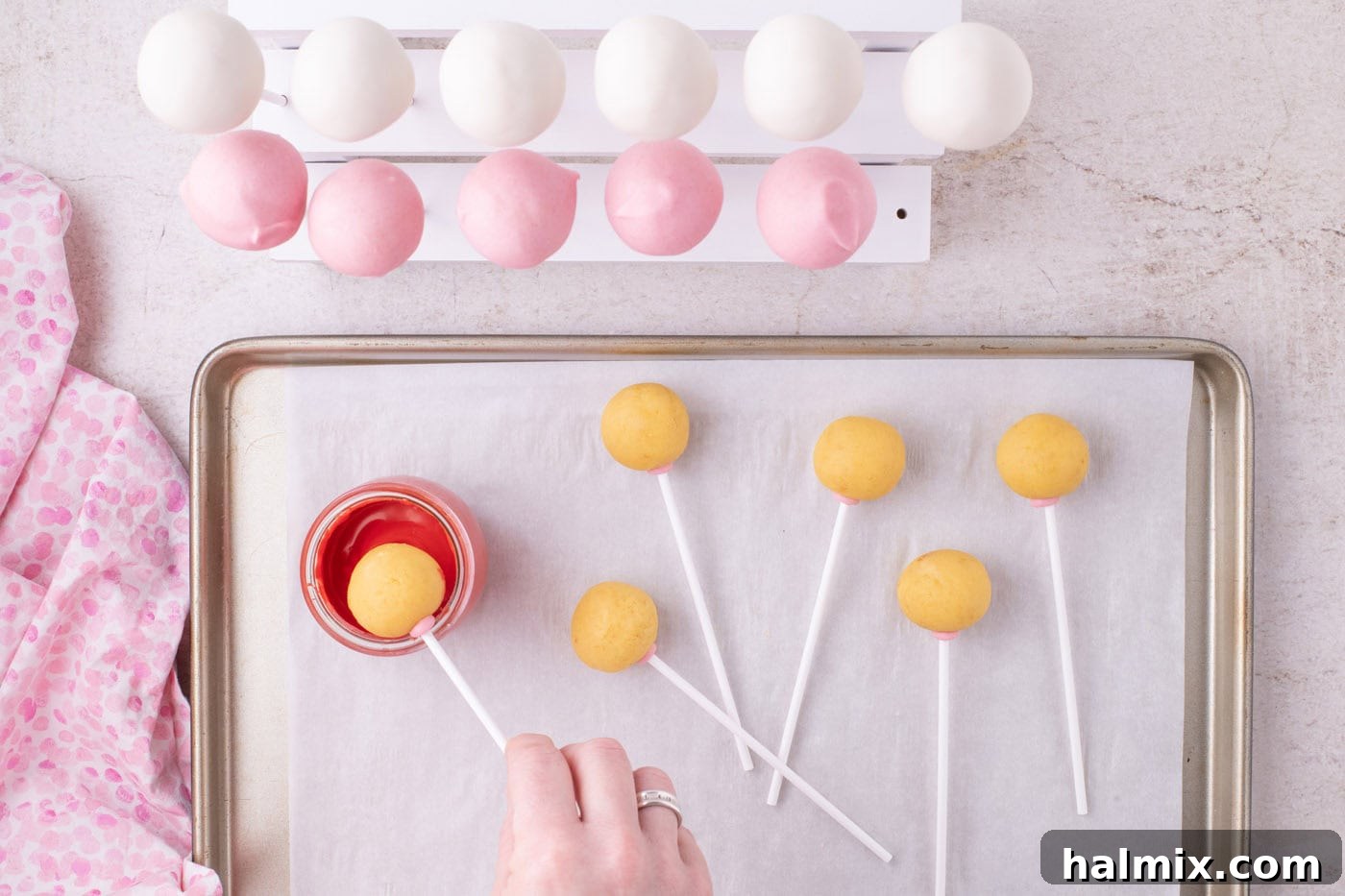
- Insert the Sticks: Take a cake pop stick and dip one end about 1/2 inch deep into one of the melted candy coatings. Immediately push the coated end of the stick firmly into the center of a chilled cake ball, ensuring it goes past the middle point. The melted candy acts as an edible glue, providing better support and adhesion for the cake pop when it’s dipped. Repeat this process for all remaining cake balls, using the different candy colors as desired. Allow the candy on the stick to harden completely before proceeding.
- Dip the Cake Pops: Once the candy base on the stick has hardened, take a cake pop and fully immerse it into the melted candy coating of your choice. Gently tap off any excess coating by lightly tapping the stick against the edge of the bowl. This creates a smooth, even layer of candy. Repeat this dipping process for all your cake pops.
- Decorate and Dry: Transfer any remaining melted candy into three separate disposable piping bags. Snip a tiny bit off the end of each bag. Slowly and carefully drizzle even lines of contrasting colors around each coated cake ball, creating an elegant visual effect. While the drizzle is still wet, you can optionally add a heart sprinkle or other festive decorations for an extra touch of charm. Place the finished cake pops upright on a cake pop stand or into a block of styrofoam to dry thoroughly. Ensure they are completely dry before serving or packaging, which can take several hours.
Frequently Asked Questions & Expert Tips for Perfect Cake Pops
Cake pops often crack due to a significant temperature difference between the chilled cake ball and the melted candy coating. If the cake pop is too cold or the melted candy is excessively hot, the sudden temperature change causes the coating to contract too quickly, leading to cracks. To prevent this, ensure your melted candy coating has cooled slightly for a minute or two after heating, reaching a warm-but-not-hot temperature. Also, try to take the chilled cake balls out of the refrigerator just a few minutes before dipping, allowing them to slightly adjust to room temperature without becoming too soft.
If your melted candy coating starts to thicken and is no longer coating the cake balls smoothly (and reheating isn’t helping or is making it worse), you can easily revive it. Stir in 1 teaspoon of vegetable oil or coconut oil at a time, mixing well, until the coating reaches a desirable, thinner consistency for dipping. Coconut oil is particularly good for white candy melts as it won’t yellow the color. This addition reduces the viscosity, making the coating flow more smoothly and adhere evenly to the cake pops.
For optimal freshness and taste, store your finished Valentine cake pops at room temperature in an airtight container or a sealed ziptop bag. They will maintain their quality for up to one week. If you need to extend their shelf life, you can refrigerate them for up to two weeks, though allow them to come to room temperature before serving for the best texture. For longer storage, cake pops can also be frozen for up to one month. Thaw them in the refrigerator overnight before serving.
Absolutely! The beauty of cake pops is their incredible versatility when it comes to flavor combinations. You are limited only by your imagination! Strawberry cake mix combined with a cream cheese frosting creates a delightfully fruity and tangy pop, perfect for spring. Rich chocolate cake with chocolate fudge frosting is a classic indulgence. A simple yellow or white cake mix serves as a fantastic canvas for various frosting flavors, from zesty lemon to nutty peanut butter. For a playful twist, funfetti cake mix adds colorful sprinkles directly into the cake, while red velvet offers a sophisticated, cocoa-kissed option. Each of these flavors, when crumbled and mixed with your chosen frosting, creates divine little morsels that can be customized with different candy melt colors and sprinkles to suit any theme or holiday.
Creative Serving & Gifting Ideas for Your Valentine Cake Pops
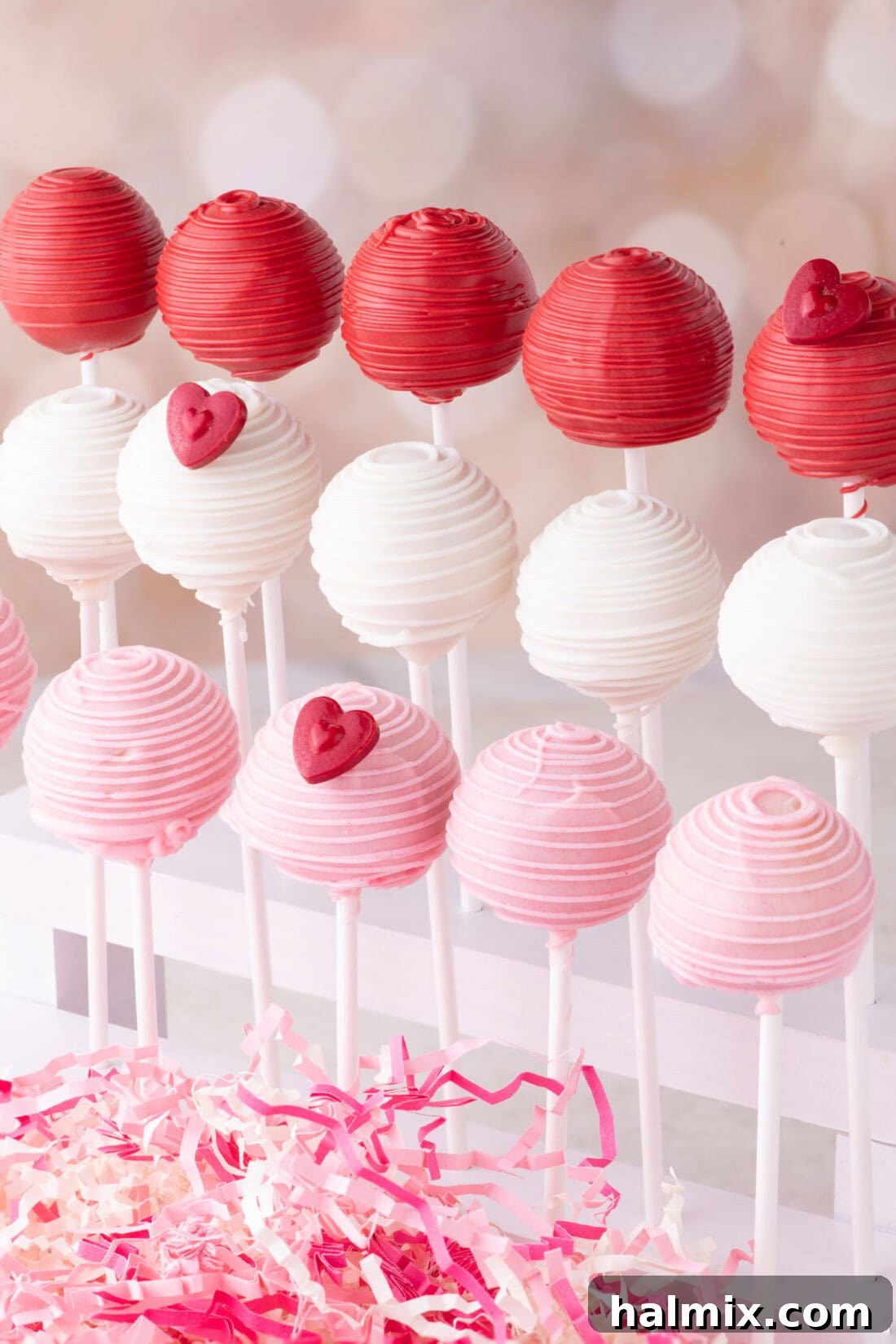
These Valentine Cake Pops are already a showstopper on their own, but with a few extra touches, you can elevate their presentation and make them even more special. I wholeheartedly recommend incorporating cute heart sprinkles; they add that perfect final touch of love and festivity to your treats, making them truly irresistible for Valentine’s Day. For a charming gift presentation, consider individually wrapping the top portion of each cake pop in small cellophane treat bags and securing them with a pretty ribbon or twist tie. This not only protects the cake pops but also makes them look professionally prepared and ready for gifting to teachers, friends, family, or your special someone.
The beauty of cake pops lies in their adaptability. While they are perfect for Valentine’s Day with their classic red, white, and pink theme, the possibilities for customization are endless. You can easily switch up the cake and frosting flavors, as well as the candy melt colors and sprinkles, to match any party theme or holiday. Imagine vibrant green and gold cake pops for St. Patrick’s Day, pastel shades for an Easter celebration or spring baby shower, blue and pink for a gender reveal party, or spirited team colors for a football game day. This recipe serves as a fantastic foundation for year-round creativity, ensuring you always have a delightful and adaptable dessert up your sleeve for any occasion.
More Delightful Valentine’s Day Recipes
- Valentine Muddy Buddies
- Valentine Cherry Hand Pies
- Chocolate Peanut Butter Hearts
- Valentine’s Day Heart Cupcakes
I absolutely adore spending time in the kitchen, experimenting with new flavors and sharing my culinary discoveries with all of you! It can be a challenge to remember to check back every day for fresh ideas, which is why I’ve made it easy for you. I offer a convenient newsletter that delivers a brand-new recipe straight to your inbox every time one posts. Simply subscribe today and start receiving your free daily recipes, ensuring you never miss out on delicious inspiration!

Valentine Cake Pops
IMPORTANT – Don’t miss the Frequently Asked Questions and Expert Tips sections within the blog post; they offer valuable insights and troubleshooting advice! Simply scroll back up to read them for common queries and helpful hints.
Print It
Pin It
Rate It
Save It
Saved!
Course:
Dessert
Cuisine:
American
32
cake pops
3 hours
5 minutes
176
Amanda Davis
Ingredients
-
13.25
ounce
package yellow cake mix
we used Betty Crocker -
3
eggs -
1
cup
water -
5
Tablespoons
unsalted butter
melted. 70g -
11
ounces
vanilla frosting
312g -
12
ounces
white candy melts
340g -
12
ounces
pink candy melts
340g -
12
ounces
red candy melts
340g -
heart shaped sprinkles
optional as decoration
Things You’ll Need
-
13×9 baking dish -
2 Tablespoon cookie scoop -
cake pop sticks -
Piping bags
or ziptop bag with the end snipped -
heart sprinkles
Before You Begin: Essential Tips for Success
- Customize Your Cake: Always use the specific ingredients listed in this recipe card to prepare your cake mix, as they are tailored for optimal cake pop consistency.
- Butter Over Oil is Key: When preparing the cake, it is crucial to replace the oil (as typically directed on the back of the box) with melted butter. This substitution ensures a denser, more solid cake pop that is less likely to crumble or fall off the stick during the dipping process.
- Mind the Baking Instructions: Disregard the oven temperature and bake time provided on the back of the cake mix box. Instead, strictly follow the baking directions in this recipe. Our goal is to bake the cake just enough so it’s cooked through without overbaking or browning excessively, which can affect the final cake pop flavor and texture.
- Frosting in Moderation: Do not use the entire container of frosting. Only incorporate the precise amount specified in the recipe card. Using too much frosting can make the cake pop mixture too wet and sticky, making it difficult to roll and shape the balls.
- Reheat Candy Melts as Needed: If your melted candy coating begins to harden or thickens during the dipping process, simply reheat it in the microwave in short 10-second increments, stirring well after each, until it returns to your desired smooth, dippable consistency.
- Chill Thoroughly: Ensure your cake balls are adequately chilled and firm before attempting to insert sticks or dip them. This step is critical for preventing breakage and ensuring a smooth coating.
Instructions
-
Preheat oven to 325°F (160°C). Grease a 9 x 13-inch baking dish thoroughly and line two large baking sheets with parchment paper. Set them aside for later use.
-
In a large mixing bowl, combine the dry cake mix, 3 eggs, 1 cup of water, and 5 Tablespoons of melted unsalted butter. Blend all ingredients together until the batter is completely smooth and free of lumps.
-
Transfer the prepared cake batter into the greased baking dish. Bake for 20 to 22 minutes, or until a toothpick inserted into the center emerges clean. Once baked, remove from the oven and allow the cake to cool completely on a wire rack for 2 to 3 hours.
-
Once the cake is fully cooled, use your hands to break it into small pieces and place these pieces into a large mixing bowl.
-
Using a fork, continue to break down the cake pieces until they form fine, uniform crumbs. This fine texture is important for smooth cake balls.
-
Add the vanilla frosting to the cake crumbs, starting with ½ cup at a time. Stir it into the crumb mixture thoroughly until it is fully incorporated and the mixture forms a pliable dough that can be easily rolled into balls.
-
Using a 2-tablespoon cookie scoop, portion out even-sized mounds of the cake mixture. Place each mound onto one of the prepared parchment-lined baking sheets.
-
Roll each mound into a smooth, round cake ball between your palms. Once all cake balls are formed, refrigerate them for one to two hours to allow them to harden. This step is essential for stability.
-
Place each of the three colored candy melts (white, pink, and red) into separate microwave-safe bowls or glass jars. Heat the candy melts in the microwave in 30-second increments, stirring until each color is completely melted and smooth.
-
Dip a cake pop stick approximately 1/2 inch deep into one of the melted candy coatings. Immediately push the coated end of the stick into the center of a chilled cake ball. Repeat this for all remaining cake balls.
TIP – Ensure you push the cake stick into the cake ball past the middle point. This critical step provides superior support, significantly reducing the chance of the cake ball detaching from the stick when you dip it into the melted candy coating. Allow this candy base to harden before proceeding.
-
Once the candy base around the stick has hardened, dip each cake pop into the melted candy, ensuring full coverage. Gently tap the stick against the side of the bowl to remove any excess coating, leaving a smooth finish. Repeat with all remaining cake pops.
-
Place the remaining melted candy into three separate disposable piping bags. Snip a small bit off the end of each bag. Slowly drizzle even lines of contrasting candy colors around each cake ball for decoration. If desired, immediately add a heart sprinkle or other decorative elements while the drizzle is still wet. Place the finished cake pops on a cake pop stand or into a block of styrofoam to dry thoroughly before serving.
Expert Tips & FAQs (Extended)
- Storage Solutions: To keep your Valentine cake pops fresh and delicious, store them at room temperature in an airtight container or a sealed ziptop bag for up to one week. For longer preservation, they can be refrigerated for up to two weeks or even frozen for up to a month.
- Reviving Thick Coatings: If your melted candy coating begins to thicken and becomes difficult to work with, even after reheating, stir in 1 teaspoon of vegetable oil or coconut oil (coconut oil is preferred for white candy melts as it won’t affect the color). This will help thin the candy, making it less viscous and easier to coat your cake pops smoothly.
- Preventing Cracks: To avoid cracks in your candy coating, ensure your cake balls are not excessively cold when dipping. Let them sit out for 5-10 minutes from the fridge. Also, let your melted candy coating cool slightly for a minute or two after heating, ensuring it’s warm but not scalding hot, to reduce temperature shock.
- Evenly Sized Cake Balls: For a professional look and consistent dipping results, use a cookie scoop to ensure all your cake balls are roughly the same size before rolling.
- Patience with Drying: Allow your cake pops to dry completely on a cake pop stand or styrofoam block. Rushing this step can lead to smudged decorations or sticky pops.
- Get Creative with Decoration: Beyond drizzles and heart sprinkles, consider edible glitter, sanding sugar, or even small edible pearls to add more sparkle and texture to your Valentine’s Day treats.
Nutrition Information
Tried this Recipe? Pin it for Later!
Follow on Pinterest @AmandasCookin or tag #AmandasCookin!
The recipes on this blog are meticulously tested using a conventional gas oven and a gas stovetop to ensure consistent results. It’s important to be aware that oven performance can vary significantly, especially with age, often leading to inconsistent cooking and baking temperatures. We highly recommend using an inexpensive oven thermometer to verify that your oven is accurately heating to the proper temperature specified in our recipes. For those using toaster ovens or countertop ovens, please note that heat distribution may differ from a full-sized conventional oven, potentially requiring adjustments to your cooking or baking times. In the case of recipes prepared with specialized appliances such as pressure cookers, air fryers, or slow cookers, a link to the specific appliances we use is provided within each respective recipe for guidance. Furthermore, for baking recipes where ingredient measurements are given by weight, we strongly advise adhering to these precise measurements. While cup measurements are often included for convenience, using them instead of weight can sometimes lead to different outcomes, and we cannot guarantee the same level of success with that method. Your baking success is our priority, and these tips are designed to help you achieve perfect results every time.