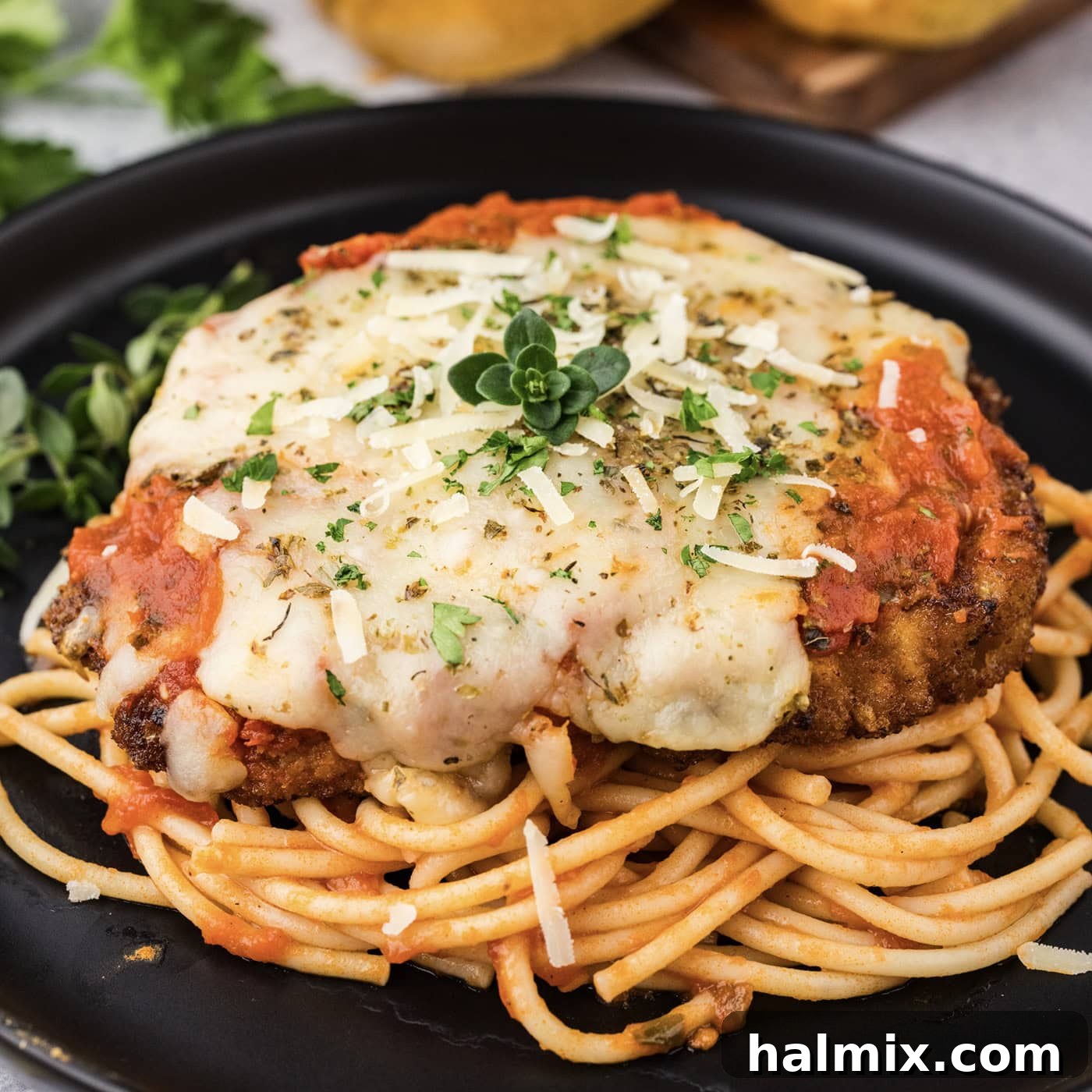
The Ultimate Homemade Veal Parmesan: A Step-by-Step Guide
Imagine golden-fried, tender veal cutlets, generously smothered in rich marinara sauce and blanketed with irresistible, melty mozzarella cheese. This isn’t just a dream; it’s a reality that’s surprisingly easy to achieve right in your own kitchen! Forget the fancy Italian restaurants; with this recipe, you can create a truly authentic and deeply satisfying Veal Parmesan that will impress even the most discerning palates.
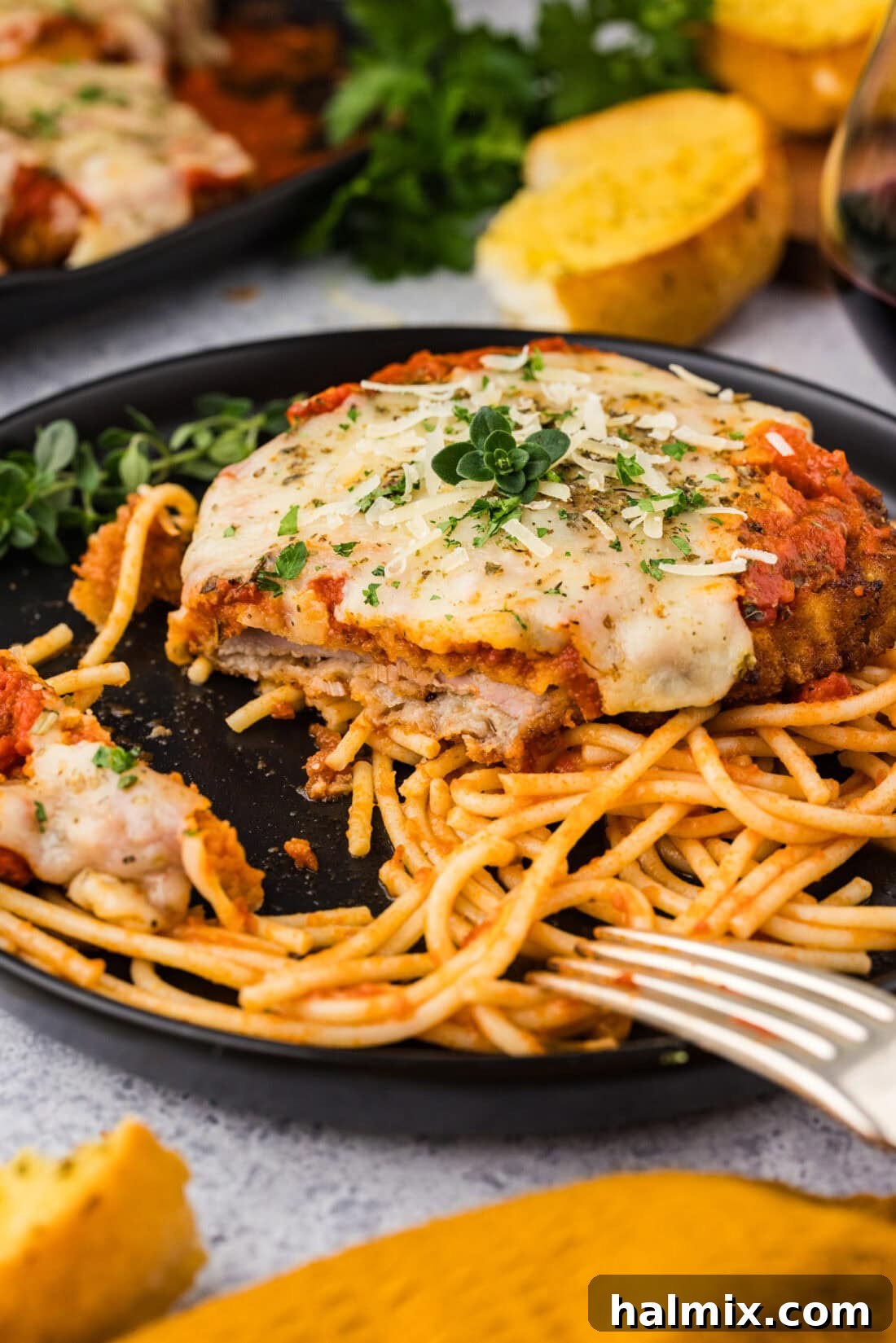
Why This Recipe Works (And Why You’ll Love It)
Veal Parmesan is a beloved Italian-American classic, celebrated for its exquisite balance of textures and flavors. While it often graces the menus of upscale eateries, mastering it at home is not only achievable but incredibly rewarding. This particular recipe stands out because it delivers restaurant-quality results with straightforward steps, making it perfect for both novice and experienced cooks. The secret lies in a few key elements:
- **Perfectly Tender Veal:** We start with delicate veal cutlets, which are pounded thin to ensure they cook quickly and remain incredibly tender, never tough.
- **Crispy, Flavorful Breading:** A well-seasoned breading made with Panko crumbs creates an irresistibly crispy golden exterior that perfectly complements the soft veal. This crunch is crucial for an authentic Veal Parm experience.
- **Rich Marinara & Melty Cheese:** A robust marinara sauce, whether homemade or a quality store-bought option, provides the foundational savory flavor. Layered with generous amounts of bubbling, melted mozzarella, it creates that iconic cheesy topping everyone craves.
- **Balanced Cooking Method:** A quick pan-fry ensures the breading is golden and crisp, followed by a short bake in the oven to melt the cheese and allow the flavors to meld beautifully without overcooking the veal.
If you’ve enjoyed Chicken Parmesan before, you’ll find Veal Parmesan to be a delightful variation, offering a slightly richer and more delicate flavor profile from the veal. It’s the kind of comforting, hearty meal you can enjoy in your favorite sweatpants, proving that gourmet dining doesn’t always require a reservation.
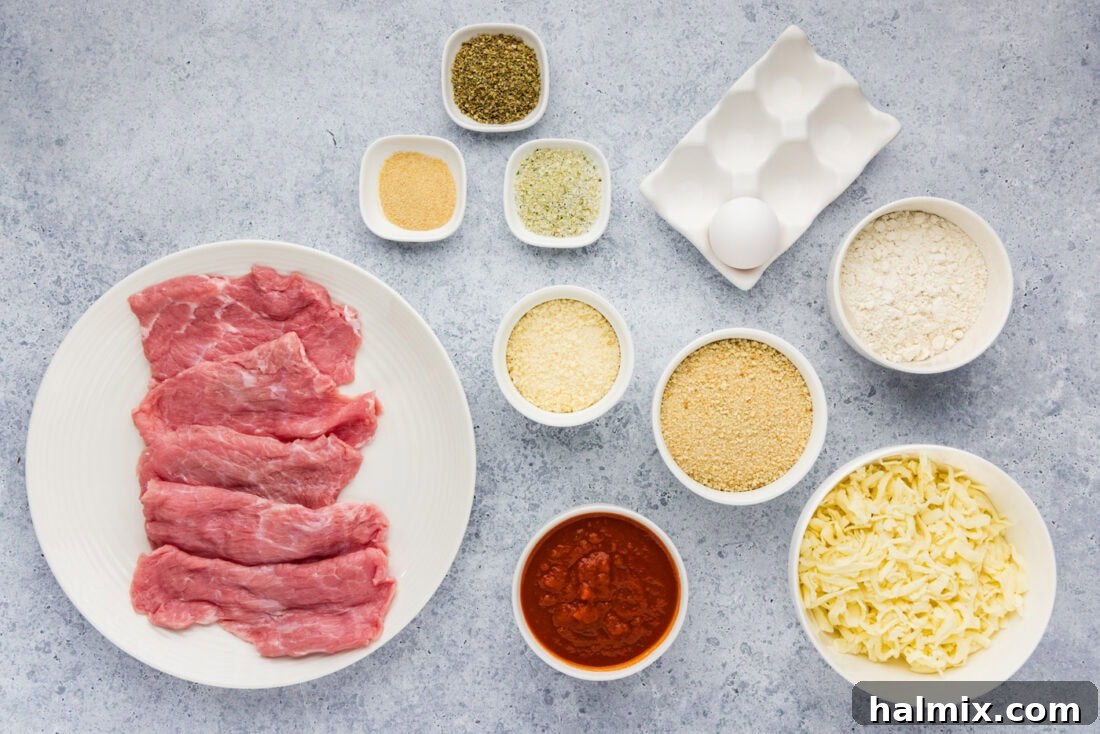
Essential Ingredients for Your Veal Parmesan
Gathering your ingredients beforehand is key to a smooth cooking process. Here’s what you’ll need to create this mouthwatering dish. All specific measurements are available in the printable recipe card at the end of this post.
Ingredient Spotlight and Smart Substitutions
Let’s take a closer look at the core components of Veal Parmesan and how to choose the best ones, along with helpful substitution ideas:
- VEAL: We recommend using **veal cutlets**. These are typically thinly sliced and come from the leg of the calf. You might also find them labeled as **scaloppini**, particularly milk-fed veal scaloppini, which tend to be lighter in color and incredibly tender. The thinness of the cutlets is essential as it allows them to cook quickly and achieve that desirable tenderness and crispy exterior after breading and frying. If your cutlets aren’t uniformly thin, gently pound them between two sheets of plastic wrap with a meat mallet to about ¼-inch thickness. This ensures even cooking and maximum tenderness.
- MARINARA: For convenience and consistent results, a good quality **store-bought marinara sauce** is perfectly acceptable and keeps this recipe wonderfully simple. Choose your favorite brand – one with a rich tomato flavor and minimal added sugar. However, if you have a cherished homemade marinara sauce recipe, this is the perfect opportunity to use it. The better the marinara, the better your Veal Parmesan will taste!
- CHEESE: The star cheese for topping our cutlets is **mozzarella**. For the best melt and stretch, a low-moisture, part-skim shredded mozzarella works beautifully. Fresh mozzarella, while delicious, can release too much water during baking, potentially making your cutlets soggy. As an alternative, you could use **Provolone** for a sharper, nuttier flavor, or even **Monterey Jack** for a milder, creamier melt. For the breading mixture, finely **grated Parmesan cheese** adds a salty, umami depth that is irreplaceable.
- BREADING INGREDIENTS: Our breading consists of **all-purpose flour**, a **large egg**, and **panko breadcrumbs**. Panko breadcrumbs are Japanese-style breadcrumbs known for their larger, flakier texture, which results in a superior crispiness compared to regular breadcrumbs. For seasoning the breadcrumbs, we’ll use **garlic salt** and **onion powder** to infuse flavor directly into the crust.
- OIL FOR FRYING: Use a neutral-flavored oil with a high smoke point, such as vegetable oil, canola oil, or grapeseed oil. You’ll need just enough to coat the bottom of your skillet for pan-frying.
- ITALIAN SEASONING: A final sprinkle of **Italian seasoning** over the cheese before baking adds an aromatic touch, enhancing the overall Italian-American flavor profile.
How to Make Perfect Veal Parmesan at Home
These step-by-step photos and detailed instructions are designed to help you visualize each stage of making this incredible recipe. For a quick reference or to print, you can jump directly to the printable recipe card at the bottom of this post, which includes all measurements and a concise instruction list.
- Prepare Your Baking Setup: Begin by preheating your oven to 350°F (175°C). This ensures your oven is ready for the final baking step. Line a baking sheet pan with aluminum foil. This makes cleanup significantly easier. Place a wire rack on top of the foil-lined baking sheet. This allows air to circulate around the fried cutlets, preventing them from becoming soggy while they wait to be baked.
- Prep the Veal Cutlets: Take your veal cutlets and thoroughly pat them dry with paper towels. This step is crucial! Excess moisture will prevent the flour and breading from adhering properly, leading to a less crispy crust. If your cutlets are thicker than about ¼ inch, place them between two sheets of plastic wrap and gently pound them with a meat mallet until they reach the desired thickness.
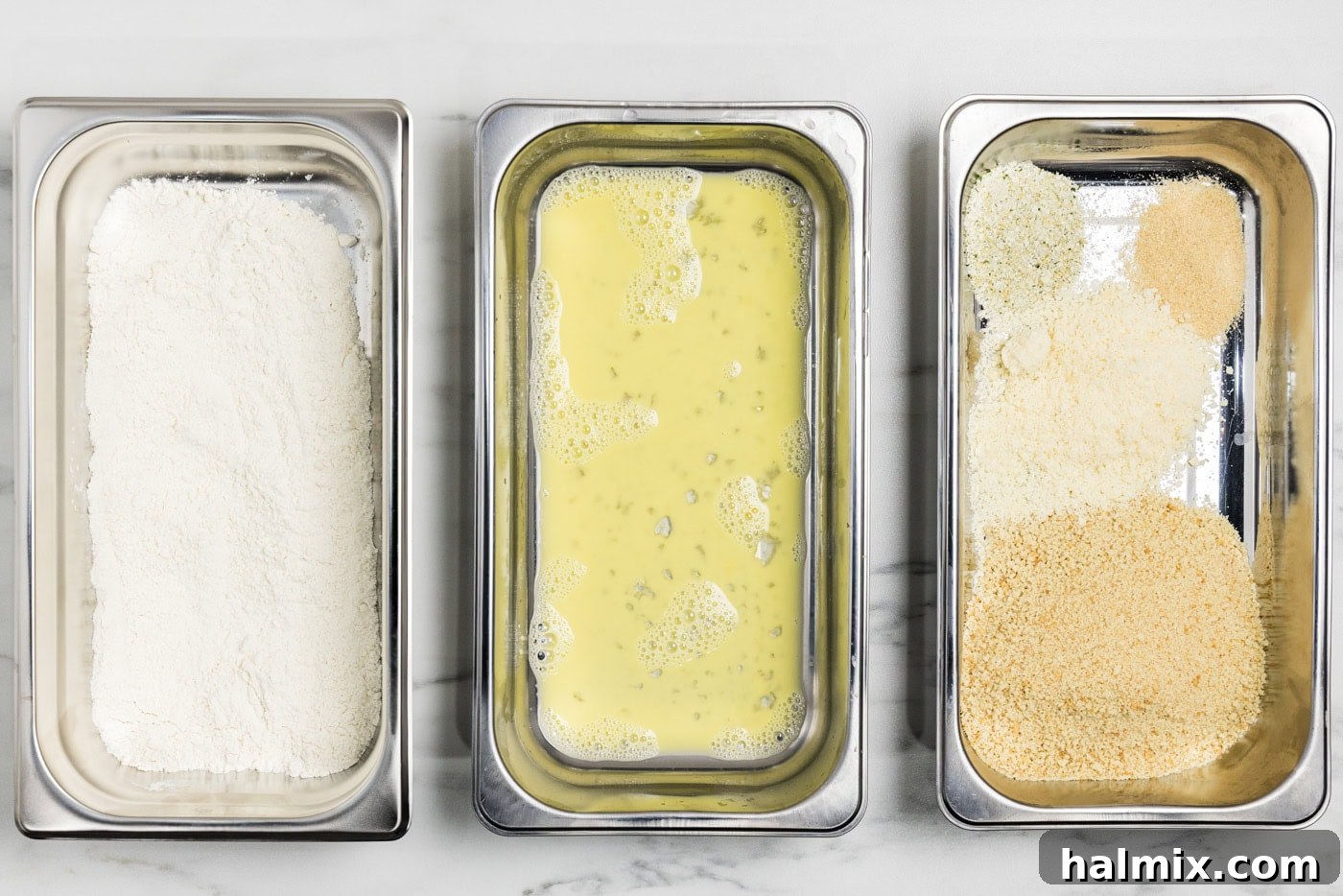
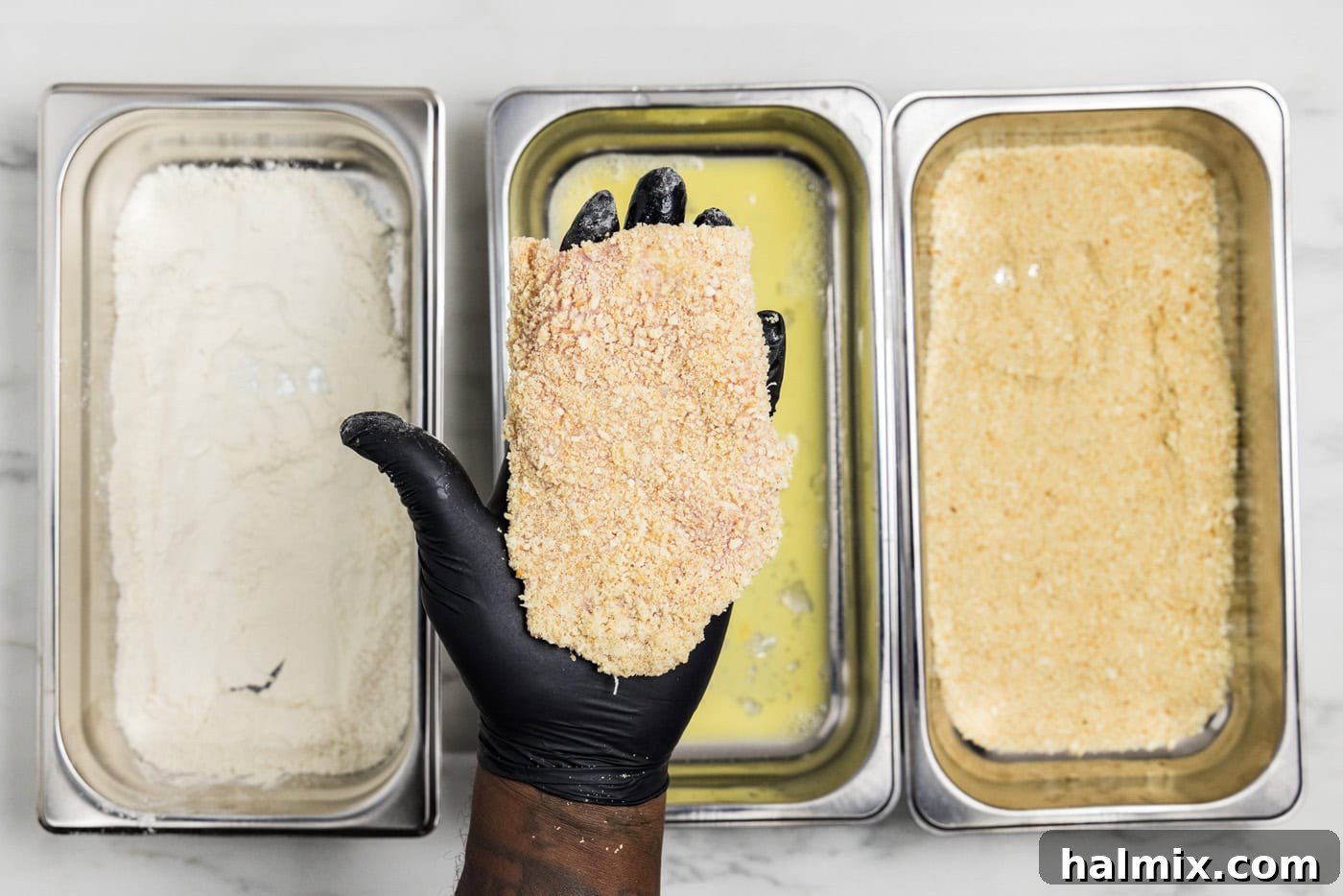
- Set Up Your Breading Station: Arrange three shallow breading trays or wide dishes in a row.
- In the first tray, place your all-purpose flour.
- In the second tray, whisk the large egg until it is well beaten.
- In the third tray, combine the panko breadcrumbs, garlic salt, onion powder, and grated Parmesan cheese. Whisk them together thoroughly to ensure the seasonings are evenly distributed throughout the breadcrumbs. This mix will create a flavorful and crispy coating.

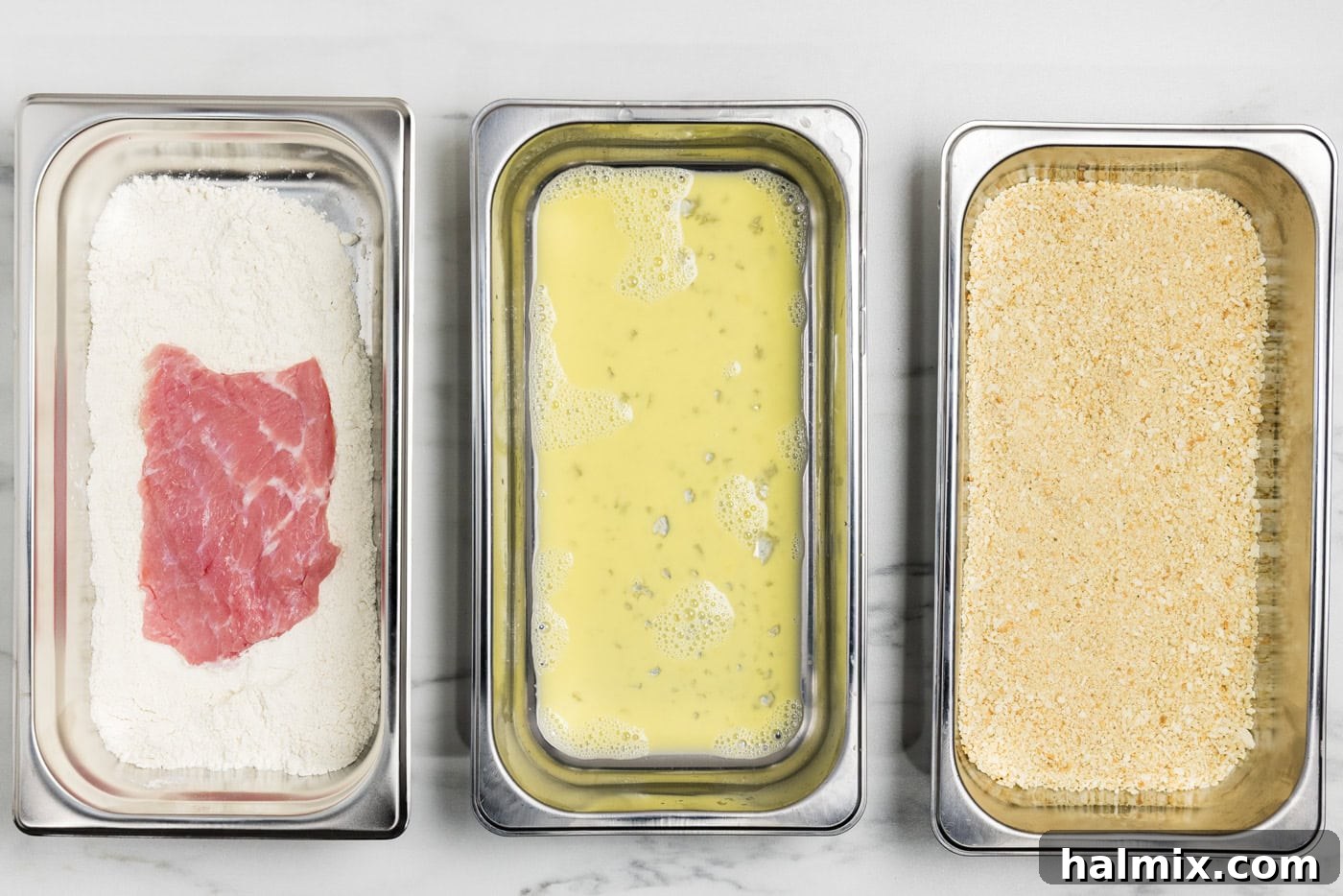
- Flour the Cutlets: Take one veal cutlet and place it into the flour in the first tray. Gently press it down with your hand (a gloved hand can help keep things clean) to ensure the flour adheres to both sides. Turn the cutlet over and repeat the pressing on the other side. Shake off any excess flour.
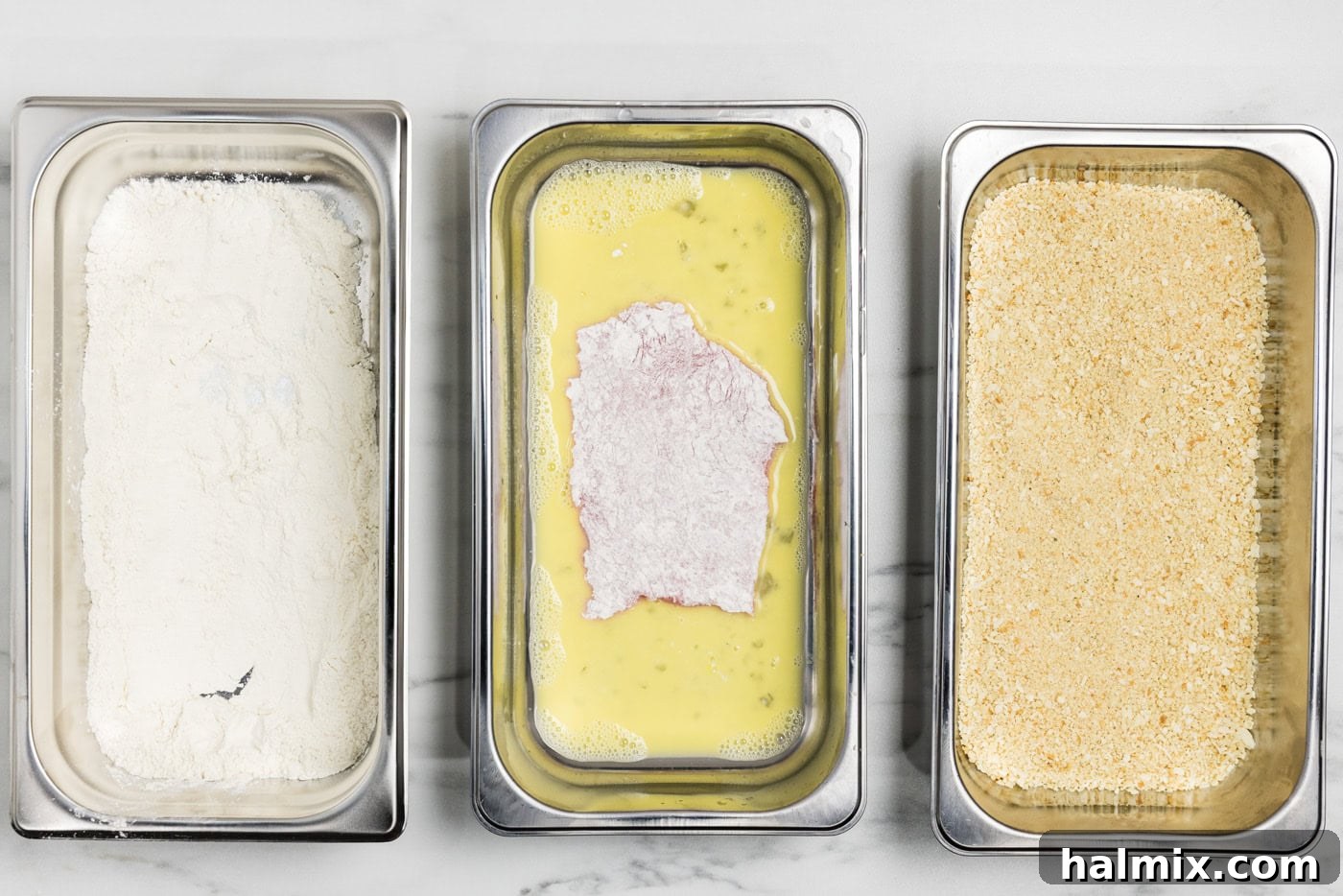
- Egg Wash the Cutlets: Transfer the floured cutlet into the whisked egg in the second tray. Turn it over to coat both sides completely. Lift the cutlet, allowing any excess egg to drip off back into the tray. This egg layer acts as a binder for the breadcrumbs.
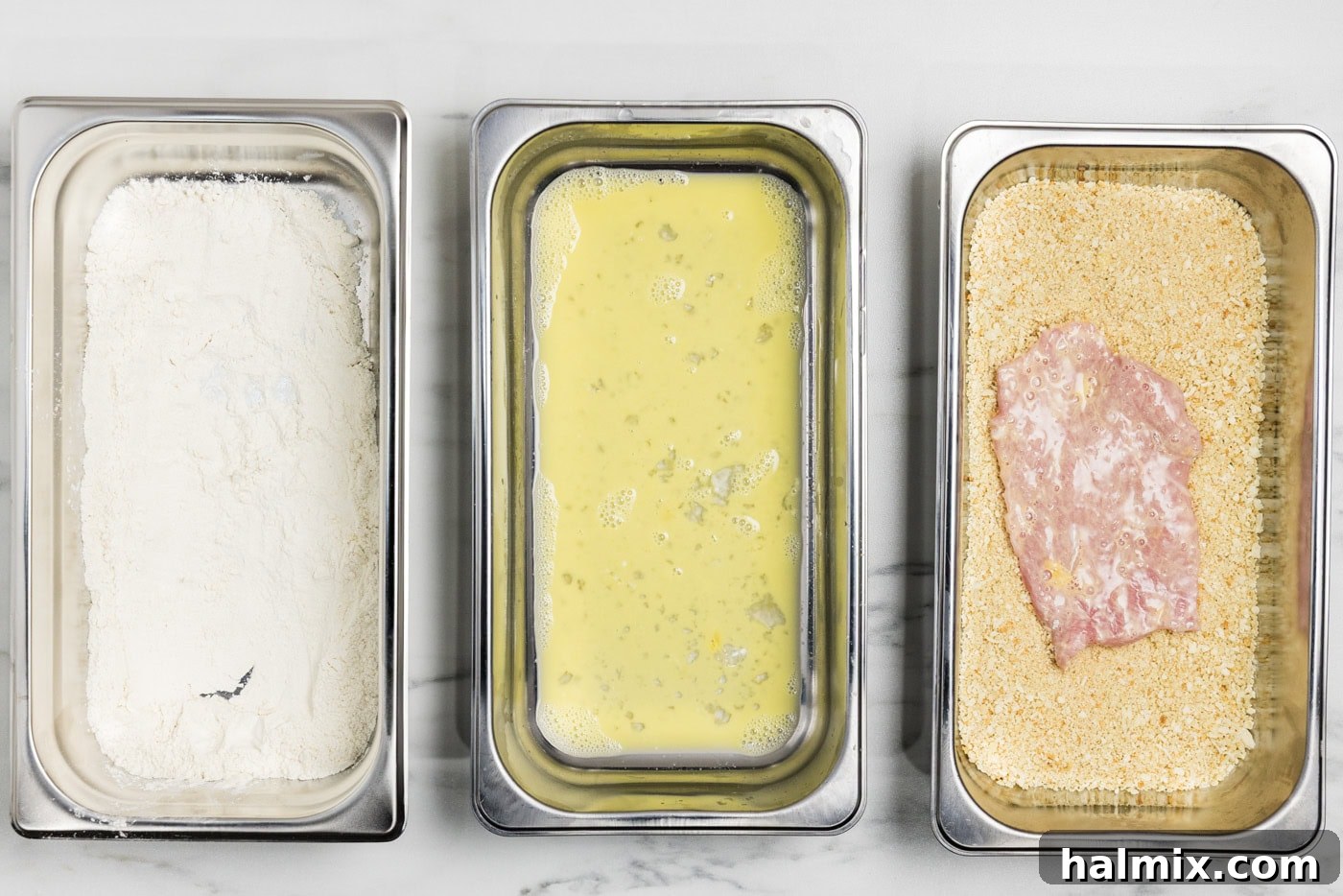
- Bread the Cutlets: Next, place the egg-coated cutlet into the bread crumb mixture in the third tray. Turn it over and gently press down to ensure the panko crumbs firmly adhere to all surfaces. Turn again and gently press to coat both sides thoroughly. This firm pressing helps create a thick, crispy crust.
- Repeat Breading Process: Place the fully breaded cutlet onto a clean tray or plate. Repeat the entire flour-egg-breadcrumb process for the remaining veal cutlets. Take care not to crowd the breaded cutlets on the tray to prevent them from sticking together.
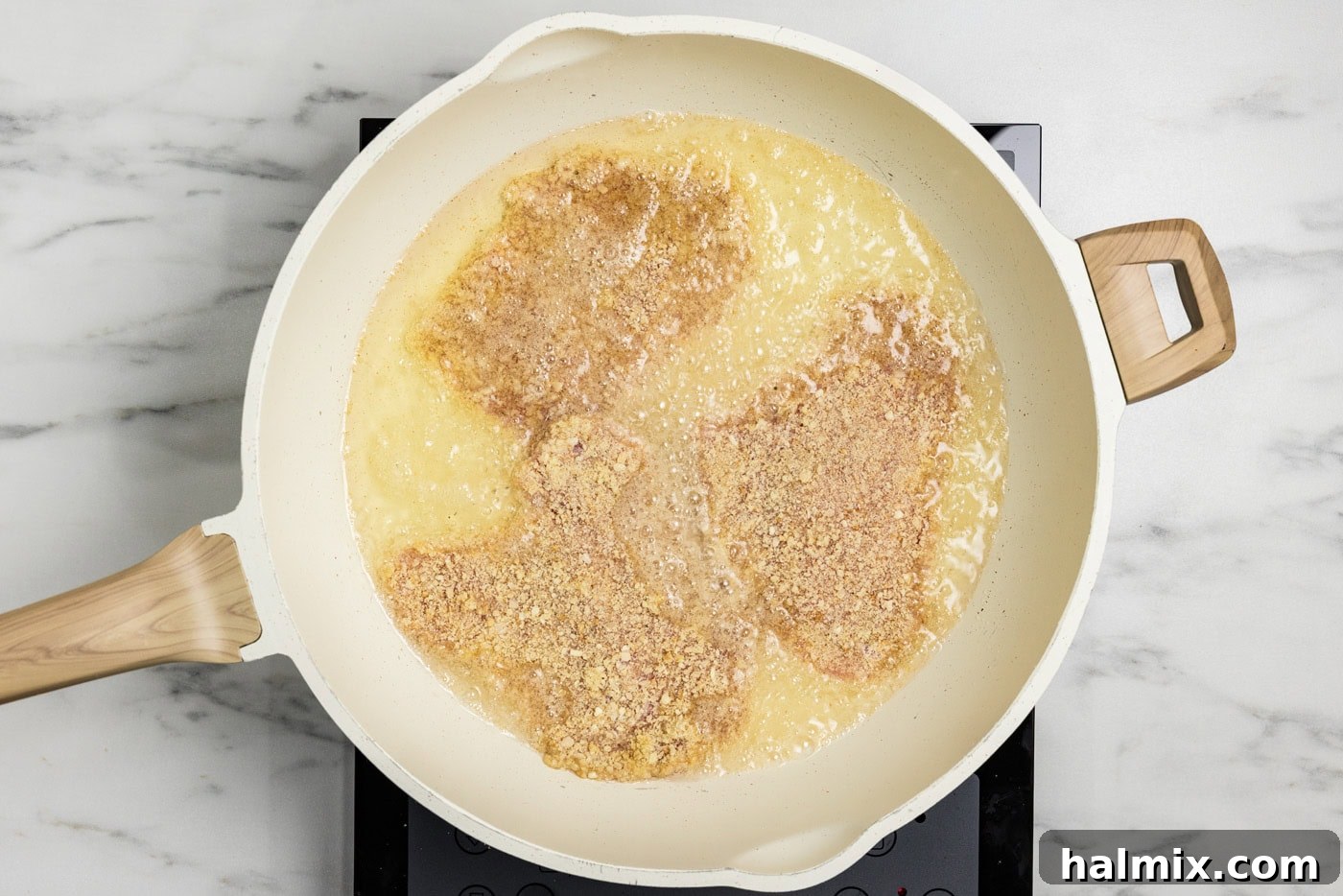
- Prepare for Frying: Add enough oil to a large heavy-bottomed skillet (such as cast iron) to just coat the bottom of the pan, about ¼ to ½ inch deep. Heat the oil over medium-high heat until it shimmers and a small sprinkle of breadcrumbs sizzles immediately upon contact. Be careful not to let the oil smoke.
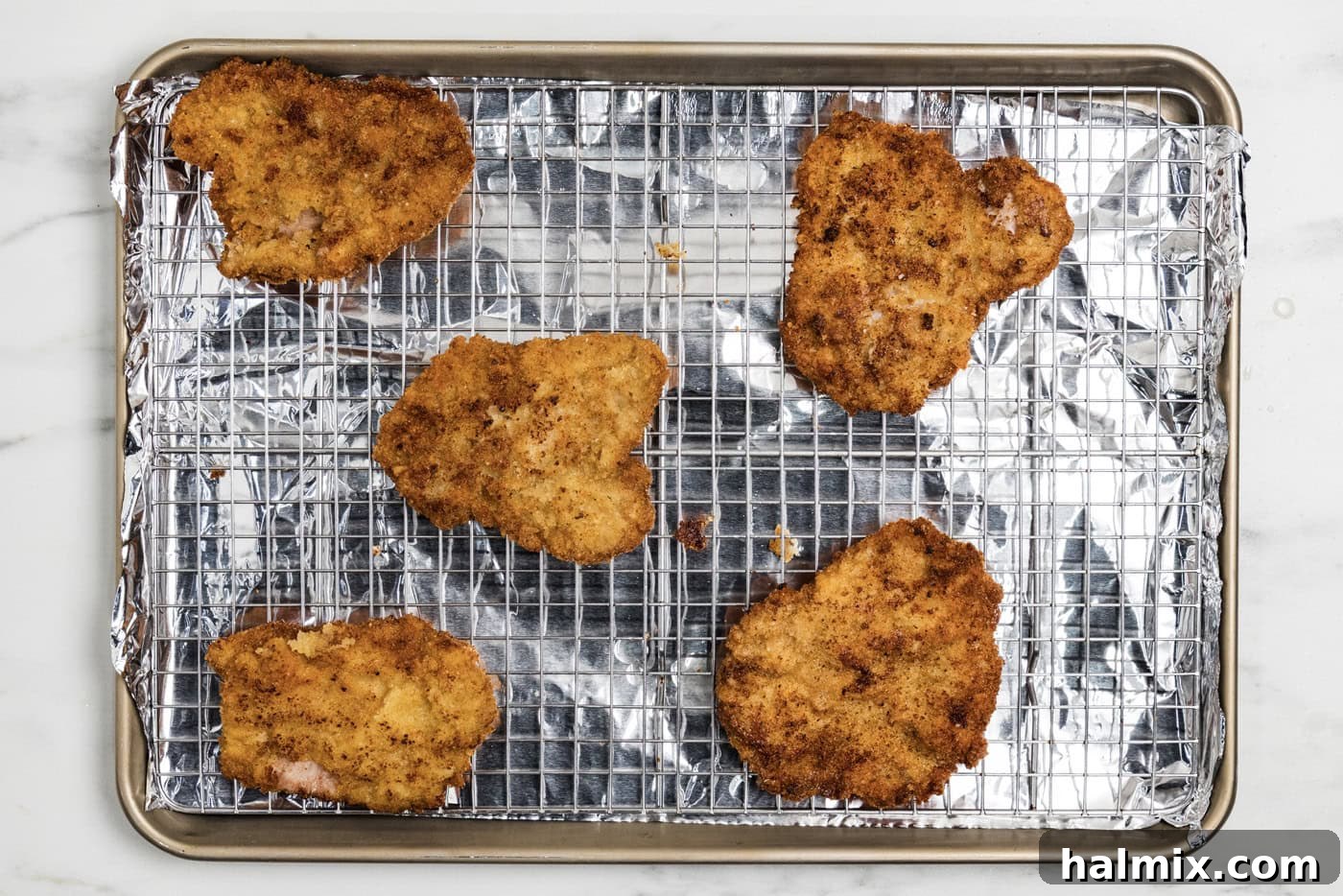
- Pan-Fry the Cutlets: Carefully place the breaded veal cutlets into the hot oil in a single layer. Do not overcrowd the pan; you will likely need to work in batches. Overcrowding will lower the oil temperature, leading to greasy, less crispy cutlets. Allow each side to cook for 2-3 minutes, or until it achieves a beautiful golden-brown color and a crispy texture. Use tongs to carefully turn the cutlets over and brown the other side. Once cooked, remove the cutlets from the skillet and place them on the prepared wire rack over the baking sheet. Repeat this process for all remaining cutlets.
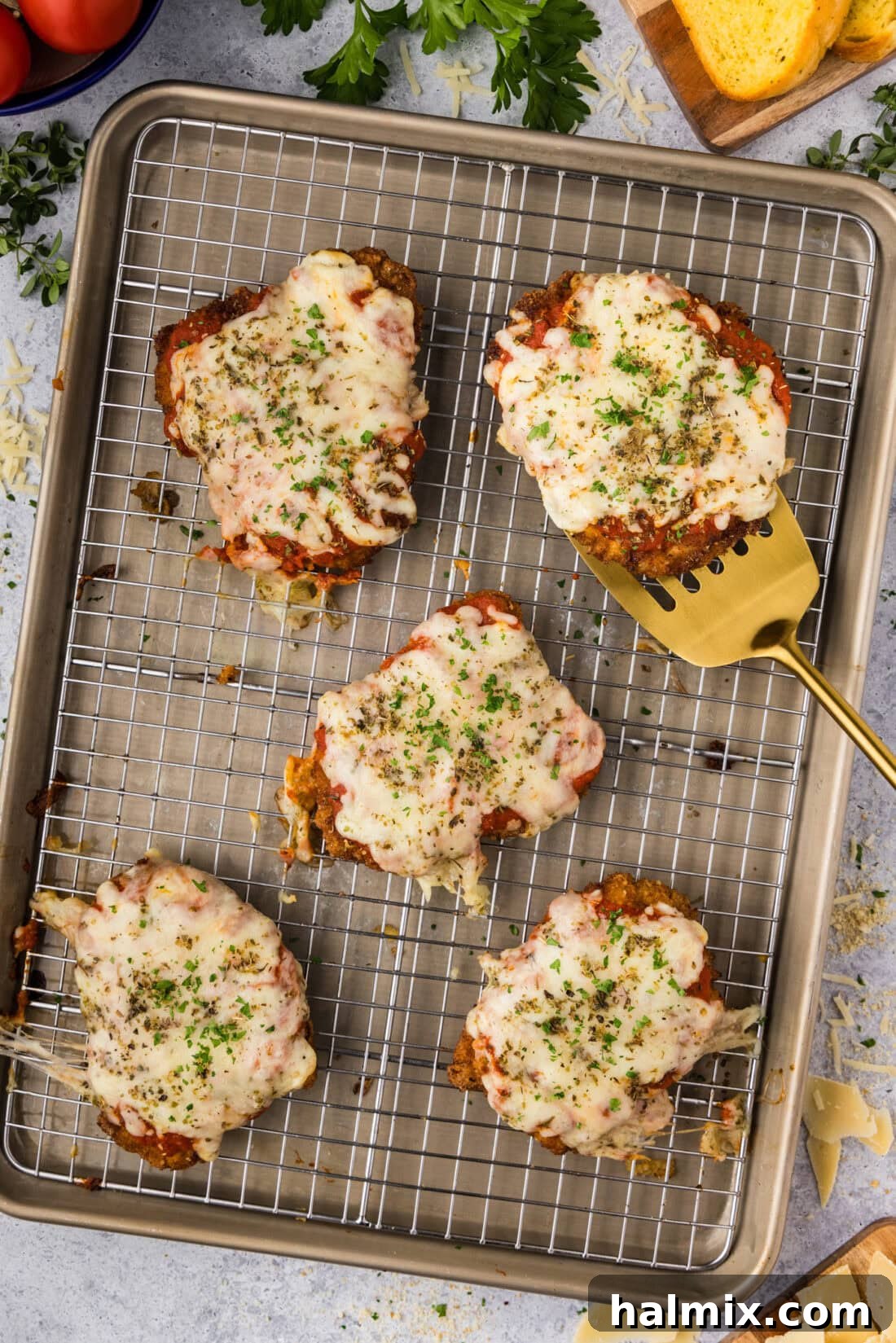
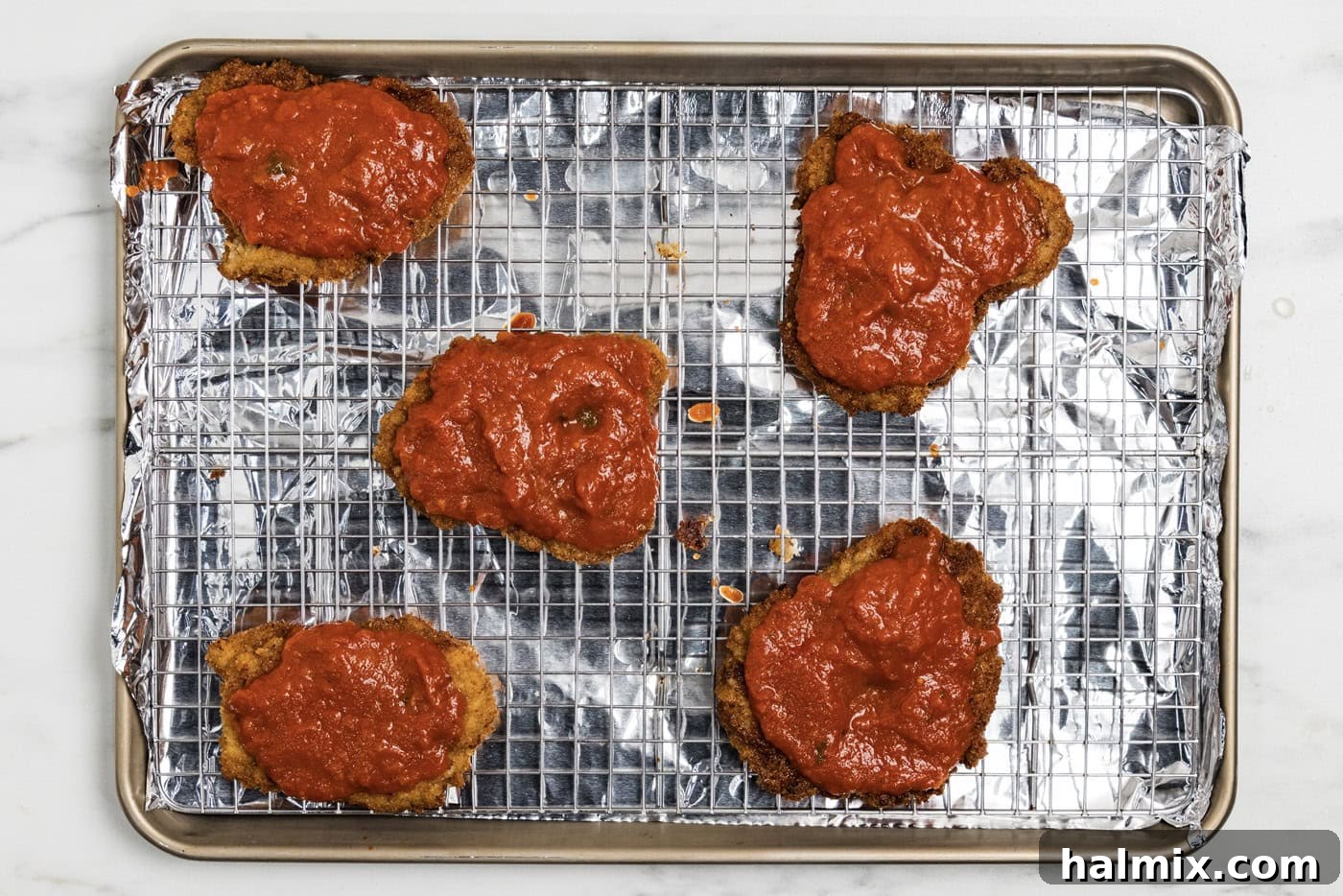
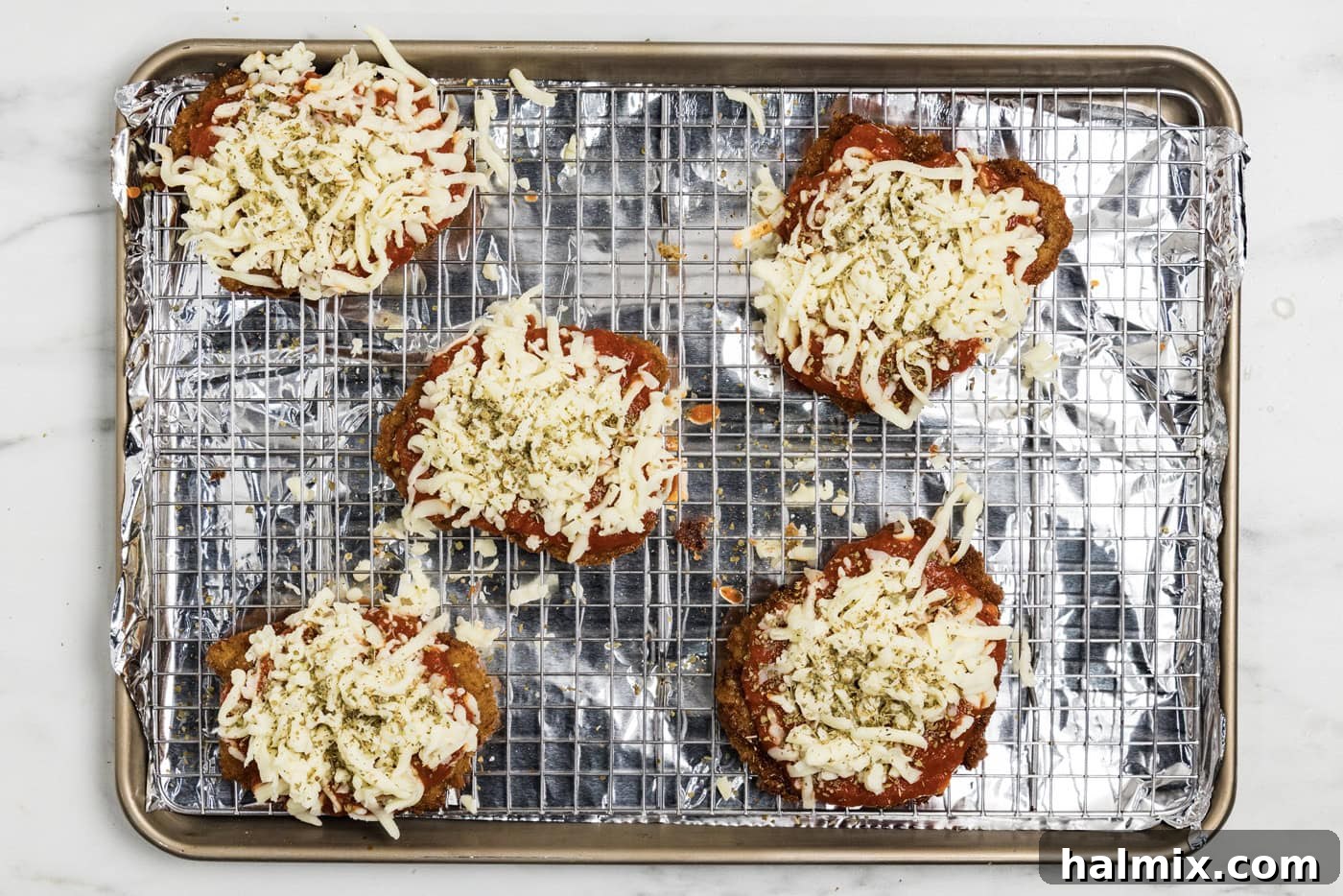
- Top with Marinara and Cheese: Once all cutlets are fried and on the wire rack, generously spoon marinara sauce over each one. Then, sprinkle a liberal amount of shredded mozzarella cheese over the sauce. Finish with a light sprinkle of Italian seasoning over the cheese for added flavor.
- Bake to Perfection: Transfer the baking sheet with the topped veal cutlets into your preheated oven. Bake for 12-14 minutes, or until the cheese is beautifully melted, bubbly, and slightly golden at the edges, and the veal is heated through.
- Serve Immediately: Remove from the oven and let rest for a minute or two before serving. Garnish with fresh parsley or thyme if desired. Enjoy your perfectly crafted Veal Parmesan!
Frequently Asked Questions & Expert Tips for Veal Parmesan
Ensure your Veal Parmesan is always a resounding success with these helpful tips and answers to common questions:
For the most tender and juicy results, veal should be cooked to an internal temperature of 145°F (63°C) for medium-rare. Always use an instant-read thermometer inserted into the thickest part of the cutlet to ensure accuracy. After cooking, allow the veal to rest for 3-5 minutes before serving. This resting period allows the juices to redistribute throughout the meat, keeping it moist and flavorful.
To store cooled leftovers, place the individual cutlets in an airtight container. Keep the container in the refrigerator for 3-4 days. For longer storage, you can freeze Veal Parmesan. Once cooled, wrap individual cutlets tightly in plastic wrap, then aluminum foil, and place them in a freezer-safe bag or container. They will keep well for up to 2-3 months. Thaw overnight in the refrigerator before reheating.
The goal when reheating Veal Parmesan is to retain its crispy breading. The best method is to place the cutlets on a foil-lined baking sheet and rewarm them in a 350°F (175°C) oven for approximately 15 minutes, or until heated through and crispy. You can also achieve great results using an air fryer; simply use the reheat function at around 325-350°F (160-175°C) for 5-7 minutes. We strongly advise against using a microwave, as it tends to make the breading soggy.
The most common reason for breading not adhering is excess moisture on the meat. It is absolutely essential to pat the veal cutlets thoroughly dry with paper towels before you begin the dredging process. If the surface of the veal is wet, the flour, egg wash, and breadcrumbs won’t be able to stick properly and will simply slide off.
Yes, absolutely! Pounding your veal cutlets to a uniform ¼-inch thickness is highly recommended. This ensures they cook evenly and quickly, resulting in maximum tenderness. Unevenly thick cutlets can lead to some parts being overcooked and tough, while others are still undercooked.
Choose a neutral-flavored oil with a high smoke point, such as canola oil, vegetable oil, or grapeseed oil. Olive oil, especially extra virgin, has a lower smoke point and can burn, imparting an unpleasant flavor to your veal.
Serving Suggestions for a Complete Meal
Veal Parmesan is a complete meal in itself, but pairing it with the right sides elevates the dining experience. Here are some classic and creative ideas:
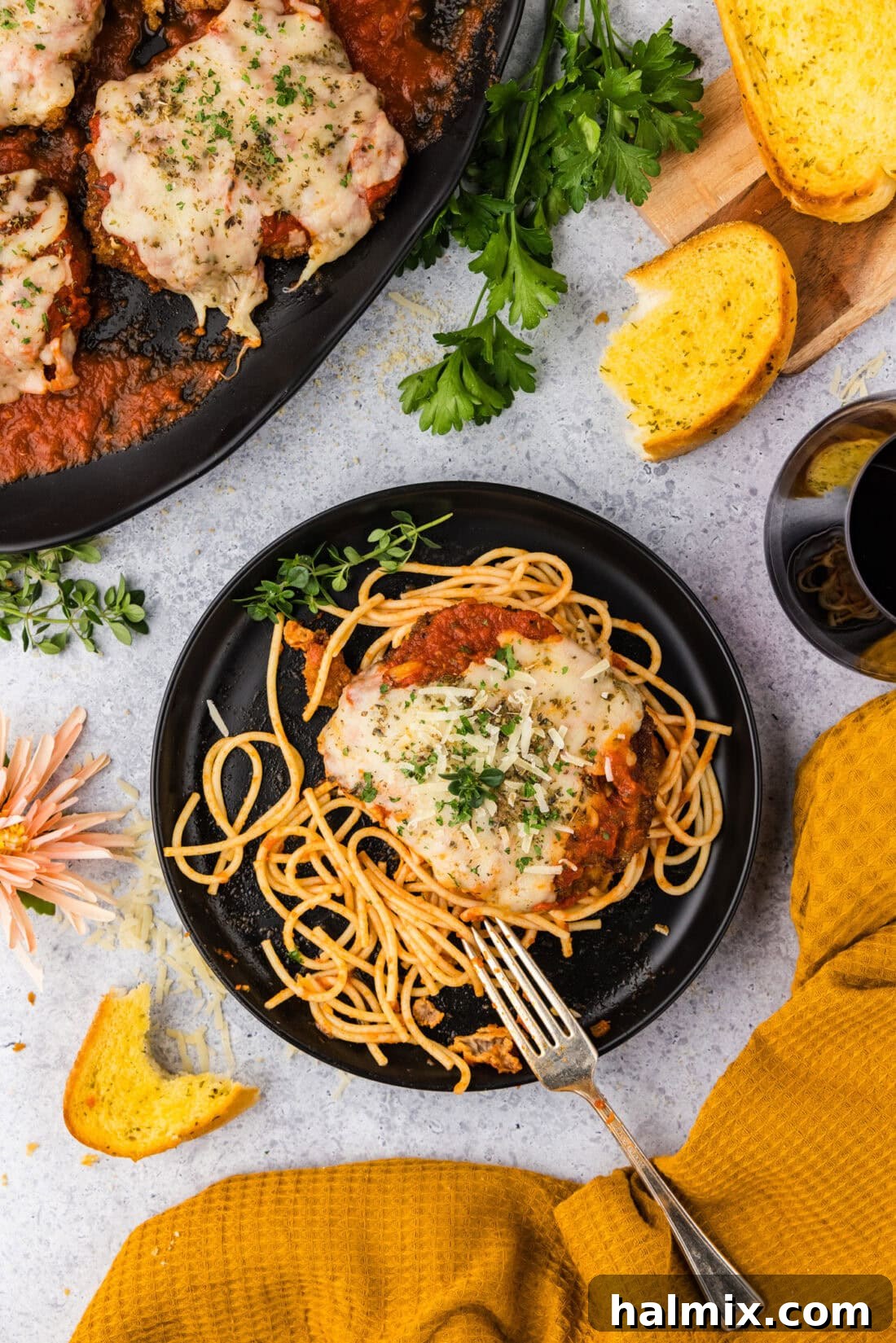
- **Classic Pasta Pairing:** The most traditional accompaniment is a bed of spaghetti or linguine tossed with extra marinara sauce. The pasta provides a wonderful base to soak up all the delicious flavors.
- **Garlic Bread or Italian Bread:** Crusty garlic bread or a warm loaf of Italian bread is essential for mopping up any leftover sauce and cheese.
- **Crisp Dinner Salad:** A simple green salad with a light vinaigrette provides a refreshing contrast to the rich Veal Parmesan. Consider adding some cucumber, cherry tomatoes, and thinly sliced red onion.
- **Roasted Vegetables:** Roasted asparagus, broccoli, or zucchini make excellent, healthy side dishes that complement the savory flavors.
- **Creamy Polenta:** For a more rustic touch, serve your Veal Parmesan over a creamy bed of polenta.
- **Leftover Sandwiches:** Don’t let any leftovers go to waste! Veal Parmesan makes an incredible sandwich. Simply slice the cutlets, layer them on toasted crusty bread or a hero roll, and heat until warm.
However you choose to serve it, this homemade Veal Parmesan is guaranteed to be a hit. Enjoy!
More Related Recipes to Explore
If you love the flavors of this dish, be sure to check out these other delicious Parmesan-inspired recipes:
- Classic Chicken Parmesan
- Air Fryer Chicken Parmesan
- Chicken Parmesan Sliders
- Chicken Parmesan Meatballs
I love to bake and cook and share my kitchen experience with all of you! Remembering to come back each day can be tough, that’s why I offer a convenient newsletter every time a new recipe posts. Simply subscribe and start receiving your free daily recipes!
Veal Parmesan Recipe
IMPORTANT – There are often Frequently Asked Questions and Expert Tips within the blog post that you may find helpful. Simply scroll back up to read them for more detailed guidance!
Print Recipe
Pin It
Rate It
Course:
Dinner
Cuisine:
American
5
servings
30 minutes
394
Amanda Davis
Ingredients
- 12 ounces veal cutlets
- ½ cup all purpose flour
- 1 large egg
- ¾ cup panko breadcrumbs
- 1 teaspoon garlic salt
- ½ teaspoon onion powder
- ¼ cup grated parmesan cheese
- oil for frying
- 1 cup marinara
- 8 ounces shredded mozzarella cheese
- 1 teaspoon Italian seasoning
- parsley and thyme leaf optional as garnish
Things You’ll Need
-
Baking sheet
-
Wire cooling rack
-
3 Breading trays
-
Large heavy bottomed skillet
-
Meat mallet (optional but recommended)
-
Instant-read thermometer (recommended)
Before You Begin & Important Tips
- It’s crucial to pat the veal cutlets thoroughly dry with paper towels before dredging them. Any residual moisture will prevent the flour, egg, and breadcrumbs from sticking properly, resulting in a less crispy crust.
- We are using veal cutlets, but you can also purchase milk-fed veal cutlets, often called scaloppini. These are typically lighter in color and incredibly tender. Cutlets are ideal because their thinness ensures quick cooking and they remain tender after breading and frying.
- For even cooking and maximum tenderness, gently pound the veal cutlets to a uniform ¼-inch thickness.
- Do not overcrowd the skillet when frying. Cook the cutlets in batches to maintain a consistent oil temperature, which is key for a golden, crispy breading.
- Always use an instant-read thermometer to ensure the veal reaches an internal temperature of 145°F (63°C) for medium-rare. Allow it to rest for 3-5 minutes before serving for the juiciest results.
Instructions
-
Preheat oven to 350F. Line a baking sheet pan with foil and top with a wire rack.
-
Pat 12 ounces veal cutlets dry with paper towels.
-
Line up three breading trays. Place 1/2 cup all purpose flour in one tray and whisk 1 large egg in the second tray. In the third tray, whisk together 3/4 cup panko breadcrumbs, 1 teaspoon garlic salt, 1/2 teaspoon onion powder, and 1/4 cup grated parmesan cheese.
-
Place a cutlet into the flour in the first tray. Gently press with your gloved hand, then turn over and repeat on the other side.
-
Place floured cutlet into the egg and turn over to coat both sides. Lift and allow excess to drip off.
-
Place egg coated cutlet into the bread crumb mixture. Turn over and gently press. Turn again and gently press to coat both sides.
-
Place breaded cutlet on a tray and repeat the process for the remaining cutlets.
-
Add enough oil for frying to the skillet just to coat the bottom of the pan. Heat over medium-high until shimmering.
-
Place cutlets into the pan in a single layer, ensuring there’s enough room that they aren’t crowded. You will probably have to work in batches. Allow to cook for 2-3 minutes each side, or until golden brown. Use tongs to carefully turn over and brown the other side. Remove to baking pan lined with wire rack. Repeat process for remaining cutlets.
-
Top cutlets with 1 cup marinara and 8 ounces shredded mozzarella cheese. Sprinkle with 1 teaspoon Italian seasoning.
-
Bake in preheat oven for 12-14 minutes.
More Expert Tips & FAQs
- Optionally serve over a bed of marinara tossed spaghetti for a complete and satisfying meal.
- Veal should ideally be cooked to an internal temperature of 145°F (63°C) for medium-rare. Always allow it to rest for 3-5 minutes before serving to ensure the veal remains incredibly juicy and tender. An instant-read thermometer is your best friend here!
- Store any cooled leftovers in an air-tight container in the refrigerator for 3-4 days. For longer storage, freeze individual cutlets wrapped tightly.
- To best preserve the crispness of the breading, reheat veal parmesan in a 350F oven for about 15 minutes on a foil-lined baking sheet. The air fryer is also a great option using its reheat function. Avoid the microwave, which can lead to soggy breading.
- To ensure your breading sticks, make sure to thoroughly pat the veal cutlets dry with paper towels before you begin the dredging process. Moisture is the enemy of a good crust!
Nutrition Information (per serving)
Tried this Recipe? Pin it for Later!
Follow on Pinterest @AmandasCookin or tag #AmandasCookin!
The recipes on this blog are tested with a conventional gas oven and gas stovetop. It’s important to note that some ovens, especially as they age, can cook and bake inconsistently. Using an inexpensive oven thermometer can assure you that your oven is truly heating to the proper temperature. If you use a toaster oven or countertop oven, please keep in mind that they may not distribute heat the same as a conventional full sized oven and you may need to adjust your cooking/baking times. In the case of recipes made with a pressure cooker, air fryer, slow cooker, or other appliance, a link to the appliances we use is listed within each respective recipe. For baking recipes where measurements are given by weight, please note that results may not be the same if cups are used instead, and we can’t guarantee success with that method.