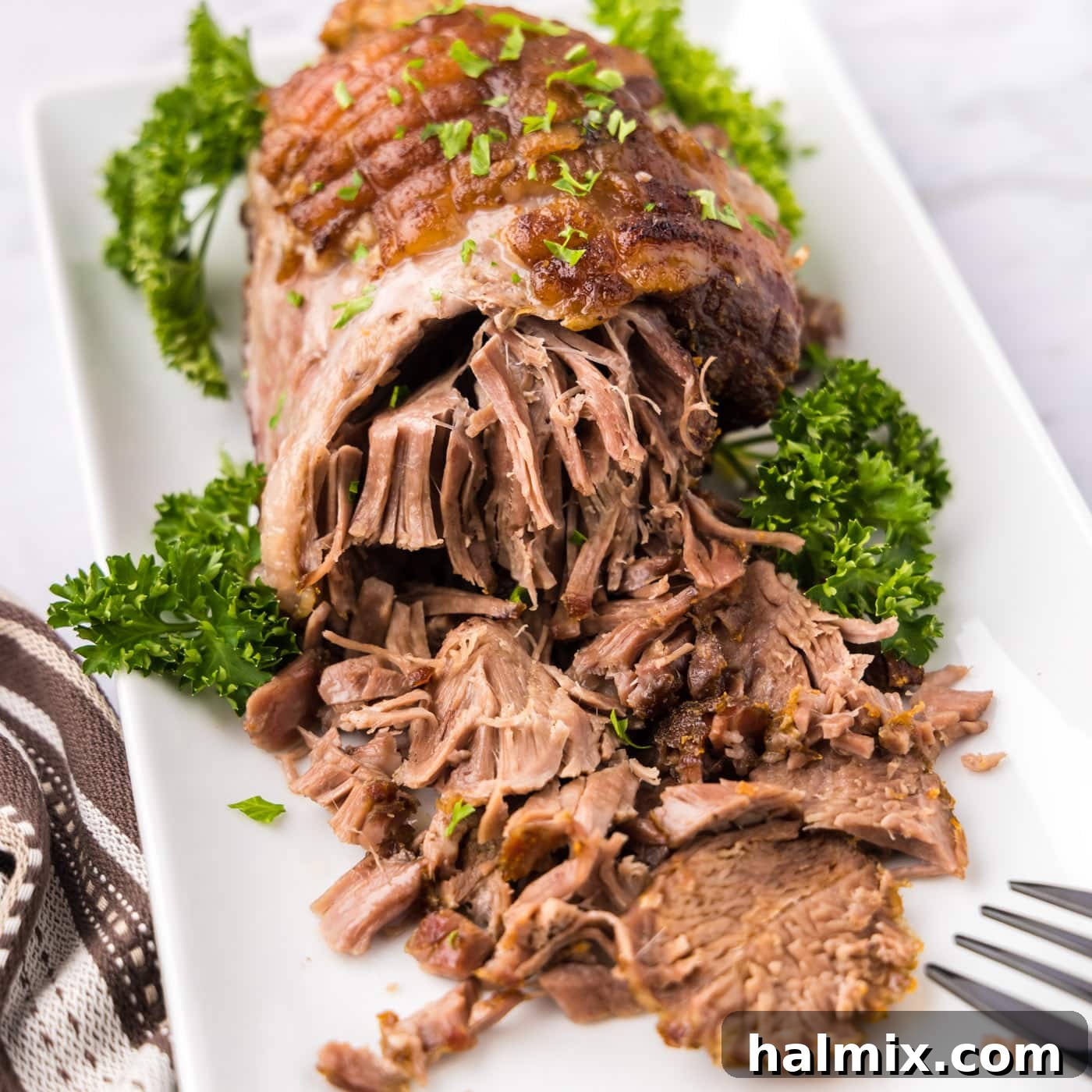
Transform your holiday or special occasion dinner into an unforgettable feast with this incredible recipe for tender, pull-apart leg of lamb. Often perceived as a dish reserved for expert chefs, slow-roasted leg of lamb is surprisingly simple to master, promising succulent results that will impress every guest at your table. This guide will walk you through creating a show-stopping main course that’s rich in flavor and melt-in-your-mouth tender, making it a perfect centerpiece for any celebratory meal. Forget the fuss and embrace the ease of slow roasting for a truly memorable culinary experience.
Why This Slow Roasted Leg of Lamb Recipe Is Your New Go-To
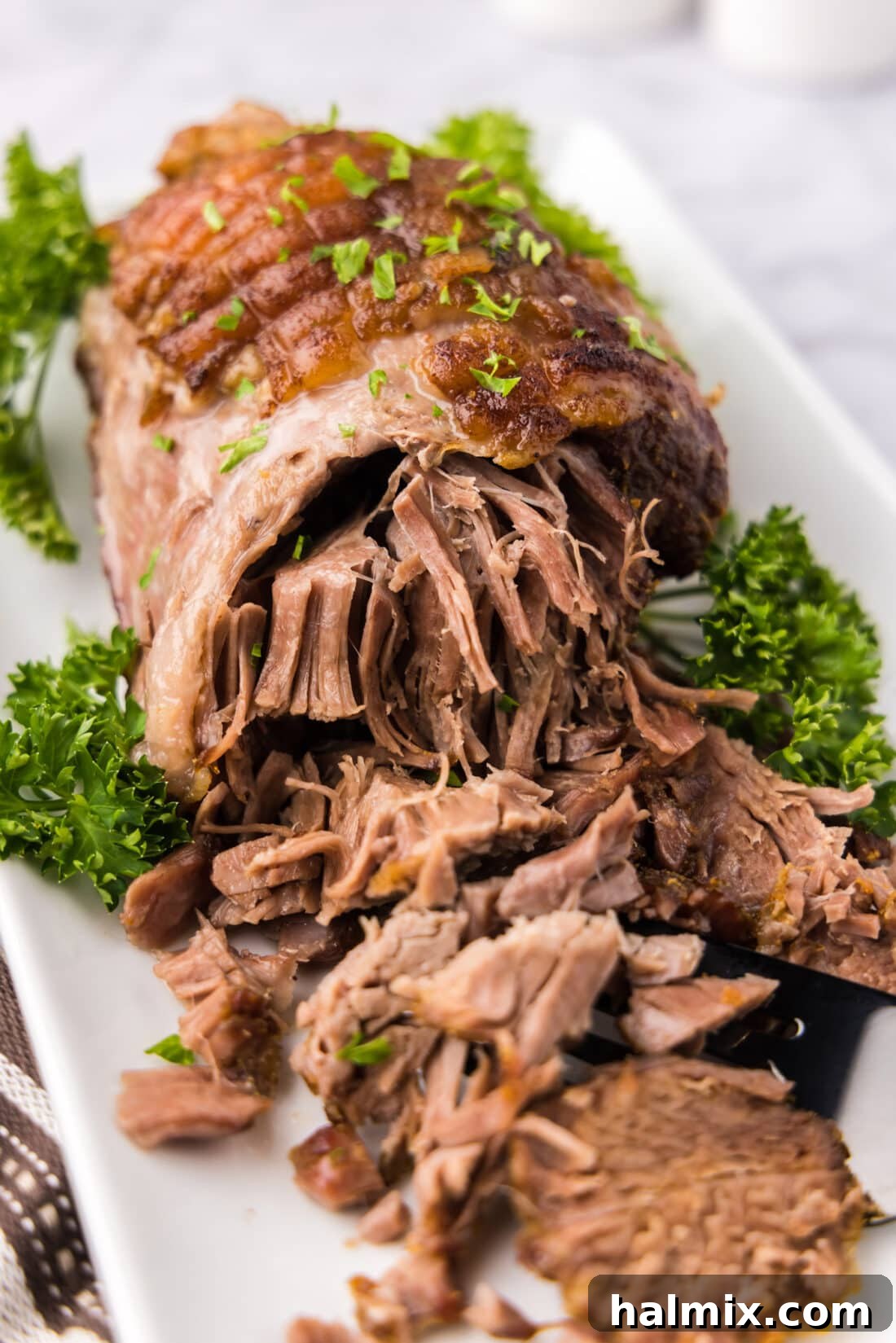
A perfectly cooked, juicy leg of lamb is the epitome of a grand holiday dinner or special occasion meal. What makes this particular roasted leg of lamb recipe truly stand out is its delightful simplicity combined with utterly impressive results. We’ve streamlined the process to ensure that even novice cooks can achieve a beautifully tender, flavor-packed lamb roast without any complicated techniques or extensive marinating times. The secret lies in a carefully crafted, yet incredibly straightforward, wet rub and the magic of slow roasting.
Our signature rub features a harmonious blend of smoky paprika, pungent garlic powder, savory onion powder, a touch of brown sugar for caramelization, and a generous pinch of salt, all combined with high-quality olive oil. This mixture creates a rich, aromatic paste that adheres beautifully to the lamb, infusing it with deep flavor while creating an irresistible crust. The beauty of this rub is that it allows the inherent deliciousness of the lamb to shine through, rather than overpowering it. It’s a simple “mix, rub, and cook” approach that yields spectacular results.
The leg of lamb, being a well-worked muscle, is naturally rich in connective tissues. This is precisely why it benefits immensely from a slow roasting method. Unlike leaner cuts such as lamb loin chops, which thrive with quick searing or grilling, a whole leg of lamb requires a longer, gentler cooking period. This extended time in the oven, typically around 3.5 to 4 hours at a lower temperature, allows the tough collagen within the meat to slowly break down and convert into gelatin. This transformation is what gives the lamb its signature melt-in-your-mouth, pull-apart tenderness that’s so coveted.
Slow roasting also ensures even cooking throughout the roast, preventing dry, overcooked edges while maintaining a juicy, succulent interior. The foil-wrapped cooking phase traps moisture, further contributing to the lamb’s tender texture. While it requires patience, the minimal hands-on time and the incredible reward of an impressively tender slow-roasted lamb leg make this recipe absolutely “worth waiting for.” It’s a dish that demands attention and appreciation but asks for surprisingly little effort in return, making it an ideal choice when you want to create a grand meal without the stress.
Essential Ingredients for Your Perfect Lamb Roast
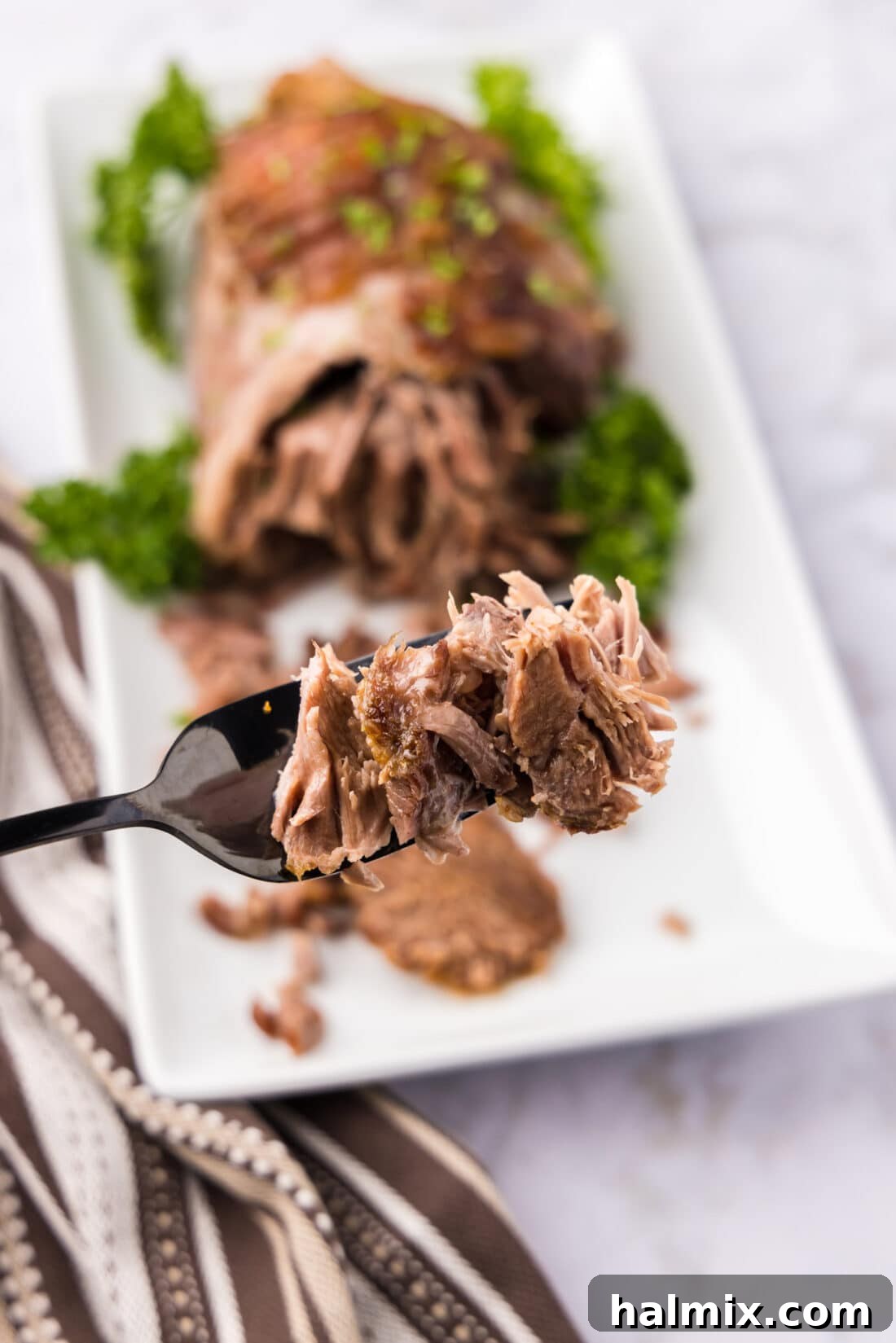
Crafting this exquisite slow-roasted leg of lamb requires a concise list of readily available ingredients. The magic happens when simple, high-quality components come together to create extraordinary flavor. For exact measurements and a comprehensive list, please refer to the detailed recipe card at the conclusion of this article. For now, here’s an overview of what you’ll need to gather to begin your culinary journey.
Ingredient Spotlight: Tips for Best Results & Clever Substitutions
Understanding your ingredients and knowing when and how to make substitutions can elevate your cooking and ensure success every time. Here’s a closer look at the key components of this luscious leg of lamb:
Lamb Selection: Boneless vs. Bone-In
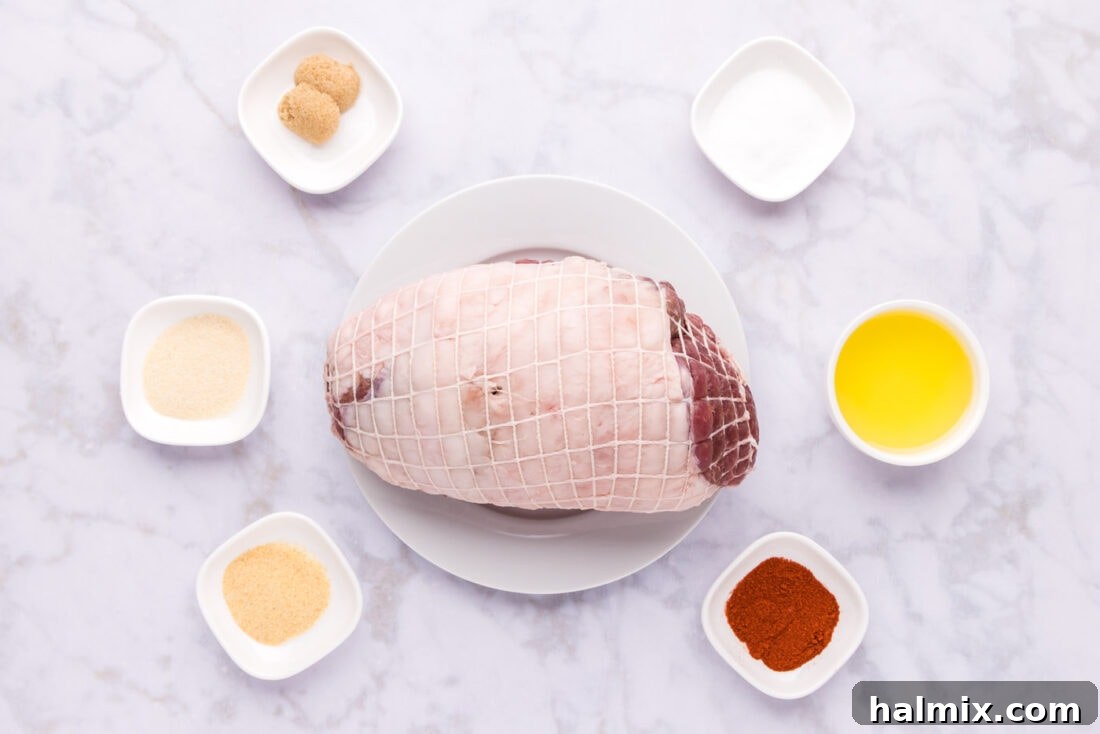
LAMB – The leg of lamb is a widely available cut, typically found at the meat counter of most major grocery stores or specialty butcher shops. For this recipe, we opted for a boneless leg of lamb roast. Boneless cuts are fantastic for their ease of carving and often cook a bit more uniformly. They usually come rolled and tied with an oven-safe netting, which helps them maintain their shape during the slow roasting process. Always double-check that the netting is oven-safe before placing it in your oven. If it’s not, or if you prefer a more traditional approach, you can easily tie the roast yourself using butcher’s twine.
If you prefer a bone-in leg of lamb, it’s an excellent choice as well! The bone can add an extra layer of flavor and helps to conduct heat, resulting in a slightly different texture. When purchasing bone-in, it’s always a good idea to ask your butcher to trim any excess fat for you. This saves you time and ensures a leaner, more elegant roast. While bone-in lamb may take slightly longer to cook, the general principles of slow roasting remain the same.
Mastering the Seasonings: The Heart of the Flavor
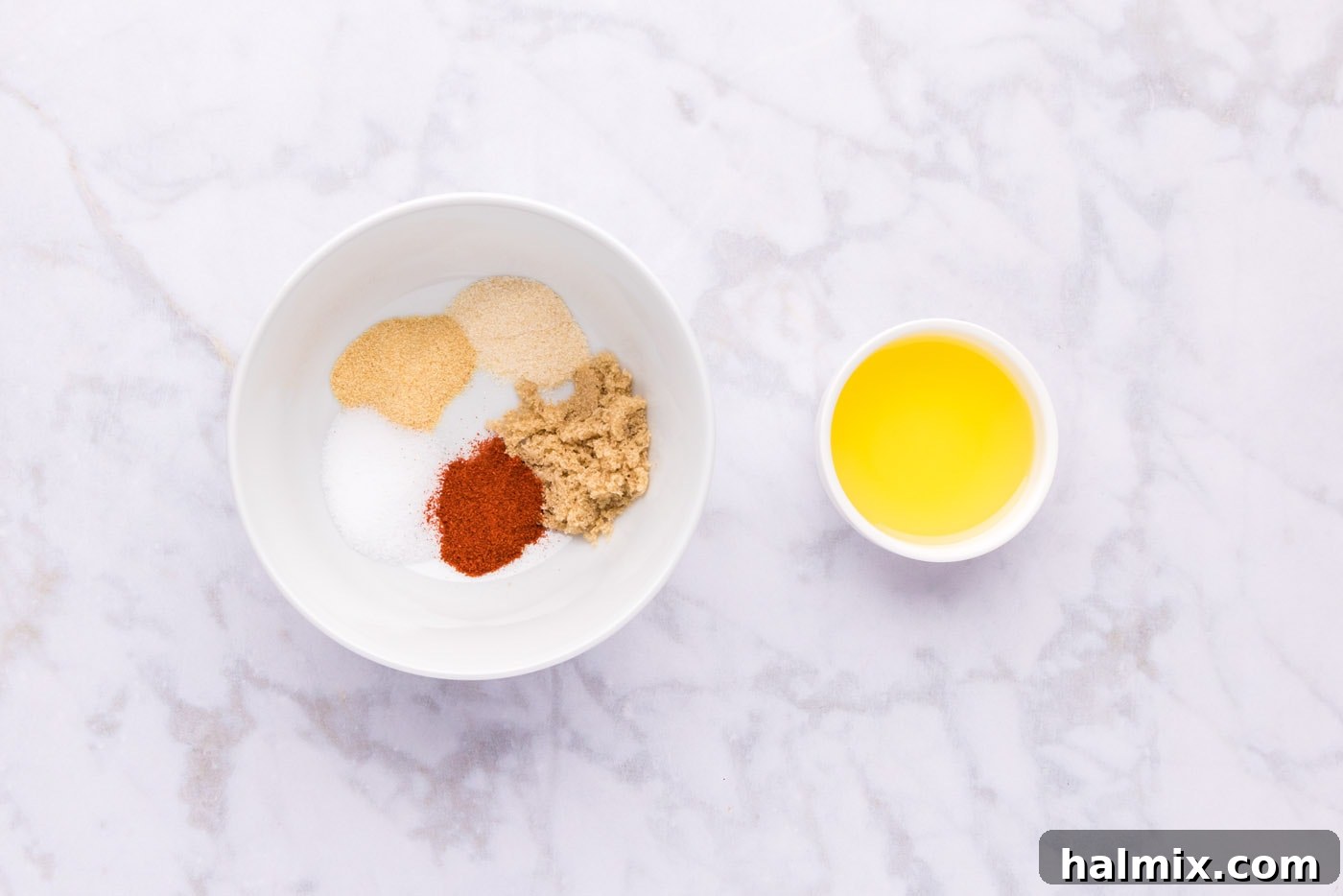
SEASONINGS – Our straightforward yet incredibly effective wet rub is a blend of smoked paprika, garlic powder, onion powder, brown sugar, and salt, all emulsified with a good quality olive oil. Each ingredient plays a crucial role: smoked paprika adds a wonderful depth and earthy warmth, garlic and onion powders provide essential aromatic notes, and brown sugar contributes a subtle sweetness that aids in caramelization, creating a beautiful golden-brown crust. Salt, of course, is indispensable for enhancing all the other flavors.
While this combination is absolutely delicious, feel free to customize your seasonings to match your palate or what you have on hand. For those who love vibrant, fresh flavors, fresh herbs like rosemary and thyme are always a welcome addition. Finely chopped fresh garlic can replace or complement the garlic powder for a more intense aroma. Other fantastic additions include a pinch of dried oregano, a touch of ground cumin for an exotic twist, or even a hint of lemon zest to brighten the overall profile. Don’t be afraid to experiment and make this recipe truly your own!
Step-by-Step Guide: Crafting Your Perfect Leg of Lamb
These step-by-step photos and detailed instructions are designed to help you visualize each stage of preparing this delicious roast. For a printable version of the recipe, including all precise measurements and instructions, simply jump to the recipe card at the very bottom of this post.
- Prepare Your Oven: Begin by preheating your oven to a steady 325°F (160°C). This consistent, lower temperature is key to achieving that desirable pull-apart tenderness.
- Create the Flavorful Rub: In a small mixing bowl, combine the smoked paprika, garlic powder, onion powder, brown sugar, and salt. Pour in the olive oil and mix thoroughly until you have a smooth, wet paste. The consistency should be thick enough to cling to the lamb but spreadable.
-

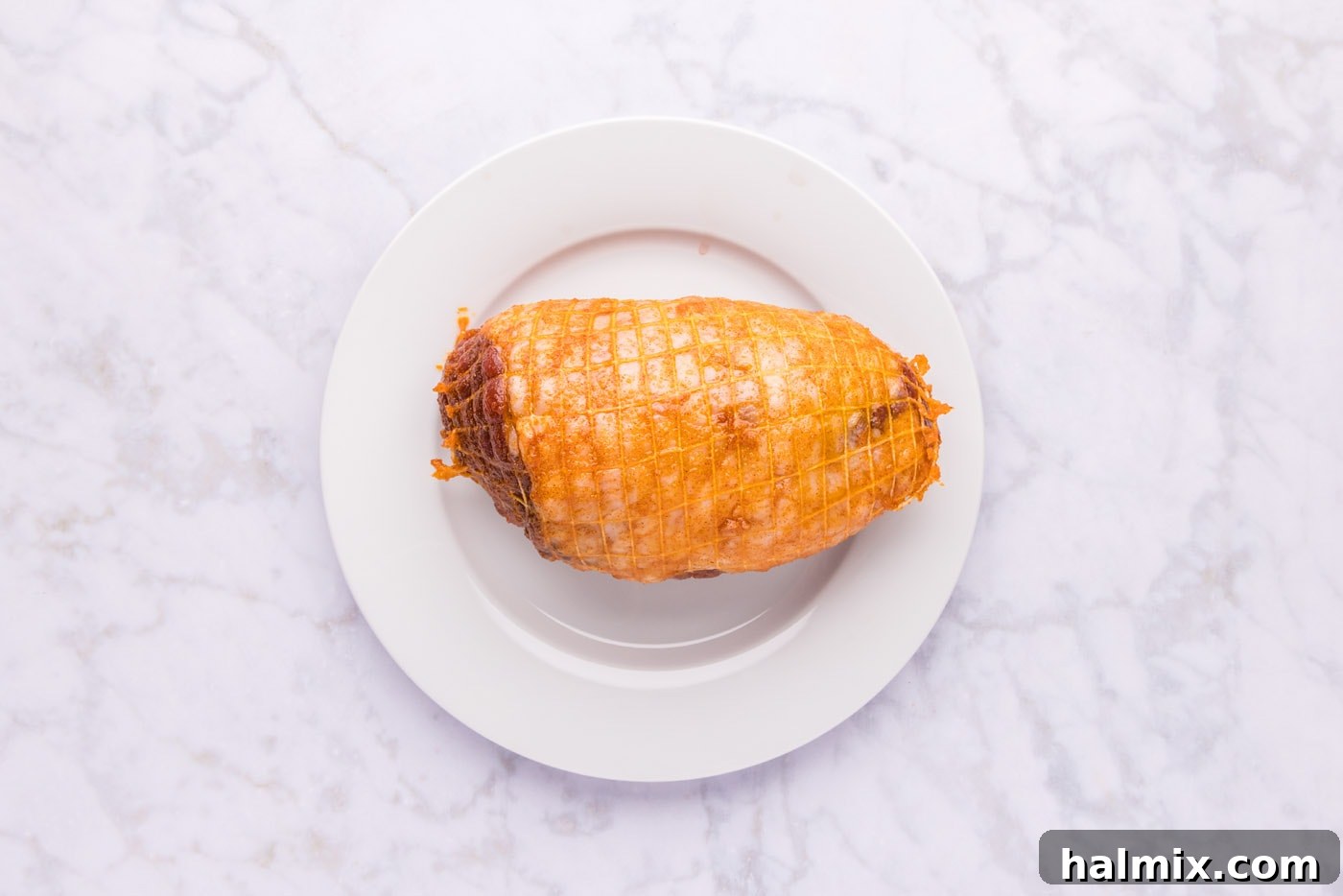
Season the Lamb: Generously rub the prepared paste all over the entire surface of the lamb roast. Don’t be shy; ensure every nook and cranny is coated to infuse maximum flavor. If you have boneless lamb with netting, make sure to get the rub into any visible crevices.
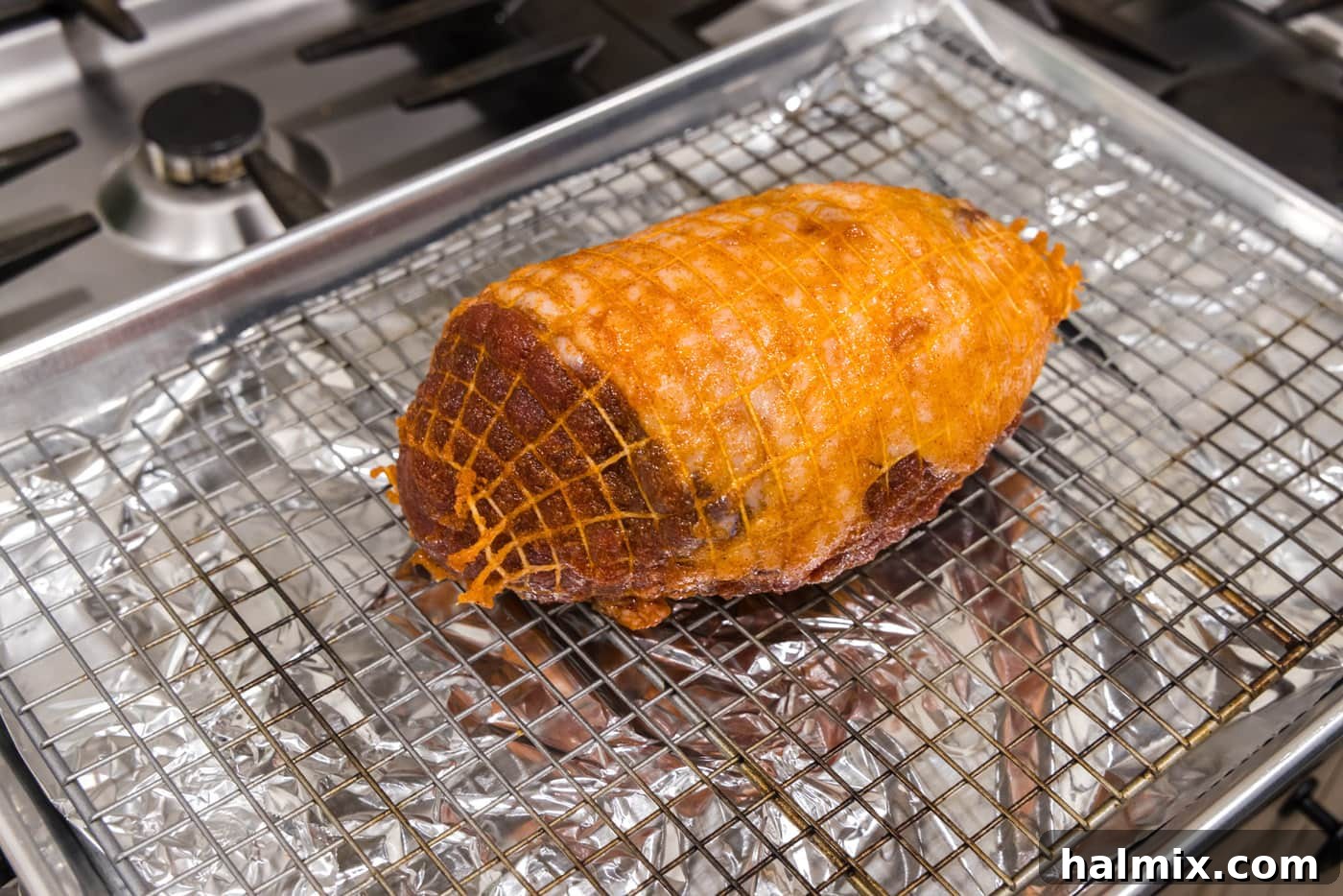
- Prepare for Roasting: Line a sturdy baking sheet with aluminum foil for easier cleanup. Place a wire rack directly over the foil-lined baking sheet. This setup allows air to circulate around the lamb, promoting even cooking, and elevates the meat out of its drippings.
-
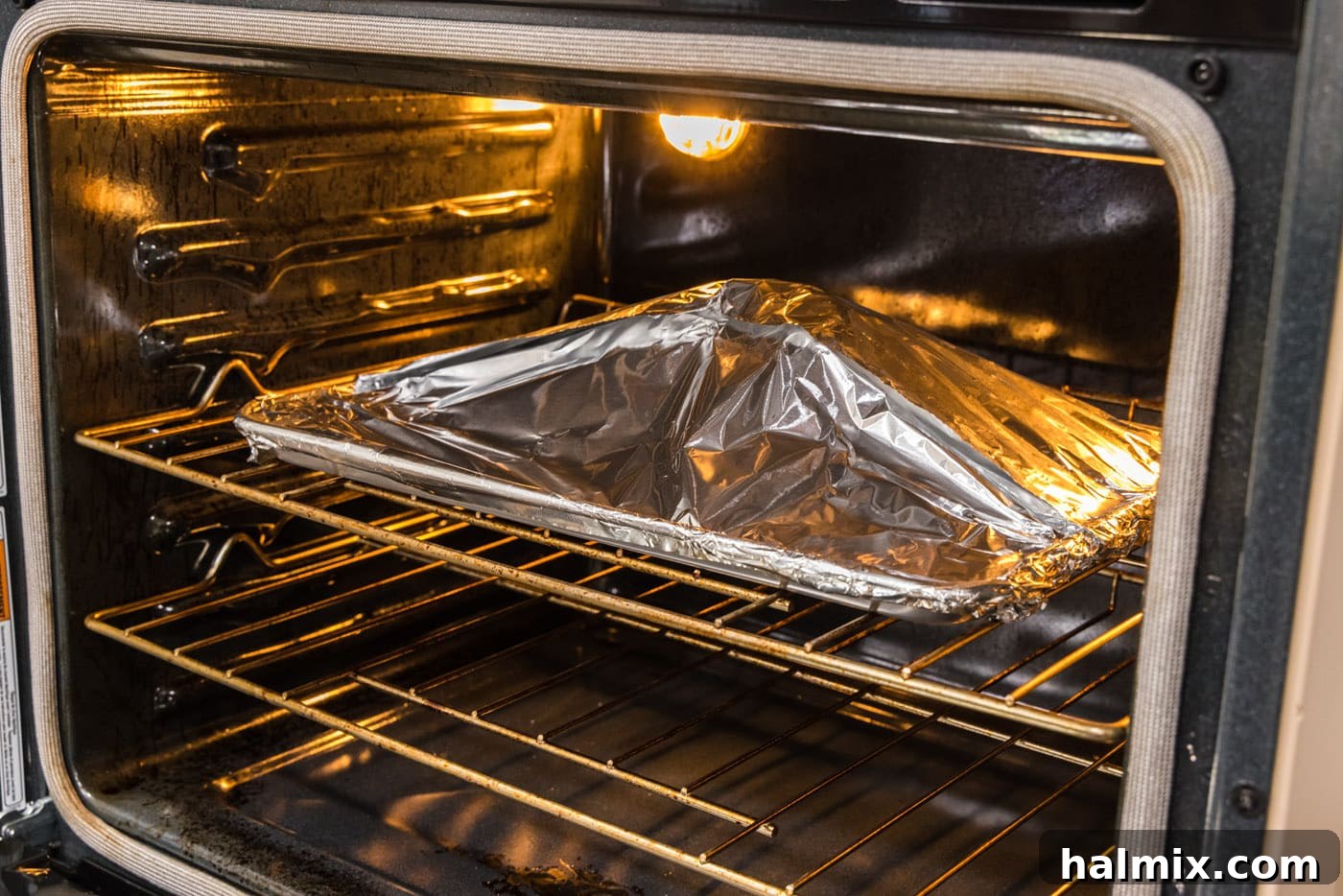
Roast the Lamb: Carefully place the seasoned lamb roast onto the wire rack. Tightly wrap the entire pan, including the lamb, with another sheet (or two, if needed) of heavy-duty aluminum foil. This creates a steamy environment that locks in moisture, ensuring the lamb remains incredibly juicy and tender during its long cook.
-
Bake to Perfection: Place the tightly wrapped pan in your preheated oven and bake for 3 ½ to 4 hours. The exact time may vary slightly depending on your oven and the size of your roast. The goal is for the lamb to be fork-tender and easily pull apart.
- Crucial Resting Period: Once baked, remove the pan from the oven. Resist the urge to peek! Keep the foil intact and allow the lamb to rest undisturbed for 20-30 minutes. This resting phase is vital; it allows the juices to redistribute throughout the meat, ensuring every bite is succulent and flavorful. After resting, the lamb will be incredibly tender and ready to pull apart with two forks.
Frequently Asked Questions & Expert Tips for Lamb Roasting Success
Proper storage is key to enjoying your delicious leftovers. Once the lamb has cooled completely, shred or slice any remaining meat. Store it in an airtight container in the refrigerator for up to 3 days. For longer storage, cooked lamb can be frozen for up to 2-3 months. To reheat, place shredded lamb in a shallow dish with a splash of broth or water, cover, and warm in a 350°F (175°C) oven until heated through. Alternatively, small portions can be microwaved or gently reheated on the stovetop.
For this particular recipe, marinating is not an essential step, as our robust wet rub penetrates the meat effectively during the long, slow roasting process. We prioritize seasoning with a rub to keep the preparation time minimal. However, if you prefer the additional flavor and tenderizing benefits of a marinade, you certainly can! A quick dip in a flavorful concoction like this lamb chop marinade for 15-45 minutes would be plenty. Avoid marinating a whole leg for too long, as the acids can sometimes break down the meat too much, making it mushy. A short marinade before applying the rub can add another layer of complexity.
While traditional lamb doneness (rare, medium) is measured at specific temperatures (e.g., 130-135°F for medium-rare), for pull-apart lamb, you’re aiming for a much higher internal temperature to break down connective tissues. The lamb should reach an internal temperature of at least 190-205°F (88-96°C). At this temperature, the collagen has converted into gelatin, resulting in that desired fork-tender texture. A meat thermometer inserted into the thickest part of the roast (avoiding the bone, if bone-in) will ensure accuracy.
Yes, you can absolutely prepare parts of this recipe in advance! You can mix the wet rub up to 24 hours beforehand and store it in an airtight container in the refrigerator. You can also apply the rub to the lamb roast up to 24 hours before cooking. Simply rub the lamb, cover it tightly, and refrigerate. Let it come to room temperature for about 30-60 minutes before roasting for more even cooking.
While a wire rack is recommended for optimal air circulation and to keep the lamb out of its juices, it’s not strictly necessary if you don’t have one. You can create a makeshift rack using thick slices of onions, carrots, or celery on the bottom of the foil-lined baking sheet. This will lift the lamb slightly and add flavor to the pan drippings. Alternatively, you can roast the lamb directly on the foil, but be aware that the bottom might be slightly less crisp.
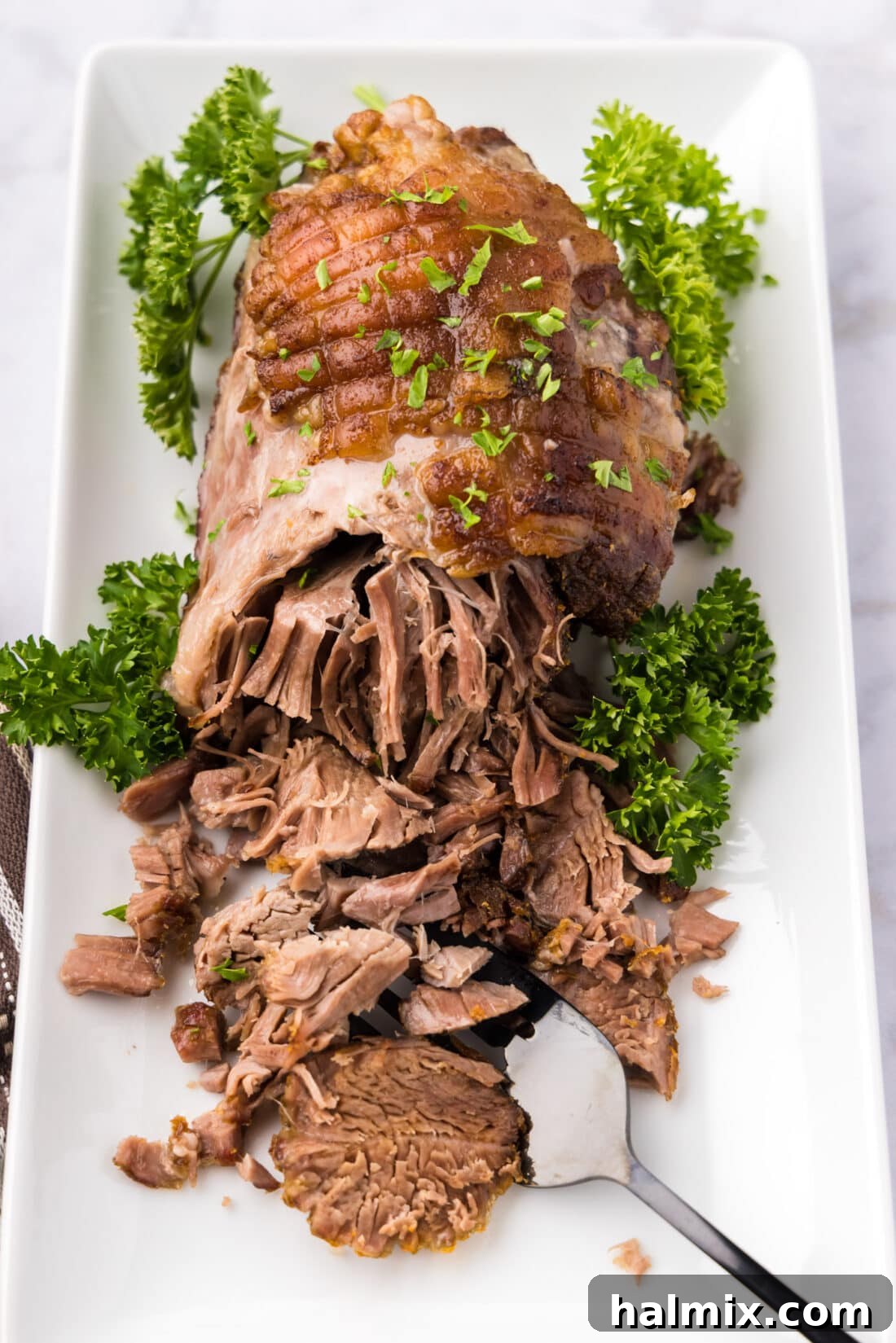
Elevate Your Meal: Delicious Serving Suggestions for Leg of Lamb
Once your succulent leg of lamb is perfectly roasted and rested, it’s time to complete your festive meal with an array of complementary side dishes. The rich, savory flavor of lamb pairs beautifully with a variety of textures and tastes, allowing you to create a truly balanced and satisfying dinner experience. Here are some inspired serving suggestions to help you craft the perfect spread:
Classic Accompaniments:
- Potatoes: You can never go wrong with potatoes! Serve your lamb with creamy mashed potatoes, crispy roasted potatoes seasoned with rosemary and garlic, or a decadent potato gratin. The tender lamb juices are excellent for drizzling over your potato choice.
- Roasted Vegetables: A medley of roasted vegetables adds color, nutrition, and incredible flavor. Think vibrant carrots, delicate asparagus spears, crisp green beans, or earthy Brussels sprouts. Toss them with olive oil, salt, pepper, and perhaps a sprinkle of your favorite herbs before roasting alongside the lamb (adjusting cooking times as needed).
Sweet & Savory Pairings:
- Soufflés: For a touch of elegance and sweetness, serve your lamb with a light and fluffy carrot souffle or a rich sweet potato souffle. These dishes offer a delightful contrast to the savory lamb.
- Glazed Carrots or Parsnips: A simple honey or maple glaze on roasted root vegetables brings out their natural sweetness and creates a beautiful presentation.
Sauces & Condiments:
- Mint Sauce or Jelly: A classic pairing with lamb, offering a refreshing counterpoint to the rich meat.
- Gravy: Use the delicious pan drippings from your roast to make a simple, flavorful gravy. Skim off excess fat, then deglaze the pan with a splash of wine or broth, thicken with a cornstarch slurry, and season to taste.
- Chimichurri: For a fresh, herbaceous kick, a vibrant chimichurri sauce can cut through the richness of the lamb beautifully.
Wine Pairings:
To truly complete the experience, consider pairing your lamb with a robust red wine. Good options include Cabernet Sauvignon, Merlot, Pinot Noir, or a Grenache-based blend. The tannins and fruit notes in these wines complement the richness of the lamb perfectly. Enjoy assembling your magnificent meal!
Explore More Lamb Recipes
If you’ve fallen in love with cooking lamb, or are simply looking for more ways to enjoy this versatile meat, we have a variety of other delicious lamb recipes for you to try. From quick weeknight meals to other impressive roasts, there’s something for every occasion:
- Flavorful Lamb Chops
- Savory Lamb Meatballs
- Perfectly Broiled Lamb Chops
- Crispy Fried Lamb Chops
I am passionate about baking and cooking, and I love sharing my culinary adventures with you! To make sure you never miss a new recipe, I offer a convenient newsletter delivered straight to your inbox every time a new post goes live. Simply subscribe here and start receiving your free daily recipes!
Slow Roasted Pull-Apart Leg of Lamb
This incredibly tender, pull-apart leg of lamb is perfect for holidays or any special occasion. A simple, flavorful wet rub and slow roasting are all it takes to create a succulent masterpiece that will impress everyone.
Rating: 5 out of 5 stars (based on 3 votes)
Course: Dinner
Cuisine: American
Servings: 6 servings
Prep time: 10 mins
Cook time: 4 hours 30 mins
Total Time: 4 hrs 40 mins (including resting)
Author: Amanda Davis
IMPORTANT: There are often Frequently Asked Questions and Expert Tips within the main blog post that you may find incredibly helpful. Please scroll back up to read them for additional insights and troubleshooting!
Print Recipe | Pin It
Ingredients
- 2 ½ pound boneless leg of lamb roast
- ½ teaspoon smoked paprika
- 1 teaspoon garlic powder
- 1 teaspoon onion powder
- 2 teaspoons brown sugar
- 1 teaspoon salt
- 1 ½ Tablespoons olive oil
Equipment You’ll Need
- Baking sheet
- Wire cooling rack
- Vinyl gloves (optional, for rubbing meat)
Before You Begin
- You can find leg of lamb roast at most grocery stores at the meat counter. We chose boneless lamb leg roast, but bone-in can also be used.
- Boneless leg of lamb roasts often come wrapped in netting, which is typically oven safe. Always verify this before cooking. If your netting is not oven-safe, you can remove it and secure the roast with butcher’s twine.
- If using bone-in lamb, ask your butcher to trim any excess fat.
Instructions
- Preheat your oven to 325°F (160°C).
- In a small bowl, combine smoked paprika, garlic powder, onion powder, brown sugar, salt, and olive oil to form a wet paste.
- Generously rub the entire lamb roast with the prepared spice paste, ensuring even coverage.
- Line a baking sheet with aluminum foil and place a wire rack over it.
- Position the seasoned lamb roast onto the wire rack.
- Tightly wrap the entire pan, including the lamb, with heavy-duty aluminum foil.
- Place in the preheated oven and bake for 3 ½ to 4 hours, or until fork-tender and easily pull-apart.
- Remove from the oven and, without removing the foil, allow the lamb to rest for 20-30 minutes. This step is crucial for juicy results.
Nutrition Information
Serving: 1 serving | Calories: 192cal | Carbohydrates: 2g | Protein: 25g | Fat: 9g | Saturated Fat: 2g | Polyunsaturated Fat: 1g | Monounsaturated Fat: 5g | Cholesterol: 76mg | Sodium: 463mg | Potassium: 359mg | Fiber: 0.2g | Sugar: 1g | Vitamin A: 82IU | Vitamin C: 0.1mg | Calcium: 11mg | Iron: 2mg
Tried this Recipe? Pin it for Later!
Follow on Pinterest @AmandasCookin or tag #AmandasCookin!