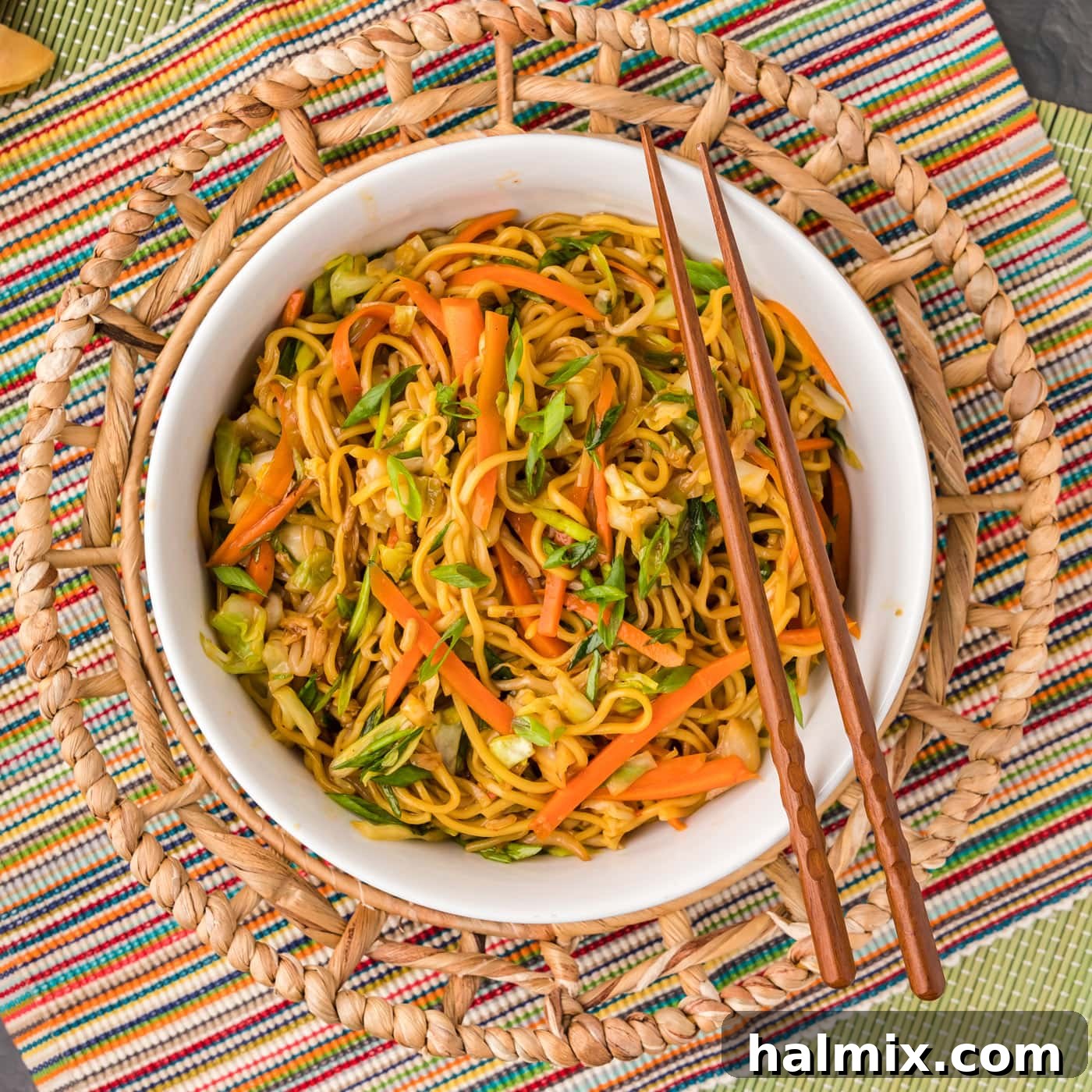
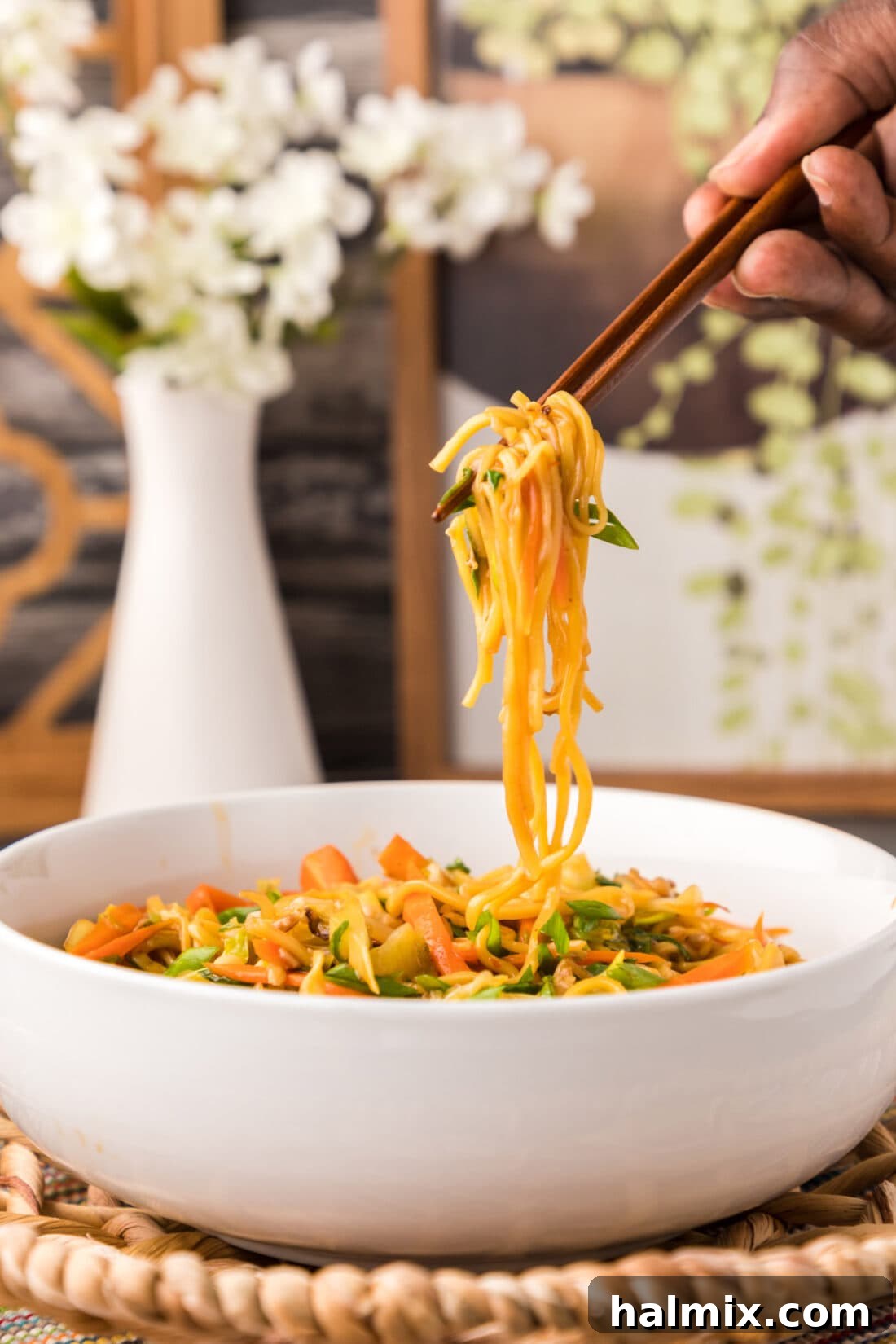
Craving the vibrant flavors of your favorite Chinese takeout but short on time? Look no further! This incredibly easy and quick chow mein recipe brings the magic of a bustling wok right into your kitchen. In just 20 minutes, you can create a savory, satisfying dish combining perfectly stir-fried noodles with crisp cabbage, sweet carrots, tender bean sprouts, and fresh green onions, all coated in an irresistible oyster-soy sauce blend. Forget waiting for delivery – get ready to savor the best homemade Chinese chow mein that’s far superior to any takeout!
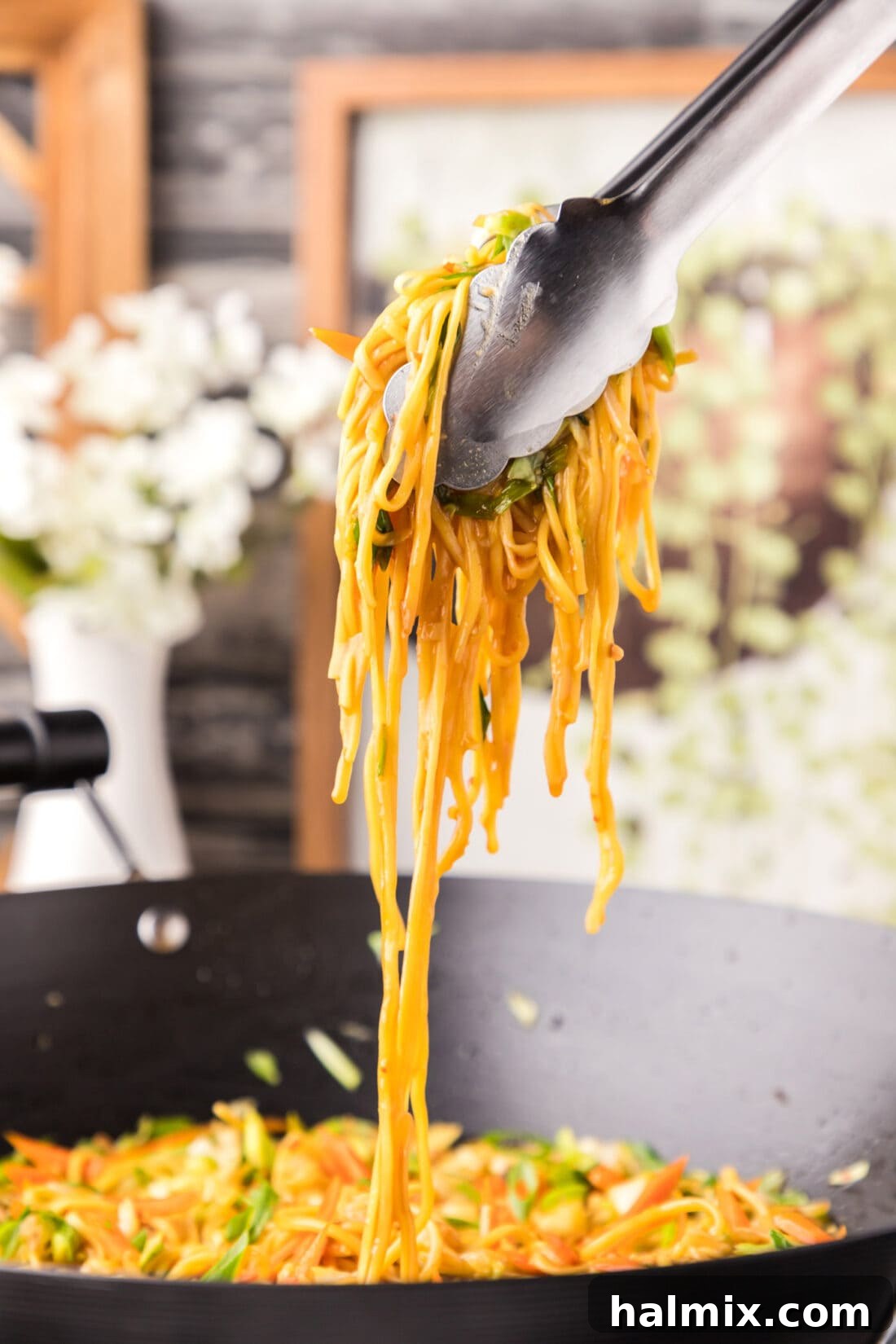
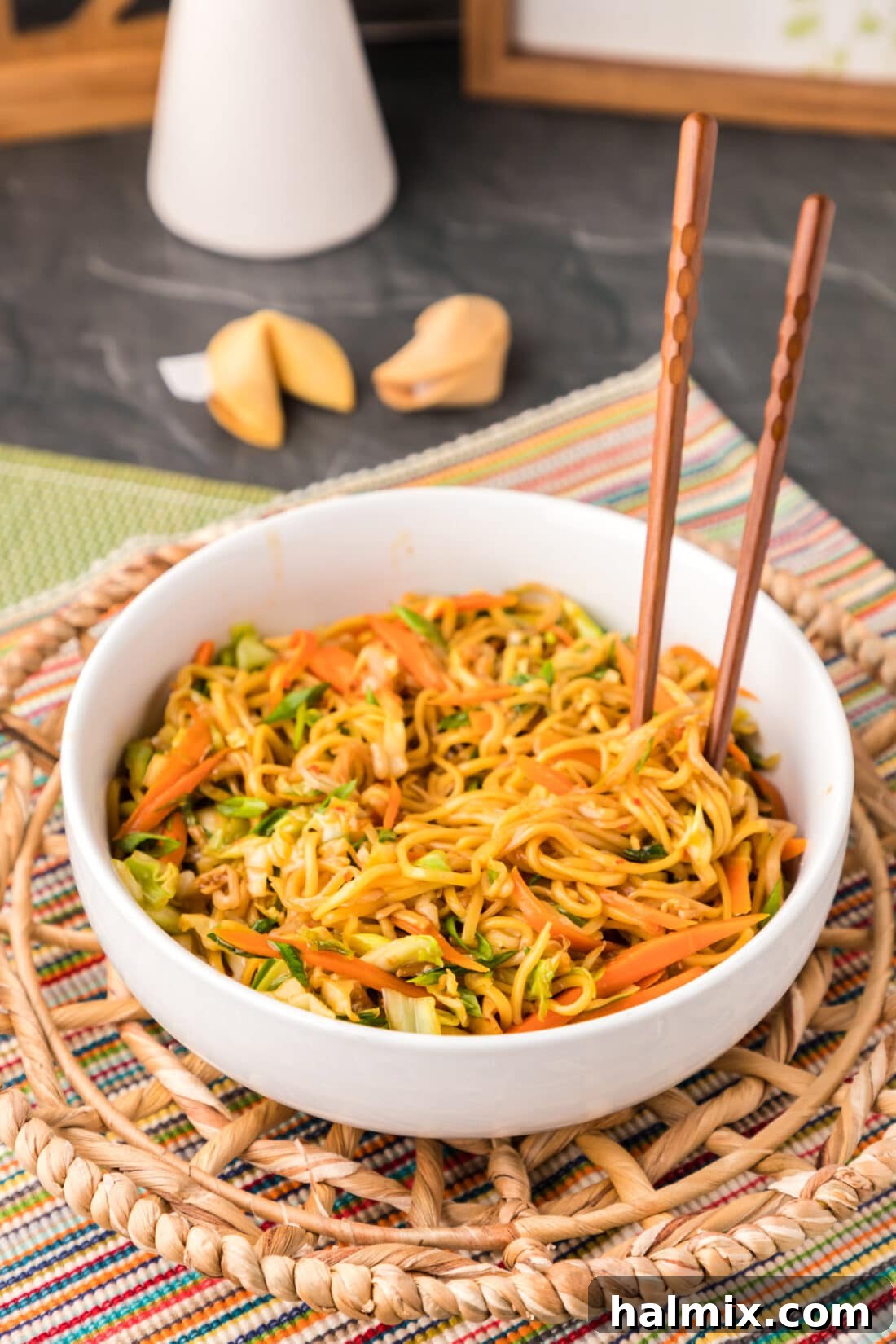
Why This Easy Chow Mein Recipe Is a Must-Try
Chow mein, a beloved staple of Chinese cuisine, translates literally to “stir-fried noodles.” It’s a comforting and flavorful dish traditionally made with stir-fried noodles, an array of fresh vegetables, and often a choice of protein. What truly elevates a good chow mein, however, is its distinctive, flavorful sauce – a perfect balance of savory, sweet, and umami notes. Our rendition of homemade chow mein captures this essence beautifully, ensuring a deeply satisfying experience with every bite.
Our secret lies in the meticulously crafted sauce, a harmonious blend designed to coat every strand of noodle and every piece of vegetable. We combine rich oyster sauce for a deep umami base, classic soy sauce for its salty depth, aromatic sesame oil for a nutty finish, and dark maple syrup alongside a touch of brown sugar to introduce a subtle sweetness that perfectly balances the savory elements. A hint of Asian chili sauce adds a gentle kick, while a small amount of cornstarch ensures the sauce thickens just enough to cling to your ingredients, delivering maximum flavor. This delectable sauce is then tossed with freshly cooked stir-fry noodles, fragrant minced garlic, crunchy cabbage, vibrant julienned carrots, plump bean sprouts, and fresh green onions, transforming simple ingredients into an extraordinary meal.
Beyond its incredible flavor, this chow mein recipe is a testament to versatility. While it shines as a magnificent side dish alongside other Chinese-inspired favorites like General Tso’s Chicken or Chinese Pepper Steak, its robust flavors and satisfying texture make it perfectly capable of standing alone as a hearty and complete main course. It’s the ideal weeknight meal solution, offering both convenience and gourmet taste without the hassle of a restaurant visit.
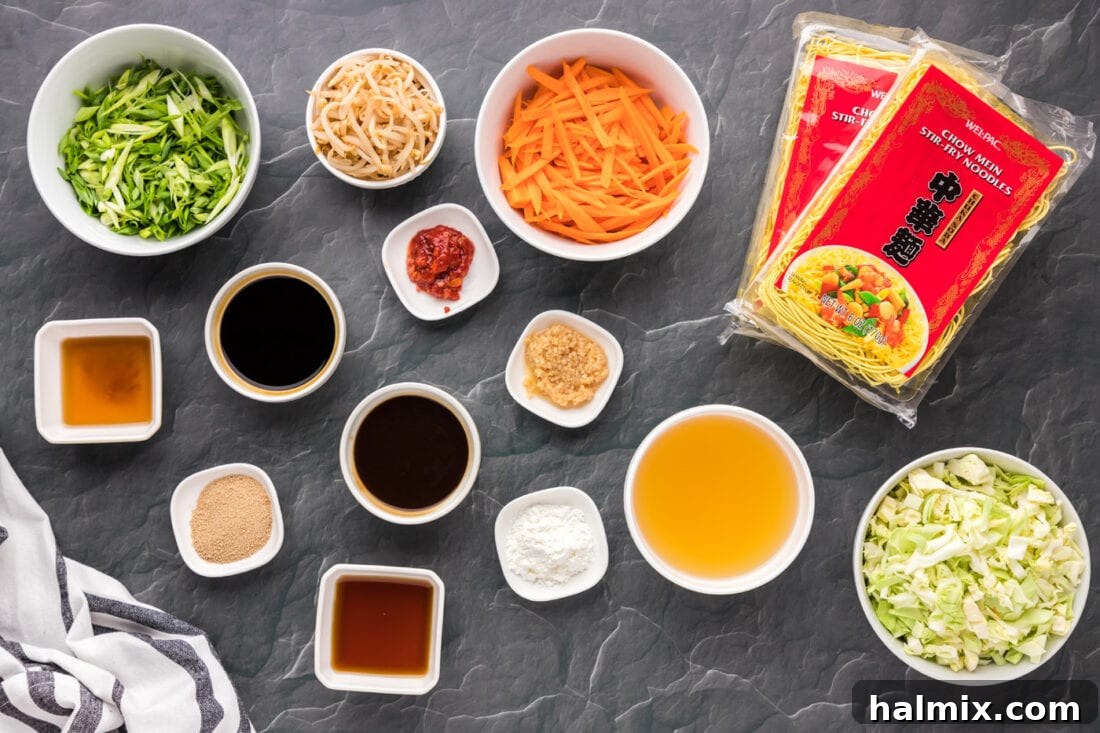
Ingredients You Will Need for Authentic Flavor
Crafting exceptional chow mein starts with selecting the right ingredients. Each component plays a vital role in achieving that authentic taste and texture you love. Below is a comprehensive list, but remember to refer to the printable recipe card at the end of this post for precise measurements and detailed instructions. Gathering all your ingredients and performing preliminary preparations (mise en place) before you begin cooking will ensure a smooth and enjoyable cooking process, typical of fast-paced stir-frying.
Ingredient Info and Smart Substitution Suggestions
Understanding your ingredients and knowing when to substitute can elevate your cooking experience and adapt any recipe to your pantry or preferences.
NOODLES: The Heart of Chow Mein
The choice of noodles is crucial for authentic chow mein. Look for “chow mein noodles” or “stir-fry noodles” in the international or pasta aisle of your grocery store. These are typically thin, often egg-based wheat noodles designed to hold up to the vigorous stir-frying process without becoming mushy. After cooking them according to package directions, it’s essential to drain and rinse them thoroughly in cold water. This stops the cooking process and removes excess starch, preventing them from clumping. As a professional tip, Chef Antoine suggests tossing the drained noodles with a small amount of olive oil. This simple step creates a protective coating that keeps the noodles from sticking together, ensuring each strand remains distinct and perfectly textured for the stir-fry.
VEGETABLES: A Canvas for Creativity
This recipe calls for a classic combination of cabbage, carrots, bean sprouts, and green onions, which provide a delightful balance of crunch, sweetness, and freshness. However, the beauty of stir-fries lies in their adaptability. Feel free to unleash your creativity and incorporate your favorite vegetables. Excellent substitutes or additions include thinly sliced celery for extra crunch, tender broccoli florets or broccolini for a touch of green, sweet baby corn, or nutrient-rich bok choy. Consider bell peppers (any color), snow peas, mushrooms, or water chestnuts for additional texture and flavor. The key is to cut all vegetables into similar sizes to ensure even cooking.
PROTEIN: Customize Your Meal
While this recipe focuses on a delicious vegetarian chow mein, adding protein is an excellent way to make it a more substantial meal. Lean chicken breast or thighs, tender beef strips, succulent shrimp, thinly sliced pork, or even plant-based tofu or tempeh are fantastic choices. Prepare your protein by slicing it into bite-sized pieces or thin strips, suitable for stir-frying. We recommend browning the protein in the wok or skillet before adding the vegetables. Cook it until just done, then remove it from the pan and set it aside. This prevents overcooking and ensures the protein remains tender. You’ll reintroduce it to the wok towards the end of the cooking process, allowing it to absorb the savory sauce flavors without becoming tough.
Crafting the Irresistible Chow Mein Sauce
The sauce is arguably the most critical component of any chow mein. Our blend brings together a symphony of flavors that are both complex and comforting. Oyster sauce, while it sounds fishy, provides a deep, slightly sweet, and incredibly savory umami flavor that is fundamental to many Chinese dishes. Soy sauce adds the necessary saltiness and depth. Sesame oil contributes a distinctive nutty aroma that is quintessential to Asian cuisine. Dark maple syrup and brown sugar introduce a gentle sweetness, balancing the savory notes and helping to achieve that beautiful glaze. Vegetable stock thins the sauce while adding another layer of savory flavor, and a touch of Asian chili sauce allows you to customize the spice level. Finally, cornstarch is crucial for thickening, ensuring the sauce beautifully coats every ingredient rather than pooling at the bottom of the pan.
How to Make Homemade Chow Mein: Step-by-Step Perfection
These step-by-step photos and detailed instructions are designed to help you visualize each stage of making this incredibly delicious chow mein. For a printer-friendly version of this recipe, complete with precise measurements and comprehensive instructions, simply Jump to Recipe at the bottom of this post.
Before you begin, ensure all your ingredients are prepped and ready (mise en place). Stir-frying is a quick process, and having everything at hand is key to success.
- Prepare the Noodles: Begin by cooking your chow mein noodles according to the package directions. Once cooked al dente, drain them thoroughly and rinse immediately under cold water. This crucial step prevents them from continuing to cook and becoming mushy, while also washing away excess starch that can make them sticky. Set them aside. For extra insurance against sticking, toss them lightly with a teaspoon of olive oil.
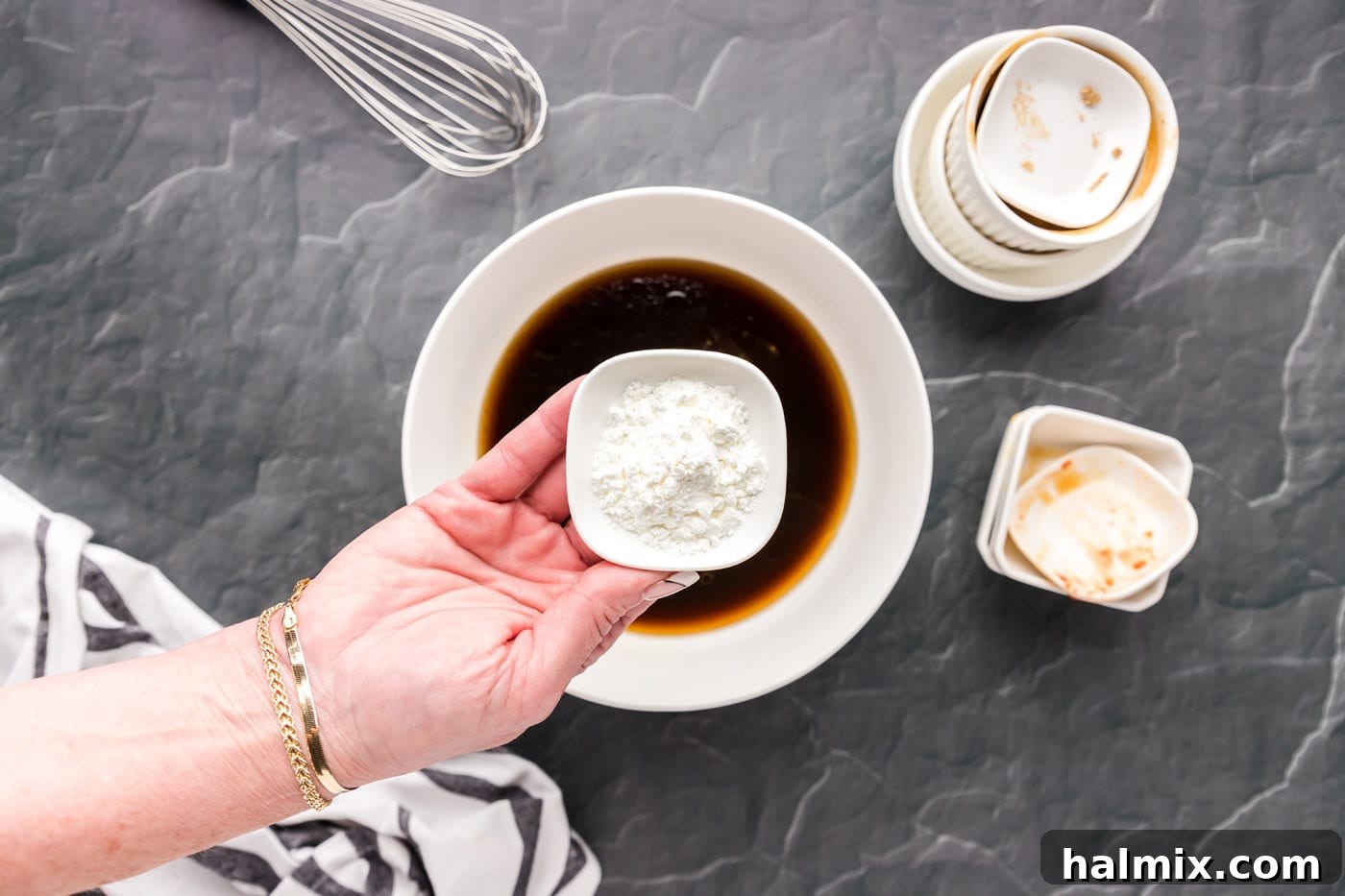
- Whisk the Sauce: In a medium-sized bowl, combine all the sauce ingredients: oyster sauce, soy sauce, sesame oil, dark maple syrup, vegetable stock, brown sugar, Asian chili sauce, and cornstarch. Whisk vigorously until all ingredients are well combined and the cornstarch has dissolved, ensuring a smooth, consistent sauce. This can be prepared ahead of time to streamline the cooking process.

- Heat the Wok: Place a wok or a large skillet over medium-high heat. Add 2 tablespoons of olive oil and allow it to heat until it shimmers, indicating it’s ready for stir-frying. A well-heated wok is essential for achieving that characteristic stir-fry crispness.
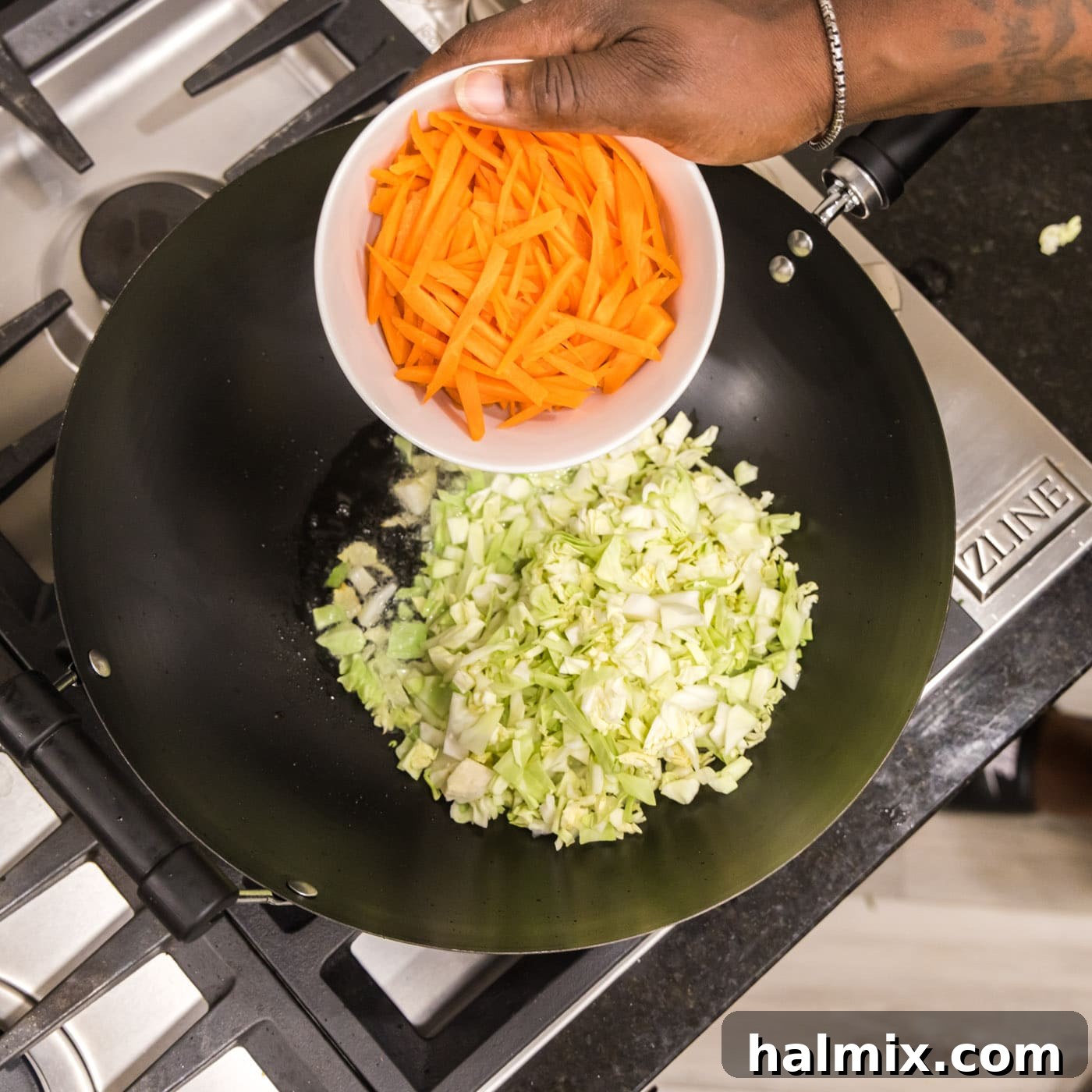
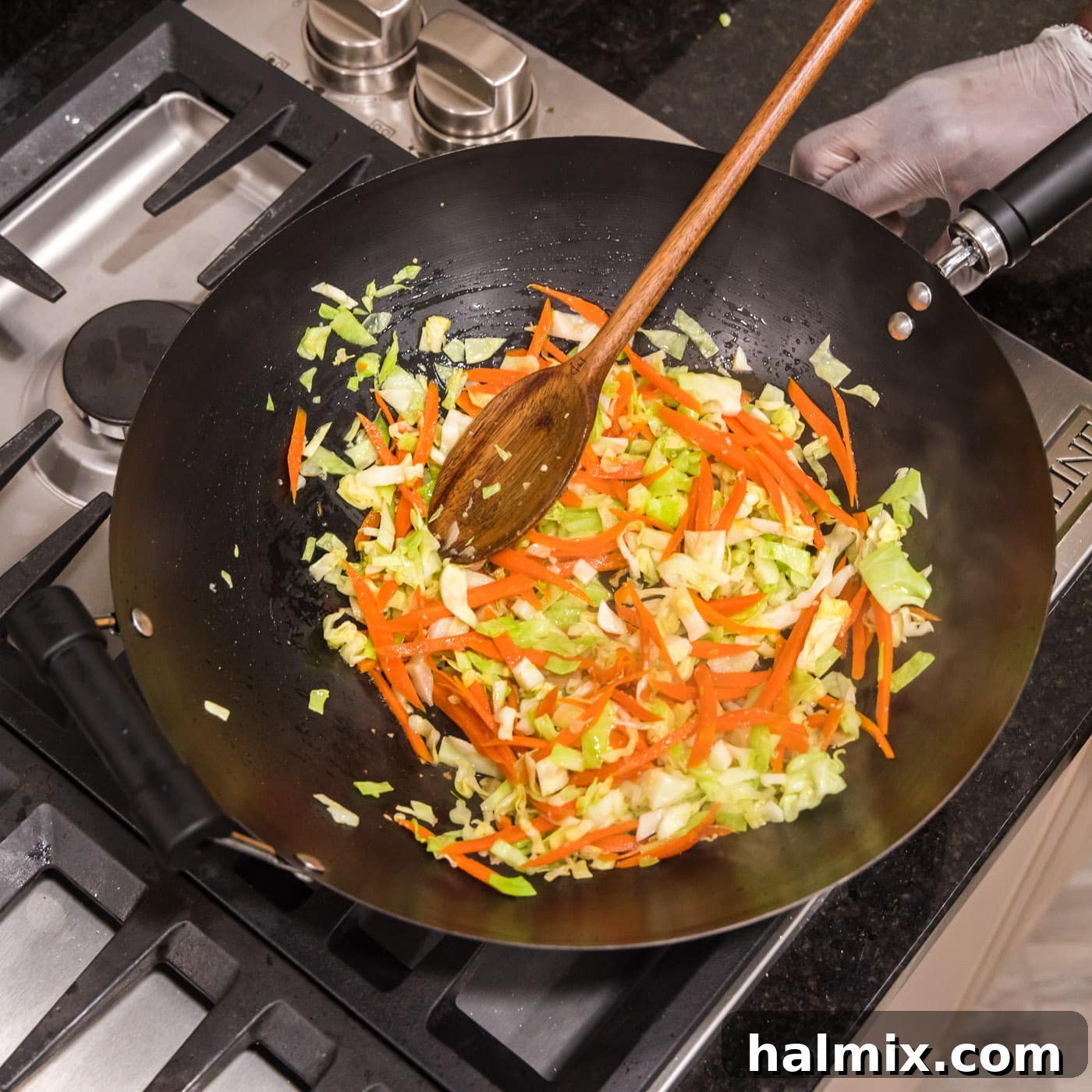
- Sauté Harder Vegetables: Add the chopped cabbage and julienned carrots to the hot wok. Sauté them for 2-3 minutes, stirring constantly. You want the carrots to begin to get tender-crisp and the cabbage to soften slightly but still retain some bite. This ensures they are cooked through without becoming limp.
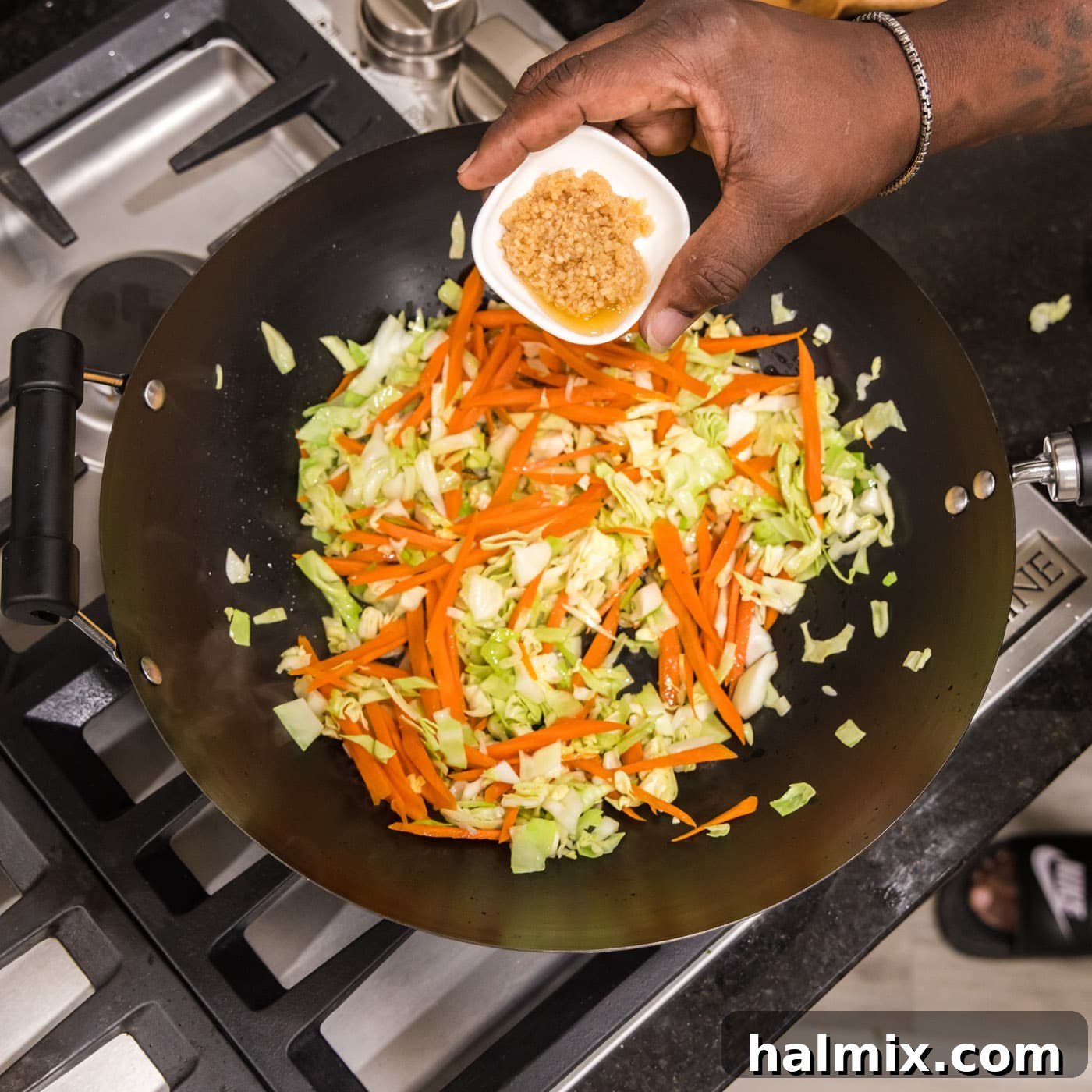
- Add Aromatics: Incorporate the minced garlic into the vegetables. Toss until it is well combined and cook for another minute. The garlic will become fragrant, infusing the vegetables with its irresistible aroma without burning.
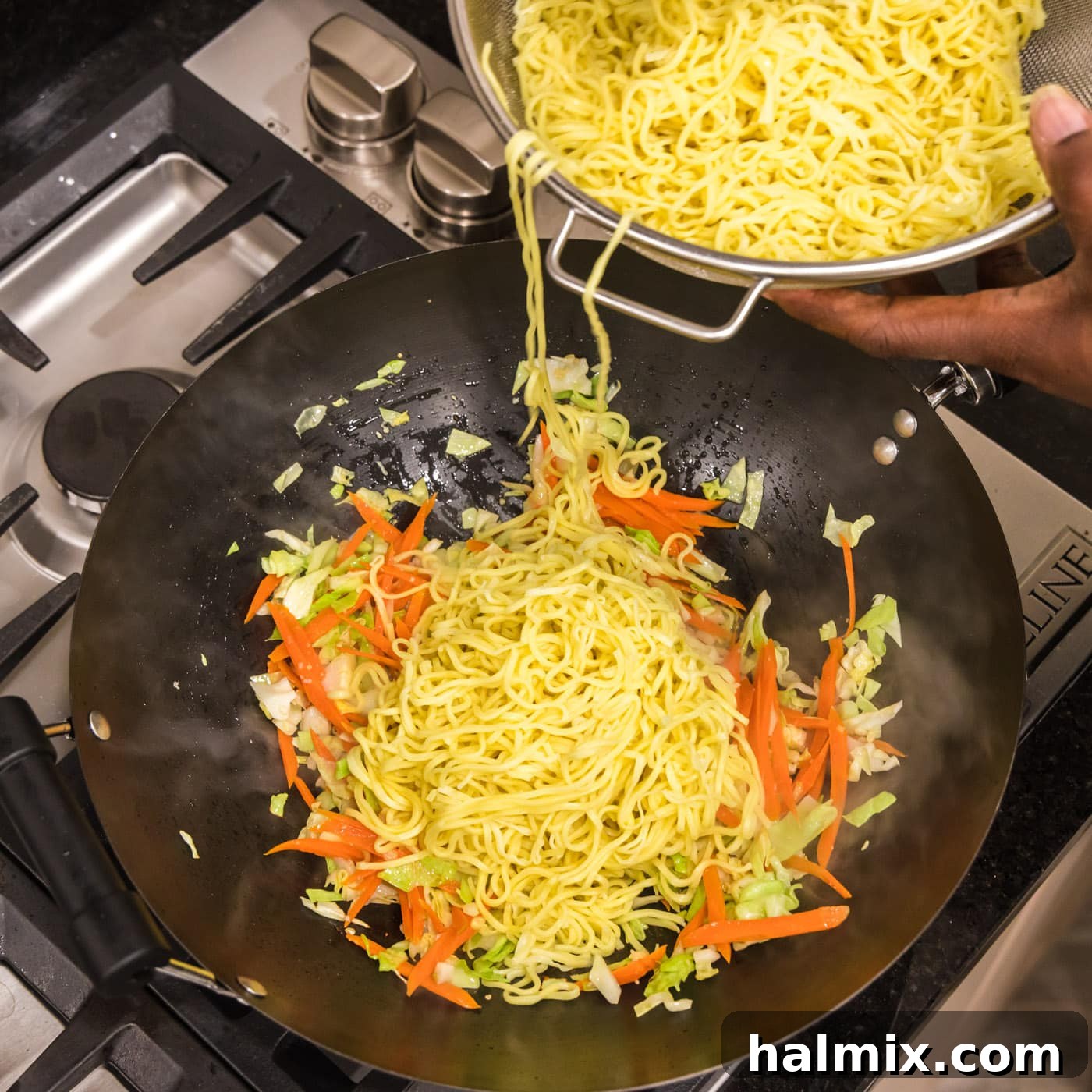
- Combine with Noodles: Add the cooked and drained noodles to the wok with the sautéed vegetables. Toss everything together vigorously, ensuring the noodles are well integrated with the vegetables.
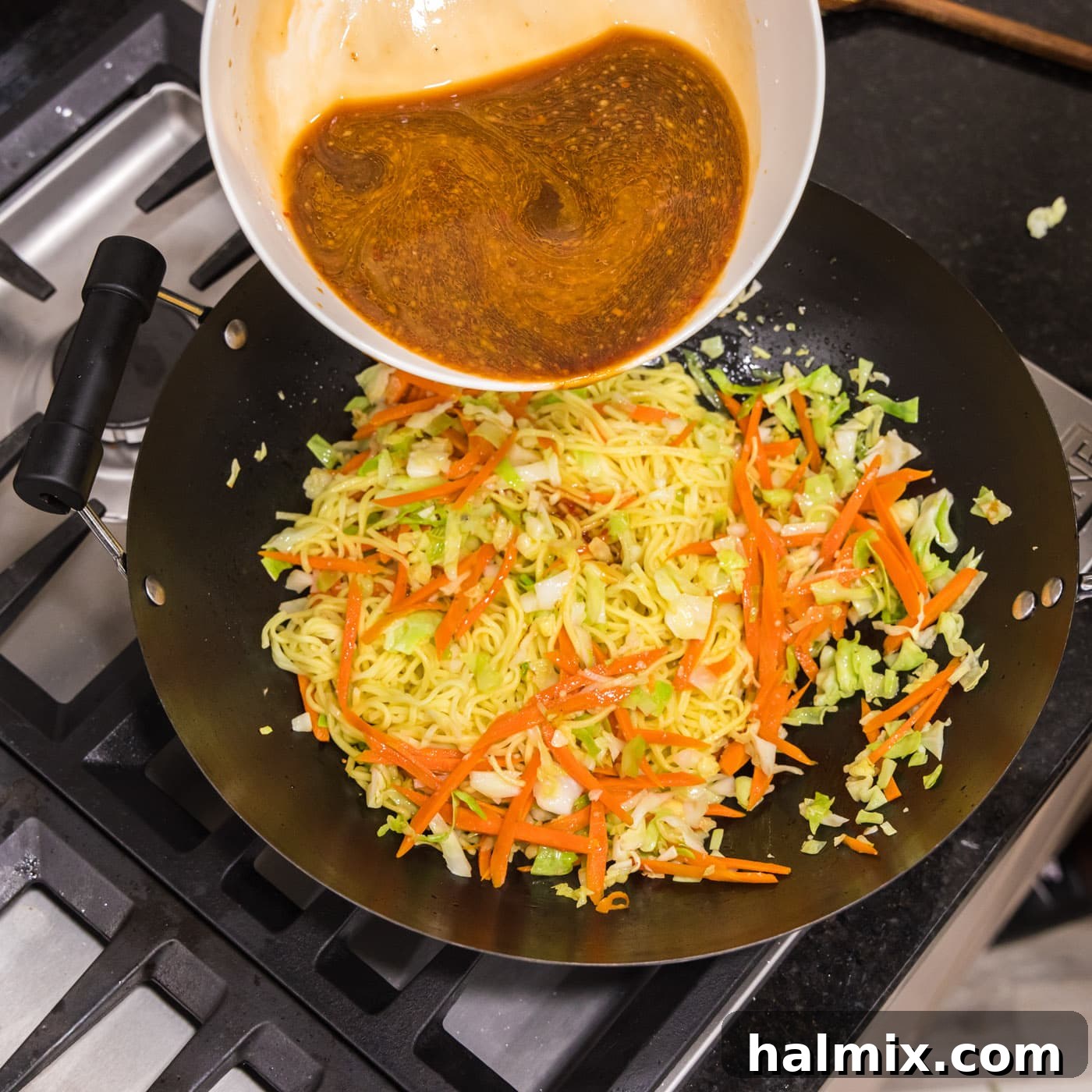
- Introduce the Sauce: Pour the prepared sauce evenly over the noodles and vegetables. Continue to toss and stir constantly, allowing the sauce to thicken and coat all the ingredients beautifully. The cornstarch in the sauce will activate, creating a glossy, flavorful glaze.
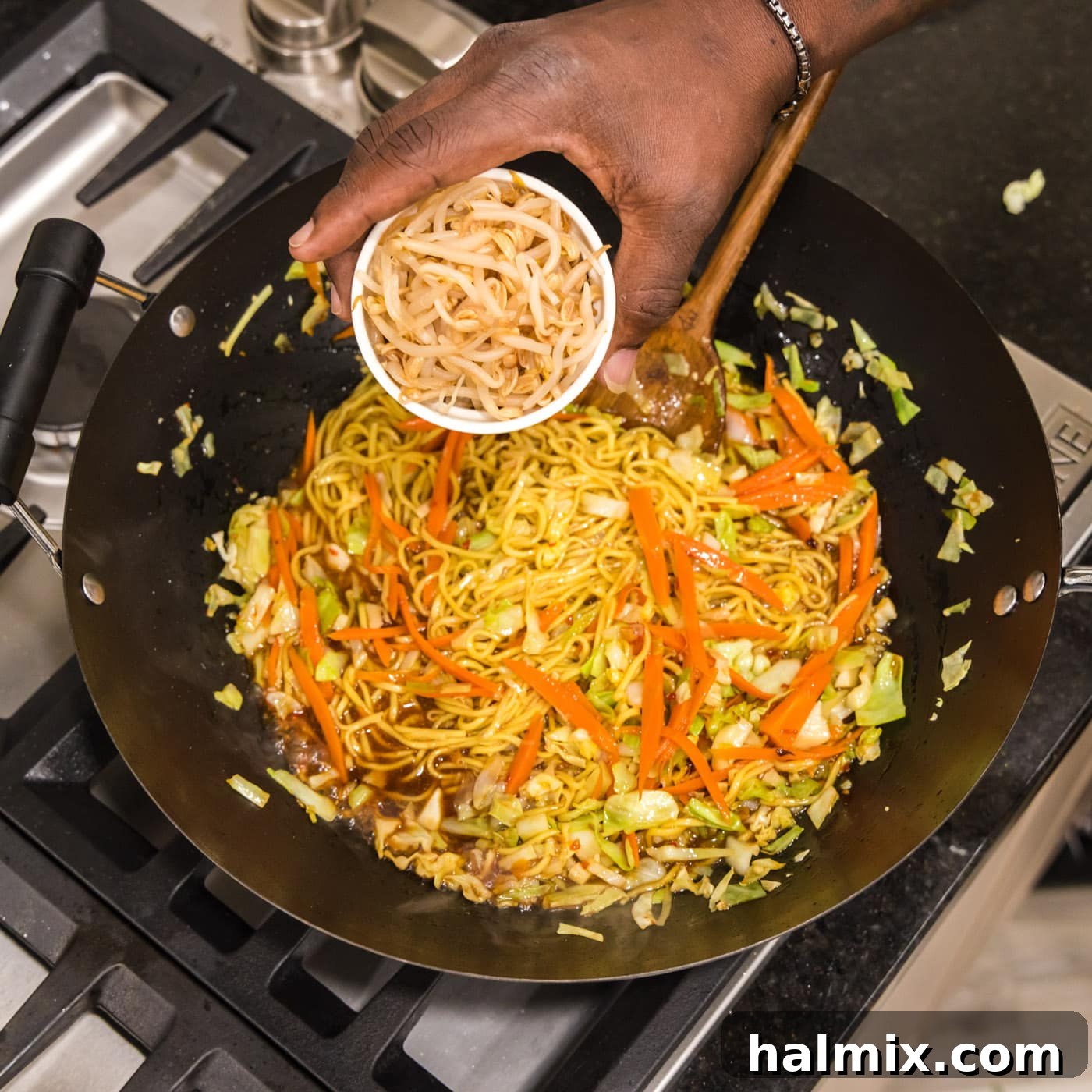
- Add Tender Vegetables: Stir in the drained bean sprouts. Toss to combine and cook for just one more minute. Bean sprouts are delicate and only need a short time to warm through and maintain their crispness.
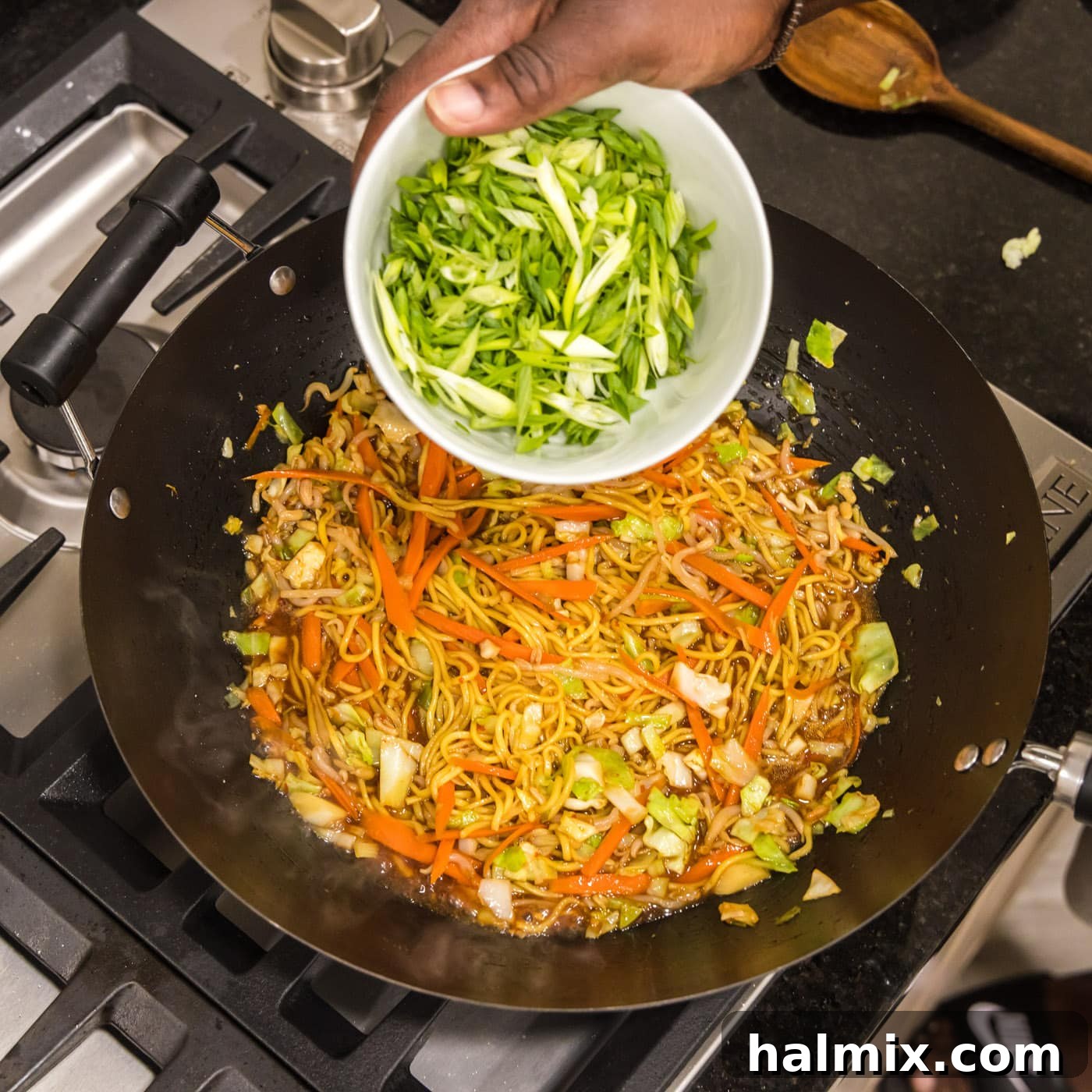
- Finish with Green Onions: Finally, add the chopped green onions. Give everything a final toss to distribute them evenly. The green onions add a fresh, pungent finish and a pop of color.
- Serve Immediately: Remove the wok from the heat and serve your homemade chow mein hot. Garnish with extra green onions or sesame seeds if desired.
Frequently Asked Questions & Expert Tips for Perfect Chow Mein
What’s the fundamental difference between chow mein and lo mein?
While both chow mein and lo mein are iconic Chinese noodle dishes made with wheat flour noodles, their preparation and resulting texture are distinctly different. Chow mein, meaning “stir-fried noodles,” typically uses a thinner, sometimes slightly crispy noodle that is stir-fried at a high temperature, often achieving a delightful textural contrast. The noodles are cooked until they are firm and then added to the wok to be fried with the other ingredients, often getting a light crispness. Lo mein, meaning “tossed noodles,” on the other hand, utilizes thicker, softer, and chewier noodles that are usually pre-cooked until tender and then simply tossed with the sauce and other ingredients rather than extensively fried. The focus of lo mein is on the sauce coating the soft noodles. Essentially, chow mein emphasizes crisp texture through frying, while lo mein highlights the tender, chewy quality of the noodles tossed in sauce. Both are delicious, but offer different culinary experiences!
If you’re interested in exploring the softer, chewier side of Chinese noodles, be sure to check out our fantastic beef lo mein recipe.
How do I properly store leftover chow mein?
To keep your leftover chow mein fresh and delicious, allow it to cool completely before transferring it to an airtight container. Store this container in the refrigerator, where it will remain good for 3-4 days. Prompt refrigeration is key to maintaining quality and safety.
What are the best methods to reheat chow mein?
Reheating chow mein properly can help preserve its texture and flavor. You have a couple of excellent options:
- Microwave: For a quick reheat, place your chow mein in a microwave-safe dish and heat until warmed through, usually in 1-2 minute intervals, stirring occasionally. To prevent the noodles and vegetables from drying out, a common trick is to add a few drops of water or a small ice cube to the dish before microwaving, then cover it. The steam generated will help remoisten the ingredients.
- Stovetop: For best results, especially if you want to revive some of that stir-fried crispness, reheat your chow mein in a skillet over medium heat with a pinch of olive oil. Stir-fry for a few minutes until it’s heated through and the noodles regain some of their original texture. This method is excellent for preventing sogginess and bringing back vibrant flavors.
Can I add meat or other protein to this dish?
Absolutely! This chow mein recipe is incredibly versatile and welcomes the addition of various proteins to make it a heartier meal. You can easily incorporate chicken, beef, pork, shrimp, or even plant-based options like tofu or tempeh. For optimal results, slice your chosen protein into thin strips or bite-sized pieces, perfect for stir-frying. Cook the protein first in the wok or skillet until it’s browned and cooked through. Then, remove it from the pan and set it aside while you proceed with the vegetables and noodles. Add the cooked protein back into the wok during the final steps, allowing it to heat through and absorb all the delicious flavors of the sauce without becoming overcooked or tough.
Expert Tip: Achieving “Wok Hei” at Home
“Wok hei,” or the “breath of the wok,” is the elusive smoky, complex aroma and flavor imparted by a well-seasoned wok over high heat. While difficult to fully replicate in a home kitchen, you can get close. Ensure your wok is screaming hot before adding oil, and don’t overcrowd the pan. Cook in batches if necessary to maintain high heat, allowing ingredients to truly stir-fry rather than steam. This high-heat, quick-cooking method helps develop those coveted caramelized edges and a depth of flavor.
Serving Suggestions for a Complete Meal
This delightful chow mein can be enjoyed in a multitude of ways. It’s robust enough to serve as a satisfying complete meal on its own, perfect for a quick and flavorful lunch or dinner. Alternatively, it makes an excellent and highly versatile side dish, complementing a wide range of main courses, whether they feature chicken, pork, beef, or tofu. Chow mein is one of those fantastic dishes that tastes wonderful both warm, straight from the wok, and even chilled as a refreshing noodle salad.
To create a perfectly balanced and vegetarian-friendly meal, consider pairing this chow mein with our delectable Sticky Garlic Cauliflower for a sweet and savory crunch, or our flavorful General Tso’s Cauliflower, which offers a wonderful spicy kick. These pairings elevate the dining experience, providing variety and ensuring everyone finds something they love.
Garnish and Presentation Ideas
A sprinkle of toasted sesame seeds can add an extra layer of nutty flavor and visual appeal. A handful of freshly chopped green onions, reserved from the recipe, makes for a vibrant and aromatic garnish. A drizzle of sriracha or a dash of chili flakes can be offered on the side for those who prefer an extra spicy kick. Serve in individual bowls for a restaurant-style presentation that’s sure to impress!
More Chinese-Inspired Recipes to Explore
If you loved this easy chow mein, you’re in for a treat! Our collection of Chinese-inspired recipes is designed to bring authentic flavors and simple cooking methods to your home kitchen. Dive into more delicious dishes that are perfect for weeknights or entertaining:
- Sesame Chicken: A classic sweet and savory chicken dish, crispy and coated in a rich sesame sauce.
- Beef Lo Mein: Tender beef and soft noodles tossed in a savory sauce, a perfect comforting meal.
- Egg Drop Soup: A light, delicate, and flavorful soup that’s quick to prepare and incredibly comforting.
- Szechuan Beef: Spice lovers rejoice with this fiery and bold beef stir-fry, packed with authentic Szechuan flavors.
- Kung Pao Chicken: A popular spicy, sweet, and savory stir-fry featuring tender chicken, peanuts, and vegetables.
I genuinely love to bake and cook, and my greatest joy is sharing my kitchen experiences and delicious recipes with all of you! Remembering to visit the blog daily for new inspirations can sometimes be a challenge, which is why I offer a convenient newsletter delivered straight to your inbox every time a new recipe is posted. Simply subscribe here and start receiving your free daily recipes, making it easier than ever to discover your next favorite meal!
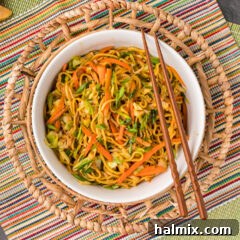
Easy Homemade Chow Mein
IMPORTANT – Don’t forget to scroll up and read the Frequently Asked Questions and Expert Tips within the blog post for additional helpful information!
Print It
Pin It
Rate It
Cook Time: 15 mins
Total Time: 20 mins
Ingredients
- 6 ounces chow mein stir fry noodles
- 2 Tablespoons olive oil
- 1 Tablespoon minced garlic
- 2 cups cabbage (chopped, measured after chopping)
- 1 cup carrots (julienned, measured after chopping)
- ½ cup bean sprouts (canned, drained)
- 1 cup green onions (chopped)
Sauce
- ¼ cup oyster sauce
- ¼ cup soy sauce
- 1 ½ Tablespoons sesame oil
- 2 Tablespoons dark maple syrup
- ½ cup vegetable stock
- 1 Tablespoon brown sugar
- ½ Tablespoon Asian chili sauce
- 1 Tablespoon cornstarch
Things You’ll Need
-
Wok or large skillet
-
Wooden spoon
Before You Begin & Expert Tips
- Preventing Sticky Noodles: After cooking and draining your chow mein noodles, Chef Antoine recommends tossing them with a small amount of olive oil. This simple step helps prevent them from sticking together, ensuring individual strands in your stir-fry.
- Storage: Store any leftover chow mein in an airtight container in the refrigerator for up to 3-4 days.
- Reheating: Reheat in the microwave until warmed through, or for best results, in a skillet over medium heat with a pinch of olive oil. If microwaving, adding a few drops of water or a small ice cube and covering the dish can help remoisten the noodles and other ingredients, though it’s not strictly necessary.
- Adding Protein: Enhance this dish by adding your favorite protein! Chicken, beef, pork, shrimp, or even tofu are excellent choices. Slice the protein into thin, stir-fry-friendly strips and brown it in the skillet or wok before adding the vegetables. Cook until just done, then set it aside. Once all other ingredients are cooked through, add the protein back to the skillet during the final steps to warm it and incorporate the flavors.
Instructions
-
Cook chow mein noodles according to package directions. Drain, rinse thoroughly in cold water to stop cooking and remove excess starch, then set aside.
-
In a medium bowl, whisk together all sauce ingredients (oyster sauce, soy sauce, sesame oil, dark maple syrup, vegetable stock, brown sugar, Asian chili sauce, and cornstarch) until smooth.
-
In a wok or large skillet over medium-high heat, heat 2 tablespoons of olive oil until shimmering.
-
Add the chopped cabbage and julienned carrots. Sauté for 2-3 minutes, stirring frequently, until the carrots begin to get tender-crisp and the cabbage softens slightly.
-
Add the minced garlic to the wok. Toss until well combined and cook for another minute until fragrant.
-
Add the cooked noodles to the vegetable mixture in the wok. Toss everything together to combine evenly.
-
Pour the whisked sauce over the noodles and vegetables. Toss continuously until the sauce thickens and evenly coats all ingredients.
-
Stir in the drained bean sprouts. Toss to combine and cook for just one more minute to warm through and maintain their crispness.
-
Finally, add the chopped green onions. Give everything a quick toss to incorporate them.
-
Remove from heat and serve your delicious homemade chow mein immediately. Enjoy!
Nutrition Information
Calories: 360cal |
Carbohydrates: 52g |
Protein: 10g |
Fat: 13g |
Saturated Fat: 2g |
Polyunsaturated Fat: 3g |
Monounsaturated Fat: 7g |
Sodium: 1625mg |
Potassium: 323mg |
Fiber: 5g |
Sugar: 14g |
Vitamin A: 5695IU |
Vitamin C: 22mg |
Calcium: 69mg |
Iron: 3mg
Tried this Recipe? Pin it for Later!
Follow on Pinterest @AmandasCookin or tag #AmandasCookin!
The recipes on this blog are meticulously tested using a conventional gas oven and a gas stovetop. It’s important to acknowledge that some ovens, particularly older models, may exhibit inconsistencies in heating and baking. We recommend using an inexpensive oven thermometer to verify that your oven is consistently reaching the correct temperature. If you use a toaster oven or a countertop oven, please be aware that heat distribution might differ from a full-sized conventional oven, potentially requiring adjustments to your cooking or baking times. For recipes prepared with specific appliances like pressure cookers, air fryers, or slow cookers, a link to the exact appliances we utilize is provided within each respective recipe. In the context of baking recipes where measurements are given by weight, please note that using volume measurements (cups) instead may lead to different results, and we cannot guarantee success with alternative measurement methods.