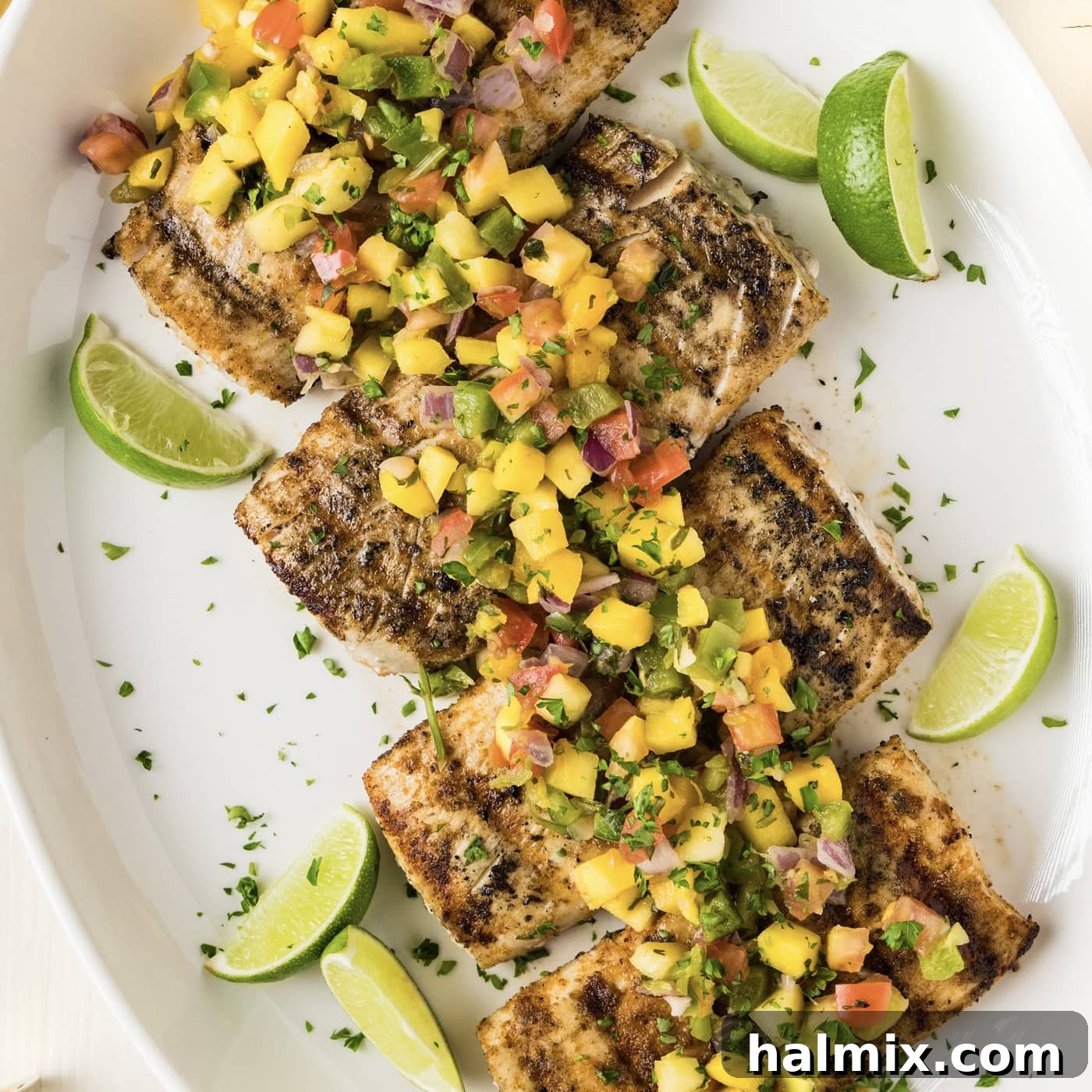
Mastering Grilled Mahi Mahi: A Quick & Flavorful Weeknight Delight
Discover the secret to perfectly grilled mahi mahi every time! In under 30 minutes, you can achieve tender, flaky, and mild-flavored fish that’s just begging to be paired with a vibrant, fresh mango salsa. This recipe promises a delicious and healthy meal that’s both quick to prepare and impressive enough for any occasion.
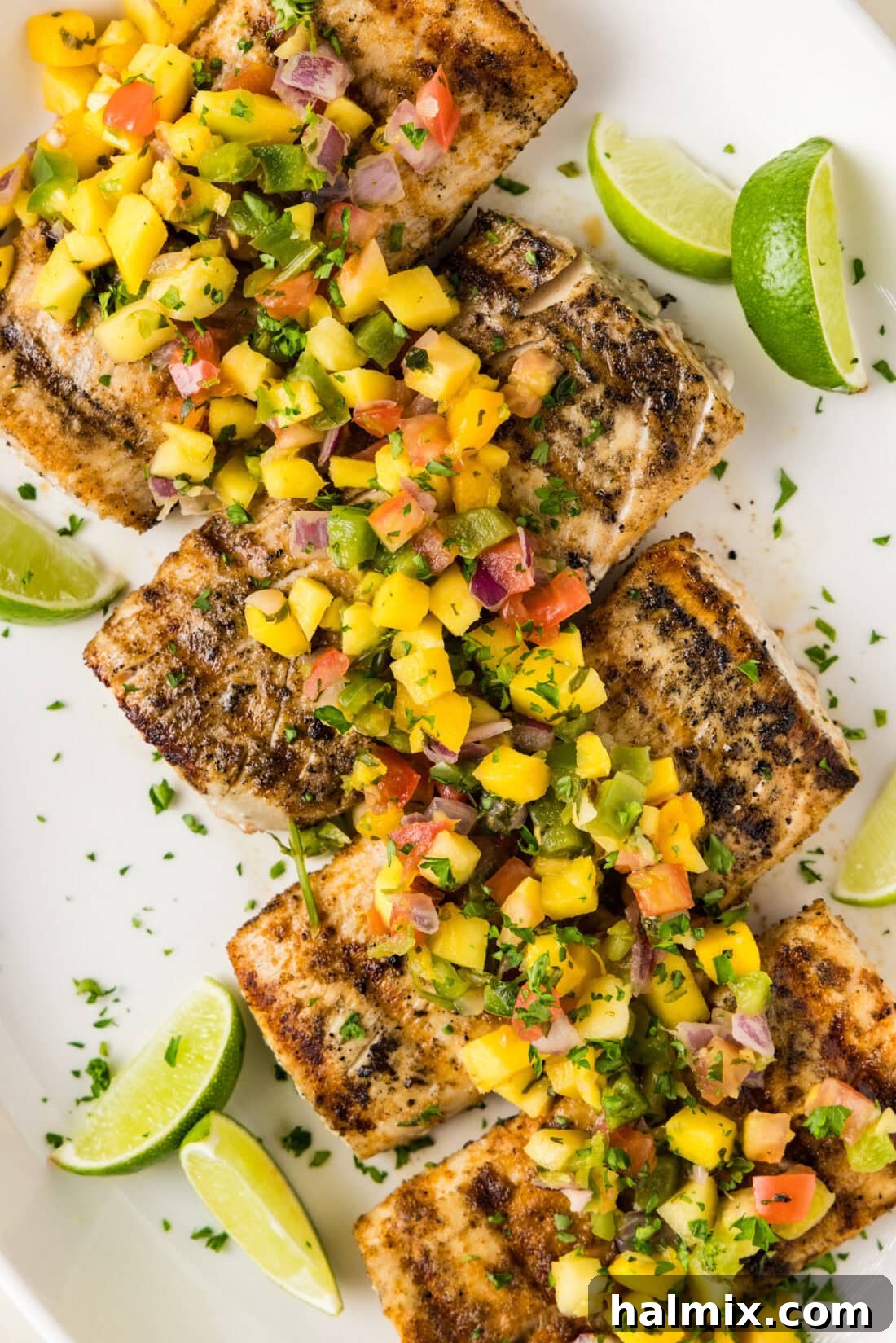
Why This Grilled Mahi Mahi Recipe Is a Must-Try
Grilling mahi mahi is an absolute game-changer for seafood lovers, offering a fantastic balance of speed, flavor, and healthy eating. This recipe excels because it leverages the inherent qualities of mahi mahi, transforming it into a delightful meal with minimal effort.
Mahi mahi stands out as an excellent choice for grilling. Unlike more delicate white fish varieties, it boasts a firm, meaty texture that holds up exceptionally well on hot grill grates. You won’t have to worry about it falling apart, a common concern with flakier fish like cod, often seen in beer-battered fish recipes. This firmness ensures a beautiful char and easy handling, making it an ideal candidate for even novice grillers.
Beyond its robust texture, mahi mahi offers a wonderfully mild flavor profile. This characteristic makes it incredibly versatile, acting as a perfect canvas for a wide array of seasonings and sauces. While it shines with simple preparations, its mildness also means it can gracefully carry more intense, vibrant flavors. Imagine pairing it with a zesty, juicy mango salsa – the sweet and tangy notes cut through the richness of the fish beautifully, creating a dynamic culinary experience. It’s also superb when infused with bright citrus marinades or rich herbaceous sauces.
One of the biggest perks of grilling? Minimal cleanup! By cooking outdoors, you keep your kitchen stovetop spotless and infuse your fish with that irresistible smoky char that only a grill can provide. This extra layer of flavor from the direct heat truly elevates the mahi mahi, taking it from simple to sublime.
This recipe is designed for efficiency and maximum flavor, ensuring that you achieve a succulent, perfectly cooked piece of fish every time. From the careful seasoning to the precise grilling technique, every step contributes to a mouth-watering result that you’ll want to recreate again and again.
Essential Ingredients for Grilled Mahi Mahi
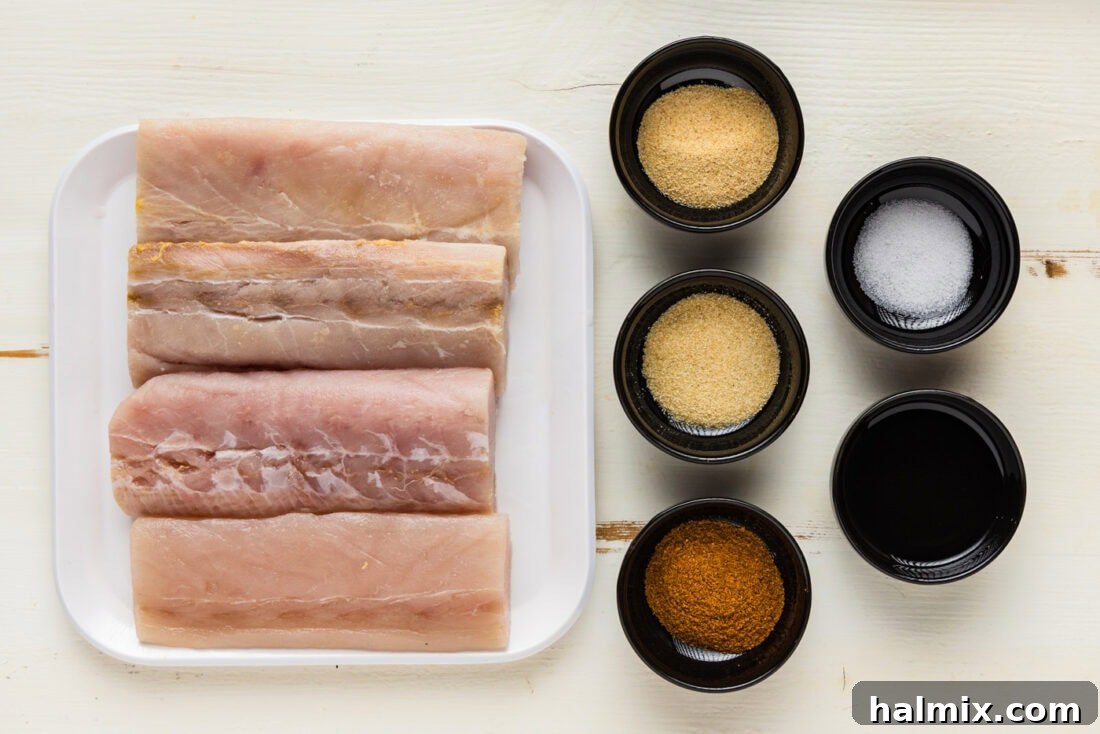
Crafting the perfect grilled mahi mahi requires just a few simple, high-quality ingredients that work together to bring out the best in the fish. Here’s a detailed look at what you’ll need to create this delectable dish.
Ingredient Spotlight & Smart Substitutions
Mahi Mahi
Mahi Mahi is a firm, white-fleshed fish known for its mild flavor and ability to withstand high heat, making it ideal for grilling. When selecting mahi mahi, look for fillets that are moist, translucent, and free from any strong fishy odor. Fresh mahi mahi is always excellent, but high-quality frozen fillets are a convenient and often more accessible option. If using frozen, ensure they are properly thawed before cooking (more on this in our tips section).
Substitution Suggestions: If mahi mahi isn’t available, several other sturdy white fish varieties can be successfully substituted. Excellent alternatives include swordfish, halibut, and even thicker cuts of cod or snapper. These fish share mahi mahi’s firm texture, which is crucial for grilling without falling apart. Always consider the thickness of your chosen fillet, as it will impact cooking time.
Shopping Tip: Be aware that the size of mahi mahi fillets can vary significantly, especially when purchasing frozen packs. We’ve noticed differences even within the same brand. Larger, thicker fillets will naturally require a longer grilling time than smaller, thinner ones. Adjust your cooking duration accordingly to prevent overcooking, which can lead to dry fish.
Seasonings
Our chosen blend of seasonings is designed to enhance mahi mahi’s natural flavor without overpowering it, creating a savory and slightly aromatic crust.
- Garlic Powder & Onion Powder: These pantry staples provide a foundational layer of aromatic flavor, adding depth and warmth to the fish. They distribute evenly, ensuring every bite is seasoned perfectly.
- Old Bay Seasoning: A classic seafood seasoning, Old Bay brings a unique blend of savory, peppery, and slightly spicy notes, which perfectly complements white fish. It’s an essential component for that authentic “seafood shack” taste.
- Salt: A fundamental seasoning that brings all the flavors together and enhances the fish’s natural taste. We recommend using a good quality sea salt.
Seasoning Variations: Feel free to customize your seasoning blend! For a more Mediterranean twist, add dried oregano, thyme, and a pinch of red pepper flakes. A touch of smoked paprika can add warmth and color, while lemon pepper seasoning can brighten the flavors. The key is to create a rub that you love and that complements the mildness of the mahi mahi.
Olive Oil
Olive Oil: Used as a binder for the seasonings and to help create a beautiful sear on the grill. It also prevents the fish from sticking to the grates and contributes to a moist interior. Use a good quality extra virgin olive oil for the best flavor.
Oil Alternatives: Avocado oil or grapeseed oil can also be used, as they have high smoke points suitable for grilling. However, olive oil offers a pleasant, subtle flavor that pairs wonderfully with seafood.
Step-by-Step Guide: How to Grill Mahi Mahi to Perfection
These step-by-step photos and instructions are here to help you visualize how to make this recipe. For a concise, printable version of this recipe, complete with precise measurements and instructions, please refer to the full recipe card at the bottom of this post.
- Prepare Your Grill for Success: Begin by preheating your grill to a medium-high temperature (around 400-450°F or 200-230°C). Ensuring your grates are screaming hot is crucial for achieving beautiful grill marks and preventing the fish from sticking. While the grill heats, give the grates a good scrape with a wire brush to remove any residual food.
CHEF TIP: Once preheated, lightly oil your grill grates. You can use a dedicated grill spray or a paper towel dipped in high-smoke-point oil (like canola or avocado oil) and held with tongs. This crucial step creates a non-stick surface, guaranteeing your delicate mahi mahi fillets lift off cleanly.
- Pat Dry the Mahi Mahi Fillets: Gently pat the mahi mahi fillets dry on both sides with paper towels. Removing excess surface moisture is vital for two reasons: it helps the seasonings adhere better, and it promotes a superior sear and crisp exterior when it hits the hot grill.
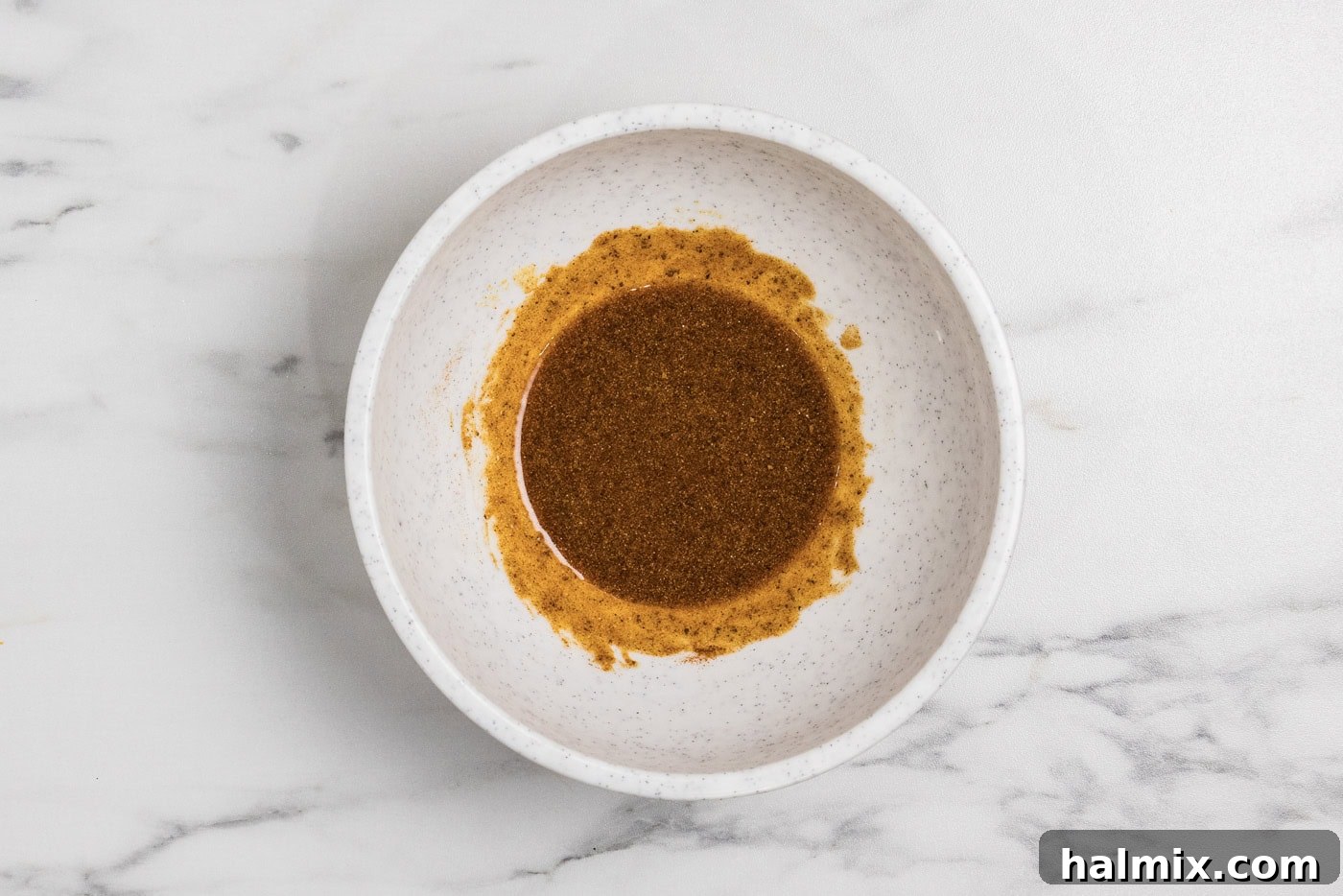
- Whisk Together Your Flavorful Seasoning Blend: In a small bowl, combine the garlic powder, onion powder, Old Bay seasoning, and salt. Pour in the olive oil and whisk vigorously until all the seasonings are thoroughly mixed into a smooth, aromatic paste.

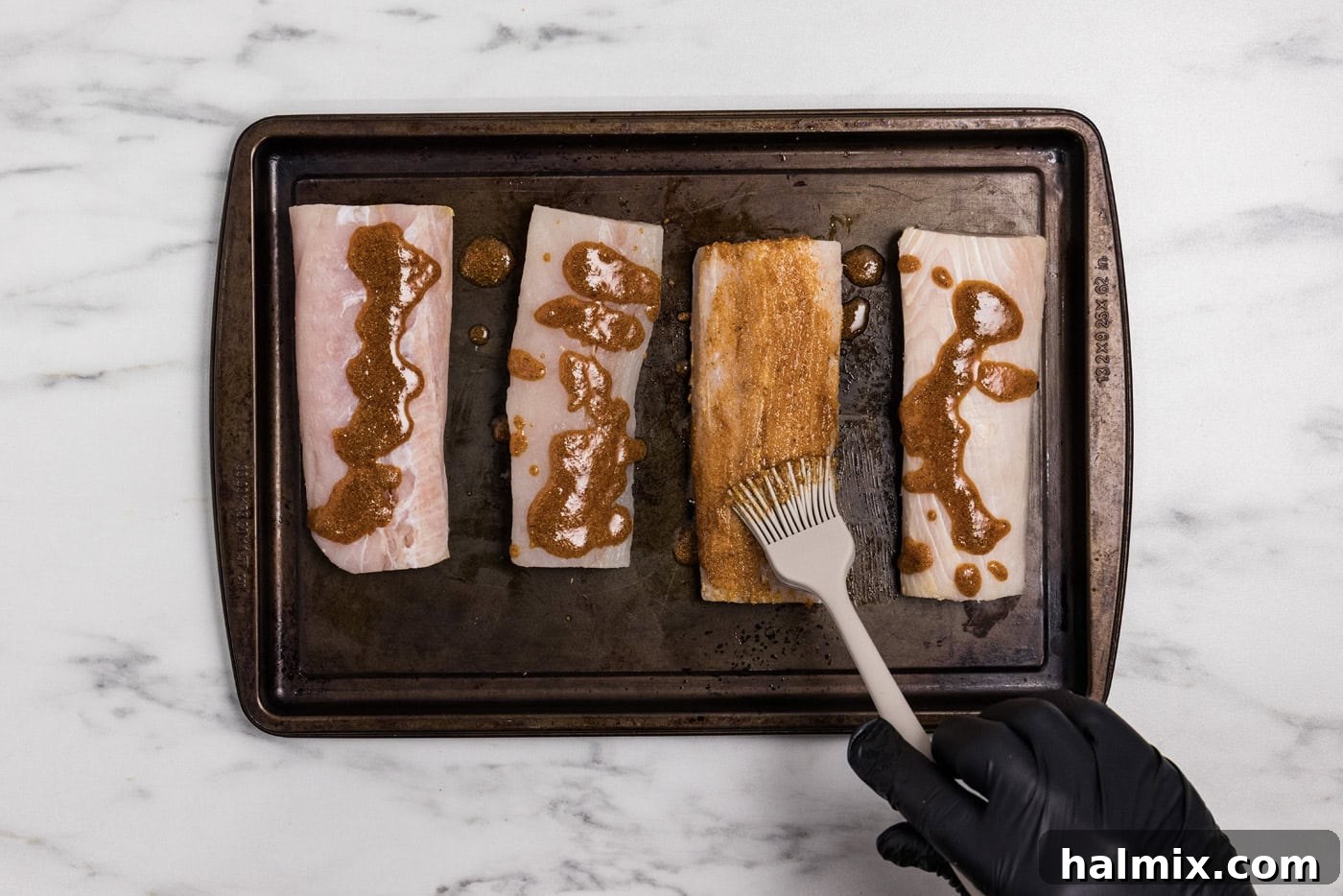
- Generously Season the Fish: Don a pair of food-safe gloves (this keeps your hands clean and ensures even application) and brush or rub the olive oil and seasoning mixture generously over both sides of each mahi mahi fillet. Ensure every part of the fish is coated for maximum flavor.
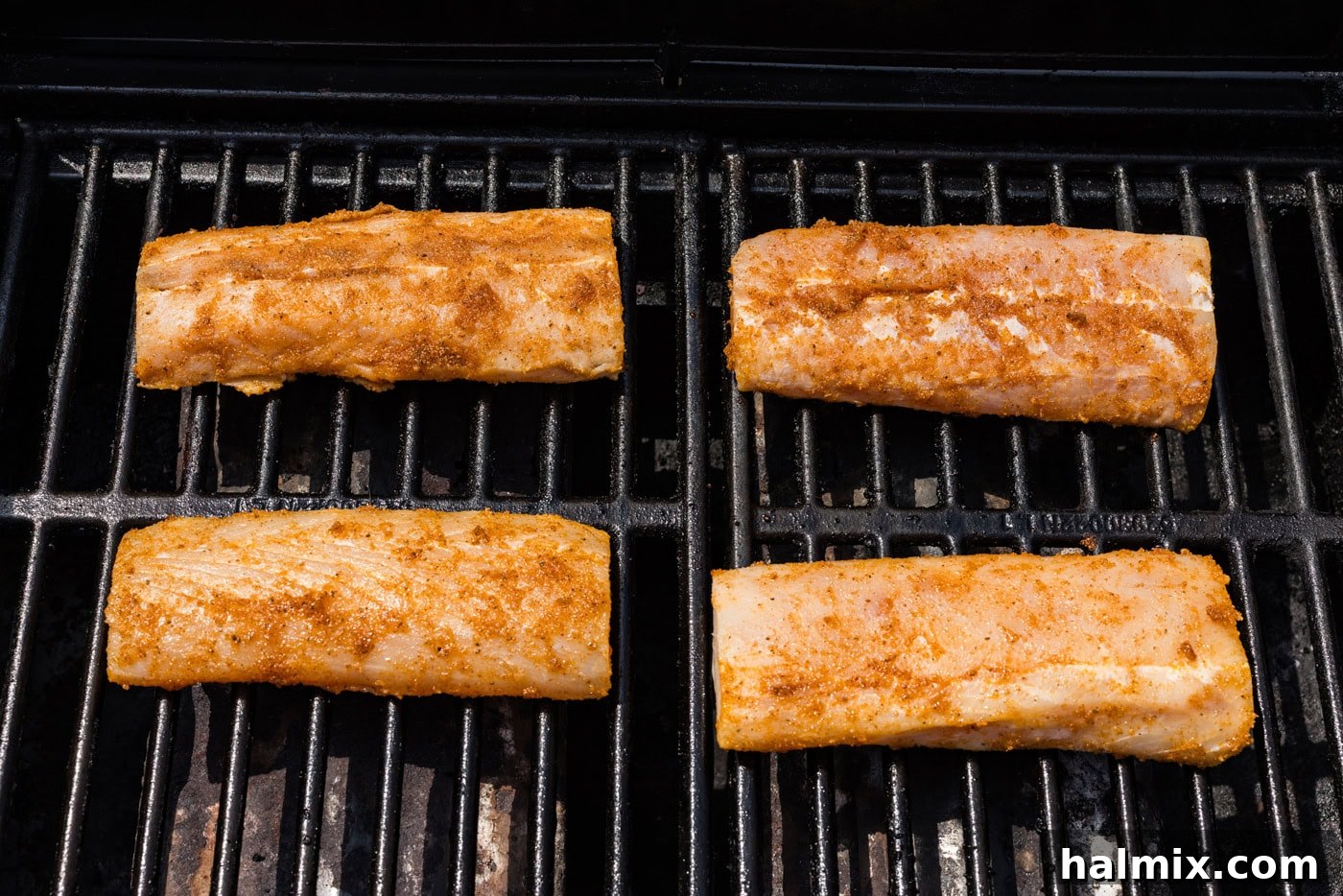
- Grill to Perfection: Carefully place the seasoned mahi mahi fillets onto the hot, oiled grill grates. Close the lid and allow them to cook undisturbed for 6 minutes. This initial cooking time creates a beautiful sear and helps prevent sticking. After 6 minutes, using a sturdy fish spatula (its wide, thin blade is perfect for delicate fish), gently flip the fillets. Cook for another 6 minutes on the second side, or until the fish is opaque throughout and flakes easily with a fork. The internal temperature should reach 145°F (63°C).
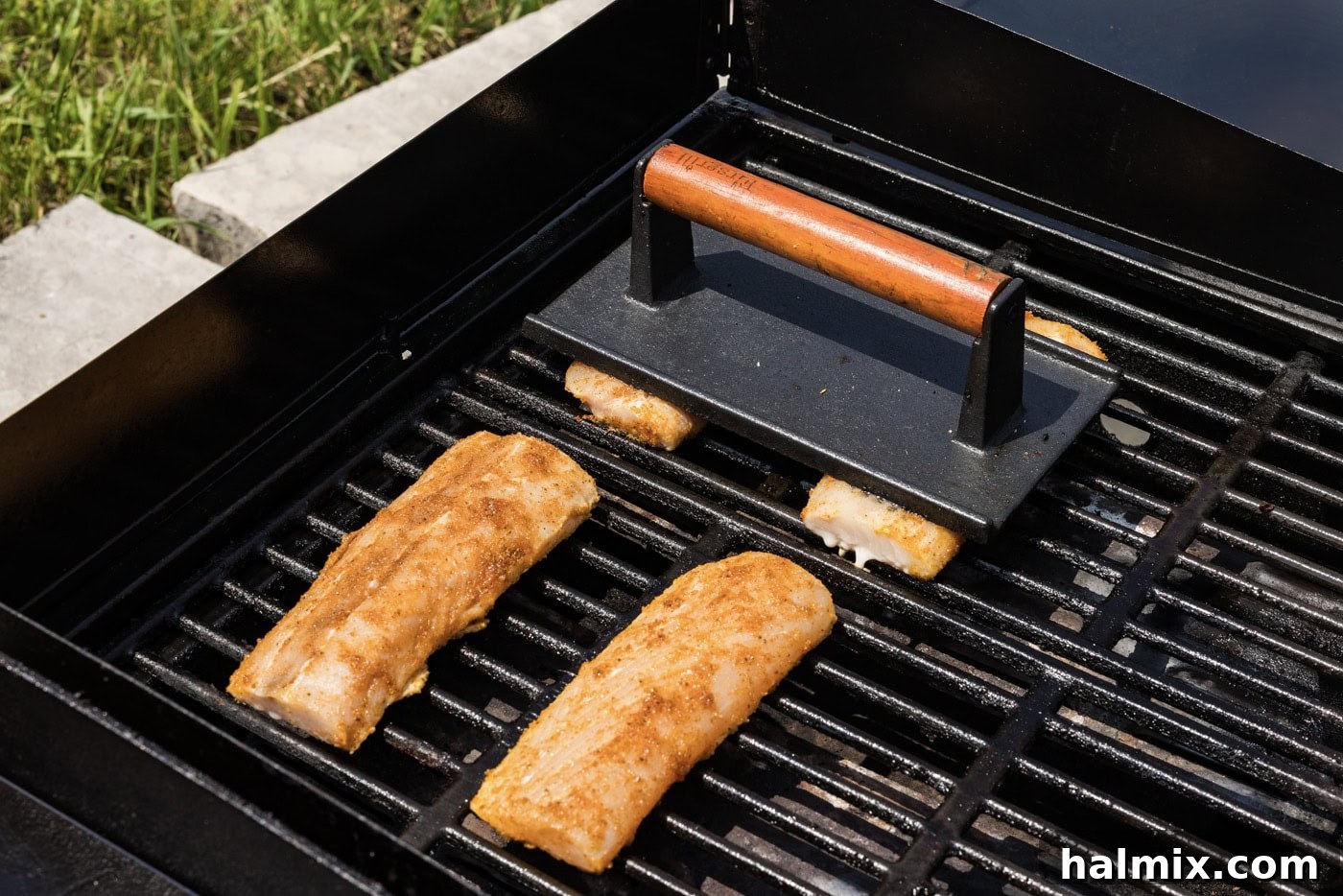
- Achieving Perfect Grill Marks (Optional but Recommended): For those coveted, restaurant-quality grill marks, consider using a cast iron hamburger press. Gently place the press on top of the fillets during the last few minutes of cooking on each side. Chef Antoine advises applying only a very light amount of pressure – just enough to ensure even contact with the grates and define those marks, without squeezing out the precious juices. This technique also helps the fish cook more evenly, resulting in a beautifully consistent texture from edge to edge.
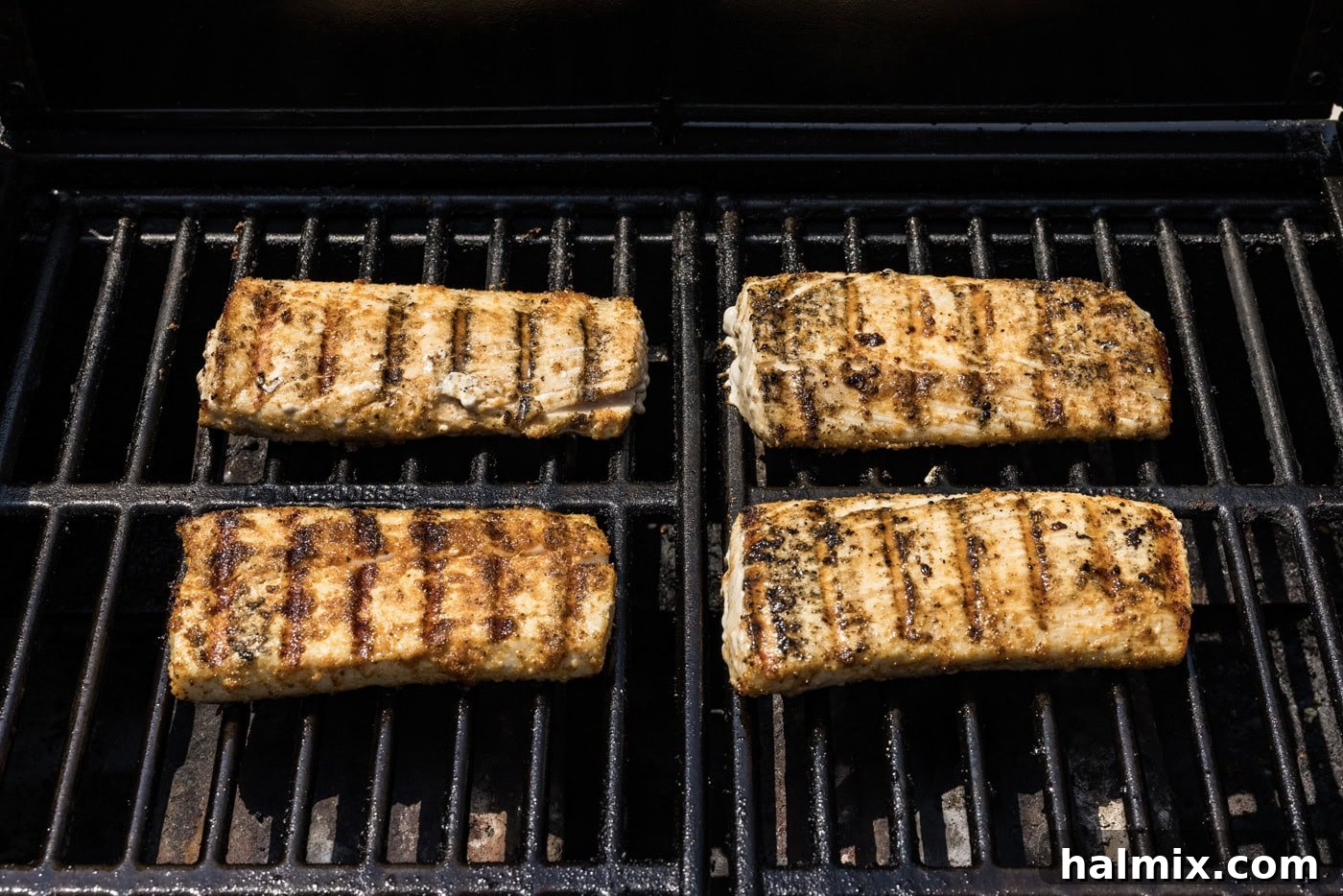
Once cooked, remove the mahi mahi from the grill and let it rest for a minute or two before serving. This allows the juices to redistribute, ensuring a moist and flavorful fillet.
Frequently Asked Questions & Expert Tips for Grilling Mahi Mahi
Absolutely! Frozen mahi mahi is a convenient and cost-effective option. However, it’s crucial to thaw the fillets completely before grilling. The best way to do this is to transfer them from the freezer to the refrigerator overnight. For a quicker thaw, place the sealed fillets in a bowl of cold water, changing the water every 30 minutes until thawed. Once thawed, very gently press the fillets with paper towels to remove any excess surface water. Be gentle; you want to dry the surface, not squeeze out the natural moisture from the fish itself, which could dry it out during cooking.
To store any cooled leftovers, place them in an airtight container and keep them in the refrigerator for up to 3 days. For longer storage, you can freeze grilled mahi mahi for up to 3 months. While reheating is possible (gently in a pan or oven to prevent drying), mahi mahi, like most fish, is always best enjoyed when freshly cooked for optimal flavor and texture. Leftovers are fantastic flaked into salads or sandwiches.
The best way to tell if your mahi mahi is done is by checking its internal temperature with an instant-read thermometer. It should reach 145°F (63°C). Visually, the fish will turn opaque throughout and should flake easily with a fork when tested at its thickest part. Avoid overcooking, as this can make the fish dry and less enjoyable.
There are a few key tricks: 1) Ensure your grill grates are clean. Any stuck-on bits will act as magnets for your fish. 2) Preheat your grill to the correct temperature (medium-high) and let it get nice and hot. Cold grates lead to sticking. 3) Oil your grates just before placing the fish on them. 4) Pat the fish dry and lightly coat it with olive oil, as instructed in the recipe. 5) Don’t move the fish too early! Let it cook undisturbed for the recommended time (6 minutes per side) to develop a crust that naturally releases from the grates.
Yes, absolutely! Mahi mahi is excellent for marinating. A simple marinade of olive oil, lemon juice, garlic, and fresh herbs (like parsley or dill) for 20-30 minutes can add incredible flavor. Avoid marinating for too long (e.g., several hours) with acidic ingredients, as this can start to “cook” or break down the fish’s delicate proteins, resulting in a mushy texture. Pat dry after marinating before grilling.
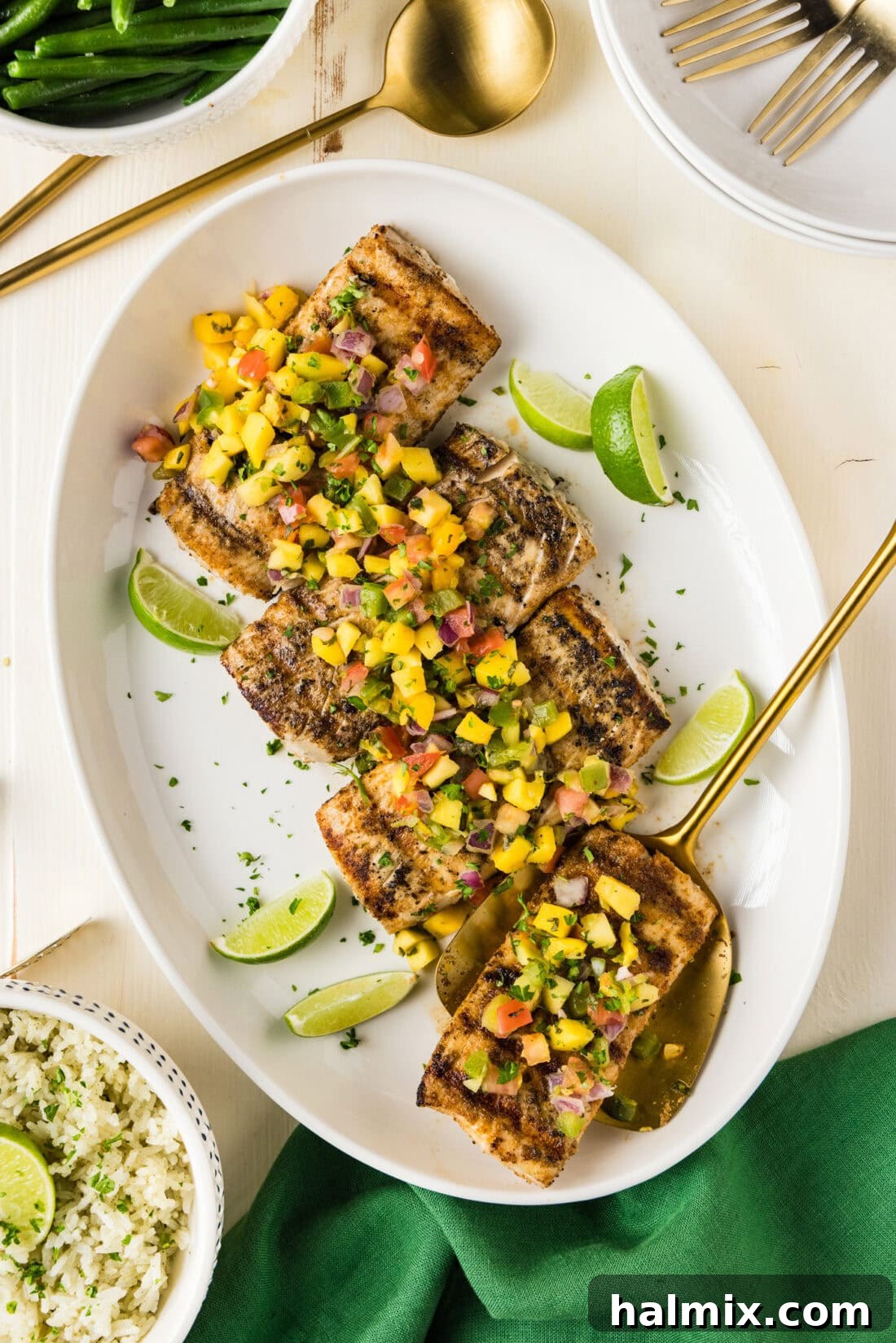
Delectable Serving Suggestions for Grilled Mahi Mahi
Grilled mahi mahi is incredibly versatile and pairs beautifully with a wide variety of sides, making it easy to create a complete and satisfying meal. Its mild flavor profile allows it to complement both simple accompaniments and more elaborate dishes.
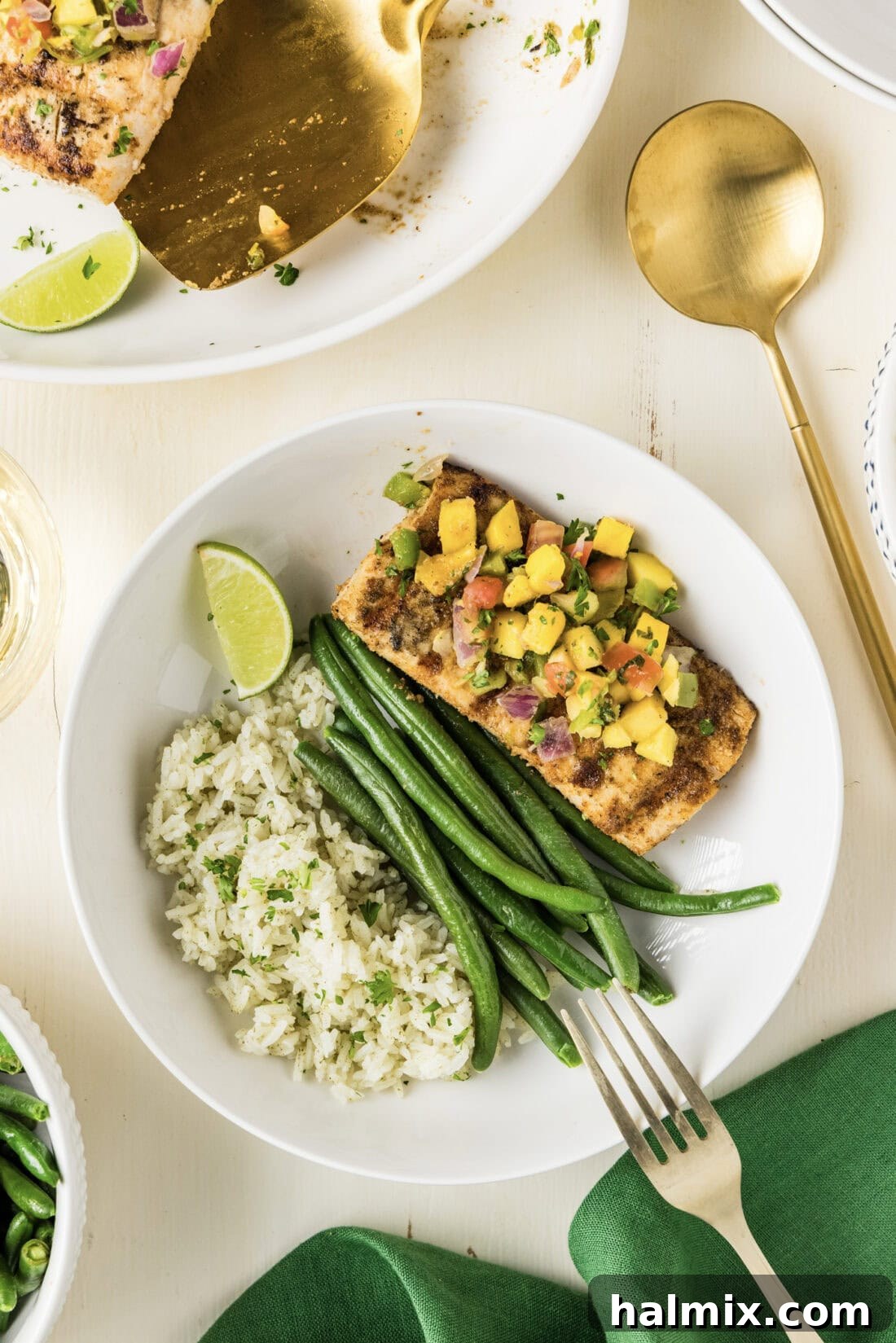
For a refreshing and vibrant meal, we highly recommend serving your grilled mahi mahi with a generous dollop of our bright, juicy mango salsa. The sweet and tangy notes of the salsa provide a perfect contrast to the savory fish, creating an explosion of flavor in every bite. A squeeze of fresh lime juice just before serving adds an extra layer of zing.
Round out your meal with these delicious side dishes:
- Rice: Classic choices like fluffy white rice, brown rice, or a more aromatic cilantro rice (as we paired ours with!) are excellent for soaking up the fish’s juices and any extra salsa. Quinoa or couscous also make great healthy alternatives.
- Vegetables: Steamed asparagus, roasted green beans, grilled zucchini, or a fresh garden salad add color, texture, and essential nutrients. A medley of roasted seasonal vegetables seasoned simply with olive oil, salt, and pepper would also be fantastic.
- Potatoes: Consider serving with roasted baby potatoes, a light potato salad, or even crispy sweet potato fries for a heartier option.
- Pasta: A light lemon-herb pasta or a simple primavera with seasonal vegetables can also make a delightful pairing.
Don’t let any leftovers go to waste! Chilled, cooked mahi mahi is absolutely delicious flaked into a fresh summer salad, tucked into a light fish sandwich with a squeeze of mayo and crisp lettuce, or even used in fish tacos. Its firm texture holds up well, making it a perfect component for next-day meals.
Explore More Delicious Fish Recipes
If you loved this grilled mahi mahi recipe, you’ll be thrilled to discover more of our favorite fish preparations. From smoking to baking and frying, we have a diverse collection of recipes to inspire your next seafood meal. Expand your culinary repertoire and enjoy the healthful benefits and incredible flavors that fish has to offer:
- Smoked Trout: A delicate and flavorful option, perfect for special occasions or a gourmet appetizer.
- Baked Orange Roughy: A simple and elegant way to prepare this mild, flaky white fish.
- Fried Whiting Fish: Crispy on the outside, tender on the inside – a classic comfort food.
- Baked Chilean Sea Bass: A luxurious and buttery fish that’s incredibly easy to bake to perfection.
I love to bake and cook and share my kitchen experience with all of you! Remembering to come back each day can be tough, that’s why I offer a convenient newsletter every time a new recipe posts. Simply subscribe and start receiving your free daily recipes!
Grilled Mahi Mahi
Tender cooked mahi mahi on the grill makes a quick and easy weeknight meal with lots of flavor!
IMPORTANT – There are often Frequently Asked Questions within the blog post that you may find helpful. Simply scroll back up to read them!
Pin It
Rate It
Course: Dinner
Cuisine: American
Ingredients
- 1 ½ pounds mahi mahi filets (about 4 fillets)
- 2 teaspoons garlic powder
- 2 teaspoons onion powder
- 2 teaspoons Old Bay seasoning
- ½ teaspoon salt
- 1 Tablespoon olive oil
Garnish
- mango salsa
- lime wedges
Things You’ll Need
-
Mixing bowls
-
Grill
-
Fish turner
Before You Begin
- If using frozen fillets, thaw them first and very gently press them to remove excess surface water with paper towels. Be gentle, you don’t want to dry them out, just dry the surface.
- We’ve found that the fillets inside packs of frozen mahi mahi can really vary in size. The fillets used in this recipe were from a frozen pack and were a nice healthy size. A second pack we purchased (same brand) had considerably smaller fillets. Keep this in mind when shopping and when grilling as smaller fillets will take less time to cook.
Instructions
- Preheat grill and make sure your grates are nice and hot. Once the grill is preheated, you can oil the grates with a grill spray to ensure your protein doesn’t stick!
- Pat 1 1/2 pounds mahi mahi fillets dry with paper towels.
- Combine 2 teaspoons garlic powder, 2 teaspoons onion powder, 2 teaspoons Old Bay seasoning, 1/2 teaspoon salt, and 1 Tablespoon olive oil. Whisk until completely mixed.
- Using gloved hands, brush oil mixture over the fish fillets. Alternatively, you can use your gloved hands to rub the mixture on.
- Place seasoned fillets onto hot grill. Allow to cook for 6 minutes before turning them over with a fish spatula. Cook another 6 minutes on the other side. TIP – For really nice grill marks, we use a cast iron hamburger press placed gently on top of the fillets. Chef Antoine applies a very light amount of pressure to the press. You don’t want to squeeze the juices out, you only want to get those nice grill marks and it helps the fish cook evenly!
Expert Tips & FAQs
- Can be stored in a covered container in the refrigerator for up to 3 days or frozen for up to 3 months. Mahi Mahi is best eaten when freshly cooked.
Nutrition
Calories: 187 cal |
Carbohydrates: 3 g |
Protein: 32 g |
Fat: 5 g |
Saturated Fat: 1 g |
Polyunsaturated Fat: 1 g |
Monounsaturated Fat: 3 g |
Cholesterol: 124 mg |
Sodium: 442 mg |
Potassium: 742 mg |
Fiber: 0.4 g |
Sugar: 0.1 g |
Vitamin A: 332 IU |
Vitamin C: 0.4 mg |
Calcium: 41 mg |
Iron: 2 mg
Tried this Recipe? Pin it for Later!
Follow on Pinterest @AmandasCookin or tag #AmandasCookin!
The recipes on this blog are tested with a conventional gas oven and gas stovetop. It’s important to note that some ovens, especially as they age, can cook and bake inconsistently. Using an inexpensive oven thermometer can assure you that your oven is truly heating to the proper temperature. If you use a toaster oven or countertop oven, please keep in mind that they may not distribute heat the same as a conventional full sized oven and you may need to adjust your cooking/baking times. In the case of recipes made with a pressure cooker, air fryer, slow cooker, or other appliance, a link to the appliances we use is listed within each respective recipe. For baking recipes where measurements are given by weight, please note that results may not be the same if cups are used instead, and we can’t guarantee success with that method.