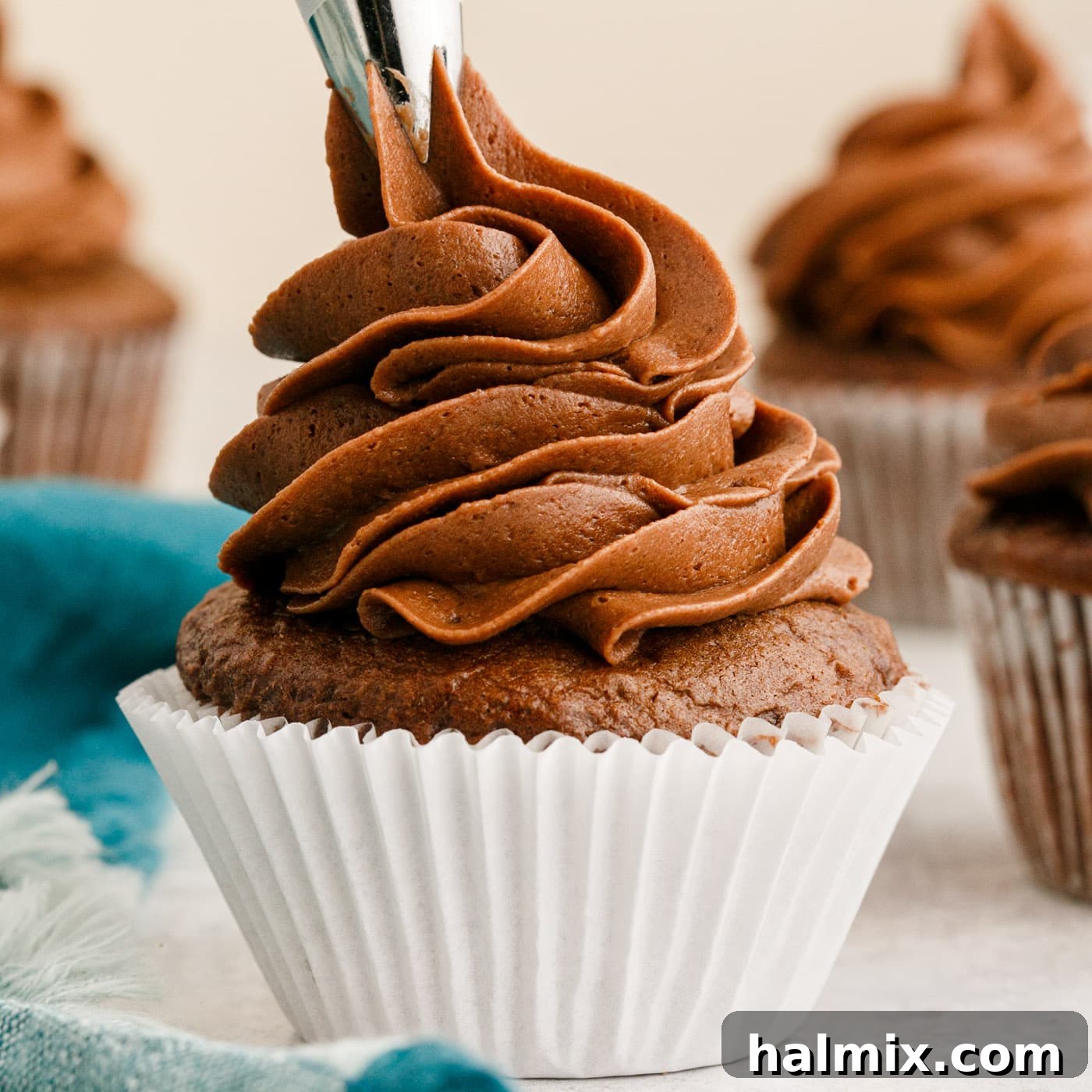
The Ultimate 5-Ingredient Chocolate Buttercream Frosting: Your Go-To Recipe for Decadent Desserts
Prepare to elevate your homemade treats with our incredibly rich, impossibly creamy, and perfectly chocolatey buttercream frosting. This classic recipe is a true game-changer, requiring just five simple, accessible ingredients and coming together in a remarkable 10 minutes from start to finish. It’s an absolute staple for both seasoned bakers and enthusiastic beginners, promising to transform any sweet creation into an unforgettable masterpiece. Whether you’re an aspiring decorator aiming for elegant piping or simply looking to spread a luscious, velvety layer onto your favorite baked goods, this homemade chocolate buttercream ensures a professional-quality finish with minimal effort. Say goodbye to bland, overly sweet store-bought frostings and embrace the superior flavor and texture of a truly irresistible, easy-to-make indulgence!
Why This Easy Chocolate Buttercream Recipe Will Become Your Favorite
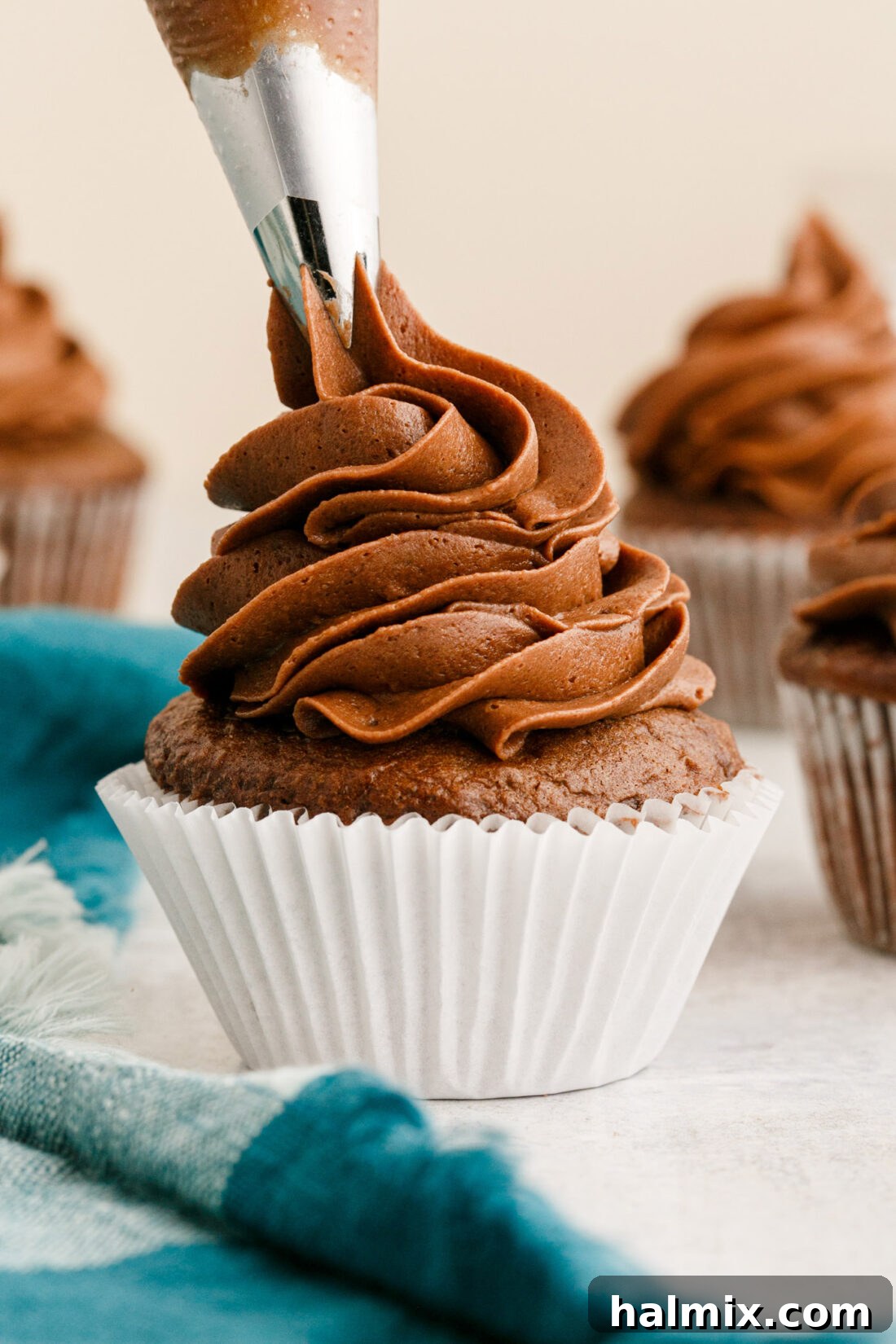
Just like our universally loved classic vanilla buttercream frosting, this exceptional chocolate rendition is designed to be your ultimate staple for all your baking endeavors. What truly distinguishes this recipe and makes it a must-try is its unparalleled balance of simplicity, speed, and sophistication. We’ve meticulously developed it to deliver an exceptionally airy, fluffy, and intensely rich chocolate experience that delights the senses without being overly sweet or requiring a long, complex list of obscure ingredients.
The magic unfolds with just five fundamental components: high-quality unsalted butter, finely sifted powdered sugar, rich unsweetened cocoa powder, fragrant pure vanilla extract, and luxurious heavy cream. These carefully chosen ingredients are expertly whipped together in your stand mixer, undergoing a delightful transformation into an incredibly smooth, velvety, and undeniably decadent chocolate frosting. The resulting texture is consistently perfect – light enough to feel cloud-like, yet stable enough to hold intricate piped designs beautifully. This makes it ideally suited for crafting elegant cake decorations, creating generous, lofty swirls atop cupcakes, or simply spreading a delightful, thick layer onto any sweet treat that craves a generous touch of chocolatey indulgence. It’s a reliable, delicious, and incredibly versatile recipe you’ll turn to again and again.
Gather Your Essential Ingredients for a Heavenly Chocolate Buttercream
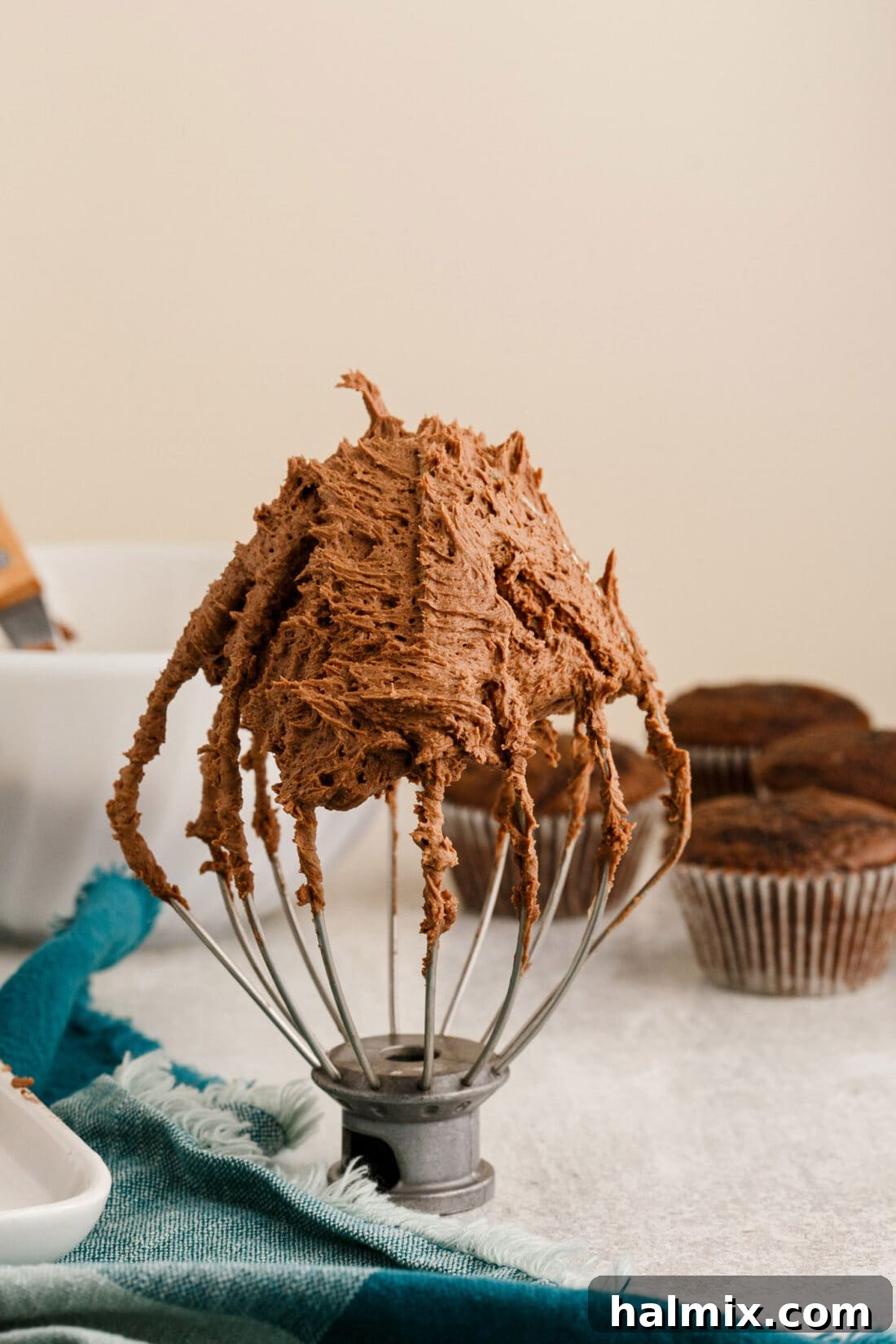
Crafting this irresistible chocolate buttercream frosting begins with a precise selection of high-quality ingredients. Each component has a specific, vital role in achieving that signature smooth texture, rich flavor, and perfect consistency that defines a truly exceptional frosting. There’s no need for obscure items; just a few pantry staples are all you need to create something extraordinary. You’ll find all exact measurements, a comprehensive list of ingredients, and detailed step-by-step instructions conveniently laid out in the printable recipe card located at the conclusion of this guide.
Ingredient Spotlight: Essential Information and Smart Substitution Tips
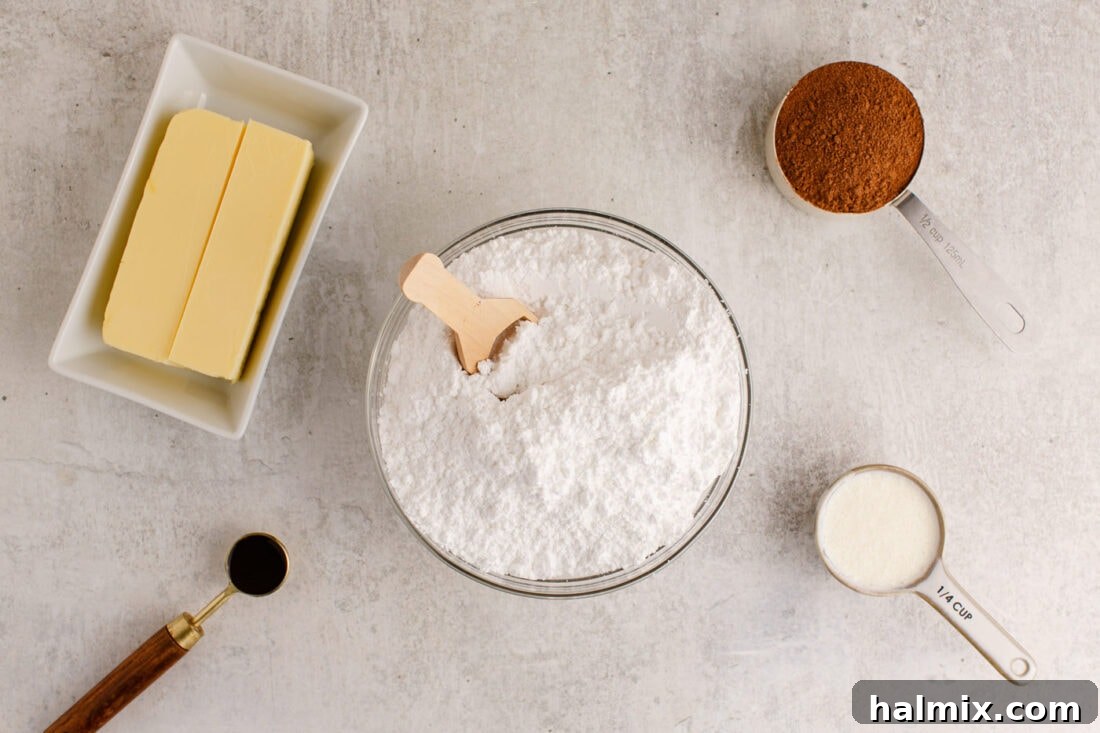
Understanding the role of each ingredient and knowing when and how to make appropriate substitutions is key to consistent baking success. Here’s a detailed breakdown of what you’ll need for your chocolate buttercream, along with our expert advice:
BUTTER: The Creamy Heart of Your Buttercream
When a recipe, particularly one for buttercream, calls for “softened butter,” it’s a critical instruction that profoundly impacts the outcome of your frosting. Softened butter should be at a cool room temperature, ideally between 68-70°F (20-21°C). At this temperature, butter is pliable enough to yield to gentle pressure from your finger, leaving a slight indentation, but it should never be greasy or melted. Properly softened butter is crucial for successful creaming; it incorporates air beautifully with the sugar, creating that desirable light, fluffy, and voluminous texture, and emulsifies effectively with other liquids. To achieve this ideal state, cut your butter into small, uniform cubes and allow it to rest on a plate at room temperature for 30-45 minutes. The exact time will vary based on your kitchen’s ambient temperature. It’s imperative to resist the temptation to microwave butter for softening, as this often leads to uneven melting, resulting in a greasy, inconsistent, and sometimes separated frosting. For optimal results and to control the overall sodium content of your buttercream, we highly recommend using unsalted butter.
POWDERED SUGAR: For Unrivaled Smoothness and Stability
Often referred to as confectioners’ sugar or icing sugar, powdered sugar is an absolute non-negotiable for achieving the incredibly smooth, lump-free, and silky consistency that defines an authentic buttercream. Unlike granulated sugar, which would leave your frosting gritty and unappetizing, powdered sugar dissolves effortlessly into the butter and cream mixture, creating a wonderfully velvety mouthfeel. Beyond its role in texture, it also provides the necessary sweetness and structural stability that allows the frosting to hold its shape for piping and spreading. To ensure the smoothest possible finish, it’s always a good practice to sift your powdered sugar before incorporating it, especially if it has been stored for some time and might have developed small clumps.
COCOA POWDER: The Essence of Chocolate Flavor
This ingredient is the star of our show, solely responsible for imparting the deep, rich chocolate flavor and the beautiful, inviting color of your buttercream. In this recipe, we typically opt for natural unsweetened cocoa powder, which delivers a bright, classic chocolate taste with subtle fruity undertones and a medium-brown hue. However, you have an exciting alternative: Dutch-processed cocoa powder. This variety has been treated with an alkali solution to neutralize its acidity, resulting in a significantly darker color and a smoother, milder, and less bitter chocolate flavor profile. Both types perform wonderfully in this recipe, offering slightly different sensory experiences. Your choice between natural and Dutch-processed cocoa powder ultimately depends on your personal preference for chocolate intensity, color depth, and flavor nuance. Feel free to experiment to discover your perfect chocolate signature!
PURE VANILLA EXTRACT: The Silent Flavor Amplifier
While chocolate undeniably takes center stage, a high-quality pure vanilla extract plays an indispensable supporting role, elevating the entire flavor profile. It doesn’t merely contribute its own delicate, aromatic notes; rather, it acts as a masterful flavor enhancer, deepening and rounding out the chocolate, making it taste even richer, more complex, and truly irresistible. For the most authentic and superior taste in your homemade buttercream, always prioritize pure vanilla extract over synthetic imitation vanilla.
HEAVY CREAM: The Consistency Architect
Heavy cream, also commonly known as heavy whipping cream, is the secret ingredient behind the wonderfully fluffy, smooth, and perfectly spreadable consistency of this buttercream. Its high fat content is crucial for creating a stable emulsion, which results in a rich, luxurious frosting that maintains its shape exceptionally well for all your piping and decorating needs. Should you find yourself without heavy cream, you can use whole milk, regular milk, or even a non-dairy alternative like almond milk as a substitute. However, it is vital to understand that these alternatives have a lower fat content and a thinner consistency. This means you will almost certainly need less of them compared to the amount specified for heavy cream. When substituting, add the alternative liquid very gradually, a tablespoon at a time, mixing well after each addition, until your desired consistency is achieved. Adding too much liquid too quickly can easily make your frosting runny and significantly less stable, potentially compromising its ability to be piped or hold its form effectively. Trust your judgment and proceed with caution when making this swap.
Step-by-Step Guide: Crafting Your Perfect Chocolate Buttercream Frosting
For those who appreciate a visual reference, these detailed step-by-step photos and instructions are specifically designed to guide you effortlessly through the process of making this luscious chocolate buttercream. To access a convenient, print-friendly version of this entire recipe, complete with all precise measurements and comprehensive instructions, simply scroll down to the very end of this post and locate the dedicated recipe card.
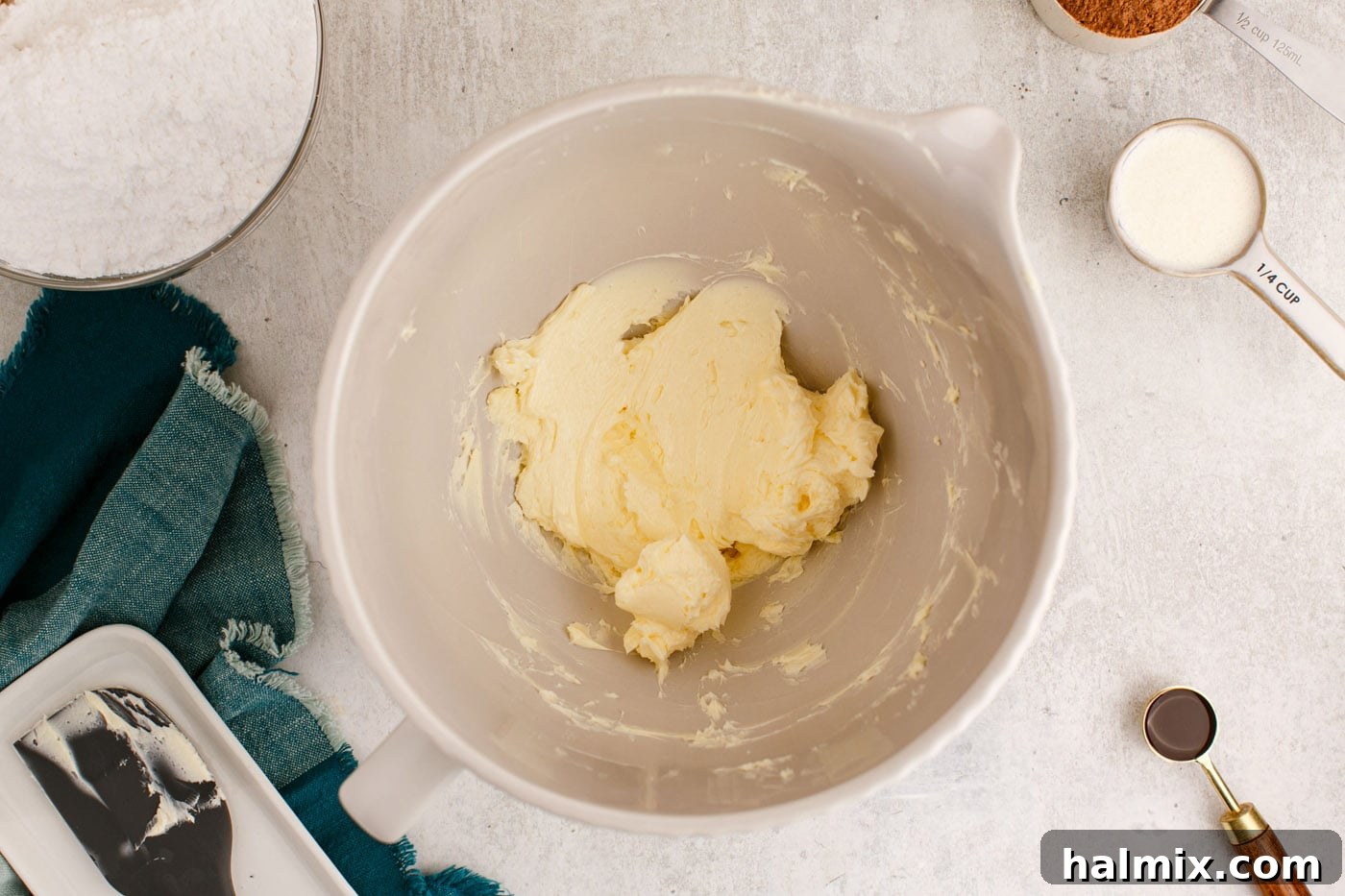
- Beat the Softened Butter: Begin by placing your precisely measured, properly softened unsalted butter into the clean bowl of a stand mixer. Ensure your mixer is fitted with the whisk attachment, which is crucial for incorporating ample air. Beat the butter on medium-high speed for a solid 2 to 3 minutes, or until it visibly transforms, becoming noticeably lighter in color and developing a wonderfully airy and fluffy texture. This initial creaming step is fundamental for building the light structure of your buttercream.

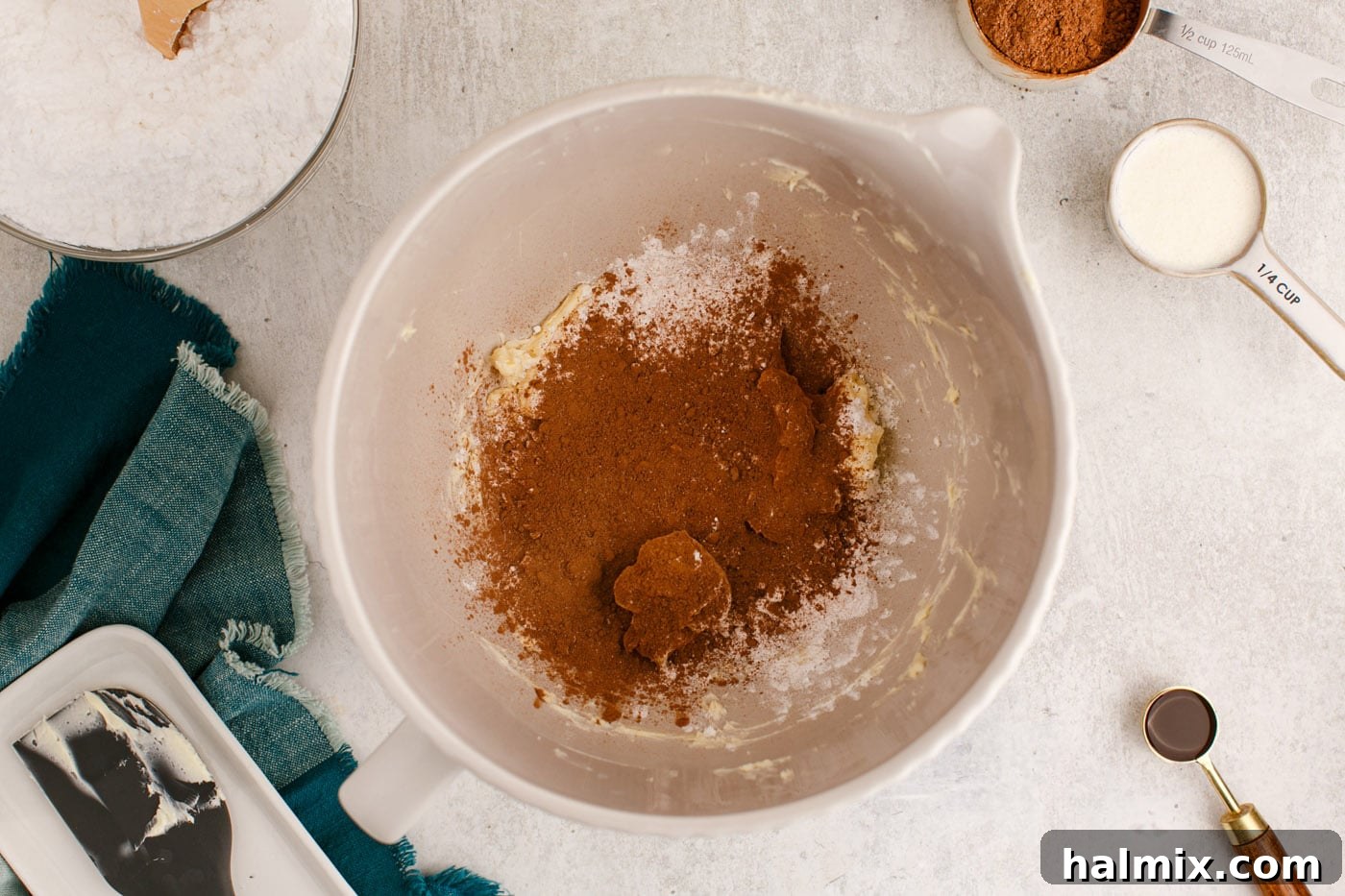
- Incorporate Dry Ingredients Gradually: Reduce your mixer speed to its lowest setting. Begin to gradually add the sifted powdered sugar and cocoa powder to the creamed butter, sprinkling them in about half a cup at a time. Starting slowly is paramount to prevent a messy “sugar cloud” from erupting and escaping your mixing bowl. Continue mixing on low until the dry ingredients are mostly incorporated into the butter. Once the initial powdered sugar and cocoa powder have been absorbed, you can then gradually increase the speed to medium and continue mixing until all ingredients are thoroughly combined and no visible streaks of powder remain.
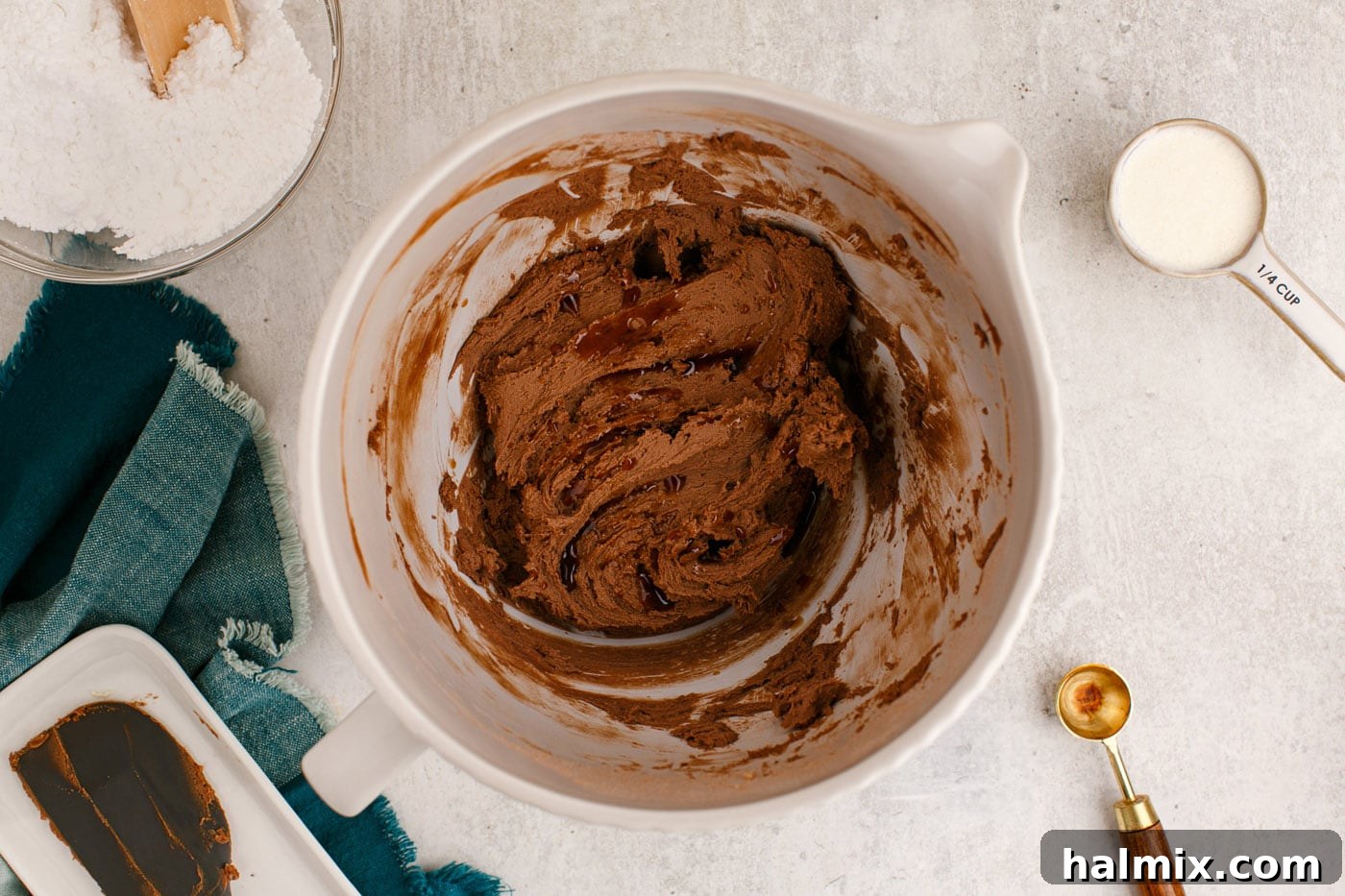
- Add Vanilla Extract: With the mixer still running on medium speed, carefully pour in the pure vanilla extract. Continue to beat for approximately 30 seconds to 1 minute. This ensures that the vanilla is fully and evenly distributed throughout the chocolate mixture, allowing its warm, aromatic notes to perfectly integrate and enhance the overall flavor profile of your buttercream.
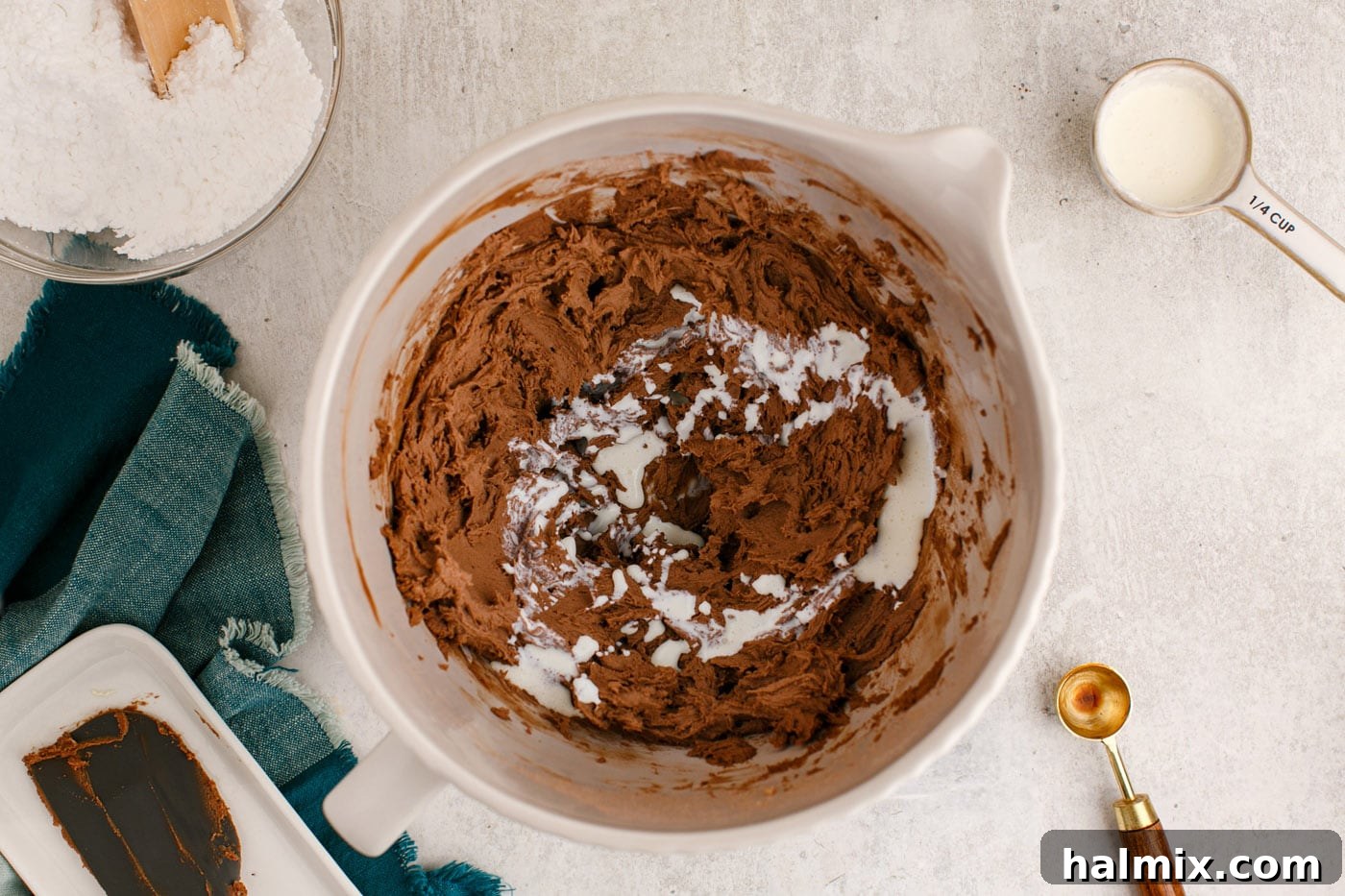
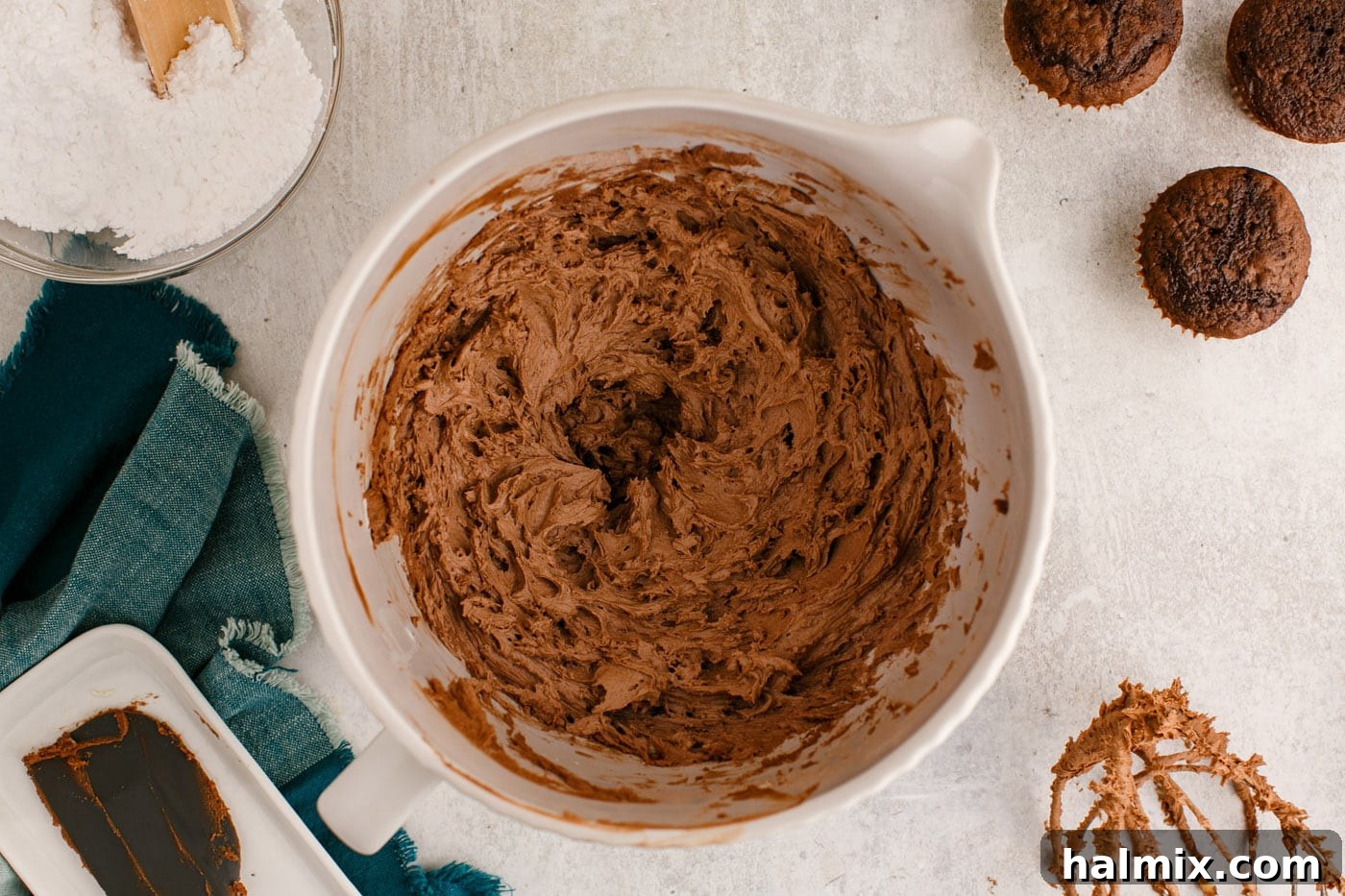
- Achieve Desired Consistency with Heavy Cream: Return the mixer to a low speed setting. Add 2 tablespoons of the heavy cream to the mixture. Once incorporated, increase the speed to high and whisk thoroughly. Pause the mixer, and using a rubber spatula, diligently scrape down the sides and bottom of the bowl to ensure all ingredients are perfectly combined and no unmixed butter or sugar remains. After scraping, add 1 to 2 additional tablespoons of heavy cream, incorporating them gradually as needed, continuing to beat on high speed for approximately 3-5 minutes. This extended beating time is crucial for developing the characteristic light, airy, and fluffy texture we seek. Continue to adjust the amount of cream until your buttercream achieves the perfect smooth, spreadable, and pipeable consistency. It should be light, airy, and hold soft, elegant peaks.
Frequently Asked Questions & Expert Tips for Perfect Chocolate Buttercream
For this delicious chocolate buttercream, you have a couple of excellent options when it comes to cocoa powder, each offering a slightly different flavor and color profile. We primarily use natural unsweetened cocoa powder, which contributes a bright, classic chocolate flavor with a subtle tang and results in a medium-brown hue. This type of cocoa interacts with baking soda (if present in a recipe), but for frosting, it simply lends its distinct taste. Alternatively, you can opt for Dutch-processed cocoa powder. This cocoa has been treated with an alkali to neutralize its acidity, leading to a significantly darker, more intense color and a smoother, milder, less bitter chocolate flavor. Both types will yield wonderfully delicious results, so your choice depends purely on your personal preference for chocolate depth and visual appeal. Don’t hesitate to experiment to discover which you prefer!
Absolutely, this chocolate buttercream is an excellent make-ahead component, perfect for streamlining your baking projects. Proper storage is key to maintaining its freshness and deliciousness. For short-term use, transfer your homemade buttercream frosting to an airtight container and store it in the refrigerator for up to 2 weeks. For longer preservation, you can freeze the frosting in an airtight container or a heavy-duty freezer-safe ziplock bag for up to 3 months. When you’re ready to use stored buttercream, it’s crucial to first bring it back to a cool room temperature – this might take several hours on the counter or overnight in the fridge. Once at room temperature, re-beat it thoroughly in your stand mixer with the whisk attachment for a few minutes. This process will restore its smooth, fluffy texture and make it perfectly pipeable and spreadable again. If it seems a little stiff during re-beating, you might need to add a tablespoon or two of fresh heavy cream to achieve the ideal consistency.
This recipe, as provided, yields a generous amount of frosting, typically enough to frost a standard 13×9 inch sheet cake, a single-layer 9-inch round cake, or approximately 24 cupcakes if you’re applying a relatively flat, smooth layer of frosting. However, if your baking plans involve more elaborate decoration, such as piping beautiful, tall swirls or intricate designs onto cupcakes, you’ll find that you utilize significantly more frosting per treat. In these instances, we highly recommend doubling this recipe to ensure you have an ample supply to complete your decorating without interruption. For a larger or more substantial dessert, like a two-tiered 9-inch cake, a double batch of this recipe is definitely necessary to cover and fill adequately. It’s generally a wise practice to prepare a little more frosting than you initially estimate you’ll need; having a bit of extra on hand can save you from the frustration of running short mid-decoration.
The consistency of buttercream can be sensitive to ingredient temperatures and ratios. If your buttercream turns out too runny, it’s most commonly due to your butter being too warm (potentially partially melted) or an excessive amount of heavy cream (or other liquid) being added. To remedy a runny frosting, try placing the mixing bowl in the refrigerator for 15-20 minutes to chill the butter slightly, then re-whisk vigorously. If it’s still too loose, you can gradually incorporate more sifted powdered sugar, adding it 1/4 cup at a time, until the frosting thickens to your desired consistency. Conversely, if your buttercream is too stiff, it’s usually a sign that your butter was too cold or not enough liquid was incorporated. To loosen it, gradually add heavy cream (or milk) one teaspoon at a time while your mixer is running on low, continuing until it reaches that perfectly smooth, spreadable, and pipeable consistency.
To achieve a deeper, more intense chocolate color in your buttercream, the most straightforward method is to use Dutch-processed cocoa powder, as it naturally yields a darker hue compared to natural cocoa. For an even richer, more profound chocolate flavor, a fantastic trick is to dissolve 1 to 2 teaspoons of instant espresso powder or instant coffee granules into one tablespoon of the heavy cream before adding it to the mixture. Coffee is a known enhancer of chocolate flavors, intensifying the chocolate notes without making the frosting taste distinctly like coffee itself. Another option for exceptional richness is to melt a small amount of high-quality dark chocolate (ensure it’s cooled to room temperature before adding) and gently beat it into the finished buttercream. You may need to adjust the frosting’s consistency with a splash more heavy cream after adding the melted chocolate.
Delightful Serving Suggestions for Your Irresistible Chocolate Buttercream
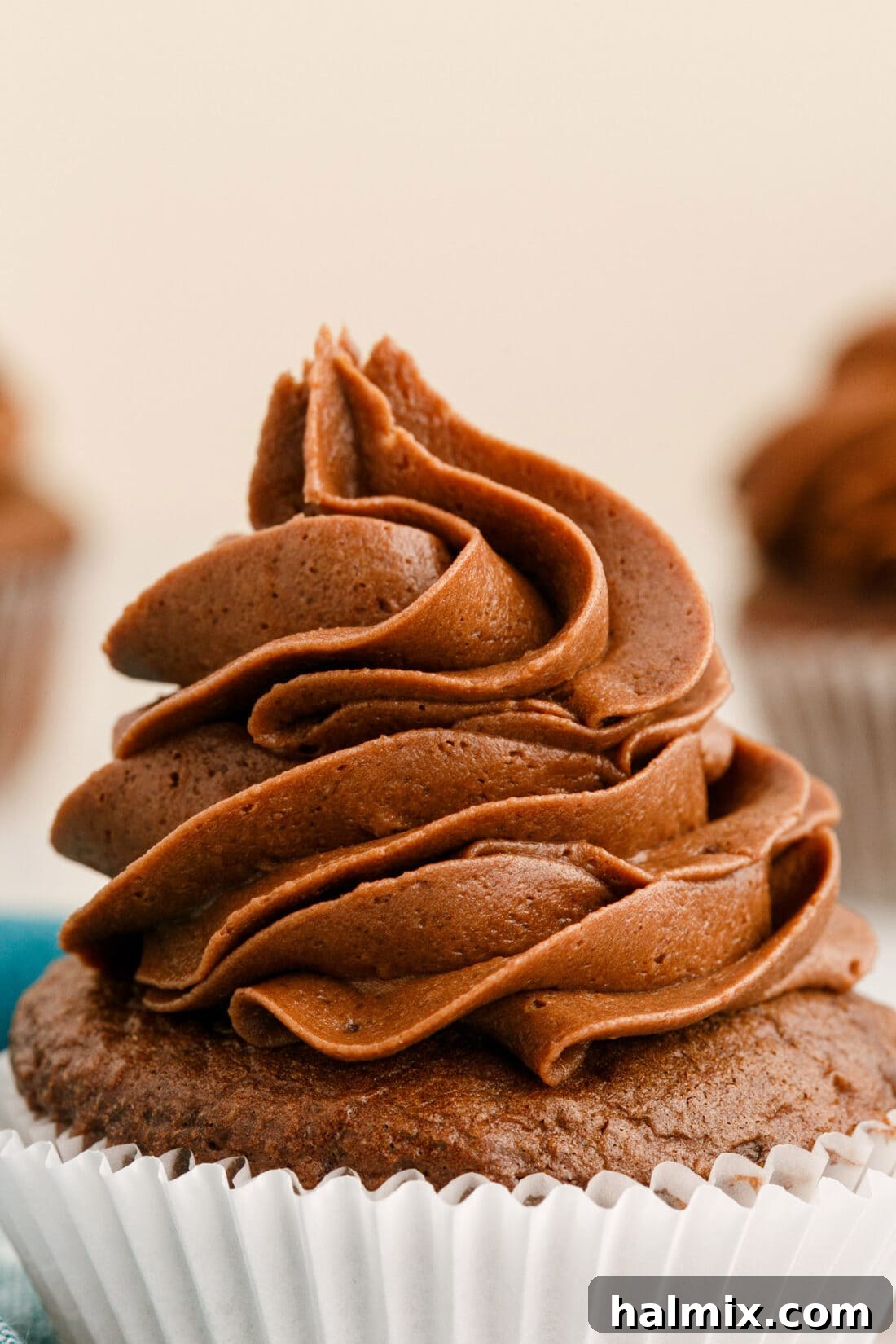
Once you’ve successfully crafted this incredible chocolate buttercream frosting, the culinary possibilities for utilizing it are virtually endless! Its versatile nature and delectable flavor make it the perfect finishing touch for a wide array of sweet treats. Unleash your creativity by using it to beautifully pipe elegant swirls onto freshly baked cupcakes, artfully decorate cakes for any special occasion, or simply spread a generous, luxurious layer over your favorite fudgy brownies and classic cookies for an instant, mouth-watering upgrade. The frosting’s consistent texture makes it an absolute joy to work with, whether you’re a novice or an experienced decorator.
Beyond these traditional applications, you can also easily transform this luxurious frosting into a velvety chocolate glaze. Simply thin it out gradually with a bit of additional heavy cream, adding a teaspoon at a time until you achieve your desired drizzling consistency. This thinner glaze is absolutely perfect for delicately pouring over warm donuts, flaky croissants, homemade pop-tarts, or even a simple pound cake, adding an extra layer of sophisticated chocolatey goodness. Let your culinary imagination soar and discover new ways to incorporate this delightful buttercream into your dessert repertoire!
If you’re eager to expand your frosting knowledge, be sure to explore our other fantastic recipes. Discover the bright and airy qualities of our classic vanilla buttercream frosting for a timeless option. We’ve also got you expertly covered with our tangy and rich cream cheese frosting and an intensely flavorful chocolate fudge frosting recipes, ensuring you always have the perfect topping to match any dessert craving or occasion.
Irresistible Desserts That Pair Perfectly with Our Chocolate Buttercream
This incredibly versatile chocolate buttercream frosting is not just for cupcakes; it’s a fantastic companion for a multitude of desserts, instantly elevating their flavor and presentation. Here are some of our top recommendations for treats that truly shine when adorned with this rich and creamy frosting:
- Decadent Cake Balls: Roll crumbled cake mixed with a touch of frosting, then dip them into a thin layer of this luscious buttercream for an extra layer of pure chocolate indulgence.
- Elegant Marble Cake: A beautifully swirled marble cake comes alive with a generous topping or filling of rich chocolate buttercream, perfectly balancing the vanilla and chocolate notes within.
- Classic White Cake: Transform a simple, tender white cake into a celebration centerpiece by layering and frosting it with this creamy, delicious chocolate buttercream.
- Moist Mayonnaise Cake: The unique richness and incredible moisture of a mayonnaise cake are wonderfully complemented by the smooth, sweet, and deep notes of chocolate buttercream, creating a harmonious flavor profile.
- Double Chocolate Cupcakes: For the ultimate chocolate lover, pair these intensely flavored, fudgy cupcakes with a generous swirl of our decadent chocolate buttercream – it’s pure bliss in every bite!
- Fudgy Brownies: Elevate a pan of simple, fudgy brownies into a showstopper dessert by spreading a thick, luxurious layer of this irresistible frosting over the top.
- Sugar Cookies: Use it as a delightful and creamy alternative to royal icing for decorating classic sugar cookies, perfect for any holiday or celebration.
- Chocolate Chip Cookies: Create a delectable sandwich cookie by spreading a thin, smooth layer of chocolate buttercream between two soft chocolate chip cookies.
- Donuts and Pastries: Drizzle a slightly thinned version of this buttercream over freshly baked donuts, croissants, or danishes for an extra touch of gourmet indulgence.
- Pies and Tarts: A dollop of this rich frosting can be an unexpected but delightful garnish for fruit pies or chocolate tarts, adding extra creaminess.
I genuinely love the art of baking and cooking, and it brings me immense joy to share my kitchen experiences and perfected recipes with all of you! Remembering to visit the blog daily for new culinary inspiration can sometimes be a challenge, which is why I’ve made it simple for you. I offer a convenient newsletter that delivers a brand-new recipe straight to your inbox every time one posts. Simply subscribe here and start receiving your free daily recipes, ensuring you never miss out on delicious new creations!
Decadent 5-Ingredient Chocolate Buttercream Frosting
★
★
★
★
IMPORTANT – Don’t miss the Frequently Asked Questions and Expert Tips sections within the blog post for crucial insights. Scroll back up to read them!
⎙Print Recipe
🖈Pin It
24
servings
10 minutes
149
Amanda Davis
Ingredients
- 1 cup unsalted butter softened at room temperature
- 3 ½ cups powdered sugar
- ½ cup unsweetened cocoa powder
- 1 teaspoon pure vanilla extract
- 4 Tablespoons heavy whipping cream
Things You’ll Need
-
Stand mixer with whisk attachment
-
Measuring cups and spoons
-
Rubber spatula
Before You Begin: Important Notes & Expert Tips
- The whisk attachment on your stand mixer is paramount for achieving a light, creamy, and wonderfully fluffy buttercream. If you prefer a denser, smoother texture (perhaps for filling cakes rather than decorating), you can switch to the paddle attachment and beat on low speed for a minute or two to smooth it out and condense it.
- Always ensure you’re using properly softened butter. “Softened” means it should be at a cool room temperature (around 68-70°F), soft enough to leave an indentation when gently pressed, but not melted or greasy. To achieve this, cut your butter into cubes and allow it to sit on your kitchen counter for 30-45 minutes. Never use a microwave to soften butter for buttercream, as this can lead to an oily, separated, and unusable frosting.
- Regarding cocoa powder, both natural unsweetened cocoa powder (which we used in our testing) and Dutch-processed cocoa powder work excellently. Dutch-processed cocoa will impart a deeper, darker color and a slightly smoother, less acidic chocolate flavor. Choose based on your preference for chocolate intensity and shade.
- This recipe yields enough frosting to generously cover a 13×9 inch sheet cake, a standard 9-inch single-layer round cake, or approximately 24 cupcakes with a flat, spread-on frosting application. If you plan on piping decorative swirls or generous dollops onto your cupcakes, or if you’re frosting a two-tiered 9-inch cake, we strongly recommend doubling the recipe to ensure you have an ample supply. It’s always better to have a little extra frosting than to run out mid-decoration!
- Homemade buttercream frosting can be stored in an airtight container in the refrigerator for up to 2 weeks. For longer storage, it freezes exceptionally well for up to 3 months in an airtight container or a sealed freezer bag. When ready to use, thaw completely at room temperature, then re-beat it in your mixer to restore its original fluffy consistency. You might need to add a splash of fresh heavy cream if it appears too stiff.
- For an extra deep chocolate flavor that truly stands out, consider adding 1/2 to 1 teaspoon of instant espresso powder or instant coffee granules along with the cocoa powder. It intensifies the chocolate notes without adding a distinct coffee flavor.
Instructions
-
In the bowl of a stand mixer fitted with the whisk attachment, beat the softened unsalted butter on medium-high speed until it is light, fluffy, and noticeably pale in color (approximately 2-3 minutes).
-
Reduce the mixer speed to low. Gradually add the sifted powdered sugar and unsweetened cocoa powder, sprinkling them in about a cup at a time, until fully incorporated. Once mostly combined, increase the speed to medium and mix until the frosting is smooth and free of any powdery streaks.
-
Pour in the pure vanilla extract and beat for another 30 seconds to ensure it’s well distributed and fragrant throughout the chocolate mixture.
-
With the mixer on low speed, add 2 tablespoons of heavy cream. Increase the speed to high and whisk thoroughly. Scrape down the sides of the bowl with a spatula, then add 1-2 additional tablespoons of heavy cream, incorporating them gradually. Continue beating on high speed for about 3-5 minutes until the frosting achieves your desired light, fluffy, smooth, and pipeable consistency.
Nutrition Information
Please note: The recipes on this blog are typically tested using a conventional gas oven and gas stovetop. It’s important to acknowledge that some ovens, especially as they age, can cook and bake inconsistently. Utilizing an inexpensive oven thermometer can help assure you that your oven is truly heating to the proper temperature. If you opt to use a toaster oven, countertop oven, pressure cooker, air fryer, slow cooker, or any other specialized appliance, please bear in mind that they may not distribute heat uniformly compared to a conventional full-sized oven, and consequently, you may need to adjust your cooking or baking times accordingly. For baking recipes where measurements are provided by weight, please be aware that relying on volume measurements (e.g., cups instead of grams) may result in different outcomes, and we cannot guarantee success with that alternative method. We strive to provide accurate and reliable recipes, but individual kitchen environments may require minor adaptations for optimal results.