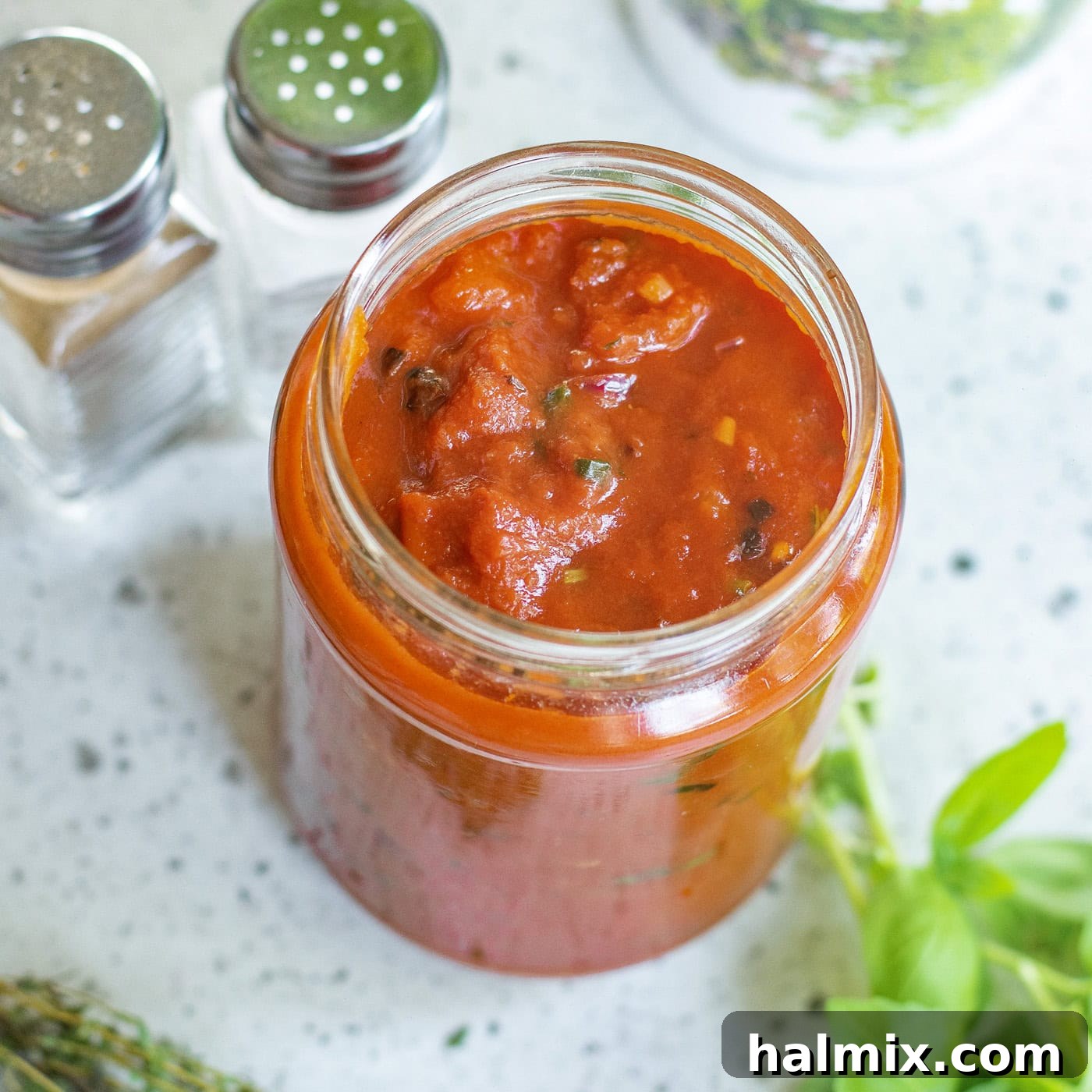
The Ultimate Homemade Marinara Sauce: A Classic Recipe for Every Kitchen
Crafting the perfect marinara sauce begins with simple, fresh ingredients – robust tomatoes, aromatic herbs, pungent garlic, and a touch of wine. This unassuming quartet forms the soul of a sauce that’s both versatile and profoundly comforting. While these core elements are universal, every home cook infuses their own spirit into the pot, transforming it into something truly special. This recipe invites you to discover that magic, creating a sauce that will become a cherished staple in your culinary repertoire.
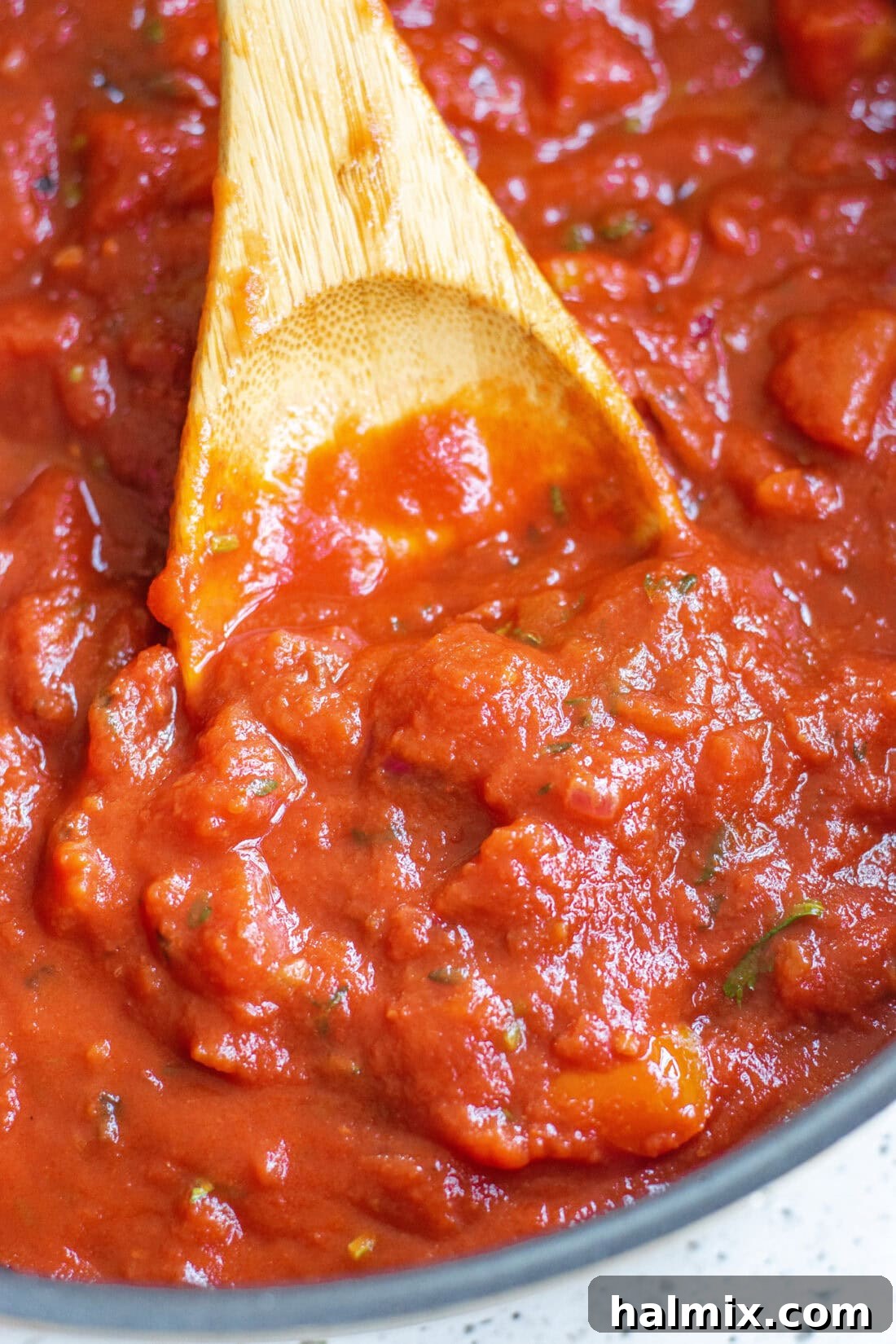
Why This Authentic Marinara Sauce Recipe is a Must-Try
There’s something inherently personal about marinara sauce. It’s more than just a condiment; it’s a taste of home, a reflection of culinary traditions passed down through generations. This particular marinara sauce recipe holds a special place in my family’s heart, and I believe it will quickly become a cherished favorite in yours too. It’s the kind of recipe that embodies comfort and robust flavor, evoking memories of shared meals and warm kitchens.
What makes this recipe truly exceptional is its profound depth and savory character. Unlike some overly sweet marinara varieties, this one offers a balanced, herb-infused profile that truly shines. We achieve this by meticulously combining aromatic ingredients like fresh (or dried) herbs, finely minced onion, and garlic with the vibrant acidity of high-quality tomatoes and the complexity of dry red wine. A simple seasoning of freshly ground black pepper and a hint of garlic salt rounds out the flavors before it all simmers to perfection. This rich, aromatic blend is precisely why it remains our undisputed favorite for classic dishes like spaghetti and meatballs. It’s a sauce that doesn’t just complement a meal; it defines it, creating an unforgettable culinary experience that feels deeply rooted in tradition.
The beauty of this marinara lies in its foundational simplicity, yet it offers immense potential for personalization. While we prefer a savory profile, the recipe provides ample “wiggle room” for those who enjoy a sweeter touch – a simple adjustment that can transform the sauce to suit individual palates. Its versatility extends far beyond pasta, making it an indispensable component for a wide array of Italian-inspired meals. From hearty lasagna to quick weeknight pizza, this marinara sauce delivers consistent excellence and a taste that genuinely feels like home.
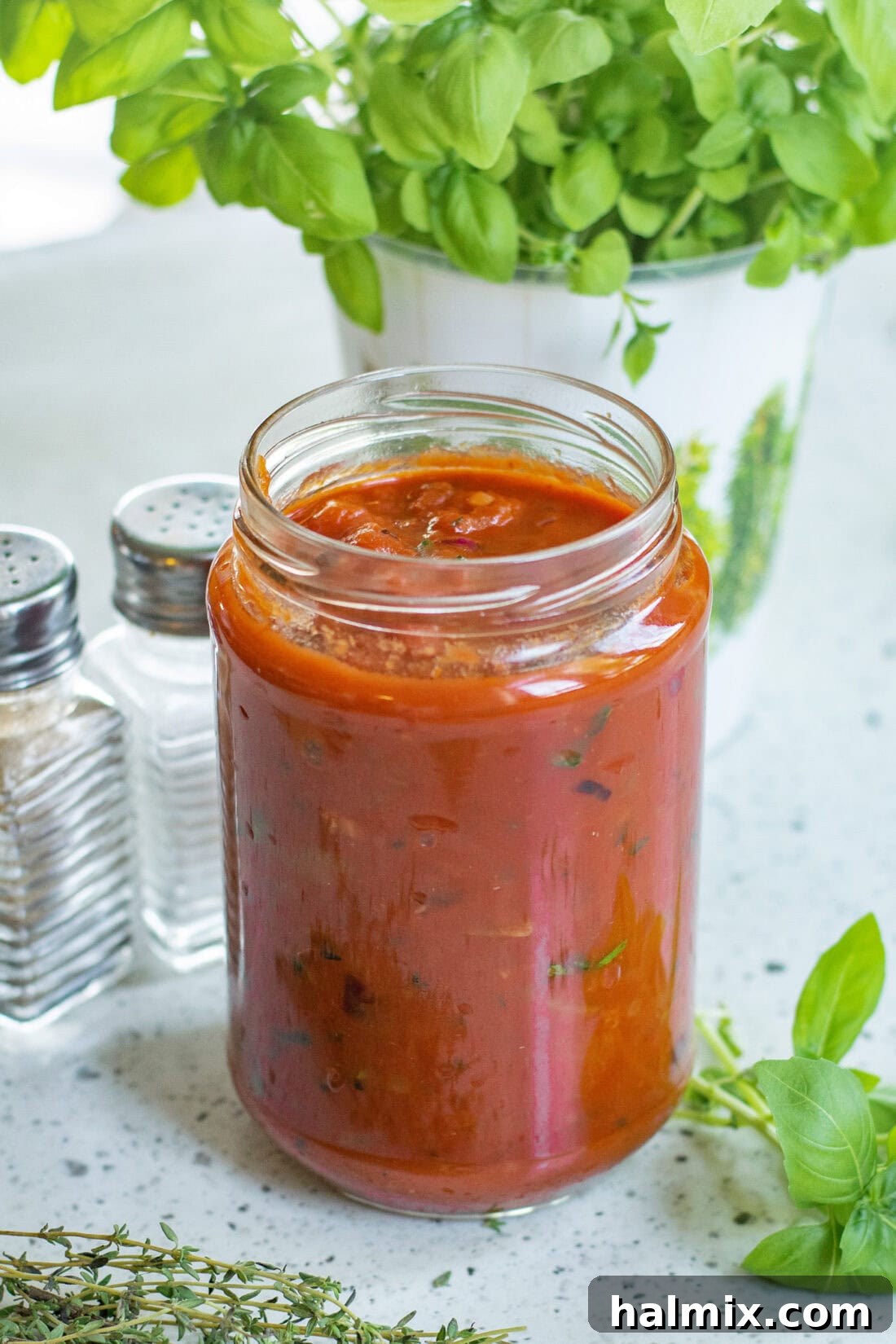
Essential Ingredients for Your Homemade Marinara Sauce
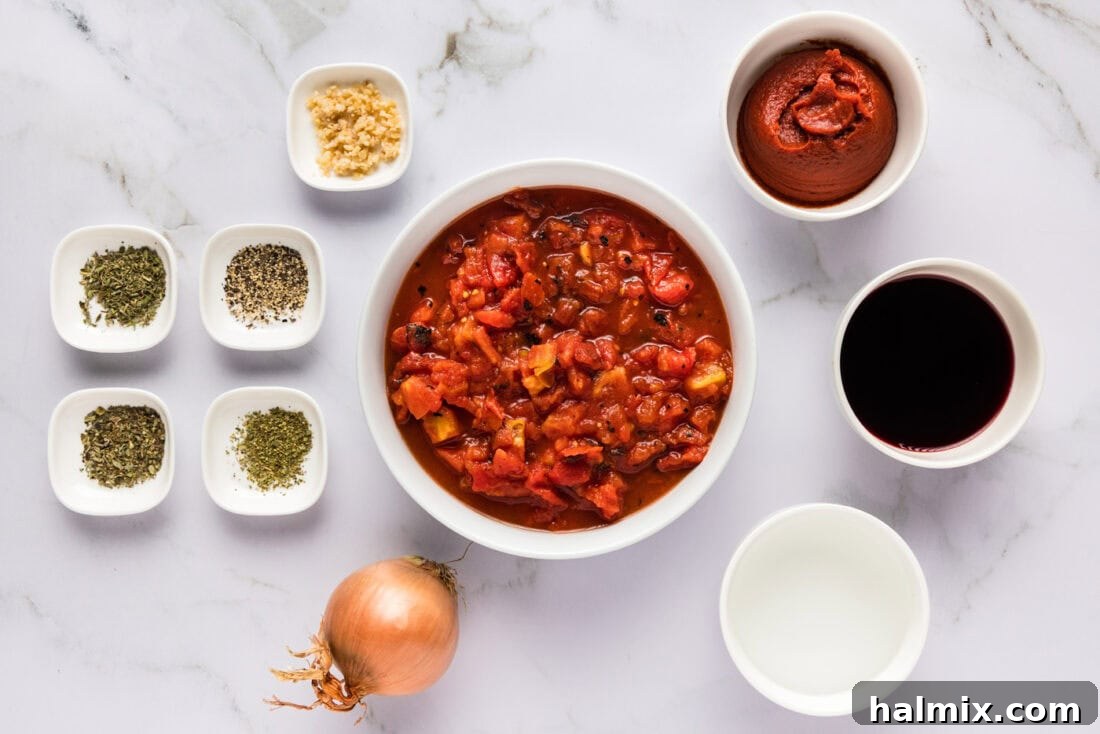
A truly outstanding marinara sauce relies on a foundation of quality ingredients. Below, you’ll find a detailed list of what you’ll need to create this flavorful sauce. For precise measurements and step-by-step instructions, please refer to the complete recipe card at the conclusion of this article.
Ingredient Insights & Smart Substitution Suggestions
Understanding the role of each ingredient and knowing when to make substitutions can elevate your marinara from good to truly exceptional. Here’s a closer look at the key components:
HERBS: The Aromatic Backbone
For this recipe, oregano, thyme, and basil are my preferred trio, delivering a classic Italian flavor profile. However, feel free to incorporate fresh Italian parsley, especially if you have it readily available from your garden. Both fresh and dried herbs perform beautifully in this sauce; I’ve experimented extensively with both, yielding consistently delicious results. The ingredient list in the recipe card specifies dried herbs for convenience. If you opt for fresh herbs, simply double the measurements to account for their milder potency compared to their dried counterparts. For example, if the recipe calls for ½ teaspoon of dried basil, use 1 teaspoon of fresh basil. The goal is to infuse the sauce with a fragrant, herbaceous aroma that complements the tomatoes without overpowering them.
WINE: Adding Depth and Balance
Dry red wine plays a crucial role in developing a rich, complex marinara sauce. It introduces an extra layer of depth, savory notes, and helps to beautifully balance the natural sweetness of the tomatoes, preventing the sauce from tasting one-dimensional. My go-to choices are typically a good Cabernet Sauvignon or Pinot Noir, both of which impart a robust character without being too heavy. If you have a personal favorite dry red wine you enjoy drinking, it will likely work wonderfully here! Should you prefer to omit alcohol, or if you simply don’t have wine on hand, an equal amount of good quality vegetable or beef broth makes an excellent substitute, providing a similar savory base. Non-alcoholic wine can also be used for a similar flavor profile without the alcohol content.
TOMATOES: The Soul of Marinara
The quality of your tomatoes is paramount. I personally favor fire-roasted diced tomatoes. Their distinctive smoky flavor offers an extra boost of complexity and a unique char that deepens the overall taste of the marinara. However, if fire-roasted varieties aren’t available, regular canned diced tomatoes will also yield a delicious result. There’s absolutely no need to drain the tomatoes; that precious liquid is packed with flavor and vital moisture, contributing significantly to the sauce’s body and consistency as it simmers. Alternatively, for a richer, more concentrated flavor, consider using high-quality whole peeled San Marzano tomatoes, gently crushed by hand before adding to the pot. This provides a softer texture and intensely sweet tomato flavor.
How to Make the Perfect Homemade Marinara Sauce: A Step-by-Step Guide
These step-by-step photos and instructions are designed to help you visualize each stage of making this delicious recipe. For a printable version, complete with precise measurements and comprehensive instructions, simply scroll to the full recipe card at the bottom of this post.
-
Sauté Aromatics: In a sturdy Dutch oven or a large, heavy-bottomed pan, heat the olive oil over medium heat until shimmering. Add the finely minced onion and sauté gently for approximately 3-5 minutes, or until the onion pieces have softened and become translucent, releasing their sweet, fragrant aroma. Next, add the minced garlic to the pan and continue to sauté for just one more minute. Be careful not to let the garlic brown, as it can turn bitter very quickly.
-
Combine Ingredients: At this stage, you have a choice regarding your sauce’s texture.
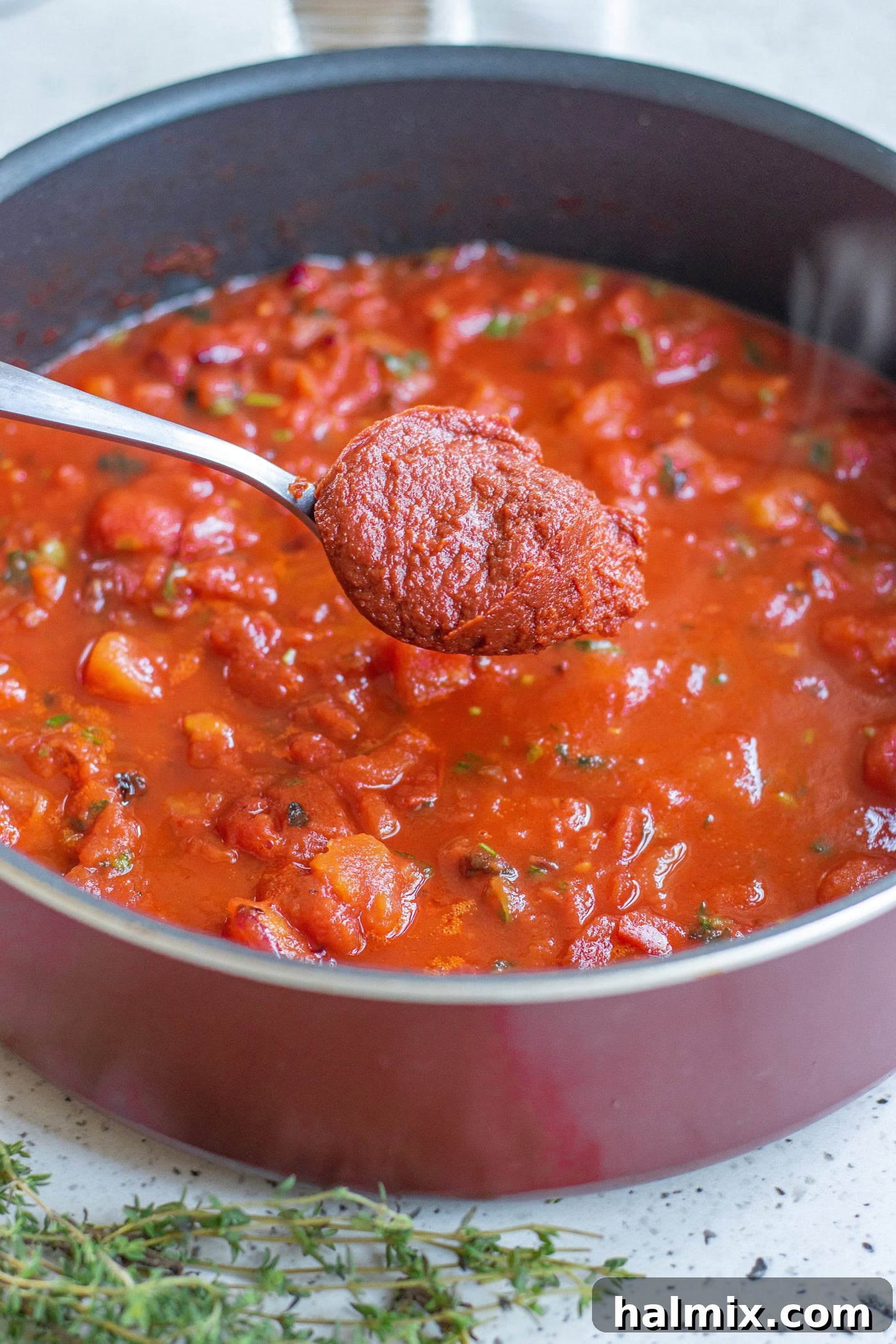
- For a Chunky Marinara: If you prefer a rustic, chunky sauce with discernible pieces of tomato, simply add all the remaining sauce ingredients (fire-roasted tomatoes, tomato paste, water, dry red wine, dried oregano, dried thyme, dried basil, and ground black pepper) directly into the Dutch oven with the sautéed onion and garlic mixture.
- For a Smooth Marinara: If you desire a velvety smooth marinara, carefully transfer the entire contents of the pan (the sautéed onion and garlic mixture) along with all the remaining sauce ingredients into a blender. Process until the mixture reaches your desired smooth consistency. Once blended, return the smooth tomato mixture back to the same Dutch oven or pan.

-
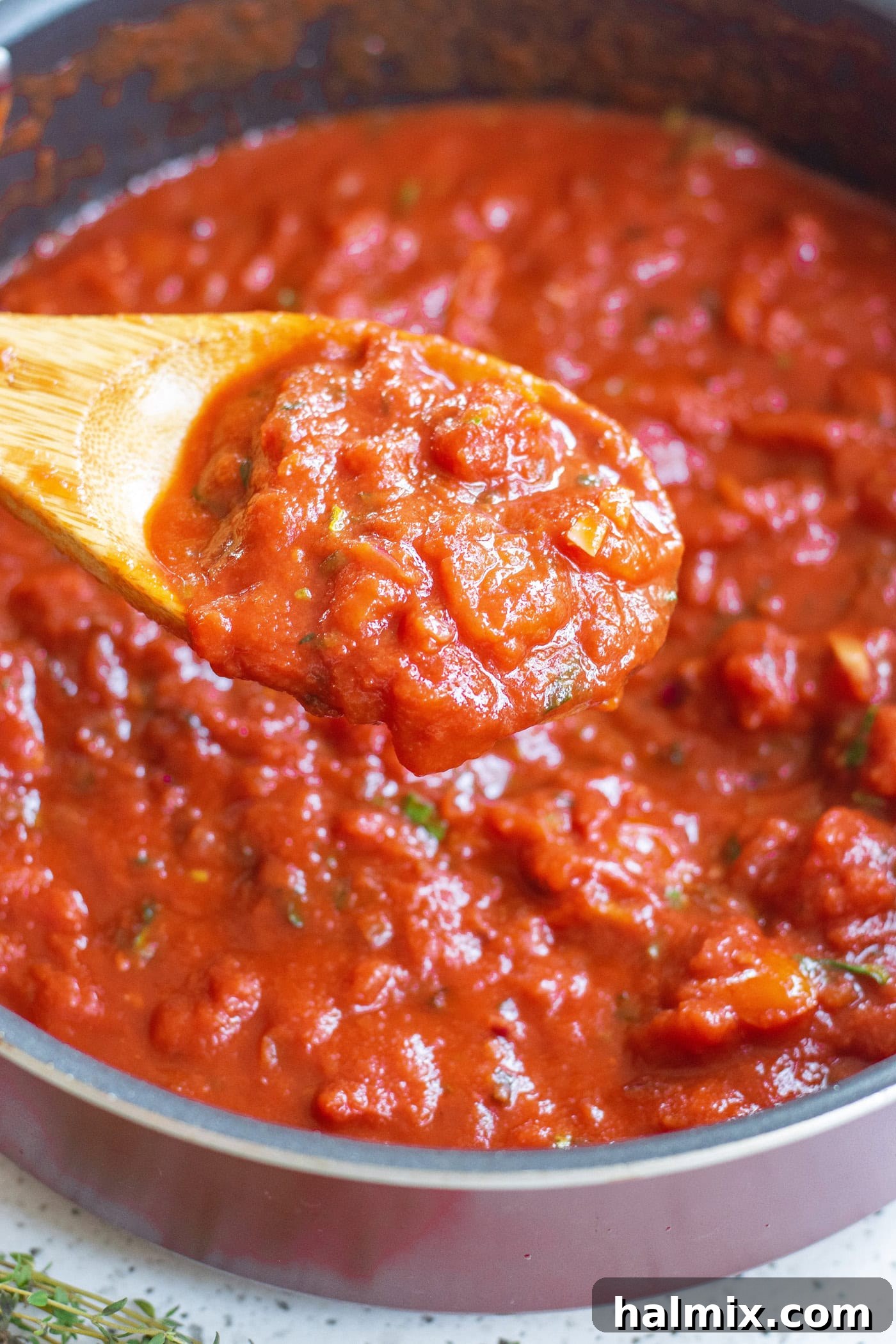
Simmer to Perfection: Bring the sauce mixture to a gentle, bubbling boil over medium-high heat. Once it reaches a boil, immediately reduce the heat to low. Allow the marinara to simmer uncovered for at least 30 minutes. This slow simmer is crucial for allowing the flavors to meld and deepen, transforming individual ingredients into a harmonious, rich sauce. Remember to stir occasionally, especially if you have a chunky sauce, to prevent any sticking to the bottom of the pan.
-
Season and Serve: After simmering, taste the sauce. Now is the time to adjust the seasoning to your preference with garlic salt. Start with a small amount, stir, and taste again, adding more if needed until it’s perfectly seasoned to your liking. The sauce is now ready to be enjoyed with your favorite pasta, as a base for other dishes, or stored for later use. This final seasoning step ensures your marinara is truly your own.
Frequently Asked Questions & Expert Tips for Marinara Sauce Success
If you find your marinara sauce too tart or simply prefer a sweeter profile, you can easily adjust it. Add about 1/2 teaspoon of granulated sugar to the pot during the simmering stage. Stir it in thoroughly, let it simmer for a few more minutes, and then taste. Sugar can go a long way in balancing acidity, so it’s always best to start small and add more gradually until you reach your desired sweetness. A pinch of baking soda can also neutralize acidity without adding sweetness.
The texture of your marinara sauce is entirely a matter of personal preference. If you enjoy a rustic, chunky sauce with visible pieces of tomato and herbs, then there’s no need to blend. However, if you prefer a silky-smooth marinara, you have a couple of options. You can either transfer the cooled sauce to a standard blender and process it until smooth, or for less cleanup, use an immersion blender directly in the pot. Simply blend until it reaches your desired consistency, whether that’s slightly chunky or completely pureed.
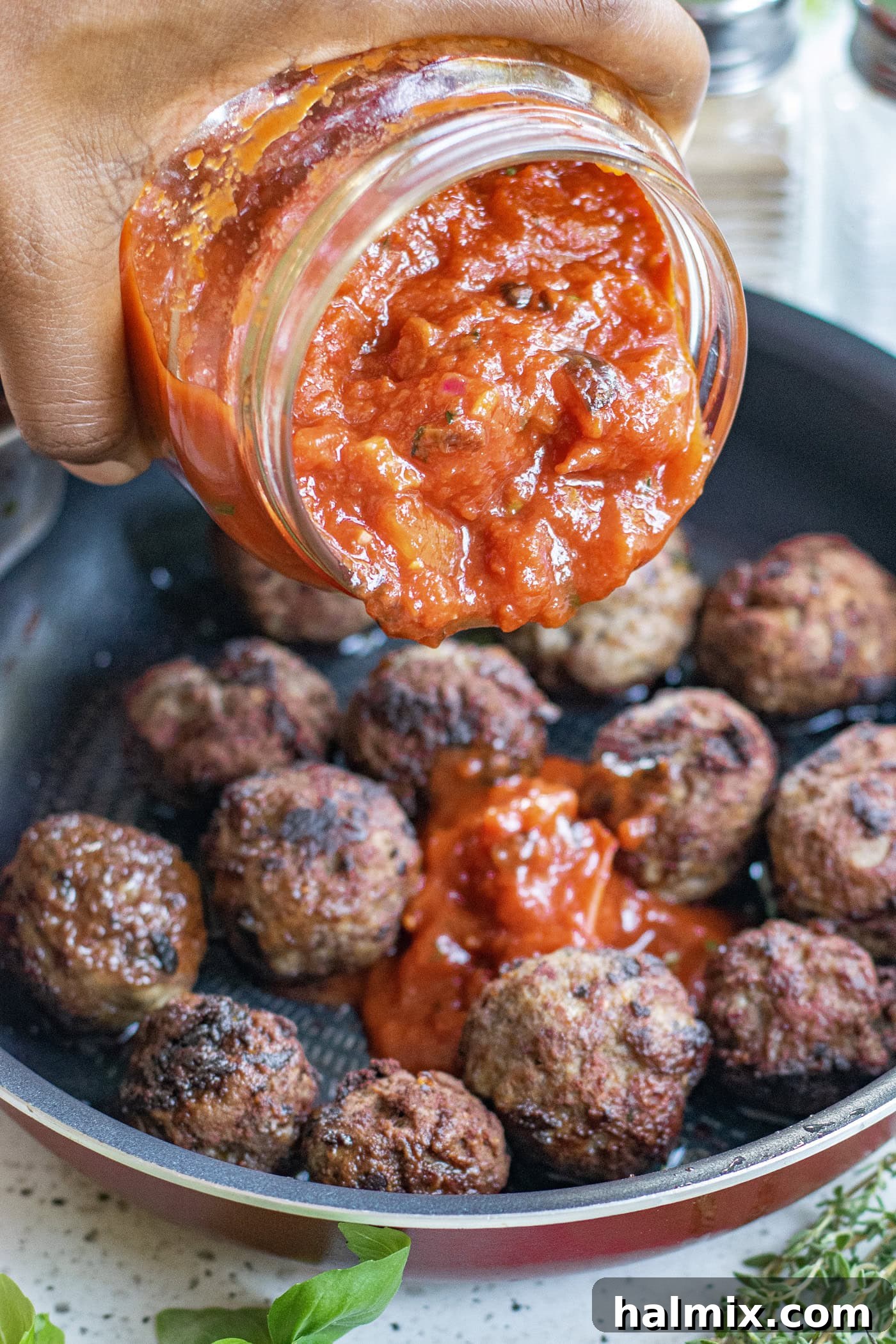
Proper storage is key to enjoying your homemade marinara for days to come. Once the sauce has cooled completely to room temperature, transfer it to an airtight container or a clean glass jar. Stored this way, your delicious marinara will stay fresh in the refrigerator for up to 5 days. When you’re ready to use it again, simply reheat it gently over medium-low heat in a saucepan on the stovetop, stirring occasionally, or warm it in short bursts in the microwave until it’s heated through evenly.
Absolutely! Freezing homemade marinara sauce is an excellent way to prepare meals in advance and minimize food waste. After the sauce has cooled completely, transfer it to an airtight, freezer-safe container or a large zip-top freezer bag. For added convenience, I highly recommend portioning the sauce into individual servings using silicone freezer molds; once frozen, you can pop out the individual portions and store them in a larger bag. Remember to leave about 1-2 inches of headspace in containers or bags, as liquids expand when frozen. If using a zip-top bag, lay it flat on a baking sheet to freeze, which saves space and allows for faster thawing. Homemade marinara sauce can be safely stored in the freezer for up to 3 months. To thaw, simply transfer it to the refrigerator overnight, or for quicker results, gently reheat from frozen on the stovetop over low heat.
Versatile Serving Suggestions for Your Homemade Marinara Sauce
The culinary possibilities with a fantastic homemade marinara sauce are truly endless. While it’s undeniably the perfect partner for virtually all shapes and sizes of pasta – from classic spaghetti to hearty rigatoni and delicate cappellini – its versatility extends far beyond the pasta pot.
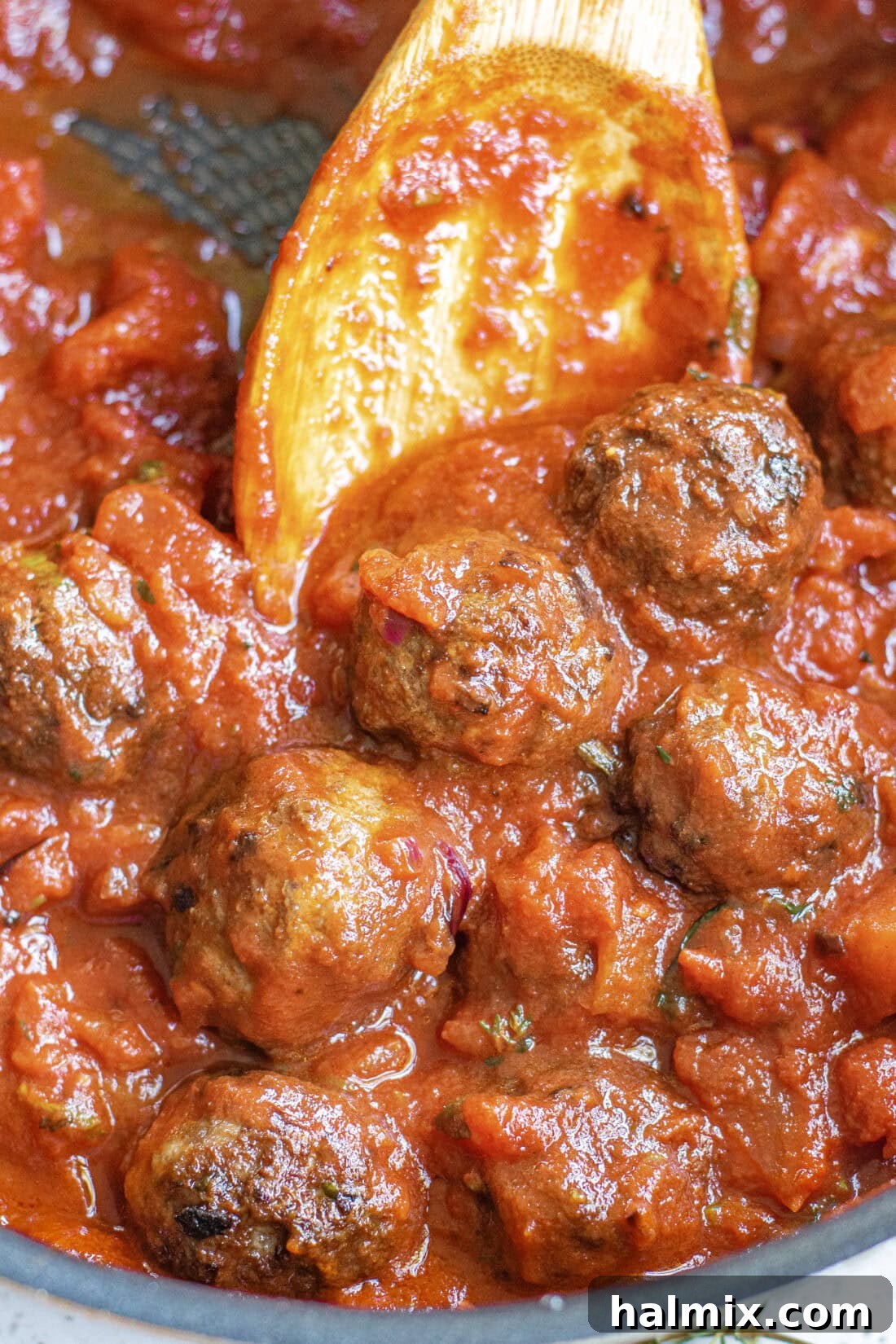
This vibrant sauce serves as an exceptional base for a variety of other Italian-inspired dishes. Spread it generously over homemade pizza dough for a fresh, authentic pie, or offer it as a delightful dipping sauce for crispy mozzarella sticks, warm garlic bread, or even savory arancini. It’s also an indispensable component for constructing hearty main courses. Think flavorful meatball subs, robust sausage and peppers, comforting chicken parmesan, or a classic eggplant parmesan. The rich, savory notes of this marinara beautifully complement and enhance the flavors of meats and vegetables alike.
Don’t hesitate to prepare a double or even triple batch of this recipe. Freezing extra portions means you’ll always have a delicious, homemade base ready for quick weeknight dinners or impromptu gatherings. This foresight not only saves time but also ensures that the authentic, comforting taste of this marinara is always within reach for all sorts of creative culinary endeavors. I often do this myself, and it makes meal prep a breeze. I truly hope you love it as much as my family and I do!
Explore More Delicious Sauce Recipes
If you enjoyed making this marinara, be sure to explore these other fantastic sauce recipes to broaden your culinary horizons:
- Creamy Vodka Sauce
- Zesty Homemade Pizza Sauce
- Hearty Bolognese Sauce
- Irresistible French Fry Dipping Sauce
I love to cook and share my kitchen adventures and recipes with all of you! Remembering to check back for new culinary inspiration can be tough, which is why I offer a convenient newsletter every time a new recipe is published. Simply subscribe here and start receiving your free daily recipes directly in your inbox!
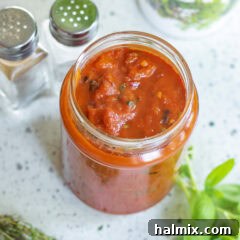
Classic Homemade Marinara Sauce
This marinara sauce recipe is rich, savory, and bursting with the flavors of fresh or dried herbs, garlic, onion, and red wine, creating a robust body. It’s truly my go-to sauce for countless recipes, extending far beyond just spaghetti!
IMPORTANT: Don’t miss the Frequently Asked Questions and Expert Tips section within the blog post above for helpful insights!
Print Recipe
Pin This Recipe
Course: Condiments
Cuisine: American (with Italian influence)
Servings: 12 servings (approximately 6 cups total)
Prep time: 15 minutes
Cook time: 40 minutes
Total Time: 55 minutes
Calories: 48 kcal per serving
Author: Amanda Davis
Ingredients
- 1 Tablespoon olive oil
- ¼ cup onion, minced
- 2 cloves garlic, minced
- 28 ounces fire-roasted diced tomatoes (two 14-ounce cans, undrained)
- 6 ounces tomato paste
- 1 cup water
- ½ cup dry red wine
- ¼ teaspoon dried oregano
- ½ teaspoon dried thyme
- ½ teaspoon dried basil
- ¼ teaspoon ground black pepper
- Garlic salt, to taste
Things You’ll Need
- 5 qt Dutch oven or a large, deep-sided skillet
- Blender or immersion blender (optional, for smooth sauce)
Before You Begin
- If using fresh herbs instead of dried, remember to double the measurements for more potent flavor.
- Fresh Italian parsley is a wonderful addition if you have it; stir it in at the end for freshness.
- For the dry red wine, Cabernet Sauvignon or Pinot Noir are excellent choices. Feel free to use your favorite!
- If you prefer to avoid alcohol, vegetable broth or non-alcoholic wine can be substituted for the red wine.
Instructions
- In a Dutch oven or large pan, heat 1 tablespoon of olive oil over medium heat. Add the ¼ cup minced onion and sauté for 3-5 minutes until softened and fragrant. Add 2 cloves minced garlic and sauté for another minute, being careful not to burn it.
- For Chunky Sauce: Add 28 ounces fire-roasted tomatoes (undrained), 6 ounces tomato paste, 1 cup water, ½ cup dry red wine, ¼ teaspoon dried oregano, ½ teaspoon dried thyme, ½ teaspoon dried basil, and ¼ teaspoon ground black pepper to the onion and garlic mixture.
For Smooth Sauce: Transfer the sautéed onion and garlic mixture along with all the above sauce ingredients (except garlic salt) to a blender and process until smooth. Return the blended mixture to the pan. - Bring the sauce to a gentle boil over medium-high heat. Once boiling, reduce the heat to low and simmer uncovered for 30 minutes, stirring occasionally to prevent sticking and allow flavors to deepen.
- Taste the sauce and season to taste with garlic salt, adjusting as needed until perfect. Serve hot.
Expert Tips & FAQs
- Storage: Store cooled marinara sauce in an airtight container in the refrigerator for up to 5 days. Reheat gently on the stovetop or in the microwave.
- Freezing: Once completely cooled, transfer sauce to airtight, freezer-safe containers or large zip-top bags. Leave 1-2 inches for expansion. Freeze flat if using bags. Store for up to 3 months. Thaw in the refrigerator overnight before reheating.
Nutrition
Calories: 48 kcal |
Carbohydrates: 7g |
Protein: 1g |
Fat: 1g |
Saturated Fat: 0.2g |
Polyunsaturated Fat: 0.1g |
Monounsaturated Fat: 1g |
Sodium: 215mg |
Potassium: 153mg |
Fiber: 1g |
Sugar: 3g |
Vitamin A: 484IU |
Vitamin C: 5mg |
Calcium: 30mg |
Iron: 1mg
Tried this Recipe? Pin it for Later!
Follow on Pinterest @AmandasCookin or tag #AmandasCookin!
The recipes on this blog are tested with a conventional gas oven and gas stovetop. It’s important to note that some ovens, especially as they age, can cook and bake inconsistently. Using an inexpensive oven thermometer can assure you that your oven is truly heating to the proper temperature. If you use a toaster oven or countertop oven, please keep in mind that they may not distribute heat the same as a conventional full-sized oven, and you may need to adjust your cooking/baking times. In the case of recipes made with a pressure cooker, air fryer, slow cooker, or other appliance, a link to the appliances we use is listed within each respective recipe. For baking recipes where measurements are given by weight, please note that results may not be the same if cups are used instead, and we can’t guarantee success with that method.