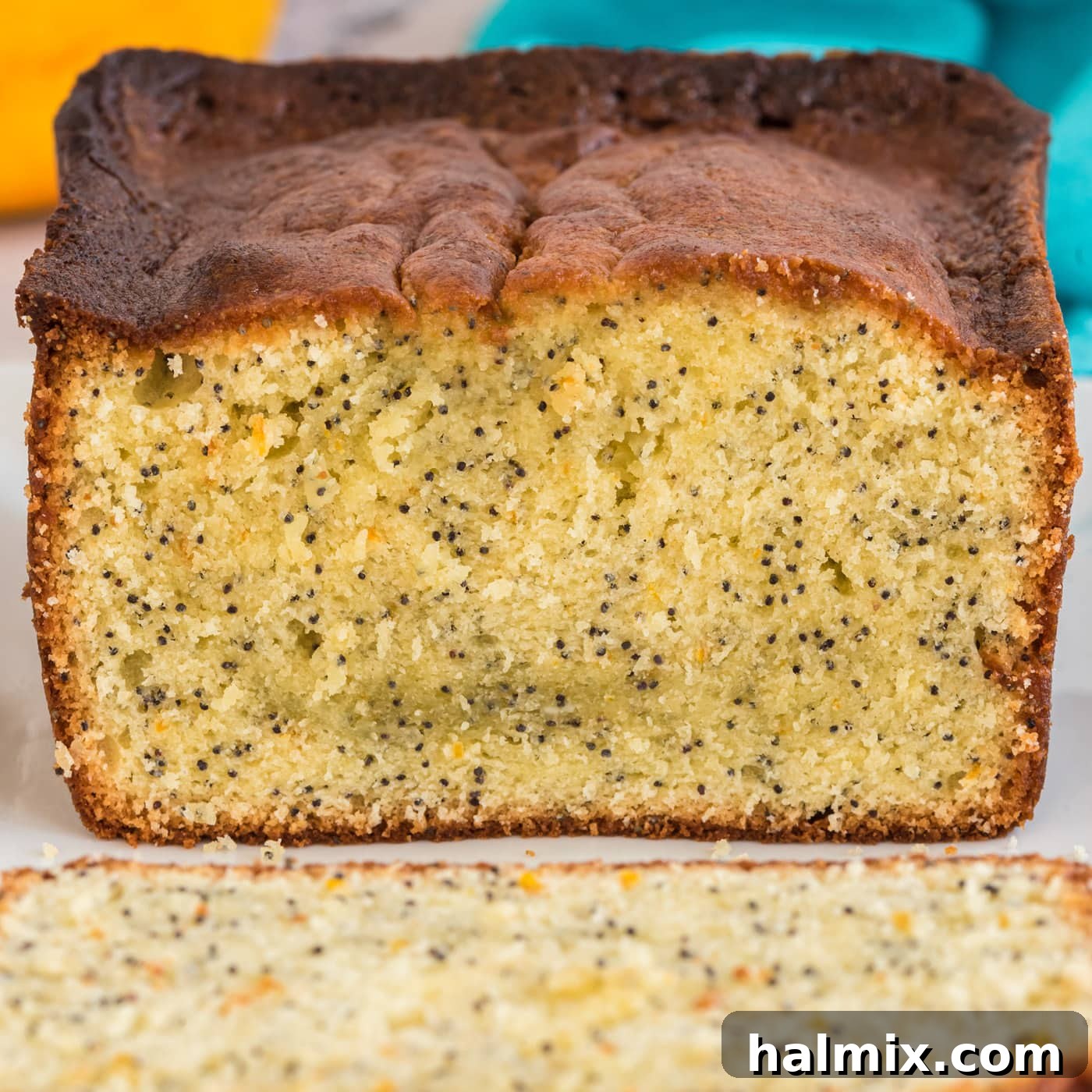
Indulge in the vibrant flavors of our exquisite Orange Poppy Seed Pound Cake, a truly refreshing citrus cake that promises to brighten any day. This beloved classic boasts a delightfully dense yet incredibly moist texture, perfectly balanced with a sweetness that complements your morning coffee or afternoon tea. Each slice is a symphony of tangy orange and subtle nutty poppy seeds, making it an irresistible treat for any occasion.
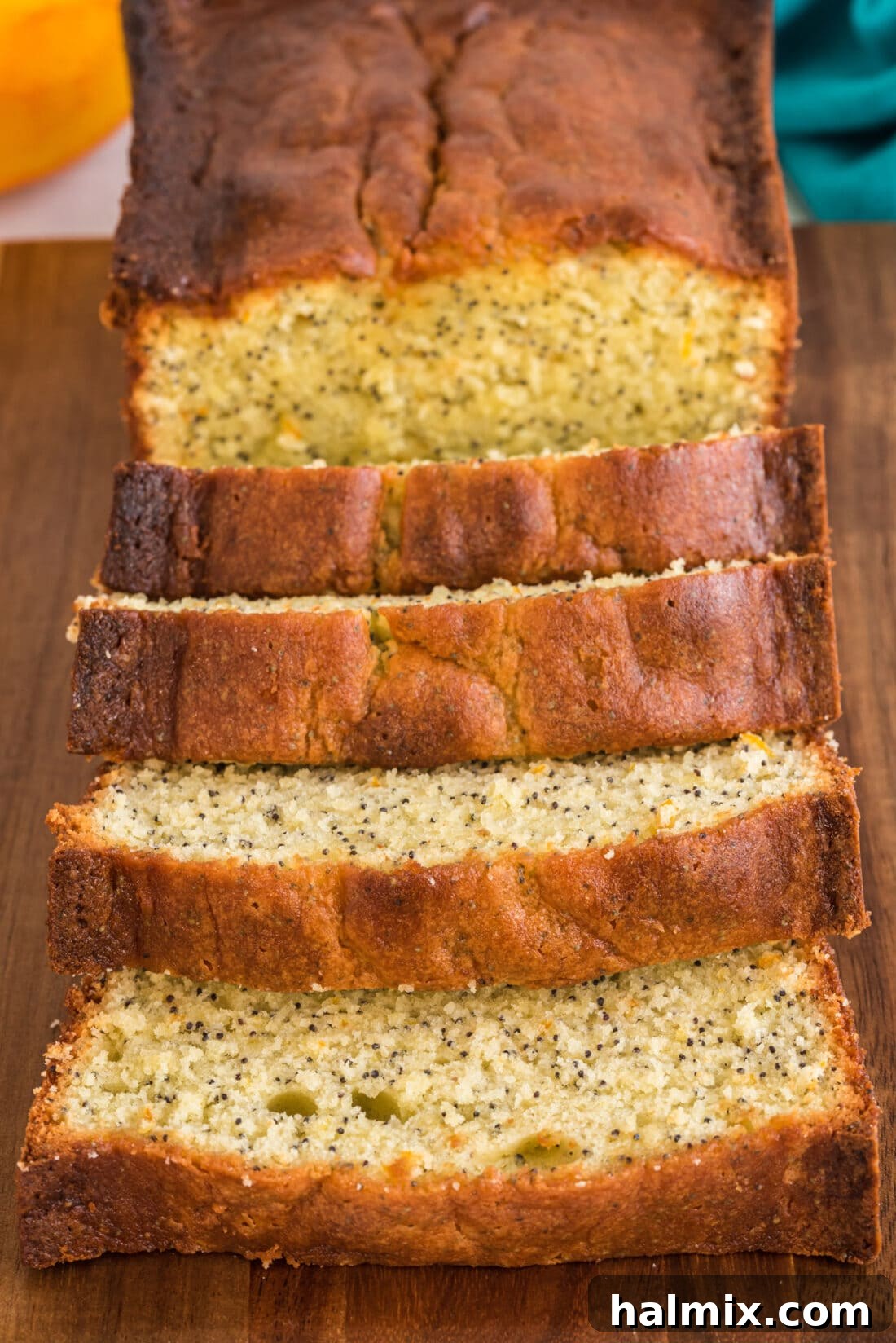
Why This Orange Poppy Seed Pound Cake Recipe is a Must-Try
This Orange Poppy Seed Pound Cake recipe stands out for several compelling reasons, making it a staple in any baker’s repertoire. It harmoniously blends the bright, zesty notes of fresh oranges with the comforting, rich density characteristic of a perfect pound cake. What sets our version apart is the luscious almond-orange glaze that drapes over the cake, adding an extra layer of sweetness and a hint of sophistication that elevates the entire experience.
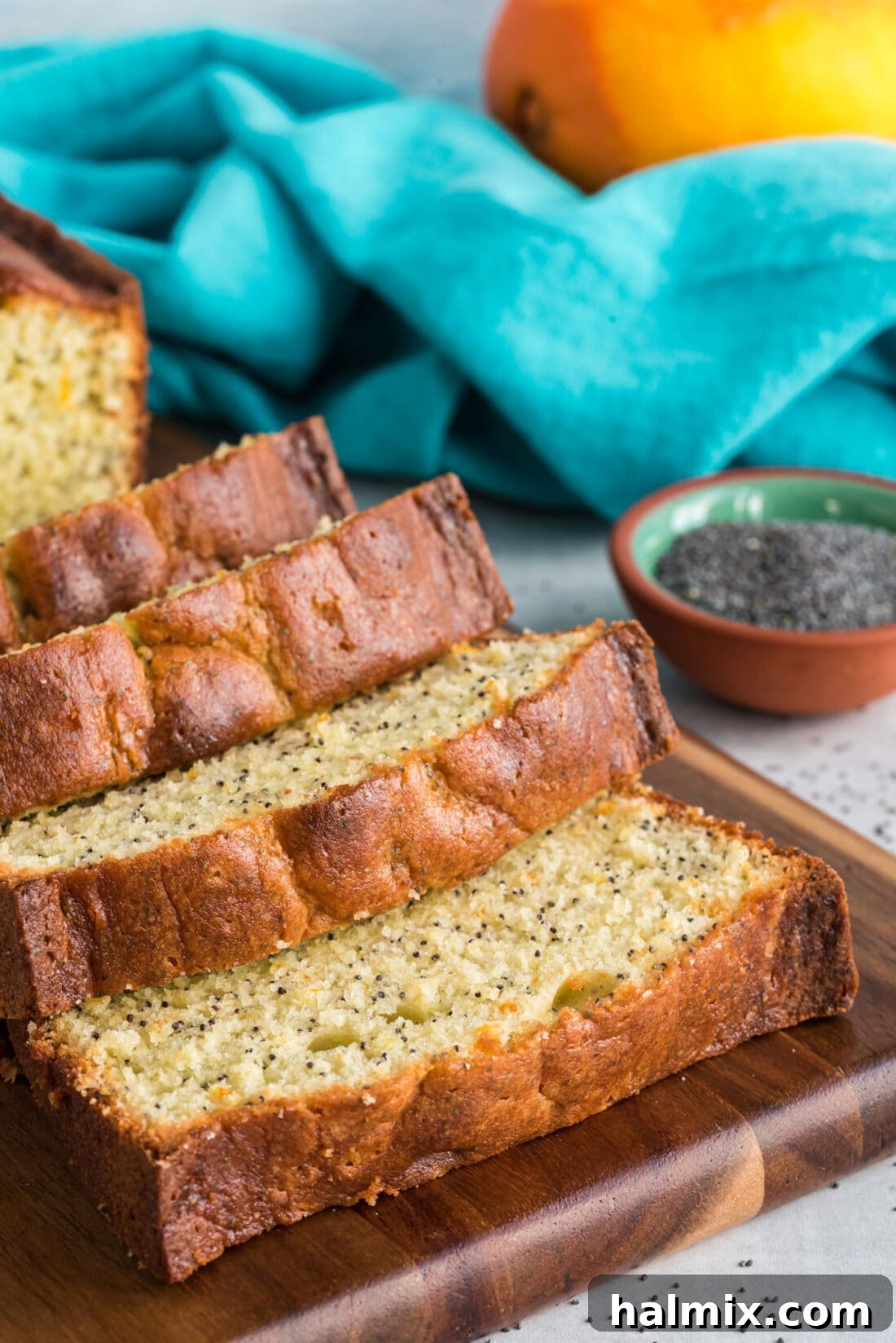
Beyond its incredible flavor, this pound cake is celebrated for its super moist interior, ensuring that every bite is tender and satisfying. The poppy seeds aren’t just for show; they contribute a delightful, subtle crunch and a nutty undertone that perfectly complements the citrus. This recipe yields two generous loaves, offering incredible versatility. You can savor one immediately and freeze the other for a future craving, or share them as thoughtful, homemade gifts. It’s an ideal candidate for potlucks, brunches, or simply as an indulgent snack with your favorite hot beverage. The straightforward instructions, coupled with expert tips, guarantee a successful bake even for those new to making pound cakes.
The secret to its delightful texture lies in the careful balance of butter, cream cheese, and eggs, resulting in a cake that is dense without being heavy, and incredibly moist without being greasy. The zest from fresh oranges permeates every crumb, offering a natural, vibrant citrus burst that artificial flavorings simply cannot replicate. Furthermore, the two-loaf yield is incredibly practical, allowing for easy planning for gatherings or ensuring you have a delicious treat on hand for an extended period. This recipe is designed to impress with minimal fuss, making it a go-to for both seasoned bakers and enthusiastic beginners alike.
Essential Ingredients for Your Orange Poppy Seed Pound Cake
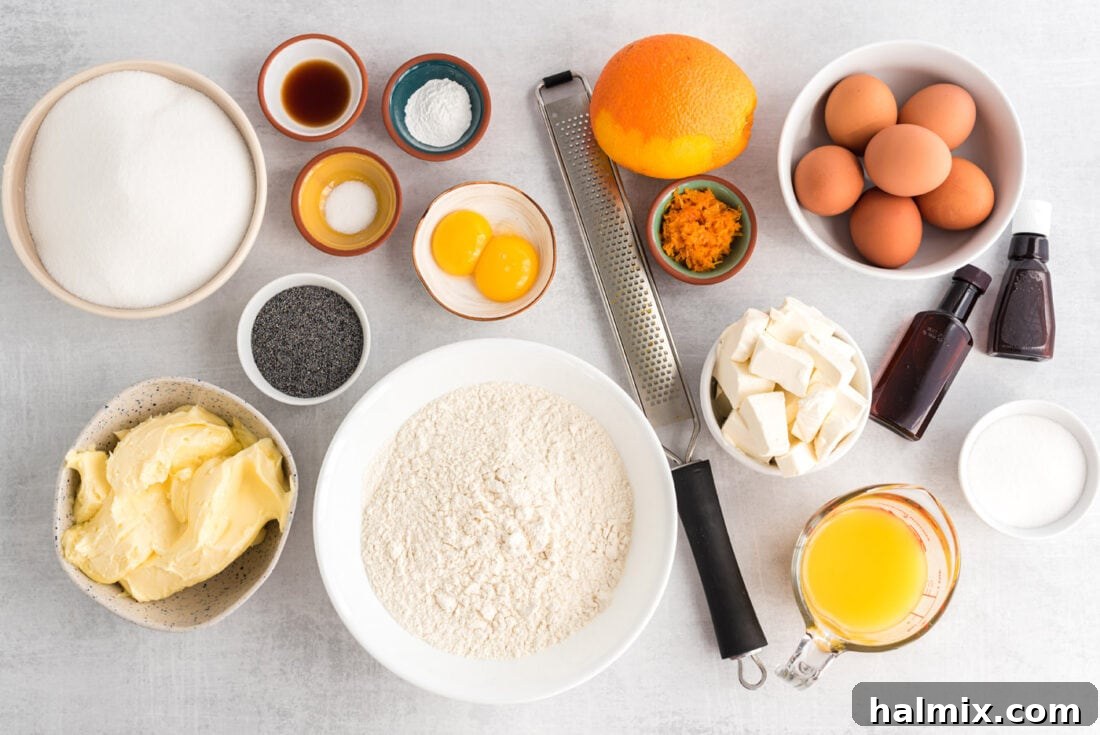
Creating this irresistible Orange Poppy Seed Pound Cake begins with gathering the right ingredients. For precise measurements and detailed instructions, refer to the printable recipe card located at the end of this comprehensive guide. We recommend using high-quality, fresh ingredients to achieve the best flavor and texture in your bake.
Ingredient Spotlight: Tips for Selection and Potential Substitutions
Understanding each ingredient’s role and knowing how to select the best quality items can make all the difference in your Orange Poppy Seed Pound Cake. Here’s a closer look at what you’ll need and some helpful tips:
- Flour: We primarily use standard all-purpose flour because it provides the ideal balance of structure and tenderness, creating the classic crumb texture expected of a traditional pound cake. If you’re seeking a marginally lighter texture with a hint of whole-grain goodness, whole wheat pastry flour can be an interesting substitute. It’s milled finer than regular whole wheat flour, making it more suitable for delicate baked goods. However, be mindful that using any whole wheat flour may result in a slightly denser cake than with all-purpose. We strongly advise against using self-rising flour, as its pre-mixed leavening agents will disrupt the precise chemical balance of this recipe. For those exploring gluten-free options, a reliable 1:1 gluten-free baking blend that includes xanthan gum is your best bet, though slight adjustments in liquid content or baking time might be necessary, and the final texture could differ.
- Eggs: This recipe cleverly utilizes both large whole eggs AND additional large egg yolks. The six large whole eggs are fundamental for providing structure, moisture, and binding the ingredients together, ensuring the cake holds its shape. The two extra large egg yolks are the secret to the pound cake’s extraordinary richness, contributing to its velvety tenderness and a deeper, more appetizing golden hue. The size of the eggs is critical; using anything smaller than large eggs can throw off the liquid-to-dry ingredient ratio, altering the cake’s final consistency. Furthermore, ensure all eggs are at room temperature. This allows them to incorporate more smoothly and evenly into the butter-sugar mixture, creating a more stable emulsion and a finely textured cake. Cold eggs can cause the butter to seize and result in a lumpy batter.
- Oranges: The heart of this citrus-infused cake lies in the freshness of your oranges. You’ll need enough to yield both 4 teaspoons of finely grated orange zest for infusing the cake batter with intense aroma and 2/3 cup of fresh orange juice for creating that brilliant glaze. While one to two large, juicy oranges are usually sufficient, it’s a wise baker’s move to purchase one extra orange than you anticipate needing. This provides a safety net in case an orange is less juicy or zest-rich than expected. When selecting oranges, look for fruits that feel heavy for their size – a good indicator of juiciness – and have bright, unblemished skin, which often signifies potent zest. Navel or Valencia oranges are excellent choices known for their vibrant flavor and ample juice. Always remember to zest your oranges before cutting and juicing them, as it’s much easier to extract the zest from a whole fruit.
- Poppy Seeds: These small but mighty seeds are more than just a namesake; they provide a delightful textural contrast and a subtle, earthy, nutty flavor that beautifully complements the bright orange notes. This recipe uses a significant amount—approximately 1/3 cup—which often equates to nearly an entire standard spice bottle. To ensure the best flavor and avoid any bitterness, always use fresh poppy seeds. Old or stale seeds can detract from the overall taste of your cake.
- Unsalted Butter & Cream Cheese: Both of these dairy components are indispensable for achieving the signature moistness and rich flavor of a pound cake. It is absolutely crucial that both the unsalted butter and cream cheese are softened to room temperature. Butter provides a foundational richness and helps tenderize the crumb, while the cream cheese adds an extra layer of moisture, a delicate tang, and an incredibly smooth texture that sets this pound cake apart. Using unsalted butter gives you precise control over the salt content in your recipe.
- Granulated Sugar: As a primary sweetener, granulated sugar is used generously in both the cake batter and the glaze. In the cake, it not only imparts sweetness but also contributes to the cake’s tender texture by interfering with gluten development. The special step of blending the sugar with orange zest using your fingers is more than just mixing; it’s a technique to release the fragrant essential oils from the zest, infusing the sugar with a deeper, more profound orange flavor before it even hits the wet ingredients.
- Baking Powder & Salt: These are the unsung heroes of many baking recipes. Baking powder acts as a chemical leavening agent, providing the necessary lift to achieve a light yet dense pound cake structure. Salt, though used in small quantities, is vital for enhancing and balancing all the other flavors, cutting through the sweetness, and bringing out the bright notes of the orange.
- Pure Vanilla Extract: A classic and indispensable ingredient in almost any sweet baked good, pure vanilla extract adds a layer of complex warmth and depth, rounding out the flavor profile of the cake and harmonizing with the citrus.
- Almond Extract & Orange Extract (for the glaze): While the cake itself is infused with fresh orange zest, these extracts in the glaze are used to amplify and deepen the overall flavor experience. Almond extract introduces a sophisticated, slightly nutty, and aromatic counterpoint that pairs exceptionally well with orange, creating a more complex and memorable finish. The additional orange extract in the glaze ensures that the final coating delivers an intense, concentrated burst of citrus flavor, making every bite truly extraordinary.
Step-by-Step Guide: Crafting Your Perfect Orange Poppy Seed Pound Cake
Baking this Orange Poppy Seed Pound Cake is a rewarding experience, leading to a truly impressive dessert. Follow these detailed steps for a flawless result. These step-by-step instructions are designed to guide you through the process, ensuring a smooth and enjoyable baking journey.
- Prepare Your Pans: Begin by preheating your oven to 350ºF (175ºC). This crucial step ensures the oven is at a consistent, accurate temperature when the cake goes in, which is vital for proper rising and even baking. Thoroughly butter and flour two standard 9x5x3-inch loaf pans. Alternatively, if you prefer smaller portions for gifting or individual servings, prepare eight 5-3/4×3-inch mini loaf pans, each with a 2-cup capacity. The butter and flour coating creates a non-stick surface, preventing the cake from adhering to the pan and helping to achieve that beautiful golden crust.
- Combine Dry Ingredients: In a medium mixing bowl, meticulously sift together the all-purpose flour, baking powder, and salt. Sifting is important as it aerates the flour, preventing lumps and contributing to a lighter, more tender cake texture. Once sifted, gently whisk in the poppy seeds until they are thoroughly and evenly distributed throughout the dry mixture. In a separate, smaller bowl, combine the granulated sugar and the finely grated orange zest. Using your clean fingertips, rub the zest into the sugar. This aromatic process physically releases the essential oils from the orange zest, infusing the sugar with an incredible, concentrated citrus flavor that will permeate every bite of your cake.
- Cream Wet Ingredients: In a large mixing bowl, using a reliable handheld mixer (or a stand mixer fitted with the paddle attachment), beat the softened unsalted butter and room temperature cream cheese on medium speed. Continue beating for approximately 2 minutes, or until the mixture becomes wonderfully smooth, light, and creamy. This initial creaming step is vital as it incorporates air into the fats, which will later help the cake rise and contribute to its tender structure.
- Add Sugar and Eggs: To the perfectly creamed butter and cream cheese mixture, add the orange zest-infused sugar. Beat on medium speed for about 1 minute until the mixture transforms into a light, fluffy, and voluminous consistency. Next, introduce the six large whole eggs into the batter, adding them one at a time. After each egg addition, beat thoroughly until it is fully incorporated before adding the next. This gradual process prevents the batter from curdling and ensures a stable, well-emulsified mixture. Finally, beat in the two large egg yolks and the pure vanilla extract until they are just combined. It’s important to be careful not to overmix at this stage, as excessive beating after eggs are added can lead to a tougher cake.
- Incorporate Dry into Wet: With your mixer set to the lowest speed, slowly and gradually add the prepared flour and poppy seed mixture to the wet ingredients. Mix until the dry ingredients are just barely combined. Once most of the flour has been incorporated, pause and use a rubber spatula to scrape down the sides and bottom of the bowl, ensuring that all ingredients are thoroughly and evenly mixed. Then, continue to beat on medium speed only until the batter appears smooth and uniform. It is paramount to avoid overmixing the batter once the flour is added, as this can overdevelop the gluten in the flour, resulting in a pound cake with a tough, chewy texture rather than the desired tender crumb.
- Fill Pans and Bake: Carefully and evenly spoon the smooth cake batter into your prepared loaf pans. To ensure a more uniform rise and eliminate any potential large air pockets that could form during baking, gently run a knife or a thin spatula lengthwise through the batter in each pan. Place the pans into the preheated oven and bake for approximately 50 minutes for standard-sized loaves. If you are baking mini loaves, the baking time will be significantly shorter, typically ranging from 25 to 30 minutes. The cake is perfectly done when a wooden skewer or toothpick inserted into the very center comes out clean or with only a few moist crumbs attached, but no wet batter. Once baked, allow the cakes to rest in their pans on a sturdy wire cooling rack for a full 10 minutes before attempting to remove them. This resting period helps the cakes set and prevents them from breaking.
- Prepare the Orange Glaze: While your beautiful cakes are cooling, it’s time to prepare the bright and tangy orange glaze. Strain the fresh orange juice through a fine-mesh sieve directly into a small saucepan to remove any pulp or seeds, ensuring a smooth glaze. Bring the strained juice to a rolling boil over high heat on your stovetop. Stir in the granulated sugar until it dissolves completely. Continue to cook the mixture, stirring occasionally, until it visibly thickens slightly and reduces in volume to a scant 1/2 cup. This reduction process typically takes about 3 to 4 minutes, intensifying the natural orange flavor and creating a syrupy consistency that will beautifully coat your pound cake.
- Flavor the Glaze and Glaze the Cakes: Remove the saucepan from the heat immediately after the glaze has thickened. Stir in the almond extract and the additional orange extract. These extracts add depth and a concentrated burst of flavor that elevates the glaze beyond simple sweetness. Carefully remove the partially cooled cakes from their pans and gently place them directly onto the wire cooling rack. While the cake is still warm (this helps it absorb the glaze), generously brush the tops and sides of each loaf with the prepared orange glaze. Repeat the brushing process every few minutes, allowing the glaze to soak into the cake, until all of the glaze has been used. This ensures maximum flavor and moisture penetration, resulting in an incredibly delicious and aromatic pound cake. Serve the Orange Poppy Seed Pound Cake at room temperature for the absolute best taste and texture.
Frequently Asked Questions & Expert Tips for Success
Absolutely! This pound cake freezes beautifully, making it perfect for meal prep, entertaining, or simply enjoying a slice whenever the craving strikes. To freeze, ensure the pound cake has completely cooled to room temperature first; warmth will create condensation and ice crystals. Wrap each cooled loaf tightly in several layers of plastic wrap, followed by a layer of heavy-duty aluminum foil, or place it in a freezer-safe airtight bag. This double layer provides excellent protection against freezer burn and preserves the cake’s freshness. You can confidently store the cake in the freezer for up to 3 months. For the best flavor and texture experience, we highly recommend waiting to glaze the cake until you are ready to serve and enjoy it. When you’re ready to indulge, simply transfer the frozen cake to your kitchen countertop and let it thaw overnight at room temperature. The texture and flavor will be just as wonderful as freshly baked.
Proper storage is key to maintaining the exceptional freshness, moistness, and vibrant flavor of your Orange Poppy Seed Pound Cake. Once the cake is completely cooled and has absorbed all its luscious glaze, place it in an airtight container. A cake dome, a large plastic container, or even a ziploc bag can work effectively. Keep this container at room temperature on your kitchen countertop, away from direct sunlight or heat sources. Stored this way, the cake will remain wonderfully fresh, moist, and delicious for approximately 3 to 4 days. If your kitchen tends to be particularly warm or humid, or if you wish to extend its shelf life beyond four days, you may opt to store it in the refrigerator. However, always remember to bring refrigerated cake back to room temperature before serving, as this allows the flavors to fully bloom and ensures the best possible texture.
Yes, absolutely! While orange offers a classic and wonderfully vibrant flavor profile, this versatile pound cake recipe is incredibly adaptable to other citrus fruits. You could easily substitute lemons for a bright Lemon Poppy Seed Pound Cake, or limes for a zesty Lime Poppy Seed Pound Cake. Simply adjust the zest and juice quantities accordingly, using the same measurements as for the orange. When altering the citrus, also consider swapping the orange extract in the glaze for lemon or lime extract to match the new flavor profile. If you don’t have other citrus extracts, simply using pure vanilla extract will still yield a delicious glaze. The core structure and technique of the pound cake remain consistent, allowing for delightful and personalized citrus variations.
It’s completely normal for pound cakes to develop a distinctive crack or “split” down the center during the baking process! In fact, this is often considered a hallmark of a properly baked, traditional pound cake. What happens is that as the cake bakes, the outer edges and top crust set and firm up relatively quickly. Meanwhile, the rich, dense batter in the center continues to rise. The pressure from this rising center eventually causes the set crust to crack along the weakest point, usually down the middle. This phenomenon does not negatively affect the taste or texture of your cake in any way and often adds to its charming, rustic appearance. To help minimize excessively large or irregular cracks, ensure your oven temperature is accurate (an oven thermometer can be very helpful) and try to resist opening the oven door during the first two-thirds of the baking time, as sudden temperature drops can also contribute to cracking.
To get the most aromatic zest for your Orange Poppy Seed Pound Cake, a microplane zester is your best tool. Hold the orange in one hand and the microplane in the other, then gently rub the orange against the sharp holes of the microplane. Rotate the orange frequently to only remove the bright orange part of the peel, avoiding the white pith underneath. The pith is bitter and can negatively impact the flavor of your cake. Zest directly into your bowl of sugar or onto a cutting board, then scrape it into your sugar, to capture all those fragrant oils. This method ensures you get the purest, most flavorful orange zest for your recipe.
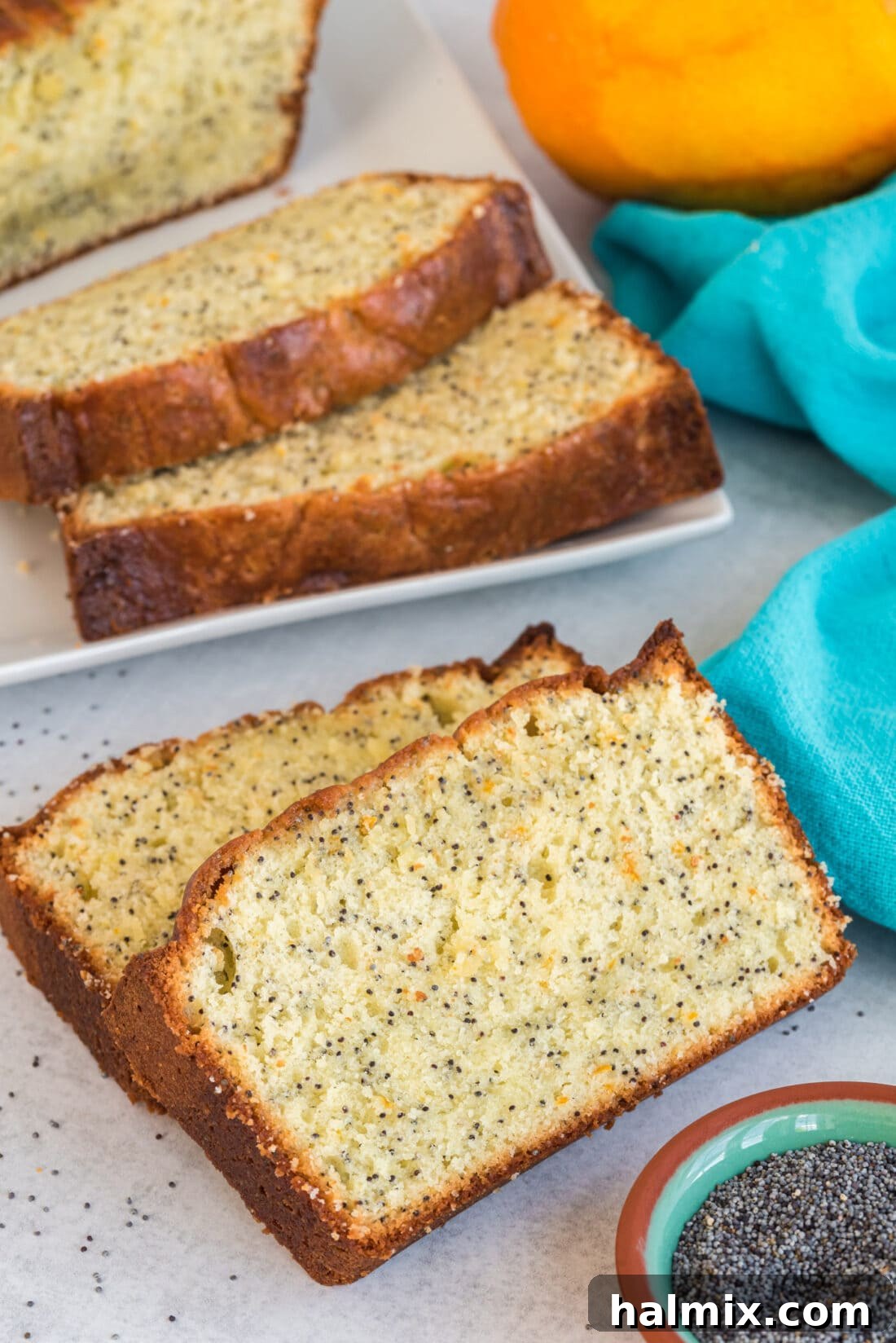
Delightful Serving Suggestions for Your Pound Cake
The beauty of this Orange Poppy Seed Pound Cake lies in its remarkable versatility, making it a fitting treat for almost any moment of the day. A generous slice makes for a fantastic and energizing breakfast on the go, providing a burst of citrusy sweetness to kickstart your morning. It’s also the quintessential companion to a warm, comforting cup of coffee or a soothing cup of tea, elevating a simple break into a moment of pure indulgence and relaxation. Beyond these traditional pairings, consider serving it as an elegant and satisfying dessert after a meal.
This cake is a true crowd-pleaser and an excellent choice for various social gatherings. Its impressive appearance and delightful flavor make it ideal to bring a loaf to tea parties, church potlucks, engaging book club meetings, local bake sales, or cherished family brunches. Prepare to share the recipe, as everyone will undoubtedly be asking for it! Serve this exquisite pound cake at room temperature as is, allowing its natural, vibrant flavors and moist texture to truly shine. For an extra touch of gourmet sophistication, you could also serve it alongside a cloud-like dollop of freshly whipped cream, a luxurious scoop of premium vanilla bean ice cream, or a vibrant medley of colorful fresh berries like raspberries, blueberries, or strawberries. A side of creamy Greek yogurt can also provide a wonderful tangy contrast that beautifully complements the cake’s sweetness. No matter how you choose to present it, this Orange Poppy Seed Pound Cake promises to be a memorable and much-loved addition to any table.
Explore More Delicious Cake and Loaf Recipes
If you’ve thoroughly enjoyed the process of baking and the delightful taste of this Orange Poppy Seed Pound Cake, we warmly invite you to explore more delightful recipes from our extensive collection. From comforting, fruity loaves perfect for breakfast to rich, decadent cakes ideal for special occasions, there’s always something new and exciting to discover for every baker, regardless of skill level:
- Sweet and Juicy Peach Bread
- Moist Sour Cream Banana Bread
- Our Copycat Starbucks Lemon Loaf
- Decadent Raspberry Coffee Cake
- Classic Whipping Cream Pound Cake
- Refreshing Lemon Blueberry Zucchini Bread
- Tropical Pineapple Pound Cake
We are truly passionate about baking and cooking, and we love sharing our culinary adventures, kitchen experiences, and tried-and-true recipes with all of you! We understand that remembering to come back each day for new inspiration can be tough, which is why we offer a convenient newsletter every time a new recipe posts. Simply subscribe today and start receiving your free daily recipes, helpful tips, and endless culinary inspiration directly in your inbox!
Orange Poppy Seed Pound Cake Recipe
This delightful Orange Poppy Seed Pound Cake combines the bright, tangy zest of oranges with the subtle crunch of poppy seeds in a dense, moist pound cake base, crowned with an irresistible almond-orange glaze. Perfect for sharing or savoring on your own!
Course: Breads | Cuisine: American
Yields: 16 servings (makes 2 standard loaves or 8 mini loaves)
Prep time: 20 minutes | Cook time: 50 minutes | Total time: 1 hour 10 minutes
Calories per serving: 467 kcal
Author: Amanda Davis
Ingredients for the Cake:
- 12 oz (2-2/3 cups) all-purpose flour, plus extra for buttering the pans
- 1 ½ tsp baking powder
- ½ tsp salt
- ⅓ cup poppy seeds
- 2 ½ cups granulated sugar
- 4 tsp orange zest, finely grated (from 1-2 large oranges)
- 12 oz (1-1/2 cups) unsalted butter, softened at room temperature, plus extra for buttering the pans
- 8 oz cream cheese, softened at room temperature
- 6 large eggs, at room temperature
- 2 large egg yolks
- 1 tsp pure vanilla extract
Ingredients for the Glaze:
- ⅔ cup fresh orange juice (from 1-2 large oranges)
- ⅓ cup granulated sugar
- ½ tsp almond extract
- ½ tsp orange extract
Equipment You’ll Need:
- Two 9x5x3-inch loaf pans (or eight 5-3/4×3-inch mini loaf pans, each with a 2-cup capacity)
- Handheld mixer (or stand mixer with paddle attachment)
- Large mixing bowls
- Small saucepan
- Rubber spatula
- Wire cooling rack
- Fine-mesh sieve (for straining orange juice)
- Whisk
Instructions:
- Prepare Pans and Preheat Oven: Preheat your oven to 350ºF (175ºC). Thoroughly butter and flour two 9x5x3-inch loaf pans (or eight 5-3/4×3-inch mini loaf pans, each with a 2-cup capacity). Set aside.
- Combine Dry Ingredients and Zest Sugar: In a medium bowl, sift together the all-purpose flour, baking powder, and salt. Whisk in the poppy seeds until well distributed. In a separate large bowl, combine the granulated sugar and finely grated orange zest, rubbing them together with your fingers until the sugar is fragrant and infused with citrus.
- Cream Butter and Cream Cheese: Using a handheld mixer, beat the softened unsalted butter and room temperature cream cheese in the large bowl (with the zest-infused sugar) on medium speed for about 2 minutes, until the mixture is smooth, light, and creamy.
- Add Eggs and Vanilla: Gradually add the 6 large whole eggs, one at a time, beating well after each addition until fully incorporated. Beat in the 2 large egg yolks and pure vanilla extract until just combined. Be careful not to overmix.
- Incorporate Dry into Wet: With the mixer on low speed, slowly add the flour and poppy seed mixture to the wet ingredients. Mix until just combined. Scrape down the sides and bottom of the bowl, then beat on medium speed only until the batter is smooth. Do not overmix.
- Bake the Cake: Evenly spoon the batter into the prepared loaf pans. Run a knife or thin spatula through the batter in each pan to release any air pockets. Bake for approximately 50 minutes for standard loaves (25 to 30 minutes for mini loaves), or until a toothpick inserted into the center comes out clean. Rest the baked cakes in their pans on a wire cooling rack for 10 minutes.
- Prepare the Orange Glaze: While the cakes cool, strain the fresh orange juice into a small saucepan. Bring to a boil over high heat. Stir in the granulated sugar and continue to cook, stirring occasionally, until the mixture thickens slightly and reduces to a scant ½ cup (3 to 4 minutes).
- Flavor and Glaze the Cakes: Remove the saucepan from the heat and stir in the almond extract and orange extract. Carefully remove the partially cooled cakes from their pans and place them on the wire cooling rack. While the cakes are still warm, generously brush the tops and sides of each loaf with the prepared glaze. Repeat brushing every few minutes until all the glaze has been used and absorbed.
- Serve: Allow the Orange Poppy Seed Pound Cake to cool completely at room temperature before slicing and serving for the best flavor and texture.
Nutrition Information (per serving):
- Serving Size: 1 slice (approximately 1/16th of the recipe)
- Calories: 467 kcal
- Carbohydrates: 54g
- Protein: 6g
- Fat: 26g
- Saturated Fat: 15g
- Polyunsaturated Fat: 2g
- Monounsaturated Fat: 7g
- Trans Fat: 1g
- Cholesterol: 154mg
- Sodium: 150mg
- Potassium: 151mg
- Fiber: 1g
- Sugar: 37g
- Vitamin A: 876 IU
- Vitamin C: 6mg
- Calcium: 84mg
- Iron: 2mg
Please note: The recipes on this blog are typically tested with a conventional gas oven and gas stovetop. It’s important to remember that oven performance can vary significantly, especially as appliances age. Using an inexpensive oven thermometer is highly recommended to ensure your oven is truly heating to the proper temperature, which is critical for successful baking. If you are using a toaster oven, countertop oven, pressure cooker, air fryer, slow cooker, or any other alternative appliance, please be aware that they may not distribute heat in the same manner as a conventional full-sized oven, and you may need to adjust your cooking or baking times accordingly. For baking recipes where measurements are provided by weight, it is important to note that results may not be identical if volume (cup) measurements are used instead, and we cannot guarantee success with the latter method due to variations in density.
This Orange Poppy Seed Pound Cake recipe has been thoughtfully adapted from an original version found in Fine Cooking 61, pp. 47, initially published on December 1, 2004. This current rendition, which includes updated photos and enhanced expert tips for an even better baking experience, first appeared on this site on March 26, 2009.