
Crispy Fried Summer Squash: Your Essential Guide to Zucchini & Yellow Squash Perfection
Discover the ultimate recipe for achieving perfectly crispy, golden-brown fried summer squash. Whether you’re working with a bounty of fresh zucchini or vibrant yellow squash from your garden, this simple yet effective method ensures each disc is a bite of tender deliciousness encased in a satisfyingly crunchy breading. Say goodbye to soggy squash and hello to a delectable side dish or appetizer that will become a staple in your summer cooking repertoire.

Why This Crispy Fried Squash Recipe Is a Must-Try
As summer unfolds and gardens overflow with a generous harvest, finding new and exciting ways to enjoy summer squash becomes a delightful challenge. This recipe for easy crispy fried squash isn’t just a solution; it’s a celebration of seasonal abundance! It works so well because it transforms humble zucchini and yellow squash into irresistible golden pan-fried discs. The magic lies in the perfectly seasoned crispy breading that gives way to an incredibly tender, flavorful interior, making every piece an utterly satisfying, “poppable” bite.
Unlike some other squash preparations, this method guarantees a delightful textural contrast. You get that satisfying crunch from the exterior, followed by the soft, subtly sweet taste of the squash itself. It’s a fantastic alternative or complement to other popular summer squash recipes like a rich squash casserole, light and fresh grilled zucchini, or even hearty baked spaghetti squash. Each preparation has its charm, but for those craving a comforting, slightly indulgent, and undeniably crispy treat, this fried squash recipe is truly unparalleled. It’s simple enough for a weeknight meal but impressive enough for entertaining, ensuring your garden bounty never goes to waste.

Key Ingredients for Perfect Fried Squash
Crafting these perfectly crispy fried squash discs requires just a handful of common ingredients. The beauty of this recipe lies in its simplicity and how easily it can be adapted to what you have on hand. For your convenience, you can find a printable version of the full recipe with precise measurements and detailed instructions towards the end of this post.
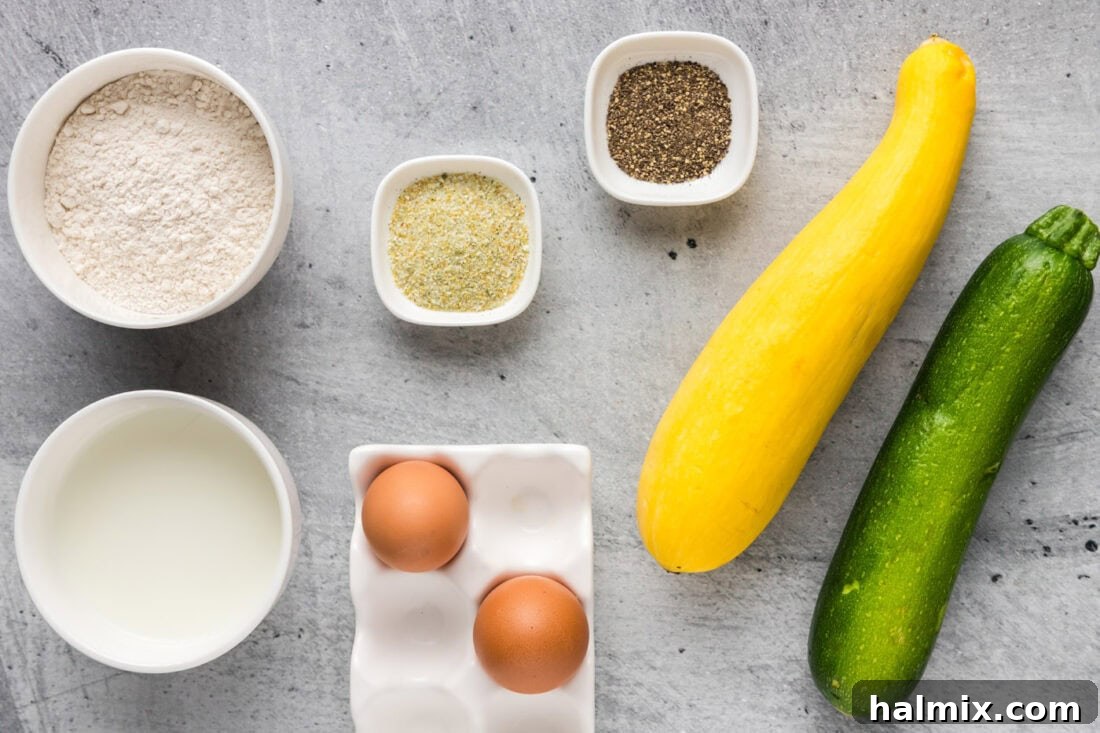
Ingredient Spotlight & Expert Substitutions
Squash Selection: Zucchini vs. Yellow Squash
When it comes to the star of our dish, you have plenty of flexibility. While yellow squash is traditionally favored for fried preparations, we love to use both zucchini and yellow squash for added visual appeal and a subtle variation in flavor. Zucchini tends to be slightly milder, while yellow squash can have a hint more sweetness. Feel free to use either one exclusively, or combine them for a beautiful medley of colors on your plate. Look for firm, blemish-free squash that feels heavy for its size. Younger, smaller squash typically have fewer seeds and a more tender flesh, making them ideal for frying. Larger squash can still be used, but you might want to scoop out some of the seedy interior before slicing.
Choosing the Right Frying Oil
The type of oil you use for frying is crucial for achieving that desired golden crispiness and a clean flavor. We recommend oils with a high smoke point that can withstand the heat required for frying without burning or imparting an off-flavor. Excellent choices include:
- Peanut Oil: A classic for frying due to its high smoke point and neutral flavor.
- Canola Oil: A versatile and widely available option with a good smoke point.
- Vegetable Oil: Another reliable and affordable choice that works perfectly for deep frying.
Avoid oils like olive oil or butter, as their lower smoke points can cause them to burn quickly, leading to an unpleasant taste and potential fire hazards.
Breading Essentials: Flour and Seasoning
The breading is what gives our fried squash its signature crunch. All-purpose flour forms the base, providing a consistent coating. The seasoning – black pepper and garlic salt – adds a foundational layer of flavor. Don’t hesitate to experiment with additional spices to customize your breading! Consider a pinch of paprika for color and a smoky note, onion powder for added savory depth, or a dash of cayenne pepper for a subtle kick. For a different texture, some prefer to mix in a bit of cornmeal for extra grit, or panko breadcrumbs for a lighter, airier crisp.
The Buttermilk & Egg Wash
This simple liquid mixture is the secret to a well-adhered, flavorful breading. The eggs act as a binder, helping the flour stick to the squash, while the buttermilk not only adds a tangy richness but also tenderizes the squash slightly. If you don’t have buttermilk on hand, you can easily make a substitute: simply add one tablespoon of lemon juice or white vinegar to a regular cup of milk, stir, and let it sit for 5-10 minutes until it slightly curdles. For a dairy-free option, plant-based milks with a splash of vinegar can work, though the flavor profile will be different.
Step-by-Step Guide to Crispy Fried Squash
These step-by-step photos and instructions are here to help you visualize how to make this delicious recipe. For a convenient printable version with all measurements and instructions, please jump to the full recipe card at the bottom of this page.
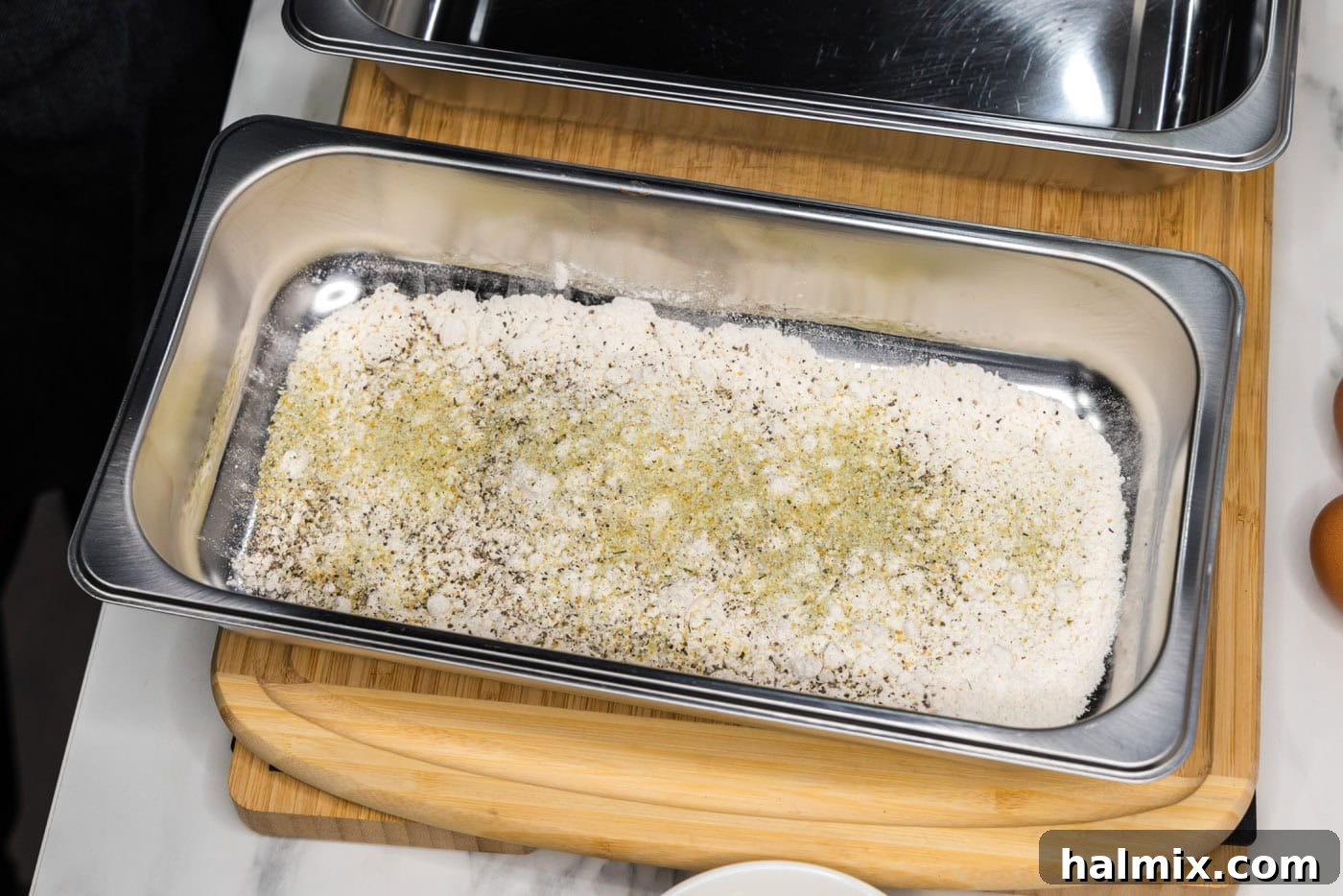
- Prepare your breading station. In one breading tray or a shallow dish, combine the all-purpose flour, black pepper, and garlic salt. Whisk these ingredients together thoroughly to ensure the seasoning is evenly distributed throughout the flour.

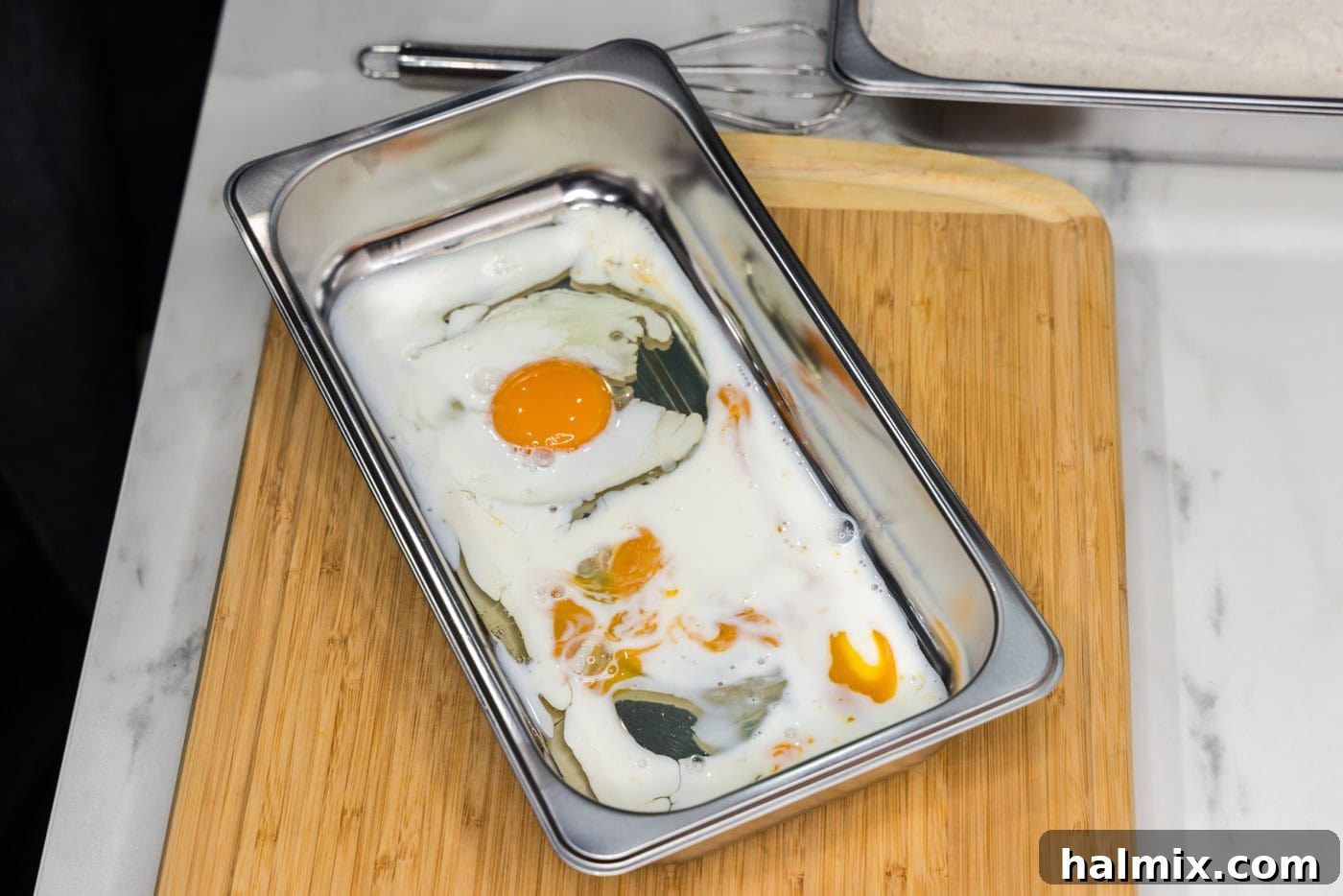
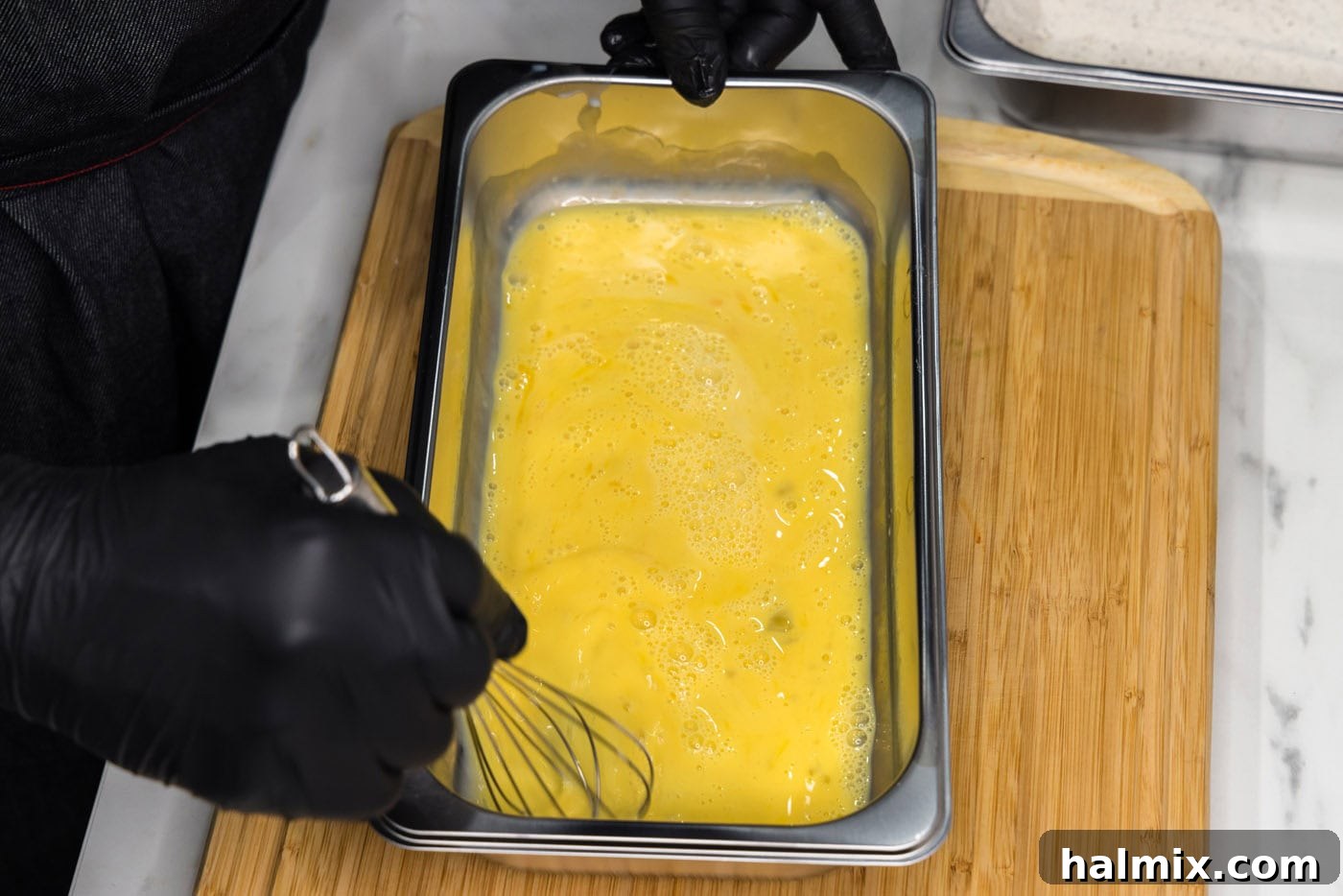
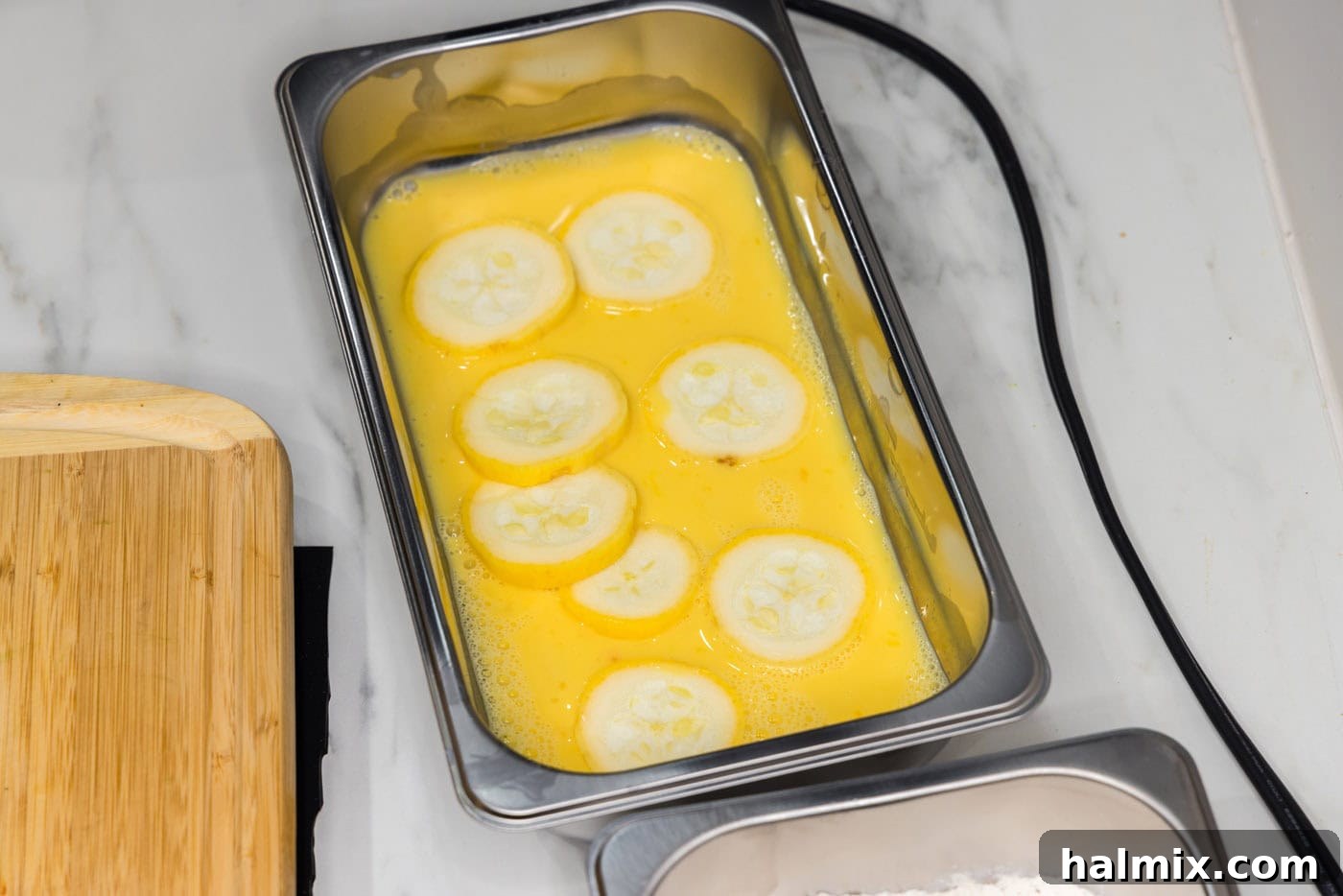
- In a second breading tray or shallow bowl, crack the large eggs and pour in the buttermilk. Whisk these together vigorously until well combined and smooth, creating your egg wash.
- Prepare the squash. Begin by washing and thoroughly drying both the yellow squash and zucchini. Trim off both ends of each squash. Using a sharp knife, slice the squash into uniform 1/2-inch thick coins. Consistency in thickness is key for even cooking.
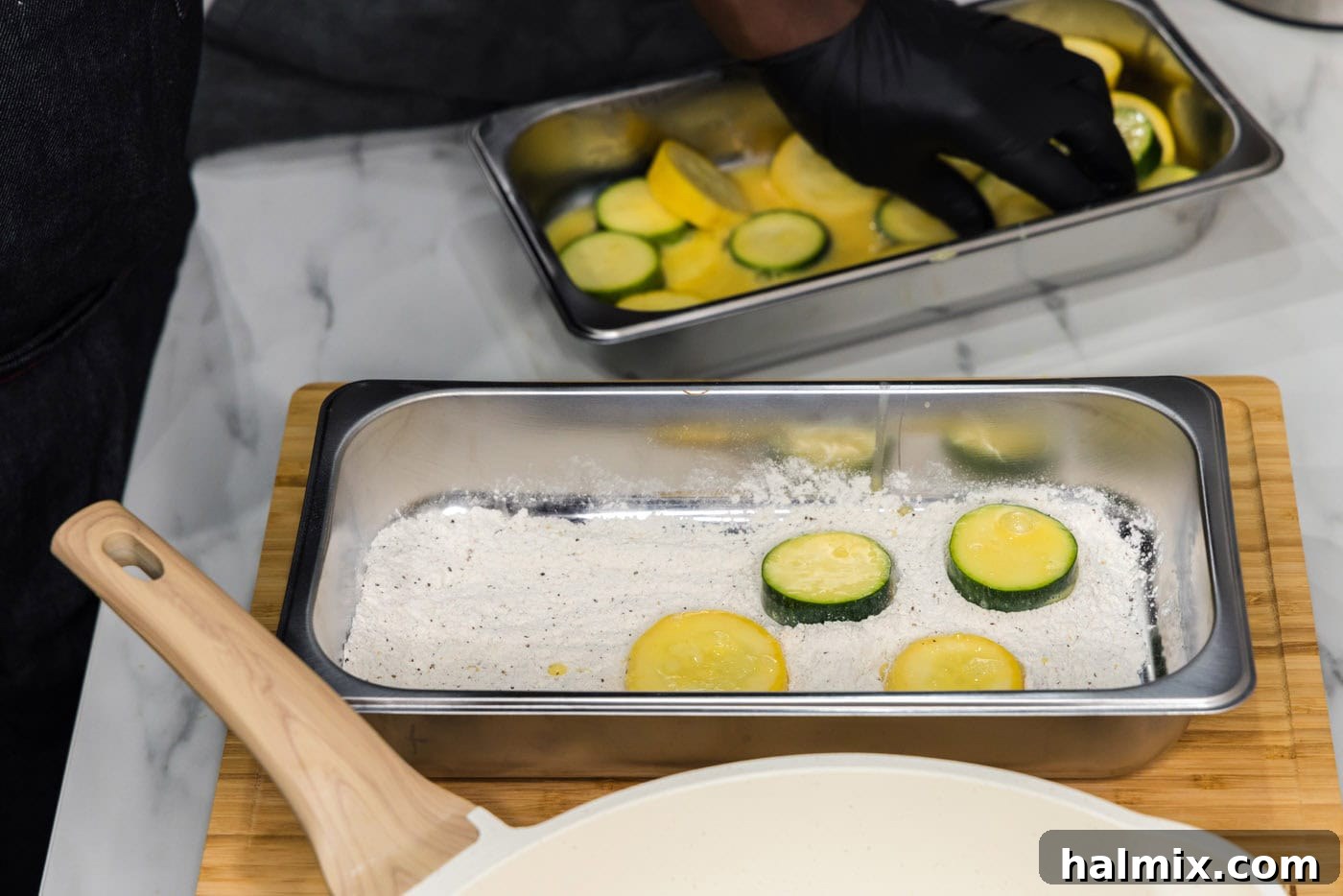
- Breading the squash. Take each squash coin and first dip it into the egg mixture, ensuring it is fully coated. Allow any excess liquid to drip off. Then, transfer the egg-coated squash into the flour mixture. Use tongs to gently turn the squash, making sure both sides are completely covered with the seasoned flour. Gently shake off any excess flour. Repeat this process for all squash coins, setting them aside on a plate as you go.
- Preheat the oil. Pour your chosen frying oil (peanut, canola, or vegetable) into a large heavy-bottomed skillet until it reaches about an inch up the sides. Place the skillet over medium-high heat. Allow the oil to heat up until it reaches a temperature of 350°F (175°C). Using a kitchen thermometer clipped to the side of the pan is highly recommended to accurately monitor the oil temperature.
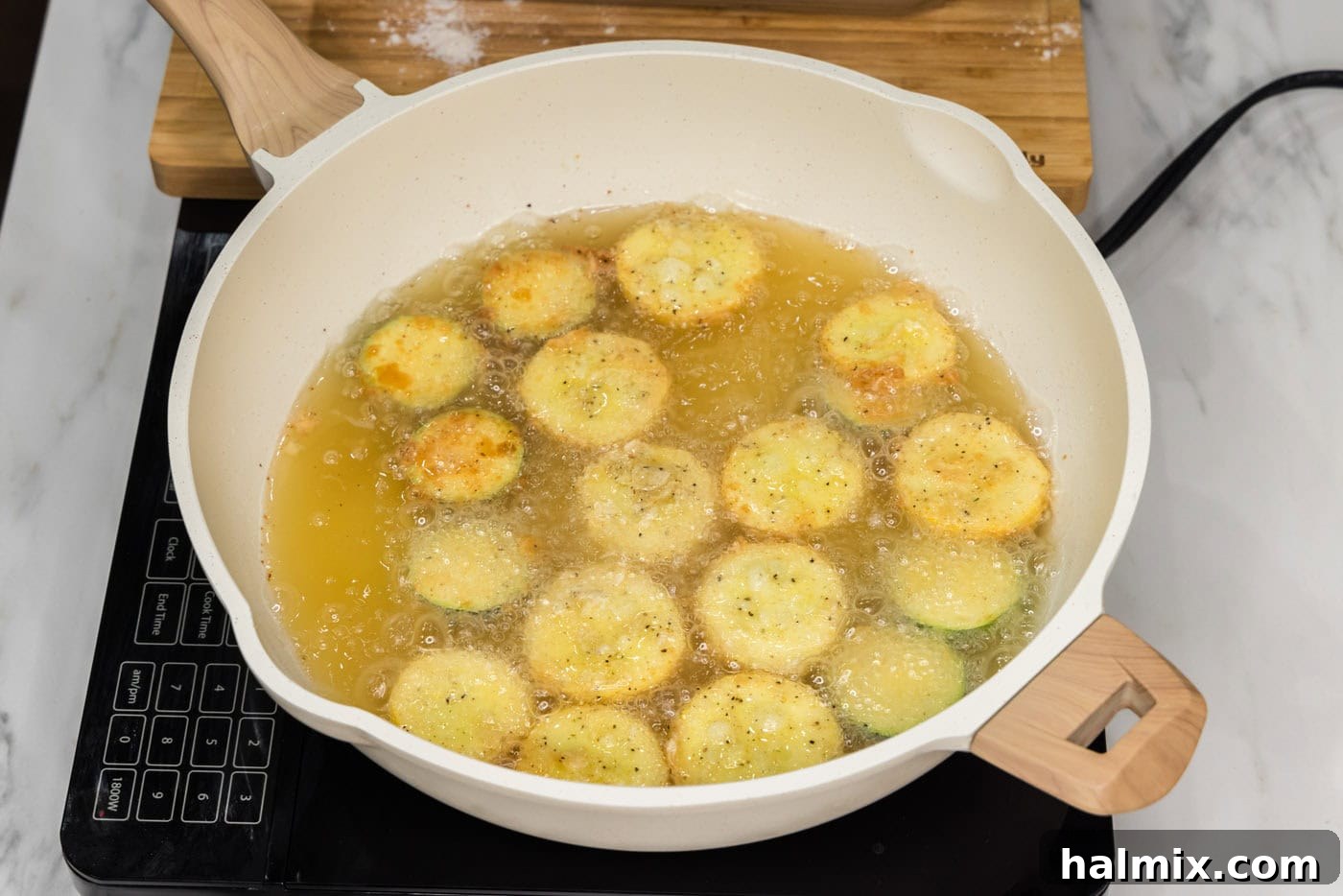
- Fry the squash. Carefully add the floured squash coins to the hot oil, one at a time. Do not overcrowd the pan; fry in batches to ensure the oil temperature remains consistent and the squash fries evenly. Fry for approximately 3 minutes per side, or until each piece is beautifully golden brown and crispy.
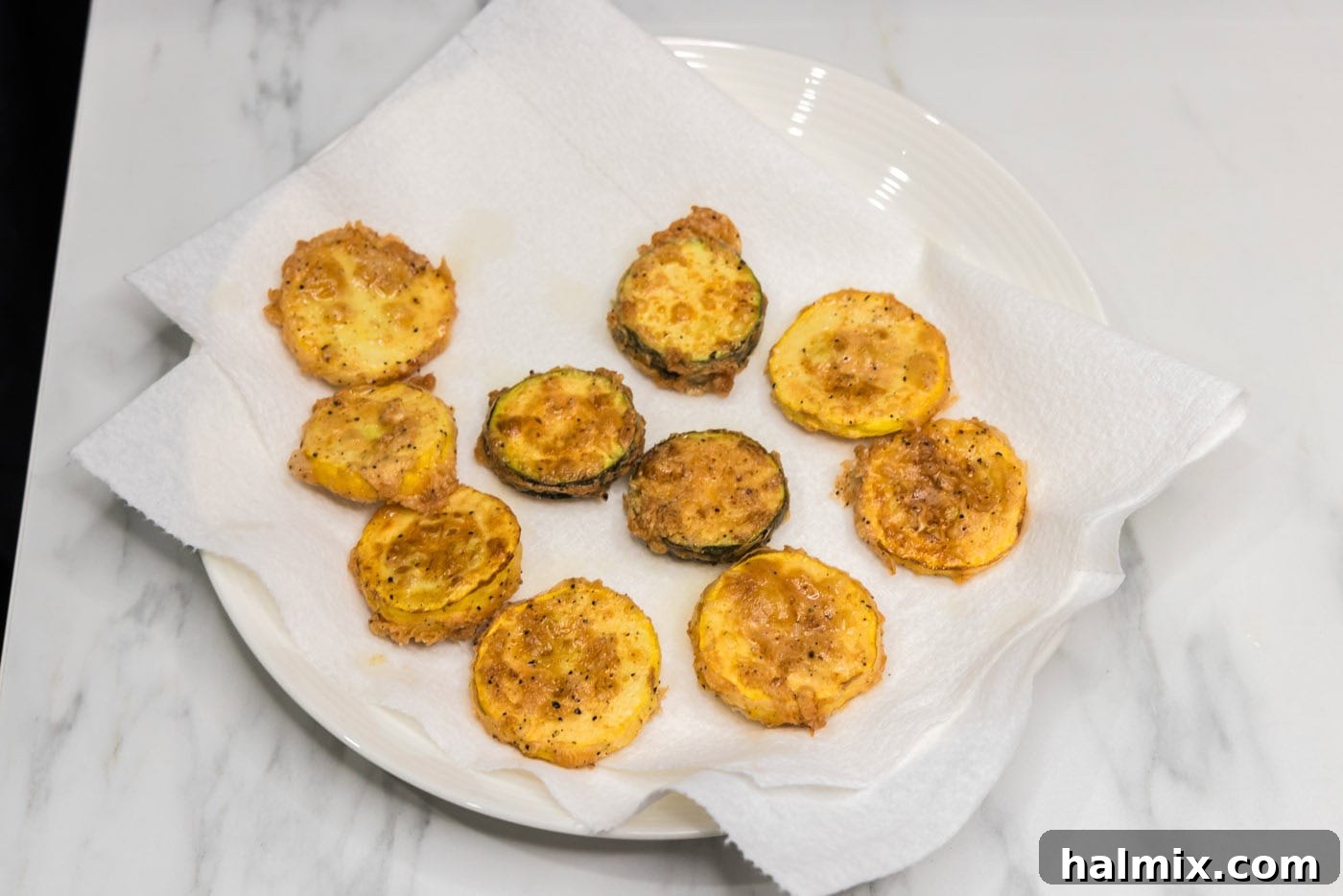
- Drain and serve. Once fried to perfection, remove the crispy squash pieces from the oil using tongs and immediately transfer them to a plate lined with paper towels. This step is crucial for draining excess oil and maintaining their crispiness. Serve hot and enjoy!
Frequently Asked Questions & Expert Tips for Fried Squash
Yes, you can certainly prepare a healthier version of “fried” squash in the oven or an air fryer. While it won’t achieve the exact same deep-fried crispiness, it will still be delicious! To bake: prepare the squash by breading it as you would for pan-frying. Line a baking sheet with parchment paper and place a wire rack on top. Arrange the dredged squash in a single layer on the wire rack. Bake in a preheated 350°F (175°C) oven for approximately 25-35 minutes, flipping halfway through, or until golden brown and tender. For an air fryer: place breaded squash in a single layer in the air fryer basket (you may need to work in batches). Air fry at 375°F (190°C) for 10-15 minutes, shaking the basket or flipping the squash halfway through, until crispy and golden.
For the best texture, fried squash is truly best enjoyed immediately after cooking. However, if you have leftovers, store them in an airtight container in the refrigerator for up to 2-3 days. Be aware that the breading will likely lose some of its crispness and may become a bit soggy due to moisture. To reheat and attempt to restore some crispiness, avoid the microwave. Instead, place the leftovers in an air fryer at 350°F (175°C) for 5-7 minutes, or in an oven preheated to 375°F (190°C) for 10-15 minutes, until heated through and crisp.
Soggy fried squash is usually a result of incorrect oil temperature or overcrowding the pan. Here’s how to prevent it:
- Maintain Oil Temperature: It’s absolutely critical to keep your frying oil at a consistent 350°F (175°C). The temperature will naturally drop when you add cold squash. Use a reliable kitchen thermometer clipped to the side of your skillet to monitor it. If the oil is too cool, the squash will absorb too much oil and become greasy and soggy. If it’s too hot, the breading will burn before the squash cooks through.
- Avoid Overcrowding: Fry the squash in small batches. Adding too many pieces at once drastically lowers the oil temperature, leading to sogginess. Give each piece enough space to fry properly.
- Drain Properly: After frying, immediately transfer the squash to a wire rack set over paper towels. This allows air to circulate and excess oil to drip away, preventing the bottom from becoming soggy.
- Salt at the End: If you salt the squash before breading, it can draw out moisture, making the breading less adherent and potentially leading to a soggy result. Salt your fried squash right after it comes out of the oil.
The squash is done when the breading is a beautiful golden brown and crispy, typically after about 3 minutes per side. You can also test for doneness by piercing a thicker piece with a fork; it should feel tender with no resistance.

Delicious Serving Suggestions for Fried Squash
Crispy fried squash is incredibly versatile and makes a fantastic appetizer, snack, or side dish. Here are some ways to enjoy it:
- Dipping Sauces: Serve with classic ranch dressing, a spicy ranch for a kick, or a tangy Alabama white sauce. Other great options include marinara sauce, honey mustard, a creamy aioli, or even a simple squeeze of lemon juice.
- As a Side Dish: It pairs beautifully with a wide variety of main courses. Consider serving it alongside grilled chicken, steak, pork chops, or fried fish. Its crispy texture offers a wonderful contrast to richer main dishes.
- Garnish: For an extra touch of flavor and visual appeal, sprinkle with freshly grated Parmesan cheese and/or a handful of fresh chopped parsley before serving.
- Creative Uses: Try adding leftover fried squash to a summer salad for extra crunch, or even layering it into sandwiches or wraps for a delightful vegetarian option.
No matter how you choose to enjoy it, this fried squash recipe is sure to be a crowd-pleaser!
More Delightful Summer Squash Recipes
- Fried Zucchini
- Sauteed Zucchini
- Zucchini Pizza Bites
- Baked Spaghetti Squash
I love to bake and cook and share my kitchen experience with all of you! Remembering to come back each day can be tough, that’s why I offer a convenient newsletter every time a new recipe posts. Simply subscribe and start receiving your free daily recipes!

Crispy Fried Summer Squash
Each fried squash coin is coated in a perfectly crispy breading that makes way to a super tender interior. They’re a fantastic way to utilize your garden’s abundance of zucchini and yellow squash!
Rated 5 out of 5 stars from 3 votes
IMPORTANT – There are often Frequently Asked Questions and Expert Tips within the blog post that you may find helpful. Simply scroll back up to read them!
Pin It
Rate It
Course: Appetizer, Side Dish
Cuisine: American
Servings: 3 servings (3 cups total)
Total Time: 26 mins
Calories: 215
Author: Amanda Davis
Ingredients
- ½ cup all purpose flour
- ½ Tablespoon black pepper
- 1 Tablespoon garlic salt
- 2 large eggs
- ½ cup buttermilk
- 1 medium yellow squash
- 1 medium zucchini
- Oil for frying (peanut, canola, or vegetable)
Things You’ll Need
- Large heavy-bottomed skillet
- Breading trays or shallow dishes
- Tongs
- Kitchen thermometer (optional, but highly recommended)
- Paper towels
- Wire rack
Before You Begin / Important Notes
- You do not have to use both zucchini and yellow squash. We chose both for color and presentation, but feel free to use either or.
- You can use peanut, canola, or vegetable oil for frying.
- You’ll likely have leftover breading mixture.
- It’s really important to maintain the temperature of your oil in the skillet while frying squash. The temperature will fluctuate as you add and remove the squash. It’s best to keep a thermometer clipped to the side of the skillet to make sure the oil stays at 350°F (175°C). Work in batches to fry the squash (if needed) instead of crowding the pan.
Instructions
- To one of the breading trays, add the flour, black pepper, and garlic salt. Stir or whisk to combine.
- To a second breading tray, add the eggs and buttermilk. Whisk together until smooth.
- Cut the ends off of the squash and zucchini. Slice into uniform 1/2-inch thick coins.
- Place squash coins into the egg mixture to coat thoroughly. Allow excess liquid to drip off, then move into the flour mixture. Use tongs to turn them, ensuring the flour mixture coats both sides. Gently shake off excess flour.
- Add enough oil in a skillet to come about an inch up the sides of the pan. Heat over medium-high until temperature reaches 350°F (175°C). Use a kitchen thermometer to monitor.
- Add floured squash coins to the hot oil one at a time until the pan is full but not crowded. Fry for 3 minutes per side or until golden brown and crispy. Work in batches as needed.
- Drain the fried squash on a wire rack lined with paper towels to remove excess oil. Serve hot.
Nutrition Information (per serving)
Serving: 1 serving (1 cup) | Calories: 215cal | Carbohydrates: 15g | Protein: 8g | Fat: 14g | Saturated Fat: 3g | Polyunsaturated Fat: 6g | Monounsaturated Fat: 4g | Trans Fat: 0.1g | Cholesterol: 128mg | Sodium: 678mg | Potassium: 466mg | Fiber: 2g | Sugar: 5g | Vitamin A: 513IU | Vitamin C: 23mg | Calcium: 91mg | Iron: 2mg
Tried this Recipe? Pin it for Later!
Follow on Pinterest @AmandasCookin or tag #AmandasCookin!
The recipes on this blog are tested with a conventional gas oven and gas stovetop. It’s important to note that some ovens, especially as they age, can cook and bake inconsistently. Using an inexpensive oven thermometer can assure you that your oven is truly heating to the proper temperature. If you use a toaster oven or countertop oven, please keep in mind that they may not distribute heat the same as a conventional full-sized oven and you may need to adjust your cooking/baking times. In the case of recipes made with a pressure cooker, air fryer, slow cooker, or other appliance, a link to the appliances we use is listed within each respective recipe. For baking recipes where measurements are given by weight, please note that results may not be the same if cups are used instead, and we can’t guarantee success with that method.