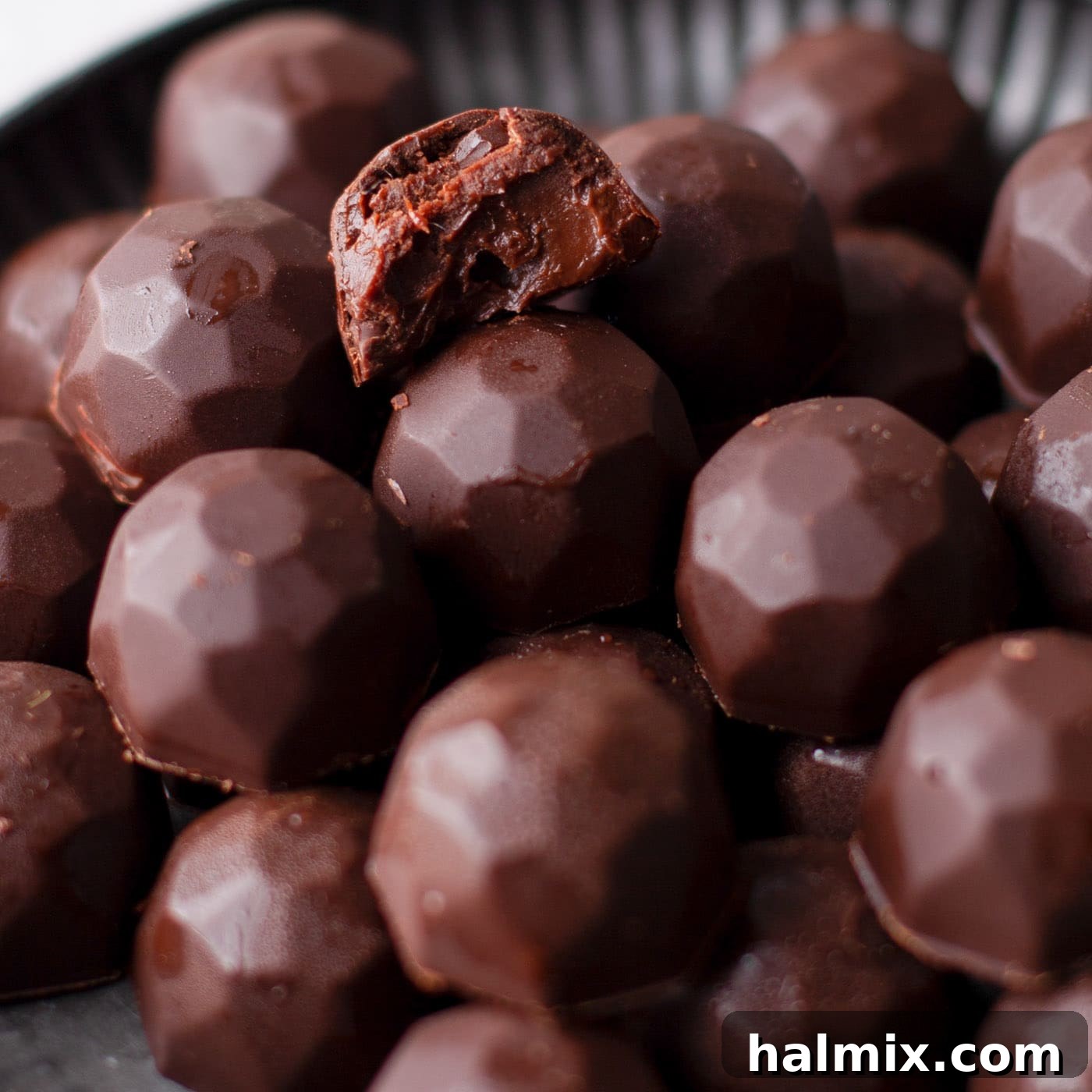
Indulge in the pure luxury of homemade chocolate truffles, a confectionery masterpiece crafted with just four simple ingredients. These decadent treats feature a luscious, silky smooth chocolate ganache encased in a delicate, crisp chocolate shell, making them an ideal choice for elegant gift-giving or a truly special personal treat.
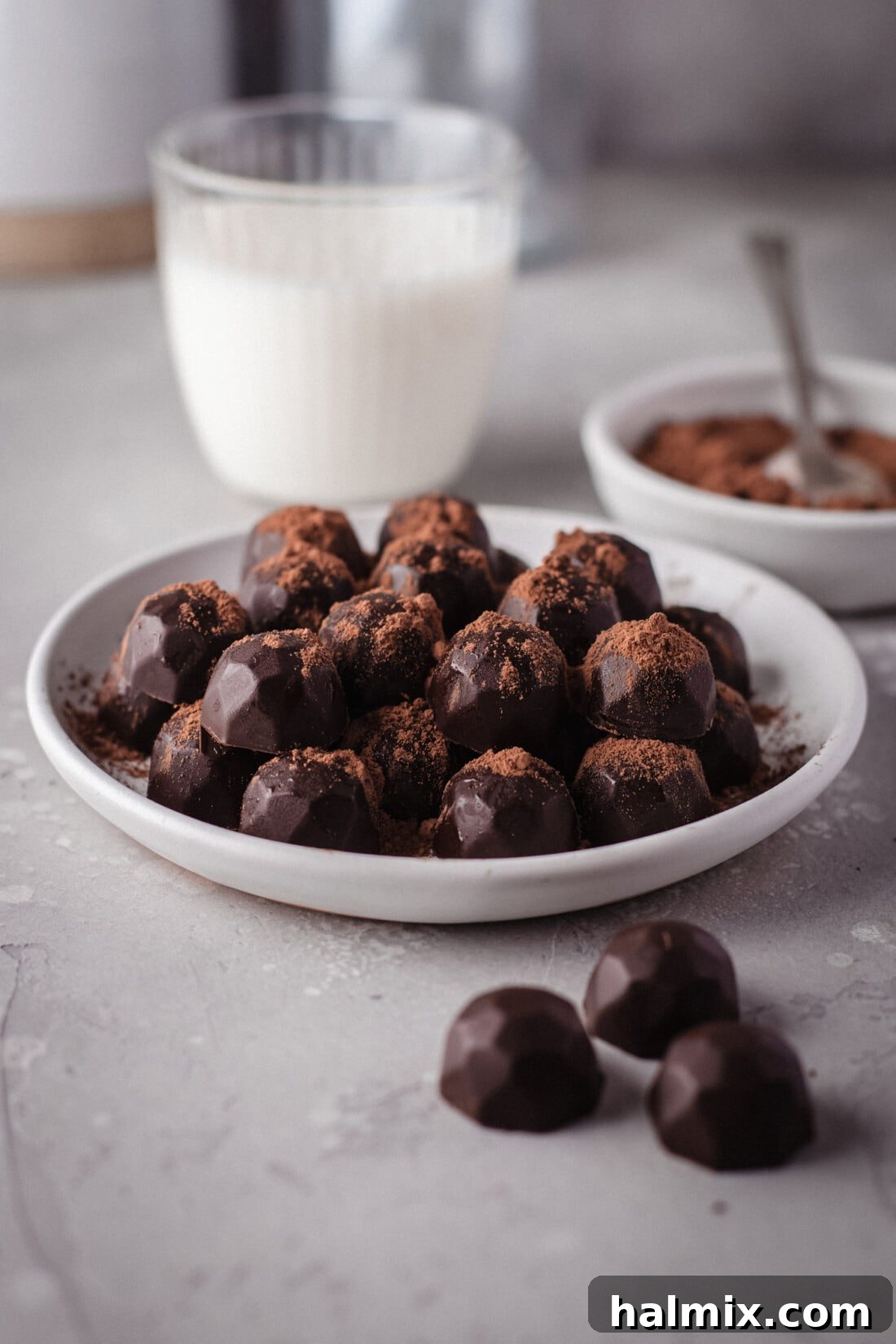
Why This Recipe Works: Crafting Perfect Chocolate Truffles at Home
There’s an undeniable allure to homemade chocolate truffles. With their striking candy-like appearance, rich ganache filling, and often a elegant dusting of cocoa powder, they elevate any occasion. While store-bought truffles offer convenience, crafting them yourself provides an unmatched sense of accomplishment and allows for personalized touches that simply can’t be found elsewhere. This particular recipe stands out because it simplifies the art of truffle making, guiding you to create confections that are both visually stunning and exquisitely flavorful, melting sumptuously in your mouth.
The magic behind achieving that enviable, beautiful chocolate shell lies in utilizing a polycarbonate chocolate mold. This specialized equipment allows the chocolate coating to set perfectly, forming a smooth, glossy, and firm exterior that beautifully contrasts with the soft, yielding ganache inside. Unlike hand-rolled truffles, which offer a rustic charm, molded truffles present a polished, professional finish, making them particularly impressive for special events or as thoughtful, edible gifts. The combination of the firm outer shell and the luxurious ganache center ensures a delightful textural experience with every bite, solidifying this recipe as a go-to for truly spectacular homemade chocolate truffles.
Essential Ingredients for Decadent Chocolate Truffles
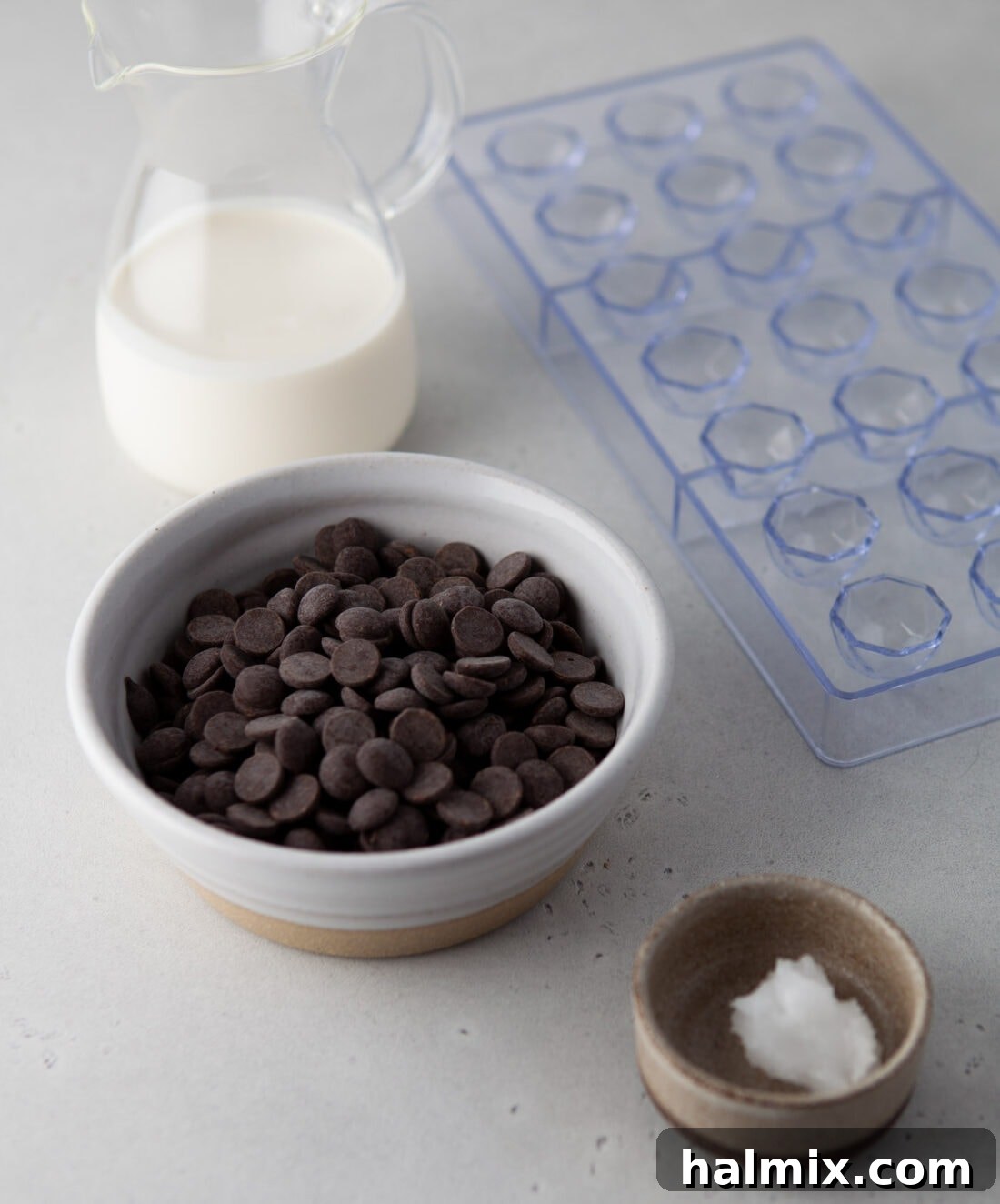
Creating these heavenly chocolate truffles requires just a few key ingredients, each playing a crucial role in achieving the perfect texture and flavor. While the process might seem intricate, the ingredient list is refreshingly simple. Here’s a breakdown of what you’ll need to gather:
For the Silky Ganache Filling:
- **Heavy Whipping Cream:** The foundation of any rich ganache, providing the necessary fat content for a smooth, creamy texture.
- **Semi-Sweet or Dark Chocolate Chips:** The star of the show, delivering that deep, satisfying chocolate flavor.
For the Perfect Chocolate Coating:
- **Semi-Sweet or Dark Chocolate Chips:** Again, chocolate forms the protective and beautiful outer shell.
- **Coconut Oil:** This secret ingredient ensures a glossy, crisp finish that sets beautifully.
- **Cocoa Powder (Optional Garnish):** For an elegant finish and a hint of classic truffle bitterness.
You’ll find precise measurements and step-by-step instructions in the detailed recipe card at the end of this post, but understanding the role of each ingredient is the first step towards mastering these exquisite treats.
Ingredient Deep Dive & Substitution Suggestions for Chocolate Truffles
Understanding your ingredients is key to successful baking and confectionery. For these chocolate truffles, selecting the right components and knowing their role can make all the difference between a good truffle and an extraordinary one. Let’s delve deeper into the core ingredients and explore potential substitutions.
Chocolate Selection: The Heart of Your Truffles
For both the ganache filling and the outer coating, the recipe calls for **semi-sweet chocolate chips**. This type of chocolate offers a balanced sweetness that appeals to most palates without being overly sugary. However, your choice of chocolate significantly impacts the final flavor profile. If you prefer a more intense, less sweet truffle, **dark chocolate chips** (anywhere from 60% to 75% cacao) are an excellent substitution. Dark chocolate will yield a richer, more sophisticated flavor, often with nuanced bitter notes. Conversely, if you desire a sweeter, creamier truffle, **milk chocolate chips** can be used, though be aware that milk chocolate is softer and might require a slightly longer chilling time for the ganache to firm up. Always opt for high-quality chocolate chips or finely chopped baking chocolate, as the quality of your chocolate directly correlates with the richness and smoothness of your truffles.
Heavy Cream: The Key to Silky Ganache
**Heavy cream**, also widely known as heavy whipping cream, is an indispensable ingredient for these chocolate truffles. Its high fat content (typically 36% or more) is what creates the incredibly ultra-silky, smooth, and utterly decadent ganache. This richness contributes to the melt-in-your-mouth texture that is characteristic of premium truffles. The fat in the heavy cream emulsifies beautifully with the melted chocolate, forming a stable and luscious mixture that sets perfectly. It’s crucial to use heavy cream, as lighter alternatives such as milk or half-and-half simply do not possess enough fat. Using them can result in a ganache that is too thin, dull in appearance, or worse, splits and fails to set properly. For the best results and the most luxurious truffles, I strongly recommend sticking exclusively to heavy cream for this recipe.
Coconut Oil: The Secret to a Glossy, Crisp Shell
**Coconut oil** plays a vital role in perfecting the chocolate coating, especially when using chocolate chips which sometimes contain stabilizers that can affect melting and setting. Adding coconut oil ensures your chocolate coating achieves a beautifully smooth, glossy finish and a satisfying snap when bitten into. It helps the chocolate temper more easily and set quickly, creating a professional-looking shell. When substituting, you have a couple of options:
- **Cocoa Butter:** For an even firmer and glossier shell, 1-2 tablespoons of cocoa butter can be used instead of coconut oil. Cocoa butter is naturally found in chocolate and will enhance its texture.
- **Unsalted Butter:** If neither coconut oil nor cocoa butter is available, 1 tablespoon of unsalted butter can be used. However, it’s important to note that regular unsalted butter has a lower melting point and fat composition compared to coconut oil, which will result in a slightly softer chocolate shell. While still delicious, it won’t have the same crisp snap or extended shelf stability at room temperature as truffles made with coconut oil or cocoa butter.
Ensure that whichever fat you choose, it is fully melted and thoroughly combined with the melted chocolate to avoid lumps and achieve a uniform coating.
Optional Additions for Enhanced Flavor:
While this recipe keeps it simple with four main ingredients, a few additions can elevate the flavor profile:
- **Vanilla Extract:** A small dash (1/2 teaspoon) of good quality vanilla extract can be stirred into the ganache after the chocolate has melted. It subtly enhances the chocolate flavor without overpowering it.
- **Pinch of Salt:** A tiny pinch of fine sea salt added to the ganache can remarkably intensify the chocolate flavor, balancing the sweetness and making the truffles even more irresistible.
- **Liqueurs or Extracts:** For adult truffles, a tablespoon of your favorite liqueur (like Kahlúa, Grand Marnier, or rum) can be added to the ganache. For non-alcoholic variations, almond, mint, or orange extracts can introduce delightful new dimensions.
By understanding these ingredients and their roles, you’re well on your way to creating truly exceptional homemade chocolate truffles that will impress any chocolate connoisseur.
How to Make Chocolate Truffles: A Step-by-Step Guide to Perfection
Crafting your own chocolate truffles may seem like a gourmet endeavor, but this recipe breaks it down into easy-to-follow steps, ensuring a successful and rewarding experience. From preparing the luscious ganache to forming the perfect chocolate shells, we’ll guide you through each stage to create these rich, melt-in-your-mouth delights. These detailed instructions, complemented by visual cues (see photos below), will help you visualize the process and achieve professional-quality results. Remember, the key to success lies in patience and precise execution.
For exact measurements and a printable version of this recipe, please refer to the comprehensive recipe card at the end of this post.
Step 1: Prepare the Ganache Filling
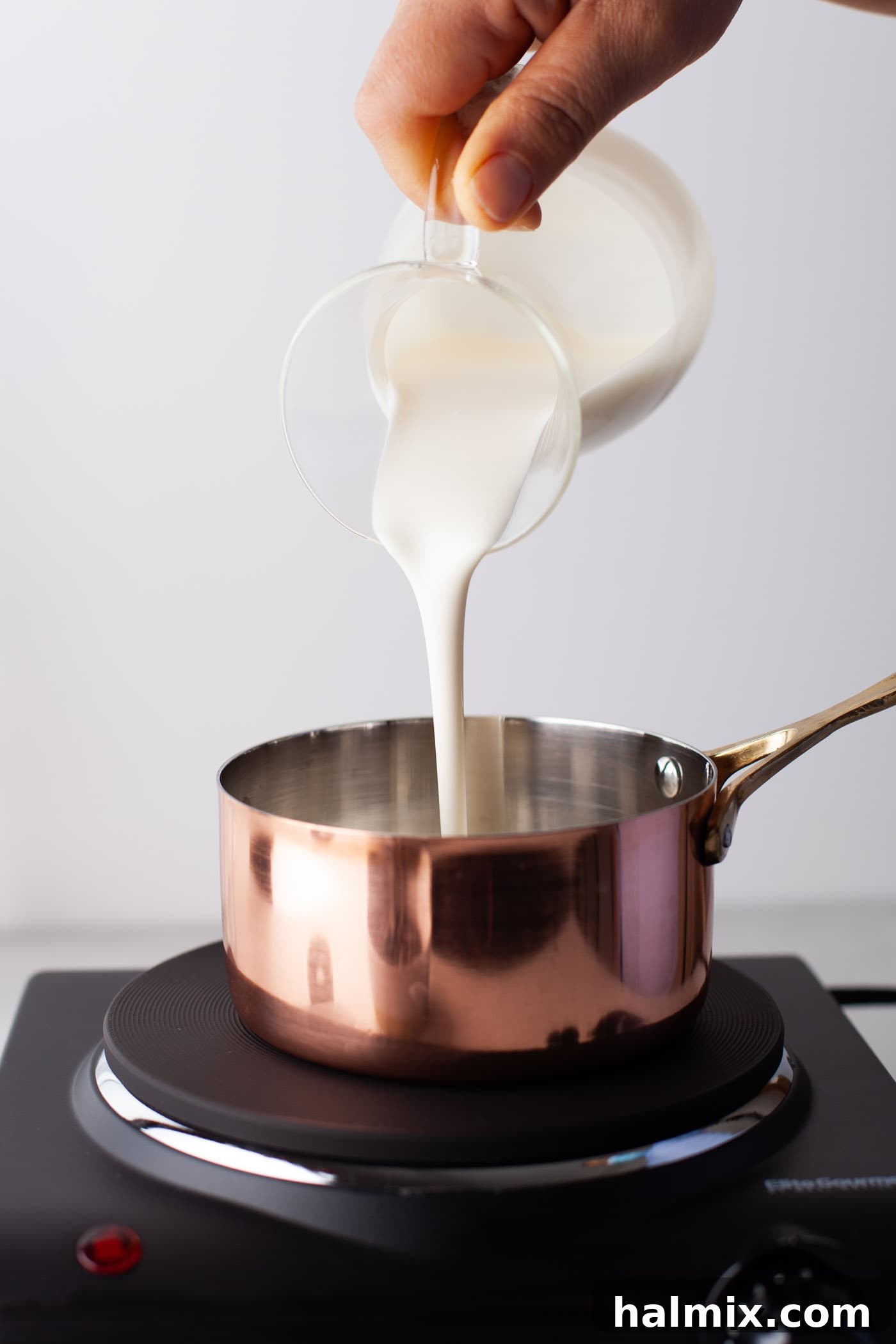
- **Heat the Heavy Cream:** Begin by pouring the heavy whipping cream into a saucepan. Place it over high heat, but be vigilant. You want to remove the cream from the heat just as tiny bubbles start to form around the edges and steam rises, indicating it’s about to boil. Do not let it come to a full, rolling boil.
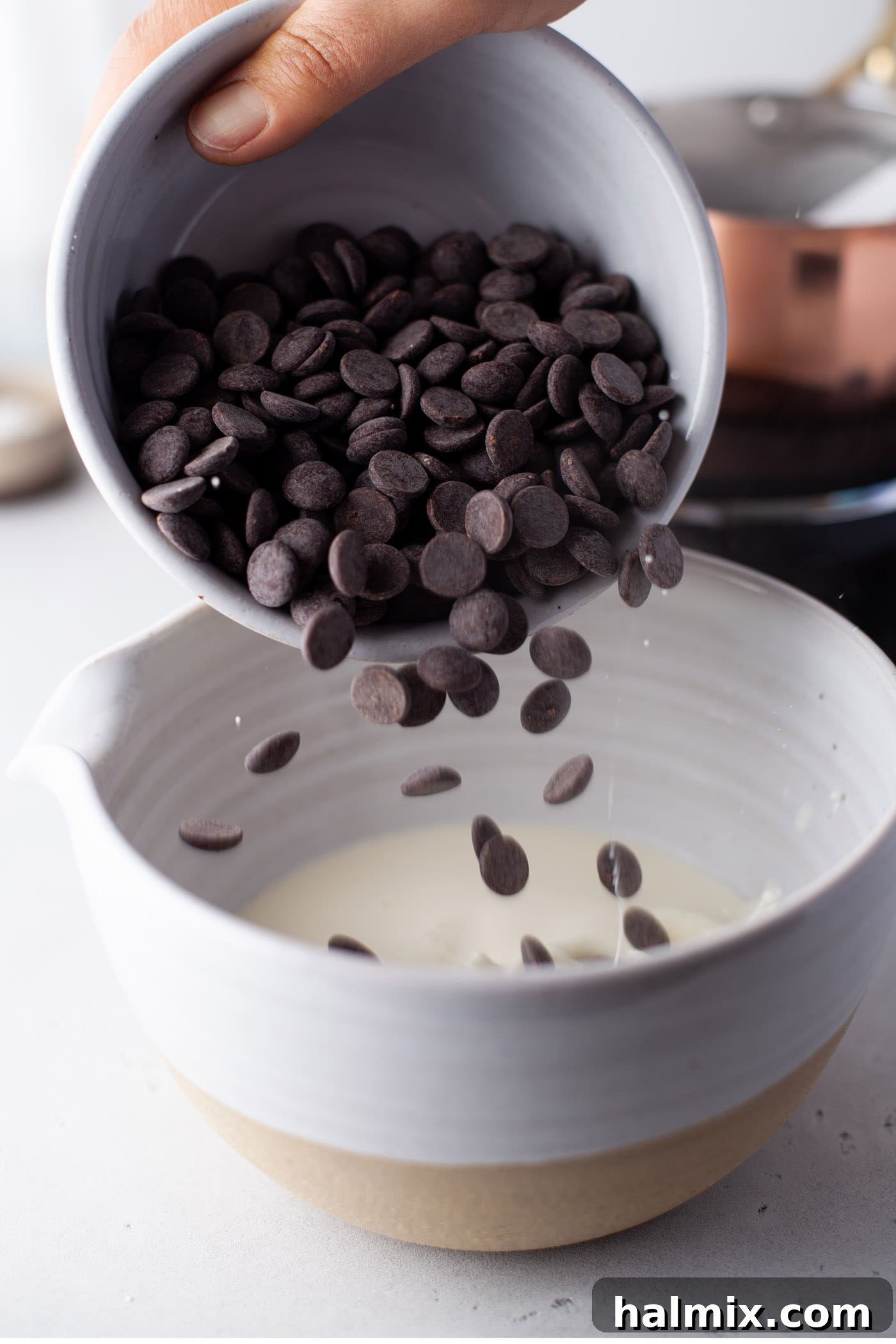
- **Infuse with Chocolate:** Immediately add your semi-sweet or dark chocolate chips to the hot cream. Allow the mixture to sit undisturbed for 5 to 10 minutes. This crucial tempering time allows the residual heat from the cream to gently melt the chocolate, preventing it from seizing and ensuring a silky smooth ganache.
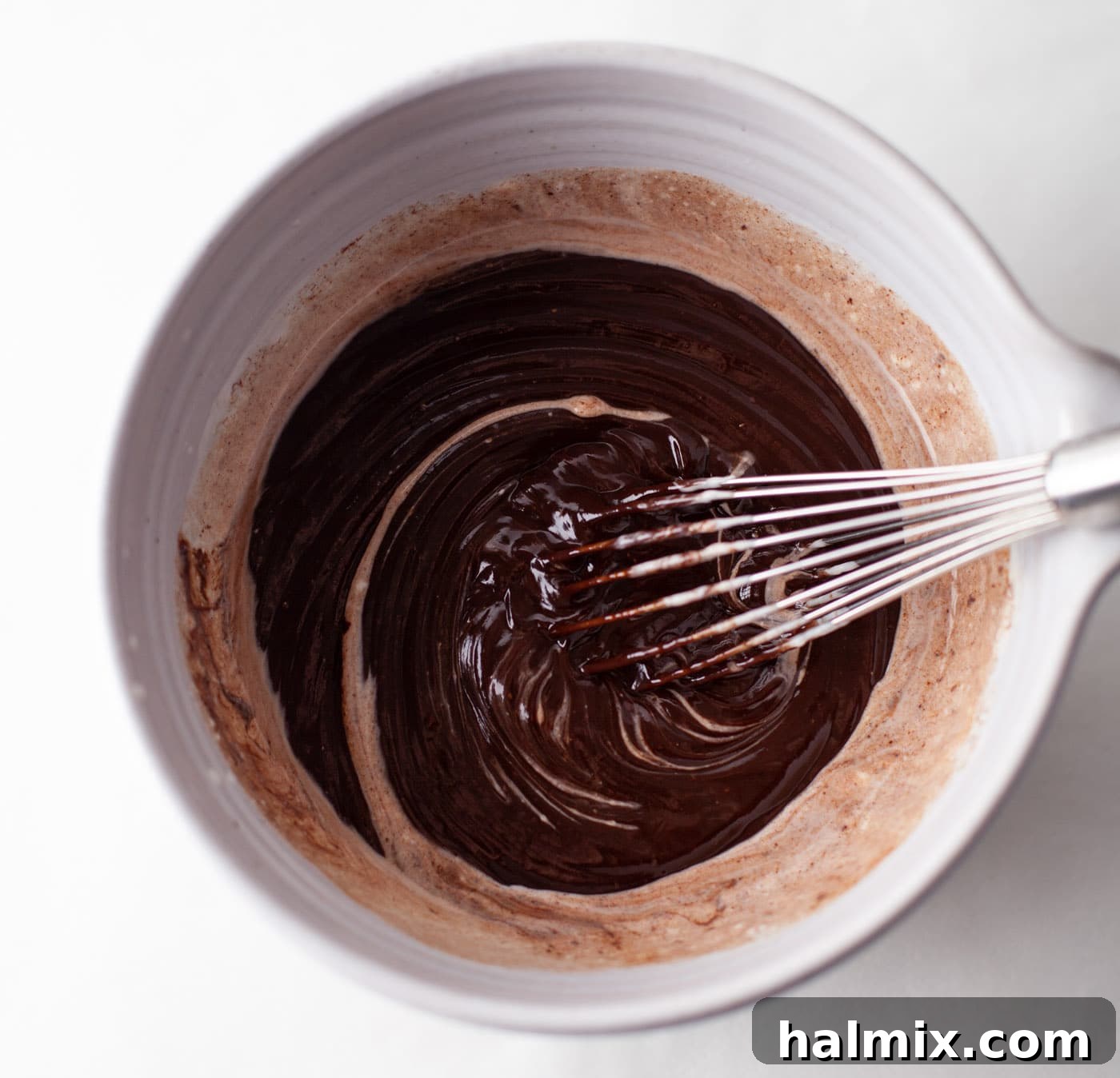
- **Stir Until Smooth:** After tempering, gently stir the chocolate and cream mixture with a whisk or spatula until it is completely combined and smooth, with no lumps of chocolate remaining. The consistency should be thick and glossy.
- **Chill the Ganache:** Transfer the ganache to a bowl and place it in the refrigerator for 25 to 30 minutes. This chilling period is essential for the ganache to thicken to a pipeable consistency, making it easier to fill your molds.
Step 2: Prepare the Chocolate Coating and Molds
- **Melt the Coating Chocolate:** While the ganache chills, prepare the chocolate coating. Place the chocolate chips for the coating in a microwave-safe bowl. Microwave in 20-second intervals, stirring thoroughly after each interval, until the chocolate is completely melted and smooth. Be careful not to overheat the chocolate, as this can cause it to seize.
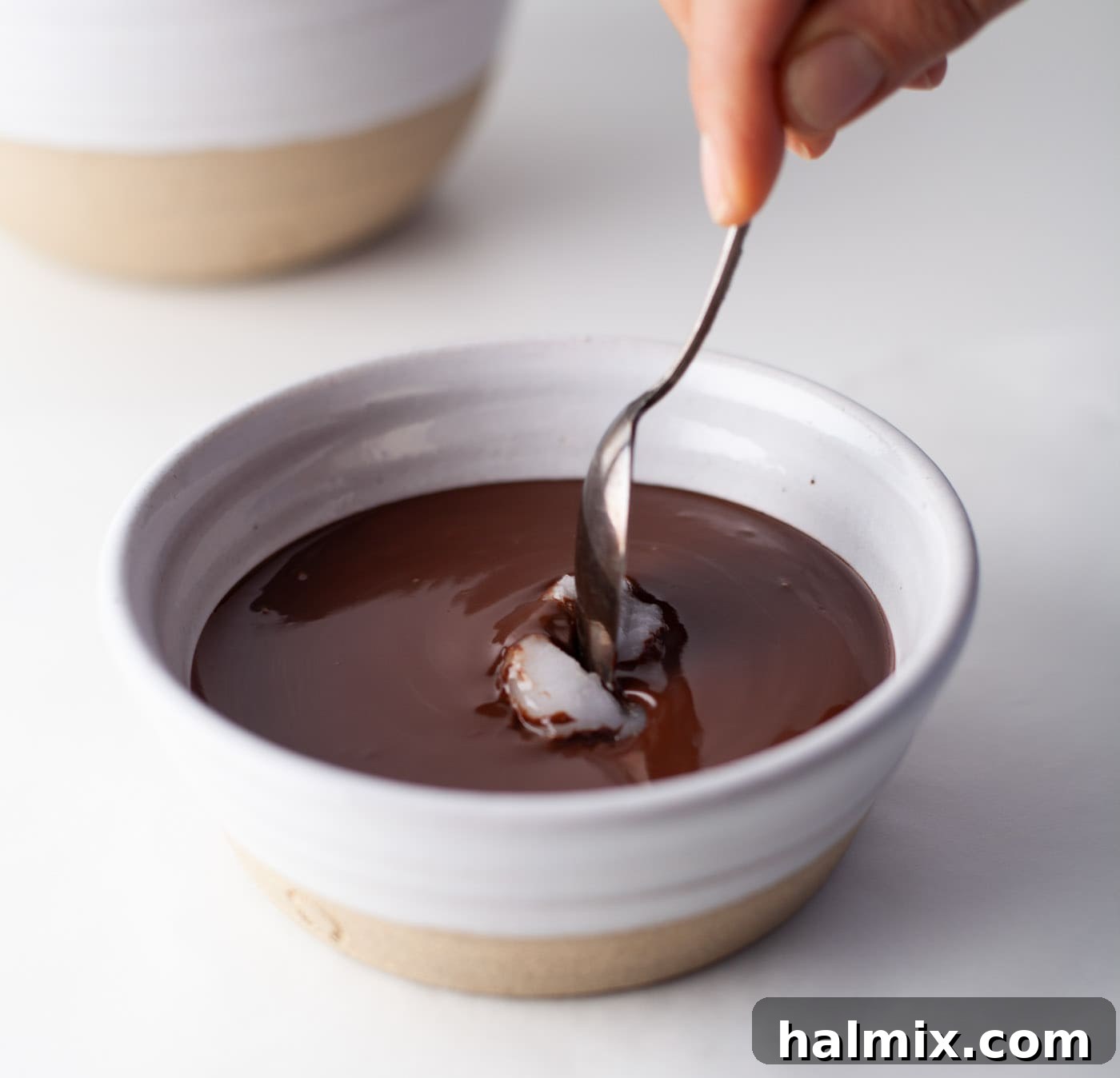
- **Incorporate Coconut Oil:** Add the coconut oil to the melted chocolate and mix well until it is fully incorporated and the mixture is smooth and glossy, with no lumps of oil visible. This ensures a beautiful finish for your truffle shells.
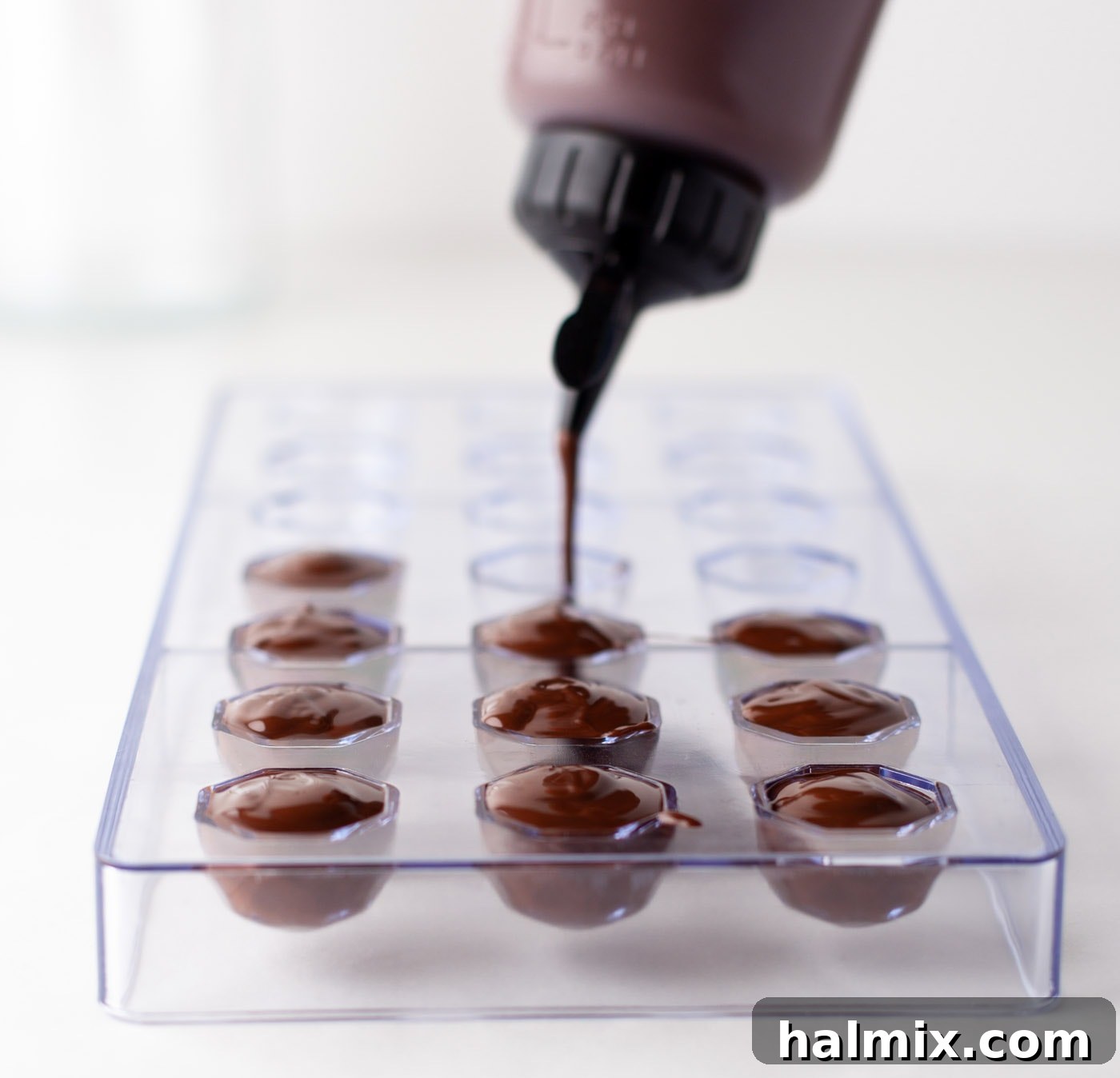
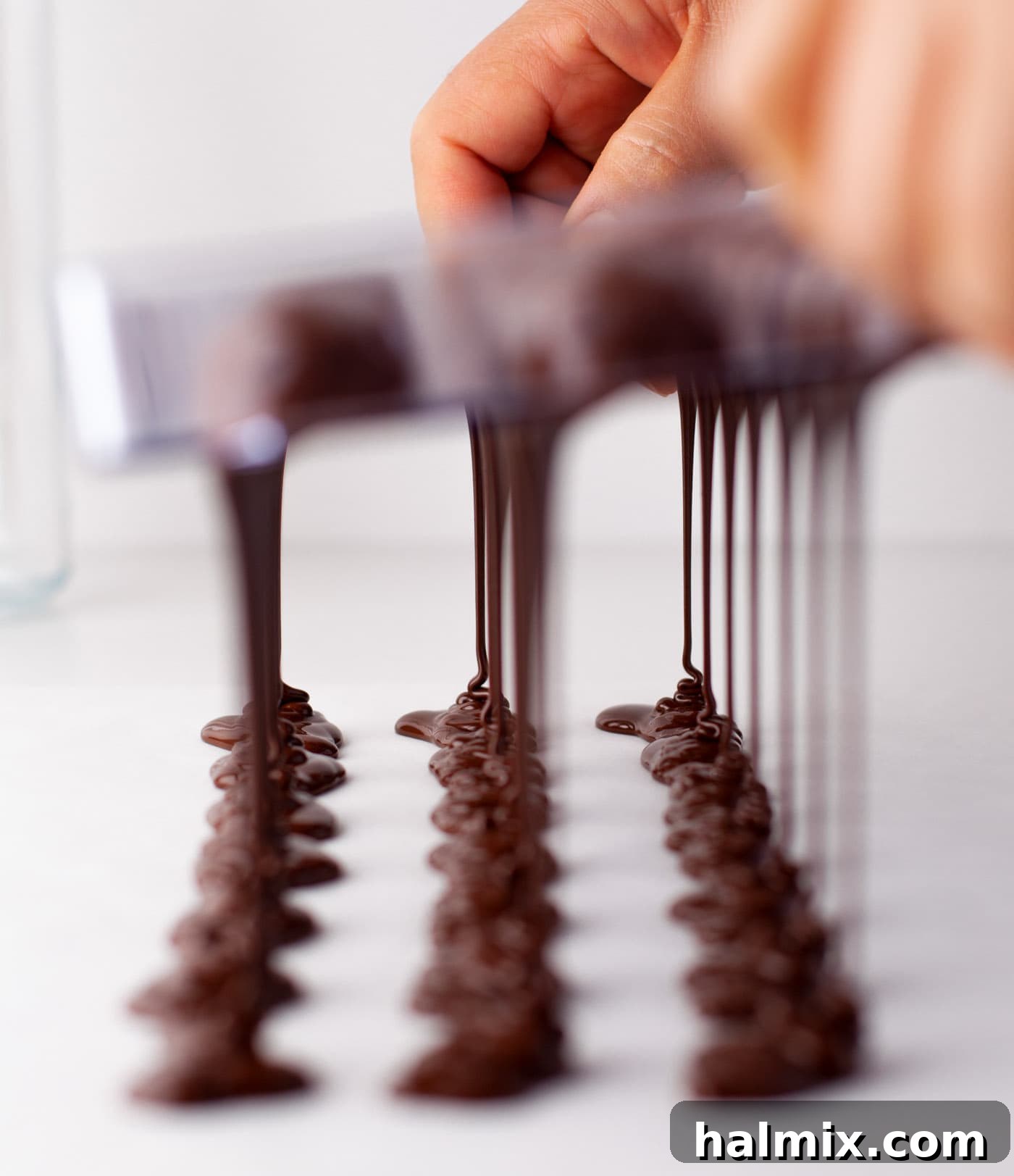
- **Form the Chocolate Shells:** Using a polycarbonate chocolate mold, fill each cavity with the melted chocolate coating. For best control and a neat finish, I highly recommend using a piping bag, a squeeze bottle, or even a ziptop bag with one corner snipped off.
- **Drain Excess Chocolate:** Once all cavities are filled, immediately turn the mold upside down over a sheet of parchment paper. Allow the excess chocolate to drip out. This creates a thin, even shell. After draining, turn the mold upright and let the chocolate set for a short while until the ganache is ready.
Step 3: Fill, Seal, and Finish Your Truffles
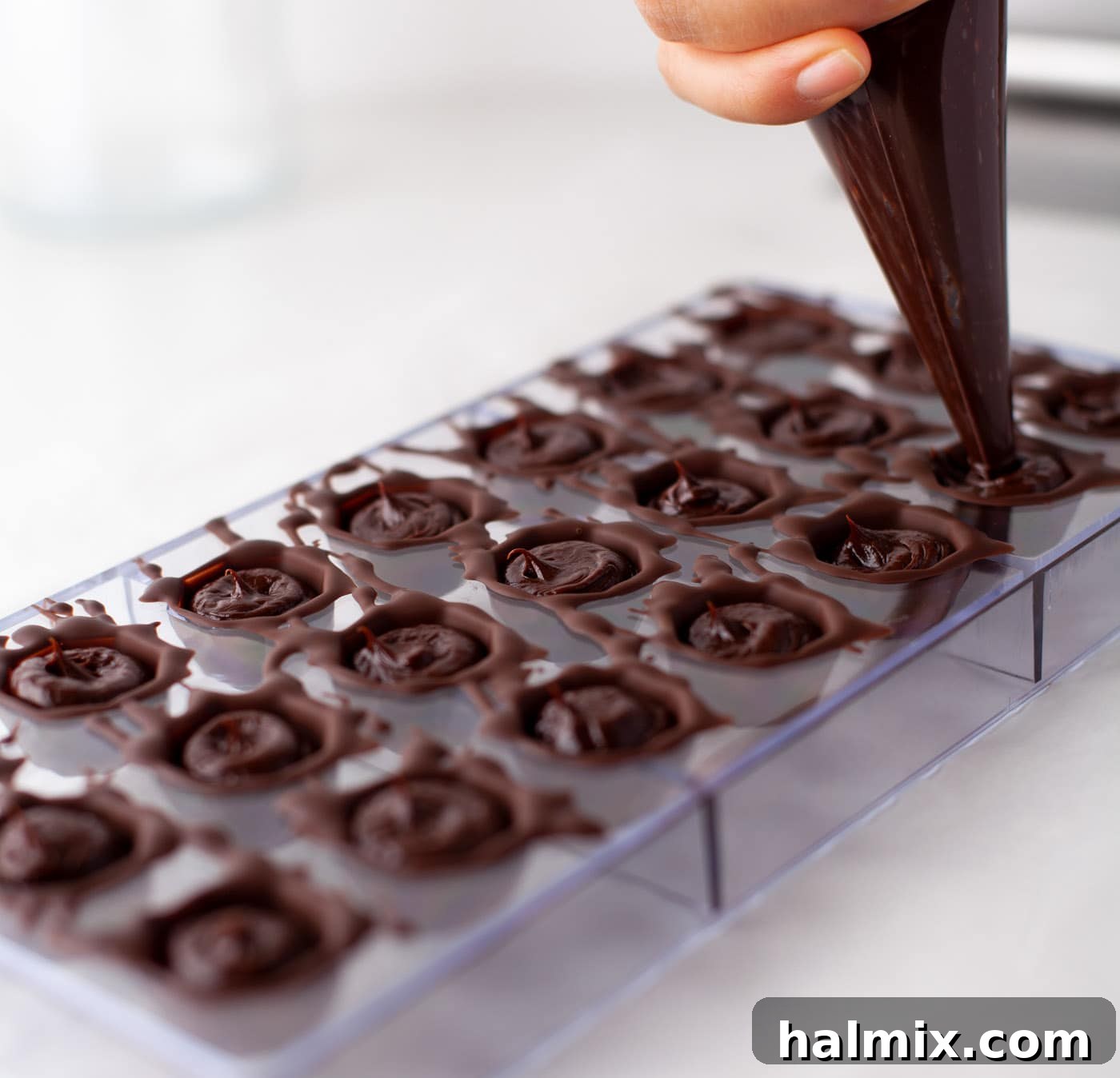
- **Fill with Ganache:** Once your ganache has thickened and the chocolate shells are set, transfer the ganache to a piping bag. Carefully pipe the ganache filling into each chocolate mold, filling them about three-quarters full. Leave a small space at the top for the final chocolate seal. Allow the filled molds to sit for about 10 minutes to allow the ganache to settle slightly.
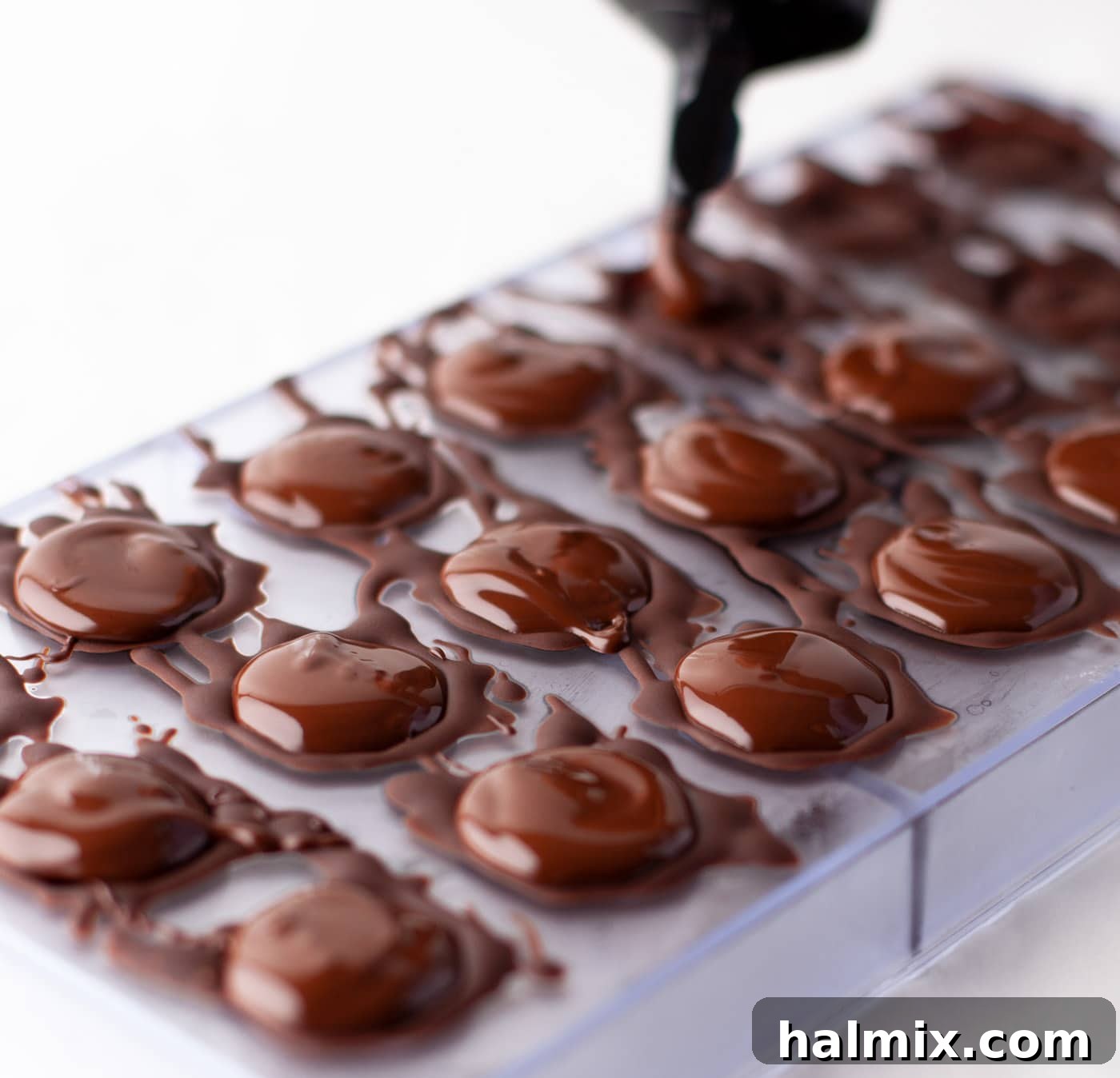
- **Seal the Truffles:** After 10 minutes, add a bit more of the melted chocolate coating to each cavity to seal the ganache within the shell.
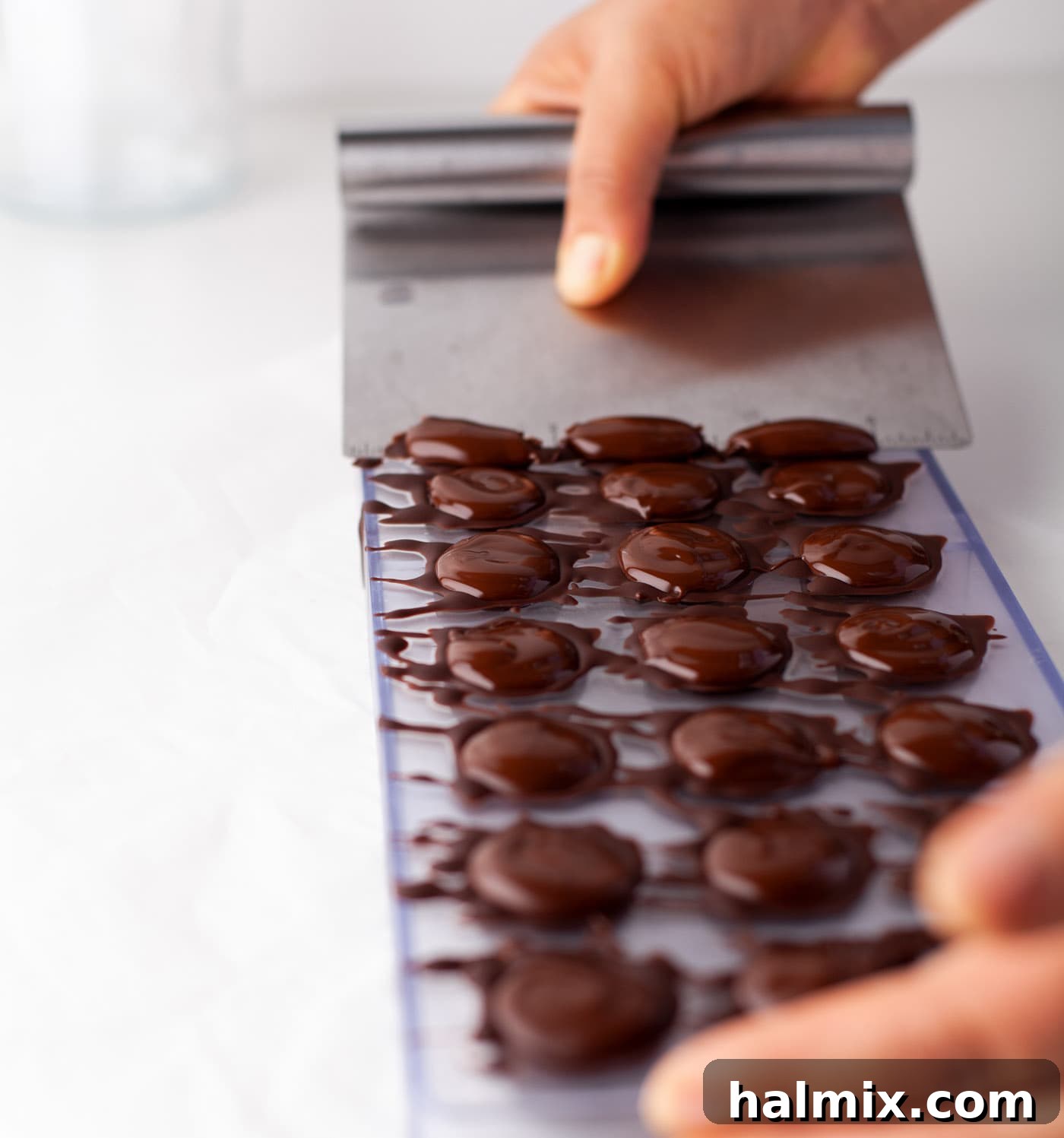
- **Scrape and Chill:** Immediately after sealing, use a pastry scraper or a straight edge to gently scrape the top surface of the mold. This removes any excess chocolate, ensuring a clean, flat bottom for your truffles.
- **Final Set:** Place the filled and sealed molds into the freezer for 30 to 45 minutes, or until the truffles are completely hardened and easily release from the mold.
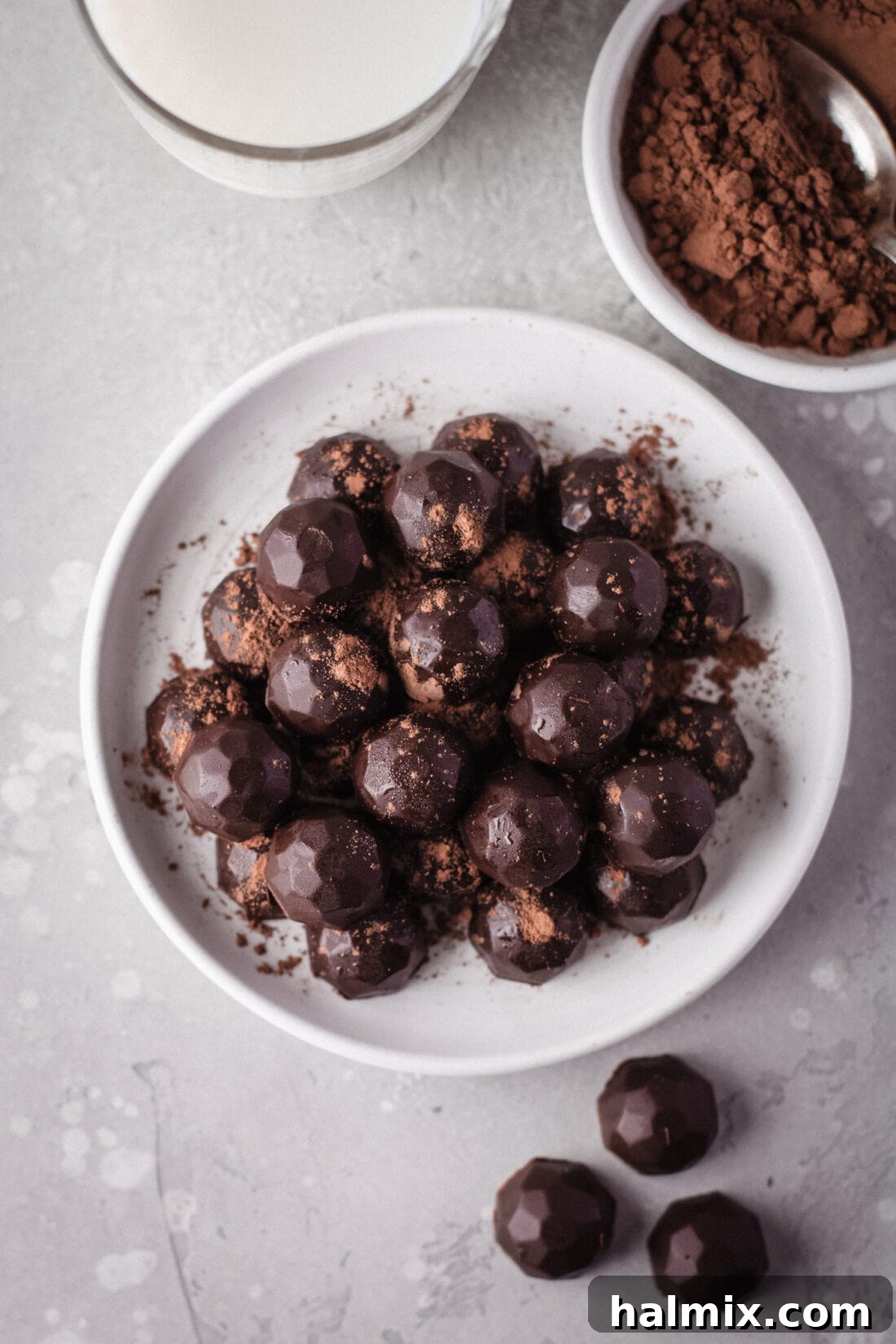
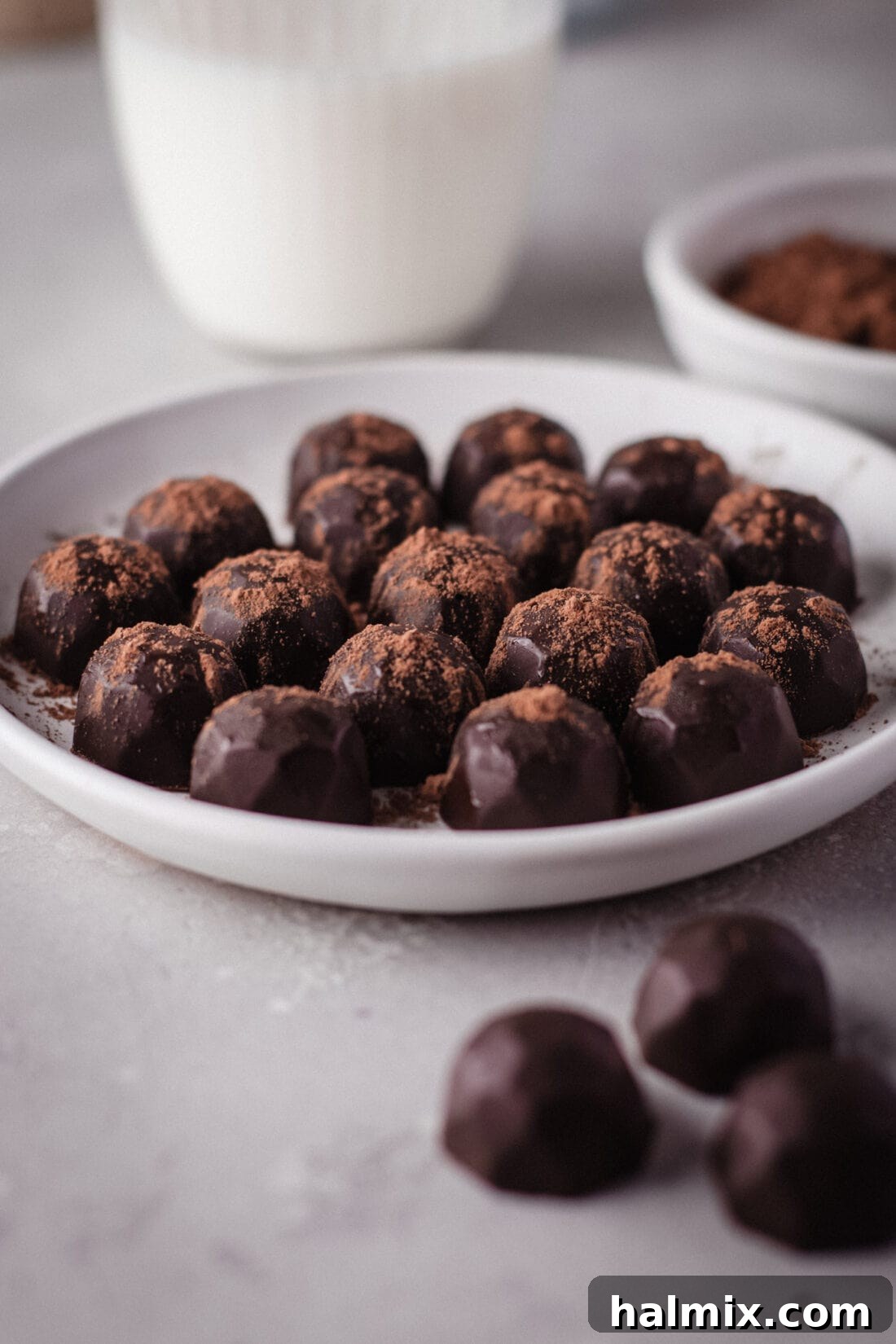
- **Garnish (Optional):** Once released, for an extra touch of elegance and flavor, you can lightly dust the finished truffles with cocoa powder using a fine-mesh sieve.
Frequently Asked Questions & Expert Tips for Perfect Chocolate Truffles
Making chocolate truffles can be a delightful experience, but like any culinary art, a few common questions and challenges might arise. Here’s a comprehensive guide to help you troubleshoot and achieve consistently perfect results.
While it’s highly recommended to use a polycarbonate chocolate mold for this particular recipe, especially if you desire that beautiful, crisp shell, it’s not strictly mandatory. This specific ganache filling is designed to be quite soft and creamy, making it less likely to hold a perfectly round shape if simply rolled by hand. However, if you prefer a more rustic, hand-rolled style, you can try chilling the ganache for a longer period (an hour or two, or even overnight) until it’s very firm. Then, scoop small portions, roll them quickly between your palms, and coat them in melted chocolate or cocoa powder. Just be aware that the texture might be softer, and they won’t have the distinct “snap” of a molded truffle.
Proper storage is crucial for maintaining the quality and freshness of your homemade chocolate truffles. Store them in an airtight container in the refrigerator for up to 2 weeks. This keeps the chocolate firm and prevents the ganache from spoiling. If left at room temperature, truffles will generally keep for about 3-4 days, but the chocolate coating may become slightly sticky to the touch and lose some of its pristine gloss, especially in warmer or humid environments. Always store them away from direct sunlight or heat sources.
Chocolate seizing is a common frustration, typically occurring when a tiny amount of moisture comes into contact with melted chocolate, or due to overheating. Chocolate is very sensitive to moisture; even a drop of water or steam can cause it to turn grainy and clumpy. To prevent this, ensure all your equipment is completely dry. Overheating can also cause seizing, burning the sugar solids in the chocolate. When melting chocolate, especially in the microwave, use short intervals and stir frequently. For a double boiler method, ensure the bottom of the bowl does not touch the simmering water, and no steam escapes into the chocolate. Gentle heat and patience are your best allies.
A ganache that is too soft usually indicates it hasn’t chilled enough or the ratio of cream to chocolate might be off. The quickest fix is to simply pop your ganache back into the refrigerator to chill for an additional 30 minutes to an hour. It needs to be firm enough to pipe or scoop. If prolonged chilling doesn’t firm it up sufficiently, double-check that you used the correct measurements of cream and chocolate as specified in the recipe. If it’s still too runny, you can gently re-melt a small amount of chocolate and stir it into the ganache to increase the chocolate content and help it set firmer upon re-chilling.
Absolutely! Chocolate truffles freeze beautifully, making them excellent for meal prepping desserts or for gifting later. Once your truffles are fully set and hardened, arrange them in a single layer on a parchment-lined baking sheet. Flash freeze them for about 1-2 hours until they are completely solid. This prevents them from sticking together. Once frozen, transfer the truffles to an airtight, freezer-safe container. They can be frozen for up to 2 months. To enjoy, simply thaw them in the refrigerator overnight or for a few hours at room temperature until softened, then enjoy!
Yes, absolutely! Truffles are incredibly versatile. For the ganache, you can experiment with a variety of extracts like peppermint, almond, orange, or even a touch of espresso powder for a mocha twist. For adult versions, add a splash of liqueur such as Grand Marnier, Kahlúa, rum, or Irish cream. Ensure any liquid additions are small so as not to thin the ganache too much. For the coating, you can mix in finely crushed nuts, sprinkles, or even a different type of chocolate for a marbled effect.
Creative Serving and Gifting Ideas for Your Chocolate Truffles
Homemade chocolate truffles are not just a treat for the taste buds; they are also exquisite gifts that convey thoughtfulness and care. Their elegant appearance makes them perfect for a variety of occasions, from holiday celebrations to heartfelt thank-you gestures. Here are some creative ways to serve and gift your delightful creations:
Elegant Gift Presentation:
- **Cellophane Bags with Ribbons:** For a simple yet charming presentation, place 3-5 truffles in clear cellophane bags and tie them with a festive bow or a rustic twine. This allows the beauty of the truffles to shine through.
- **Decorative Goodie Boxes:** Elevate your gift by nestling truffles into miniature cupcake liners within a decorative box. Line the box with parchment paper or tissue paper for an added touch of luxury. Choose boxes that match the occasion – elegant gold for anniversaries, themed prints for holidays.
- **Truffle Assortments:** If you’ve experimented with different flavors or coatings, create an assorted box of truffles. This offers a delightful surprise and allows the recipient to enjoy a variety of tastes. Clearly label the flavors on a small tag or card.
- **Personalized Tags:** Attach a small, handwritten tag with a personal message or a description of the truffle flavors. This adds a unique and personal touch that recipients will cherish.
- **Cooler Bags for Transport:** When gifting, especially during warmer months, consider placing your gift box in a small insulated cooler bag with a gel pack. This ensures the chocolate remains perfectly set and doesn’t melt before reaching its destination. Always advise recipients to refrigerate the truffles upon receipt.
Creative Serving Suggestions:
- **Dessert Platter Centerpiece:** Arrange your truffles on a beautiful dessert platter alongside fresh berries, a few delicate cookies, or small pieces of cheese for a sophisticated after-dinner offering.
- **Coffee & Tea Pairing:** Serve truffles with freshly brewed coffee, espresso, or a selection of fine teas. The rich flavors complement each other wonderfully.
- **Wine & Liqueur Complement:** For an adult indulgence, pair dark chocolate truffles with a glass of red wine (like Merlot or Cabernet Sauvignon), port wine, or a dessert liqueur.
- **Afternoon Treat:** A single truffle can be a perfect accompaniment to a quiet afternoon moment, providing a luxurious pick-me-up.
- **Diverse Toppings & Dustings:** Beyond cocoa powder, consider rolling some truffles in finely chopped nuts (pistachios, pecans, hazelnuts), shredded coconut, colorful sprinkles, or even a light dusting of powdered sugar for visual variety and extra texture.
No matter how you choose to present or serve them, these homemade chocolate truffles are guaranteed to be a hit, leaving a lasting impression of homemade goodness and gourmet elegance.
Explore More Homemade Indulgences: Sweet Treats to Delight
If you’ve enjoyed the rewarding experience of making these decadent chocolate truffles, you’ll love exploring other homemade candy recipes. Creating your own sweet treats is a fantastic way to customize flavors, ensure quality ingredients, and share edible joy with loved ones. Here are a few more delightful candy recipes to inspire your next kitchen adventure:
- Classic Potato Candy
- Irresistible Candied Pecans
- Addictive Saltine Cracker Toffee
- Homemade Chocolate Turtles
- Quick Microwave Caramels
- Elegant Marbled Mocha Hot Cocoa Bombs
Each recipe offers a unique flavor and texture profile, promising more opportunities to create delicious memories right in your kitchen.
I genuinely love to bake and cook, and sharing my culinary experiences with all of you brings me immense joy! Keeping up with new recipes can be a challenge, which is why I offer a convenient newsletter delivered straight to your inbox every time a new recipe is posted. Simply subscribe today and start receiving your free daily recipes!
Chocolate Truffles Recipe
These homemade chocolate truffles are a showstopper, featuring a gorgeous candy-like exterior, a rich ganache filling, and a sophisticated dusting of cocoa powder. Prepare for a melt-in-your-mouth experience!
Recipe Overview
- Course: Dessert
- Cuisine: American
- Servings: 21 truffles
- Total Time: 1 hour 40 minutes
- Calories: 154 cal per truffle
- Author: Amanda Davis
Ingredients
Ganache Filling
- 1 cup heavy whipping cream
- 1 ¼ cup semi-sweet chocolate chips (or dark chocolate)
Chocolate Coating
- 1 cup semi-sweet chocolate chips (or dark chocolate)
- ½ Tablespoon coconut oil
- Cocoa powder (for garnish, optional)
Equipment You’ll Need
- Polycarbonate Chocolate Mold
- Saucepan
- Piping bag
- Squeeze bottle (optional, for coating)
Before You Begin: Expert Notes
- Heavy cream, also known as heavy whipping cream, is essential for these chocolate truffles. Its high fat content creates an ultra-silky ganache with a decadent melt-in-your-mouth texture. Milk or half-and-half lack sufficient fat, which can lead to a thin, dull, or split ganache that won’t set correctly. Stick to heavy cream for best results.
- Coconut oil imparts a smooth, glossy finish to your chocolate coating that sets beautifully, especially when using chocolate chips. If needed, you can substitute with 1-2 Tablespoons of cocoa butter OR 1 Tablespoon of unsalted butter. Note that unsalted butter will produce a softer shell compared to coconut oil.
Instructions
- Heat heavy whipping cream in a saucepan over high heat. Remove it from the heat just before it reaches a rolling boil (look for small bubbles around the edges).
- Add the chocolate chips to the hot cream. Let the mixture sit undisturbed for 5 to 10 minutes to temper. Then, stir until completely combined and smooth.
- Place the ganache mixture in the refrigerator for 25 to 30 minutes, or until it has thickened to a pipeable consistency.
- In the meantime, melt the chocolate for the coating in the microwave. Heat in 20-second intervals, stirring after each, until fully melted and smooth. Stir in the coconut oil until completely blended and lump-free.
- Fill the polycarbonate mold with the melted chocolate coating. Using a piping bag or squeeze bottle is recommended for precision. Immediately turn the mold upside down over parchment paper to allow excess chocolate to drip out, creating a thin shell. Turn the mold upright and let the shells set while the ganache finishes chilling.
- Once the ganache is thickened, transfer it to a piping bag. Pipe the ganache filling into each mold cavity, filling them approximately ¾ full. Let them sit for about 10 minutes to settle.
- After 10 minutes, add a small amount of the remaining chocolate coating to each cavity to seal the truffles. Immediately use a pastry scraper or straight edge to scrape off any excess chocolate from the top of the mold for a clean finish.
- Place the filled and sealed molds in the freezer for 30 to 45 minutes, or until the truffles are completely hardened and easily release from the mold. For an optional garnish, dust the finished truffles with cocoa powder.
Nutrition Information
Tried this Recipe? Pin it for Later!
Follow on Pinterest @AmandasCookin or tag #AmandasCookin!
The recipes on this blog are meticulously tested with a conventional gas oven and gas stovetop. Please note that oven performance can vary, especially with age, leading to inconsistent cooking and baking. We recommend using an inexpensive oven thermometer to ensure your oven maintains the correct temperature. If you use a toaster oven or countertop oven, be aware that heat distribution may differ from a full-sized conventional oven, potentially requiring adjustments to cooking or baking times. For recipes involving pressure cookers, air fryers, slow cookers, or other appliances, links to the specific models we use are provided within each respective recipe. In baking, when measurements are given by weight, results may not be identical if volumetric cups are used, and we cannot guarantee success with alternative measurement methods.