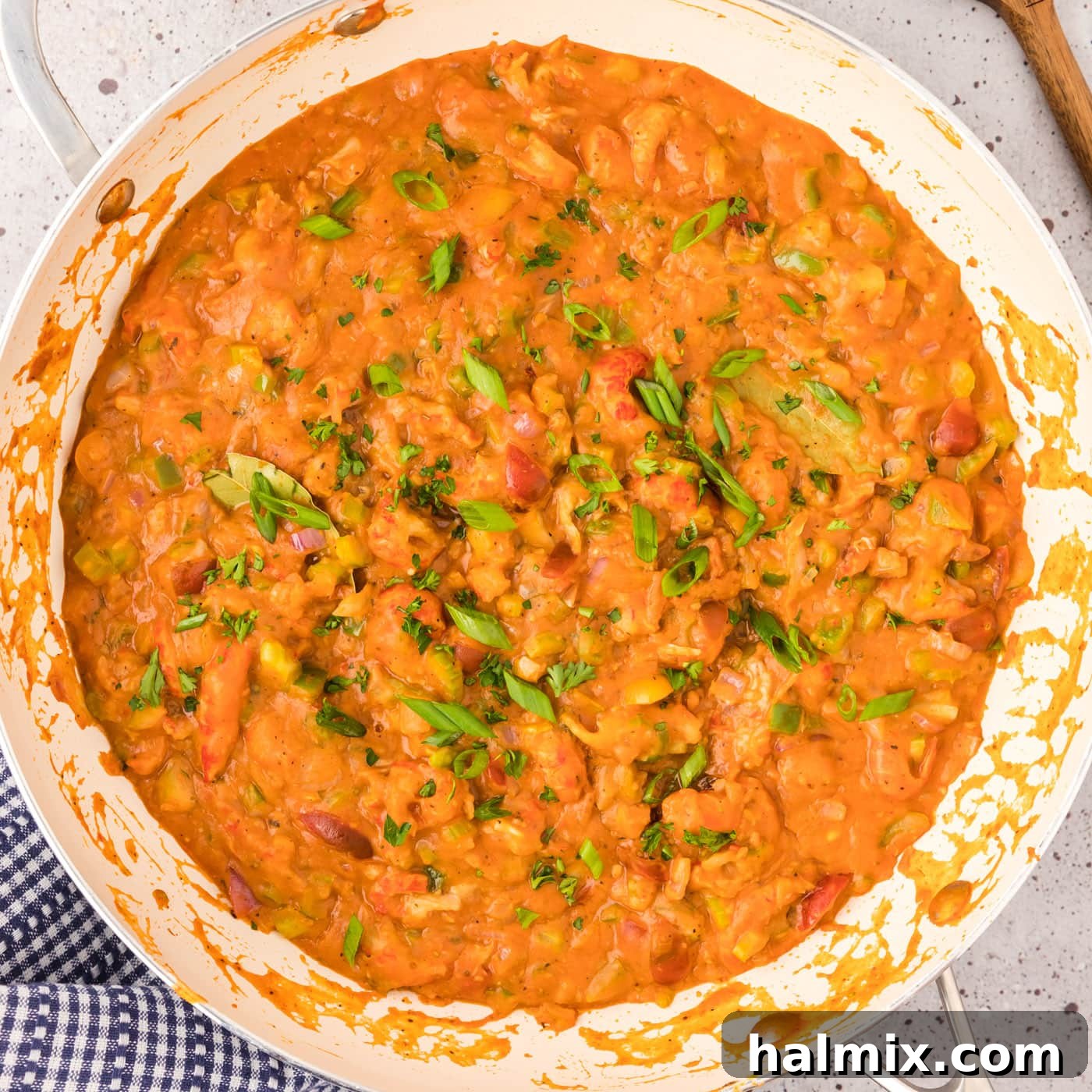
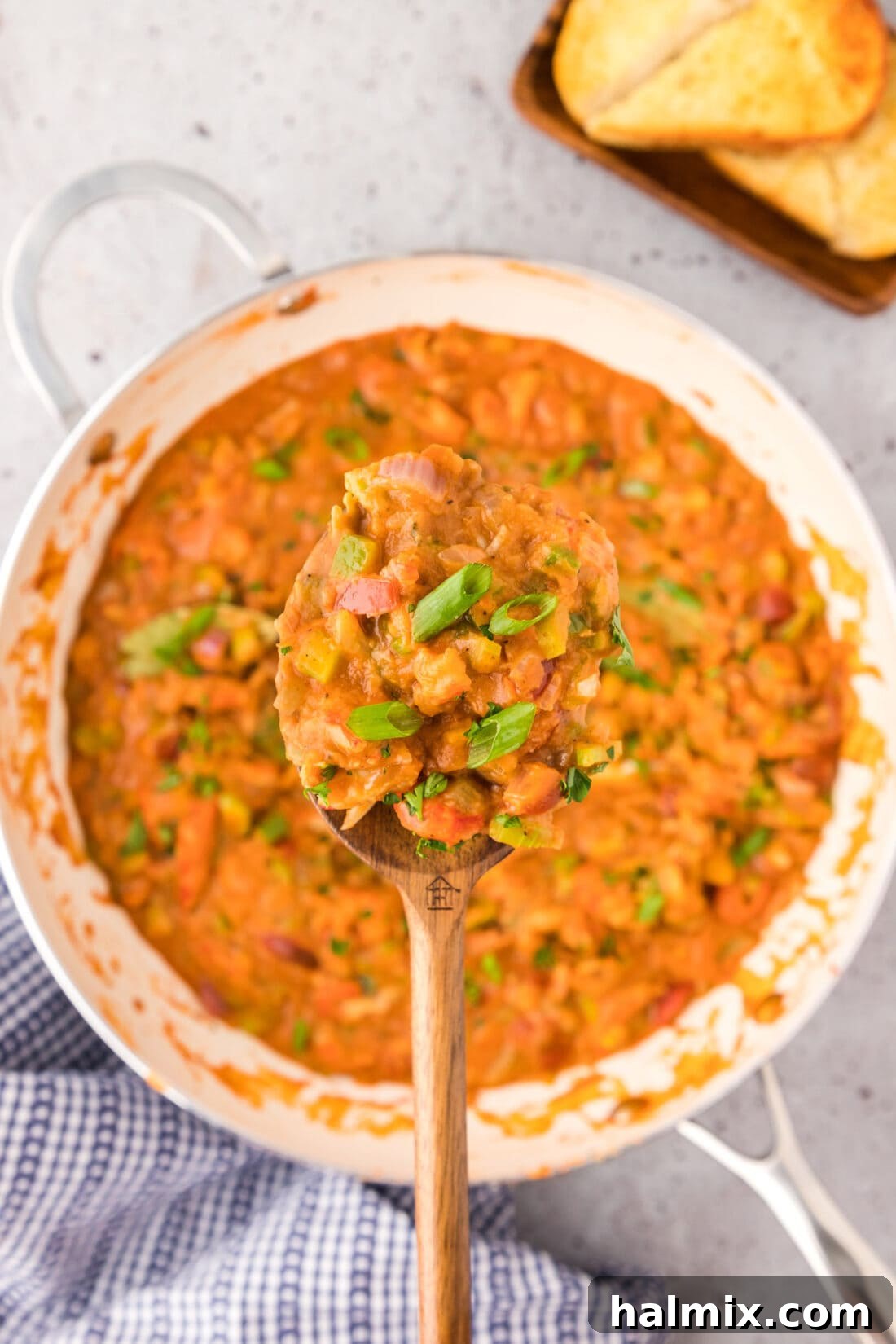
Welcome to the ultimate guide for crafting an authentic and incredibly flavorful Crawfish Etouffee, a true jewel of Louisiana cuisine. This beloved Southern staple, pronounced “eh-TOO-fay,” translates to “to smother” in French, aptly describing the tender crawfish tails smothered in a rich, savory sauce. Our easy-to-follow recipe brings this restaurant-quality dish to your kitchen, boasting succulent crawfish enveloped in a vibrant tomato-based gravy, meticulously seasoned with a medley of aromatic spices including the essential Cajun seasoning and a hint of Old Bay. Packed with the “holy trinity” of onion, celery, and bell pepper, along with the bright burst of cherry tomatoes, this stew promises a depth of flavor that will transport your taste buds straight to the bayous. Best of all, this hearty Southern comfort food can be on your table, ready to delight, in under 30 minutes, making it perfect for both weeknight dinners and special gatherings.
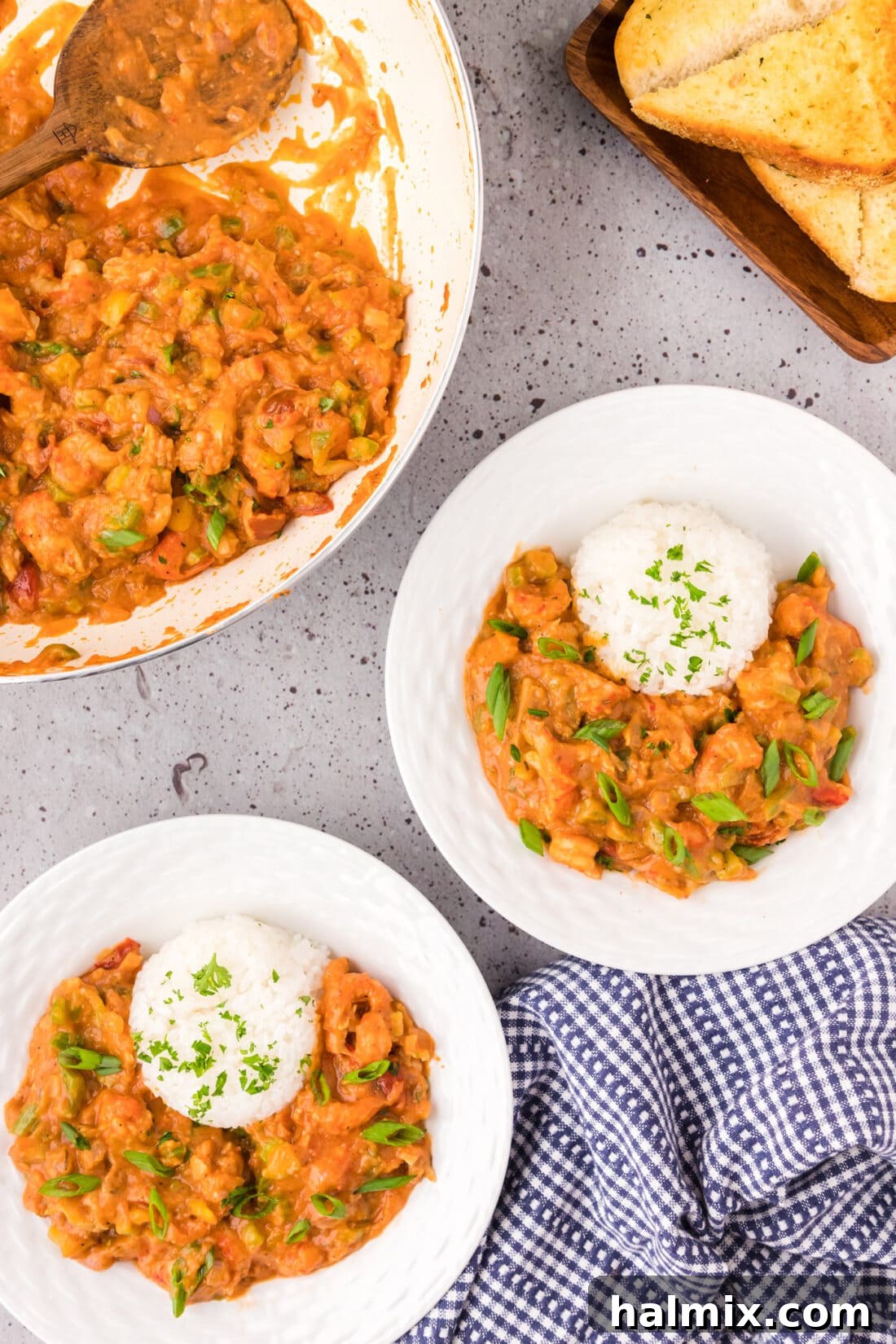
Why This Crawfish Etouffee Recipe Stands Out
There’s a reason why some dishes become iconic, and Crawfish Etouffee is certainly one of them. Our recipe delivers an authentic taste experience, meticulously balanced to highlight the natural sweetness of crawfish while enveloping it in a robust, deeply satisfying sauce. Just like its close cousin, shrimp etouffee, this version is built upon the foundational flavors of the Cajun “holy trinity”—finely diced onion, celery, and bell pepper. These three humble vegetables are the aromatic backbone of countless Louisiana dishes, providing a fresh, earthy depth that is irreplaceable.
What truly sets this particular recipe apart is its vibrant, tomato-infused sauce, a hallmark often associated with Creole interpretations of etouffee. While traditional Cajun etouffee typically relies on a rich, dark roux and butter-based gravy with minimal or no tomatoes, our rendition embraces the bright tang of tomatoes, complemented by a generous blend of Cajun and Old Bay seasonings. This harmonious combination creates a sauce that is bursting with complex flavors, providing a perfect foil for the tender, succulent crawfish meat. It’s a rich, hearty, and unbelievably satisfying dish that’s both quick to prepare and profoundly delicious.
Etouffee holds a special place in Southern culinary traditions, evolving through generations and varying subtly from one family kitchen to another. While the core ingredients—crawfish, the holy trinity—remain consistent, the debate between a tomato-inclusive Creole style and a roux-focused Cajun style continues to simmer. Our recipe cleverly bridges this gap, offering a tomato-based sauce that still delivers the comforting, gravy-like consistency characteristic of a well-made etouffee. It’s a versatile dish, cherished during the peak of crawfish season, typically from late winter to early summer, and equally celebrated as a delicious way to utilize leftover crawfish from a festive boil. This recipe ensures a fantastic result every time, whether you’re a seasoned Cajun cook or new to the delights of Louisiana cooking.
Essential Ingredients for Your Crawfish Etouffee
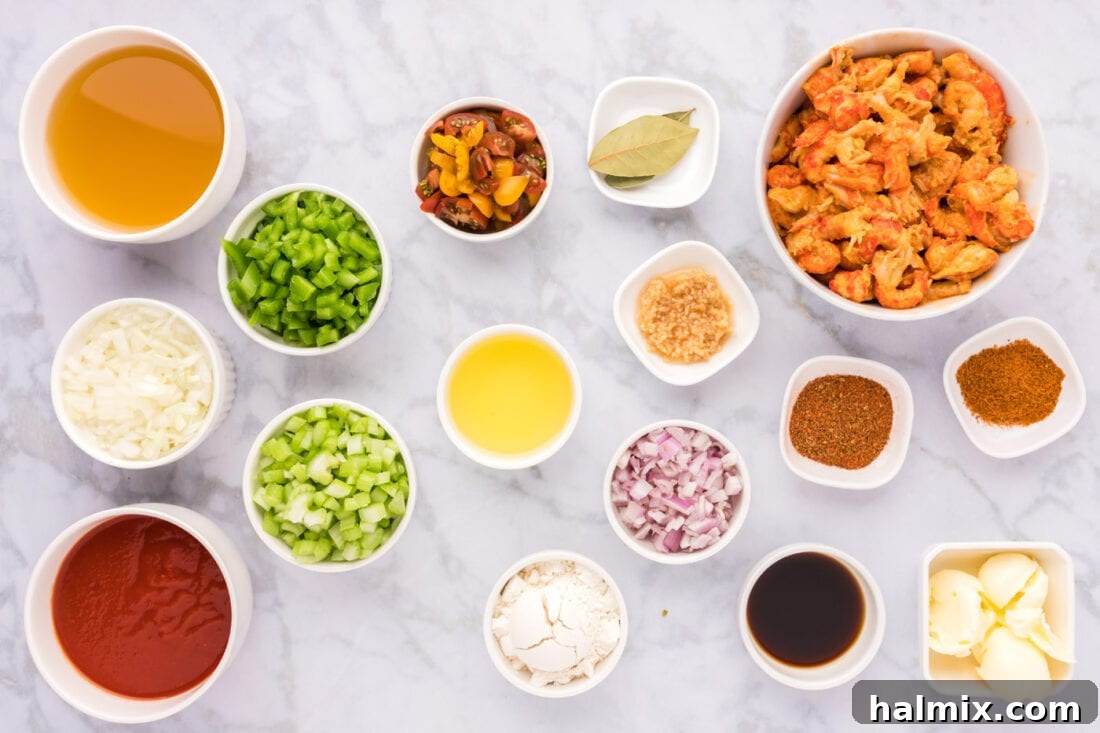
Crafting a truly memorable Crawfish Etouffee begins with a careful selection of fresh, high-quality ingredients. While the essence of the dish lies in its simplicity, each component plays a crucial role in building its distinctive flavor profile. Below is a comprehensive list of what you’ll need. For precise measurements and step-by-step instructions in a printable format, please refer to the dedicated recipe card at the conclusion of this article.
Ingredient Spotlight & Expert Substitutions
Understanding each ingredient not only enhances your cooking experience but also empowers you to make smart substitutions when needed.
- Crawfish: The Star of the Show
The tender, sweet meat of crawfish is undeniably the heart of this etouffee. Most commonly, you’ll find cooked crawfish tail meat conveniently packaged in the freezer section of larger grocery stores or specialty seafood markets. Opt for Louisiana crawfish if possible for the most authentic flavor. If using frozen, ensure it is fully thawed and drained before adding to the etouffee to prevent excess water from thinning the sauce. For adventurous cooks experienced with raw seafood, fresh crawfish tails can be purchased and peeled. If starting with raw crawfish, you can cook it briefly with the aromatics (garlic, onion, shallots) until just opaque before proceeding with the recipe. Alternatively, a quick sauté at the very end of the cooking process is also suitable to preserve its delicate texture. - The Holy Trinity: A Flavor Foundation
The foundation of almost every savory Cajun and Creole dish is the “holy trinity” of vegetables: onion, celery, and bell pepper. This classic trio provides a balanced aromatic base that’s both sweet and savory.- Onion: Adds sweetness and depth. Yellow or white onions are typically used.
- Celery: Contributes a subtle, earthy bitterness and essential texture.
- Bell Pepper: Green bell pepper is traditional for its distinct, slightly bitter flavor that balances the richness of the dish. However, if you prefer a milder taste or a pop of color, red or yellow bell peppers can be used as a substitute, though they will impart a sweeter profile.
Beyond the trinity, we incorporate additional aromatics to amplify the flavor:
- Chopped Cherry Tomatoes: These add a bright, acidic counterpoint and a delightful burst of freshness, distinguishing this as a Creole-style etouffee. Diced canned tomatoes (drained) or a small amount of tomato paste can be used as alternatives if cherry tomatoes are unavailable.
- Minced Shallots: Offering a milder, more delicate onion-garlic flavor than regular onions, shallots add a layer of sophistication. If you don’t have shallots, a bit more onion or a combination of onion and garlic can work in a pinch.
- Minced Garlic: An indispensable ingredient that provides a pungent, savory kick. Always use fresh garlic for the best results.
- Roux: The Soul of the Sauce
A proper roux—a mixture of fat (butter and olive oil in this case) and flour cooked together—is crucial for thickening the etouffee and imparting a nutty, rich flavor. While this recipe calls for a lighter roux, its role in creating a smooth, velvety sauce is paramount. Do not rush this step; patience is key to developing flavor. - Seasonings: The Spice of Life
- Cajun Seasoning: A cornerstone spice blend for this dish, it typically contains paprika, cayenne pepper, garlic powder, onion powder, and herbs. Adjust the amount to your preferred level of heat.
- Old Bay Seasoning: Adds a unique, savory, and slightly tangy flavor, often used in seafood boils. It complements the crawfish beautifully.
- Worcestershire Sauce: A secret weapon for adding umami and a subtle fermented tang that deepens the overall flavor profile.
- Bay Leaves: Infuse a subtle, aromatic herbal note into the stew. Remember to remove them before serving.
- Liquids
- Chicken Stock: Provides the liquid base for the sauce. Use a good quality, low-sodium chicken stock to control the saltiness. Vegetable stock can be substituted for a lighter flavor.
- Tomato Sauce: Contributes to the color, body, and sweet-tart flavor of the Creole-style etouffee.
Crafting Your Crawfish Etouffee: A Step-by-Step Guide
Embark on a culinary journey to the heart of Louisiana with these detailed instructions for preparing a magnificent Crawfish Etouffee. These accompanying photos serve as visual aids to guide you through each stage of the cooking process. For a printable version of this recipe, complete with precise measurements and comprehensive instructions, please click the “Jump to Recipe” button at the bottom of this post.
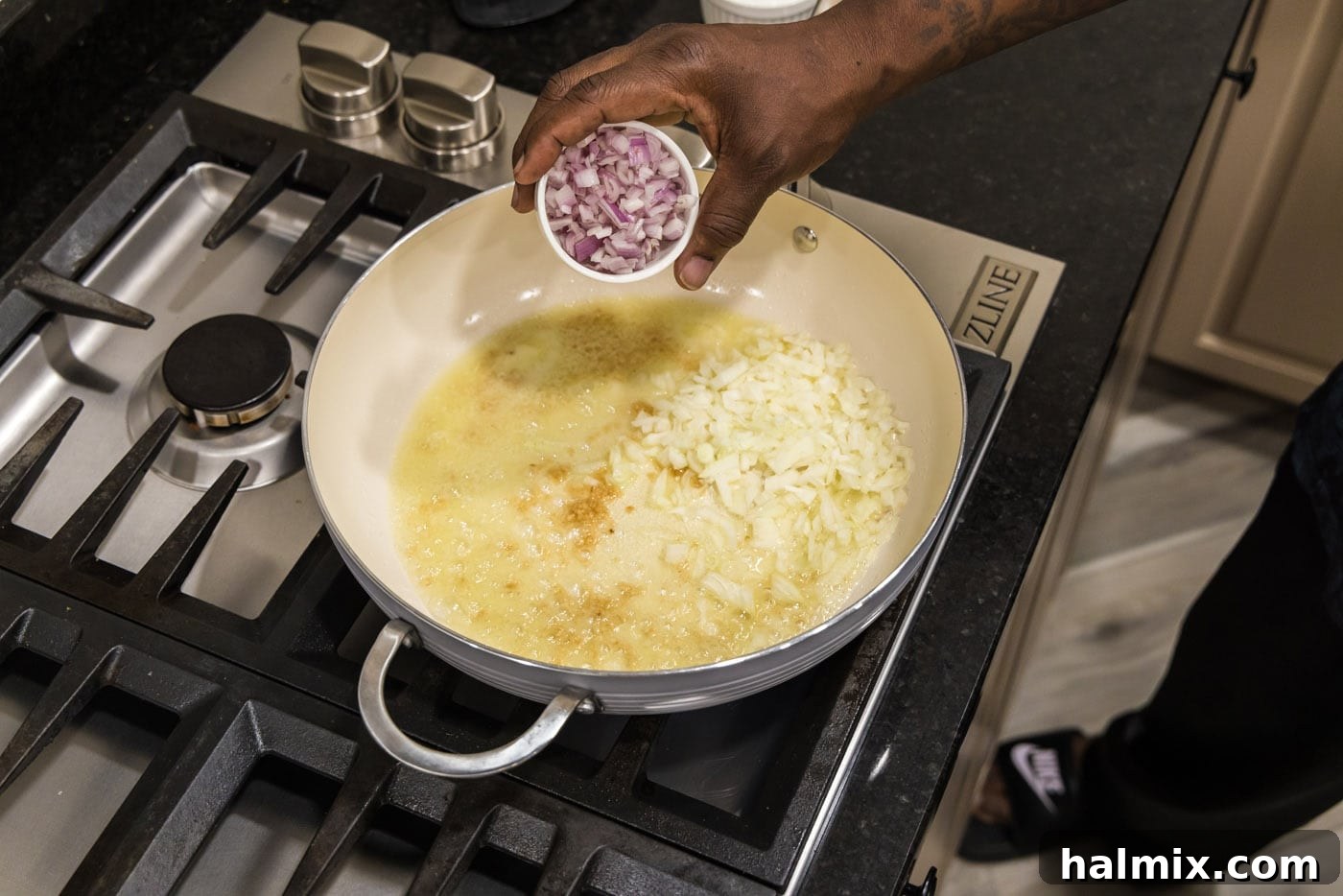
- Sautéing the Aromatics and Building the Roux Base: Begin by placing a large, heavy-bottomed skillet (a Dutch oven or cast-iron skillet works wonderfully for even heat distribution) over medium-high heat. Add the butter and allow it to melt completely. Once melted, pour in the olive oil. The combination of butter and olive oil prevents the butter from burning and adds a nuanced richness. Add the minced garlic, diced onion, and minced shallots to the skillet. Sauté these aromatics, stirring frequently, until the onions become translucent and softened, typically taking about 5-7 minutes. This step is crucial for building a flavorful base.

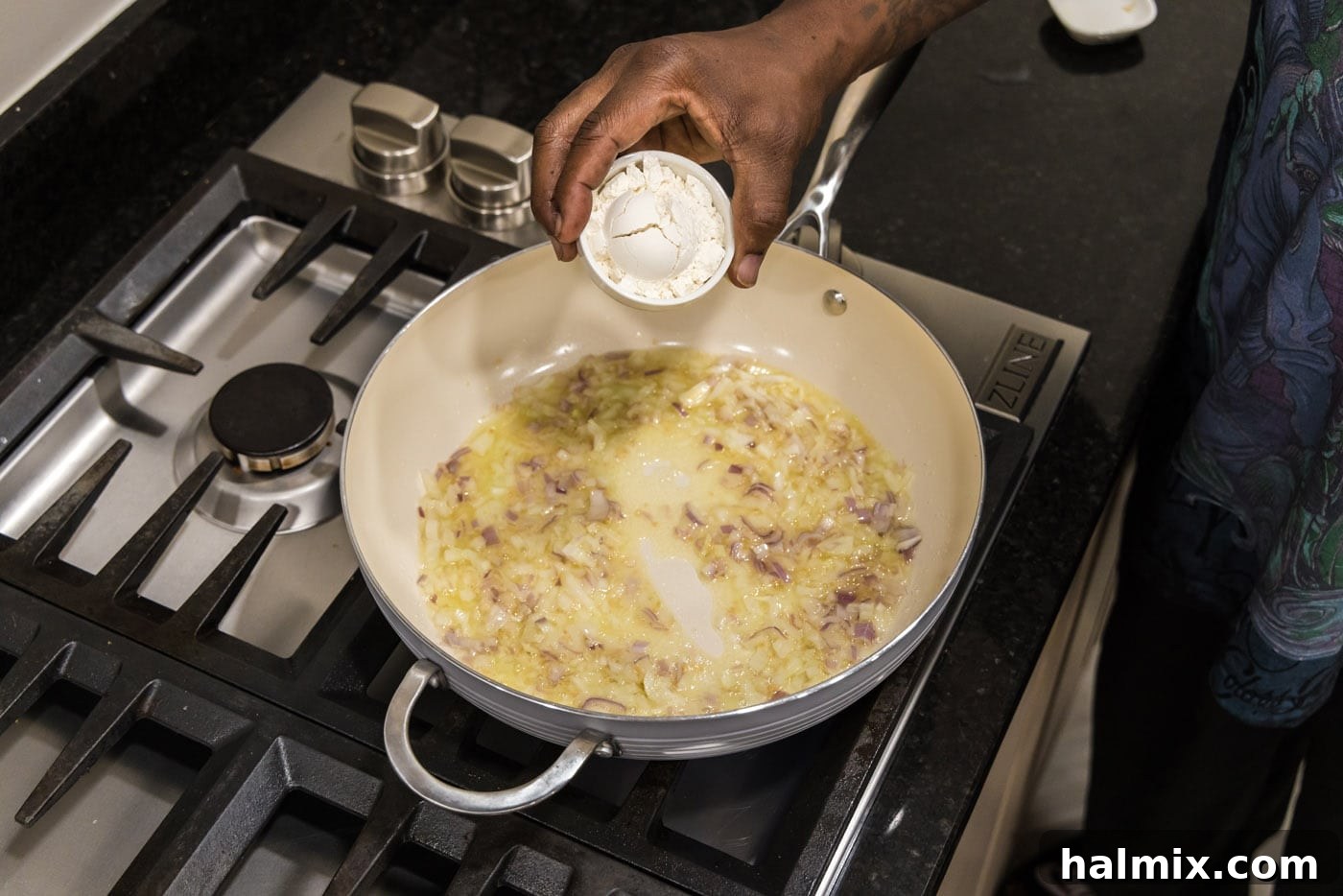
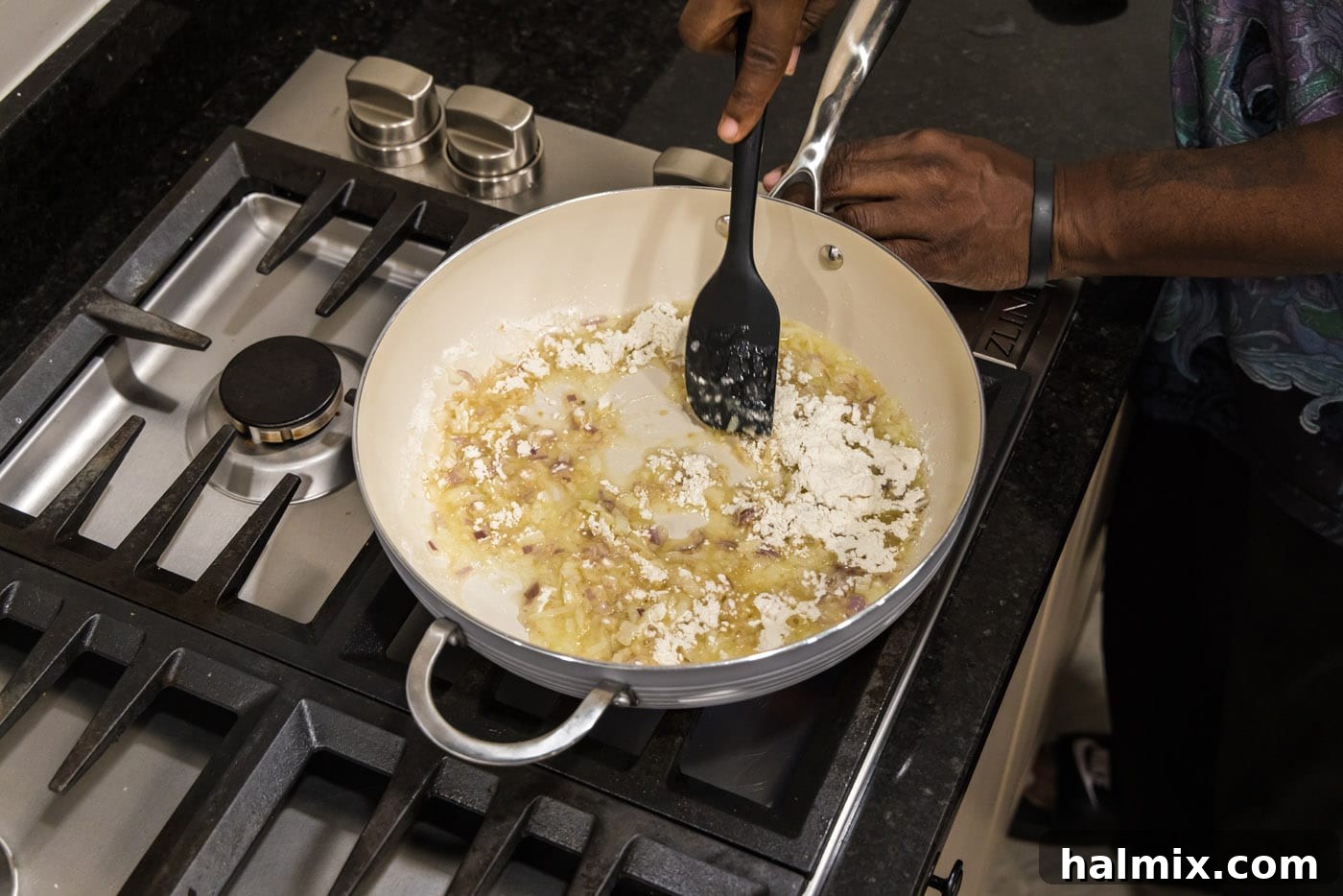
- Creating the Roux: Once the aromatics are soft, sprinkle the all-purpose flour directly into the skillet with the sautéed vegetables and fats. Stir continuously with a wooden spoon or whisk, ensuring the flour is thoroughly incorporated to form a smooth paste. Continue to cook this mixture, stirring constantly, for 2-3 minutes. This process creates a light-colored roux, which acts as the primary thickening agent for the etouffee and contributes a subtle, nutty flavor. Be mindful not to let it brown too much for this Creole-style version.
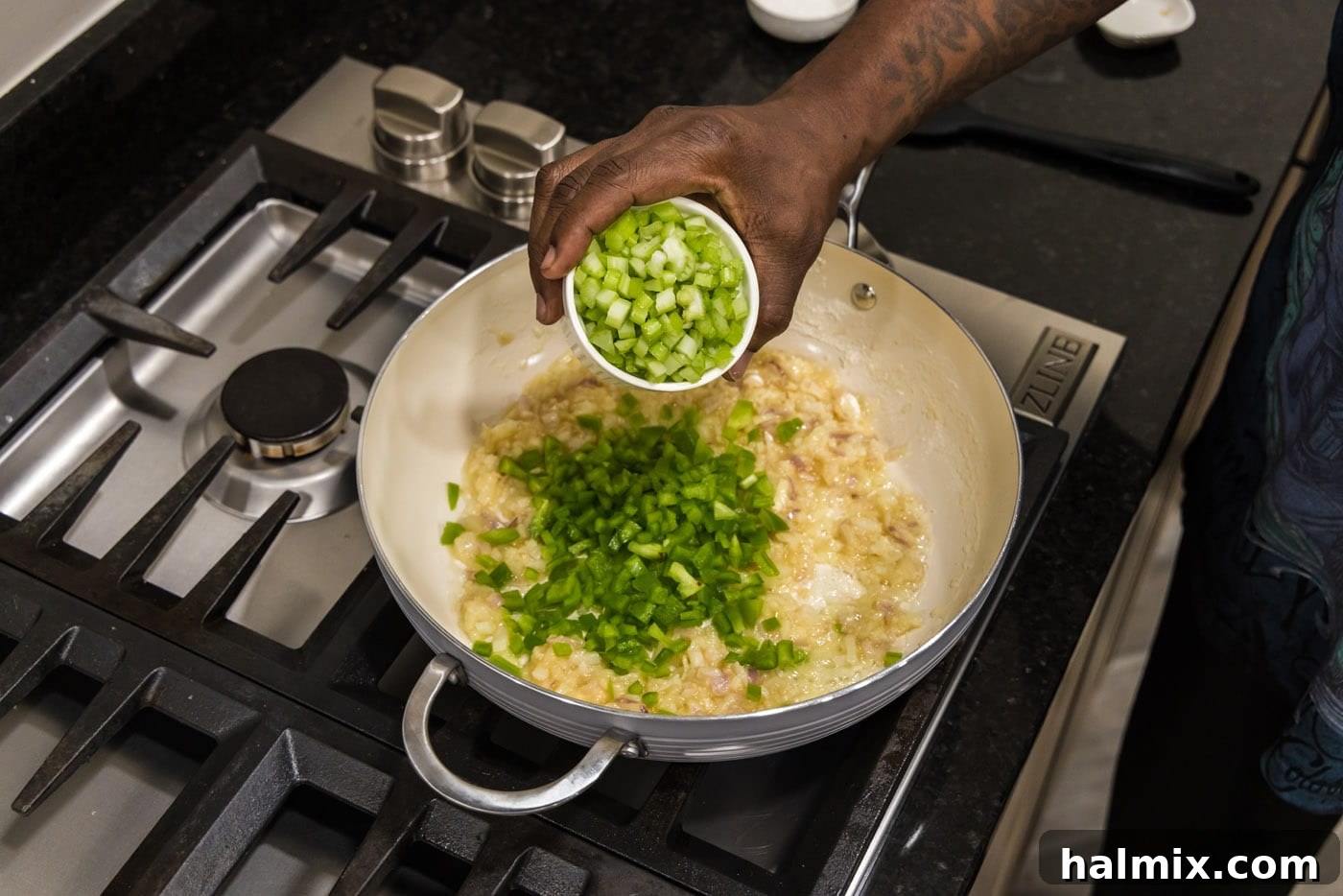
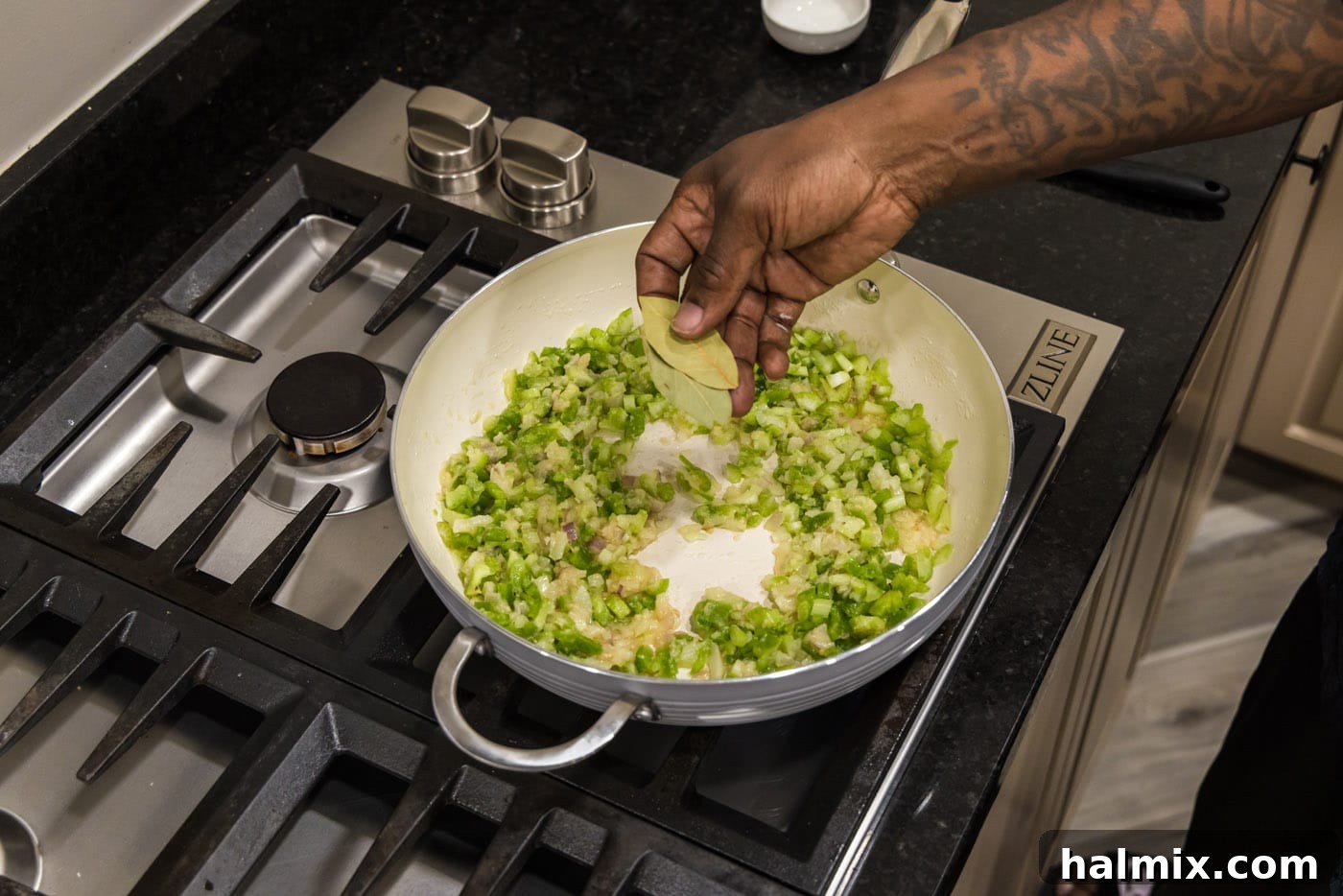
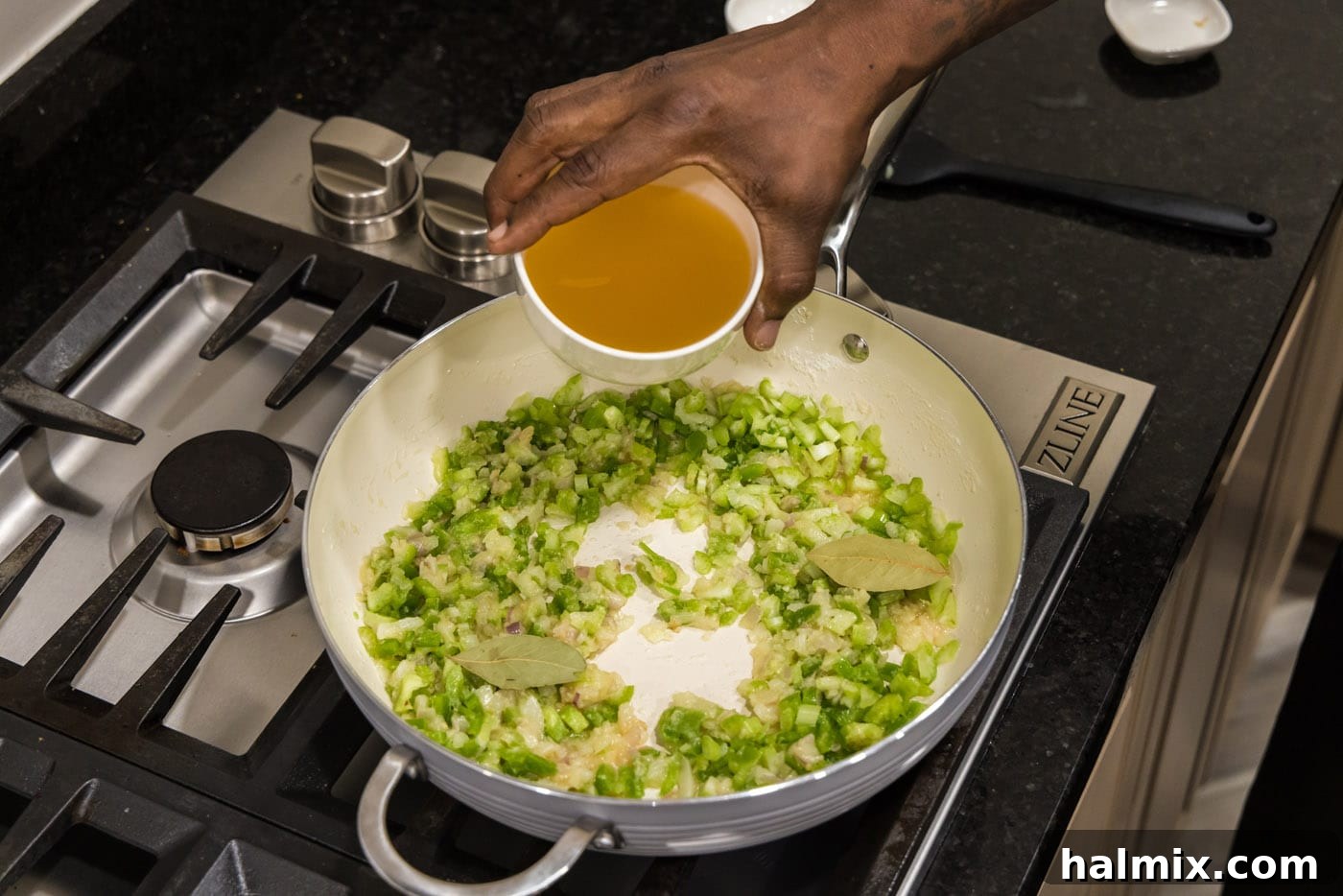
- Incorporating the Holy Trinity and Liquid: Add the diced green bell pepper, diced celery, and bay leaves to the skillet. Stir these vegetables into the roux, allowing them to soften slightly for about 1-2 minutes. Next, gradually pour in the chicken stock, stirring vigorously to prevent lumps and ensure a smooth, cohesive sauce base. Continue to cook for another 2-3 minutes, stirring occasionally, until the mixture begins to thicken and simmer gently. The aromas in your kitchen will start to be incredibly inviting at this stage!
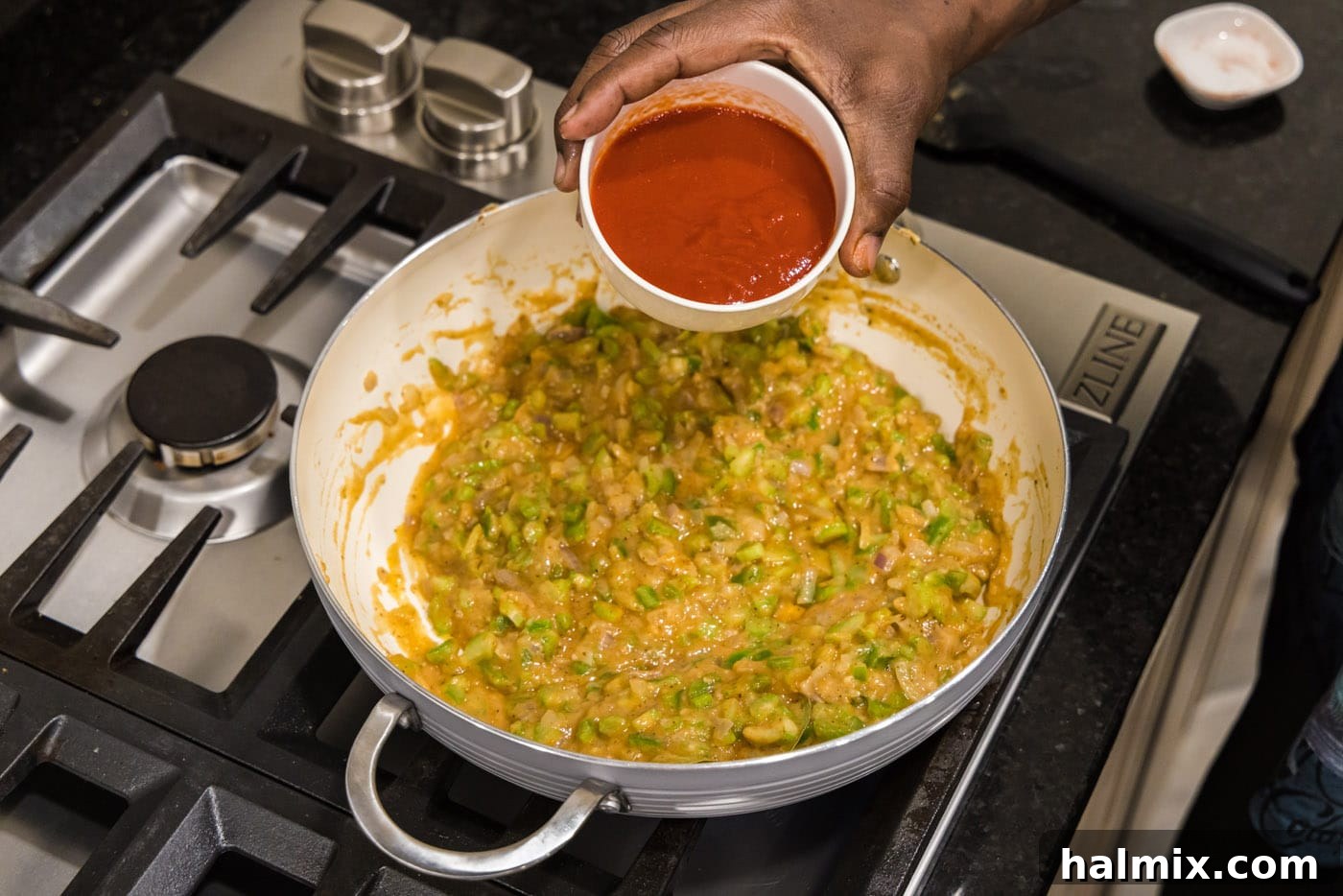
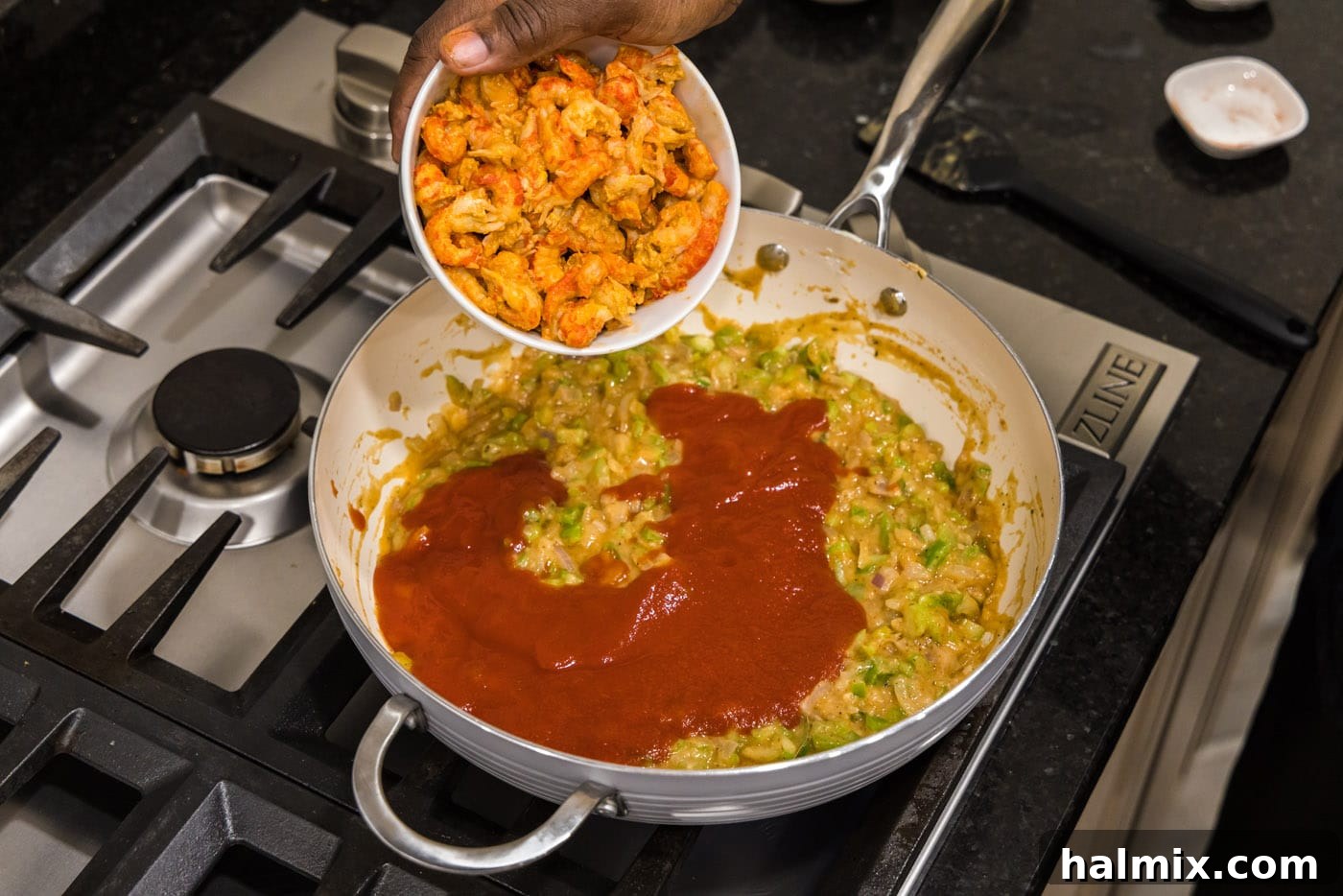
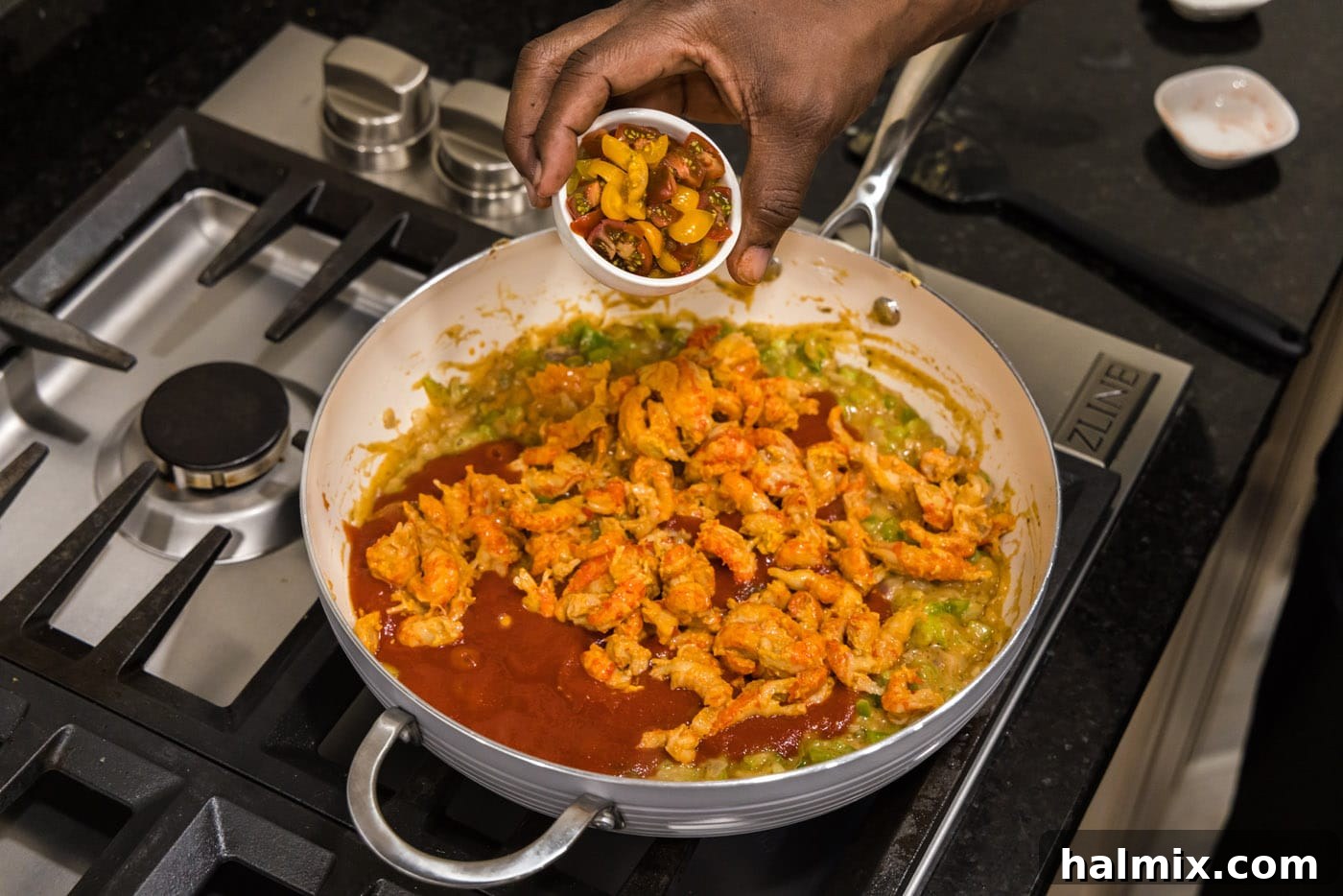
- Adding the Signature Flavors and Crawfish: Now it’s time to infuse the etouffee with its characteristic robust flavors. Stir in the Old Bay seasoning, Cajun seasoning (adjust to your heat preference), and Worcestershire sauce. Pour in the tomato sauce, which will lend a beautiful color and a tangy counterpoint. Finally, gently fold in the thawed crawfish tail meat and the chopped cherry tomatoes. Stir everything together until well combined, ensuring the crawfish is evenly distributed throughout the rich sauce.
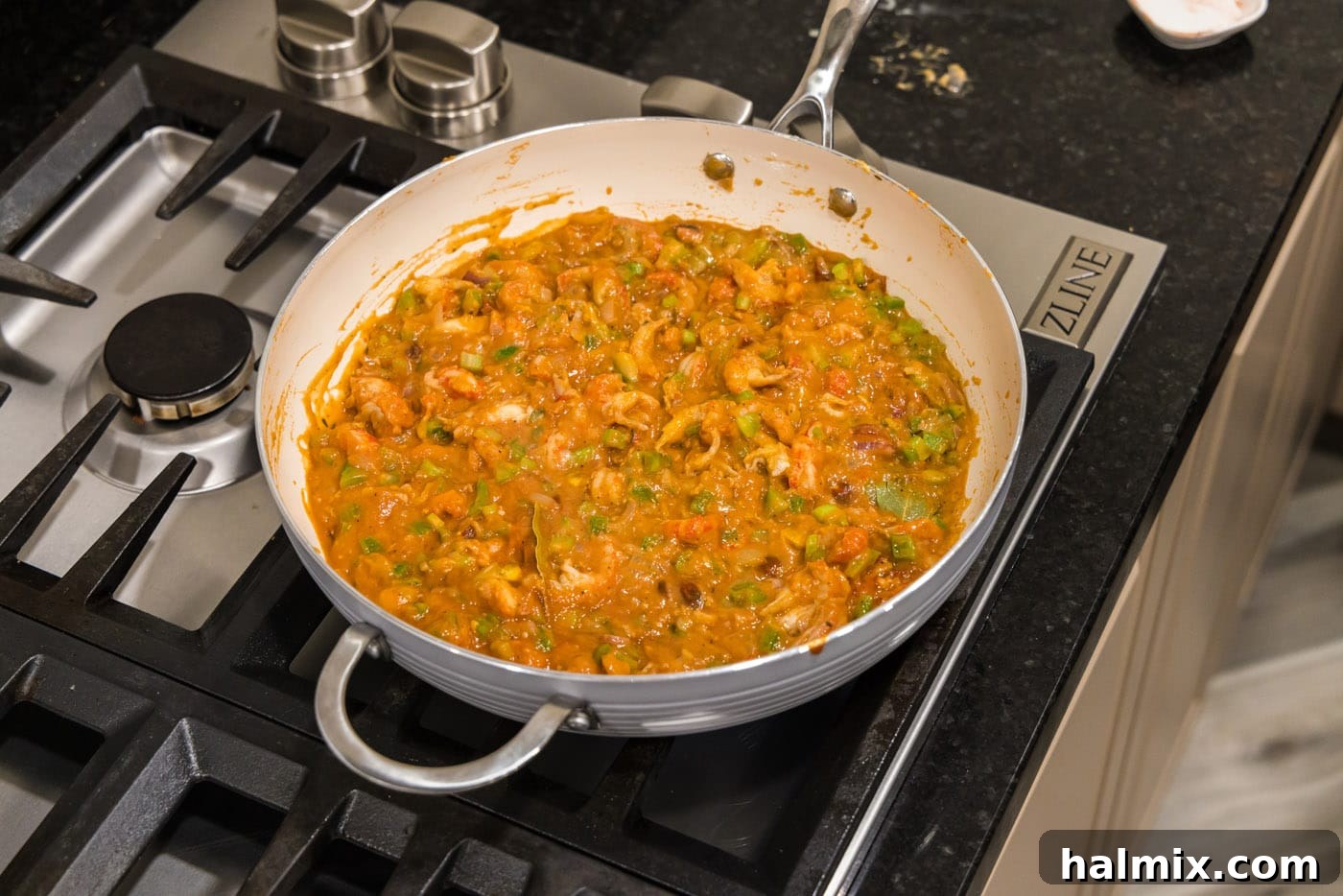
- Simmer and Serve: Reduce the heat to low, cover the skillet, and allow the etouffee to simmer gently for 5-7 minutes. This short simmering period is sufficient to heat the crawfish through, allow the flavors to meld beautifully, and for the sauce to reach its perfect consistency. Avoid overcooking the crawfish, as it can become tough. Once simmering is complete, remove the bay leaves before serving. Your homemade Crawfish Etouffee is now ready to be enjoyed!
Frequently Asked Questions & Expert Tips for Perfect Etouffee
Leftover crawfish etouffee can be stored safely in an airtight container in the refrigerator for 2-3 days. When ready to reheat, simply warm it on the stovetop over low heat or in the microwave. If the sauce appears too thick, add a small splash of water or chicken stock to restore its creamy consistency.
Absolutely! This dish freezes beautifully, making it an excellent option for meal prep. To freeze, allow the etouffee to cool completely to room temperature. Transfer it into an airtight freezer-safe container or a heavy-duty zip-top bag, leaving a small amount of headspace to allow for expansion during freezing. It can be frozen for up to 3 months. To serve, thaw the frozen etouffee in the refrigerator overnight, then reheat gently on the stovetop until warmed through. Adjust consistency with a little extra stock if needed.
While both are iconic Louisiana stews, etouffee and gumbo have distinct characteristics. Etouffee typically features a single type of seafood (like crawfish or shrimp) smothered in a thick, rich sauce that’s often lighter than gumbo’s. Gumbo, on the other hand, is a more complex, soup-like stew that often combines multiple meats (like chicken, sausage, and seafood) and is thickened with a dark roux, okra, or filé powder. The key difference lies in consistency and the variety of main ingredients.
For those who enjoy a little extra kick, increasing the heat in your etouffee is simple. You can add more Cajun seasoning, a pinch of cayenne pepper, or a few dashes of your favorite hot sauce during the simmering stage. Remember to taste as you go to achieve your desired level of spice.
A roux is a cooked mixture of fat (butter, oil, or drippings) and flour. It serves two main purposes in etouffee: it acts as a thickening agent for the sauce, giving it that luxurious, velvety texture, and it adds a rich, nutty depth of flavor depending on how long it’s cooked. For etouffee, a lighter, golden-brown roux is often used, contributing a milder flavor than the darker, more intensely flavored rouxs found in dishes like gumbo.
Elevate Your Etouffee: Perfect Serving Pairings
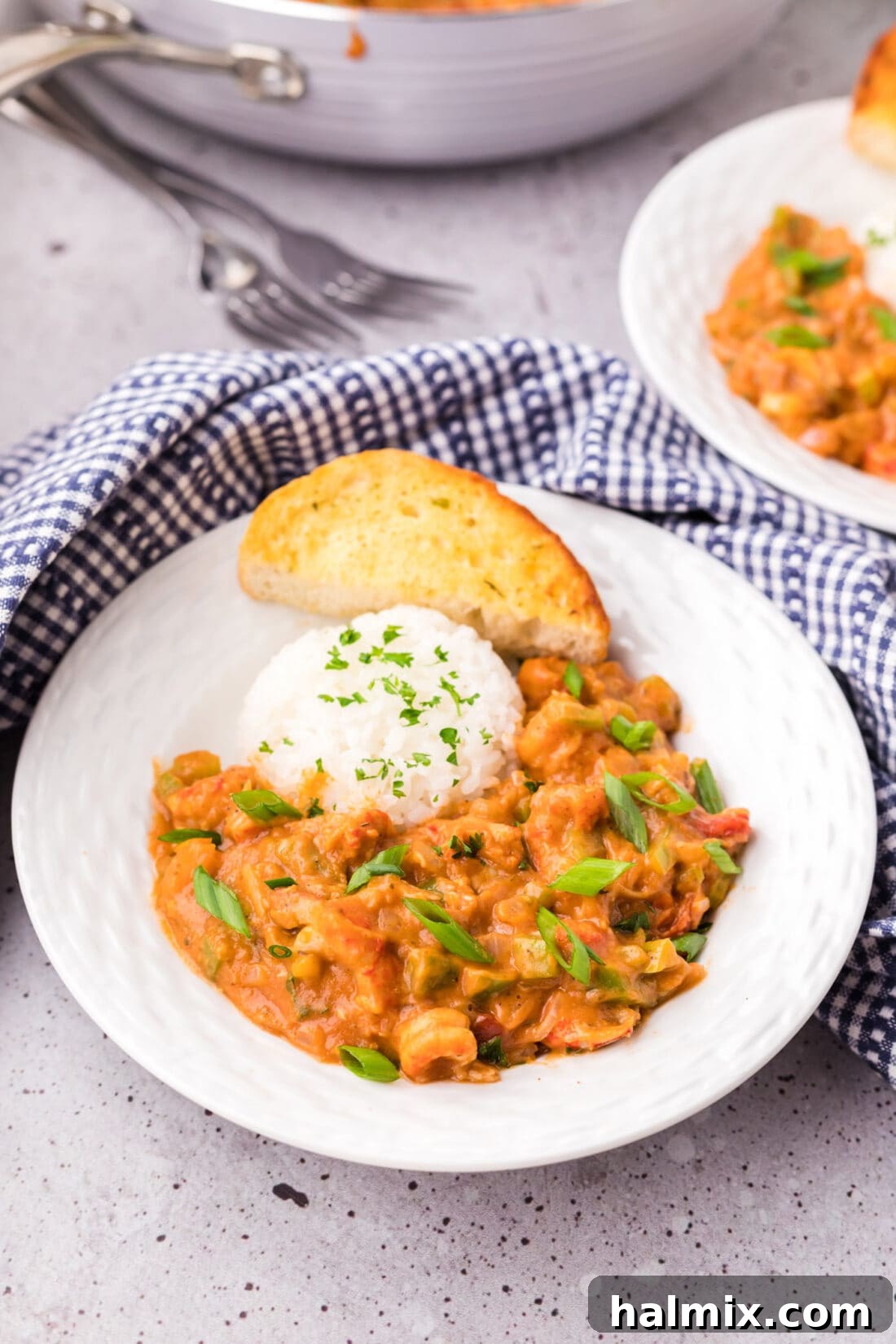
Crawfish Etouffee is a meal in itself, but it truly shines when served with traditional accompaniments that complement its rich flavors and textures. The most classic pairing is with fluffy, long-grain white rice, which soaks up every drop of the savory sauce, providing a comforting and satisfying base. For an added touch of indulgence, serve alongside warm, crusty garlic bread or French bread – perfect for dipping into the luscious gravy. A sprinkle of fresh, sliced green onions or chopped parsley as a garnish not only adds a vibrant pop of color but also a fresh, subtle bite that cuts through the richness. For a complete Southern feast, consider adding a simple green salad dressed with a tangy vinaigrette, or some lightly steamed green beans on the side to provide a fresh contrast. A cold beer or a crisp white wine also pairs wonderfully with the robust flavors of etouffee.
Discover More Southern Comfort Food Delights
If you’ve fallen in love with the vibrant flavors of this Crawfish Etouffee, we invite you to explore more beloved Southern and Louisiana-inspired dishes from our collection. Each recipe is designed to bring authentic taste and culinary joy to your kitchen.
- Classic Louisiana Jambalaya: A flavorful rice dish packed with meat and vegetables.
- Savory Dirty Rice: A staple side dish, rich with ground meat and spices.
- Traditional Shrimp Boil: A festive and communal dish, perfect for gatherings.
- Easy Shrimp Etouffee: A fantastic alternative for shrimp lovers, with a similar rich sauce.
- Hearty Shrimp Creole: A tomato-based stew featuring succulent shrimp and aromatic vegetables.
I pour my heart into baking and cooking, and I’m thrilled to share my culinary adventures and tested recipes with all of you! To make sure you never miss a new dish, I offer a convenient newsletter delivered directly to your inbox every time a new recipe is posted. Simply subscribe today and start receiving your free daily dose of delicious inspiration!

Crawfish Etouffee
IMPORTANT – There are often Frequently Asked Questions within the blog post that you may find helpful. Simply scroll back up to read them!
Print It
Pin It
Rate It
Ingredients
- 3 Tablespoons olive oil
- ½ Tablespoon minced garlic
- ¼ cup diced onion
- 3 Tablespoons minced shallots
- 2 Tablespoons all purpose flour
- ½ cup diced green bell peppers
- ½ cup diced celery
- 2 bay leaves
- 1 cup chicken stock
- ½ Tablespoon Old Bay seasoning
- ½ Tablespoon Cajun seasoning
- 2 Tablespoons Worcestershire sauce
- 8 ounces tomato sauce
- 1 pound crawfish tail meat thawed
- 3 Tablespoons chopped cherry tomatoes
- 3 Tablespoons butter
Things You’ll Need
-
Large heavy bottomed skillet
Before You Begin
- You can usually find cooked crawfish tail meat sold in packages in the freezer section of the grocery store. If you have experience cooking raw crawfish, feel free to cook it beforehand or along with the garlic, onion, and shallots.
- Store leftover crawfish etouffee in an air-tight container kept in the refrigerator for 2-3 days. Reheat on the stovetop or in the microwave, adding a small splash of water or chicken stock to remoisten if needed.
- To freeze, transfer the cooled crawfish etouffee into an air-tight container or large ziptop bag, leaving space at the top for it to expand when frozen. Freeze for up to 3 months. Thaw in the refrigerator overnight and reheat on the stovetop.
Instructions
-
In a large heavy-bottomed skillet, melt the butter then add the olive oil and heat over medium-high heat. Add garlic, onion, and shallots and sauté until onion is translucent.
-
Make a roux by adding flour and stirring together, cooking for 2-3 minutes.
-
Add green pepper, celery, and bay leaves. Add chicken stock and stir to combine. Cook for 2-3 minutes, stirring occasionally.
-
Add Old Bay seasoning, Cajun seasoning, Worcestershire sauce, tomato sauce, crawfish meat, and cherry tomatoes and stir to combine.
-
Simmer for 5-7 minutes, enough to heat through and allow flavors to blend. Remove bay leaves before serving.
Nutrition
Calories: 206cal |
Carbohydrates: 12g |
Protein: 5g |
Fat: 16g |
Saturated Fat: 6g |
Polyunsaturated Fat: 1g |
Monounsaturated Fat: 8g |
Trans Fat: 0.3g |
Cholesterol: 34mg |
Sodium: 448mg |
Potassium: 396mg |
Fiber: 2g |
Sugar: 5g |
Vitamin A: 921IU |
Vitamin C: 20mg |
Calcium: 41mg |
Iron: 2mg
The recipes on this blog are tested with a conventional gas oven and gas stovetop. It’s important to note that some ovens, especially as they age, can cook and bake inconsistently. Using an inexpensive oven thermometer can assure you that your oven is truly heating to the proper temperature. If you use a toaster oven or countertop oven, please keep in mind that they may not distribute heat the same as a conventional full sized oven and you may need to adjust your cooking/baking times. In the case of recipes made with a pressure cooker, air fryer, slow cooker, or other appliance, a link to the appliances we use is listed within each respective recipe. For baking recipes where measurements are given by weight, please note that results may not be the same if cups are used instead, and we can’t guarantee success with that method.