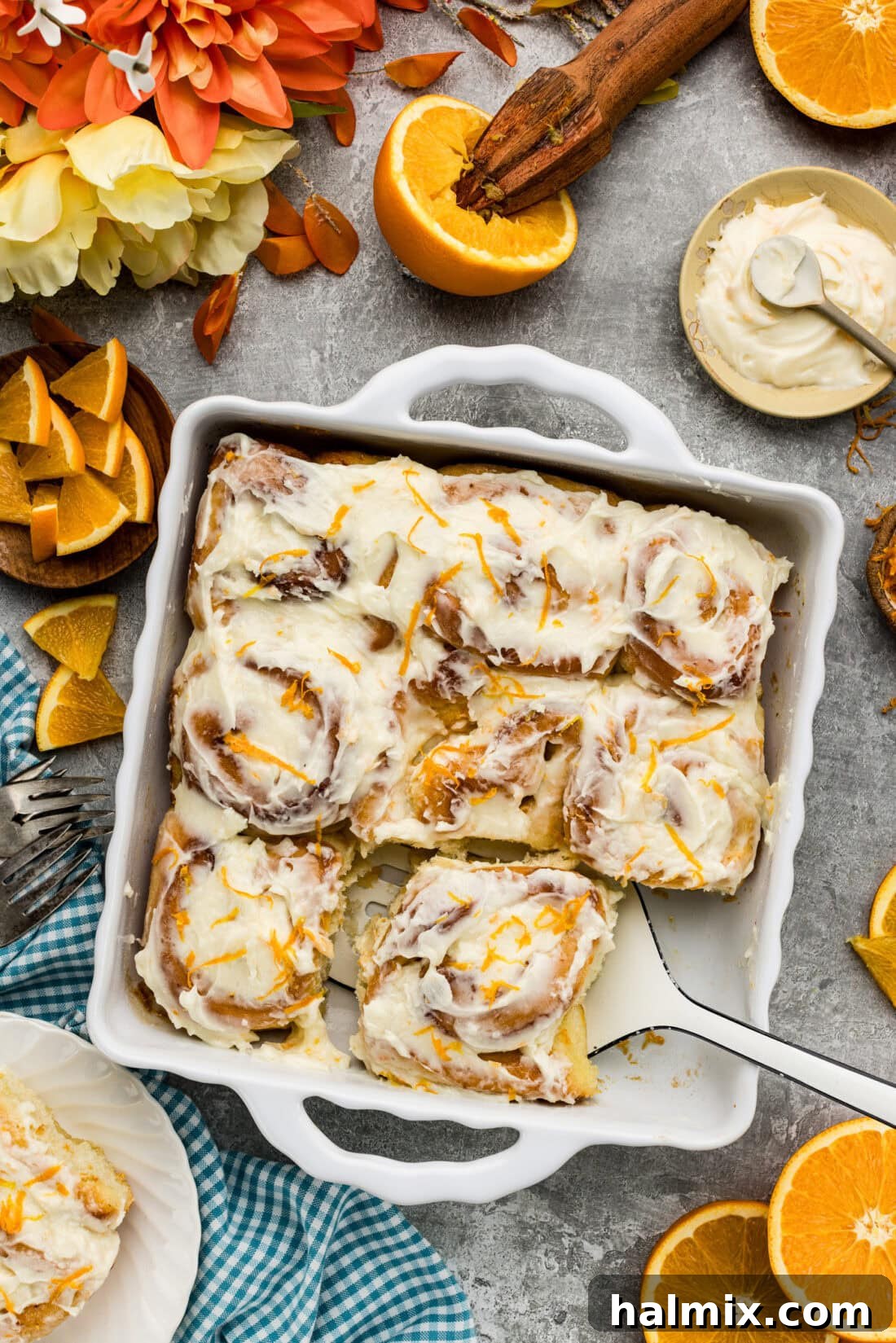
There’s nothing quite like the aroma of freshly baked sweet rolls wafting through your home on a lazy weekend morning. While cinnamon rolls often steal the spotlight, these **Quick Orange Rolls with Cream Cheese Frosting** offer a delightful citrus twist that’s sure to become a new family favorite. Imagine pillowy soft dough, generously filled with a buttery, vibrant orange mixture, all crowned with a bright, tangy cream cheese frosting. It’s a breakfast treat that promises a burst of sunshine in every bite, perfect for special occasions or simply elevating an ordinary day.

Why You’ll Love This Quick Orange Rolls Recipe
Many of us grew up with the convenience of canned sweet rolls, but once you taste these homemade orange rolls, there’s simply no going back. This recipe transforms a simple breakfast into an extraordinary experience, offering a flavor profile that’s far superior to anything store-bought. What makes these sweet rolls truly exceptional is their perfect balance of a soft, tender texture and a zesty, sweet orange filling, all complemented by that irresistible orange cream cheese frosting.
While traditional homemade cinnamon rolls are undoubtedly delicious, they often demand a significant time commitment, with multiple long proofing stages. This quick orange rolls recipe is specifically designed to deliver that homemade goodness without the extensive wait. Thanks to the use of rapid-rise yeast, the dough proofs in a fraction of the time, allowing you to enjoy these delectable treats much sooner. It’s the ideal solution for busy mornings or when you crave a homemade pastry without spending hours in the kitchen. Plus, the vibrant orange flavor offers a refreshing change from classic cinnamon, making these rolls a unique and memorable addition to your breakfast or brunch menu.
Essential Ingredients for Your Homemade Orange Rolls
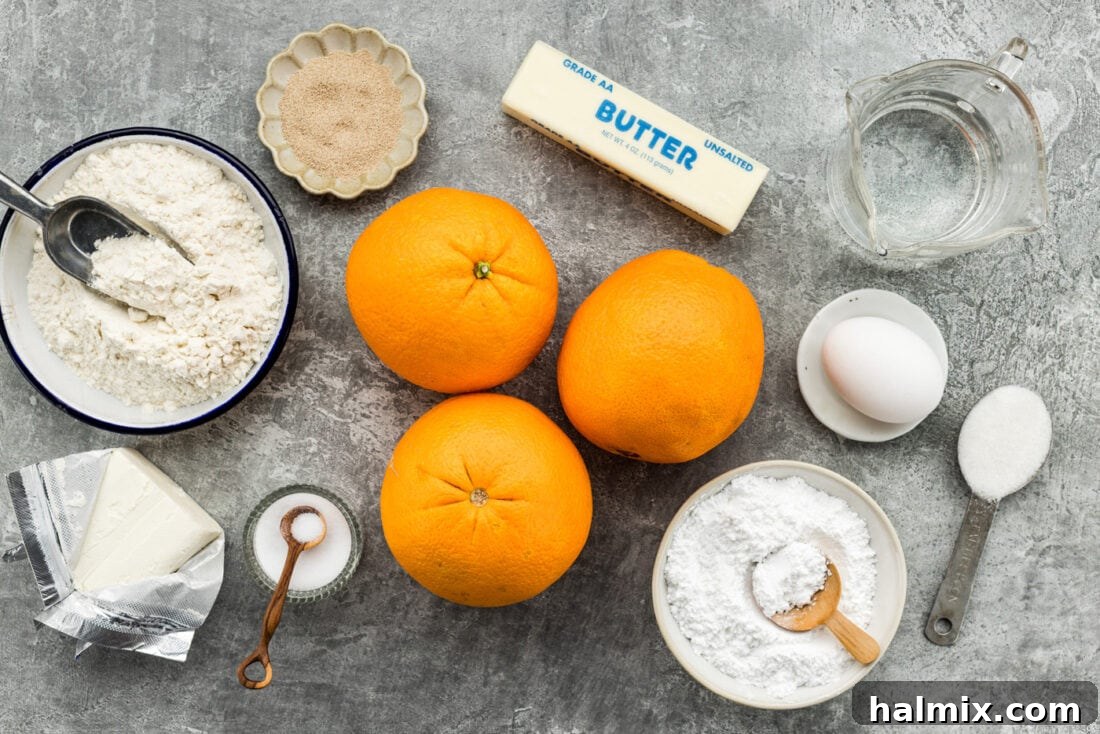
Creating these heavenly orange rolls requires a few key ingredients, thoughtfully divided into three main components: the dough, the flavorful orange filling, and the luscious cream cheese frosting. For precise measurements and a detailed, printable version of this recipe, please refer to the recipe card at the end of this post.
Ingredient Spotlight & Expert Tips
Understanding each ingredient and its role is crucial for baking success. Here’s a closer look at what you’ll need and some helpful tips:
- Yeast: This recipe specifically calls for **rapid-rise yeast**, which is key to its “quick” nature. Rapid-rise yeast (also known as instant yeast) doesn’t require proofing in warm water first and helps the dough rise faster. If you only have active dry yeast, you can still use it, but be prepared for a slightly longer rise time, potentially an extra 15-20 minutes, as it needs to be activated in warm water before combining with other ingredients. Ensure your yeast is fresh for optimal results; expired yeast won’t activate properly, leading to a flat dough.
- Flour: For the best texture in your orange rolls, **bread flour** is recommended. Its higher protein content contributes to a chewier, more structured dough, which is ideal for sweet rolls. Accuracy in flour measurement is paramount. We highly recommend using a kitchen scale to weigh your flour for consistent results. If a scale isn’t available, employ the “scoop and sweep” method: lightly spoon flour into a measuring cup until it overflows, then level it off with the back of a straight edge (like a butter knife). Avoid packing or tapping the flour, as this can lead to an excess, resulting in dry and dense rolls.
- Butter: Both the dough and filling require **unsalted butter, softened to room temperature**. This ensures it creams smoothly with sugar and incorporates evenly into the dough. To soften butter, remove it from the refrigerator about 30-60 minutes before you begin baking. You can cut it into smaller pieces to speed up the process.
- Egg: A **large egg at room temperature** is essential for emulsification and adds richness and moisture to the dough. Cold eggs can stiffen butter and other fats, making them harder to incorporate. Take your egg out of the refrigerator at the same time as your butter and cream cheese.
- Cream Cheese for Frosting: The star of the frosting, **cream cheese**, should also be softened to room temperature. This is vital for achieving a smooth, lump-free frosting. Cold cream cheese will result in a clumpy texture that’s difficult to spread.
- Oranges: Fresh oranges are non-negotiable for that bright, authentic citrus flavor. You’ll need the **zest** and **freshly squeezed juice**. Plan to zest your oranges first, as it’s much easier to do when the fruit is whole. Keep the zest separate according to the recipe instructions (for dough, filling, and frosting). After zesting, cut the oranges in half and juice them. Naval oranges are generally preferred for their sweetness and easy-to-remove zest, but Valencia or Cara Cara oranges also work beautifully.
- Powdered Sugar: Used for both the filling and frosting, powdered sugar (confectioners’ sugar) dissolves easily, ensuring a smooth texture.
- Granulated Sugar & Salt: These balance the flavors in the dough, with the salt also playing a role in regulating yeast activity.
Step-by-Step Guide to Making Fluffy Orange Rolls
These detailed steps, accompanied by photos, will guide you through the process of making these delicious orange rolls. For a printer-friendly version with all measurements, jump to the full recipe card at the bottom of the page.
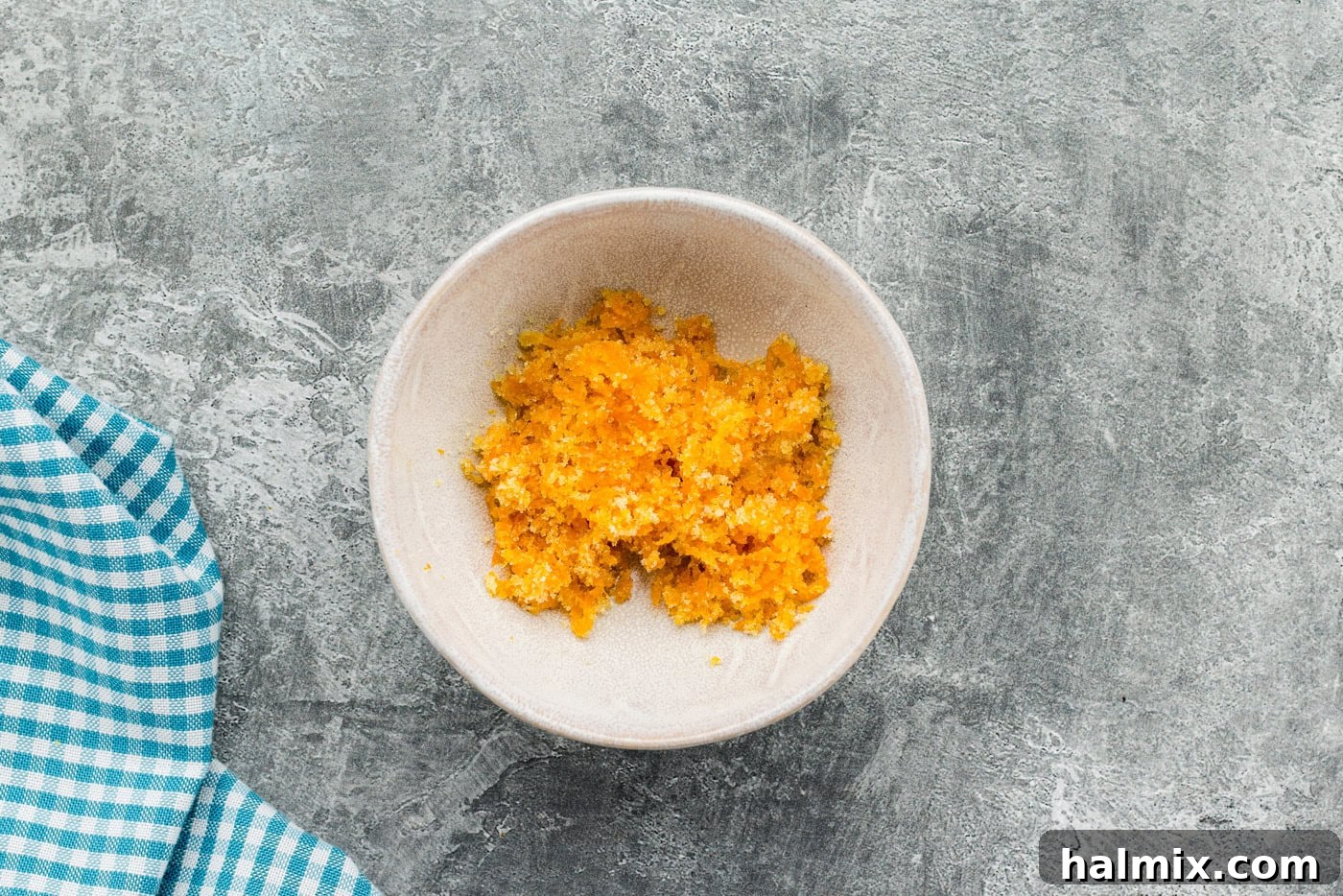
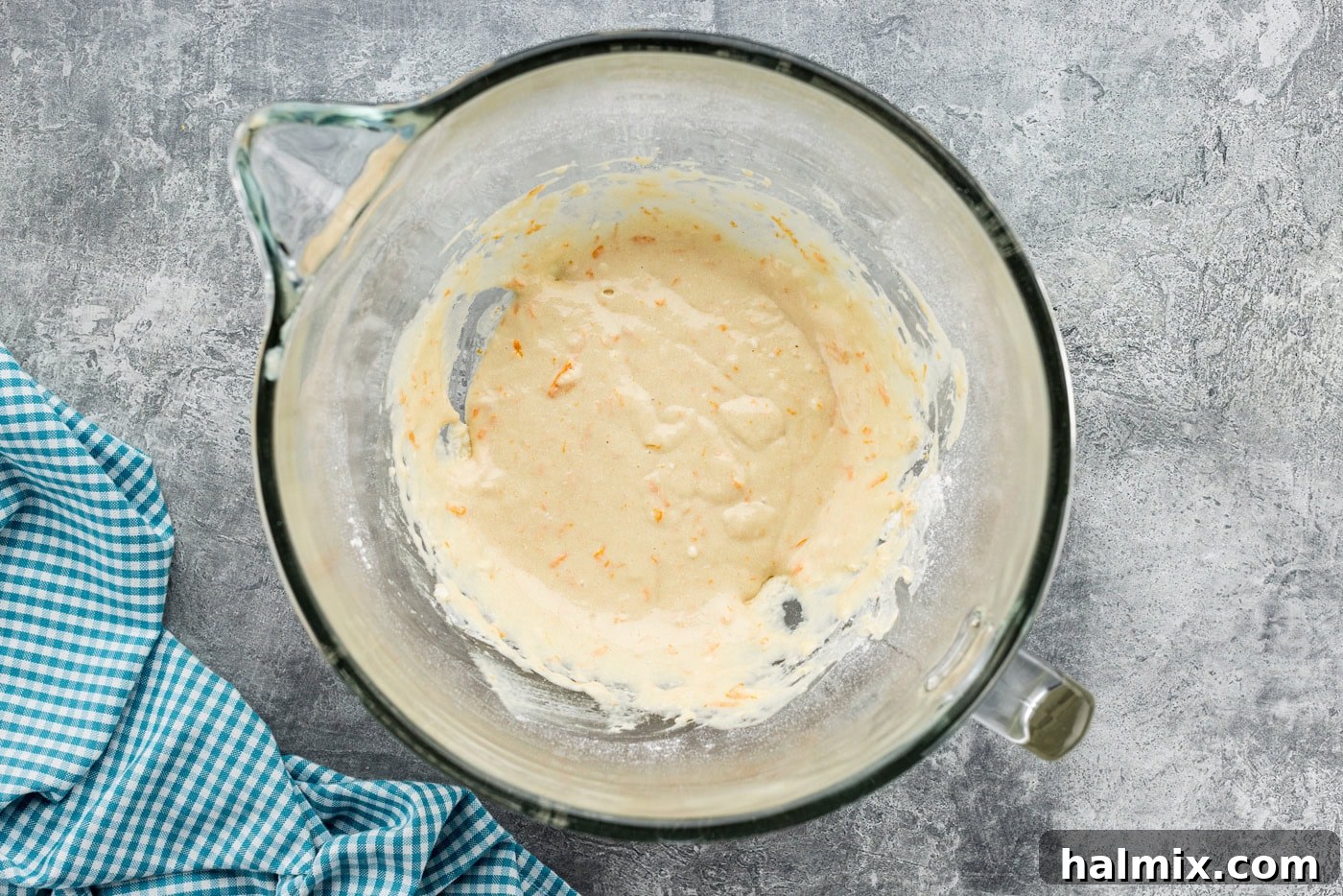
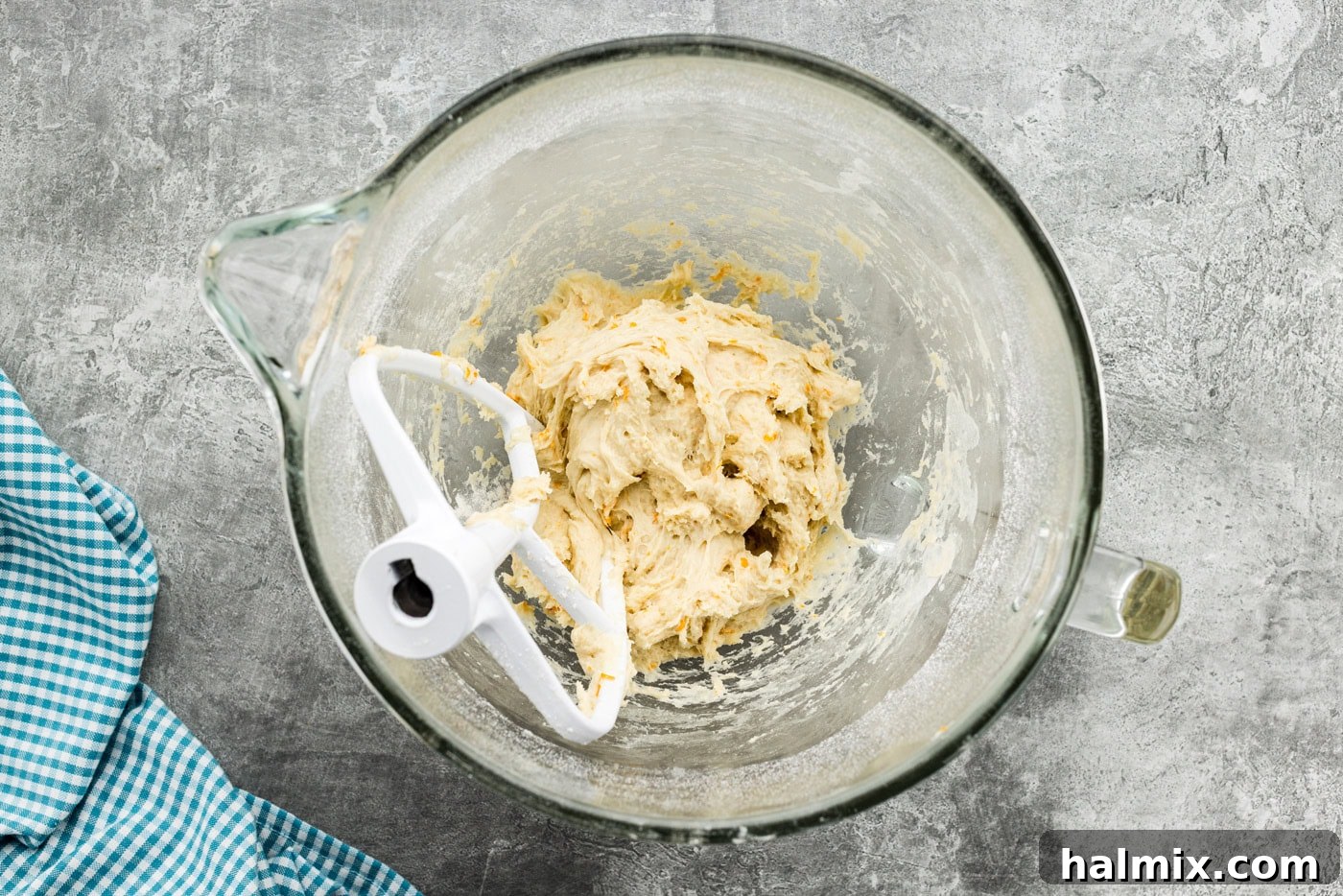
- Prepare the Dough Base: In the bowl of your stand mixer, dissolve the rapid-rise yeast in warm water (around 110-115°F). Let it stand for 3-5 minutes, then stir gently. Add the room temperature egg, half of the bread flour (approximately 3/4 cup plus 2 tablespoons), and the softened butter. In a separate small bowl, combine the orange zest designated for the dough, granulated sugar, and salt. Rub these ingredients together with your fingers until fragrant; this technique releases the essential oils from the zest, intensifying the orange flavor. Add this fragrant mixture to the mixer bowl. Beat all ingredients on medium speed until the mixture is smooth and well combined.

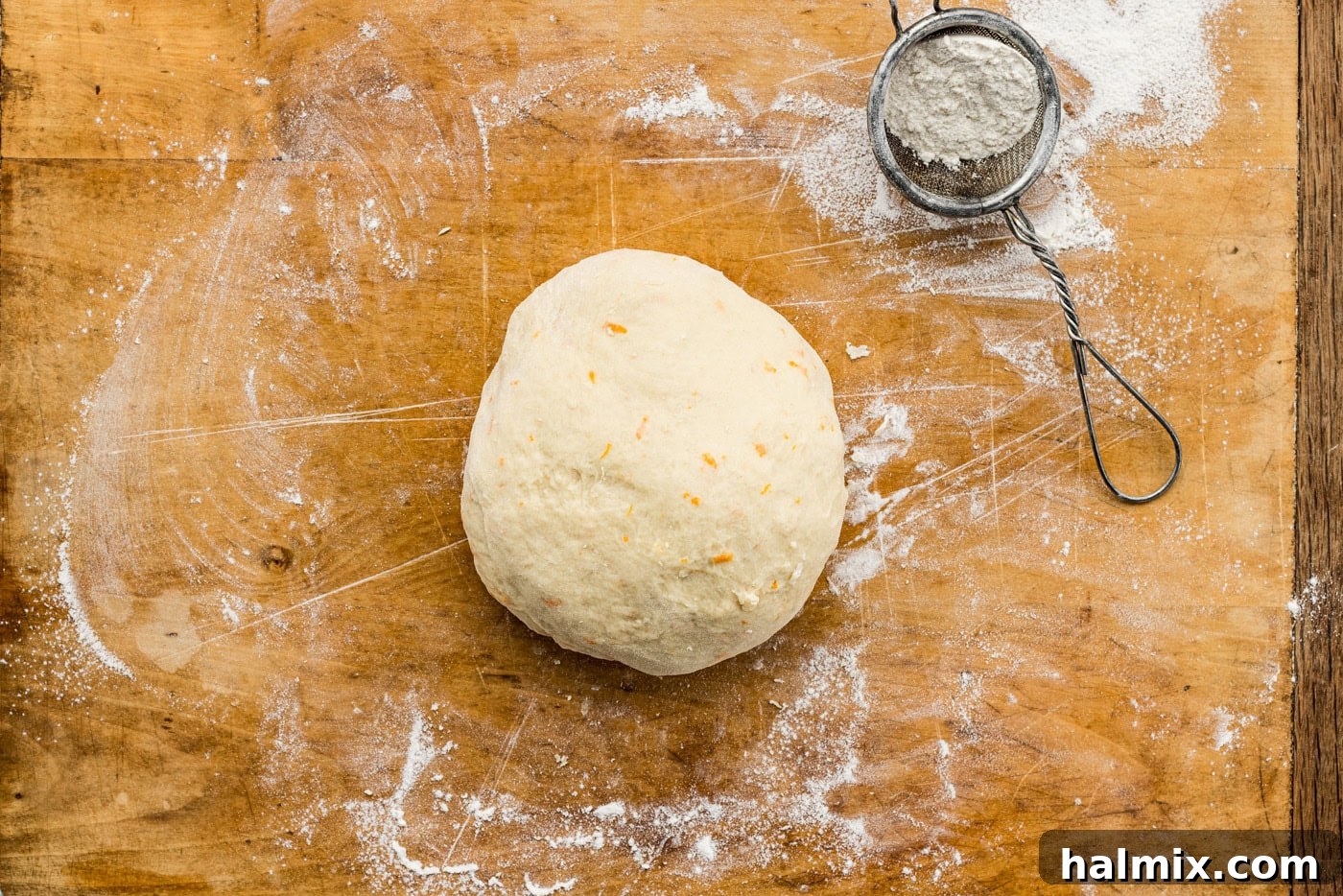
- Develop the Dough: Gradually add the remaining bread flour (another 3/4 cup plus 2 tablespoons) to the mixer bowl until it is fully incorporated and the dough begins to pull away cleanly from the sides of the bowl. If the dough is still too sticky, add an additional 1/4 cup of flour, one tablespoon at a time, until it reaches the desired consistency. Transfer the dough to a lightly floured surface and knead it until it becomes smooth and elastic, about 5-7 minutes. Shape the dough into a ball, place it back in the clean mixer bowl, cover it with a clean kitchen towel, and let it rise in a warm place for about 40 minutes, or until it has doubled in size.
- Prepare Baking Pan: While the dough is rising, take this opportunity to grease your 9×9-inch baking pan. This will ensure the rolls don’t stick and are easy to remove after baking.
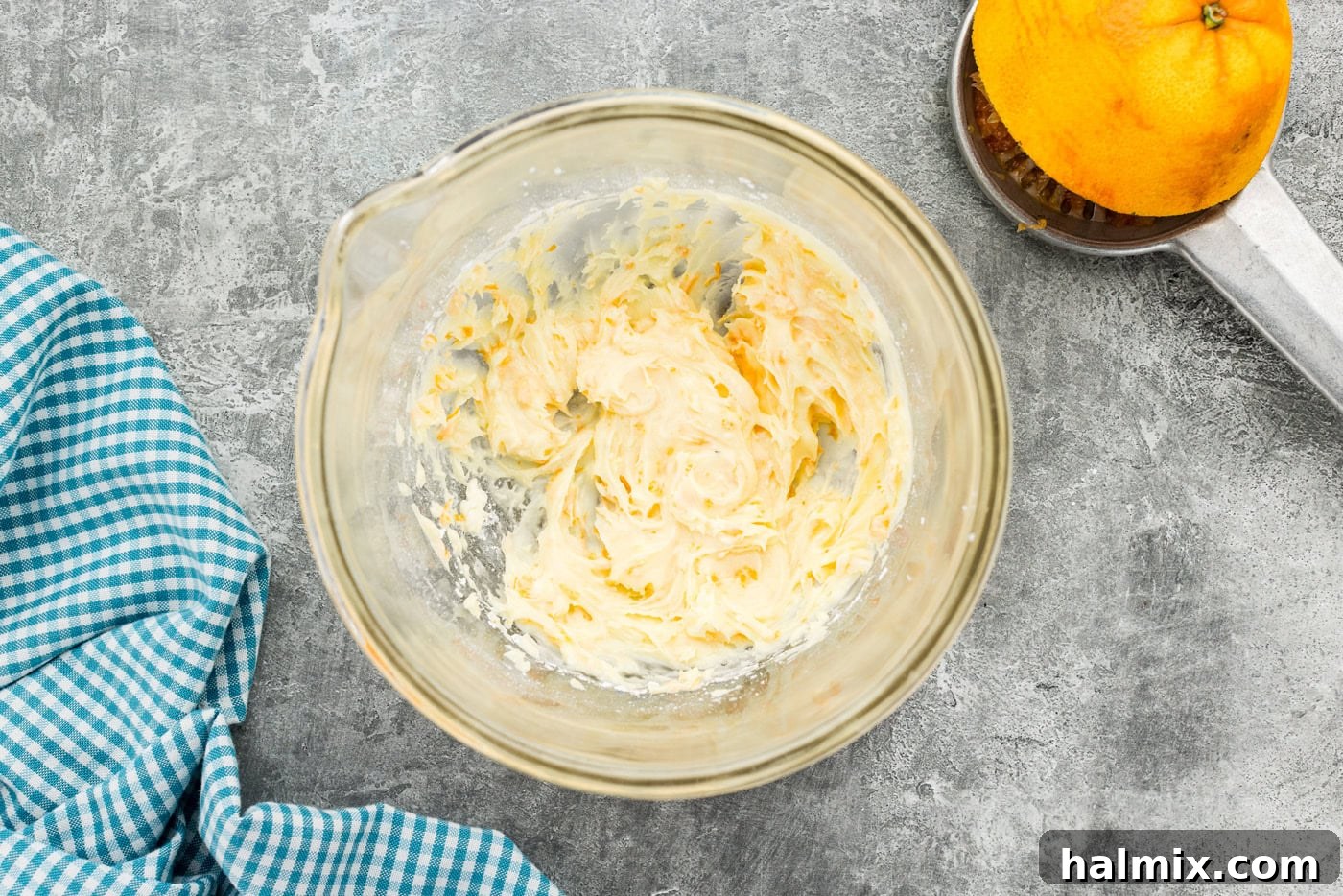
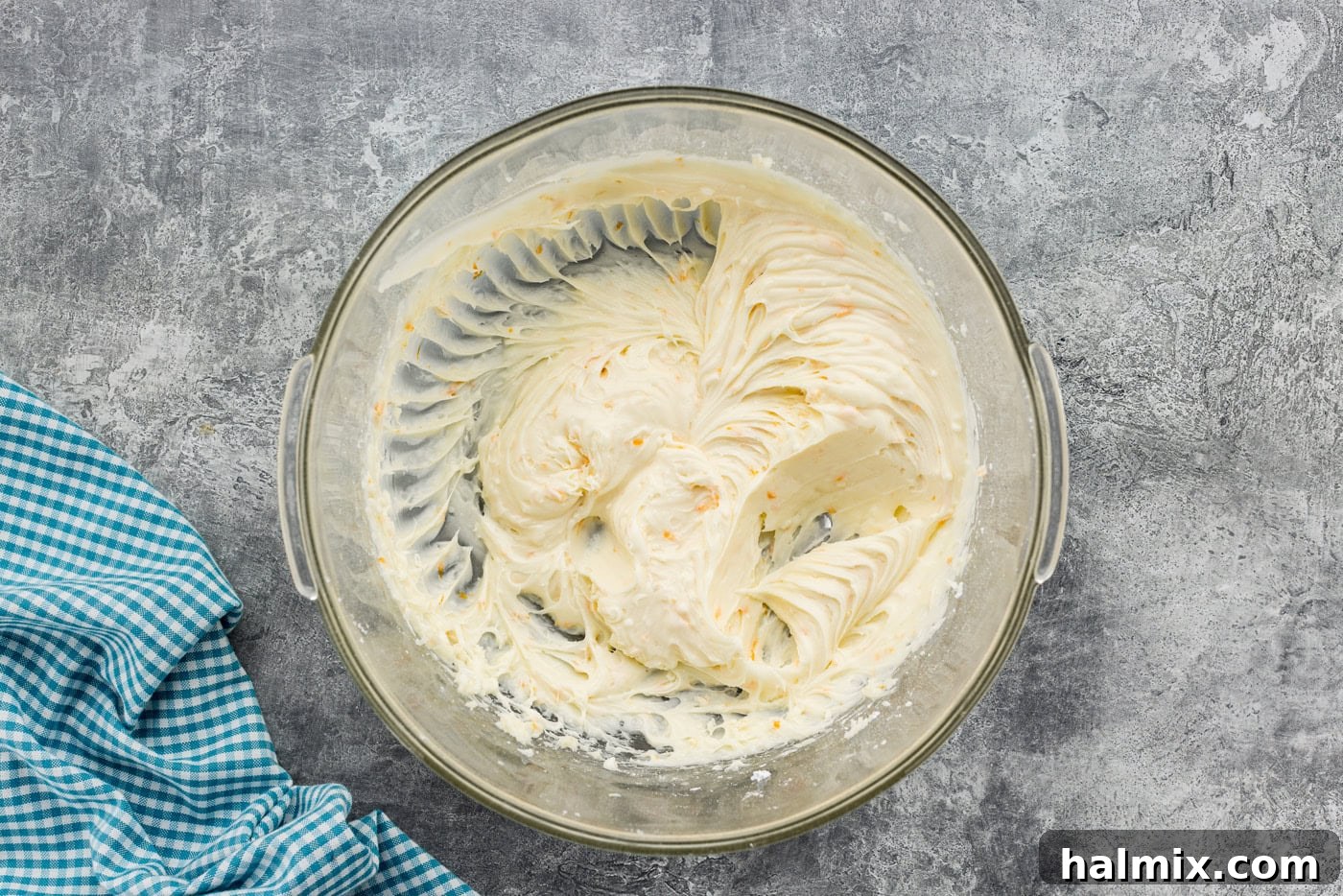
- Create Filling and Frosting: In separate bowls, prepare the filling and frosting. For the **orange filling**, blend together the powdered sugar, softened unsalted butter, the designated orange zest (half an orange), and 1 tablespoon of fresh orange juice until smooth. For the **orange cream cheese frosting**, combine the softened cream cheese, softened butter, powdered sugar, zest of one orange, and 2 tablespoons of fresh orange juice. Beat until the mixture is light, fluffy, and creamy. Set both aside at room temperature.
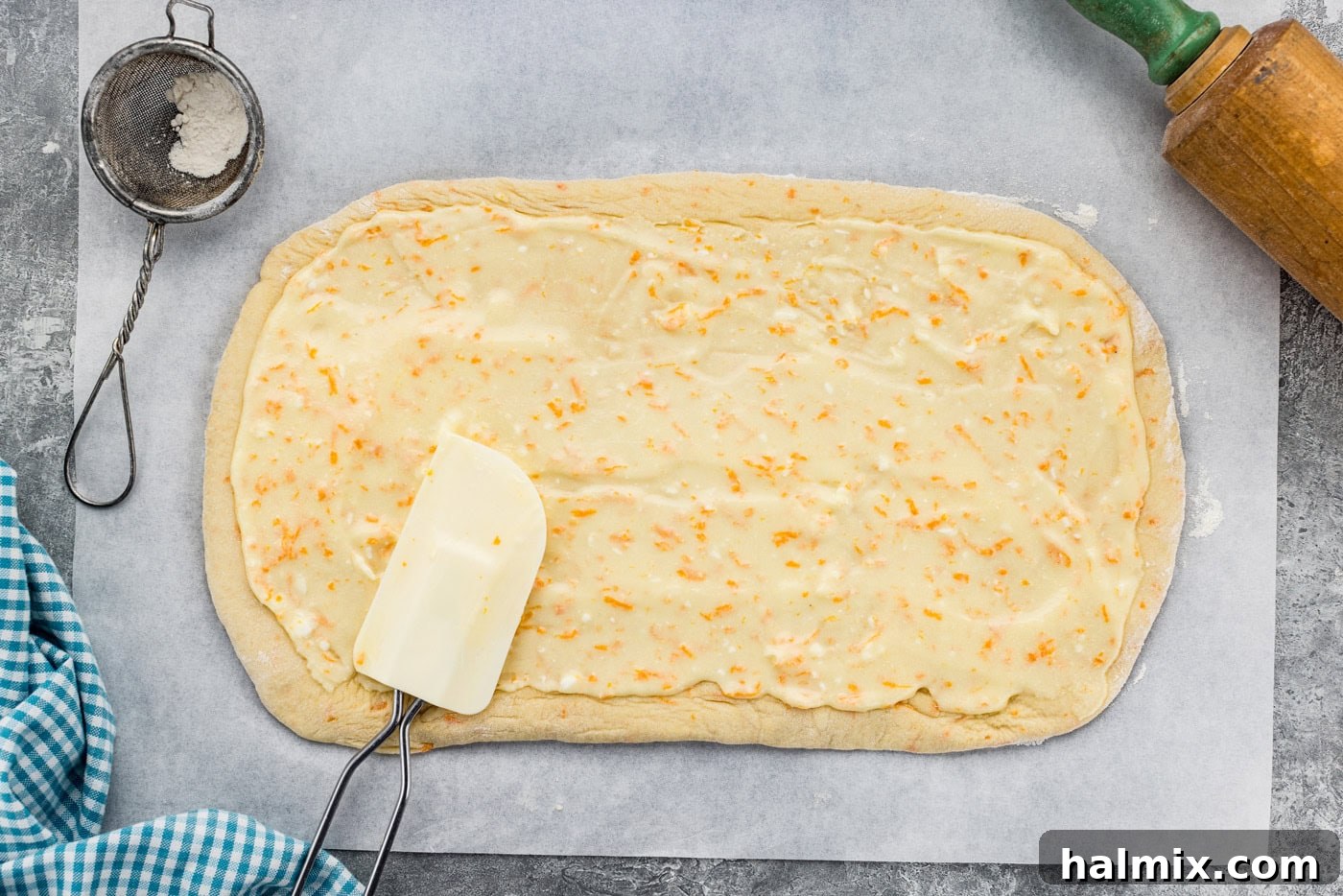
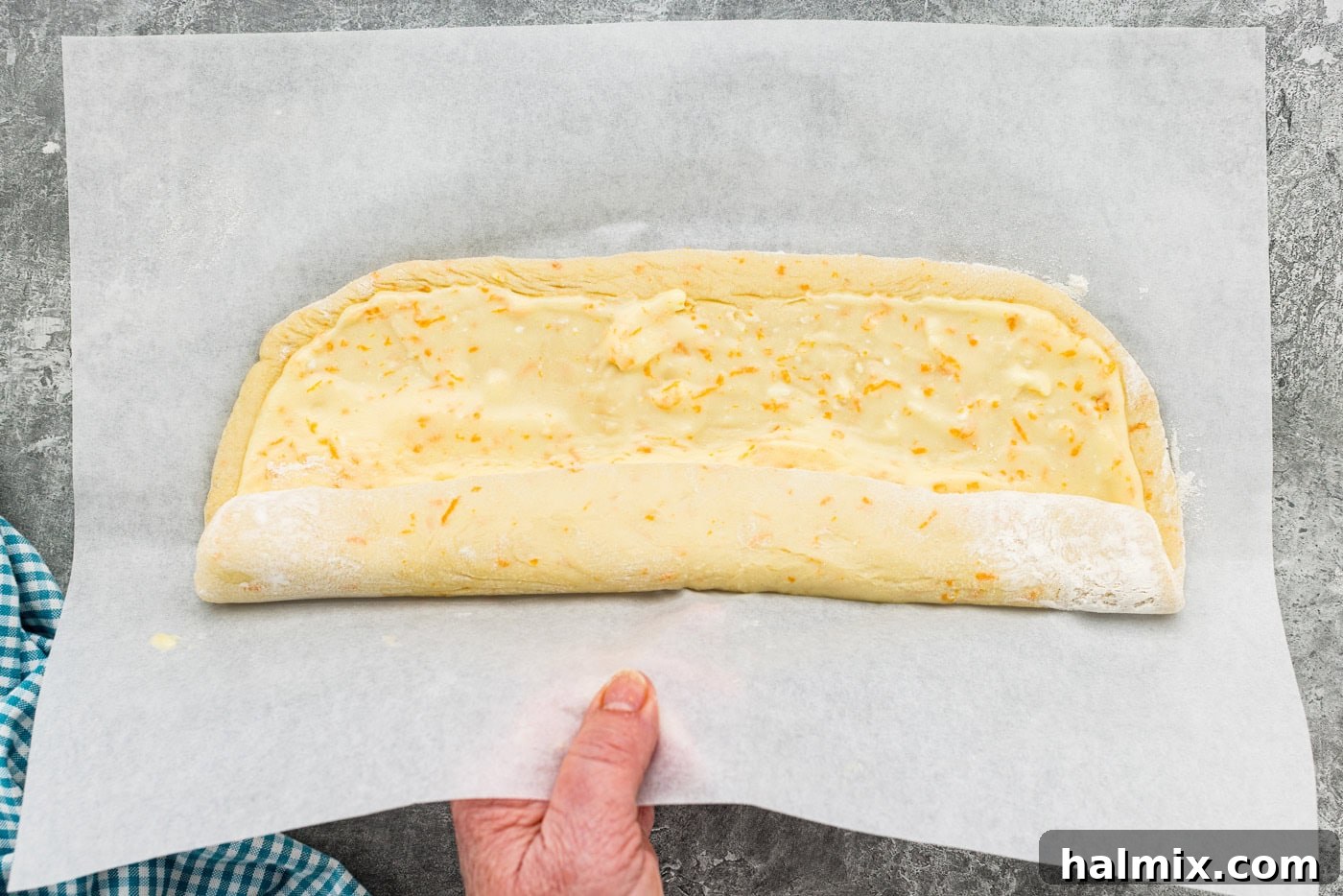
- Assemble the Rolls: Lightly dust a sheet of parchment paper with flour. Carefully transfer the risen dough onto the floured parchment. Using a rolling pin, roll the dough into a rectangle, approximately 7 inches by 14 inches. Spread the prepared orange filling evenly over the dough, leaving a 1/2-inch border along all edges. Starting from one of the longer sides, tightly roll up the dough jelly-roll style. The parchment paper can assist you in rolling if the dough feels a bit sticky. Once rolled, pinch the edges of the dough firmly to seal the seam.
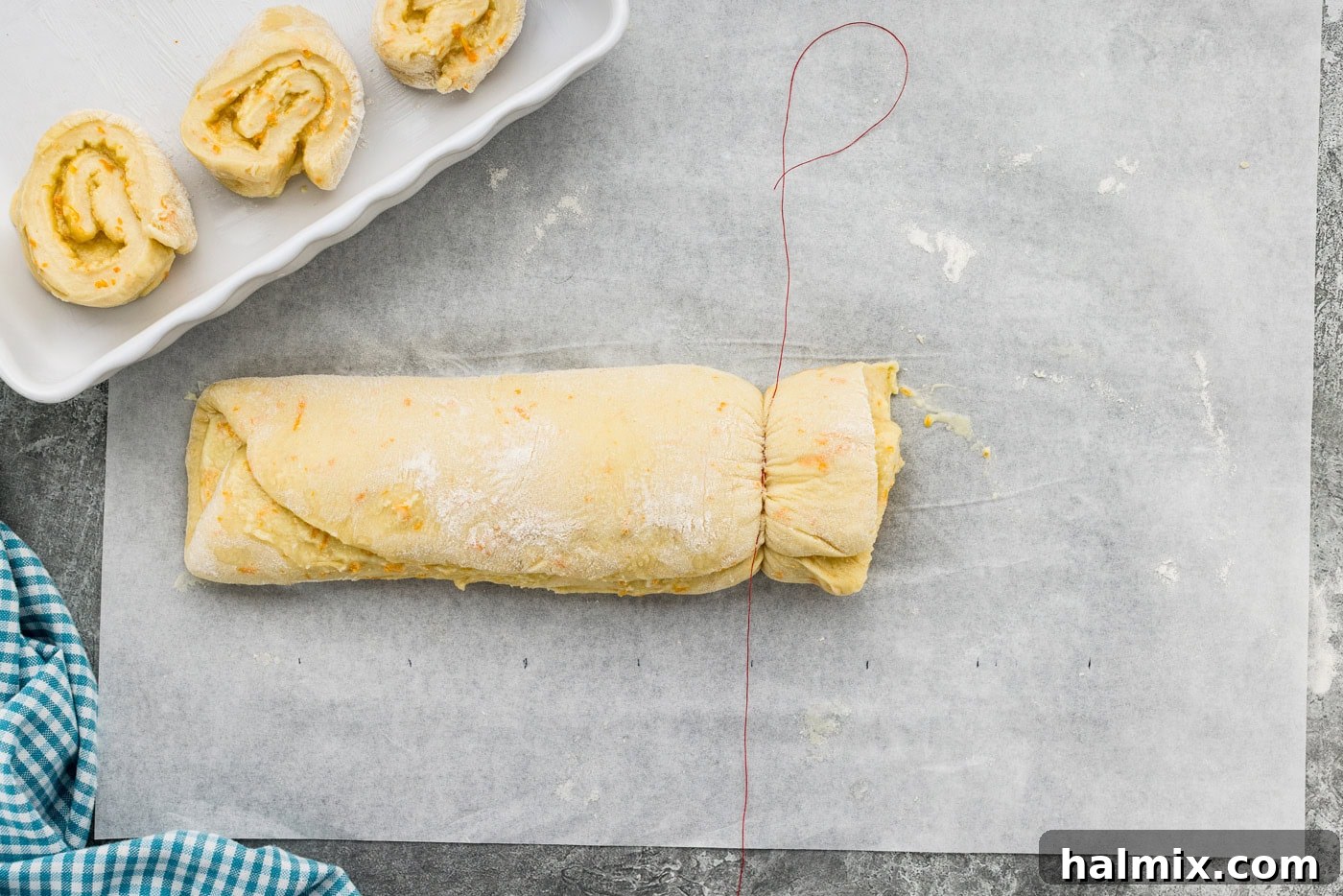
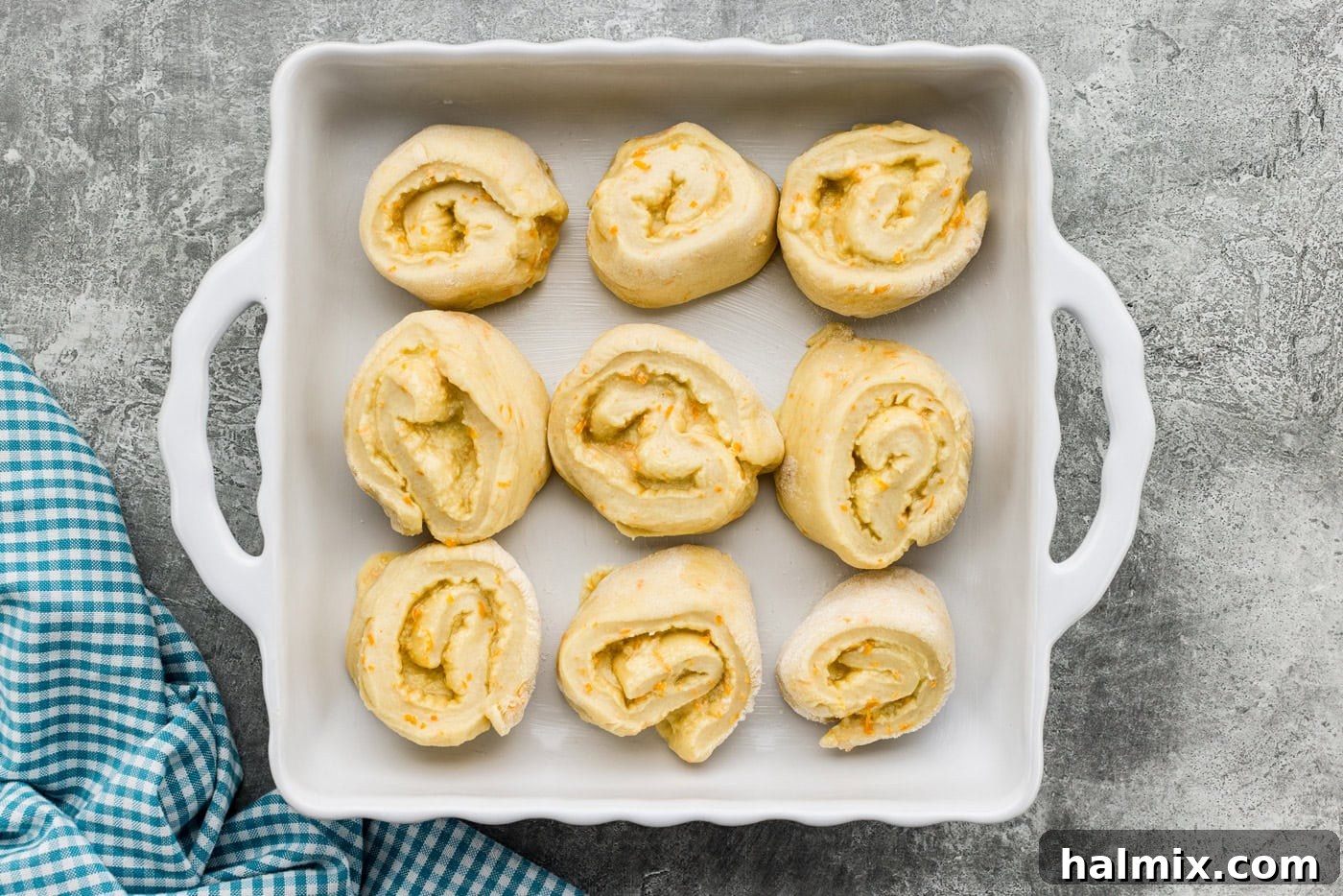
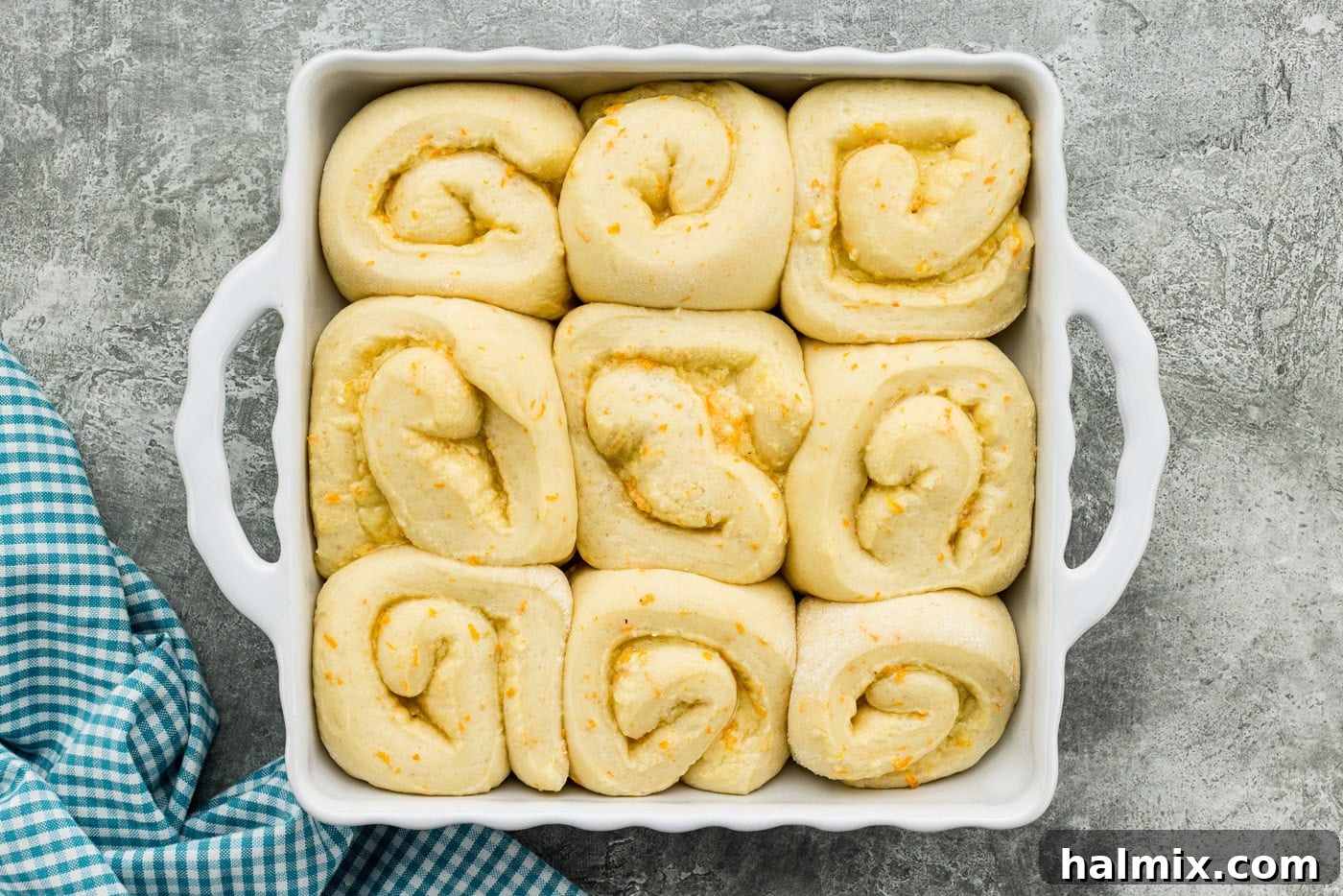
- Cut and Second Rise: Gently mark the dough log into 9 equal sections, then use a sharp knife or unflavored dental floss to cut through the dough cleanly. Arrange the individual rolls cut-side up in your prepared 9×9-inch baking pan. If any rolls lose their shape slightly, gently reroll them before placing them in the pan. Cover the pan with a clean towel and let the rolls rise in a warm place for another 40 minutes, or until they have visibly doubled in size. During the final 15 minutes of this rise time, preheat your oven to 375°F (190°C).
- Bake to Golden Perfection: Bake the orange rolls in the preheated oven for 20-25 minutes, or until they are beautifully golden brown on top and cooked through. The exact baking time may vary slightly depending on your oven.
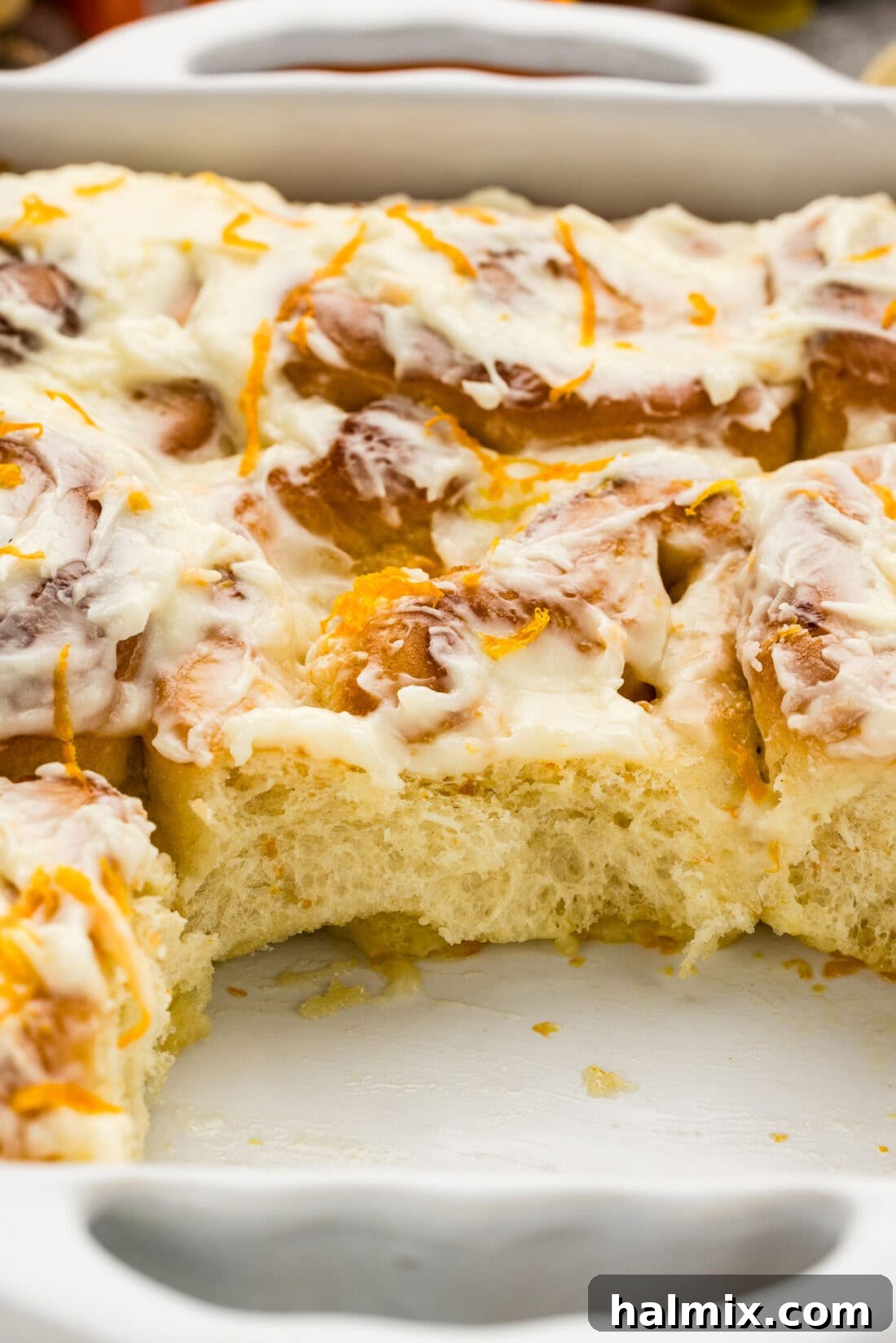
- Frost and Serve: Once baked, remove the pan from the oven and allow the rolls to cool for about 5 minutes. While still warm, generously spread the prepared orange cream cheese frosting over the top of the rolls. Enjoy them warm, as the frosting will melt slightly into the soft dough, creating an even more indulgent experience. You might have a little frosting left over, depending on your preference.
Frequently Asked Questions & Expert Baking Tips
To maintain freshness, store any cooled leftover orange rolls in an airtight container. Because these rolls are topped with cream cheese frosting, they should be kept in the refrigerator. They will stay fresh for up to 3-4 days. For reheating, you can warm them gently in the oven at a low temperature (around 300°F) for 5-10 minutes, or in an air fryer for a few minutes until heated through, but be careful not to dry them out.
For the best flavor and ease of use, I highly recommend using **Navel oranges**. They are known for their sweet, juicy flesh and easy-to-zest peel. However, other sweet orange varieties like Valencia or Cara Cara oranges would also be excellent choices, lending their unique citrus notes to the rolls.
Achieving uniformly sized rolls is key for even baking and a beautiful presentation. After rolling up the dough log, the easiest method is to gently measure its entire length and then divide that measurement by 9. This will give you the exact length for each individual roll. Use a very sharp knife for clean cuts, or for an even smoother slice that won’t squish the dough, you can use unflavored dental floss or a strong piece of thread. Simply slide the floss under the dough log, cross the ends over the top at your marked cutting point, and pull to slice through.
Absolutely! This recipe is adaptable for make-ahead convenience. Prepare the rolls up to the second rise, where they are placed in the baking dish. Instead of letting them rise at room temperature, cover the baking dish tightly with plastic wrap and refrigerate overnight (for 8-12 hours). The cold temperature will significantly slow down the yeast activity, allowing for a slow, controlled rise. The next morning, remove the rolls from the refrigerator and let them rest at room temperature for about 35-40 minutes before baking as directed. You can also prepare the cream cheese frosting the night before; just ensure it comes to room temperature for at least 30 minutes before spreading it on the baked rolls, making it easier to work with and preventing lumps.
The most common culprits for dry or dense rolls are too much flour or overbaking. Ensure you measure your flour accurately, ideally by weight, or use the scoop and sweep method carefully. Over-kneading can also make dough tough. Keep an eye on your baking time and oven temperature; use an oven thermometer to verify your oven is heating correctly.
Serving Your Delicious Orange Rolls
These orange sweet rolls are truly best served warm, fresh from the oven, when the dough is at its softest and the frosting begins to melt slightly, creating an irresistible glaze. However, they are still wonderfully enjoyable at room temperature, making them perfect for breakfast on the go or a delightful afternoon snack with a cup of coffee or tea. Orange rolls are a fantastic addition to any breakfast or brunch spread year-round, but they become extra special during the winter months when oranges are in peak season, offering their brightest, most intense flavor.
If you’re hosting guests for the holidays or a family gathering, don’t hesitate to easily double this recipe. These rolls are always a crowd-pleaser, and you’ll likely find that leftovers are a rare occurrence!
More Irresistible Breakfast & Brunch Ideas
If you’re a fan of these orange rolls, you’ll surely love exploring other delightful breakfast recipes:
- Bright & Zesty Lemon Sweet Rolls
- Classic Homemade Cinnamon Rolls
- Easy & Delicious Blueberry Breakfast Cake
- Elegant Braided Breakfast Danish
I find immense joy in baking and cooking, and sharing my kitchen adventures with all of you is a passion! To ensure you never miss a new recipe, I offer a convenient newsletter delivered straight to your inbox every time a new creation posts. Simply subscribe here and start receiving your free daily recipes, inspiration, and tips!

Quick & Easy Orange Rolls with Cream Cheese Frosting
Indulge in these delightful homemade orange rolls that are just as comforting as classic cinnamon rolls, but with a bright, zesty twist. This quick recipe is perfect for achieving bakery-quality sweet rolls from scratch, leaving store-bought tubes in the dust!
IMPORTANT – Find additional expert tips, storage advice, and make-ahead instructions within the blog post above. Simply scroll up to read them!
📄Print Recipe
📌Pin It
💬Rate It
Ingredients
For the Dough:
- 2 ¼ teaspoons SAF instant yeast (or any quick rise yeast)
- ½ cup warm water (110-115°F)
- 1 large egg, at room temperature
- 1 ¾ cups bread flour (you may need more)
- 1 Tablespoon granulated sugar
- 1 teaspoon salt
- 2 Tablespoons unsalted butter, softened at room temperature
- Zest of one orange (for the dough)
For the Orange Filling:
- ¾ cup powdered sugar
- 1 ½ Tablespoons unsalted butter, softened at room temperature
- Zest of HALF an orange
- 1 Tablespoon fresh orange juice
For the Cream Cheese Frosting:
- 2 ½ cups powdered sugar
- 3 Tablespoons unsalted butter, softened at room temperature
- 4 ounces cream cheese, softened at room temperature
- Zest of one orange (for the frosting)
- 2 Tablespoons fresh orange juice (about one orange)
Equipment You’ll Need
- Stand mixer
- 9×9 inch baking pan
- Citrus zester
- Offset icing spatula
- Parchment paper
- Rolling pin
- Clean kitchen towel
Before You Begin: Important Notes for Success
- For optimal dough consistency and smooth frosting, remember to remove your butter, eggs, and cream cheese from the refrigerator at least 30 minutes before you plan to start the recipe. Room temperature ingredients blend much better.
- You will need a total of three oranges for this recipe (one for dough zest, half for filling zest, one for frosting zest, plus juice for filling and frosting).
- To ensure your rolls are perfectly even in size, measure the length of your rolled dough log and divide by 9 to determine where to make each cut. For a clean cut that won’t flatten the dough, use a very sharp knife or unflavored dental floss.
Instructions
Making the Dough
-
In a stand mixer bowl, dissolve the instant yeast in warm water (110-115°F) and let it stand for 3 to 5 minutes until foamy; then stir.
-
Add the room temperature egg, half of the bread flour (3/4 cup + 2 tablespoons), and the softened butter to the mixer bowl.
-
In a separate small bowl, rub the orange zest (for the dough), granulated sugar, and salt together with your fingers until fragrant. Add this mixture to the mixer bowl.
-
Beat all ingredients on medium speed until the mixture is smooth.
-
Gradually add the remaining flour (3/4 cup + 2 tablespoons) until combined and the dough cleans the sides of the bowl. If the dough is too sticky, add 1/4 cup more flour, a little at a time, until it pulls away from the bowl.
-
Turn the dough out onto a lightly floured surface and knead until smooth, about 5-7 minutes.
-
Cover the dough with a clean towel and let it rise in a warm place for 40 minutes, or until it has doubled in size.
-
While the dough is rising, grease a 9×9-inch baking pan.
Assembling and Baking the Rolls
-
For the filling, blend the 3/4 cup powdered sugar, 1 1/2 Tablespoons softened unsalted butter, zest of HALF an orange, and 1 Tablespoon fresh orange juice together until smooth. Set aside.
-
For the frosting, combine the 2 1/2 cups powdered sugar, 3 Tablespoons softened unsalted butter, 4 ounces softened cream cheese, zest of one orange, and 2 Tablespoons fresh orange juice. Beat until creamy and smooth. Set aside.
-
Dust a sheet of parchment paper with flour. Place the risen dough on the dusted parchment and roll it out into a 7″ x 14″ rectangle.
-
Spread the orange filling evenly over the dough, leaving a 1/2″ border around the edges.
-
Carefully roll up the dough jelly-roll style, using the parchment to assist you if the dough is sticky. Pinch the edges of the dough firmly to seal.
-
Mark and cut the dough log into 9 equal parts. Place the cut rolls, spirals facing up, into the greased baking pan.
-
Cover the pan with a towel and let the rolls rise in a warm place for another 40 minutes, or until doubled in size.
-
While the rolls are completing their second rise, preheat your oven to 375°F (190°C).
-
Bake for 20-25 minutes, or until the rolls are golden brown and cooked through.
-
Remove the rolls from the oven and let them cool for 5 minutes in the pan. Spread generously with the prepared orange cream cheese frosting while still warm. Serve immediately and enjoy!
Nutrition Information (Approximate per roll)
- Serving: 1 roll
- Calories: 394 kcal
- Carbohydrates: 65g
- Protein: 5g
- Fat: 13g
- Saturated Fat: 8g
- Polyunsaturated Fat: 1g
- Monounsaturated Fat: 4g
- Trans Fat: 0.3g
- Cholesterol: 45mg
- Sodium: 371mg
- Potassium: 88mg
- Fiber: 1g
- Sugar: 45g
- Vitamin A: 449 IU
- Vitamin C: 3mg
- Calcium: 22mg
- Iron: 0.4mg
Tried this Recipe? Pin it for Later!
Follow on Pinterest @AmandasCookin or tag #AmandasCookin!
Please note that recipes on this blog are typically tested using a conventional gas oven and stovetop. Oven temperatures can vary, especially with older appliances, so an inexpensive oven thermometer can help ensure accuracy. If using a toaster oven, countertop oven, or other appliances like pressure cookers or air fryers, cooking and baking times may need to be adjusted. For baking recipes where ingredients are measured by weight, using volume (cups) may yield different results, and we cannot guarantee success with that method.
This post originally appeared here on December 13, 2009. Updated for enhanced content and clarity.