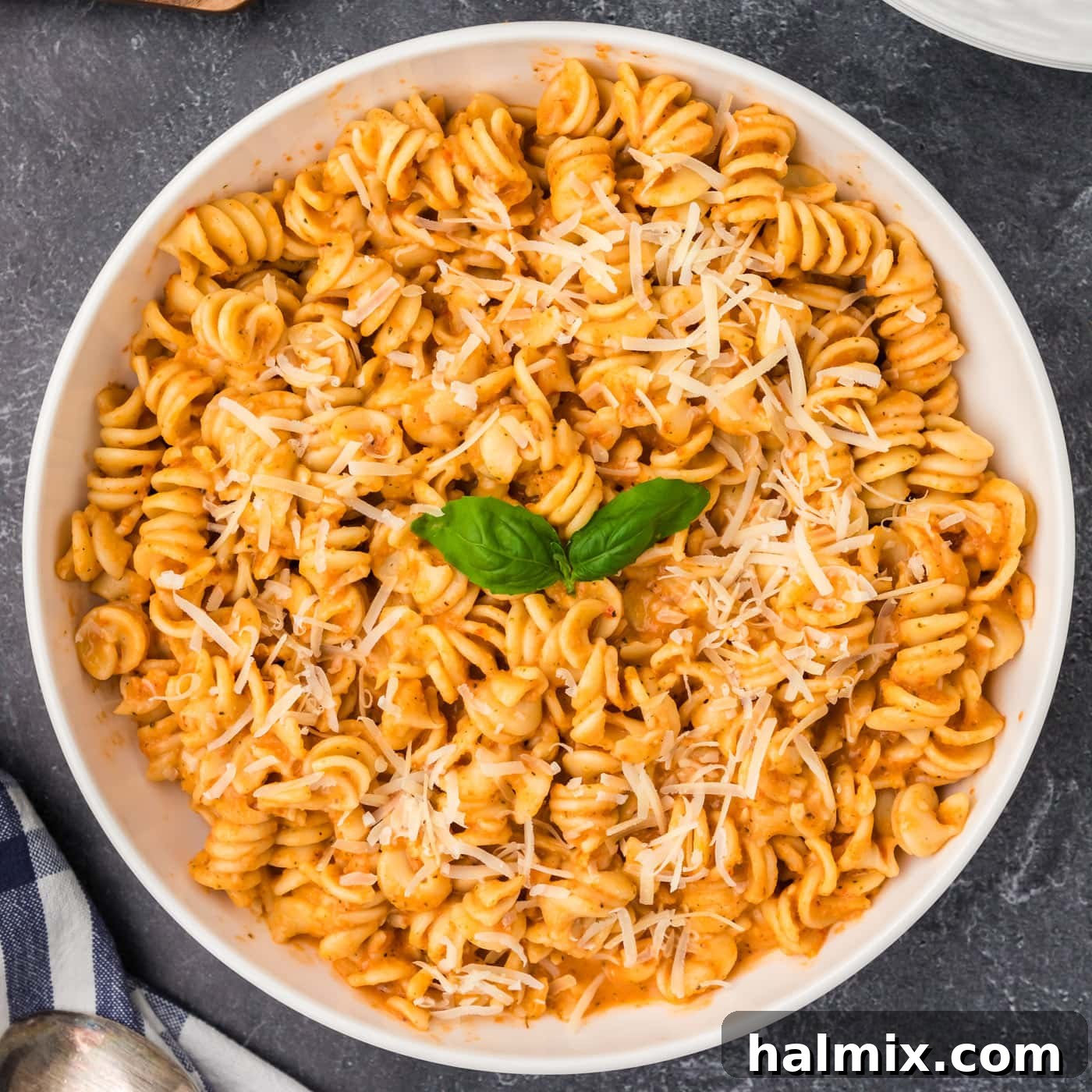
There’s something uniquely comforting and irresistibly delicious about a rich, creamy pasta sauce. Among the pantheon of Italian-American culinary delights, **homemade vodka sauce** stands out, offering a luxurious experience that elevates any simple pasta dish into a gourmet meal. This incredibly aromatic and profoundly flavorful sauce can be whipped up right on your stovetop in just about 30 minutes, proving that restaurant-quality dining is easily achievable in your own kitchen. Forget bland, jarred alternatives; once you experience the vibrant taste of fresh ingredients expertly blended, you’ll never look back.
Why This Homemade Vodka Sauce Recipe Is a Must-Try
Vodka sauce is renowned for its signature creamy, tomato-based profile, delivering a captivating blend of richness and tang that beautifully coats pasta, complements succulent meatballs, and enhances the savory notes of Italian sausages. This particular recipe takes that inherent deliciousness to new heights by incorporating a thoughtful array of ingredients designed to maximize flavor and complexity. We’re talking about a symphony of tastes, starting with the subtle kick of **red pepper flakes** that awakens the palate, followed by the classic herbaceous depth of **Italian seasoning**. The unexpected brilliance of **balsamic vinegar** adds a layer of sweet-sour complexity, balancing the sauce and making it truly unforgettable. Fresh **garlic** and savory **Parmesan cheese** build the robust base, while the inclusion of vodka itself plays a crucial, though often misunderstood, role in emulsifying the sauce and enhancing the aromatic compounds of the tomatoes.
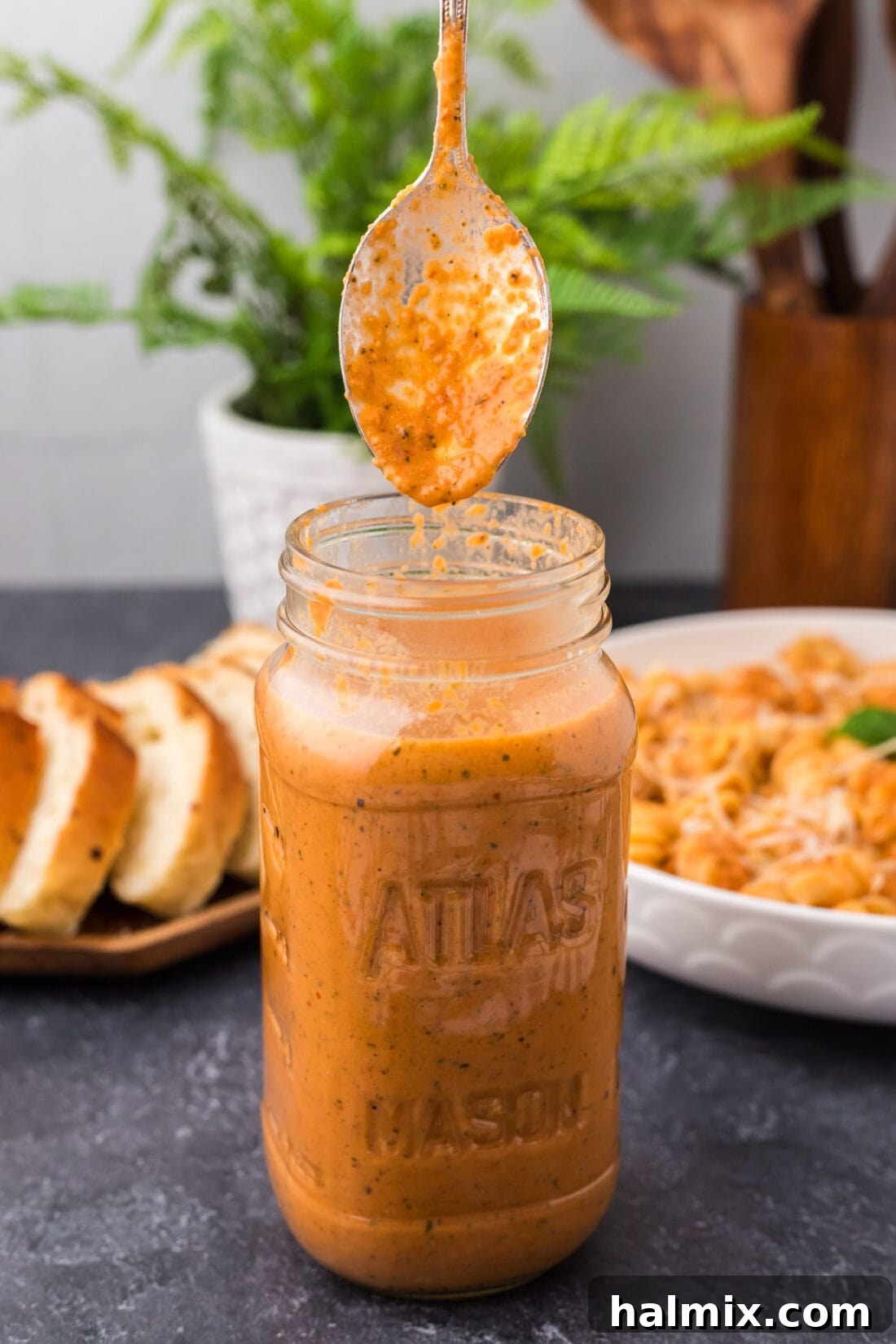
But the secret to truly transcending “delicious” to “over-the-top incredible” lies in a final, simple step: a quick blitz in a food processor with fresh basil leaves. This infusion of bright, peppery basil at the end introduces an unparalleled herby richness and a vibrant color that truly makes this homemade vodka sauce sing. The fresh basil not only brightens the sauce but also adds a textural element that perfectly complements its creamy consistency. Once you taste this version, prepared with such care and attention to detail, the thought of returning to a jarred sauce will seem utterly inconceivable. It’s a culinary revelation that’s both simple to master and deeply rewarding.
Essential Ingredients for Perfect Vodka Sauce
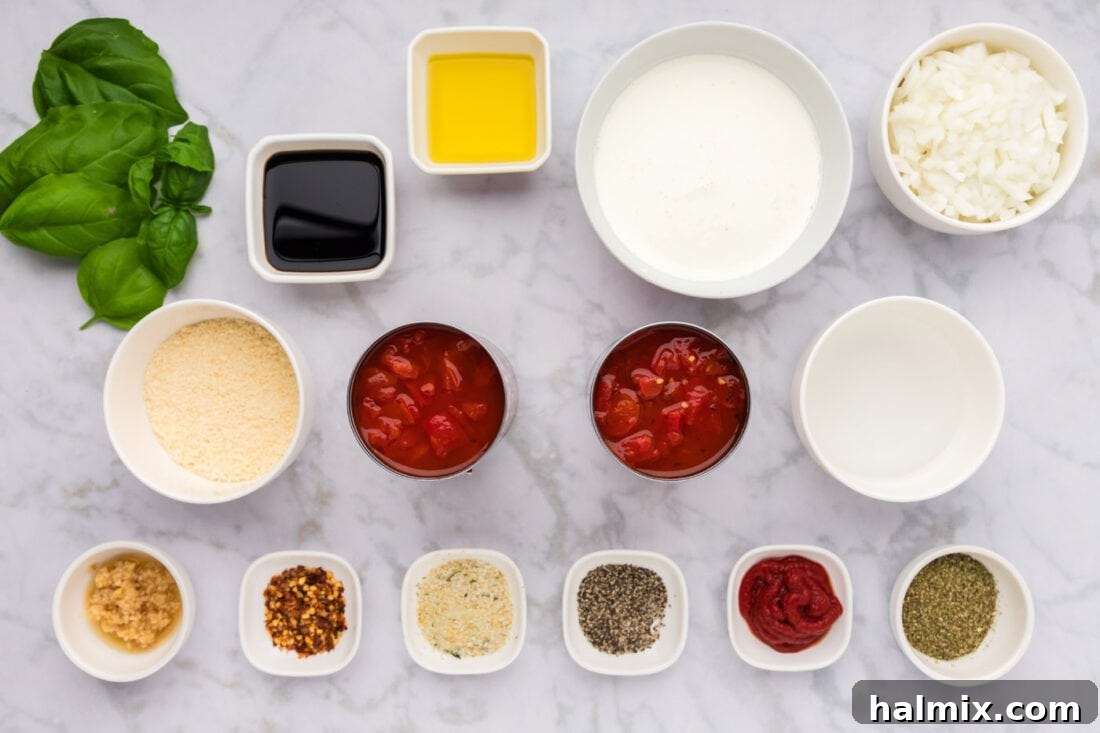
Crafting an exceptional vodka sauce begins with selecting high-quality ingredients. While the full list with precise measurements is provided in the printable recipe section below, let’s delve into the key components that give this sauce its distinctive character and explain why each one is indispensable. Using fresh, vibrant produce and good quality pantry staples will make a noticeable difference in the final product, transforming a simple dish into an extraordinary one.
Ingredient Breakdown & Expert Substitution Tips
Understanding the role of each ingredient will help you appreciate the sauce’s complexity and empower you to make informed choices or substitutions if needed.
VODKA: The Unsung Hero of Vodka Sauce
The choice of vodka in this recipe truly matters. While the alcohol content largely evaporates during cooking, it leaves behind a subtle flavor profile and, more importantly, plays a vital role in the sauce’s emulsification. Vodka acts as a solvent, helping to extract and carry the flavors of the tomatoes and other aromatics, leading to a smoother, more cohesive, and intensely flavorful sauce. Because the vodka contributes a distinct, albeit subtle, taste, we strongly recommend using a brand you enjoy drinking. You don’t need top-shelf, but avoid anything overly harsh. This is **not** the recipe to omit vodka from; it’s a star ingredient, integral to both the flavor development and the signature creamy texture. If you’re seeking a delicious tomato-based sauce without vodka, our spaghetti with meatballs in marinara sauce recipe offers a fantastic alternative. Rest assured, the vodka flavor in this sauce is not overwhelming; it beautifully complements and rounds out the rich, creamy tomato base.
TOMATOES: The Heart of the Sauce
This recipe cleverly employs both **tomato paste** and **canned diced tomatoes** to achieve a multi-faceted tomato flavor and desirable texture. The tomato paste, intensely concentrated, provides a deep, slightly tart-sour foundation that adds complexity and richness. It’s often the secret to a restaurant-quality sauce. The canned diced tomatoes, on the other hand, contribute a fresher, brighter tomato flavor and essential texture. Using them “not drained” ensures you retain all the flavorful juices, which are crucial for the sauce’s body and consistency. For the best results, consider using high-quality canned tomatoes, such as San Marzano, known for their sweet flavor and tender flesh.
HEAVY CREAM: For Unmatched Richness
Heavy whipping cream is what gives vodka sauce its luxurious, velvety texture and beautiful pale orange hue. It mellows the acidity of the tomatoes and binds all the flavors together, creating that signature creamy consistency. Do not substitute with lighter creams or milk, as they may curdle under high heat and won’t provide the same richness.
AROMATICS: Building the Flavor Foundation
Freshly minced **garlic** and finely chopped **onion** are the bedrock of nearly any great Italian sauce. Sautéing them gently in olive oil until fragrant creates a wonderfully aromatic base, releasing their sweet and pungent notes that infuse the entire sauce with depth. These ingredients are non-negotiable for a truly flavorful result.
SPICES & SEASONINGS: The Flavor Enhancers
- **Red Pepper Flakes:** These add a subtle warmth and a touch of heat, providing a pleasant contrast to the creaminess. Adjust the amount to your preferred spice level.
- **Italian Seasoning:** A blend of classic herbs like oregano, basil, thyme, and rosemary, Italian seasoning effortlessly infuses the sauce with traditional Mediterranean flavors.
- **Garlic Salt & Black Pepper:** Essential staples that season the sauce perfectly, enhancing all the other flavors. Taste and adjust as you go.
BALSAMIC VINEGAR: The Secret Weapon
A small amount of balsamic vinegar might seem unconventional, but it’s a true game-changer in this recipe. Its complex sweet and tangy notes add incredible depth and a nuanced acidity that brightens the sauce and balances the richness of the cream and tomatoes. It’s a subtle addition that makes a significant impact on the overall flavor profile.
PARMESAN CHEESE: For Umami & Creaminess
Grated Parmesan cheese melts beautifully into the sauce, contributing a salty, nutty, and distinctly umami flavor. It also helps to thicken the sauce and adds to its creamy texture. For the best taste, use freshly grated Parmesan cheese rather than pre-shredded varieties, which often contain anti-caking agents that can affect melting and flavor.
FRESH BASIL LEAVES: The Finishing Touch
Adding fresh basil at the very end, especially after a quick pulse in the food processor, is crucial for that vibrant, garden-fresh finish. Its sweet, peppery aroma is iconic in Italian cuisine and complements the tomato and cream beautifully. If fresh basil is unavailable, you can use a small amount of dried basil earlier in the cooking process, but fresh is always preferred for its bright flavor.
Step-by-Step Guide: Crafting Your Own Vodka Sauce Masterpiece
These step-by-step photos and detailed instructions are designed to help you visualize each stage of making this incredible sauce. For a quick reference or to print, you can jump directly to the complete printable recipe card, complete with measurements and instructions, located at the bottom of this post.
-
Sautéing the Aromatics
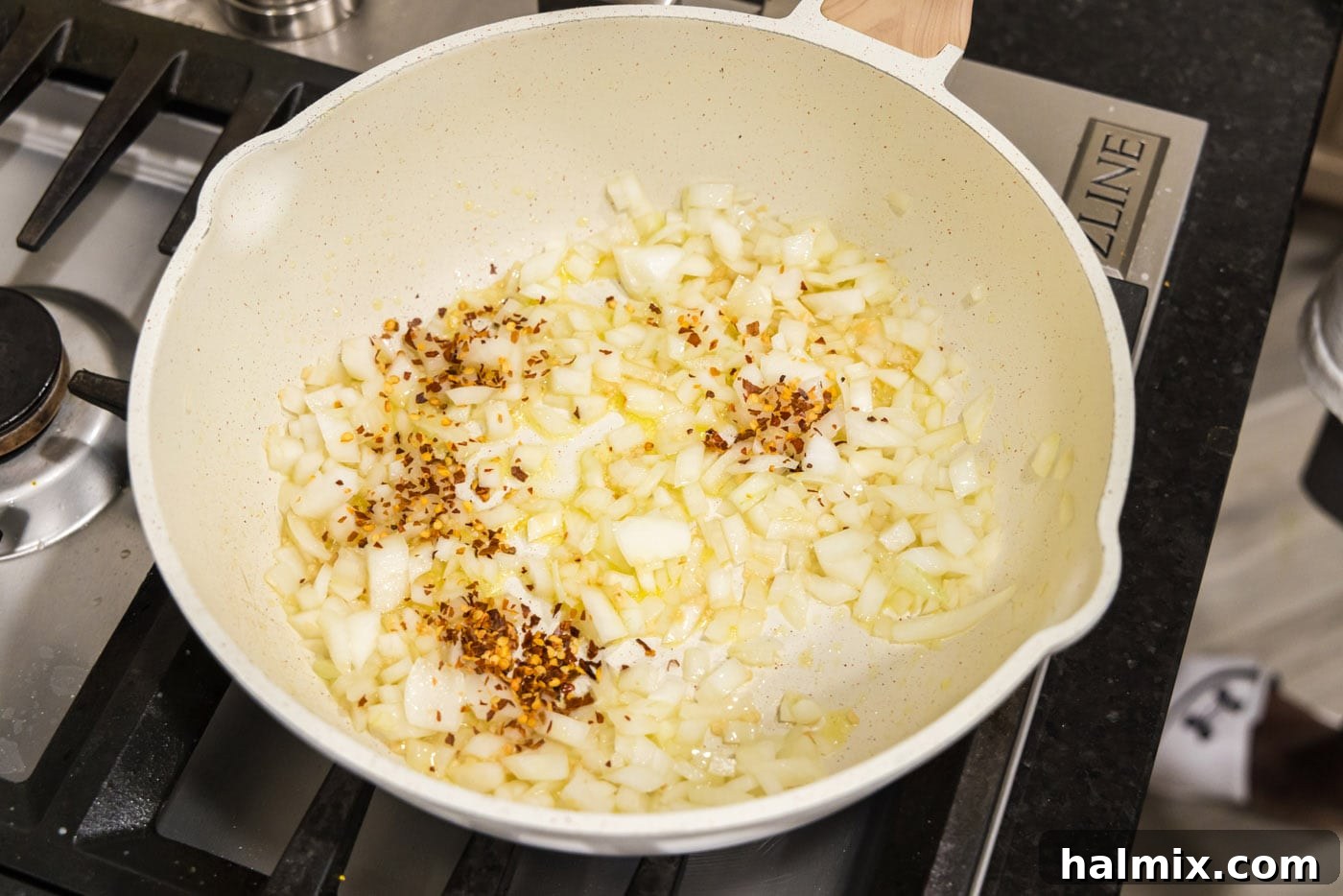
Begin by heating the olive oil in a large, heavy-bottomed skillet over medium-high heat. You want the oil to shimmer gently, indicating it’s hot enough but not smoking. Add the minced garlic, chopped onion, and red pepper flakes to the hot oil. Cook this aromatic trio for 2-3 minutes, stirring frequently, until the onion becomes translucent and softened, and the garlic is fragrant. Be careful not to brown the garlic, as it can turn bitter. This step is crucial for building the foundational flavor of your sauce.

-
Building the Tomato Base with Vodka and Seasonings
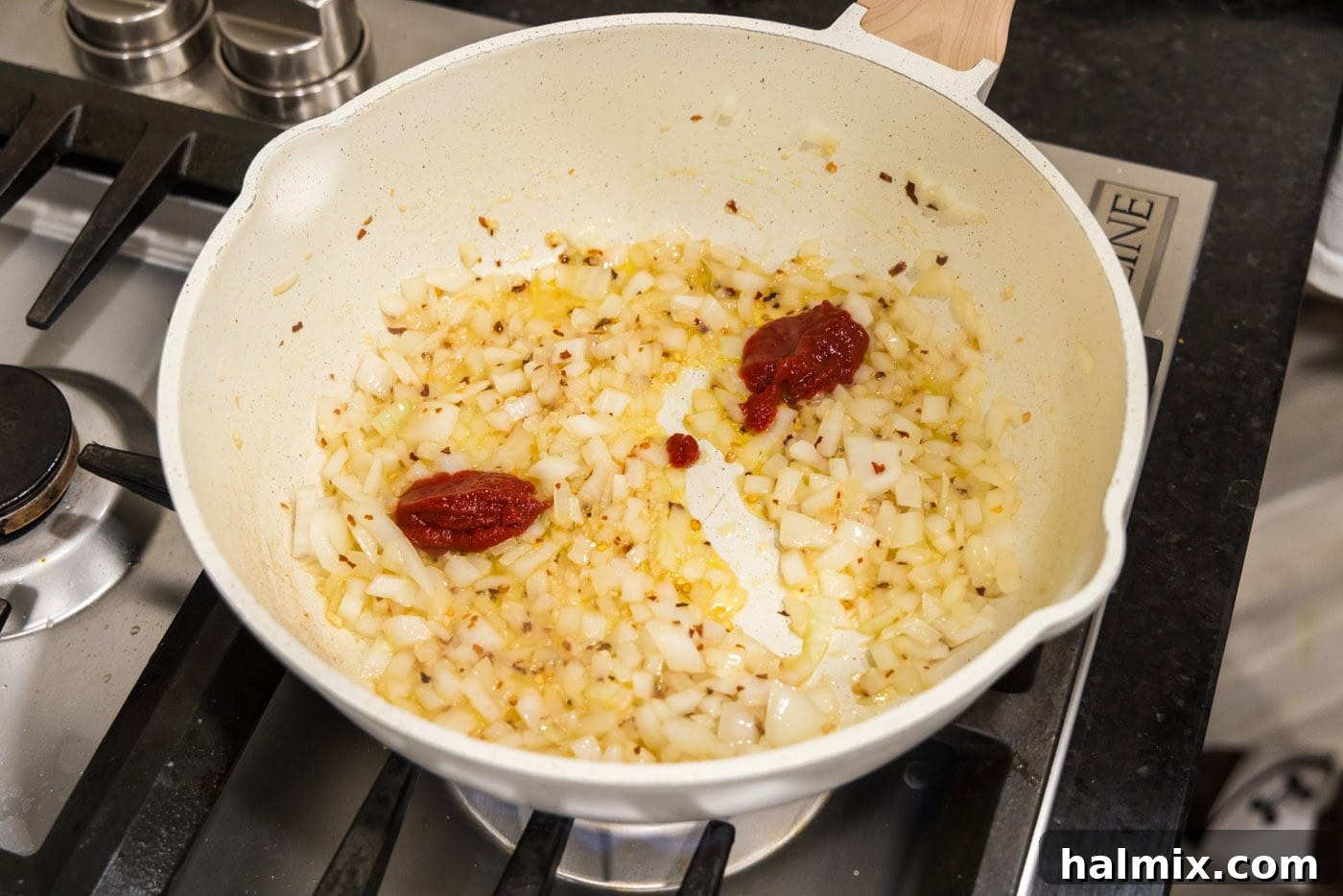
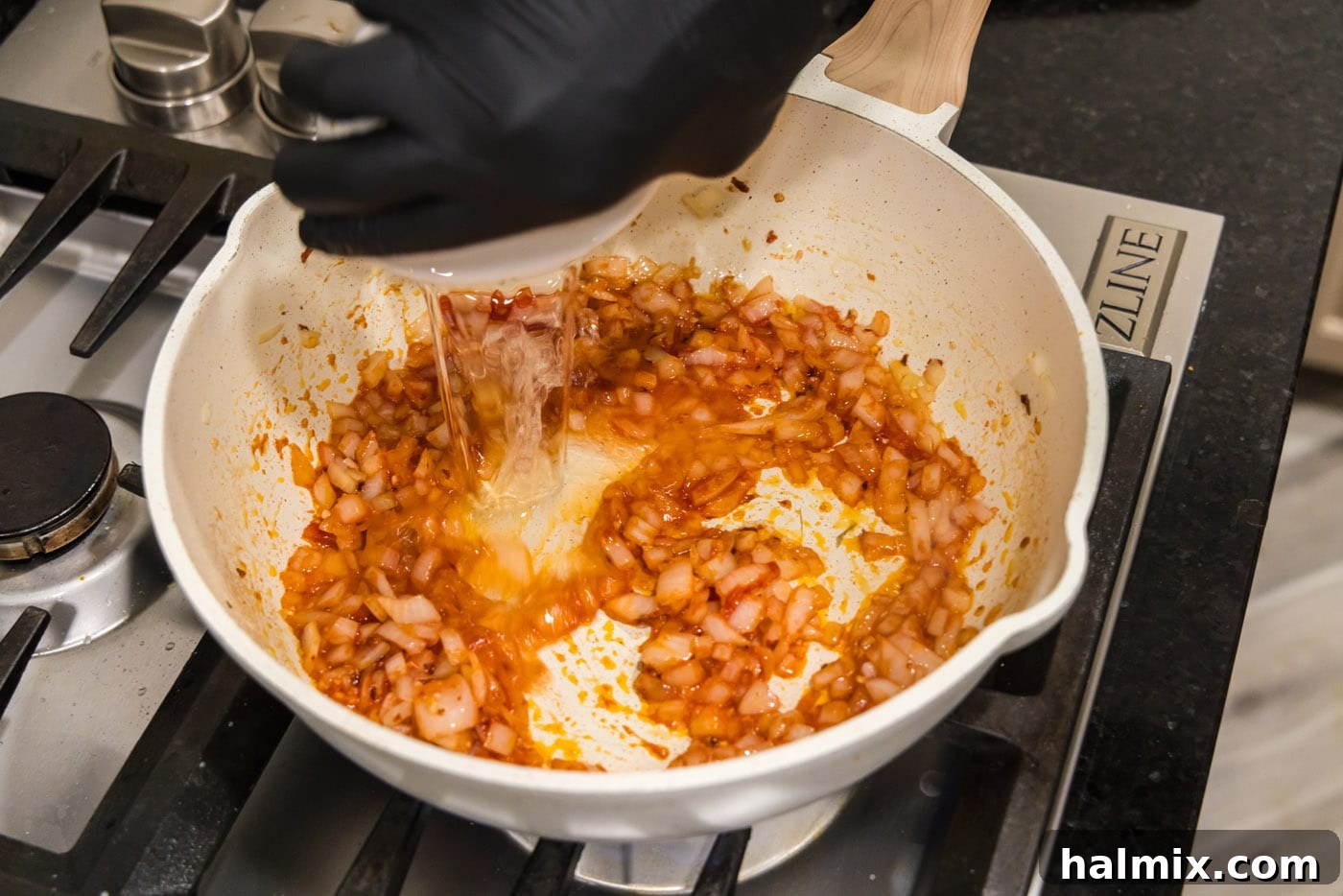
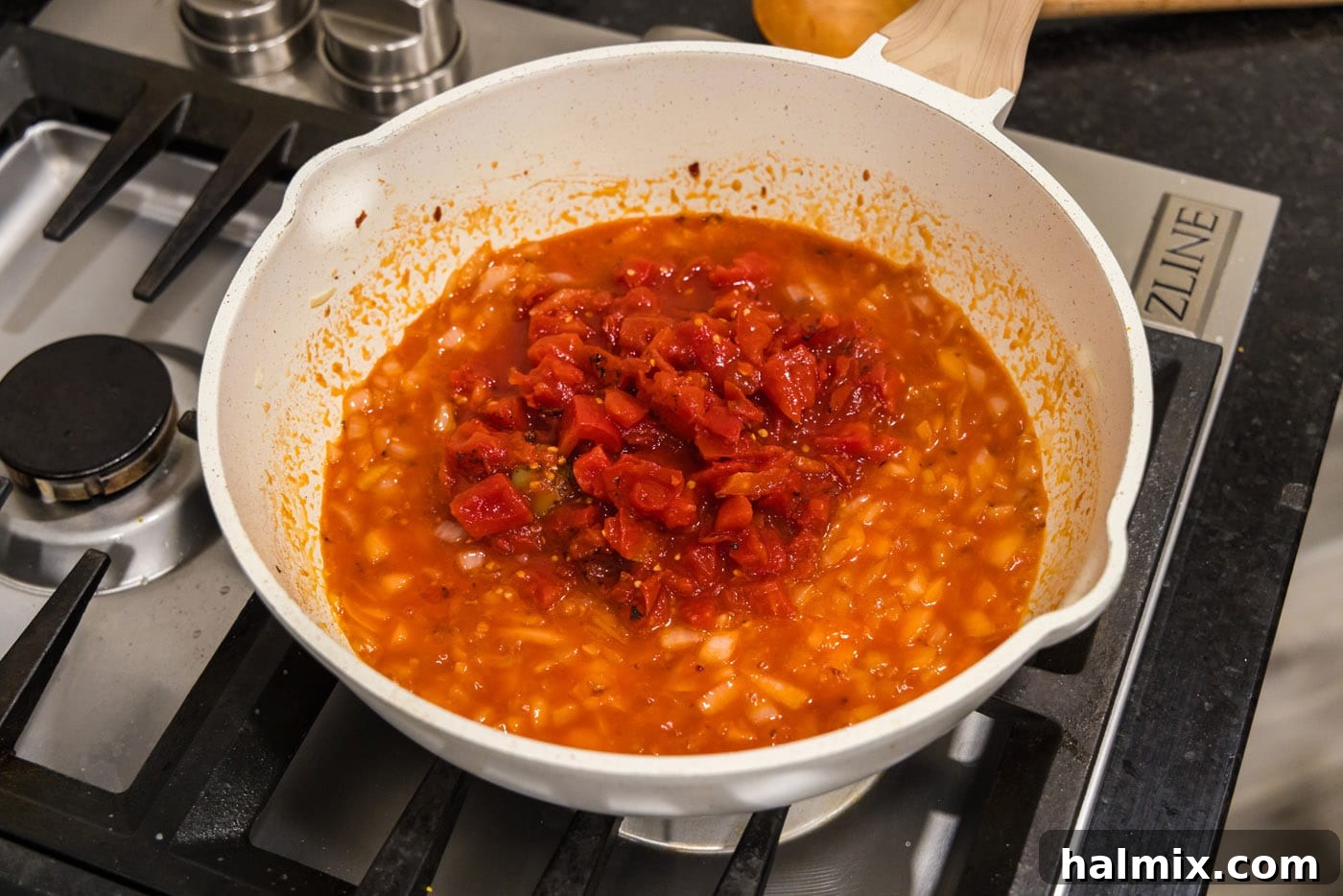
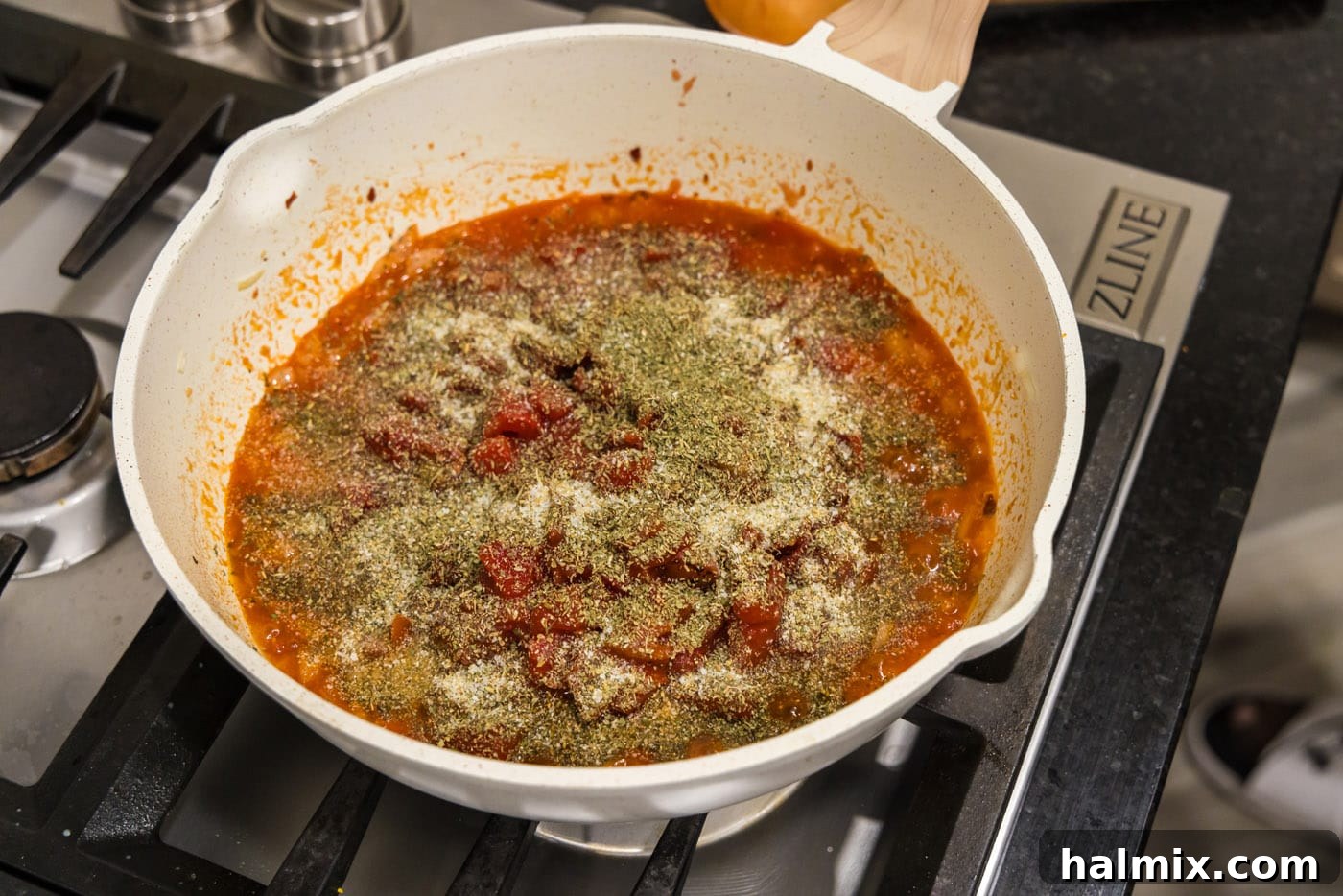
Next, stir in the tomato paste, ensuring it cooks for a minute or two to deepen its flavor, before pouring in the vodka. Let the vodka simmer briefly, allowing some of the alcohol to evaporate while its essence remains to enhance the sauce. Then, add the canned diced tomatoes (undrained), Italian seasoning, garlic salt, and black pepper. Stir all the ingredients together thoroughly. Bring the mixture to a gentle boil, then reduce the heat to a simmer and let it cook, stirring occasionally, for about 10-15 minutes. This simmering time allows the flavors to meld beautifully and the sauce to thicken slightly. Don’t rush this step!
-
Achieving Creaminess and Depth
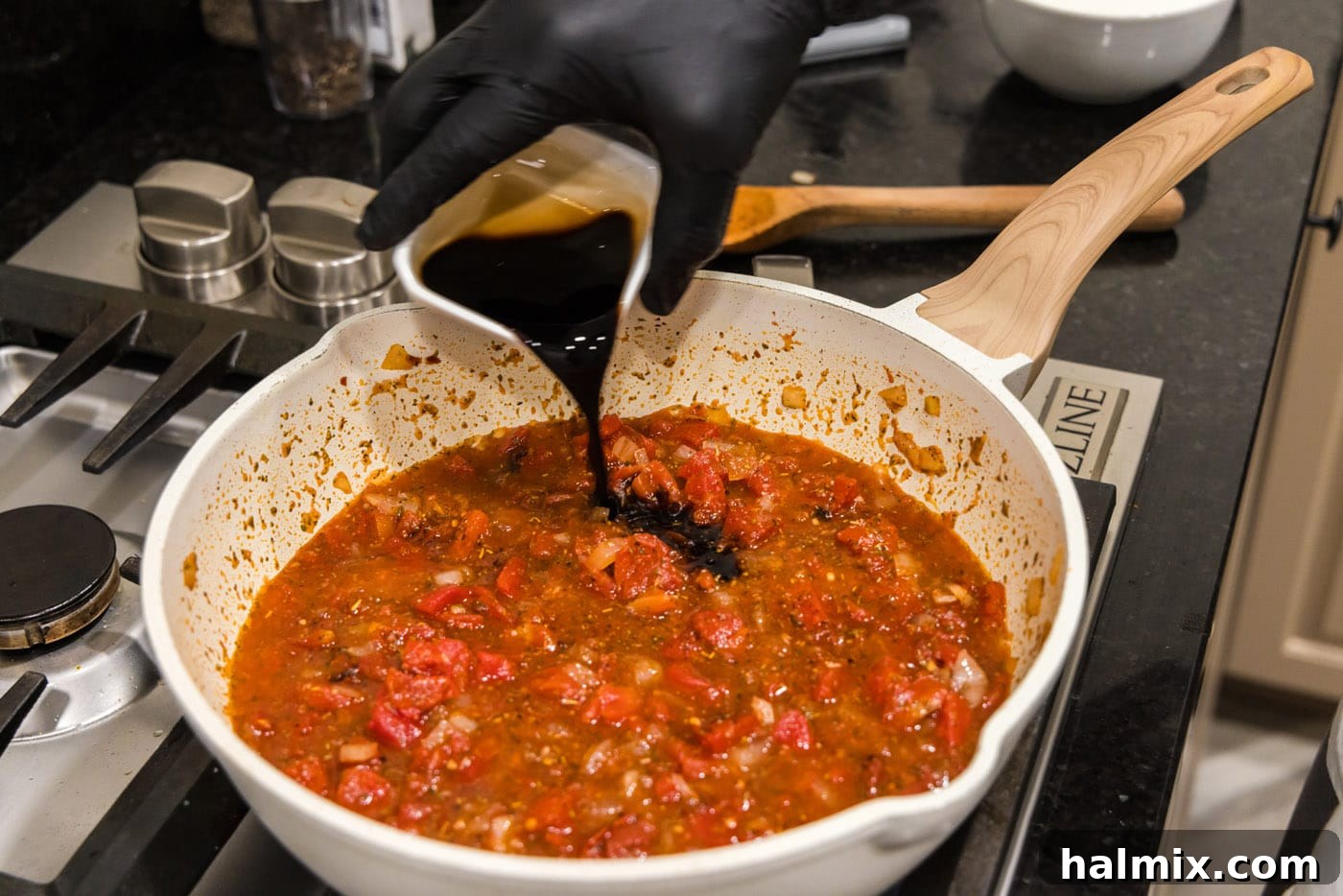
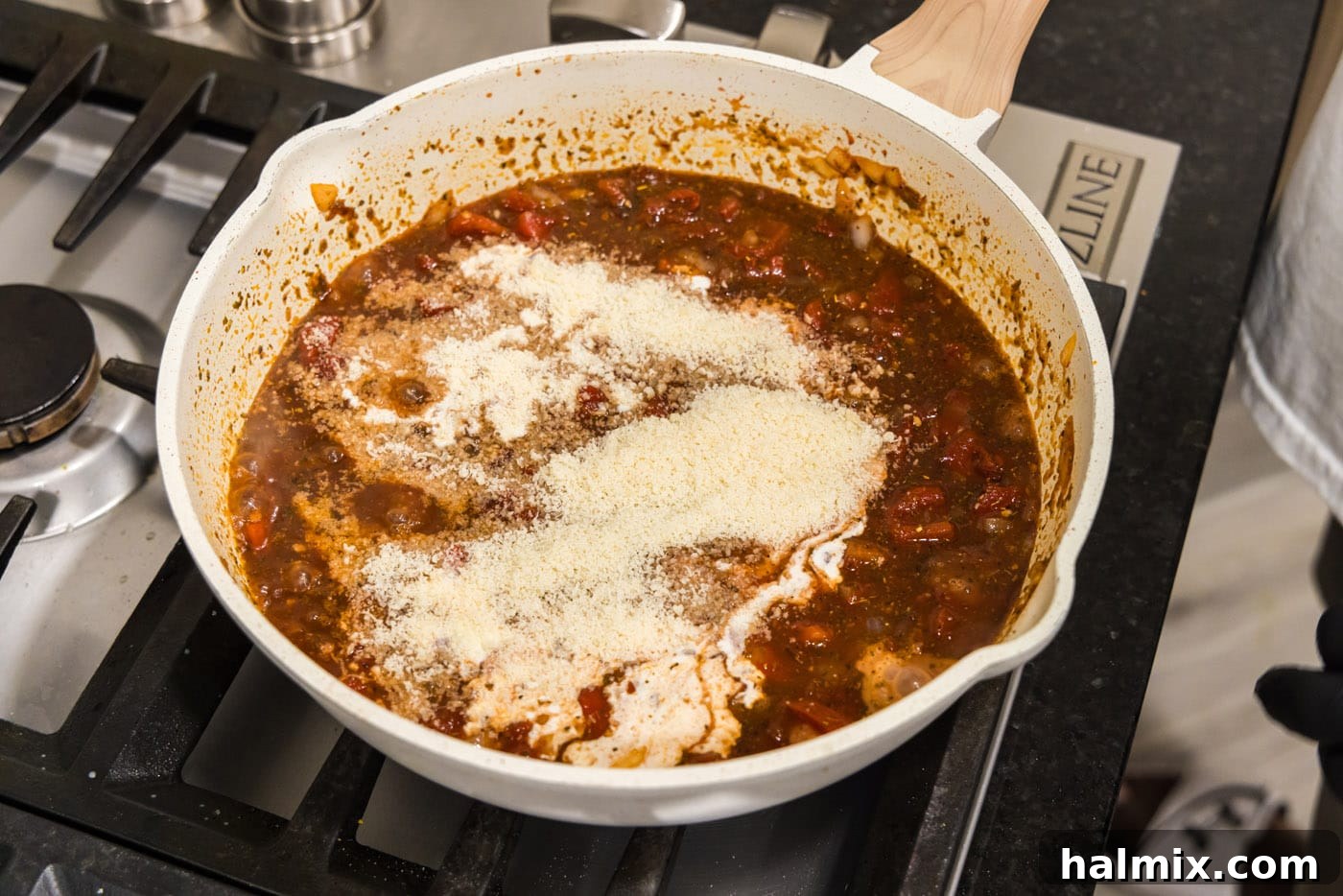
Once the tomato base has simmered, it’s time to introduce the rich components. Stir in the balsamic vinegar, heavy cream, and grated Parmesan cheese. Mix everything thoroughly until well combined and the cheese has melted into the sauce, creating a beautifully uniform and creamy consistency. Bring the sauce back to a gentle boil for a moment, then immediately reduce the heat to low and continue to gently simmer for another 5 minutes, allowing the flavors to fully integrate and the sauce to thicken to your desired consistency. Taste and adjust seasonings as needed; you might want a pinch more salt or pepper.
-
The Final Touch: Blending and Fresh Basil
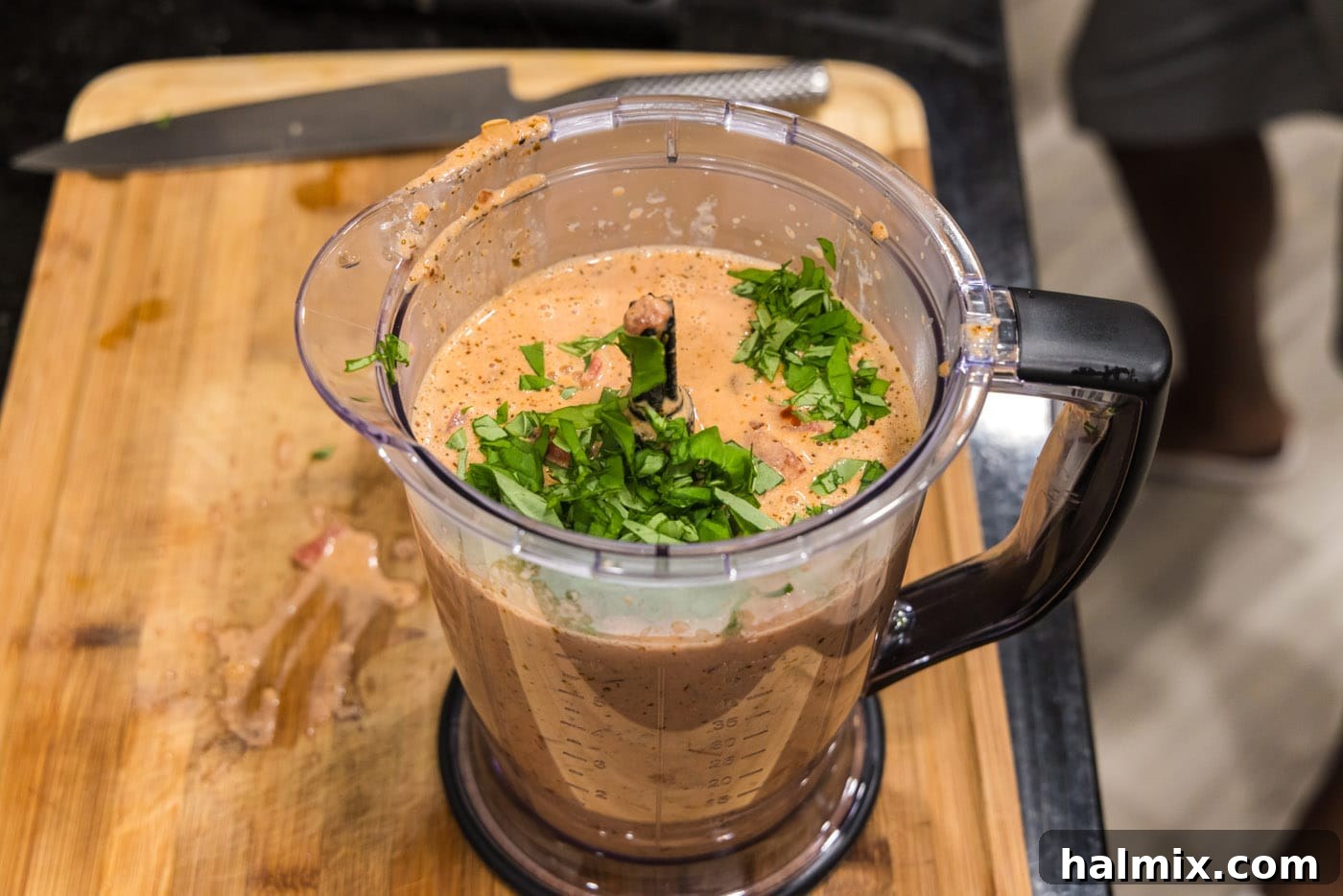
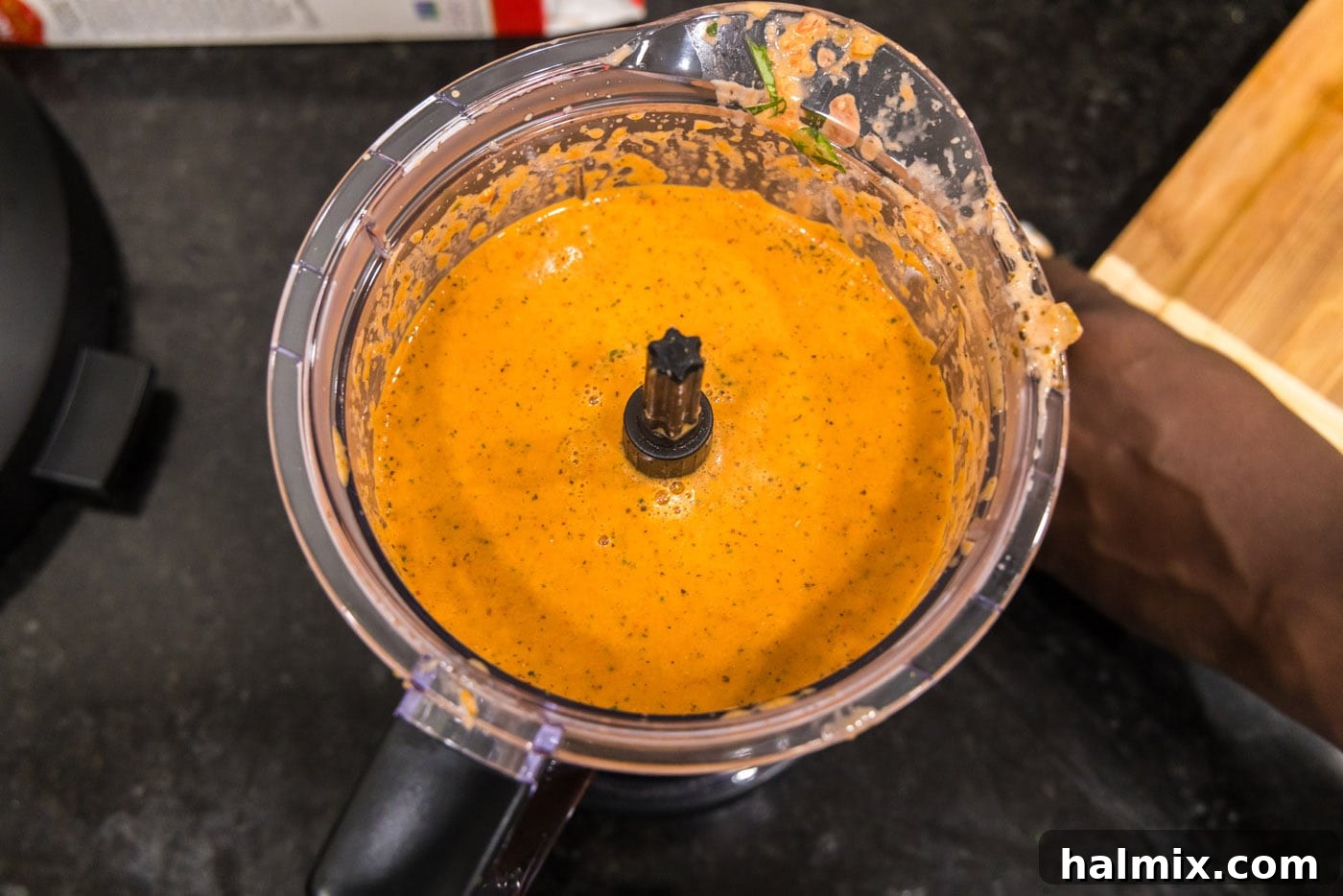
For an ultra-smooth and restaurant-worthy consistency, carefully transfer the contents of the skillet to a food processor. Add the chopped fresh basil leaves to the food processor. Process until the sauce is perfectly smooth, with no remaining chunks of tomato or onion. Be cautious when blending hot liquids; ensure the lid is properly secured and start with short pulses. This step not only creates a luxurious texture but also infuses the fresh basil flavor throughout the sauce without overcooking the delicate herbs. Once blended, your homemade vodka sauce is ready to serve!
Frequently Asked Questions & Expert Tips for Vodka Sauce
How do you store homemade vodka sauce?
Proper storage is key to enjoying your homemade vodka sauce for days to come. Once the sauce has fully cooled to room temperature, transfer it to an air-tight container or a sealed jar. It can be safely stored in the refrigerator for up to 5 days. When you’re ready to enjoy it again, reheat the sauce gently in a saucepan over medium-low heat, stirring occasionally, until it’s warmed through. Avoid high heat, which can cause the cream to separate.
Can you freeze vodka sauce?
Absolutely, vodka sauce freezes beautifully! To ensure the best quality upon thawing, allow the sauce to cool completely. Then, transfer it to an air-tight freezer-safe container, a heavy-duty freezer bag, or a sealed jar, making sure to leave about an inch of “wiggle room” at the top for expansion during freezing. You can freeze vodka sauce for up to 5 months. For reheating, it’s best to allow the frozen sauce to thaw overnight in the refrigerator. Once thawed, gently reheat it in a saucepan over medium-low heat, stirring frequently until it reaches your desired temperature. If the sauce appears slightly separated, a whisk can help bring it back together.
What kind of pasta pairs best with vodka sauce?
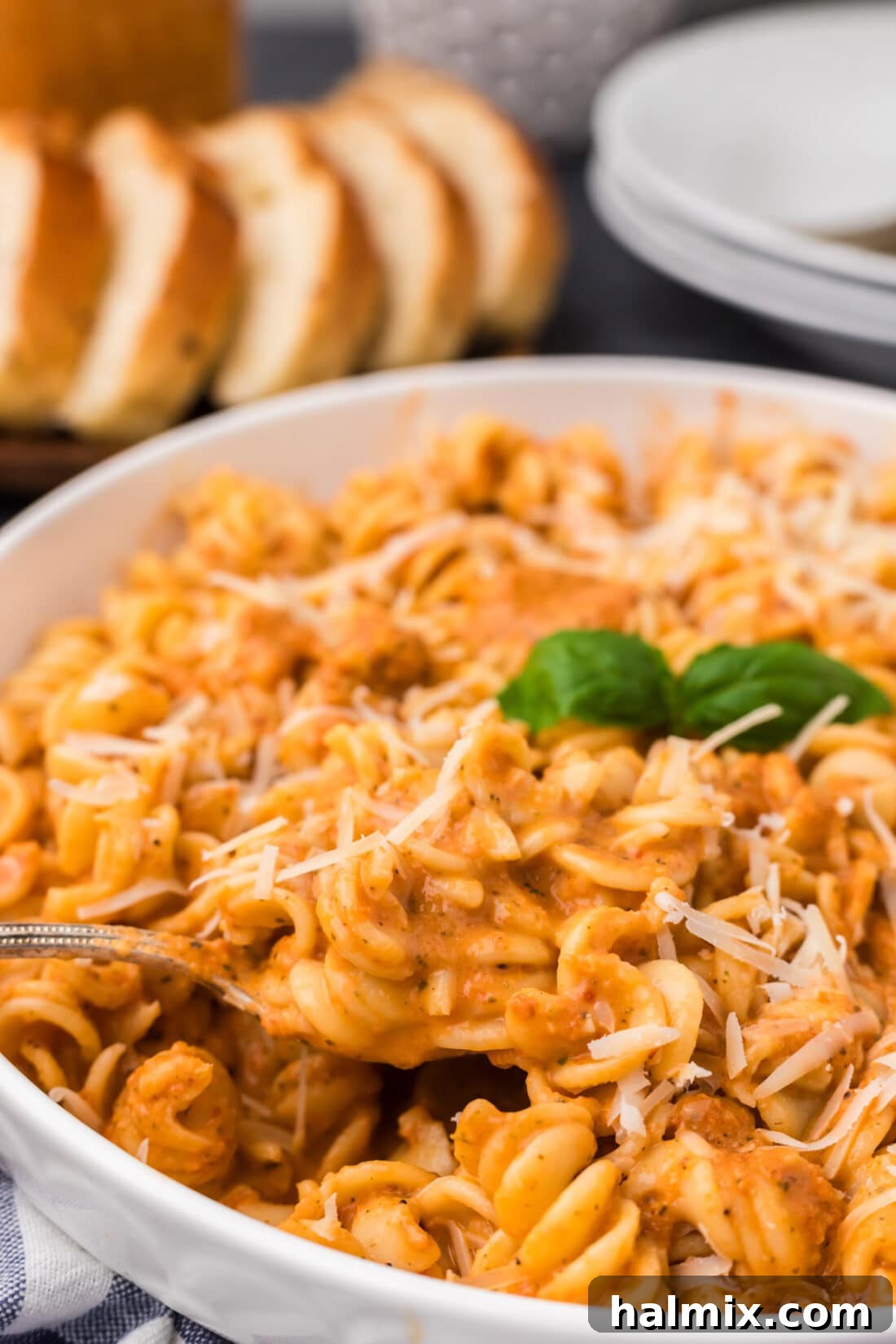
Vodka sauce’s rich and creamy texture is best suited for pastas that can hold onto the sauce effectively. Penne is a classic choice, as its tubular shape and ridges capture every bit of the delicious sauce. Other excellent options include rigatoni, fusilli, orecchiette, or even wider, flat noodles like fettuccine or tagliatelle. Ultimately, choose your favorite pasta shape that allows the sauce to cling beautifully!
Is the alcohol cooked out of vodka sauce?
Yes, a significant portion of the alcohol from the vodka evaporates during the cooking process. As the sauce simmers, the heat causes the alcohol to burn off, leaving behind only its subtle flavor contributions and its emulsifying properties. While trace amounts of alcohol may remain, the sauce is generally considered safe for consumption by most, including children and those avoiding alcohol, as the residual alcohol content is minimal. If you have strict dietary restrictions, refer to our vodka-free marinara recipe.
Can I add meat to vodka sauce?
Absolutely! While this recipe focuses on a delicious vegetarian vodka sauce, it serves as an excellent base for adding your favorite proteins. Cooked ground beef, Italian sausage (removed from casings and crumbled), or shredded chicken can be added to the sauce during the simmering stage to create a heartier, more filling meal. Simply brown your chosen meat separately, drain any excess fat, and then stir it into the sauce to meld the flavors. Meatballs or grilled chicken can also be served on top of the pasta and sauce.
Expert Tip: Achieving the Perfect Consistency
The key to a restaurant-quality vodka sauce is its smooth, luscious consistency. Don’t skip the food processor step! Blending the sauce at the end ensures that any small chunks of tomato or onion are fully incorporated, creating that desirable velvety mouthfeel. If you prefer a slightly chunkier sauce, you can skip the food processor or blend it for a shorter duration. If your sauce is too thick, thin it with a splash of pasta water or vegetable broth. If it’s too thin, simmer it uncovered for a few extra minutes to allow it to reduce, or add a tiny bit of cornstarch slurry (cornstarch mixed with cold water) and simmer until thickened.
Delightful Serving Suggestions for Vodka Sauce
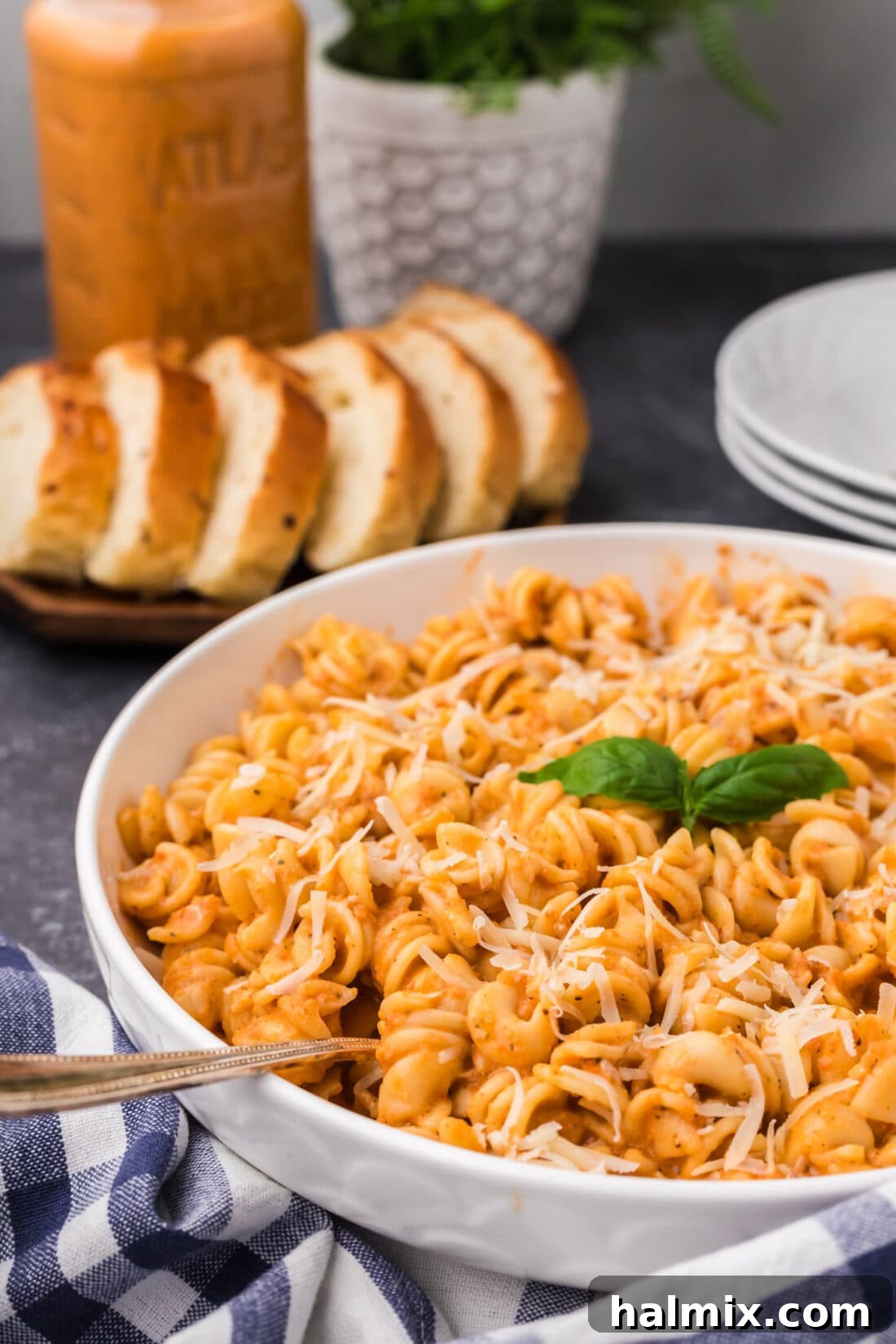
Once your homemade vodka sauce is perfectly prepared, the possibilities for serving are endless! While it’s famously delicious tossed with a generous helping of pasta, its versatility extends far beyond. Consider spooning this creamy, flavorful sauce over perfectly cooked **penne**, **rigatoni**, or **fettuccine** for a classic Italian-American meal. Elevate your chicken dishes by using it as a luxurious topping for pan-seared or baked **chicken breasts**, adding a burst of rich flavor. It’s also an exceptional accompaniment to savory **meatballs** or robust **Italian sausages**, whether mixed in or served alongside. For an added touch, serve it with crusty **garlic bread** to soak up every last drop, or drizzle it over steamed or roasted vegetables for an unexpected flavor boost. Garnish with extra fresh basil leaves or a sprinkle of grated Parmesan cheese for an appealing finish.
Explore More Delicious Sauce Recipes
If you enjoyed crafting this vodka sauce, you might be interested in exploring other homemade sauces to elevate your culinary repertoire:
- Classic Bolognese Sauce
- Rich Hollandaise Sauce
- Aromatic Rosemary Cream Sauce
- Zesty Sweet and Sour Sauce
- Versatile Marinara Sauce
I am passionate about cooking and baking, and I love sharing my kitchen adventures and tested recipes with all of you! To ensure you never miss out on a new delicious creation, I offer a convenient newsletter every time a new recipe is posted. Simply subscribe here and start receiving your free daily recipes directly to your inbox!
Vodka Sauce: The Ultimate Homemade Recipe
Rich, creamy, and undeniably delicious – this homemade vodka sauce recipe will transform your pasta nights into an extraordinary culinary experience. Perfect for a quick weeknight dinner or an impressive meal for guests.
Average Rating: 5 out of 5 stars (based on 1 vote)
Note: You may find additional helpful tips and answers to common questions within the main blog post. Scroll up to read more!
Print This Recipe
Recipe Details
- Course: Condiments, Dinner, Main Course
- Cuisine: American, Italian
- Servings: 12 servings (approximately 6 cups total)
- Prep Time: 10 minutes
- Cook Time: 25 minutes
- Total Time: 35 minutes
- Calories: 91 per serving
- Author: Amanda Davis
Ingredients
- 1 ½ Tablespoons olive oil
- 1 Tablespoon minced garlic
- ½ cup chopped onion
- 1 teaspoon red pepper flakes (adjust to taste)
- 2 Tablespoons tomato paste
- ¼ cup vodka (choose your favorite brand)
- 28 ounces canned diced tomatoes (not drained)
- 1 Tablespoon Italian seasoning
- 1 teaspoon garlic salt
- ½ teaspoon black pepper
- 2 ½ Tablespoons balsamic vinegar
- ½ cup heavy whipping cream
- ¼ cup grated Parmesan cheese
- 4 fresh basil leaves, chopped (or 1 teaspoon dried basil)
Equipment You’ll Need
- Large heavy bottomed skillet
- Food processor
Before You Begin: Important Notes & Tips
- If you don’t have fresh basil, you can substitute with 1 teaspoon of dried basil. Add dried basil along with other seasonings in step 2.
- The quality of vodka matters. Using your favorite vodka will ensure the best flavor in your sauce, as it is a key ingredient for both taste and texture.
- Store cooled homemade vodka sauce in an air-tight container or sealed jar in the refrigerator for up to 5 days. Reheat gently over medium-low heat.
- To freeze, allow the sauce to cool completely. Seal it in an air-tight freezer-safe container or bag, leaving some space for expansion. Freeze for up to 5 months. Thaw overnight in the refrigerator and reheat gently.
Instructions
- Sauté Aromatics: Heat olive oil in a large, heavy-bottomed skillet over medium-high heat until shimmering. Add minced garlic, chopped onion, and red pepper flakes. Cook for 2-3 minutes, stirring, until onions are translucent and fragrant.
- Build the Sauce Base: Stir in the tomato paste and cook for 1 minute. Add vodka, canned diced tomatoes (undrained), Italian seasoning, garlic salt, and black pepper. Bring to a gentle boil, then reduce heat and simmer, stirring occasionally, for 10-15 minutes.
- Add Cream and Cheese: Stir in balsamic vinegar, heavy whipping cream, and grated Parmesan cheese. Stir well to combine. Bring back to a gentle boil, then immediately reduce heat to low and simmer for another 5 minutes, allowing flavors to meld.
- Blend for Smoothness: Carefully transfer the sauce to a food processor. Add chopped fresh basil leaves. Process until the sauce is smooth and no chunks remain. Serve immediately with your favorite pasta or protein.
Nutrition Information
Serving Size: 1 serving (1/2 cup)
- Calories: 91 cal
- Carbohydrates: 6g
- Protein: 2g
- Fat: 6g
- Saturated Fat: 3g
- Polyunsaturated Fat: 0.4g
- Monounsaturated Fat: 2g
- Cholesterol: 13mg
- Sodium: 353mg
- Potassium: 191mg
- Fiber: 1g
- Sugar: 3g
- Vitamin A: 346IU
- Vitamin C: 8mg
- Calcium: 58mg
- Iron: 1mg
Tried this Recipe? Share Your Creation!
We love seeing your culinary masterpieces! Follow us on Pinterest @AmandasCookin or tag your photos with #AmandasCookin on social media!
The recipes on this blog are tested with a conventional gas oven and gas stovetop. It’s important to note that some ovens, especially as they age, can cook and bake inconsistently. Using an inexpensive oven thermometer can assure you that your oven is truly heating to the proper temperature. If you use a toaster oven or countertop oven, please keep in mind that they may not distribute heat the same as a conventional full sized oven and you may need to adjust your cooking/baking times. In the case of recipes made with a pressure cooker, air fryer, slow cooker, or other appliance, a link to the appliances we use is listed within each respective recipe. For baking recipes where measurements are given by weight, please note that results may not be the same if cups are used instead, and we can’t guarantee success with that method.