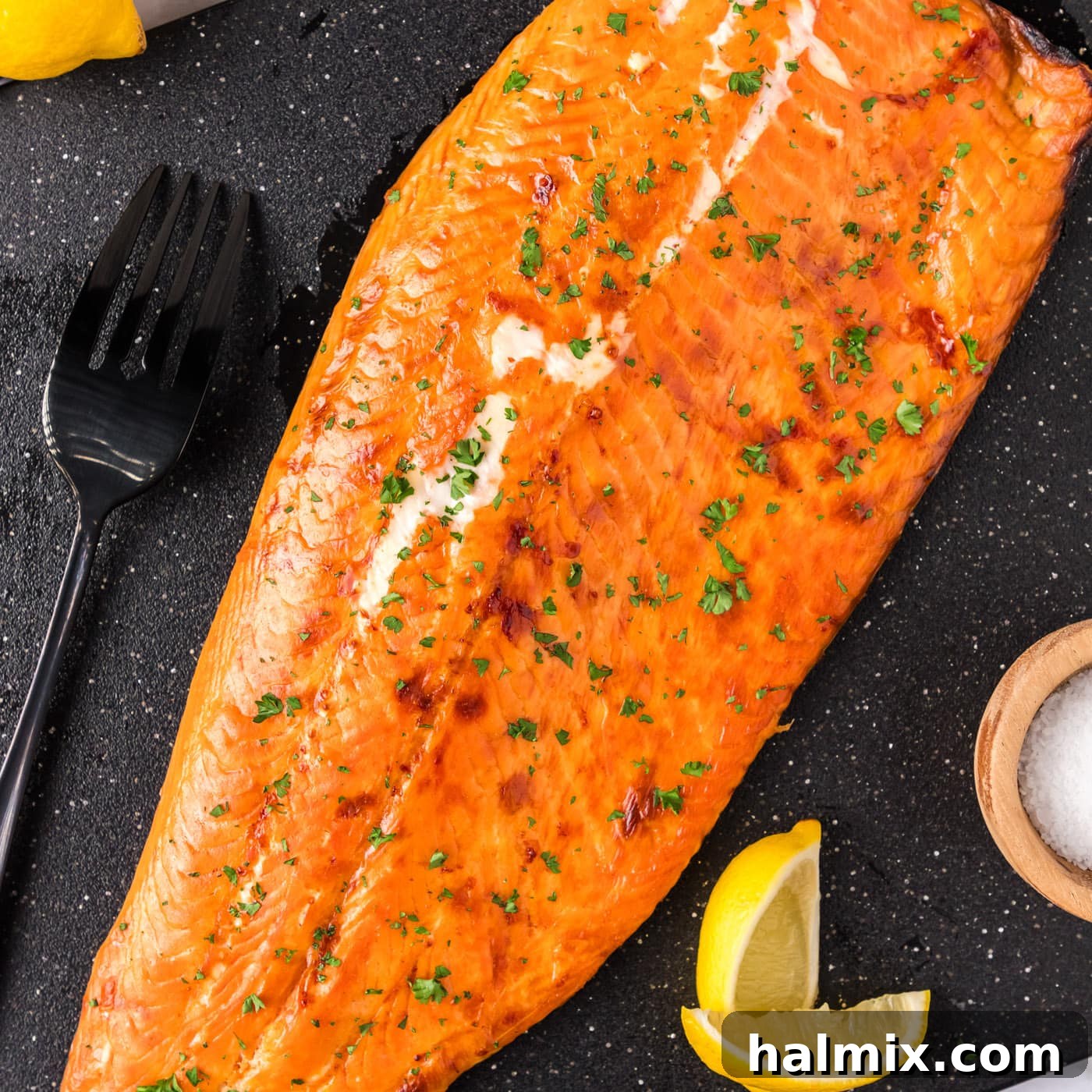
There’s something truly magical about perfectly smoked trout. Imagine delicate, flaky fish that melts in your mouth, infused with a subtle smokiness and a hint of sweetness. This isn’t just a meal; it’s an experience. Our simple smoked trout recipe promises a buttery, tender result every time, making it incredibly accessible for both seasoned smokers and enthusiastic beginners. With just a few essential ingredients and a straightforward process, you’ll be enjoying restaurant-quality smoked trout right from your backyard smoker. Get ready to impress your taste buds and your guests!
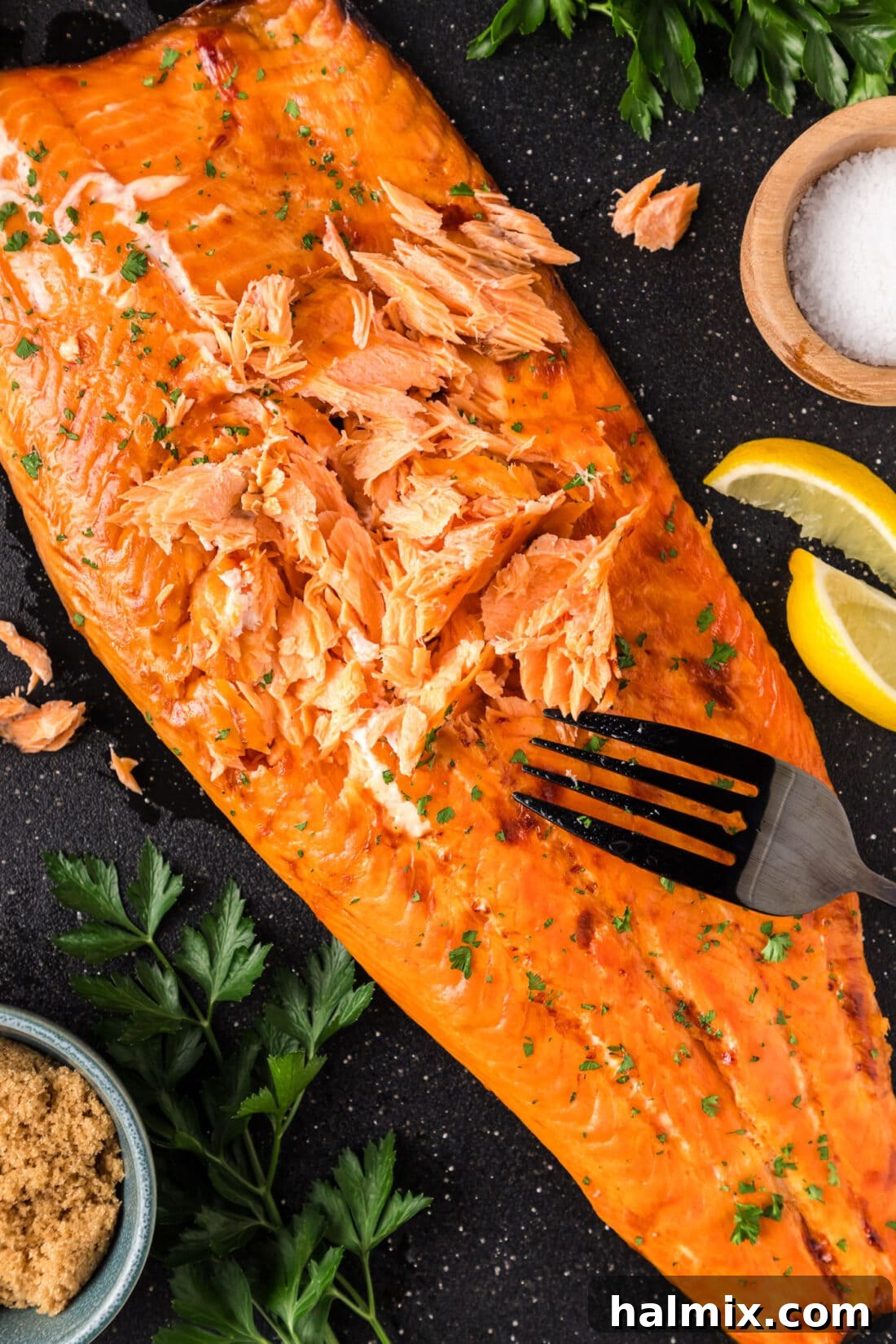
Why This Smoked Trout Recipe Will Become Your New Favorite
Smoked trout offers a culinary delight that stands out for its unique flavor and remarkable texture. Similar in its delicate flakiness to perfectly cooked salmon, trout possesses a naturally mild, clean taste that is rarely described as “fishy,” making it an excellent choice even for those who are typically hesitant about seafood. The art of smoking gently cooks the fish over low heat, ensuring that every ounce of its natural moisture is locked in. This meticulous process transforms the trout, yielding results that are irresistibly flaky, succulent, and incredibly tender.
The slow, consistent heat of the smoker is key. It meticulously breaks down the connective tissues within the fish, elevating its texture to an almost buttery, delicate consistency. This method not only enhances the natural richness of the trout but also infuses it with a depth of flavor that is simply unparalleled by other cooking techniques. Achieving this level of perfection is surprisingly uncomplicated, requiring minimal effort for maximum reward. Our recipe streamlines the process into three simple stages: preparation, brining, and smoking.
A simple yet effective brine is at the heart of this recipe’s success. Comprised of just brown sugar, salt, and water, this brine does more than just season the fish; it actively works to amplify the trout’s inherent flavors, ensuring a well-balanced taste profile that complements the smokiness without overpowering it. The sugar contributes to a beautiful glaze and aids in moisture retention, while the salt penetrates the flesh, tenderizing it and preventing it from drying out during the long smoking process. This combination creates a harmonious foundation, preparing the trout to absorb the wonderful smoky aromas.
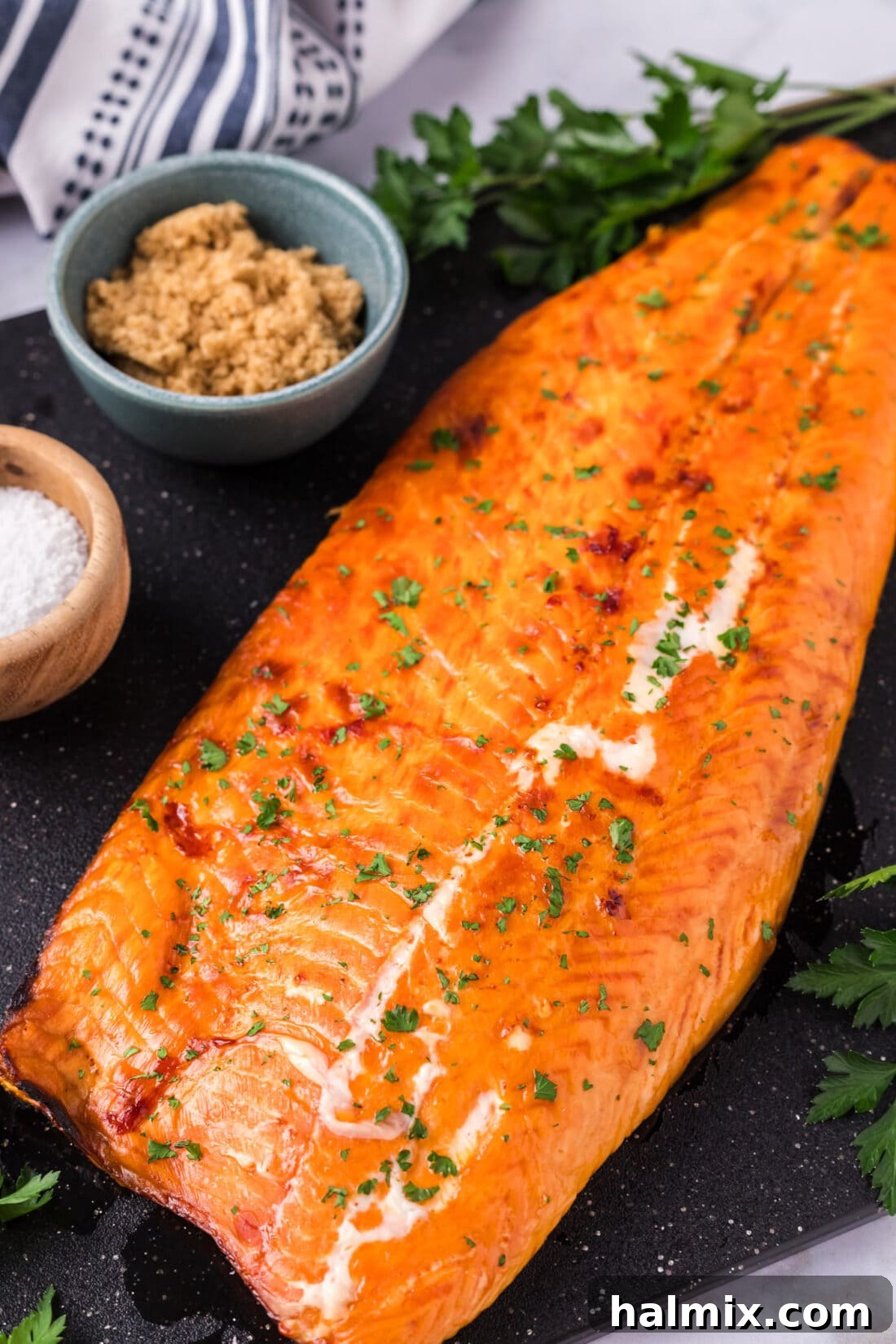
Beyond its incredible taste and texture, smoking trout is an incredibly rewarding experience. It’s a method that allows for hands-off cooking for a significant period, freeing you up to enjoy your time while your smoker does all the hard work. The anticipation of lifting the lid to reveal a beautifully golden-brown, aromatic smoked trout is part of the joy. Moreover, smoked trout is remarkably versatile, making it suitable for a wide array of culinary applications, from elegant appetizers to hearty main courses. This recipe truly works because it combines simplicity with outstanding results, delivering a dish that is both easy to achieve and exceptionally delicious.
Essential Ingredients for Your Flawless Smoked Trout
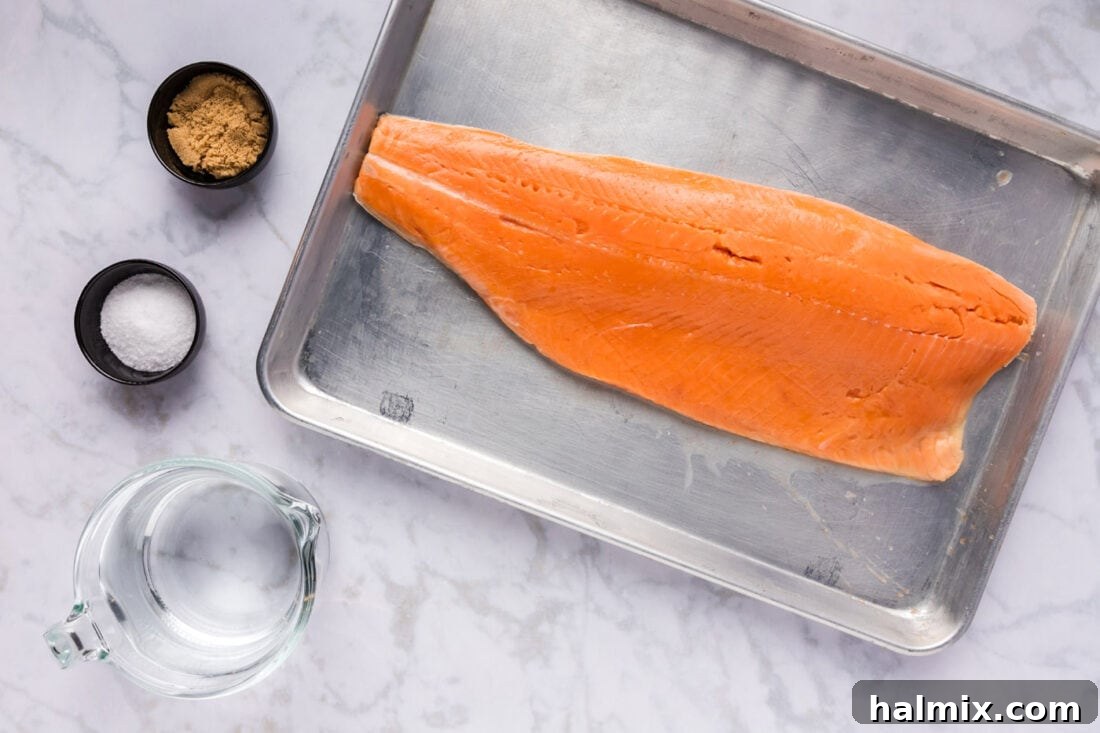
Crafting exceptional smoked trout starts with high-quality ingredients. Our recipe uses a concise list of items, each playing a crucial role in developing the rich flavor and succulent texture of the finished dish. Here’s what you’ll need to gather:
- Steelhead Trout: Approximately 2 pounds of fresh Steelhead trout. Steelhead trout is often preferred for its milder flavor profile compared to rainbow trout, offering a clean, less “fishy” taste that allows the smoke to truly shine. Its rich, red-orange flesh cooks up beautifully, becoming incredibly flaky.
- Water: 1 cup of cold water is essential for creating the brine. It acts as the solvent for the salt and sugar, allowing them to evenly penetrate the fish.
- Brown Sugar: 2 Tablespoons of brown sugar. The molasses in brown sugar adds a subtle sweetness and helps to create a beautiful caramelized glaze on the trout’s surface during smoking. It also aids in moisture retention, contributing to that desirable buttery texture.
- Kosher Salt: 2 Tablespoons of Kosher salt. Kosher salt is ideal for brining due to its larger crystal size, which dissolves slower and allows for more controlled seasoning compared to fine table salt. It’s crucial for drawing out moisture, firming the fish’s flesh, and enhancing its natural flavors.
These simple ingredients combine to create a brine that perfectly primes the trout for its smoky transformation. The balance of sweet and savory is key to a well-rounded flavor that will have everyone reaching for more.
Ingredient Spotlight: Choosing and Preparing Your Trout
The star of this recipe is, of course, the trout. Understanding your options and how to select the best fish will significantly impact the final dish.
TROUT VARIETIES: We specifically recommend and use steelhead trout for this recipe. Steelhead trout is a highly prized anadromous fish, meaning it lives in both fresh and saltwater. It’s technically a type of rainbow trout that migrates to the ocean, similar to salmon. This lifestyle contributes to its distinct qualities: it typically has a richer, more vibrant reddish-orange flesh and a significantly milder “fish” taste compared to its purely freshwater rainbow trout cousins. The texture is firm yet delicate, making it ideal for smoking as it holds up well while absorbing the smoky flavors.
Substitution Suggestion: Rainbow Trout. If steelhead trout is not readily available in your local market, don’t fret! You can absolutely substitute with conventional rainbow trout. While rainbow trout might have a slightly stronger, more earthy flavor profile than steelhead, it still smokes beautifully and will yield delicious results. Look for whole fish or fillets that are bright, firm, and have a fresh, ocean-like aroma. Avoid any fish that smells overly “fishy” or has dull, discolored flesh.
Selecting the Freshest Fish: When purchasing trout for smoking, freshness is paramount. Here’s what to look for:
- Eyes: Should be clear, bright, and bulging, not sunken or cloudy.
- Gills: If buying whole fish, the gills should be a vibrant red or pink, free from slime.
- Skin: Should be shiny, moist, and have bright, distinct colors. The scales should be intact.
- Flesh: When pressed gently, the flesh should spring back immediately. Avoid fish that leaves an indentation.
- Smell: A fresh fish should have a clean, mild smell, reminiscent of the sea or a freshwater stream, not a strong, offensive “fishy” odor.
Brining Agents: The brown sugar and Kosher salt in our brine are perfectly balanced for trout. Brown sugar adds sweetness and helps with caramelization, while Kosher salt is critical for tenderizing and preserving the fish during the brining process. If you only have table salt, reduce the amount by half as it is much denser. Avoid iodized salt for brining, as it can sometimes impart an off-flavor. The water simply acts as a medium to dissolve these agents and submerge the fish.
By taking a moment to choose your ingredients wisely, especially the trout itself, you set the stage for an incredibly flavorful and satisfying smoked dish.
Mastering the Art of Smoking Trout: A Step-by-Step Guide
Embark on a culinary adventure as we guide you through the process of smoking trout to perfection. These detailed steps will ensure a flaky, moist, and wonderfully flavorful result. Remember, patience is key when it comes to smoking, allowing the flavors to meld and the fish to cook gently.
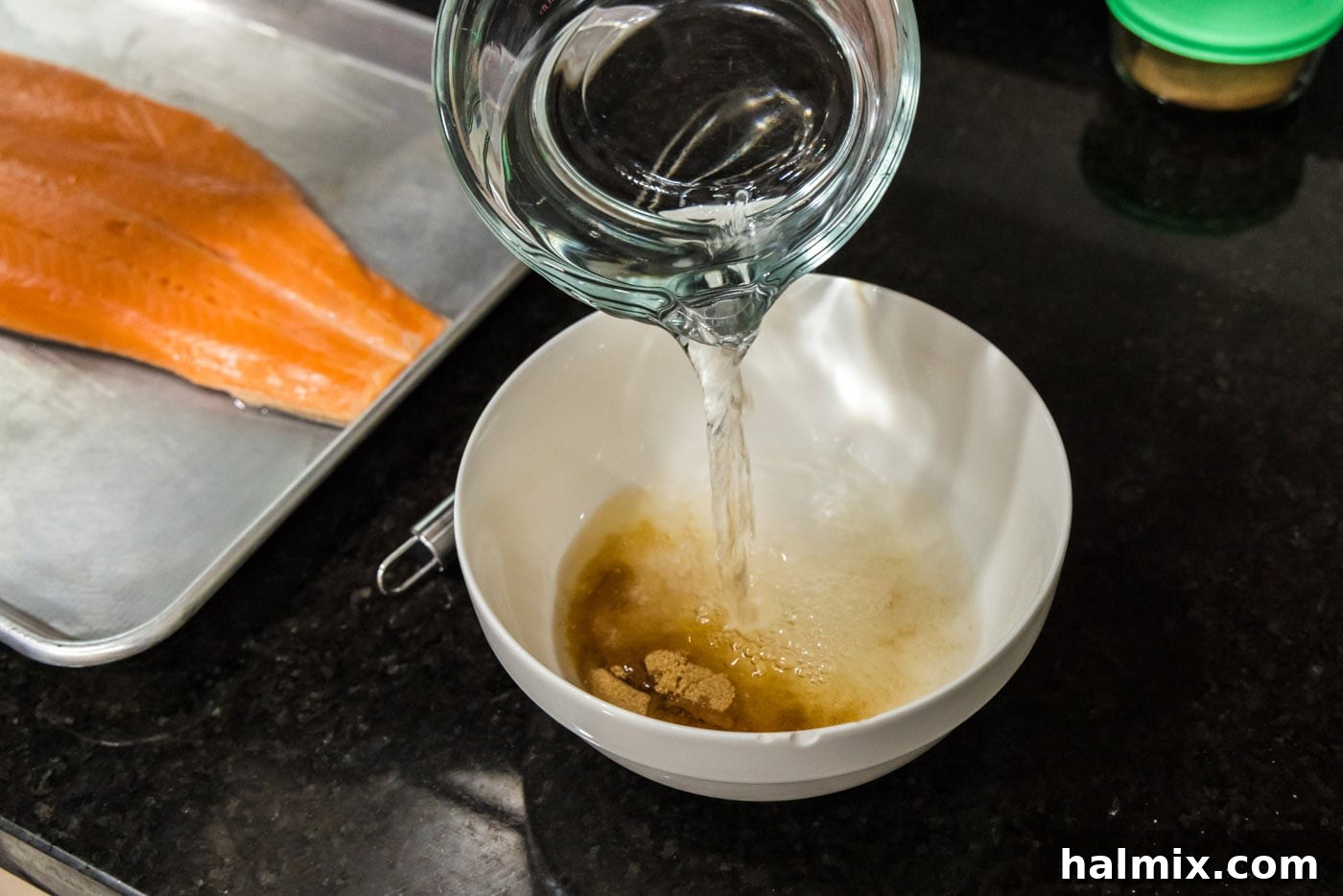
- To prepare the foundational brine, combine 1 cup of water with 2 tablespoons of brown sugar and 2 tablespoons of Kosher salt in a small bowl. Stir vigorously until both the brown sugar and Kosher salt are completely dissolved. This ensures an even distribution of flavor and proper penetration into the fish. The brine is crucial for tenderizing the trout, enhancing its flavor, and helping to retain moisture during the smoking process.
- Carefully pour the prepared brine into a large, shallow pan. A baking pan with higher sides is highly recommended to prevent spills, especially when handling. If your trout fillet is too large to fit comfortably, you can cut it in half. This ensures the entire fish is submerged and evenly brined, which is essential for consistent results.
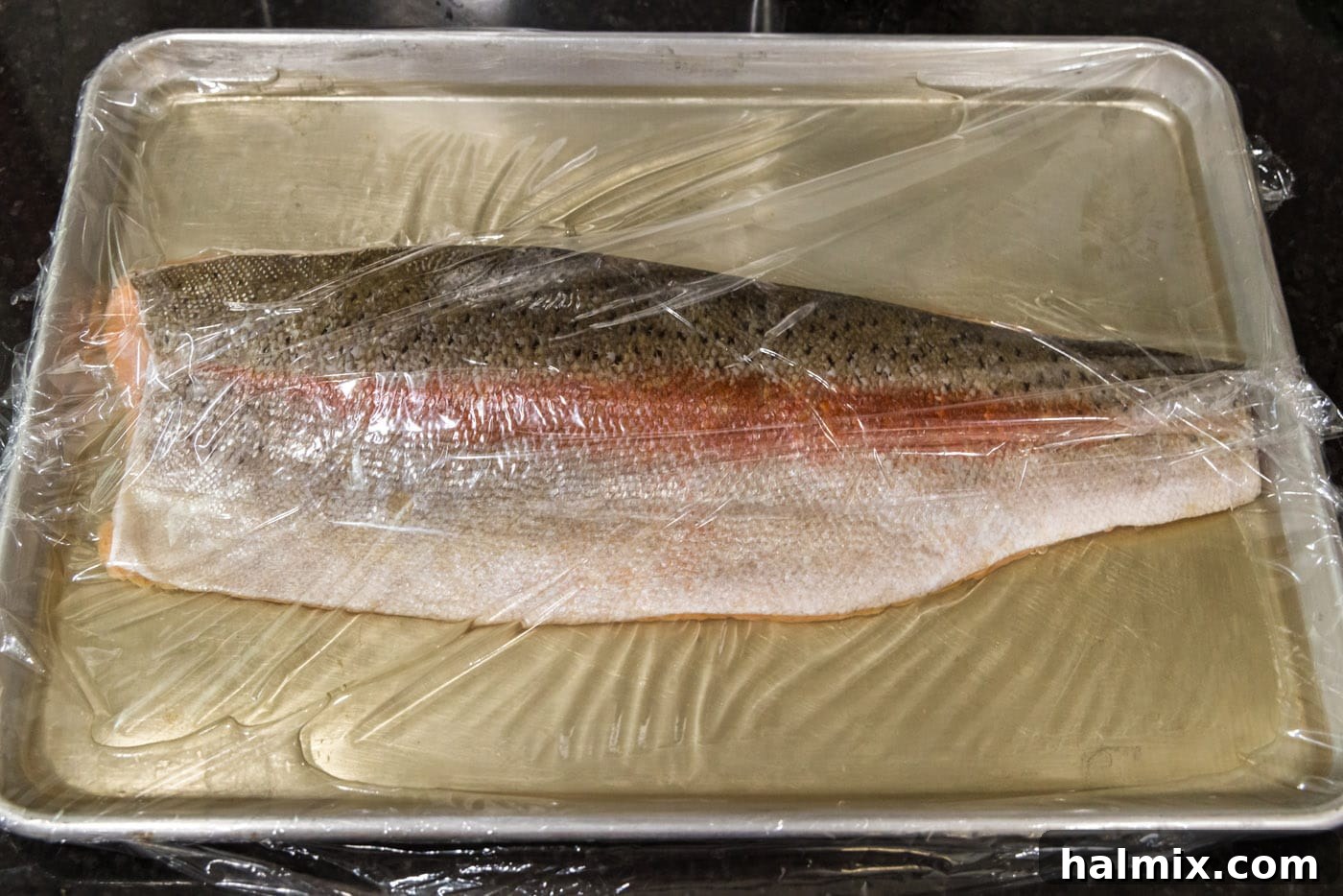
- Gently place the trout fillet into the brine, ensuring the skin side is facing up. This orientation allows the flesh to absorb the brine more effectively. Once positioned, cover the pan tightly with plastic wrap to prevent evaporation and maintain a consistent temperature. Transfer the covered pan to the refrigerator and allow the fish to brine for exactly 45 minutes. Do not exceed this time, as over-brining can make the fish too salty.
- While the trout is brining, preheat your smoker to a consistent temperature of 180°F (approximately 82°C). This low and slow temperature is ideal for smoking delicate fish like trout, allowing it to cook through gently while absorbing maximum smoky flavor without drying out. Ensure your smoker is at the target temperature before placing the fish inside.
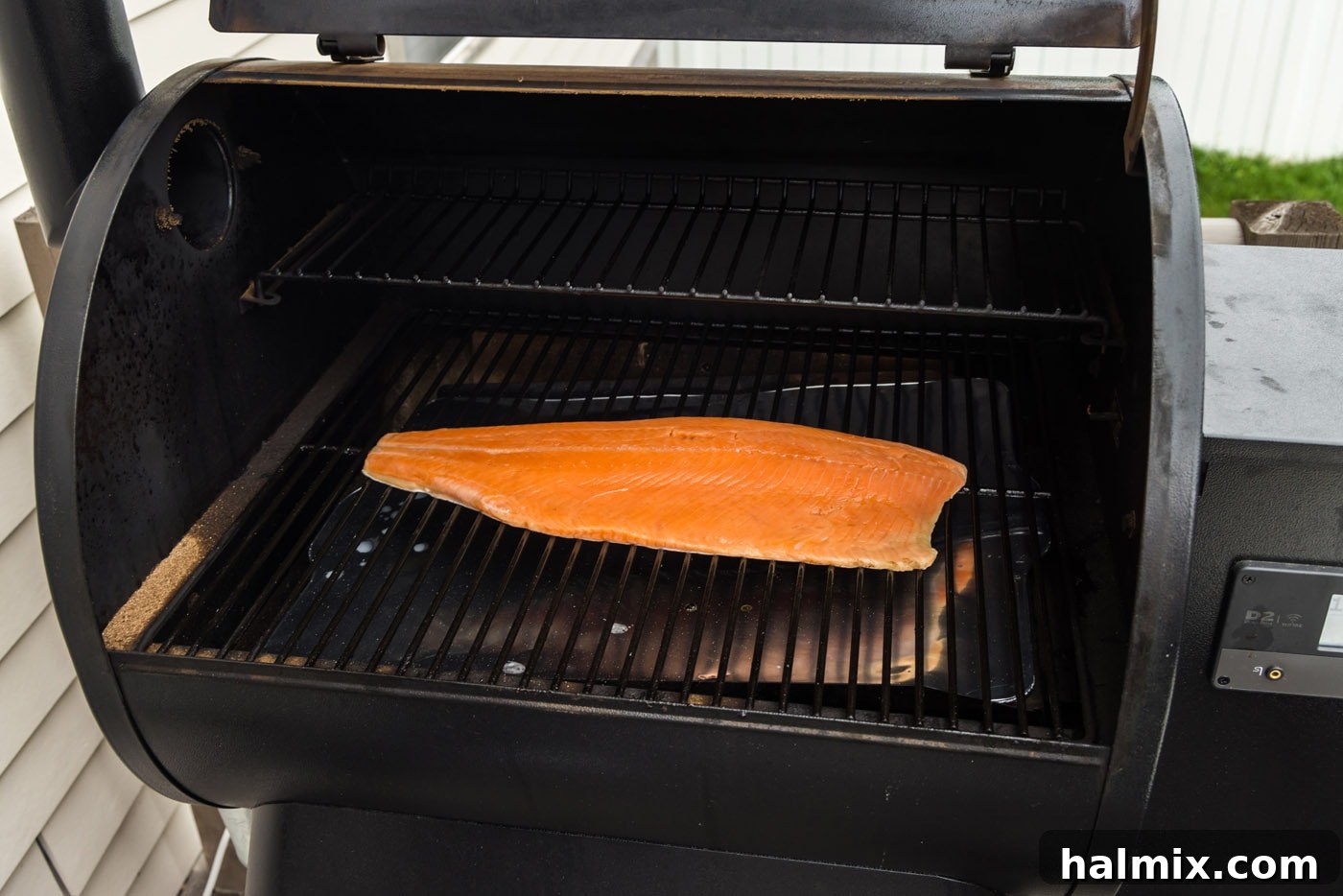
- Once the brining time is complete, remove the trout from the brine. Gently pat it completely dry with paper towels; this step is crucial for achieving a good pellicle, which is a tacky surface that helps smoke adhere to the fish. Place the fish skin side down directly onto the grill grates of your preheated smoker. Close the lid promptly to maintain temperature and smoke. Allow the trout to smoke undisturbed for 2 hours. Resist the urge to open the smoker lid frequently, as this causes temperature fluctuations and extends cooking time.
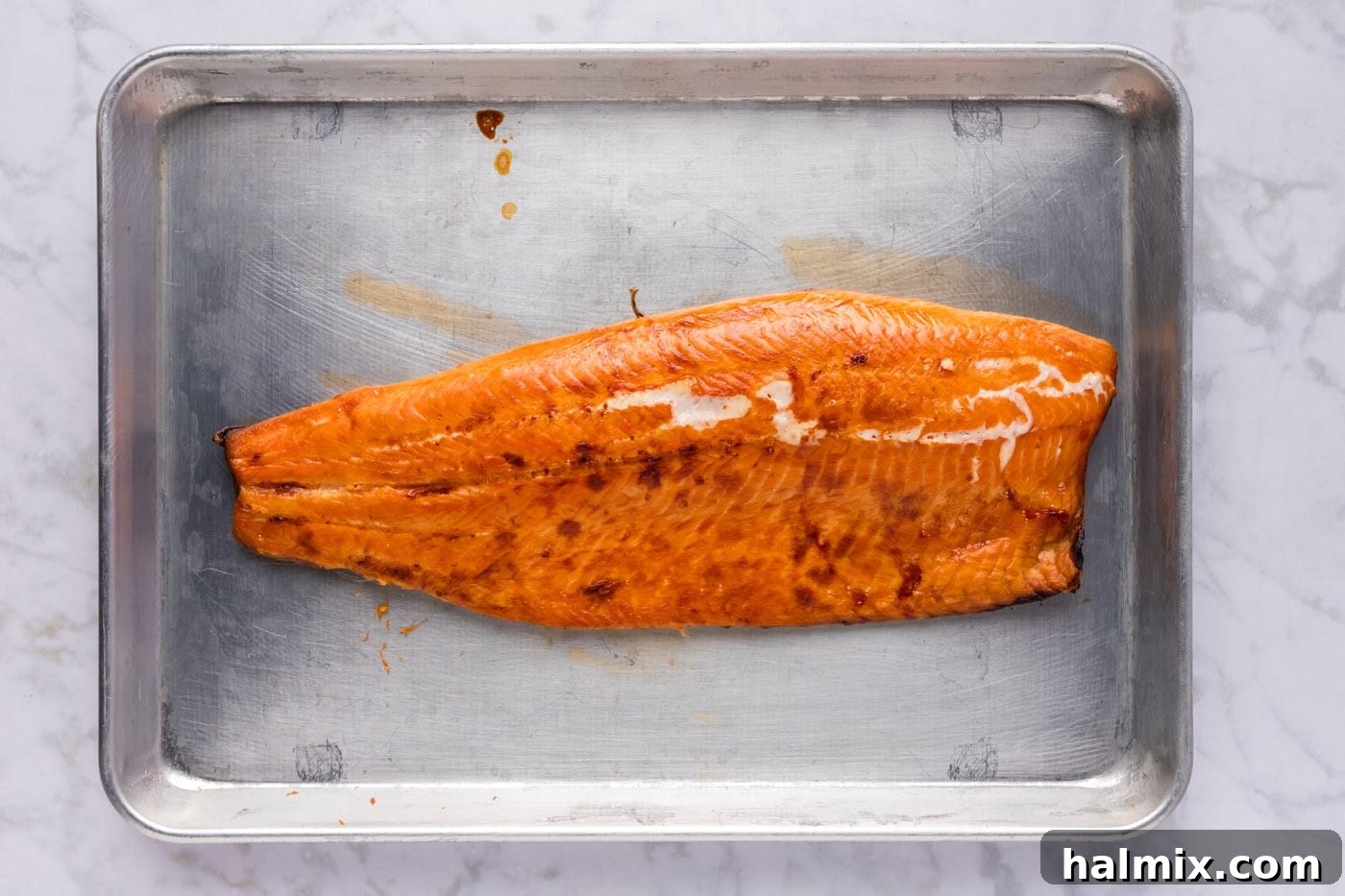
- After 2 hours, check the trout for doneness. It should be flaky when tested with a fork, and an internal thermometer inserted into the thickest part should read 140-145°F (60-63°C). If you desire a slightly crisper skin or more pronounced golden color on the top of the fish, you have an optional finishing step: carefully transfer the smoked trout to a baking sheet and place it under your oven’s broiler for a short period, typically 3-5 minutes. Watch it closely to prevent burning.
Once finished, allow the smoked trout to rest for a few minutes before flaking or serving whole. This allows the juices to redistribute, ensuring maximum moisture and flavor. Enjoy the fruits of your labor!
Frequently Asked Questions & Expert Smoking Tips
For delicate fish like trout, milder wood flavors are best. Apple, cherry, alder, and pecan are excellent choices as they impart a subtle sweetness and fruity notes that complement the trout without overpowering its natural flavor. Avoid strong, heavy woods like mesquite or hickory, which can be too intense for fish.
The target internal temperature for smoked trout is between 140-145°F (60-63°C). Use an instant-read thermometer inserted into the thickest part of the fillet to ensure accurate readings. Cooking to this temperature ensures the fish is cooked through, flaky, and safe to eat while retaining its moisture.
Yes, absolutely! Patting the trout thoroughly dry with paper towels after brining is a crucial step often referred to as “forming a pellicle.” This creates a slightly tacky, glazed surface that helps the smoke adhere better to the fish, resulting in a more flavorful and visually appealing product. It also helps prevent a rubbery texture.
Once fully cooled, store any leftover smoked trout in an airtight container. Keep it refrigerated, and it will remain fresh and delicious for up to 6 days. Proper storage is key to maintaining its quality and extending its shelf life.
Yes, smoked trout freezes wonderfully! For best results, wrap the completely cooled trout tightly in plastic wrap, then again in aluminum foil, or place it in a freezer-safe container or a resealable freezer bag, ensuring as little air as possible. Label the package with the date, and it can be frozen for up to 3 months. To thaw, simply transfer it to the refrigerator overnight. Since smoked trout is fully cooked during the smoking process, reheating isn’t strictly necessary. However, if you prefer to serve it warm, reheat it gently in the oven at a low temperature (around 250°F / 120°C) for a short period to prevent it from drying out.
Dry smoked trout is usually a result of overcooking or smoking at too high a temperature. Ensure your smoker maintains a consistent low temperature (180°F / 82°C) and always use a reliable thermometer to monitor the internal temperature of the fish. Remove the trout as soon as it reaches 140-145°F (60-63°C). The brining process in this recipe also helps significantly in moisture retention, so don’t skip it!
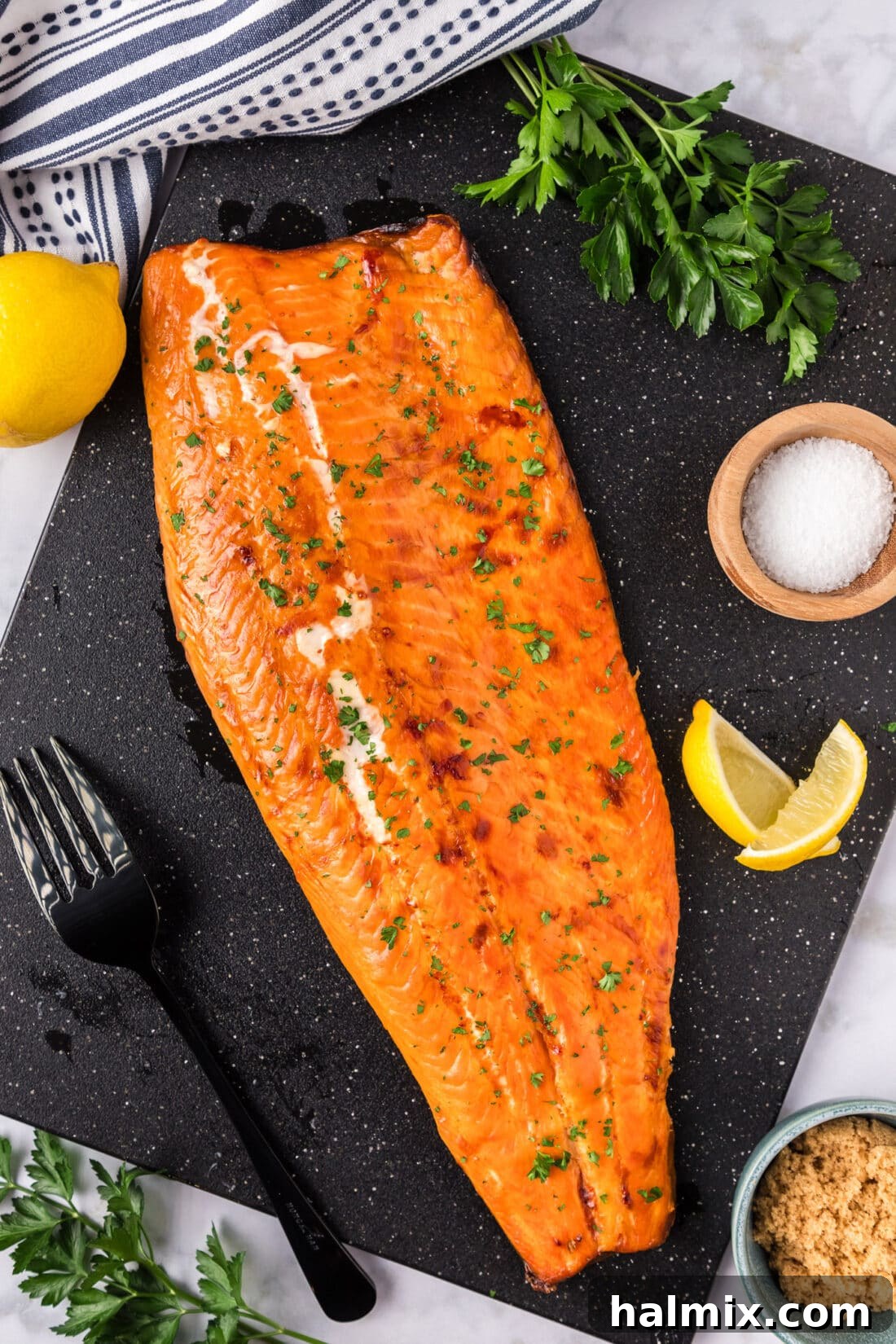
Creative Ways to Serve Your Delicious Smoked Trout
Once you’ve mastered the art of smoking trout, a world of culinary possibilities opens up! Its rich, flaky texture and nuanced smoky flavor make it incredibly versatile. Here are some inspiring ways to enjoy your homemade delicacy:
- As a Standalone Delight: Simply served with a squeeze of fresh lemon, a sprinkle of fresh dill or parsley, and a side of roasted seasonal vegetables, smoked trout makes for an elegant and wholesome main course. The simplicity allows the trout’s natural flavors to truly shine.
- Elegant Appetizers: Flake the smoked trout and incorporate it into sophisticated appetizers. Mix it with cream cheese, chives, and a touch of lemon juice for a quick and easy smoked trout dip, perfect with crackers or toasted baguette slices. Or, place small pieces on cucumber rounds or crostini with a dab of créme fraîche for a delightful bite.
- Vibrant Salads: Elevate your favorite green salad by adding generous flakes of smoked trout. It pairs wonderfully with crisp mixed greens, avocado, cherry tomatoes, and a light vinaigrette. For a heartier option, try it in a potato salad or a Mediterranean-inspired couscous salad.
- Hearty Main Courses:
- Pasta Dishes: Toss flaked smoked trout with al dente pasta, a creamy white wine sauce, spinach, and a sprinkle of Parmesan for a quick yet luxurious meal.
- Omelets and Scrambles: Add a gourmet touch to your breakfast or brunch by folding smoked trout into fluffy omelets or scrambled eggs with a sprinkle of fresh herbs.
- Sandwiches and Wraps: Create elevated sandwiches or wraps with smoked trout, fresh lettuce, tomato, and a creamy dill spread on your favorite bread or tortilla.
- Inspired Recipe Swaps:
- Smoked Trout Rangoons: Take a classic like Crab Rangoon to the next level by substituting the crab with finely flaked smoked trout. The smoky flavor adds a unique depth that is truly irresistible.
- Smoked Fish Dip: If you love smoked salmon dip, try making it with smoked trout instead. The milder taste of trout might just make it your new go-to dip. Simply combine flaked trout with cream cheese, mayonnaise, capers, red onion, and fresh dill for an unbelievably flavorful spread.
- Pairing Perfection: Consider serving your smoked trout with a crisp white wine like Sauvignon Blanc or a light-bodied Pinot Noir. For non-alcoholic options, a sparkling lemon water or a light iced tea would be refreshing.
There are truly endless ways to enjoy this versatile ingredient. Don’t be afraid to get creative and experiment with your own favorite combinations!
Explore More Smoker Recipes
If you’ve enjoyed the delightful experience of smoking trout, you’re likely eager to expand your repertoire of smoked dishes. The smoker is a versatile tool that can transform a wide variety of ingredients into culinary masterpieces. Here are some more fantastic recipes designed for your smoker that you might love:
- Smoked Beef Ribs
- Smoked Queso Dip
- Smoked Ribeye Steak
- Smoked Beef Short Ribs
- Smoked Salmon
I find immense joy in cooking and baking, and I love sharing these kitchen experiences with all of you! To make sure you don’t miss out on any new culinary adventures, I offer a convenient newsletter delivered straight to your inbox every time a new recipe is posted. Simply subscribe today and start receiving your free daily recipes!
Smoked Trout Recipe
IMPORTANT – There are often Frequently Asked Questions within the blog post that you may find helpful. Simply scroll back up to read them!
Print It
Pin It
Rate It
Ingredients
- 2 pounds Steelhead trout
- 1 cup water
- 2 Tablespoons brown sugar
- 2 Tablespoons Kosher salt
Things You’ll Need
-
Baking sheet with high sides
-
Smoker
Before You Begin
- For easier handling and to prevent spills, we highly recommend using a large baking pan with higher sides for brining the trout. If your fish is too large to fit in a single pan, feel free to cut it in half to ensure it is fully submerged in the brine.
- While we prefer steelhead trout for its milder flavor, rainbow trout makes an excellent substitute if steelhead is not available. Both varieties will yield delicious smoked fish.
Instructions
-
To make the brine, in a small bowl dissolve brown sugar and Kosher salt in water until completely integrated.
-
Pour the prepared brine into a large, shallow pan (preferably one with high sides for easy handling).
-
Place the fish skin side up into the brine. Cover the pan with plastic wrap and refrigerate for 45 minutes to allow the flavors to infuse.
-
Preheat your smoker to a consistent temperature of 180°F (82°C).
-
Remove the fish from the brine and pat it completely dry. Place the trout skin side down onto the clean grill grates of your preheated smoker. Close the lid and smoke for 2 hours, or until the internal temperature reaches 140-145°F (60-63°C).
-
For an extra golden-brown top or crispier skin, you may optionally place the smoked trout under your oven’s broiler for 3-5 minutes, watching carefully to prevent burning.
Expert Tips & FAQs
- Store cooled leftovers in an air-tight container kept in the refrigerator for up to 6 days.
- Freezing Smoked Trout: For longer storage, wrap the fully cooled trout tightly in plastic wrap or aluminum foil, or place it in a freezer-safe container or resealable freezer bag, minimizing air exposure. Label with the date and freeze for up to 3 months. Thaw in the refrigerator overnight before use. Reheating is not strictly required as the trout is fully cooked; however, if desired, warm gently in a low-temperature oven to avoid drying.
Nutrition
The recipes on this blog are meticulously tested with a conventional gas oven and gas stovetop to ensure reliability. It’s important to remember that oven performance can vary, especially with older appliances. We highly recommend using an inexpensive oven thermometer to verify that your oven is consistently heating to the proper temperature. If you opt for a toaster oven or countertop oven, please be aware that heat distribution may differ from a full-sized conventional oven, potentially requiring adjustments to cooking and baking times. For recipes prepared with specialized appliances like pressure cookers, air fryers, or slow cookers, specific links to the exact models we use are provided within each respective recipe for guidance. When baking, measurements by weight are preferred for accuracy; while cup measurements are provided, results may not be identical, and we cannot guarantee success if only volumetric measurements are used.