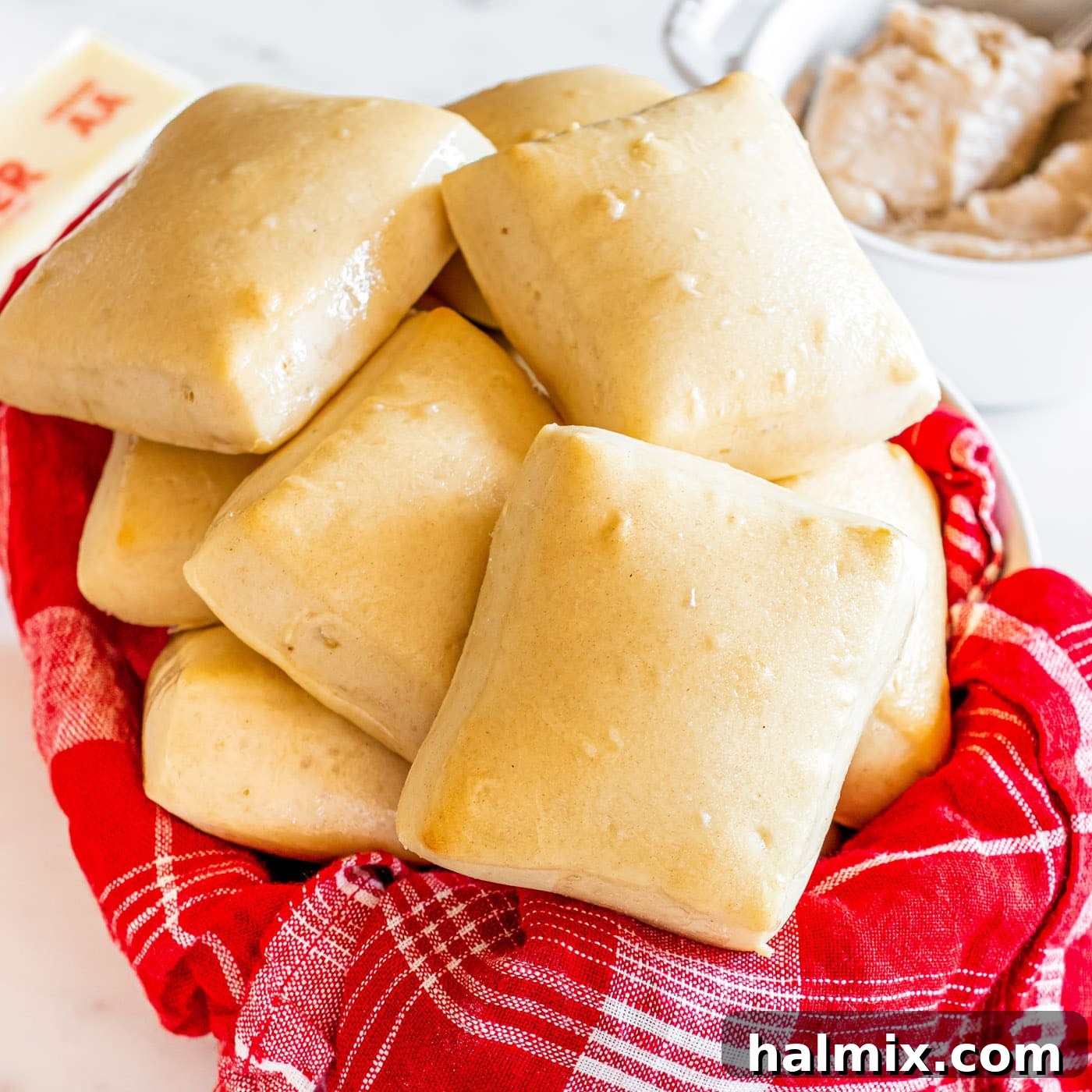
Imagine sinking your teeth into a warm, fluffy roll, fresh from the oven, with a rich, buttery glaze melting into every crevice. That’s the magic of Texas Roadhouse rolls, and now you can recreate that irresistible experience right in your own kitchen! These homemade delights are renowned for their incredible softness, subtle sweetness, and that perfectly golden exterior. Forget waiting in line or relying on restaurant visits; with this copycat recipe, you’re just a few simple steps away from enjoying those iconic, melt-in-your-mouth dinner rolls whenever the craving strikes.
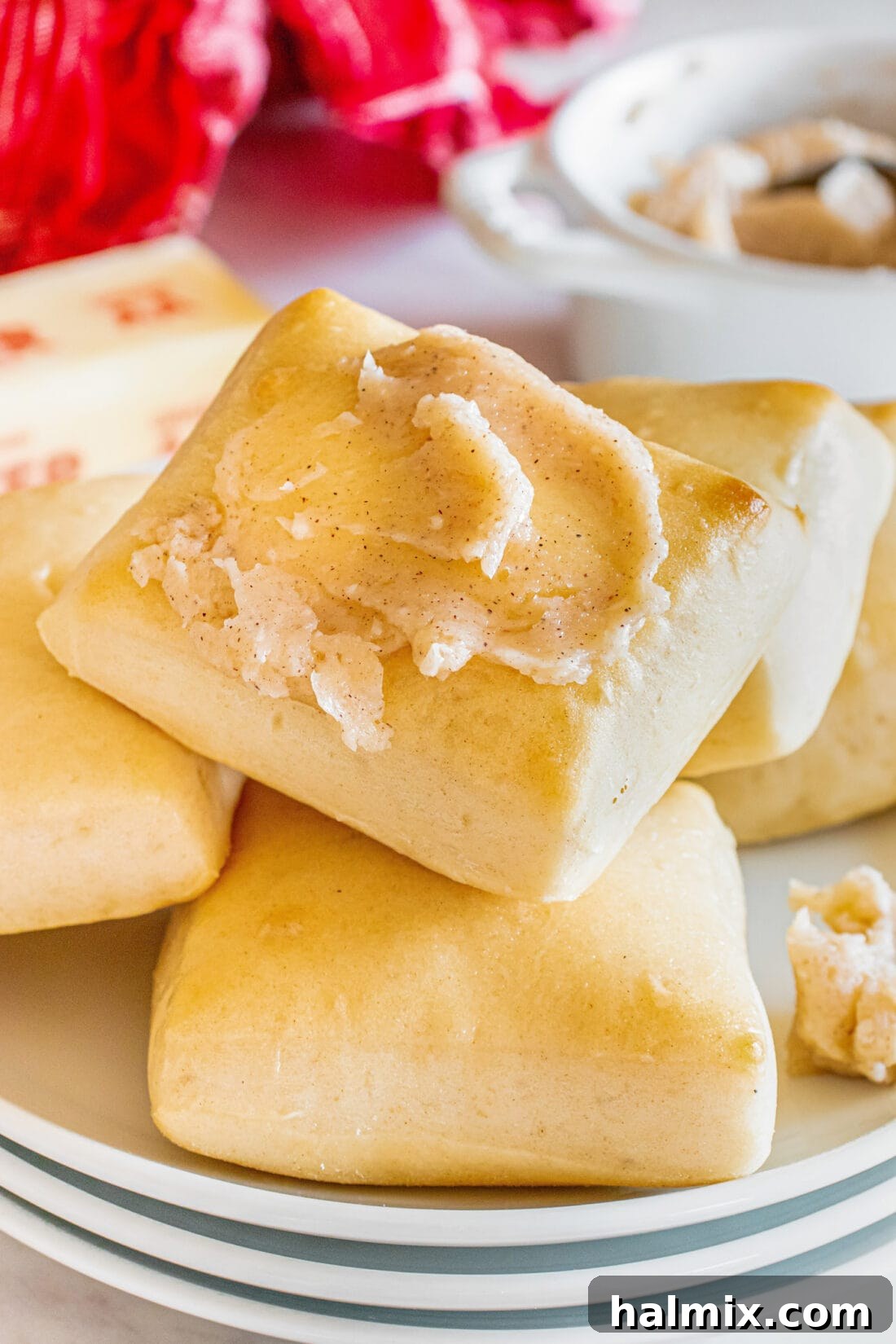
Why You Need This Texas Roadhouse Roll Copycat Recipe
It’s a rare occurrence when an appetizer truly outshines the main course, but Texas Roadhouse rolls have achieved legendary status for doing exactly that. Many diners find themselves captivated by those warm, buttery-soft morsels, generously slathered with sweet cinnamon honey butter, often before their actual entrée even reaches the table. There’s a reason these rolls have garnered such a devoted following – their unique texture and flavor profile are simply unforgettable.
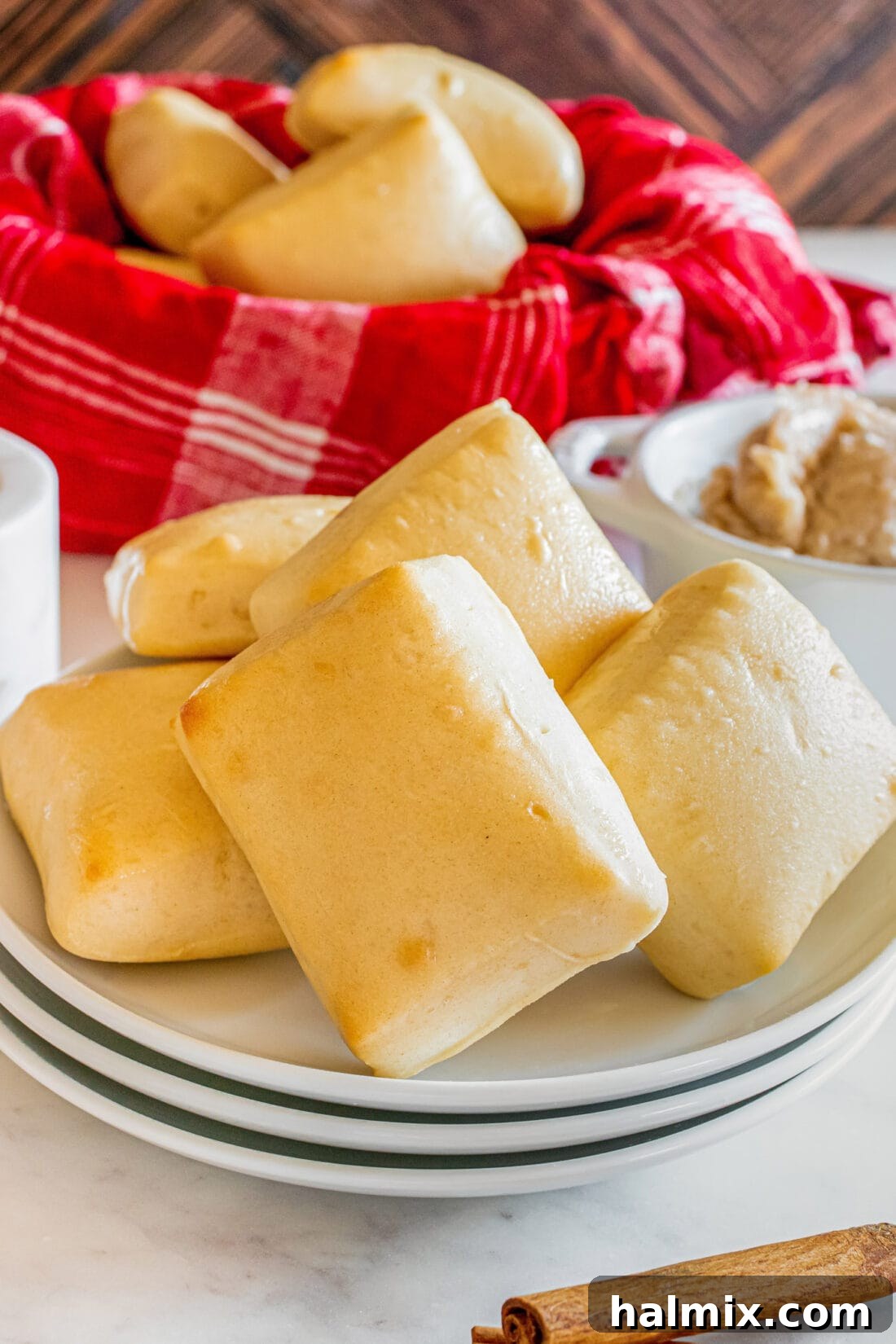
Now, it’s your turn to unlock the secret to these beloved rolls with an authentic copycat recipe. This guide empowers you to enjoy the same soft, fluffy, square-shaped goodness that makes the originals so famous, anytime you desire. The best part? They are surprisingly easy to make using readily available, everyday ingredients. Preparing them at home not only fills your kitchen with an enticing aroma but also offers a rewarding baking experience that culminates in a truly spectacular addition to any meal. Skip the trip, save some money, and savor the superior taste and freshness of homemade bread that perfectly replicates your restaurant favorite.
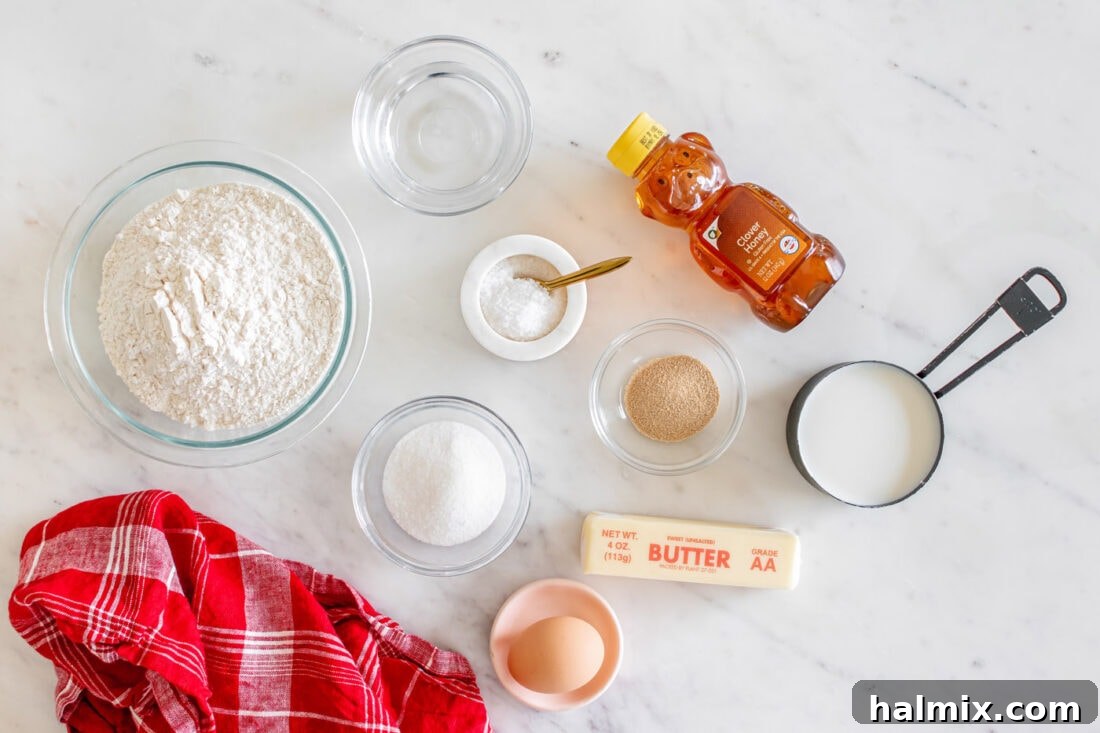
Essential Ingredients for Fluffy Texas Roadhouse Rolls
Creating these iconic rolls requires a simple list of pantry staples. Each ingredient plays a crucial role in developing the signature soft texture and subtly sweet, rich flavor that makes Texas Roadhouse rolls so special. Before you begin, gather all your ingredients to ensure a smooth and enjoyable baking process.
Decoding Your Ingredients: Tips for Best Results
Understanding your ingredients and how to handle them is key to achieving bakery-quality results. Here’s a closer look at the components that make these rolls so delectable:
Yeast: The Heart of the Rise
This recipe primarily calls for active dry yeast, which needs to be activated or “proofed” in warm water with a touch of sugar. This process ensures the yeast is alive and ready to make your dough light and airy. If you have instant yeast on hand, you can certainly use it instead. Instant yeast is milled finer and doesn’t require proofing; you can typically mix it directly with your dry ingredients. However, it’s always a good practice to ensure your yeast is fresh, regardless of type. Expired yeast will not activate properly, resulting in dense, flat rolls. Check the expiration date on your packet!
Flour: The Foundation of Structure
Using all-purpose flour is perfectly suitable for these rolls, providing a tender crumb. The most critical aspect of using flour is proper measurement. Incorrect flour measurement is a common pitfall in baking and can significantly alter the dough’s consistency. To ensure success, always use the “scoop and sweep” method:
- First, aerate the flour in its container by stirring it with a spoon.
- Gently spoon the flour into your dry measuring cup until it is slightly overflowing.
- Do not pack the flour down or tap the cup.
- Take the flat edge of a butter knife or a straight edge and gently sweep it across the top of the measuring cup to level off the excess flour.
Never scoop flour directly from the bag with your measuring cup, as this compacts the flour and leads to using too much, resulting in dry, tough rolls.
Dairy & Sweeteners: For Richness and Flavor
- Milk: Adds richness, moisture, and aids in browning. Warming the milk slightly helps activate the yeast and mix ingredients smoothly.
- Unsalted Butter: Contributes to the rolls’ tender texture and buttery flavor. Using unsalted butter gives you control over the overall salt content. If you only have salted butter, reduce the added salt in the recipe slightly.
- Honey: Provides a unique, delicate sweetness and helps keep the rolls moist. It also contributes to the golden-brown crust.
- Granulated Sugar: A vital food source for the yeast, helping it activate and rise effectively, while also adding to the rolls’ characteristic sweetness.
Egg & Salt: The Supporting Stars
- Egg: A large egg adds richness, helps bind the dough, and contributes to a beautiful golden color and softer crumb.
- Salt: Balances the sweetness and enhances the overall flavor. It also helps regulate yeast activity and strengthens the gluten structure.
Step-by-Step Guide: Crafting Your Own Texas Roadhouse Rolls
Making these rolls is a rewarding process. Follow these detailed steps to achieve perfect, pillowy results every time. For precise measurements and a printable version, refer to the full recipe section at the end of this post.
Activating the Yeast: The Foundation of Fluffiness
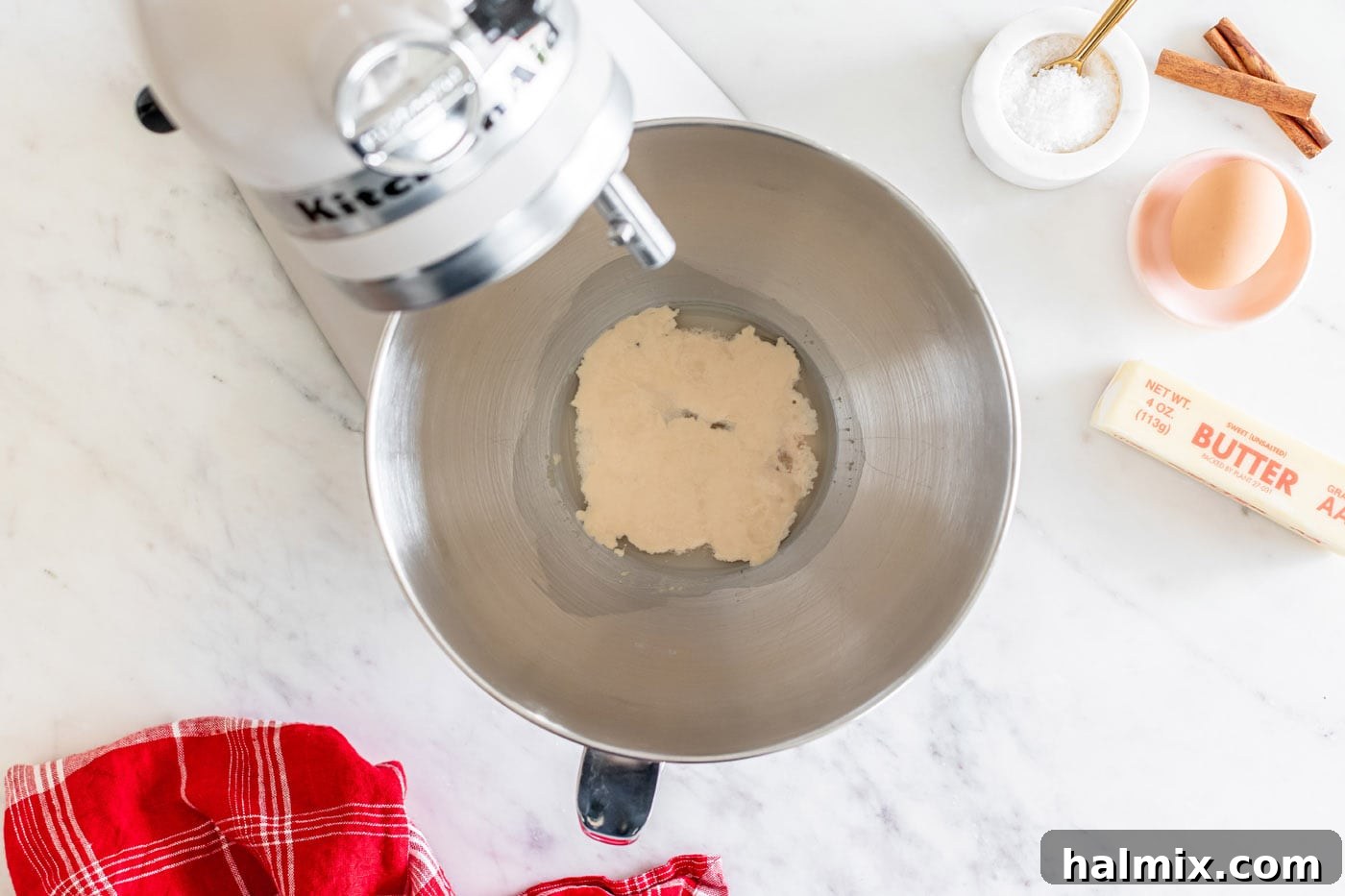
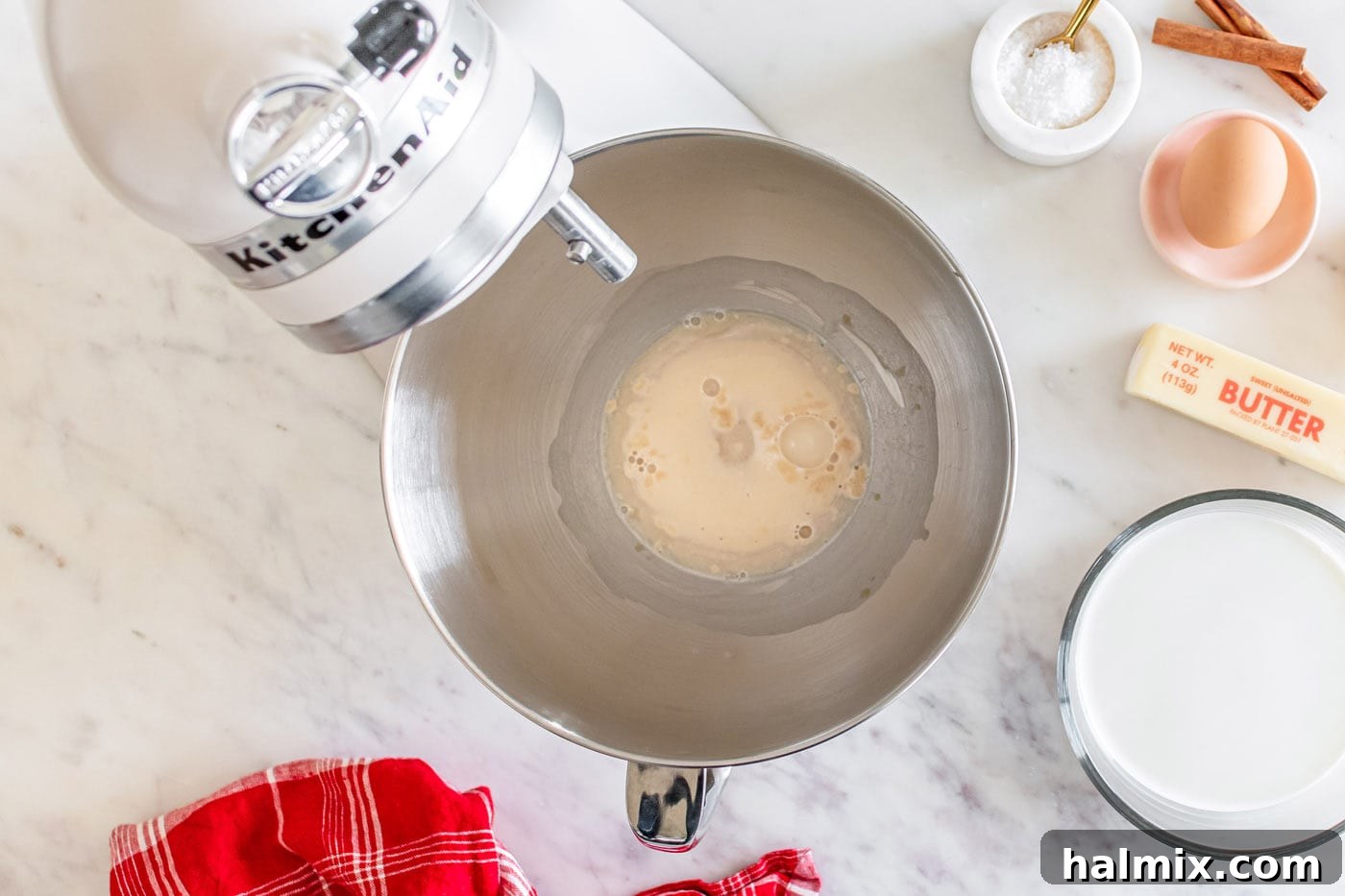
- In the bowl of your stand mixer (or a large mixing bowl if kneading by hand), combine the active dry yeast, 1 teaspoon of granulated sugar, and warm water. The water should be around 105-115°F (40-46°C) – warm to the touch but not hot. Too hot water can kill the yeast, while too cold water won’t activate it.
- Stir gently and let the mixture sit for about 5 minutes. During this time, the yeast should become foamy and double in size. This “proofing” indicates that your yeast is active and ready to work its magic. If it doesn’t foam, your yeast may be old or the water temperature was off, and you’ll need to start again with fresh yeast.
Combining Wet Ingredients for Rich Flavor
- While the yeast proofs, prepare your dairy and sweeteners. Place the milk in a microwave-safe measuring cup or bowl and microwave for about 30 seconds, or until it’s lukewarm.
- In a separate small, microwave-safe bowl, add the unsalted butter and honey. Microwave for about 20 seconds, or until the butter is melted and the honey is easily stirrable.
- Carefully pour the warm butter and honey mixture into the lukewarm milk and stir until well combined. This ensures all the fats and sweeteners are evenly distributed.
Mixing and Kneading the Perfect Dough
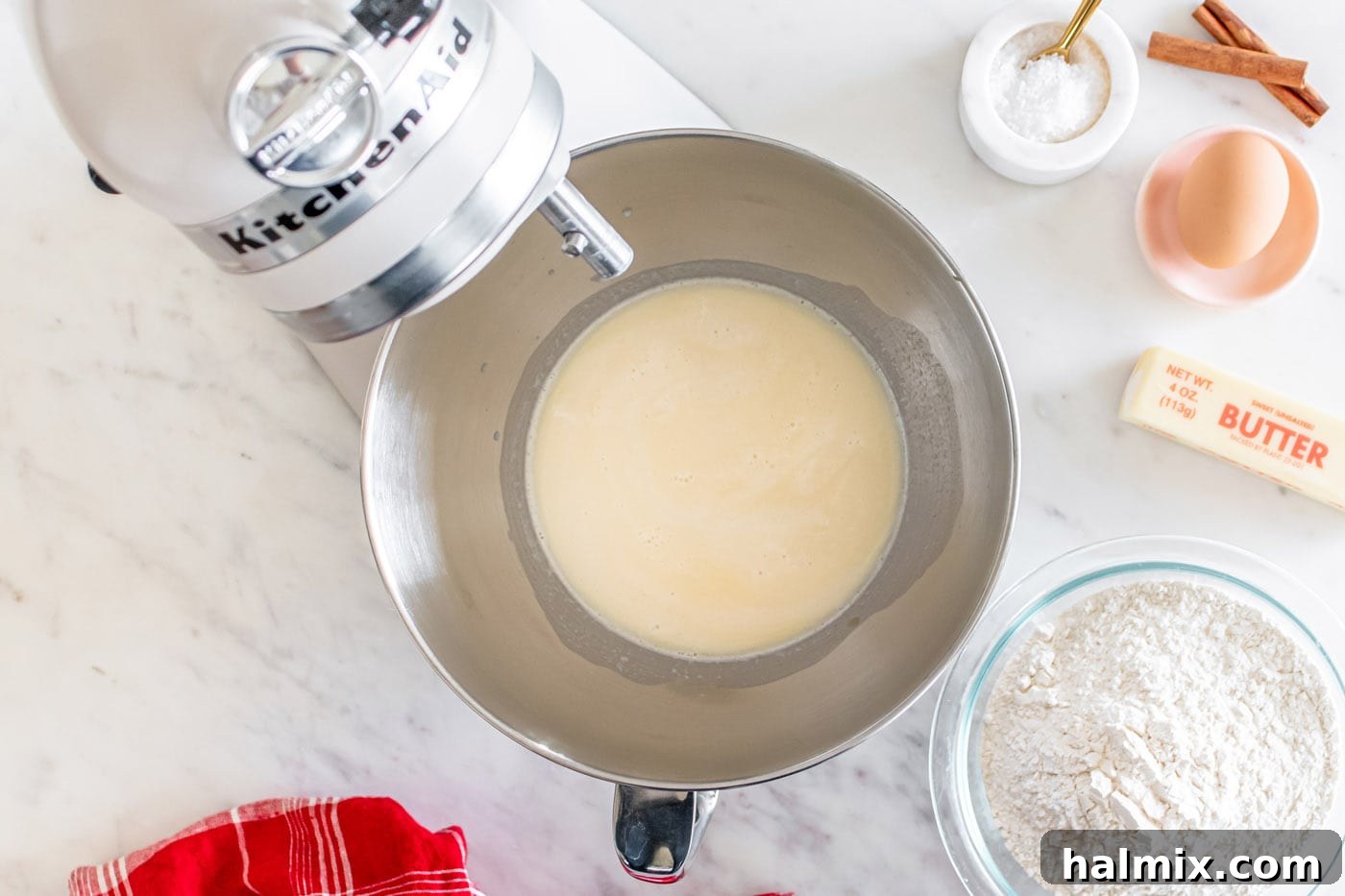
- Pour the milk, butter, and honey mixture into the activated yeast mixture in the stand mixer bowl.
- Add the remaining 2 tablespoons of granulated sugar, salt, and 2 cups of the all-purpose flour.
- Attach the dough hook to your stand mixer and begin kneading the dough on a low speed.
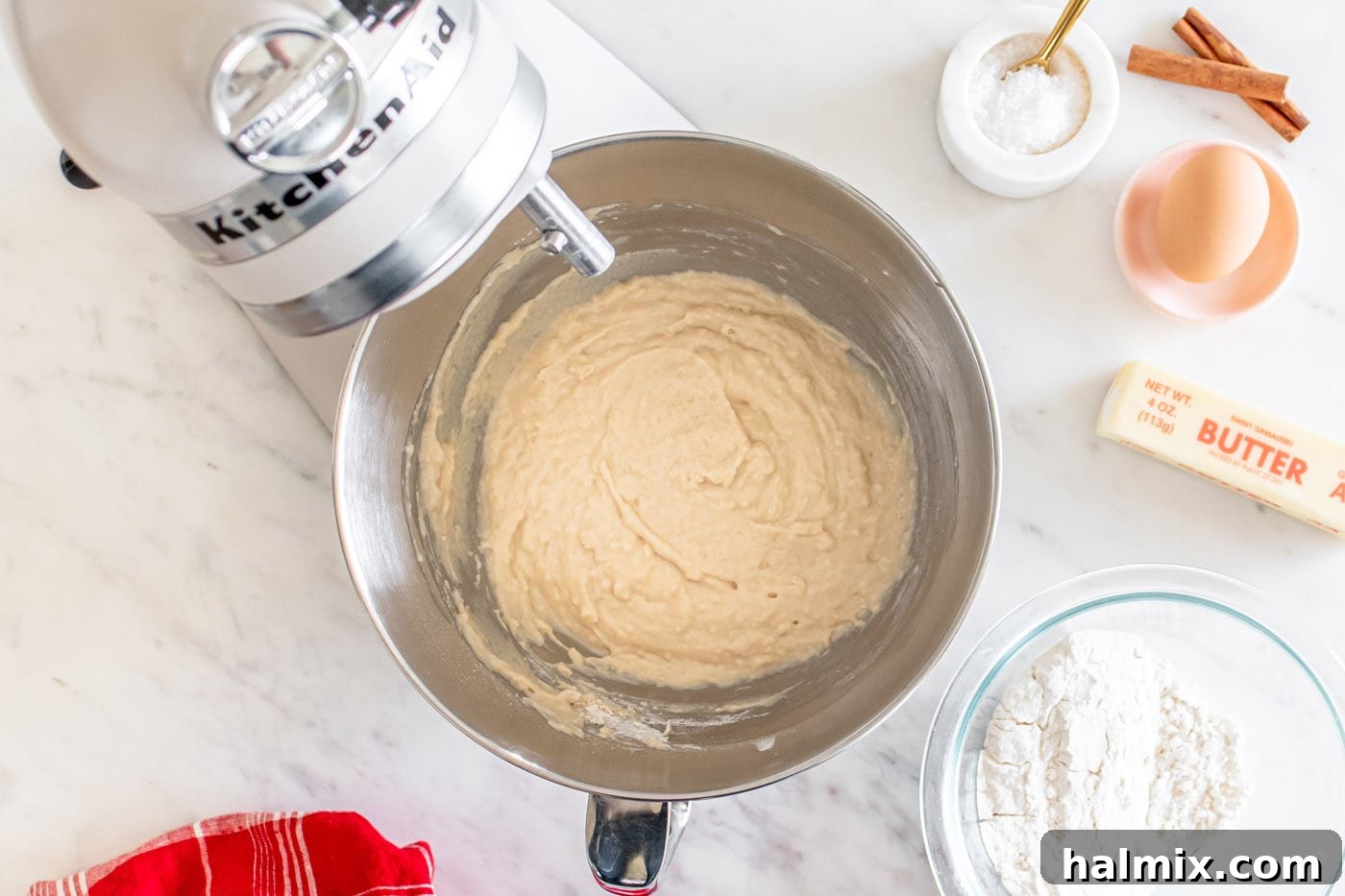
- Gradually add the remaining flour, about ½ cup at a time, allowing it to incorporate into the dough. Finally, add the large egg.
- Continue to knead the dough on low to medium-low speed for approximately 5-7 minutes. The dough is ready when it is smooth, elastic, and pulls away cleanly from the sides of the bowl. It should feel slightly tacky to the touch but not overly sticky. If it’s too sticky, add a very small amount of flour (1 tablespoon at a time) until it reaches the correct consistency.
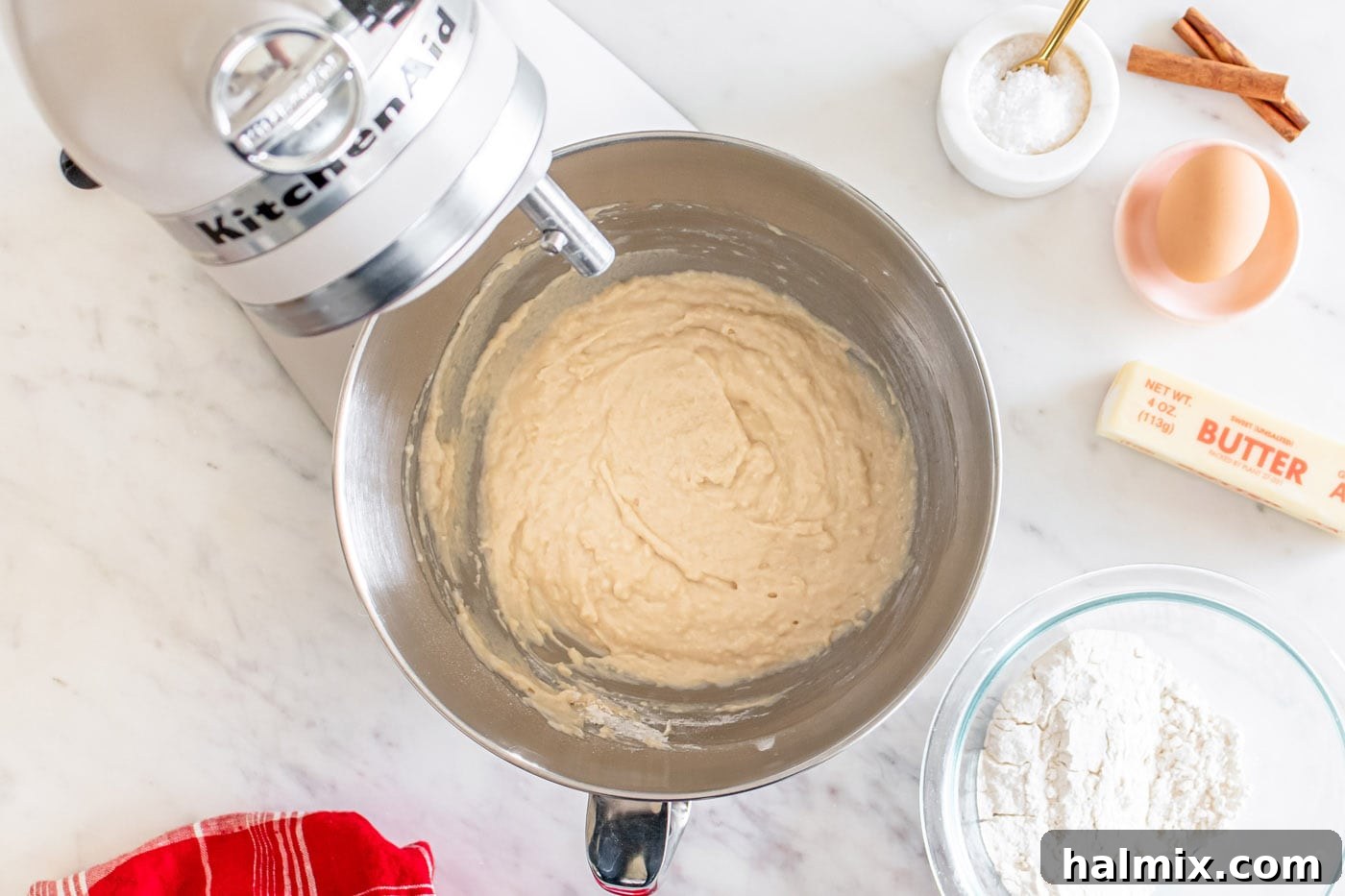
The Art of the First Rise
- Once kneaded, remove the dough hook. Form the dough into a ball and place it back in the bowl (you can lightly grease the bowl first if desired).
- Cover the bowl tightly with a damp kitchen towel or plastic wrap.
- Place the bowl in a warm, draft-free spot to rise. This could be a slightly warm oven (turned off!), a sunny spot on your counter, or near a warm appliance.
- Allow the dough to rise until it has visibly doubled in size. This usually takes about 1 to 1.5 hours, depending on the warmth of your environment. This step is crucial for developing the light, airy texture of the rolls.
Preparing for Baking: Shaping Your Iconic Rolls
- About 15-20 minutes before the end of the rising time, preheat your oven to 350°F (175°C).
- Lightly grease a large baking sheet or line it with parchment paper. Set it aside.
- Once the dough has doubled in size, gently punch it down to release the air.
- Lightly flour a clean work surface (a wooden board or countertop works well).
- Transfer the dough to the floured surface and use a rolling pin to roll it out into a large rectangle, aiming for a thickness of about ½ inch (approximately 1.25 cm). Strive for an even thickness to ensure uniform baking.
- Using a sharp knife or a pizza cutter, trim the edges to create a clean rectangle. Then, cut the rectangle into 12 equal square or rectangular pieces. The signature shape of Texas Roadhouse rolls is typically square, but uniform rectangles are perfectly fine.
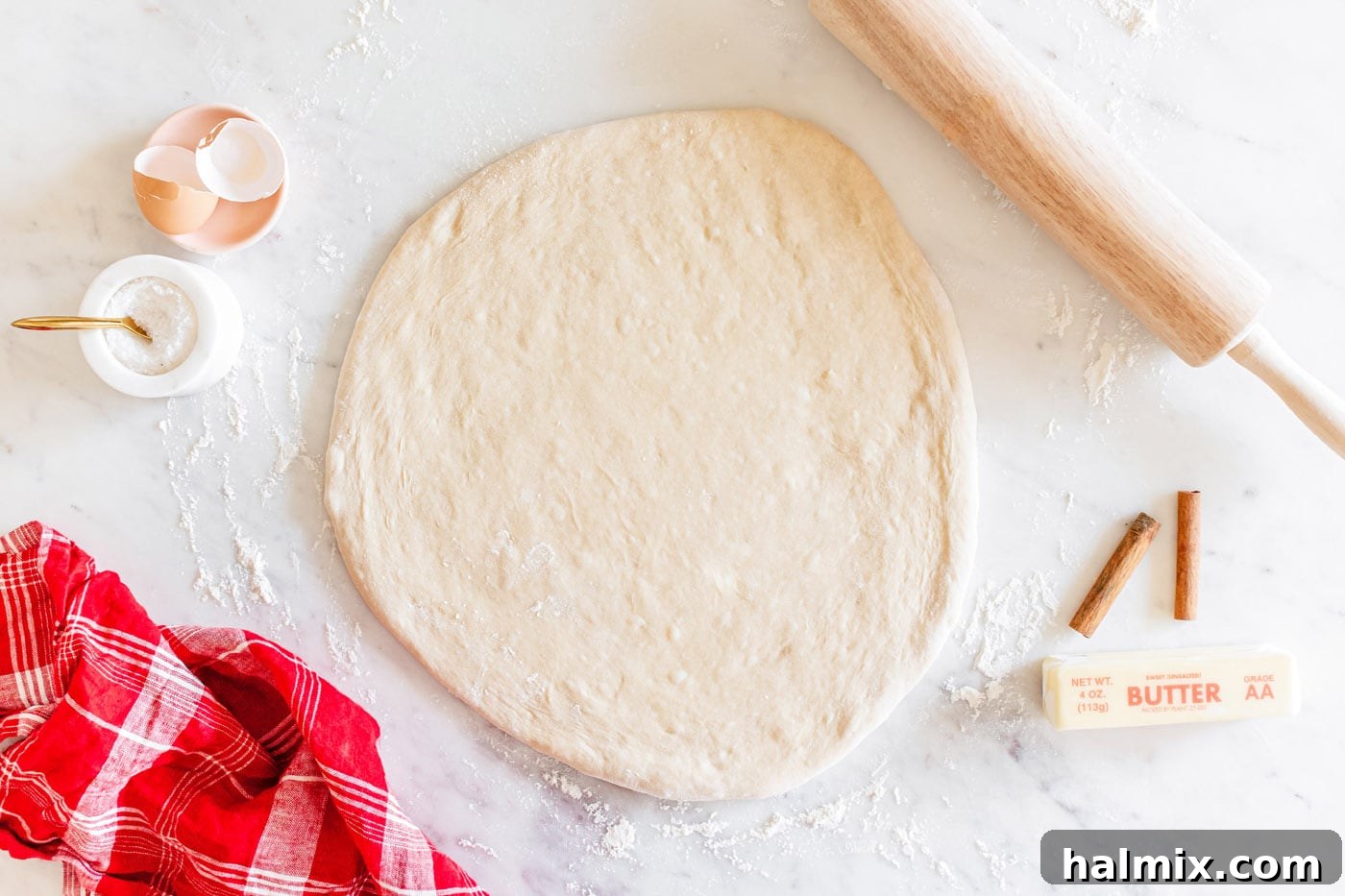
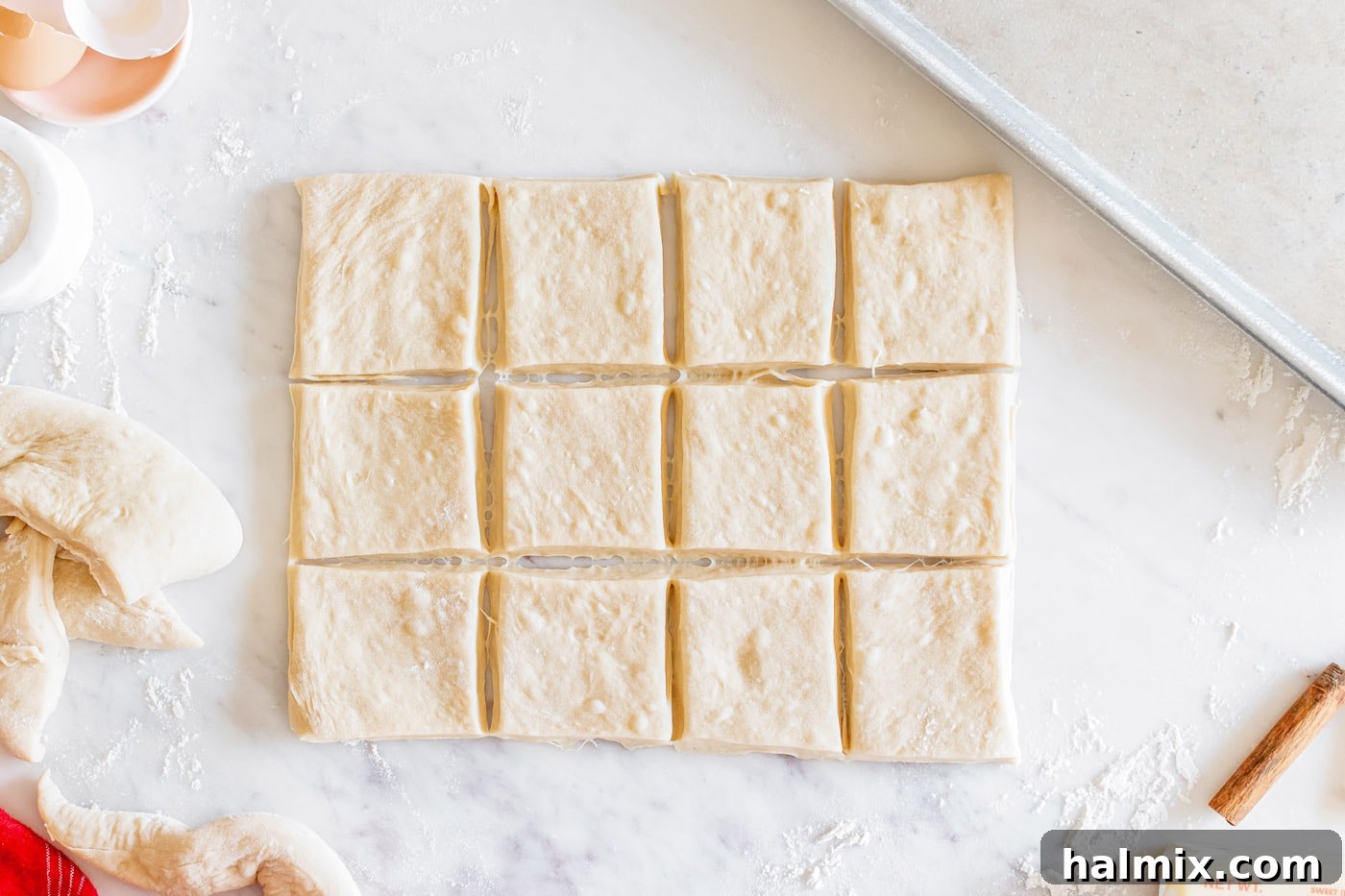
Baking to Golden Perfection
- Carefully transfer the cut dough pieces to your prepared baking sheet, leaving a small space between each roll to allow for a slight second rise and even cooking.
- Bake in the preheated oven for 10-15 minutes, or until the rolls are beautifully golden brown on top and cooked through. Baking time can vary slightly depending on your oven, so keep an eye on them.
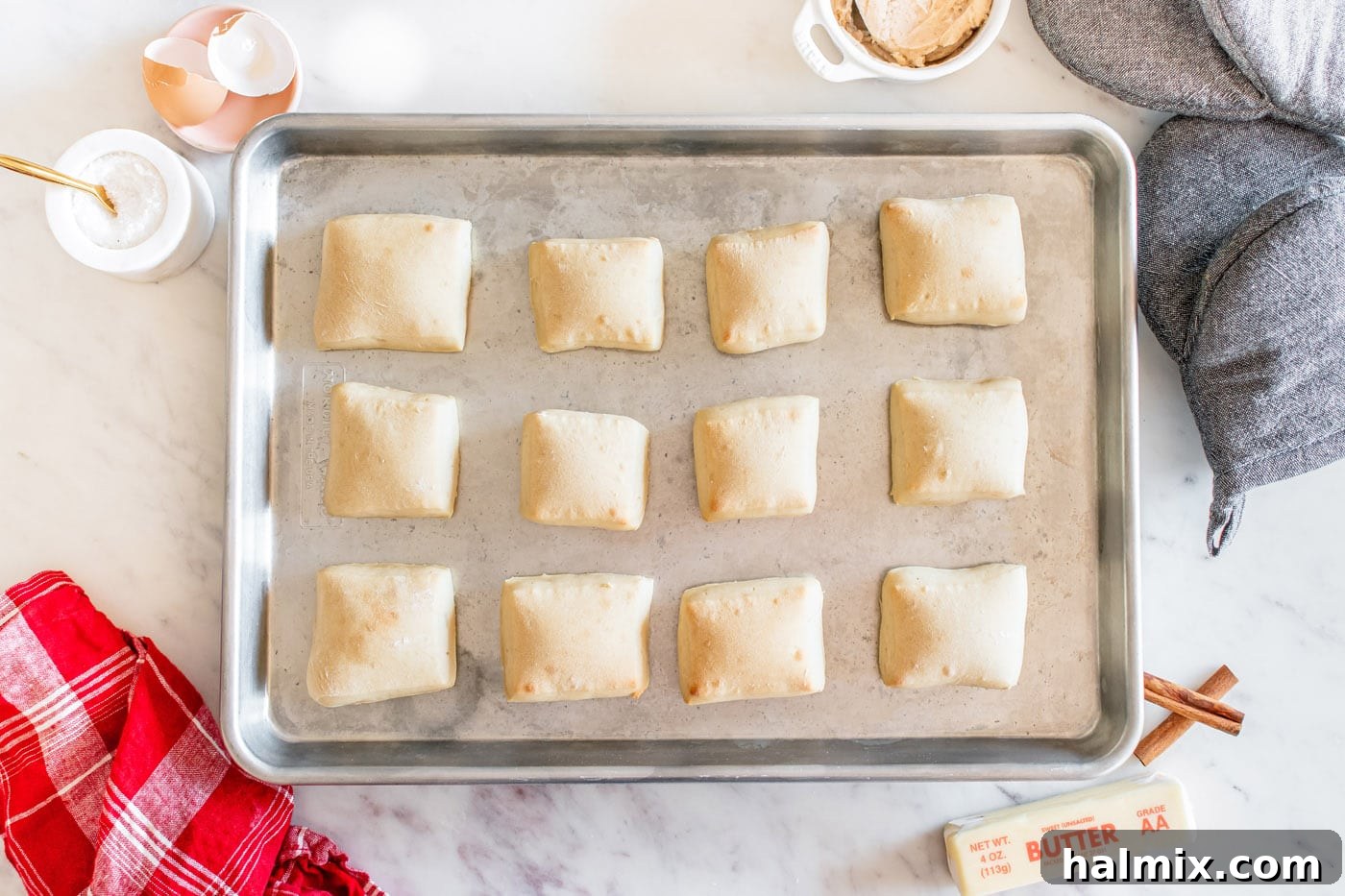
The Finishing Touch: Buttery Glaze
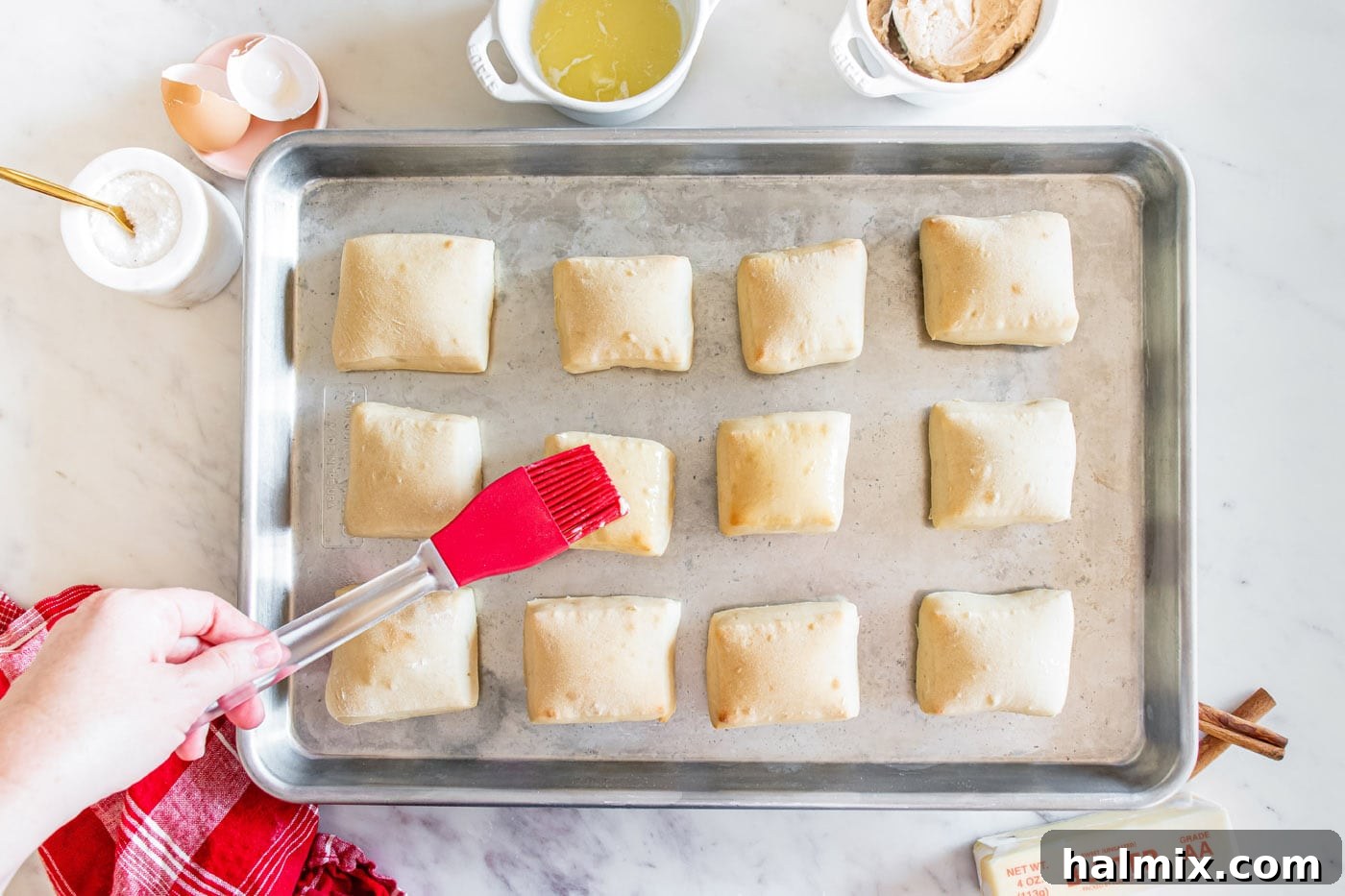
- As soon as the rolls come out of the oven, brush them generously with additional melted butter using a basting brush. This step adds an extra layer of rich flavor and that iconic glossy finish.
- Serve your warm, homemade Texas Roadhouse rolls immediately. Enjoy every tender, sweet, and buttery bite!
Frequently Asked Questions & Expert Tips
Here are some common questions and essential tips to help you master these delightful rolls and enjoy them at their best.
To maintain their freshness and soft texture, store your cooled rolls in an airtight container or a large resealable plastic bag at room temperature. They will stay fresh and delicious for up to 5 days. For best results, avoid refrigeration, as it can cause bread to dry out faster.
Absolutely! Freezing is an excellent way to enjoy these rolls much later. To freeze finished rolls, first, arrange them in a single layer on a baking sheet and flash freeze them for about 1-2 hours until solid. This prevents them from sticking together. Once frozen solid, transfer the rolls to a gallon-sized freezer-safe ziplock bag or airtight container. They can be frozen for up to 2 months. To enjoy, simply thaw them on the counter at room temperature, then warm them in the oven for a few minutes for that fresh-baked taste.
Yes, these rolls are perfect for preparing in advance. You can bake and cool the rolls a day before you plan to serve them. Store them in an airtight container or a large ziptop bag at room temperature. When it’s time to serve, I highly recommend popping them back into a preheated oven (around 300°F/150°C) for a few minutes. This warms them through, restores their fresh aroma, and brings back that delightful softness.
Dough consistency is crucial. If your dough feels too sticky after kneading (meaning it clings excessively to your hands or the bowl), add flour one tablespoon at a time, incorporating it fully before adding more. Be conservative, as too much flour will make the rolls tough. Conversely, if your dough is too dry and crumbly, add warm water or milk, one teaspoon at a time, until the desired elasticity is achieved. Humidity and flour type can affect absorption, so visual cues and feel are more important than rigid adherence to measurements.
A warm, draft-free environment is best for dough rising. An ideal temperature range is between 75-85°F (24-29°C). If your kitchen is cool, you can turn your oven on to its lowest setting for a minute or two, then turn it off and place the covered dough inside. The residual warmth will create a perfect environment. Avoid extreme heat, which can kill the yeast and give the rolls an off-flavor.
Irresistible Serving Suggestions
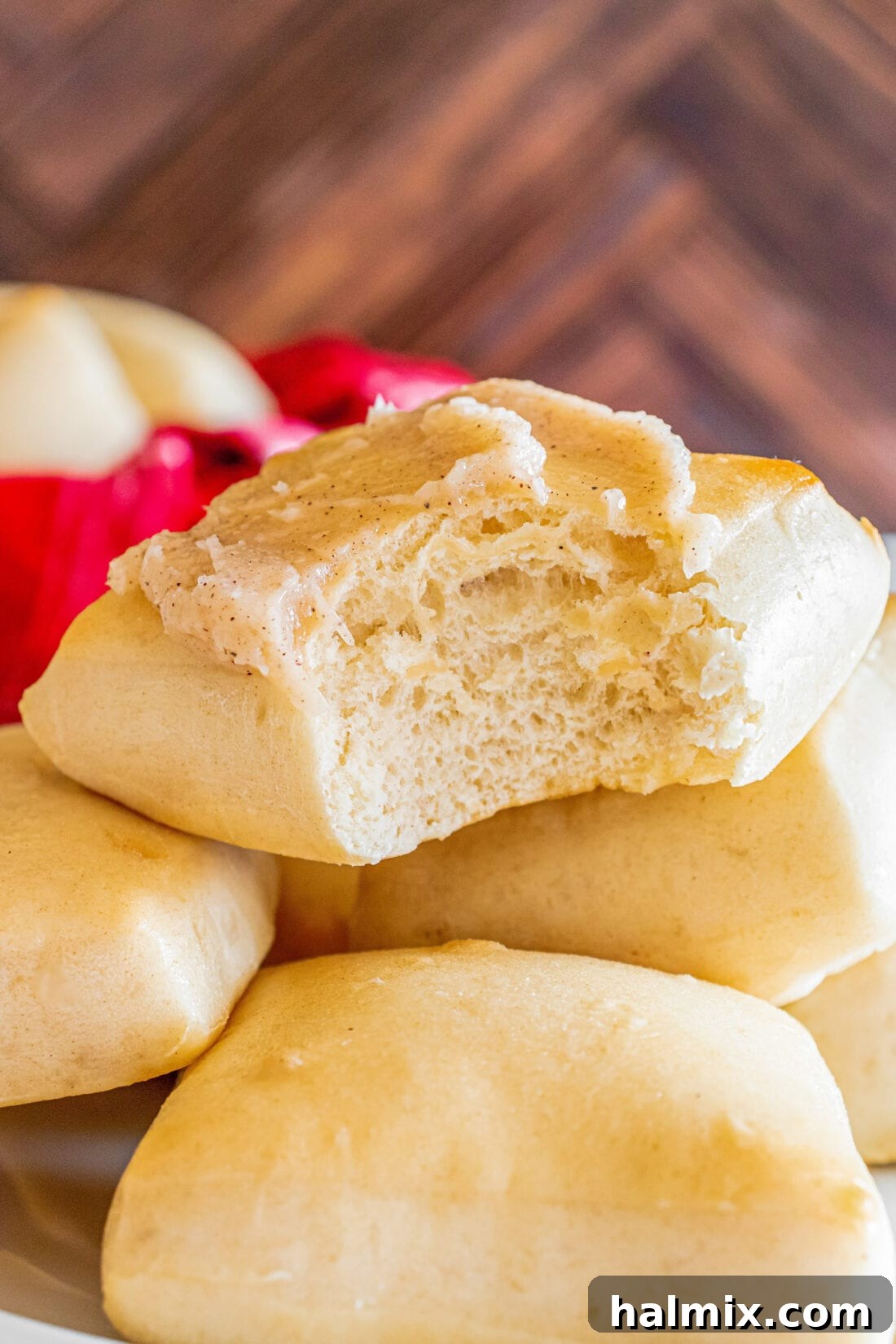
These homemade Texas Roadhouse rolls are incredibly versatile and can elevate almost any meal. Serve them warm straight from the oven as the perfect accompaniment to a juicy grilled steak, a hearty baked potato, vibrant roasted vegetables, or a crisp side salad. Their comforting presence makes them an ideal partner for a wide array of main courses, from savory pot roasts and tender chicken dishes to rich, hearty soups and stews, especially during cooler months.
Beyond dinner, don’t limit these rolls! They’re fantastic for holiday gatherings, adding a touch of homemade warmth to your festive spread. You can even enjoy them as a delightful breakfast treat, perhaps split open and spread with a dollop of your favorite jam or an extra pat of butter. No matter how you choose to serve them, one accompaniment is absolutely non-negotiable for the full Texas Roadhouse experience: a generous helping of creamy, sweet, and spiced cinnamon honey butter!
Discover More Amazing Bread & Roll Recipes
If you love baking and enjoying homemade bread, be sure to explore these other delicious roll recipes:
- Bretzel Rolls (Pretzel Sandwich Rolls)
- Gooey Garlic Cheese Rolls
- Pull Apart Cornmeal Dinner Rolls
- Parmesan Garlic Rolls
- Homemade Hawaiian Rolls
- Homemade Pull Apart Dinner Rolls
I genuinely love to bake and cook, and I’m thrilled to share my kitchen experiences with all of you! To make sure you never miss a new recipe, I offer a convenient newsletter every time a new dish is posted. Simply subscribe and start receiving your free daily recipes directly to your inbox!
Texas Roadhouse Rolls Recipe
These copycat Texas Roadhouse rolls are just like the original – soft, fluffy, square… and the best part is that they’re really easy to make with everyday ingredients.
IMPORTANT – The Frequently Asked Questions and Expert Tips section within the blog post offers helpful guidance. Please scroll up to read them!
Ingredients
- 2 teaspoons active dry yeast
- 1 teaspoon granulated sugar
- ¼ cup warm water
- 1 cup milk
- 1 Tablespoon unsalted butter
- 3 Tablespoons honey
- 2 Tablespoons granulated sugar (additional)
- 1 teaspoon salt
- 4 cups all-purpose flour
- 1 large egg
Equipment You’ll Need
- Stand mixer with dough hook (recommended for ease)
- Rolling pin
- Baking sheet
- Basting brush
- Measuring cups and spoons
- Small microwave-safe bowls
Instructions
- Activate Yeast: Add 2 teaspoons active dry yeast, 1 teaspoon granulated sugar, and ¼ cup warm water to the bowl of a stand mixer. Let it sit for about 5 minutes until the mixture doubles in size and becomes foamy, indicating active yeast.
- Prepare Wet Ingredients: Microwave 1 cup milk for 30 seconds until lukewarm. In a separate small bowl, microwave 1 tablespoon unsalted butter and 3 tablespoons honey for 20 seconds until butter is melted. Carefully pour the butter-honey mixture into the milk and stir.
- Mix Dough (Initial): Pour the milk mixture into the yeast mixture. Add the remaining 2 tablespoons of granulated sugar, 1 teaspoon salt, and 2 cups of all-purpose flour. Using a dough hook, begin kneading the dough on low speed until combined.
- Add Remaining Ingredients & Knead: Gradually add the remaining 2 cups of flour and the large egg to the mixture. Continue to knead the dough with the dough hook for approximately 5-7 minutes, until the dough is smooth, elastic, and pulls away cleanly from the sides of the bowl. It should be slightly tacky but not sticky.
- First Rise: Cover the bowl with a damp kitchen towel or plastic wrap and let the dough rise in a warm, draft-free place until it doubles in size (about 1 to 1.5 hours).
- Preheat Oven & Prepare Pan: While the dough is rising (or near the end of the rise), preheat your oven to 350°F (175°C). Lightly grease a large baking sheet and set it aside.
- Shape Rolls: Once the dough has doubled, gently punch it down. Lightly flour a clean surface and roll the dough into a large rectangle, about ½ inch thick. Use a sharp knife or pizza cutter to cut the rectangle into 12 equal square or rectangular pieces.
- Bake: Place the shaped dough pieces on the greased baking sheet, leaving a little space between each roll. Bake for 10-15 minutes, or until the rolls are golden brown on top.
- Butter & Serve: Immediately after removing from the oven, brush the warm rolls generously with additional melted butter (not listed in ingredients, but implied for serving). Serve warm and enjoy!
Nutrition Information
Per Serving (1 roll):
Calories: 205kcal | Carbohydrates: 40g | Protein: 6g | Fat: 2g | Saturated Fat: 1g | Polyunsaturated Fat: 0.3g | Monounsaturated Fat: 1g | Trans Fat: 0.04g | Cholesterol: 20mg | Sodium: 209mg | Potassium: 89mg | Fiber: 1g | Sugar: 8g | Vitamin A: 85IU | Vitamin C: 0.03mg | Calcium: 35mg | Iron: 2mg
Tried this Recipe? Pin it for Later!
Follow on Pinterest @AmandasCookin
Or tag #AmandasCookin!
The recipes on this blog are tested with a conventional gas oven and gas stovetop. It’s important to note that some ovens, especially as they age, can cook and bake inconsistently. Using an inexpensive oven thermometer can assure you that your oven is truly heating to the proper temperature. If you use a toaster oven or countertop oven, please keep in mind that they may not distribute heat the same as a conventional full-sized oven and you may need to adjust your cooking/baking times. In the case of recipes made with a pressure cooker, air fryer, slow cooker, or other appliance, a link to the appliances we use is listed within each respective recipe. For baking recipes where measurements are given by weight, please note that results may not be the same if cups are used instead, and we can’t guarantee success with that method.