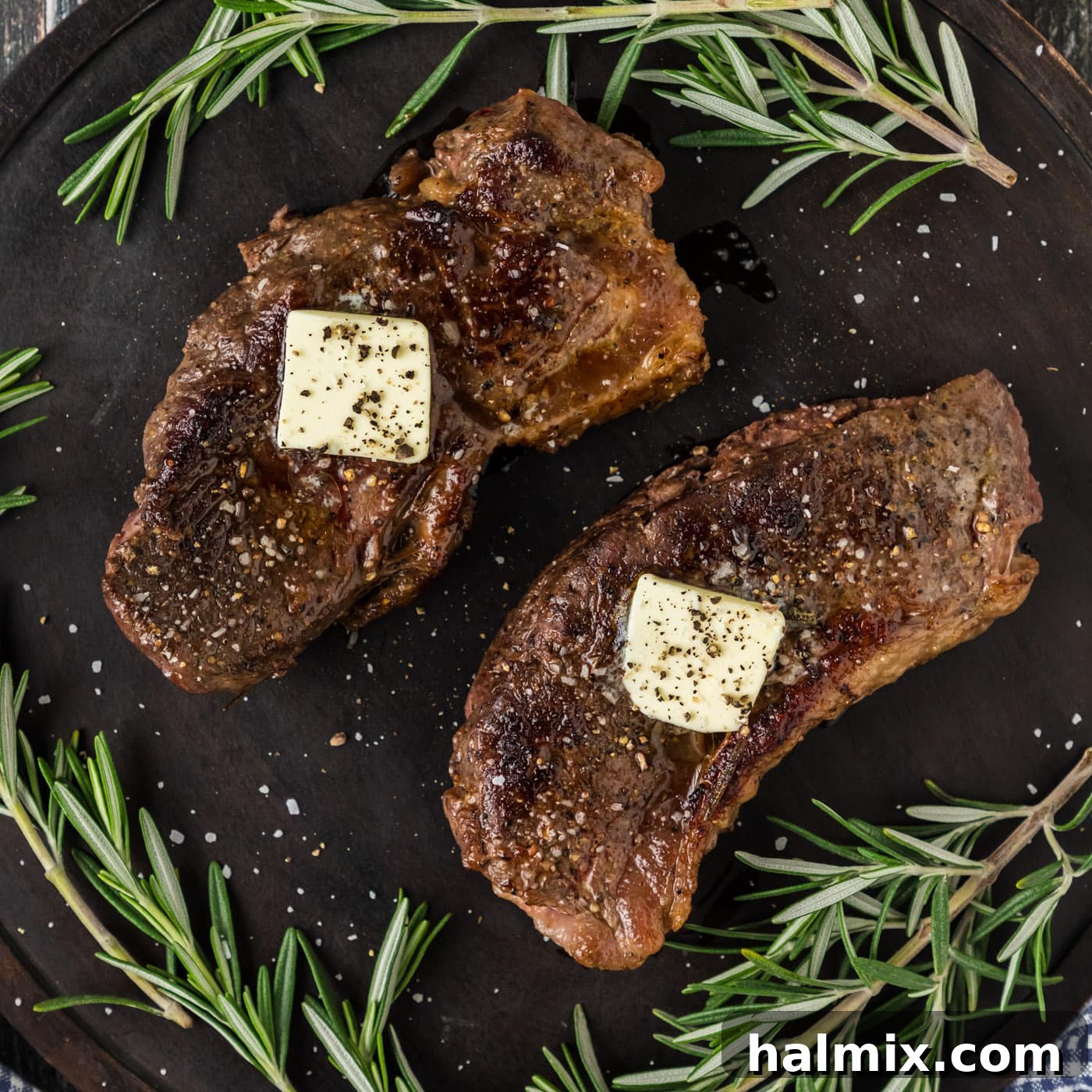
Unlock the secret to consistently perfect steak with our comprehensive guide to sous vide cooking. This method, celebrated by chefs and home cooks alike, guarantees a steak that is incredibly tender, bursting with flavor, and infused with its own natural juices, eliminating the guesswork and the dreaded dry bite. Say goodbye to overcooked steak and hello to culinary perfection every time you step into the kitchen.
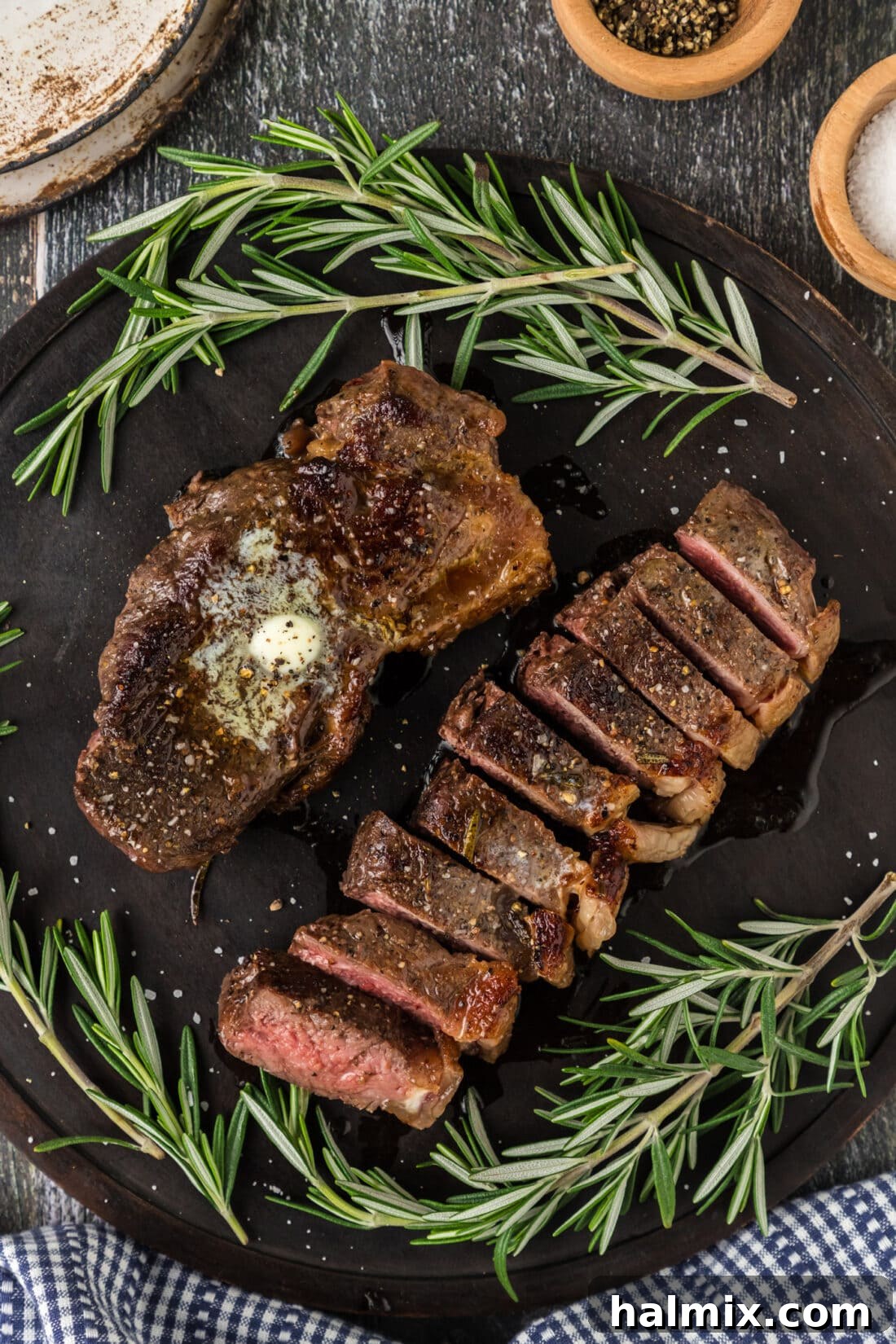
Why This Sous Vide Steak Recipe Works Every Time
The sous vide technique, which translates to “under vacuum” in French, is a revolutionary approach to cooking that sets itself apart from conventional methods. By sealing your steak in a vacuum-sealed bag and submerging it in a precisely temperature-controlled water bath, you create an environment where the meat cooks evenly from edge to edge without any risk of overcooking. This gentle, low-temperature process allows the steak’s natural enzymes to break down tough fibers, resulting in an ultra-tender texture that’s simply impossible to achieve with traditional high-heat methods alone.
Unlike grilling or pan-frying, where external heat can quickly dry out the meat, sous vide locks in all the moisture and flavor. The steak cooks in its own juices, concentrating taste and ensuring a succulent bite every time. The magic lies in the precision: once the internal temperature of the steak reaches your desired doneness, it won’t cook further as long as the water bath maintains that exact temperature. This means you have a generous window of time – often several hours – to achieve the perfect cook, offering unparalleled flexibility in your meal preparation.
After its gentle bath, a quick, high-heat sear in a hot skillet or with a kitchen torch is the crucial final step. This creates a beautiful, caramelized crust (the Maillard reaction) that adds incredible depth of flavor and textural contrast, elevating your sous vide steak to gourmet status. For a similar technique and brilliant results, explore our sous vide pork chops recipe, showcasing the versatility of this cooking method.
Essential Ingredients You Will Need
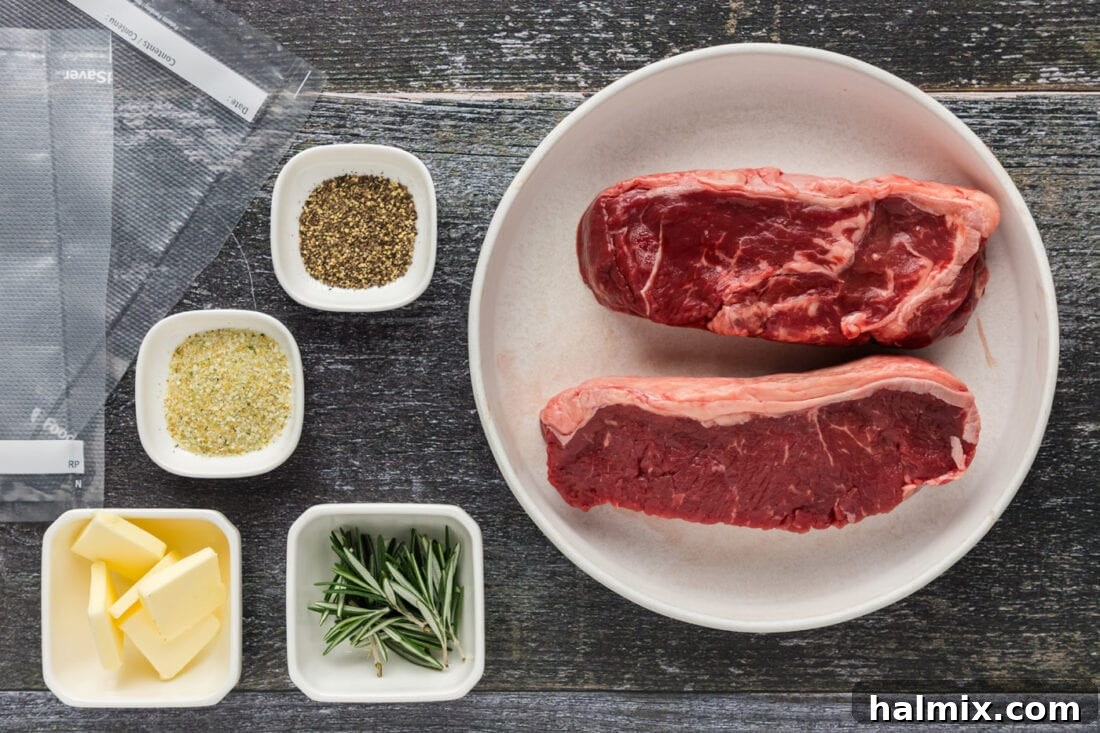
Crafting the perfect sous vide steak requires just a few high-quality ingredients. The beauty of this recipe lies in its simplicity, allowing the natural flavor of the beef to shine. You’ll find all precise measurements, ingredients, and step-by-step instructions in the printable recipe card located further down this page.
Ingredient Information and Expert Substitution Suggestions
STEAK: For this particular recipe, we chose two magnificent 10-ounce New York strip steaks, renowned for their excellent balance of tenderness and flavor. While New York strip is a fantastic choice, the sous vide method is incredibly forgiving and works exceptionally well with a variety of cuts. Consider using ribeye for rich marbling and robust flavor, sirloin for a leaner yet tender option, or even more economical cuts like flank or skirt steak, which benefit immensely from the tenderizing effects of sous vide. We strongly recommend using steaks that are at least one and a half inches thick. Thicker cuts maintain their moisture and achieve that coveted edge-to-edge perfect doneness more effectively. Thinner steaks, while still delicious, can sometimes lose moisture more rapidly, especially during the high-heat searing process at the end.
ADDITIONS: Our classic combination of unsalted butter, fresh rosemary sprigs, garlic salt, and freshly ground black pepper creates a wonderfully aromatic and flavorful steak. However, don’t hesitate to personalize your steak with your favorite herbs and spice blends. Consider fresh thyme, oregano, or a bay leaf for alternative herbal notes. A pinch of onion powder, paprika, or even a touch of red pepper flakes can add extra layers of complexity. For a richer flavor profile, you could also experiment with compound butters infused with herbs, blue cheese, or even a hint of truffle. The goal is to enhance the steak’s natural taste, so choose additions that complement your palate.
Mastering Sous Vide Steak: A Step-by-Step Guide
These step-by-step photos and detailed instructions are provided to help you visualize each stage of making this delicious sous vide steak. For a printer-friendly version of this recipe, complete with precise measurements and comprehensive instructions, simply scroll down to the printable recipe card at the end of this post.
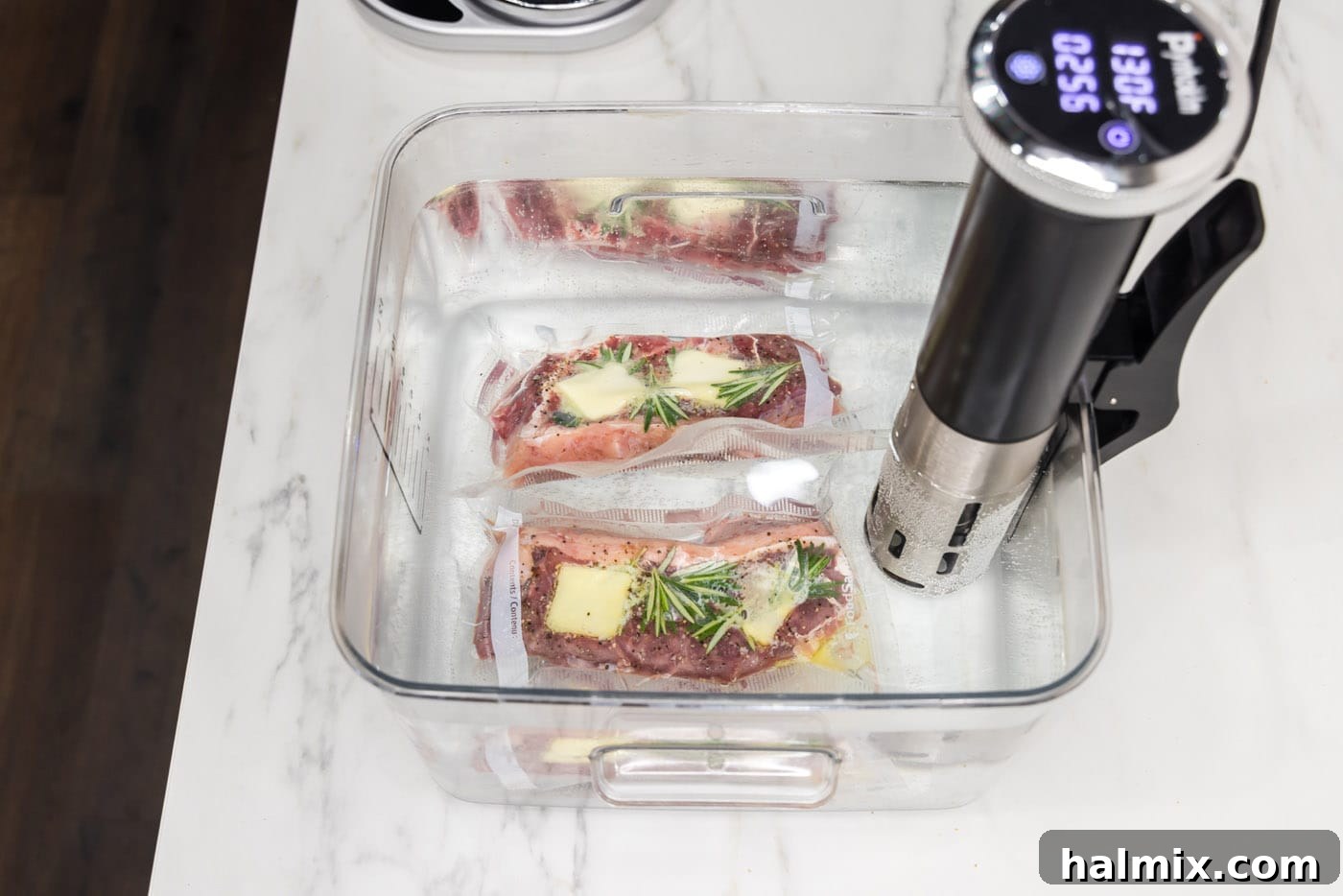
- Prepare the Water Bath: Begin by filling your sous vide water container with water and securely position your sous vide cooker (also known as an immersion circulator) into place. Power on the device and preheat the water to your desired temperature for medium-rare, which is 130°F (54.4°C). Ensuring the water reaches the correct temperature before adding the steak is crucial for consistent results.
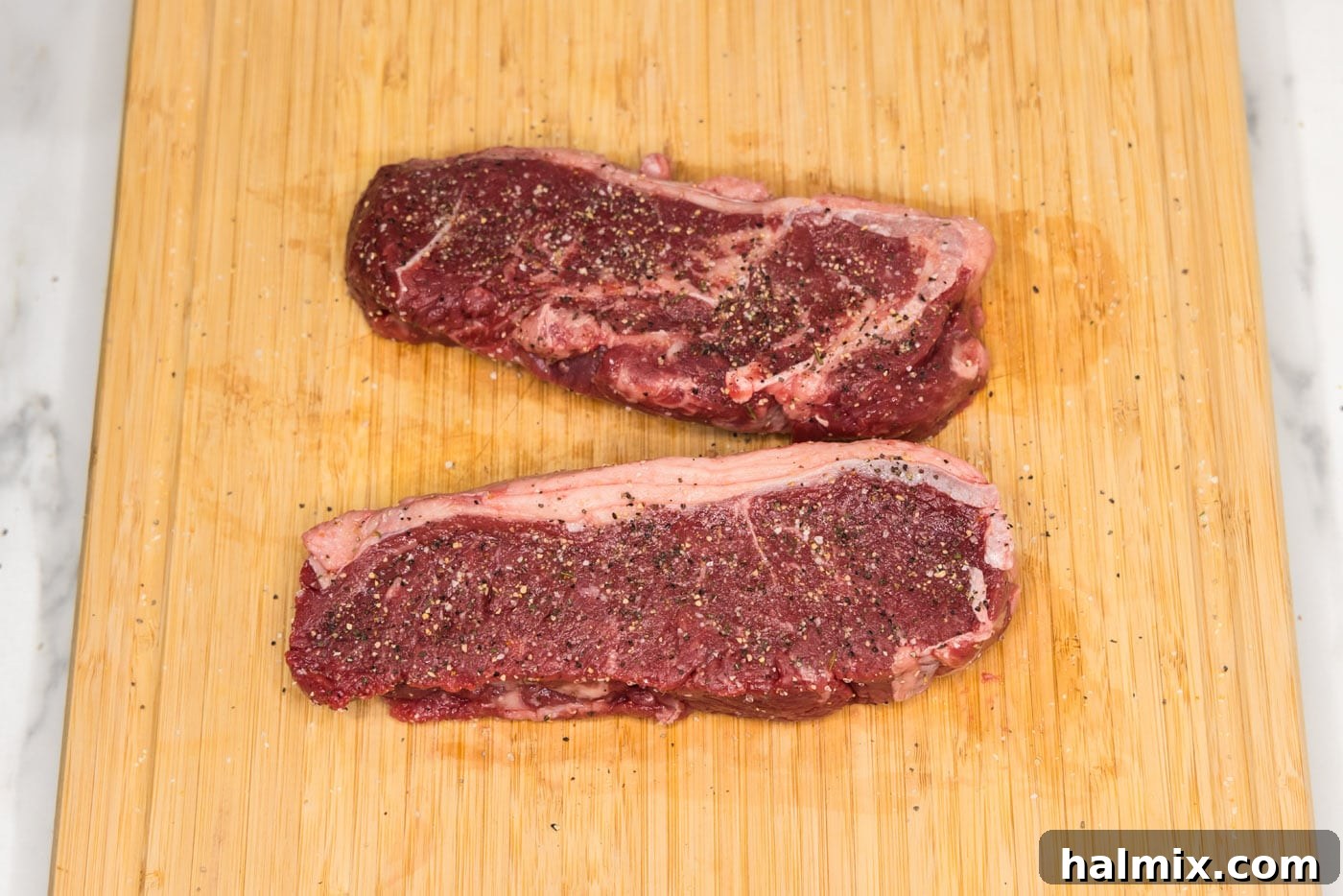
- Season Your Steaks: Pat your New York strip steaks dry with paper towels. This step helps achieve a better sear later. Generously season both sides of the steaks with garlic salt and freshly ground black pepper. Don’t be shy with the seasoning; it forms the foundation of your steak’s flavor.
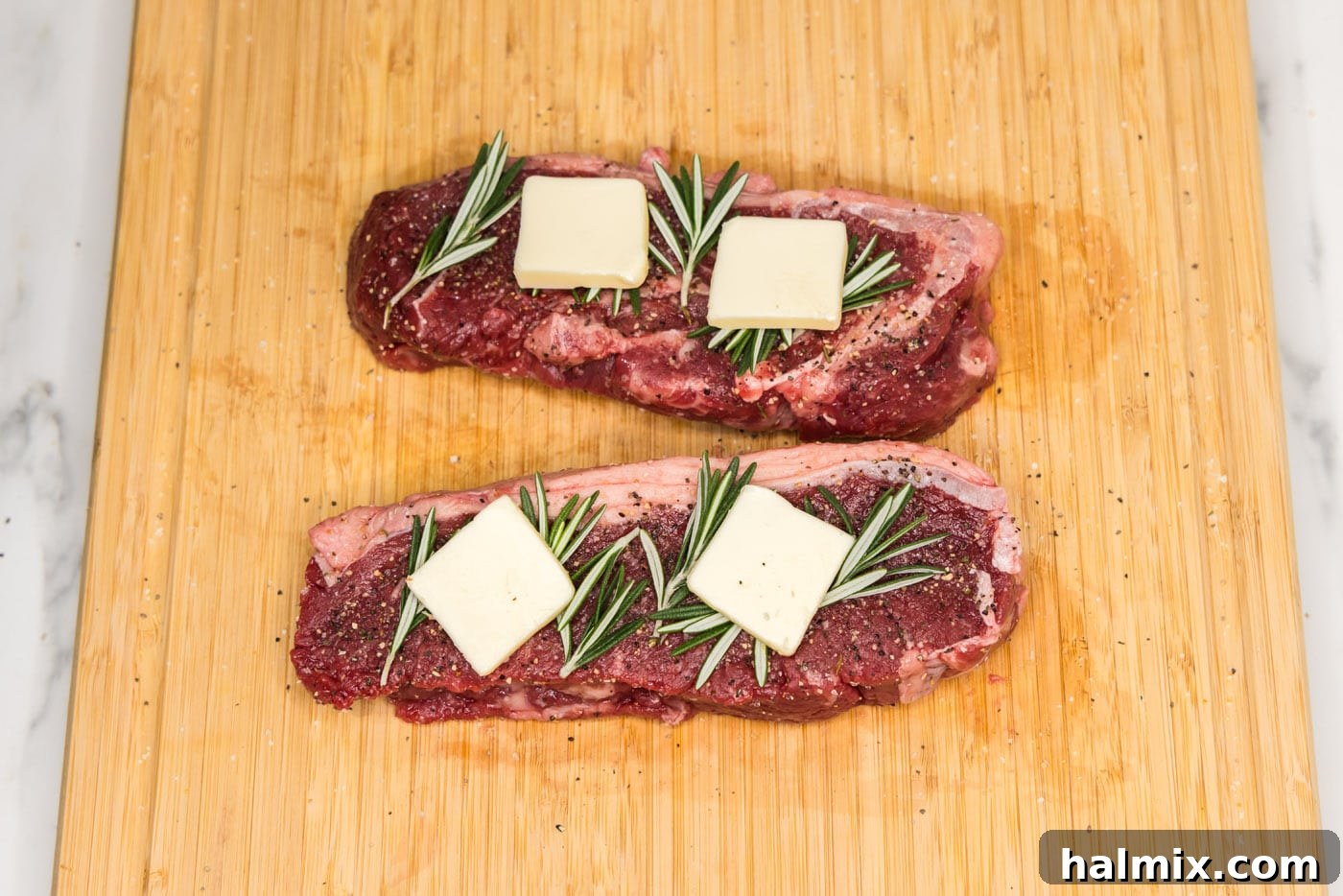
- Infuse with Rosemary: Take your fresh rosemary sprigs and cut them into shorter pieces, roughly 2-3 inches long. Distribute these aromatic sprigs evenly across the top of each steak, aiming for 3-4 sprigs per steak. This will infuse a wonderful herbaceous note during the sous vide process.
- Add Butter for Richness: Slice your unsalted butter into four equal pats. Place two pats of butter on top of the rosemary sprigs on each steak. The butter will melt and baste the steak in its own flavorful juices during cooking, adding an extra layer of richness.
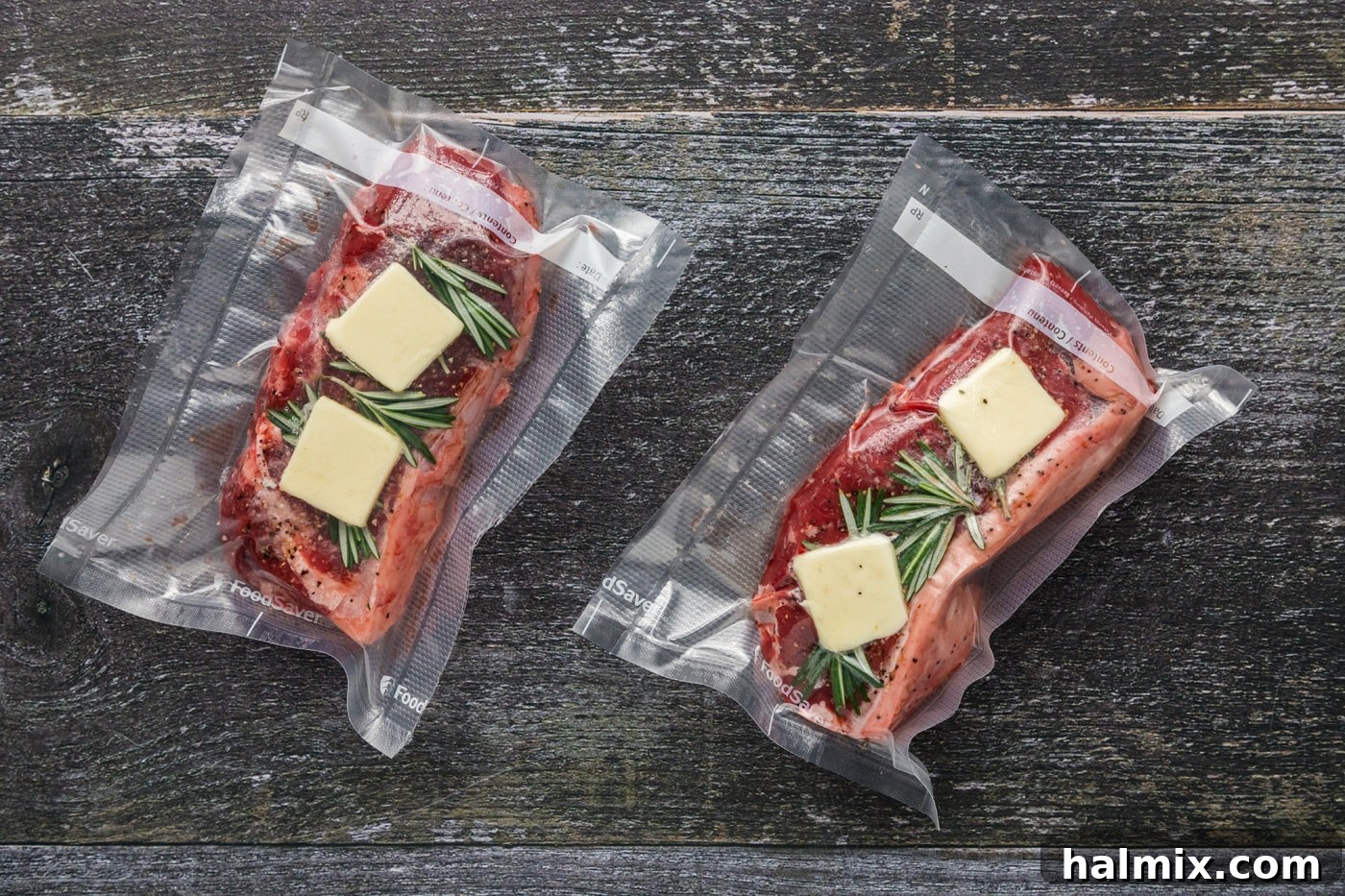
- Vacuum Seal the Steaks: Carefully transfer each seasoned steak, along with the rosemary and butter, into a separate vacuum seal bag. Ensure that the steaks lie flat and there is ample space for sealing. Using a vacuum sealer, remove all air from the bags and seal them securely shut. A proper seal is vital for effective sous vide cooking.
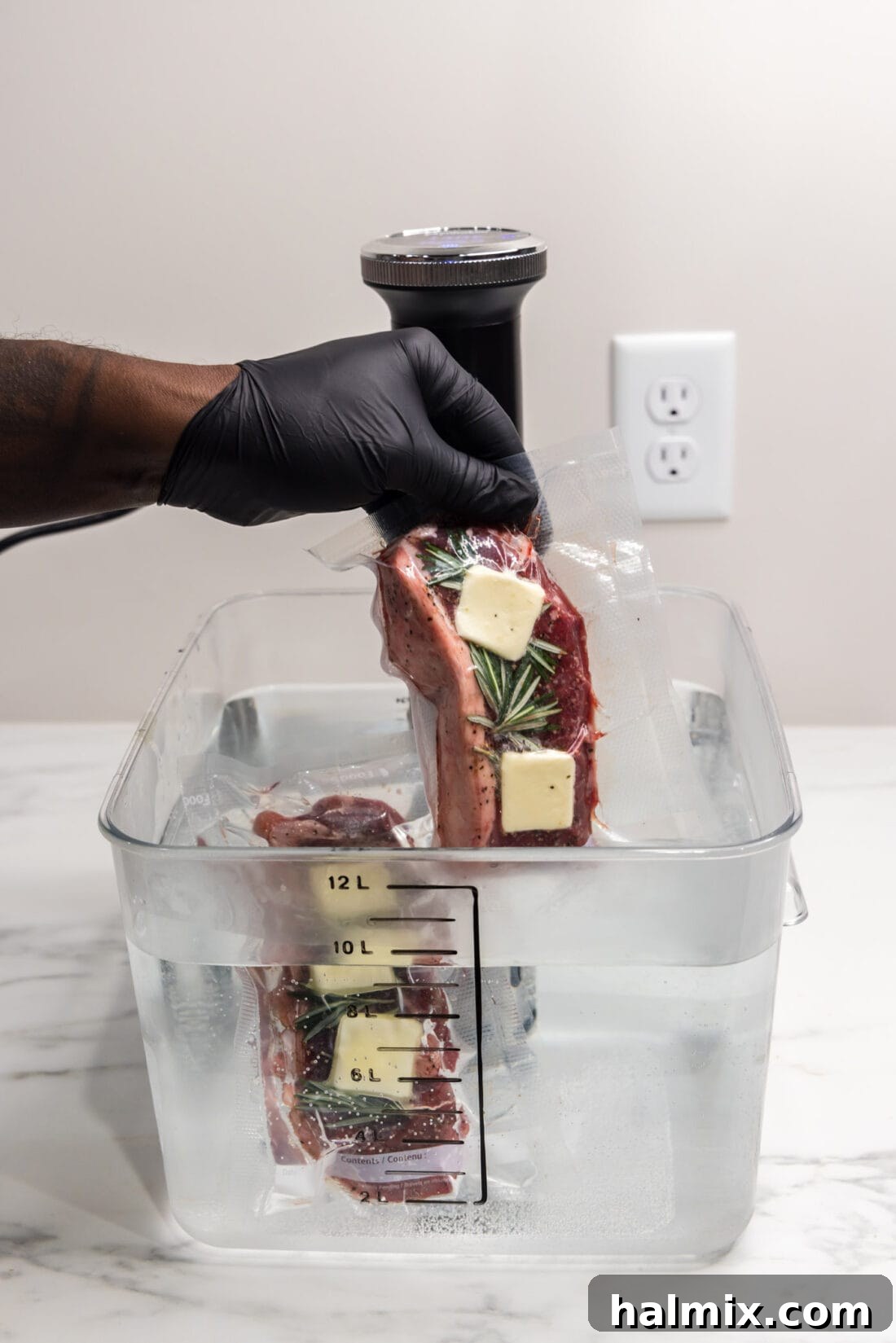
- Submerge and Cook: Once the water bath has reached the target temperature, gently place the vacuum-sealed steak bags into the sous vide cooker. Ensure the bags are fully submerged.
Chef’s Tip: If your bags float, it indicates that not all the air was successfully removed during the sealing process. To rectify this, remove the bag from the water, open it, repress out any remaining air, and reseal it. Alternatively, you can weigh down floating bags with heavy clips or ceramic plates designed for sous vide to ensure full submersion.
- Sous Vide Cook Time: Allow the steak to cook in the sous vide water bath for a minimum of 2 hours. This duration is ideal for achieving maximum tenderness and perfect doneness for a 1.5-inch thick steak.
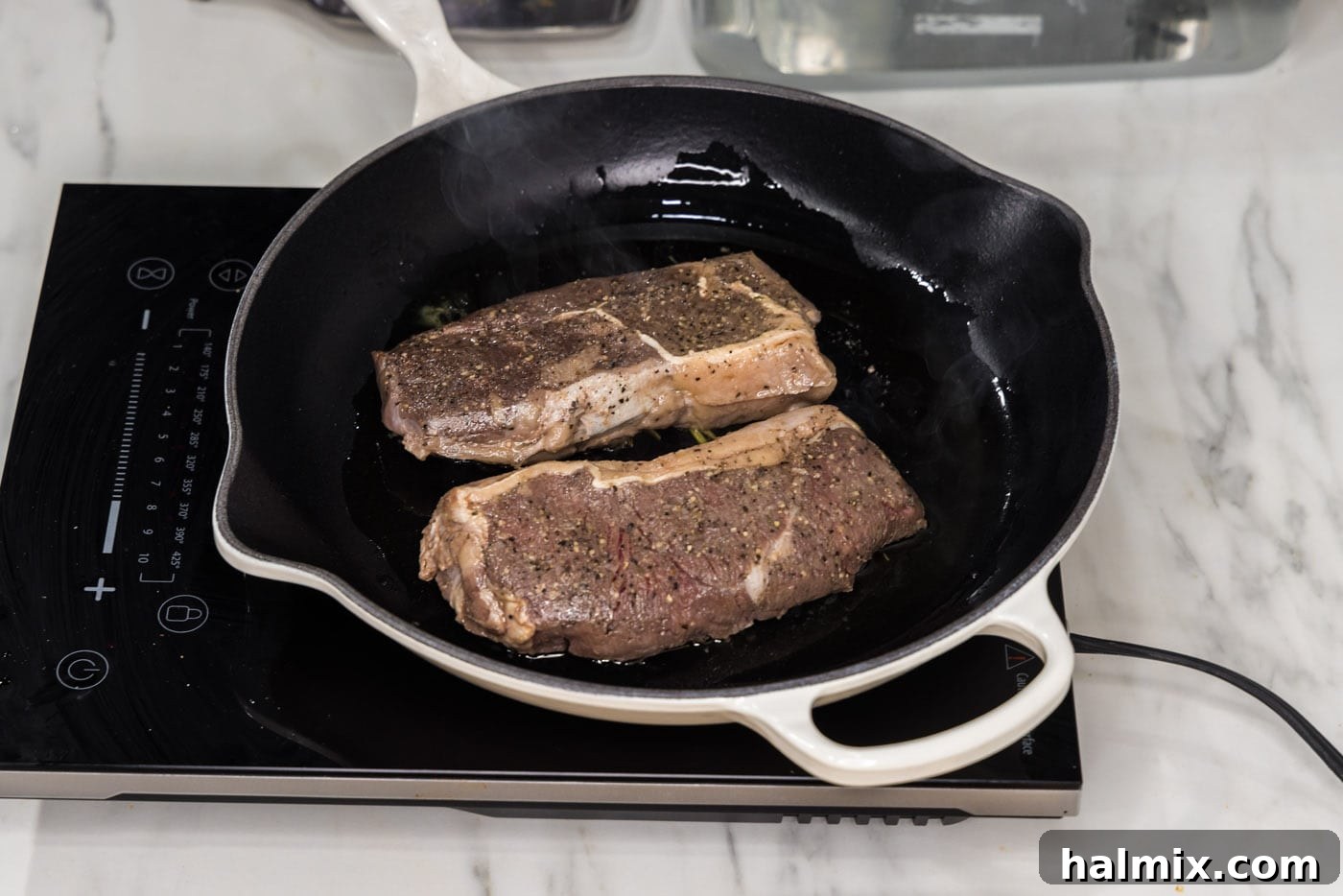
- Prepare for Searing: Approximately 10-15 minutes before the sous vide cooking time is complete, preheat a heavy-bottomed skillet (such as cast iron) over medium-high heat. Add about 1 tablespoon of olive oil to the skillet and let it get very hot.
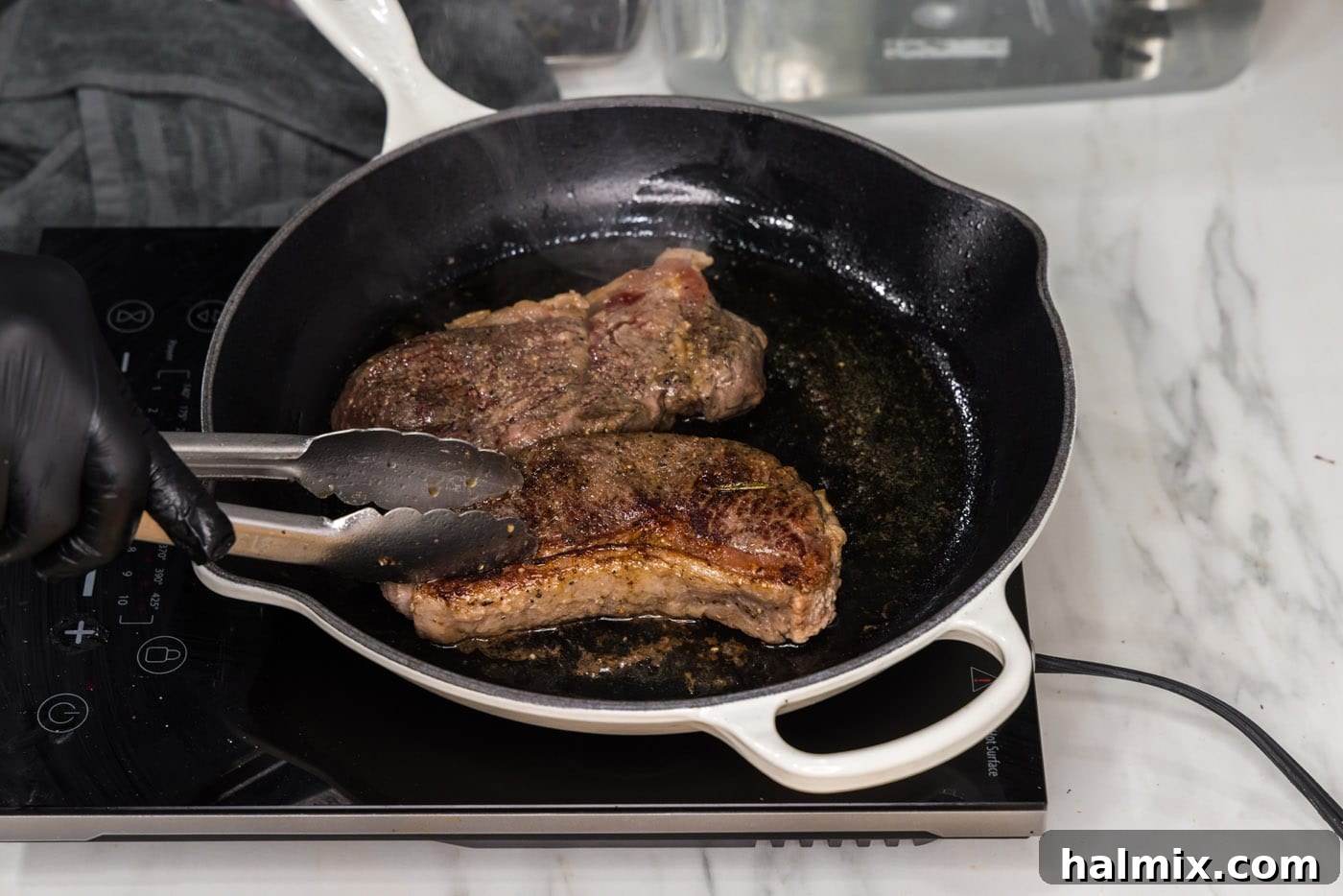
Chef’s Tip: The key to a fantastic sear is a very hot pan. You want the steak to develop a deep, rich crust quickly, usually within 60-90 seconds per side, without continuing to cook the interior. A screaming hot pan ensures a rapid, effective sear and prevents the steak from drying out.
- Sear for the Perfect Crust: Carefully remove the bags from the sous vide water bath. Open the bags and, using tongs, remove the steaks, discarding the cooked rosemary sprigs. Pat the steaks thoroughly dry with paper towels – this is critical for a good sear. Place the dry steaks into the scorching hot skillet and sear each side for 60-90 seconds, or until a beautiful, golden-brown crust forms. Flip them occasionally to ensure even browning. You can also sear the edges if desired.
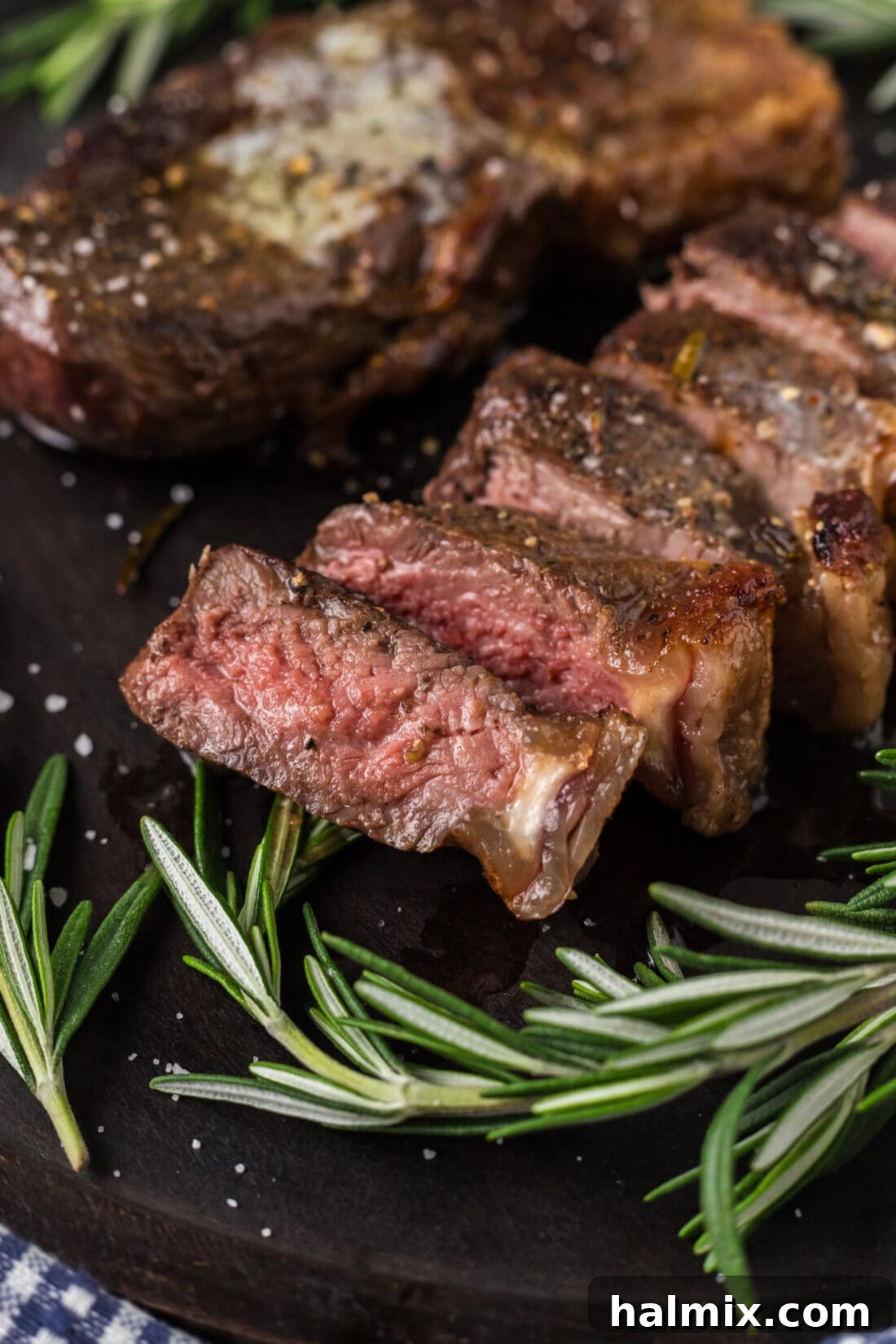
- Rest and Serve: Once seared, transfer the steaks to a cutting board and allow them to rest for 5-10 minutes. This allows the juices to redistribute throughout the meat, ensuring a tender and flavorful bite. Slice against the grain and serve immediately.
Frequently Asked Questions & Expert Tips for Sous Vide Steak
What is sous vide cooking?
Sous vide is a precise cooking method where food is vacuum-sealed in a bag and cooked in a temperature-controlled water bath. This ensures perfectly even cooking and prevents overcooking, making it ideal for delicate proteins like steak, seafood, and even vegetables. It guarantees consistent results, exceptional tenderness, and maximum flavor retention by cooking food in its own juices.
What is the ideal temperature to sous vide steak for different doneness levels?
The beauty of sous vide is its ability to hit your preferred doneness with incredible accuracy. Here are the recommended temperatures for various levels of doneness:
- Rare: 120-125°F (49-52°C)
- Medium-Rare: 130°F (54°C) – our preferred temperature for a juicy, tender interior.
- Medium: 135-140°F (57-60°C)
- Medium-Well: 145-150°F (63-66°C)
- Well-Done: 155°F (68°C) and above (though sous vide for well-done is less common as it can minimize the technique’s unique benefits).
Can I sous vide a frozen steak?
Absolutely! One of the fantastic advantages of sous vide is its ability to cook food directly from frozen. If you’re cooking a frozen steak, you’ll simply need to add an additional 30-60 minutes to the total cooking time to allow the steak to fully thaw and come up to temperature in the water bath. Ensure the steak is properly sealed before placing it in the water.
Is it safe to sous vide steak for more than 2 hours?
Yes, for thicker cuts (1.5 inches or more), sous vide cooking can extend beyond 2 hours. Once your steak reaches its target internal temperature, it will hold that temperature in the water bath without overcooking for a significant period. You can safely leave your cooked steak in the turned-off sous vide cooker for up to 3 hours, or in a constantly circulating bath at temperature for up to 4 hours. This flexibility is perfect for meal prepping or entertaining guests. However, leaving it for much longer (e.g., beyond 4 hours for most cuts) can cause the texture of the beef to become too soft or mushy as proteins continue to break down, moving past the ideal tender bite. Always adhere to food safety guidelines and avoid extended holds at temperatures below 130°F (54°C).
Expert Tip: Don’t Skip the Rest!
After searing, it’s vital to let your steak rest for at least 5-10 minutes before slicing. This allows the muscle fibers to relax and reabsorb the juices, ensuring every bite is as moist and flavorful as possible.
Expert Tip: Enhance Your Sear with Butter Basting
For an even more incredible crust and flavor, during the last 30 seconds of searing, add a tablespoon of butter, a sprig of fresh thyme or rosemary, and a smashed garlic clove to the skillet. Tilt the pan and spoon the melted butter mixture over the steak repeatedly. This basting technique will add richness and a beautiful golden glaze to your steak.
Expert Tip: Storage and Reheating
Cooked sous vide steak can be stored in an airtight container in the refrigerator for up to 3-4 days. To reheat, you can gently warm it in a skillet over low heat, or for best results, place it back into a sous vide bath at your desired serving temperature (e.g., 125-130°F) for 20-30 minutes until warmed through, then quickly re-sear for a fresh crust.
Perfect Pairings: Serving Suggestions for Your Sous Vide Steak
A beautifully cooked sous vide steak deserves equally delightful accompaniments. Classic sides complement its rich flavor and tender texture perfectly. Consider serving your steak with creamy twice baked potatoes, fluffy mashed potatoes, or savory roasted vegetables like tender Brussels sprouts, vibrant asparagus, or crisp green beans. For a refreshing contrast, a crisp wedge salad with a blue cheese dressing is always a hit. Elevate your meal further with a homemade sauce like a rich red wine reduction, a zesty chimichurri, or a classic béarnaise. Pair with a full-bodied Cabernet Sauvignon or a robust Merlot for a truly exquisite dining experience.
More Delicious Related Recipes to Explore
- Grilled Steak
- Air Fryer Steak
- Sous Vide Salmon
- Sous Vide Pork Chops
- Flat Iron Steak
I am passionate about baking and cooking, and love sharing my kitchen experiences with all of you! To make sure you don’t miss out on any new culinary adventures, I offer a convenient newsletter every time a new recipe is posted. Simply subscribe today and start receiving your free daily recipes directly to your inbox!
Sous Vide Steak
A fool-proof sous vide New York strip steak recipe for perfectly cooked, incredibly tender beef every time.
IMPORTANT – There are often Frequently Asked Questions within the blog post that you may find helpful. Simply scroll back up to read them!
Print It
Pin It
Rate It
Save It
Ingredients
- 1 ¼ pound New York strip steak (we used two 10-ounce steaks)
- Garlic salt to taste
- Black pepper to taste
- 2 sprigs fresh rosemary
- 2 Tablespoons unsalted butter
Things You’ll Need
- Sous vide water container
- Sous vide cooker
- Food saver vacuum sealer and bags
- Large skillet or kitchen torch, for searing
Before You Begin (Expert Notes)
- We prefer to sous vide our steak to medium rare at 130°F (54.4°C). For a rare steak, aim for 120-125°F (49-52°C), and for a medium steak, target 135-140°F (57-60°C).
- For the most tender and juicy results, we highly recommend using steaks that are at least one and a half inches thick. Thinner steaks tend to lose their precious moisture more rapidly, particularly during the crucial searing phase.
- You can indeed sous vide a steak directly from its frozen state. Just remember to extend the cooking time by an additional 30 minutes to an hour to allow the steak to thoroughly thaw and reach the desired temperature in the water bath.
Instructions
- Fill your sous vide water container and position the sous vide cooker. Preheat the sous vide cooker to 130°F (54.4°C).
- Season both sides of the steaks generously with garlic salt and black pepper.
- Cut fresh rosemary into 6-8 shorter sprigs and spread them evenly across the top of each steak (3-4 sprigs per steak).
- Cut unsalted butter into 4 pats. Place 2 pats on top of the rosemary on each steak.
- Carefully place each steak into a vacuum seal bag and vacuum seal them shut, ensuring all air is removed.
- Place the sealed steak bags into the preheated sous vide cooker, making sure they are fully submerged. If any bags float, remove, re-seal, or weigh them down.
- Sous vide the steak for 2 hours.
- Just before removing the bags from the cooker, preheat a large skillet over medium-high heat with 1 tablespoon of olive oil until it is very hot.
- Remove bags from the water and cut them open. Carefully remove the steaks with tongs, discarding the cooked rosemary sprigs. Pat the steaks thoroughly dry. Place the dry steaks into the hot skillet and sear both sides for 60-90 seconds each, until a beautiful crust forms. Rest for 5-10 minutes before slicing and serving.
Nutrition Information
Serving: 1 steak | Calories: 736cal | Carbohydrates: 0.03g | Protein: 58g | Fat: 54g | Saturated Fat: 24g | Polyunsaturated Fat: 2g | Monounsaturated Fat: 21g | Trans Fat: 0.5g | Cholesterol: 257mg | Sodium: 149mg | Potassium: 891mg | Fiber: 0.01g | Sugar: 0.01g | Vitamin A: 353IU | Vitamin C: 0.02mg | Calcium: 69mg | Iron: 4mg
Tried this Recipe? Pin it for Later!
Follow on Pinterest @AmandasCookin or tag #AmandasCookin!
The recipes on this blog are typically tested with a conventional gas oven and gas stovetop. It’s important to acknowledge that some ovens, particularly older models, can cook and bake with varying degrees of inconsistency. Utilizing an inexpensive oven thermometer can be a reliable way to verify that your oven is truly heating to the proper temperature. If you opt to use a toaster oven or a countertop oven, please keep in mind that their heat distribution might differ from a conventional full-sized oven, and consequently, you may need to adjust your cooking or baking times. For recipes that specify a pressure cooker, air fryer, slow cooker, or other specialized appliance, a link to the specific models we use is often provided within each respective recipe. For baking recipes where measurements are given by weight, it’s worth noting that using volumetric measurements (cups) instead may yield different results, and we cannot guarantee success with such substitutions.