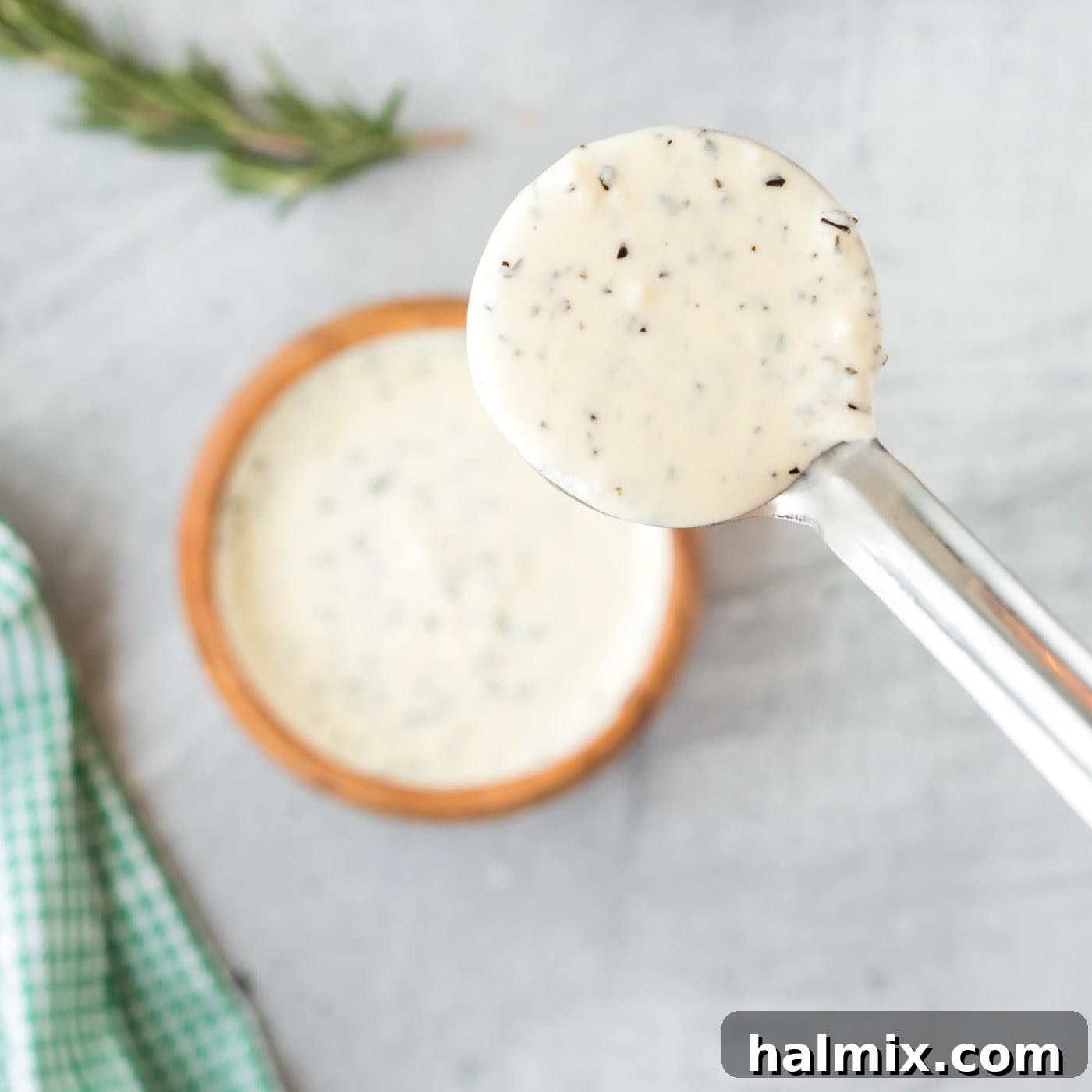
Elevate your culinary creations with a truly exceptional Rosemary Cream Sauce. This luxurious herb sauce is a testament to sophisticated flavor, crafted effortlessly in a single pot within just 15 minutes. Its velvety texture and aromatic depth make it an ideal accompaniment for a diverse range of dishes, from delicate chicken and flaky fish to vibrant fresh vegetables and comforting pasta. Prepare to infuse your meals with a touch of creamy decadence that’s both simple to achieve and profoundly satisfying.
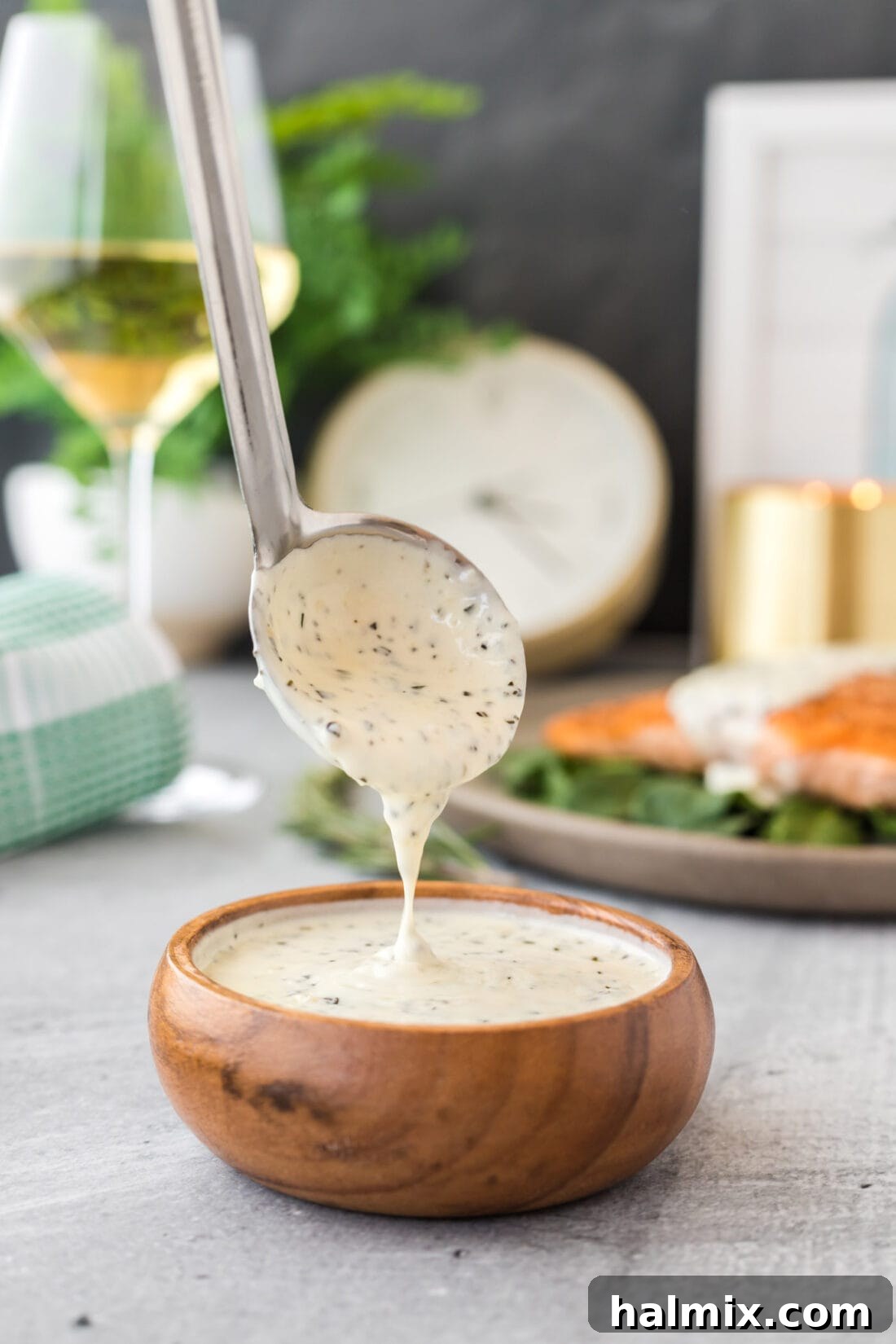
Discover the Magic of This Easy Rosemary Cream Sauce
Often, rosemary is perceived merely as a robust dried herb, destined for sprinkling over roasted potatoes, infusing marinades, enhancing seasoning rubs, or even adorning the occasional cocktail. While these applications are delightful, our quick Rosemary Cream Sauce truly stands out as one of the most sublime and efficient ways to harness the abundant freshness of rosemary, especially if you have a thriving herb garden.
This sauce isn’t just about utilizing an herb; it’s about transforming simple ingredients into a gourmet experience. It marries perfectly with an impressive variety of main courses, from succulent roasted chicken and tender beef to delicate baked salmon. It also breathes new life into fresh steamed or roasted vegetables and adds a sophisticated touch to your favorite pasta dishes. What makes this recipe truly revolutionary is its minimal demands: just seven common ingredients and a mere 15 minutes of your time. Imagine achieving restaurant-quality flavor with such ease – that’s the promise of this exceptional sauce. Its vibrant herbal notes are beautifully mellowed by the richness of cream, creating a harmonious balance that delights the palate and elevates any meal from ordinary to extraordinary.

Essential Ingredients for Your Gourmet Sauce
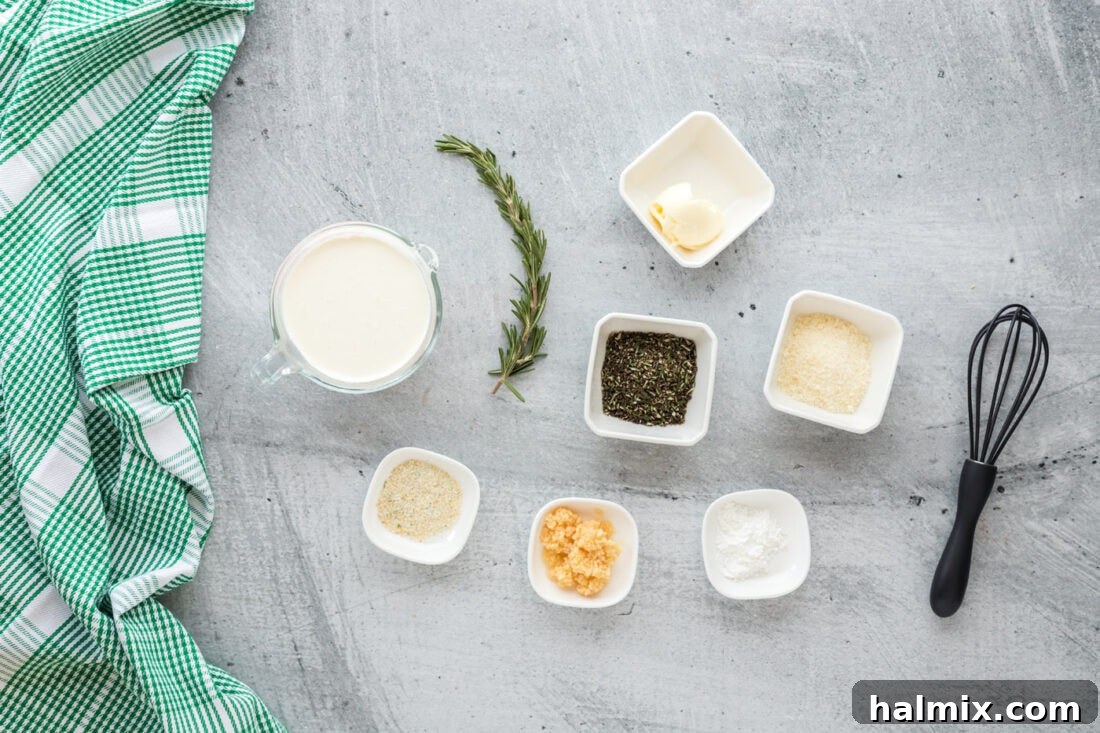
Crafting this flavorful sauce requires a handful of accessible ingredients that, when combined, create a truly remarkable culinary experience. You’ll find all precise measurements, specific ingredients, and detailed instructions conveniently laid out in the printable recipe card located at the conclusion of this article. For now, let’s explore the key components that bring this delightful rosemary cream sauce to life.
Ingredient Insights and Smart Substitutions
- FRESH ROSEMARY: The star of our show! While dried rosemary can be used in a pinch, fresh rosemary offers an incomparably vibrant, aromatic, and slightly piney flavor that truly elevates this sauce. If substituting dried, use about one-third of the amount of fresh rosemary, as its flavor is much more concentrated. Finely mincing fresh rosemary is key to distributing its essence evenly throughout the sauce.
- GARLIC: Freshly minced garlic is highly recommended for its pungent, sweet, and aromatic qualities. It forms a crucial aromatic base when sautéed with butter and rosemary. Garlic paste can be a convenient alternative, but avoid pre-minced jarred garlic if possible, as it often lacks the robust flavor of fresh cloves.
- HEAVY CREAM: This is the foundation of our rich and luxurious sauce. Heavy cream (or heavy whipping cream) boasts a high fat content (typically 36% or more) which provides an unparalleled creamy texture and stability, preventing it from curdling under heat. For a slightly lighter option, you could experiment with half-and-half, but be aware it might not achieve the same decadent thickness and could be more prone to splitting if overheated. Whole milk is generally too thin for a truly rich cream sauce.
- PARMESAN CHEESE: For the best results and an impeccably smooth melt, I always advocate for finely grating your Parmesan cheese directly from the block. Pre-grated varieties often contain cellulose, an anti-caking agent that can hinder the cheese from melting properly, leading to a gritty texture. However, if convenience is paramount, a good quality, finely grated store-bought Parmesan will certainly work. Other hard, salty cheeses like Pecorino Romano could also offer an interesting flavor twist.
- BUTTER: Unsalted butter allows you to control the overall saltiness of the sauce, especially since garlic salt and Parmesan will also contribute sodium. If only salted butter is available, simply reduce the amount of garlic salt you add.
- CORNSTARCH: This acts as our thickening agent, ensuring a beautifully smooth and velvety sauce without excessive simmering, which can sometimes reduce the sauce’s volume and intensity of flavor. When using cornstarch, always create a “slurry” by dissolving it in a small amount of cold water or cream before adding it to the hot sauce. This prevents lumps and ensures a silky consistency. You can also use a flour roux (butter and flour cooked together) as an alternative, but cornstarch often provides a clearer, glossier finish.
- GARLIC SALT: A convenient way to add both salt and an extra layer of garlic flavor. Taste as you go, especially if using salted butter or a particularly salty Parmesan, to ensure the perfect balance. You can always add more, but you can’t take it away!
Mastering the Rosemary Cream Sauce: Step-by-Step
These step-by-step photos and detailed instructions are designed to help you visualize each stage of making this delectable sauce. For a printer-friendly version of this recipe, complete with precise measurements and comprehensive instructions, you can jump to the recipe card at the bottom of this post.
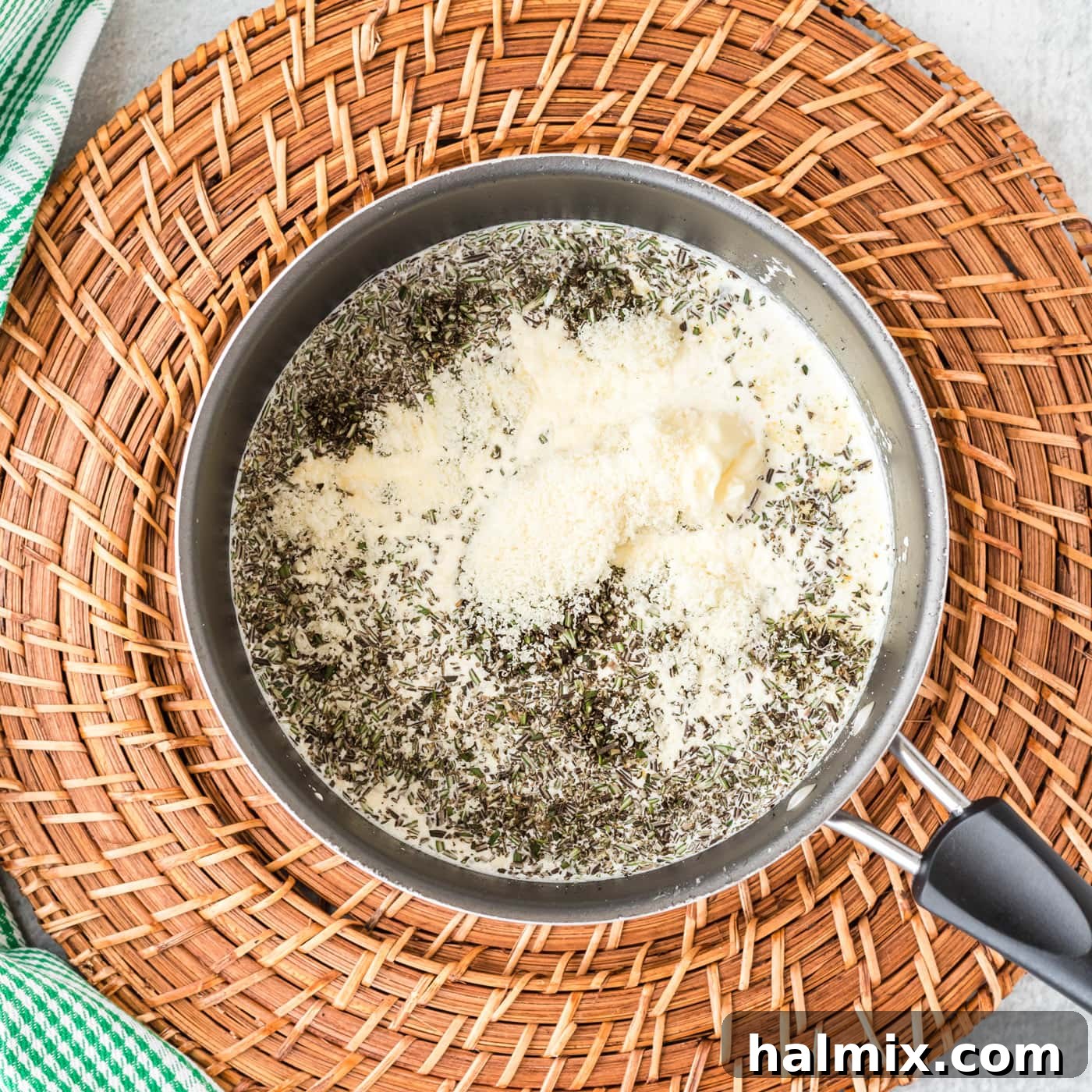
- Sauté Aromatics: Begin by melting the tablespoon of butter in a medium saucepan over medium heat. Once the butter is shimmering, add the minced garlic and fresh minced rosemary. Sauté these aromatics for 1-2 minutes, stirring constantly. The goal is to release their beautiful fragrances and soften the garlic without browning or burning it, which can impart a bitter taste. The kitchen will fill with a delightful aroma, signaling the perfect moment to proceed.
- Introduce Cream & Simmer: Carefully pour in the heavy cream into the saucepan. Bring the mixture to a gentle boil over medium heat, making sure to whisk constantly. Continuous whisking is crucial here; it helps to prevent the cream from scorching at the bottom of the pan and ensures a smooth, even heating. Watch for small bubbles around the edges, indicating a gentle simmer, rather than a rapid, frothing boil.
- Incorporate Cheese & Seasoning: Once the cream is gently simmering, gradually whisk in the finely grated Parmesan cheese. Continue whisking until the cheese has completely melted into the cream, creating a uniform and creamy base. Stir in the garlic salt. At this point, it’s a good idea to taste the sauce and adjust the seasoning if needed. Remember that Parmesan cheese itself is quite salty, so add additional salt cautiously.
- Thicken to Perfection: Reduce the heat to low. This is where the cornstarch comes in, if you choose to use it for rapid thickening. If you haven’t already, dissolve the teaspoon of cornstarch in about a tablespoon of cold water to create a smooth slurry. Slowly pour this cornstarch slurry into the simmering sauce while whisking continuously. Continue whisking over low heat for 1-2 minutes until the sauce visibly thickens to your desired consistency. It should coat the back of a spoon nicely. Remove from heat immediately to prevent over-thickening.

Expert Tips and Frequently Asked Questions
The key to a smooth, velvety texture lies in consistent whisking, especially when adding the heavy cream and Parmesan cheese. Ensure your heat is never too high; a gentle simmer prevents curdling. If you use cornstarch, always create a slurry with cold water before adding it to the hot sauce to avoid lumps. If the sauce becomes too thick, a splash of warm cream or milk can thin it out to your desired consistency.
Yes, you can substitute dried rosemary, but be mindful of the difference in flavor intensity. Dried herbs are generally more potent than fresh ones. As a rule of thumb, use about one-third to one-half the amount of dried rosemary compared to fresh. For this recipe, you might start with ½ to ¾ teaspoon of dried minced rosemary and taste test, adding more if desired. The flavor profile will be slightly different, with fresh rosemary offering a brighter, more complex aroma.
To maintain its freshness and flavor, store any leftover rosemary cream sauce in an airtight jar or container. It will keep well in the refrigerator for 3-4 days. When you’re ready to enjoy it again, reheat the sauce gently in a saucepan over medium-low heat, stirring frequently. If it has thickened considerably in the fridge, you may want to add a splash of heavy cream, milk, or even a little water to loosen it back to its original consistency.
Absolutely, this sauce is an excellent candidate for advance preparation, making your meal planning much easier. You can prepare the rosemary cream sauce a day or even two days ahead of time. Store it with a sealed lid in the refrigerator. When it’s time to serve, gently reheat it over medium-low heat, stirring often. As mentioned, cream sauces can thicken upon cooling, so don’t hesitate to add a splash of heavy cream or water during reheating to restore its smooth, pourable texture.
Yes, you can freeze this sauce, but it’s important to be aware that cream-based sauces sometimes have a tendency to “split” or separate when frozen and thawed. This is due to the dairy fat and water content. However, it should reheat nicely if you follow proper thawing and reheating procedures. Thaw the sauce overnight in the refrigerator, then reheat it very slowly in a saucepan over low heat, whisking constantly. If it does split, a vigorous whisk or even an immersion blender can sometimes bring it back together. When freezing, always leave adequate space at the top of the jar or container (about an inch) to allow for expansion.
The beauty of this sauce is its adaptability! For an added layer of flavor, consider a squeeze of fresh lemon juice or a pinch of lemon zest at the end. You could also introduce other herbs like a touch of fresh thyme or oregano. For a hint of warmth, a tiny pinch of red pepper flakes can be stirred in. If you’re feeling adventurous, replace some of the Parmesan with another hard cheese like Gruyere or Asiago for a different cheesy dimension. A splash of dry white wine reduced before adding the cream can also add complexity.

Ultimate Pairing Ideas for Your Rosemary Cream Sauce
The versatility of this Rosemary Cream Sauce truly knows no bounds, making it an indispensable component for countless meal transformations. Its rich, herbal profile complements a vast array of dishes, ensuring every bite is a memorable one. Here are some ultimate pairing ideas to inspire your next culinary adventure:
- Exquisite with Proteins:
- Chicken: Drizzle generously over pan-seared chicken breasts, roasted chicken thighs, or grilled chicken skewers. Its creamy texture provides a comforting counterpoint to lean poultry.
- Fish: A match made in heaven for delicate seafood. Spoon it over baked salmon, pan-fried cod, grilled halibut, or even seared scallops. The rosemary enhances the natural flavors of the fish without overpowering them.
- Steak & Pork: Don’t limit it to white meats! A dollop of this sauce on a perfectly grilled steak, tender pork loin, or pan-fried pork chops adds a gourmet touch and balances the richness of red meats.
- Perfect for Pasta & Grains:
- Pasta Dishes: Transform a simple pasta night into an elegant affair. Toss it with fettuccine, linguine, penne, or even tortellini for a creamy, herbaceous pasta dish that’s sure to impress. Add some sautéed mushrooms or spinach for extra depth.
- Rice & Grains: Serve it alongside fluffy white rice, brown rice, quinoa, or couscous to infuse these staple grains with incredible flavor, turning them into a delectable side dish.
- Elevate Your Vegetables:
- Roasted Vegetables: A fantastic topping for roasted asparagus, broccoli, Brussels sprouts, or carrots. The sauce adds moisture and a burst of flavor that even the pickiest eaters will appreciate.
- Mashed & Pureed Vegetables: Swirl it into mashed potatoes, cauliflower puree, or parsnip mash for an extra layer of richness and herby zest.
- Steamed Vegetables: A simple drizzle over steamed green beans, peas, or corn transforms them into a more substantial and flavorful side.
- Creative Culinary Uses:
- Savory Tarts & Quiches: Use it as a base sauce for savory tarts or quiches to imbue them with a deep, herby creaminess.
- Baked Potatoes: Forget plain butter and sour cream! Top a fluffy baked potato with this rosemary cream sauce for an unexpectedly gourmet side.
- Sandwich & Wrap Spread: Thicken it slightly more and use it as a flavorful spread for chicken or turkey sandwiches and wraps.
However you choose to enjoy it, this rosemary cream sauce is guaranteed to add a layer of exquisite flavor and sophisticated texture to your meals. Bon appétit!
Explore More Irresistible Homemade Sauce Recipes
If you’ve enjoyed the simplicity and rich flavor of this rosemary cream sauce, you’ll be thrilled to discover the world of homemade sauces. Crafting your own sauces allows for unparalleled control over ingredients, freshness, and flavor, transforming everyday meals into extraordinary culinary experiences. Dive into these other fantastic homemade sauce recipes that promise to add zest, sweetness, or savory depth to your kitchen repertoire:
- Classic Homemade Pizza Sauce
- Velvety Smooth Caramel Sauce
- Rich & Hearty Bolognese Sauce
- Tangy Alabama White Sauce
- Authentic Homemade Enchilada Sauce
- Creamy & Flavorful Vodka Sauce
I absolutely adore sharing my passion for baking and cooking, along with all my cherished kitchen experiences, with each and every one of you! It can sometimes be challenging to remember to check back daily for new inspirations, which is precisely why I offer a convenient newsletter delivered right to your inbox every time a fresh recipe is posted. Simply subscribe today and start receiving your free daily dose of delicious recipes!
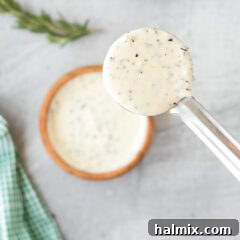
Decadent Rosemary Cream Sauce
IMPORTANT – Explore the comprehensive FAQ section within the blog post for additional helpful tips and answers to common questions!
Print Recipe
Pin It
Rate This Recipe
Ingredients
- 1 Tablespoon unsalted butter
- 2 Tablespoons freshly minced garlic
- 1 ½ Tablespoons fresh minced rosemary
- 1 cup heavy whipping cream
- 1 ½ Tablespoons finely grated parmesan cheese
- ½ teaspoon garlic salt
- 1 teaspoon cornstarch (dissolved in 1 tablespoon cold water for slurry)
Tools You’ll Need
-
Medium Saucepan
-
Wire Whisk
Chef’s Notes & Tips
- This incredibly versatile sauce is perfect for enhancing a variety of dishes, including pan-seared or baked fish fillets, steamed or roasted fresh vegetables, fluffy rice, and various pasta types. It also pairs wonderfully with other main courses like roasted chicken or grilled steak.
- For optimal freshness and flavor, store any leftover rosemary cream sauce in an airtight container or a sealed mason jar in the refrigerator for up to 3-4 days. When reheating, do so gently over medium-low heat, stirring frequently, and consider adding a splash of heavy cream or water if it has thickened too much.
- While cornstarch is a fantastic aid for quickly achieving a desirable thickness without significant volume loss, you can certainly thicken the sauce by simmering it longer. However, note that extended simmering will reduce the sauce’s overall volume. The cornstarch method provides a consistent, velvety texture with efficiency.
- Pro Tip for Cornstarch: Always dissolve cornstarch in a small amount of cold liquid (water or cream) before adding it to hot sauces. This prevents lumps and ensures a smooth consistency.
Instructions
-
In a medium saucepan, melt the butter over medium heat. Add the freshly minced garlic and fresh minced rosemary. Sauté for 1-2 minutes, stirring constantly, until the herbs become wonderfully fragrant and the garlic is lightly golden. Be careful not to burn the garlic.
-
Pour in the heavy cream and gently bring the mixture to a low simmer over medium heat, whisking continuously. Do not allow it to come to a rolling boil, just a gentle bubbling. Constant whisking prevents scorching and ensures a smooth base.
-
Once simmering, gradually whisk in the finely grated parmesan cheese until it is fully melted and incorporated into the cream. Stir in the garlic salt. Taste and adjust seasoning if necessary, remembering that parmesan adds its own salty notes.
-
Reduce the heat to low. If using, slowly whisk in the cornstarch slurry (1 teaspoon cornstarch dissolved in 1 tablespoon cold water). Continue whisking gently over low heat for 1-2 minutes until the sauce visibly thickens to your desired consistency. Remove from heat and serve immediately.
Nutrition Information
The recipes on this blog are meticulously tested with a conventional gas oven and gas stovetop to ensure accuracy and reliable results. It’s important to remember that all ovens, particularly older models, can sometimes cook and bake inconsistently. We highly recommend using an inexpensive oven thermometer to verify that your oven is consistently reaching and maintaining the proper temperature. If you opt for a toaster oven or a countertop oven, please keep in mind that these appliances may not distribute heat in the same manner as a conventional full-sized oven, potentially requiring adjustments to your cooking or baking times. For recipes prepared with specialized appliances such as pressure cookers, air fryers, slow cookers, or others, specific links to the appliances we utilize are provided within each respective recipe. Additionally, for baking recipes where precise measurements are given by weight, please be aware that using cup measurements instead may lead to varying results, and we cannot guarantee success with this alternative method.