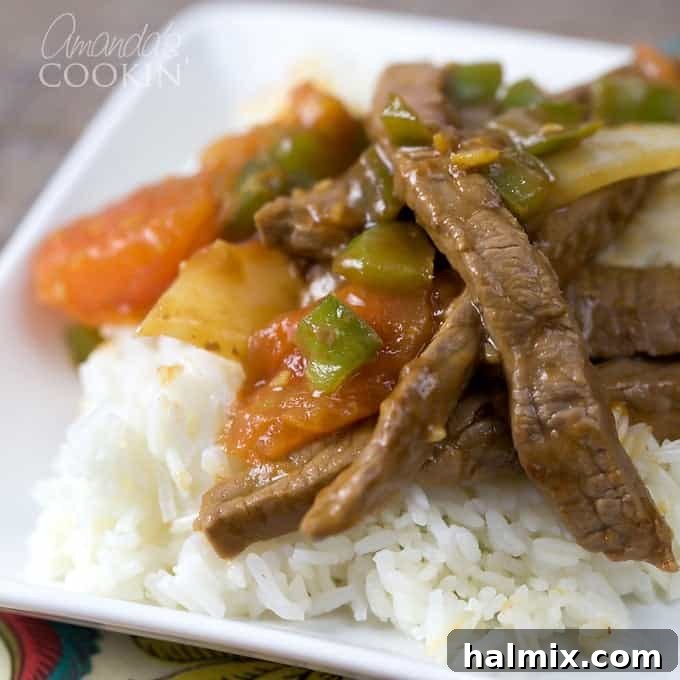
Our kitchen often transforms into a bustling hub of aromatic stir-frying, as our family simply can’t get enough of these vibrant, flavorful meals for dinner. Over the years, I’ve had the pleasure of sharing a variety of beloved stir-fry recipes with you, from the spicy kick of Kung Pao Chicken to the comforting textures of Moo Goo Gai Pan, and the savory goodness of Peppered Pork Stir Fry with Sweet Peppers. Today, I’m thrilled to introduce you to a dish that holds a special place in my heart and on my dinner table: my favorite homemade Chinese Pepper Steak. This recipe brings together tender slices of beef, crisp bell peppers, and a rich, savory sauce for a truly satisfying meal that’s quicker to make than ordering takeout.
The Irresistible Allure of Chinese Pepper Steak
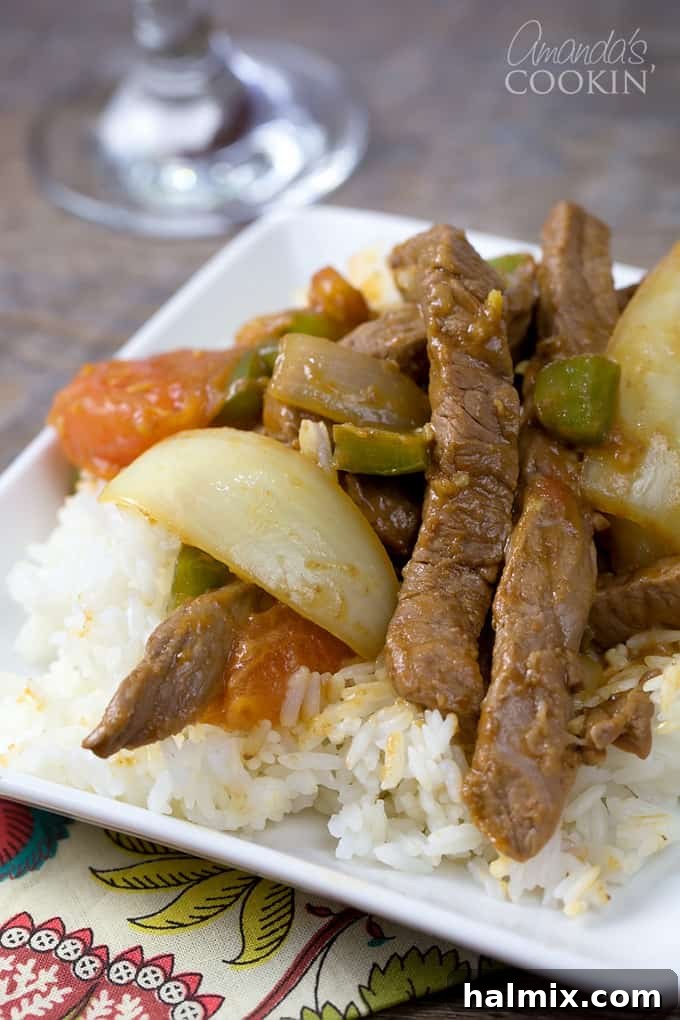
Chinese Pepper Steak is a classic dish renowned for its simplicity, speed, and incredible flavor. It features tender strips of beef, often flank steak or sirloin, stir-fried to perfection with colorful bell peppers and onions, all coated in a glossy, savory sauce. It’s a staple on many Chinese restaurant menus for a reason – it’s universally appealing and delivers a delightful combination of textures and tastes. While many traditional recipes focus primarily on beef, peppers, and onions, my version includes a delightful addition that truly elevates the dish: fresh tomatoes.
My unique twist on this classic stir-fry, adding juicy tomatoes, stems from a cherished memory from my high school days. There was a fantastic local restaurant named Don the Cantonese Chef, and while their menu offered a vast array of Chinese dishes, I was always drawn to one in particular: their Pepper Steak. It stood out because, unlike most stir-fries I encountered, it featured not only tender beef, green peppers, and onions but also beautifully cooked tomatoes. That particular combination created an unparalleled depth of flavor and a burst of freshness that I’ve never forgotten. This specific memory inspired me to recreate that unforgettable taste, making tomatoes an essential ingredient in my family’s favorite Chinese Pepper Steak recipe. This simple addition brightens the entire dish, adding a subtle sweetness and tang that complements the savory beef and crisp peppers perfectly, making it a truly unique and irresistible meal.
Why You’ll Love This Homemade Chinese Pepper Steak
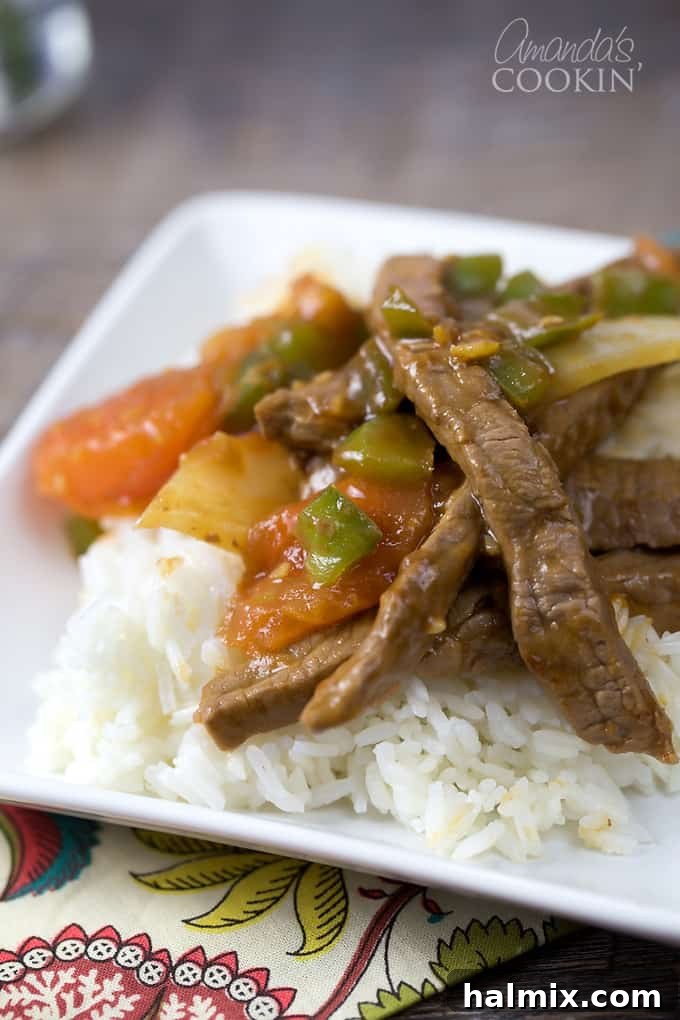
There are countless reasons why this Chinese Pepper Steak recipe has become a family favorite and why I believe it will quickly become one of yours too. First, it’s incredibly quick to prepare, making it an ideal choice for busy weeknights when you crave a homemade meal without spending hours in the kitchen. With a little bit of prep, the actual cooking time is minimal, embodying the true spirit of stir-frying. Second, the flavors are exceptionally balanced. The savory depth of the beef, the slight bitterness and crunch of the green peppers, the sweet aromatic onions, and the surprising freshness of the tomatoes all come together in a symphony of taste. Finally, it’s a remarkably satisfying and wholesome meal, packed with lean protein and plenty of fresh vegetables. Forget the greasy takeout; this homemade version is not only healthier but also bursts with authentic, vibrant flavors that store-bought versions simply can’t match. Plus, customizing it to your family’s preferences is incredibly easy, allowing you to adjust spice levels or add your favorite stir-fry vegetables.
Essential Ingredients for a Flavorful Stir-Fry
Creating a truly delicious Chinese Pepper Steak begins with selecting the right ingredients. Each component plays a vital role in building the dish’s signature flavor and texture profile.
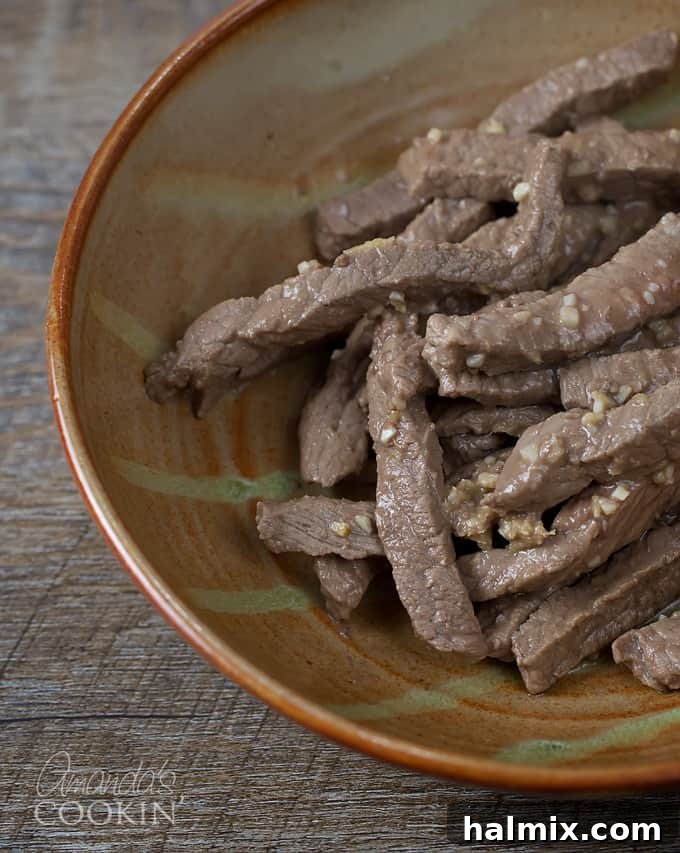
- Beef: We use ½ lb of beef, sliced thin. Flank steak is my top recommendation due to its rich flavor and ability to tenderize beautifully when sliced against the grain and cooked quickly. Other excellent choices include sirloin tip, London broil, or even top round steak. The key is to slice it thinly and uniformly for even cooking.
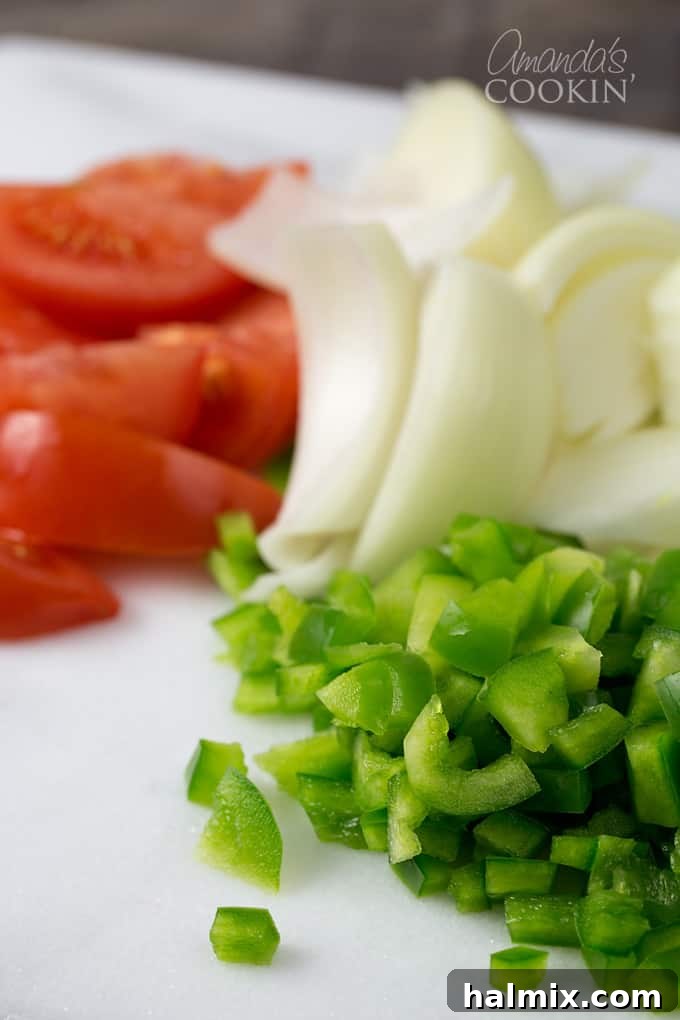
- Green Pepper: One chopped green pepper provides that essential crisp texture and slightly bitter, fresh flavor that is characteristic of pepper steak.
- Onion: One medium onion, wedged, adds a wonderful sweetness and aromatic depth as it caramelizes slightly during the stir-fry process.
- Tomato: My secret ingredient! One medium tomato, wedged, introduces a lovely tanginess and juiciness that cuts through the richness of the beef and sauce, adding a unique brightness not typically found in traditional stir-fries.
- Beef Broth: ¼ cup of beef broth forms the liquid base of our flavorful sauce, adding richness and helping to distribute the seasonings.
- Sugar: 1 tsp of sugar balances the savory and salty elements of the sauce, providing a touch of sweetness that enhances the overall taste.
- Cornstarch: 1 tsp of cornstarch is crucial for thickening the sauce, giving it that classic glossy consistency that clings beautifully to the beef and vegetables.
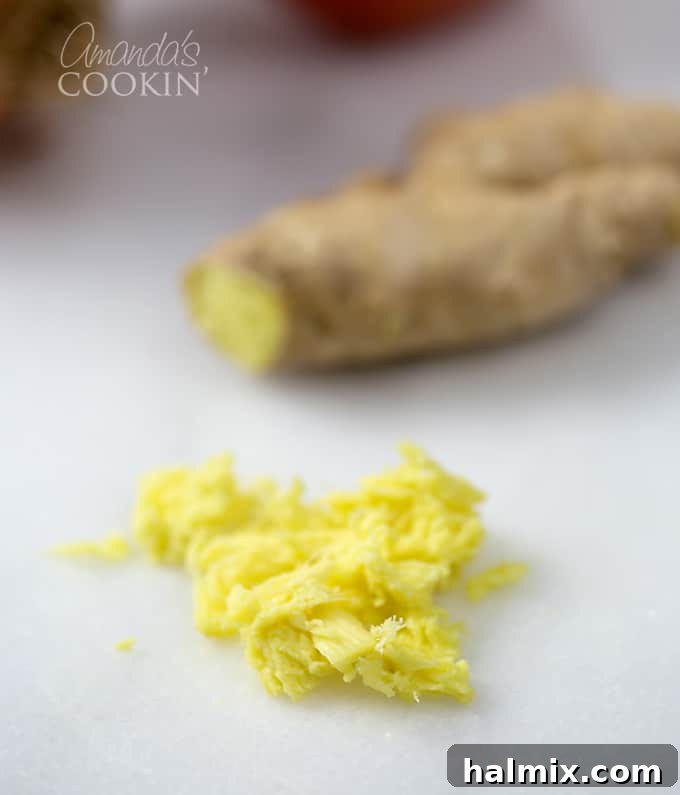
- Fresh Ginger: 1 tbsp of minced fresh ginger is a cornerstone of Asian cuisine, imparting a warm, pungent, and incredibly aromatic quality. For best results, always opt for fresh ginger.
- Garlic: 1 tbsp of minced garlic adds another layer of pungent aroma and savory depth, complementing the ginger perfectly.
- Oyster Sauce: 1 tbsp of oyster sauce is a powerhouse of umami flavor, bringing a savory, slightly sweet, and complex taste that is indispensable in many Chinese dishes.
- Soy Sauce: 1 tbsp of soy sauce contributes essential saltiness and umami, rounding out the flavor profile of the stir-fry sauce.
Tips for Mastering Your Stir-Fry
Stir-frying is all about speed and precision, and a few key techniques can make all the difference between a good dish and a truly great one.
Prepare Everything in Advance (Mise en Place)
Before you even think about turning on the heat, ensure all your ingredients are prepped and ready to go. This means your beef is sliced, vegetables are chopped, and your sauce is mixed. Stir-frying happens fast, and you won’t have time to chop an onion when your beef is searing in the wok. This step is critical for success.
The Importance of High Heat
A true stir-fry relies on high heat to cook ingredients quickly, locking in flavors and maintaining crisp textures. Whether you’re using a traditional wok or a large skillet, make sure your cooking vessel is piping hot before adding any oil or ingredients. This rapid cooking prevents vegetables from becoming soggy and beef from steaming instead of searing.
Slicing Your Beef for Tenderness
The best beef cut for stir-fry is flank steak. To ensure maximum tenderness, partially freeze the beef for about 20-30 minutes before slicing. This firms it up, making it much easier to cut into thin, uniform strips. Always slice the beef against the grain. This shortens the muscle fibers, resulting in incredibly tender pieces once cooked. You can also use sirloin tip, London broil, and even top round steak, applying the same slicing technique for optimal results.
Fresh vs. Ground Ginger
While fresh ginger offers an unbeatable vibrant flavor, if you find yourself without it, you can substitute ground ginger. A good rule of thumb is to use ½ teaspoon of ground ginger for every 1 tablespoon of fresh grated ginger. However, for the most authentic and aromatic result, I strongly encourage using fresh ginger whenever possible. The difference in flavor is truly remarkable.
Timing Your Rice Perfectly
If you plan to serve your Chinese Pepper Steak with rice, begin cooking the rice before you even start heating your wok. The goal is to have the rice ready at the same time as, or slightly before, your stir-fry. This ensures everything is hot and fresh when served. A stir-fry tends to lose its optimal texture and flavor if left to sit for too long; vegetables can wilt, beef can toughen, and the sauce may thin out if covered. I often use quick-cooking rice, starting it just as I begin my stir-fry prep to ensure perfect synchronization.
Helpful Kitchen Tools for Your Stir-Fry Adventure
Having the right tools can make your stir-frying experience even more enjoyable and efficient. Here are a few essentials:
- Wok: While a large skillet can work, a good wok truly shines for stir-frying. Its sloped sides allow for easy tossing and even heat distribution.
- Chef’s Knife: A sharp knife is indispensable for preparing your beef and vegetables efficiently and safely.
- Cutting Board: A sturdy cutting board is essential for all your chopping and slicing needs.
- Wooden Spoon or Wok Spatula: These tools are perfect for stirring and tossing ingredients without damaging your wok’s surface.
Serving Suggestions and Variations
This Chinese Pepper Steak recipe is incredibly versatile. It’s absolutely fantastic served over a bed of fluffy white rice, which soaks up all the delicious sauce. For an even more indulgent meal, consider adding a side of homemade chicken fried rice. You could also serve it with lo mein noodles for a different kind of satisfying carb base. Don’t be afraid to experiment with other vegetables too; mushrooms, bamboo shoots, water chestnuts, or even thinly sliced carrots would make wonderful additions. For those who enjoy a bit of heat, a dash of sriracha or red pepper flakes in the sauce can elevate the spice level to your liking. This recipe generously feeds three, so if you have more hungry mouths to feed, easily double the ingredients!
More Stir-Fry Recipes to Explore
If you love the ease and flavor of stir-fries, be sure to check out these other fantastic recipes that are sure to become family favorites:
- Mongolian Beef: Sweet, savory, and wonderfully tender.
- Sesame Chicken: Crispy chicken in a rich, nutty sauce.
- Szechuan Beef: For those who enjoy a spicier kick.
- Teriyaki Chicken and Rice: A classic, comforting combination.
Chinese Pepper Steak
IMPORTANT – There are often Frequently Asked Questions within the blog post that you may find helpful. Simply scroll back up to read them!
Pin It
Rate It
Save It
Ingredients
Sauce
- 1 tbsp oyster sauce
- 1 tbsp soy sauce
- ¼ cup beef broth
- 1 tsp sugar
- 1 tsp cornstarch
Stir Fry
- 1.5 tbsp canola oil or vegetable oil, divided
- 1 tbsp fresh ginger minced
- 1 tbsp garlic minced
- ½ lb beef flank steak or sirloin steak, sliced thin
- 1 green pepper chopped
- 1 medium onion wedged
- 1 medium tomato wedged
Instructions
- NOTE: If you are going to make rice to accompany this, start the rice before adding anything to the wok. You want the rice to be done before or at the same time as everything else. Letting the stir fry sit can cause the veggies to wilt, the beef to toughen and the sauce to thin (if covered). I use Minute Rice and start it before I pull out the wok.
- Combine oyster sauce, soy sauce, beef broth, sugar and cornstarch and set aside.
- Heat 1 tbsp oil in wok on high heat. Add ginger and stir fry 10 seconds, add garlic and stir fry another ten seconds. Add the beef and stir fry quickly, until no longer pink, hopefully no longer than 4-5 minutes. Remove beef and keep warm.
- Add ½ tablespoon of oil and heat on high. Add green pepper and onion and stir fry for 2-3 minutes. Add tomatoes and stir fry for 1-2 minutes. Move vegetables to one side of the wok and add the beef on the other side of the wok. Pour the reserved sauce into the center and stir a little, allowing it to thicken a bit, 2-3 minutes.
- Combine beef, vegetables and sauce and toss to coat. Serve over rice.
Tried this Recipe? Pin it for Later!
Follow on Pinterest @AmandasCookin or tag #AmandasCookin!
The recipes on this blog are tested with a conventional gas oven and gas stovetop. It’s important to note that some ovens, especially as they age, can cook and bake inconsistently. Using an inexpensive oven thermometer can assure you that your oven is truly heating to the proper temperature. If you use a toaster oven or countertop oven, please keep in mind that they may not distribute heat the same as a conventional full sized oven and you may need to adjust your cooking/baking times. In the case of recipes made with a pressure cooker, air fryer, slow cooker, or other appliance, a link to the appliances we use is listed within each respective recipe. For baking recipes where measurements are given by weight, please note that results may not be the same if cups are used instead, and we can’t guarantee success with that method.
The original inspiration for this delightful dish comes from the culinary expertise showcased on Cooking with Kai.
This post was originally published here on March 6, 2009, and has been updated to provide even more helpful tips and details for an enhanced cooking experience.