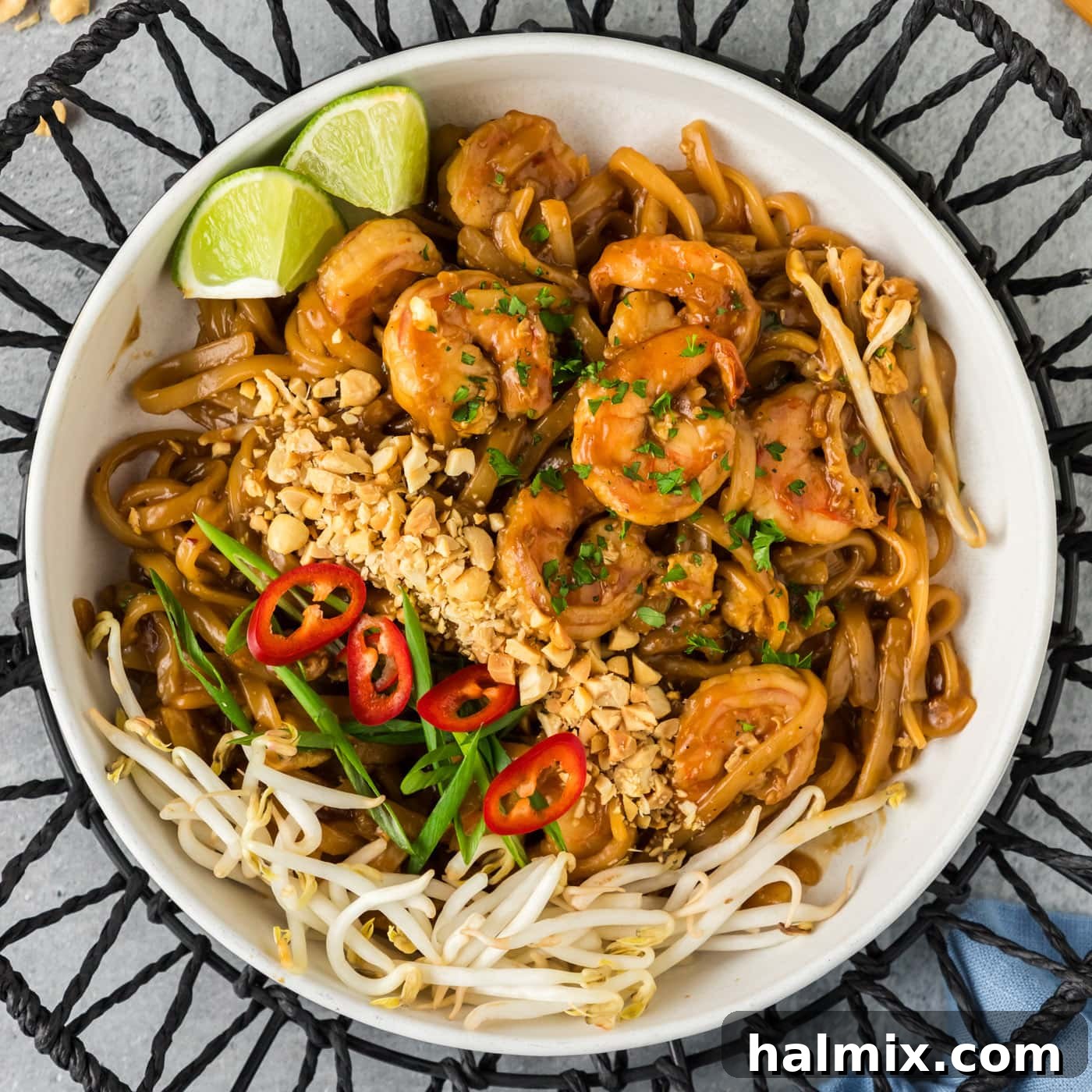
Exquisite Shrimp Pad Thai: Your Ultimate Guide to Authentic Homemade Flavor
Embark on a culinary journey to the vibrant streets of Thailand right from your kitchen with this incredible Shrimp Pad Thai recipe. This classic dish features succulent stir-fried shrimp and delicate rice noodles, all bathed in a harmonious, savory umami sauce that perfectly balances sweet, sour, salty, and spicy notes. Forget waiting for takeout; with our easy-to-follow guide, you’ll master this iconic Thai noodle dish and enjoy an unparalleled explosion of flavors in less time than it takes to order delivery. Prepare to impress your taste buds and loved ones with a meal that truly tastes like authentic Thai takeout, but even better because it’s homemade!
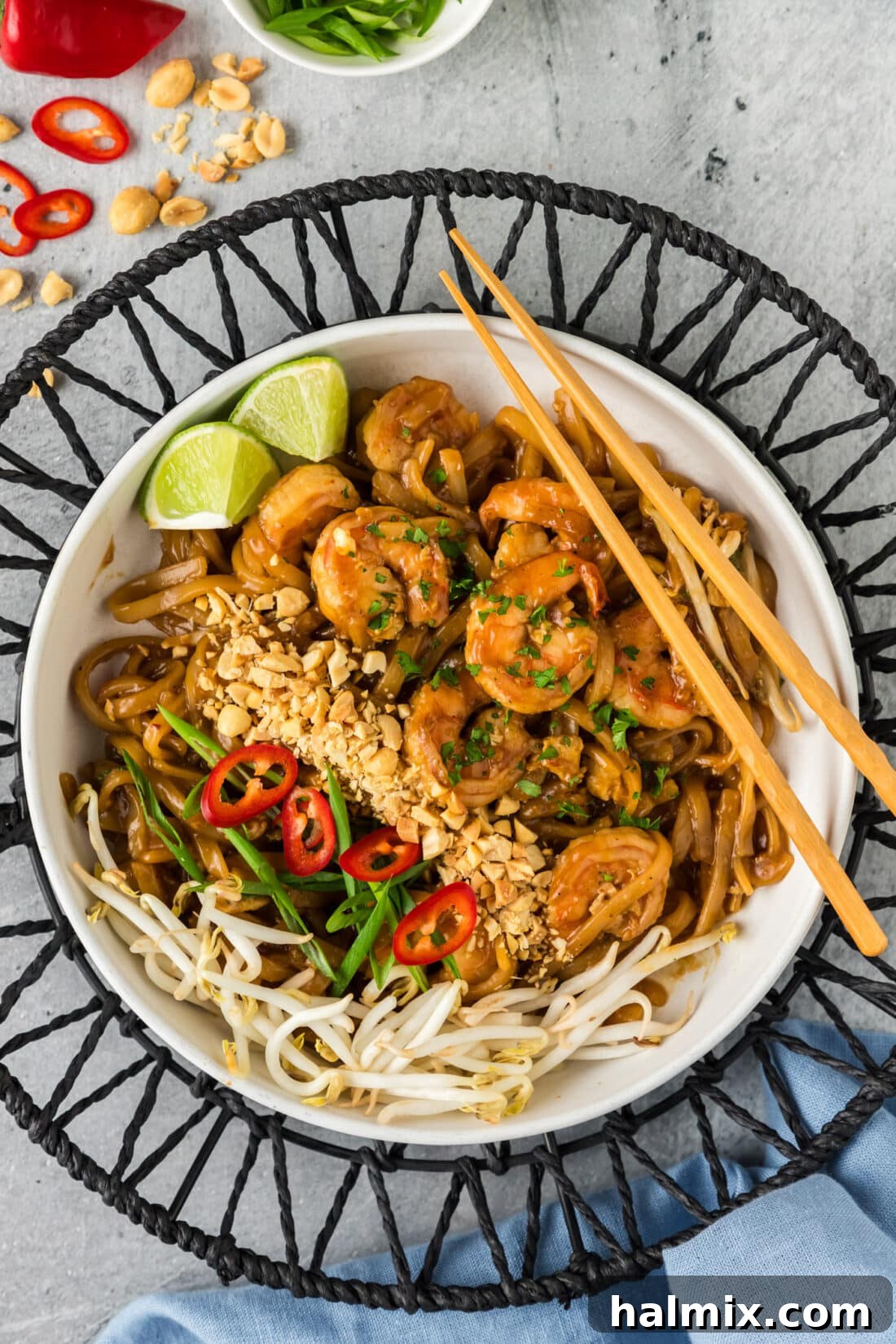
Why This Homemade Shrimp Pad Thai Recipe is a Must-Try
This Shrimp Pad Thai recipe isn’t just another meal; it’s an experience. What makes it truly special and incredibly rewarding to prepare at home? Firstly, the secret lies in our homemade Thai-inspired sauce. Crafted with care, it delivers an authentic flavor profile that store-bought sauces simply can’t match, bursting with layers of sweet, tangy, and savory notes that awaken your palate. Paired with plump, perfectly cooked shrimp and tender rice noodles, you’re not just making dinner – you’re recreating your favorite Thai restaurant experience in the comfort of your own home.
Beyond its incredible taste, this dish stands out for its remarkable efficiency. Shrimp cooks incredibly quickly, and the entire preparation process is designed to be straightforward and low-labor. This means a delicious, restaurant-quality meal can be on your table in under 30 minutes, making it an ideal choice for busy weeknights or when you crave something exotic without the fuss. We absolutely adore serving it alongside crisp vegetable spring rolls for a complete and utterly satisfying Asian feast, elevating your dining experience.
Essential Ingredients for Your Authentic Shrimp Pad Thai
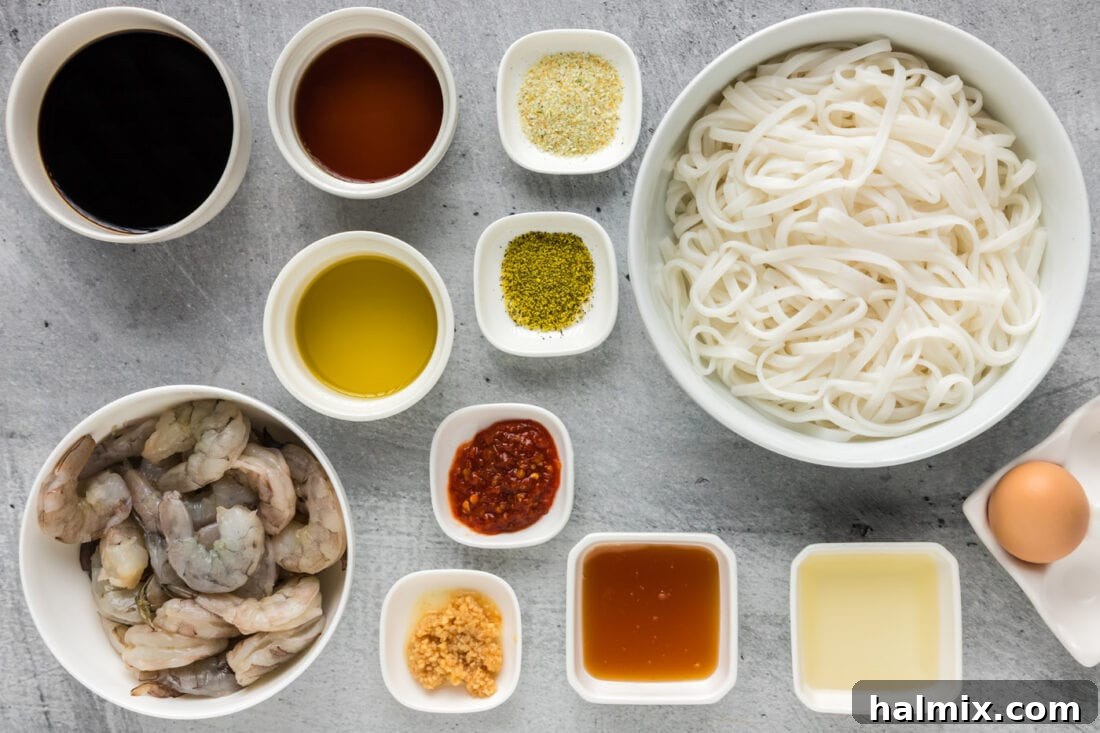
Crafting the perfect Pad Thai starts with selecting the right ingredients. While the full list of measurements, ingredients, and detailed instructions can be found in the printable recipe card at the end of this post, let’s delve into the key components that bring this sensational dish to life. Opting for fresh, high-quality ingredients is crucial for achieving that truly authentic flavor and texture that makes homemade Pad Thai so exceptional.
Ingredient Spotlight: Tips for Perfect Pad Thai Components
Understanding each ingredient’s role and knowing a few substitution tricks can significantly enhance your Pad Thai cooking experience. Here’s a deeper look:
SHRIMP: The star of this dish! Both fresh and frozen shrimp work beautifully, but for the best results, avoid precooked shrimp. Precooked shrimp can become rubbery and tough when reheated or stir-fried, detracting from the dish’s tender texture. If using frozen shrimp, remember to thaw them thoroughly under cold running water or in the refrigerator overnight. Pat them completely dry with paper towels before cooking; excess moisture will steam the shrimp instead of searing it, preventing that delicious char. For easy eating, opt for peeled and deveined large shrimp. If you prefer, chicken or tofu can also be used as protein alternatives, simply cut them into bite-sized pieces and cook until done before proceeding with the recipe.
NOODLES: The foundation of any great Pad Thai is the noodle. Thin, flat rice noodles (sometimes labeled as “Pad Thai noodles” or “rice stick noodles”) are the traditional choice. Their delicate texture and ability to absorb the rich sauce are essential. It’s crucial not to overcook them during the initial preparation. Follow package instructions carefully, usually involving a soak in hot water rather than boiling. They should be pliable but still firm, as they will continue to cook in the wok. Overcooked noodles will result in a mushy texture that falls apart in the stir-fry.
SAUCE: Our homemade Pad Thai sauce is where the magic happens, offering a perfect balance of sweet, sour, and savory. We’ve opted for a combination of honey and rice vinegar to achieve the desired sweetness and tang, primarily because authentic tamarind paste can sometimes be challenging to source. However, if you can find tamarind paste, it offers an incomparable depth of flavor. If you’re using tamarind paste, you can omit the vinegar and honey. Start with about 2 tablespoons of tamarind paste, taste, and adjust as needed, adding a touch of honey if you prefer a sweeter profile. The sauce also includes low-sodium soy sauce for umami, fish sauce for its distinctive savory depth, and a touch of Asian chili garlic sauce for a subtle kick. The chili garlic sauce is key for adding a nuanced warmth without overwhelming the dish.
OTHER KEY INGREDIENTS:
- Garlic: Freshly minced garlic is essential for building a fragrant base for your stir-fry.
- Egg: A scrambled egg adds a wonderful texture and protein boost, creating small, tender pieces throughout the noodles.
- Olive Oil: Used for stir-frying, ensuring your ingredients cook evenly and prevent sticking. Any neutral high-heat oil like canola or vegetable oil can also be used.
- Seasonings: Garlic salt and lemon pepper enhance the shrimp’s natural flavor, adding a zesty and aromatic touch.
How to Craft Your Delicious Homemade Shrimp Pad Thai
These step-by-step photos and detailed instructions are designed to help you visualize each stage of making this incredibly satisfying dish. For the complete printable recipe, including exact measurements and a comprehensive ingredient list, please scroll down to the dedicated recipe card at the bottom of this post.
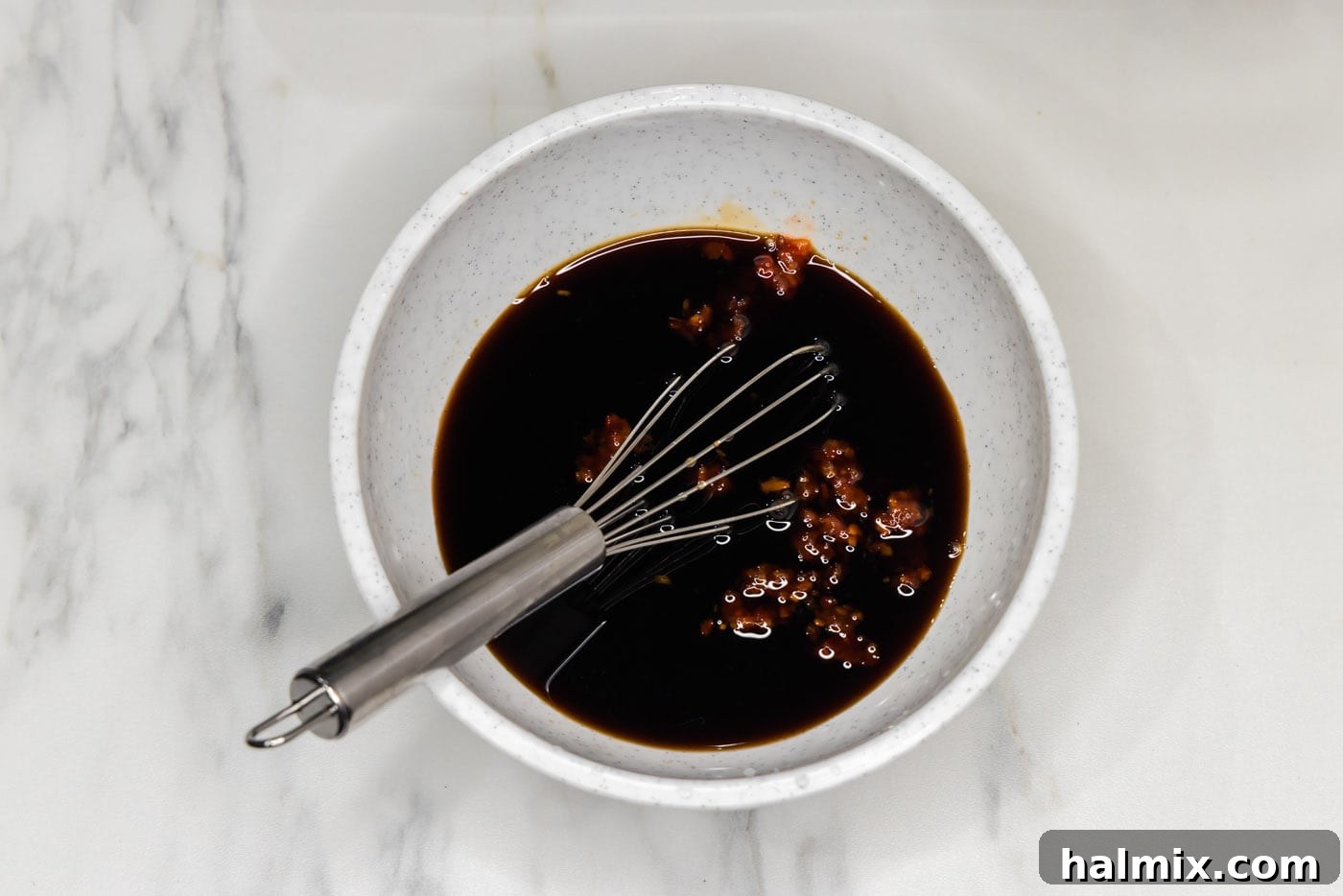
- Prepare the Sauce: In a medium bowl, whisk together all the sauce ingredients until well combined. This ensures all the flavors meld together perfectly. Set this aside; it will be added at the final stage.

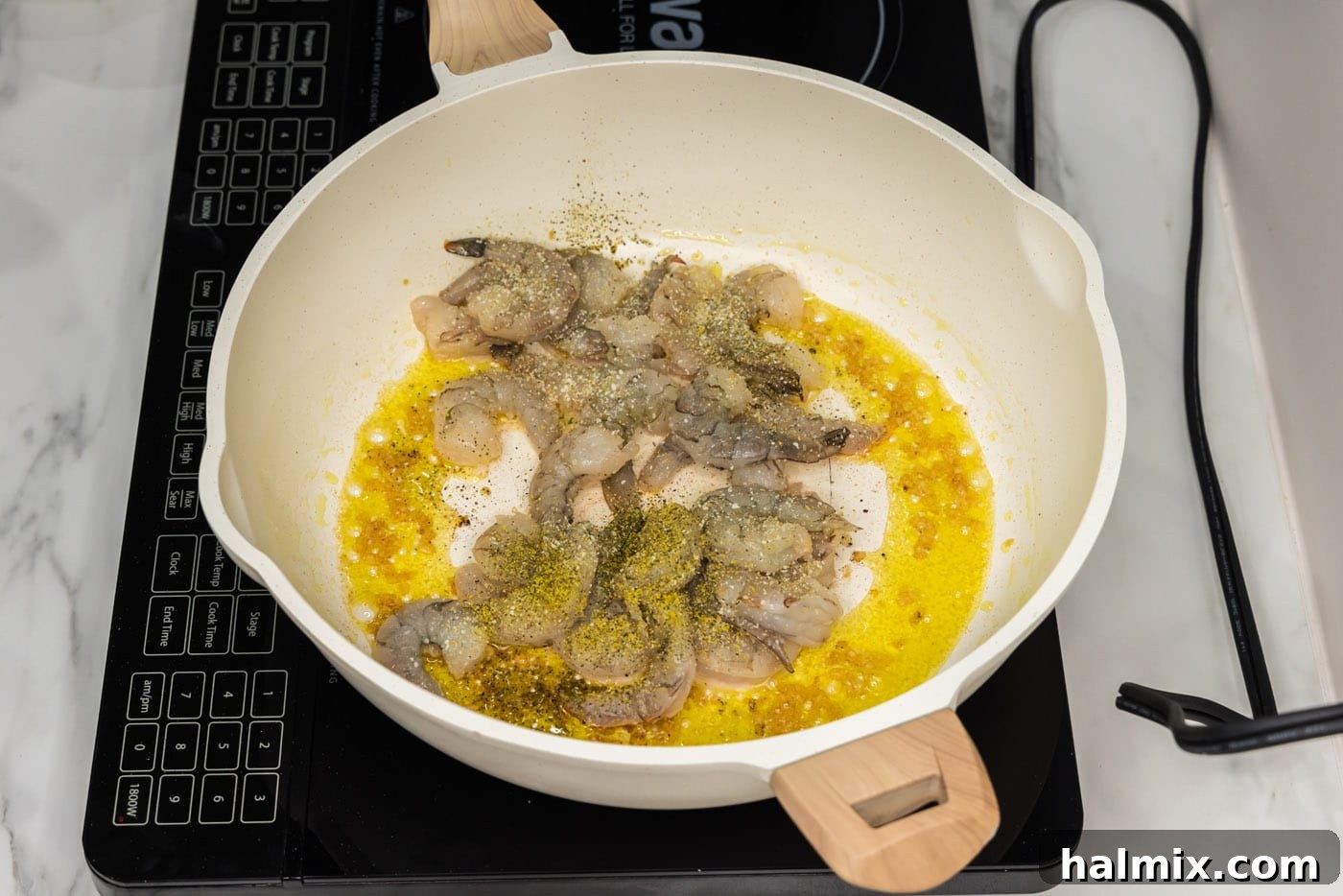
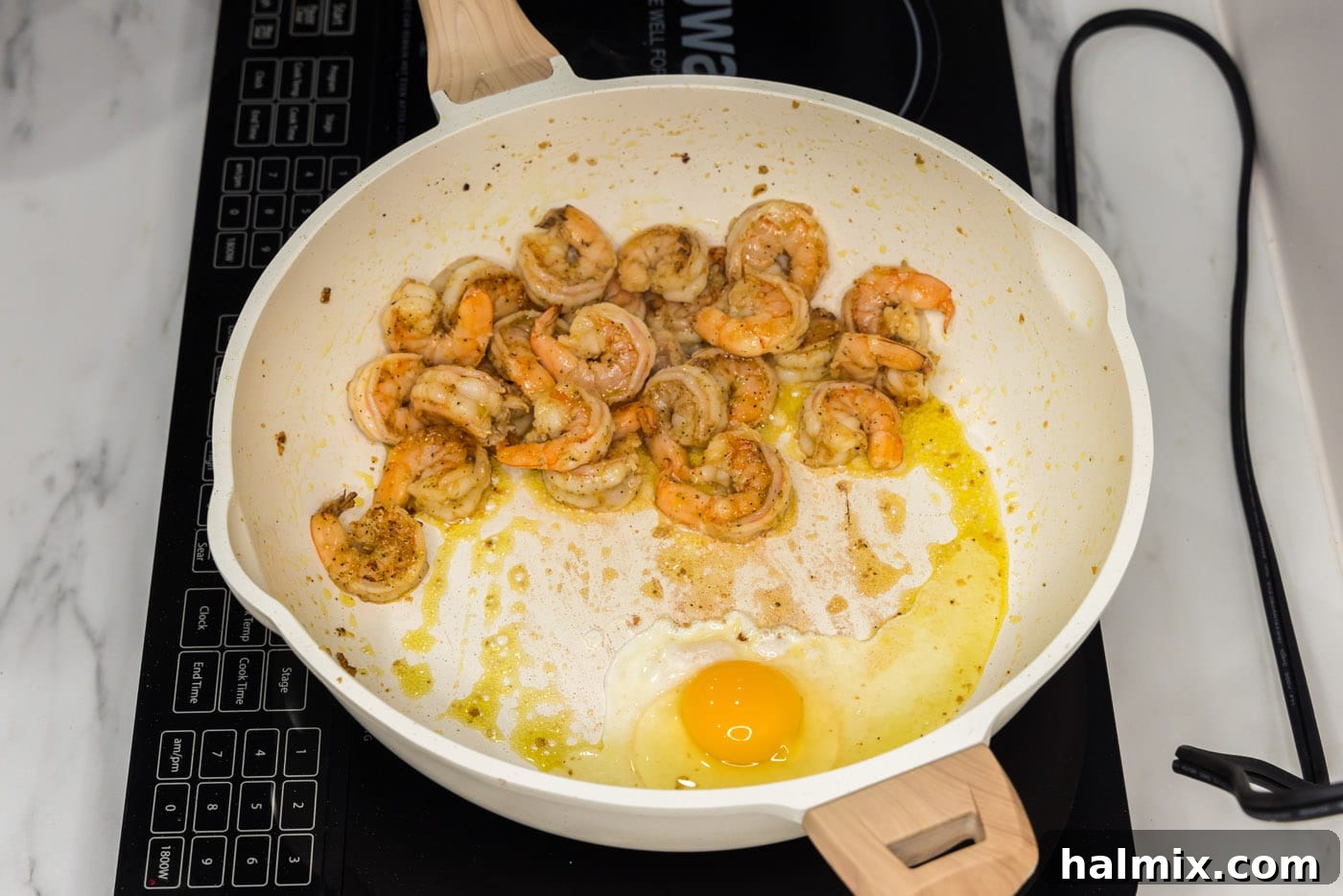
- Cook the Shrimp: Heat olive oil in a large skillet or wok over medium-high heat until it shimmers. Add the minced garlic and raw shrimp. Sprinkle generously with garlic salt and lemon pepper. Cook for 2-3 minutes per side, or until the shrimp turn opaque and curl into a C-shape with beautiful pink and orange hues. Avoid overcrowding the pan to ensure the shrimp sear rather than steam. Once cooked, move the shrimp to one side of the pan to make room for the egg.
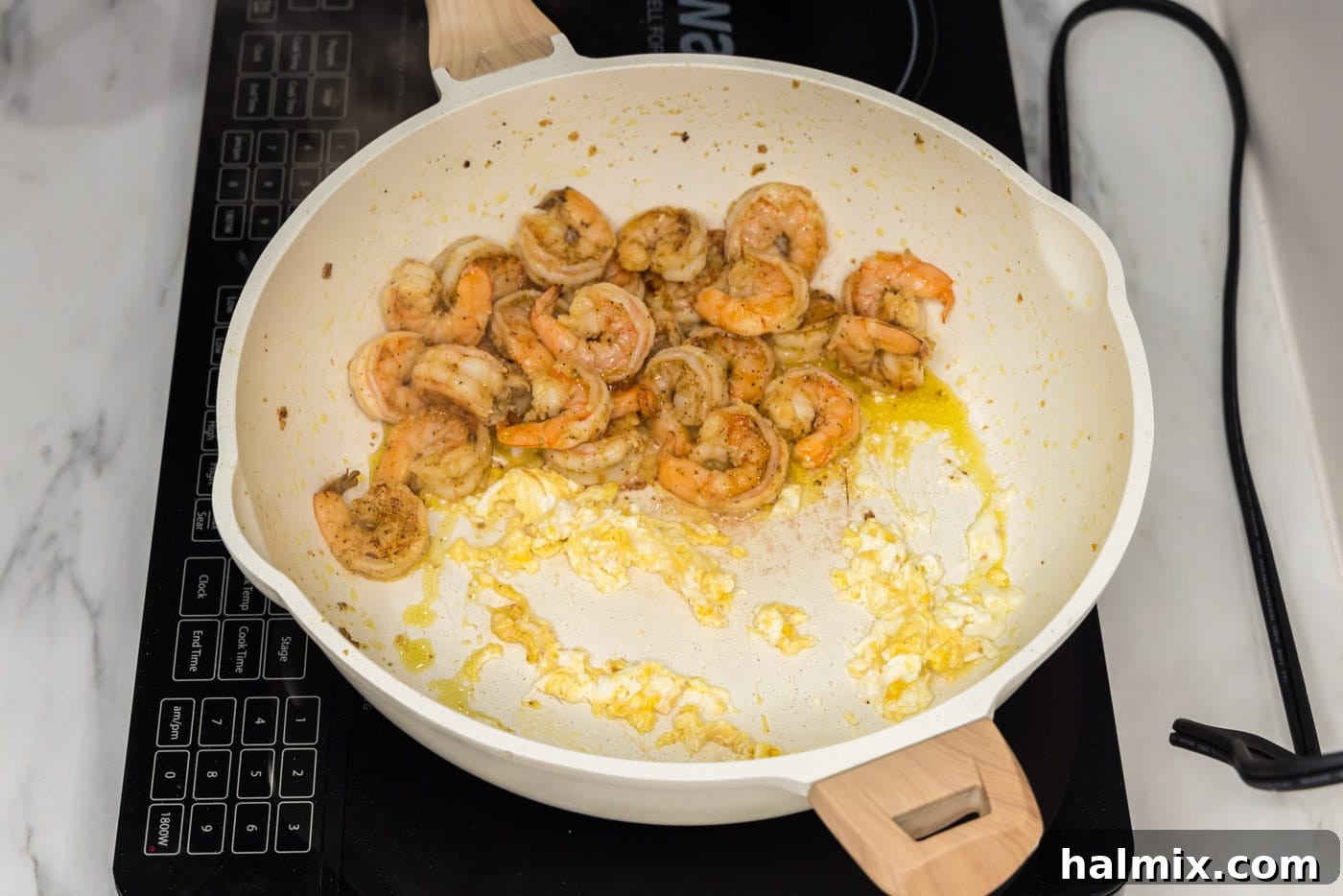
- Scramble the Egg: Crack the large egg directly into the empty side of the skillet. Using a rubber spatula, quickly scramble the egg until it’s just set. Once scrambled, gently combine the egg with the cooked shrimp.
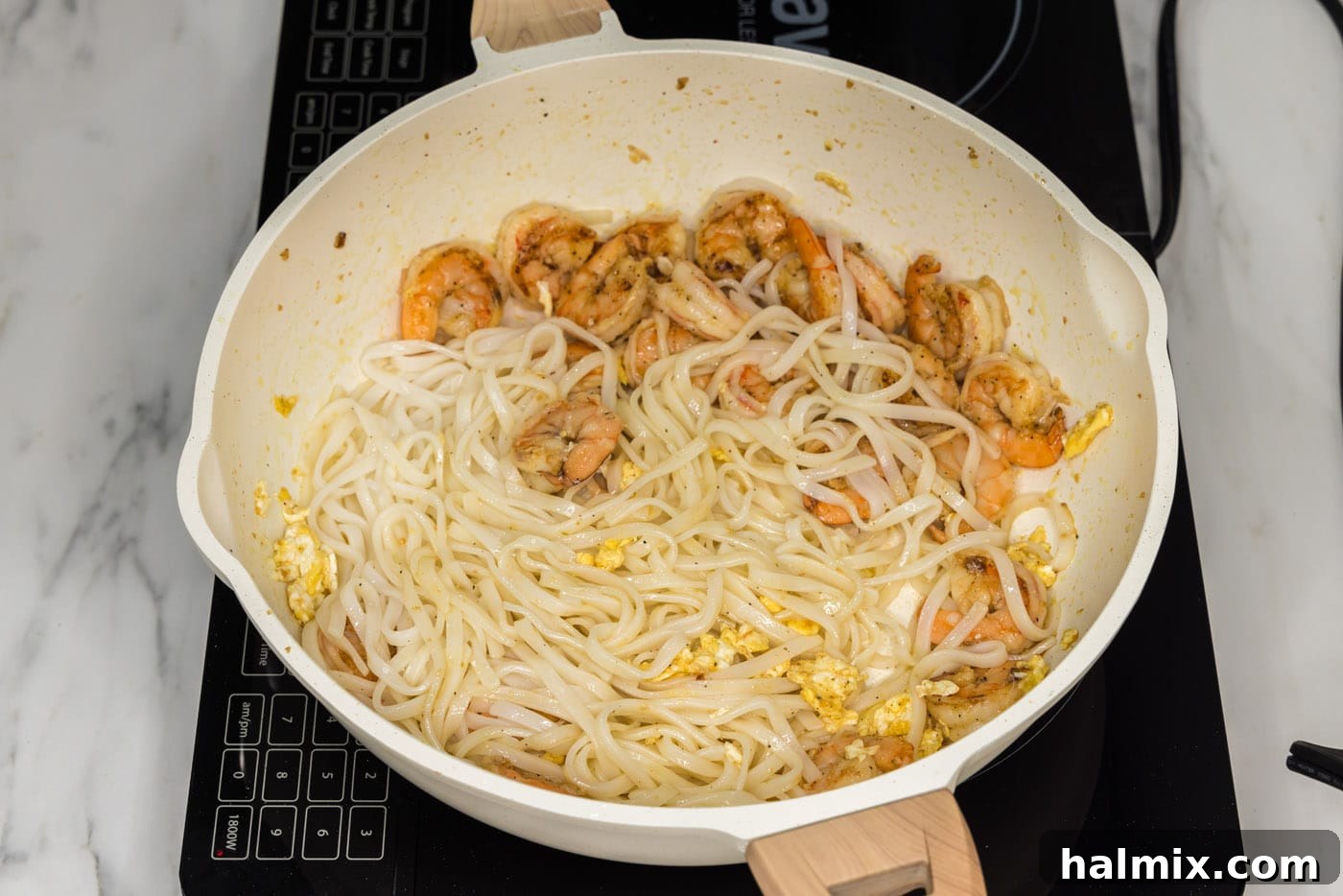
- Add Noodles: Introduce the pre-cooked rice noodles to the skillet. Toss everything together gently with tongs, ensuring the shrimp, egg, and garlic are evenly distributed among the noodles.
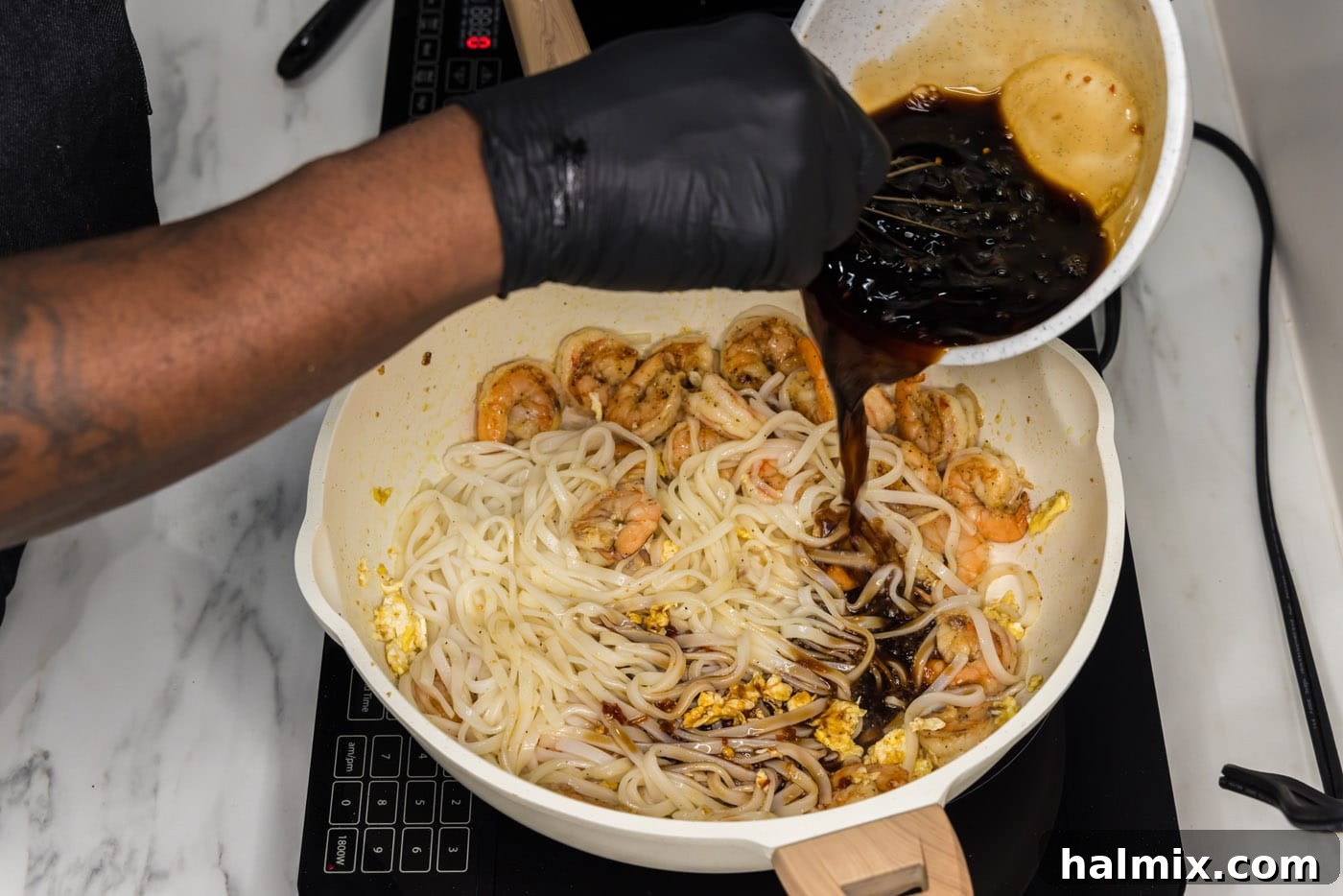
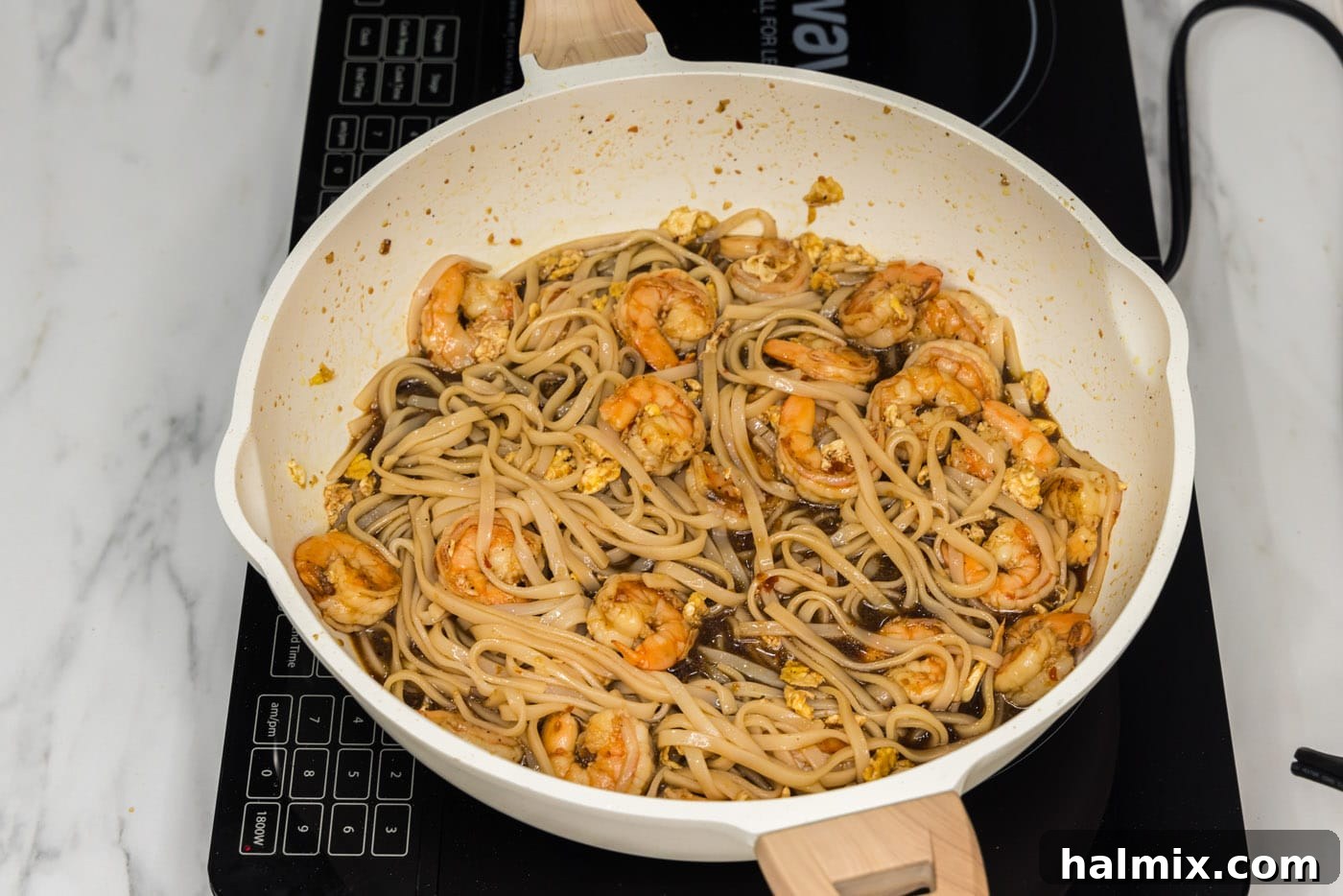
- Introduce the Sauce and Simmer: Pour the prepared sauce mixture over the noodles, shrimp, and egg in the skillet. Increase the heat slightly to bring the sauce to a gentle boil, then immediately reduce the heat to low. Allow it to simmer for a few minutes, stirring occasionally, until everything is thoroughly heated through and the noodles have absorbed some of the sauce.
CHEF’S TIP: If you desire a thicker, more luscious sauce, create a slurry by whisking together 2 teaspoons of cornstarch with ¼ cup of cold water until smooth. Add this mixture to the simmering Pad Thai sauce in the skillet. Continue to simmer and stir gently until the sauce thickens to your desired consistency.
Frequently Asked Questions & Expert Tips for Perfect Pad Thai
Shrimp cooks remarkably fast, which also means it can easily become overcooked. Perfectly cooked shrimp will curl into a loose “C” shape and turn opaque, displaying vibrant pink and orange hues. If your shrimp curl into a tight “O” shape, they are likely overcooked and will have a rubbery, tough texture. Aim for that sweet spot to ensure tender, juicy shrimp every time.
Traditional Shrimp Pad Thai is generally considered mild, not overtly spicy. The chili garlic sauce in our recipe adds a subtle warmth rather than intense heat, which for many, might not even be strongly noticeable. However, the heat level is entirely customizable! If you enjoy a fiery kick, we highly recommend incorporating freshly sliced red chili peppers (such as bird’s eye chilies) or a dash more chili garlic sauce into the dish. Alternatively, offer chili flakes or sriracha on the side for individual adjustment.
To maintain freshness and flavor, store any leftover Pad Thai in an airtight container in the refrigerator for up to 2-3 days. When reheating, the best method is to gently warm it in a skillet over medium-low heat until it’s heated through. A common pitfall is overcooking the shrimp during reheating, leading to a rubbery texture. To avoid this, consider reheating the noodles and sauce first, then adding the shrimp back in only during the last minute or two, just enough to warm them without further cooking.
While a traditional wok is ideal for stir-frying due to its sloped sides and even heat distribution, a large heavy-bottomed skillet (like a cast-iron or stainless steel pan) works perfectly well for this recipe. The key is to use a pan large enough to accommodate all ingredients without overcrowding, allowing for proper stir-frying and browning.
Absolutely! To make it vegetarian, simply omit the shrimp and fish sauce. You can substitute the shrimp with tofu (pressed and pan-fried until golden) or extra vegetables like bell peppers and broccoli. For a vegan version, in addition to the above, ensure your soy sauce is vegan (most are, but check labels) and replace honey with an equal amount of maple syrup or agave nectar. You can also find vegan fish sauce alternatives or simply increase the soy sauce and add a dash of kelp powder for an umami boost.
The secret to non-mushy, perfectly textured Pad Thai noodles is proper preparation. Do not boil them like pasta. Instead, soak them in hot (but not boiling) water for about 10-15 minutes, or until they are pliable but still have a slight al dente bite. They will finish cooking in the wok. Drain them well and rinse with cold water to stop the cooking process and prevent sticking before adding them to your stir-fry.
Elevate Your Meal: Inspired Serving Suggestions
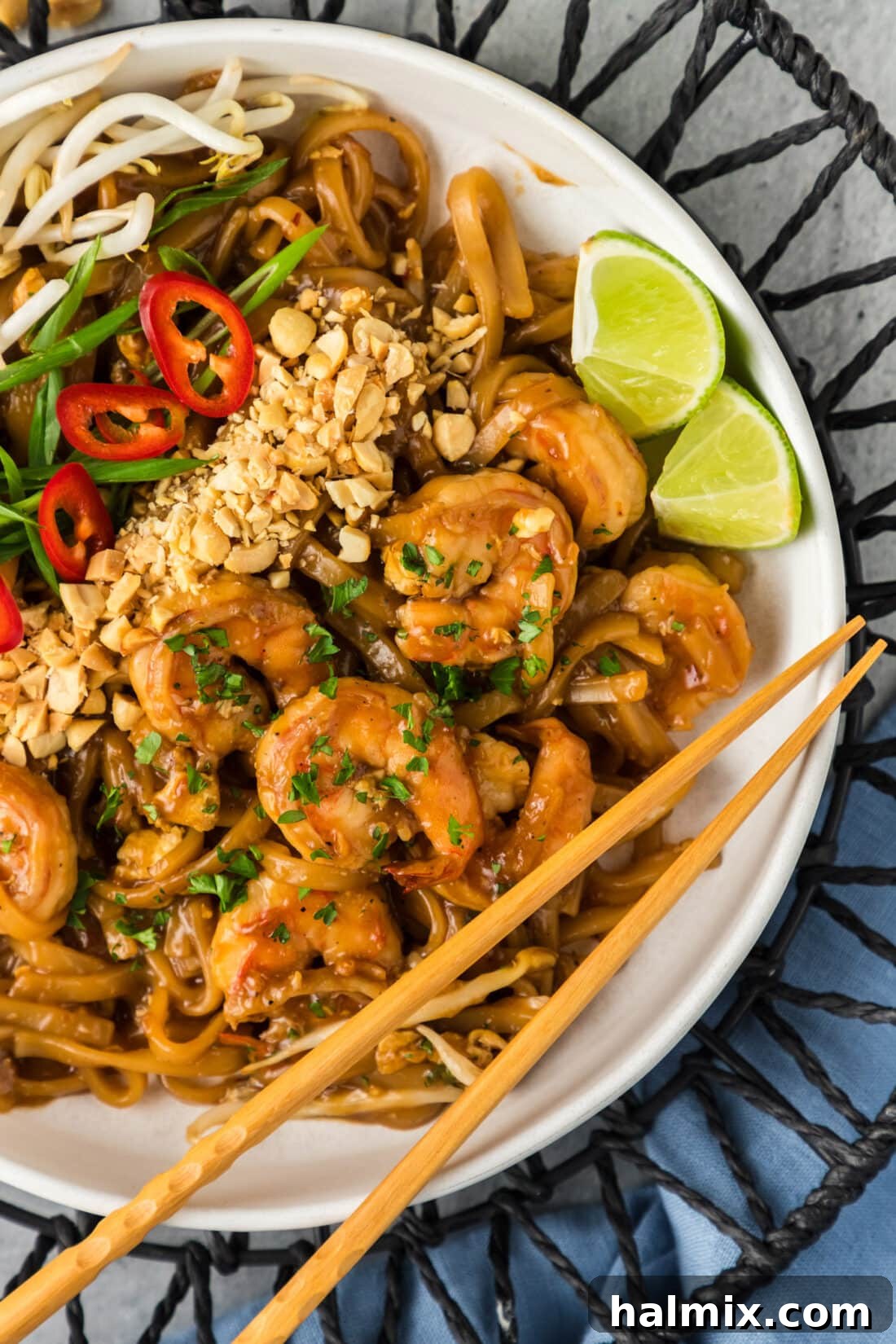
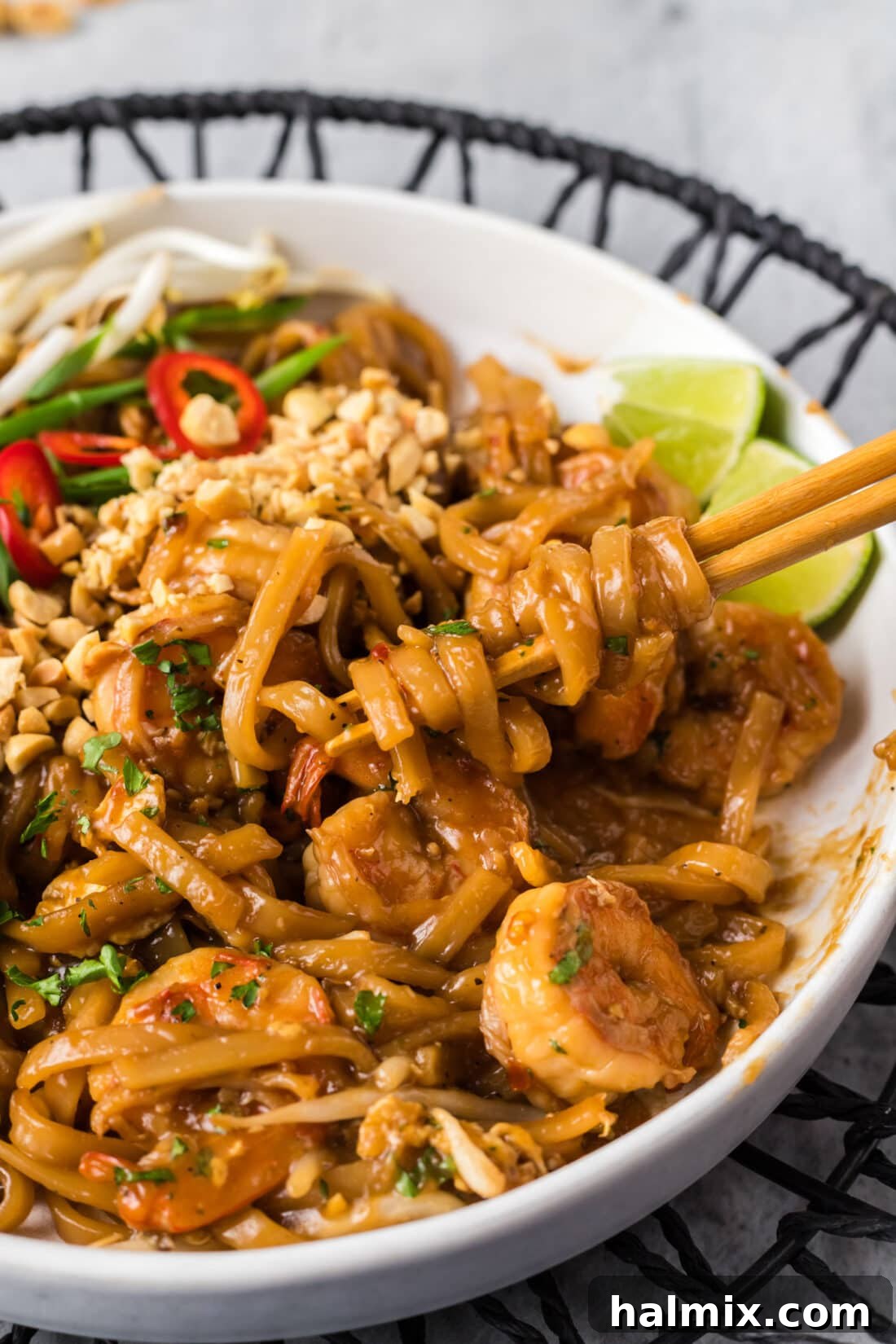
While Shrimp Pad Thai is a complete meal on its own, a few garnishes and side dishes can truly enhance the experience. Optionally, elevate your dish with a sprinkle of chopped peanuts for crunch, fresh bean sprouts for freshness, thinly sliced red chili peppers for an extra kick, or vibrant thinly sliced green onions for a touch of oniony flavor. A wedge of lime squeezed over the top just before eating is non-negotiable – its bright acidity cuts through the richness and brightens all the flavors. For a heartier spread, consider pairing it with our vegetable spring rolls, a light cucumber salad, or even some steamed jasmine rice.
Discover More Asian-Inspired Delights
If you’ve fallen in love with the flavors of this Shrimp Pad Thai, you’ll be thrilled to explore more of our delectable Asian-inspired recipes. Expand your culinary repertoire with these mouth-watering options:
- Spicy and Aromatic Shrimp Curry
- Flavorful Hunan Shrimp
- Crispy Shrimp Spring Rolls
- Sweet and Savory Pineapple Fried Rice
- Classic Shrimp Egg Rolls
I absolutely love spending time in the kitchen, creating and experimenting with new recipes, and I’m always eager to share my culinary adventures with you! Remembering to visit the blog daily for fresh ideas can be tricky, which is why I offer a convenient newsletter delivered straight to your inbox every time a new recipe is posted. Simply subscribe today and start receiving your free daily recipes, ensuring you never miss out on your next favorite dish!
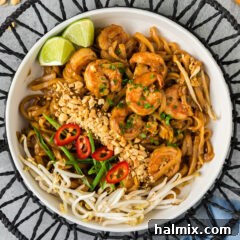
Shrimp Pad Thai
IMPORTANT – There are often Frequently Asked Questions within the blog post that you may find helpful. Simply scroll back up to read them!
Print It
Pin It
Rate It
Ingredients
Sauce
- ½ cup low sodium soy sauce
- ¼ cup fish sauce
- 3 Tablespoons honey
- 3 Tablespoons rice vinegar
- 1 Tablespoon Asian chili garlic sauce
Entree
- 2 Tablespoons olive oil
- 1 Tablespoon minced garlic
- 1 pound raw large shrimp peeled and deveined
- 1 teaspoon garlic salt
- 1 teaspoon lemon pepper
- 1 large egg
- 4 ounces pad Thai rice noodles cooked per package instructions
Things You’ll Need
-
Whisk
-
Mixing bowls
-
Large heavy bottomed skillet or Wok
Before You Begin
- Fresh or frozen shrimp will work best; avoid precooked shrimp for this recipe as it tends to become rubbery. If using frozen shrimp, thaw them completely and pat them very dry before cooking to ensure proper searing.
- Shrimp cooks very quickly. You’ll know it’s done when it curls into a “C” shape and turns opaque with pink and orange hues. Overcooked shrimp will be tough and rubbery.
- For an authentic touch and added texture, generously garnish your finished Shrimp Pad Thai with chopped peanuts, fresh bean sprouts, thinly sliced red chili peppers, or green onions. A fresh lime wedge squeezed over the dish before serving is also highly recommended.
- If traditional tamarind paste is available to you, consider using it instead of the honey and rice vinegar in the sauce for an even more authentic flavor profile. Start with 2 tablespoons and adjust to taste.
Instructions
-
Prepare the sauce mixture by whisking all sauce ingredients together in a bowl. Set aside.
-
Heat olive oil in a skillet or wok over medium-high heat until shimmering. Add minced garlic and shrimp. Sprinkle garlic salt and lemon pepper over the shrimp. Cook for 2-3 minutes per side, until shrimp changes color and curls. Move shrimp to one side of the pan.
-
Crack egg into the empty side of the skillet and use a rubber spatula to scramble the egg. Once set, gently stir shrimp and egg together.
-
Add the pre-cooked rice noodles to the skillet and toss gently to combine all ingredients.
-
Pour the prepared sauce into the skillet. Bring to a gentle boil, then immediately turn heat down to low. Simmer for a few minutes or until the dish is thoroughly heated through and the noodles have absorbed some of the sauce.
-
If you prefer a thicker sauce, whisk together 2 teaspoons of cornstarch with ¼ cup of water to create a slurry. Add this to the skillet while simmering and stir until the sauce thickens to your desired consistency.
Expert Tips & FAQs
- For the best taste, serve Pad Thai immediately after cooking.
- Store leftovers in an airtight container in the refrigerator for 2-3 days. Reheat gently in a skillet over medium-low heat. To prevent shrimp from becoming rubbery, add it back to the skillet only towards the end of reheating, just enough to warm through.
- Don’t overcrowd your skillet or wok. If making a larger batch, cook in batches to ensure proper stir-frying and browning of ingredients.
- Adjust the sweetness or tang of the sauce to your preference. A little extra honey for sweetness or a splash more rice vinegar for tang can make a big difference.
Nutrition
The recipes on this blog are tested with a conventional gas oven and gas stovetop. It’s important to note that some ovens, especially as they age, can cook and bake inconsistently. Using an inexpensive oven thermometer can assure you that your oven is truly heating to the proper temperature. If you use a toaster oven or countertop oven, please keep in mind that they may not distribute heat the same as a conventional full sized oven and you may need to adjust your cooking/baking times. In the case of recipes made with a pressure cooker, air fryer, slow cooker, or other appliance, a link to the appliances we use is listed within each respective recipe. For baking recipes where measurements are given by weight, please note that results may not be the same if cups are used instead, and we can’t guarantee success with that method.