The Ultimate Guide to Making Amazing Homemade Yeast Doughnuts
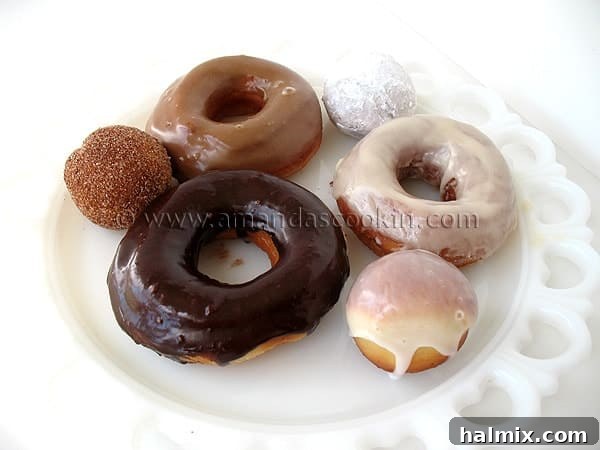
There’s a special kind of magic that happens when you bite into a warm, freshly made doughnut. While I’ve dabbled in the delightful world of apple cider doughnuts and baked cake doughnuts, the allure of light, fluffy yeast doughnuts always felt like the pinnacle of home baking. For years, making authentic yeast doughnuts from scratch remained a cherished item on my culinary bucket list. This past Mother’s Day, that dream finally came true. My kids and I embarked on a memorable kitchen adventure, crafting the most incredible homemade yeast doughnuts, complete with a dazzling array of glazes: rich maple, creamy buttery vanilla, decadent chocolate, simple white, classic powdered sugar, and a delightful cinnamon sugar coating.
Visually, the chocolate-glazed doughnuts were undeniably stunning, closely followed by the inviting amber hue of the maple ones. While some of the vanilla glazes didn’t offer quite the same vibrant coverage, their taste was every bit as spectacular, delivering a classic sweetness that brought smiles all around.
The Art of Perfecting Your Deep-Fried Doughnuts
Deep frying isn’t an everyday occurrence in my kitchen, so when I do pull out the equipment, it often feels like a grand production. However, making these doughnuts proved to be much more manageable than anticipated. My trusty cast iron Dutch oven became the star, alongside an essential candy thermometer. The single most critical factor in achieving doughnut perfection is maintaining a consistent oil temperature of approximately 350°F (175°C). Deviate too much from this sweet spot, and you risk a doughnut tragedy: an exterior that browns too quickly, leaving the inside disappointingly raw and doughy.
What you’re aiming for is that ideal balance: a beautifully golden-brown crust encasing a light, airy, and thoroughly cooked interior. Achieving this level of excellence means your homemade treats will rival, or even surpass, those from your favorite doughnut shop!
This is the absolute doughnut amazingness you truly want to achieve. That perfect texture, golden hue, and melt-in-your-mouth flavor truly make all the effort worthwhile. It’s truly like stepping into a professional doughnut shop, right from your own kitchen!
A Picture is Worth a Thousand Words (Especially When They’re Doughnuts!)
Pardon the abundance of photos, but honestly, I couldn’t pick a favorite angle! Each one captures the irresistible charm of these homemade treats. Rest assured, none of these delicious creations went to waste. This recipe generously yielded 15 full-sized doughnuts and 15 surprisingly large doughnut holes. Without a dedicated doughnut cutter, I improvised, using the smallest biscuit cutter I had (a 1.5-inch one) for the holes, and for the main doughnuts, a plastic hamburger patty maker from Tupperware came to the rescue. Sometimes, you just have to get creative with what’s available in your kitchen!
And speaking of creativity and love, my 14-year-old son even snuck away to my craft room to fashion this adorable “Happy Mother’s Day” sign using construction paper and foam sticker letters. It was the perfect sweet touch to a day filled with delicious indulgence.
Essential Recipe Notes and Smart Substitutions
A quick note on ingredients: I actually found myself unexpectedly out of milk for this recipe! My husband’s doctor recently recommended he drink more milk, so we’ve been going through it at an astonishing rate. For these doughnuts, I successfully substituted 1 1/4 cups of half-and-half and 1/4 cup of water for the milk, and the results were fantastic. So, if you’re in a similar bind, know that this substitution works beautifully. I also found that the dough required a bit more flour than the original recipe indicated. While I didn’t measure the additional amount precisely, it was probably about half a cup more. I’ve already adjusted the ingredient list in the recipe below to reflect this, ensuring you have the most accurate measurements for success.
Homemade Yeast Doughnuts Recipe
Adapted from AllRecipes
Homemade Doughnuts
Making doughnuts at home takes a bit of effort, but they are incredibly delicious and make for a fun family kitchen activity!
Course: Breakfast
Cuisine: American
Servings: 20
Total Time: 30 mins (active prep, does not include rising)
Calories: 211 per plain donut
Author: Amanda Davis
Ingredients
For the Dough:
- 4 ½ teaspoons SAF Instant yeast or 2 envelopes active dry yeast
- ¼ cup warm water (105 to 115 degrees F)
- 1 ½ cups lukewarm milk (see note above for substitution options)
- ½ cup white sugar
- 1 teaspoon salt
- 2 large eggs
- ⅓ cup shortening
- 5 ½ cups all-purpose flour
- 1 quart vegetable oil for frying
Vanilla Butter Glaze:
- ⅓ cup butter
- 2 cups confectioners’ sugar
- 1 ½ teaspoons vanilla extract
- 4 tablespoons hot water (or as needed)
Chocolate Glaze:
- 1 ½ cups powdered sugar, sifted
- ½ cup unsweetened cocoa powder, sifted
- 1 teaspoon vanilla extract
- 2-4 tablespoons milk
Maple Glaze:
- 2 cups powdered sugar, sifted
- 1 teaspoon Mapeline maple extract
- 2-4 tablespoons milk
Simple White Glaze:
- 2 cups powdered sugar, sifted
- 1 teaspoon clear vanilla extract
- 2-4 tablespoons milk
Cinnamon Sugar Coating:
- ¼ cup white sugar
- 1 ½ tablespoons ground cinnamon
Powdered Sugar Coating:
- Just powdered sugar! 🙂
Instructions
- Activate the Yeast: In a small bowl, sprinkle the yeast over the warm water and gently stir until all the yeast is wet. Let it stand for about 5 minutes, or until it becomes foamy. This indicates the yeast is active and ready.
- Mix the Dough: In a large mixer bowl fitted with a paddle attachment (or using a sturdy wooden spoon), combine the foamy yeast mixture, milk, sugar, salt, eggs, shortening, and 2 cups of the all-purpose flour. Mix on low speed for a few minutes until well combined. Gradually beat in the remaining flour, ½ cup at a time, until the dough comes together and no longer sticks excessively to the sides of the bowl.
- Knead and First Rise: Turn the dough out onto a lightly floured surface. Knead the dough for approximately 5 minutes, or until it feels smooth and elastic. Place the kneaded dough into a greased bowl, turning once to coat. Cover the bowl with a clean towel or cloth and set it in a warm place to rise until it has doubled in size, which usually takes about 45 minutes to an hour, depending on your kitchen’s temperature.
- Shape the Doughnuts and Second Rise: Once the dough has doubled, gently punch it down to release the air. Turn it out onto a lightly floured surface and carefully roll it out to a uniform thickness of about ½ inch. Using a floured doughnut cutter (or improvised cutters, as I did!), cut out your doughnuts and doughnut holes. Place these cutouts on large, lightly floured cookie sheets, ensuring they have space to expand. Cover the doughnuts with a clean cloth or towel and let them rise again in a warm place until doubled in size, another 45 minutes or so. This second rise is crucial for light, airy doughnuts.
- Prepare for Frying: Add enough vegetable oil or shortening to your cast iron Dutch oven (or deep fryer) to achieve a depth of about 3 inches. Attach a candy thermometer to the side of the pan. Heat the oil over medium heat until it registers 350°F (175°C). It’s important to let the temperature stabilize at 350°F before you start frying. If it climbs higher, reduce the heat. Maintaining this consistent temperature is key to preventing overcooked exteriors and undercooked interiors.
- Set Up Draining Station: Have a plate lined with several layers of paper towels, or a wire rack set over a baking sheet, ready for draining the fried doughnuts.
- Fry the Doughnuts: Carefully slide 2-3 doughnuts (do not overcrowd the pan) into the hot oil using a wide spatula. As they rise to the surface, gently turn them over. Fry the doughnuts on each side until they are beautifully golden brown, usually about a minute or so per side. Using tongs or a slotted spoon, remove the fried doughnuts from the oil and place them on your prepared draining station.
- Glaze While Hot: While the doughnuts are still hot, carefully dip them into your chosen glaze. Allow any excess glaze to drip off by placing them on a wire rack set over a cookie sheet for easier cleanup. As one batch fries, you can be glazing the previous batch.
- Cast Iron Tip: A cast iron Dutch oven is recommended for frying due to its excellent heat retention and even distribution, which is vital for consistent frying. While a deep fryer can also be used, I personally prefer the Dutch oven for its easier cleanup.
Toppings and Glazes
- Vanilla Butter Glaze: In a small saucepan, melt the butter over medium heat. Stir in the confectioners’ sugar and vanilla extract until smooth. Remove from heat and gradually stir in the hot water, one tablespoon at a time, until the icing reaches a thin, yet still coating, consistency.
- Chocolate, Maple, and Simple White Glazes: For these glazes, simply combine all the dry ingredients (powdered sugar, cocoa if applicable). Then, add the extract (vanilla or maple) and start with 2 tablespoons of milk, stirring until smooth. Gradually add more milk, a tiny bit at a time, until you achieve a thick, pourable glaze that coats the back of a spoon.
- Cinnamon Sugar: In a shallow dish, simply stir together the white sugar and ground cinnamon until well combined. Roll hot doughnuts in this mixture for a classic coating.
Nutrition Information
Serving: 1 plain donut | Calories: 211cal | Carbohydrates: 33g | Protein: 5g | Fat: 6g | Saturated Fat: 2g | Cholesterol: 20mg | Sodium: 133mg | Potassium: 93mg | Fiber: 1g | Sugar: 6g | Vitamin A: 55IU | Calcium: 29mg | Iron: 1.7mg
Frequently Asked Questions About Homemade Doughnuts
Q: Can I use different types of oil for frying?
A: Yes, vegetable oil is common, but you can also use canola oil, peanut oil, or corn oil. Choose an oil with a high smoke point for best results and neutral flavor.
Q: How do I know if my yeast is active?
A: When sprinkled over warm water and allowed to sit for 5 minutes, active yeast will become foamy and bubbly. If it doesn’t foam, your yeast might be old or the water temperature was incorrect. It’s best to start with fresh yeast.
Q: What if my dough isn’t rising?
A: Ensure your yeast is active (as described above) and that your rising environment is warm enough. A warm oven (turned off, with just the light on) or a sunny spot can help. Extreme cold can inhibit yeast activity.
Q: My doughnuts are greasy. What went wrong?
A: Greasy doughnuts often result from oil that isn’t hot enough. If the oil temperature drops too low, the doughnuts will absorb too much oil instead of cooking quickly and forming a crisp exterior.
Q: Can I bake these doughnuts instead of frying them?
A: This specific recipe is formulated for deep frying, which gives them their characteristic light and airy texture. While you can technically bake yeast dough, the result will be more like a sweet roll or bun rather than a traditional fluffy doughnut. For baked doughnuts, it’s usually better to use a dedicated cake doughnut recipe.
Q: How long do homemade doughnuts stay fresh?
A: Homemade doughnuts are best enjoyed fresh, ideally within a few hours of frying. They tend to lose their crispness and become a bit stale quickly. Store them in an airtight container at room temperature for up to 1-2 days, but reheating slightly in the microwave for 10-15 seconds can help revive them.
Tried this Recipe? Pin it for Later!
Follow on Pinterest @AmandasCookin or tag #AmandasCookin!
The recipes on this blog are meticulously tested with a conventional gas oven and gas stovetop. Please note that oven performance can vary, especially with age, leading to inconsistent cooking and baking. We highly recommend using an inexpensive oven thermometer to ensure your oven maintains the precise temperature required for optimal results. If utilizing a toaster oven or countertop oven, be aware that their heat distribution may differ from full-sized conventional ovens, and adjustments to cooking/baking times might be necessary. For recipes prepared with specialized appliances like pressure cookers, air fryers, or slow cookers, a link to the specific appliance used will be provided within each respective recipe. For baking recipes where measurements are given by weight, achieving consistent results may be challenging if converted to cup measurements, and we cannot guarantee success with alternative measuring methods.
Enjoyed this comprehensive guide? Don’t miss out on more delicious recipes and creative craft ideas! Subscribe to my free newsletter, Foodie in the Craftroom, for exclusive updates and tips delivered straight to your inbox. You can also subscribe to my RSS feed for new posts.
For more creative inspiration beyond the kitchen, be sure to visit my other blog, Crafts by Amanda!