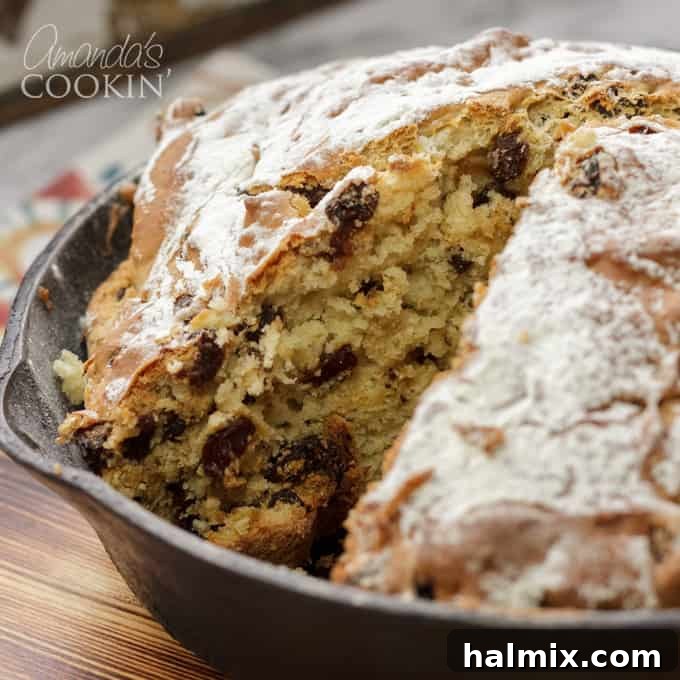
There’s a special warmth that radiates from a freshly baked loaf of Irish Soda Bread, a comforting aroma that fills the kitchen and promises a delightful experience. Whether it’s the rustic simplicity of its ingredients or the rich tradition it embodies, this quick bread has captivated hearts and palates far beyond the Emerald Isle. And let me assure you, you don’t need to trace your ancestry back to Ireland to savor every delicious crumb.
Far from being exclusively for St. Patrick’s Day festivities, Irish Soda Bread is a versatile treat perfect for any time of year. While the holiday certainly provides an excellent excuse to enjoy this classic alongside your shamrock shakes and festive treats, its wholesome goodness makes it a staple you’ll want to bake again and again. Forget the green beer; this bread offers a taste of authentic tradition and homemade comfort.
The Enduring Charm of Irish Soda Bread: A Culinary Journey
The culinary world often sparks lively debates, and Irish Soda Bread is no exception. At the heart of it lies a fascinating discussion about what truly defines this iconic loaf. Traditionally, authentic Irish soda bread is celebrated for its austere simplicity, made with just four core ingredients: flour, baking soda, salt, and buttermilk. This minimalist approach yields a dense, hearty bread with a distinctive tangy flavor, often enjoyed plain or with butter alongside a meal.
However, across the Atlantic, particularly in America, Irish Soda Bread has evolved. The version many of us cherish today often includes additions like raisins, sugar, eggs, and caraway seeds, transforming it into a sweeter, richer loaf. Purists might argue that these additions stray too far from the original, labeling such creations as a “cake” or “sweet bread” rather than traditional soda bread. Yet, this Americanized rendition has become incredibly popular, especially around St. Patrick’s Day, becoming synonymous with celebratory Irish fare.
These enriched versions are sometimes referred to as “Spotted Dog” or “Railway Cake” in Ireland. “Spotted Dog” typically denotes a fruit-laden bread, often incorporating dried currants or raisins, and is a beloved treat. “Railway Cake” is another affectionate term for a similar fruit bread, historically packed by travelers for its convenience and sustained energy. Regardless of what label you attach to it, the version featuring raisins, a hint of sweetness, and the warming spice of caraway seeds is undeniably delicious. For me, it evokes fond childhood memories of enjoying sweet raisin bread.
Why This Recipe Stands Out
Our particular recipe bridges the gap between the traditional and the beloved American adaptation. It respects the core principles of quick bread baking while embracing the delightful additions that make it a favorite for many. The magic of soda bread lies in the chemical reaction between the acidic buttermilk and the alkaline baking soda, which creates carbon dioxide bubbles, causing the bread to rise without yeast. This makes it an incredibly fast and accessible bread to bake, perfect for both novice and experienced bakers.
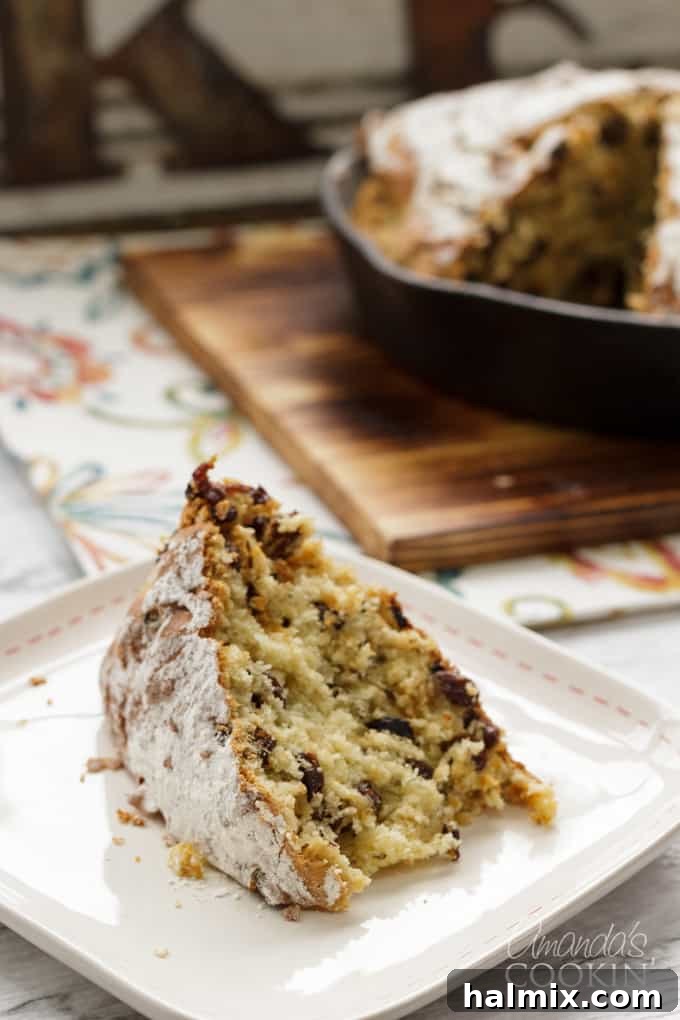
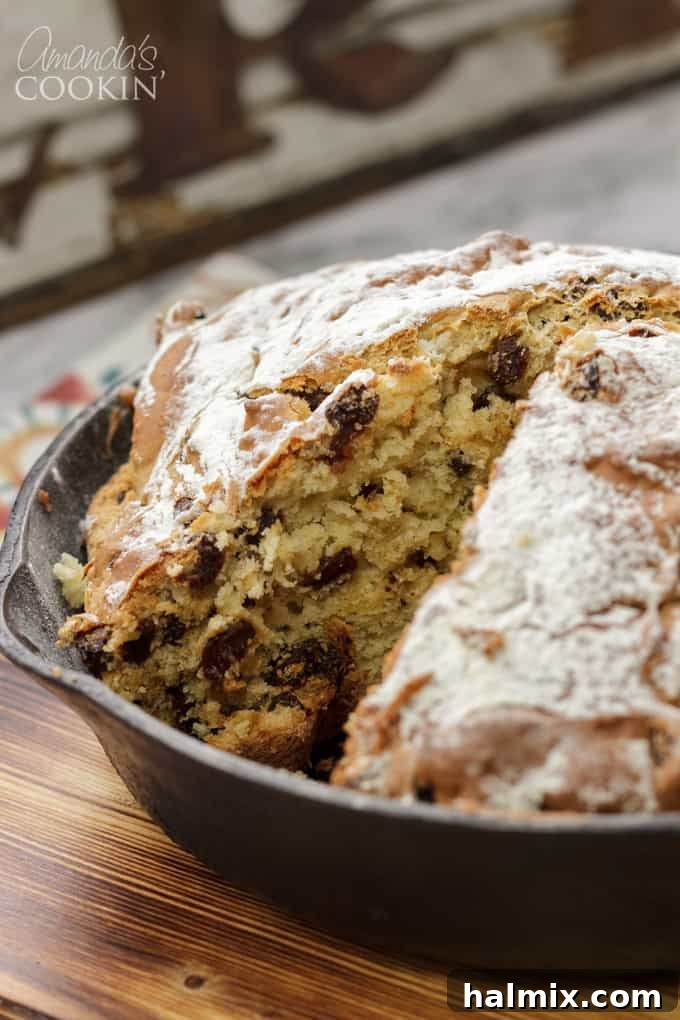
What makes this specific recipe truly exceptional is its perfect balance. It’s generously studded with a full three cups of plump raisins, ensuring a burst of fruity sweetness in every bite. The subtle warmth of caraway seeds adds an authentic depth of flavor that complements the richness of the buttermilk and sour cream. This combination results in a moist, tender crumb that’s not overly sweet, making it ideal for a variety of occasions, from breakfast to an afternoon snack.
How To Make The Perfect Irish Soda Bread: A Detailed Guide
Creating this delicious Irish Soda Bread is a straightforward process, making it an excellent project for bakers of all skill levels. Below, you’ll find step-by-step instructions designed to ensure your loaf turns out perfectly golden and wonderfully tender. For those who prefer a printable format with exact measurements, feel free to jump directly to the recipe card at the bottom of this page.
Ingredients You’ll Need and Why They Matter
The beauty of Irish Soda Bread lies in its simple yet impactful ingredient list. Each component plays a crucial role in achieving the perfect texture and flavor profile:
- All-Purpose Flour: The foundation of our bread. Using all-purpose flour provides a tender crumb. Remember to reserve one tablespoon for dusting the top before baking.
- Granulated Sugar: A touch of sugar enhances the overall sweetness, balancing the tang from the buttermilk and making the raisins truly shine.
- Baking Powder & Baking Soda: These are the leavening agents. Baking soda reacts with the buttermilk to create lift, while baking powder offers an additional boost, ensuring a light and airy texture in this richer version of soda bread.
- Salt: Essential for flavor, salt balances the sweetness and enhances all the other ingredients.
- Raisins: Three generous cups of plump raisins are key to the “Spotted Dog” characteristic of this recipe. They provide natural sweetness and moisture.
- Caraway Seeds: This often-debated ingredient adds a distinctive, aromatic, slightly peppery, and anise-like flavor that is wonderfully traditional in many Irish breads. Don’t skip them if you want that authentic touch!
- Large Eggs: Eggs contribute to the bread’s structure, richness, and golden color.
- Buttermilk: The cornerstone of soda bread. Its acidity reacts with baking soda to create the rise, and it also imparts a tender crumb and a subtle tang.
- Sour Cream: Adding sour cream boosts moisture and richness, making the bread incredibly tender and flavorful.
Step-by-Step Instructions for a Flawless Loaf
- Prepare Your Oven and Pan: Begin by preheating your oven to 350°F (175°C). This ensures a consistent baking temperature from the moment your bread enters the oven. Thoroughly grease a 9-inch round cast iron skillet or a 9-inch round cake pan. Greasing prevents sticking and helps achieve a beautiful crust.
- Combine Dry Ingredients: In a large mixing bowl, whisk together the flour (remembering to reserve 1 tablespoon for later), granulated sugar, baking powder, baking soda, and salt. Whisking ensures these dry ingredients are evenly distributed. Next, stir in the raisins and caraway seeds, making sure they are well coated by the flour mixture. This prevents the raisins from sinking to the bottom during baking.
- Mix Wet Ingredients: In a separate bowl, whisk together the eggs, buttermilk, and sour cream until well combined. This liquid mixture will bring the dough together.
- Combine Wet and Dry: Pour the liquid mixture into the dry flour mixture. Stir gently with a wooden spoon or spatula just until the flour is moistened. Be careful not to overmix; overmixing can lead to a tough bread. The dough will be quite sticky and resemble a loose cookie dough consistency.
- Shape and Score: Transfer the sticky dough into your prepared skillet or cake pan. Use your hands, lightly floured if needed, to gently pat it down into an even round. With a sharp knife, cut a 4-inch “X” or cross pattern about 3/4 inch deep into the top of the bread. This traditional scoring technique is not just for aesthetics; it helps the bread bake more evenly and, according to folklore, allows the fairies to escape! Finally, lightly dust the top with the reserved tablespoon of flour.
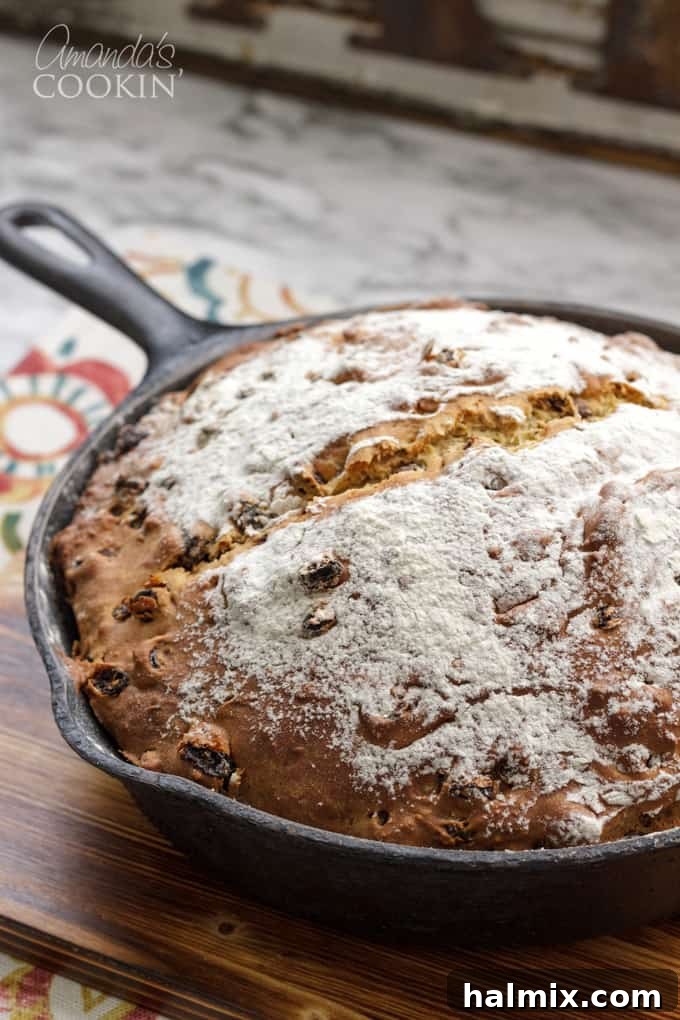
- Bake to Perfection: Place the pan in the preheated oven and bake for 65 to 75 minutes. The bread should be golden brown on top and sound hollow when tapped on the bottom. An inserted wooden skewer or toothpick should come out clean.
- Cool and Serve: Once baked, remove the bread from the oven and let it cool in the pan for a few minutes before turning it out onto a wire rack to cool completely. Cooling on a rack allows air circulation, preventing the bottom from becoming soggy.
Pro Tips for Irish Soda Bread Success
- Do Not Overmix: This is arguably the most crucial tip for any quick bread. Overmixing develops the gluten in the flour, resulting in a tough, dense loaf instead of the tender crumb you desire. Mix just until the ingredients are combined and no dry streaks of flour remain.
- Use Fresh Buttermilk and Baking Soda: The leavening power relies on the reaction between these two. Ensure your baking soda is fresh (you can test it by mixing a tiny bit with vinegar – it should fizz vigorously).
- Don’t Skip the Scoring: The cross cut into the top of the bread helps it to expand evenly as it bakes, preventing large cracks. It’s a signature look for soda bread!
- Tap for Doneness: The best way to check if your soda bread is fully baked is to gently tap the bottom. If it sounds hollow, it’s likely done. A toothpick inserted into the center should also come out clean.
- Customize Your Add-ins: While this recipe features raisins and caraway seeds, feel free to experiment. You could add dried cranberries, orange zest, or even chopped nuts for different flavor profiles. However, for a classic “Spotted Dog,” raisins are a must!
Serving Suggestions and Perfect Pairings
Whether you affectionately call it Irish Soda Bread, Spotted Dog, or Railway Cake, this recipe is a true marvel that you’ll want to revisit time and again. Don’t be surprised by the generous amount of raisins; three cups might seem like a lot, but it’s truly the perfect quantity, delivering just the right touch of sweetness to make this bread a fantastic option for breakfast, brunch, or any time of day.
Enjoy a warm slice with a pat of good Irish butter, perhaps a dollop of your favorite jam or marmalade. It’s absolutely divine with a cup of robust Irish coffee on a crisp St. Patrick’s Day morning, providing a delightful contrast to the rich, spirited brew. Or, if you’re looking for an evening indulgence, it makes a superb accompaniment to a creamy Bailey’s Coffee Float. Beyond these, consider serving it alongside a hearty stew for a fulfilling meal, or simply with a cup of tea for a comforting afternoon treat.
Storage and Freshness
Irish Soda Bread is best enjoyed fresh, ideally on the day it’s baked. However, if you have leftovers, they can be stored at room temperature in an airtight container or wrapped tightly in plastic wrap for up to 2-3 days. To refresh day-old bread, you can lightly toast slices or warm them gently in the oven. This bread also freezes beautifully! Wrap the cooled loaf (or individual slices) tightly in plastic wrap and then in foil, and it will keep for up to 3 months. Thaw at room temperature and warm before serving for best results.
More Irish Inspired Recipes to Explore
If this taste of Ireland has left you craving more, we have a wonderful collection of Irish-inspired dishes that are perfect for St. Patrick’s Day or any day you wish to celebrate Celtic flavors. From comforting mains to delightful desserts and spirited drinks, there’s something for everyone:
- Irish Stew: A hearty and classic dish, perfect for a chilly evening.
- Colcannon Mashed Potatoes: A flavorful twist on mashed potatoes with cabbage or kale.
- Shamrock Shaped Brownies: A festive and fun dessert for St. Patrick’s Day.
- Boozy Leprechaun: A whimsical and spirited cocktail to toast the holiday.
- Instant Pot Corned Beef: A quick and easy method for a traditional favorite.
- Crockpot Corned Beef: A slow-cooked version for tender, fall-apart results.
I absolutely adore sharing my passion for baking and cooking through these cherished recipes! I know how easy it is to forget to check back for new ideas, so I’ve simplified it for you with my complimentary weekly newsletter. You can subscribe for free, and I’ll send a curated selection of delicious recipes straight to your inbox every week, ensuring you never miss out on culinary inspiration!
Irish Soda Bread
Enjoy a slice of this raisin-studded quick bread, perfect with your Irish coffee, especially for St. Patrick’s Day!
IMPORTANT – There are often Frequently Asked Questions within the blog post that you may find helpful. Simply scroll back up to read them!
Print It
Pin It
Course: Breads
Cuisine: Irish
Servings: 12 slices
Total Time: 1 hr 25 mins
Calories: 359
Author: Amanda Davis
Ingredients
- 4 cups all-purpose flour
- ½ cup granulated sugar
- 2 teaspoons baking powder
- 1 teaspoon baking soda
- ¾ teaspoon salt
- 3 cups raisins
- 1 tablespoon caraway seeds
- 2 large eggs
- 1 ¼ cups buttermilk
- 1 cup sour cream
Things You’ll Need
- 9 inch round cake pan or 9 inch round cast iron skillet
- Wire cooling racks
Instructions
- Preheat oven to 350 degrees F (175 degrees C). Grease a 9-inch round cast iron skillet or a 9 inch round cake pan.
- In a mixing bowl, whisk together flour (reserving 1 tablespoon), sugar, baking powder, baking soda, and salt. Stir in raisins and caraway seeds.
- In another bowl, whisk eggs, buttermilk, and sour cream. Stir the liquid mixture into flour mixture just until flour is moistened.
- Use a wooden spoon to mix/knead dough in bowl about 10 to 12 strokes. Dough will be very sticky, similar to a loose cookie dough. Place the dough in the prepared skillet or pan and pat down. Cut a 4″ x 3/4″ inch deep slit in the top of the bread. Dust with reserved flour.
- Bake in preheated oven for 65 to 75 minutes. Let cool and turn bread onto a wire rack.
Nutrition
Serving: 1 slice | Calories: 359cal | Carbohydrates: 70g | Protein: 7g | Fat: 6g | Saturated Fat: 3g | Cholesterol: 47mg | Sodium: 303mg | Potassium: 491mg | Fiber: 3g | Sugar: 10g | Vitamin A: 210IU | Vitamin C: 2.2mg | Calcium: 104mg | Iron: 3.2mg
Tried this Recipe? Pin it for Later!
Follow on Pinterest @AmandasCookin or tag #AmandasCookin!
The recipes on this blog are tested with a conventional gas oven and gas stovetop. It’s important to note that some ovens, especially as they age, can cook and bake inconsistently. Using an inexpensive oven thermometer can assure you that your oven is truly heating to the proper temperature. If you use a toaster oven or countertop oven, please keep in mind that they may not distribute heat the same as a conventional full sized oven and you may need to adjust your cooking/baking times. In the case of recipes made with a pressure cooker, air fryer, slow cooker, or other appliance, a link to the appliances we use is listed within each respective recipe. For baking recipes where measurements are given by weight, please note that results may not be the same if cups are used instead, and we can’t guarantee success with that method.
This post was originally posted on March 9, 2011, and has been updated for clarity, detail, and enhanced reader experience.