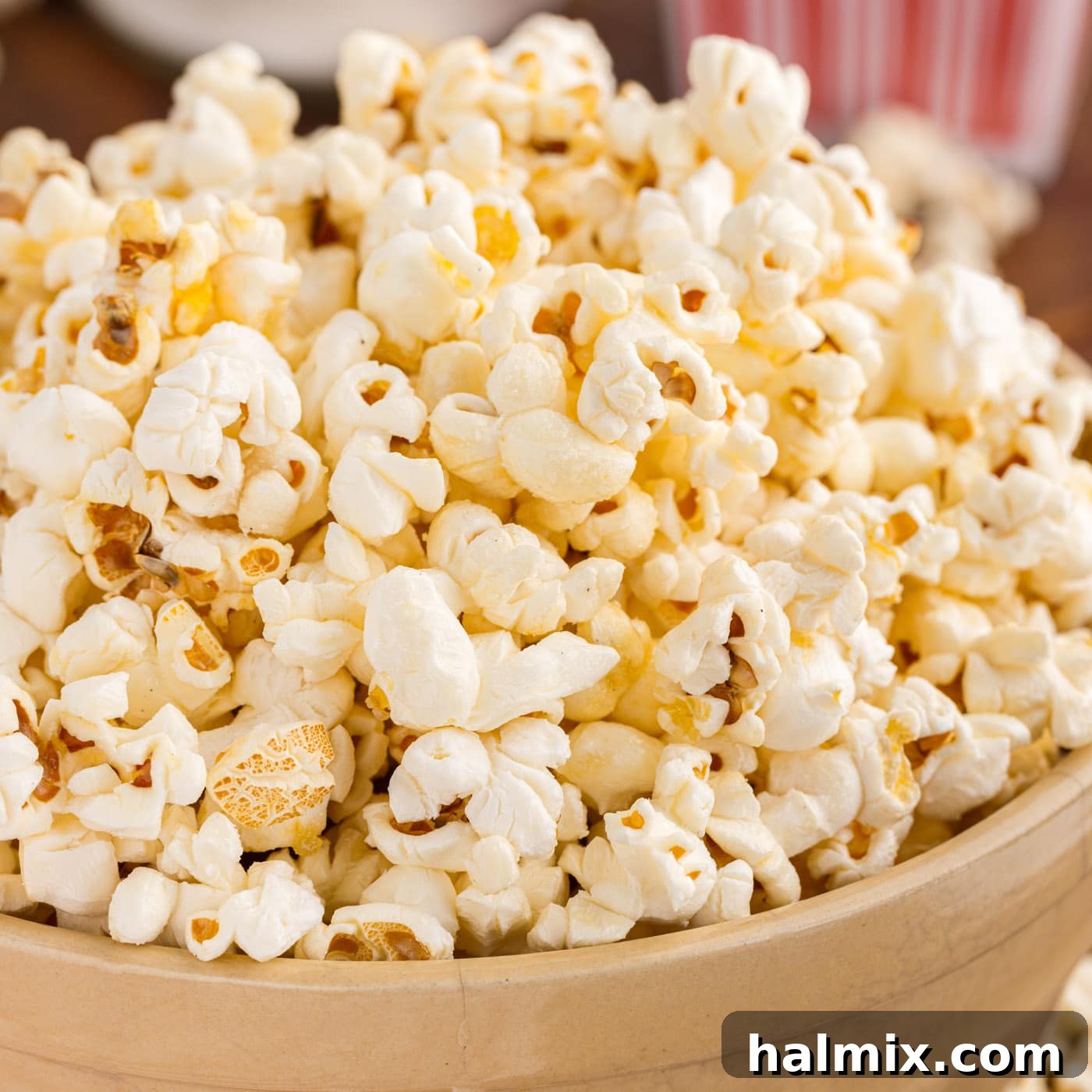
Craving that irresistible sweet and salty crunch reminiscent of county fairs and carnivals? Look no further! This ultimate homemade kettle corn recipe lets you whip up a fresh batch of perfectly balanced popcorn in under 10 minutes, using only four basic ingredients and a single skillet. Forget expensive store-bought bags; once you experience the ease and superior taste of homemade, you’ll never go back.
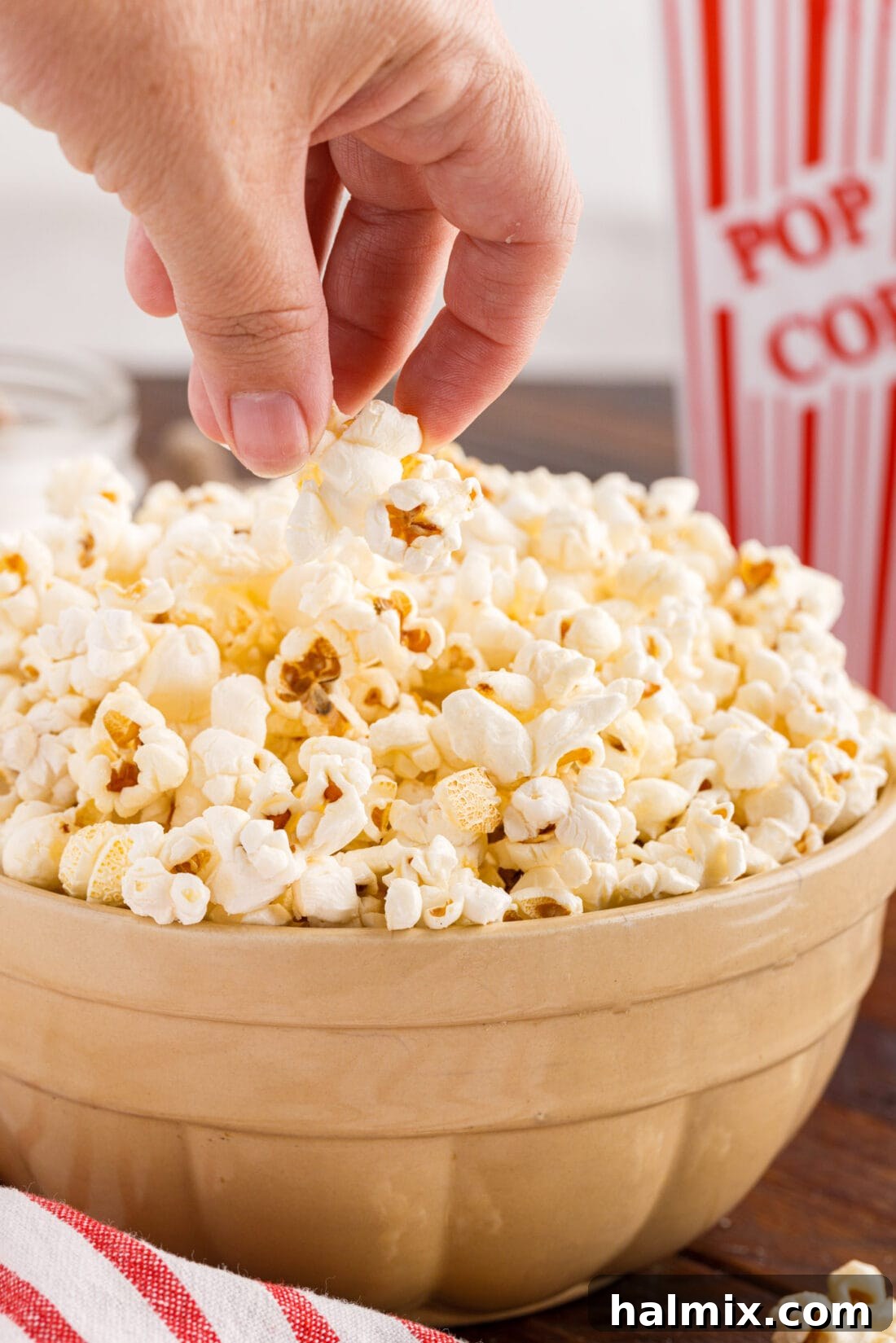
Homemade Kettle Corn: The Ultimate Sweet and Salty Snack
Few snacks evoke a sense of nostalgia quite like kettle corn. That perfect harmony of sweetness and saltiness, combined with the light, airy crunch of freshly popped corn, is a treat for the senses. While often associated with festive gatherings and outdoor events, making kettle corn at home is surprisingly simple, efficient, and incredibly rewarding. This recipe is designed for both beginners and seasoned home cooks, promising delicious results every time.
The Allure of Homemade Kettle Corn: Why This Recipe is a Game Changer
There’s a distinct charm to homemade kettle corn that store-bought versions simply can’t replicate. The process itself is part of the fun, filling your kitchen with an enticing aroma that signals a delicious treat is on its way. This particular recipe stands out for several key reasons:
- Simplicity: With only four ingredients – corn kernels, oil, sugar, and salt – it’s incredibly straightforward. You likely already have everything you need in your pantry.
- Speed: From start to finish, you’re looking at less than 10 minutes. This makes it an ideal last-minute snack for movie nights, unexpected guests, or sudden cravings.
- Perfect Balance: The ratio of sweet to salty is meticulously crafted to deliver that classic, addictive flavor profile that defines kettle corn. It’s not overly sweet, nor is it overwhelmingly salty; it’s just right.
- Freshness Factor: There’s nothing quite like warm, freshly popped kettle corn. The texture is crispier, the flavors more vibrant, and the experience far superior to any pre-packaged alternative.
- Cost-Effective: Making your own popcorn is significantly cheaper than buying gourmet bags, allowing you to enjoy this delightful snack more often without breaking the bank.
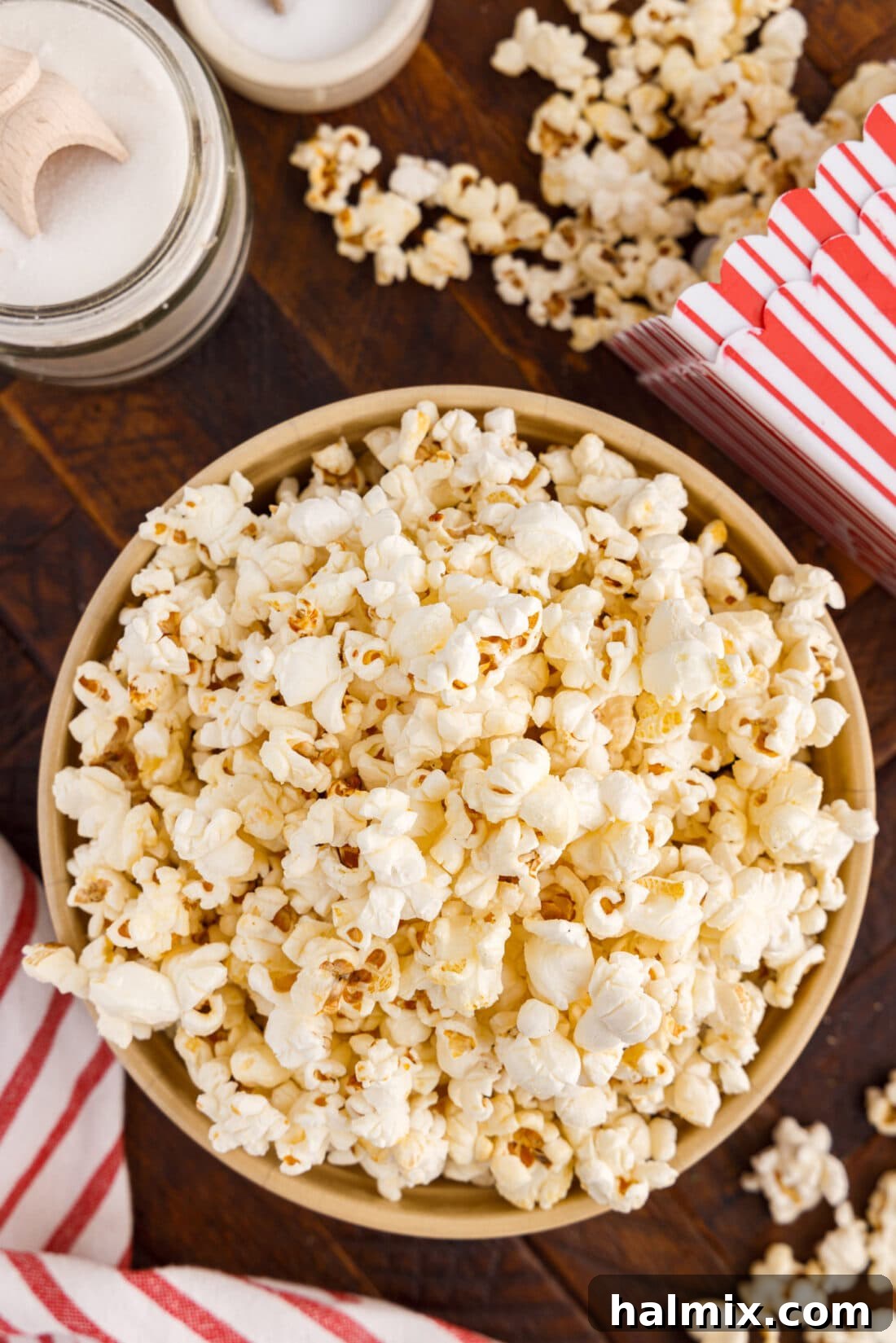
Kettle corn gets its name from the large iron kettles traditionally used to pop corn kernels over an open flame, with sugar added during the popping process. This method creates a unique caramelized coating that sets it apart from regular buttered popcorn. While we adore all forms of popcorn – from classic buttery movie theater style to savory homemade popcorn seasonings – this lightly sweetened, perfectly salted kettle corn holds a special place in our hearts. It’s the quintessential snack that transcends generations and occasions.
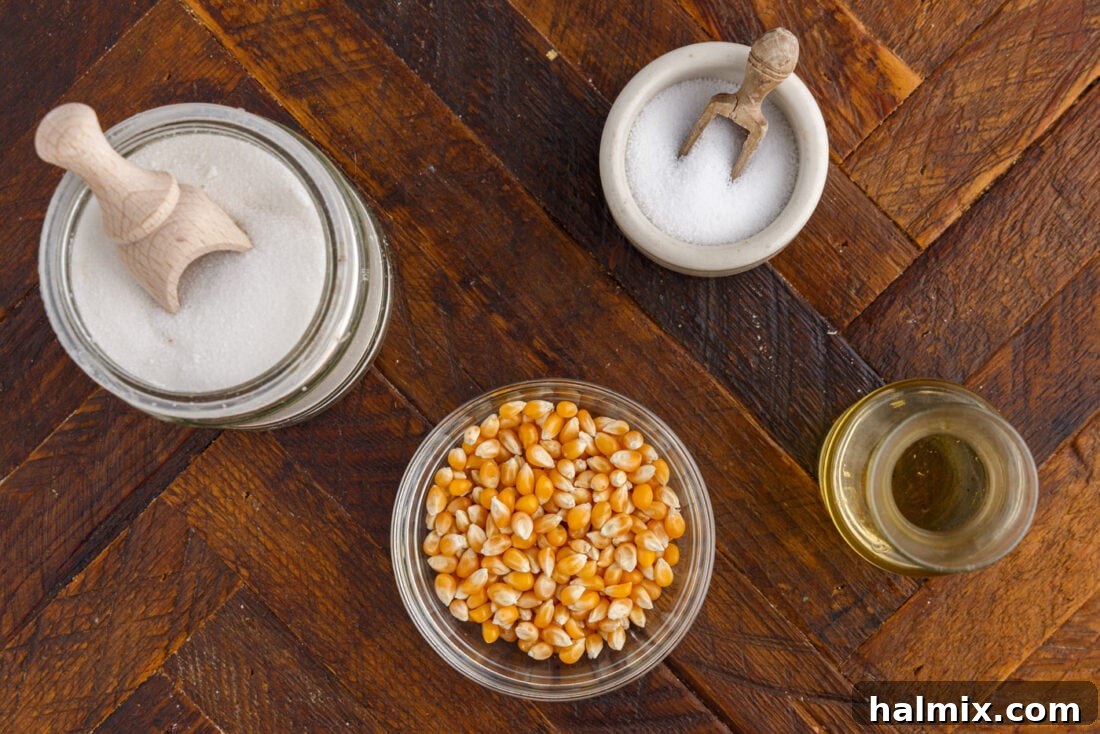
Essential Ingredients for Your Sweet & Salty Kettle Corn
Gathering your ingredients is the first step towards a bowl of homemade bliss. You’ll be amazed at how such simple components can create such a memorable flavor. Remember to find the exact measurements in the printable recipe card at the end of this post.
Ingredient Spotlight & Expert Substitution Tips
Each ingredient plays a crucial role in achieving the perfect kettle corn. Here’s what you need to know:
- Oil: For stovetop popcorn, a neutral-flavored oil with a high smoke point is essential. Vegetable oil is a fantastic choice as it won’t impart any strong flavors that might compete with the sweet and salty profile. Other suitable options include canola oil, grapeseed oil, or sunflower oil. Avoid olive oil as its smoke point is too low, and its flavor can be too assertive. If you’re looking for a subtle, buttery undertone, coconut oil can also work beautifully, but ensure it’s refined to keep the coconut flavor minimal.
- Sugar: Granulated white sugar is the standard for kettle corn. Its fine texture allows it to melt and caramelize evenly around the kernels as they pop. We don’t recommend using brown sugar or powdered sugar for this recipe, as they can burn more easily or create a different texture. The key is even distribution for that signature sweet crunch.
- Salt: A good quality sea salt or fine-grain table salt works best. The initial sprinkle of sugar and salt over the unpopped kernels is crucial because it helps them adhere better as the kernels heat and expand. We’ve found that 2 tablespoons of sugar to 1/2 teaspoon of salt strikes an excellent balance, creating a pronounced sweet-and-salty flavor. However, saltiness is a personal preference. You can certainly reduce the salt to 1/4 teaspoon if you prefer a less salty snack. Alternatively, if you’re unsure or want to adjust the salt level precisely, you can omit adding it with the sugar and sprinkle it over the popped kettle corn after it’s cooked to taste.
- Popcorn Kernels: Use high-quality unpopped corn kernels. Yellow or white varieties work well. Ensure they are fresh for optimal popping success. Old kernels tend to result in more unpopped “old maids.”
Mastering Homemade Kettle Corn: A Step-by-Step Guide
Making kettle corn at home is a delightful culinary adventure. These step-by-step photos and detailed instructions will help you visualize the process and ensure a successful, delicious batch every time.
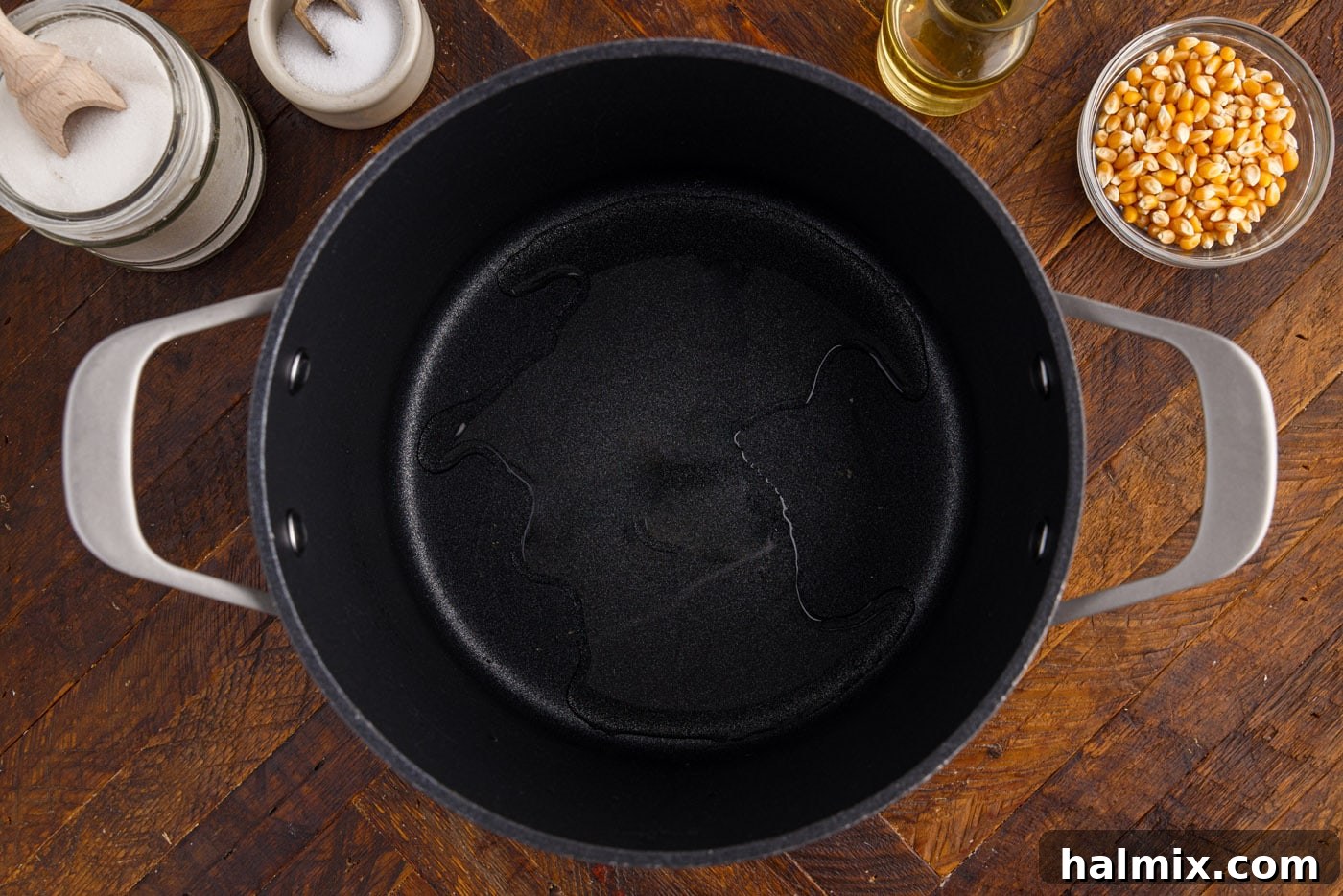
- Prepare the Pot: Begin by coating the bottom of a large, heavy-bottomed pot or a deep skillet with your chosen oil. A pot with a wide surface area and a secure lid is crucial for even heat distribution and to prevent kernels from escaping once they start popping. Heat the oil over medium-high heat until it just begins to shimmer, indicating it’s hot enough to pop corn. This usually takes about 2-3 minutes.

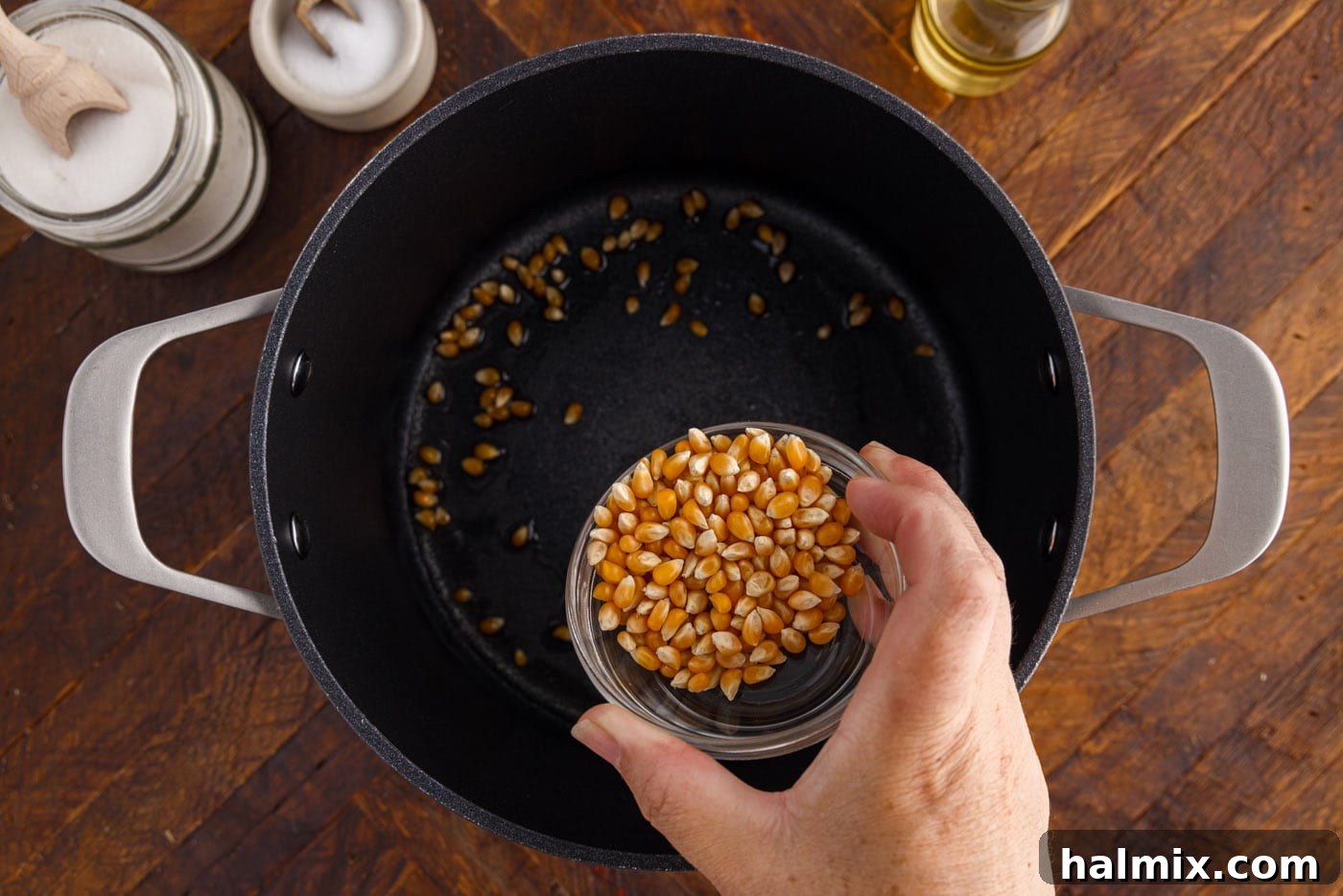
- Add Kernels: Carefully sprinkle the corn kernels into the hot oil. Give the pan a gentle shake to ensure all the kernels are lightly coated in oil. This coating is vital for uniform popping.
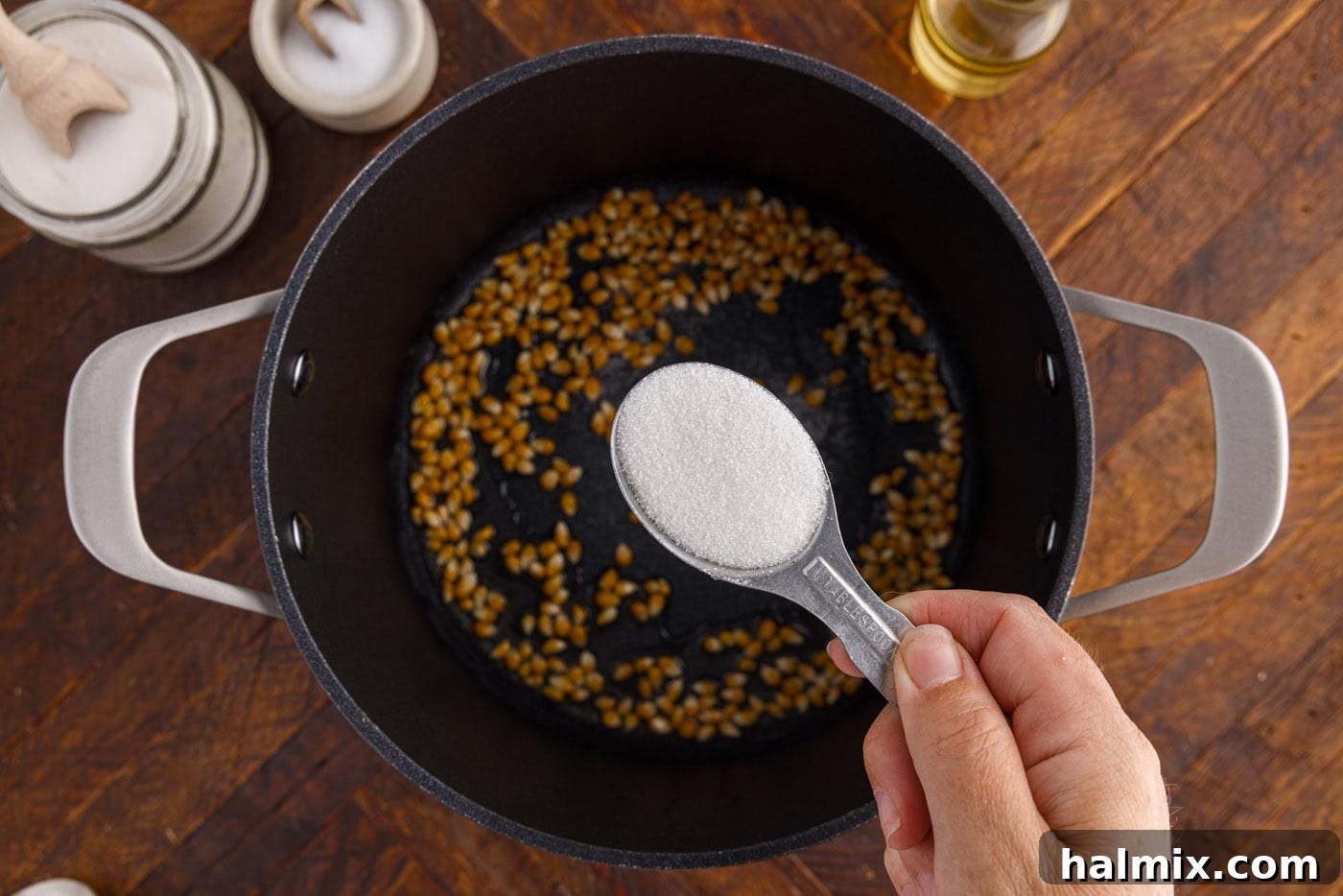
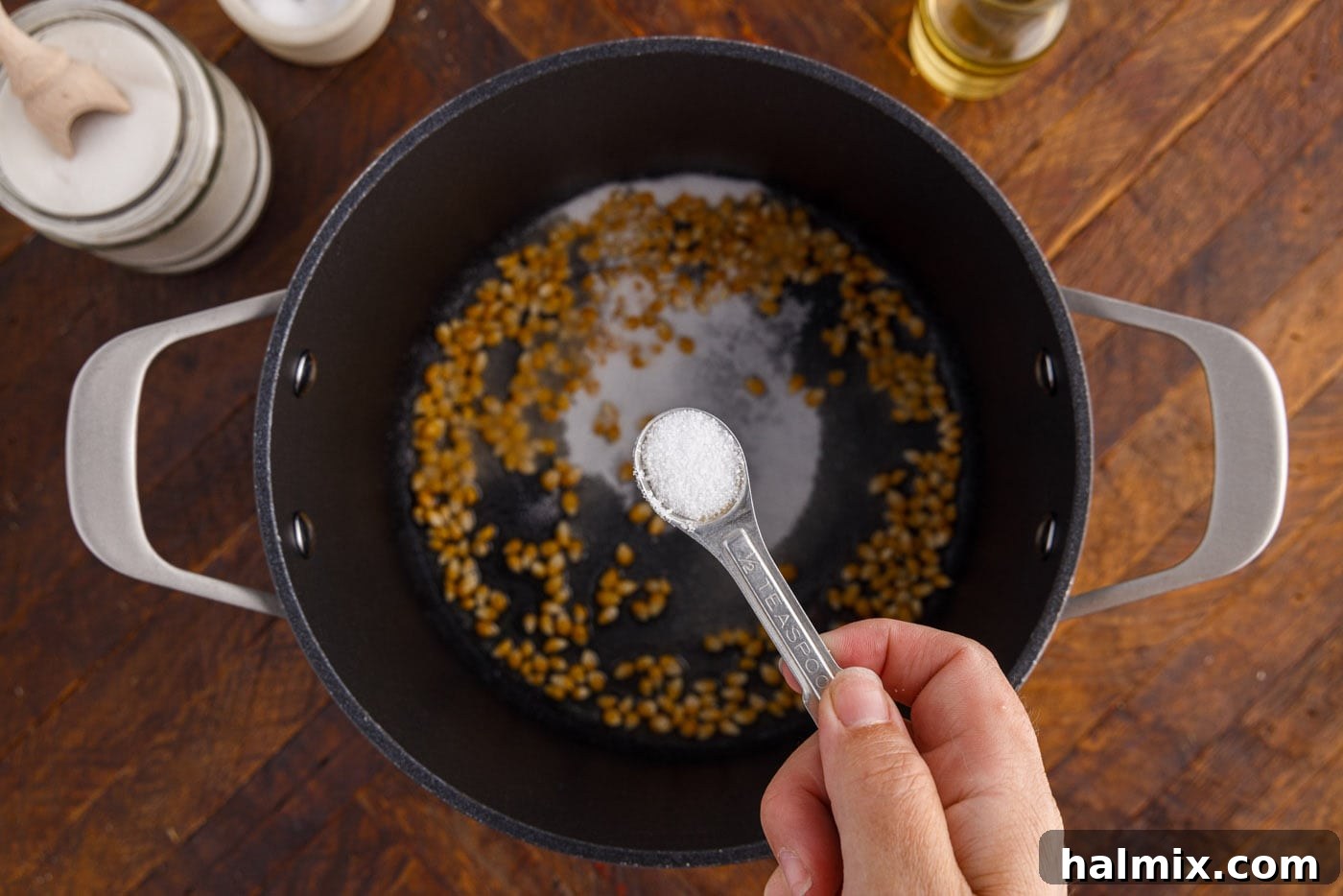
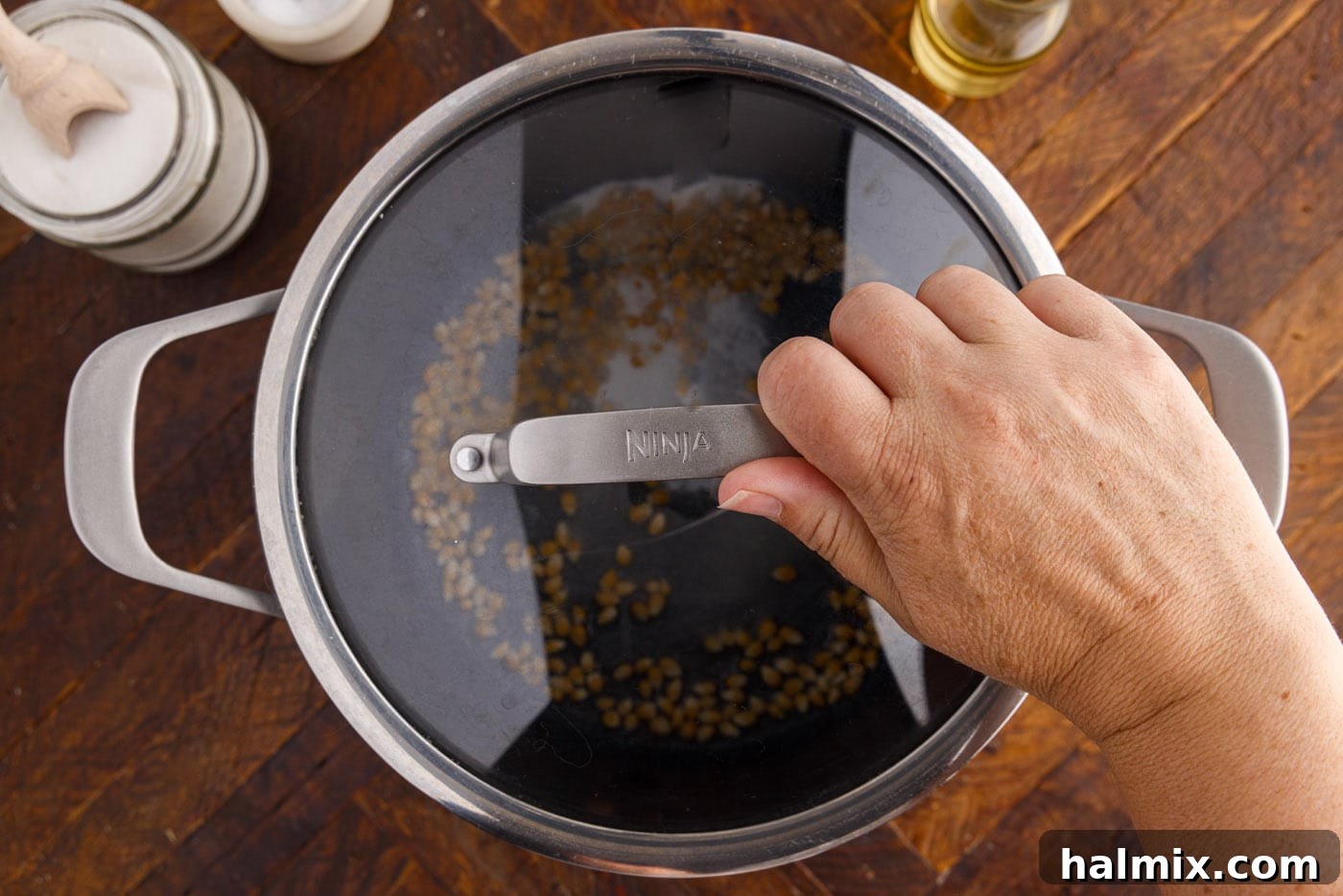
- Sweet & Salty Touch: Immediately sprinkle the granulated sugar and salt evenly over the corn kernels. Place the lid securely on the pot. This is where the magic begins; the sugar will start to melt and adhere to the kernels as they pop, creating the signature kettle corn coating.
- Shake, Shake, Shake!: Continue to cook over medium-high heat, constantly shaking the pan back and forth. This constant motion is absolutely critical. It prevents the sugar from burning at the bottom of the pot and ensures the kernels are evenly coated and popped. Keep shaking until you hear the first few kernels begin to pop.
- The Grand Finale: The kernels will start popping rapidly. Maintain the constant shaking motion. Cook until the popping sounds slow down to about one second between pops. This usually takes approximately 2-3 minutes once popping begins. Listen carefully; you want to remove it just as the popping subsides to prevent burning the sugar or the popped corn.
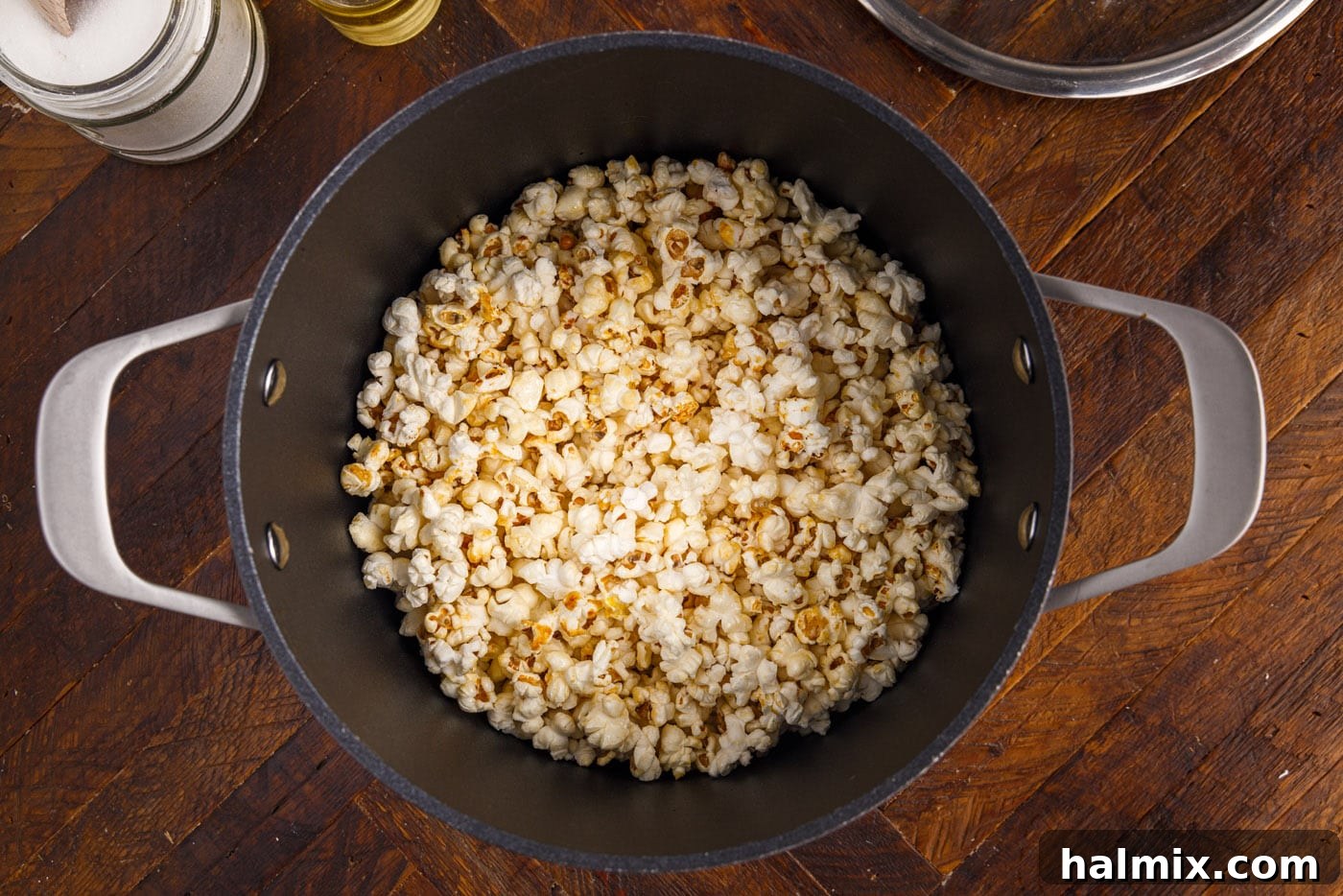
- Cool Down: As soon as the popping stops, immediately remove the pot from the heat and pour the freshly made kettle corn into a separate large bowl or spread it out onto a sheet pan. This stops the cooking process and prevents the sugar from scorching.
- Serve & Enjoy: Allow the kettle corn to cool for a few minutes. As it cools, you may notice some pieces clumping together due to the caramelized sugar. Gently break apart any large chunks and remove any unpopped kernels (also known as “old maids”). Serve warm and savor the perfect sweet and salty crunch!
Frequently Asked Questions & Expert Tips for Perfect Kettle Corn
Even though kettle corn is simple to make, a few common questions and expert tips can elevate your results from good to absolutely fantastic. Understanding these nuances will help you troubleshoot and achieve consistently perfect batches.
How do you store homemade kettle corn?
While homemade kettle corn is undeniably best enjoyed immediately, especially given how quick it is to prepare fresh, you can certainly store any cooled leftovers. The key to maintaining freshness and crunch is an airtight environment. Transfer your completely cooled kettle corn into an airtight container or a securely sealed zip-top bag. Store it at room temperature, and it should remain delicious for 5-6 days. Avoid refrigerating, as this can introduce moisture and make the popcorn stale or chewy.
Why is my sugar burning when making kettle corn?
Burning sugar is a common pitfall when making kettle corn, but it’s easily avoidable with the right technique. Here are the primary reasons sugar might burn and how to prevent it:
- Insufficient Shaking: This is the most critical factor. Because sugar is added directly to the hot pot, it will melt and caramelize. Without constant shaking, the sugar can settle at the bottom and scorch rapidly. Keep those kernels (and the melting sugar) moving consistently throughout the entire popping process.
- Heat Too High: While you start with medium-high heat to get the oil shimmering, if your stove runs particularly hot, you might need to adjust it slightly lower once the kernels and sugar are added. Monitor your heat and listen for the popping.
- Leaving Popcorn in the Hot Pot: Once the popping slows down significantly (to about one second between pops), it’s crucial to remove the kettle corn from the heat immediately. The residual heat in the pot can continue to cook the sugar, leading to burning. Pour it into a separate bowl or onto a baking sheet without delay.
- Trying to Pop Every Kernel: Don’t be a perfectionist about unpopped kernels. It’s better to have a few “old maids” than to risk burning the entire batch by trying to pop every last one. Remove the kettle corn when the popping cadence slows, even if a few kernels remain.
- Pot Choice: A lightweight, heavy-bottomed pot or deep skillet is ideal. Heavy bottoms distribute heat more evenly, reducing hot spots where sugar might burn. A lightweight pot also makes it easier to maintain the constant shaking motion necessary for success. Ensure your pan has plenty of room for the corn to expand without overcrowding, and always use a secure lid.
Can I use different types of sugar or salt?
For sugar, granulated white sugar is recommended for its even melting properties. For salt, fine sea salt or table salt works best for even distribution and adherence. Coarser salts might not stick as well or could lead to pockets of intense saltiness.
What if my kettle corn doesn’t get crispy?
Lack of crispness can often be due to moisture. Ensure your pot is completely dry before starting, and once popped, transfer the kettle corn immediately to cool. If left in the hot, steamy pot, it can become chewy. Storing it in an airtight container once completely cool will help maintain its crunch.

Serving Suggestions & Creative Twists for Your Kettle Corn
Kettle corn is a versatile snack that can be enjoyed in many ways. It’s delightful served warm, fresh from the skillet, allowing the subtle warmth to enhance its flavors. However, it’s equally delicious at room temperature, making it a perfect grab-and-go snack.
- Party Perfect: Planning a get-together? Make a large batch and serve it in charming popcorn buckets for a fun, festive display. It’s always a crowd-pleaser!
- Carnival Theme: For a full carnival-themed party, why not go all out? Pair your homemade kettle corn with other fair favorites like homemade funnel cakes, cotton candy, or corn dogs.
- Movie Night Must-Have: Ditch the bland microwave popcorn. Homemade kettle corn is the ultimate companion for your next movie marathon.
- Creative Flavor Boosts: While delicious on its own, you can experiment with subtle additions. A dash of cinnamon with the sugar can add a warm spice note, or a sprinkle of chili powder could introduce a surprising sweet-and-spicy kick for the adventurous palate.
More Irresistible Snack Recipes You’ll Love
If you’ve enjoyed making this easy kettle corn, you might love exploring other homemade snack options. Here are a few more recipes that promise to delight your taste buds:
- Classic Chex Mix
- Chocolate Peanut Butter Muddy Buddies
- Homemade Keto Cheese Crackers
- Sweet and Salty Pretzels
- Crunchy Popcorn Chocolate Bark
I love sharing my kitchen adventures and delicious recipes with all of you! To make sure you never miss a new post, consider subscribing to my convenient newsletter. You’ll receive free daily recipes delivered straight to your inbox. Simply subscribe here and join our cooking community!
Homemade Kettle Corn
Snack
American
2 servings (yielding approximately 6 cups total)
2 minutes
8 minutes
10 minutes
120 kcal
Amanda Davis
Ingredients
- 1-2 Tablespoons neutral vegetable oil
- ¼ cup unpopped corn kernels
- 2 Tablespoons granulated white sugar
- ½ teaspoon sea salt (adjust to taste, see notes)
Equipment You’ll Need
- Large heavy-bottomed pot or deep skillet with a secure lid
- Large mixing bowl or sheet pan for cooling
Before You Begin: Important Notes
- For best results, use a lightweight, heavy-bottomed pot. The heavy bottom helps distribute heat evenly, while a lighter weight makes it easier to continuously shake the pot, which is crucial for preventing the sugar from burning. Ensure there’s ample room for the corn to expand, and the lid fits snugly.
- The sugar in this recipe caramelizes quickly and can scorch if left undisturbed. Constant shaking of the pot throughout the popping process is essential to keep the kernels and sugar moving.
- Prioritize preventing burnt sugar over popping every single kernel. As soon as the popping significantly slows down (to about one pop per second), immediately transfer the kettle corn out of the hot pot.
- The suggested salt ratio of 1/2 teaspoon per 2 tablespoons of sugar provides a balanced sweet and salty flavor. If you prefer less salt, reduce it to 1/4 teaspoon, or add salt after popping to taste.
- While fresh is best, cooled leftovers can be stored in an airtight container or a sealed zip-top bag at room temperature for up to 5-6 days. Ensure it’s completely cooled before storing to avoid condensation.
Instructions
- Heat the Oil: Coat the bottom of your large pot or deep skillet with oil. Place it over medium-high heat and allow the oil to heat until it shimmers, typically 2-3 minutes.
- Add Kernels: Carefully sprinkle the unpopped corn kernels into the hot oil. Give the pan a quick shake to ensure all kernels are lightly coated.
- Season and Cover: Immediately sprinkle the granulated white sugar and sea salt evenly over the corn kernels. Place the lid securely on the pot.
- Shake Constantly: Continue to cook over medium-high heat. It is absolutely crucial to shake the pan constantly and vigorously. This continuous motion prevents the sugar from burning and helps coat the kernels evenly.
- Pop and Listen: The kernels will begin to pop. Continue shaking until the popping sounds slow down to approximately one second between pops. This usually takes about 2-3 minutes from the first pop.
- Cool Immediately: As soon as the popping subsides, remove the pot from the heat and immediately pour the kettle corn into a separate large bowl or spread it out onto a sheet pan to cool. This stops the cooking process and prevents scorching.
- Serve: Once cooled, gently break apart any large clumps of kettle corn and remove any unpopped kernels. Serve and enjoy your homemade sweet and salty treat!
Nutrition Information
Serving: 1 serving (3 cups) |
Calories: 120 kcal |
Carbohydrates: 15 g |
Protein: 0.5 g |
Fat: 7 g |
Saturated Fat: 1 g |
Polyunsaturated Fat: 4 g |
Monounsaturated Fat: 2 g |
Trans Fat: 0.04 g |
Sodium: 624 mg |
Potassium: 27 mg |
Fiber: 0.4 g |
Sugar: 13 g |
Vitamin A: 9 IU |
Vitamin C: 0.3 mg |
Calcium: 1 mg |
Iron: 0.1 mg
(Please note: Nutritional information is an estimate and can vary based on specific ingredient brands and preparations.)
Tried this Homemade Kettle Corn Recipe? Pin it for Later!
Follow on Pinterest @AmandasCookin or tag #AmandasCookin to share your delicious creations!
The recipes on this blog are typically tested using a conventional gas oven and gas stovetop. It’s important to remember that appliance performance can vary. Some ovens, particularly older models, may cook and bake inconsistently. Using an inexpensive oven thermometer can help verify that your oven is reaching and maintaining the correct temperature. If you use a toaster oven, countertop oven, pressure cooker, air fryer, slow cooker, or other specialized appliance, please be aware that heat distribution and cooking times may differ from a full-sized conventional oven. Adjustments to cooking or baking times might be necessary. For baking recipes where measurements are provided by weight, using volume (cups) instead may lead to different results, and success cannot be guaranteed with this alternative method.