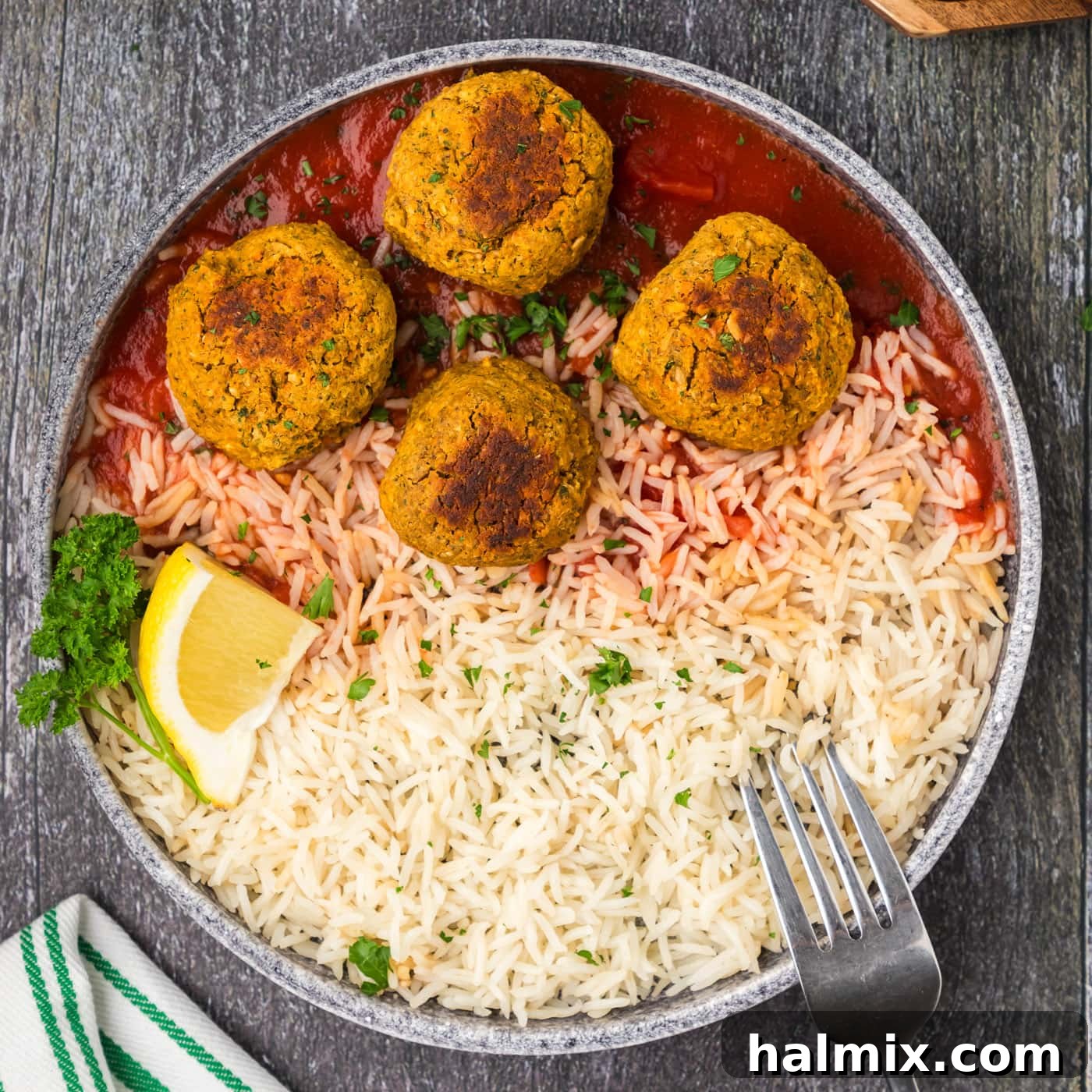
Transform your weekly meal routine with these incredible **Lentil Meatballs**, the ultimate vegetarian-friendly alternative to classic meat-based versions. Bursting with robust flavors and packed with plant-based protein, these savory spheres are designed to satisfy everyone at your table, from committed vegetarians to curious omnivores. They’re not just a substitute; they’re a delicious, wholesome, and incredibly versatile dish in their own right, promising a delightful culinary experience without compromising on taste or nutrition.
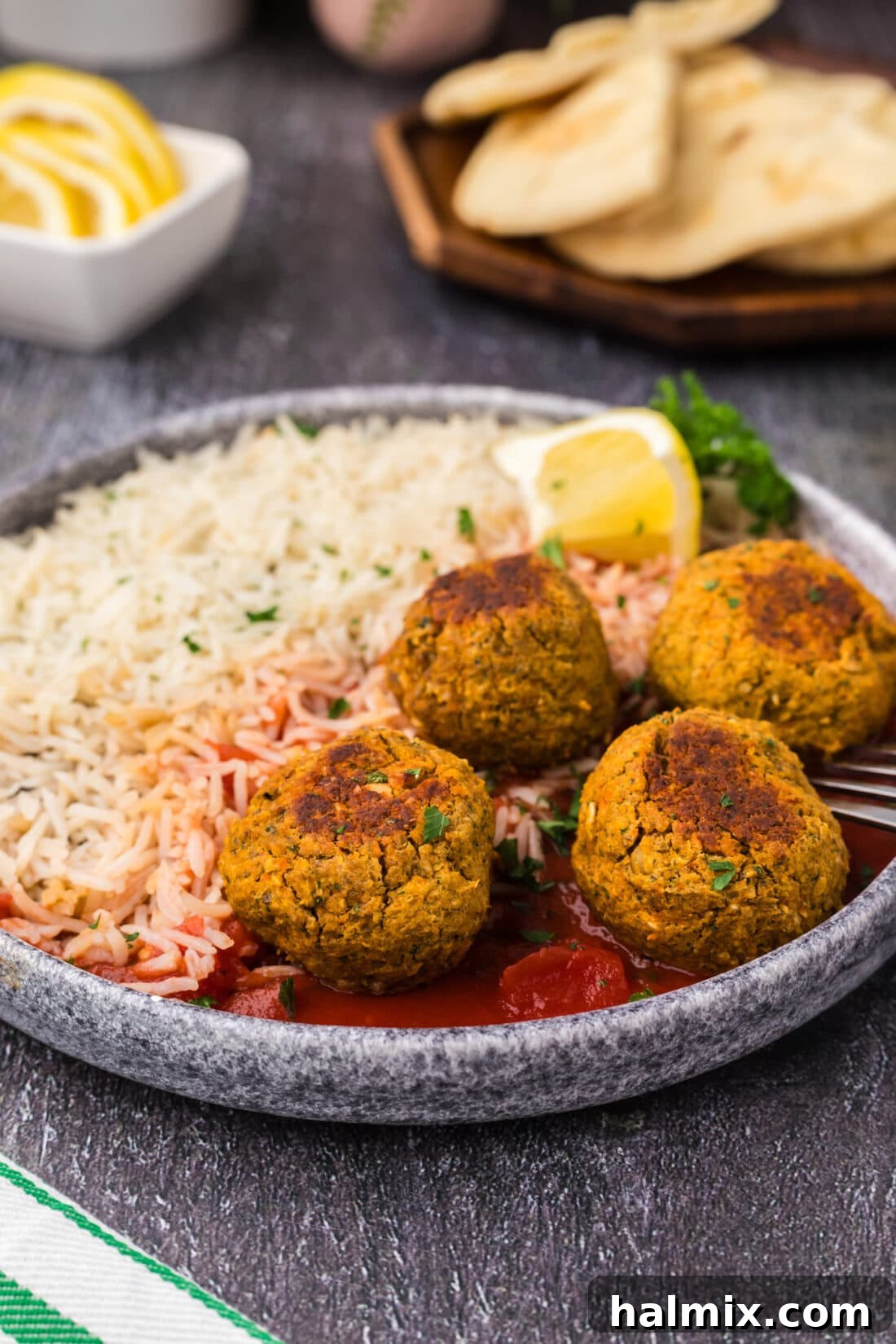
Why These Lentil Meatballs Are a Must-Try
Our lentil meatballs recipe stands out for a multitude of reasons. They are remarkably nutrient-dense, delivering a generous dose of fiber, vitamins, and minerals that contribute to overall well-being. Beyond their health benefits, these meatballs are incredibly flavorful, infused with aromatic herbs and savory vegetables that create a depth of taste comparable to traditional recipes. Their versatility is another major highlight; whether you’re serving them over a bed of spaghetti, simmering them in a hearty stew, or enjoying them alongside fluffy rice, they effortlessly adapt to various culinary contexts. Plus, their ease of preparation makes them an ideal choice for meal prepping or as a crowd-pleasing appetizer.
Lentils, the star ingredient, are a nutritional powerhouse. They are celebrated for being low in fat and calories while offering an exceptional source of protein and dietary fiber. Incorporating them into your diet can aid in digestion, help regulate blood sugar levels, and provide sustained energy throughout your day. Whether you form them into these delectable meatballs or enjoy them in a comforting lentil soup, they are guaranteed to infuse your body with a vital array of healthy nutrients, making every bite count towards a healthier lifestyle.
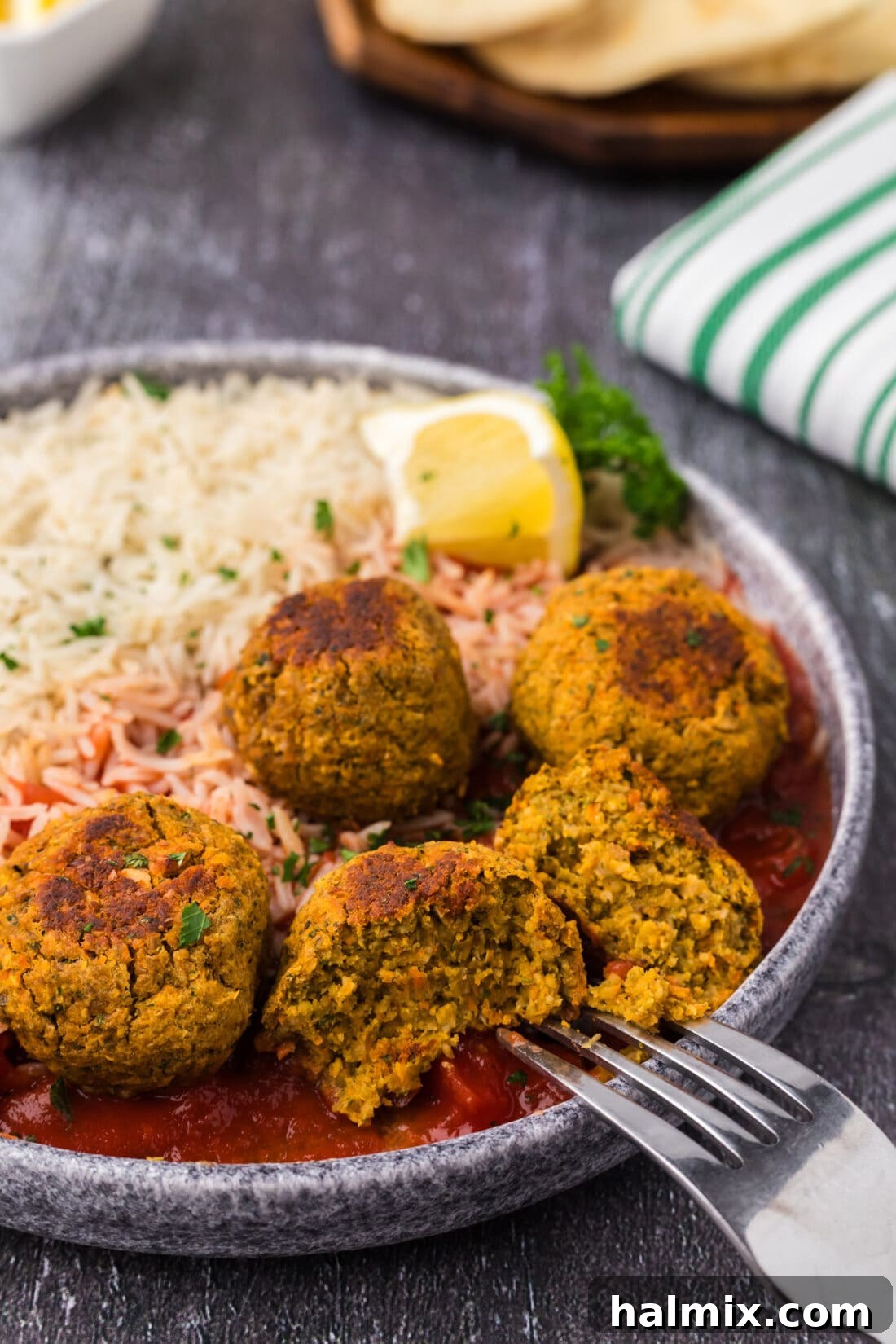
Essential Ingredients for Your Savory Lentil Meatballs
Crafting the perfect lentil meatball begins with selecting the right ingredients. Each component plays a crucial role in achieving the desired flavor, texture, and binding consistency. Below, we delve into the key ingredients you’ll need for this recipe, along with useful information and substitution suggestions to ensure your success in the kitchen.
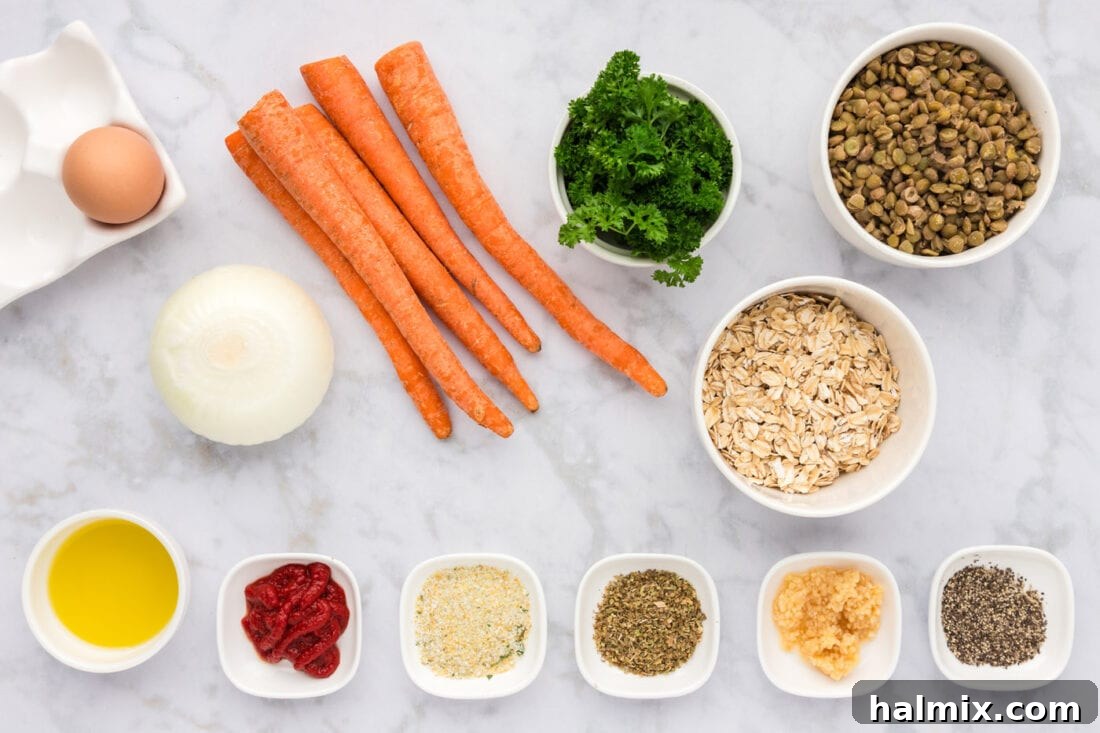
The Star of the Show: Lentils
LENTILS – For this recipe, brown or green lentils are your best bet. These varieties hold their shape well after cooking, which is essential for forming sturdy meatballs. Red lentils, while delicious in soups and stews, tend to break down more, resulting in a mushier texture that isn’t ideal for meatballs. Black lentils (Beluga lentils) could also work, offering a slightly firmer texture and earthy flavor. Ensure your lentils are cooked according to package instructions and then thoroughly drained and cooled before incorporating them into the mixture. This cooling step is vital for preventing excess moisture that could lead to crumbly meatballs.
Binders and Moisture Providers
EGG – The egg serves a dual purpose: it acts as a crucial binder, holding the meatball mixture together, and contributes essential moisture. Without a proper binder, your meatballs might fall apart during cooking. For those following a vegan diet or with egg allergies, a flax egg is an excellent substitute. To make one, simply combine 1 tablespoon of ground flaxseed with 3 tablespoons of water, stir well, and let it sit for about 5-10 minutes until it thickens into a gelatinous consistency similar to an egg.
OATS – Old-fashioned rolled oats are another key ingredient for binding the mixture. Their hearty texture helps absorb excess moisture and creates a firm yet tender meatball. While quick-cooking oats can be used in a pinch, they might result in a slightly softer texture. Instant oats, however, are generally not recommended as they tend to become too mushy, which can negatively impact the final texture of your meatballs. If gluten-free is a concern, ensure you use certified gluten-free rolled oats.
Flavor Enhancers and Aromatics
SEASONINGS – A thoughtful blend of seasonings is what elevates these lentil meatballs from simple to sensational. Fresh parsley adds a bright, herbaceous note, while dried oregano provides a classic Italian-inspired depth. Garlic salt and black pepper are fundamental for a savory base. Don’t hesitate to customize this blend to your preference. Consider adding a pinch of red pepper flakes for a subtle kick, a dash of smoked paprika for warmth, or even some Italian seasoning for an extra aromatic boost. Experimenting with different herbs and spices allows you to tailor the flavor profile to your taste or to complement the dish you’ll be serving them with.
TOMATO PASTE – A small amount of tomato paste goes a long way in adding a concentrated, umami-rich flavor and a touch of sweetness, which helps to round out the overall taste profile of the meatballs. It also contributes to the rich, appetizing color.
OLIVE OIL – Used for sautéing the aromatics and for spraying the meatballs before baking, olive oil adds healthy fats and helps achieve a beautiful golden-brown crust, enhancing both flavor and texture.
How to Make Irresistible Lentil Meatballs: A Step-by-Step Guide
Follow these detailed steps to create perfectly tender and flavorful lentil meatballs. The visual cues in the accompanying photos will help guide you through each stage of the process.
- Preheat your oven to 425°F (220°C). Line a large baking sheet with parchment paper. This crucial step prevents the meatballs from sticking and ensures easy cleanup.
- Cook your chosen brown or green lentils according to the package instructions. Once cooked, drain them thoroughly to remove any excess water. Spread the drained lentils evenly on a plate or a clean baking sheet to allow them to cool completely. Cooling is essential to prevent a mushy mixture and helps the meatballs hold their shape better.
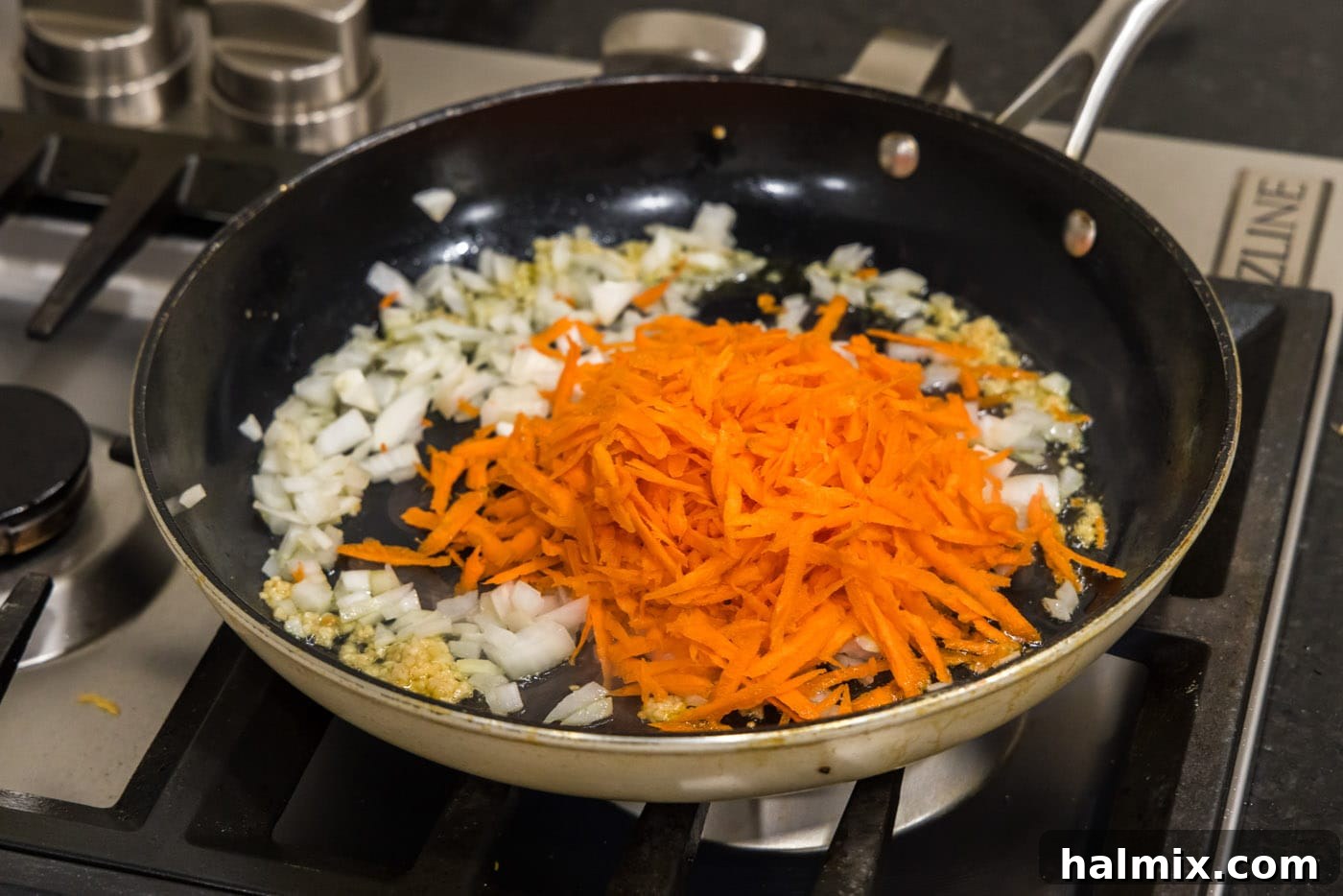
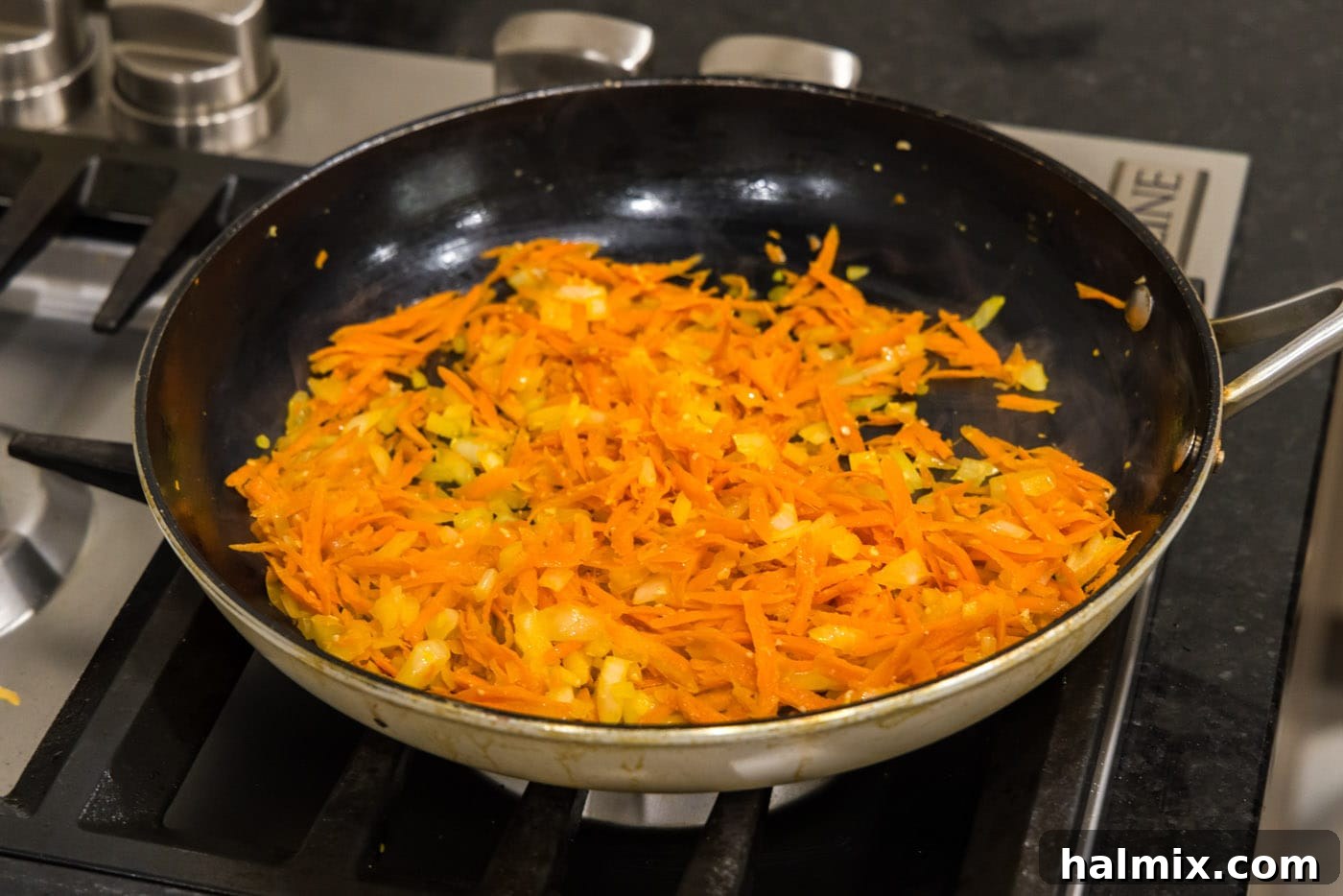
- In a skillet, heat 3 tablespoons of olive oil over medium-high heat until it shimmers. Add the minced garlic, chopped onion, and shredded carrots to the skillet. Sauté, stirring occasionally, for 2-3 minutes, or until the vegetables have softened and become fragrant. This step develops the foundational savory flavors for your meatballs. Remove the skillet from the heat and set aside.

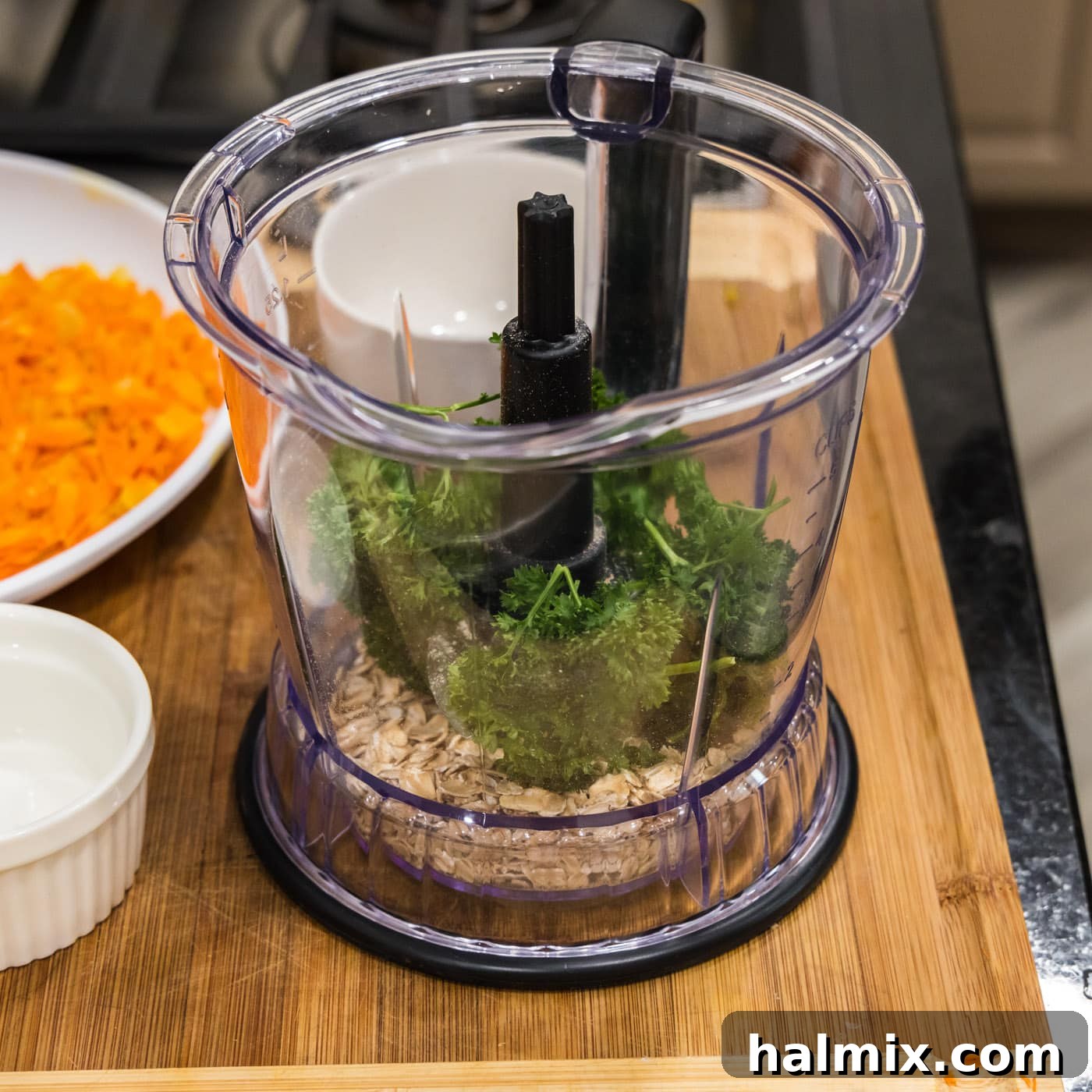
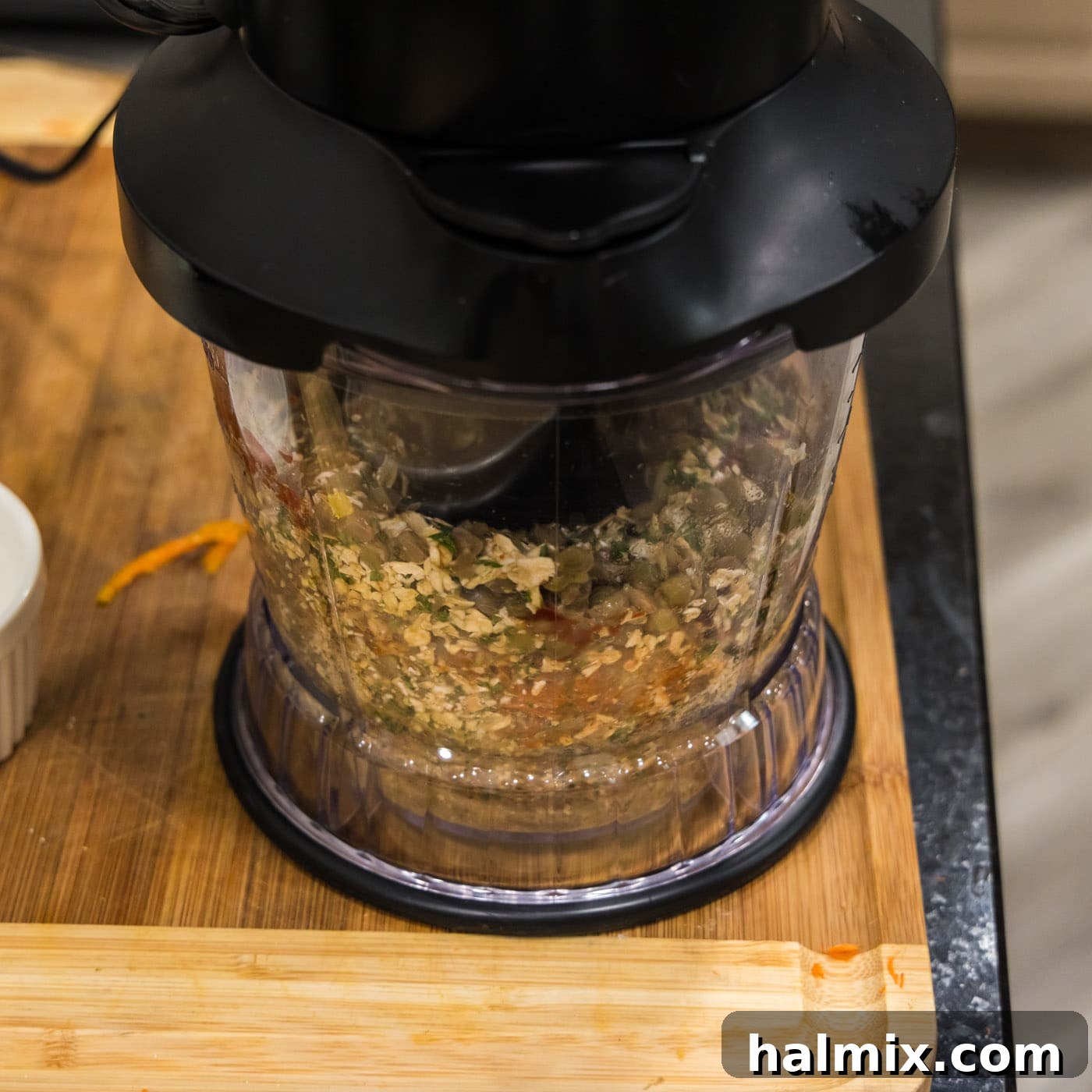
- In a food processor, add the ¼ cup of old-fashioned oats and a handful of fresh parsley. Pulse a few times until the oats are coarsely broken up and the parsley is finely chopped. This creates a fine binding agent without turning the oats into flour.
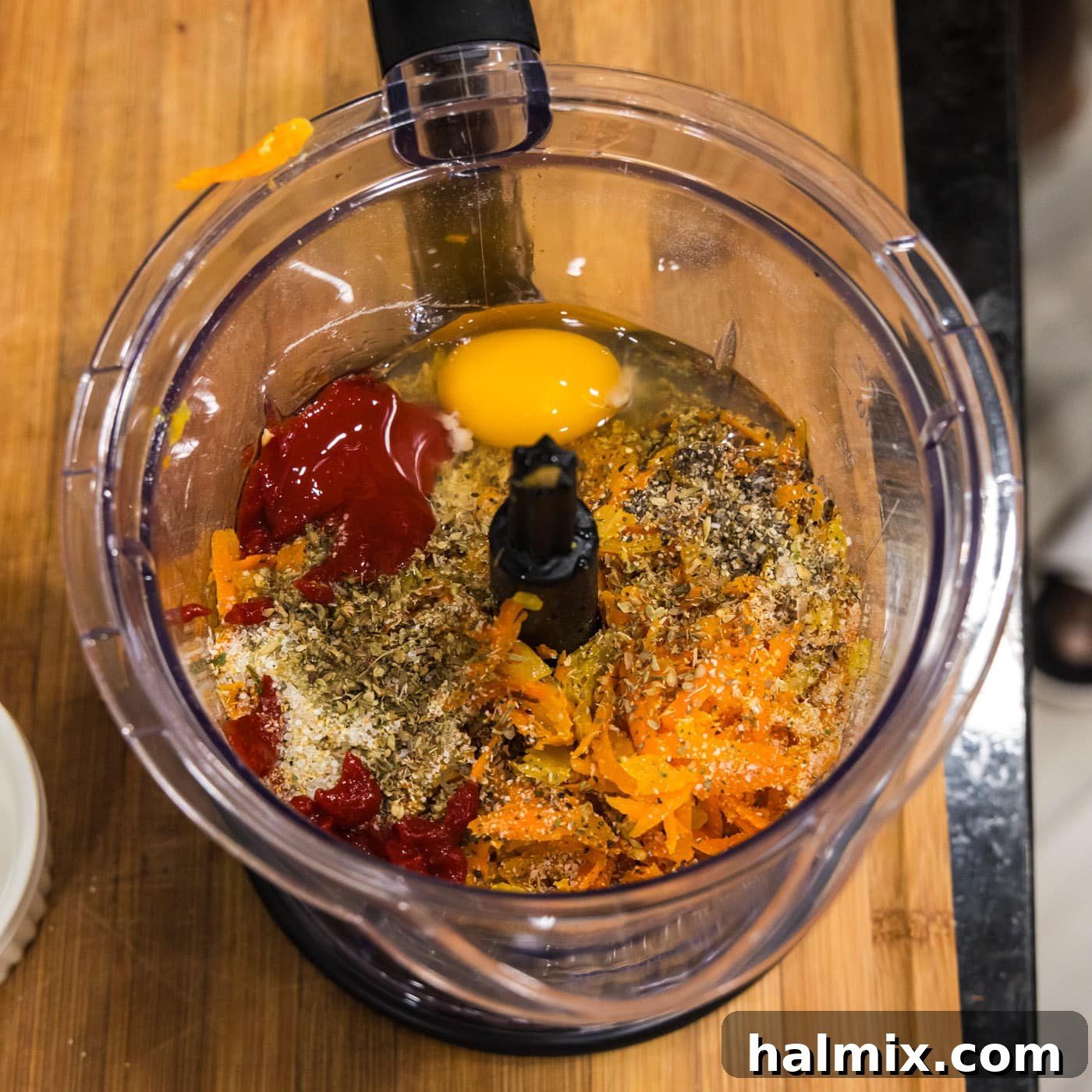
- Next, add the cooled cooked lentils, the sautéed carrot mixture, dried oregano, garlic salt, black pepper, tomato paste, and the large egg (or flax egg) to the food processor. Pulse until all ingredients are just combined. Then, process continuously until the mixture is completely uniform and forms a cohesive, pliable dough. Be careful not to over-process; you want a dough-like consistency, not a completely smooth paste.
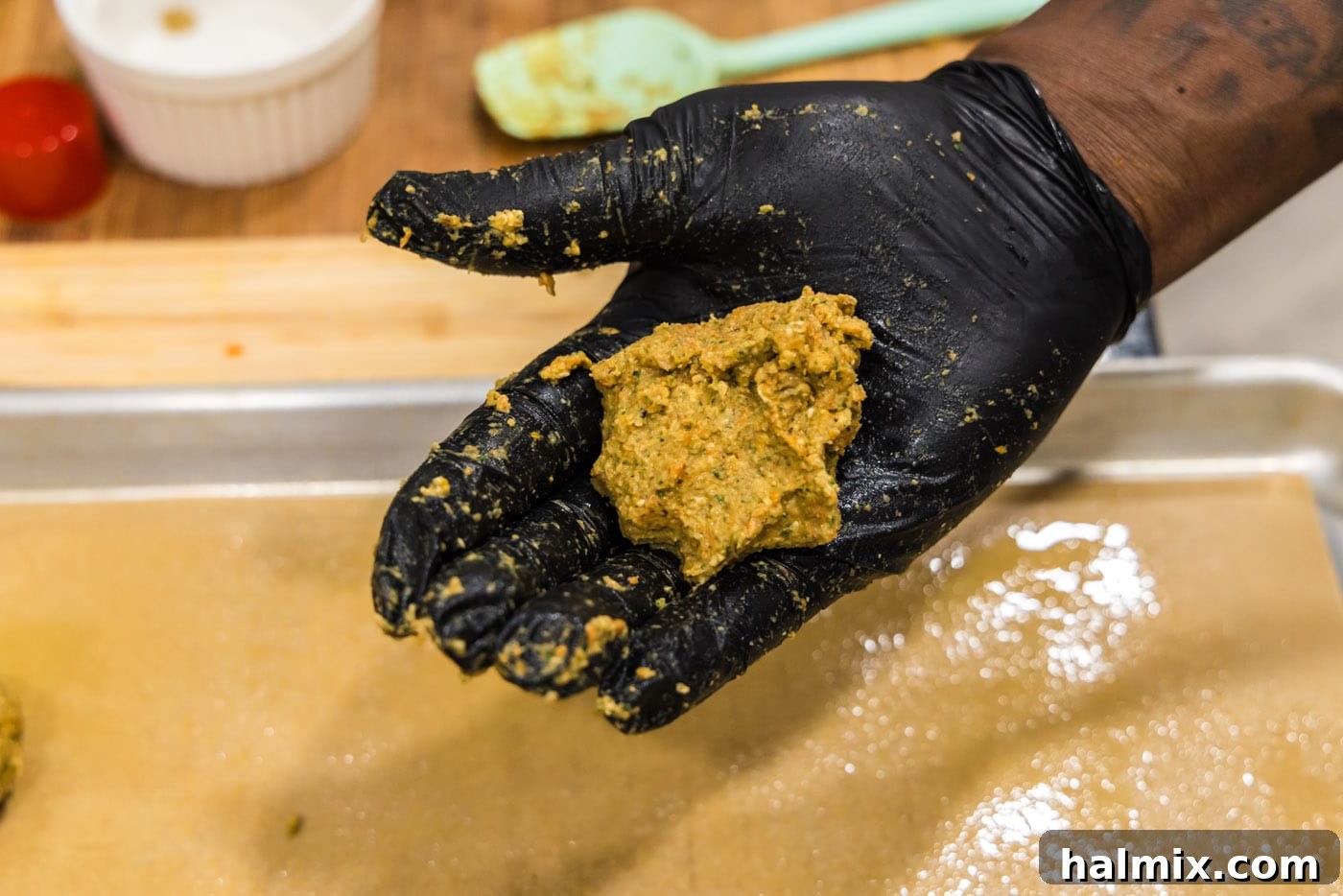
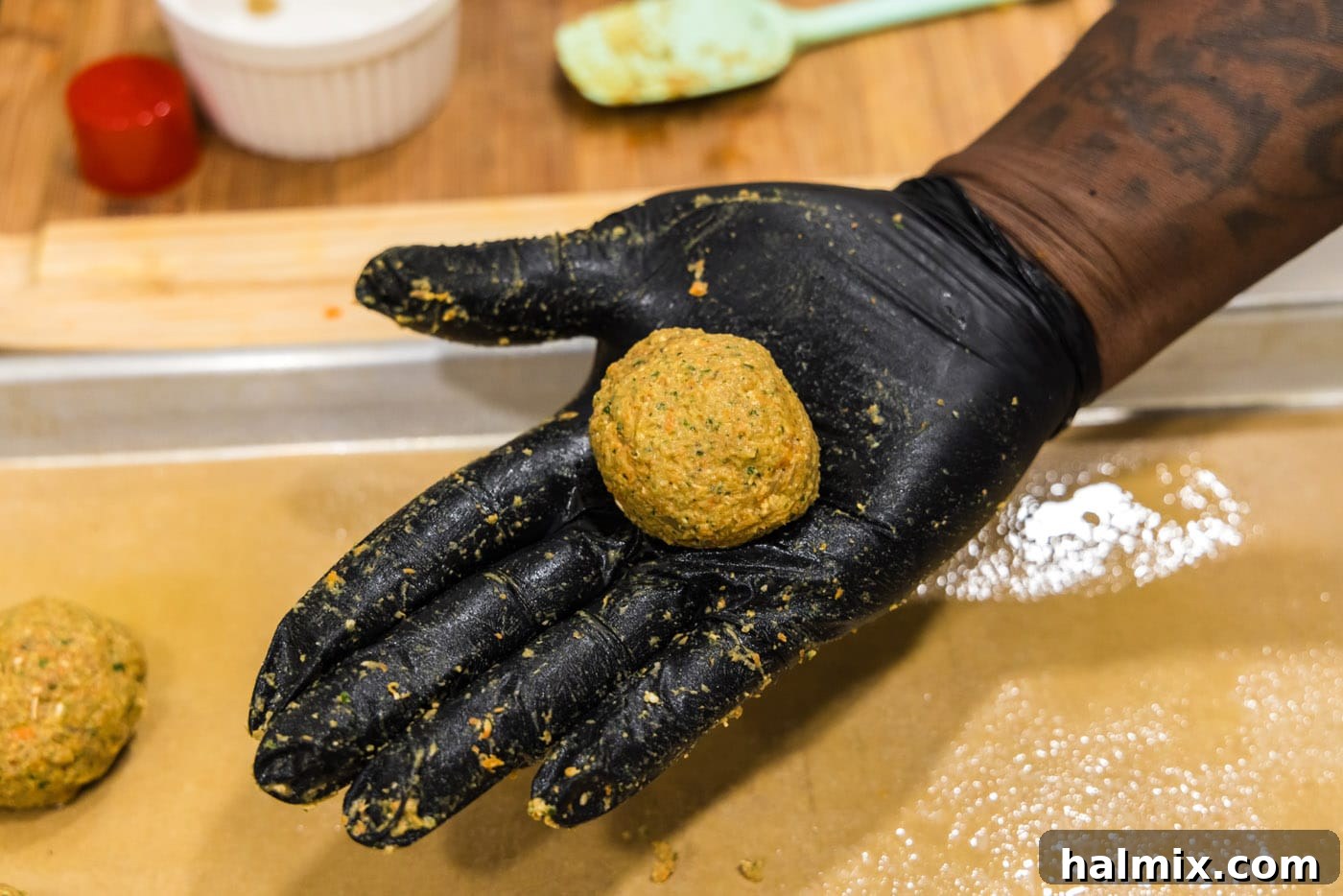
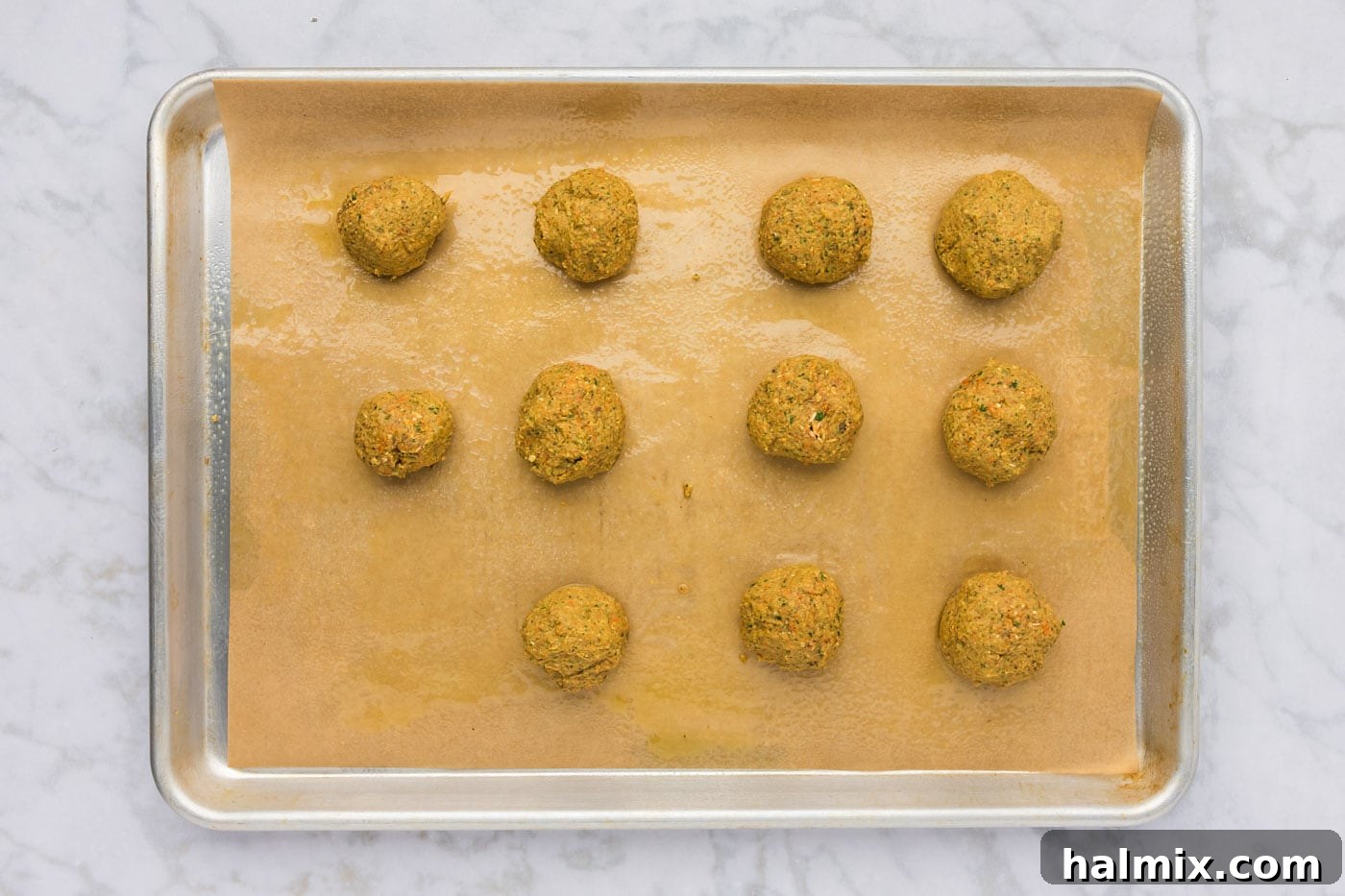
- Take portions of the lentil dough and roll them into 10-12 balls, depending on your desired size. Place these uniformly shaped meatballs onto your prepared baking sheet. Lightly spray the tops of the balls with olive oil cooking spray.
TIP – The dough may relax slightly as it sits. For perfectly round meatballs, you might want to quickly re-form them just before placing them in the oven. This ensures an appealing presentation.
- Bake the meatballs in the preheated oven for 10 minutes. This initial bake helps them set and begin to brown.
- Using tongs, carefully turn each meatball over to ensure even cooking and browning. Spray the other side with olive oil cooking spray. Return the baking sheet to the oven and bake for an additional 8 minutes, or until the meatballs are golden brown and firm to the touch.

Frequently Asked Questions & Expert Tips for Lentil Meatballs
Here are some common questions and expert advice to help you master your lentil meatballs, ensuring they are always delicious and convenient.
Once cooled, store any leftover lentil meatballs in an airtight container in the refrigerator for up to 4 days. They reheat beautifully in the microwave or a warm oven, making them perfect for quick meals throughout the week.
Absolutely! Lentil meatballs are excellent for freezing, either baked or unbaked. For best results when freezing unbaked meatballs, flash freeze them first. Arrange the prepared meatballs on a baking sheet and place them in the freezer until they are solid or no longer sticky to the touch. This prevents them from sticking together. Once solid, transfer them to an airtight freezer-safe container or a large zip-top bag. They can be frozen for up to 2 months. Bake from frozen, adding a few extra minutes to the cooking time, or thaw overnight in the refrigerator before baking.
Yes, these meatballs are fantastic for making ahead. You can prepare the mixture and roll the meatballs up to a day in advance. Store them, covered, in the refrigerator. When you’re ready to bake, simply remove them from the refrigerator as you preheat your oven and bake as directed. This makes entertaining or busy weeknights a breeze!
For an even crispier crust, consider pan-frying your meatballs after baking. Heat a tablespoon of olive oil in a skillet over medium-high heat and sear the baked meatballs for 1-2 minutes per side until deeply golden. Alternatively, an air fryer can give them a wonderful crispy finish; cook at 375°F (190°C) for 10-12 minutes, shaking the basket halfway through.
If your lentil meatball mixture feels too wet, add a tablespoon or two of extra rolled oats until it reaches a manageable consistency. If it’s too dry and crumbly, add a teaspoon of olive oil or a splash of vegetable broth to help bind it together. The goal is a dough that holds its shape easily when rolled.
Versatile Serving Suggestions for Your Lentil Meatballs
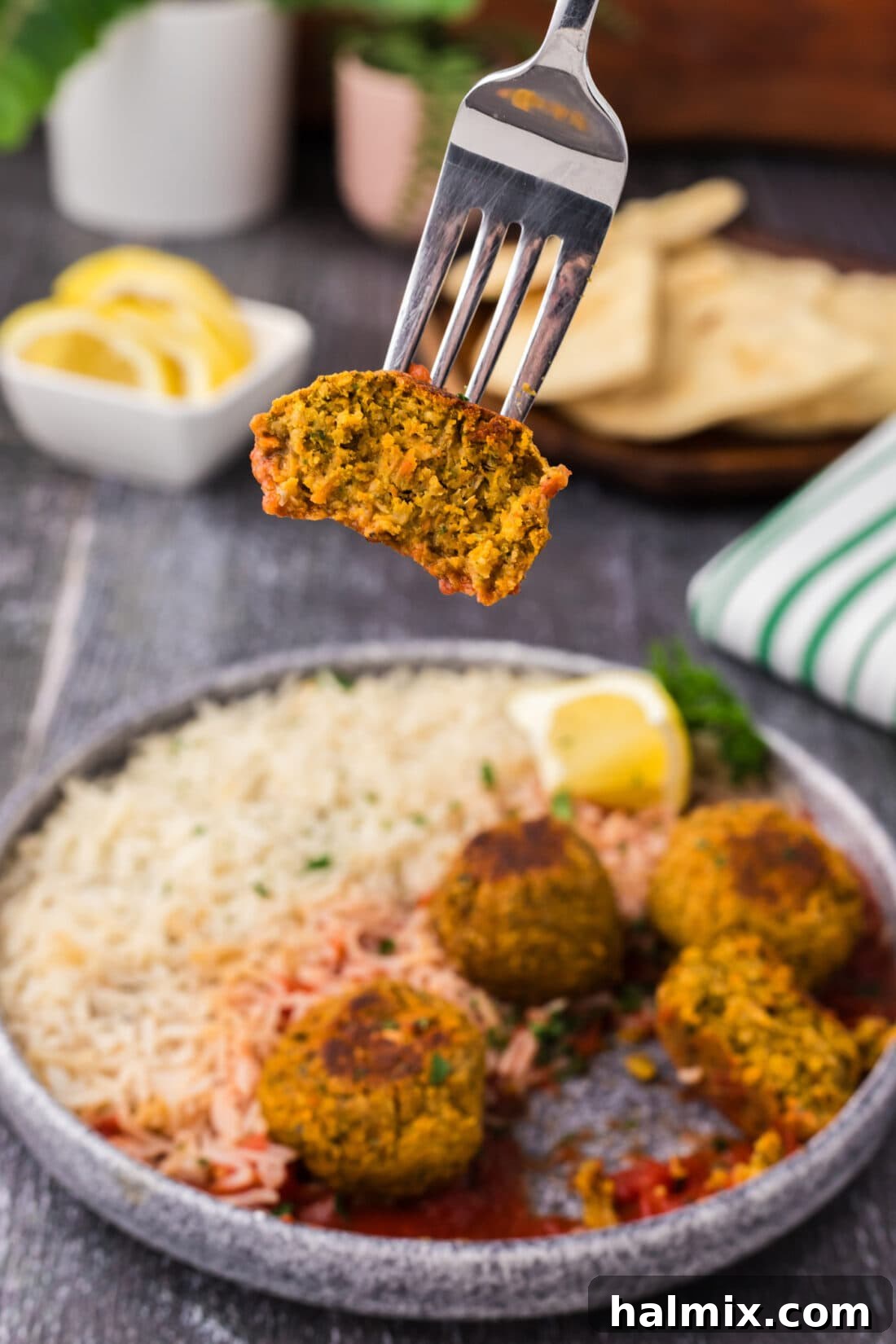
The beauty of these lentil meatballs lies in their incredible versatility. They can be dressed up or down to suit any meal or occasion. For a delightful appetizer, simply roll them into smaller, bite-sized portions, add a festive cocktail pick, and serve them alongside your favorite dipping sauces like marinara, tahini yogurt sauce, or a spicy sriracha mayo. As a main course, they are fantastic draped with a rich tomato sauce and served over pasta (traditional or gluten-free), creamy mashed potatoes, or spiralized zucchini noodles for a lighter option. They also make an excellent addition to grain bowls with quinoa and roasted vegetables, or as a hearty component in a fresh green salad. Get creative and enjoy them in sandwiches, wraps, or even as a unique topping for homemade pizza!
Explore More Plant-Based and Vegetarian Delights
If you loved these lentil meatballs, you’re in for a treat! Discover more wholesome and flavorful plant-based recipes that are sure to become family favorites. From crispy falafel to comforting soups, there’s a delicious adventure waiting:
- Crispy Homemade Falafel
- Hearty & Nourishing Lentil Soup
- Classic & Comforting Split Pea Soup
- Refreshing Sweet Corn and Chickpea Salad
- Aromatic & Flavorful Lentil Curry
I love to bake and cook and share my kitchen experience with all of you! Remembering to come back each day can be tough, that’s why I offer a convenient newsletter every time a new recipe posts. Simply subscribe and start receiving your free daily recipes!

Lentil Meatballs
IMPORTANT – There are often Frequently Asked Questions within the blog post that you may find helpful. Simply scroll back up to read them!
Print It
Pin It
Course:
Appetizer, Vegetarian
4
servings
38 minutes
201
Amanda Davis
Ingredients
- 4 ounces brown or green lentils cooked and cooled
- 3 Tablespoons olive oil
- 1 ½ Tablespoons minced garlic
- ½ cup chopped onion
- 1 cup shredded carrots
- ¼ cup old fashioned oats
- handful of fresh parsley
- 1 Tablespoon dried oregano
- 2 teaspoons garlic salt
- 2 teaspoons black pepper
- 2 Tablespoons tomato paste
- 1 large egg
- olive oil cooking spray
Things You’ll Need
-
Parchment paper
-
Baking sheet
-
Large skillet
-
Food processor
-
Vinyl gloves
-
Tongs
Before You Begin
- You can use brown or green lentils for this recipe, ensuring they are cooked and cooled.
- The egg acts as a binder and provides moisture. For a vegan option, substitute with a flax egg (1 tbsp ground flaxseed + 3 tbsp water, let sit 5-10 mins).
- Old-fashioned rolled oats are ideal for binding. Quick-cooking oats can work, but avoid instant oats as they may result in a mushy texture.
- Feel free to adjust or add spices and seasonings to match your personal preference or dietary needs.
Instructions
-
Preheat oven to 425°F (220°C). Line a large baking sheet with parchment paper.
-
Cook lentils per package instructions. Drain thoroughly and spread on a plate to cool completely.
-
Heat olive oil in a skillet over medium-high heat. Add garlic, onion, and carrot. Cook, stirring occasionally, for 2-3 minutes until softened. Remove from heat.
-
In a food processor, add oats and parsley. Pulse until coarsely broken up.
-
Add cooked lentils, carrot mixture, oregano, garlic salt, black pepper, tomato paste, and egg. Pulse until combined, then process until a uniform dough is achieved.
-
Roll dough into 10-12 balls and place on the prepared baking sheet. Spray balls with olive oil cooking spray.
-
Bake in oven for 10 minutes.
-
Using tongs, turn the balls over and spray with olive oil cooking spray. Return to the oven and bake another 8 minutes.
Expert Tips & FAQs
- Store any cooled leftovers in an air-tight container in the refrigerator for up to 4 days. Reheat in the microwave for convenience.
- To freeze: You can freeze the unbaked or baked meatballs in an air-tight container or large zip-top bag for up to 2 months. Flash freezing them on a baking sheet before transferring them to a container will prevent sticking.
- To make ahead: Prepare the meatballs up to a day in advance and store them, covered, in the refrigerator. Bake as directed after preheating your oven.
- For a crispier texture, briefly pan-fry or air-fry baked meatballs until golden.
- Adjust the mixture’s consistency by adding more oats if too wet, or a splash of broth/oil if too dry.
Nutrition
Tried this Recipe? Pin it for Later!
Follow on Pinterest @AmandasCookin or tag #AmandasCookin!
The recipes on this blog are tested with a conventional gas oven and gas stovetop. It’s important to note that some ovens, especially as they age, can cook and bake inconsistently. Using an inexpensive oven thermometer can assure you that your oven is truly heating to the proper temperature. If you use a toaster oven or countertop oven, please keep in mind that they may not distribute heat the same as a conventional full sized oven and you may need to adjust your cooking/baking times. In the case of recipes made with a pressure cooker, air fryer, slow cooker, or other appliance, a link to the appliances we use is listed within each respective recipe. For baking recipes where measurements are given by weight, please note that results may not be the same if cups are used instead, and we can’t guarantee success with that method.