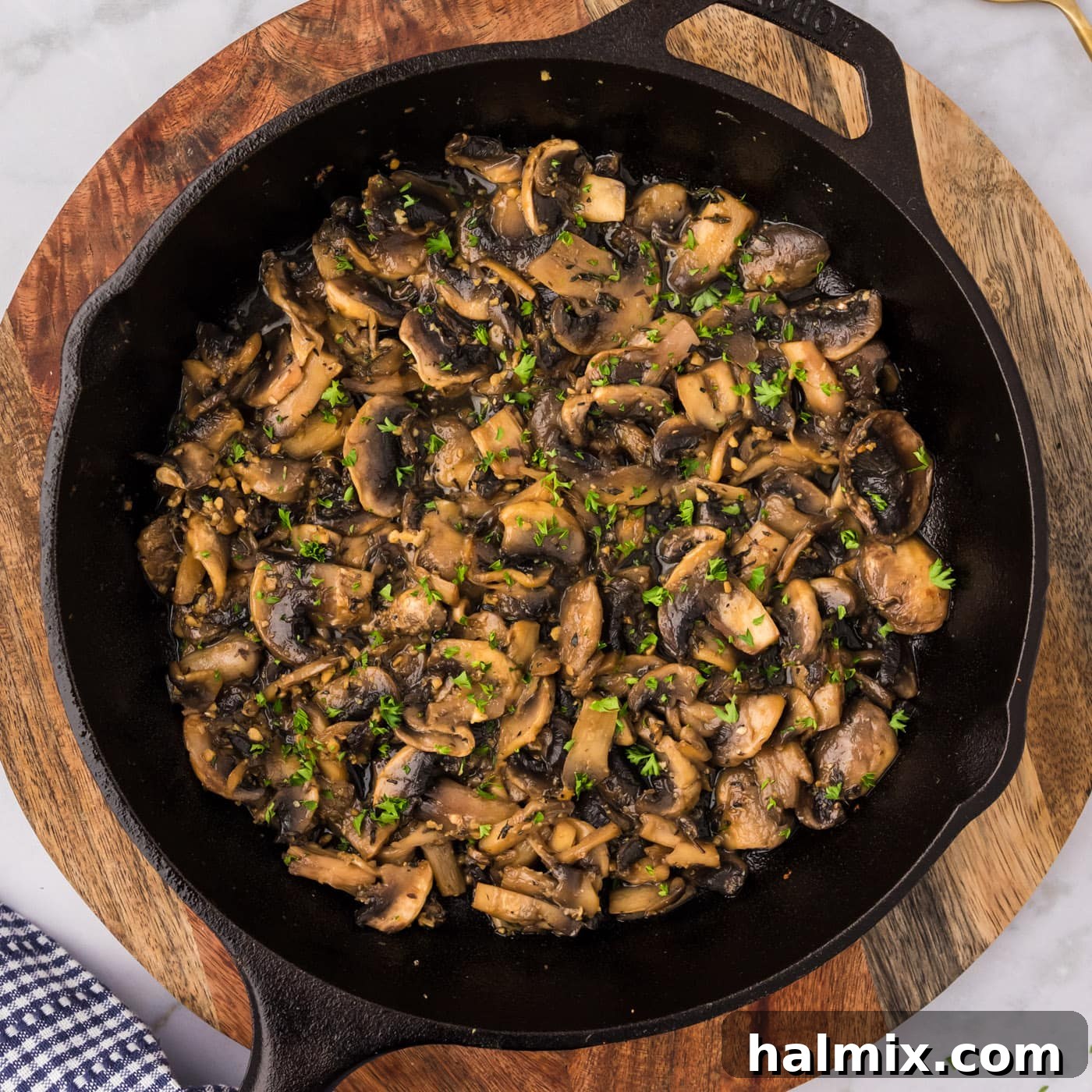
Unlock the incredible savory potential of mushrooms with this ultimate guide to making perfectly Sauteed Mushrooms every single time. Elevate their naturally earthy and robust flavors with the rich depth of butter, aromatic fresh thyme, pungent garlic, and a touch of savory soy sauce for an umami-rich experience that transforms them into a versatile side dish or a star ingredient. This easy recipe promises tender, golden-brown mushrooms that are bursting with flavor, ready in minutes.
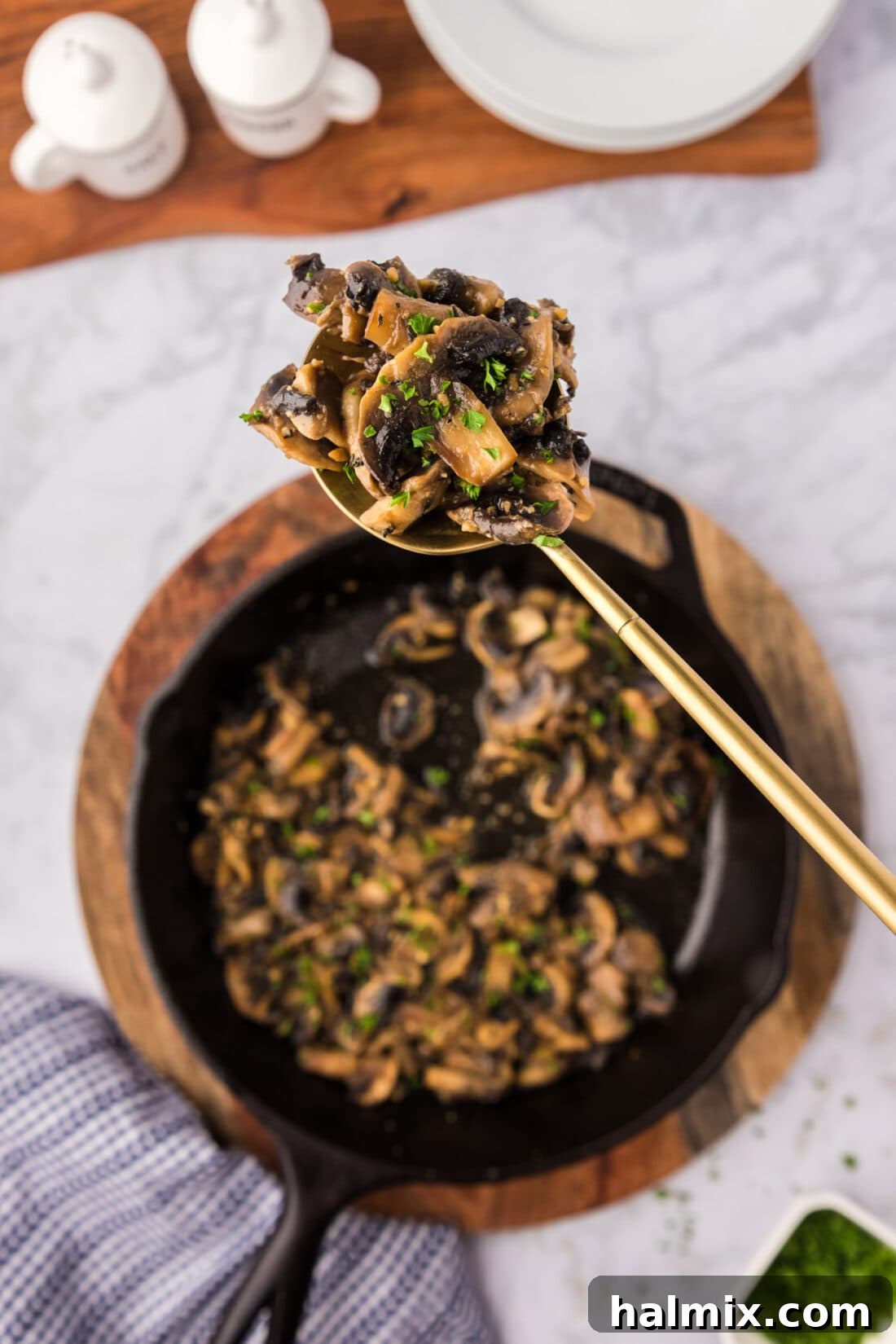
Why This Recipe for Sauteed Mushrooms Works Perfectly
There’s a reason why sauteed mushrooms are a perennial favorite in kitchens worldwide – they’re incredibly simple to prepare, yet offer a complex depth of flavor that can enhance almost any meal. This recipe stands out because it provides a foolproof method to achieve consistently perfect results. We focus on key techniques and ingredients that coax the best out of your mushrooms, ensuring they are beautifully browned, tender, and intensely flavorful, never soggy or bland.
Our secret lies in a harmonious blend of high heat, quality butter, aromatic fresh thyme, fragrant minced garlic, and the magical touch of soy sauce. These ingredients don’t just add flavor; they work synergistically to create a symphony of savory notes, transforming humble mushrooms into a truly gourmet experience. The soy sauce, in particular, is a game-changer, boosting the natural umami of the mushrooms and adding a gorgeous depth that will have everyone asking for more. This isn’t just a recipe; it’s a reliable guideline to mastering the art of perfectly sauteed mushrooms.
Beyond being an outstanding side dish, these Sauteed Mushrooms are incredibly versatile. They can be effortlessly incorporated into a variety of dishes, adding a rich, earthy dimension. Imagine tossing them into a creamy risotto, mixing them with hearty pasta like mushroom ravioli, or folding them into fluffy scrambled eggs for a luxurious breakfast. Their robust flavor profile makes them an ideal companion for main courses and a flavorful addition to countless culinary creations. Once you master this method, your culinary possibilities with mushrooms will be endless.
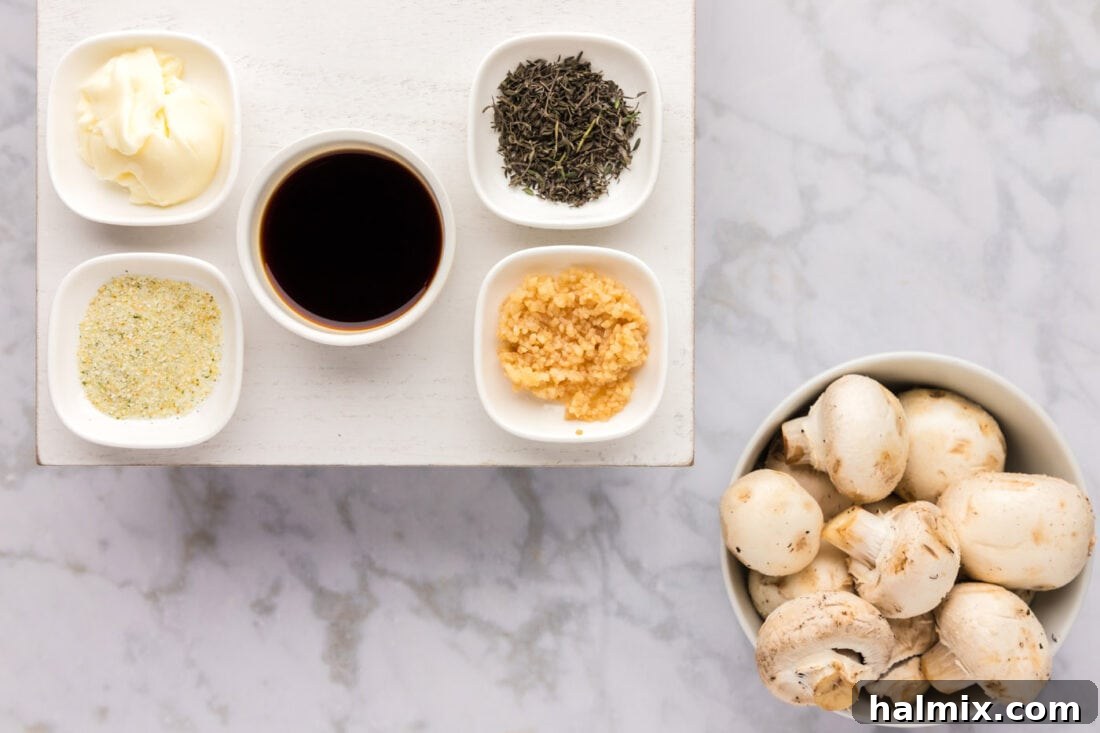
Essential Ingredients for Flavorful Sauteed Mushrooms
To create the most irresistible sauteed mushrooms, you only need a handful of quality ingredients. Each component plays a crucial role in developing the deep, savory flavors that make this dish so special. Below, we break down what you’ll need, along with tips for selecting the best options and potential substitutions.
Ingredient Spotlight & Expert Substitution Tips
MUSHROOMS: The Star of the Show
While this recipe works beautifully with almost any type of mushroom, your choice can slightly alter the final texture and flavor. For a classic and universally loved sauteed mushroom, we highly recommend baby bella mushrooms (also known as cremini). Their rich, earthy flavor and firm texture hold up exceptionally well to high-heat cooking, turning beautifully golden-brown and intensely savory. White button mushrooms are another excellent, mild-flavored option that are readily available and absorb flavors wonderfully. For an even meatier bite, consider sliced portobello mushrooms (which are simply mature creminis). If you’re feeling adventurous, try shiitake, oyster, or maitake mushrooms. Their unique textures and more pronounced umami notes will add an exciting dimension to your dish. The key is to select fresh, firm mushrooms without any slimy spots. A quick brush or wipe is usually all they need for cleaning before slicing.
HERBS: Aromatic Enhancers
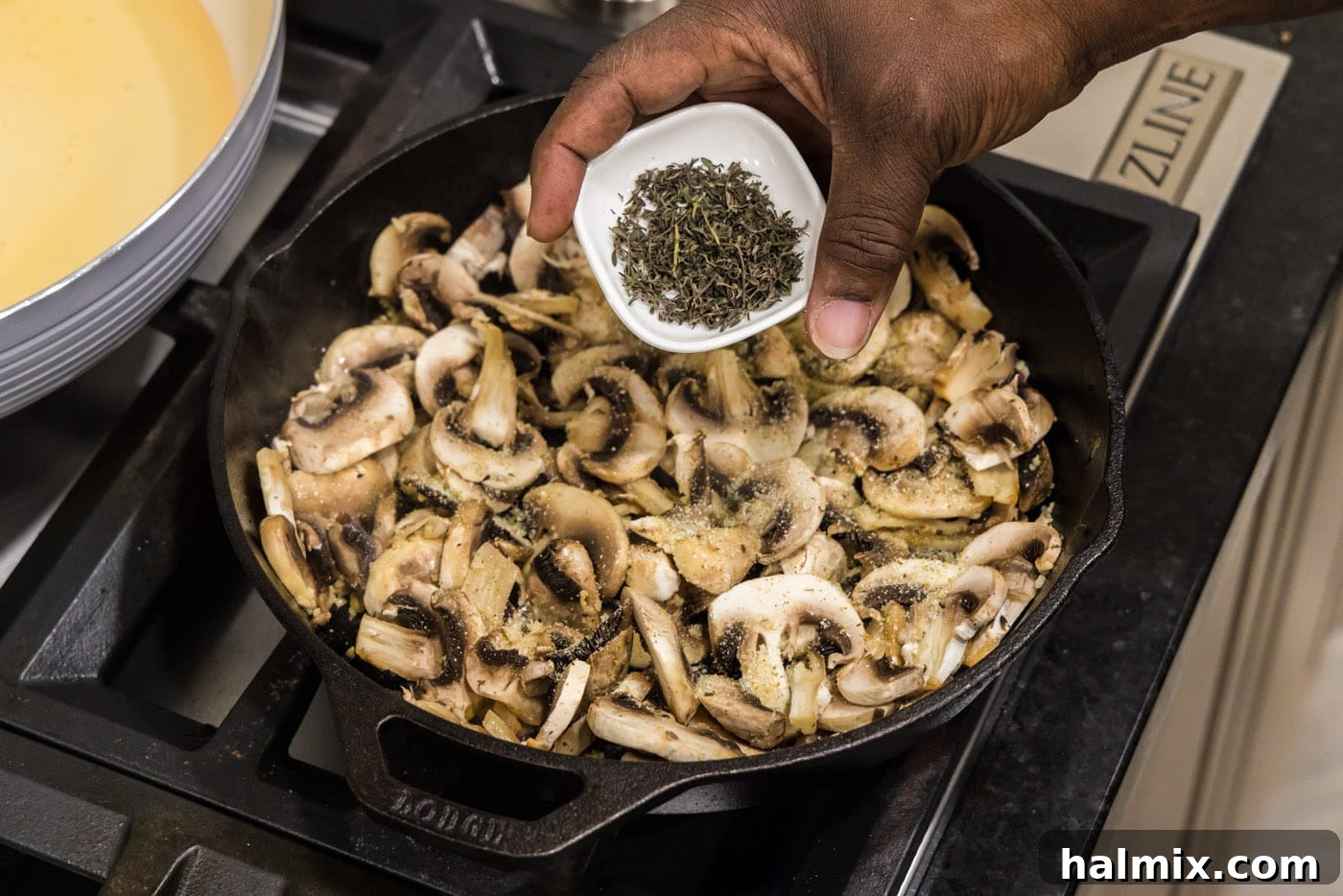
Fresh thyme leaves infuse the mushrooms with a wonderfully subtle, earthy, and slightly peppery aroma that complements their natural flavor profile perfectly. The delicate sprigs release their essential oils as they cook, creating a fragrant steam that permeates every slice. If fresh thyme isn’t available, dried thyme can be used, but in a smaller quantity (about half a teaspoon for every tablespoon of fresh). For a delightful alternative, fresh rosemary can also be used. Its piney, slightly citrusy notes offer a different but equally appealing aromatic twist.
SOY SAUCE: The Umami Secret
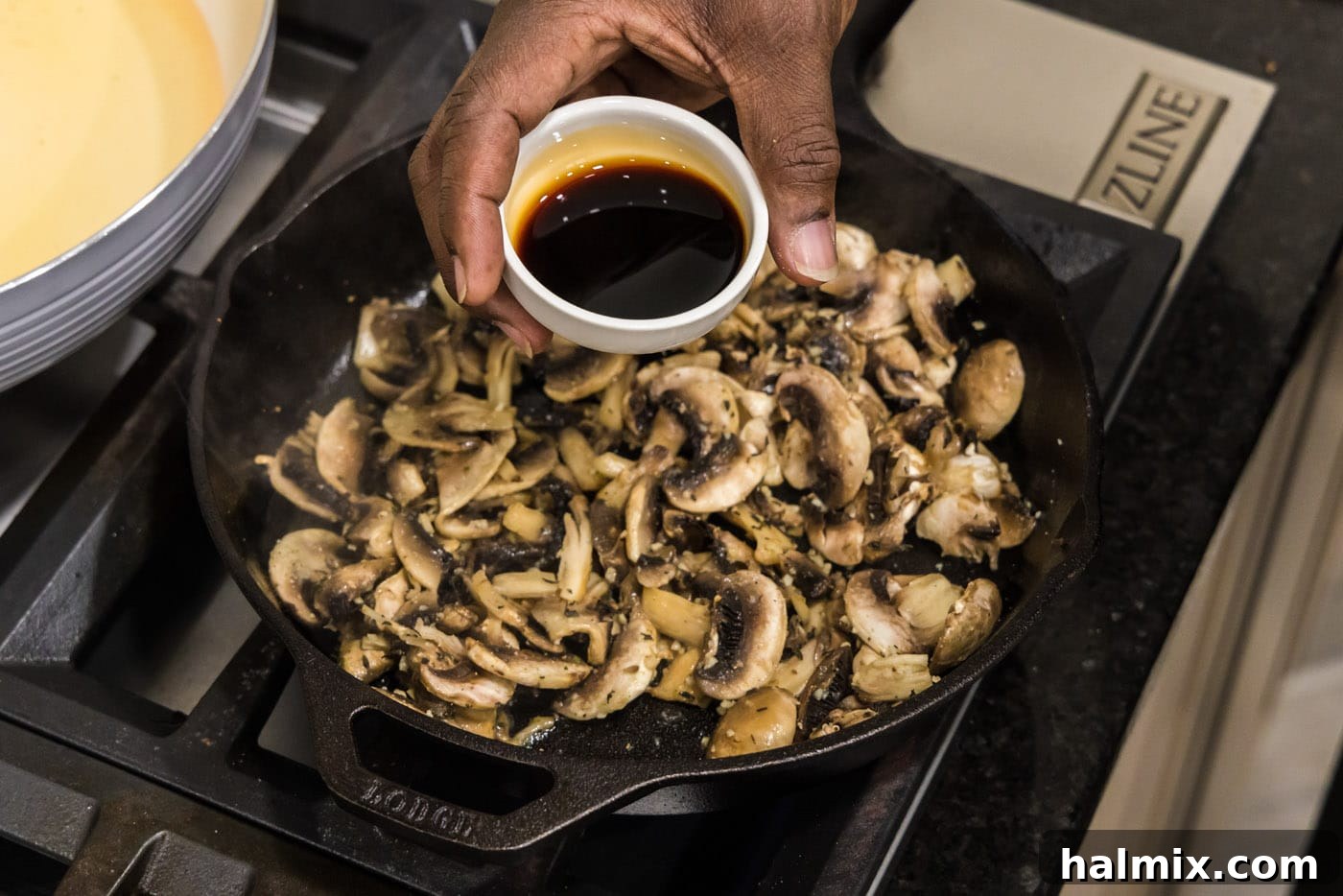
Soy sauce is the unexpected ingredient that truly elevates these sauteed mushrooms. It’s packed with natural umami, the fifth basic taste, which amplifies the savory depth of the mushrooms and creates a more complex, well-rounded flavor. We recommend using low-sodium soy sauce to better control the overall saltiness of the dish. If you’re looking for a soy-free alternative or a different flavor profile, balsamic vinegar or red wine vinegar can be used. These options will add a pleasant tanginess and acidity that brightens the dish, although they will change the overall umami experience. For a truly unique twist, a dash of Worcestershire sauce can also provide a similar savory depth.
BUTTER & GARLIC: The Flavor Foundation
Unsalted butter provides a rich, creamy base for sautéing, contributing to the beautiful browning and luxurious mouthfeel of the mushrooms. Using unsalted butter allows you to control the seasoning precisely. Minced garlic adds a pungent, aromatic foundation that is essential to savory mushroom dishes. Freshly minced garlic is always best for maximum flavor. Avoid pre-minced garlic in a jar if possible, as it often lacks the vibrant punch of fresh cloves.
GARLIC SALT: Simple Seasoning
A touch of garlic salt not only seasons the mushrooms perfectly but also adds an extra layer of garlic flavor. If you only have regular salt and garlic powder, you can use a combination (e.g., ½ teaspoon salt and ¼ teaspoon garlic powder).
Mastering the Art of Sauteed Mushrooms: Step-by-Step Guide
These step-by-step photos and instructions are designed to help you visualize each stage of making this delicious recipe. For a convenient printable version with exact measurements and instructions, scroll down to the full recipe card at the bottom of this post.
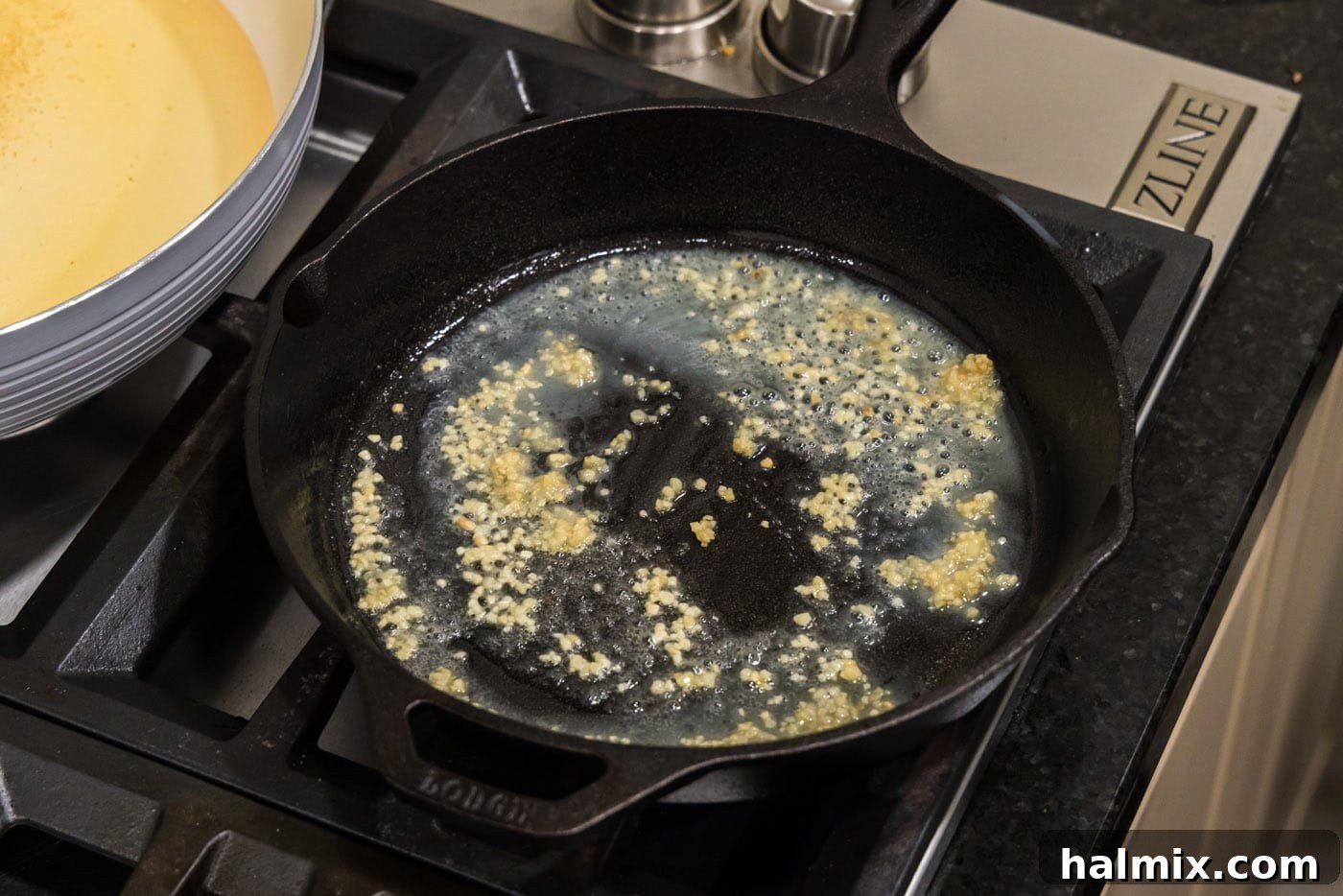
- Prepare Your Skillet: Begin by melting the unsalted butter in a large, heavy-bottomed skillet over medium-high heat. A large skillet is crucial here to prevent overcrowding, which can lead to steaming instead of sautéing. Once the butter is melted and slightly foamy, add the minced garlic. Cook the garlic for just about one minute, stirring constantly, until it becomes fragrant. Be careful not to burn the garlic, as it can quickly turn bitter. This initial step creates a flavorful base for your mushrooms.

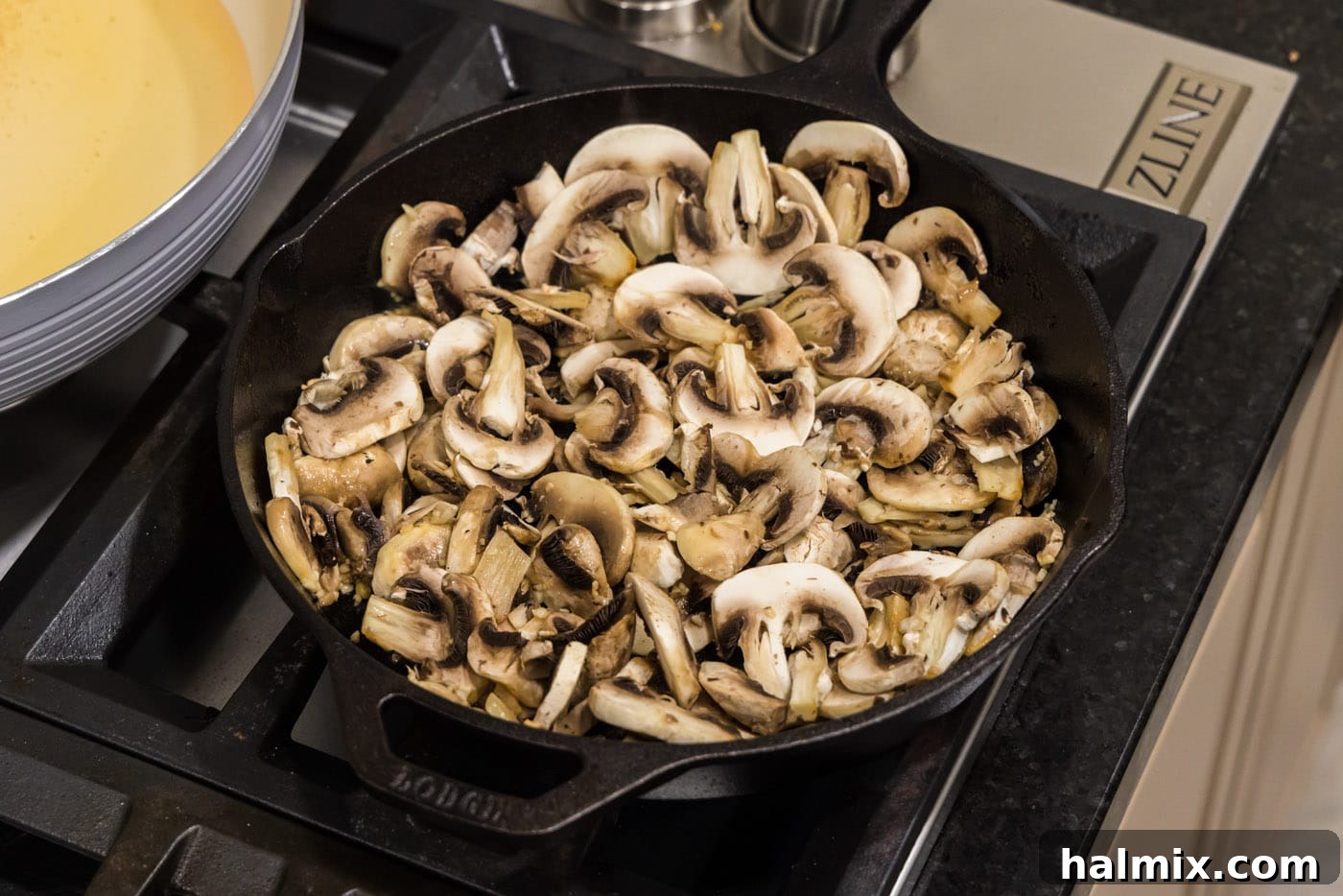
- Add Mushrooms and Seasonings: Carefully add the sliced mushrooms to the skillet. Toss them gently with the butter and garlic to ensure an even coating. Resist the urge to overcrowd the pan; if necessary, cook the mushrooms in two batches to ensure they brown properly. Season the mushrooms generously with garlic salt and sprinkle in the fresh thyme leaves. The high heat will help the mushrooms release their moisture, allowing them to brown beautifully rather than steam.
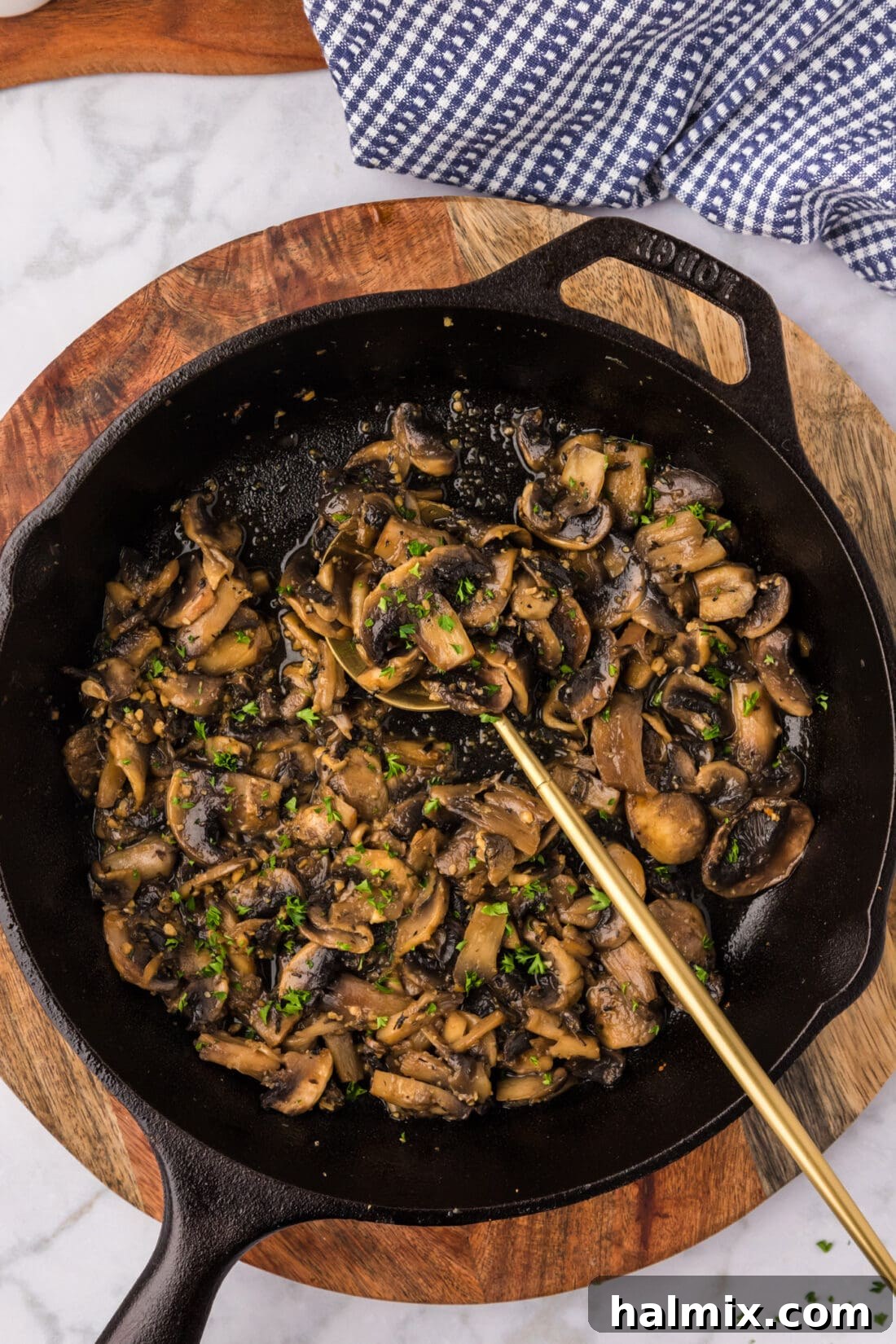
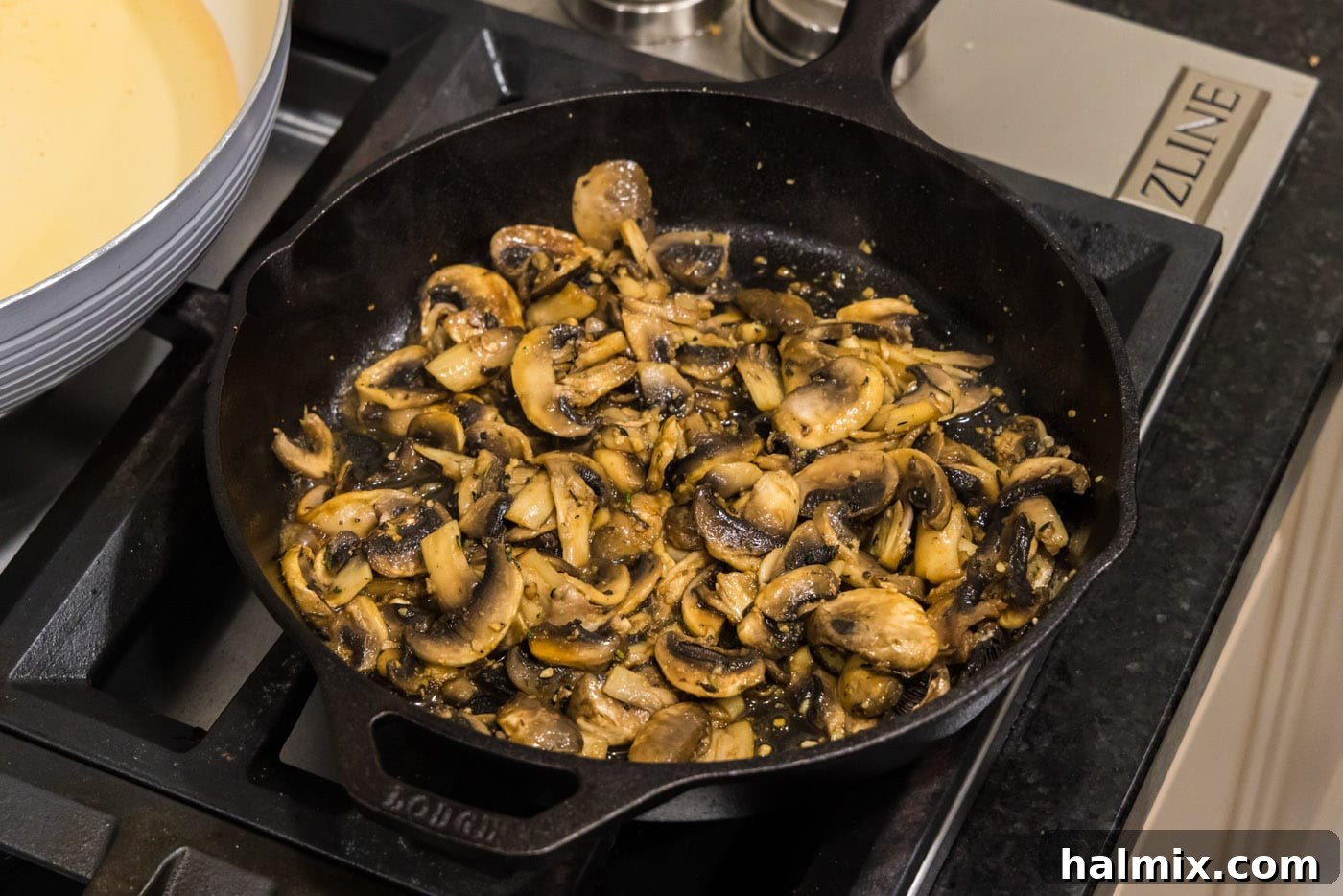
- Sauté and Finish: Pour the low-sodium soy sauce into the skillet with the mushrooms. Stir everything together well. Continue to cook for approximately 3-4 minutes, stirring occasionally. During this time, the mushrooms will release their natural liquids, which will then evaporate, allowing the mushrooms to soften, shrink, and take on a beautiful golden-brown color. They will absorb the savory flavors from the butter, garlic, thyme, and soy sauce, becoming tender and intensely delicious. Cook until all the liquid has evaporated and the mushrooms are nicely caramelized.
Frequently Asked Questions & Expert Tips for Perfect Sauteed Mushrooms
To keep your delicious sauteed mushrooms fresh, store any leftovers in an airtight container in the refrigerator. They will maintain their quality for 3-4 days. For reheating, simply place them back in a skillet over medium-low heat on the stovetop until warmed through, or use a microwave for a quicker option. Be careful not to overheat, as they can become rubbery.
Absolutely! Sauteed mushrooms actually freeze better than fresh mushrooms because much of their moisture content has already been cooked out during the sautéing process. To freeze, allow them to cool completely, then transfer them to an airtight container or a heavy-duty freezer bag. Squeeze out as much air as possible to prevent freezer burn. They can be frozen for up to 3 months. Thaw them in the refrigerator overnight before reheating.
The beauty of this recipe is its adaptability to almost any mushroom variety. While baby bella (cremini) and white button mushrooms are popular and excellent choices due to their mild flavor and firm texture, you can experiment with a wide range. Portobello, shiitake, oyster, and even maitake mushrooms all taste divine when cooked with this flavorful mixture. Keep in mind that the water content varies among different mushroom types; those with higher water content might require a few extra minutes of cooking to achieve that desired golden-brown perfection. The goal is always a nice sear and tender consistency.
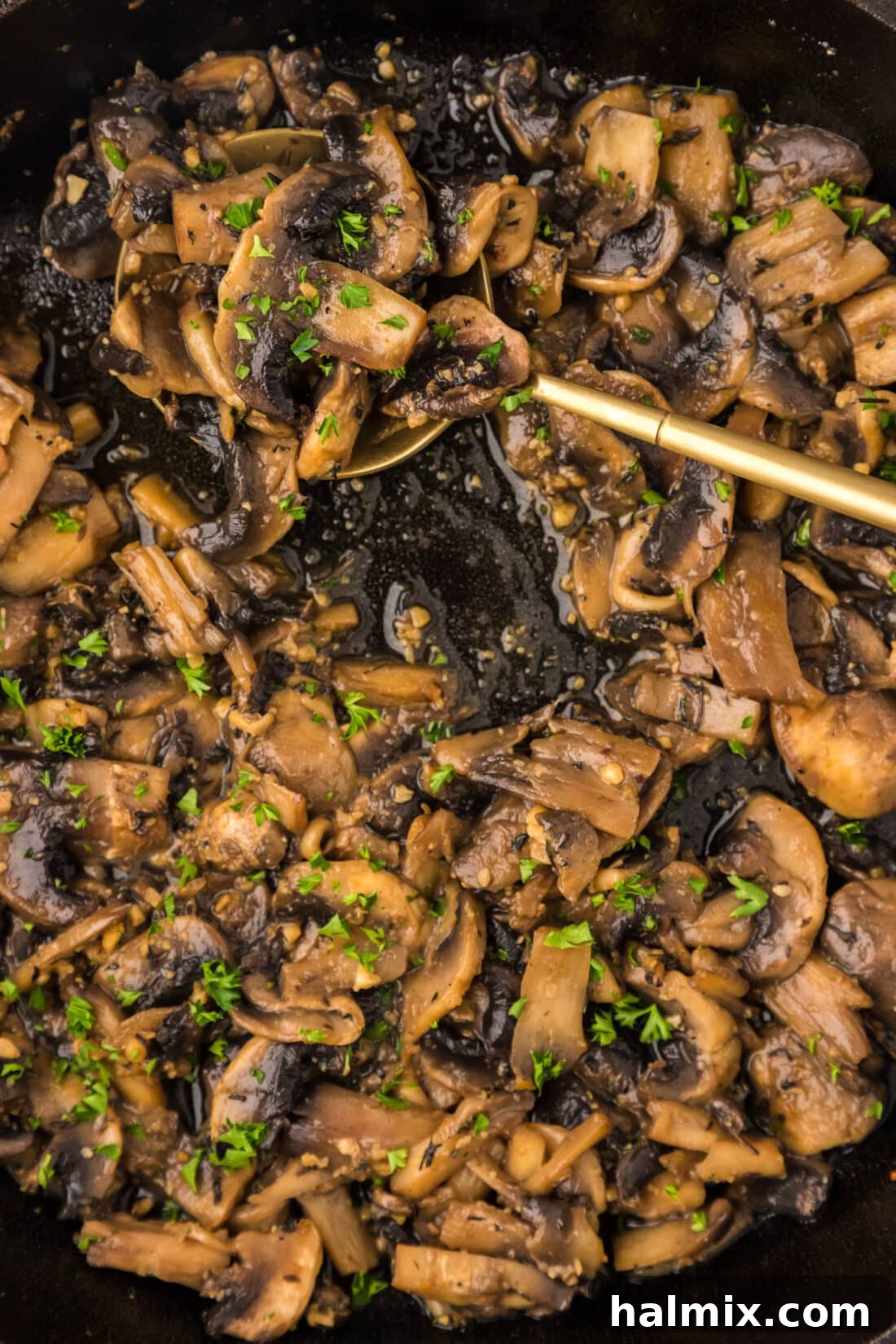
You’ll know your mushrooms are perfectly sautéed when they’ve softened significantly, shrunken in size, and developed a beautiful golden-brown color on their surfaces. They should be tender to the bite, not rubbery or soggy. This process typically takes about 3-5 minutes, though it can vary based on the type of mushroom and its water content. The key is to maintain a medium-high heat throughout the cooking process. If the heat is too low, the mushrooms will release their liquid and steam, resulting in a soggy texture instead of a crisp, browned exterior. If the heat is too high, the butter might burn before the mushrooms are properly cooked.
For most store-bought mushrooms, a full wash is generally not necessary, and often advised against, as mushrooms are like sponges and can absorb too much water, leading to soggy results. Instead, simply use a dry paper towel or a soft-bristle brush to gently wipe away any visible dirt or debris. If your mushrooms are particularly dirty or you’ve foraged them yourself, a very quick rinse under cold running water followed immediately by thoroughly drying them with paper towels is acceptable. The critical step is to ensure they are as dry as possible before hitting the hot pan to guarantee a good sear and prevent steaming.
Preventing soggy mushrooms is all about two key factors: heat and space. First, ensure your skillet is preheated to medium-high heat before adding the mushrooms. A hot pan allows for quick searing and browning. Second, avoid overcrowding the skillet. If you put too many mushrooms in at once, they will release their moisture, lowering the pan’s temperature and causing them to steam rather than sauté. If you’re cooking a large batch, work in two or more smaller batches to ensure each mushroom gets direct contact with the hot surface and browns beautifully. Also, make sure your mushrooms are as dry as possible before adding them to the pan.
While fresh mushrooms are ideal for this recipe, you can certainly use dried mushrooms. You’ll need to rehydrate them first. Place the dried mushrooms in a bowl and cover them with hot water or vegetable broth. Let them soak for about 20-30 minutes, or until soft and pliable. Drain them thoroughly, squeeze out any excess liquid, and then slice them if needed before proceeding with the sautéing steps as usual. The soaking liquid can be strained and saved for adding depth to soups or sauces!
Delicious Serving Suggestions for Sauteed Mushrooms
These savory sauteed mushrooms are incredibly versatile and can elevate almost any meal. Their rich, earthy flavor makes them a perfect complement to a wide range of dishes, from weeknight dinners to special occasions. Here are some fantastic ways to enjoy them:
- Classic Side Dish: Serve them alongside your favorite proteins. They pair wonderfully with a juicy steak, pan-seared chicken breast, roasted pork tenderloin, or flaky baked fish. The umami from the mushrooms beautifully enhances the flavors of the main course.
- Breakfast & Brunch Brilliance: Fold these savory morsels into fluffy omelets or elegant frittatas for a hearty and flavorful breakfast. They’re also an excellent accompaniment to scrambled eggs, providing a sophisticated touch to your morning meal.
- Pasta & Grains: Dice them further and toss them into wild rice, barley, or quinoa for an extra layer of flavor and texture. Stir them into creamy pasta dishes, or mix them into a rich risotto like our creamy mushroom risotto for an indulgent experience.
- Vegetable Medley: Create a vibrant side dish by sautéing a batch of these mushrooms along with other complementary vegetables such as sliced onions, colorful bell peppers, or tender asparagus. This adds extra pops of color and flavor to your plate.
- Garnish & Finish: For an extra touch of freshness and elegance, garnish your sauteed mushrooms with a sprinkle of fresh chopped parsley or chives just before serving. A dusting of grated Parmesan cheese can also add a delightful savory and salty kick.
- Sandwiches & Wraps: Use them as a flavorful filling for gourmet grilled cheese, a hearty steak sandwich, or a vegetarian wrap.
Explore More Sauteed Vegetable Recipes
If you love the simplicity and intense flavor of sautéed vegetables, you’ll definitely want to try these other fantastic recipes:
- Sauteed Spinach: A quick and healthy green side.
- Sauteed Zucchini: Tender and flavorful, perfect for summer.
- Sauteed Asparagus: A vibrant and elegant side dish.
- Sauteed Green Beans: Simple, garlicky, and always a crowd-pleaser.
I genuinely love to bake and cook, and sharing my kitchen experiences with all of you brings me so much joy! It can be tough to remember to check back every day for new recipes, which is why I offer a convenient newsletter. Every time a new recipe is posted, it lands right in your inbox. Simply subscribe and start receiving your free daily recipes today!
Sauteed Mushrooms
IMPORTANT – Don’t forget to check the Frequently Asked Questions within the blog post above for helpful tips and tricks!
Print It
Pin It
Rate It
Course:
Side Dish
Cuisine:
American
4 servings
59
Amanda Davis
Ingredients
- 8 ounces mushrooms sliced (baby bella or white button recommended)
- 1 Tablespoons fresh thyme leaves
- 1 ½ Tablespoons unsalted butter
- 2 Tablespoons low sodium soy sauce
- 1 Tablespoon minced garlic
- ½ teaspoon garlic salt
Things You’ll Need
-
Large heavy bottomed skillet
Before You Begin & Pro Tips
- Mushroom Choices: Feel free to use baby bella (cremini), portobello, shiitake, oyster, white button, or maitake mushrooms. Be aware that different mushrooms have varying water content, which might slightly adjust cooking times. Always cook until they are beautifully browned and tender.
- Herb Substitutions: While fresh thyme offers wonderful earthy notes, fresh rosemary is an excellent alternative that adds a distinct aromatic quality.
- Soy Sauce Alternatives: If soy sauce isn’t for you, balsamic vinegar or red wine vinegar can provide a lovely tangy and acidic counterbalance, though the umami profile will differ.
- Achieving Perfect Doneness: Mushrooms are done sautéing when they are lightly browned, significantly reduced in size, and tender. This typically takes 3-5 minutes, depending on the mushroom type. Maintain a medium-high heat to encourage browning and prevent steaming. Ensure the pan is hot enough to cook efficiently but not so hot that the butter burns.
- Storage: Store leftover sauteed mushrooms in an airtight container in the refrigerator for 3-4 days. Reheat gently in a skillet over medium-low heat or quickly in the microwave.
- Freezing: Sauteed mushrooms freeze remarkably well! Place cooled mushrooms in an airtight container or a large freezer-safe bag, removing as much air as possible. Freeze for up to 3 months. Thaw in the refrigerator before reheating.
- Don’t Crowd the Pan: For best results and to avoid soggy mushrooms, cook them in batches if your skillet isn’t large enough to accommodate them in a single layer without overcrowding.
- Dry Mushrooms are Key: Ensure your mushrooms are as dry as possible before adding them to the hot pan. Excess moisture prevents proper browning.
Instructions
-
Melt the unsalted butter in a large heavy-bottomed skillet over medium-high heat. Add the minced garlic and cook, stirring frequently, for one minute until fragrant. Do not let the garlic burn.
-
Add the sliced mushrooms to the skillet and toss well to combine them with the butter and garlic. Season generously with garlic salt and fresh thyme leaves. Continue to cook, stirring occasionally, for 3-4 minutes. During this time, the mushrooms will release their liquid, which will then evaporate, allowing them to brown. Stir in the low-sodium soy sauce and cook for another 1-2 minutes until the mushrooms are tender, golden-brown, and all liquid has evaporated. Serve immediately.
Nutrition
Tried this Recipe? Pin it for Later!Follow on Pinterest @AmandasCookin or tag #AmandasCookin!
The recipes on this blog are tested with a conventional gas oven and gas stovetop. It’s important to note that some ovens, especially as they age, can cook and bake inconsistently. Using an inexpensive oven thermometer can assure you that your oven is truly heating to the proper temperature. If you use a toaster oven or countertop oven, please keep in mind that they may not distribute heat the same as a conventional full sized oven and you may need to adjust your cooking/baking times. In the case of recipes made with a pressure cooker, air fryer, slow cooker, or other appliance, a link to the appliances we use is listed within each respective recipe. For baking recipes where measurements are given by weight, please note that results may not be the same if cups are used instead, and we can’t guarantee success with that method.