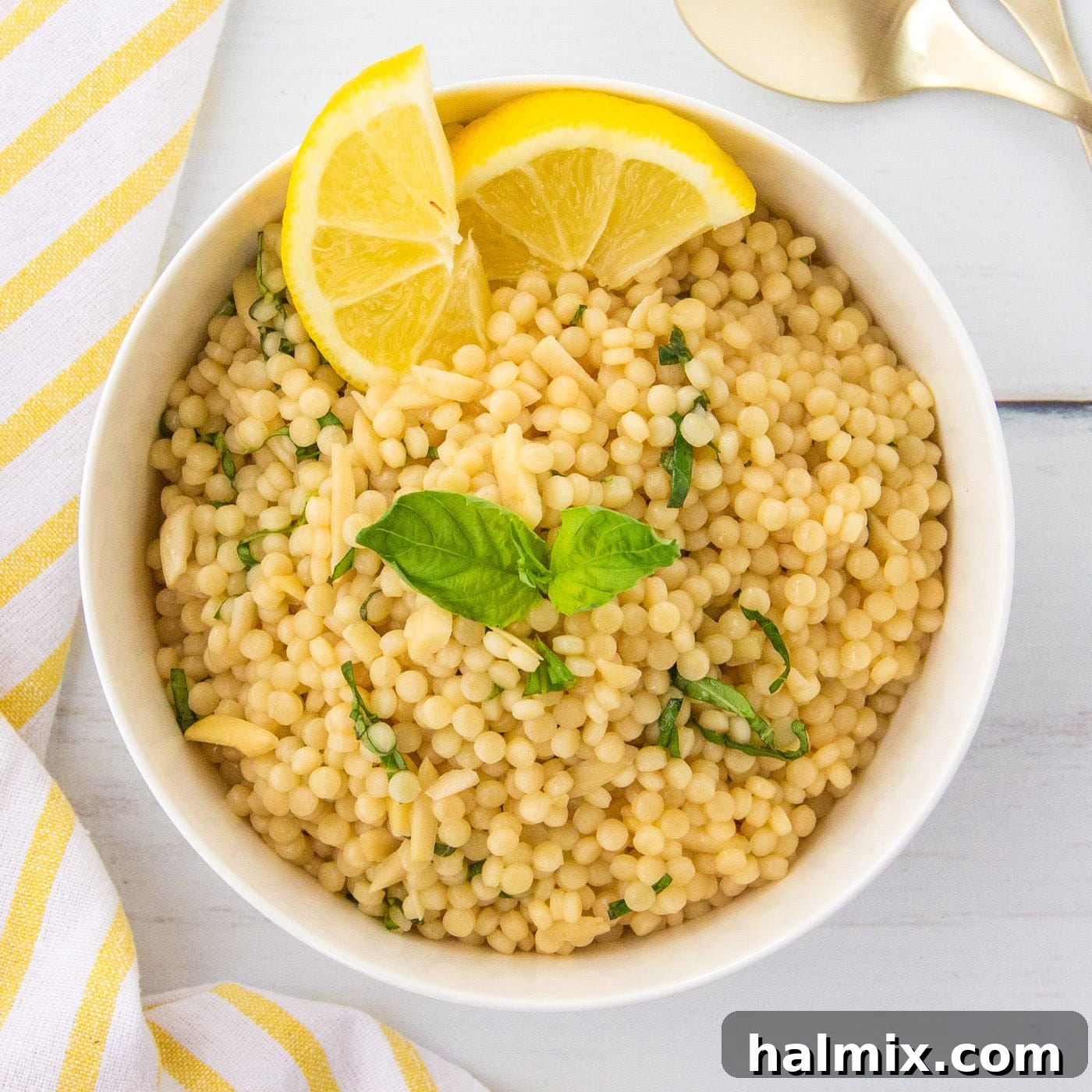
Embark on a culinary journey to bright, refreshing flavors with this incredible 15-minute Lemon Couscous recipe. Designed for both speed and taste, this simple yet sophisticated side dish is bursting with zesty citrus, enhanced by the aromatic freshness of basil and the delightful crunch of slivered almonds. It’s a perfect accompaniment to almost any meal, promising an elevated dining experience without the fuss.
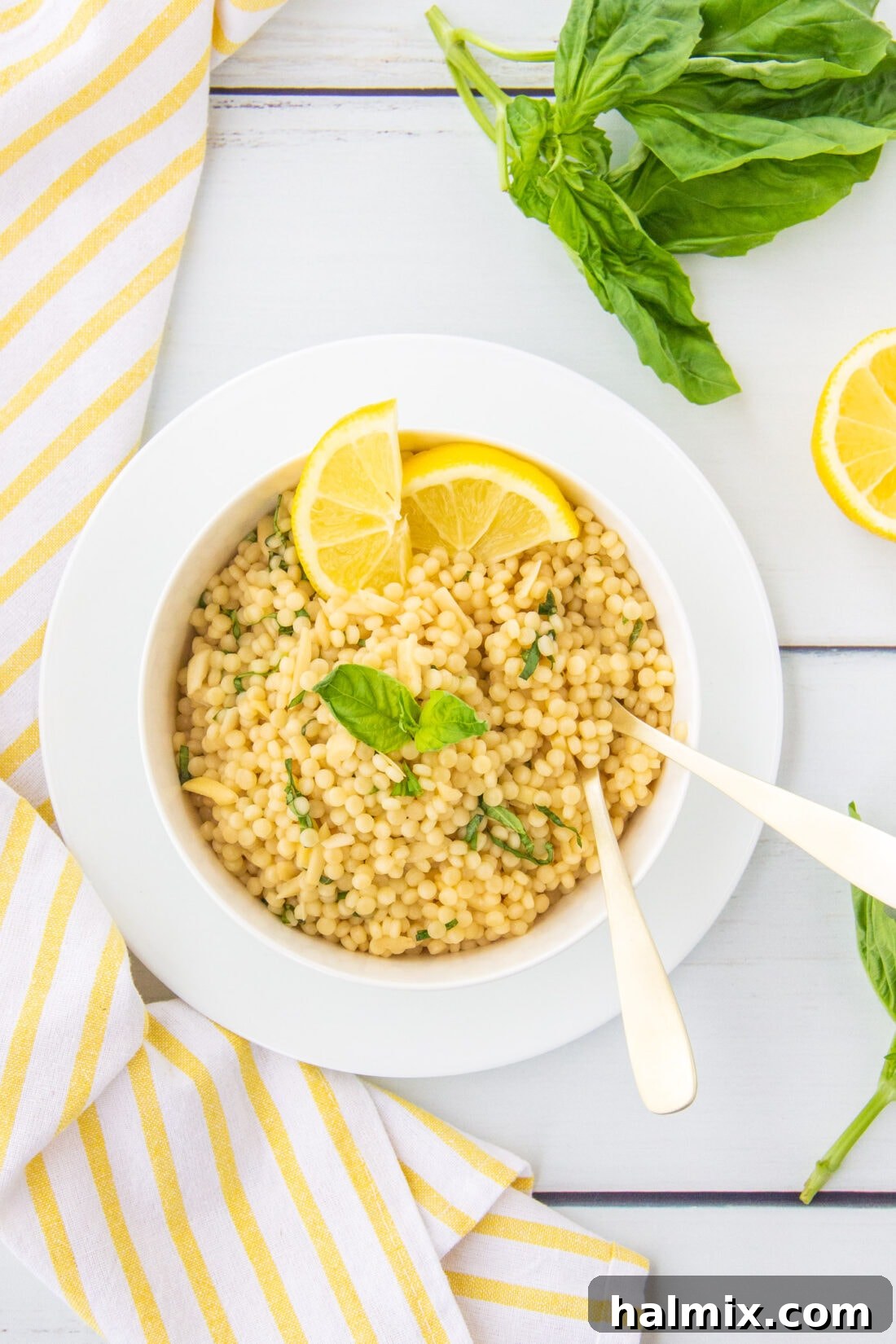
Why This Lemon Couscous Recipe Will Become Your New Favorite Side Dish
This lemon couscous isn’t just a side dish; it’s a vibrant explosion of flavor that effortlessly complements a wide array of main courses. Its brilliance lies in the harmonious blend of ingredients that create a perfectly balanced profile: the sharp, invigorating tang of fresh lemon juice, the subtle sweetness of honey, and the deeper caramel notes of brown sugar. These components work in unison to tame the natural bitterness of lemon, allowing its bright essence to shine without being overpowering. The result is a wonderfully rounded lemon flavor that is both savory and incredibly refreshing.
What truly sets this recipe apart is its remarkable versatility and ease of preparation. In just 15 minutes, you can transform simple ingredients into a gourmet-level side that tastes like it took hours. Whether you’re a seasoned chef or a kitchen novice, the straightforward steps ensure success every time. The addition of fresh basil introduces an herbaceous counterpoint to the citrus, while toasted slivered almonds provide a much-needed textural contrast, adding a delightful crunch to each spoonful. This combination not only enhances the flavor but also makes for an aesthetically pleasing dish, perfect for any occasion from a casual weeknight dinner to a special gathering.
Understanding Pearl Couscous (Israeli Couscous)
At the heart of this dish is pearl couscous, also widely known as Israeli couscous. Unlike the smaller, granular traditional couscous, pearl couscous consists of larger, spherical pasta balls. Their unique shape and slightly chewy texture are reminiscent of tiny grains of rice or orzo, yet they offer a distinctive mouthfeel that absorbs flavors beautifully. This makes them an incredibly versatile base for various culinary creations.
Pearl couscous is not only delicious but also incredibly easy to cook, typically taking just a few minutes to achieve al dente perfection. Its ability to soak up dressings and broths makes it an ideal canvas for bold flavors like those in our lemon couscous. Beyond this recipe, pearl couscous shines in many preparations. We particularly love it in refreshing salads, like our Pearl Couscous Salad with Feta and Beet, or as a hearty component in stews and warm bowls. Its robust structure holds up well, making it a fantastic choice for meal prepping as it retains its texture and flavor even after refrigeration.
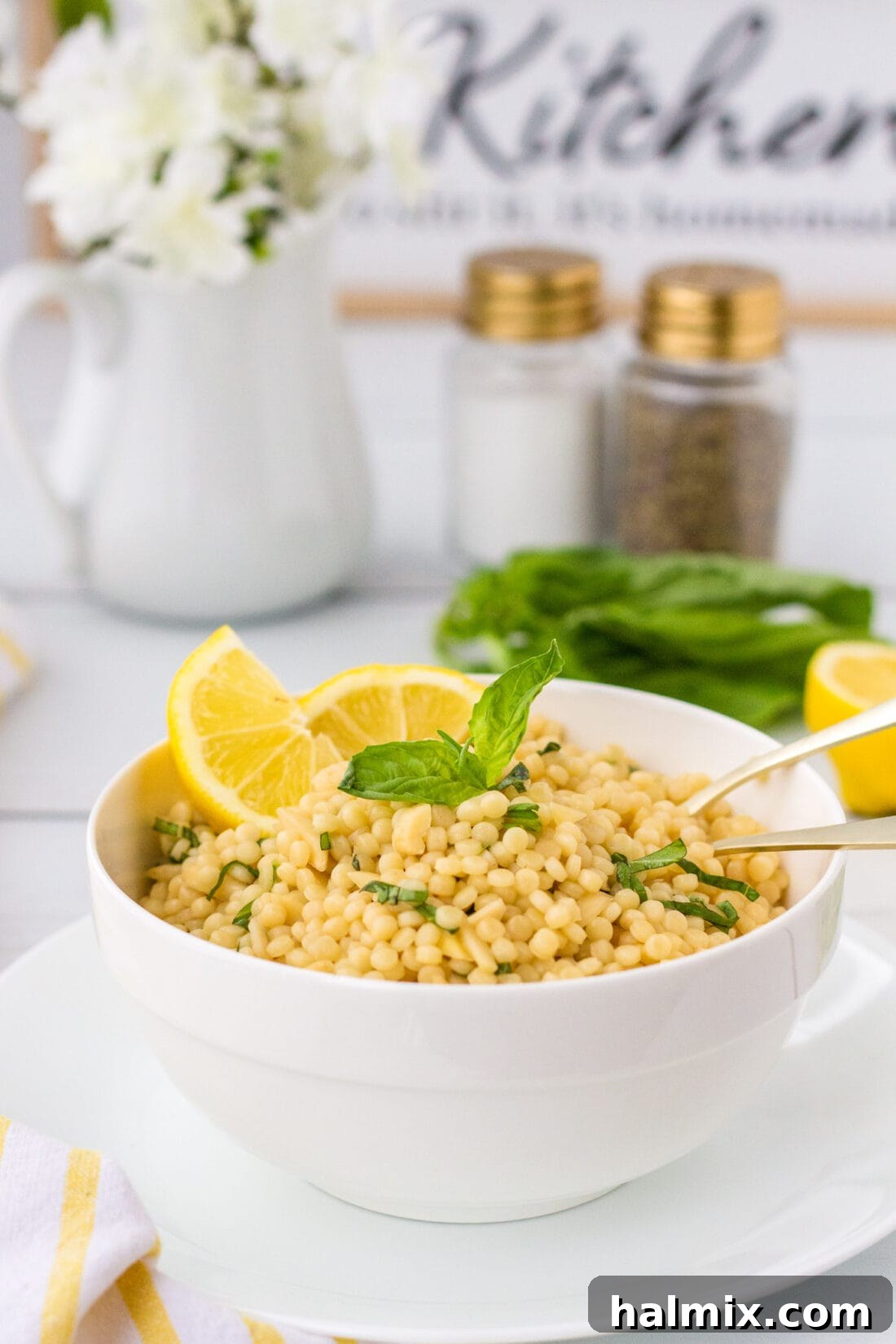
Key Ingredients for Zesty Lemon Couscous
Crafting this delightful lemon couscous requires just a handful of fresh and pantry-staple ingredients. For precise measurements and a printable recipe card, please refer to the detailed section at the end of this post.
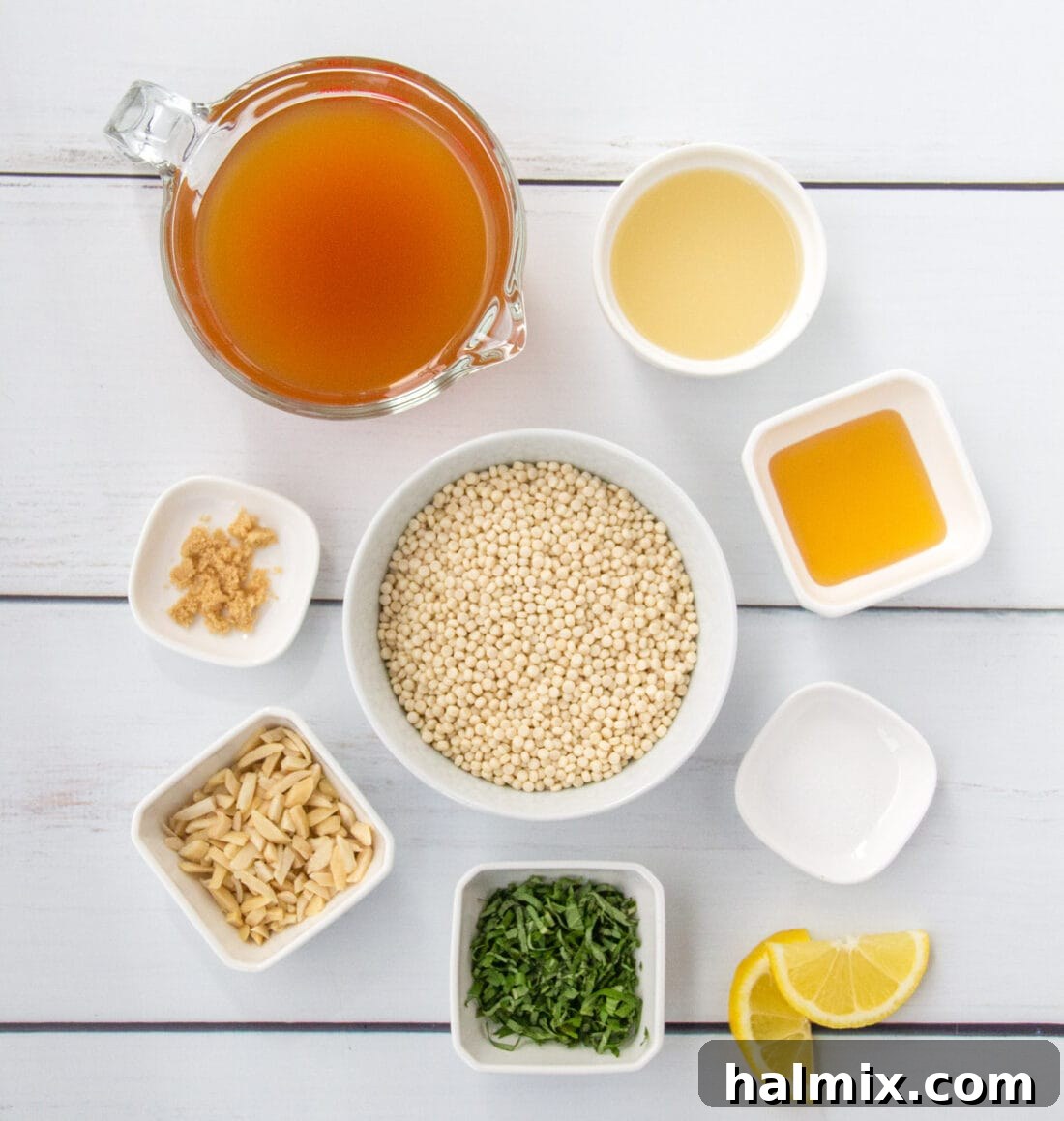
Ingredient Spotlight & Expert Substitution Advice
Understanding each ingredient’s role and potential substitutions can help you customize this dish to your taste and pantry availability.
- Fresh Lemon Juice: This is truly the star of the show. While bottled lemon juice can work in a pinch, we highly recommend using freshly squeezed lemon juice for the most authentic and vibrant citrus flavor. You’ll need approximately 2 ½ lemons to yield ½ cup of juice. It’s always a good idea to have 3-4 lemons on hand, as the juice content can vary significantly between individual fruits. For an extra layer of lemon flavor and aromatic appeal, consider adding a teaspoon or two of fresh lemon zest to the final dish. This brightens the flavor even further without adding excessive tartness.
- Honey: Honey plays a crucial role in balancing the sharp tartness of the lemon, adding a touch of natural sweetness that rounds out the savory profile. To ensure your honey slides easily off the measuring spoon, a quick spray with cooking oil beforehand works wonders. If you prefer a vegan option or don’t have honey, maple syrup or agave nectar can be excellent substitutes, offering similar sweetness and viscosity. Rest assured, the honey in this recipe is not intended to make the dish sweet, but rather to mellow the lemon for a perfectly harmonious savory side.
- Brown Sugar: Like honey, brown sugar contributes to the depth of flavor by introducing subtle molasses notes and further balancing the lemon’s acidity. Its inclusion enhances the overall complexity of the dish, creating a more nuanced taste than lemon alone. You can substitute with granulated sugar if brown sugar isn’t available, though you might miss a hint of that underlying richness.
- Salt: Essential for enhancing all the other flavors. Use a good quality fine sea salt or kosher salt. Adjust to your personal preference, tasting as you mix.
- Vegetable Broth: This liquid is vital for cooking the pearl couscous and infusing it with flavor from the start. Vegetable broth keeps the dish vegetarian, but chicken broth can be used for a richer, more savory profile if preferred. Water can also be used, but broth will impart significantly more flavor.
- Pearl Couscous (Israeli Couscous): As discussed, these mini pasta balls are ideal for their texture and ability to absorb flavors. While regular, smaller couscous can be used, the cooking time and liquid ratio might need slight adjustments, and the texture will be different. For the best results in this recipe, stick with pearl couscous.
- Fresh Basil: The fresh, peppery, and sweet notes of basil are a perfect match for lemon. Always opt for fresh basil, finely sliced (chiffonade style), for maximum fragrance and flavor. Dried basil is not recommended as it lacks the vibrant aroma needed for this dish. If basil is unavailable, fresh parsley or mint could offer a different but equally refreshing twist.
- Slivered Almonds: These add a delightful crunch and a subtle nutty flavor that contrasts beautifully with the soft couscous. For an enhanced flavor, lightly toast the slivered almonds in a dry pan over medium heat for a few minutes until fragrant and golden brown before adding them. Other nuts like chopped pistachios or pine nuts could also be wonderful alternatives.
Step-by-Step Guide: Crafting Your Lemon Couscous
Follow these easy steps to create a batch of perfectly flavored lemon couscous. Visual aids are integrated below to help you through each stage of the process.
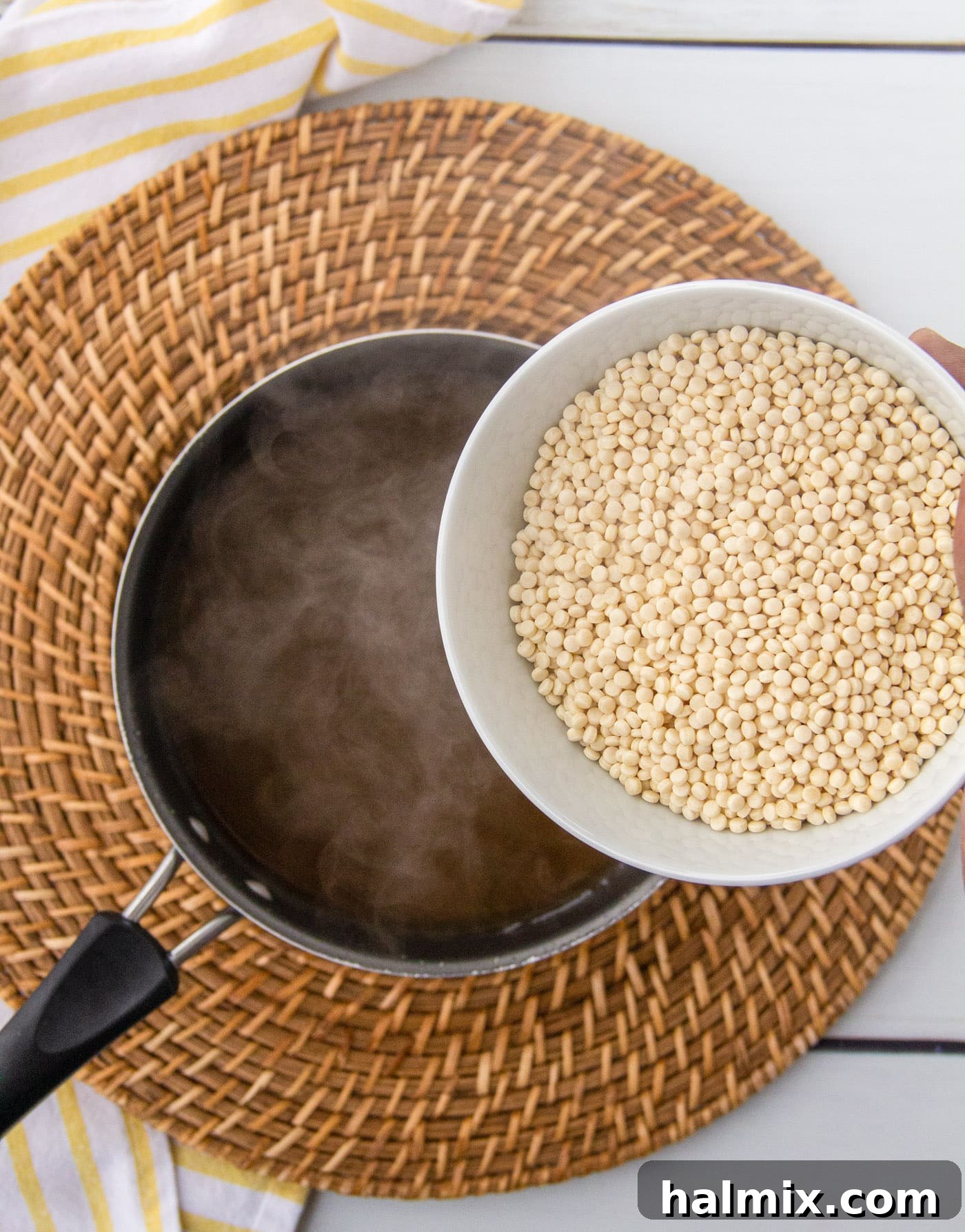
- Prepare the Broth: Begin by pouring the vegetable broth into a medium-sized saucepan. Place the saucepan on your stovetop over medium-high heat and bring the broth to a rolling boil. This ensures the couscous cooks evenly and quickly.
-
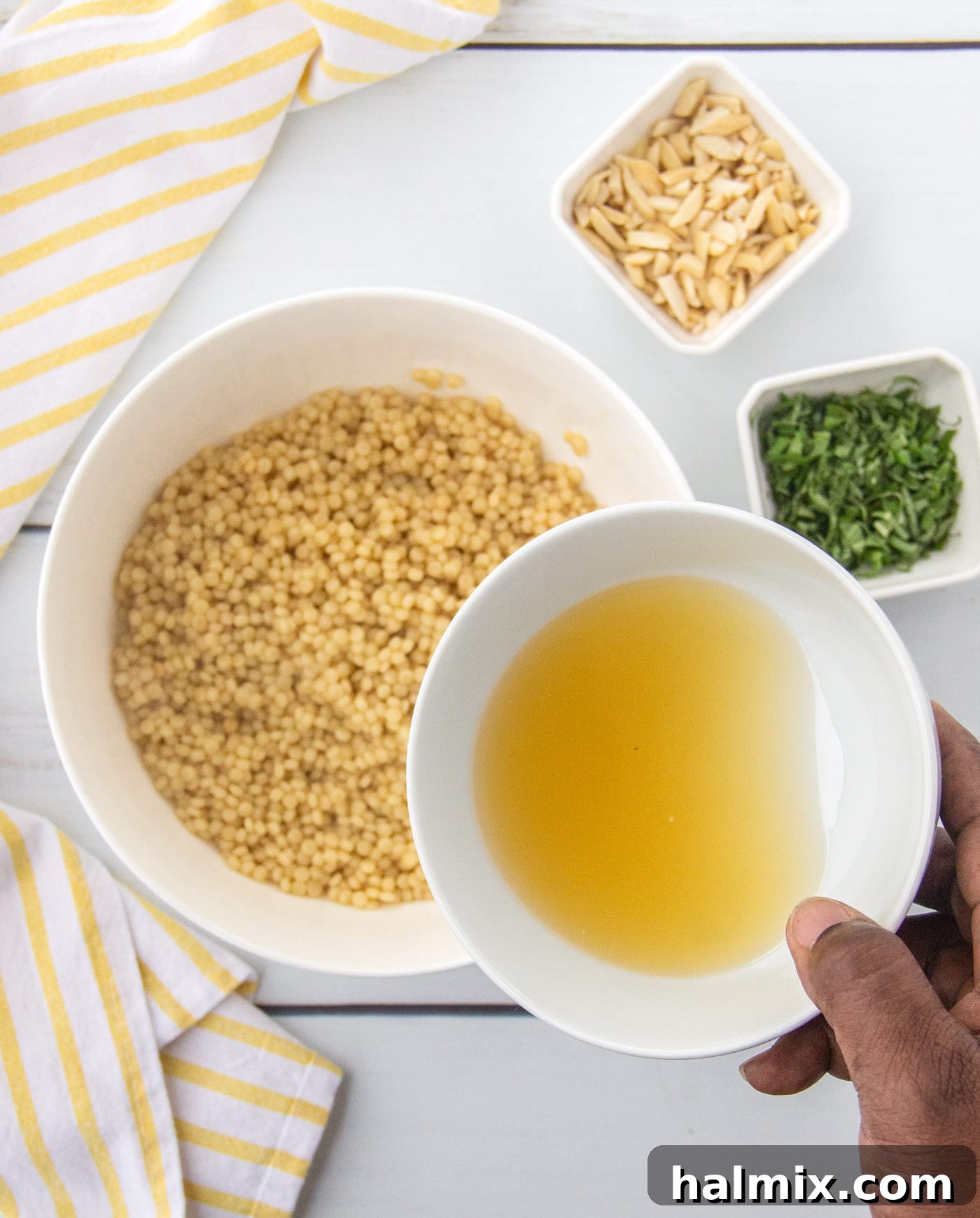
Whisk the Lemon Mixture: While the broth is heating, prepare the flavorful lemon dressing. In a separate medium-sized mixing bowl, combine the fresh lemon juice, honey, salt, and brown sugar. Use a whisk to thoroughly mix these ingredients until the honey and sugar are fully dissolved. Set this mixture aside; it will be added at the end.

-
Cook the Couscous: Once the broth is boiling, carefully add the pearl couscous to the saucepan. Reduce the heat to medium. Allow the couscous to cook uncovered, stirring occasionally to prevent sticking and ensure even cooking. This step typically takes approximately 3 minutes, or until the couscous is al dente.
- Rest and Drain: After 3 minutes, turn off the heat. Immediately cover the saucepan with a lid and let the couscous sit undisturbed for an additional 2 minutes. This resting period allows the couscous to fully absorb any remaining liquid and steam, resulting in a perfectly tender texture. After resting, drain the couscous thoroughly using a fine-mesh sieve, but do not rinse it, as rinsing can wash away some of the flavor.
-
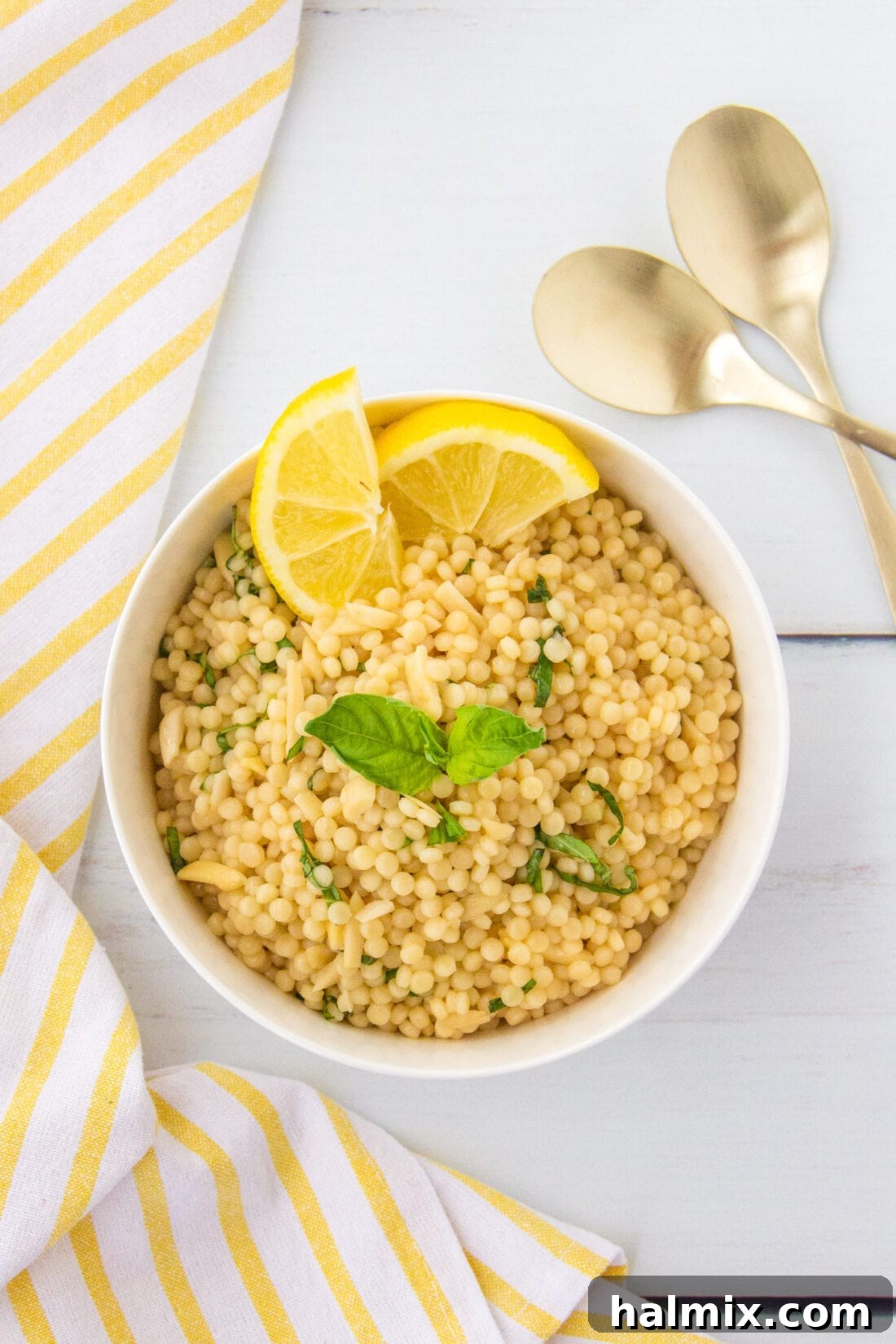
Combine and Serve: Transfer the hot, drained couscous to a large mixing bowl. Pour the reserved lemon juice mixture over the couscous, then add the slivered almonds and fresh sliced basil. Gently stir all the ingredients together until they are well combined and the couscous is evenly coated with the dressing. Serve your vibrant lemon couscous immediately while it’s warm, or chill it to enjoy cold.

Frequently Asked Questions & Expert Tips for Perfect Lemon Couscous
Store any leftover lemon couscous in an airtight container in the refrigerator for 3-4 days. It’s delicious served cold the next day, making it perfect for meal prep!
Absolutely! This lemon couscous is an excellent make-ahead dish. Prepare it up to 24 hours in advance and store it in the refrigerator. The flavors will deepen as it chills. Just give it a good stir before serving.
This recipe is naturally vegetarian when made with vegetable broth. To make it vegan, ensure your honey substitute is plant-based (like maple syrup or agave nectar). Pearl couscous is made from wheat, so it is not gluten-free. For a gluten-free alternative, you could try preparing a similar recipe using quinoa or gluten-free pasta grains, adjusting cooking times accordingly.
Feel free to experiment! You can add finely chopped vegetables like cucumber, bell peppers, or cherry tomatoes for extra texture and nutrition. A sprinkle of feta cheese or goat cheese would add a creamy, tangy element. For a hint of spice, a pinch of red pepper flakes can be included. Roasted chickpeas or grilled shrimp would turn this side dish into a more substantial light meal.
While the recipe calls for slivered almonds, toasting them lightly in a dry pan for a few minutes before adding them significantly enhances their nutty flavor and crispness. This small extra step can make a big difference in the overall taste and texture of the dish.
Versatile Serving Suggestions for Lemon Couscous
One of the many charms of this lemon couscous is its adaptability. It can be savored warm, freshly prepared, or chilled, making it a fantastic addition to various meals and occasions. Its bright, clean flavor profile makes it an ideal complement to a wide range of proteins and vegetables.
Consider serving this flavorful side alongside grilled or baked chicken, providing a light and citrusy counterpoint to the savory poultry. It also pairs exceptionally well with flaky white fish, such as cod or tilapia, or even richer salmon, where the lemon notes can truly enhance the seafood’s delicate flavors. For a heartier meal, enjoy it with roasted pork loin or tender beef skewers. Its refreshing qualities are also perfect for balancing richer, bolder main courses.
Beyond main dishes, lemon couscous excels as a vibrant component of a larger spread. Pack it into meal prep containers for refreshing and healthy weekday lunches or light dinners. It’s also a superb choice for potlucks, picnics, and summer barbecues, holding up well when served at room temperature. For a complete vegetarian meal, pair it with grilled halloumi, a bean salad, or roasted Mediterranean vegetables like zucchini, bell peppers, and eggplant.
Explore More Delicious Side Dish Recipes
If you loved this easy and flavorful lemon couscous, be sure to explore more of our favorite side dish recipes:
- Glazed Carrots: A classic, sweet, and tender accompaniment to any meal.
- Easy Grain Salad: A hearty and healthy salad packed with texture and flavor.
- Whole Roasted Cauliflower: An impressive and delicious centerpiece for a vegetarian meal or a unique side.
- Slow Cooker Balsamic Carrots: Effortlessly tender and tangy carrots with minimal fuss.
- Tomato Cucumber Salad with Feta: A refreshing and simple Mediterranean-inspired salad.
We’re passionate about cooking and sharing delightful recipes like this one! To ensure you never miss out on our latest culinary creations, we offer a convenient newsletter delivered right to your inbox every time a new recipe is posted. Simply subscribe and start receiving your free daily recipes!
Lemon Couscous
Lemon couscous is a perfectly rounded lemon-flavored side that pairs well with all different types of main dishes, made quick and easy.
IMPORTANT – There are often Frequently Asked Questions within the blog post that you may find helpful. Simply scroll back up to read them!
Pin It
Rate It
Course: Side Dish
Cuisine: American
Servings: 4 servings (3 cups total)
Total Time: 15 mins
Calories: 317
Author: Amanda Davis
Ingredients
- ½ cup lemon juice (about 2 ½ lemons worth)
- 1 Tablespoon honey
- ½ teaspoon salt
- ½ teaspoon brown sugar
- 2 cups vegetable broth
- 8.8 ounces pearl couscous (1 bag, or about 1 ½ cups)
- 2 Tablespoons fresh basil (sliced)
- ⅓ cup slivered almonds
Things You’ll Need
- Saucepan
- Mixing bowls
- Whisk
Before You Begin (Tips)
- If you spray your measuring spoon with cooking spray first before adding your honey, the honey will slide right out.
- You will need about 2 ½ lemons to get ½ cup of juice. Grab 3-4 to be on the safe side as the quantity of juice in each individual lemon can vary.
Instructions
- Add broth to saucepan and bring to a boil over medium-high heat.
- Meanwhile, in a medium bowl combine lemon juice, honey, salt, and brown sugar. Set aside.
- Add couscous to boiling broth, turn heat down to medium. Allow to cook uncovered, stirring occasionally, for approximately 3 minutes.
- Turn heat off and cover saucepan. Allow to sit undisturbed for 2 minutes. Drain couscous but do not rinse.
- Place hot couscous in a large mixing bowl. Add lemon juice mixture, almonds, and basil. Gently stir the mixture to combine well. Serve hot.
Nutrition Information
Serving: 1 serving (3/4 cup)
Calories: 317cal
Carbohydrates: 59g
Protein: 10g
Fat: 5g
Saturated Fat: 0.4g
Polyunsaturated Fat: 1g
Monounsaturated Fat: 3g
Trans Fat: 0.003g
Sodium: 768mg
Potassium: 207mg
Fiber: 4g
Sugar: 7g
Vitamin A: 305IU
Vitamin C: 12mg
Calcium: 44mg
Iron: 1mg
Tried this Recipe? Pin it for Later!
Follow on Pinterest @AmandasCookin or tag #AmandasCookin!
The recipes on this blog are typically tested with a conventional gas oven and gas stovetop. Please note that oven performance can vary, especially with older appliances, leading to inconsistent cooking and baking. We recommend using an inexpensive oven thermometer to verify your oven’s actual temperature. If utilizing a toaster oven or countertop oven, be aware that heat distribution may differ from full-sized conventional ovens, and adjustments to cooking/baking times might be necessary. For recipes prepared with specific appliances like pressure cookers, air fryers, or slow cookers, links to the models we use are provided within their respective recipes. For baking recipes where measurements are given by weight, converting to volumetric cup measurements may alter results, and success cannot be guaranteed with this method.