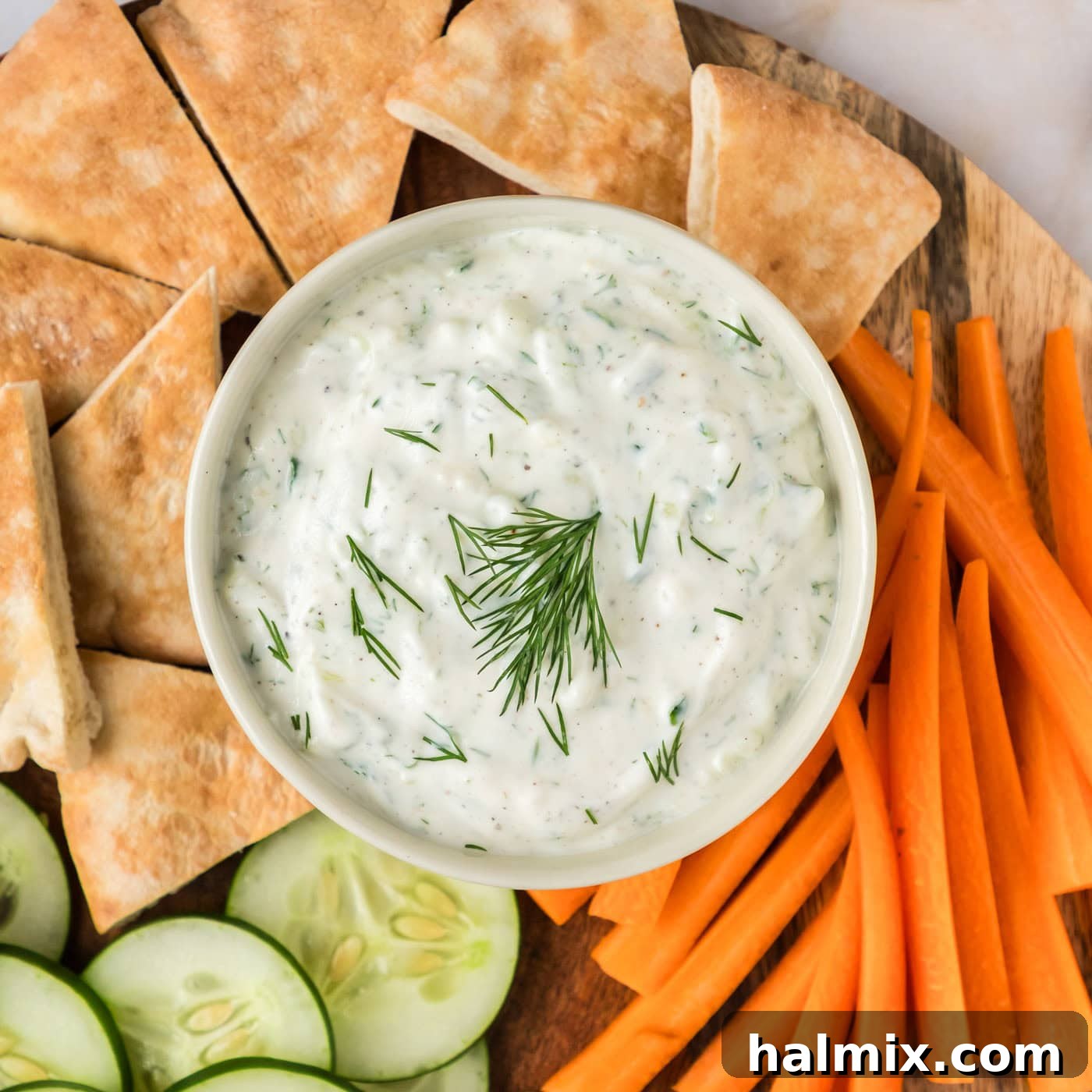
Experience the culinary delight of fresh, homemade Tzatziki Sauce, a vibrant Mediterranean staple that effortlessly elevates any meal. In just about 20 minutes, you can whip up this creamy, refreshing dip using a handful of simple, wholesome ingredients: crisp cucumber, rich Greek yogurt, pungent garlic, and aromatic fresh dill. Whether you’re spreading it generously on warm pita bread, dipping crunchy vegetables, or drizzling it over sizzling grilled meats, this versatile sauce promises a burst of tangy, herbaceous flavor that is utterly irresistible. Forget store-bought versions; making your own Tzatziki from scratch is a rewarding endeavor that guarantees unparalleled freshness and taste.
The Irresistible Allure of Homemade Tzatziki
Tzatziki sauce is more than just a condiment; it’s a refreshing embrace for your palate, offering a unique blend of cool, creamy, and zesty notes. Its comforting tang, beautifully complemented by the subtle heat of fresh garlic and the bright, herbaceous undertones of dill, creates a flavor profile that is both complex and incredibly satisfying. Rooted deeply in Greek and Turkish culinary traditions, tzatziki has transcended its origins to become a beloved dip, spread, and sauce across the globe. From enhancing savory gyros and succulent chicken shawarma to adding a fresh kick to simple roasted vegetables, its versatility knows no bounds.
There’s a distinct charm that comes with preparing tzatziki at home. The process is straightforward, requiring minimal effort and no complex cooking techniques, yet the payoff is immense. You gain complete control over the quality of ingredients, ensuring peak freshness and allowing you to adjust flavors to your personal preference. The vibrant aroma of fresh dill, the crispness of real cucumber, and the rich creaminess of good Greek yogurt simply cannot be replicated by mass-produced alternatives. Investing a mere 20 minutes in your kitchen unlocks a world of authentic Mediterranean flavor, transforming everyday meals into extraordinary culinary experiences.
Why This Tzatziki Recipe Is Your New Favorite
This particular tzatziki recipe shines for several compelling reasons, making it a reliable and consistently delicious choice. First, its simplicity is unmatched; you don’t need to be an experienced chef to achieve perfect results. The method focuses on maximizing flavor through proper ingredient preparation, like carefully extracting moisture from the cucumber, which is a game-changer for texture.
The balance of flavors in this recipe is truly exceptional. The coolness of the cucumber provides a refreshing counterpoint to the sharp, invigorating punch of fresh garlic. Fresh dill adds an aromatic, slightly anise-like note that is quintessential to authentic tzatziki, while the whole milk Greek yogurt offers a luxurious, creamy base with just the right amount of tang. A hint of fresh lemon juice brightens the entire composition, making every bite feel light and invigorating. This tzatziki isn’t just good; it’s the kind of good that makes you want to spread it on everything, from a simple pita chip to a gourmet grilled fish dish. It’s a low-calorie, healthy addition that doesn’t compromise on flavor, proving that sometimes, the simplest recipes yield the most profound culinary rewards.
Essential Ingredients for Your Perfect Tzatziki
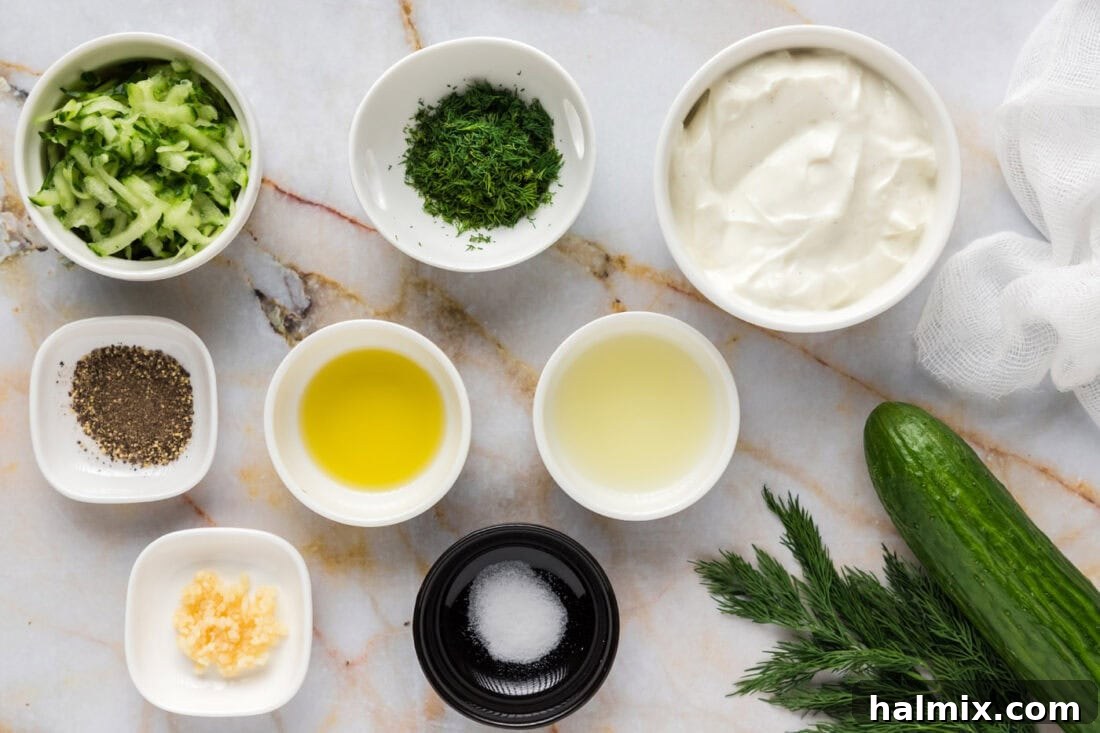
Crafting truly exceptional tzatziki begins with selecting fresh, high-quality ingredients. While the sauce itself is simple, each component plays a critical role in achieving its signature flavor and creamy texture. Below, we’ll delve into the key ingredients you’ll need, along with suggestions for substitutions to help you tailor the recipe to your preferences. Remember, precise measurements and step-by-step instructions can be found in the printable recipe card at the very end of this post.
Ingredient Spotlight and Smart Substitution Suggestions
-
Cucumber: The Crisp Foundation
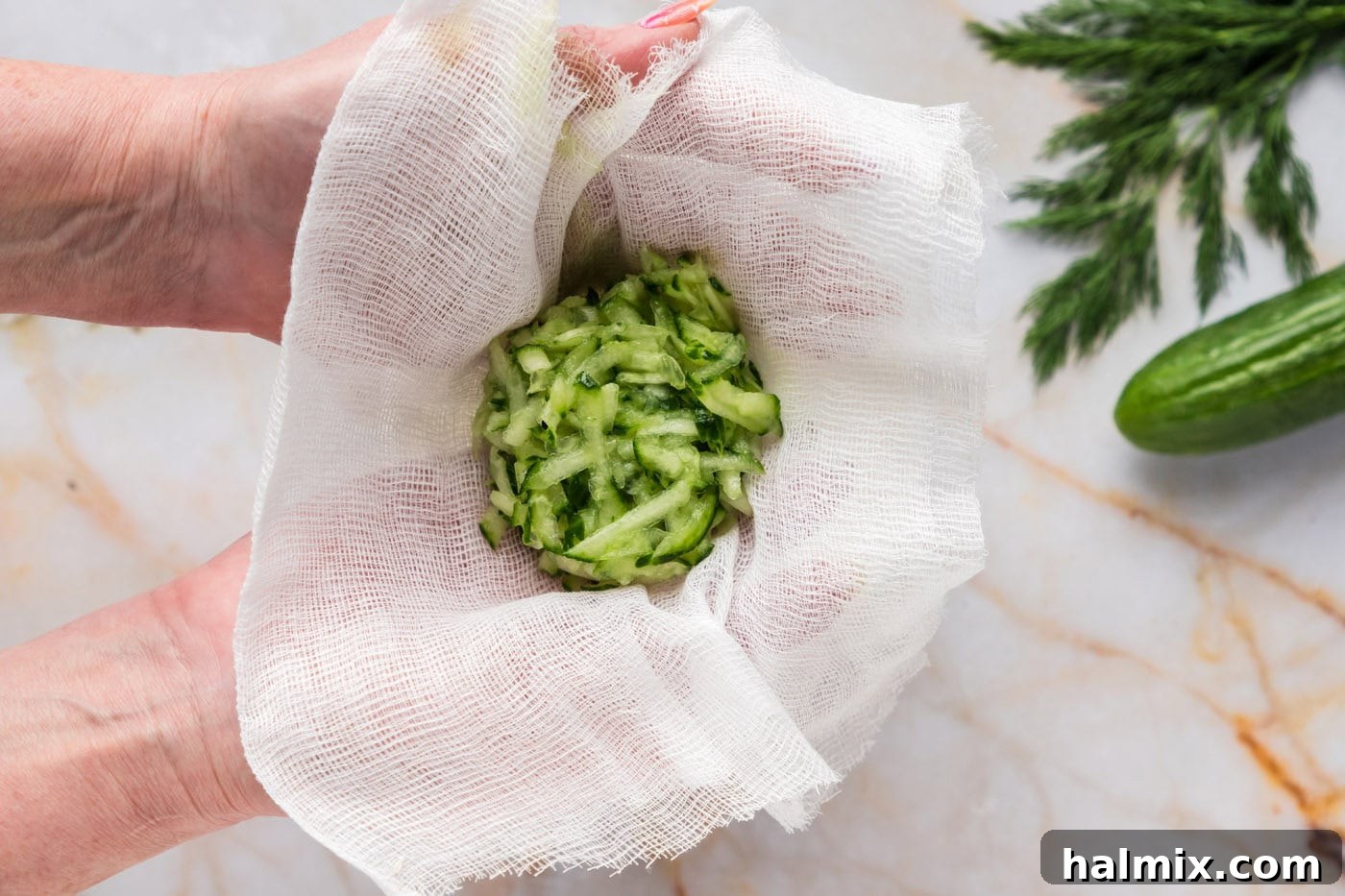
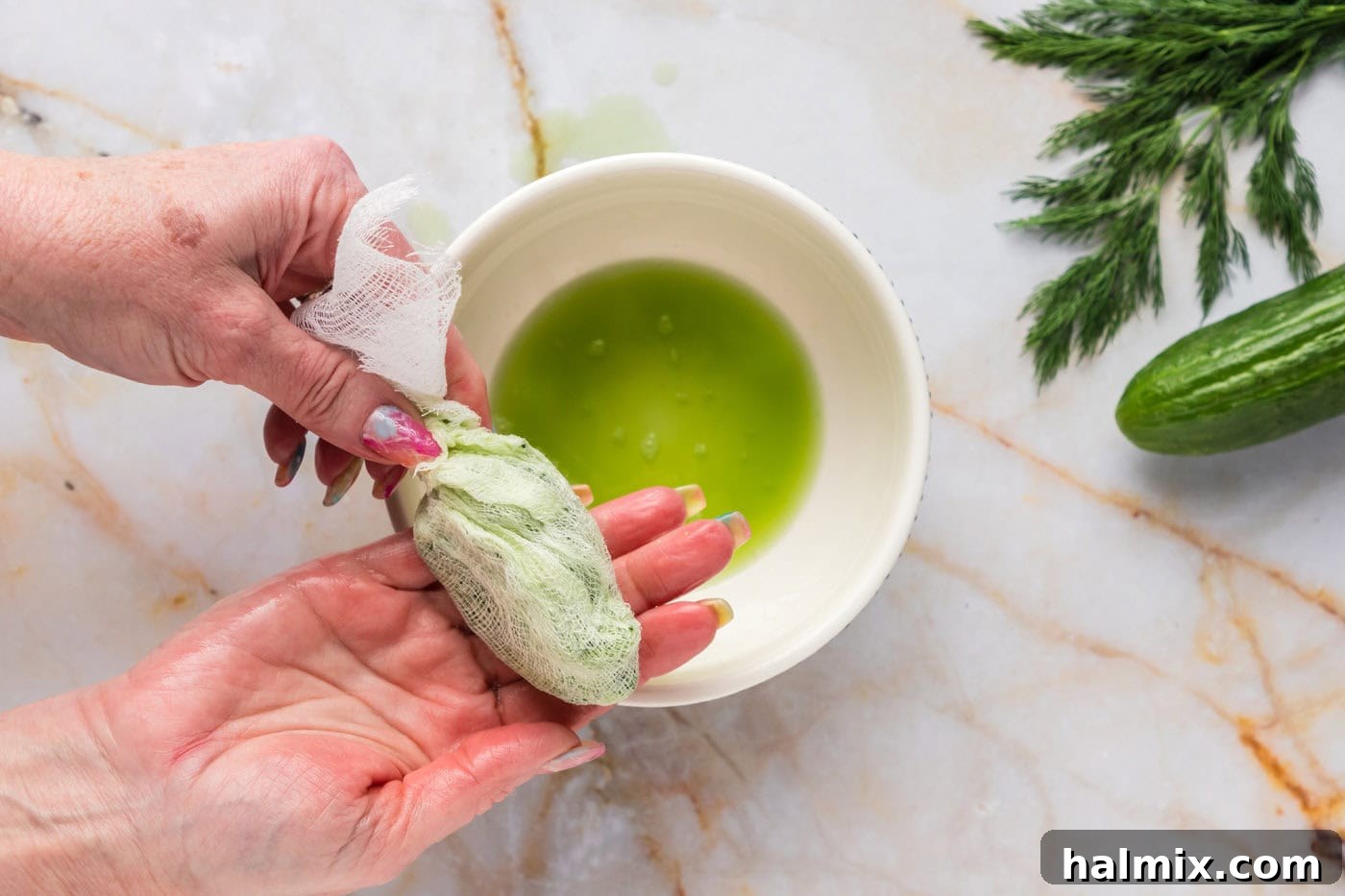
The cucumber is undeniably the star of tzatziki, providing that signature refreshing crunch and delicate flavor. For this recipe, we highly recommend using 1 English cucumber. English cucumbers are ideal because they have fewer seeds, thinner skin, and a higher water content, which means less preparation (no need to peel, although you can if preferred) and a more consistent texture. The most crucial step is to shred the cucumber and then diligently squeeze out its excess liquid. This prevents your tzatziki from becoming watery and ensures a thick, creamy consistency. Don’t discard the squeezed-out juice! It’s packed with nutrients and can be frozen to add a refreshing boost to soups, stews, or even smoothies later on. -
Greek Yogurt: The Creamy Heart
Whole milk plain Greek yogurt is absolutely non-negotiable for authentic tzatziki. Its thick, velvety texture and distinctive tangy flavor form the backbone of this sauce. Regular yogurt, even if plain, simply won’t yield the same rich, creamy result due to its thinner consistency and often less pronounced tang. The higher fat content of whole milk yogurt also contributes to a more luxurious mouthfeel and better flavor absorption. For an even thicker sauce, you can strain your Greek yogurt through a cheesecloth for an hour or two before mixing, though it’s often not necessary with good quality whole milk Greek yogurt. -
Fresh Herbs: The Aromatic Essence
Traditionally, fresh dill is the herb of choice for tzatziki, lending a unique, slightly anisy and herbaceous aroma that is instantly recognizable. However, if you’re looking for a delightful twist or simply prefer a different flavor profile, fresh mint is a fantastic alternative. Many variations of tzatziki in the Mediterranean region incorporate mint, offering a cooler, brighter, and slightly more peppery note. You can even experiment with a combination of both dill and mint for a complex herbaceous blend. Always opt for fresh herbs over dried for the best flavor and vibrant color. -
Garlic: The Pungent Kick
A single clove of minced fresh garlic provides the essential pungent kick that balances the cool cucumber and creamy yogurt. The beauty of homemade tzatziki is that you can adjust the garlic to your liking. If you’re a garlic lover, feel free to add an extra clove or two. For a milder garlic flavor, you might reduce it slightly. Always use fresh garlic for the best results, as powdered garlic won’t offer the same vibrant, sharp flavor. -
Fresh Lemon Juice: The Brightener
A splash of fresh lemon juice is key to brightening the flavors of tzatziki, adding a zesty acidity that complements the tang of the yogurt and the freshness of the dill. Always use freshly squeezed lemon juice for the best taste; bottled lemon juice often contains preservatives and lacks the vibrant, natural acidity. -
Olive Oil: The Finishing Touch
A small amount of good quality extra virgin olive oil adds a touch of richness and silkiness to the sauce, enhancing its overall mouthfeel. It also serves as a beautiful garnish when drizzled lightly over the finished tzatziki before serving, adding a subtle peppery note and a lovely sheen. -
Salt and Black Pepper: Essential Seasoning
These basic seasonings are crucial for bringing all the flavors together. Start with the suggested amounts and then taste and adjust to your preference. A good quality sea salt can make a noticeable difference.
Mastering Homemade Tzatziki: A Simple Step-by-Step Guide
These step-by-step photos and detailed instructions are designed to help you visualize the process of making this delicious recipe. For precise measurements of all ingredients and a convenient printable version of this recipe, please scroll down to the comprehensive recipe card located at the bottom of this post.
-
Prepare the Cucumber: Begin by thoroughly washing your English cucumber. Cut off both ends of the cucumber. Using the small-hole side of a box grater, shred the entire cucumber into fine strands. Once shredded, gather the cucumber into a cheesecloth or a clean, sturdy kitchen towel. Tightly twist and squeeze the cloth over a sink or bowl to extract as much excess liquid as possible from the shredded cucumber. This is a critical step to ensure your tzatziki remains thick and creamy, preventing it from becoming watery. After squeezing, pack the strained, shredded cucumber into a ½ cup measuring cup to ensure you have the correct amount.

-
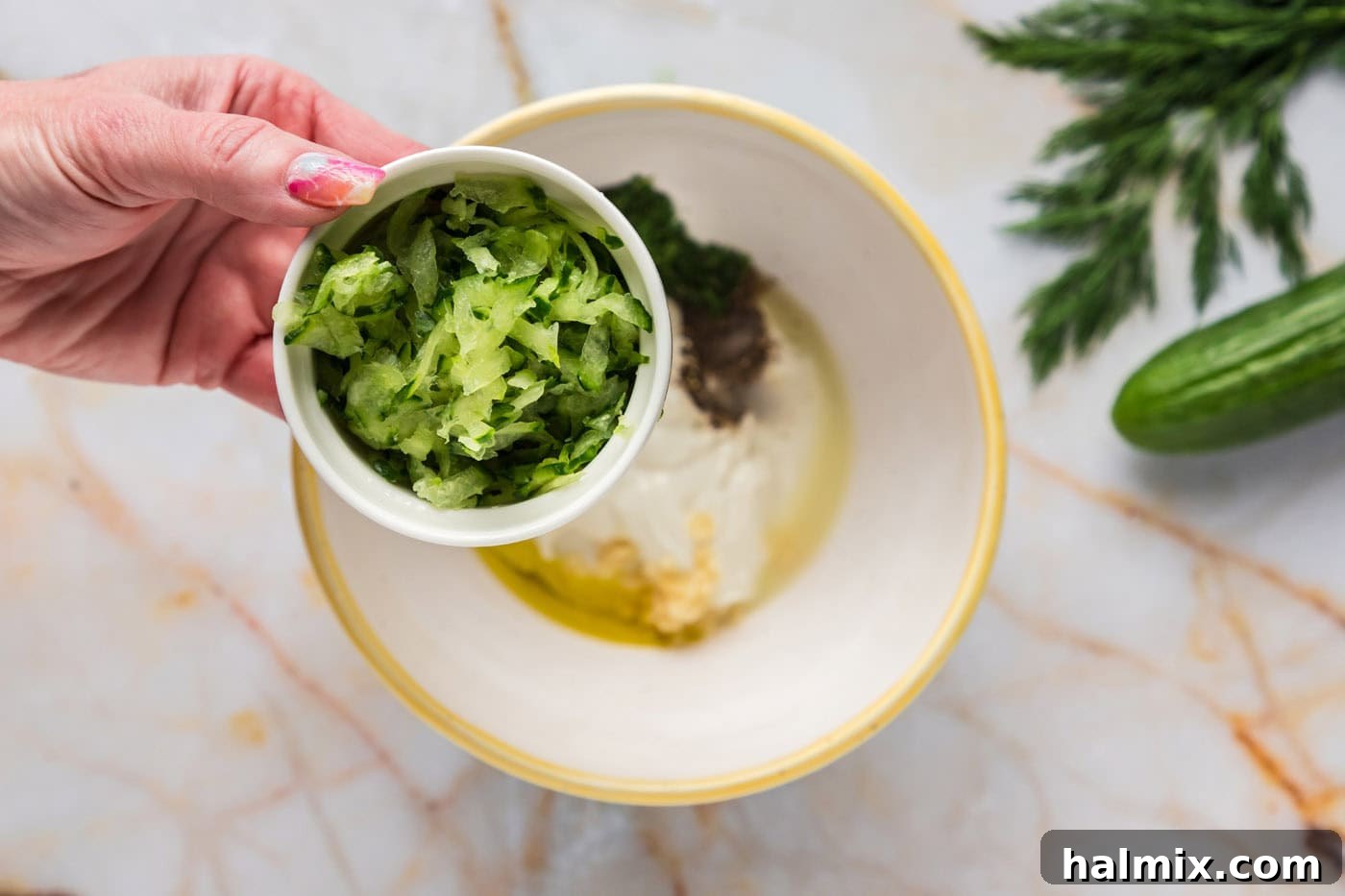
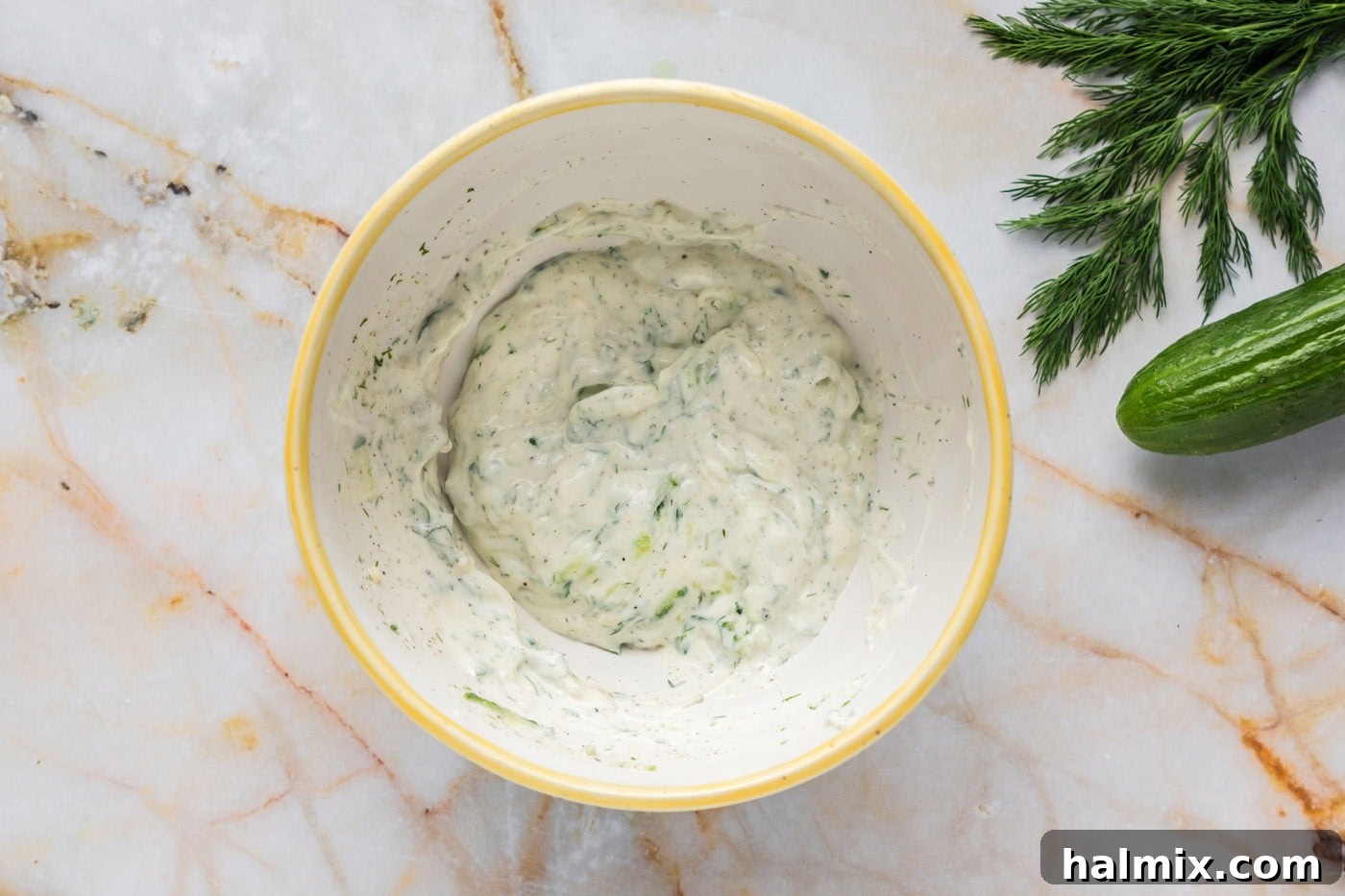
Combine Remaining Ingredients: In a medium mixing bowl, add the strained cucumber along with the whole milk plain Greek yogurt, chopped fresh dill, fresh lemon juice, minced garlic, salt, and black pepper. Using a rubber spatula, gently fold all the ingredients together until they are thoroughly combined and evenly distributed. Avoid overmixing, as this can affect the yogurt’s texture. Drizzle in the olive oil and give it one final, light stir.
-
Chill and Serve: Once all the ingredients are combined, cover the mixing bowl with plastic wrap or a lid. Place the tzatziki sauce in the refrigerator to chill for at least one hour before serving. This crucial chilling period allows the flavors to truly meld and deepen, resulting in a more harmonious and delicious sauce. The sauce will also firm up slightly as it chills, achieving that perfect creamy consistency.
Expert Tips & Frequently Asked Questions (FAQs)
Proper storage is key to enjoying your homemade tzatziki. Always transfer the sauce to an airtight container immediately after preparing it. Store it in the refrigerator, where it will stay fresh for 4 to 5 days. For the best flavor and texture, tzatziki should always be served chilled, so take it out of the fridge just before serving.
While technically possible to freeze tzatziki sauce, we generally wouldn’t recommend it. Due to its high water content, especially from the cucumber and yogurt, freezing and thawing can significantly alter the texture. The sauce may become grainy, and the mixture could separate, leading to a less appealing consistency. If you absolutely must freeze it, store it in an airtight, freezer-safe container for up to 2 months. Thaw it slowly in the refrigerator overnight, and be sure to give it a very vigorous stir to try and reincorporate any separated ingredients. However, be prepared for a potential change in texture.
Tzatziki sauce is a traditional Greek condiment renowned for its incredibly refreshing, creamy texture and tangy flavor. It’s a cornerstone of Mediterranean cuisine, often served as a versatile dip, a flavorful sauce, or a cooling side dish alongside various spreads. The essence of tzatziki lies in its harmonious blend of key ingredients: thick Greek yogurt, fresh cucumber, pungent garlic, and vibrant fresh herbs like dill or mint. Its adaptability means you can truly enjoy it with almost anything, from savory grilled meats to crisp vegetables.
For the best tzatziki, an English cucumber (sometimes called a hothouse or seedless cucumber) is highly recommended. These cucumbers have a thinner skin, which means you often don’t need to peel them, and significantly fewer seeds, reducing the need for extensive deseeding. This results in a less watery and more uniformly textured sauce. If using standard garden cucumbers, you might want to peel them and scoop out the larger seeds before shredding to prevent excess moisture and ensure a smooth consistency.
If your tzatziki turns out too thin, there are a few tricks to thicken it. The most common reason for a runny sauce is insufficient squeezing of the cucumber; ensure you remove as much liquid as possible from the shredded cucumber using a cheesecloth or paper towels. Secondly, always use a high-quality, full-fat Greek yogurt, which is naturally thicker than regular yogurt. For an exceptionally thick tzatziki, you can also strain the Greek yogurt itself by placing it in a cheesecloth-lined sieve over a bowl and letting it drain in the refrigerator for an hour or two before mixing. This removes excess whey, resulting in a denser, richer yogurt base.
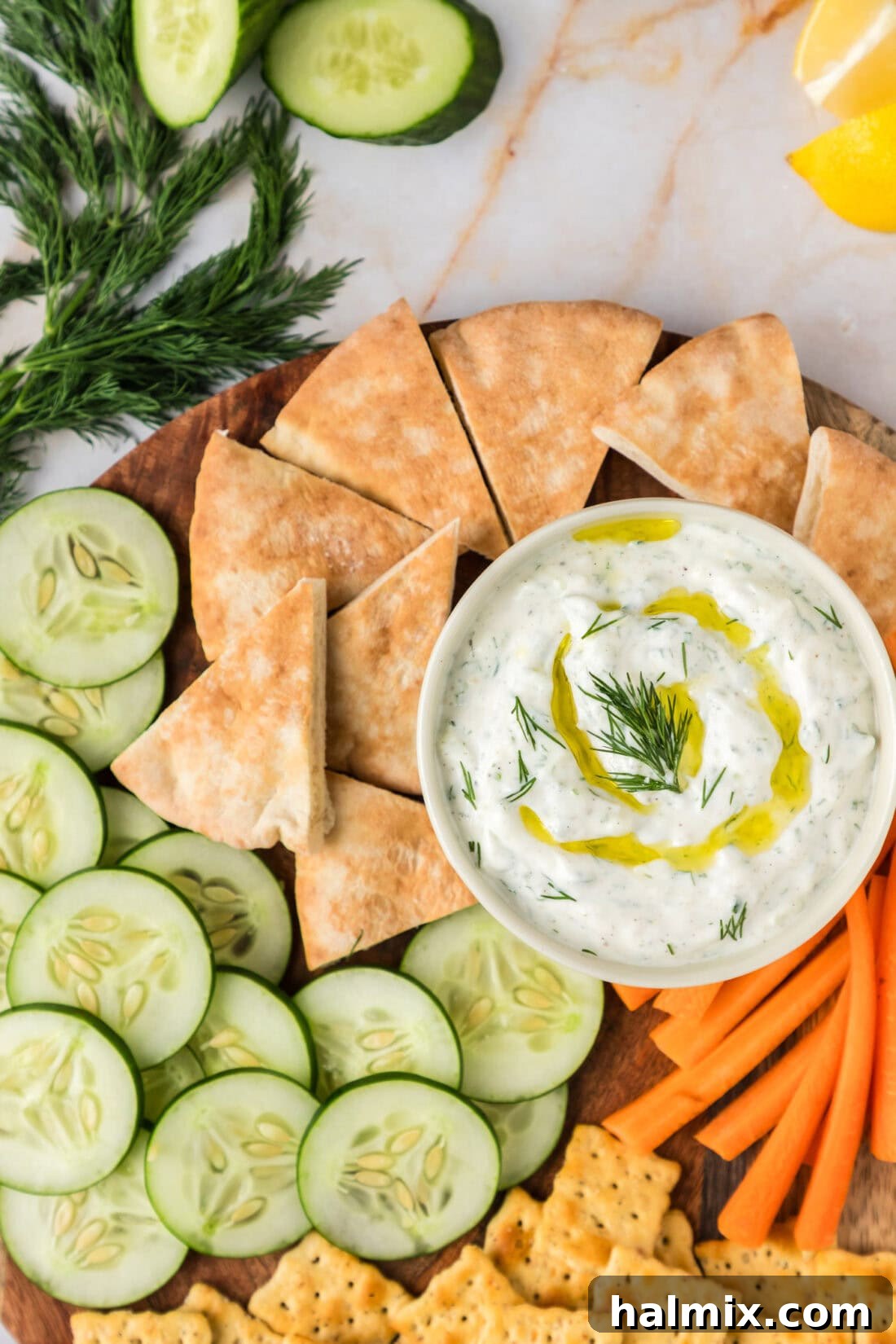
Endless Serving Possibilities with Homemade Tzatziki
The beauty of homemade tzatziki sauce lies in its incredible versatility. Its refreshing, tangy profile makes it a perfect complement to a wide array of dishes, transforming simple ingredients into a gourmet experience. Here are some expanded serving suggestions to inspire your culinary adventures:
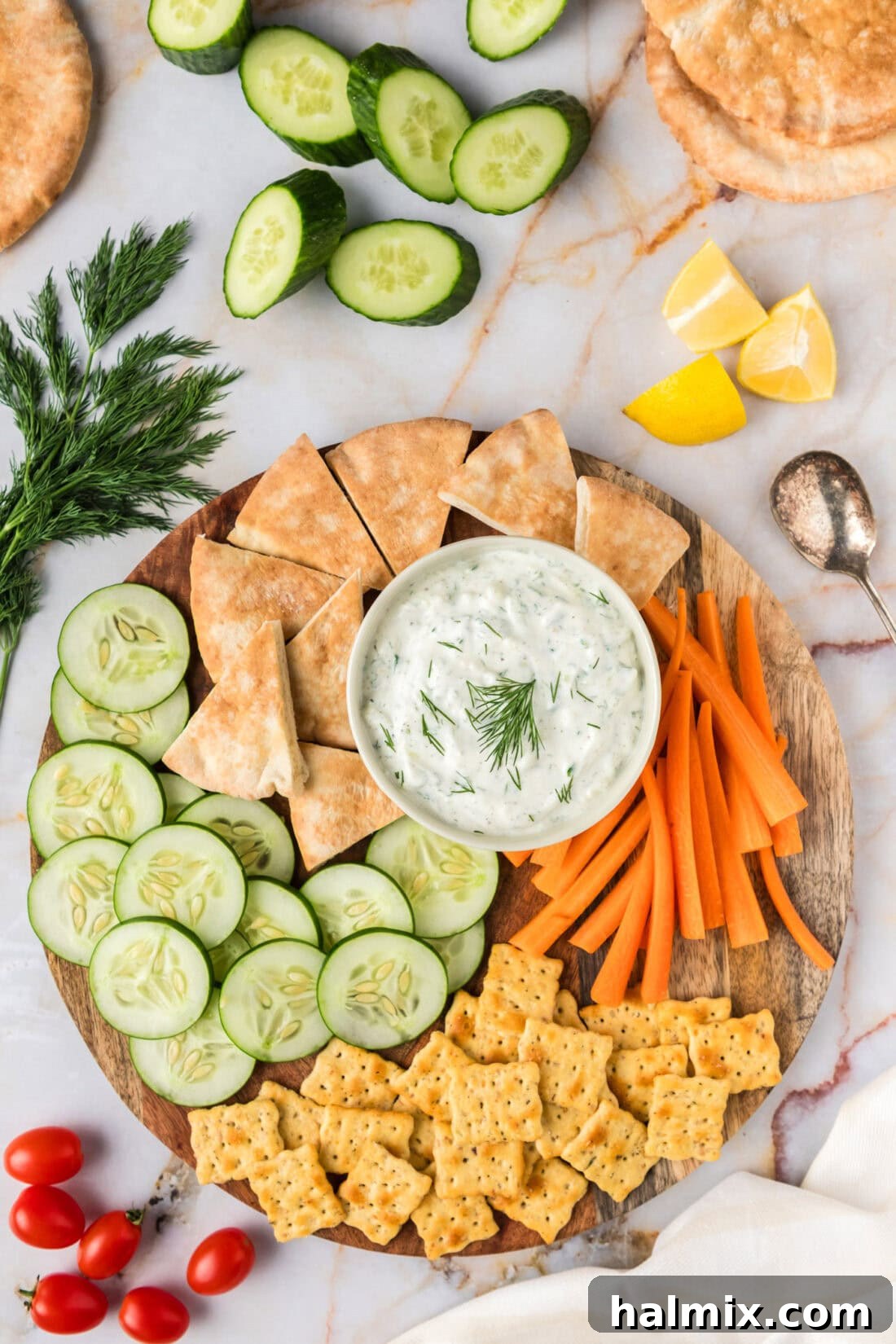
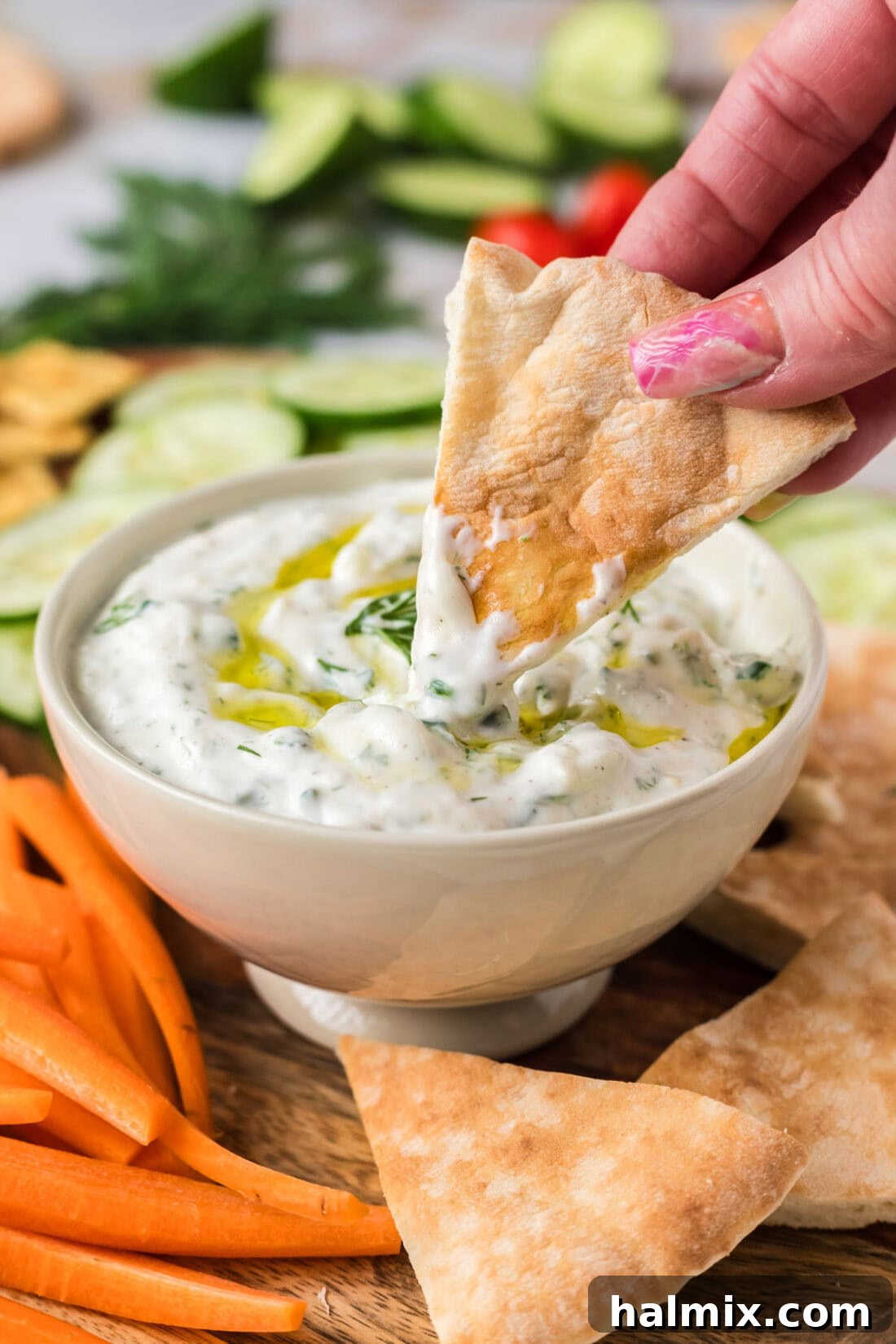
- As a Classic Dip: Serve your chilled tzatziki alongside a vibrant platter of raw vegetables such as crisp carrot sticks, crunchy celery, bell pepper strips, cherry tomatoes, and cucumber slices. It’s also fantastic with homemade falafel, warm pita bread, toasted pita chips, or even crunchy pretzels and crackers.
- Elevate Your Main Courses: Tzatziki is an indispensable accompaniment to Mediterranean and Middle Eastern main dishes. Drizzle it generously over grilled fish, lamb kofta, Greek chicken kabobs, or any form of grilled chicken, beef, or pork. It’s the essential cooling component for spicy chicken shawarma and the perfect creamy addition to classic gyros.
- Creative Spreads and Condiments: Think beyond the dip bowl! Use tzatziki as a zesty spread for sandwiches, wraps (like our Mediterranean Veggie Wrap), or even as a unique burger condiment. It makes an incredible sauce for chicken wings, adding a fresh, tangy alternative to traditional dips.
- Unexpected Pairings: Don’t be afraid to experiment! Dollop tzatziki onto baked potatoes, serve it as a refreshing side with scrambled eggs, or thin it slightly with a touch of milk or water to create a quick and flavorful salad dressing for a Greek Salad.
Explore More Mediterranean-Inspired Recipes
If you’ve enjoyed the fresh and vibrant flavors of this homemade tzatziki, you’ll love exploring other recipes from the Mediterranean region that share its healthy and delicious characteristics. Expand your culinary repertoire with these related dishes:
- Classic Greek Salad: A refreshing mix of crisp vegetables, feta, and olives, dressed in a light vinaigrette.
- Refreshing Tzatziki Salad: A unique salad variation that incorporates the beloved flavors of tzatziki in a new form.
- Creamy Ricotta Whipped Feta: Another delightful and easy-to-make dip that’s perfect for entertaining.
- Hearty Mediterranean Veggie Wrap: A wholesome and flavorful meal packed with fresh vegetables and vibrant sauces.
- Flavorful Chicken Shawarma: Tender, spiced chicken that pairs perfectly with a dollop of homemade tzatziki.
- Delicious Greek Chicken Kabobs: Marinated and grilled chicken skewers, ideal for a summer barbecue.
- Homemade Falafel: Crispy, savory chickpea patties that are a match made in heaven with creamy tzatziki.
We absolutely love to bake and cook, and it brings us immense joy to share our kitchen experiences and favorite recipes with all of you! We understand that remembering to come back each day for new culinary inspiration can be tough, which is why we offer a convenient newsletter. Every time a new, delectable recipe posts, it can be delivered directly to your inbox. Simply subscribe here and start receiving your free daily recipes to keep your cooking exciting and fresh!
Tzatziki Sauce Recipe Card
This low-calorie Greek tzatziki sauce is light, creamy, and incredibly easy to prepare! It’s the perfect addition to platters of fresh veggies and pita chips or for drizzling over succulent kabobs, grilled meats, and gyros, offering a burst of fresh Mediterranean flavor that’s hard to beat.
Yields: 12 servings (approximately 1.5 cups total)
Prep Time: 20 minutes
Course: Appetizer, Condiments, Side Dish
Cuisine: American, Greek
Author: Amanda Davis
Ingredients
- ½ cup shredded English cucumber, packed (do not peel)
- 1 cup whole milk plain Greek yogurt
- 1 Tablespoon chopped fresh dill (or fresh mint)
- 1 Tablespoon fresh lemon juice
- 1 clove garlic, minced (or more to taste)
- ¼ teaspoon salt (adjust to taste)
- ¼ teaspoon black pepper (adjust to taste)
- ½ Tablespoon extra virgin olive oil (for mixing and optional drizzle)
Equipment You’ll Need
- Box grater
- Cheesecloth
- Mixing bowl
- Rubber spatula
Instructions
- **Prepare the Cucumber:** Begin by cutting off the ends of your English cucumber. Using the small side of a box grater, carefully shred the cucumber. Place the shredded cucumber into a cheesecloth or a clean kitchen towel. Tightly squeeze out as much excess liquid as possible. This step is crucial for preventing a watery tzatziki. Pack the strained cucumber into a ½ cup measuring cup.
- **Combine Ingredients:** In a mixing bowl, combine the strained, shredded cucumber with the whole milk plain Greek yogurt, chopped fresh dill, fresh lemon juice, minced garlic, salt, and black pepper. Use a rubber spatula to gently fold all the ingredients together until well combined. Drizzle in the olive oil and mix lightly.
- **Chill and Serve:** For the best flavor, cover the bowl and refrigerate the tzatziki sauce for at least one hour before serving. This allows all the vibrant flavors to meld and deepen. Serve chilled as a dip, spread, or condiment.
Notes & Pro Tips
- **Cucumber Selection:** We highly recommend using English cucumbers as they have fewer seeds and a thinner skin, requiring minimal preparation and resulting in a less watery sauce.
- **Yogurt Choice:** Always opt for full-fat plain Greek yogurt. Its thick consistency and tangy flavor are essential for authentic tzatziki. Regular yogurt is too thin and will result in a runny sauce.
- **Herb Variations:** While fresh dill is traditional, fresh mint offers a delightful alternative or can be used in combination for a different aromatic profile.
- **Make Ahead:** Tzatziki sauce tastes even better the next day after the flavors have had more time to mingle and deepen.
- **Adjust Seasoning:** Before serving, taste the tzatziki and adjust the salt, pepper, or lemon juice to your personal preference.
Nutrition Information (per serving)
Serving: 1 serving (2 tablespoons)
Calories: 17 cal | Carbohydrates: 1g | Protein: 2g | Fat: 1g | Saturated Fat: 0.1g | Polyunsaturated Fat: 0.1g | Monounsaturated Fat: 0.4g | Trans Fat: 0.001g | Cholesterol: 1mg | Sodium: 55mg | Potassium: 33mg | Fiber: 0.04g | Sugar: 1g | Vitamin A: 8 IU | Vitamin C: 1mg | Calcium: 20mg | Iron: 0.04mg
Tried this Recipe? Pin it for Later!
Follow on Pinterest @AmandasCookin or tag #AmandasCookin!
The recipes on this blog are carefully tested using a conventional gas oven and a gas stovetop. It’s important to acknowledge that some ovens, particularly older models, can heat and bake inconsistently. We recommend using an inexpensive oven thermometer to verify that your oven is truly reaching the proper temperature for optimal results. If you’re utilizing a toaster oven or a countertop oven, please be aware that heat distribution may differ from a full-sized conventional oven, potentially requiring adjustments to your cooking or baking times. For recipes prepared with specialty appliances such as pressure cookers, air fryers, or slow cookers, a link to the specific appliances we use is typically provided within each respective recipe. For baking recipes where measurements are given by weight, please note that using volume measurements (cups) instead may lead to varying outcomes, and we cannot guarantee success with that alternative method.