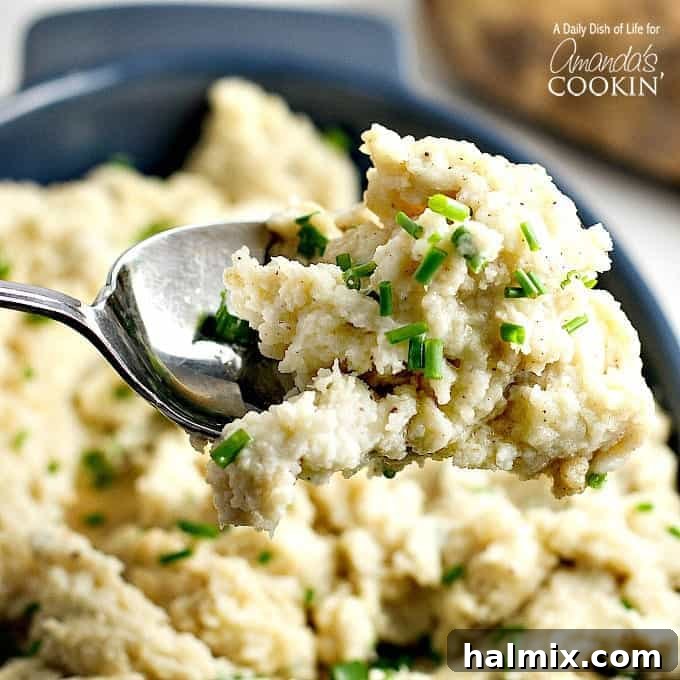
Forget everything you thought you knew about your favorite mashed potato recipe, because we’re about to introduce a game-changing secret: browned butter. This simple yet profound addition elevates classic mashed potatoes into an extraordinary side dish that will steal the show at any meal. Prepare to master the art of creating the most incredibly rich, nutty, and positively delicious brown butter mashed potatoes, guaranteed to be perfect every single time with our foolproof tips!
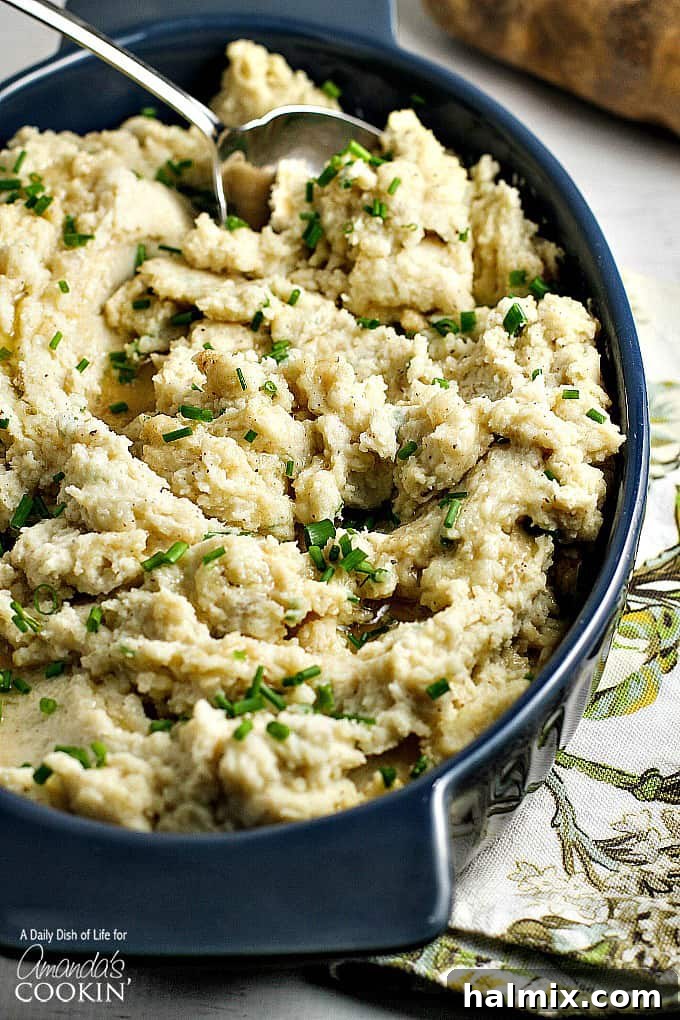
Unlock the Secret to Perfect Brown Butter Mashed Potatoes
There’s a reason mashed potatoes are a beloved staple, especially when Thanksgiving dinner rolls around. Their creamy texture and comforting warmth make them an indispensable part of any holiday spread or family meal. However, despite requiring just a few basic ingredients, achieving truly perfect mashed potatoes can be surprisingly tricky. The wrong type of potatoes can lead to a lumpy, dry mess, while incorrect mashing techniques can result in an unappetizingly glue-like consistency.
But fear not! Today, we’re not just sharing a recipe; we’re providing a comprehensive guide to help you consistently achieve the most exquisite brown butter mashed potatoes imaginable. We’ll cover everything from selecting the ideal potato variety to mastering the browning of butter and employing the best mashing methods, ensuring your potatoes are always light, fluffy, and bursting with rich, nutty flavor. Get ready to impress everyone at your next gathering!
The Magic of Brown Butter: A Culinary Game-Changer
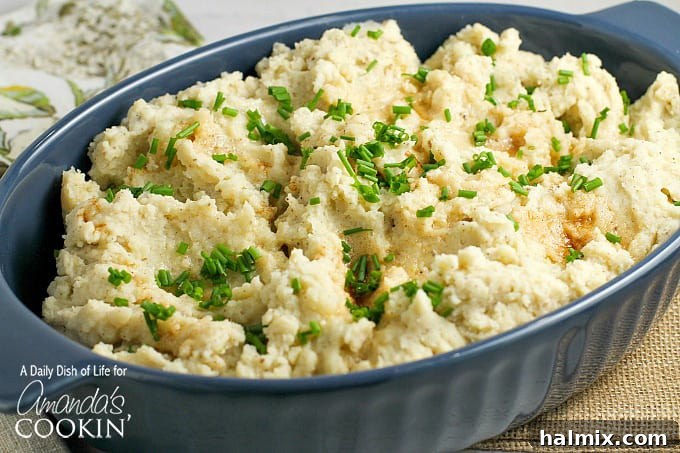
What exactly is brown butter, and why does it make such a significant difference to our mashed potatoes? Brown butter, or “beurre noisette” as it’s known in French cuisine, is simply unsalted butter that has been gently heated until its milk solids toast to a beautiful golden-brown color. This transformation process deepens its flavor profile from simple creamy to complex, nutty, and subtly sweet, with irresistible caramel undertones. It’s a sophisticated flavor boost that adds incredible depth and aroma without being overpowering, making your mashed potatoes utterly irresistible and truly unforgettable. Once you try brown butter mashed potatoes, you’ll wonder how you ever lived without them.
Choosing the Right Potato for Ultimate Creaminess
The foundation of outstanding mashed potatoes begins with selecting the perfect potato variety. For that dreamy, fluffy, and tender texture, you’ll want to opt for starchy varieties. Russet potatoes (also commonly known as baking potatoes) and Yukon Gold potatoes are your best allies in the quest for perfect mash. Their high starch content means they break down easily when cooked, resulting in a light, airy, and absorbent texture that eagerly soaks up all the rich browned butter and warm cream. This makes them ideal for achieving a smooth and fluffy consistency without becoming gummy.
Waxy potatoes, on the other hand, such as red or new potatoes, have a lower starch content and tend to hold their shape more, even after cooking. If used for mashing, they often result in a gummier, less absorbent texture that can feel heavy and less flavorful. Stick to Russets or Yukon Golds for truly exceptional results.
Mastering the Mash: Tools for the Perfect Texture
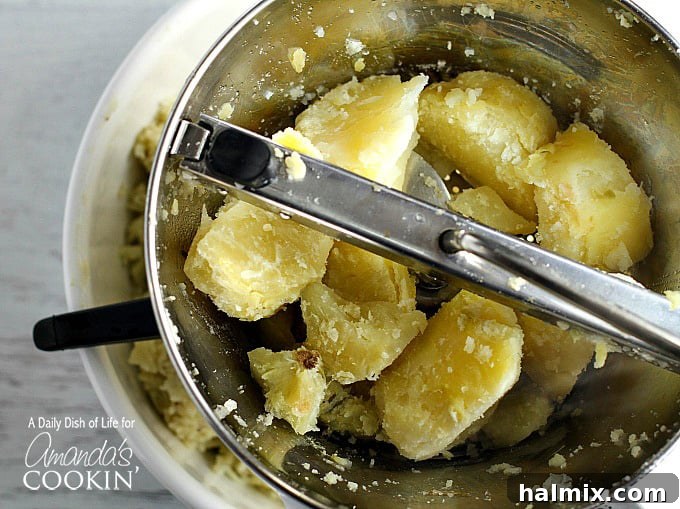
The tool you choose for mashing plays a crucial role in the final texture of your potatoes. For an unparalleled light and airy feel, a food mill is highly recommended. It processes the potatoes into a consistent, fluffy texture by forcing them through small holes, effectively separating the starch cells without overworking them. As a bonus, it conveniently removes any remaining skins, leaving you with a silky-smooth result that’s the hallmark of gourmet mashed potatoes.
If a food mill isn’t available, a traditional potato masher is an excellent second choice. Its manual action allows you to control the consistency, ensuring you can achieve a relatively smooth mash without venturing into the danger zone of over-mashing. However, there’s one tool you absolutely must avoid: the food processor. While tempting for its speed and convenience, the high-speed blades of a food processor overwork the potato starch, releasing too much gluey amylopectin. This inevitably results in an unpleasant, sticky, and pasty consistency that no amount of brown butter or seasoning can salvage. Resist the urge!
The Art of Browning Butter: A Step-by-Step Guide
Browning butter is a straightforward technique that adds an incredible depth of flavor and a beautiful golden hue to your mashed potatoes. Here’s how to achieve that perfect nutty aroma and rich color:
- Choose the Right Pan: This is critical! Always use a light-colored saucepan or skillet. A pale interior allows you to clearly monitor the butter’s color as it cooks, which is essential for preventing it from burning.
- Melt Over Gentle Heat: Place your unsalted butter in the pan and melt it over medium-low heat. This ensures even cooking and prevents the butter from scorching before it has a chance to properly brown.
- Observe the Transformation: As the butter melts, it will begin to foam vigorously. This foam will gradually subside as the water evaporates. Soon after, the butter will start to change color, transitioning from a pale yellow to a golden hue, and then to a beautiful amber.
- Look for Golden Flecks: Keep a very close eye on the bottom of the pan. You’ll soon see tiny golden-brown flecks forming. These are the toasted milk solids, and they are where all the magical nutty, caramel-like flavor comes from.
- Remove Immediately: As soon as you see these delightful flecks and smell a distinct, rich, nutty aroma (often likened to toasted hazelnuts or caramel), immediately remove the pan from the heat. The butter will continue to cook slightly from the residual heat, so acting quickly is key to prevent it from burning. Remember, you want beautiful brown flecks, not black ones!
- To Strain or Not to Strain: While some culinary purists prefer to strain the brown flecks for an impeccably smooth butter, a few flecks in your mashed potatoes are generally welcome. They enhance both the flavor and the visual appeal, adding little bursts of toasted goodness. The brown butter will impart a lovely golden tinge to your finished dish regardless.
Essential Ingredients for Brown Butter Mashed Potatoes
Crafting these delectable potatoes requires just a few quality ingredients:
- 4 lbs Russet Potatoes: Or Yukon Gold potatoes, chosen for their ideal starchy texture and ability to create a fluffy mash.
- 10 tablespoons Unsalted Butter, Browned: Using unsalted butter allows you complete control over the seasoning, and browning it is the star technique of this recipe, infusing a nutty, rich flavor.
- 1-1/2 cup Light Cream, Warmed: Warming the cream before adding it is a simple but effective trick. It prevents the cream from cooling down your hot potatoes, ensuring they absorb the liquid more evenly and maintain their desired temperature and texture. Full-fat milk or half-and-half can also be used for a slightly lighter consistency, but light cream offers a perfect balance of richness.
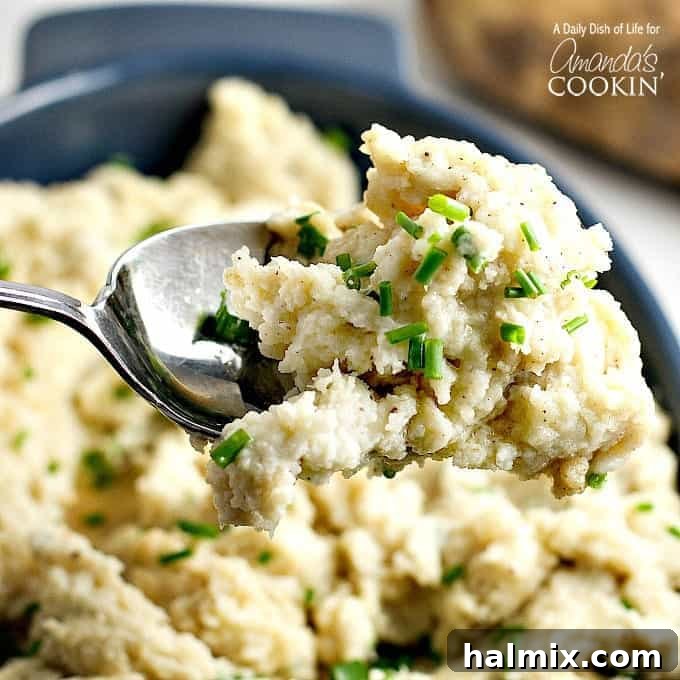
- Chopped Chives (Optional): For a fresh burst of vibrant color and a subtle, mild oniony flavor that beautifully complements the richness of the butter. Highly recommended for garnish.
- Salt and Freshly Ground Black Pepper: To taste. Proper seasoning is crucial for balancing the flavors and highlighting the inherent deliciousness of the potatoes and brown butter.
Handy Kitchen Tools You Will Find Useful
Having the right tools on hand will make preparing your brown butter mashed potatoes a breeze:
- Large Stock Pot: Essential for boiling the potatoes comfortably without overcrowding.
- Food Mill: (Highly Recommended) For achieving the lightest, fluffiest texture and effortlessly removing skins.
- Potato Masher: (Alternative) A good option if a food mill is not available, allowing for manual control of the mash.
- Light Colored Saucepan or Skillet: Absolutely essential for the critical step of browning butter evenly and preventing accidental burning.
- Sharp Kitchen Knife: For safely and efficiently cutting potatoes into uniform chunks.
For the full printable version of this recipe, please scroll down!
Step-by-Step Instructions for Perfect Brown Butter Mashed Potatoes
- Prepare the Potatoes: Thoroughly scrub your Russet or Yukon Gold potatoes under cold running water to remove any dirt. You can peel them before boiling if you prefer a perfectly uniform white mash, but cooking them with the skins on adds a touch more flavor and nutrients, and a food mill will easily remove them later. Place the whole or peeled potatoes in a large stock pot.
- Boil the Potatoes: Add enough cold water to generously cover the potatoes by at least an inch. Season the water generously with salt – this is your first and best opportunity to flavor the potatoes from the inside out. Bring the water to a rolling boil over high heat, then reduce the heat to maintain a steady, gentle simmer. Cook until the potatoes are fork-tender, which typically takes about 20-25 minutes, depending on their size. You should be able to easily slide a knife or fork all the way through a potato without any resistance.
- Drain and Chunk: Once tender, carefully drain the potatoes completely in a colander. Allow them to sit in the colander for a minute or two to steam dry. This crucial step helps evaporate any excess moisture, preventing your mash from becoming watery or gluey. If you cooked them with skins on, you’ll notice the skins will start to separate and wrinkle; you can easily tear off any larger pieces at this stage. Cut the drained potatoes into manageable chunks.
- Mill or Mash: For the ultimate airy and lump-free texture, pass the warm potato chunks through a food mill directly into a large mixing bowl. This process is incredibly efficient and also acts as a strainer for any remaining skins. If using a potato masher, mash the potatoes in the bowl until smooth and creamy, being careful not to overwork them, as this can lead to that undesirable gluey texture.
- Brown the Butter: While the potatoes are cooking or steaming, melt 10 tablespoons of unsalted butter in your light-colored saucepan over medium-low heat. Watch it closely as it foams, then subsides, and finally, the milk solids at the bottom turn a beautiful golden brown and release a distinct, intoxicatingly nutty aroma. This process usually takes about 5-8 minutes. Immediately remove the pan from the heat to prevent the butter from burning.
- Combine and Season: Add approximately 8 tablespoons of the warm browned butter (reserving the remaining 2 tablespoons for garnish and extra richness) and the warmed light cream to the mashed potatoes. Gently mix with a sturdy wooden spoon or rubber spatula until just combined, smooth, and creamy. It’s important to avoid vigorous stirring, which can develop the starch and make the potatoes gluey. Season generously with salt and freshly ground black pepper to taste, adjusting until the flavor truly shines.
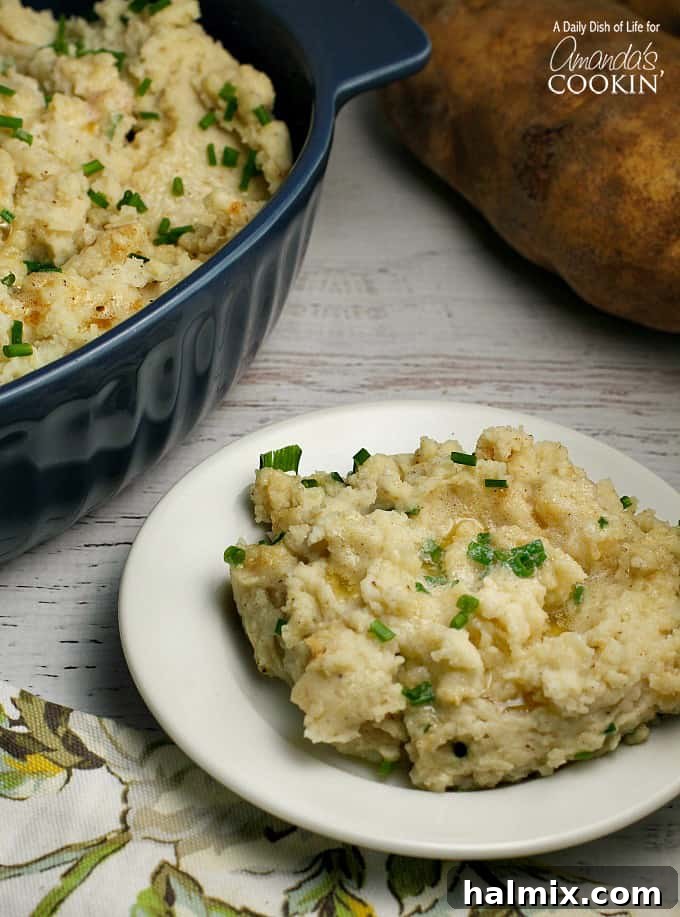
- Serve: Transfer the creamy, rich brown butter mashed potatoes to your favorite serving dish. Drizzle the remaining reserved browned butter over the top for an extra burst of nutty flavor, a beautiful sheen, and an inviting aroma. Garnish with freshly chopped chives, if desired, for a vibrant pop of color and a fresh, subtle oniony note. Serve immediately and savor every delicious bite!
Pro Tips for Unforgettable Mashed Potatoes
Elevate your mashed potato game with these expert tips:
- Don’t Skimp on Salt in the Water: Salting the potato boiling water is absolutely critical. It seasons the potatoes from the inside out as they cook, making them much more flavorful than just adding salt at the end. The potatoes will absorb the salt, enhancing their natural taste.
- Steam Dry Potatoes: After draining your cooked potatoes, let them sit in the hot colander for a good 3-5 minutes. The residual heat will help evaporate any excess moisture clinging to them, ensuring your mash isn’t watery and can better absorb the butter and cream.
- Warm Your Dairy: Always warm your cream (or milk) before adding it to hot potatoes. Adding cold dairy can drastically cool down your potatoes, making them harder to incorporate smoothly and affecting the overall texture and temperature of the final dish.
- Avoid Over-Mashing: This is arguably the golden rule for perfect mashed potatoes! Overworking potatoes, especially with a food processor, releases too much starch, leading to that dreaded gluey, gummy texture. Use a food mill or a manual potato masher, and stop mixing as soon as the potatoes are smooth and creamy – resist the urge to keep going.
- Taste and Adjust Seasoning: Always taste your mashed potatoes before serving and adjust salt and pepper as needed. A little extra pinch of salt can often unlock and bring out more of the deep, delicious flavors from the brown butter and potatoes.
- Fresh Herbs are Best: While optional, fresh chives add a wonderful subtle oniony bite and a beautiful visual appeal that dried herbs simply can’t replicate. Consider other fresh herbs like finely chopped parsley or thyme for variations.
Make-Ahead and Storage Tips
Mashed potatoes are a fantastic make-ahead dish, especially for busy holidays. Here’s how to manage them:
- Make-Ahead: Prepare the mashed potatoes up to two days in advance. Transfer them to an oven-safe casserole dish, cover tightly with foil to prevent a crust from forming, and refrigerate. The flavors can even deepen slightly.
- Reheating: To reheat, add a splash of milk or cream to the potatoes (about 1/4 cup per 4 servings) to rehydrate them and restore their creamy texture. Reheat gently in the oven at 300°F (150°C) for 20-30 minutes, or until heated through, stirring occasionally to ensure even heating. You can also reheat them on the stovetop over low heat, stirring frequently, or in a microwave-safe dish, covering loosely and stirring periodically until warm.
- Freezing: While possible, freezing mashed potatoes can sometimes alter their texture upon thawing, making them a little grainy. If freezing, ensure they are cooled completely before transferring to an airtight, freezer-safe container. They can be stored for up to 1 month. Thaw in the refrigerator overnight before reheating.
Frequently Asked Questions (FAQs)
Here are answers to some common questions about making perfect brown butter mashed potatoes:
- Q: Can I use butter substitutes?
- A: While you can use margarine or other butter substitutes, the rich, complex, nutty flavor of brown butter is absolutely central to this recipe’s unique appeal. For the best, most authentic, and most delicious results, using real unsalted butter is highly recommended.
- Q: What if my mashed potatoes are too dry?
- A: Don’t panic! This is easily remedied. Gently stir in a little more warmed cream or milk, one tablespoon at a time, until you reach your desired creamy consistency. You can also add a tiny bit more melted butter for extra richness.
- Q: What if my mashed potatoes are lumpy?
- A: Lumps usually mean the potatoes weren’t cooked long enough to become fully tender, or they weren’t mashed thoroughly enough. Next time, ensure they are very tender before draining. If you have lumps now, a quick pass through a food mill (if you have one) can salvage them, or gently press them against the side of the bowl with a sturdy spoon to smooth them out.
- Q: How can I prevent gluey mashed potatoes?
- A: The key to preventing gluey mashed potatoes is to avoid over-mashing. Use a food mill or a manual potato masher, and stop mixing as soon as the potatoes are smooth and creamy. Also, always avoid using a food processor, as its high-speed blades are the primary culprit for this issue.
- Q: Can I use whole milk instead of light cream?
- A: Yes, whole milk will work as a substitute for light cream, but keep in mind that the potatoes might be slightly less rich and creamy in texture. Adjust the amount as needed to achieve your preferred consistency and add a bit more butter if you desire extra richness.
- Q: How much salt should I add to the boiling water?
- A: A good rule of thumb is about 1 tablespoon of salt for every pound of potatoes. The water should taste like the ocean! This seasons the potatoes from the inside.
More Delicious Holiday Recipes You Might Like:
Thanksgiving is truly one of my favorite holidays, filled with cherished traditions and incredible food. Beyond these spectacular brown butter mashed potatoes, I always make this indulgent French Silk Pie, some vibrant whole cranberry sauce, my light and fluffy homemade pull-apart dinner rolls, and this refreshing Cranberry Relish. But the feast doesn’t stop there! Here are several more of my absolute holiday favorites to complete your festive spread and make your celebration truly memorable:
- My daughter is a huge fan of sweet potato casserole, and this absolutely gorgeous version, topped with an irresistible oatmeal cookie crumble, is always a hit! It’s a dessert-like side dish that everyone will adore. Find the recipe here: Sweet Potato Casserole.
- I’ve always loved the classic green bean casserole, but I’m truly not a fan of condensed soups. This homemade version is so much more flavorful and fresh – you won’t believe the difference in taste and quality! Get the recipe: Homemade Green Bean Casserole.
- Don’t ever forget the homemade stuffing! This particular dressing recipe features a wonderful blend of aromatic herbs like parsley, sage, rosemary, and thyme, designed to truly tempt your tastebuds and elevate your entire meal with its robust, savory flavors.
- Every single Thanksgiving, I make sure to brine my turkey. It’s the secret to ensuring it comes out incredibly moist, tender, and deliciously flavorful every single time! Brining helps lock in moisture and seasons the meat throughout. Here’s exactly how to brine a turkey this year for a show-stopping main course that will be the talk of the table.
How to Make Perfect Brown Butter Mashed Potatoes
IMPORTANT – There are often Frequently Asked Questions within the blog post that you may find helpful. Simply scroll back up to read them!
Print It
Pin It
Course: Sides Cuisine: American Servings: 8-10 Total Time: 45 mins Author: Amanda Davis
Ingredients
- 4 lbs Russet potatoes
- 10 tablespoons unsalted butter, browned
- 1-1/2 cup light cream, warmed
- Chopped chives (optional)
- Salt and freshly ground black pepper (to taste)
Instructions
- Thoroughly scrub your potatoes and place them in a large pot. Add enough cold water to generously cover the potatoes, and salt the water generously.
- Bring the water to a boil and cook until tender, about 20-25 minutes. A knife should easily slide through the potatoes when done.
- Drain the potatoes completely in a colander. Allow them to steam dry for a couple of minutes, then cut into chunks.
- Pass the warm potato chunks through a food mill for an airy texture, or mash with a potato masher until smooth. Avoid overworking.
- Brown your butter in a light-colored pan over medium-low heat. Watch for golden-brown flecks and a nutty aroma (5-8 minutes), then remove from heat immediately to prevent burning.
- Add approximately 8 tablespoons of the browned butter (reserving 2 tablespoons) and the warmed light cream to the mashed potatoes. Gently mix with a wooden spoon or spatula until just combined and creamy.
- Season generously with salt and freshly ground black pepper to taste, adjusting as needed for perfect flavor.
- Transfer to a serving dish, drizzle with the remaining reserved brown butter, and garnish with freshly chopped chives if desired. Serve warm and enjoy!
Tried this Recipe? Pin it for Later!
Follow on Pinterest @AmandasCookin or tag #AmandasCookin!
The recipes on this blog are tested with a conventional gas oven and gas stovetop. It’s important to note that some ovens, especially as they age, can cook and bake inconsistently. Using an inexpensive oven thermometer can assure you that your oven is truly heating to the proper temperature. If you use a toaster oven or countertop oven, please keep in mind that they may not distribute heat the same as a conventional full sized oven and you may need to adjust your cooking/baking times. In the case of recipes made with a pressure cooker, air fryer, slow cooker, or other appliance, a link to the appliances we use is listed within each respective recipe. For baking recipes where measurements are given by weight, please note that results may not be the same if cups are used instead, and we can’t guarantee success with that method.