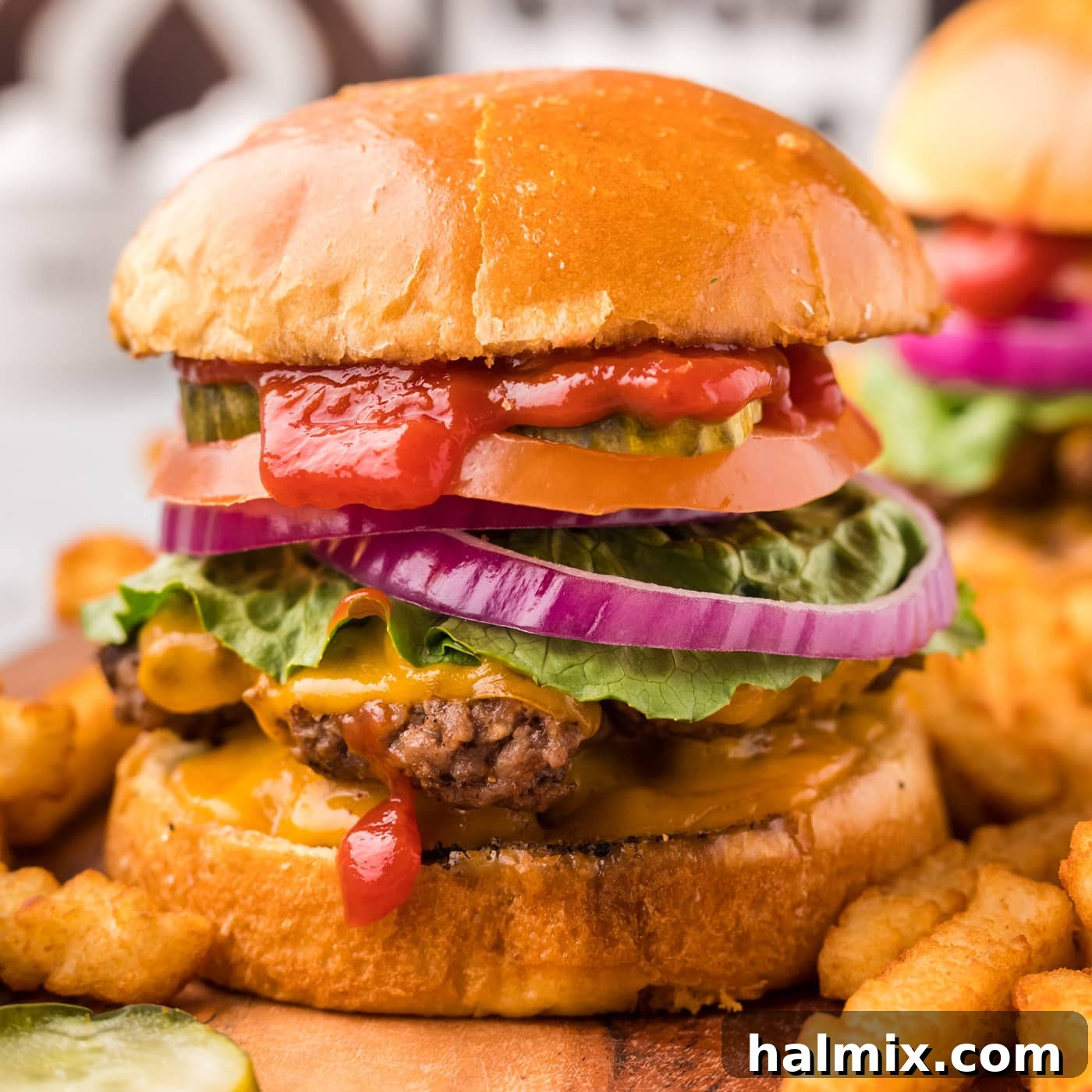
Prepare to elevate your burger game with the ultimate guide to creating **Juicy Smash Burgers** right in your own kitchen! These aren’t just any burgers; they start with a sizzling hot griddle, transforming humble ground beef into a culinary masterpiece defined by a rich, brown caramelized crust and those irresistible, signature jagged edges. Pile them high on a perfectly toasted bun with all your favorite toppings for a taste experience that rivals any gourmet burger joint.
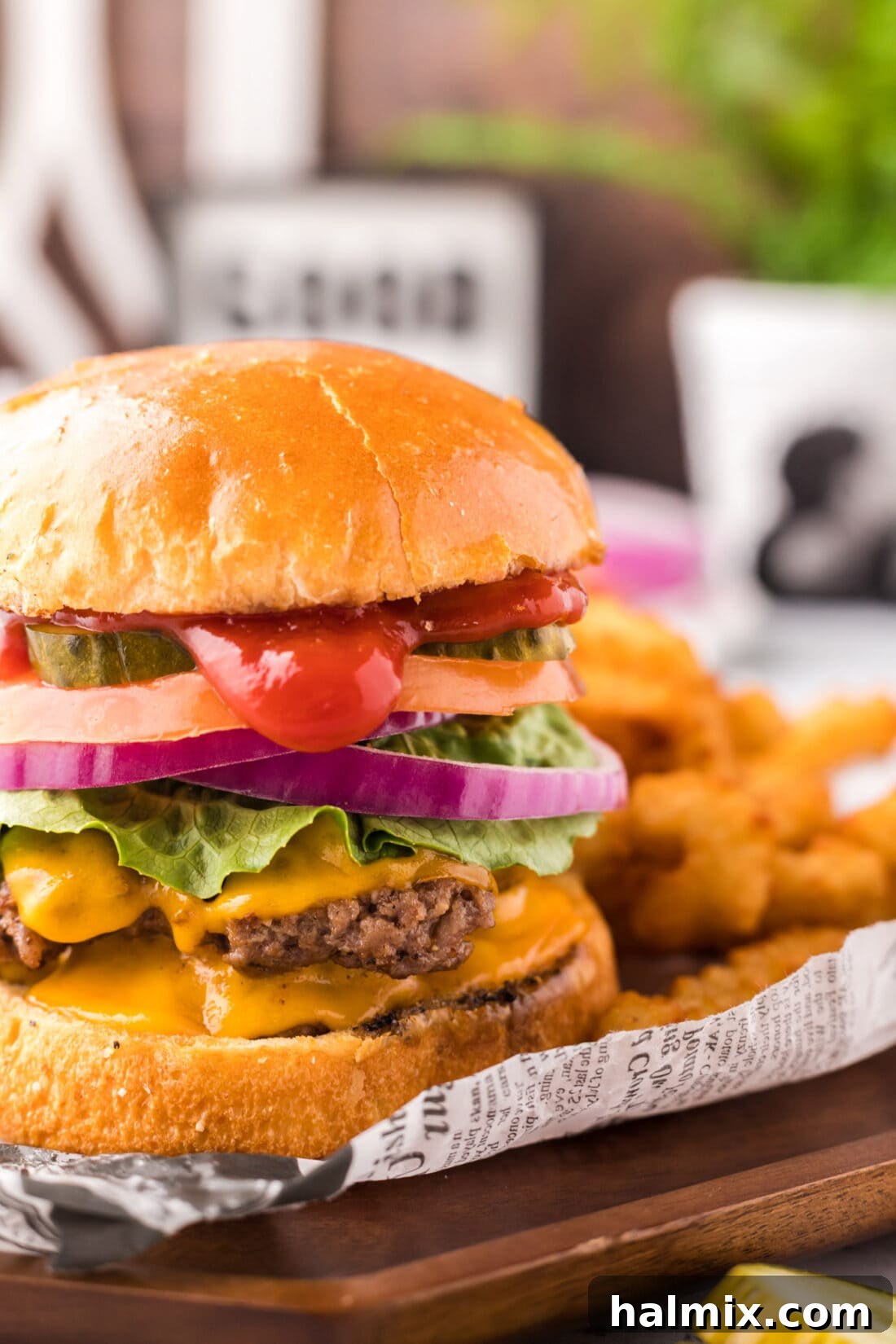
The Science Behind the Sizzle: Why Smash Burgers Reign Supreme
So, what exactly is a smash burger, and why has it captivated burger enthusiasts worldwide? At its core, a smash burger is precisely what its name implies: a loose ball of ground beef aggressively “smashed” onto a blazing hot cooking surface – typically a flat-top griddle or a heavy cast-iron skillet – using a sturdy spatula. This simple, yet revolutionary technique, popularized by diners and burger joints, yields a burger patty that is anything but ordinary. It’s celebrated for its distinctive burger crust, unparalleled juiciness, and remarkable flavor intensity.
The magic lies in the Maillard reaction, a chemical process responsible for the browning and deep savory flavors in many cooked foods. By smashing the patty thin against a super-hot surface, you maximize the contact area between the meat and the heat. This rapid contact sears the exterior, creating that coveted, crispy, deeply caramelized crust with hundreds of tiny, flavorful pockets. Crucially, the smashing action also traps the meat’s natural juices within the patty, ensuring a succulent, tender interior that contrasts beautifully with the crisp exterior. Unlike traditional thick burgers, which can often be dry or lack a consistent crust, a perfectly executed smash burger guarantees a burst of flavor and texture in every bite. It’s a simple breed, yet profoundly satisfying, offering a restaurant-quality experience right from your home kitchen.
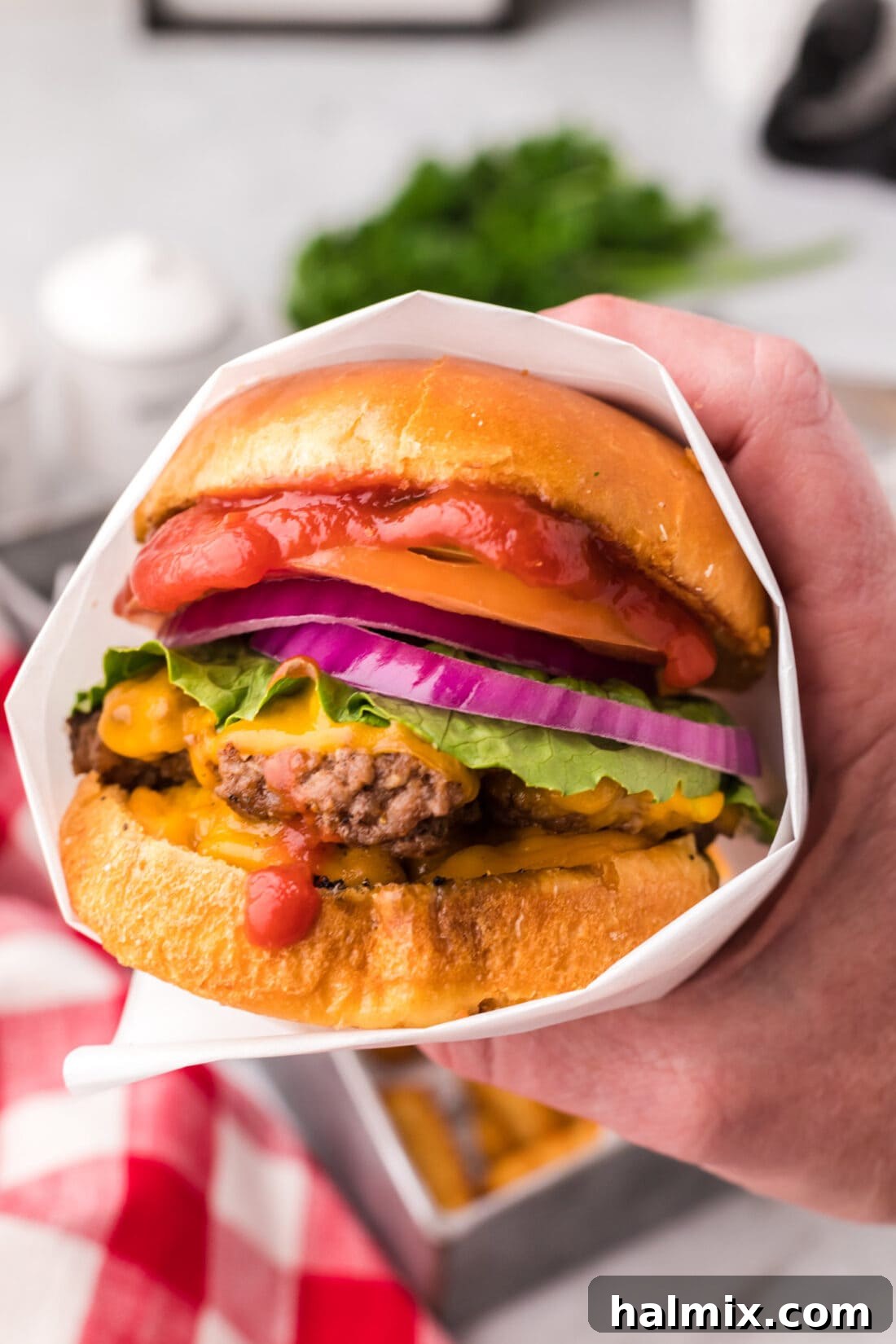
Once you master the art of the smash, the customization possibilities are endless. Top your masterpiece with whatever your heart desires: from fiery jalapeños and creamy avocado to a fried egg for an elevated breakfast-for-dinner twist, or stick to the beloved classics like crisp lettuce, ripe tomatoes, and tangy pickled onions. The beauty of the smash burger is its versatility and the incredible texture it provides, making it an instant crowd-pleaser for any occasion.
Gather Your Essentials: Simple Ingredients for Superb Flavor
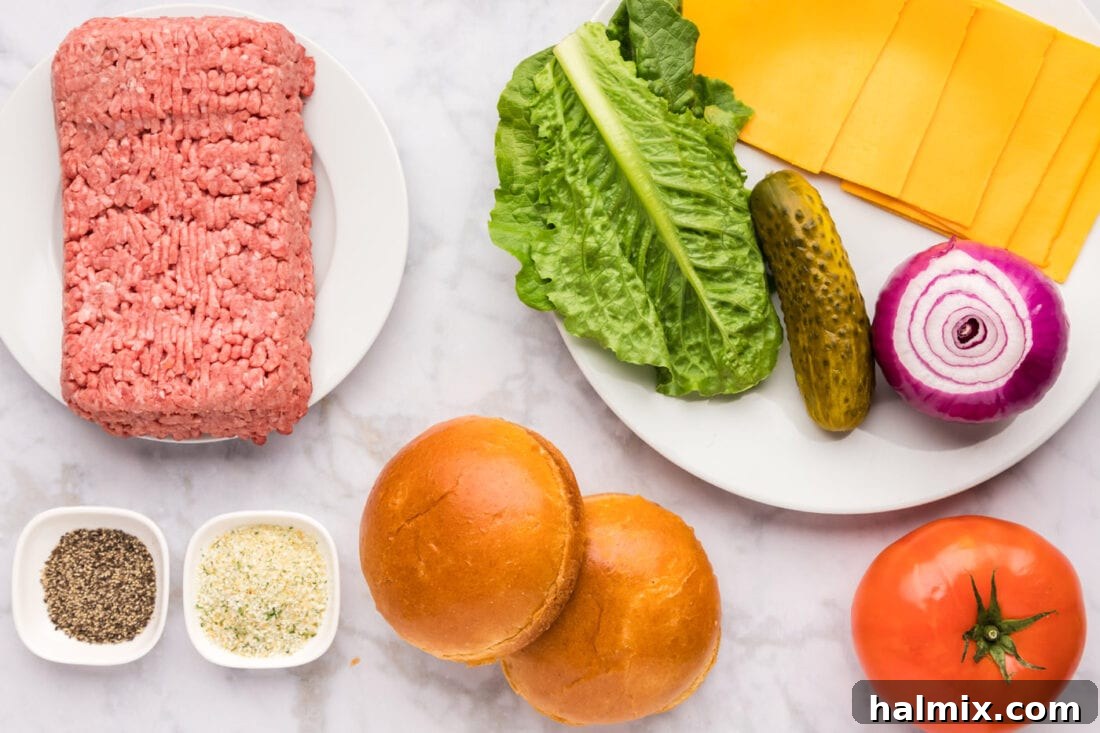
One of the many charms of a smash burger is its reliance on just a few high-quality, straightforward ingredients. You don’t need a pantry full of exotic items to create an extraordinary burger. The focus here is on quality and technique, allowing the natural flavors of the beef to shine. Below are the core components you’ll need to assemble your perfect smash burger. For precise measurements and a full printable recipe card, please scroll to the end of this post.
Ingredient Spotlight: Tips for Optimal Taste and Texture
The success of your smash burger largely depends on the quality of your ingredients and understanding how each contributes to the final taste and texture. Here’s a deeper dive into the key components:
- Ground Beef: The Heart of the Burger
For truly epic smash burgers, the fat content of your ground beef is paramount. We highly recommend using 80/20 or 85/15 ground beef (80% lean, 20% fat or 85% lean, 15% fat). The higher fat content is crucial for several reasons:
- Juiciness: Fat renders during cooking, basting the patty from within and keeping it incredibly moist and juicy. Leaner meats tend to dry out quickly, especially when smashed thin.
- Flavor: Fat carries flavor. An 80/20 ratio ensures a richer, more pronounced beefy taste that is a hallmark of great burgers.
- Crust Formation: The rendered fat helps to conduct heat and crisp up the exterior, contributing significantly to that sought-after caramelized crust and those irresistible jagged edges. This isn’t the recipe for lean ground beef; embrace the fat for the best results! Ground chuck is an excellent choice for its ideal lean-to-fat ratio.
- Seasoning: Simple Yet Powerful
A smash burger’s flavor profile is often kept simple to let the beef shine. Garlic salt and black pepper are our go-to seasonings. They add a savory depth without overpowering the meat. Feel free to experiment with other additions like onion powder, a touch of paprika, or even a specialized burger seasoning blend. Remember, a little goes a long way – you want to enhance, not mask, the beef.
- Hamburger Buns: The Essential Foundation
Choosing the right bun is crucial for a complete burger experience. We prefer classic hamburger buns that can be lightly toasted. Brioche buns offer a delightful sweetness and soft, buttery texture that complements the savory patty beautifully. Pretzel buns provide a unique chew and slight saltiness. Avoid overly thick or dense buns that might overshadow the thin patty. Toasting the bun is a non-negotiable step; it adds texture, prevents sogginess, and provides a warm, inviting base.
- Cheese: The Melty Crown (Optional, but Recommended)
American cheese is a classic for a reason – it melts perfectly, creating a creamy, cohesive layer that hugs the patty. Cheddar, Monterey Jack, or provolone are also excellent choices for different flavor profiles. Add the cheese in the final moments of cooking to ensure it’s beautifully melted and gooey.
Mastering the Smash: Step-by-Step Instructions for Burger Perfection
These step-by-step photos and detailed instructions are here to guide you visually through the process of making these incredible smash burgers. For a printable version of this recipe, complete with precise measurements and full instructions, please jump to the recipe card at the bottom of this post.
- Prepare Your Cooking Surface: Begin by brushing a thin, even layer of a high-smoke-point oil (like canola, vegetable, or grapeseed oil) onto your flat-top grill or heavy cast-iron pan. Preheat the cooking surface over medium-high heat until it’s screaming hot – you should see a faint wisp of smoke or a drop of water should sizzle and evaporate instantly. This initial intense heat is key to achieving that perfect crust.
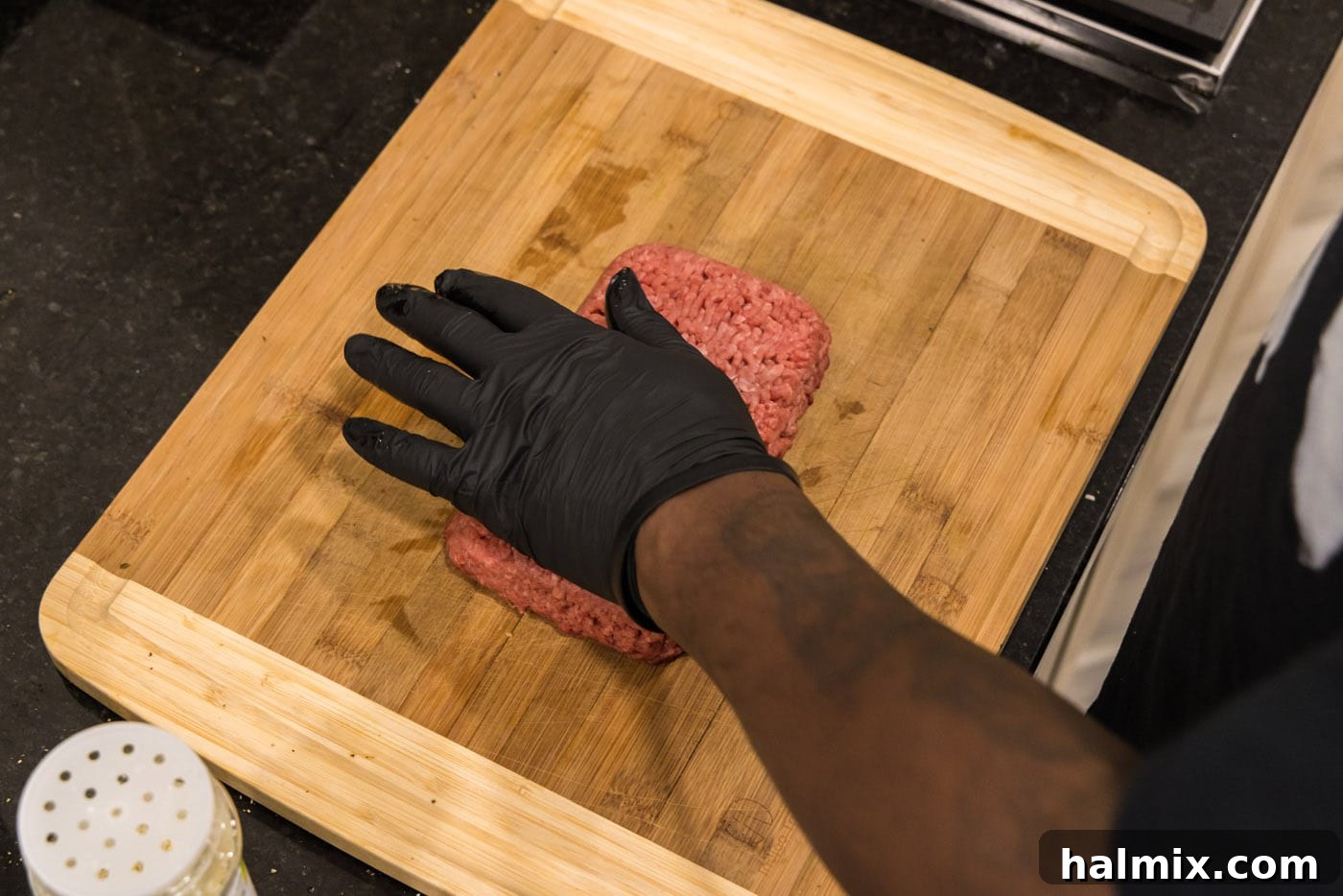
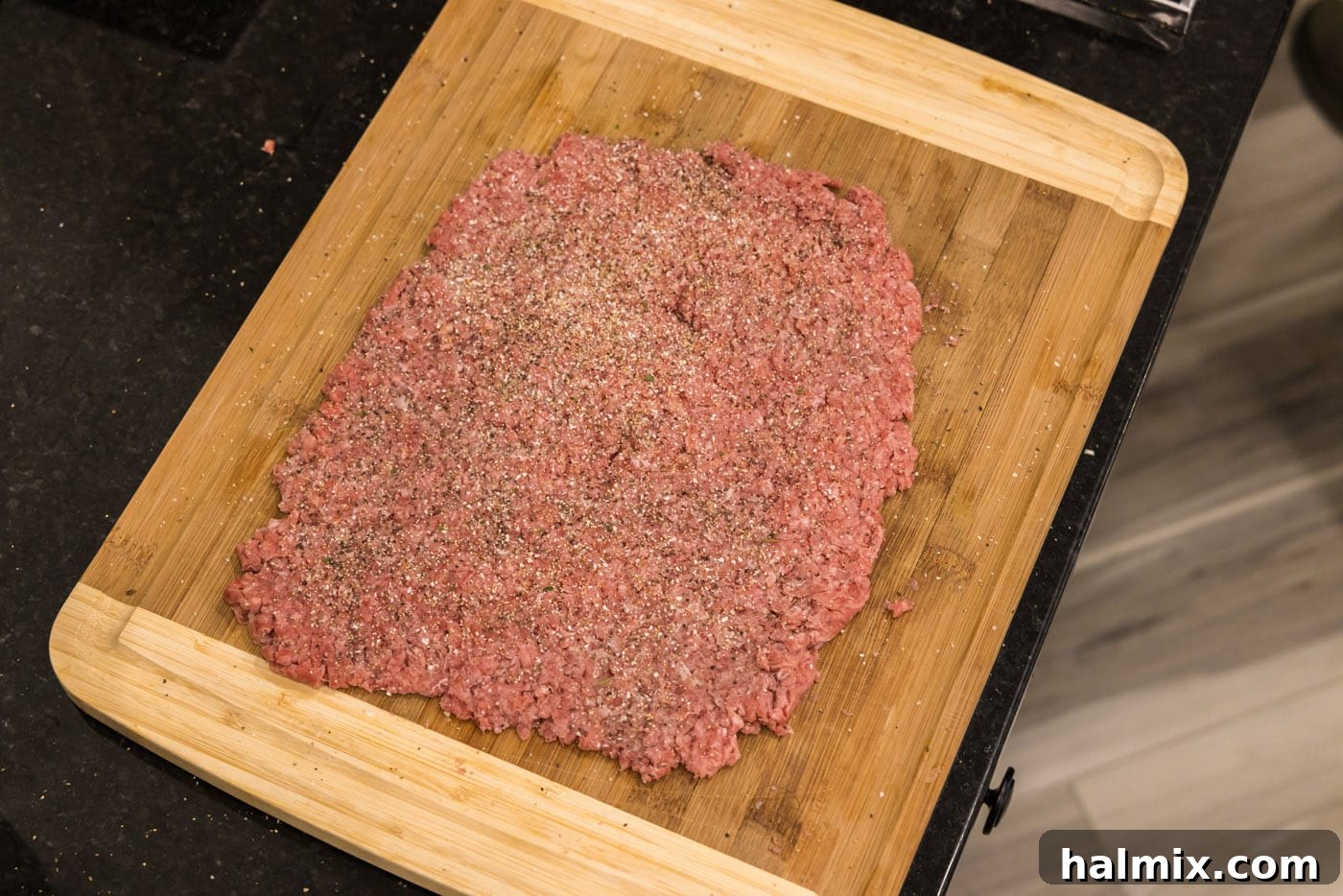
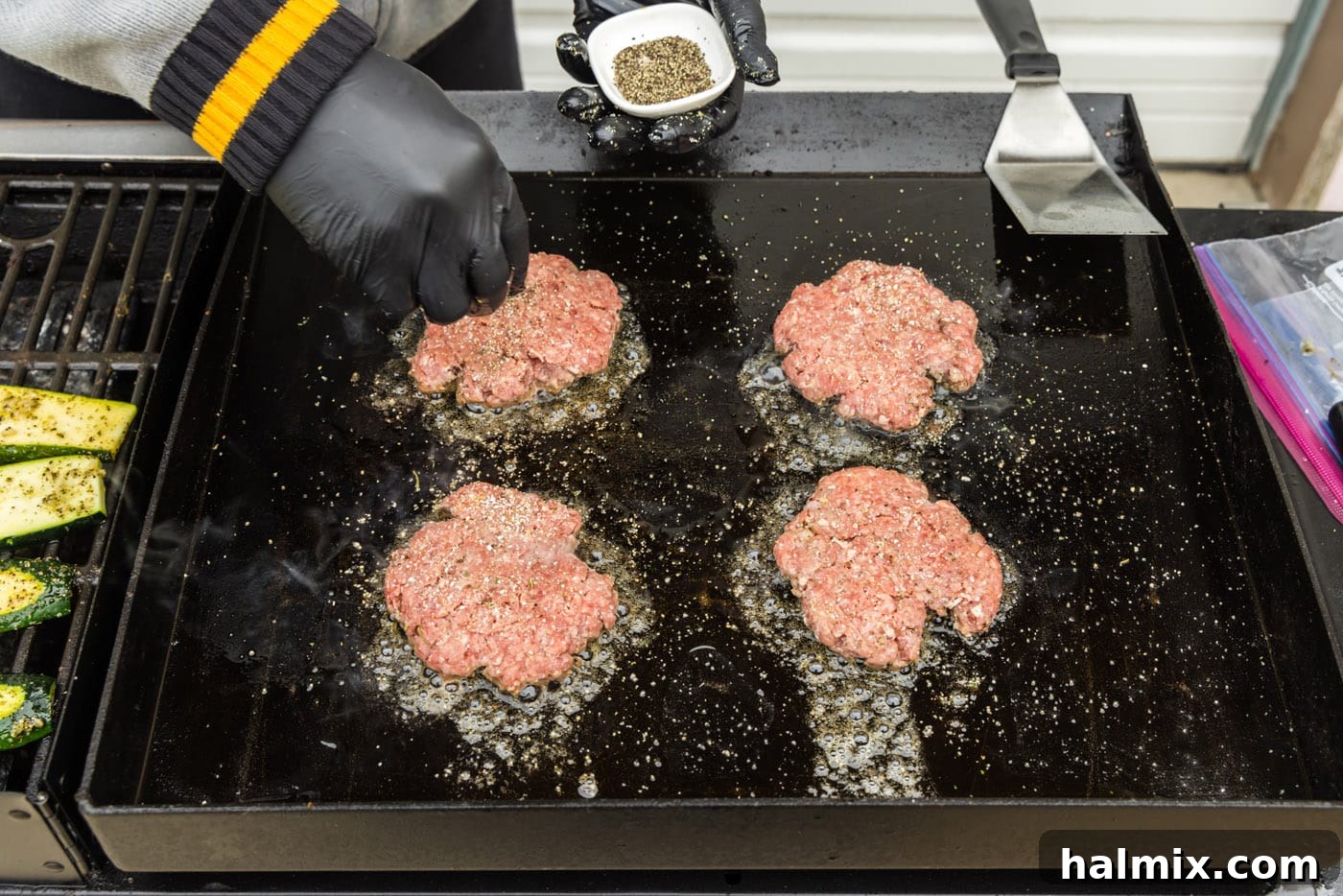
- Season the Beef: On a clean cutting board, gently flatten your ground hamburger meat. Avoid overworking the meat, as this can make the burgers tough. Season generously to taste with garlic salt and freshly ground black pepper. You can also add other favorite spices like onion powder or a pinch of cayenne for a subtle kick.

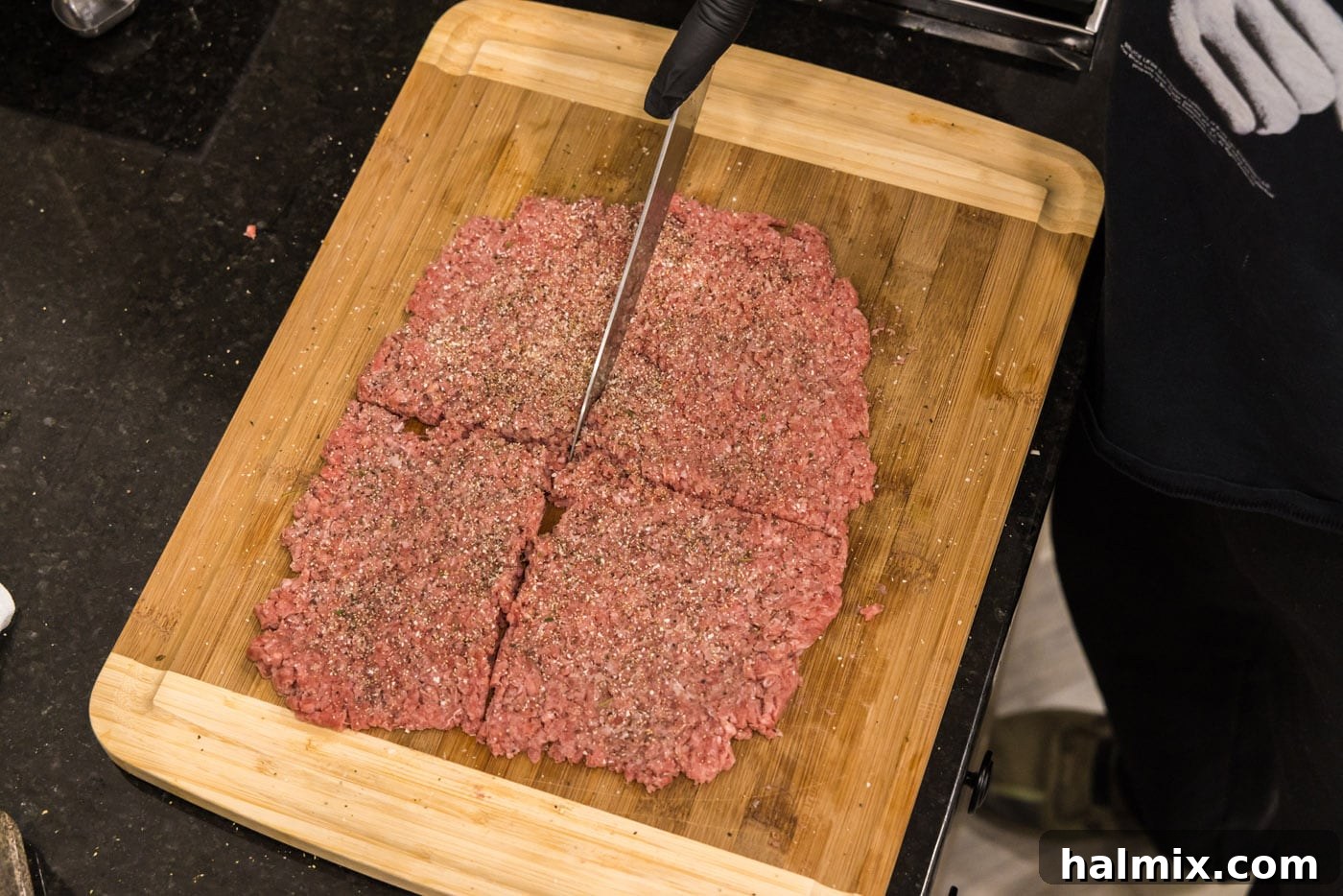
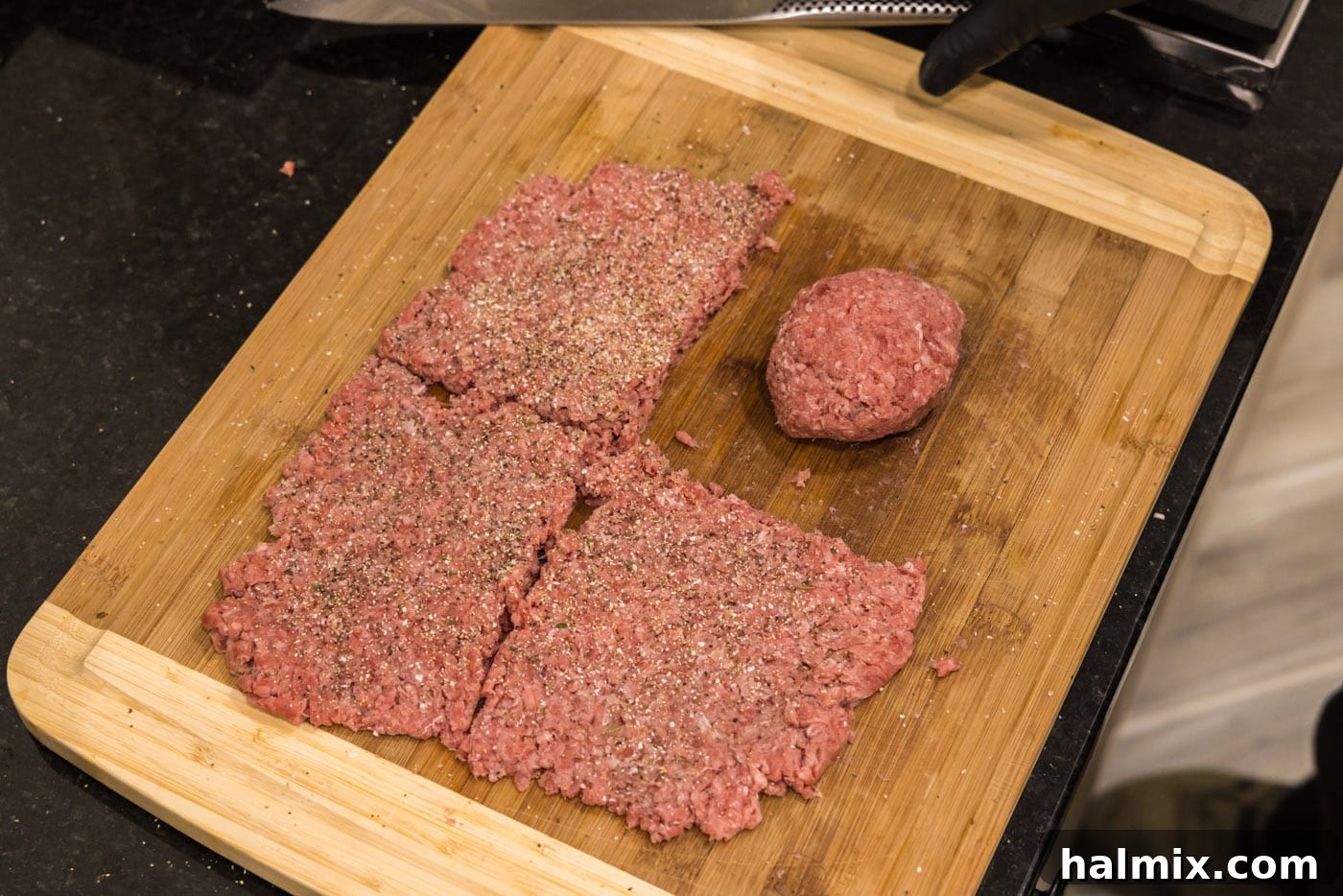
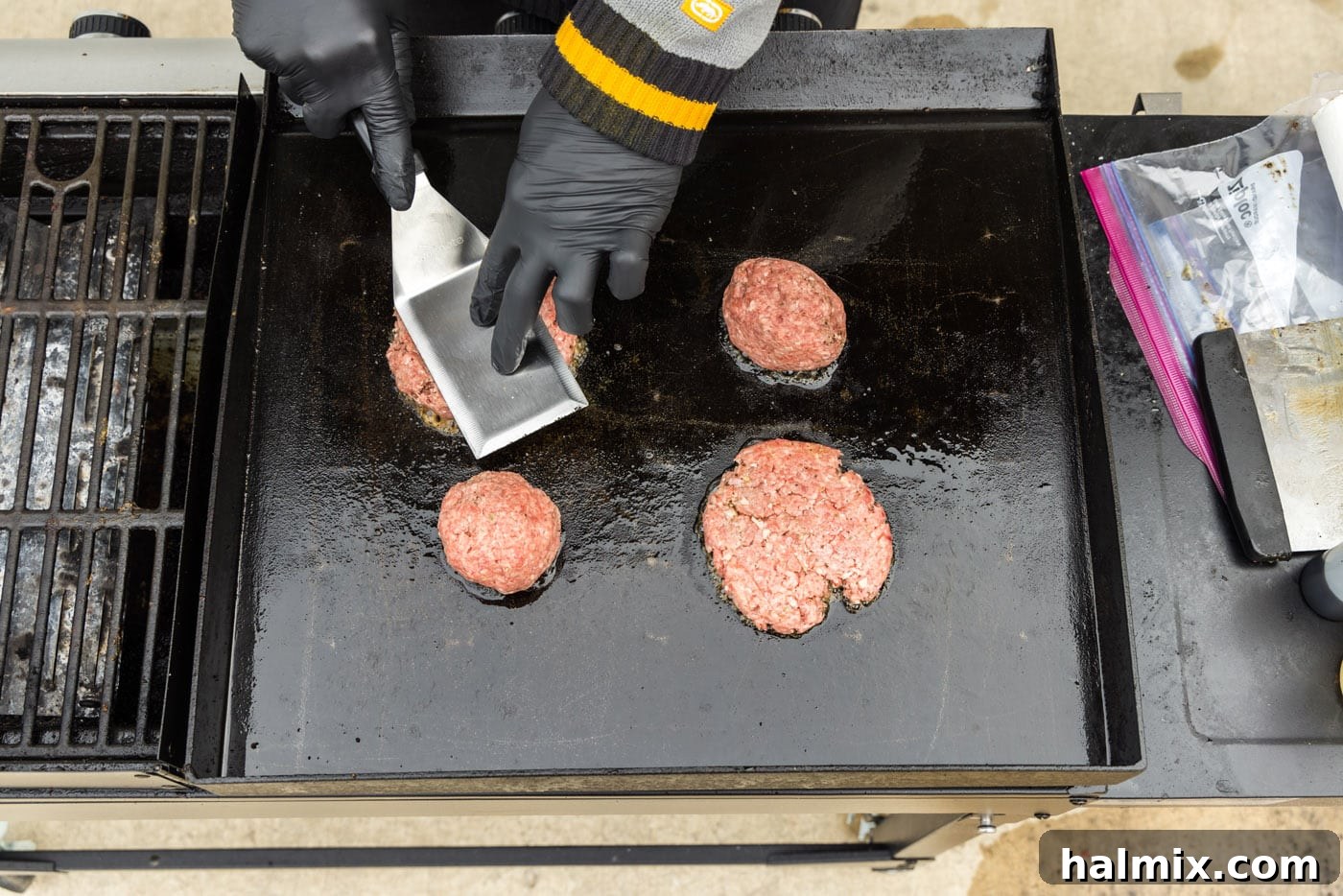
- Form Loose Meatballs: Divide the seasoned meat into four equal sections. Gently roll each section into a loose ball, about 2-3 inches in diameter. The key here is not to pack them too densely; a looser ball allows for more surface area to smash and create those desirable jagged edges. Handle the meat as little as possible.
- Place on Griddle: Carefully place each loose meatball onto the preheated, oiled flat top griddle or skillet. Give them a little space for easy smashing and flipping.
- The Smash: Immediately after placing the meatballs on the hot surface, spray the back of a sturdy metal spatula (or a dedicated burger press) with non-stick cooking spray to prevent sticking. Press firmly and evenly down onto each meatball, flattening it into a thin patty, about 1/4 to 1/2 inch thick, with a diameter slightly larger than your bun. Apply pressure for about 10 seconds to ensure maximum contact with the griddle. Repeat this for each ball. Allow the patties to cook undisturbed for approximately 2.5 to 3 minutes. This undisturbed cooking time is essential for developing that incredible crispy crust. If desired, this is a great time to sprinkle a little more garlic salt and pepper on the uncooked side.
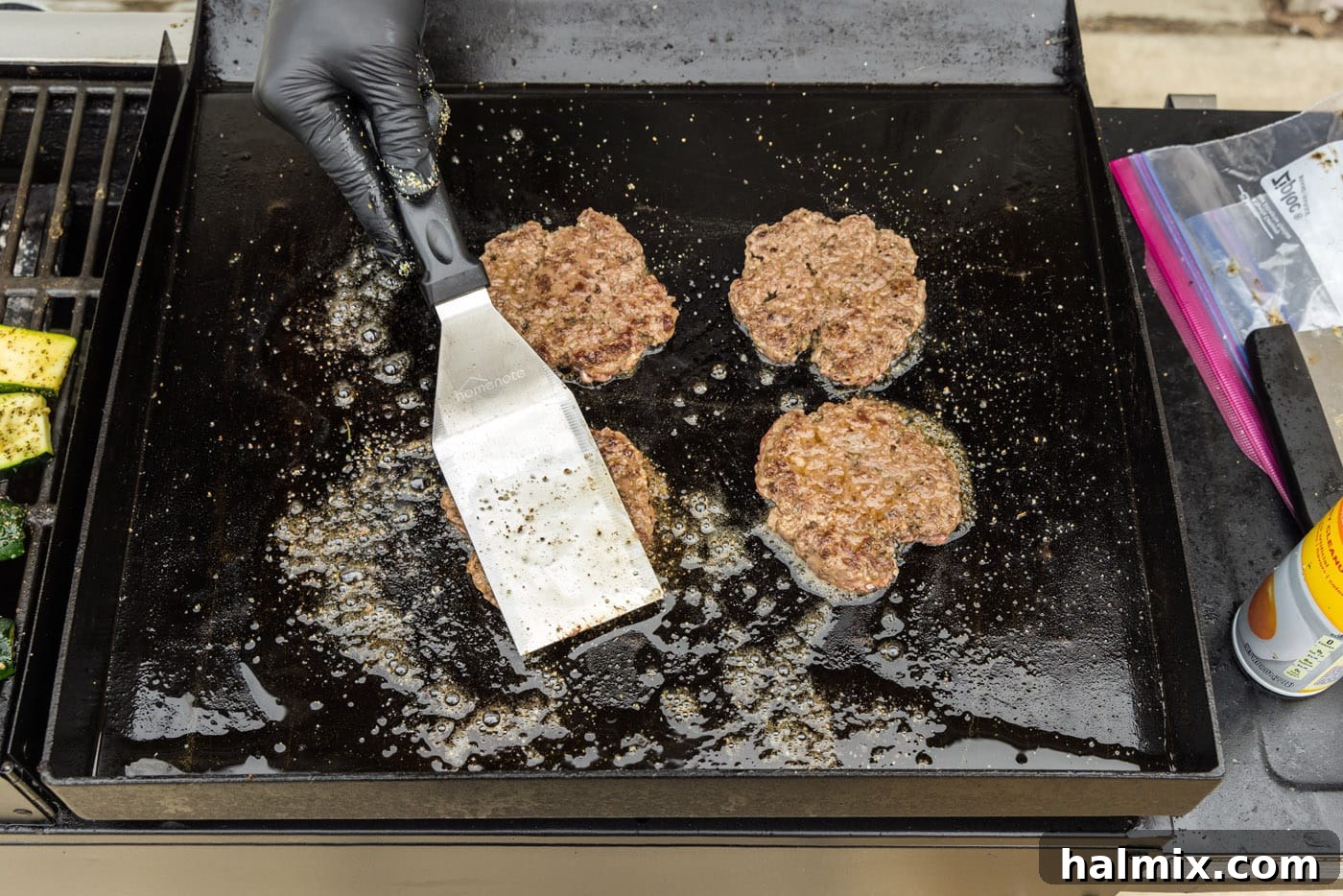
- Flip and Finish: Once a beautiful, deep brown crust has formed and the edges look crispy (you should see juices bubbling up through the patty), it’s time to flip! Use your spatula to carefully scrape underneath the patty to get all that delicious crust, then flip it over. You can lightly press down again to ensure even cooking on the second side. Cook for an additional 2 to 2.5 minutes, or until your desired doneness is reached. For safe consumption, burgers should reach an internal temperature of 160°F (71°C).
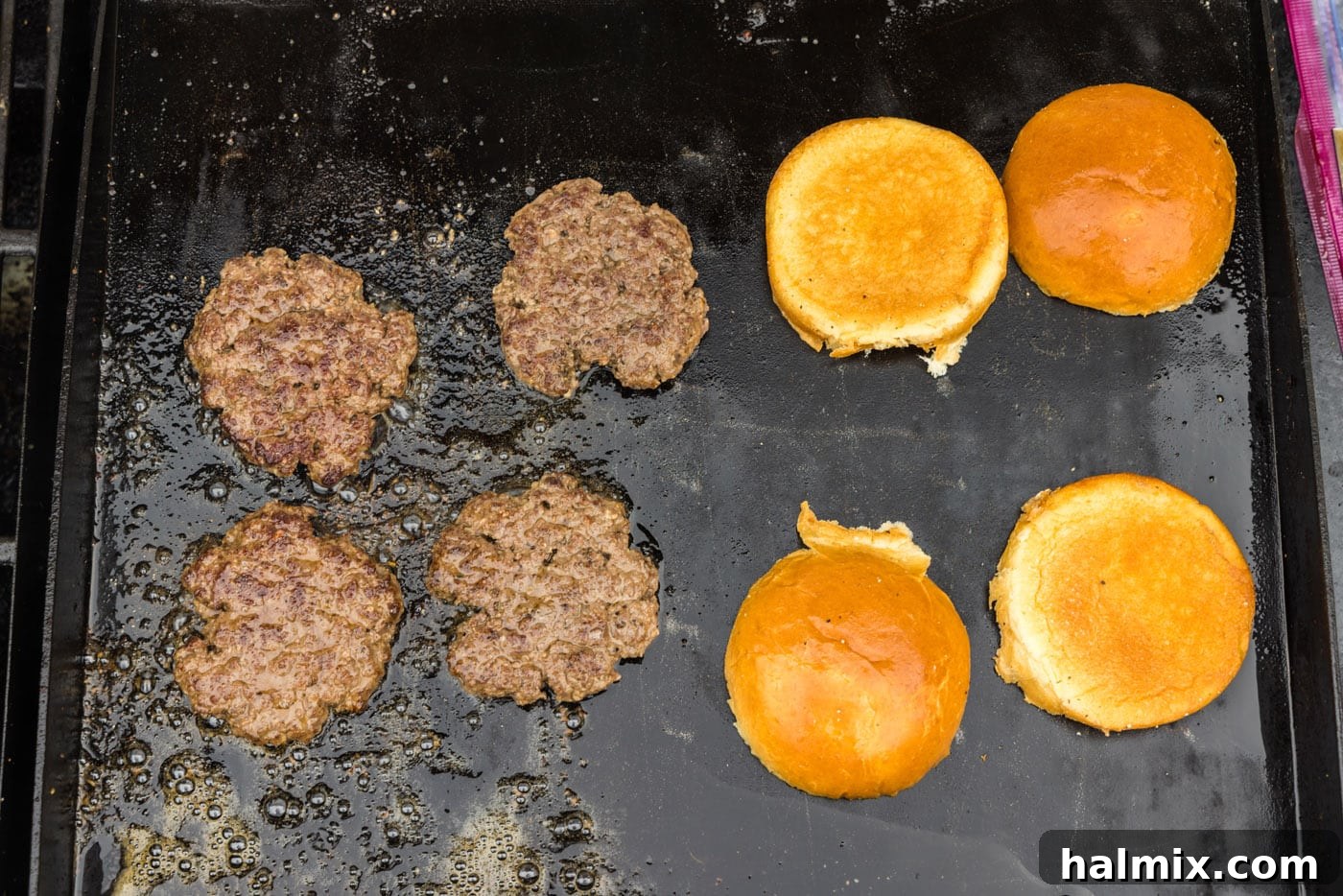
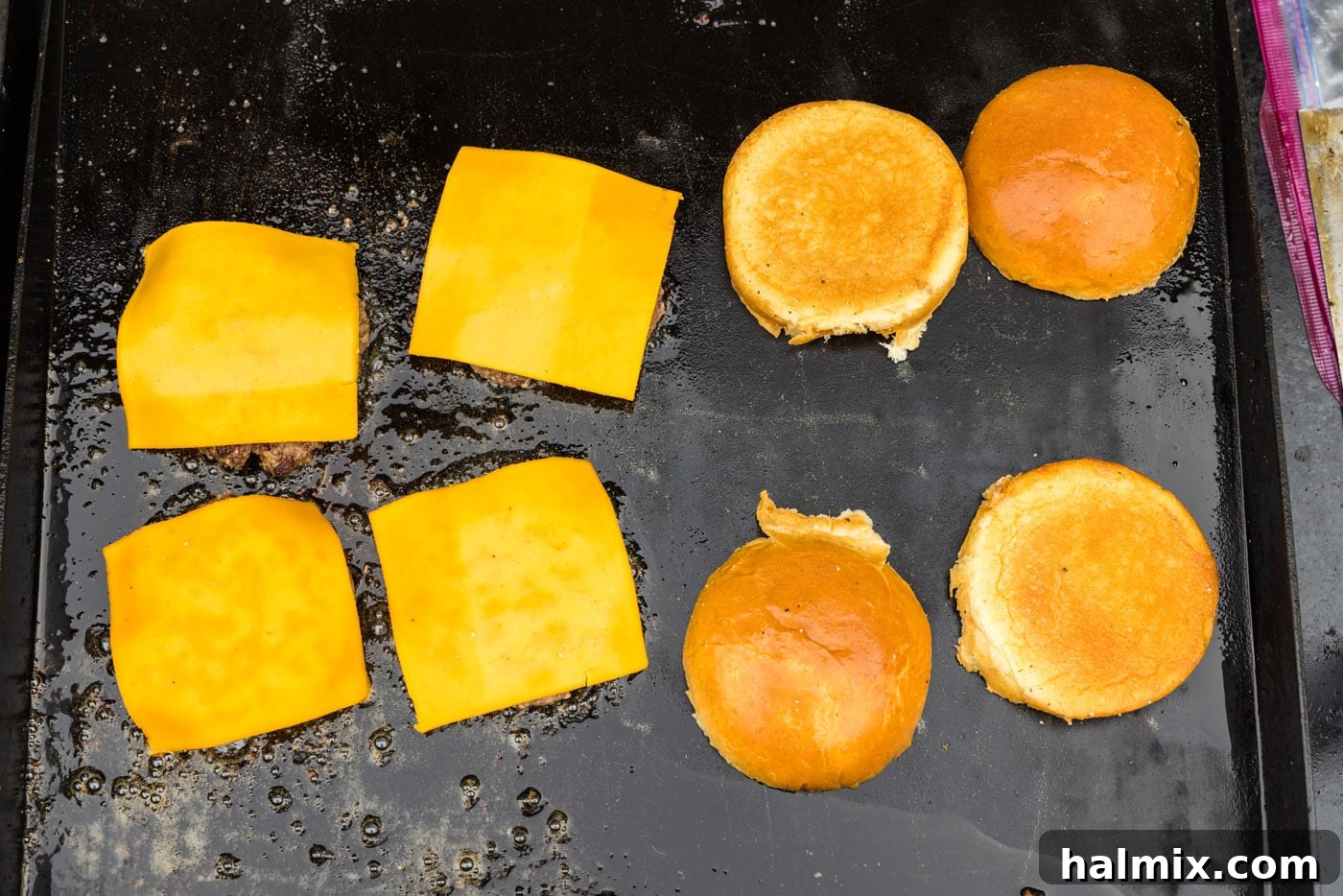
- Toast the Buns: While the burgers are in their final minute of cooking, quickly toast your hamburger buns. Move them to a clean, unused area of the hot griddle, cut-side down, until lightly golden brown and fragrant. This adds crucial texture and prevents the bun from becoming soggy.
- Add the Cheese: In the last 30-60 seconds of cooking, place a slice of American cheese (or your cheese of choice) on top of each patty. For an even quicker melt, you can cover the patties with a metal cloche or a heat-safe bowl for a few seconds.
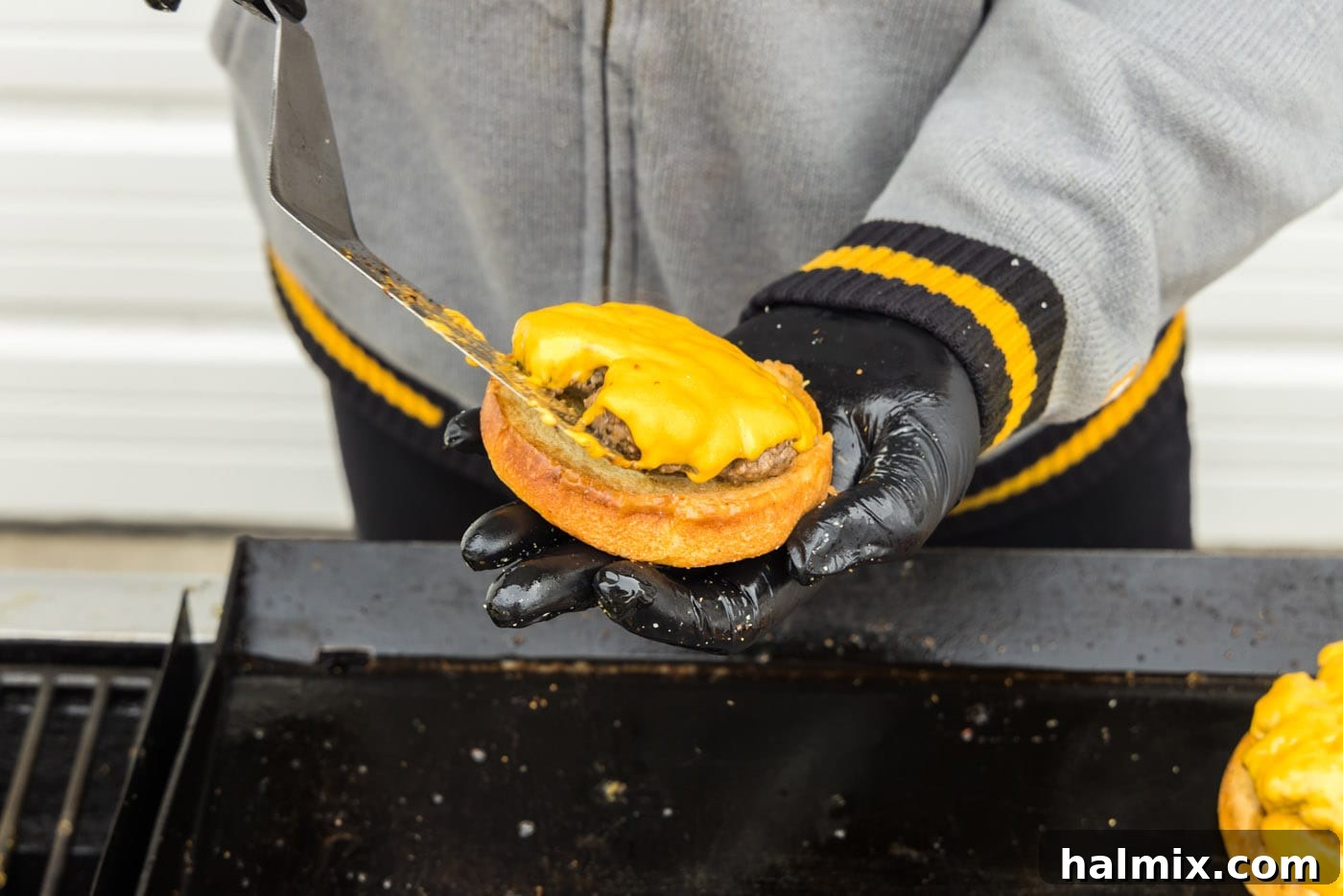
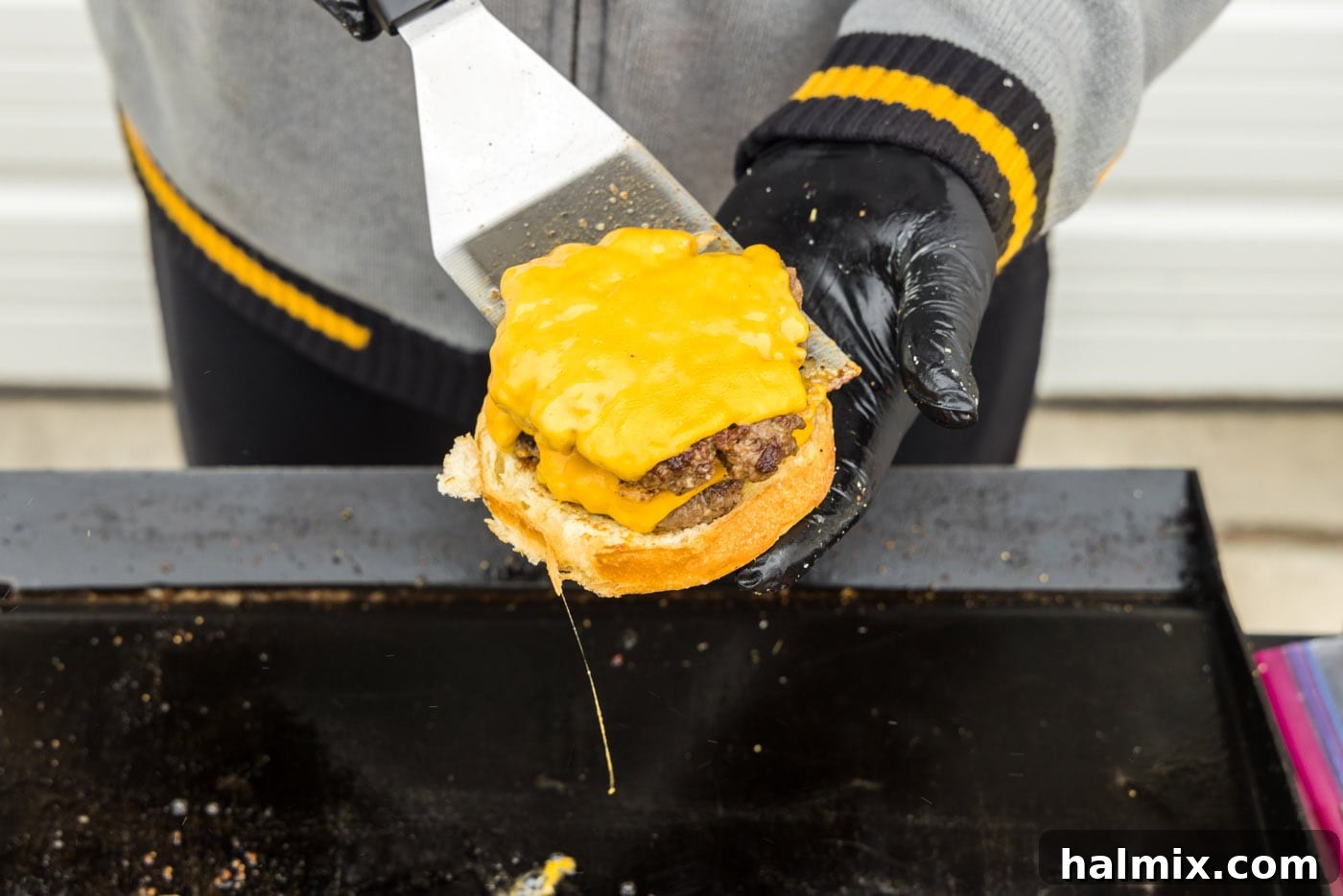
- Assemble Your Masterpiece: Once the cheese has melted into a gooey perfection, carefully lift each patty with your spatula and place it onto the toasted bottom bun.
- Topping Tips: If you’re planning to add various condiments and toppings, it’s best to layer them on the bottom bun and then place the patty. This ensures the cheese adheres nicely to the meat and prevents the top bun from sticking to the cheese. Double up the patties for an extra satisfying burger experience!
Frequently Asked Questions & Expert Tips for Smash Burger Success
The type of beef you choose significantly impacts the final taste and texture of your smash burger. We highly recommend using ground chuck or a similar blend with an 80/20 (lean beef to fat content) ratio. This specific ratio is ideal because the fat renders down, contributing immensely to the burger’s signature juicy interior and perfectly crisp, brown exterior crust. This is definitely not the recipe to opt for lean ground beef, as a higher fat content is crucial for both flavor and moisture retention, preventing a dry patty.
No griddle? No problem! While a flat-top griddle is fantastic for cooking multiple patties simultaneously, you can achieve excellent results using a heavy-duty cast-iron skillet on your stovetop. Ensure the skillet is preheated thoroughly over medium-high heat until it’s very hot before adding your beef balls. The key is to use a pan that retains heat well to achieve that crucial sear.
Food safety is paramount when cooking ground meat. According to the USDA, all ground beef products, including hamburgers, should be cooked to a safe minimum internal temperature of 160°F (71°C) to destroy any harmful bacteria that may be present. We strongly recommend using a reliable food thermometer to accurately check the internal temperature, ensuring both safety and deliciousness.
The secret lies in two critical factors: heat and time. First, ensure your cooking surface (griddle or cast-iron skillet) is blazing hot before you add the meat. Second, once you smash the patty, resist the urge to move it! Allow it to cook undisturbed for at least 2.5 to 3 minutes on the first side. This contact time is essential for the Maillard reaction to occur, developing that deep, caramelized, crispy crust.
While you can season the ground beef and gently form the loose balls a short while in advance (up to 30 minutes) and keep them refrigerated, we recommend smashing them immediately before cooking. Over-handling or letting them sit too long can cause the meat to become more compact, which is contrary to the loose texture needed for optimal smashing and crust development. Freshly formed loose balls yield the best results.
Beyond your heat source (griddle or cast iron), a sturdy, wide metal spatula is indispensable for smashing and flipping. A dedicated burger press can also be used for a more uniform smash. Heat-resistant gloves can be helpful when handling and seasoning the raw meat. Don’t forget a good food thermometer for checking doneness!
Elevate Your Plate: Perfect Pairings and Topping Combinations
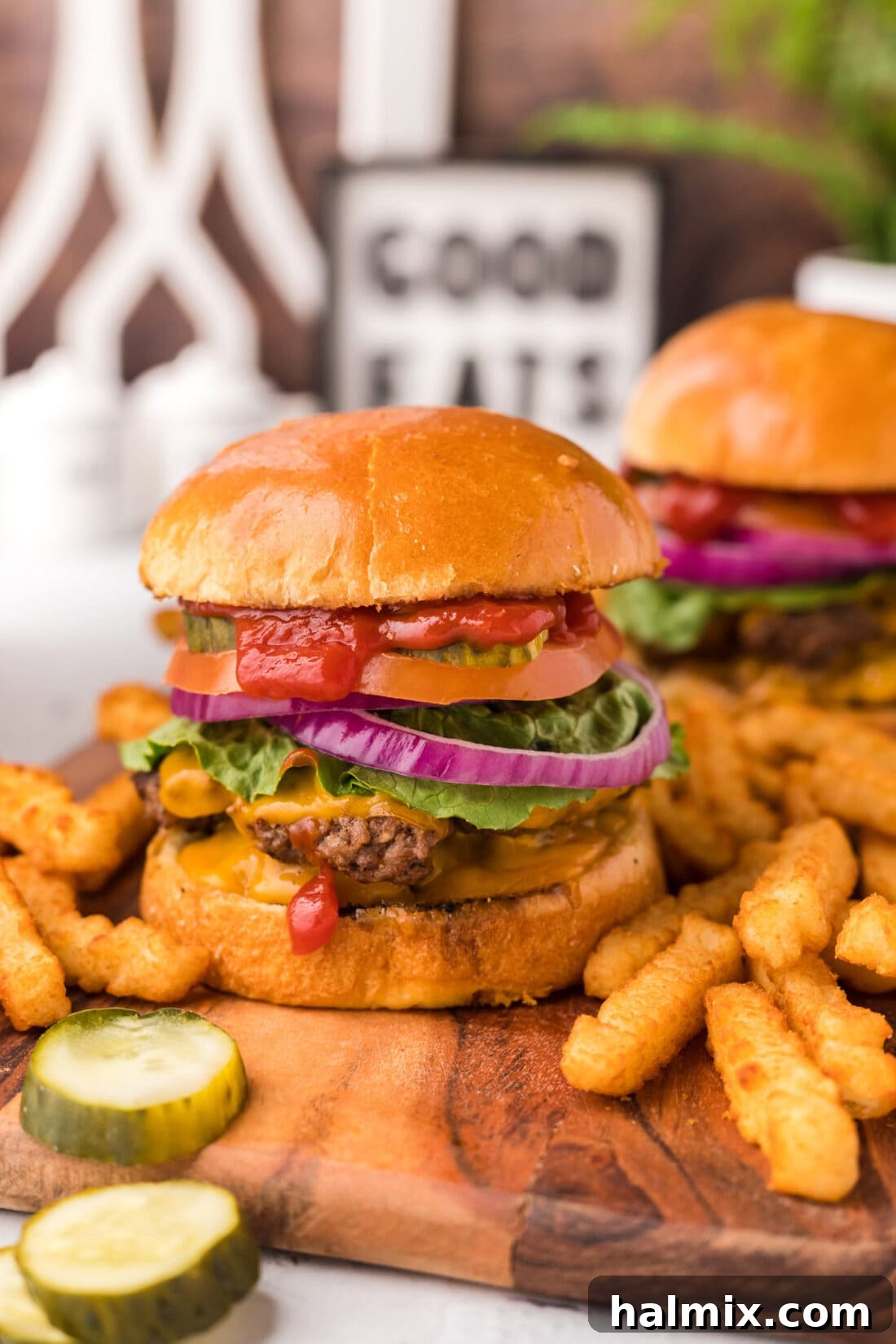
The beauty of a smash burger isn’t just in its incredible taste, but also in the endless possibilities for customization. Once you’ve mastered the patty, it’s time to get creative with your toppings and side dishes to build the ultimate burger experience.
Irresistible Topping Ideas:
- Classic Combo: Crisp lettuce, ripe sliced tomato, raw or grilled onions (caramelized onions are divine!), and crunchy pickles.
- Breakfast Burger: Add a fried egg and crispy bacon for a savory morning-inspired twist.
- Spicy Kick: Layer on jalapeños (fresh or pickled), pepper jack cheese, and a drizzle of sriracha mayo.
- BBQ Bliss: Smoked bacon, a generous dollop of BBQ sauce, and a few crispy fried onion rings.
- California Dream: Fresh avocado slices, sprouts, and a creamy garlic aioli.
- Mushroom Swiss: Sautéed mushrooms and melted Swiss cheese.
- Gourmet Touch: Arugula, a smear of fig jam, and a slice of creamy brie.
Essential Condiments:
Don’t forget the sauces! From traditional ketchup and mustard to more adventurous options, condiments are key to personalizing your burger:
- Classic Ketchup and Yellow Mustard
- Creamy Mayonnaise (or a homemade aioli)
- Tangy BBQ Sauce
- Spicy Chipotle Mayo
- Secret Burger Sauce: A simple mix of ketchup, mayo, a touch of relish, and a dash of hot sauce.
- Ranch Dressing or Blue Cheese Dressing
Delicious Side Dishes to Complete Your Meal:
Every great burger deserves equally great sides. Here are some fantastic options to serve alongside your smash burgers:
- Crispy French Fries or Sweet Potato Fries
- Golden Onion Rings
- Light and fresh Creamy Cucumber Salad
- Classic Potato Salad or Macaroni Salad
- Crunchy Coleslaw
- Fresh Garden Salad
- Pickle Spears or a variety of pickled vegetables
- Crispy homemade potato chips
For an extra indulgent experience, consider doubling up the patties, layering them with extra cheese in between. And remember, smash burgers are absolutely fantastic served on a soft brioche bun or a hearty pretzel bun for that perfect textural contrast.
Discover More Delicious Recipes
If you loved making these smash burgers, you might enjoy exploring some of our other popular recipes:
- Big Mac Salad – All the flavors of a classic burger, deconstructed into a fresh salad.
- Cheeseburger Sliders – Perfect for parties or a smaller, bite-sized burger craving.
- Pork Tenderloin Sandwiches – Another fantastic sandwich for hearty appetites.
- Bacon Cheeseburger Meatballs – A fun and flavorful appetizer or main dish.
- BBQ Bacon Burgers – For those who can’t get enough of rich BBQ flavors and crispy bacon.
I love to bake, cook, and share my kitchen experiences with all of you! To make sure you never miss a new recipe, I offer a convenient newsletter delivered straight to your inbox every time a new creation posts. Simply subscribe here and start receiving your free daily recipes!
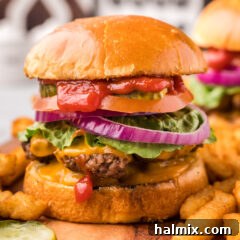
Classic Juicy Smash Burger
A truly sensational smash burger awaits you, featuring an irresistible jagged-edged, browned crust and a perfectly juicy interior. This iconic burger can be whipped up in under 20 minutes on a hot griddle or in a cast iron pan, promising a quick and unforgettable meal.
IMPORTANT – For additional insights, troubleshooting, and expert tips, please scroll back up to read the Frequently Asked Questions section within the blog post!
Print Recipe
Pin It
Rate It
Dinner, Lunch
American, Fast Food Inspired
4
servings
20
486
Amanda Davis
Ingredients
- 1 pound ground beef (80/20 or 85/15 recommended for best results)
- garlic salt (to taste)
- black pepper (freshly ground, to taste)
- 4 hamburger buns (brioche or pretzel buns are excellent choices)
- 4 slices American cheese (or your preferred melting cheese)
- Cooking oil (high smoke point, e.g., canola, vegetable, grapeseed)
Essential Equipment
-
Flat top grill or a heavy cast-iron pan
-
Cutting board
-
Sturdy Metal Spatula (or burger press)
-
Food-safe gloves (optional, for handling meat)
-
Food thermometer (for checking internal temperature)
-
Non-stick cooking spray
Chef’s Notes & Pro Tips
- Our recipe photos showcase a double burger for maximum indulgence, however, the nutritional analysis provided below is based on a single patty burger to give a clearer baseline.
- Choosing the Right Beef: For the ultimate juicy interior and crisp brown burger crust, use ground beef with an 80/20 lean-to-fat ratio. The fat content is absolutely crucial for both flavor and texture in a smash burger; leaner beef will not yield the same results.
- Food Safety First: Always cook hamburgers to a safe minimum internal temperature to eliminate harmful bacteria. The USDA recommends a temperature of 160°F (71°C). Use a reliable food thermometer to ensure your patties reach this temperature.
- Customize Your Creation: Feel free to experiment with a wide array of toppings and condiments. Popular additions include crispy bacon, fresh lettuce, sliced tomatoes, fiery jalapeños, tangy pickles, and sautéed onions. Don’t forget your favorite sauces like BBQ sauce, ketchup, mustard, chipotle mayo, or a quick homemade burger sauce (ketchup and mayo blend).
- Bun Selection: Smash burgers are exceptionally delicious on soft brioche buns or savory pretzel buns. Ensure they are lightly toasted for optimal texture and to prevent sogginess.
- Don’t Overcrowd the Pan: Cook burgers in batches if necessary to maintain high heat and achieve the best crust. Overcrowding lowers the pan temperature and steams the meat instead of searing it.
- Resist the Urge to Over-Smash: Smash once, and smash hard! Don’t keep pressing the patty as it cooks, as this squeezes out valuable juices and fat.
Instructions
-
Brush a thin layer of cooking oil (such as canola or vegetable) on your flat top grill or heavy cast-iron pan. Preheat the cooking surface over medium-high heat until it is smoking hot.
-
Using gloved hands (or clean bare hands), gently flatten the ground beef on a cutting board. Season generously to taste with garlic salt and black pepper.
-
Divide the seasoned meat into 4 equal, loose sections. Gently roll each section into a loose ball, handling as little as possible.
-
Carefully place each meatball onto the preheated, hot flat top grill or cast-iron pan.
-
Immediately spray the back of a sturdy metal spatula or burger press with non-stick cooking spray. Firmly press down on each meatball, flattening it into a thin patty (about 1/4 to 1/2 inch thick). Hold pressure for about 10 seconds to maximize contact and crust formation. Allow to cook undisturbed for 2.5 to 3 minutes, or until a deep brown, crispy crust forms. If desired, sprinkle more garlic salt and pepper on the uncooked side.
-
Using your spatula, carefully scrape beneath the patty to release the crust and flip the burger over. Cook for an additional 2 to 2.5 minutes, or until your desired doneness is reached (160°F internal temperature for safety).
-
While the burgers are finishing their final minute of cooking, place your hamburger buns, cut-side down, on a clean area of the hot griddle to toast until lightly golden and warm.
-
In the last 30-60 seconds of cooking, add a slice of American cheese (or your chosen cheese) to the top of each patty. For faster melting, you can cover the patties briefly with a metal cloche or heat-safe bowl.
-
Once the cheese has melted beautifully, lift each patty with a spatula and place it onto the toasted bottom bun.
-
Assembly Note: If you plan to add multiple condiments and toppings, we recommend layering them on the bottom bun first, then adding the patty. This helps the cheese adhere to the meat and keeps the top bun clean. Add your top bun last, or serve open-faced for an easier eating experience with abundant toppings!
Nutrition Facts (per single patty burger)
|
Calories: 486cal
|
Carbohydrates: 22g
|
Protein: 27g
|
Fat: 31g
|
Saturated Fat: 13g
|
Polyunsaturated Fat: 2g
|
Monounsaturated Fat: 12g
|
Trans Fat: 2g
|
Cholesterol: 102mg
|
Sodium: 639mg
|
Potassium: 386mg
|
Fiber: 1g
|
Sugar: 4g
|
Vitamin A: 199IU
|
Vitamin C: 1mg
|
Calcium: 302mg
|
Iron: 4mg
Tried this Recipe? Pin it for Later!
Follow on Pinterest @AmandasCookin or tag #AmandasCookin!
The recipes on this blog are meticulously tested with a conventional gas oven and gas stovetop. Please note that oven performance can vary, especially with age. Using an inexpensive oven thermometer can help ensure your oven heats accurately. For recipes made with toaster ovens, countertop ovens, or other appliances, please be aware that heat distribution may differ, and cooking/baking times might need adjustment. For baking recipes where measurements are provided by weight, using volume measurements (cups) instead may alter results, and we cannot guarantee success with that method.