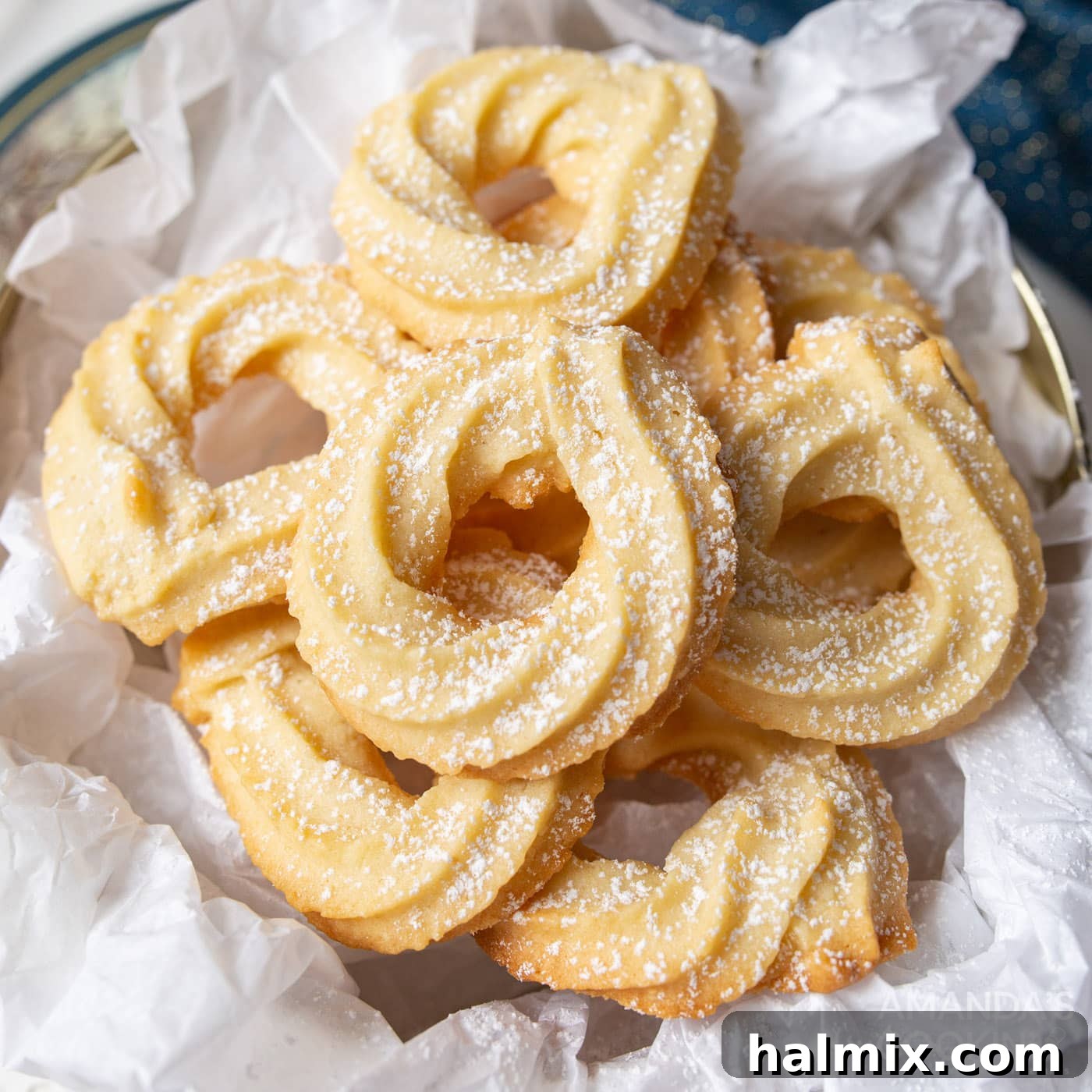
Indulge in the timeless charm of these exquisite **Danish Butter Cookies**, a beloved classic that promises to delight with every bite. Crafted to perfection, these cookies are elegantly piped into delicate swirls, embodying a rich, creamy buttery flavor complemented by a wonderfully soft texture and a light, satisfying crunch. They are more than just a sweet treat; they are a delightful experience, perfect for any occasion from a casual afternoon tea to a festive holiday gathering.
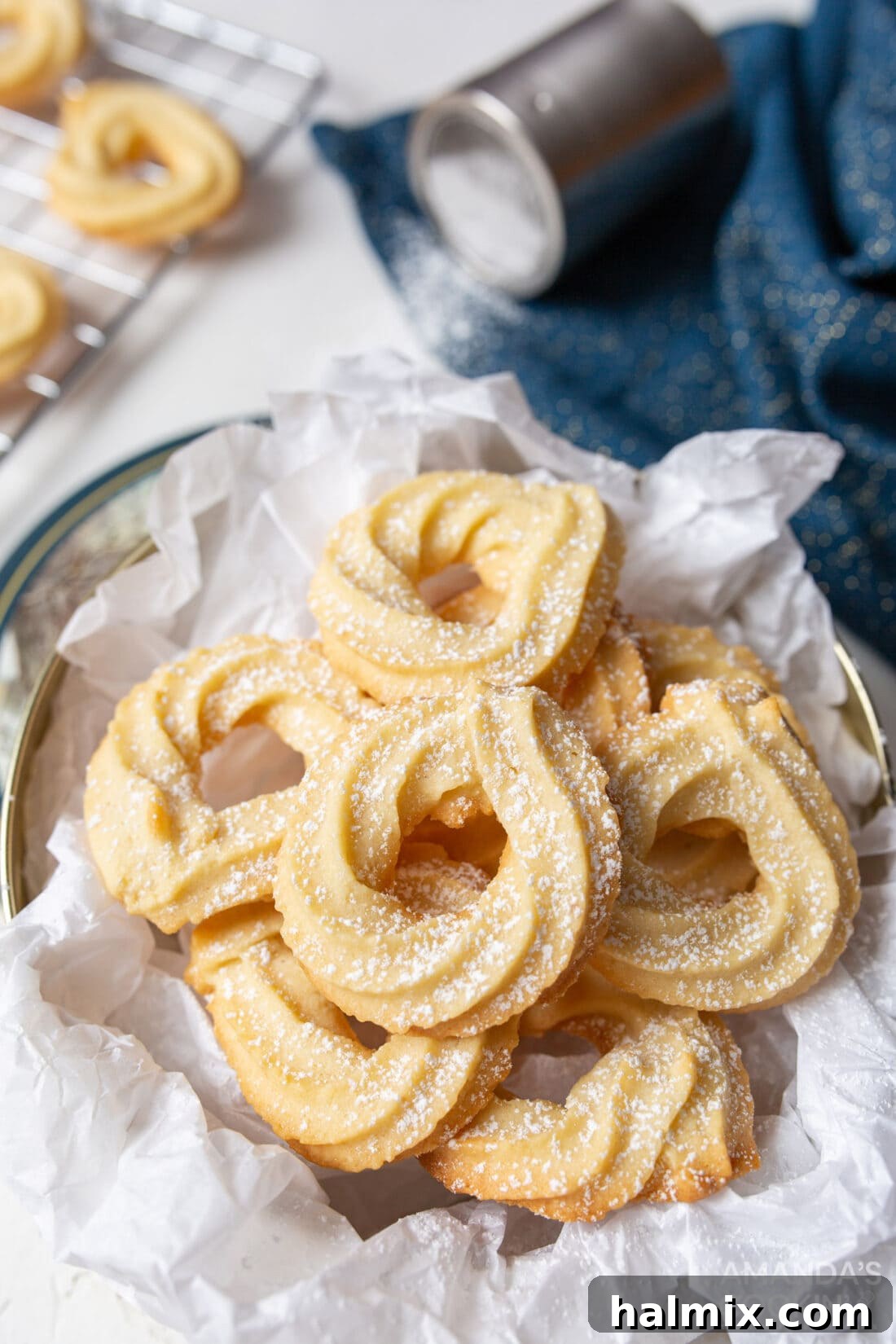
Why This Danish Butter Cookie Recipe is a Must-Try
There’s a reason Danish butter cookies hold such a cherished spot in bakeries and homes worldwide. This particular recipe masterfully captures their essence, creating a cookie that is truly irresistible. While they share some similarities with Spritz cookies in their piped form, our Danish butter cookies boast a slightly firmer dough, allowing for more intricate and defined shapes that hold up beautifully during baking. The result is a cookie that is incredibly soft and delicate on the inside, with those signature crispy edges that melt away in your mouth.
What truly sets these cookies apart is their pronounced buttery flavor, which is the star of the show without being overwhelmingly sweet. This makes them an ideal choice for those who appreciate a more balanced dessert, allowing the quality of the butter and vanilla to truly shine through. They’re light, airy, and possess a gentle richness that invites you to savor each moment. This recipe is also incredibly reliable, ensuring perfectly formed and delicious cookies every time, making it a fantastic addition to your baking repertoire. Whether you’re an experienced baker or just starting, you’ll find joy and success in preparing these delightful treats.
Essential Ingredients for Perfect Danish Butter Cookies
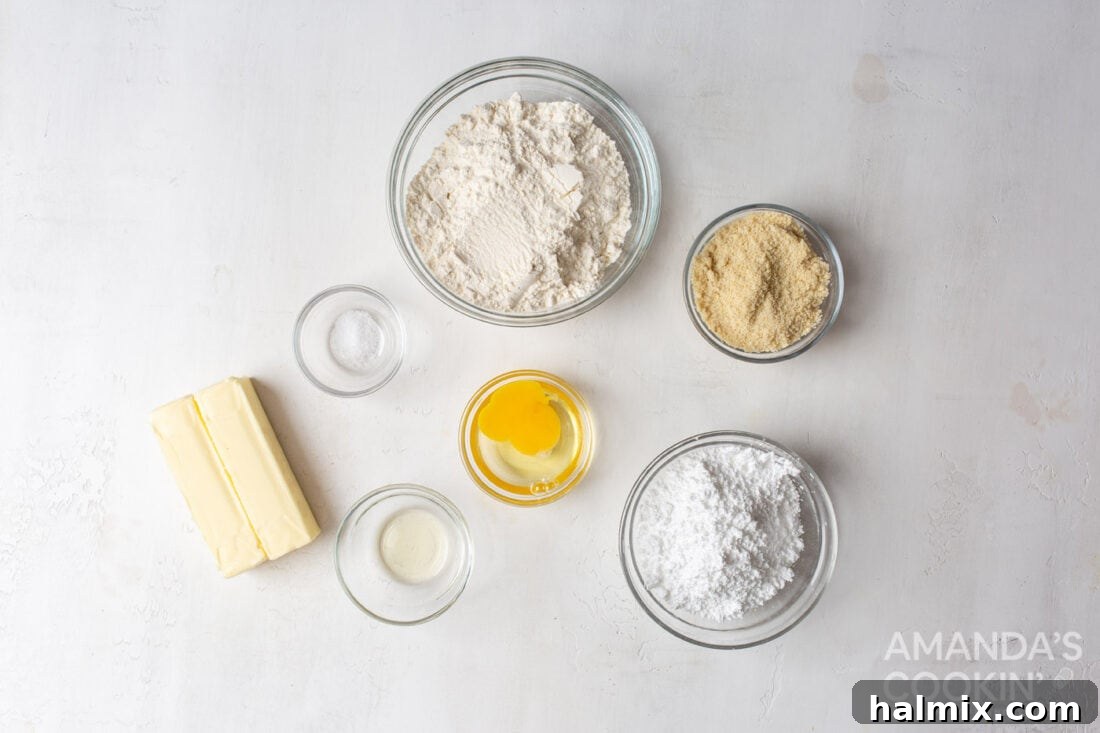
Crafting these classic Danish butter cookies requires a few simple, high-quality ingredients, each playing a crucial role in achieving their signature taste and texture. Below is a detailed list of what you’ll need to gather, along with explanations and substitution suggestions to ensure your baking experience is smooth and successful. For exact measurements and a printable version of the full recipe, please refer to the dedicated recipe card located at the end of this post.
Using fresh ingredients is key to the exceptional flavor of these cookies. Ensure your butter is good quality, your flour is fresh, and your vanilla extract is pure for the best possible outcome. While this recipe is straightforward, paying attention to the details of your ingredients will truly elevate the final product.
Ingredient Breakdown and Smart Substitutions
Understanding the role of each ingredient will not only help you bake these cookies flawlessly but also empower you to make informed substitutions if necessary. Here’s a closer look at the components that make up our delightful Danish butter cookies:
Flour: The Foundation of Texture
For this recipe, we utilize a combination of **all-purpose flour** and **almond flour**. As with all baking, accurate flour measurement is paramount. The secret to light and tender cookies lies in avoiding an excess of flour, which can lead to a dry, dense, and crumbly result. To measure correctly, first, aerate your all-purpose flour by gently stirring it with a spoon. Then, lightly spoon the flour into your measuring cup until it overflows slightly. Use the flat side of a knife or another straight edge to level off the top, ensuring no excess flour. Never pack the flour into the cup or tap it on the counter, as this compresses the flour and results in using more than the recipe intends.
The addition of **almond flour** is a fantastic touch, contributing a subtle nuttiness, enhanced tenderness, and a delicate sweetness that beautifully complements the buttery base. It also helps create that desirable melt-in-your-mouth quality. If almond flour is not readily available or you prefer not to use it, you can easily substitute it with an equal amount of additional all-purpose flour. This adjustment will still yield delicious cookies, though they might be slightly less tender and lack the almond undertones.
Sugar: For Sweetness and Tenderness
Our recipe calls for **powdered sugar** (also known as confectioners’ sugar or icing sugar), which is essential for achieving the signature delicate texture of these cookies. Unlike granulated sugar, powdered sugar contains a small amount of cornstarch, which helps absorb moisture in the dough. This absorption contributes significantly to the cookies’ incredibly soft and tender crumb, making them truly melt in your mouth. Using powdered sugar also ensures a smoother dough, which is ideal for piping intricate designs. While you might be tempted to use granulated sugar, it would drastically alter the texture, leading to a crispier, chewier cookie rather than the desired delicate and soft butter cookie.
Butter: The Heart of Danish Butter Cookies
The unmistakable rich, creamy flavor of Danish butter cookies comes directly from the generous amount of **unsalted butter** used. It is absolutely crucial that your butter is at **room temperature** before you begin. Softened butter (not melted!) creams beautifully with sugar, incorporating air that will give your cookies their light and airy texture. This process, known as creaming, is fundamental to the cookie’s final structure and tenderness.
To achieve the perfect room temperature, remove your butter from the refrigerator approximately 35-45 minutes before you plan to start baking. It should be soft enough to indent with a finger without the finger sinking through. If you only have salted butter on hand, you can still use it, but be sure to omit the ½ teaspoon of salt specified in the recipe card to prevent your cookies from becoming too salty. High-quality butter truly makes a difference in these cookies, so opt for the best you can find.
Vanilla Extract: A Touch of Aromatic Sweetness
**Vanilla extract** is a simple yet powerful ingredient that enhances the overall flavor profile of these butter cookies. Pure vanilla extract provides a warm, aromatic note that complements the richness of the butter and sweetness of the sugar. We recommend using pure vanilla extract over imitation vanilla for the best possible flavor.
Egg: The Binder and Enhancer
Just one **large egg** acts as a crucial binding agent in this dough, helping to hold all the ingredients together and provide structure to the cookies. The egg also contributes to the richness and a slightly golden hue, ensuring a well-rounded flavor and appealing appearance. Make sure your egg is also at room temperature, as this allows it to incorporate more smoothly into the creamed butter and sugar mixture, preventing the mixture from curdling.
Salt: The Flavor Balancer
A small amount of **salt** is essential in most sweet recipes, and these cookies are no exception. Salt doesn’t just make things taste salty; it actually enhances and balances the sweetness of the sugar and the richness of the butter, bringing out the full depth of flavor in the cookies. If you are using salted butter, remember to omit the added salt from the recipe.
How to Create Irresistible Danish Butter Cookies: Step-by-Step Guide
These step-by-step photos and instructions are provided to help you visualize each stage of making this delightful recipe. For a convenient printable version, complete with all measurements and detailed instructions, you can Jump to the Recipe Card at the bottom of this post.
- Prepare Your Oven: Begin by preheating your oven to 325°F (160°C). This ensures the oven reaches and maintains the correct temperature, which is vital for even baking and perfectly set cookies. While the oven preheats, line a baking sheet with parchment paper or a silicone baking mat to prevent sticking and aid in easy cleanup.
- Combine Dry Ingredients: In a medium to large bowl, whisk together the all-purpose flour and almond flour until they are thoroughly combined. Whisking not only mixes the flours but also aerates them, contributing to a lighter cookie texture. Set this bowl aside for later use.
-
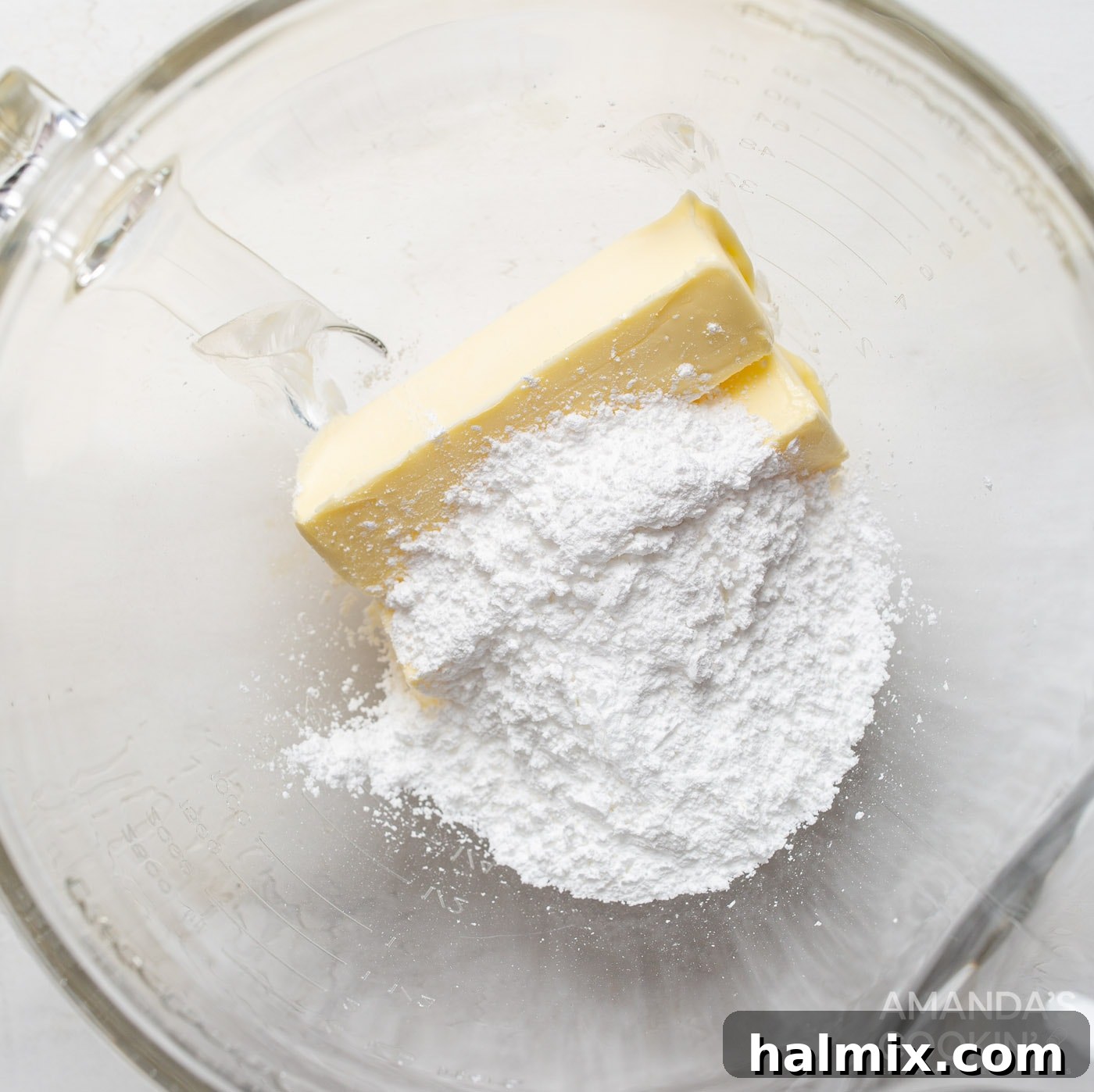
Cream Butter and Sugar: In the bowl of a stand mixer fitted with a paddle attachment, add the room-temperature unsalted butter and powdered sugar. Beat them together on medium speed until the mixture becomes wonderfully light, fluffy, and pale in color. This creaming process can take anywhere from 3 to 5 minutes and is crucial for incorporating air into the dough, resulting in a tender cookie.

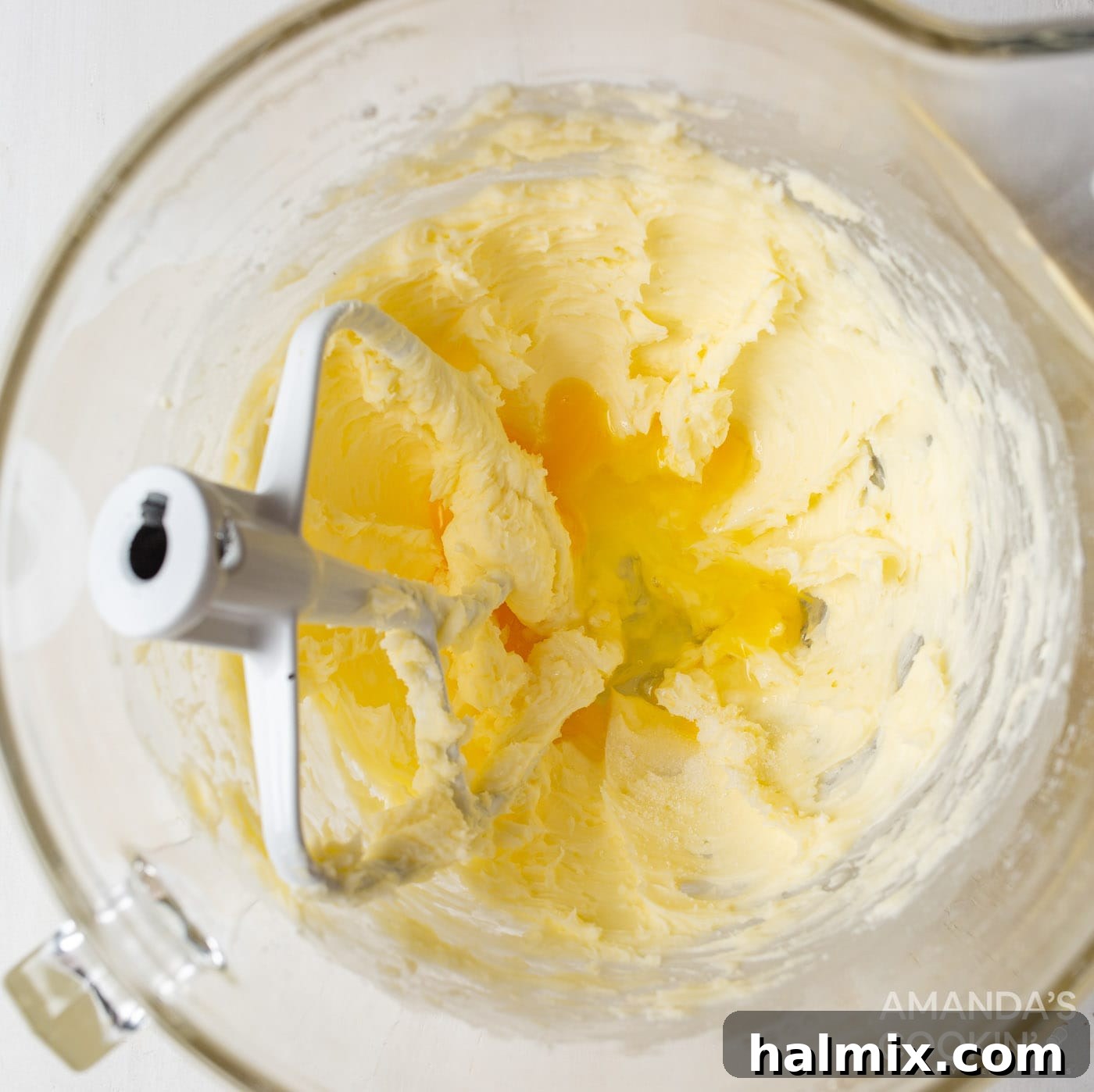
Once creamed, add the room-temperature egg and vanilla extract to the mixture. Continue mixing until everything is well combined, scraping down the sides of the bowl with a spatula as needed to ensure all ingredients are fully incorporated and no dry spots remain. The mixture should appear smooth and homogenous.
- Incorporate Dry into Wet: Gradually add the whisked flour mixture to the stand mixer bowl containing the butter and sugar mixture. Mix on low speed until the flours are just incorporated and a thick, soft dough forms. Be careful not to overmix, as overworking the gluten in the flour can lead to tough cookies. Mix until barely combined, then stop. The dough will be dense, which is characteristic of Danish butter cookies and necessary for piping.
- Pipe the Cookies: Transfer the cookie dough, working in batches if necessary, into a piping bag fitted with a large star tip (a Wilton 1M tip works beautifully for classic swirls). On the prepared baking sheet, pipe 1-inch squared circles or desired swirl patterns, leaving a little space between each cookie as they will spread slightly. If the dough is too stiff to pipe easily, let it sit at room temperature for another 5-10 minutes to soften slightly, but avoid letting it get too warm. Consistent sizing will ensure even baking.
- Bake and Cool: Place the baking sheet in the preheated oven and bake for approximately 22 minutes. The exact baking time may vary slightly depending on your oven and the size of your cookies. Look for the edges to begin turning a delicate golden brown, and the cookies to appear set in the center. Once baked, remove the cookies from the oven and let them cool on the baking sheet for a few minutes to firm up before carefully transferring them to cooling racks to cool completely. Cooling completely on a rack prevents the bottoms from becoming soggy.
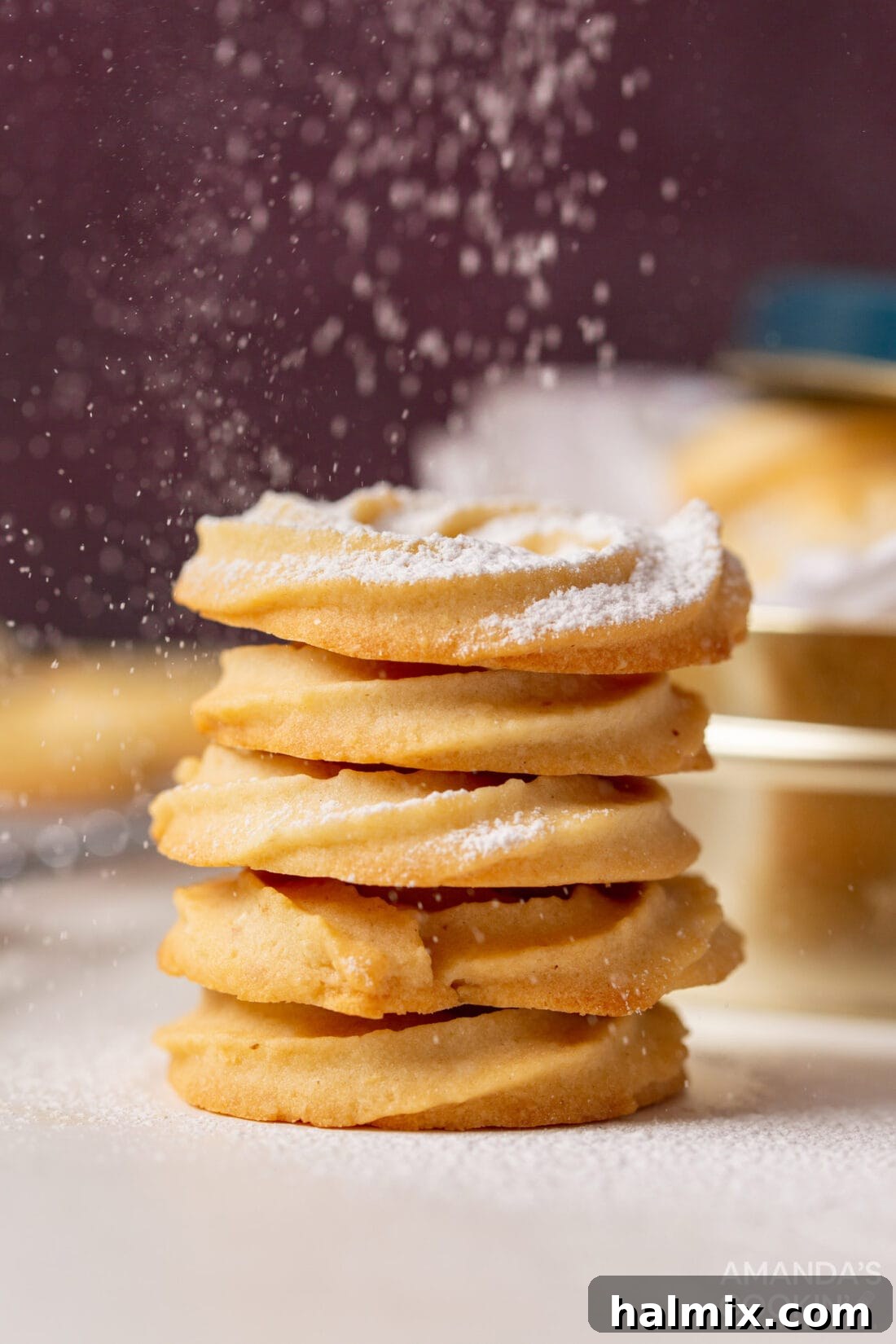
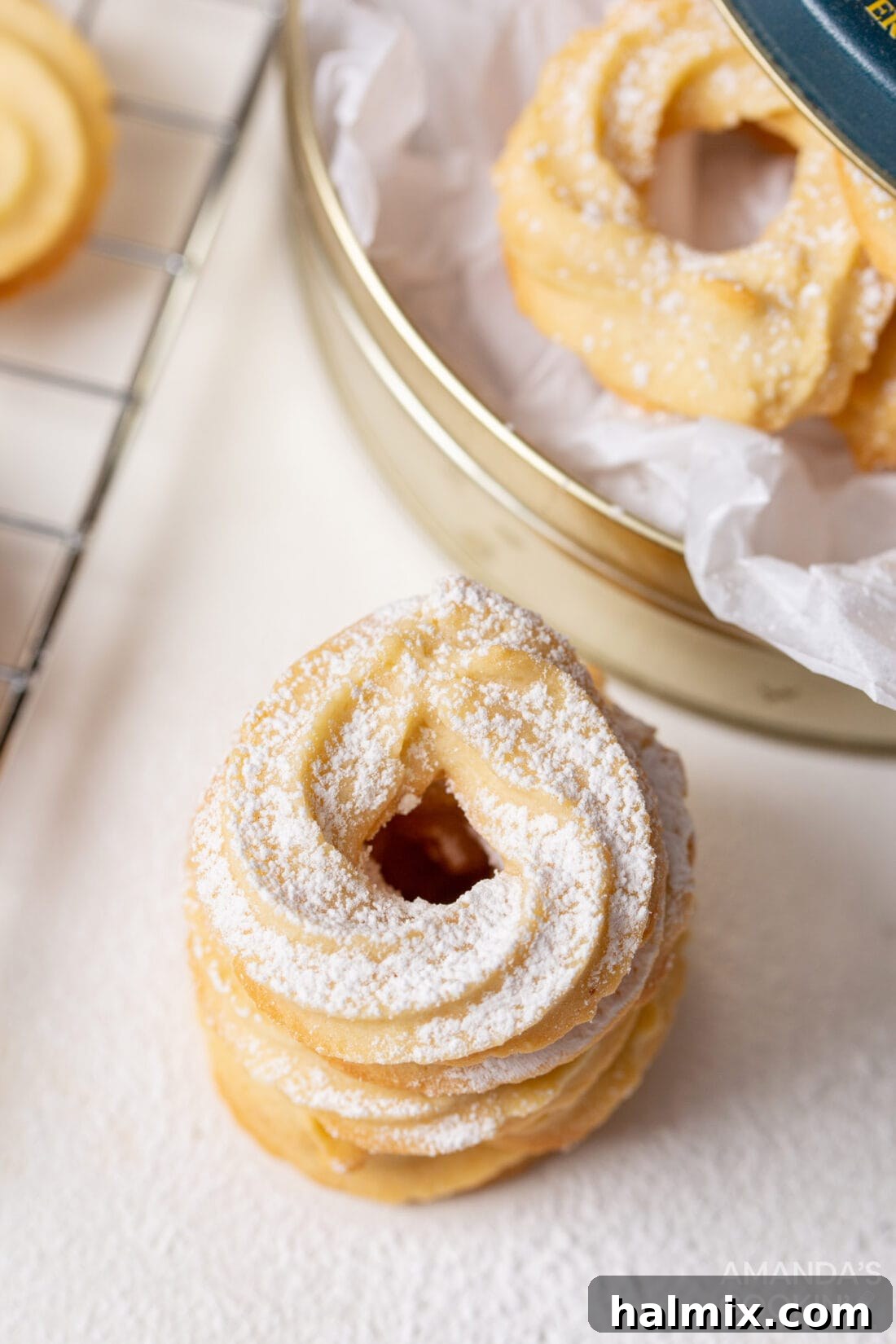
- Garnish (Optional): For a classic finish and an extra touch of sweetness, optionally dust the cooled Danish butter cookies with confectioner’s sugar using a fine-mesh sieve. These beautiful cookies are now ready to be enjoyed immediately or packaged as the perfect homemade holiday gift.
Frequently Asked Questions & Expert Baking Tips
To help you master these delicious Danish butter cookies and ensure your baking experience is as smooth as possible, here are answers to some common questions and a few expert tips:
Absolutely! These cookies freeze wonderfully, both baked and unbaked. To freeze the dough for future baking, prepare and pipe the dough onto a parchment paper-lined baking sheet as instructed. Place the entire baking sheet in the freezer for about 30-60 minutes, or until the piped cookies are solid (this is called flash freezing). Once frozen solid, carefully remove them from the baking sheet and transfer them to an airtight container or a large freezer-safe zip-top bag. They can be stored in the freezer for up to 2 months. When you’re ready to bake, simply place the frozen dough cookies on a prepared baking sheet and bake as directed, adding a few extra minutes to the baking time if needed. This method is fantastic for making them in advance and having fresh-baked cookies on demand!
What if my dough is too stiff to pipe?
It’s normal for Danish butter cookie dough to be quite thick, which helps it hold its shape. However, if it’s excessively stiff, it might be due to cold butter or over-chilling. Allow the dough to sit at room temperature for 10-15 minutes to soften slightly. You can also knead it briefly with your hands within the piping bag to warm it up a bit, but avoid overworking it. If the butter was too cold to begin with, the dough will naturally be stiffer.
Why did my cookies spread too much?
Cookies spreading too much can be caused by a few factors:
- **Warm butter:** If your butter was too soft or slightly melted when creaming, it could cause the cookies to spread.
- **Overmixing:** Overmixing the dough after adding flour can develop gluten excessively, leading to spreading.
- **Oven temperature:** An oven that isn’t hot enough can cause cookies to spread before they have a chance to set. Always use an oven thermometer to ensure accuracy.
- **Not enough flour:** While proper measurement is key, a slight under-measurement of flour can also lead to spreading.
- **Too much leavening:** Although this recipe doesn’t use chemical leavening, some butter cookie recipes might. If present, too much could cause spreading.
Ensure your ingredients are at the correct temperature and follow mixing instructions carefully.
How should I store leftover Danish butter cookies?
Once completely cooled, store your Danish butter cookies in an airtight container at room temperature for up to 5-7 days. To maintain their crispness and flavor, you can place a slice of bread or a tortilla in the container; it will help absorb excess moisture.
Delightful Serving Suggestions for Danish Butter Cookies
While these Danish butter cookies are absolutely divine on their own, a few simple additions can elevate them even further, making them perfect for any occasion. Traditionally, these cookies are enjoyed plain or with a light dusting of powdered sugar, which adds a delicate visual appeal and a whisper of extra sweetness.
For a touch of elegance and variety, consider these serving ideas:
- Classic Powdered Sugar Dusting: As mentioned, a light sifting of confectioner’s sugar over the cooled cookies is a beautiful and simple finish.
- Chocolate Drizzle or Dip: Although not traditional, a modern twist can involve dipping half of each cookie in melted white, milk, or dark chocolate. You can then sprinkle them with finely chopped nuts, colorful sprinkles, or a pinch of sea salt for added texture and flavor, similar to what we explored in our butter cookies recipe.
- Paired with Beverages: These cookies are ideal companions for a cup of hot coffee, tea, or a glass of cold milk. Their buttery flavor and delicate texture make them perfect for dipping.
- Holiday Gift Boxes: Arrange a selection of these beautifully piped cookies in a festive tin or box for a thoughtful homemade gift during the holidays or for special events. They hold up well and travel nicely.
- Ice Cream Topping: Crumble a few cookies over a scoop of vanilla or coffee ice cream for an instant gourmet dessert.
No matter how you choose to serve them, these Danish butter cookies are sure to bring smiles and satisfy any sweet craving with their comforting, buttery goodness.
Explore More Delectable Cookie Recipes
If you’ve enjoyed baking these Danish Butter Cookies, you’re in for a treat! Our kitchen is brimming with an array of other fantastic cookie recipes, perfect for expanding your baking skills and satisfying every sweet tooth. From comforting classics to inventive creations, there’s a cookie for every mood and occasion. Dive into these other delightful recipes:
- Warm & Cozy Hot Cocoa Cookies
- Magical Stained Glass Cookies
- Soft & Chewy Peanut Butter Cookies
- Classic Scottish Shortbread Cookies
- Festive Cornflake Christmas Wreaths
- Irresistible Reeses Pieces Cookies
- Artistic Paintbrush Cookies
- Charming Cherry Wink Cookies
I absolutely love sharing my passion for baking and cooking with all of you! To make sure you never miss out on a new recipe, I offer a convenient newsletter delivered right to your inbox every time a fresh recipe is posted. Simply subscribe today and start receiving your free daily dose of delicious inspiration!
Danish Butter Cookies
This Danish butter cookie recipe is full of buttery flavor and baked to a beautiful golden brown producing delicate crunchy edges and a tender interior.
Rated 4.97 out of 5 stars by 29 reviewers.
IMPORTANT – You may find helpful Frequently Asked Questions within the blog post. Scroll up to read them!
Print Recipe | Pin Recipe
Ingredients
- 2 cups all-purpose flour
- ½ cup almond flour ground and unblanched
- 1 cup confectioners sugar aka powdered sugar or icing sugar
- 1 cup unsalted butter at room temperature
- 1 tsp vanilla extract
- 1 egg
- ½ tsp salt
- powdered sugar for garnish, optional
Things You’ll Need
- Piping bag
- Star piping tip (Wilton 1M)
- Stand mixer
- Baking sheets
Before You Begin
- The dough will be thick and a bit tough to pipe, this is normal.
- If you only have salted butter on hand, omit the 1/2 tsp of salt called for in the recipe. Allow your butter to come to room temperature for around 35-45 minutes so it’s softened before beginning.
- Depending on the size of piping tip you use, you may get more or less cookies than stated.
Instructions
- Preheat oven to 325°F (160°C).
- In a large bowl, whisk together the flours. Set aside.
- In the bowl of a stand mixer using a paddle attachment, combine the sugar and butter until light and fluffy. Add the egg and extract, scraping down the sides as needed. Mix until combined.
- Add the flours to the stand mixer and mix thoroughly until just combined.
- Working in batches, add dough to the piping bag fitted with a large star tip. Create 1-inch squared circles or your preferred swirl patterns on a baking sheet lined with parchment paper.
- Bake for 22 minutes until edges start to brown and cookies are set. Remove and allow to cool on cooling racks. Dust with optional confectioner’s sugar before packaging as the perfect homemade holiday gift.
Nutrition Information
Serving: 1 cookie |
Calories: 113 cal |
Carbohydrates: 11g |
Protein: 2g |
Fat: 7g |
Saturated Fat: 4g |
Polyunsaturated Fat: 1g |
Monounsaturated Fat: 2g |
Trans Fat: 1g |
Cholesterol: 22mg |
Sodium: 42mg |
Potassium: 13mg |
Fiber: 1g |
Sugar: 4g |
Vitamin A: 197IU |
Calcium: 8mg |
Iron: 1mg
Tried this Recipe? Pin it for Later!
Follow on Pinterest @AmandasCookin or tag #AmandasCookin!
The recipes on this blog are tested with a conventional gas oven and gas stovetop. It’s important to note that some ovens, especially as they age, can cook and bake inconsistently. Using an inexpensive oven thermometer can assure you that your oven is truly heating to the proper temperature. If you use a toaster oven or countertop oven, please keep in mind that they may not distribute heat the same as a conventional full-sized oven and you may need to adjust your cooking/baking times. In the case of recipes made with a pressure cooker, air fryer, slow cooker, or other appliance, a link to the appliances we use is listed within each respective recipe. For baking recipes where measurements are given by weight, please note that results may not be the same if cups are used instead, and we can’t guarantee success with that method.