There are some dishes that transcend mere meals and become etched in the fabric of our culinary memories. For many, the original Quaker Oats meatloaf recipe is precisely one such dish. A true American classic, passed down through generations from the back of the iconic oatmeal box, this meatloaf embodies the essence of nostalgic comfort food. Made with simple, wholesome ingredients, primarily old-fashioned oats and savory ground beef, and often crowned with a deliciously simple homemade glaze, it delivers warmth and satisfaction in every tender slice.
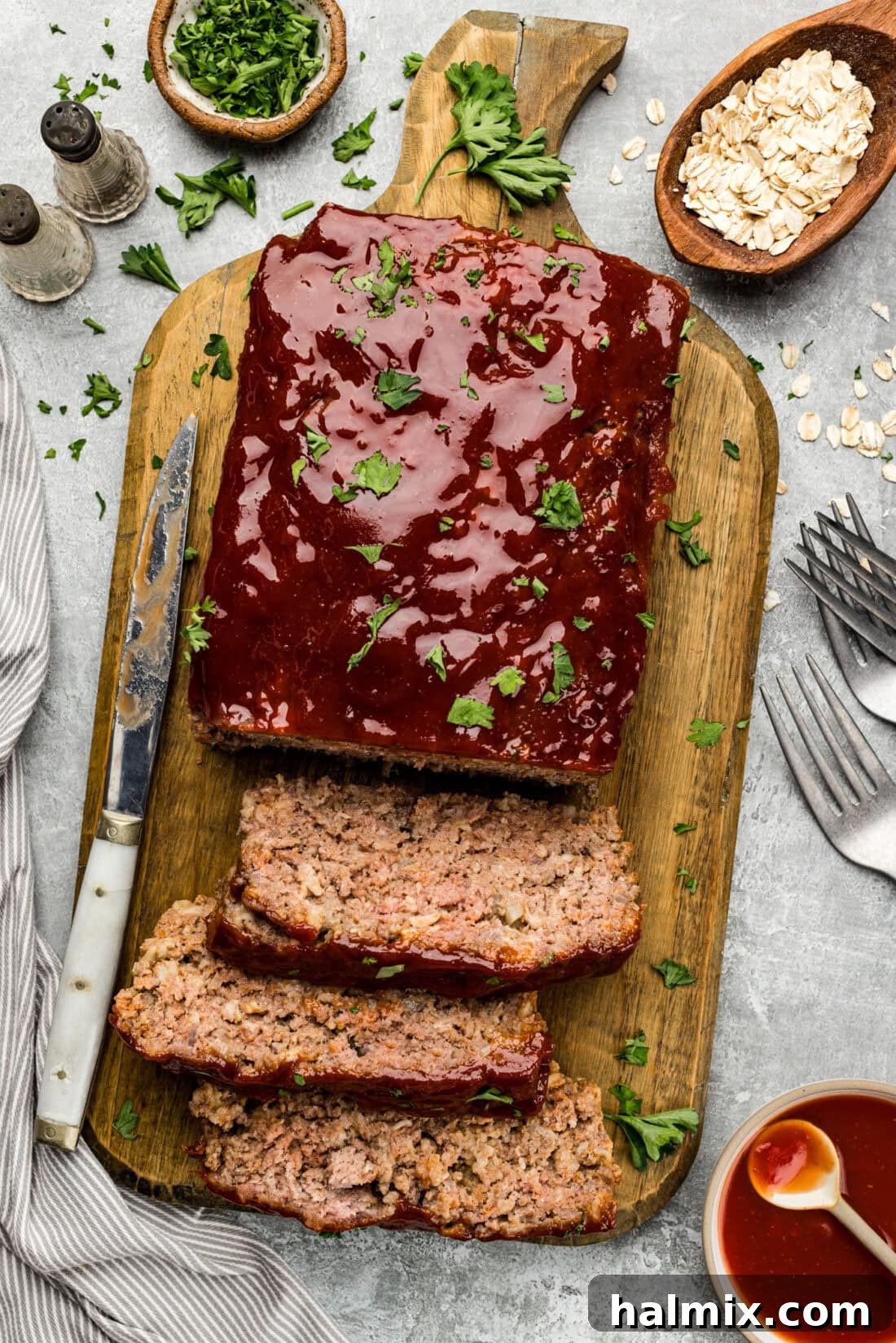
The Ultimate Classic Quaker Oats Meatloaf Recipe
Discover the authentic, time-honored recipe for Quaker Oats Meatloaf, a beloved dish that brings families together and evokes a comforting sense of home. This guide provides the original recipe, expert tips for preparation, and delicious serving suggestions to ensure your meatloaf is always moist, flavorful, and perfectly glazed.
Why This Timeless Recipe Remains a Family Favorite
This Quaker Oats meatloaf recipe isn’t just a meal; it’s a culinary legacy. For countless families across America, it represents a cherished taste of childhood, a staple often found on dinner tables on chilly evenings or Sunday gatherings. It’s the very recipe that famously graced the back of Quaker Oats oatmeal containers for decades, a testament to its enduring popularity and foolproof nature. While Quaker’s official website may feature a revised version today – modified to reduce salt and fat content in response to contemporary dietary trends – our version pays homage to the original. This is the authentic, tried-and-true recipe that delivers that unmistakable taste of home, a flavor profile that resonates with comforting familiarity.
At its heart, meatloaf is a brilliantly simple concept: ground meat shaped into a loaf, often with a binder to hold it all together and enhance its texture. In this recipe, old-fashioned oats serve as the perfect stabilizer, absorbing moisture and contributing to a wonderfully tender, moist loaf rather than a dry, crumbly one. While many meatloaf recipes exist, with varying ingredients and preparations, this classic stands out. We’ve included our favorite simple ketchup-based glaze, a sweet and tangy topping adapted from our classic meatloaf recipe, which elevates the flavor to new heights. However, if you prefer a different approach, this meatloaf is equally delightful when served with a rich brown gravy and creamy mashed potatoes – a true pairing made in culinary heaven.
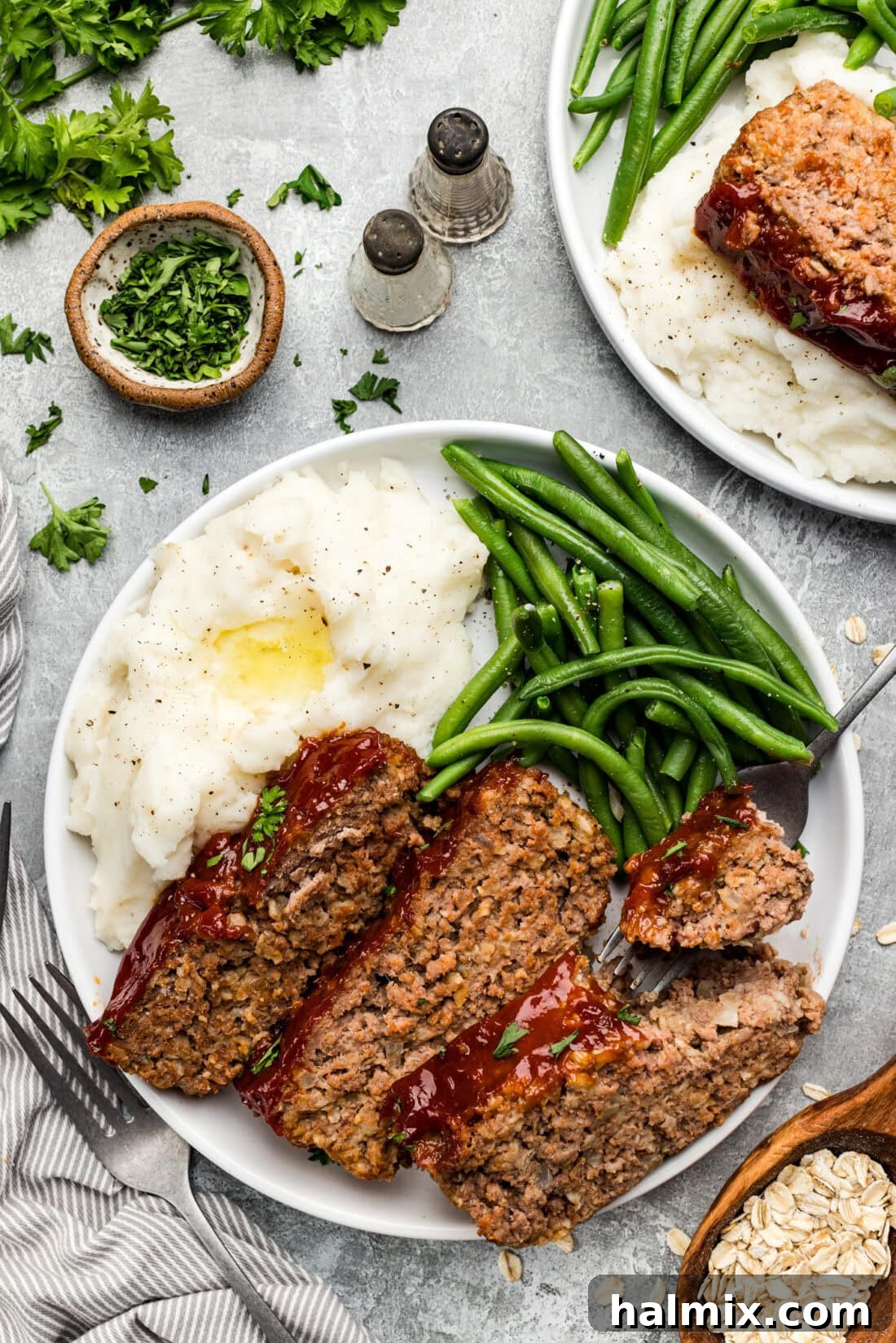
Essential Ingredients for Your Quaker Oats Meatloaf
Crafting the perfect Quaker Oats Meatloaf begins with selecting the right ingredients. Below, you’ll find a detailed list to ensure you have everything on hand for this delicious family meal. For a complete, printable version of this recipe, including exact measurements and detailed instructions, please refer to the dedicated recipe card further down this page.
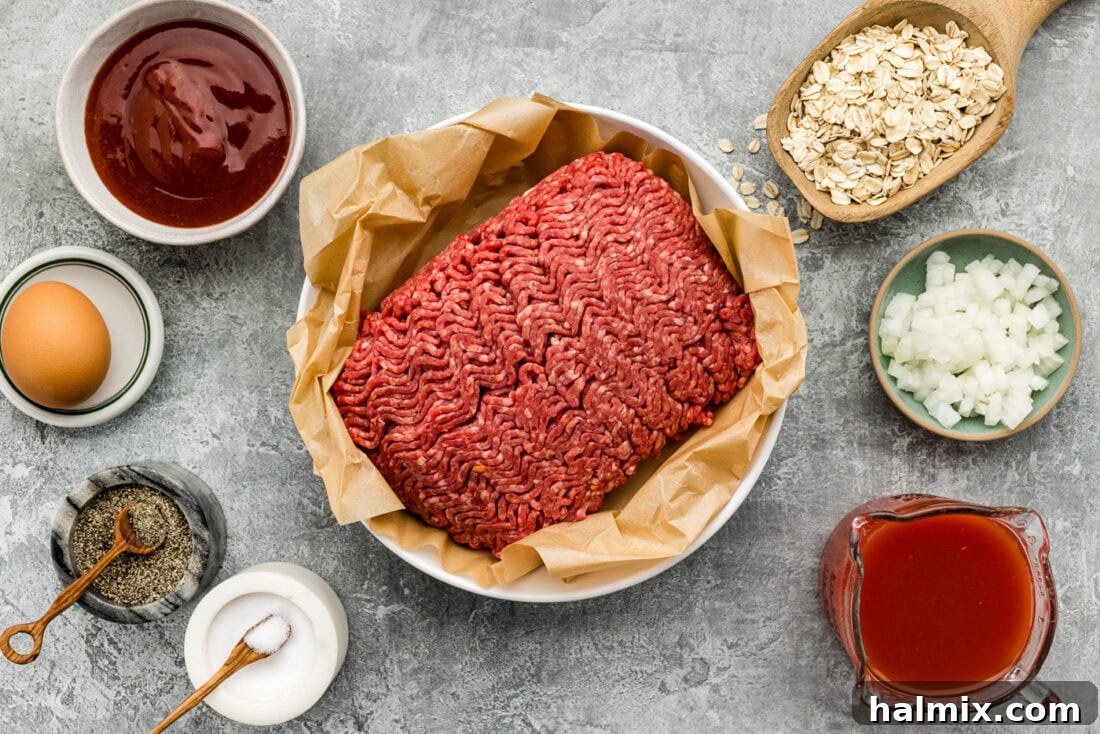
Ingredient Insights and Smart Substitution Suggestions
Understanding each ingredient’s role is key to mastering this classic meatloaf. Here’s a closer look at what you’ll need and how you can adapt if necessary:
- GROUND BEEF: For a meatloaf that’s both juicy and flavorful without being excessively greasy, we highly recommend using 85/15 ground beef (85% lean, 15% fat). The fat content is crucial here; it melts during the cooking process, basting the meat from within and ensuring the loaf stays moist and tender, preventing it from drying out or becoming crumbly. While 80/20 ground beef can also work well, be mindful that a higher fat content can lead to more significant shrinkage during baking. Conversely, overly lean beef (e.g., 90/10 or 93/7) may result in a drier meatloaf. Aim for that perfect balance for optimal texture and taste.
- OATS: The unsung hero of this recipe, old-fashioned oats act as an exceptional binder, far superior to traditional breadcrumbs in many ways. They absorb moisture beautifully, contributing to a wonderfully tender and cohesive loaf. This recipe specifically calls for Quaker Oats Old Fashioned Oats for that authentic flavor and texture. If old-fashioned oats are unavailable or if you prefer a finer texture, you can substitute with quick-cooking oats. If using old-fashioned oats, a brief pulse in a food processor helps break them down slightly, leading to a smoother, less chewy meatloaf texture.
- TOMATO JUICE: Unlike many meatloaf recipes that use milk or water, tomato juice adds a subtle tang and richness that complements the beef perfectly. It also contributes vital moisture to the mixture.
- EGG: The egg is an essential binder, helping to hold all the ingredients together and preventing the meatloaf from falling apart during cooking and slicing.
- ONION, SALT, AND PEPPER: These foundational seasonings provide the aromatic base and essential flavor profile for the meatloaf. Finely chopped onion ensures even distribution and flavor throughout.
- GLAZE (Optional but Recommended): Our favorite simple homemade glaze is a vibrant blend of ketchup, a touch of hot sauce for a subtle kick, warm ground coriander, tangy apple cider vinegar, and the sweetness of light brown sugar. This combination creates a sweet, savory, and slightly piquant topping that caramelizes beautifully as it bakes, adding a fantastic layer of flavor and appealing color. You can certainly use your favorite meatloaf glaze recipe, or if you prefer a simpler approach, you can omit the glaze entirely and serve your meatloaf with brown gravy.
How to Make the Perfect Quaker Oats Meatloaf
These step-by-step photos and instructions are designed to help you visualize the process of making this beloved recipe. For a complete printable version of this recipe, including precise measurements and comprehensive instructions, please Jump to Recipe at the bottom of this post.
- Prepare Your Oven: Begin by preheating your oven to 350 degrees F (175 degrees C). This ensures the oven is at the correct temperature for even cooking from the moment your meatloaf goes in.
- Process the Oats (Optional but Recommended): For a finer texture in your meatloaf, gently pulse the dry old-fashioned oats in a food processor a few times. This breaks them up slightly, preventing the meatloaf from being too chewy and integrating them more seamlessly into the meat mixture. If using quick-cooking oats, this step can be skipped.
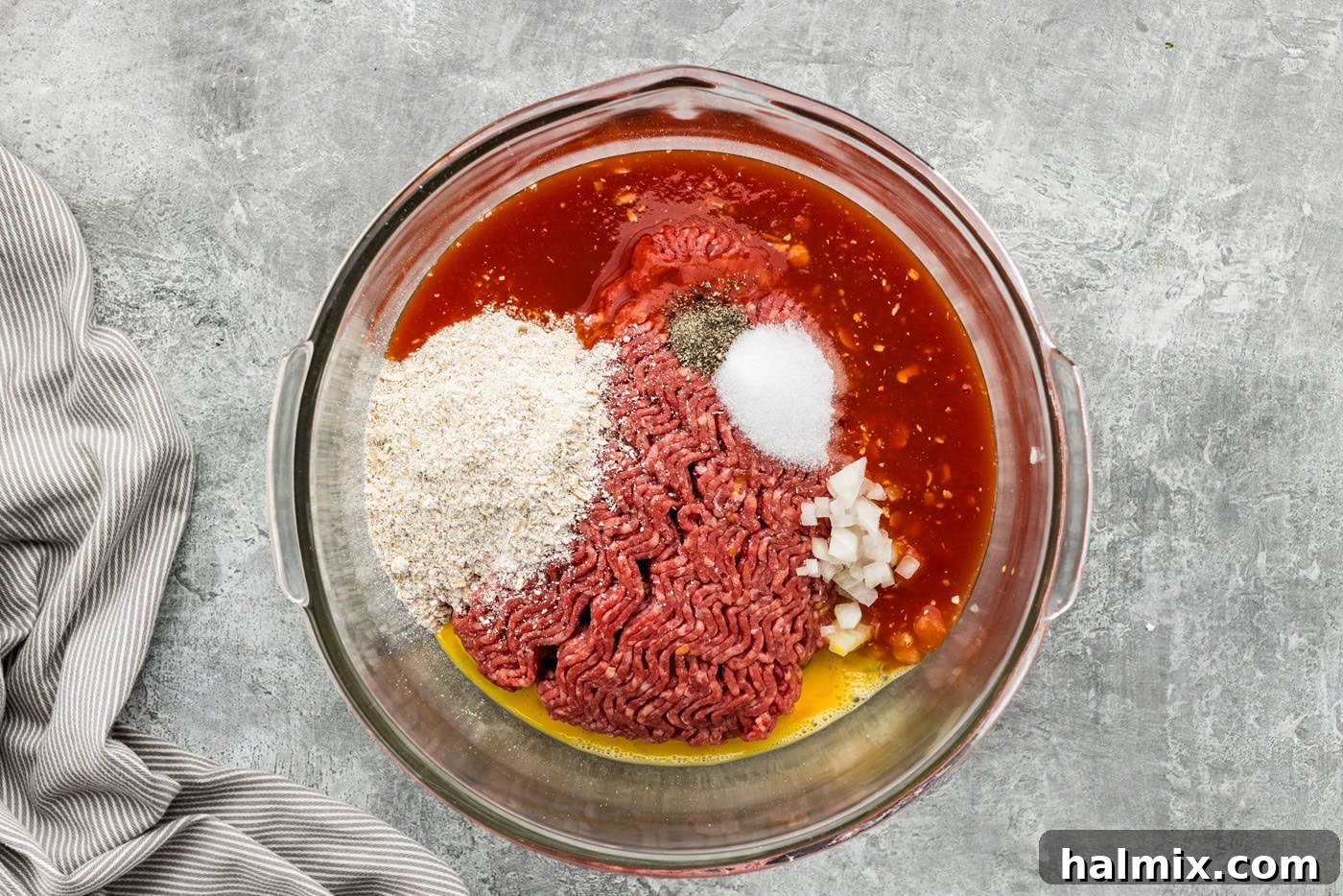
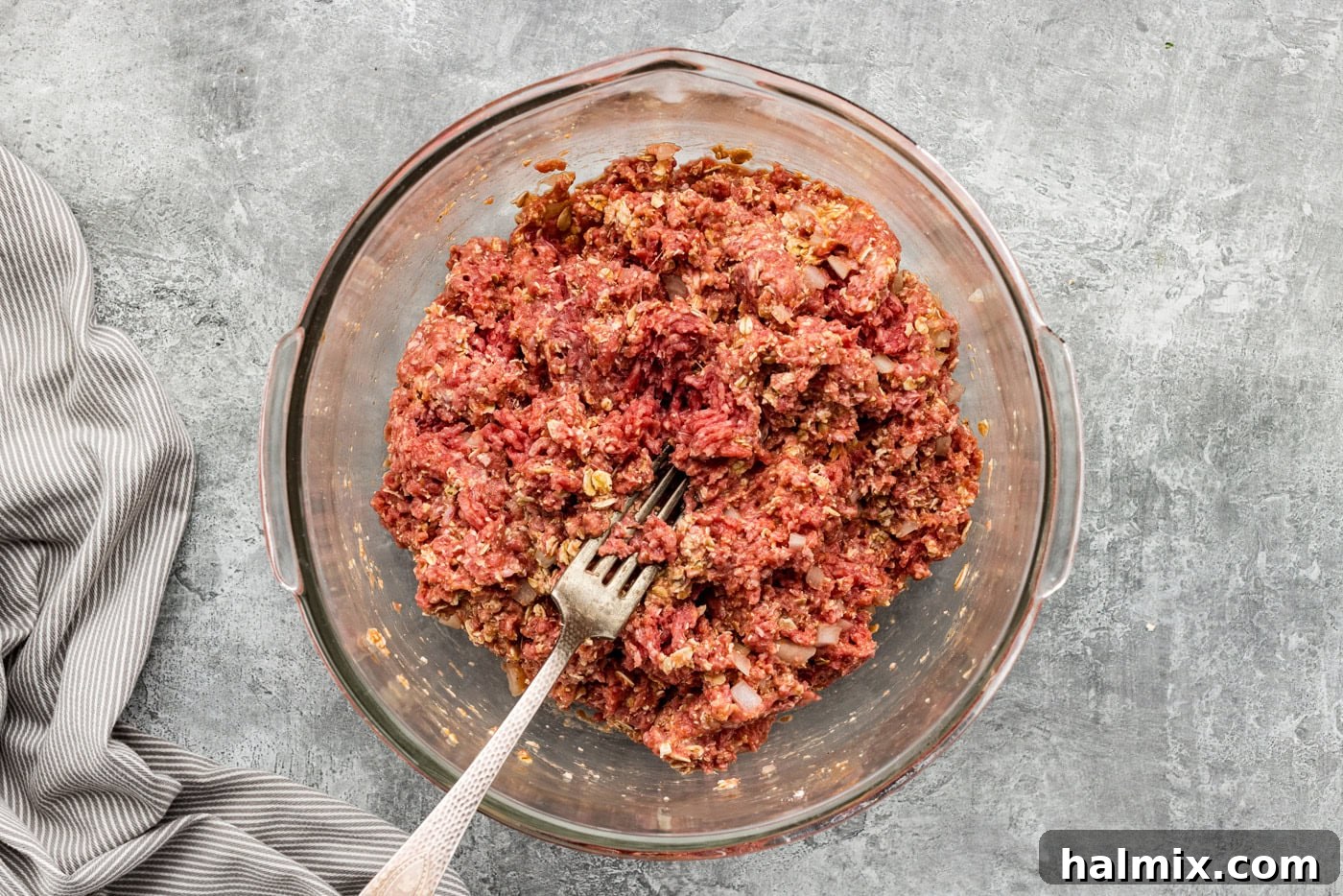
- Combine Ingredients: In a large mixing bowl, combine the processed oats (if applicable), ground beef, tomato juice, beaten egg, chopped onion, salt, and pepper. Using a fork or your hands (we recommend wearing gloves for easier cleanup), mix all the ingredients thoroughly but gently. Be careful not to overmix, as this can lead to a tough meatloaf. Mix just until everything is well combined.
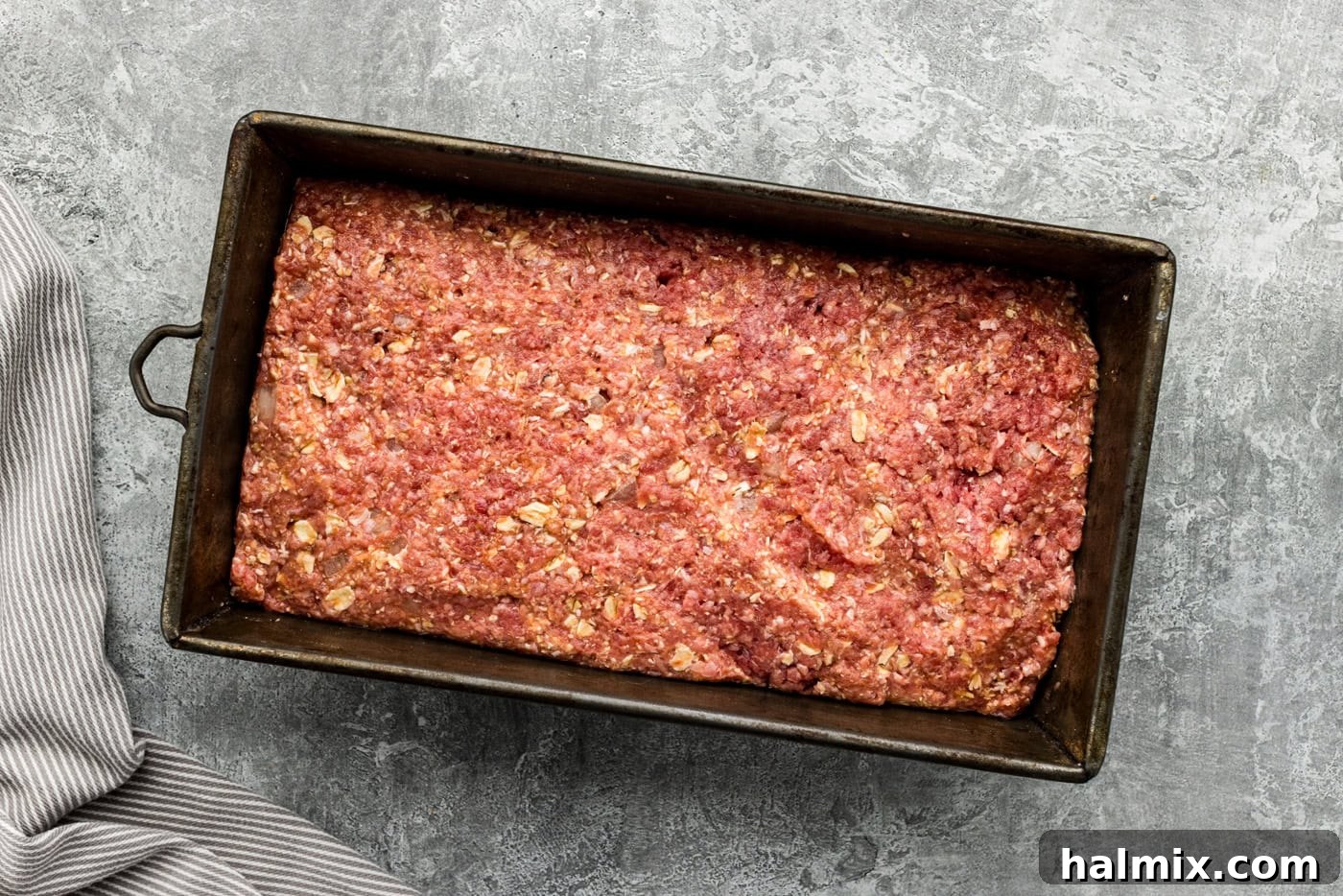
- Shape and Pan the Meatloaf: Once mixed, firmly press the meat mixture into an ungreased standard 4 x 8-inch loaf pan. Ensure it’s packed evenly to maintain its shape during baking.
TIP: For a less greasy meatloaf, consider using a meatloaf pan with a drip insert. This specialized pan features an inner insert with drain holes that sits within a larger loaf pan. As the meatloaf cooks, excess fat drips away from the meat and collects in the bottom pan, resulting in a healthier and less oily loaf. This is a game-changer for regular meatloaf makers!

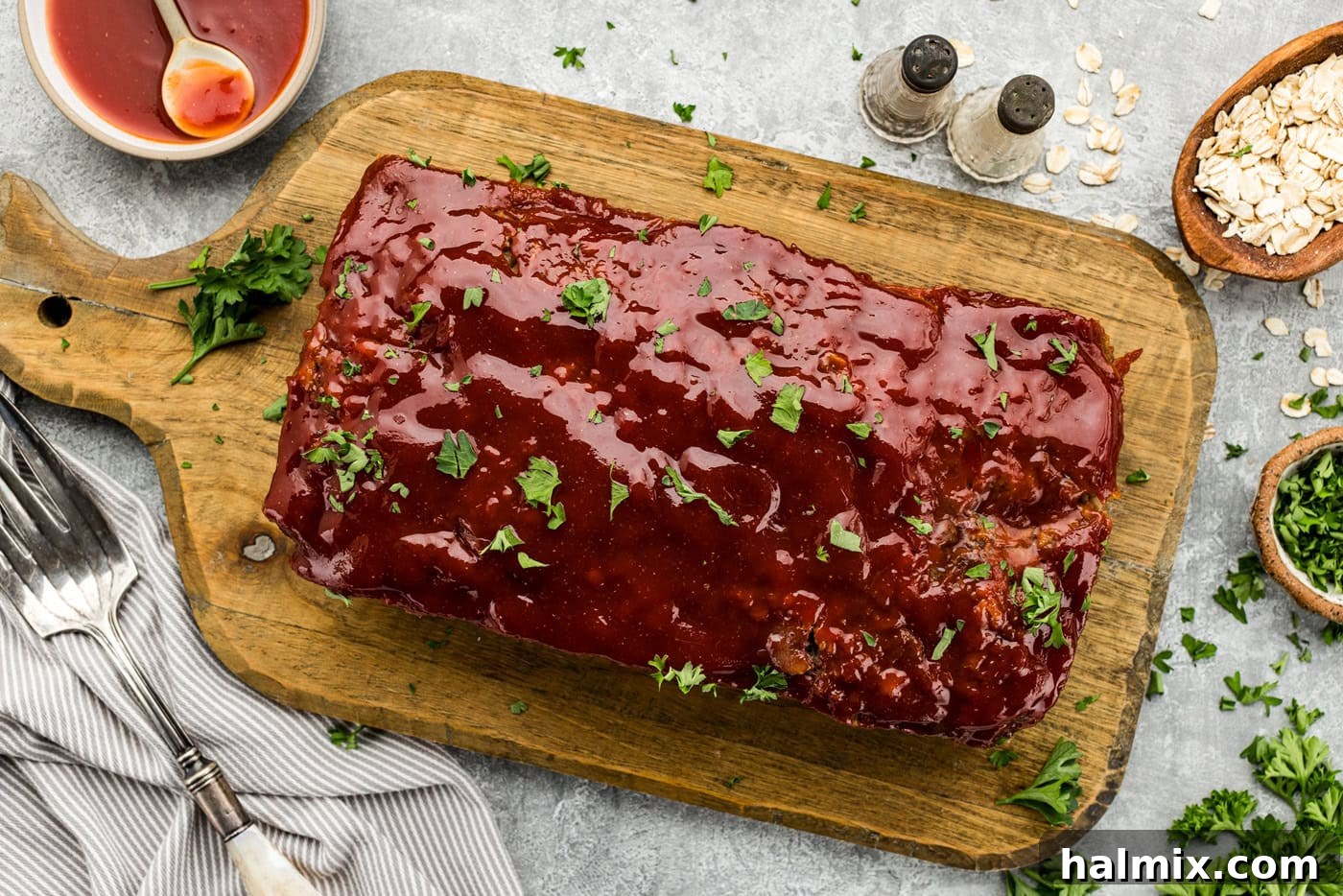
- Apply the First Glaze Layer: In a small bowl, whisk together all the glaze ingredients until well combined. Generously brush about half of this delicious glaze over the top and sides of your meatloaf. This first layer will begin to caramelize and build flavor during the initial baking phase.
- Bake and Glaze Again: Place the glazed meatloaf in your preheated oven and bake for 40 minutes. After 40 minutes, carefully remove the meatloaf from the oven and brush the remaining glaze evenly over the top. Return it to the oven and continue baking for an additional 20 minutes, or until the internal temperature reaches 160 degrees F (71 degrees C).
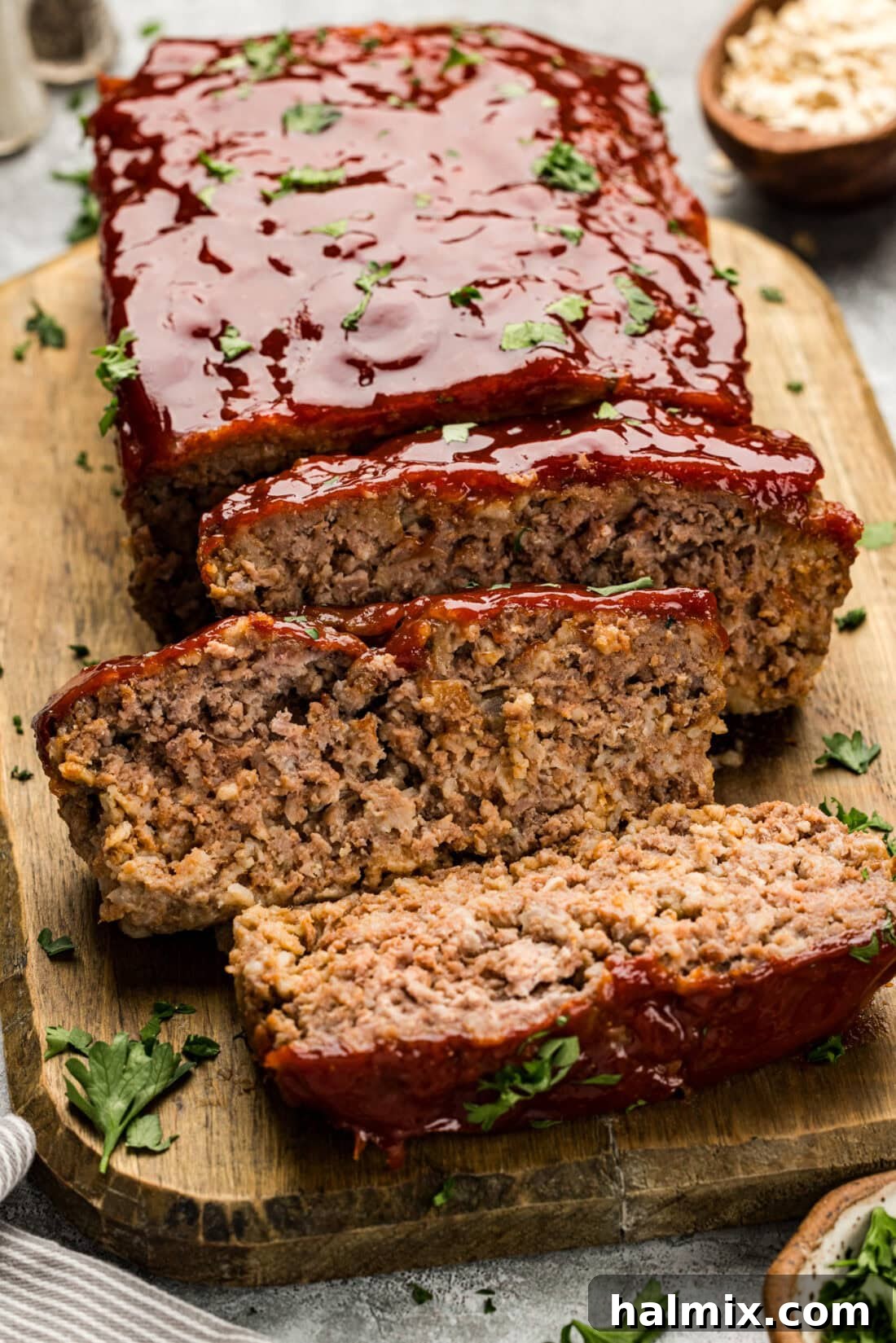
- Rest and Serve: Once baked, remove the meatloaf from the oven and let it stand in the pan for at least five minutes before slicing. This crucial resting period allows the juices to redistribute throughout the loaf, ensuring a moist and tender result. Slice, serve, and enjoy your classic Quaker Oats Meatloaf!
Frequently Asked Questions & Expert Tips for Meatloaf Perfection
Can I add vegetables to this meatloaf recipe?
Absolutely! Adding finely diced vegetables can enhance both the flavor and nutritional value of your meatloaf. You can incorporate up to 1/2 cup of finely chopped bell peppers (any color), celery, or corn into the meat mixture. For best results, consider lightly sautéing denser vegetables like bell peppers or carrots before adding them to ensure they soften adequately during baking.
How do you easily get meatloaf out of the pan?
Getting your perfectly baked meatloaf out of the pan doesn’t have to be a struggle. A simple trick is to run a thin butter knife or offset spatula gently around all the edges of the loaf before attempting to remove it. If you’re using a standard loaf pan, you can often place a cutting board on top and carefully invert the pan, then gently lift the pan away. Even better, invest in a meatloaf pan with a drip insert; these often come with handles on the insert, making it incredibly easy to lift the entire loaf out of the outer pan.
Do I have to grind the oats?
Grinding the old-fashioned oats in a food processor is not strictly necessary, but it is highly recommended. This step simply helps to break down the larger oat flakes, resulting in a meatloaf with a smoother, less noticeable texture. If you prefer a more rustic texture or if you are using quick-cooking oats (which are already finer), you can certainly skip this step without compromising the integrity of the loaf.
Can you freeze Quaker Oats Meatloaf?
Yes, this Quaker Oats meatloaf freezes exceptionally well, both in its raw (uncooked) and cooked state! This makes it a fantastic option for meal prepping.
- For raw meatloaf: Prepare the mixture as usual, then shape it into a loaf. You can either place the shaped loaf directly into a large freezer-safe ziptop bag, an airtight container, or even directly into your loaf pan. If freezing in the loaf pan, be sure to wrap it very well with plastic wrap, followed by a layer of aluminum foil, to prevent freezer burn. To bake, thaw the raw meatloaf overnight in the refrigerator, then let it rest at room temperature for about 30 minutes before baking as normal.
- For already cooked meatloaf: Allow the meatloaf to cool completely after baking. Then, transfer it to an airtight container or a large freezer-safe ziptop bag. For convenience, you can pre-slice the loaf before freezing, which makes reheating individual portions much easier.
In both cases (cooked or uncooked), the meatloaf can be frozen for up to 3 months.
How do you store leftover meatloaf?
To keep your leftover meatloaf fresh and delicious, allow it to cool completely before transferring it to an airtight container. Store the container in the refrigerator for up to 4 days.
When reheating, you have a few excellent options:
- Oven Reheating: For individual slices, wrap them loosely in aluminum foil and reheat in a 300°F (150°C) oven until warmed through. For an entire leftover loaf, use the same method, wrapped in foil, until it’s hot in the center.
- Skillet Reheating: Individual slices can also be reheated in a non-stick skillet over medium-low heat. Add a splash of water or broth to the pan, cover, and gently warm until heated through. This method helps maintain moisture.
- Microwave: While convenient, the microwave can sometimes dry out meatloaf. If using, cover slices loosely with a damp paper towel and heat in short bursts until warm.
Delicious Serving Suggestions
A classic meatloaf deserves classic accompaniments! The quintessential side for meatloaf is a generous helping of fluffy, creamy mashed potatoes, often served with a rich, savory gravy to complement the flavors. Beyond this perfect pairing, consider adding vibrant green beans, sweet buttered corn, or a crisp side salad to complete your meal. This meatloaf is wonderfully versatile and pairs well with almost any of your favorite vegetable sides. For a truly comforting experience, enjoy it warm directly from the oven, perhaps with an extra drizzle of the homemade glaze or a dollop of your preferred gravy.
More Mouthwatering Ground Beef Recipes
Ground beef is an incredibly versatile ingredient, forming the base of countless family-friendly and delicious meals. If you love this meatloaf recipe and are looking for more ways to enjoy ground beef, explore some of our other popular recipes:
- Hearty Salisbury Steaks: A classic comfort dish featuring tender beef patties smothered in a rich mushroom gravy.
- Flavorful Ground Beef Casserole: A one-pan wonder packed with Tex-Mex inspired flavors and hearty ingredients.
- Creamy Ground Beef Stroganoff: A quicker, weeknight-friendly take on the traditional beef stroganoff, perfect over noodles.
- Decadent Million Dollar Spaghetti: Layers of spaghetti, creamy cheese, and rich meat sauce make this a crowd-pleaser.
I find immense joy in baking and cooking, and I love sharing my kitchen adventures and delicious recipes with all of you! Remembering to visit the blog daily for new inspirations can be tricky, which is why I offer a convenient newsletter. Simply subscribe here to start receiving your free daily recipes directly in your inbox!
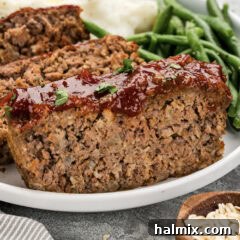
Classic Quaker Oats Meatloaf
IMPORTANT – Detailed Frequently Asked Questions and Expert Tips are provided earlier in this blog post. Scroll up to read them for additional helpful information!
Print Recipe
Course:
Dinner, Main Dish
Cuisine:
American, Comfort Food
8
servings
1 hour
20 minutes
288
Amanda Davis
Ingredients
For the Meatloaf:
- ¾ cup old-fashioned oats uncooked
- 1 ½ pounds ground beef 85/15 recommended
- 1 cup tomato juice
- 1 large egg beaten
- ¼ cup chopped yellow onion finely diced
- 1 teaspoon salt
- ¼ teaspoon black pepper
For the Simple Glaze:
- ½ cup ketchup
- 1 teaspoon hot sauce (e.g., Tabasco or sriracha, adjust to taste)
- ½ teaspoon ground coriander
- ¼ cup apple cider vinegar
- 2 Tablespoons packed light brown sugar
Equipment You’ll Need
-
8×4 inch Loaf Pan (or a meatloaf pan with drip insert)
-
Large Mixing Bowl
-
Basting Brush
-
Food Processor (optional, for oats)
Before You Begin: Essential Tips for Success
- Do not overmix your meat mixture. Overworking the meat will compact it too much, resulting in a tough, dense meatloaf rather than a tender one. Mix just until all ingredients are barely combined.
- Choosing the Right Beef: For the best balance of juiciness and flavor, 85/15 ground beef is ideal. The fat renders during cooking, keeping the loaf moist. While 80/20 can work, be aware of increased grease and potential shrinkage. Leaner beef tends to produce a drier meatloaf.
- Consider a Drip Pan: Using a meatloaf pan with a drip insert is highly recommended. This innovative pan separates the meatloaf from excess fat as it cooks, preventing it from sitting in grease and ensuring a lighter, cleaner flavor. If you make meatloaf regularly, this is a worthwhile investment.
- Resting is Key: Always allow your meatloaf to rest for at least 5-10 minutes after baking before slicing. This allows the juices to redistribute throughout the loaf, ensuring every slice is moist and tender.
Instructions
-
Preheat your oven to 350°F (175°C).
-
If using old-fashioned oats, pulse them a few times in a food processor to break them down slightly for a smoother texture.¾ cup old-fashioned oats
-
In a large bowl, combine the oats, ground beef, tomato juice, beaten egg, chopped onion, salt, and pepper. Mix well with a fork or your hands until just combined. Do not overmix. Press the mixture firmly and evenly into an ungreased 4 x 8-inch loaf pan.1 ½ pounds ground beef,
1 cup tomato juice,
1 egg,
¼ cup chopped onion,
1 teaspoon salt,
¼ teaspoon pepper -
In a small bowl, mix all the glaze ingredients until smooth. Brush half of the glaze evenly over the top of the meatloaf.½ cup ketchup,
1 teaspoon hot sauce,
½ teaspoon ground coriander,
¼ cup apple cider vinegar,
2 Tablespoons packed light brown sugar -
Bake for 40 minutes. Remove from the oven, brush with the remaining glaze, and bake for an additional 20 minutes, or until the internal temperature reaches 160°F (71°C). Let the meatloaf stand for five minutes before slicing and serving.
Nutrition Information (Approximate Per Serving)
Serving:
1
slice
|
Calories:
288
cal
|
Carbohydrates:
14
g
|
Protein:
17
g
|
Fat:
18
g
|
Saturated Fat:
7
g
|
Polyunsaturated Fat:
1
g
|
Monounsaturated Fat:
8
g
|
Trans Fat:
1
g
|
Cholesterol:
81
mg
|
Sodium:
510
mg
|
Potassium:
395
mg
|
Fiber:
1
g
|
Sugar:
8
g
|
Vitamin A:
245
IU
|
Vitamin C:
7
mg
|
Calcium:
32
mg
|
Iron:
2
mg
Tried this Recipe? Pin it for Later!
Follow on Pinterest @AmandasCookin or tag #AmandasCookin!
The recipes on this blog are tested with a conventional gas oven and gas stovetop. It’s important to note that some ovens, especially as they age, can cook and bake inconsistently. Using an inexpensive oven thermometer can assure you that your oven is truly heating to the proper temperature. If you use a toaster oven or countertop oven, please keep in mind that they may not distribute heat the same as a conventional full sized oven and you may need to adjust your cooking/baking times. In the case of recipes made with a pressure cooker, air fryer, slow cooker, or other appliance, a link to the appliances we use is listed within each respective recipe. For baking recipes where measurements are given by weight, please note that results may not be the same if cups are used instead, and we can’t guarantee success with that method.
This post originally appeared here on July 21, 2014, and has since been extensively updated with new photos, detailed instructions, and expert tips to enhance your cooking experience.