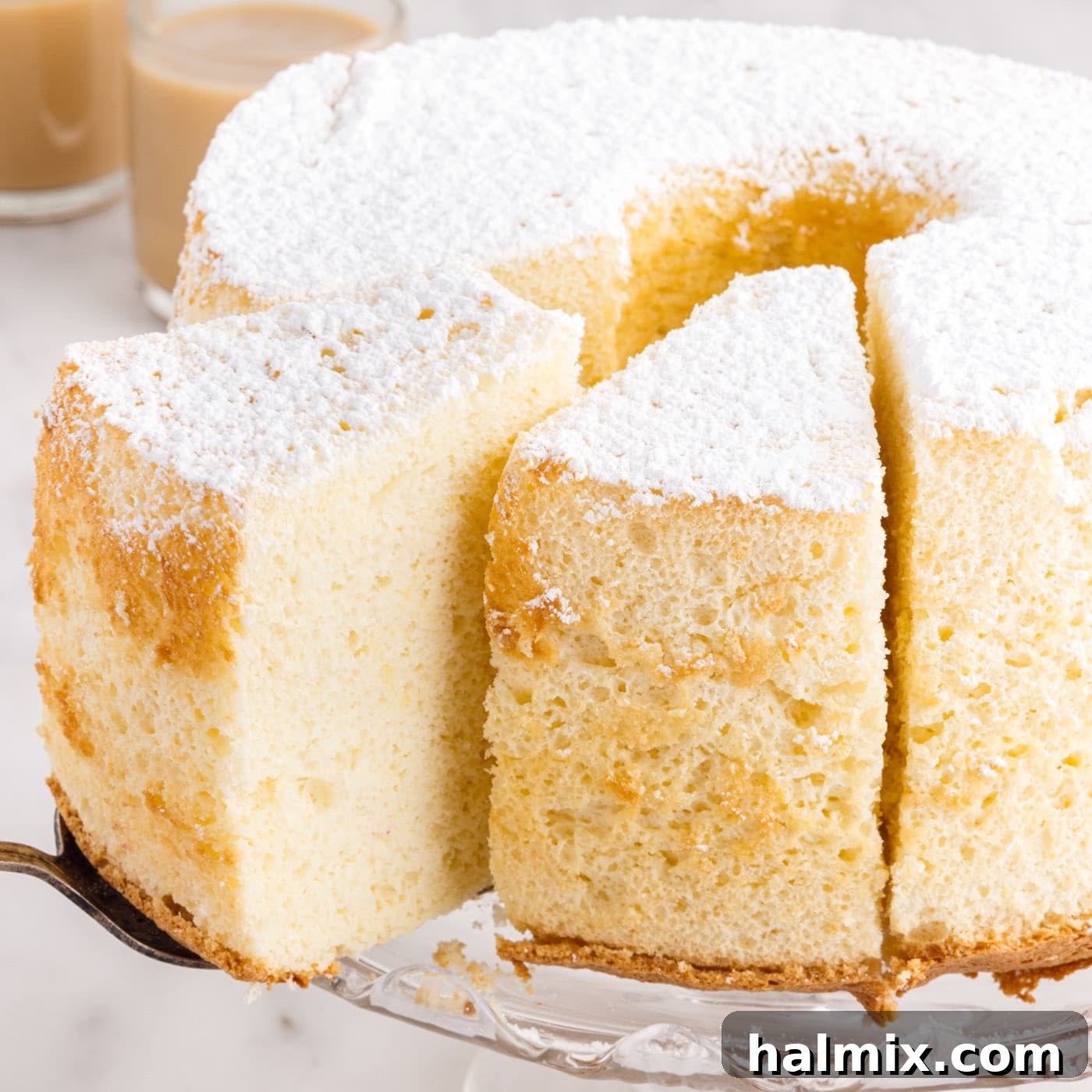
Welcome to the ultimate guide for creating a simply divine Chiffon Cake – a masterpiece of light, airy texture and delicate flavor that effortlessly brightens any occasion. This beloved dessert, renowned for its incredible softness and melt-in-your-mouth crumb, is surprisingly achievable using everyday pantry ingredients. The secret behind its signature ‘pillowy magic’ lies in the meticulously aerated eggs, which are whipped to perfection, infusing the batter with an ethereal lightness. Get ready to bake a cake that promises a tender, unbelievably soft experience with every single slice.
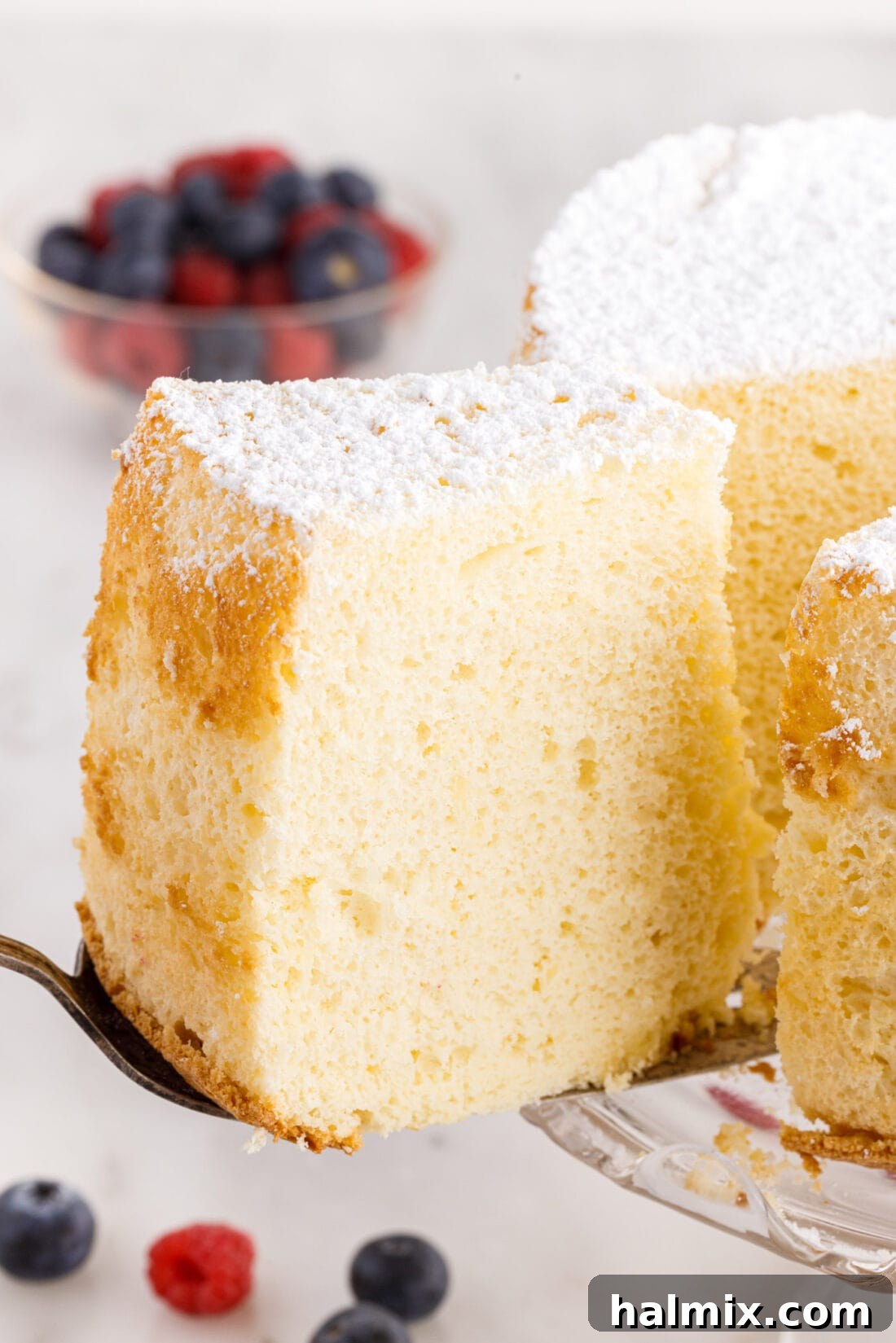
The Unrivaled Charm and Science Behind Chiffon Cake
Chiffon cake isn’t just another dessert; it’s a testament to brilliant baking innovation, standing out significantly from its cake counterparts. What makes this recipe truly exceptional, ensuring a consistently delightful outcome, is its unique composition and preparation method. Unlike traditional butter cakes that rely on solid fats for tenderness, chiffon cakes boast a much higher ratio of eggs in the batter, especially egg whites, and incorporate vegetable oil instead of butter.
The magic begins with the careful separation and aeration of eggs. Beating all the air into the egg whites creates a stable meringue, which is then gently folded into the batter. This meticulous process is the cornerstone of the chiffon cake’s structure, producing a remarkably light and airy cake, reminiscent of a classic angel food cake, but with added richness from the egg yolks and oil. The trapped air bubbles expand during baking, giving the cake its characteristic high rise and incredibly delicate, springy texture.
The choice of vegetable oil over butter is another critical factor in achieving the chiffon cake’s signature texture. Butter, being a solid fat, can make cakes denser and less resilient. Vegetable oil, on the other hand, remains liquid at room temperature, contributing to a moist, flexible crumb that resists drying out. This liquid fat coats the flour proteins more thoroughly, inhibiting gluten development and resulting in an exceptionally tender and fluffy sponge. This airy, sponge-like quality makes chiffon cake an ideal canvas for fresh berries and a dollop of luscious whipped cream, creating a dessert that feels both indulgent and refreshingly light.
The carefully balanced ingredients and precise technique in this recipe work in harmony to deliver a cake that is not only delicious but also visually stunning, with its impressive height and beautifully soft interior. It’s a versatile cake that promises to impress, whether served at a casual gathering or a formal celebration.
Gather Your Essential Ingredients for the Perfect Chiffon Cake
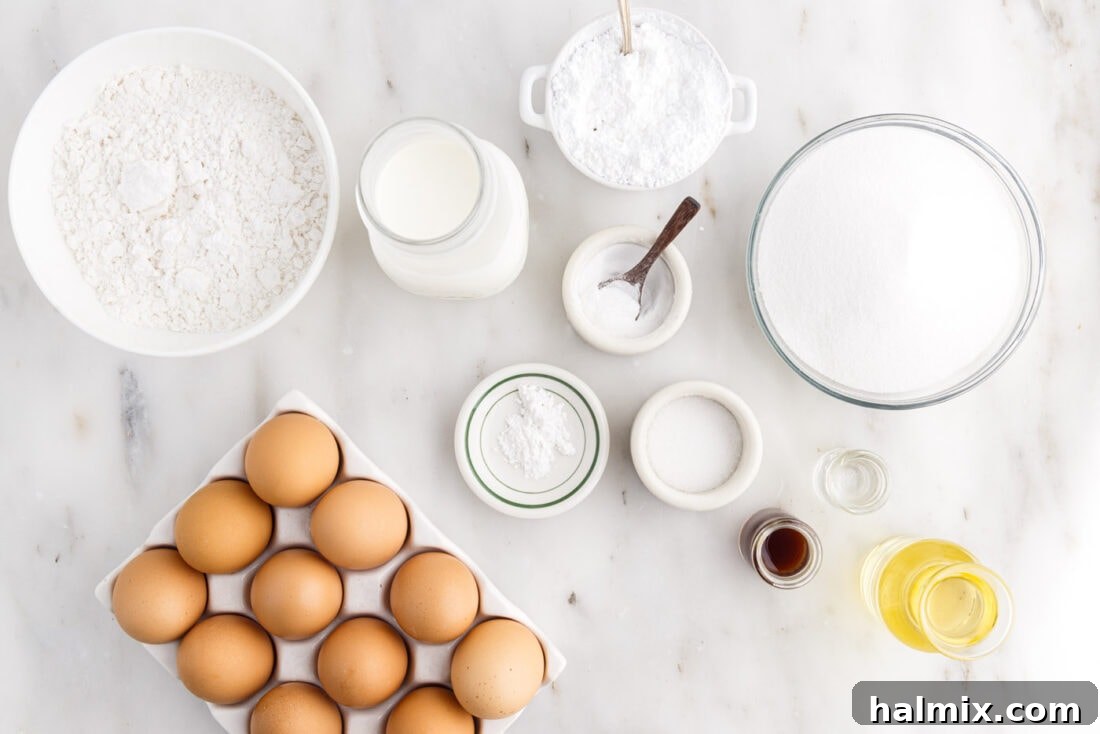
Crafting this exquisite chiffon cake begins with a simple collection of ingredients, most of which you likely already have in your pantry. Each component plays a vital role in achieving the cake’s signature light texture and delicate flavor. For precise measurements and step-by-step instructions, please refer to the comprehensive printable recipe card located at the end of this post.
Key Ingredient Insights & Smart Substitutions
Understanding the role of each ingredient is fundamental to mastering the art of chiffon cake. Here’s a deeper dive into the essential components and some helpful tips:
CAKE FLOUR – Cake flour is the unsung hero of light and fluffy cakes, and it’s absolutely crucial for achieving the tender crumb that chiffon cake is known for. It has a lower protein content compared to all-purpose flour, which means less gluten development. Less gluten results in a softer, more delicate texture. All-purpose flour, with its higher protein, is better suited for denser baked goods where a chewier texture is desired. For the best results in this recipe, I highly recommend sticking to cake flour. If you don’t have cake flour on hand, you can create a reasonable substitute: for every cup of cake flour, measure out 1 cup of all-purpose flour, remove 2 tablespoons, and replace them with 2 tablespoons of cornstarch. Sift this mixture thoroughly to ensure even distribution.
GRANULATED SUGAR – Beyond sweetness, sugar plays a critical role in the chiffon cake. In the egg yolk mixture, it contributes to moisture and tenderness. More importantly, when whipping egg whites, sugar helps stabilize the meringue, creating a glossy, strong foam that can hold a significant amount of air. This stability prevents the meringue from deflating too quickly, which is essential for the cake’s rise and light structure.
BAKING POWDER & SALT – Baking powder is a chemical leavening agent that provides an additional boost to the cake’s rise, working in conjunction with the aerated egg whites. Salt, while a small amount, is vital for balancing the sweetness and enhancing the overall flavor profile of the cake. Do not omit it!
VEGETABLE OIL – This is a distinguishing factor for chiffon cakes. Unlike butter, vegetable oil (or any neutral-flavored liquid oil like canola oil) contributes exceptional moisture and tenderness without adding density. It helps keep the cake fresh for longer and contributes to its characteristic soft, flexible texture that pairs beautifully with delicate toppings. Using oil also means you don’t need to cream butter and sugar, simplifying the mixing process.
MILK – Milk adds richness, moisture, and helps create a more tender crumb. Whole milk is generally preferred for its fat content, which further contributes to a moist cake, but lower-fat milk can also be used if that’s what you have.
VANILLA & ALMOND EXTRACTS – These extracts are essential for layering delicate flavors into the cake. Vanilla provides a classic, warm sweetness, while a touch of almond extract adds a subtle depth and sophistication that beautifully complements the light nature of the chiffon. Feel free to experiment with other extracts like lemon or orange for a citrus-infused chiffon cake.
EGGS – Eggs are the backbone of chiffon cake, providing structure, moisture, and, most importantly, the aeration that gives the cake its unique texture. The separation of yolks and whites is non-negotiable. Egg yolks contribute richness, color, and tenderness. Egg whites, when whipped, create the voluminous meringue that provides the cake’s signature lift.
- Egg whites should be at **room temperature** when whipping for the best volume. Cold egg whites are more difficult to whip and won’t achieve the same fluffy consistency.
- Be absolutely sure that there are **no specks of egg yolk** in the whites, even a tiny bit of fat can prevent the whites from whipping properly into stiff peaks.
- You do not want to **under-whisk** the egg whites, as the cake heavily relies on the meringue for its spring-like, airy texture. The meringue should be firm enough to hold its shape.
- On the other hand, **over-whisking** the egg whites can lead to a dry, brittle meringue that is difficult to fold and can result in an overly dense or dry cake. You’re looking for a meringue-like mixture with stiff, glossy peaks that stand up when the whisk is lifted but are not chalky or granular.
CREAM OF TARTAR – This acidic ingredient is a hidden gem in baking, especially when working with egg whites. It helps stabilize the whipped egg whites, preventing them from collapsing and achieving maximum volume. It also speeds up the formation of air bubbles, ensuring your meringue is robust and holds its shape throughout the folding process and baking. If you don’t have cream of tartar, a small amount of lemon juice or white vinegar can act as a substitute, though cream of tartar is generally preferred for consistency.
Mastering the Art of Chiffon Cake: A Step-by-Step Guide
Making a chiffon cake involves a few crucial steps that ensure its signature airy and tender texture. Paying attention to detail, especially when it comes to whipping egg whites and gently folding ingredients, will guarantee success. These step-by-step photos and detailed instructions are here to help you visualize how to make this recipe with confidence. Remember, the key is patience and precision. You can also Jump to Recipe to get the printable version of this recipe, complete with measurements and instructions at the bottom.
- Preheat your oven to 325°F (160°C). This ensures the oven is at the correct temperature when the cake is ready to bake, which is vital for proper leavening and rise.
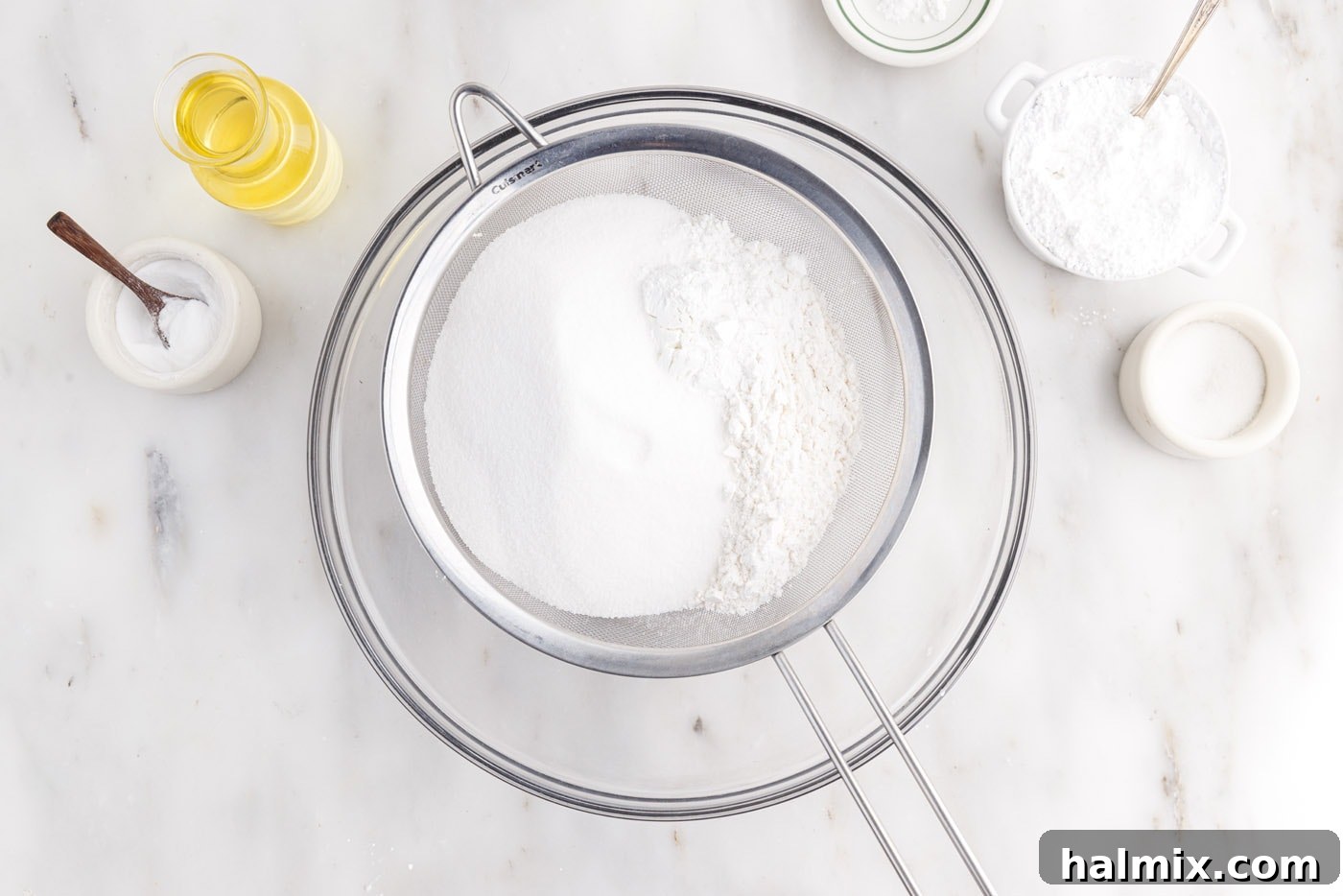
- In a medium mixing bowl, combine the dry ingredients. Sift together cake flour, granulated sugar, baking powder, and salt. Sifting helps to aerate the flour, remove any lumps, and ensure that the leavening agent and salt are evenly distributed, contributing to a uniform crumb.

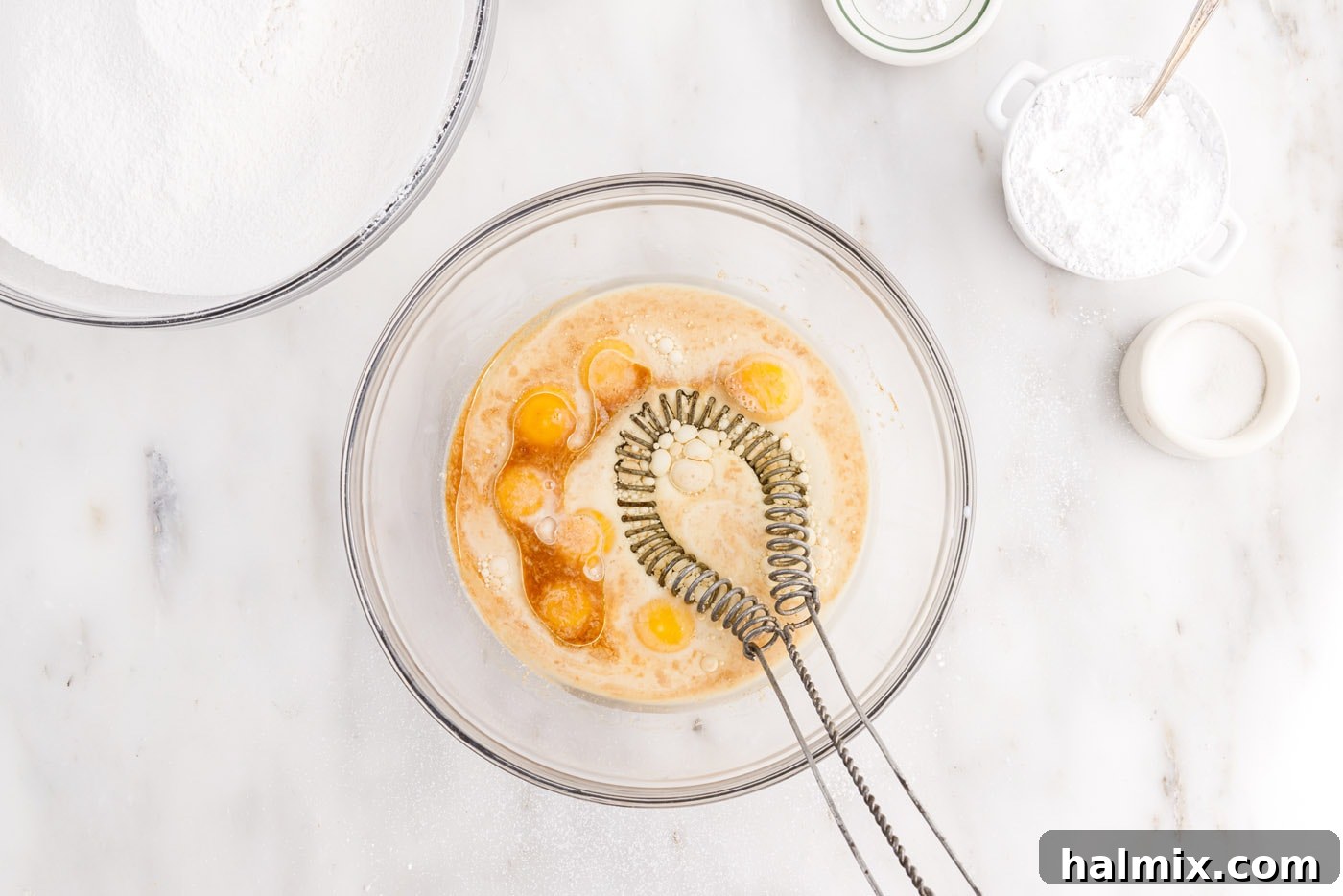
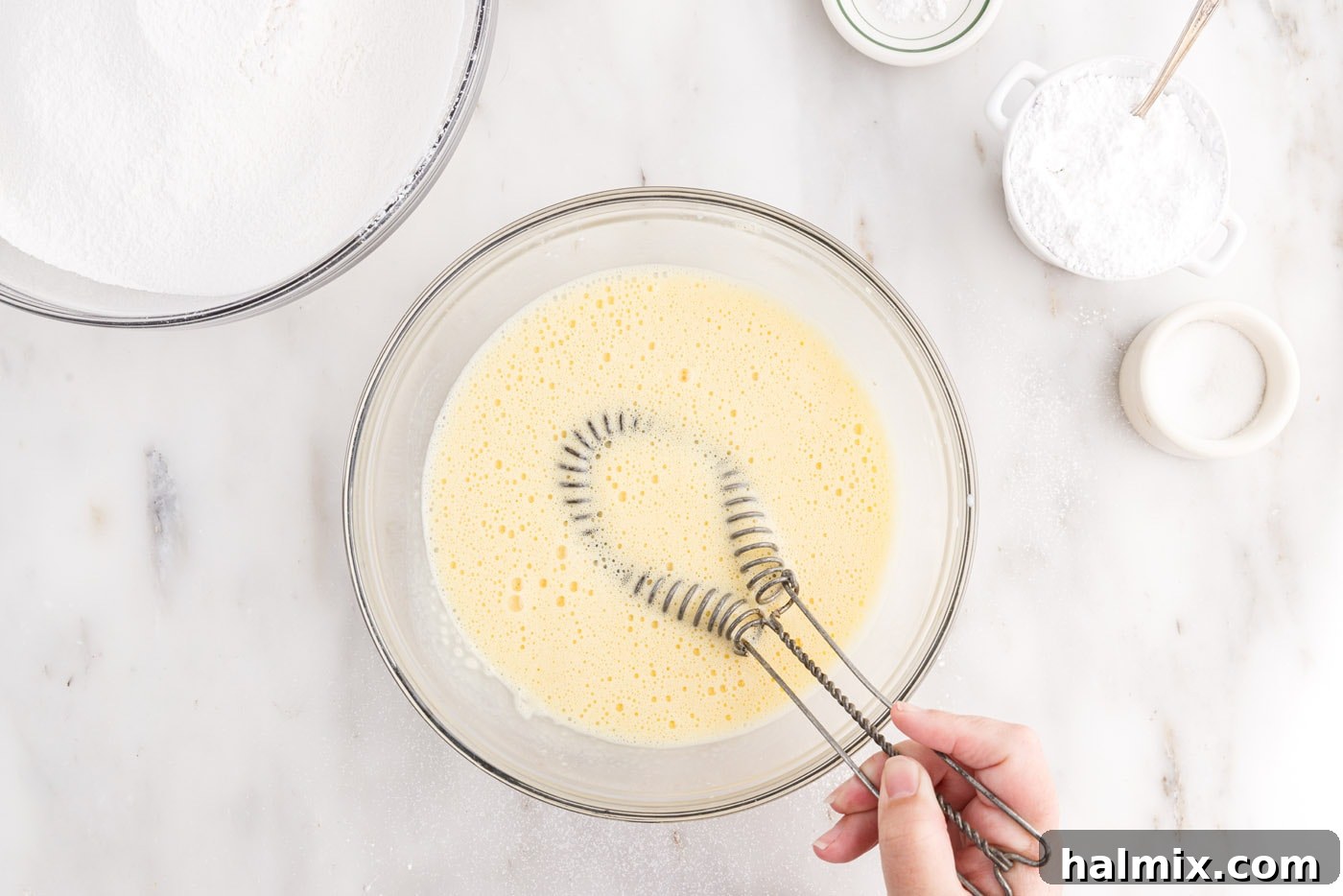
- In a separate bowl, prepare the wet ingredients (excluding egg whites). Beat together the vegetable oil, milk, vanilla extract, almond extract, and the separated egg yolks until the mixture becomes light and foamy. This creates a smooth, emulsified base for the cake.
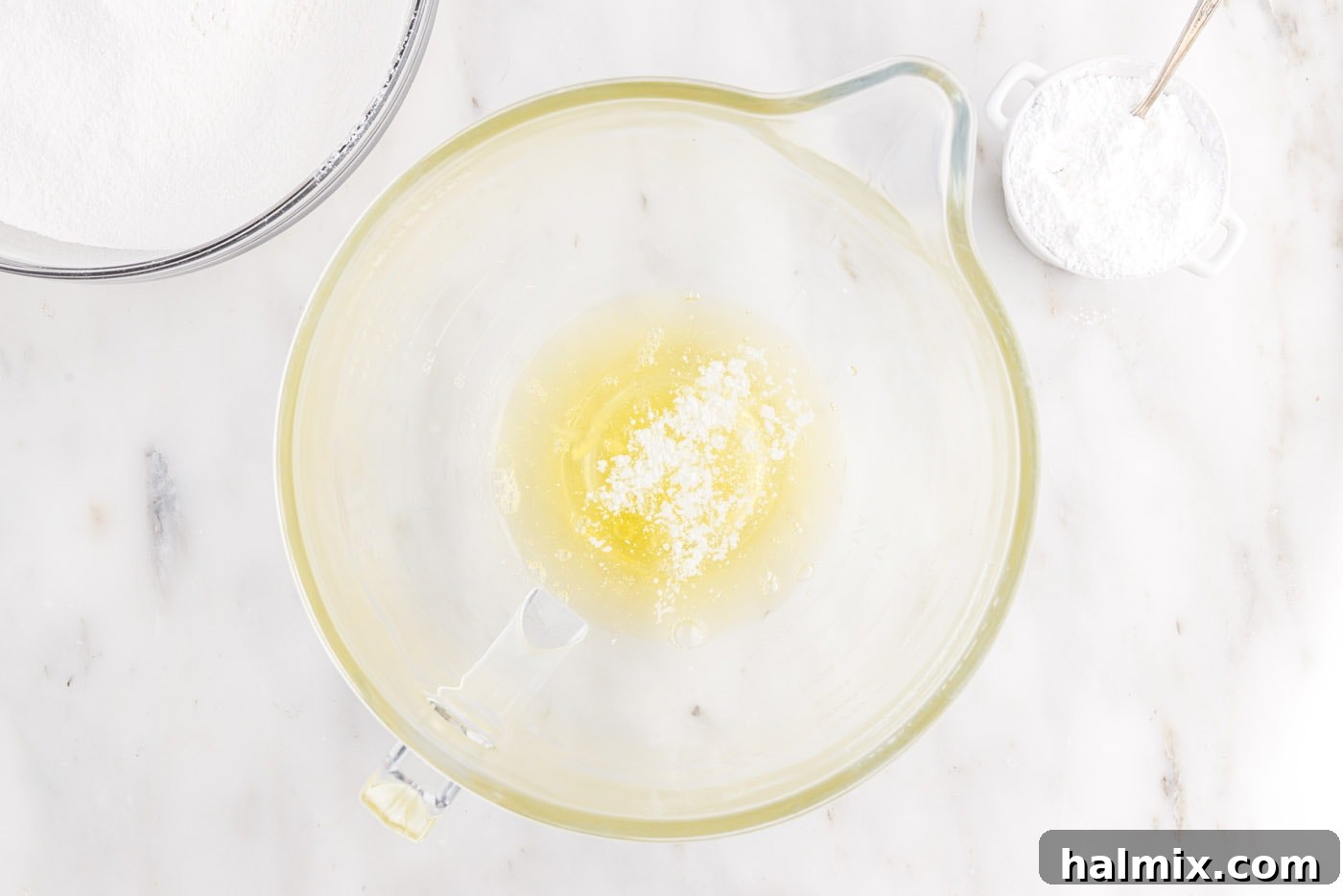
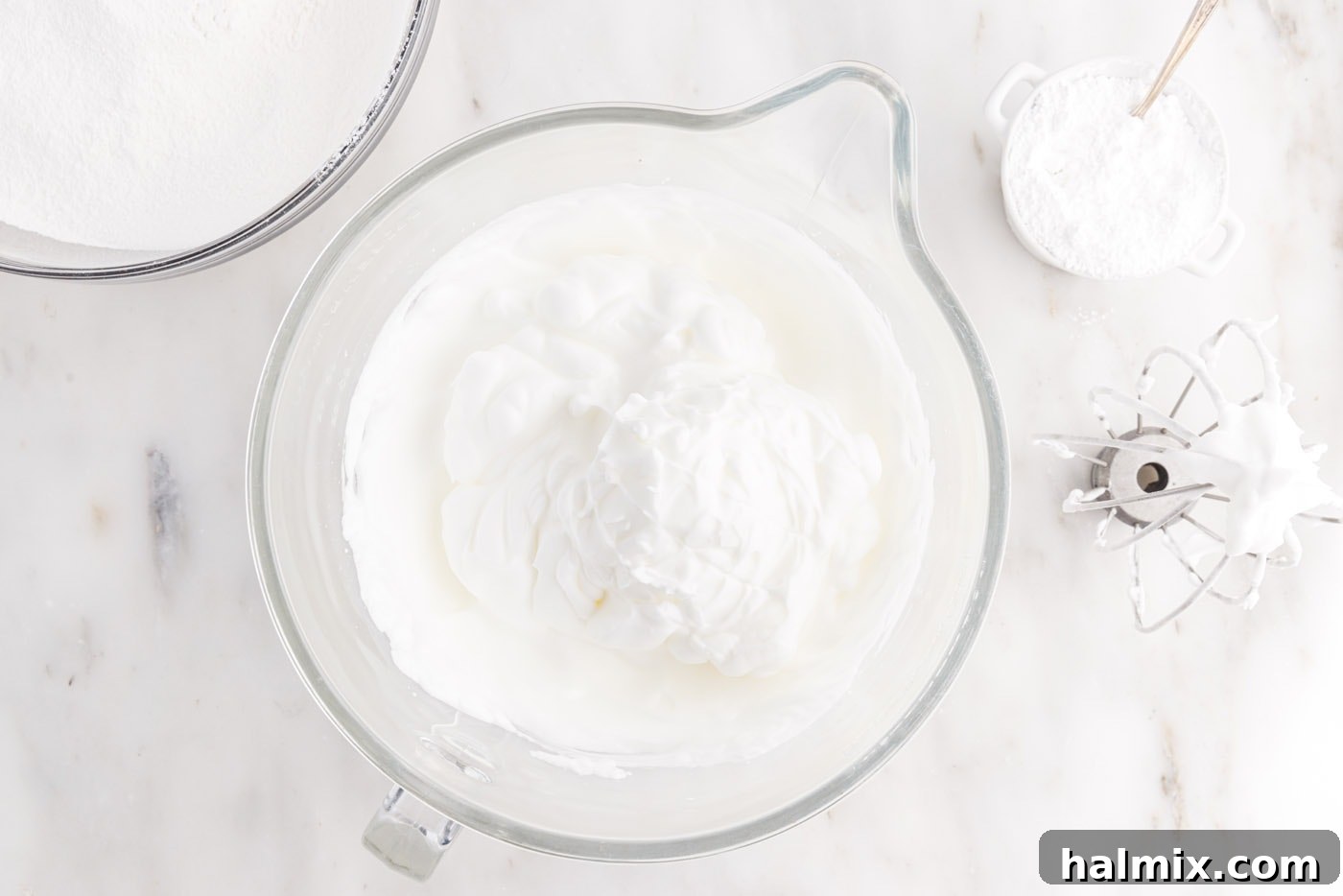
- Now, for the critical step: whisk the egg whites and cream of tartar in the bowl of a standing mixer fitted with a whisk attachment. Whip on medium-high speed until stiff, glossy peaks form. This usually takes about 6 minutes, but watch for visual cues: the meringue should hold its shape firmly when the whisk is lifted, and appear shiny, not dry. This well-aerated meringue is what gives chiffon cake its remarkable lift and light texture.
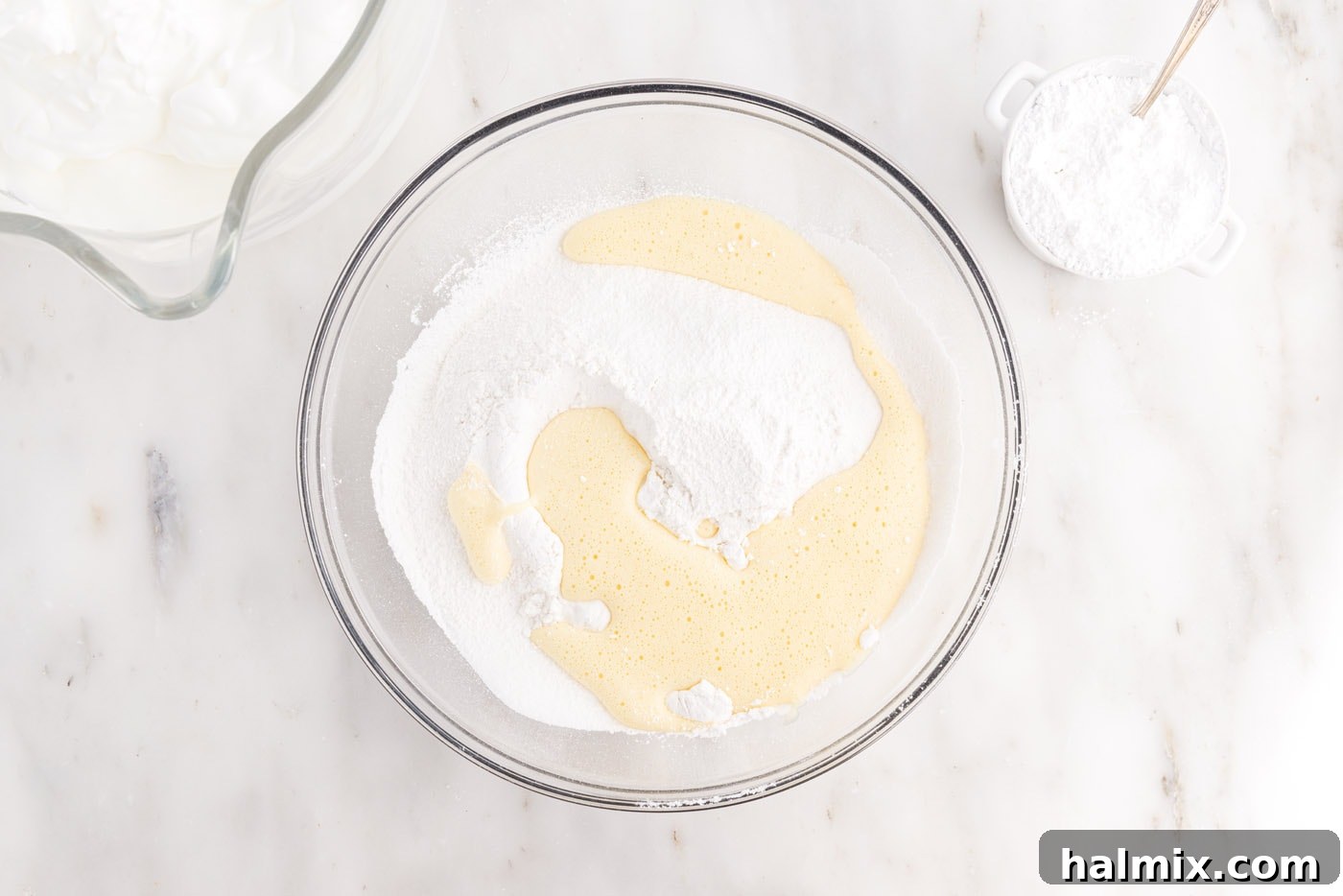
- Gently stir the foamy egg yolk mixture into the sifted flour mixture. Mix until just combined, being careful not to overmix, which can develop gluten and toughen the cake. The batter will be thick at this stage.
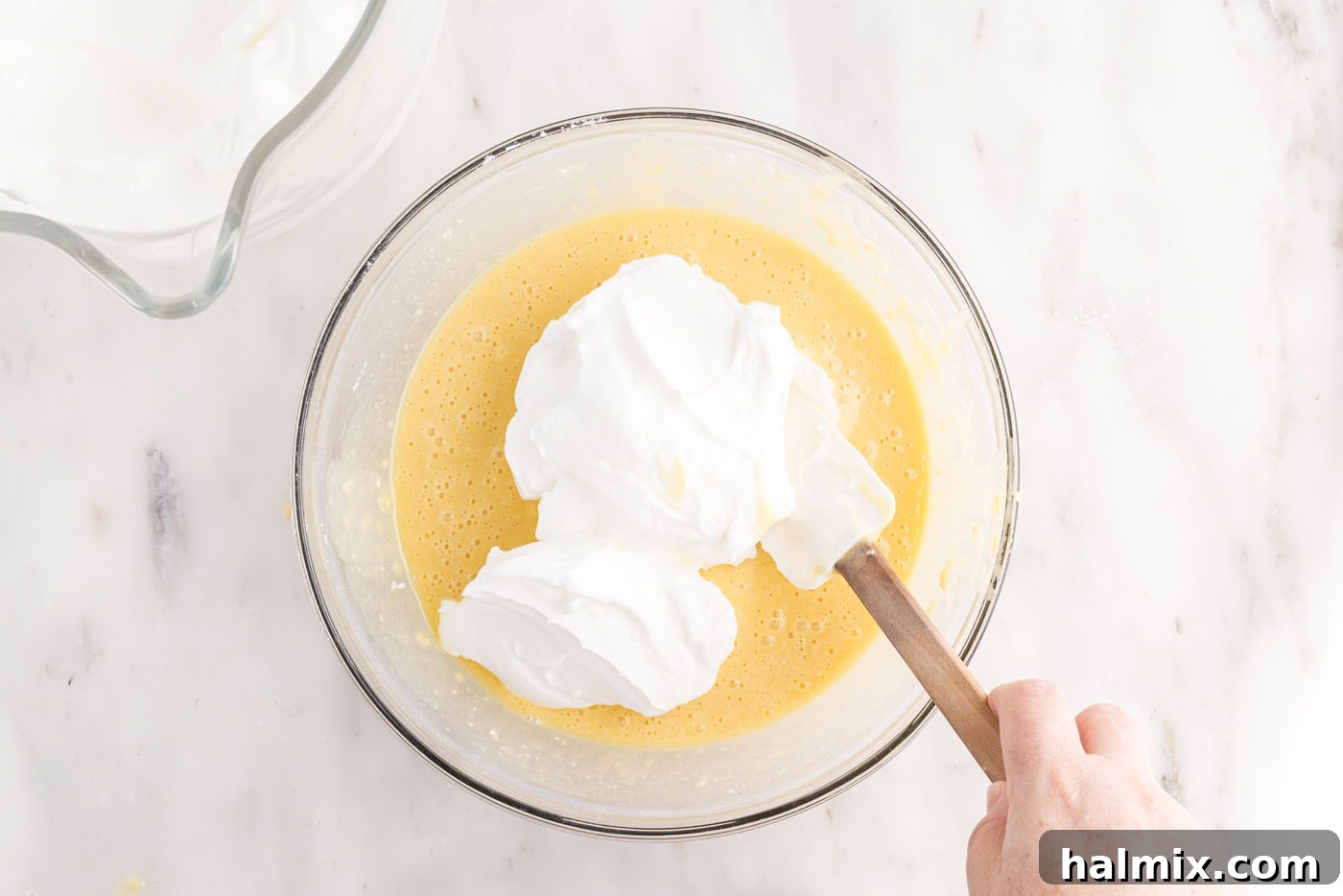
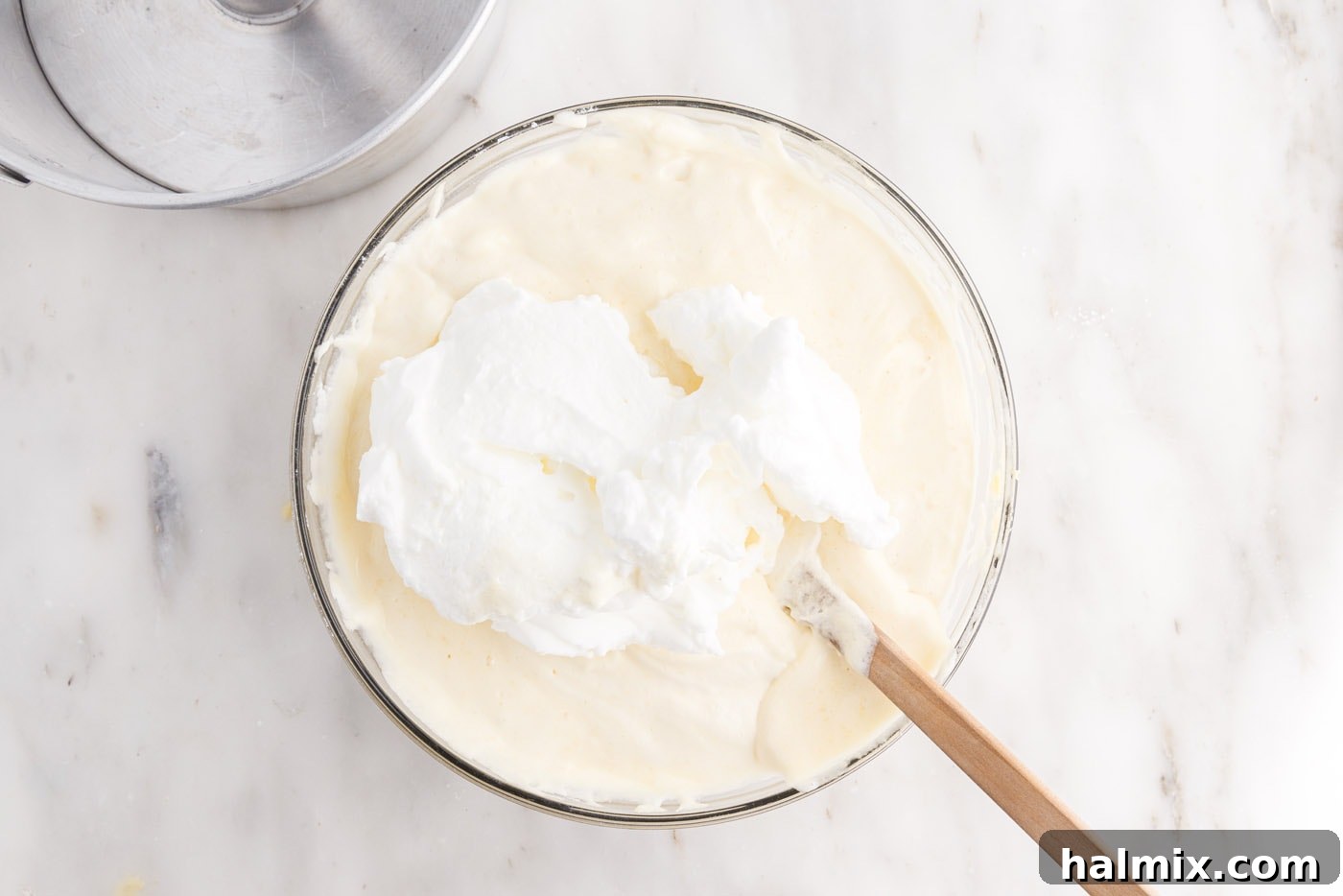
- Now, carefully incorporate the whipped egg whites. Use a spatula to fold the egg whites into the batter, adding them in thirds. Gently fold with an upward motion, turning the bowl as you go. The goal is to incorporate the whites without deflating the precious air you’ve whipped into them. Be careful not to over-stir, as preserving the air in the egg whites is crucial for the cake’s lightness.
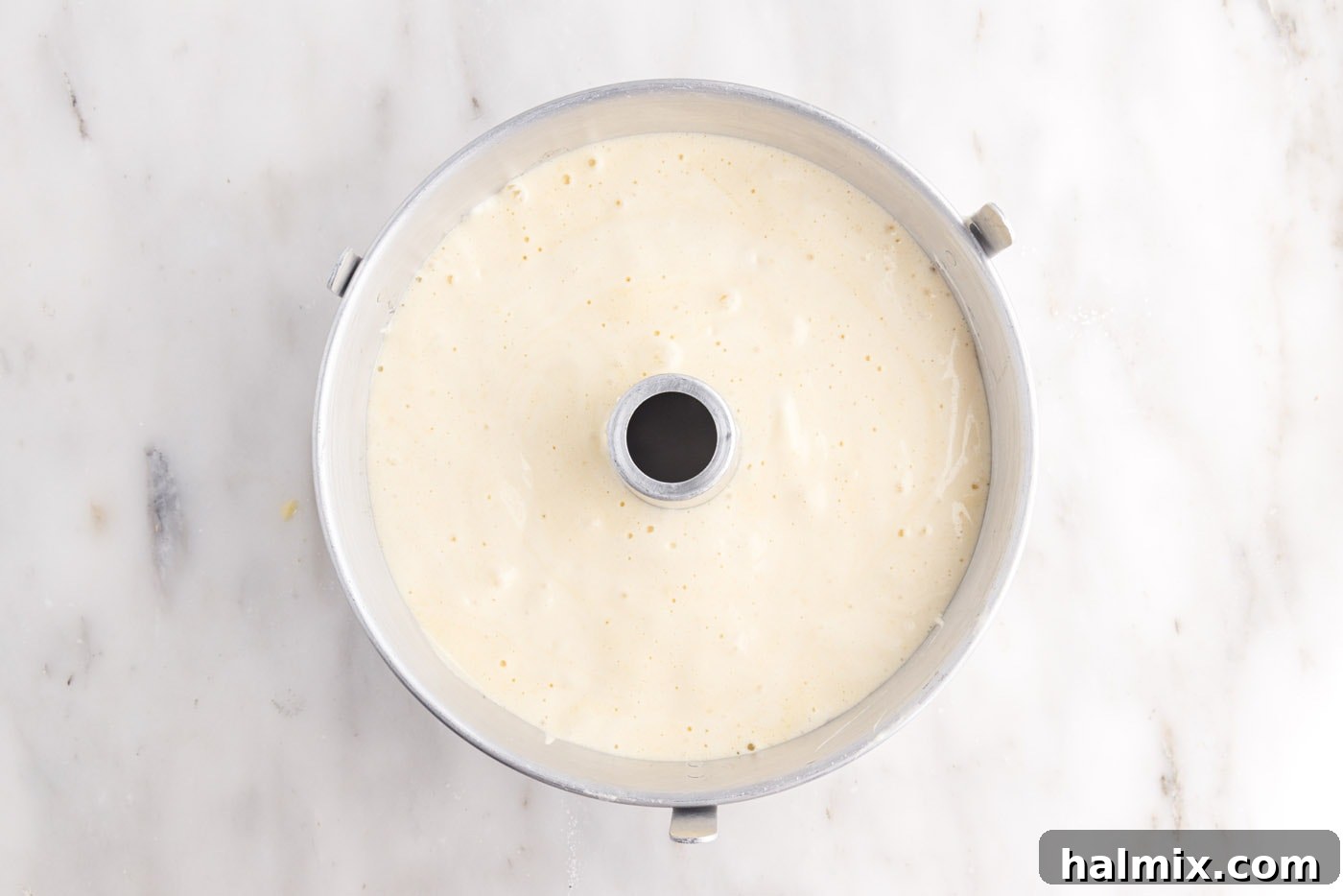
- Transfer the light and airy batter to an ungreased 10-inch tube pan or angel food cake pan. It is absolutely critical that you **do not grease the pan**. The batter needs to cling to the sides of the pan and the center tube to “climb” and gain its impressive height during baking. Greasing the pan would prevent this necessary cling.
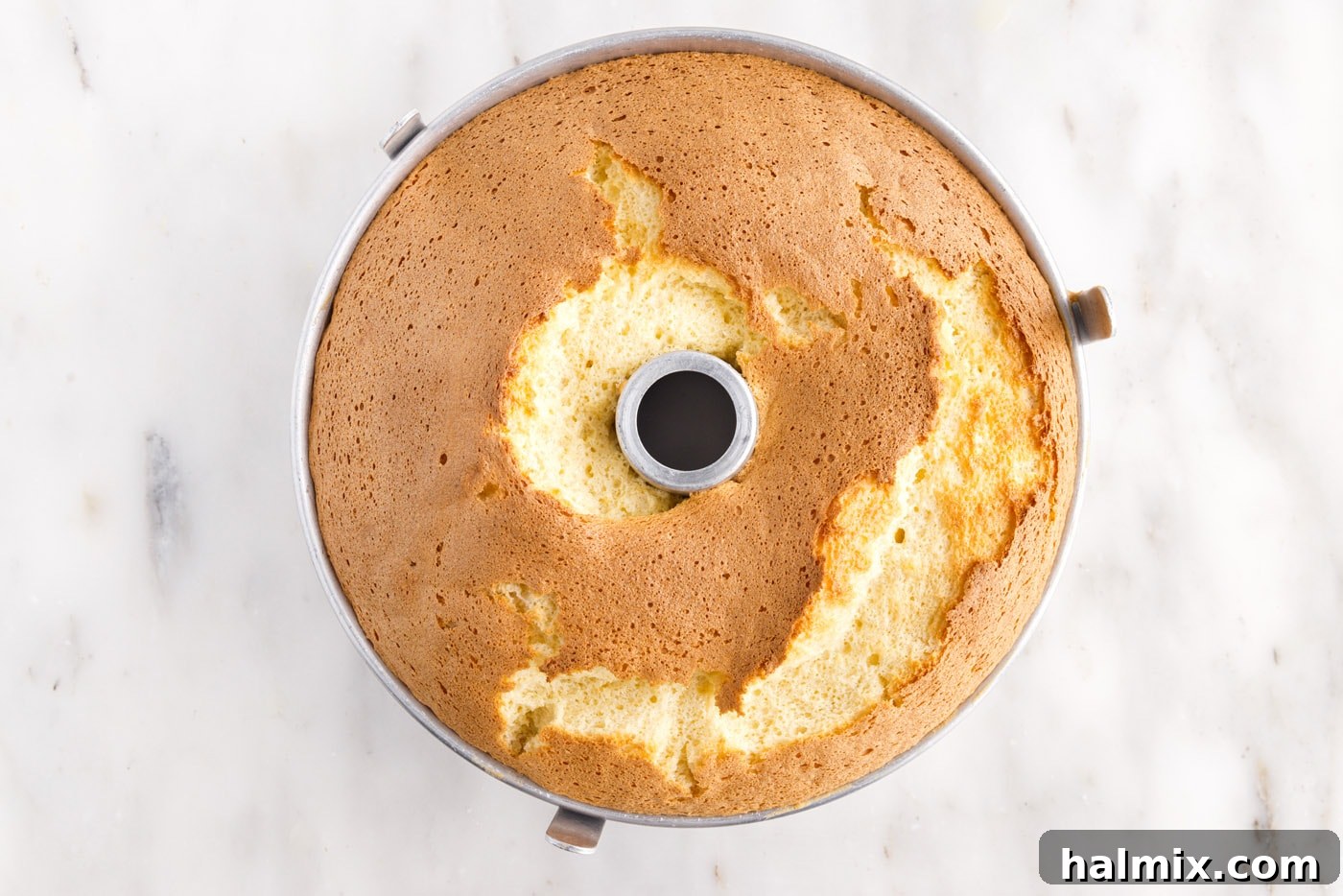
- Bake for approximately 55-60 minutes. The cake is done when a wooden skewer or toothpick inserted into the center comes out with just a few moist crumbs, and the top springs back gently when lightly pressed. Avoid opening the oven door too frequently, especially in the first 30-40 minutes, as this can cause the cake to fall.
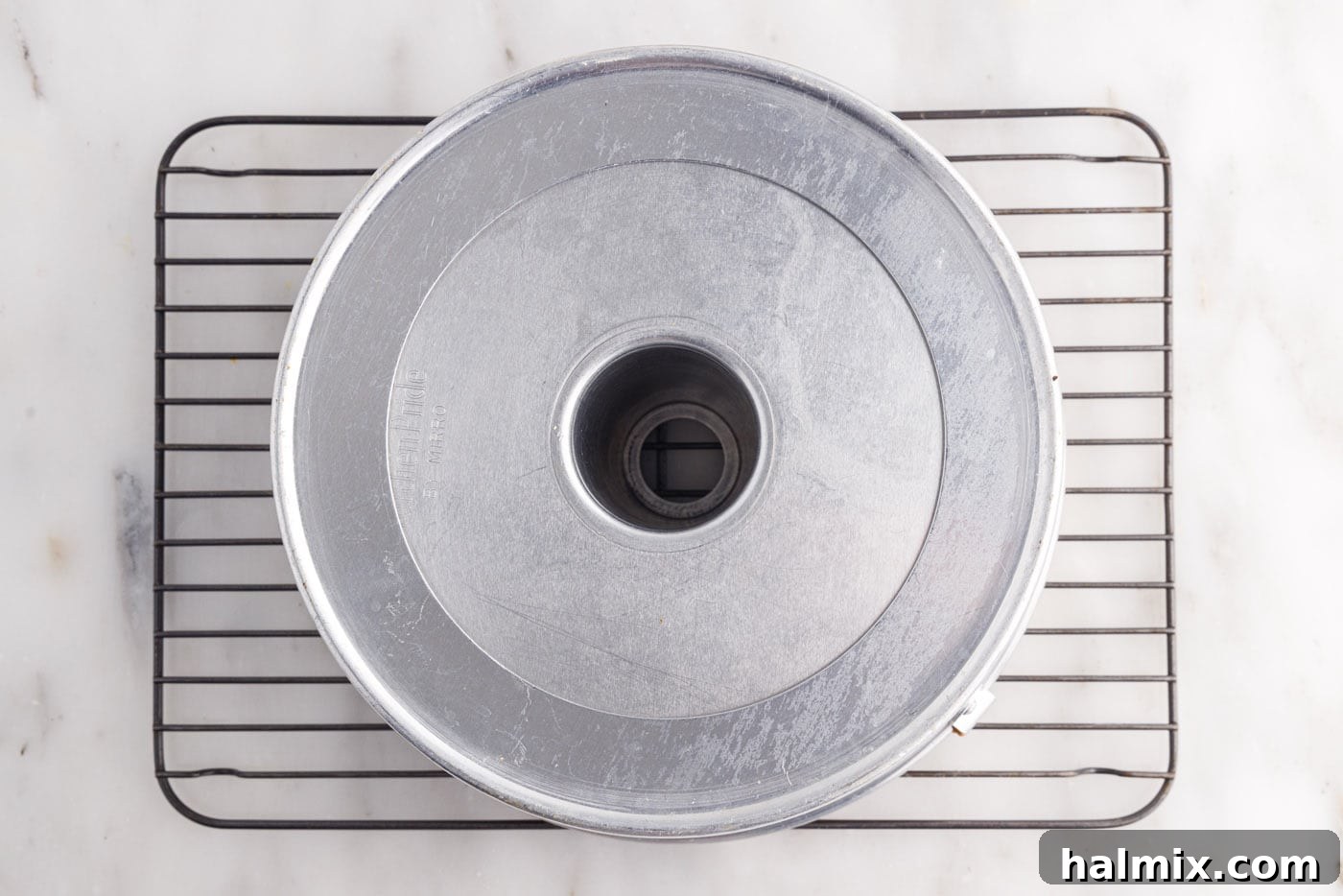
- Once baked, the cooling process is just as important as the baking itself. **Cool the cake UPSIDE DOWN.** Most angel food cake pans come with small metal “feet” on the top of the pan specifically for this purpose. If your pan doesn’t have feet, you can carefully invert the pan onto the neck of a sturdy wine bottle. Cooling upside down prevents the delicate structure of the cake from collapsing under its own weight as it cools, thus preserving all the air and volume you worked so hard to achieve. Cool for at least 30 minutes upside down, or even completely if time allows.
- Once completely cooled (or after the initial upside-down cooling period), loosen the sides of the cake from the pan. Carefully run a thin, flexible spatula or a sharp knife around the edges of the pan and the center tube. Gently turn out the cake onto a serving platter.
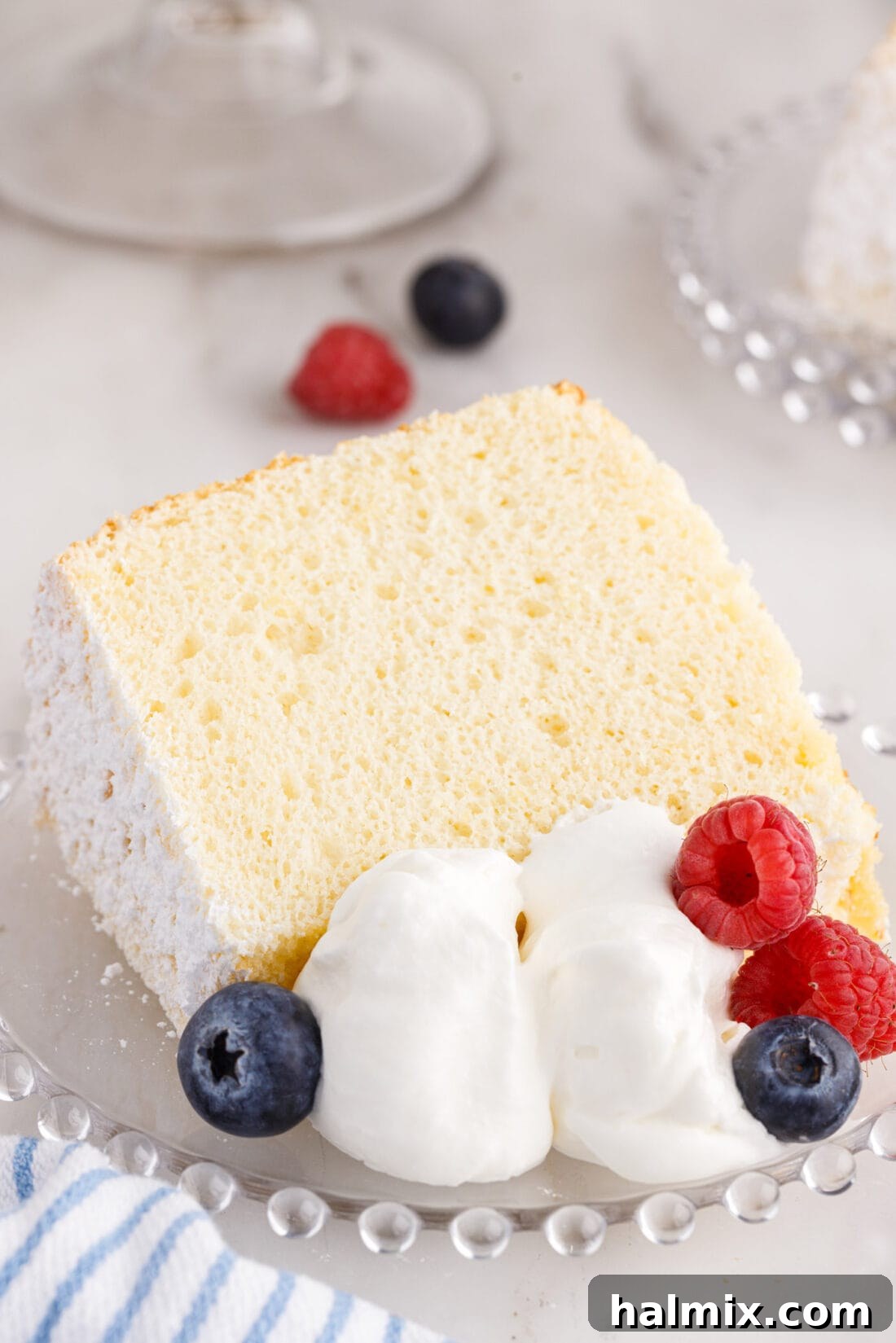
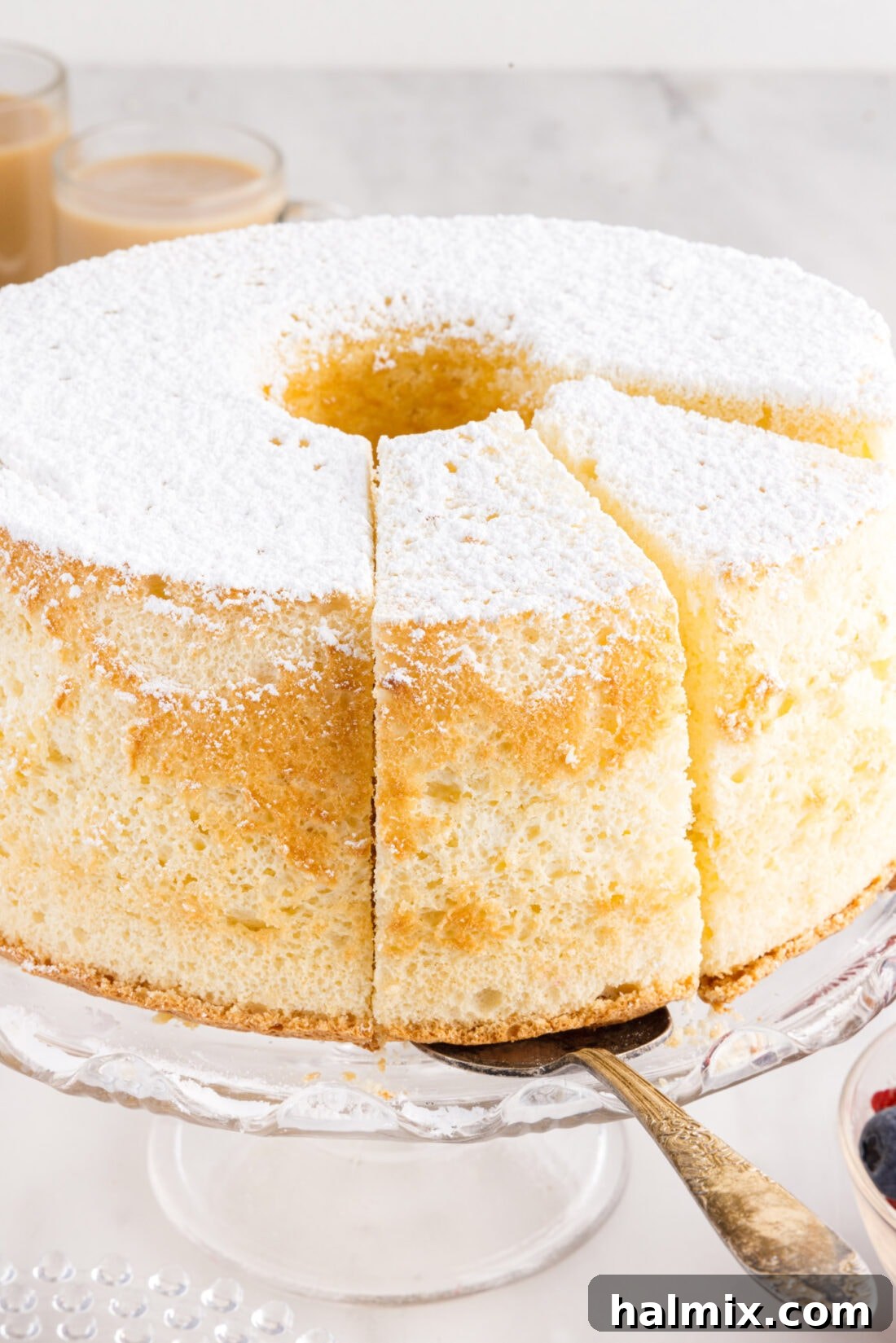
- For a simple yet elegant presentation, dust generously with powdered sugar. Serve your magnificent chiffon cake with freshly whipped cream and/or a medley of fresh, seasonal berries for an unforgettable dessert experience.
Frequently Asked Questions & Expert Tips for Chiffon Cake Success
Baking a chiffon cake can sometimes raise a few questions. Here are answers to common queries and essential expert tips to ensure your chiffon cake turns out perfectly every time.
How do you store chiffon cake?
To maintain its tender texture and freshness, store your chiffon cake covered. A cake container or a large overturned bowl works perfectly. Keep it at room temperature for up to 5 days. Chiffon cake is very forgiving and stays moist thanks to the oil content, unlike butter cakes which can dry out quickly in the fridge.
Can you freeze chiffon cake?
Absolutely! Chiffon cake freezes exceptionally well. Allow the cake to cool completely to room temperature before freezing. Wrap the entire cake tightly first with plastic wrap, ensuring no air can get in, and then with a layer of heavy-duty aluminum foil. If you plan to dust with powdered sugar or add other toppings, save that for after thawing. Store in the freezer for up to 3 months. To thaw, simply transfer it to the refrigerator overnight. You can also freeze individual slices following the same wrapping steps, adding a ziplock freezer bag after the plastic wrap and aluminum foil for extra protection against freezer burn. This is great for portion control and having a quick dessert ready!
Why is a tube pan essential for chiffon cake?
The tube pan is not just a suggestion; it’s fundamental for the structure and success of an egg-based cake like chiffon. The ungreased sides of the tube pan provide a crucial surface for the batter to cling to, allowing it to “climb” and achieve significant height during baking. Without this cling, the cake would simply spread out and rise much less effectively. Furthermore, the hollow center of the tube pan allows heat to penetrate the cake from both the outer edges and the middle, ensuring even baking. Lastly, and equally important, the tube pan’s design facilitates the essential step of cooling the cake upside down. Cooling inverted is vital because it prevents the delicate, airy structure of the chiffon cake from collapsing under its own weight as it cools, trapping all those precious air bubbles and maintaining its fluffy texture. This ensures your cake remains tall, light, and perfectly springy.
My Chiffon Cake collapsed! What went wrong?
Several factors can lead to collapse. The most common reasons include not cooling the cake upside down, opening the oven door too early (causing a drastic temperature drop), underbaking (the structure isn’t set), or overmixing the batter after adding the egg whites, which deflates the air. Ensure your oven temperature is accurate with an oven thermometer and that your egg whites are whipped to the correct stiff-peak stage.
Can I make chocolate chiffon cake?
Yes, you can! For a delightful chocolate chiffon cake, you would typically replace a portion of the cake flour with unsweetened cocoa powder. A common ratio is to substitute 1/4 to 1/3 cup of cocoa powder for an equal amount of flour. Adjustments to liquids might be needed slightly, but the core technique remains the same. Make sure to sift the cocoa powder with the flour for a smooth batter.
Elegant Serving Suggestions for Your Chiffon Cake
The beauty of chiffon cake lies in its versatility and delicate flavor, making it a perfect base for a variety of delightful toppings. While delicious on its own, a few simple additions can elevate it to an extraordinary dessert.
For a classic and elegant presentation, simply dust your cooled chiffon cake generously with a fine layer of powdered sugar. This creates a beautiful contrast against the cake’s light color and adds a subtle touch of sweetness. Alternatively, you can prepare a simple powdered sugar glaze by whisking powdered sugar with a small amount of milk or citrus juice (like lemon or orange) until smooth, then drizzling it over the top.
The ultimate accompaniment to chiffon cake is a generous helping of freshly whipped cream. Its rich, silky texture and mild sweetness perfectly complement the cake’s airy crumb. Pair this with an assortment of fresh berries, such as vibrant raspberries, juicy blueberries, tangy blackberries, or sweet sliced strawberries. The natural acidity and freshness of the fruit cut through the richness of the cream and cake, creating a harmonious balance of flavors and textures.
For a more decadent touch, consider serving with a light fruit compote, a drizzle of chocolate sauce, or even a custard. You can also experiment with citrus zests (lemon, orange, lime) folded into whipped cream for an added layer of flavor. Enjoy your chiffon cake at room temperature to fully appreciate its tender and soft characteristics. It pairs wonderfully with a cup of freshly brewed coffee, a calming tea, or a glass of sparkling wine, making it suitable for any time of day or special gathering.
Explore More Delectable Cake Recipes
If you’ve enjoyed baking this chiffon cake, you’ll love exploring other delightful cake creations from our kitchen. Expand your baking repertoire with these irresistible recipes:
- Zesty Lemon Cake
- Decadent Chantilly Cake
- Tropical Pineapple Pound Cake
- Sweet Strawberry Bundt Cake
- Rich Whipping Cream Pound Cake
I absolutely love to bake and cook, and it brings me immense joy to share my kitchen experiences and culinary creations with all of you! Remembering to come back each day for new inspiration can sometimes be tough, which is why I offer a convenient newsletter. Every time a new, delicious recipe posts, it lands straight in your inbox. Simply subscribe today and start receiving your free daily recipes, making sure you never miss out on your next favorite dish!
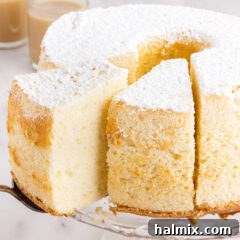
Chiffon Cake
A tall, soft, and springy chiffon cake makes the perfect addition to any and all dessert tables, especially when dusted with powdered sugar and served with fresh cream and berries!
Rating: 5 from 14 votes
IMPORTANT – There are often Frequently Asked Questions within the blog post that you may find helpful. Simply scroll back up to read them!
Course: Dessert
Cuisine: American
Servings: 12 servings
Total Time: 1 hr 5 mins
Calories: 306
Author: Amanda Davis
Ingredients
- 2 cups cake flour
- 1 ½ cups granulated sugar
- 1 Tablespoon baking powder
- ½ teaspoon salt
- ½ cup vegetable oil
- ¾ cup milk
- 2 teaspoons vanilla extract
- ½ teaspoon almond extract
- 7 large eggs, separated into yolks and whites. (At room temperature)
- ½ teaspoon cream of tartar
- Powdered sugar for dusting, optional
Things You’ll Need
- 10 inch tube pan
- Stand mixer
- Mixing bowls
Before You Begin
- Egg whites should be room temperature when whipping for the best volume. Be sure that there are no specks of egg yolk in the whites or they will not whip properly.
- Cooling the chiffon cake upside down allows the cake to cool while keeping all the bubbles and air in the cake rather than it becoming condensed by gravity during cooling.
- It’s important that you do not grease the pan – the batter will grab onto the sides and center tube of the pan and “climb” to gain a lot of height in the oven. Then while cooling, it’s important that the cake maintains its cling so that it can cool upside down.
Instructions
- Preheat the oven to 325°F.
- In a medium mixing bowl, sift together cake flour, sugar, baking powder, and salt.
- Beat together oil, milk, extracts, and egg yolks until foamy.
- Whisk the egg whites and cream of tartar until stiff peaks form (about 6 minutes) in the bowl of a standing mixer.
- Gently stir the foamy egg yolk mixture into the flour mixture.
- Use a spatula to fold the egg whites (1⁄3 at a time) into the batter. Be careful not to over-stir so that you preserve the air in the egg whites.
- Transfer the batter to a 10-inch tube pan or angel food cake pan. Do not grease the pan, as the batter will cling to the sides of the pan to gain its height.
- Bake for approximately 55-60 minutes, or until a toothpick inserted into the center of the cake comes out with just a few crumbs, and the cake springs back when pressed gently.
- Cool UPSIDE DOWN. Angel food cake pans have little metal “feet” on the top of the pan for standing the cake upside down. You can also invert the pan onto the neck of a wine bottle. Cool for at least 30 minutes upside down. You can cool it completely.
- Loosen the sides of the cake from the pan by running a small spatula or knife around the edges. Turn out the cake onto a serving platter.
- Dust with powdered sugar and serve with whipped cream and/or fresh berries.
Nutrition
Serving: 1 serving (1 slice) | Calories: 306cal | Carbohydrates: 42g | Protein: 7g | Fat: 13g | Saturated Fat: 3g | Polyunsaturated Fat: 6g | Monounsaturated Fat: 3g | Trans Fat: 0.1g | Cholesterol: 110mg | Sodium: 146mg | Potassium: 207mg | Fiber: 1g | Sugar: 26g | Vitamin A: 183IU | Calcium: 82mg | Iron: 1mg
The recipes on this blog are tested with a conventional gas oven and gas stovetop. It’s important to note that some ovens, especially as they age, can cook and bake inconsistently. Using an inexpensive oven thermometer can assure you that your oven is truly heating to the proper temperature. If you use a toaster oven or countertop oven, please keep in mind that they may not distribute heat the same as a conventional full sized oven and you may need to adjust your cooking/baking times. In the case of recipes made with a pressure cooker, air fryer, slow cooker, or other appliance, a link to the appliances we use is listed within each respective recipe. For baking recipes where measurements are given by weight, please note that results may not be the same if cups are used instead, and we can’t guarantee success with that method.