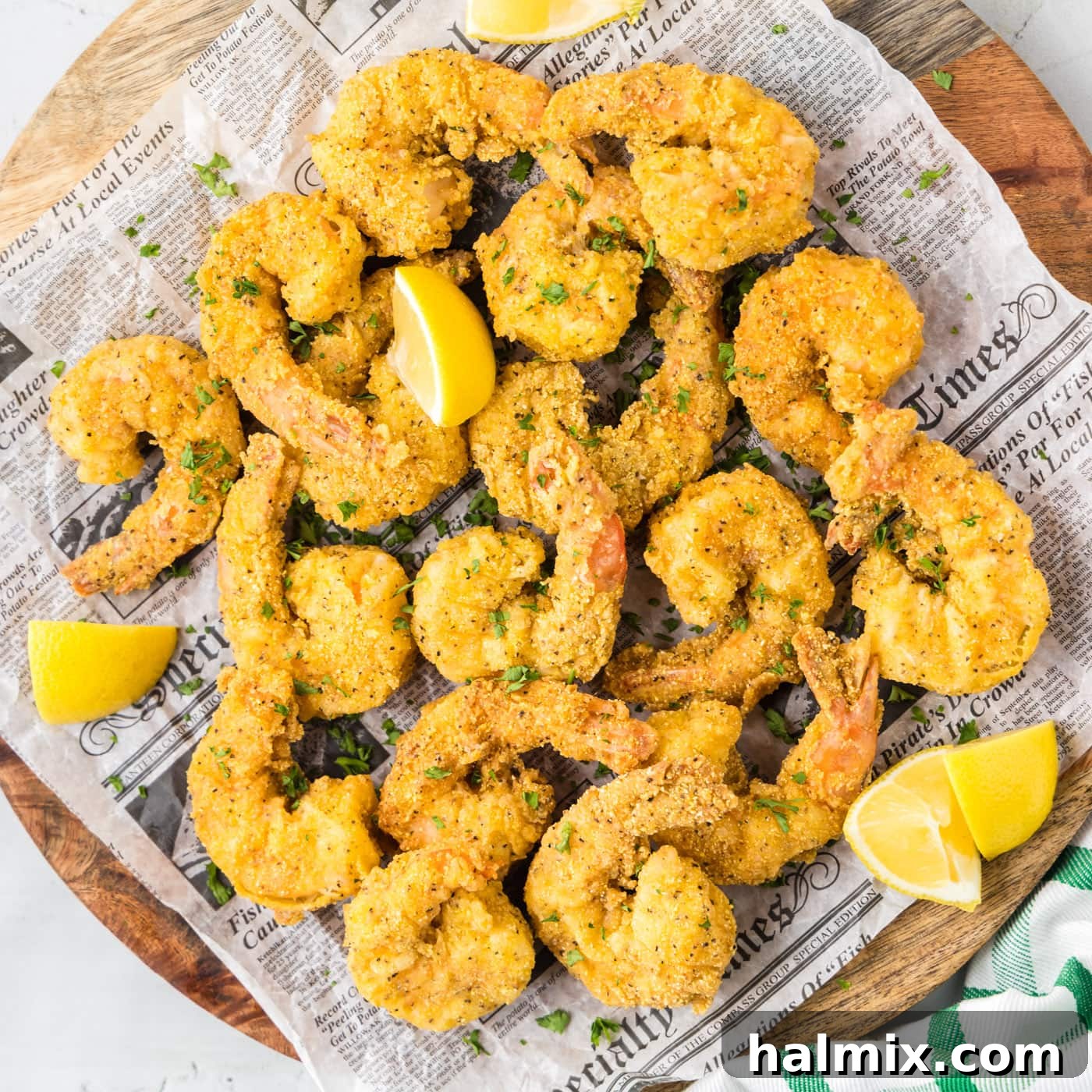
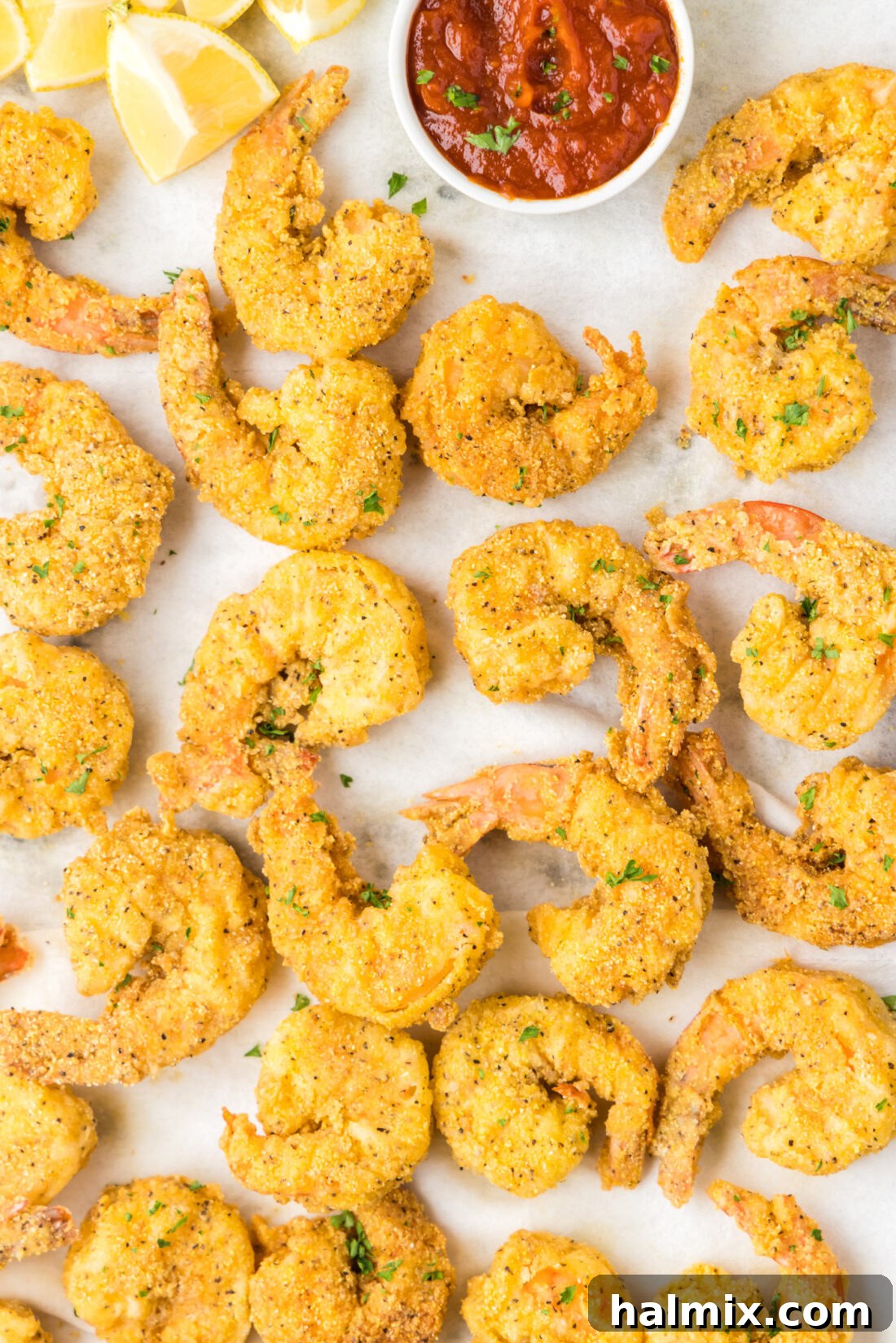
Unlock the secret to perfectly crispy, incredibly flavorful fried shrimp that rivals your favorite restaurant appetizer, all from the comfort of your own kitchen. This recipe delivers golden-brown shrimp with an irresistible crunch on the outside and succulent tenderness within, making it a guaranteed crowd-pleaser. Best of all, these delectable morsels are ready to enjoy in just about 20 minutes, perfect for a quick weeknight meal, a delightful snack, or an impressive starter for guests. Get ready to elevate your seafood game with this simple yet sensational fried shrimp recipe.
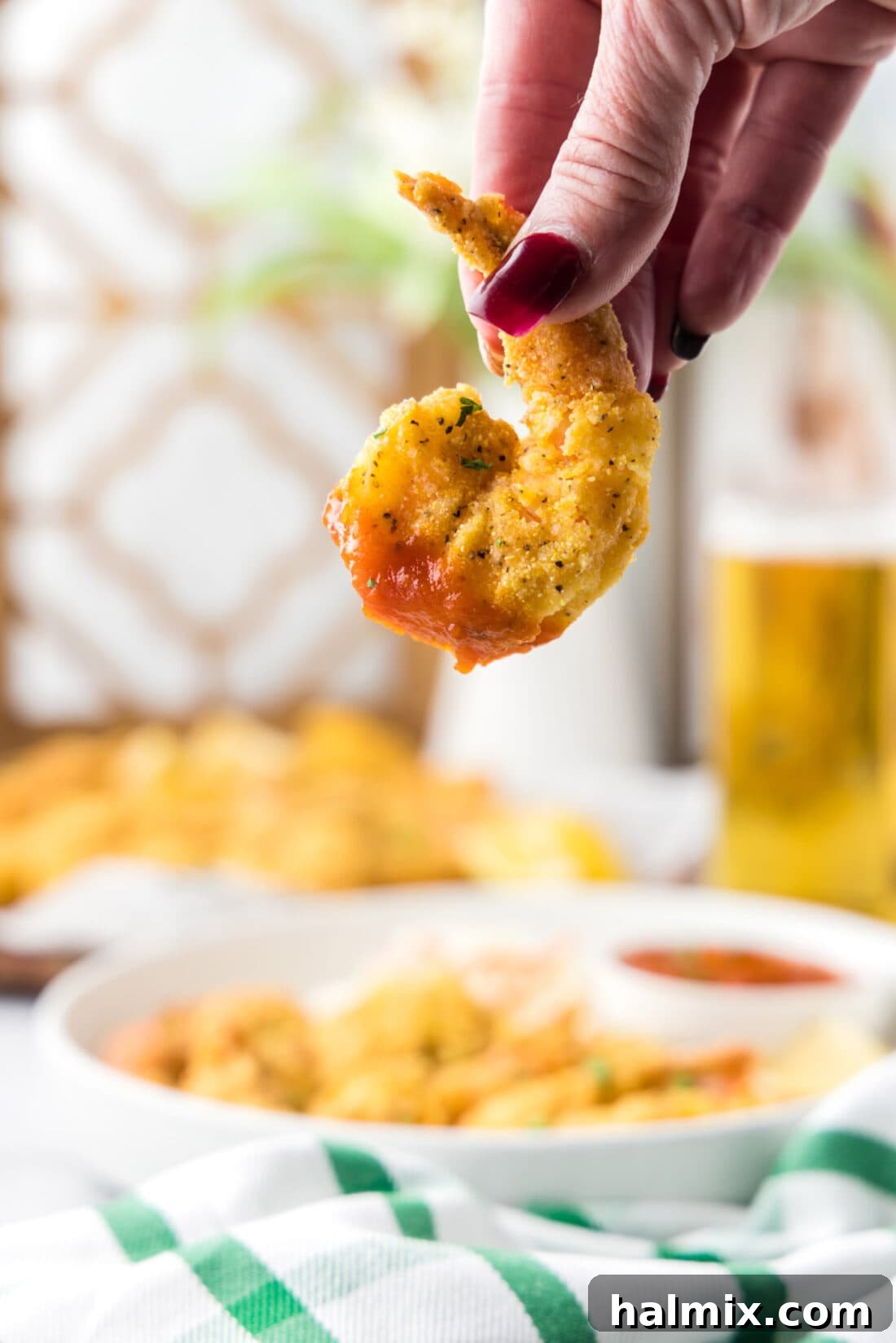
Why This Fried Shrimp Recipe Stands Out
Prepare for a culinary revelation with just one bite of these truly exceptional fried shrimp. This recipe isn’t just good; it’s designed to become your new go-to, surpassing even your most cherished restaurant appetizers. The secret to its unparalleled deliciousness lies in a thoughtful combination of fresh ingredients and a unique breading technique that guarantees a texture explosion in every bite. Forget soggy, bland shrimp; we’re talking about perfectly seasoned, juicy shrimp enveloped in a golden, super-crispy coating.
So, what exactly sets this fried shrimp recipe apart from others, including even other excellent crispy shrimp preparations? The game-changer is the strategic addition of cornmeal to our breading mixture. While many recipes rely solely on flour for a crisp coating, cornmeal introduces an extra layer of structural integrity and a coarser, more pronounced crunch. This fine-grained corn product, when fried, develops a distinctive, almost nutty flavor and a texture that’s both firm and incredibly satisfying. The flour provides the initial adherence and a delicate crispiness, while the cornmeal takes the “crunch factor” to an entirely new level. Both flour-only and cornmeal-enhanced variations are undeniably delicious, but if you’re seeking that unmistakable, hearty crunch that makes fried seafood so addictive, this cornmeal-infused breading is precisely what you’ve been looking for. It’s a subtle tweak that makes all the difference, transforming simple shrimp into an extraordinary culinary experience.
Essential Ingredients for Perfect Fried Shrimp
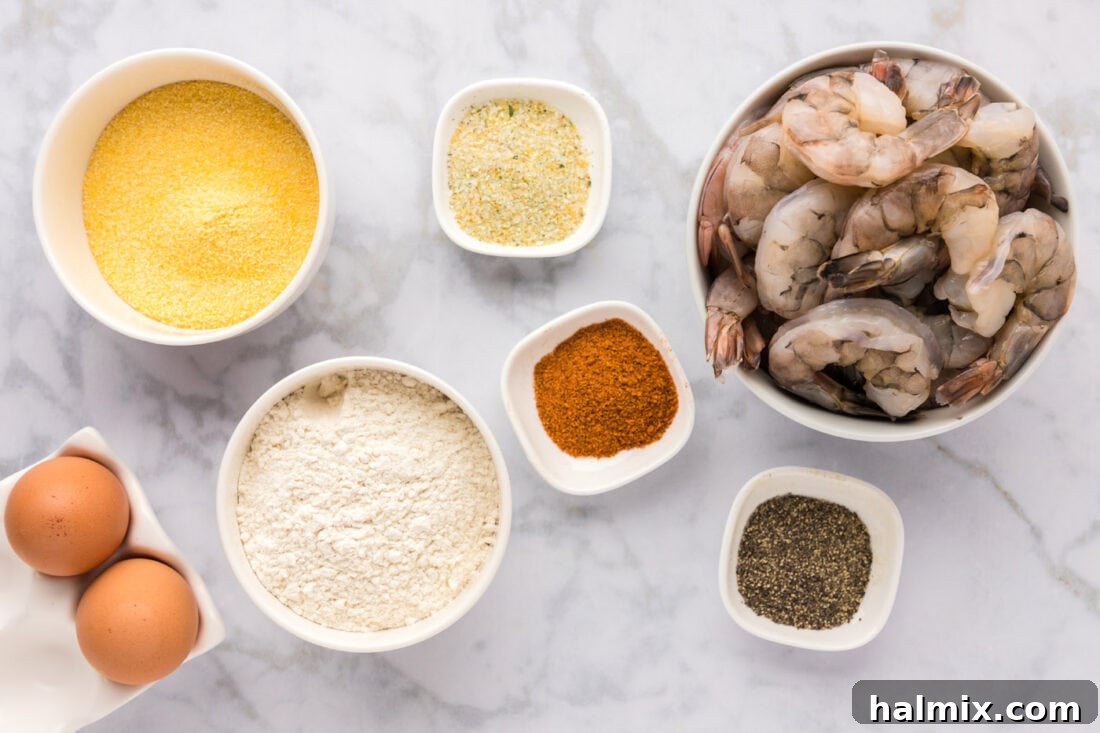
Crafting these perfectly fried shrimp requires a handful of accessible ingredients, each playing a crucial role in achieving the desired taste and texture. Below, you’ll find a detailed breakdown of what you’ll need, along with helpful information and substitution suggestions to ensure your success. You can find all precise measurements and step-by-step instructions in the printable recipe section at the end of this post.
Ingredient Spotlight & Expert Tips
Delving deeper into each ingredient ensures you understand its function and how to make the best choices for your fried shrimp.
SHRIMP: The star of our show! We primarily use fresh grilling shrimp for their robust size and excellent texture when fried. However, the beauty of this recipe is its versatility. You can use almost any variety of fresh shrimp – from jumbo prawns to medium-sized varieties. When selecting fresh shrimp, look for firm, translucent flesh with a mild scent. Avoid any shrimp that appear slimy, have black spots (unless it’s a specific variety), or smell strongly of ammonia. If using frozen shrimp, which is often a convenient and high-quality option, it’s crucial to thaw them properly. Transfer frozen shrimp to the refrigerator the night before, or for a quicker thaw, place them in a colander under cold running water for 10-15 minutes. Once thawed, pat them thoroughly dry with paper towels. This step is non-negotiable, as excess moisture will prevent the breading from sticking effectively and result in a less crispy coating. Leaving the tails on provides a convenient handle for dipping and an appealing presentation, but you can remove them if preferred.
CORNMEAL: This is the secret weapon for an unbelievably crunchy exterior. The addition of yellow cornmeal to the breading mixture creates a coarse texture that becomes wonderfully crispy and golden when fried. Unlike flour, which provides a delicate crispness, cornmeal adds a more substantial, satisfying bite. It also contributes a subtle, sweet corn flavor that complements the natural sweetness of the shrimp beautifully. We recommend using finely ground or medium-ground cornmeal for the best results; too coarse, and it might fall off; too fine, and you lose some of that distinct crunch. This ingredient truly elevates the texture profile of your fried shrimp, giving it that restaurant-quality finish Chef Antoine loves.
ALL-PURPOSE FLOUR: Serves as the initial dry layer for the breading, helping the egg mixture adhere to the shrimp. It also contributes to the overall crispness and forms the base for our seasoned coating. Standard all-purpose flour works perfectly here.
EGGS & WATER: This mixture acts as the binding agent between the initial flour dredge and the final cornmeal coating. The eggs provide adhesion, while the water helps thin the mixture slightly, ensuring a lighter, more even coating. You can use milk instead of water if you prefer, for a slightly richer batter.
SEASONINGS (Garlic Salt, Black Pepper, Old Bay Seasoning): These spices are carefully chosen to enhance the shrimp’s natural flavor without overpowering it. Garlic salt adds a savory depth and a hint of pungent garlic. Freshly ground black pepper contributes a subtle warmth and aromatic kick. Old Bay seasoning, a classic seafood blend, is truly essential here. It brings a complex, savory, and slightly spicy flavor profile with notes of celery salt, paprika, and other secret spices that are synonymous with delicious fried seafood. Adjust the amounts to your personal taste, but these proportions offer a balanced and incredibly flavorful result.
VEGETABLE OIL FOR FRYING: Choosing the right oil is key for perfectly fried shrimp. Opt for an oil with a high smoke point, such as vegetable oil, canola oil, peanut oil, or sunflower oil. These oils can withstand the high temperatures needed for frying without burning, imparting off-flavors, or breaking down. You’ll need enough oil to create a depth of about 1/2-inch in your skillet, ensuring the shrimp are partially submerged for even cooking.
Mastering the Art of Homemade Fried Shrimp
These step-by-step photos and detailed instructions are designed to help you visualize each stage of making this delicious recipe. For a convenient printable version, complete with all measurements and instructions, simply scroll to the bottom of this post and look for the Jump to Recipe button.
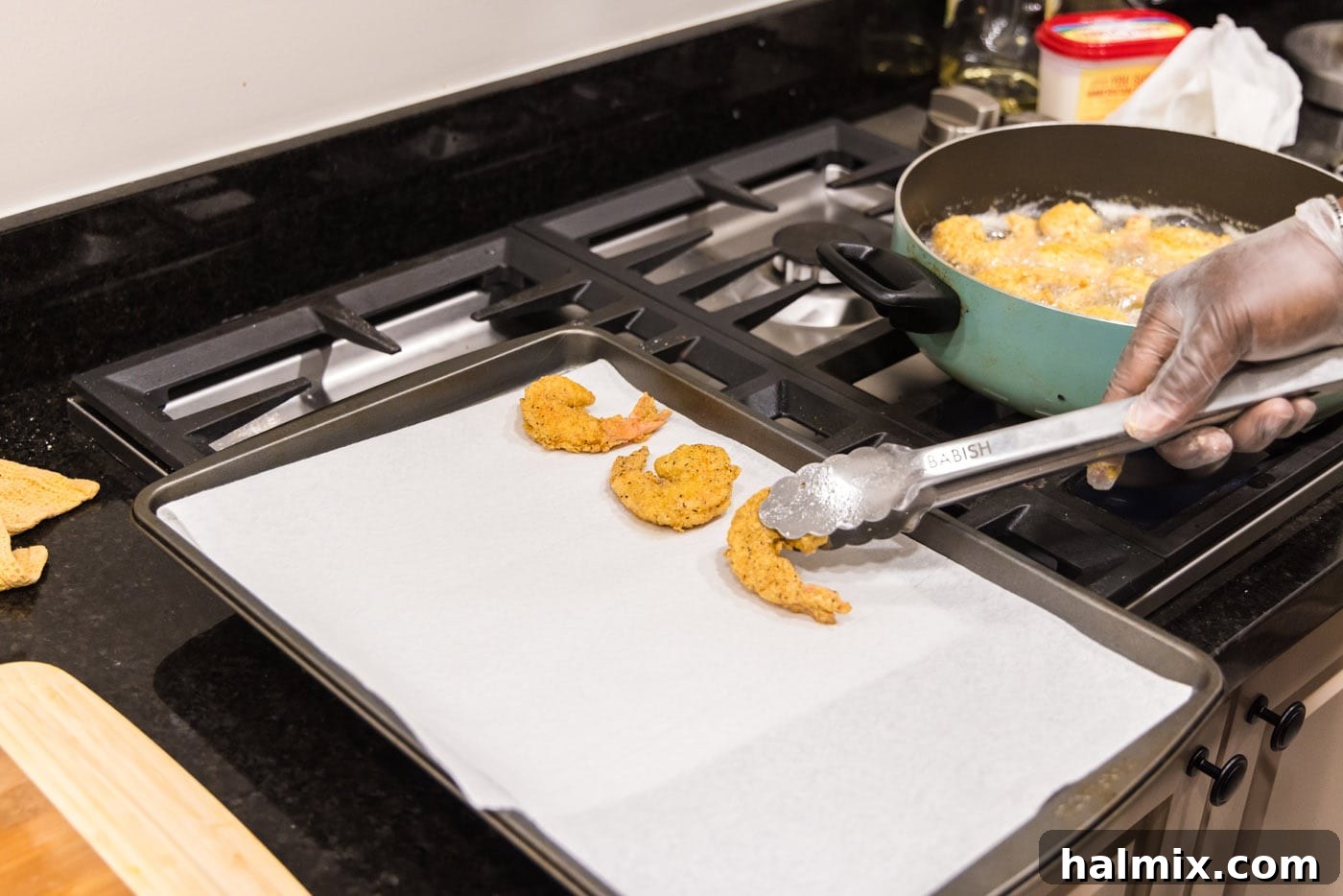
- Prepare Your Workspace: Begin by lining a large baking sheet with several layers of paper towels. This will be your draining station for the cooked shrimp, allowing excess oil to be absorbed and keeping them delightfully crispy.
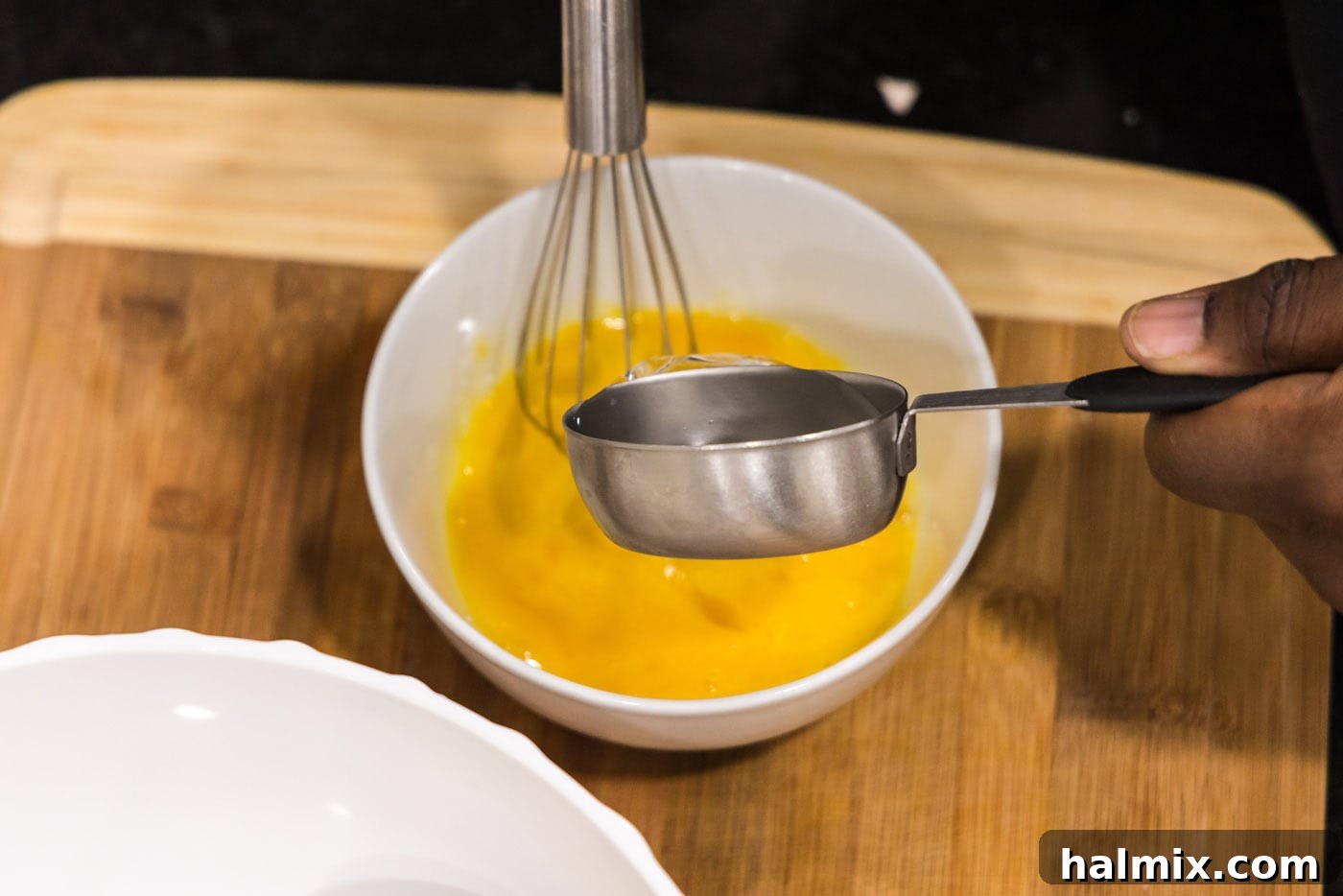
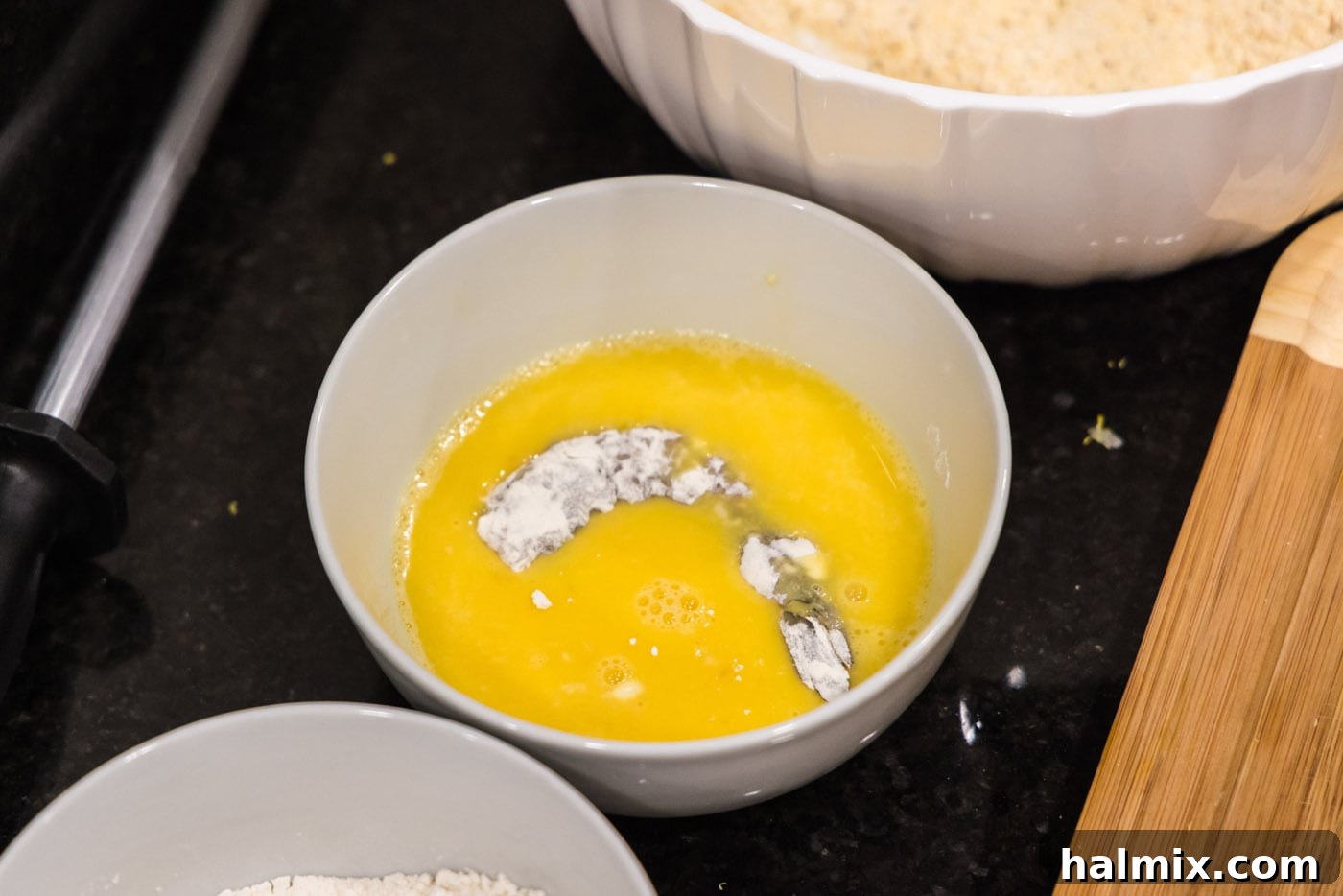
- Egg Wash Creation: In a medium-sized bowl, combine the large eggs and water. Whisk them vigorously until the mixture is well-combined and slightly frothy. This egg wash will act as the crucial “glue” for your breading.

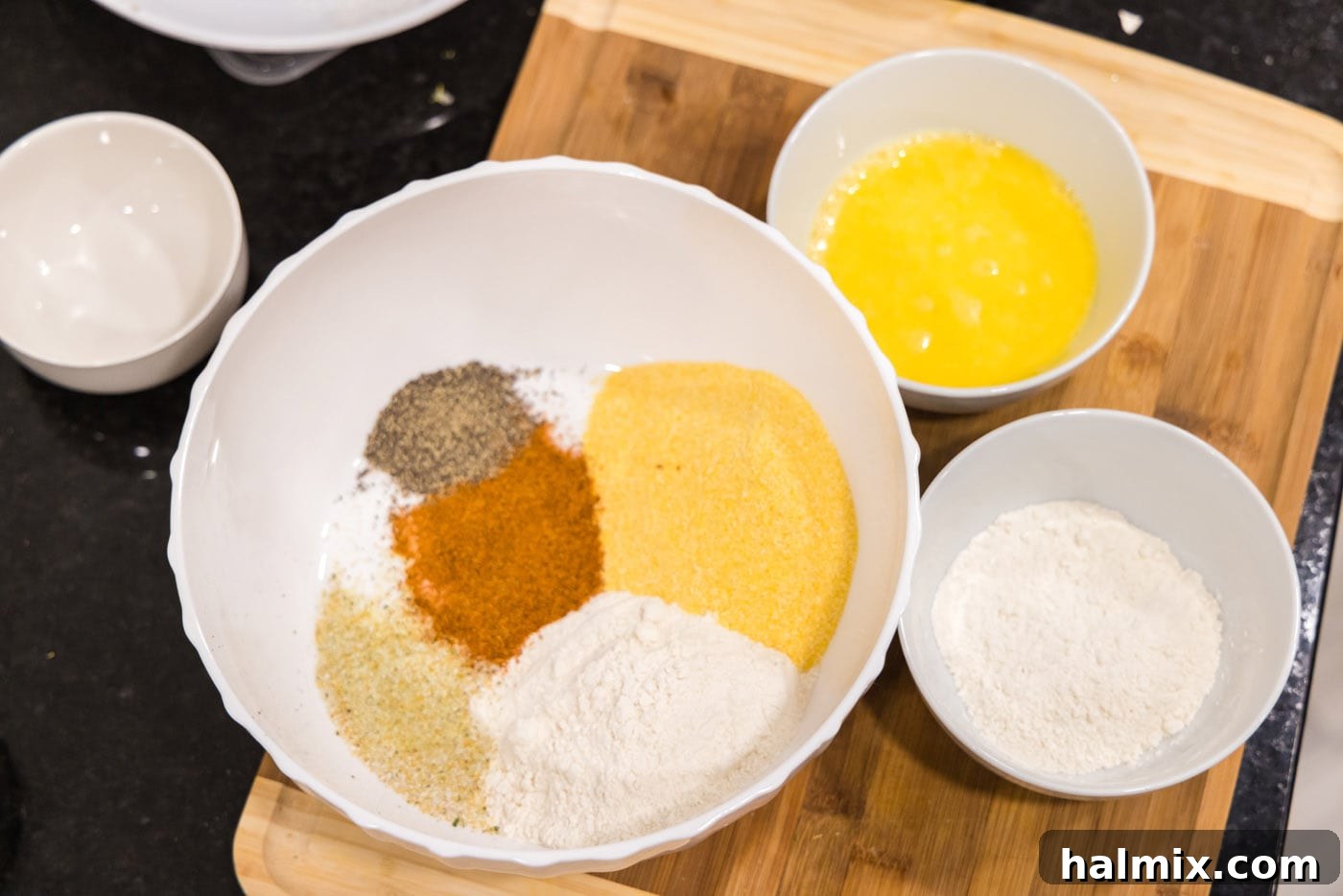
- Set Up the Dredging Station: For efficient breading, you’ll need three separate bowls. Pour half of your all-purpose flour into a second medium bowl. The remaining half of the flour will go into a larger bowl, which will be used for your seasoned cornmeal mixture. This division ensures a consistent and even coating process.
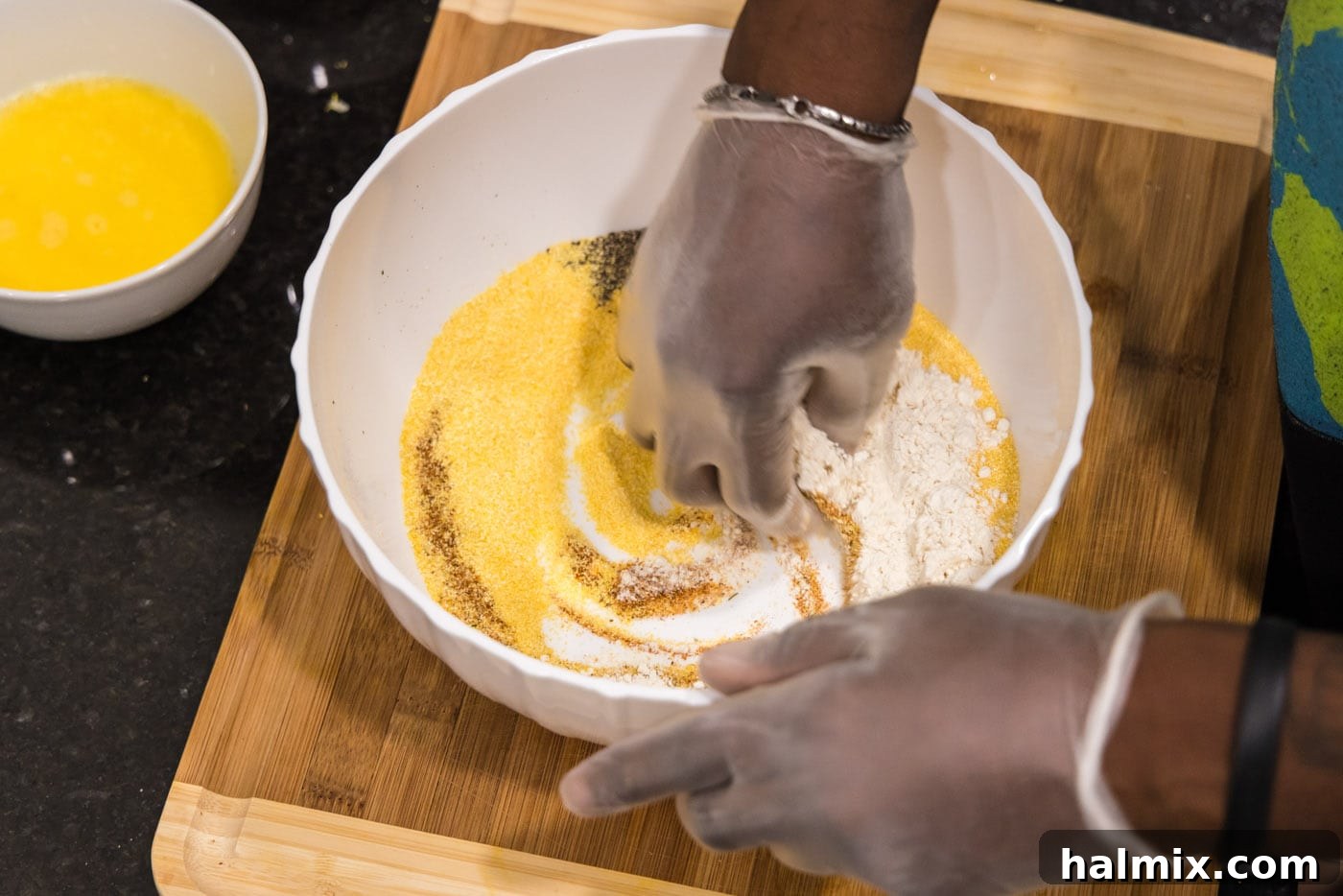
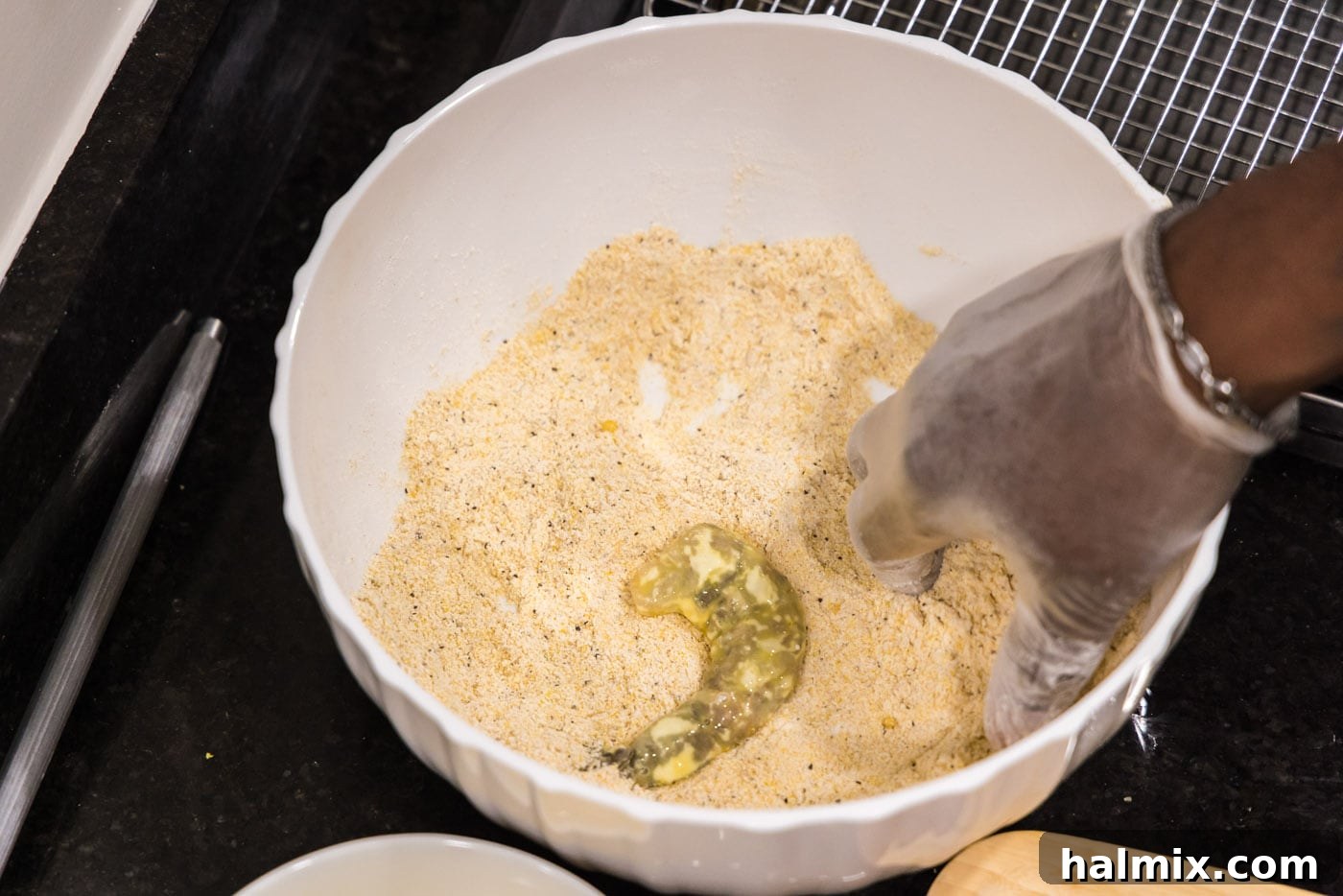
- Craft the Seasoned Breading: To the large bowl containing the remaining flour, add the yellow cornmeal, garlic salt, black pepper, and Old Bay seasoning. Using gloved hands (to prevent sticky fingers and ensure even mixing) or a whisk, thoroughly combine all the dry ingredients. Ensure there are no lumps and that the seasonings are evenly distributed throughout the flour and cornmeal mixture. This seasoned breading is where all the incredible flavor and crunch come from.
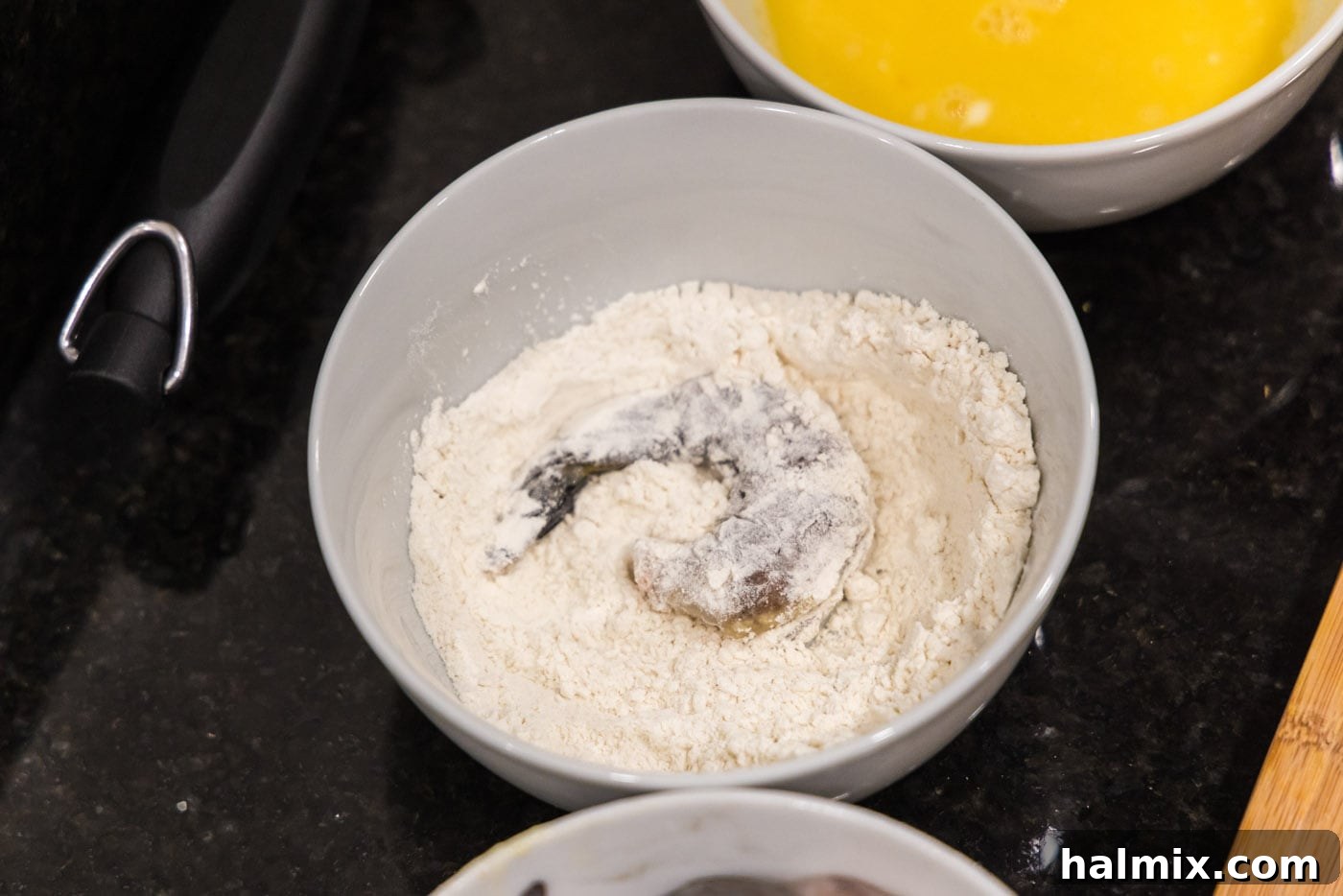
- Breading the Shrimp (The Three-Step Process): Take each shrimp and follow this sequence for perfect coating:
- Flour First: Dredge the shrimp thoroughly in the plain flour bowl, ensuring it’s lightly coated on all sides. Shake off any excess.
- Egg Wash Dip: Dip the floured shrimp into the whisked egg mixture, allowing any excess to drip off.
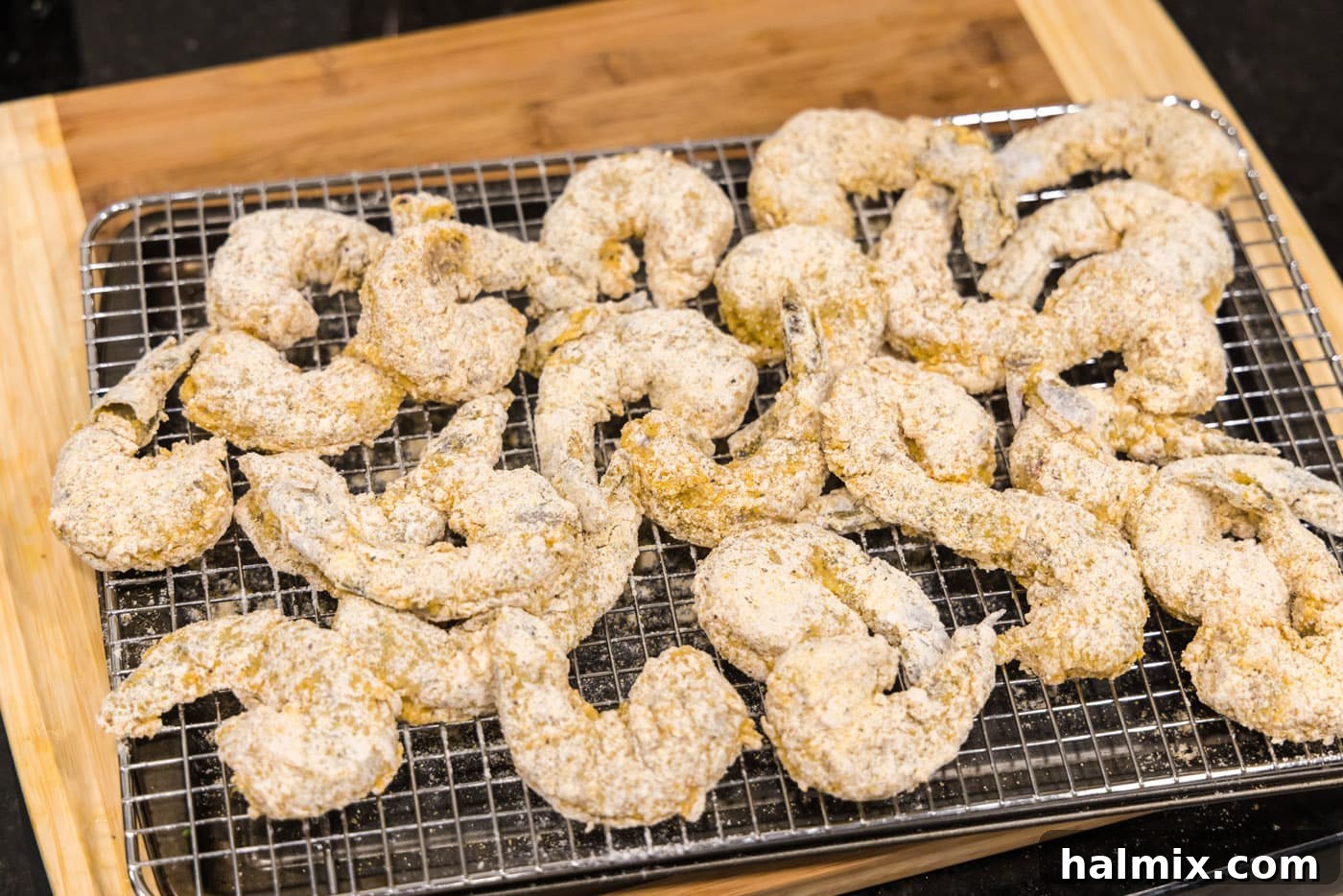
- Seasoned Cornmeal Coat: Finally, transfer the egg-washed shrimp to the large bowl with the cornmeal and seasoning mixture. Press gently to ensure a thick, even coating. Once breaded, carefully transfer each shrimp to a wire rack. Repeat this process for all the shrimp, arranging them in a single layer on the wire rack. This allows the breading to set slightly and prevents them from sticking together.
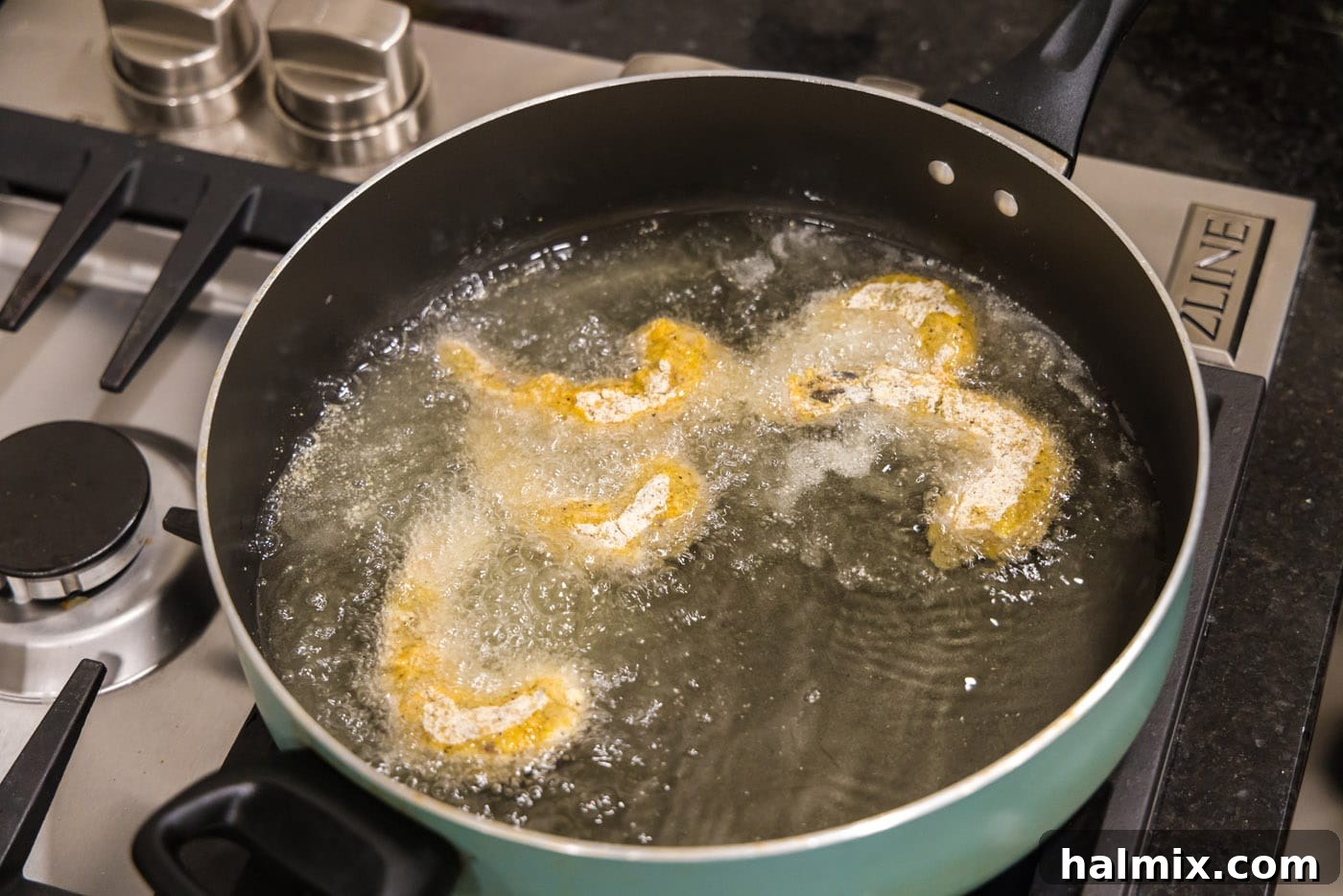
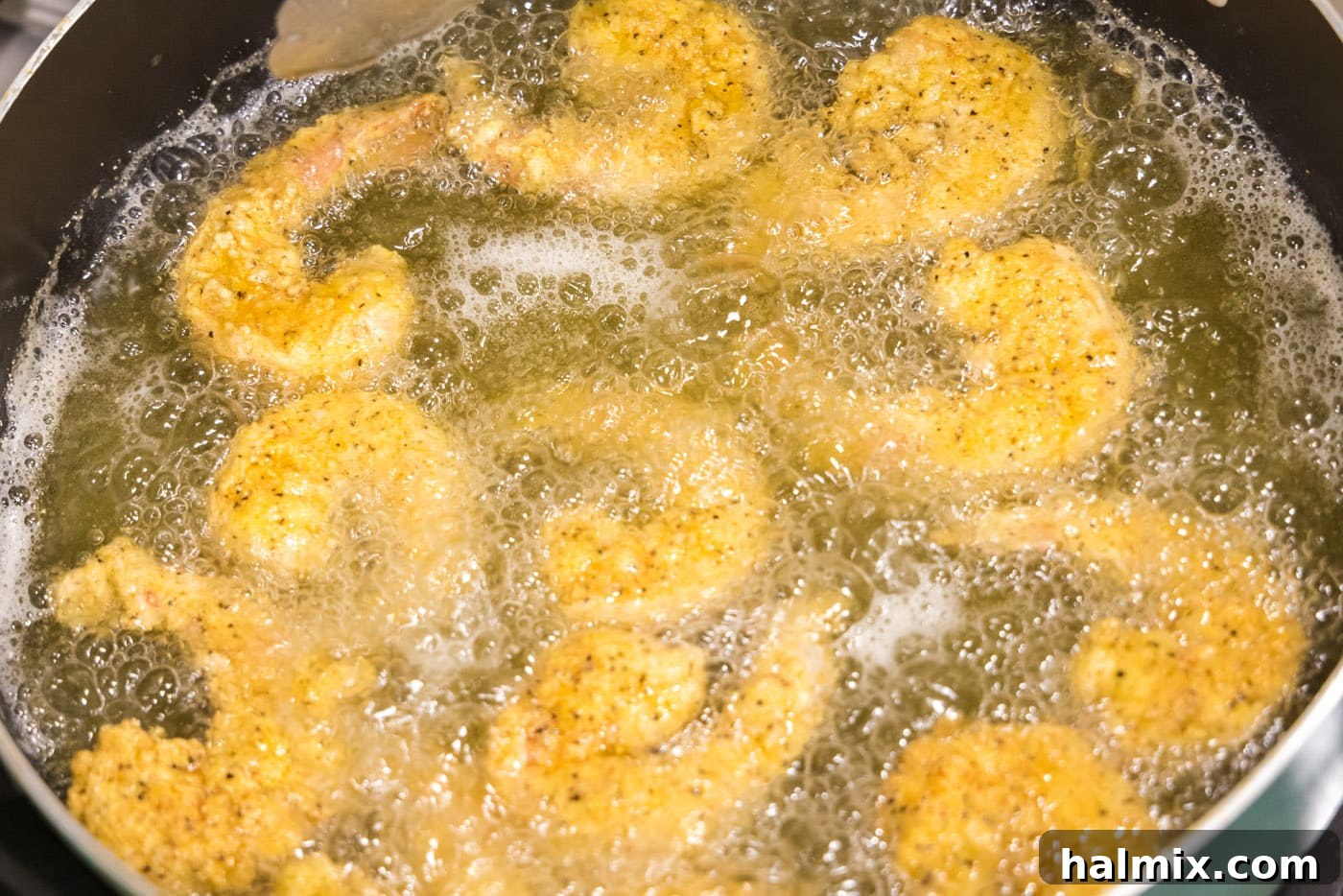
- Heat the Frying Oil: Pour enough vegetable oil into a large, deep skillet to achieve a depth of approximately 1/2-inch. Place the skillet over medium-high heat. Allow the oil to heat up thoroughly until it begins to shimmer, indicating it’s ready for frying. A cooking thermometer is ideal here; aim for a temperature of 350-375°F (175-190°C).
- Frying the Shrimp to Golden Perfection: Carefully place each breaded shrimp into the hot oil. It’s crucial not to overcrowd the pan, as this will drop the oil temperature and lead to soggy shrimp. Work in batches if necessary, ensuring each shrimp has ample space. Cook for 2-3 minutes per side. The shrimp will turn a beautiful golden brown and curl slightly when cooked.
- Flip and Finish: Using tongs, gently turn each shrimp over and cook for another 2-3 minutes on the second side, until both sides are evenly golden brown and crispy.
- Drain and Serve: Once perfectly cooked, remove the fried shrimp from the oil using tongs and transfer them to the paper towel-lined baking sheet. This allows excess oil to drain off, keeping the shrimp wonderfully crisp. Serve immediately and enjoy!
Frequently Asked Questions & Expert Tips for Fried Shrimp
To maintain optimal freshness and prevent spoilage, store any leftover fried shrimp in an airtight container. Place the container in the refrigerator, where the shrimp will remain delicious for approximately 3-4 days. While they are best enjoyed fresh, proper storage ensures you can savor them later.
Reheating fried shrimp without losing its crispy texture can be tricky, but it’s definitely achievable. For the best results, avoid the microwave, as it tends to make fried foods soggy. Instead, you have a couple of excellent options:
- Skillet Method: Add a small amount of oil to a skillet and heat it over medium-low heat. Once warm, add the fried shrimp in a single layer and reheat for about 1-2 minutes per side, or until warmed through and re-crisped. Be vigilant during this process; overcooking will quickly lead to tough, chewy shrimp.
- Air Fryer Method: This is arguably the best method for reheating fried foods. Preheat your air fryer to 350°F (175°C). Place the shrimp in a single layer in the air fryer basket (don’t overcrowd) and cook for 3-5 minutes, shaking the basket halfway through. This method will bring back much of that original crunch.
- Oven Method: Preheat your oven to 375°F (190°C). Arrange the shrimp on a wire rack set over a baking sheet. Bake for 5-7 minutes, or until heated through and crisp.
While fried shrimp are undeniably best consumed fresh from the fryer for maximum crispness, you can prepare some components in advance. You can clean and devein the shrimp up to a day ahead and store them in the refrigerator. You can also mix your dry breading ingredients and store them in an airtight container. However, we do not recommend breading the shrimp in advance, as the coating can become soggy and fall off during frying. Frying just before serving is key for that perfect texture.
Several factors contribute to greasy fried shrimp. The most important is maintaining the correct oil temperature, ideally between 350-375°F (175-190°C). If the oil isn’t hot enough, the breading will absorb too much oil, resulting in a greasy product. If it’s too hot, the outside will burn before the inside cooks. Also, avoid overcrowding the pan, which lowers the oil temperature. Finally, ensure you drain the cooked shrimp on paper towels immediately after frying to absorb any excess surface oil.
For the ultimate crispy breading, follow these expert tips:
- Pat Shrimp Dry: This cannot be stressed enough. Excess moisture on the shrimp will prevent the breading from adhering properly, leading to a less crispy result.
- Use Cornmeal: As highlighted, cornmeal is essential for that extra crunch.
- Maintain Oil Temperature: Use a thermometer to keep your oil in the ideal 350-375°F range.
- Don’t Overcrowd: Fry in batches to prevent the oil temperature from dropping significantly.
- Immediate Draining: Transfer shrimp directly from the oil to a paper towel-lined surface or a wire rack to drain excess oil.
Delightful Serving Suggestions for Fried Shrimp
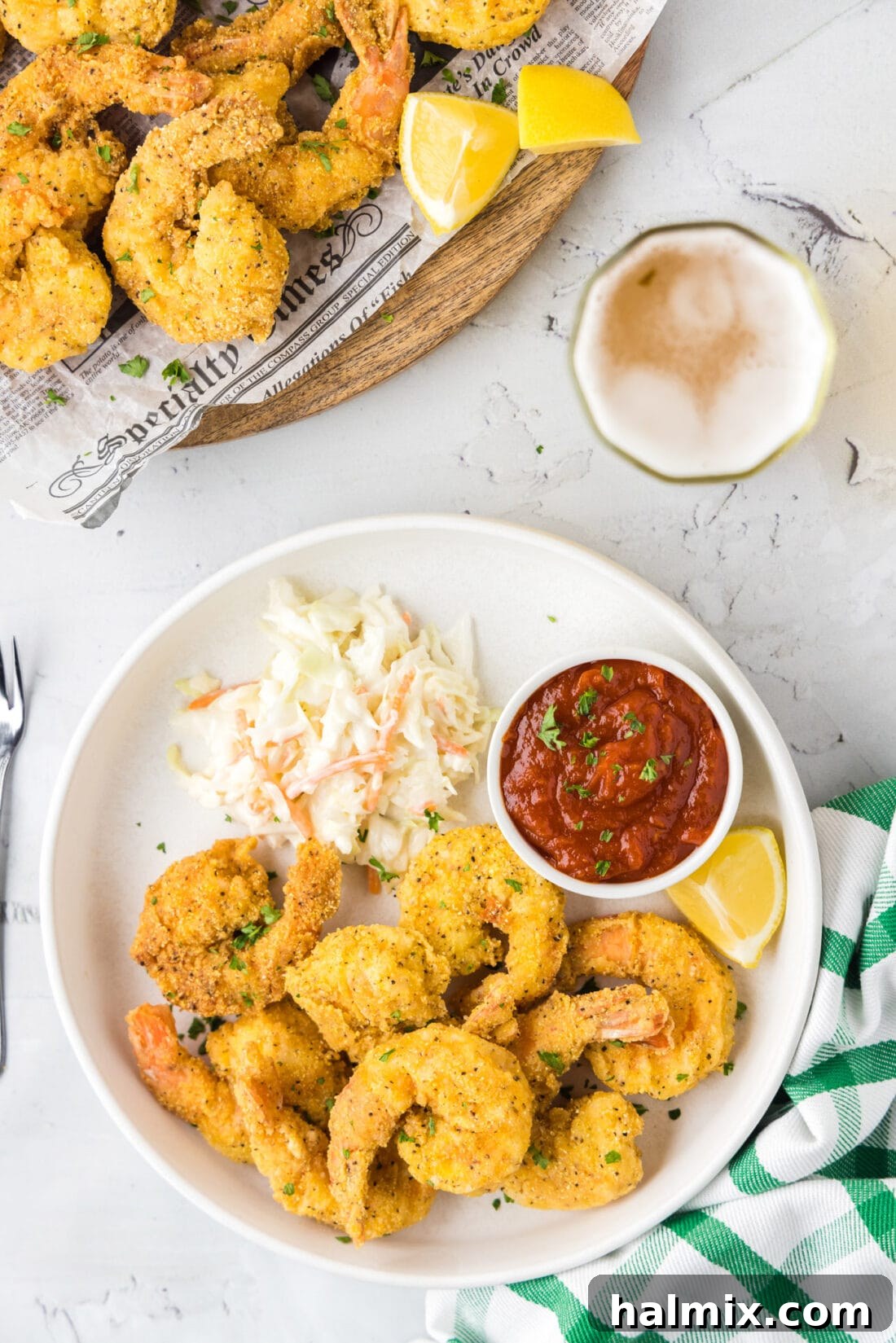
Crispy fried shrimp are incredibly versatile and pair beautifully with a variety of side dishes and dipping sauces, making them perfect for any occasion, from casual dinners to festive gatherings. Here are some ideas to complete your meal:
- Classic Sides: For a quintessential seafood shack experience, serve your fried shrimp alongside creamy coleslaw or perfectly golden french fries. Other great options include hush puppies, onion rings, or a fresh green salad to add a touch of freshness.
- Dipping Sauces: Fried shrimp are the ideal vehicle for a delicious dipping sauce.
- Cocktail Sauce: The traditional choice, offering a zesty, slightly spicy kick.
- Garlic Butter: For a rich and indulgent experience, a simple melted garlic butter is divine.
- Alabama White Sauce: A unique, tangy, and slightly spicy mayonnaise-based sauce that adds an exciting twist.
- Tartar Sauce: Creamy, briny, and herbaceous, it’s another classic pairing.
- Remoulade: A spicier, more complex cousin to tartar sauce, often featuring Creole mustard and various spices.
- Sweet Chili Sauce: For those who enjoy a sweet and spicy contrast.
- Lemon Wedges: Sometimes, all you need is a fresh squeeze of lemon juice to brighten the flavors and cut through the richness.
- Main Course Ideas: Beyond an appetizer, fried shrimp can be the star of your meal.
- Shrimp Po’Boys: Pile them high on a crusty roll with lettuce, tomato, and remoulade for an authentic Louisiana sandwich.
- Shrimp Tacos: Serve them in warm tortillas with your favorite slaw, a drizzle of lime crema, and salsa.
- Shrimp Platter: Combine with other fried seafood like oysters or fish for a hearty mixed platter.
Discover More Delectable Shrimp Recipes
If you’re a shrimp enthusiast, the culinary possibilities are endless! Once you’ve mastered these crispy fried shrimp, explore other fantastic ways to prepare this versatile seafood:
- Sauteed Shrimp
- Popcorn Shrimp
- Butterfly Shrimp
- Blackened Shrimp
- Air Fryer Coconut Shrimp
I find immense joy in cooking and baking, and I love sharing my kitchen experiences with all of you! To make sure you never miss a new recipe, I offer a convenient newsletter delivered right to your inbox. Simply subscribe today and start receiving your free daily recipes, bringing fresh inspiration to your culinary adventures!
Crispy Fried Shrimp
IMPORTANT – There are often Frequently Asked Questions within the blog post that you may find helpful. Simply scroll back up to read them!
Print It
Pin It
Rate It
Ingredients
- 1 ¼ pounds grilling shrimp
- 2 large eggs
- ¼ cup water
- 1 cup all-purpose flour divided
- ½ cup yellow cornmeal
- 1 Tablespoon garlic salt
- 2 teaspoons black pepper
- ½ Tablespoon Old Bay seasoning
- vegetable oil for frying
Equipment You’ll Need
-
Large skillet
-
Tongs
-
Vinyl gloves
-
Baking sheet
-
Wire rack
Chef’s Notes & Expert Tips
- We used fresh grilling shrimp, though you can use almost any kind of fresh shrimp for this recipe. Frozen shrimp will also work, but be sure you allow them to thaw then pat them dry so the breading can stick. The smaller the shrimp you use, the less time it will take them to fry in the oil. Shrimp cooks quickly; once they begin to turn golden and curl up, they should be finished cooking.
- Store leftovers in an air-tight container kept in the refrigerator for 3-4 days.
- To reheat, add the fried shrimp to a skillet over medium-low heat with a small amount of oil. Reheat until warmed through, about 1-2 minutes per side. Be careful not to reheat them too long, as the shrimp can become tough and chewy. You can also reheat them in the air fryer at 350°F (175°C) for 3-5 minutes for optimal crispness.
- Oil Temperature is Key: For the crispiest, non-greasy fried shrimp, maintain your oil temperature between 350-375°F (175-190°C). A kitchen thermometer is highly recommended. If the oil is too cool, the breading absorbs too much oil and becomes soggy. If it’s too hot, the outside will burn before the shrimp cooks through.
- Don’t Overcrowd the Pan: Frying shrimp in small batches ensures that the oil temperature doesn’t drop significantly. Overcrowding leads to lower oil temperature, resulting in greasy, less crispy shrimp.
- Pat Dry, Always: Before dredging, ensure your shrimp are thoroughly patted dry. Any excess moisture will prevent the breading from sticking properly, impacting the crunch.
Instructions
-
Line a large baking sheet with paper towels to create your draining station.
-
In a medium bowl, whisk together the eggs and water until well combined.
-
In a separate medium bowl, add half of the all-purpose flour. Pour the remaining half of the flour into a large bowl.
-
Into the large bowl with flour, add the yellow cornmeal, garlic salt, black pepper, and Old Bay seasoning. Using gloved hands or a whisk, thoroughly combine the flour, cornmeal, and seasonings until uniform.
-
Dredge each shrimp first in the plain flour, then dip into the egg mixture, and finally coat generously in the cornmeal mixture. Ensure each shrimp is fully coated. Transfer each breaded shrimp to a wire rack, arranging them in a single layer, until all shrimp are coated.
-
Pour enough vegetable oil into a large, deep skillet to reach about 1/2-inch up the sides of the pan. Heat the oil over medium-high heat until it is shimmering and reaches approximately 350-375°F (175-190°C).
-
Carefully place the breaded shrimp into the hot oil, ensuring not to overcrowd the skillet (you may need to work in batches). Cook for 2-3 minutes per side, using tongs to turn the shrimp over. Continue cooking until they are golden brown and cooked through.
-
Remove the cooked shrimp from the oil and immediately transfer them to the paper towel-lined baking sheet to drain any excess oil. Serve hot and enjoy!
Nutrition Information
The recipes on this blog are tested with a conventional gas oven and gas stovetop. It’s important to note that some ovens, especially as they age, can cook and bake inconsistently. Using an inexpensive oven thermometer can assure you that your oven is truly heating to the proper temperature. If you use a toaster oven or countertop oven, please keep in mind that they may not distribute heat the same as a conventional full sized oven and you may need to adjust your cooking/baking times. In the case of recipes made with a pressure cooker, air fryer, slow cooker, or other appliance, a link to the appliances we use is listed within each respective recipe. For baking recipes where measurements are given by weight, please note that results may not be the same if cups are used instead, and we can’t guarantee success with that method.