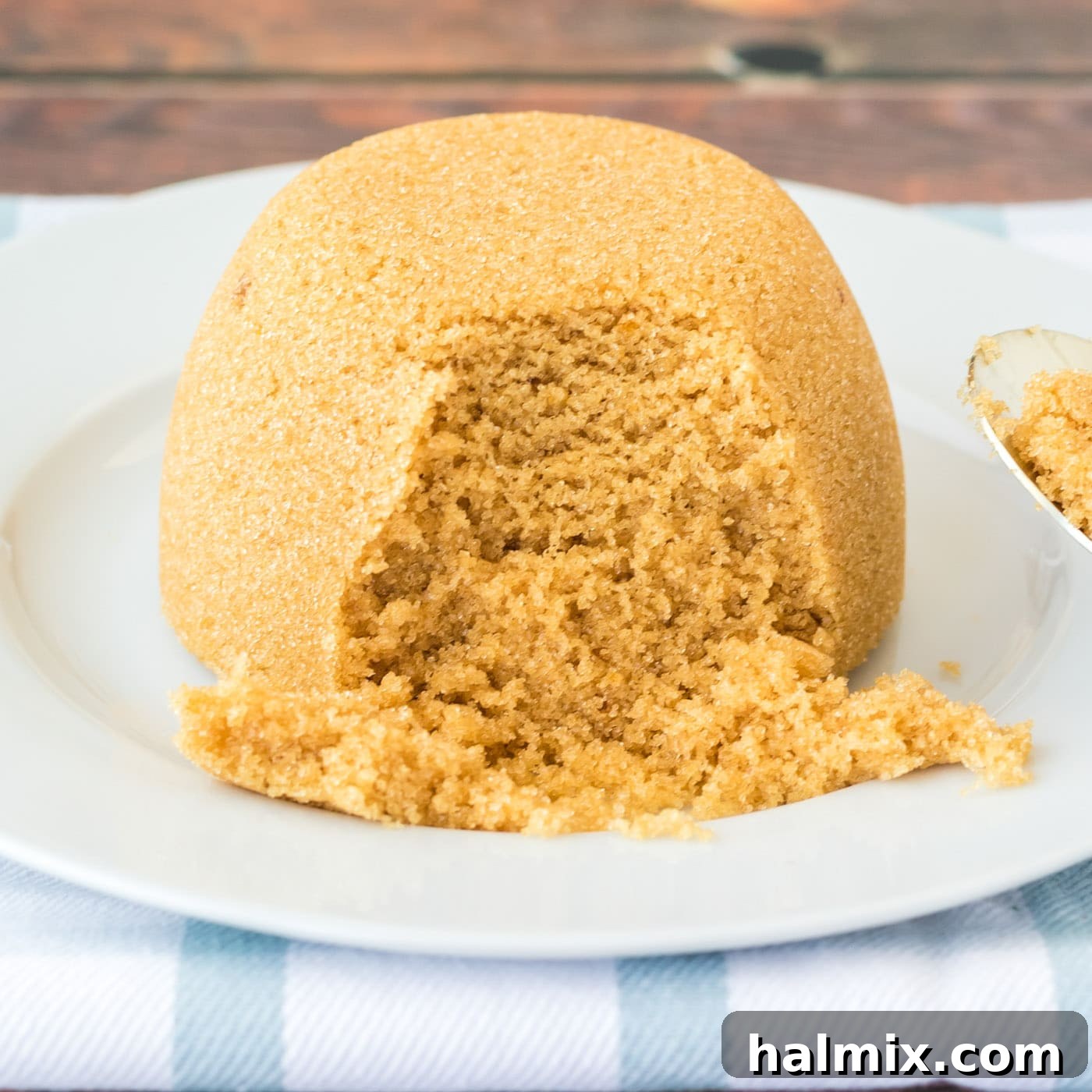
Have you ever started a recipe, only to realize you’re out of brown sugar? Don’t let that common kitchen dilemma derail your baking or cooking plans! This incredibly easy and quick brown sugar substitute recipe is your ultimate kitchen hack. Made with just two simple ingredients – granulated sugar and molasses – it comes together in mere minutes, ensuring you always have the rich, caramelly sweetness you need, right when you need it. Forget rushing to the store; with this homemade solution, you can whip up fresh brown sugar in a pinch or prepare a batch to store for future culinary adventures.
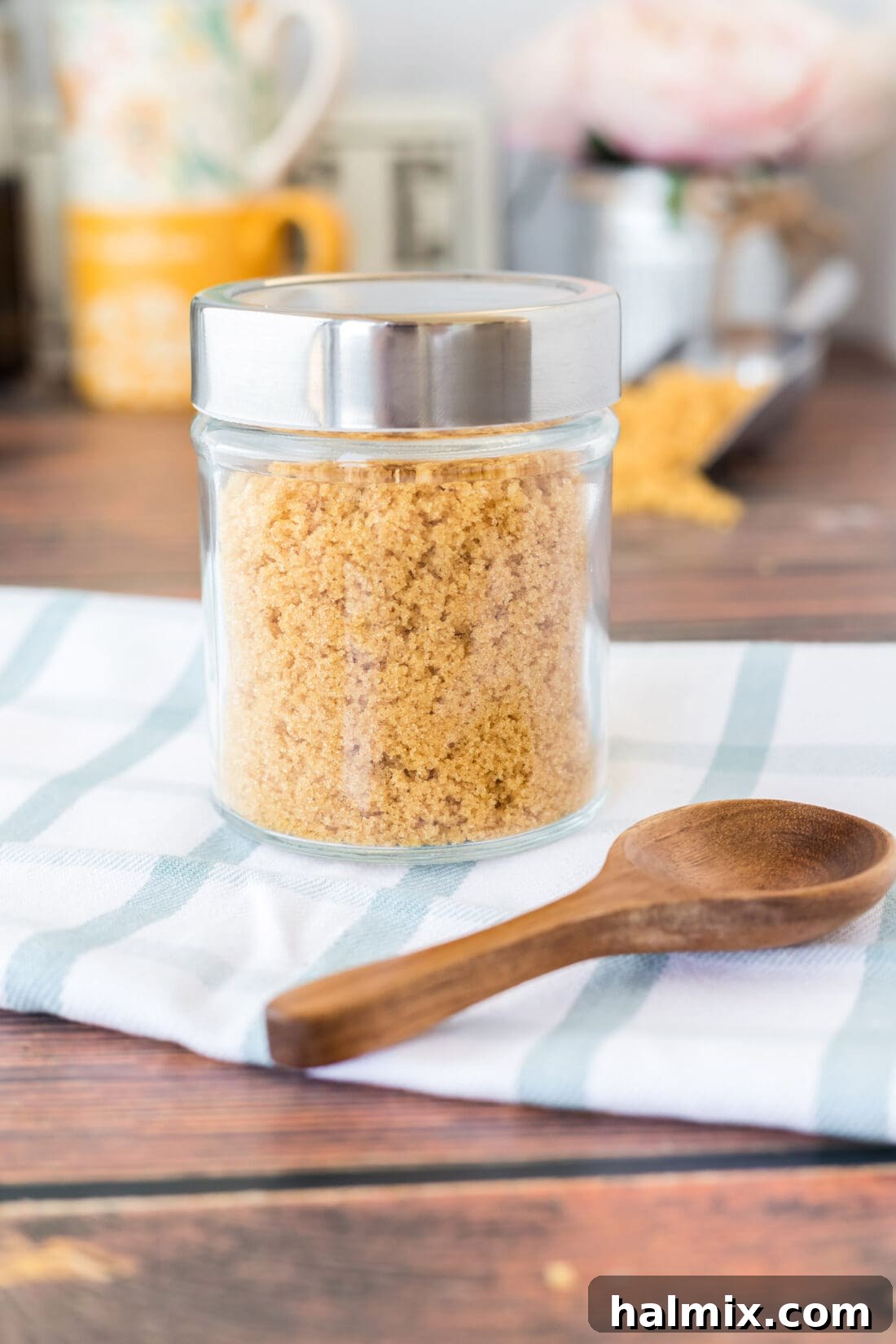
Unlock the Magic: Why This Homemade Brown Sugar Recipe is a Game-Changer
This two-ingredient brown sugar substitute isn’t just a clever trick; it’s a genuine kitchen essential for every home cook and baker. Whether you’ve unexpectedly run out of store-bought brown sugar or are simply seeking a reliable, high-quality how-to-make brown sugar recipe, this method delivers consistently excellent results. The simplicity of using just granulated sugar and molasses means you likely already have the ingredients on hand, saving you time and a trip to the grocery store.
But beyond convenience, this homemade version offers distinct advantages. Brown sugar is renowned for its unique contribution to both sweet and savory dishes, imparting a deep, caramelly flavor, a distinctive moist texture, and a beautiful golden-brown hue. It’s the secret behind the irresistible chewiness of cookies, the tender glaze on glazed carrots, and the delightful inversion of a pineapple upside down cake. Attempting to substitute with regular white sugar simply won’t achieve the same depth of flavor, color, or the characteristic moistness that makes brown sugar so irreplaceable in many recipes.
This quick DIY brown sugar takes just 5 minutes to prepare, yet it transforms ordinary granulated sugar into a versatile ingredient that elevates your culinary creations. Plus, when stored properly in an airtight container, your homemade brown sugar substitute can stay fresh for up to 3 months, ensuring you’re always prepared for any baking or cooking inspiration that strikes. It’s not just a substitute; it’s a superior, fresh alternative that puts you in control of your ingredients.
Essential Ingredients for Your Homemade Brown Sugar
Crafting your own brown sugar substitute requires minimal ingredients, making it an incredibly accessible and economical option. You’ll only need two staple items, which most pantries are already stocked with. For precise measurements and detailed instructions, refer to the printable recipe card located at the conclusion of this article.
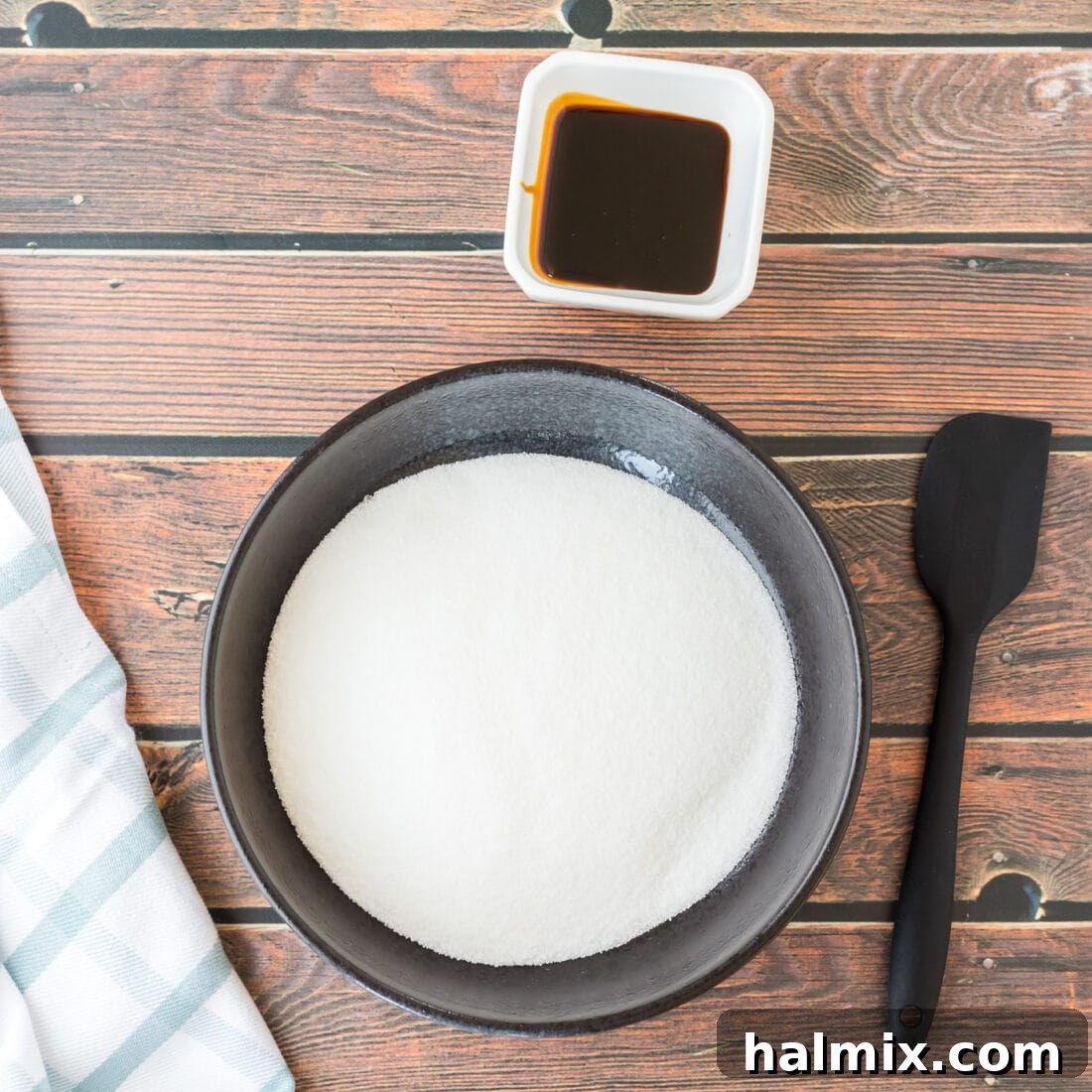
Ingredient Spotlight: Granulated Sugar & Molasses
Understanding the role of each ingredient is key to appreciating the magic behind this simple brown sugar substitute. While the recipe calls for only two components, their unique properties are what make this DIY method so effective.
Granulated White Sugar: The Sweet Foundation
Granulated sugar, also known as white sugar or table sugar, serves as the base for our homemade brown sugar. It’s a refined sucrose product, prized for its pure sweetness and fine crystalline structure. When combined with molasses, these crystals absorb the liquid, taking on its color, flavor, and moisture. This transformation is what gives brown sugar its characteristic soft texture and rich taste. There are no direct substitutes for granulated sugar in this particular recipe, as its crystalline structure is essential for properly absorbing the molasses.
MOLASSES: The Heart of Brown Sugar’s Flavor and Texture
Molasses is the vital ingredient that transforms plain white sugar into rich, flavorful brown sugar. It is a thick, dark syrup that is a byproduct of refining sugar cane or sugar beets into sugar. It’s much more than just a sweetener; molasses provides brown sugar with its signature moisture, distinctive caramel notes, and its characteristic brown color. Without molasses, you simply have white sugar.
-
Why Molasses is Crucial:
- Flavor: Molasses introduces complex, deep, and slightly smoky notes that are absent in white sugar, creating the signature brown sugar taste.
- Moisture: The high moisture content of molasses is absorbed by the granulated sugar crystals, resulting in brown sugar’s soft, pliable texture. This moisture is also crucial for preventing baked goods from drying out and contributes to their chewiness.
- Color: The dark hue of molasses gives brown sugar its appealing golden-brown to deep brown color, depending on the amount used.
- Substitution Caution: The unique composition of molasses means there are no true substitutes that will yield identical results for this brown sugar recipe. Syrups like maple syrup, corn syrup, or honey, while sweet, lack the specific sugar and mineral profile of molasses. They will not provide the same depth of flavor, moistness, or chemical properties required to properly transform granulated sugar into brown sugar. Using them would result in a sweetened, flavored sugar, but not a true brown sugar substitute in terms of texture and characteristic taste. It’s essential to use real molasses for authentic results.
-
Types of Molasses: While any standard molasses (often labeled “unsulphured molasses” or “robust molasses”) will work, understanding the different grades can be helpful.
- Light Molasses: The sweetest and lightest in color, often used in baking.
- Dark Molasses: Richer, less sweet, and darker than light molasses, with a more pronounced flavor.
- Blackstrap Molasses: The darkest and most concentrated form, with a strong, slightly bitter flavor and high mineral content. It’s generally not recommended for making light brown sugar due to its intense taste.
For most brown sugar substitute recipes, light or regular (robust) molasses is ideal.
Crafting Your Own Brown Sugar: Step-by-Step Guide
These step-by-step photos and detailed instructions are provided to help you visualize the process of making this simple recipe. You can jump directly to the Printable Recipe Card at the end of this post for all measurements and comprehensive instructions.
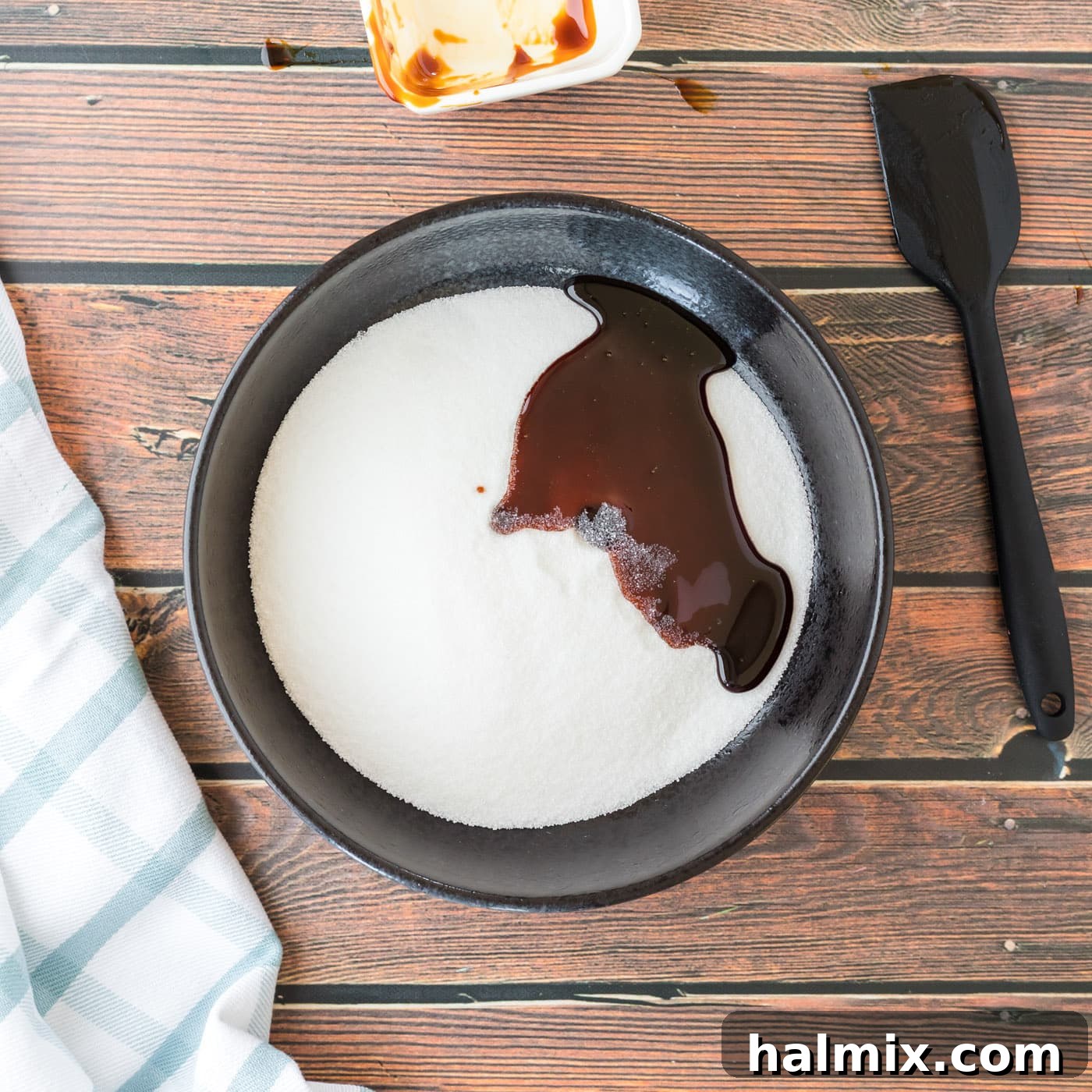
- In a medium mixing bowl, combine the granulated white sugar and the molasses. The key to achieving the perfect brown sugar consistency is thorough mixing. Begin by gently stirring the two ingredients with a spoon or fork, just to get them started.
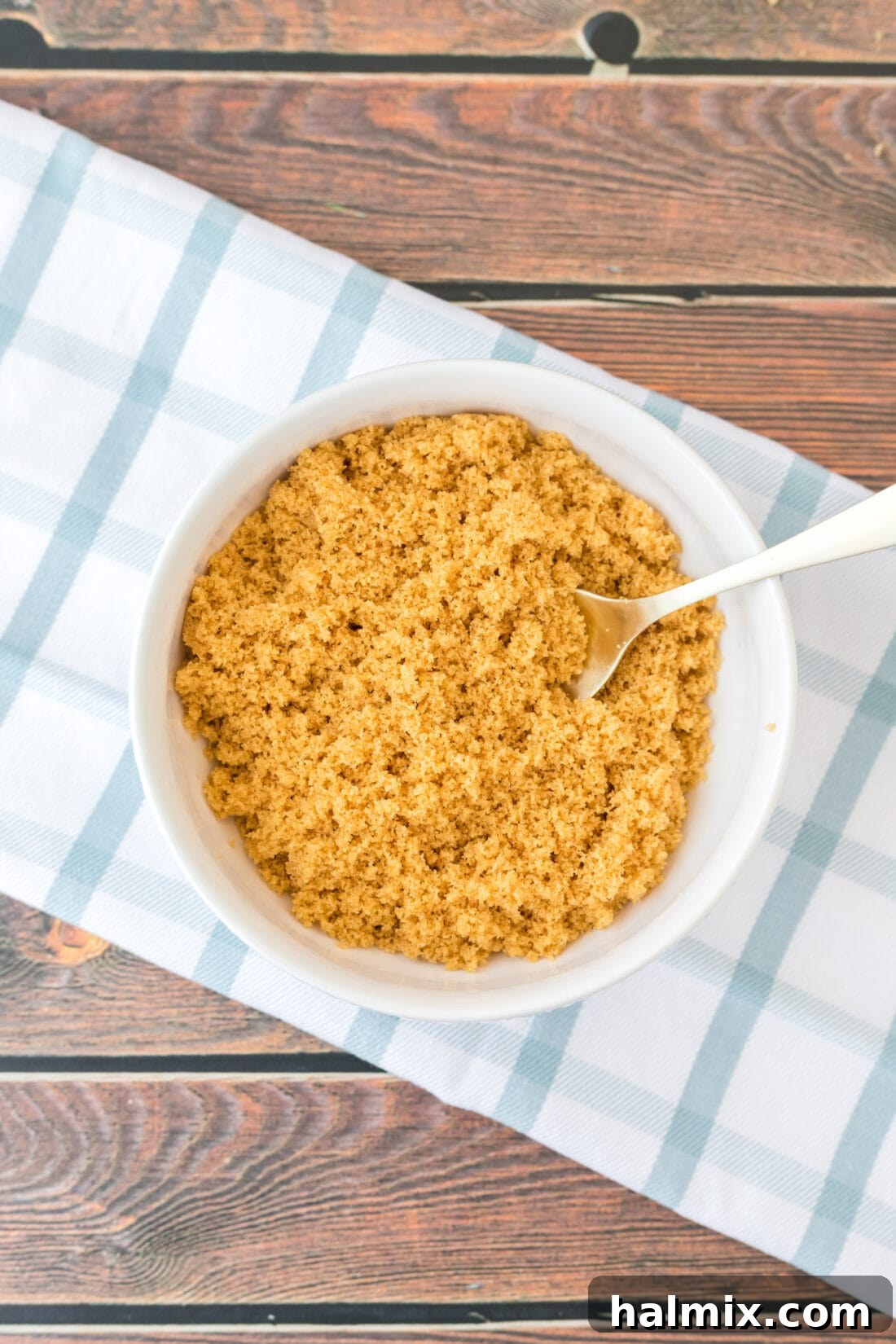
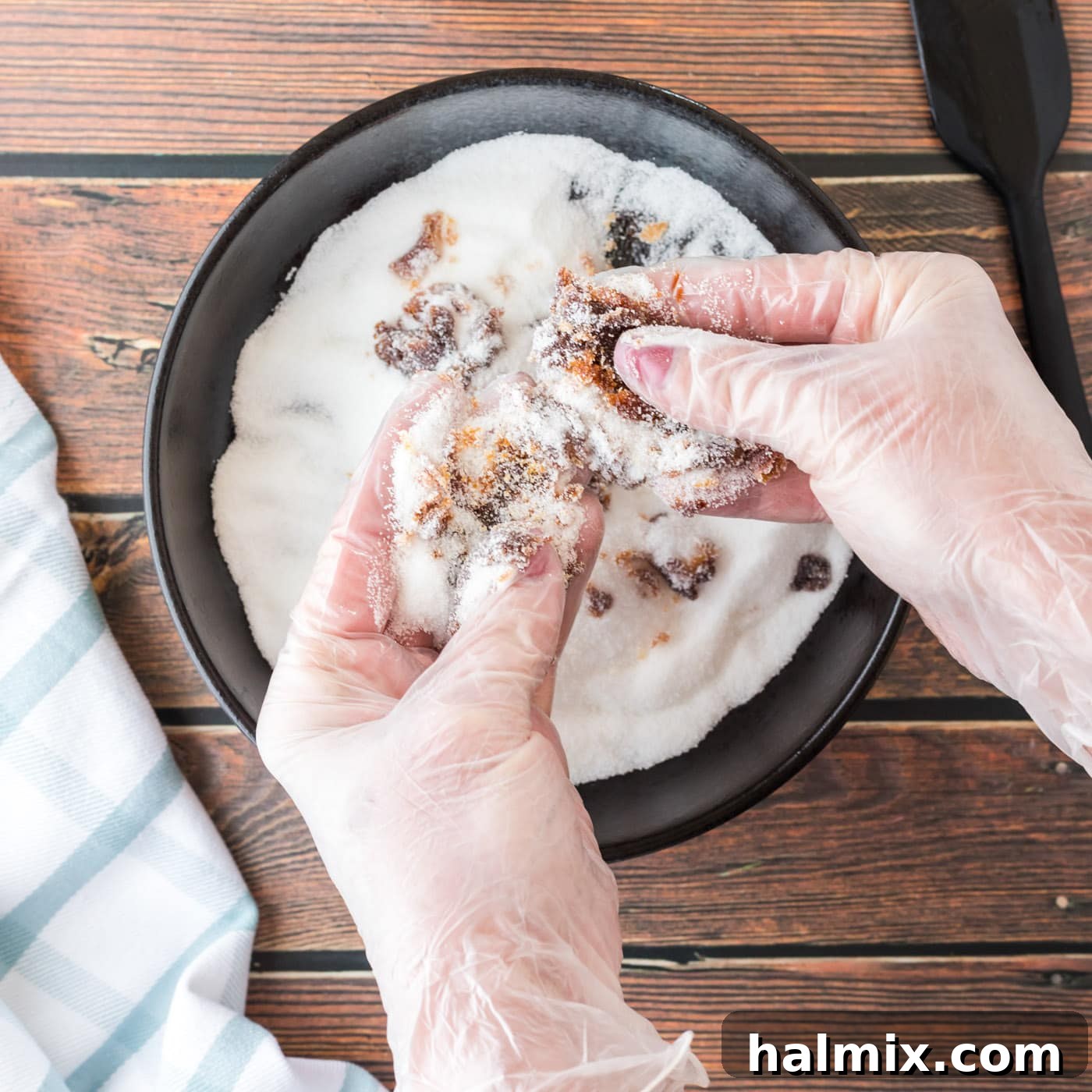
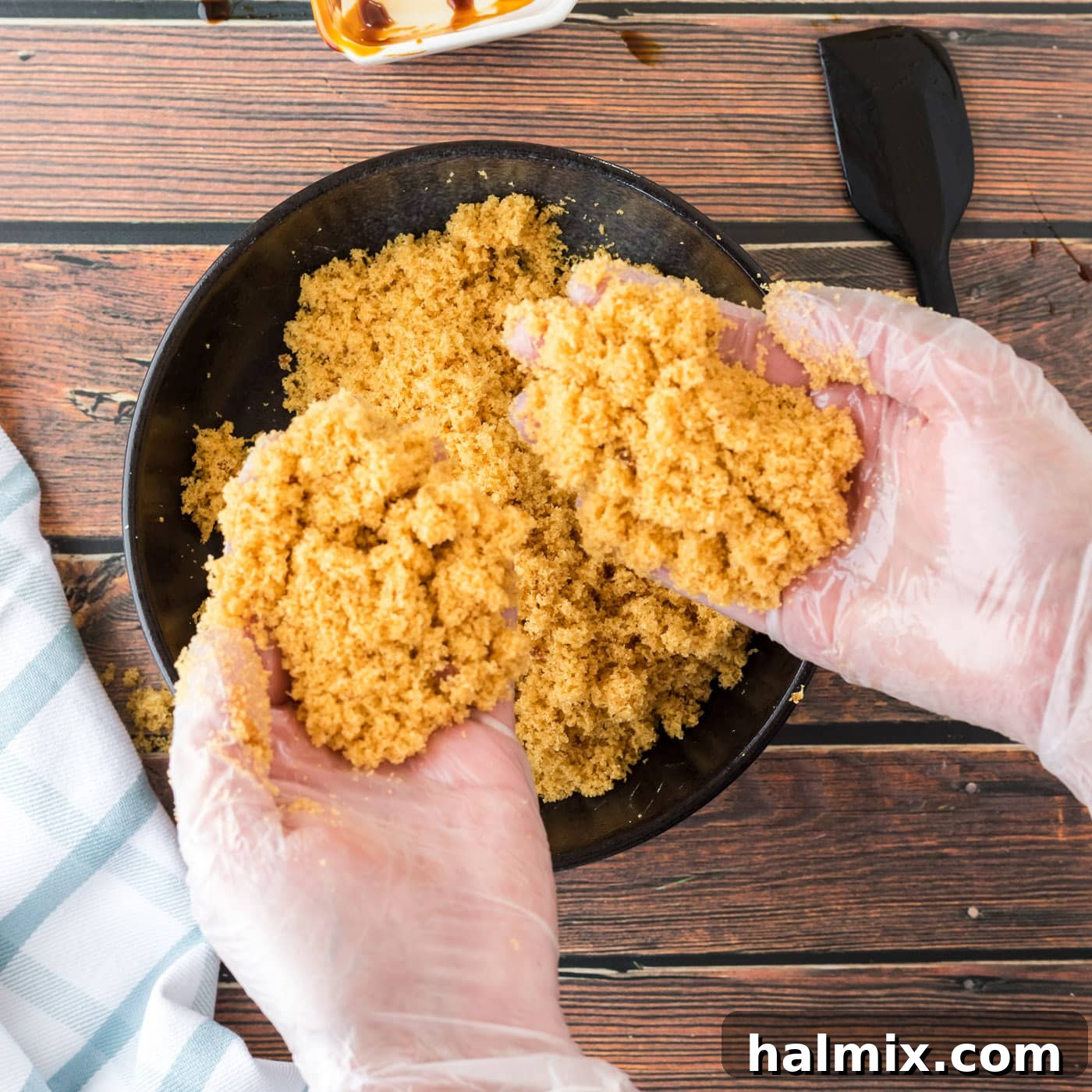
- Once the molasses is somewhat distributed, use your (gloved) fingers to rub and knead the molasses into the sugar. This hands-on method ensures that every sugar crystal is coated with the molasses, creating a uniform texture and color. Continue this process until the mixture is completely combined, evenly colored, and there are no visible streaks or pockets of pure molasses or white sugar. The sugar should feel soft, moist, and slightly crumbly, similar to store-bought brown sugar.

- Transfer your freshly made brown sugar to an airtight container. Ensure the container is sealed tightly to prevent the sugar from drying out and hardening. Store at room temperature away from direct sunlight. This homemade brown sugar will remain fresh and pliable for up to 3 months.
Frequently Asked Questions & Expert Tips for Perfect Brown Sugar
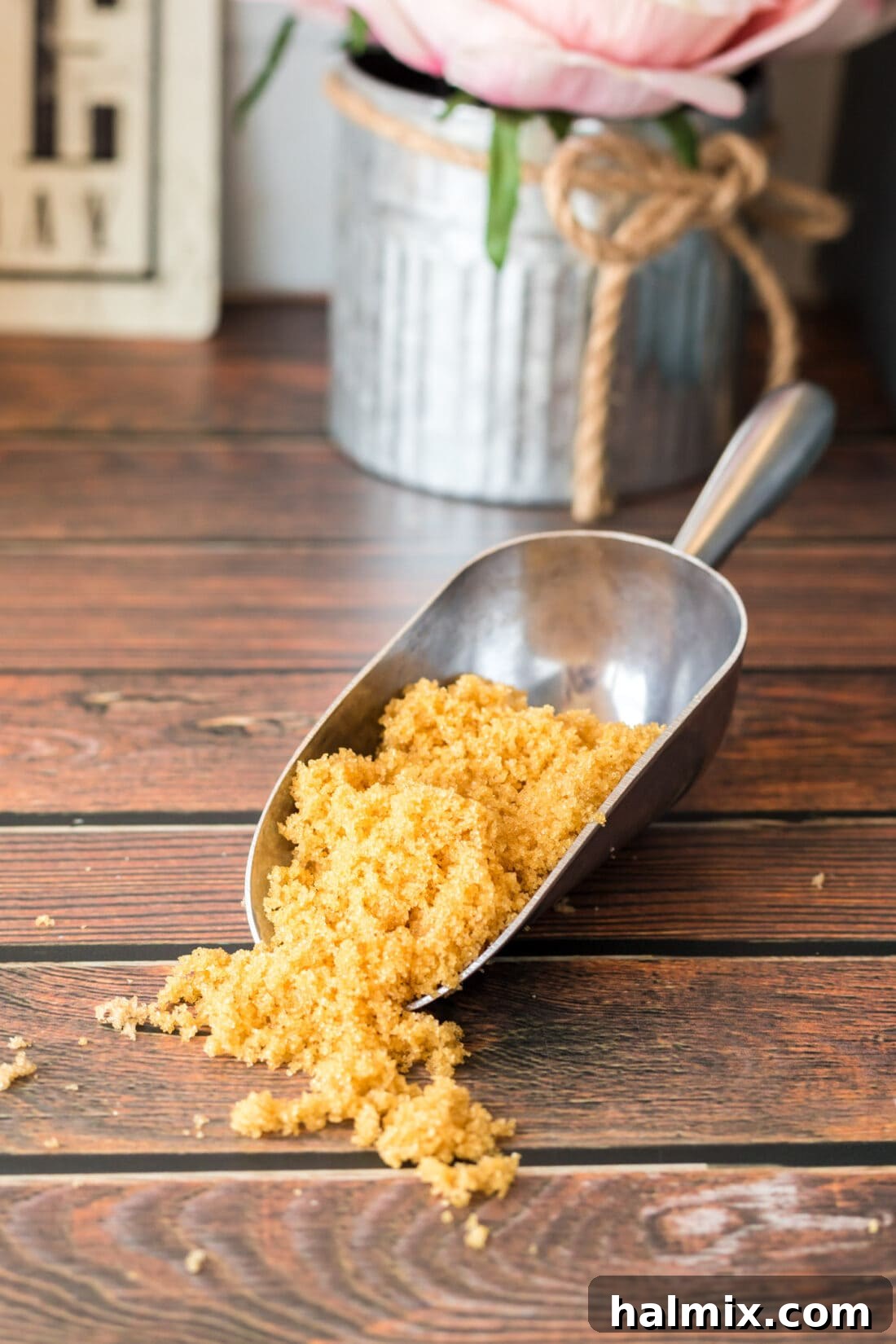
To maintain its signature moist and soft texture, it’s crucial to store your homemade brown sugar substitute in an airtight container. A tightly sealed jar or a heavy-duty ziptop bag with all the air removed works perfectly. Keeping it at room temperature, away from direct heat or sunlight, will help preserve its freshness. Stored this way, your brown sugar will remain soft and usable for up to 3 months. If it does start to harden, a common trick is to add a slice of fresh bread, a few apple slices, or a terra cotta disk to the container overnight; the moisture from these items will re-soften the sugar.
The base recipe provided here yields a light brown sugar, which is characterized by its milder molasses flavor and lighter color. However, you can very easily transform this into dark brown sugar by simply increasing the amount of molasses. For dark brown sugar, add an extra tablespoon of molasses to the mix (so, for 1 cup of granulated sugar, you would use 2 tablespoons of molasses). The only difference between light and dark brown sugar is the molasses content. More molasses results in a richer, deeper flavor profile and a darker color, which can significantly enhance the appearance and taste of certain baked goods, giving them a more robust, intense caramel note.
While a fork or spoon can start the process, using your hands is truly the most effective method for mixing molasses into granulated sugar. The warmth from your hands helps the molasses coat the sugar crystals evenly, and you can feel for any clumps, ensuring a perfectly integrated mixture. We highly recommend wearing food-safe vinyl gloves to prevent the sticky molasses from adhering to your skin and making cleanup a breeze.
Yes, absolutely! For larger batches or if you prefer a hands-off approach, a food processor or a stand mixer fitted with the paddle attachment can be used. Pulse the ingredients in a food processor until fully combined, or mix on low speed in a stand mixer. This can be quicker and less messy, especially if you’re making a significant amount of brown sugar. Ensure you scrape down the sides of the bowl to incorporate all ingredients evenly.
Beyond Baking: Versatile Uses for Homemade Brown Sugar
Brown sugar is a culinary powerhouse, treasured for its unique ability to add depth, moisture, and a delightful caramel flavor to a vast array of dishes. While it’s most commonly associated with sweet treats, its versatility extends far beyond the dessert table, making it a valuable addition to savory preparations as well. Whether you’re using this homemade brown sugar substitute or store-bought, here are just a few ideas for how to incorporate its rich goodness:
- Classic Desserts and Confections: Brown sugar is an indispensable ingredient in beloved baked goods. It provides the signature chewiness in chocolate chip cookies, adds a moist richness to brownies and bars, and forms the luscious base of frostings and glazes for cakes and cupcakes. Think of apple crisps, pecan pies, gingerbread, and oatmeal cookies – brown sugar is often the star!
- Sweetening Beverages: Stir a teaspoon or two into your morning coffee or tea for a richer, more complex sweetness than white sugar. It’s also excellent in homemade lemonades or iced teas.
- Savory Delights: Don’t limit brown sugar to sweets! It shines in savory applications, contributing a beautiful caramelized crust to roasted vegetables like sweet potatoes or carrots. It’s a key ingredient in many barbecue sauces, marinades, and glazes for ham, chicken, or salmon, providing a touch of sweetness that balances out other robust flavors.
- Breakfast Boost: Sprinkle it over oatmeal, cream of wheat, or plain yogurt for an instant flavor upgrade. It’s also fantastic in French toast batter or as a topping for pancakes and waffles.
- Fruit Enhancer: A dash of brown sugar can bring out the natural sweetness of fresh fruits. Try sprinkling it over berries, grilled peaches, or baked apples for a simple yet elegant dessert.
Delicious Recipes Featuring Brown Sugar
Once you’ve mastered making your own brown sugar substitute, you’ll find endless opportunities to put it to good use. From comforting breakfast items to impressive main courses and delectable desserts, brown sugar enhances flavor and texture in truly special ways. Here are some fantastic recipes where your homemade brown sugar will truly shine:
- Banana Fritters: The brown sugar will add a wonderful depth to these sweet, fried treats.
- Cedar Plank Salmon: Used in a glaze, brown sugar creates a beautiful caramelized crust and sweet-savory balance.
- Bacon Wrapped Little Smokies: A brown sugar glaze takes these appetizers to the next level of irresistible sticky sweetness.
- Cinnamon Streusel Muffins: Brown sugar is essential for a rich, crumbly streusel topping and moist muffin base.
- Mini Pineapple Upside Down Cakes: The classic caramelized topping relies heavily on brown sugar for its deep flavor and gooey texture.
- Homemade Granola: Use it to sweeten and bind your favorite oats, nuts, and seeds for a crunchy, flavorful breakfast or snack.
- Barbecue Ribs: A key component in many dry rubs and BBQ sauces, brown sugar contributes to that perfect sticky, sweet, and savory bark.
- Baked Beans: Adds a rich, deep sweetness and thickening quality to classic baked bean recipes.
I am passionate about baking and cooking and love sharing my kitchen experiences with all of you! To make sure you never miss a new recipe, I offer a convenient newsletter delivered straight to your inbox every time a new recipe is posted. Simply subscribe today and start receiving your free daily recipes, bringing fresh inspiration to your kitchen!
Brown Sugar Substitute
5 from 2 votes
For additional helpful tips and answers to common questions, please refer to the Frequently Asked Questions section earlier in this blog post.
Print It
Pin It
Ingredients
- 1 cup granulated white sugar
- 1 Tablespoon molasses
Things You’ll Need
-
Mixing bowls
-
Vinyl gloves
-
Airtight container
Before You Begin
- This recipe yields light brown sugar. To make dark brown sugar, simply add an additional tablespoon of molasses (totaling 2 tablespoons for 1 cup of sugar). This will result in a richer flavor and darker color.
- Using food-safe vinyl gloves during the mixing process makes cleanup significantly easier, as molasses can be quite sticky.
Instructions
-
Using your fingers (preferably gloved), rub the molasses into the granulated sugar until the mixture is completely combined, uniform in color, and no visible molasses or white sugar streaks remain.
-
Store the homemade brown sugar in a clean, airtight container at room temperature for up to 3 months to maintain its freshness and soft texture.
Nutrition
Calories: 52cal |
Carbohydrates: 13g |
Fat: 0.04g |
Polyunsaturated Fat: 0.001g |
Monounsaturated Fat: 0.001g |
Sodium: 1mg |
Potassium: 19mg |
Sugar: 13g |
Calcium: 3mg |
Iron: 0.1mg
Tried this Recipe? Pin it for Later!
Follow on Pinterest @AmandasCookin or tag #AmandasCookin!