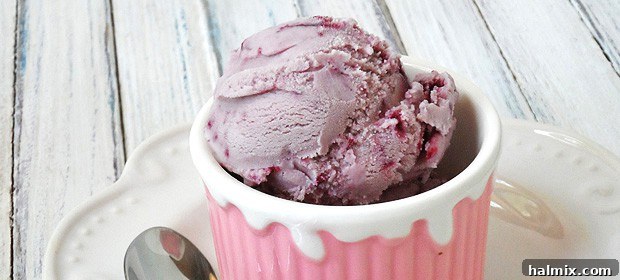
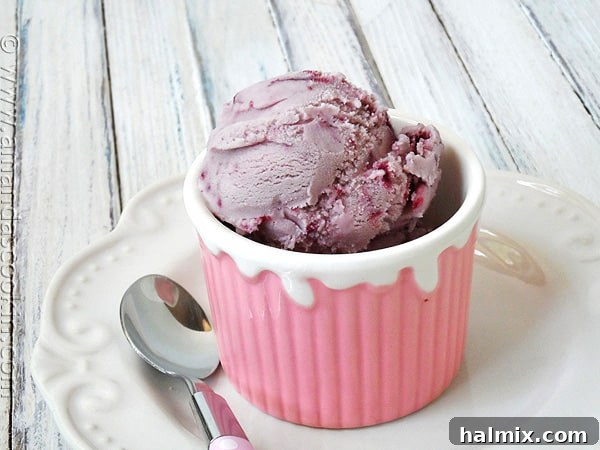
Vanilla Blackberry Jam Ice Cream: Your New Favorite Summer Treat
While National Ice Cream Day is a fun excuse to indulge, for true enthusiasts, every day is a perfect day for ice cream. There’s something uniquely satisfying about homemade ice cream, a delicious alchemy that transforms simple ingredients into a creamy, dreamy dessert. This particular recipe takes that joy to another level by incorporating the vibrant, sweet-tart essence of blackberry jam, resulting in a flavor profile that’s both comforting and exciting.
Homemade ice cream offers unparalleled freshness and the freedom to experiment with an endless array of flavors. Forget the artificial additives and limited choices of store-bought varieties; with your own ice cream maker, you unlock a world of culinary creativity. This recipe, featuring a delightful vanilla base swirled with rich blackberry jam, stands out as an easy yet incredibly rewarding endeavor. It’s perfect for impressing guests, delighting your family, or simply treating yourself to a spoonful of happiness on any given day.
The Magic of Jam in Homemade Ice Cream
Using jam or preserves in ice cream is a brilliant shortcut to intense, fruit-forward flavor. It eliminates the need for cooking down fresh fruit, reducing the moisture content, and ensuring a perfectly balanced sweetness and tang. Blackberry jam, in particular, offers a complex profile—sweet, slightly tart, with an earthy depth that complements vanilla beautifully. Opting for a seedless variety ensures a silky-smooth texture, free from any distracting bits, enhancing the overall luxurious mouthfeel of the ice cream. If you’re anything like me, your refrigerator likely boasts an impressive collection of various jam jars, making this recipe not just delicious but also incredibly convenient for utilizing those forgotten treasures.
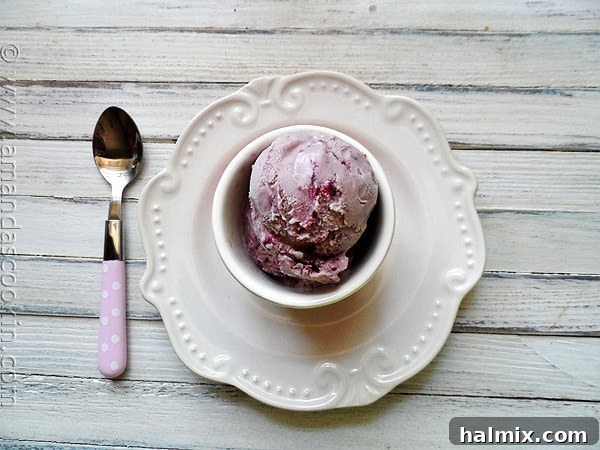
However, if you’re a purist or have a bounty of fresh blackberries, you can absolutely craft your own jam for this recipe. Simply cook fresh blackberries with a little sugar until they break down, then pass them through a fine-mesh sieve to remove any seeds. Allow this homemade blackberry preserve to cool completely before incorporating it into your ice cream base. This approach ensures the freshest possible fruit flavor, offering a bespoke touch to your homemade treat.
Unlocking the Creamiest Texture: A Look at Our Ingredients
The secret to irresistibly creamy homemade ice cream lies in the careful balance of fats and sugars, and this recipe masters that balance with a few key ingredients:
- Sweetened Condensed Milk: This isn’t just for sweetness; its thick, syrupy consistency is crucial for creating an incredibly smooth and luscious ice cream. It helps prevent ice crystals from forming, especially when combined with the other dairy components, contributing to that desirable melt-in-your-mouth texture.
- Heavy Whipping Cream: The high fat content in heavy cream is paramount for richness and body. As it churns, the fat molecules stabilize the air whipped into the mixture, resulting in a light yet decadent scoop that holds its shape beautifully.
- Half and Half: Providing a lighter touch than pure heavy cream, half and half balances the richness without compromising on creaminess. It ensures the ice cream isn’t overly dense, allowing the delicate vanilla and bold blackberry flavors to shine through without being weighed down.
- Vanilla Extract: A tablespoon of good quality vanilla extract is non-negotiable. It’s the backbone of the flavor, enhancing the sweetness of the condensed milk and providing a warm, aromatic contrast to the fruity jam. Vanilla elevates the entire profile, making it truly “vanilla blackberry.”
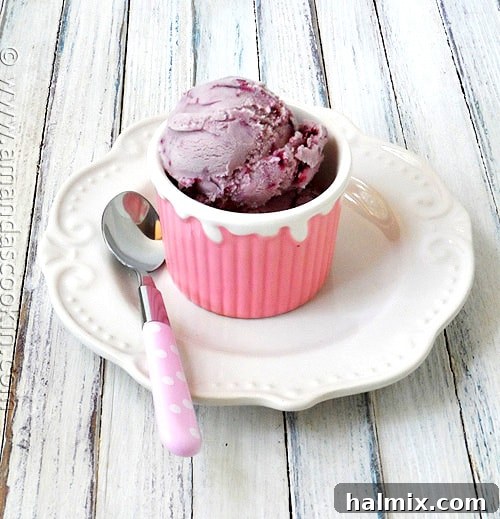
Mastering Your Ice Cream Maker for Perfection
Making ice cream with an ice cream maker is a straightforward process, but a few tips can ensure a perfect batch every time. Firstly, ensure your ice cream maker’s bowl is thoroughly chilled—ideally, it should have been in the freezer for at least 24 hours, or even longer for some models. A well-chilled bowl is essential for the mixture to freeze quickly and evenly, preventing the formation of large ice crystals that lead to an icy texture.
When combining your base ingredients, whisk them thoroughly until everything is completely integrated. This creates a homogeneous mixture that will freeze uniformly. Once churned, the addition of the warmed, thinned jam towards the end of the churning cycle is a stroke of genius. Heating the jam makes it easier to drizzle and ensures it disperses beautifully, creating those alluring streaks and swirls of blackberry goodness throughout the vanilla base. This method allows the jam to blend just enough to infuse flavor while maintaining distinct pockets of fruit intensity. The result is a sweet, smooth, and incredibly creamy ice cream, full of smile-inducing yumminess that will have you coming back for more.
Flavorful Variations and Serving Suggestions
This vanilla blackberry jam ice cream is a star on its own, but its versatility encourages experimentation. Don’t limit yourself to blackberries! Consider trying this recipe with other beloved jams: a sweet strawberry jam for a classic twist, tart raspberry jam for an extra zing, or even a rich cherry or apricot preserve for a more exotic touch. Each jam will bring its unique character, transforming this recipe into a new favorite every time.
Serve this delightful ice cream in classic cones, elegant bowls, or as an exquisite accompaniment to other desserts. It pairs wonderfully with a warm slice of pie, a moist chocolate cake, or even a simple waffle. Garnish with a few fresh blackberries, a sprig of mint, or a sprinkle of toasted almonds for an added touch of elegance and texture. Whether enjoyed on a hot summer day or as a comforting treat during cooler months, this ice cream is guaranteed to be a hit.
Tips for Success and Storage
- Chill Your Base: For best results, chill your prepared ice cream base in the refrigerator for at least 4 hours, or preferably overnight, before churning. This ensures the mixture is as cold as possible, speeding up the freezing process in the machine.
- Don’t Overfill: Be mindful of your ice cream maker’s capacity. The mixture will expand as it churns and incorporates air.
- Proper Freezing: After churning, transfer the ice cream to an airtight, freezer-safe container. Press a piece of plastic wrap directly onto the surface of the ice cream before sealing the container to prevent freezer burn and keep it fresh.
- Patience is Key: While the churning process creates soft-serve consistency, an overnight freeze is crucial for a firm, scoopable texture.
- Storage Duration: Homemade ice cream, stored correctly, will generally last for about 1-2 weeks in the freezer. Beyond that, its quality may start to degrade, though it will still be safe to eat.
Frequently Asked Questions (FAQ)
- Can I make this ice cream without an ice cream maker?
- While this recipe is optimized for an ice cream maker to achieve its signature creamy texture, you can adapt it to a “no-churn” method. After whisking the base ingredients, gently fold in the blackberry jam. Pour the mixture into a shallow, freezer-safe container, cover, and freeze for about 2 hours. Then, remove and whisk vigorously to break up ice crystals. Repeat this whisking process every 1-2 hours for a total of 6-8 hours, or until the ice cream is firm. While it won’t be exactly the same texture as churned ice cream, it will still be a delicious homemade treat.
- What if my ice cream turns out icy?
- Icy ice cream is often due to too much water content or slow freezing. Ensure your ice cream maker bowl is very cold, and don’t reduce the fat content of the dairy. Chilling the base mixture thoroughly before churning also helps. If using homemade jam, ensure it’s thick and not too watery. A touch of alcohol (like a tablespoon of vodka) can also lower the freezing point and help with a smoother texture, though it’s not strictly necessary for this recipe.
- How long does homemade ice cream last?
- For optimal taste and texture, homemade ice cream is best enjoyed within 1-2 weeks. After that, it can start to develop ice crystals and lose its freshness, though it remains safe to eat for longer if properly stored in an airtight container.
More Delightful Ice Cream Recipes
- Chocolate Ice Cream
- Homemade Vanilla Ice Cream
- Homemade Peppermint Ice Cream
- Peanut Butter Chocolate Chip Ice Cream
- Nutella Swirl Cheesecake Ice Cream
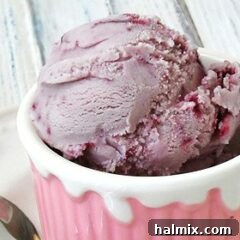
Vanilla Blackberry Jam Ice Cream
IMPORTANT – There are often Frequently Asked Questions within the blog post that you may find helpful. Simply scroll back up to read them!
Print It
Pin It
Rate It
Ingredients
- 14- oz can low fat sweetened condensed milk
- ½ cup heavy whipping cream
- 2 ½ cups half and half
- 1 tablespoon vanilla extract
- ½ cup seedless blackberry jam or preserves divided
Before You Begin
Instructions
-
Combine sweetened condensed milk, cream, and half and half in a large bowl. Add vanilla extract and 2 tablespoons of the jam to the milk mixture. Whisk until completely combined.
-
Pour milk/cream mixture into your ice cream maker.
-
Meanwhile, while ice cream is churning, heat the remaining jam in a small saucepan over medium heat until jam is thin and liquid-like. Drizzle the thinned jam into the ice cream maker five minutes before the churning is complete.
-
Transfer thickened ice cream to a freezable container and freeze overnight.
The recipes on this blog are tested with a conventional gas oven and gas stovetop. It’s important to note that some ovens, especially as they age, can cook and bake inconsistently. Using an inexpensive oven thermometer can assure you that your oven is truly heating to the proper temperature. If you use a toaster oven or countertop oven, please keep in mind that they may not distribute heat the same as a conventional full sized oven and you may need to adjust your cooking/baking times. In the case of recipes made with a pressure cooker, air fryer, slow cooker, or other appliance, a link to the appliances we use is listed within each respective recipe. For baking recipes where measurements are given by weight, please note that results may not be the same if cups are used instead, and we can’t guarantee success with that method.