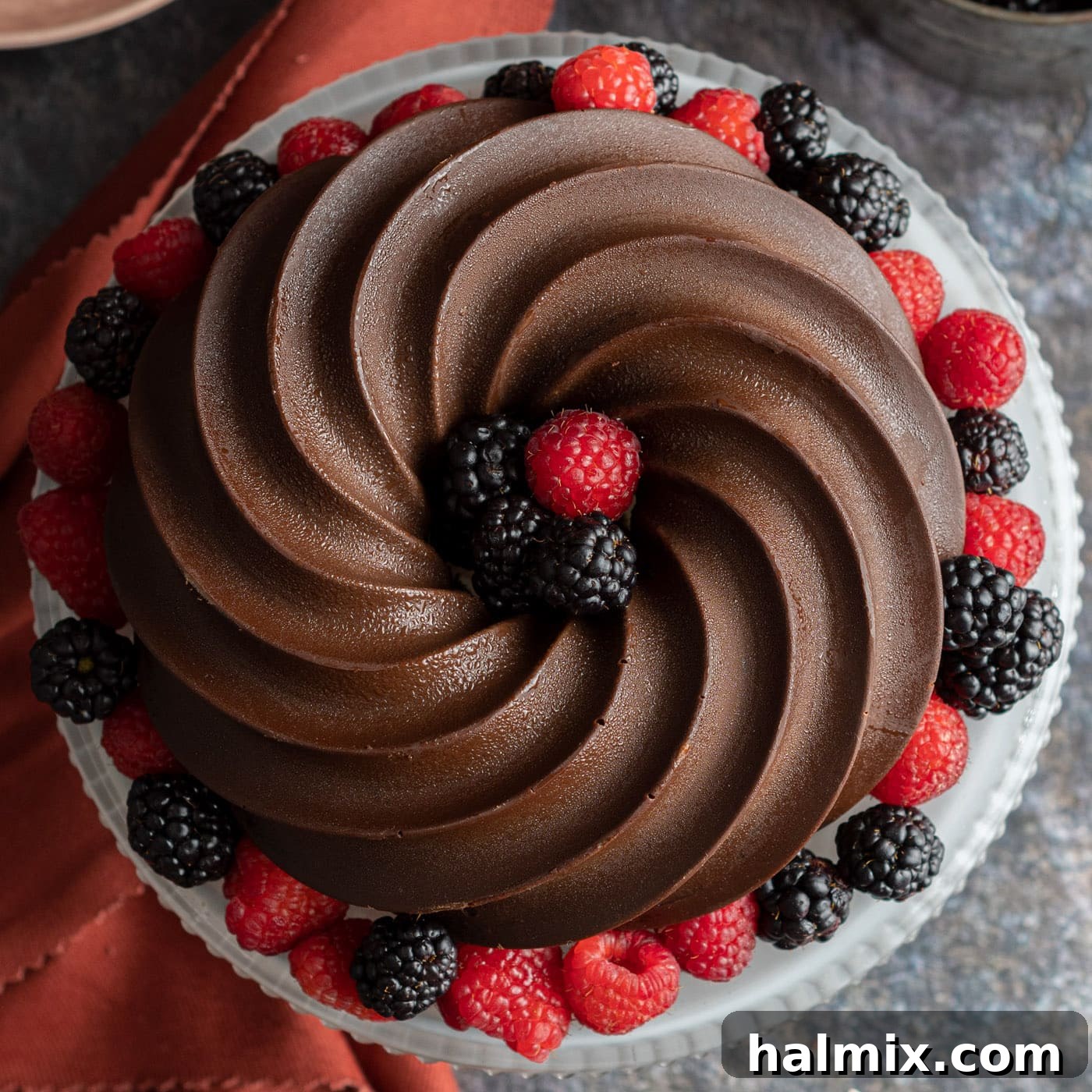
Prepare to indulge in the ultimate chocolate experience with this exceptionally rich, incredibly dense, and ultra-moist chocolate pound cake. Crowned with a luxurious, thick, and fudgy chocolate coating, this is far from your average bundt cake. It’s a dessert masterpiece designed to delight even the most discerning chocolate lover.
Why This Chocolate Pound Cake Recipe Stands Out
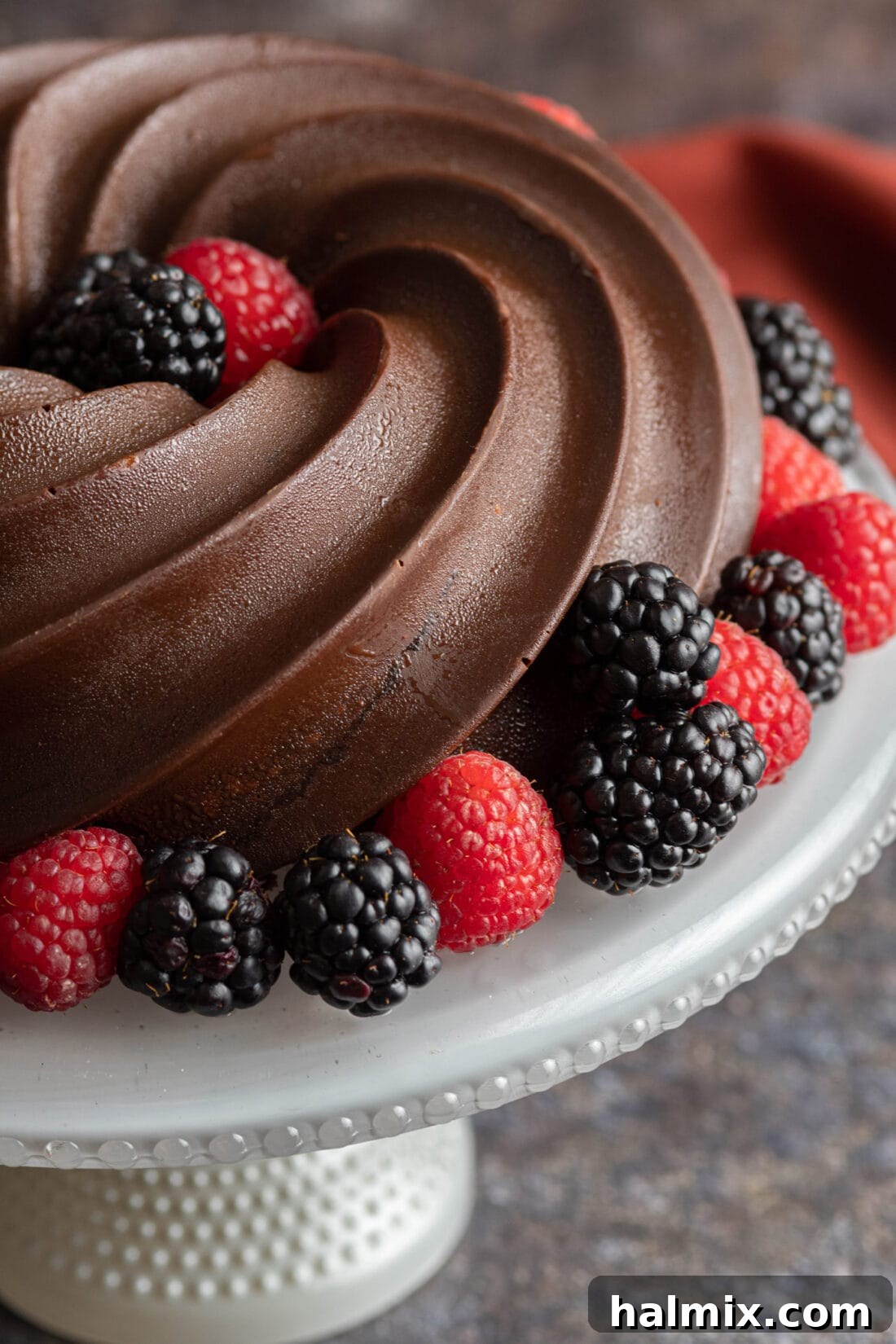
Our chocolate pound cake isn’t just another dessert; it’s a culinary journey. What sets this recipe apart is its harmonious blend of intense chocolate flavor, a remarkably moist and dense crumb, and a show-stopping fudgy chocolate shell. Unlike lighter, airy cakes, a pound cake is renowned for its substantial, buttery texture, traditionally made with a pound each of butter, sugar, eggs, and flour. We’ve taken that classic foundation and elevated it with rich cocoa and a unique chocolate coating that adds an irresistible textural contrast.
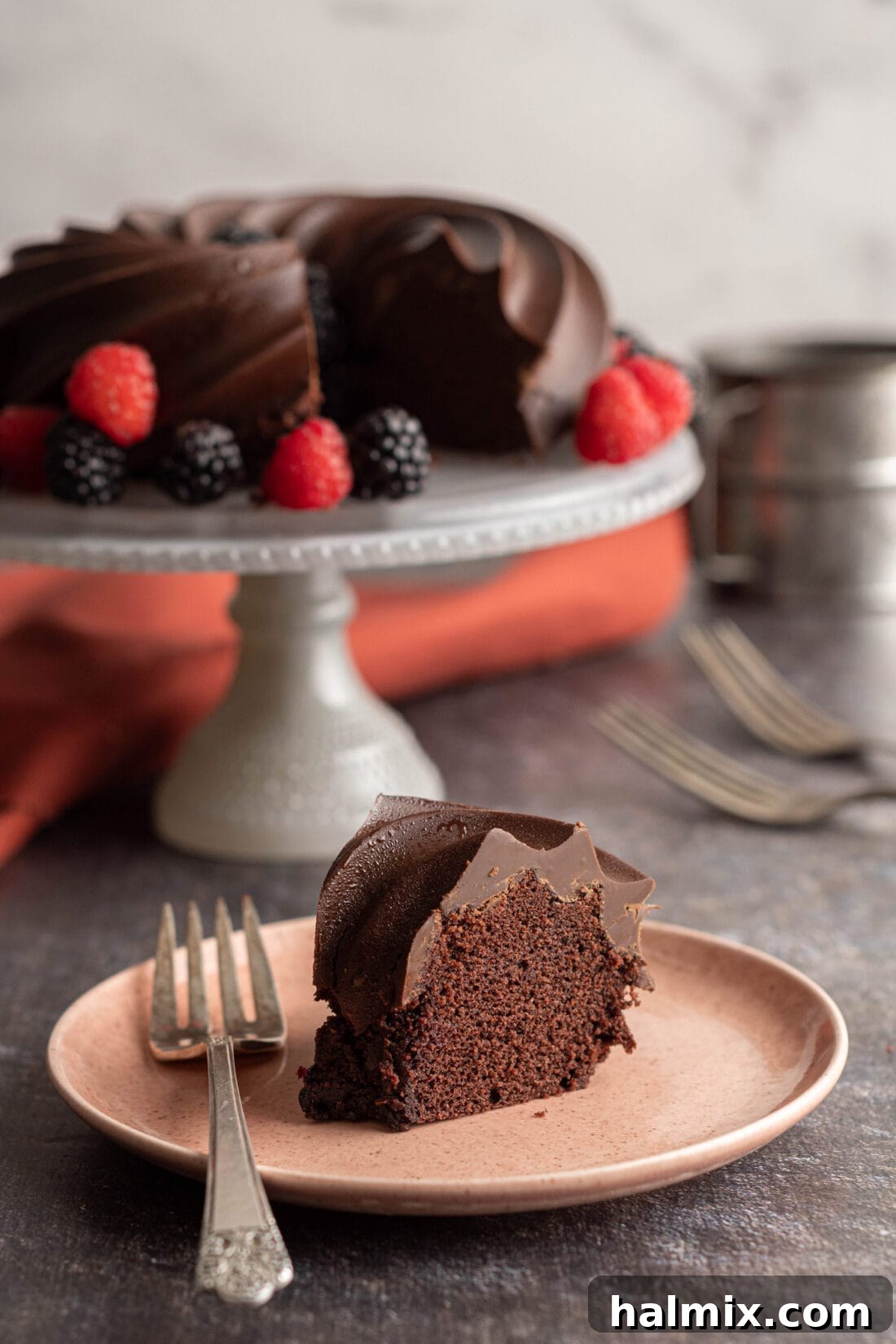
The secret to its incredible moistness lies in the careful balance of ingredients, including sour cream, which not only tenderizes the crumb but also adds a subtle tang that complements the deep chocolate notes beautifully. The cake bakes to a perfect golden-brown, yielding a tight, even crumb that melts in your mouth. But the true indulgence comes with the exterior – a thick, glossy chocolate shell that cracks ever so slightly as you cut into it, revealing the soft, dark interior. This isn’t merely a glaze; it’s a decadent layer of pure chocolate bliss that truly takes this pound cake from delicious to extraordinary. It transforms a simple cake into a gourmet experience, making it perfect for special occasions or simply a luxurious treat.
Essential Ingredients for Your Chocolate Pound Cake
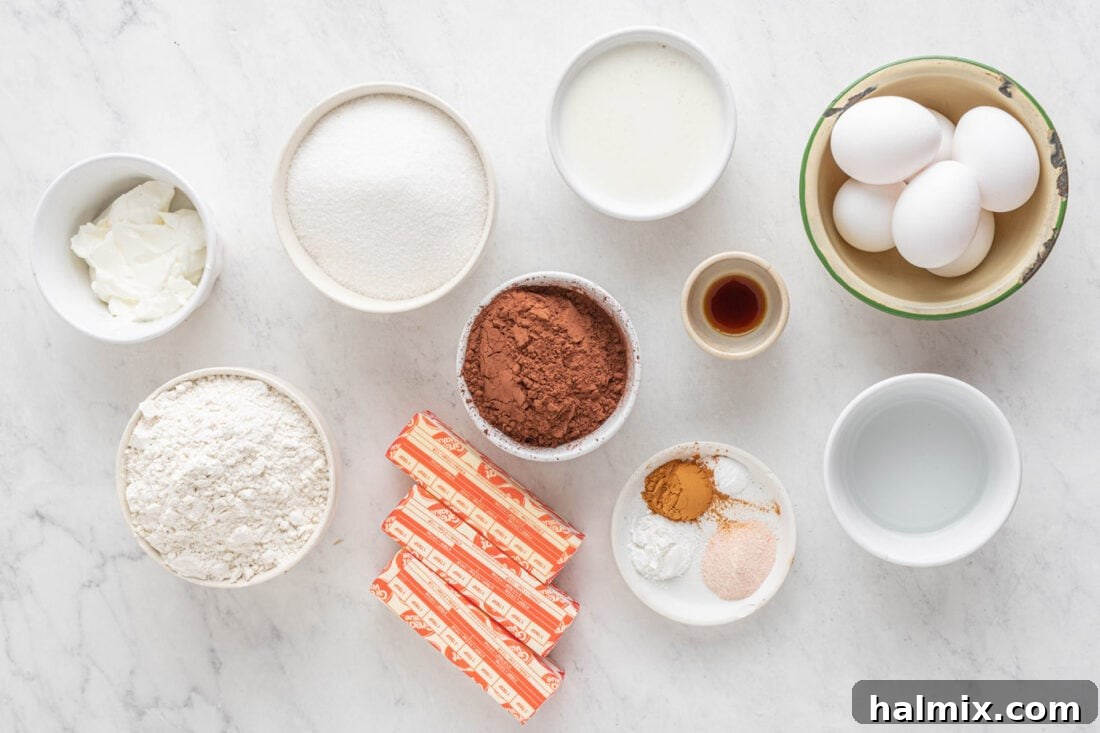
Crafting the perfect chocolate pound cake begins with selecting the right ingredients. While the full list with precise measurements and detailed instructions can be found in the printable recipe card at the end of this post, let’s explore some key components and why they are vital to this recipe’s success. Each ingredient plays a crucial role in achieving that rich flavor, moist texture, and perfect crumb. Gather your high-quality ingredients to ensure an unforgettable baking experience.
Ingredient Spotlight & Expert Substitution Tips
Understanding the role of each ingredient can transform your baking from following instructions to creating culinary magic. Here’s a deeper look into the components of our chocolate pound cake and smart substitution suggestions:
- Cocoa Powder: For an intensely rich and dark chocolate cake, we highly recommend using Dutch-processed cocoa powder, such as Hershey’s Special Dark. Dutch-processed cocoa has been treated with an alkali to neutralize its acidity, resulting in a smoother, less bitter flavor and a darker color. If you only have regular unsweetened cocoa powder (natural cocoa), you can certainly use it, but be aware the cake might be slightly lighter in color and have a more pronounced chocolate tang. The leavening agents are balanced for Dutch cocoa, but natural cocoa will still yield a delicious cake.
- Leavening Agents (Baking Powder & Baking Soda): These work in tandem to give the dense pound cake its ideal rise and tender structure. Baking soda reacts with the acidic sour cream and cocoa (if using natural cocoa) to create carbon dioxide, while baking powder provides an additional lift, ensuring a light yet sturdy crumb. Do not omit or substitute these.
- Cinnamon: While optional, a touch of cinnamon is a game-changer in this recipe. It doesn’t overpower the chocolate; instead, it subtly enhances and deepens the overall flavor profile, adding a layer of warmth and complexity that truly elevates the cake. If you’re hesitant, start with a smaller amount or omit it entirely, but we highly encourage you to try it!
- Sour Cream: This is a crucial ingredient for moistness and tenderness. The fat and acidity in sour cream break down gluten strands, preventing a tough cake, and impart a wonderfully rich, creamy texture. If you don’t have sour cream, you can substitute it with an equal amount of plain full-fat yogurt (Greek yogurt is also an option, but thin it slightly with a tablespoon of milk if it’s very thick) or even buttermilk for a similar acidic effect.
- Salted Butter: We specify salted butter for a reason – it adds a delightful depth of flavor and helps balance the sweetness. Ensure your butter is at room temperature for optimal creaming with the sugar, which creates air pockets essential for the cake’s texture. If you only have unsalted butter, simply add an extra ½ teaspoon of salt to the dry ingredients to achieve the same flavor balance.
- Eggs: Eggs are vital for structure, richness, and binding the ingredients. Using six large eggs contributes to the characteristic density and richness of a pound cake. Ensure they are at room temperature so they incorporate more evenly into the batter without curdling the butter mixture.
- Hot Water: Adding hot water at the end of mixing the batter might seem unusual, but it’s a brilliant trick for chocolate cakes. Hot water helps to “bloom” the cocoa powder, releasing its full flavor and making the chocolate taste even more intense and profound. It also thins the batter slightly to the perfect consistency.
For the Fudgy Chocolate Topping:
- Semi-Sweet Chocolate Chips: These provide the perfect balance of sweetness and deep chocolate flavor for the fudgy coating. You can use dark chocolate chips for an even more intense, less sweet topping, or milk chocolate chips for a milder, sweeter option, depending on your preference. High-quality chocolate chips will yield the best results.
- Crisco or Butter: A small amount of Crisco (shortening) or butter is added to the chocolate chips when melting. This serves two key purposes: it helps the chocolate melt smoothly and prevents it from seizing (becoming thick and grainy), and it gives the finished chocolate shell a beautiful, glossy sheen, making your pound cake look as professional as it tastes.
Crafting Your Decadent Chocolate Pound Cake: Step-by-Step Guide
These detailed step-by-step photos and instructions are provided to help you visualize each stage of making this incredible chocolate pound cake. For the full printable recipe with precise measurements and comprehensive instructions, please refer to the recipe card located at the bottom of this post.
- Prepare Your Oven and Bundt Pan: Begin by preheating your oven to 350°F (175°C). Next, prepare your silicone baking bundt mold. While silicone is generally nonstick, it’s always a good practice to lightly spray it with baking spray. This extra step ensures a perfect release, especially in the intricate corners of a bundt design, giving your cake beautifully crisp and defined edges.
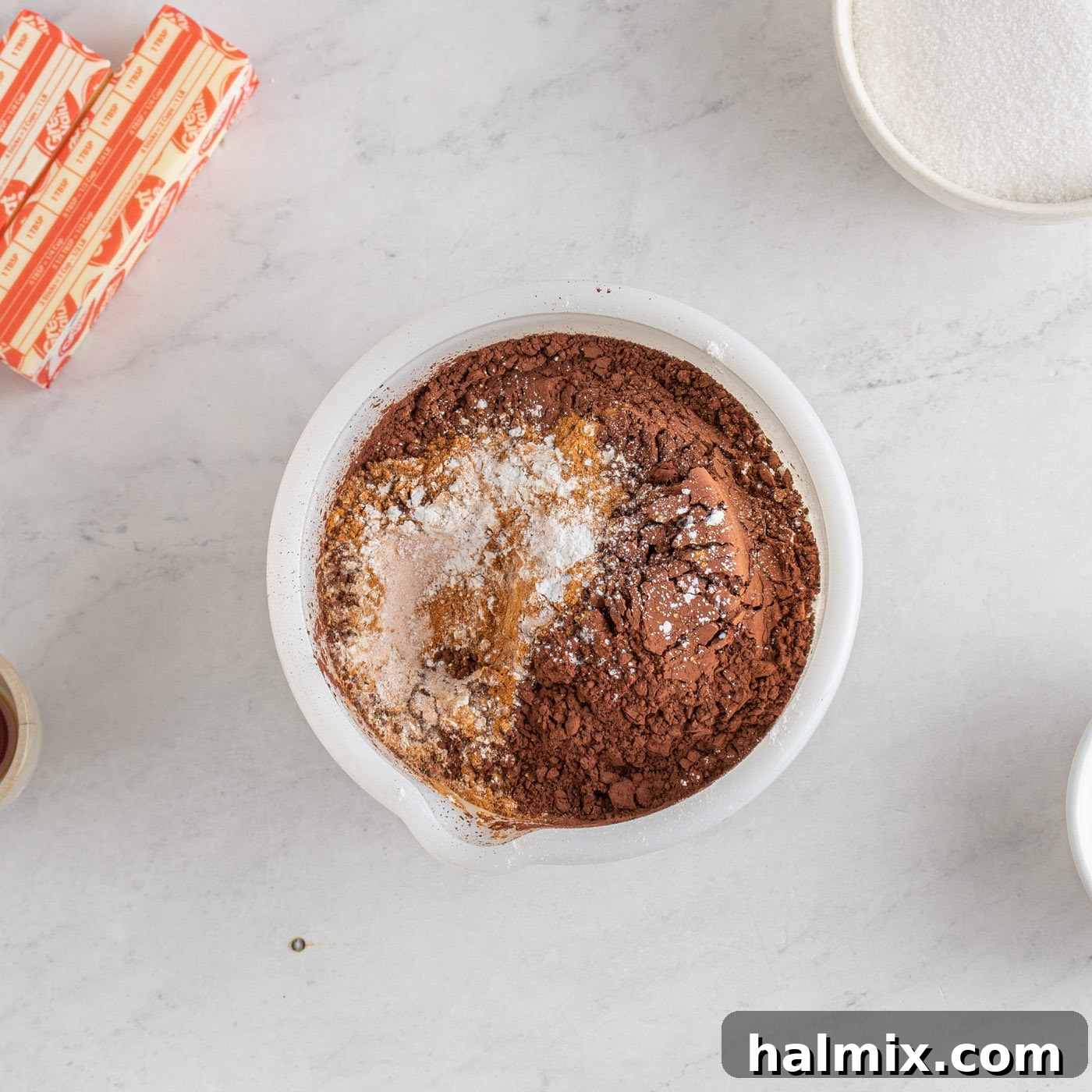
- Combine Dry Ingredients: In a medium-sized mixing bowl, whisk together the all-purpose flour, cocoa powder, baking powder, baking soda, salt, and optional cinnamon. Whisking ensures these dry ingredients are thoroughly combined and aerated, preventing pockets of leavening and promoting an even rise. Set this mixture aside.

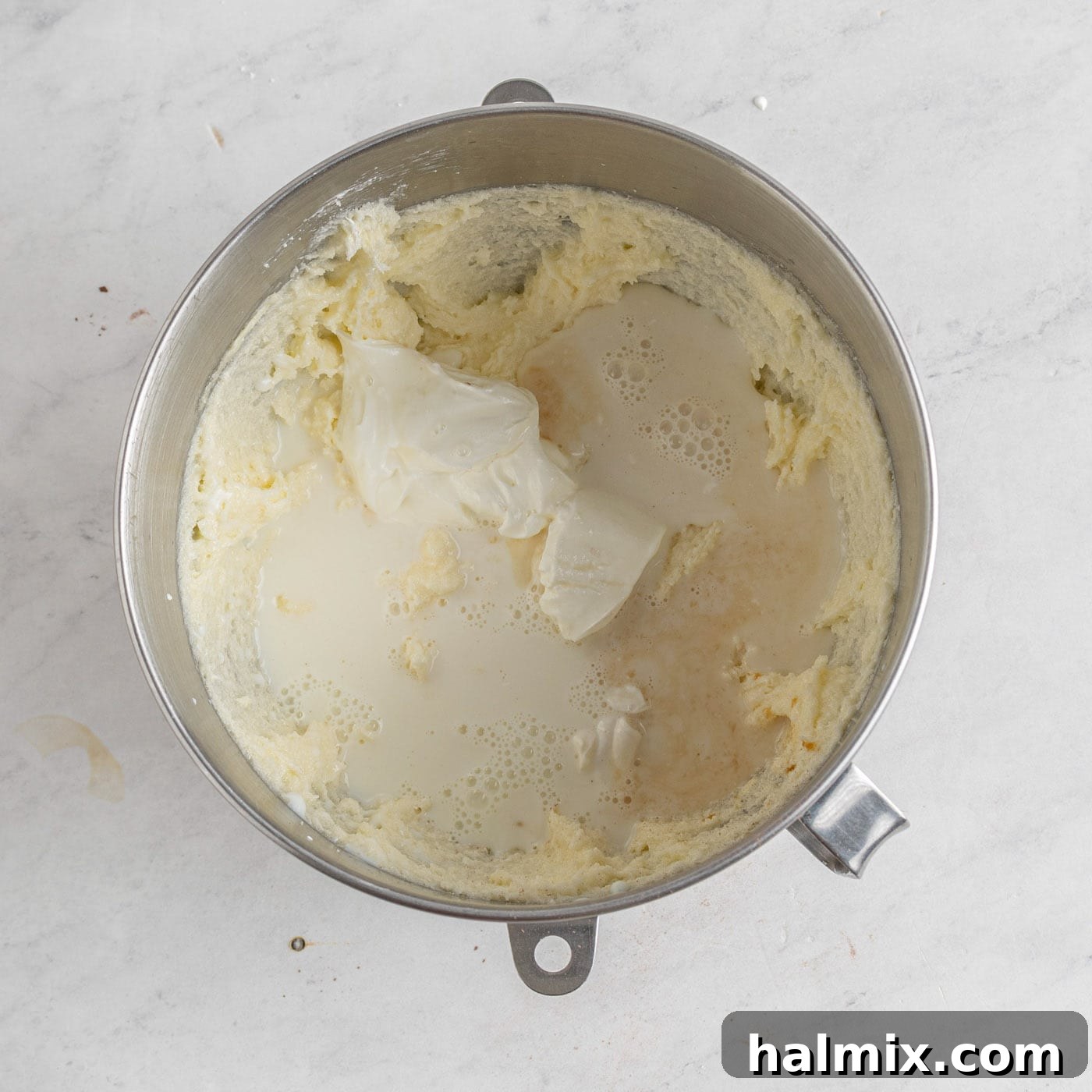
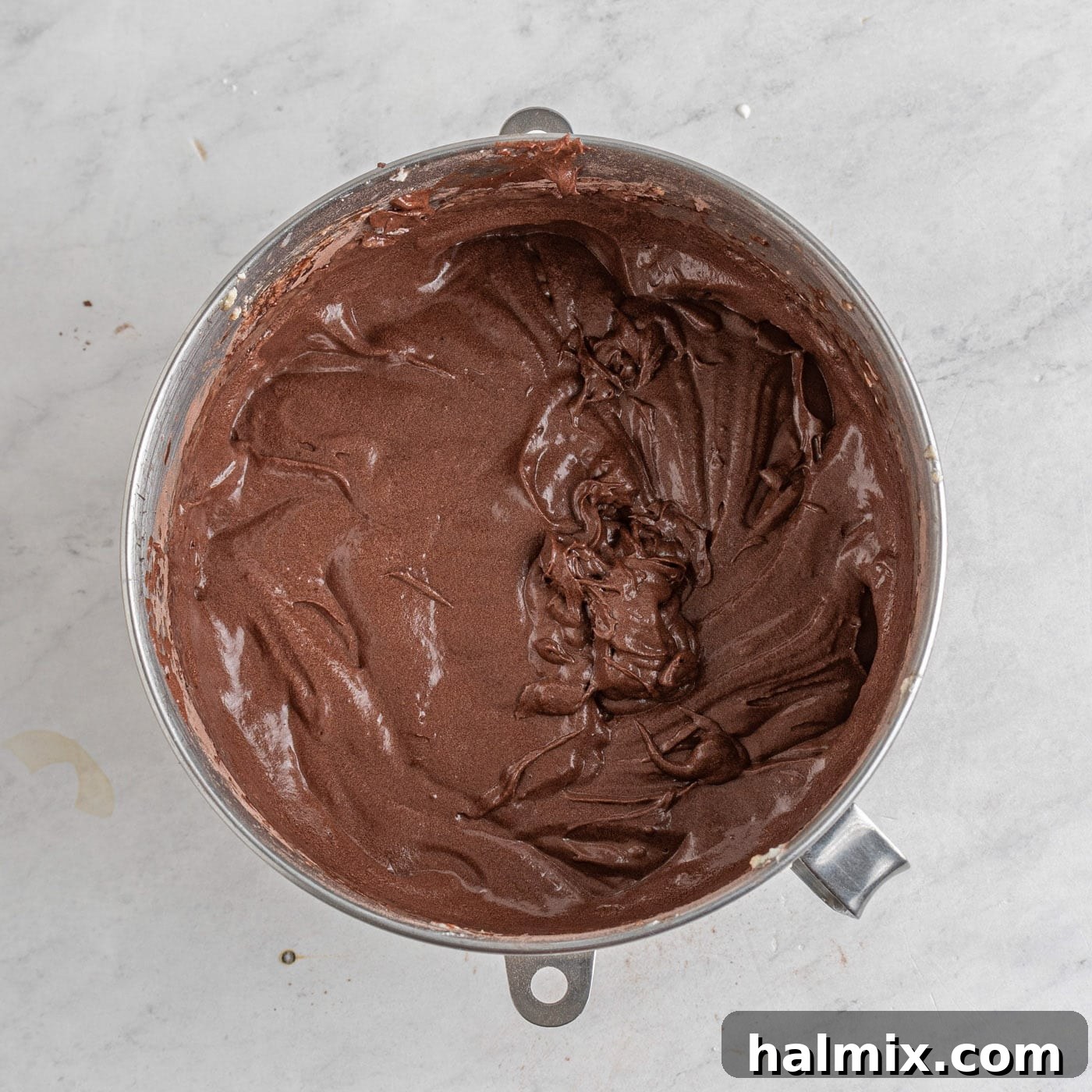
The combined dry ingredients, ready to be incorporated into the wet mixture. - Prepare Wet Ingredients and Combine: In the bowl of a stand mixer fitted with the paddle attachment, cream together the softened salted butter and granulated sugar on medium speed for about 1 minute until light and fluffy. This step incorporates air, contributing to the cake’s texture. Then, add the milk, sour cream, and vanilla extract, beating until well combined. Gradually add the eggs, one at a time, while the mixer is running, ensuring each egg is fully incorporated before adding the next. This creates a smooth emulsion. Once the wet ingredients are well-blended, gradually add the reserved flour mixture and mix on low speed for 1 minute until just combined. Be careful not to overmix, as this can develop the gluten too much, leading to a tough cake. Finally, pour in the hot water and mix for another 30 seconds to fully bloom the cocoa and achieve the perfect batter consistency.
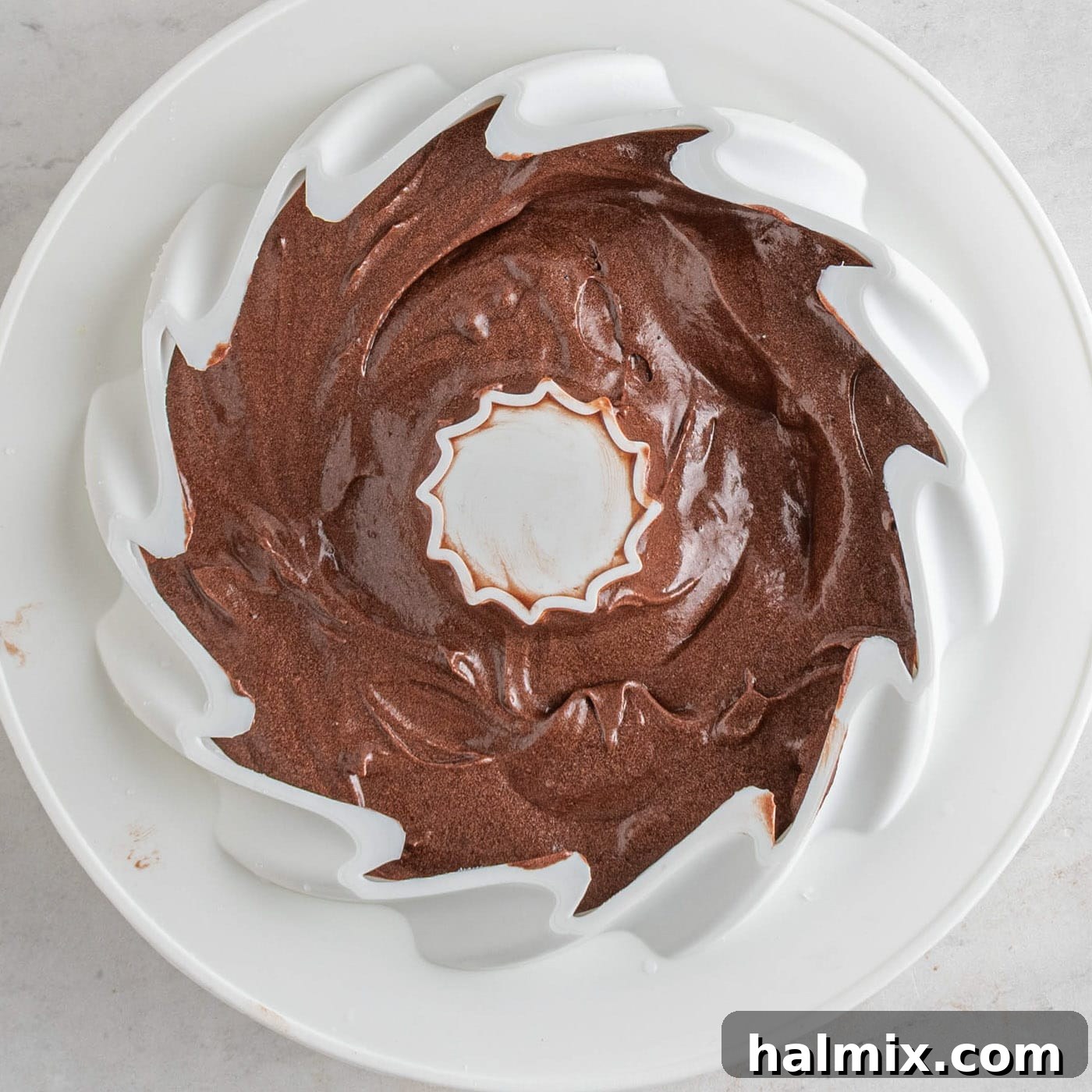
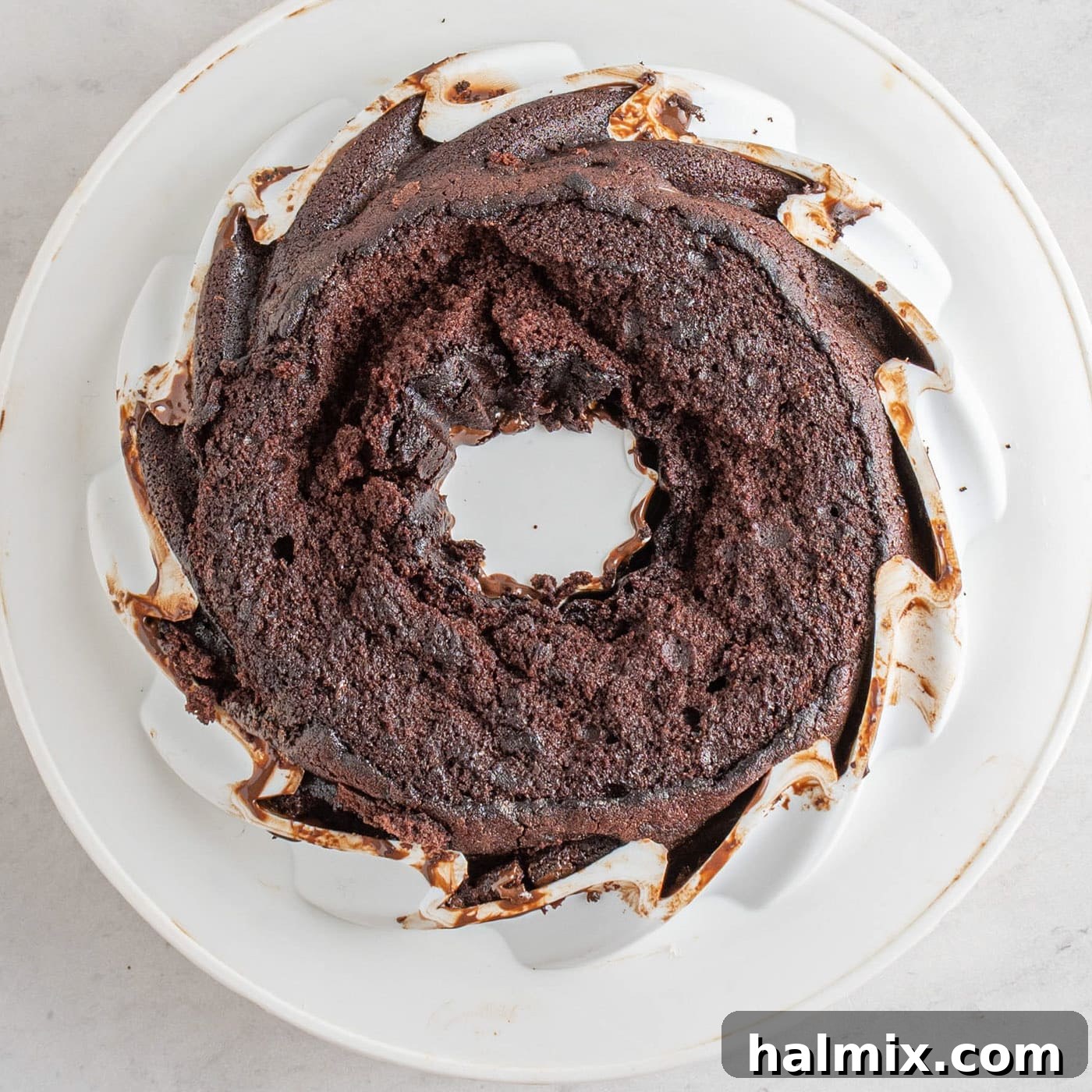
Creamed butter and sugar, forming the base of our rich pound cake batter. The luscious chocolate pound cake batter, smooth and ready for baking. - Bake the Cake: Carefully pour the prepared cake batter into your greased silicone bundt mold. Bake for 70-80 minutes, or until a wooden skewer or toothpick inserted into the center of the cake comes out clean or with only moist crumbs attached. Baking times can vary, so keep an eye on your cake. Once baked, remove the cake from the oven and allow it to cool completely in the mold on a wire rack. If the center rises slightly during baking, as mine sometimes does, gently flip the cake onto a flat plate while it cools. This allows the top to deflate and level out, ensuring a perfectly flat base for serving on a cake stand.
EXPERT TIP: Silicone molds can be flexible. To prevent your bundt cake from losing its shape during baking, place the filled silicone mold onto a sturdy, flat baking sheet before transferring it to the oven. This provides support and ensures your cake retains its beautiful form.
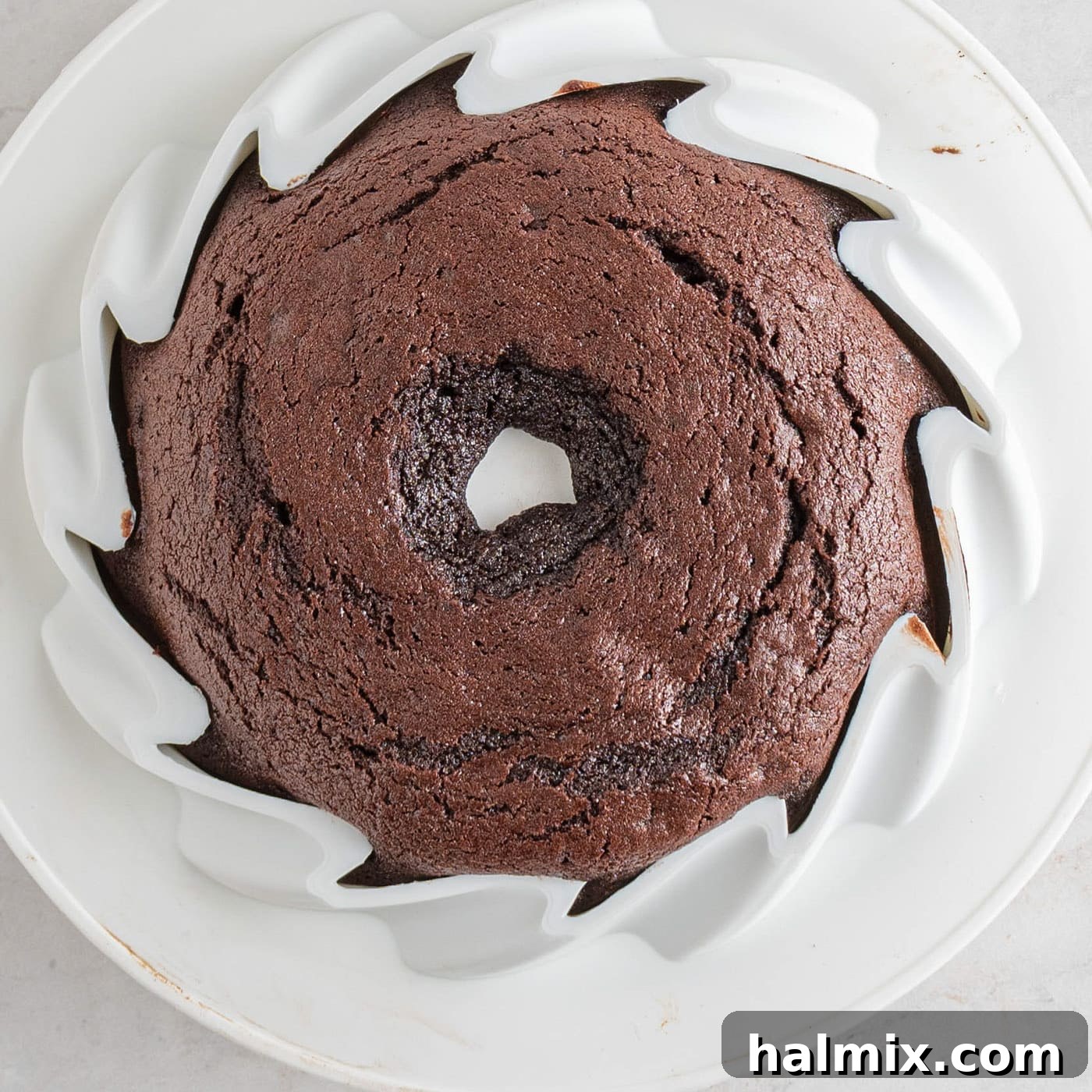
The rich batter poured into the silicone bundt pan, ready for the oven. The perfectly baked chocolate pound cake, still in the mold, allowing it to cool before the next step. - Prepare the Chocolate Topping: While your cake cools, prepare the luscious chocolate topping. Place the semi-sweet chocolate chips and Crisco (or butter) into a medium-sized, microwave-safe bowl. Heat the mixture in 30-second intervals in the microwave, stirring thoroughly after each interval. It’s crucial to stir all the way to the bottom to ensure even melting and prevent the chocolate from burning or seizing. This process typically takes about 1 ½ to 2 minutes, resulting in a smooth, glossy chocolate ganache-like mixture.
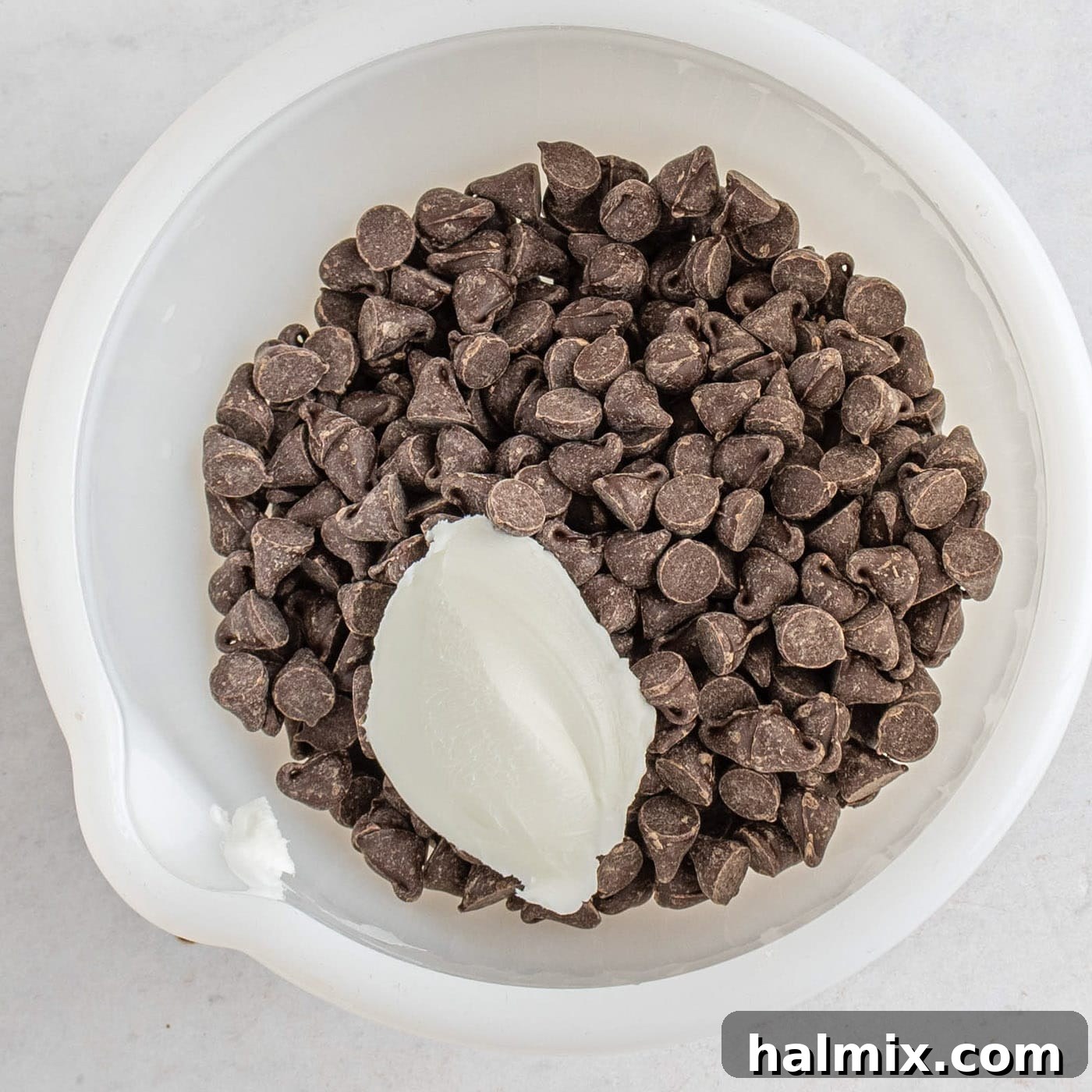
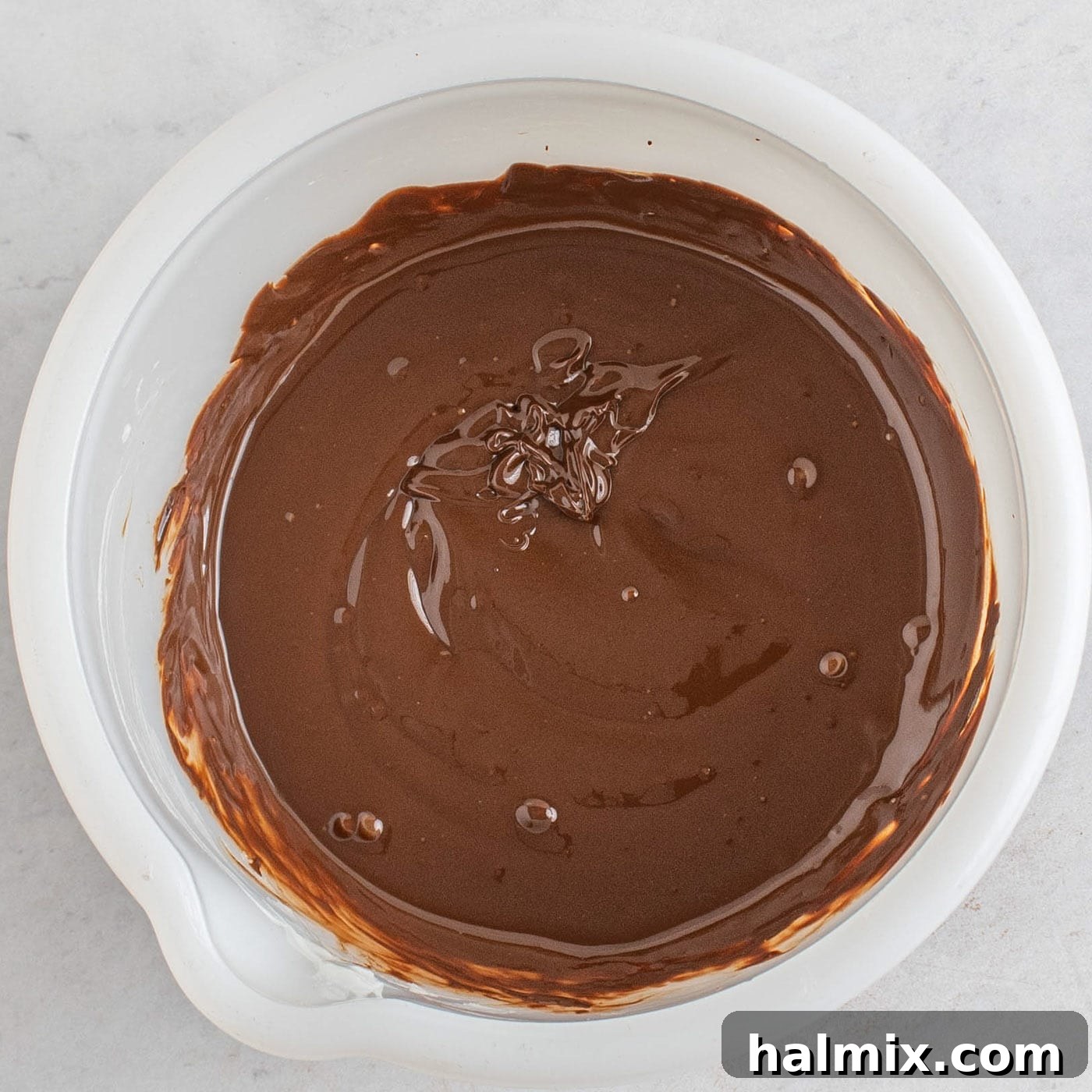
Chocolate chips and Crisco (or butter) in a bowl, ready for melting to create the perfect topping. The beautifully melted chocolate, perfectly smooth and ready to form the decadent outer shell. - Create the Chocolate Shell: Once your cake is completely cool, gently remove it from the silicone mold. You may need to rinse and wipe out the mold to ensure it’s spotless and dry. Pour the melted chocolate mixture into the clean mold. Using a pastry brush or the back of a spoon, carefully spread the chocolate around the entire interior surface of the mold, creating an even layer. If you have any excess chocolate pooling at the bottom, simply pour it back into your bowl. Now, carefully place your cooled pound cake back into the chocolate-coated mold, ensuring it aligns perfectly with its initial grooves. This step effectively “glues” the chocolate shell to the cake. Place the entire mold into the freezer for at least 2 hours to allow the chocolate coating to firm up completely.
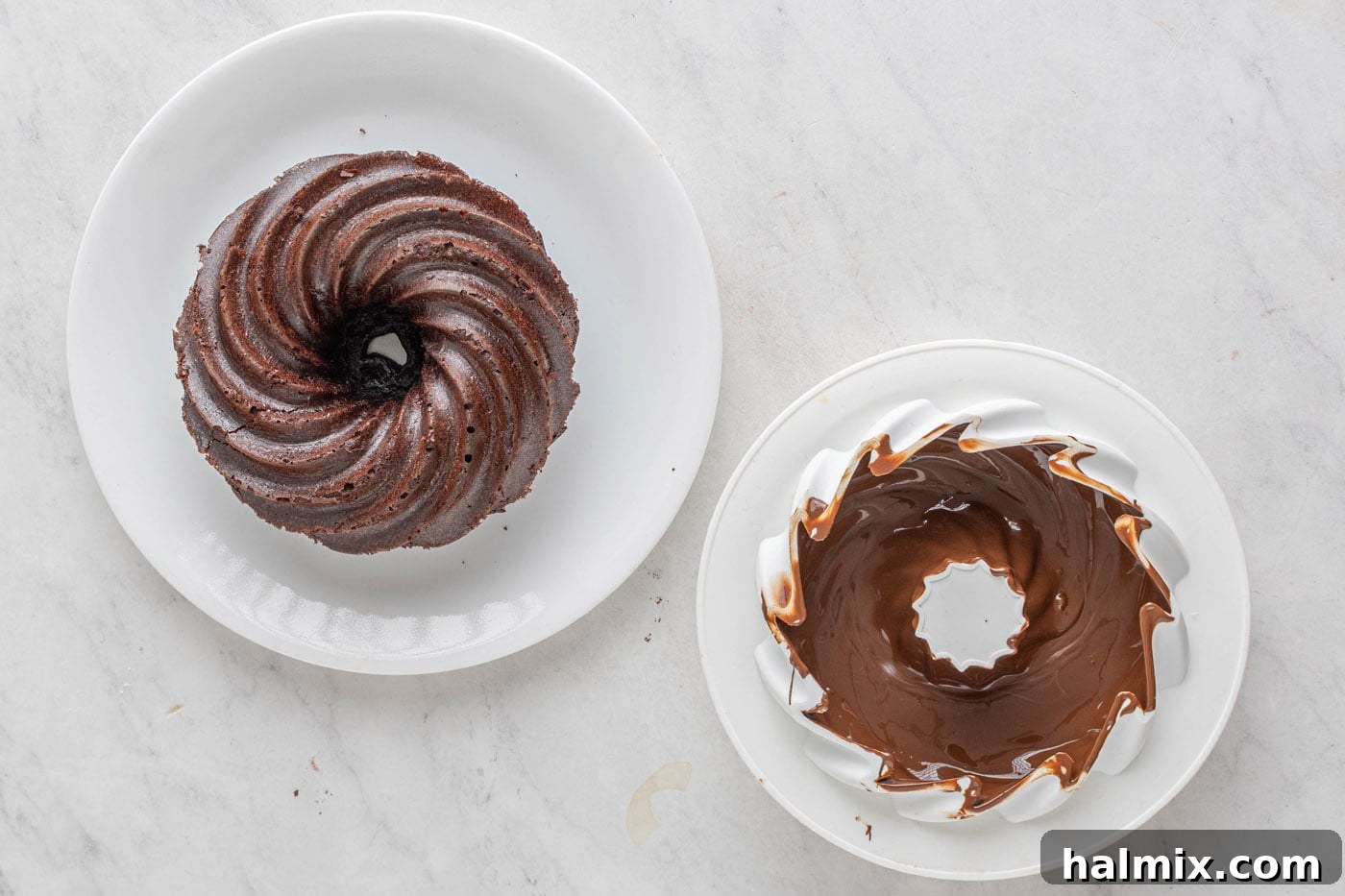
The silicone bundt pan expertly coated with the melted chocolate mixture. The cooled cake gently nestled back into the chocolate-lined mold, ready for freezing. - Final Release and Inspection: After at least 2 hours in the freezer, carefully remove your chocolate-covered pound cake from the silicone mold and transfer it to a serving plate. The chocolate shell should be firm and intact. If you notice any thin spots, holes, or cracks in the chocolate coating, you can easily apply another layer. Simply brush more melted chocolate into those areas of the mold, then place the cake back into the mold and return it to the freezer to firm up again.
- Serve and Enjoy: Once your magnificent chocolate pound cake is perfectly set and looking beautiful, it’s ready to be served! Slice and enjoy this rich, dense, and utterly decadent dessert.
Frequently Asked Questions & Expert Baking Tips
For the distinctive chocolate coating technique used in this recipe, a silicone bundt pan is absolutely essential. Its flexibility allows for the easy release of the chocolate-coated cake once it has set. Attempting this method with a traditional metal bundt pan would make it extremely difficult, if not impossible, to remove the cake without damaging the delicate chocolate shell. However, if you prefer to skip the fudgy chocolate coating and opt for a simpler finish (like a dusting of powdered sugar or a basic ganache drizzled over the top), then a regular metal bundt pan can certainly be used for baking the cake itself. The bundt cake mold we used for this recipe is generously sized, and this recipe yields enough batter to make approximately 3 cakes with that particular pan, allowing you to share or freeze for later enjoyment.
To maintain its freshness and decadent texture, store your chocolate pound cake in an air-tight container or a dedicated cake carrier. It will keep beautifully in the refrigerator for up to 1 week. The chocolate coating also helps seal in the moisture, ensuring each slice remains as delicious as the first.
Yes, this chocolate pound cake freezes exceptionally well, making it perfect for preparing ahead or saving for a later indulgence. We recommend flash freezing the cake first until the chocolate coating is completely firm and hard (this would be after step 6 in the recipe). Once the chocolate is fully set, wrap the cake tightly with several layers of plastic wrap, followed by a layer of heavy-duty aluminum foil. For extra protection against freezer burn, you can optionally place the well-wrapped cake in a large freezer-safe bag. It can be stored in the freezer for up to 4 months. Thaw overnight in the refrigerator before serving.
Absolutely! This chocolate pound cake is an excellent make-ahead dessert. You can bake and assemble the cake, including the chocolate coating, a day or two in advance of your event. Properly stored in an air-tight container in the refrigerator, it will retain its wonderful flavor and moist texture, leaving you less stressed on the day of your gathering.
A common reason for a cake sinking is opening the oven door too early during baking, causing a sudden temperature drop. Ensure your oven is fully preheated and avoid opening the door until at least two-thirds of the way through the baking time. Over-mixing the batter can also lead to sinking, as it overdevelops gluten. Always mix until just combined. Lastly, ensure your leavening agents (baking powder and soda) are fresh and active.
Chocolate seizing (becoming thick and grainy) typically happens when even a tiny amount of water or steam gets into the melting chocolate, or if it’s overheated. To avoid this, ensure your bowl and utensils are completely dry. When microwaving, heat in short bursts (30 seconds) and stir thoroughly between each, allowing residual heat to melt the chocolate. The addition of Crisco or butter in this recipe helps to stabilize the chocolate and prevent seizing, so don’t skip it!
Elevate Your Chocolate Pound Cake: Inspired Serving Ideas
While this chocolate pound cake is utterly divine on its own, its rich flavor and moist texture make it a versatile base for an array of delightful pairings. Here are some serving suggestions to make your dessert even more memorable:
- Classic Indulgence: A generous scoop of premium vanilla bean ice cream is a timeless complement. The cool, creamy ice cream provides a beautiful contrast to the warm, dense cake (if slightly warmed) and its rich chocolate notes.
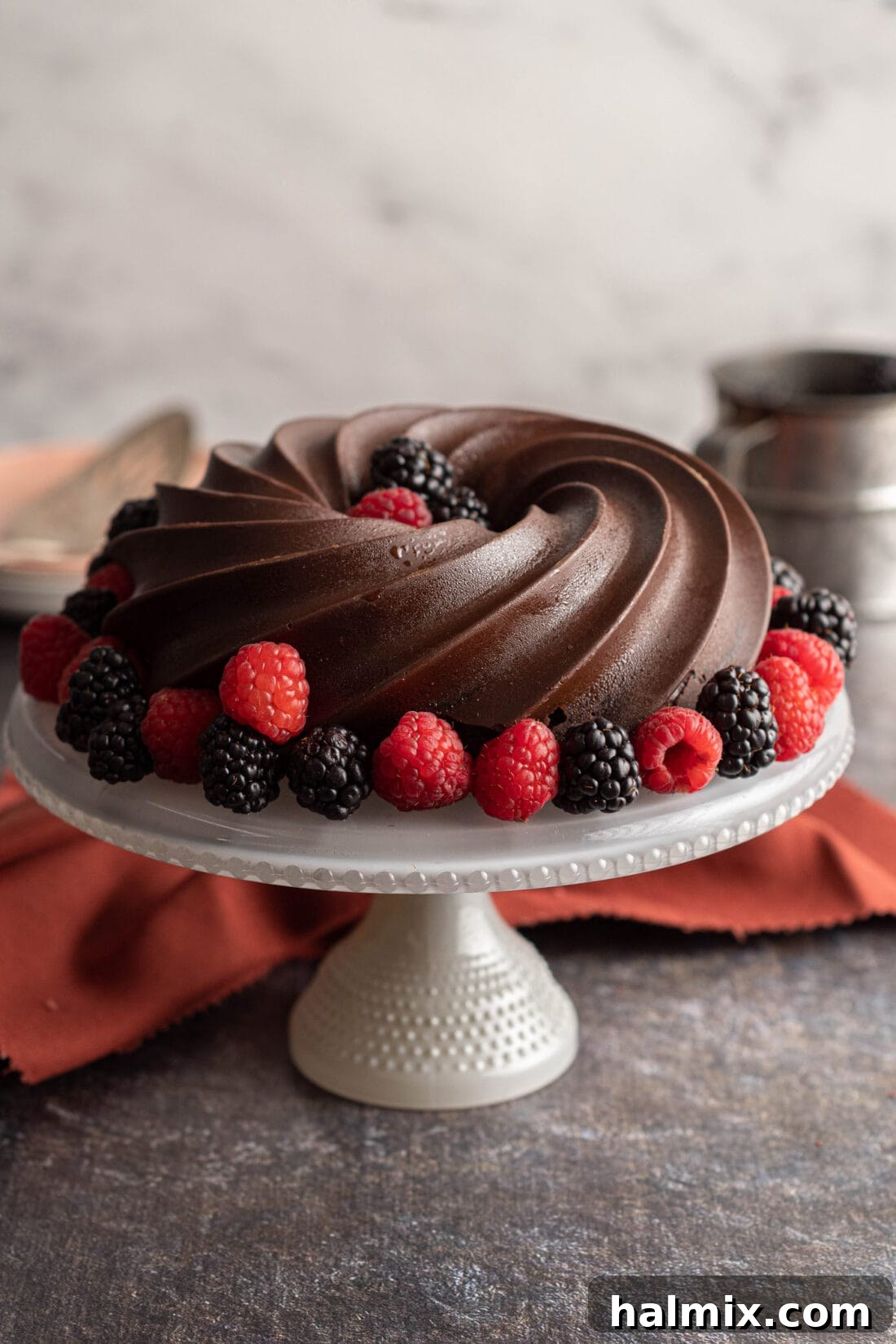
- Fresh & Fruity: Brighten up the decadent chocolate with a burst of fresh fruit. A medley of raspberries, strawberries, or blueberries adds a lovely tartness and vibrant color. You can arrange them elegantly around the base of the cake, as seen in the photos, or serve a spoonful alongside each slice.
- Creamy Dream: A dollop of freshly whipped cream, lightly sweetened with a hint of vanilla, adds an ethereal lightness that balances the cake’s richness. For an extra touch, dust the whipped cream with a tiny sprinkle of cocoa powder.
- Saucy Delight: Drizzle your slices with a homemade raspberry coulis for a tart-sweet counterpoint, or warm up some caramel sauce for a gooey, buttery indulgence. A warm chocolate ganache (if you skipped the coating) or even a rich coffee glaze could also be fantastic.
- Coffee Lover’s Treat: Pair a slice with a strong espresso, a creamy cappuccino, or a robust cup of coffee. The bitterness of the coffee perfectly cuts through the sweetness of the cake.
- Simple Elegance (No Coating Option): If you choose to skip the thick chocolate coating, simply dusting the cooled cake with a fine layer of powdered sugar creates a classic, elegant finish. Alternatively, you could drizzle a simple chocolate ganache or a vanilla glaze over the top for a different look and taste.
- Extra Chocolate Boost: For the ultimate chocolate overload, consider adding a cup of chocolate chips directly into the cake batter before baking. This will create pockets of melted chocolate throughout the cake, intensifying the chocolate experience even further!
Explore More Delicious Cake Recipes
If you’ve fallen in love with the art of baking and creating delicious, comforting cakes, you’re in the right place! We have a treasure trove of cake recipes, from classic pound cakes to delightful bundt variations, that are sure to inspire your next baking adventure. Whether you’re seeking more dense, moist cakes or something light and fruity, explore our collection:
- Pound Cake Cupcakes
- Blueberry Bundt Cake
- Strawberry Bundt Cake
- Whipping Cream Pound Cake
- Maraschino Cherry Bundt Cake
- Orange Poppyseed Pound Cake
- Chocolate Texas Sheet Cake
We love sharing our passion for baking and cooking with you! To ensure you never miss out on our latest delicious creations, we offer a convenient newsletter delivered straight to your inbox every time a new recipe is posted. Simply subscribe and start receiving your free daily recipes, bringing fresh inspiration to your kitchen!
Chocolate Pound Cake
Print It
Pin It
Course:
Dessert
Cuisine:
American
16
servings
2 hours
42 minutes
501
Amanda Davis
Ingredients
- 2 ¼ cup all-purpose flour
- 1 cup unsweetened cocoa (dutch cocoa or regular unsweetened)
- 1 tsp baking powder
- ¼ tsp baking soda
- 1 ¼ tsp salt
- 1 tsp cinnamon (optional)
- 2 cup granulated sugar
- 1 ½ cup salted butter (at room temperature)
- ¾ cup milk (whole or 2%)
- ⅓ cup sour cream (or plain yogurt)
- 1 Tbsp vanilla extract
- 6 eggs
- ⅓ cup hot water
Chocolate Coating
- 2 cups semi-sweet chocolate chips
- 1 tsp Crisco (or butter)
Things You’ll Need
-
Electric mixer
-
Mixing bowls
-
Silicone bundt pan
Before You Begin
- I used salted butter for this recipe. If you use unsalted butter, simply add an extra ½ tsp of salt to the dry ingredients.
- This recipe has only been tested with all-purpose flour. While not guaranteed, it may be attempted with good results using a gluten-free all-purpose flour blend such as Pillsbury or Bob’s Red Mill, though texture may vary slightly.
- For an extra chocolatey kick, consider adding chocolate chips to the batter before baking! About 1 cup works wonderfully.
- The silicone bundt cake mold mentioned makes a large cake, and this recipe yields enough batter for approximately 3 cakes using that specific pan. Adjust accordingly if using a different size mold.
Instructions
-
Preheat your oven to 350°F (175°C). Lightly spray a silicone baking bundt mold with baking spray. Even though silicone is generally nonstick, this helps ensure the cake releases perfectly and maintains crisp edges.
-
In a medium-sized bowl, combine the flour, cocoa powder, baking powder, baking soda, salt, and cinnamon. Whisk well to ensure all dry ingredients are thoroughly mixed. Set aside.
-
In the bowl of a stand mixer fitted with the paddle attachment, cream the room temperature butter and granulated sugar together on medium speed for 1 minute until light and fluffy. Add the milk, sour cream, and vanilla extract, beating until fully combined. Incorporate the eggs one at a time, ensuring each is well-mixed before adding the next. Gradually add the flour mixture and mix on low speed for 1 minute until just combined. Finally, add the hot water and mix for another 30 seconds until the batter is smooth.
-
Pour the cake batter into the prepared silicone mold. Bake for 70-80 minutes, or until a toothpick inserted into the center comes out clean or with moist crumbs attached. Remove from the oven and let cool completely in the mold. If the cake rose significantly in the center, you can carefully flip it onto a flat plate while cooling to allow the top to deflate for a more level surface. TIP: To prevent the silicone mold from wobbling and losing shape, place it on a flat baking sheet before putting it into the oven.
-
Once your cake is completely cooled, prepare the chocolate topping. Place the semi-sweet chocolate chips and Crisco (or butter) in a medium, microwave-safe bowl. Heat in 30-second increments, stirring well after each, until smooth and melted. This should take approximately 1 ½ – 2 minutes. Ensure you stir all the way to the bottom to prevent burning or seizing.
-
Gently remove the cooled cake from the silicone mold. Rinse and wipe out the mold to ensure it’s clean and dry. Pour the melted chocolate into the mold and spread it evenly around the entire interior surface using a pastry brush or the back of a spoon. If there is excess chocolate, pour it back into the bowl. Carefully place the cooled cake back into the chocolate-coated mold, ensuring it aligns with its original grooves. Place the mold into the freezer for at least 2 hours to allow the chocolate shell to firm up completely.
-
Remove your chocolate-covered cake from the silicone mold and carefully transfer it to a serving plate. If you notice any areas where the chocolate is too thin or has small gaps, you can brush another thin layer of melted chocolate into those spots in the mold, then place the cake back in and freeze again until set.
-
Serve your magnificent chocolate pound cake and enjoy every decadent bite!
Nutrition
Serving:
1
slice
|
Calories:
501
cal
|
Carbohydrates:
54
g
|
Protein:
7
g
|
Fat:
30
g
|
Saturated Fat:
18
g
|
Polyunsaturated Fat:
1
g
|
Monounsaturated Fat:
8
g
|
Trans Fat:
1
g
|
Cholesterol:
112
mg
|
Sodium:
387
mg
|
Potassium:
306
mg
|
Fiber:
4
g
|
Sugar:
34
g
|
Vitamin A:
681
IU
|
Vitamin C:
1
mg
|
Calcium:
69
mg
|
Iron:
3
mg
Tried this Recipe? Pin it for Later!
Follow on Pinterest @AmandasCookin or tag #AmandasCookin!
The recipes on this blog are tested with a conventional gas oven and gas stovetop. It’s important to note that some ovens, especially as they age, can cook and bake inconsistently. Using an inexpensive oven thermometer can assure you that your oven is truly heating to the proper temperature. If you use a toaster oven or countertop oven, please keep in mind that they may not distribute heat the same as a conventional full-sized oven and you may need to adjust your cooking/baking times. In the case of recipes made with a pressure cooker, air fryer, slow cooker, or other appliance, a link to the appliances we use is listed within each respective recipe. For baking recipes where measurements are given by weight, please note that results may not be the same if cups are used instead, and we can’t guarantee success with that method.