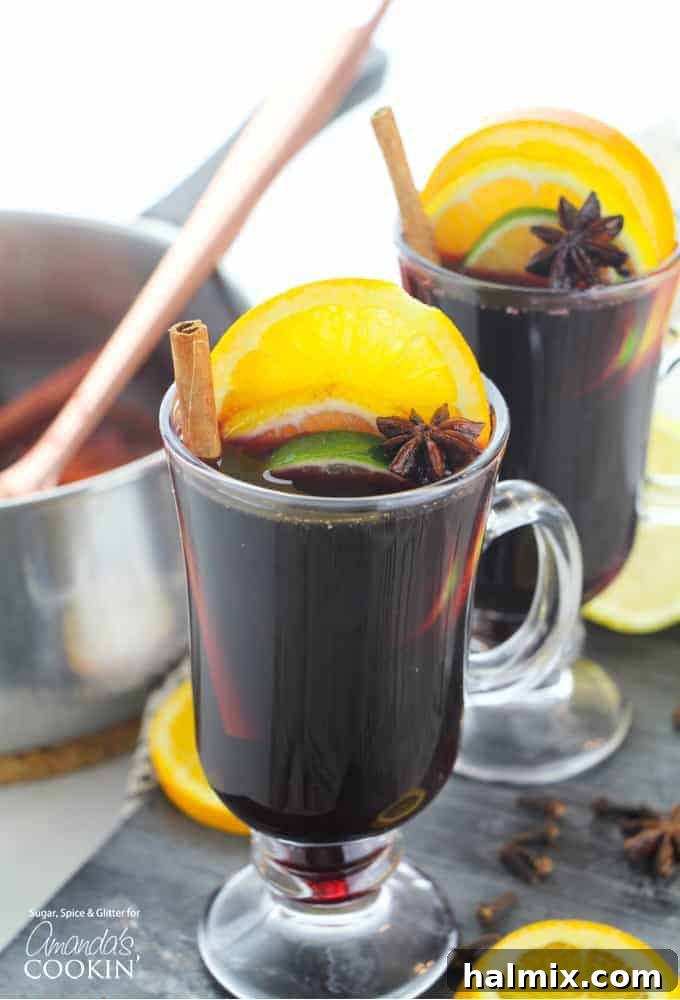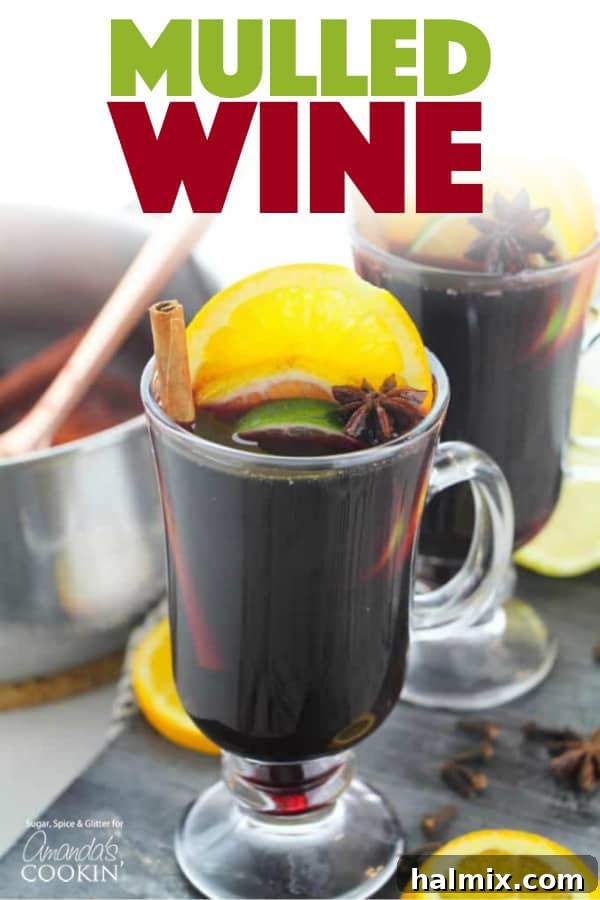
The Ultimate Mulled Wine Recipe: Your Guide to a Cozy, Fragrant Holiday Season
Forget the festive candles this holiday season – our ultimate mulled wine recipe is all you need to fill your home with an intoxicating aroma of spices and citrus. This classic winter warmer not only delights your senses but also offers a comforting embrace that perfectly captures the spirit of Thanksgiving, Christmas, and any celebratory gathering. Prepare to warm your glasses, tantalize your taste buds, and create unforgettable memories with this timeless spiced wine.
A Timeless Tradition: The Rich History of Mulled Wine
The history of mulled wine is as rich and warming as the drink itself, dating back to the Roman Empire. As Romans conquered much of Europe, they brought their love for heated and spiced wine with them. In ancient times, wine was often preserved with spices, fruits, and honey, not just for flavor but also to mask imperfections in lower-quality wines and, importantly, to extend its shelf life. Spices were also believed to possess medicinal properties, protecting against illness and promoting general health, especially during the harsh European winters.
Through the Middle Ages, mulled wine, often referred to as “hippocras,” remained popular across Europe, evolving with local spices and preferences. Its popularity saw a dip for a few centuries, but it continued to thrive in Scandinavia under the name “glogg,” where it is still a beloved winter staple. Today, thanks to the enchanting resurgence of traditional Christmas markets worldwide, mulled wine has reclaimed its status as an indispensable part of modern holiday celebrations. It’s a drink that connects us to centuries of tradition, offering warmth, cheer, and a touch of historical charm to any occasion.
Crafting the Perfect Mulled Wine: Simplicity Meets Elegance
Making mulled wine at home is surprisingly simple, yet the results are incredibly elegant and impressive. This recipe focuses on traditional flavors, ensuring an authentic taste that will evoke nostalgia and create new festive memories. The key to a truly exceptional mulled wine lies not in complexity, but in the quality of your ingredients and a balanced approach to the spices.
Choosing the Right Wine for Your Mulled Masterpiece
While historically mulled wine was used to improve less palatable wines, modern mulled wine thrives on a decent base. You don’t need an expensive bottle, but it’s crucial to select a red wine that you would genuinely enjoy drinking on its own. Avoid anything overly sweet or with very strong tannins, as these characteristics can become amplified and sometimes unpleasant when heated with spices. A dry, fruit-forward red wine works best, allowing the spices and citrus to shine without being overpowered or creating a bitter concoction.
Opt for varieties like Merlot, Grenache, Zinfandel, or a young Cabernet Sauvignon. A good quality, inexpensive Portuguese red wine, for example, can be absolutely perfect, offering a pleasant balance of fruitiness and body without breaking the bank. Remember, if you wouldn’t drink it plain, it won’t magically transform into a delicious mulled wine!
A Symphony of Spices and Citrus
This recipe uses a vibrant array of citrus fruits to add complexity and a beautiful burst of color to those often dreary winter days. While traditional recipes often stick to oranges or clementines, incorporating lemon and lime adds an extra layer of bright, zesty notes that elevate the overall flavor profile. Feel free to adjust the citrus to your preference – a mix of sweet and tart is always a winning combination.
The spices are the heart and soul of mulled wine. You’ll find a medley similar to those used in a rich chai tea, creating a wonderfully aromatic and comforting beverage. Cinnamon sticks, whole cloves, fresh nutmeg, and a vanilla pod are essential for that classic festive warmth. Star anise is traditionally included for its distinctive licorice-like notes and beautiful aesthetic, though it can be omitted if you’re not a fan of its strong flavor. Don’t be afraid to customize these spices to your taste – a little extra cinnamon or a touch less anise can make all the difference to suit your palate.
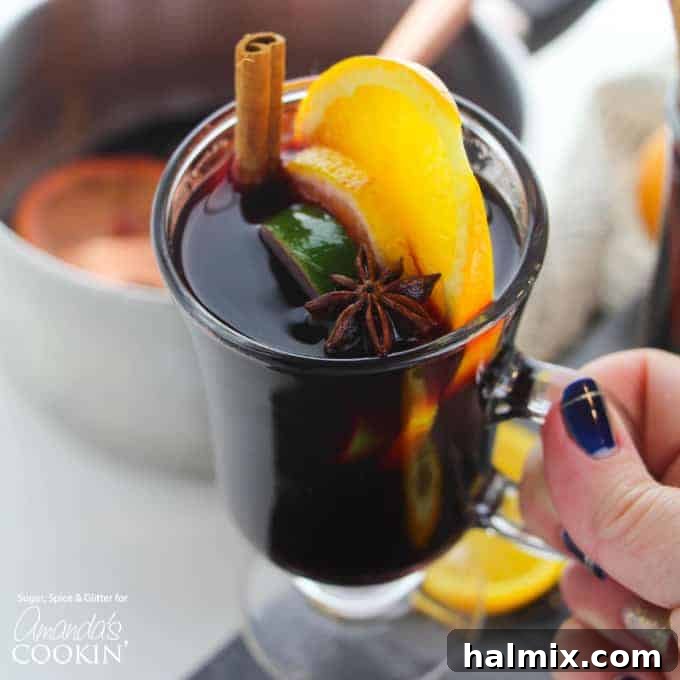
Ingredients for Your Homemade Mulled Wine
- 2 cups sugar, or to taste (adjust based on wine sweetness and personal preference)
- 2 large oranges
- 2 clementines
- 1 lemon
- 1 lime
- 8 whole cloves
- 2 cinnamon sticks
- 1 whole nutmeg (or 1/2 tsp ground nutmeg, though whole is preferred for infusion)
- 1 vanilla pod, split down the center
- 2 star anise pods (optional, for flavor and garnish)
- 2 bottles (approximately 50 oz or 1.5 liters) dry red wine
Essential Kitchen Tools for Mulled Wine Success
- A sturdy saucepan or stockpot
- Measuring cups and spoons
- A ladle for serving
- Heatproof glass mugs or festive cups
- A fine-mesh sieve (optional, for straining spices)
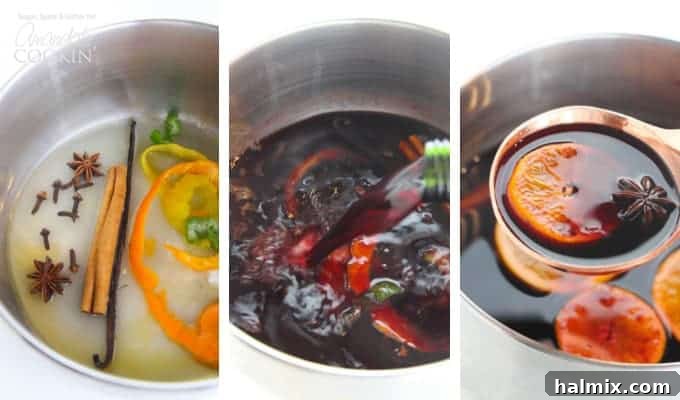
How to Prepare Mulled Wine: Step-by-Step Instructions
- **Prepare Citrus:** Carefully peel the rinds from your oranges, clementines, lemon, and lime, trying to avoid the bitter white pith. Then, cut and juice all the citrus fruits.
- **Prepare Vanilla:** Split the vanilla pod lengthwise down the center to expose the seeds, allowing maximum flavor infusion.
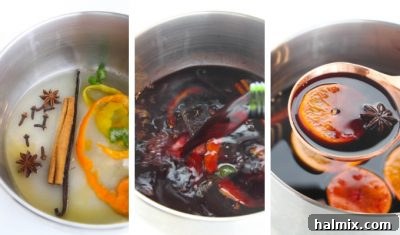
- **Combine Initial Ingredients:** In a large saucepan, combine the sugar, fresh citrus juices, citrus peels, the split vanilla pod, and all the chosen spices (whole cloves, cinnamon sticks, whole nutmeg, and star anise if using).
- **Add Wine (Partial):** Pour just enough red wine into the saucepan to cover the sugar and other ingredients. This small amount of wine will create a concentrated flavor base.
- **Simmer and Reduce:** Heat the mixture over medium heat, stirring occasionally, until it begins to bubble gently. Allow it to simmer and reduce by about half. This step is crucial as it creates a wonderfully aromatic and flavorful syrup that will deeply infuse the remaining wine.
- **Add Remaining Wine:** Reduce the heat to low and pour in the rest of the red wine. Continue to heat the mixture gently, ensuring it warms through without boiling. Boiling can cause the alcohol to evaporate too quickly and may alter the flavor of the wine.
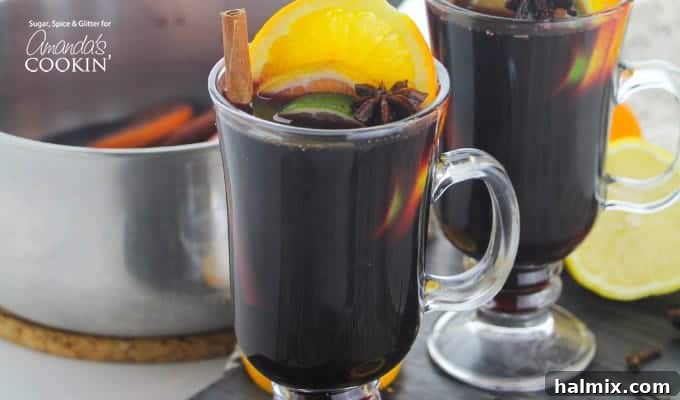
- **Serve Warm:** Once heated, your mulled wine is ready to serve. Ladle it into heatproof glasses or mugs.
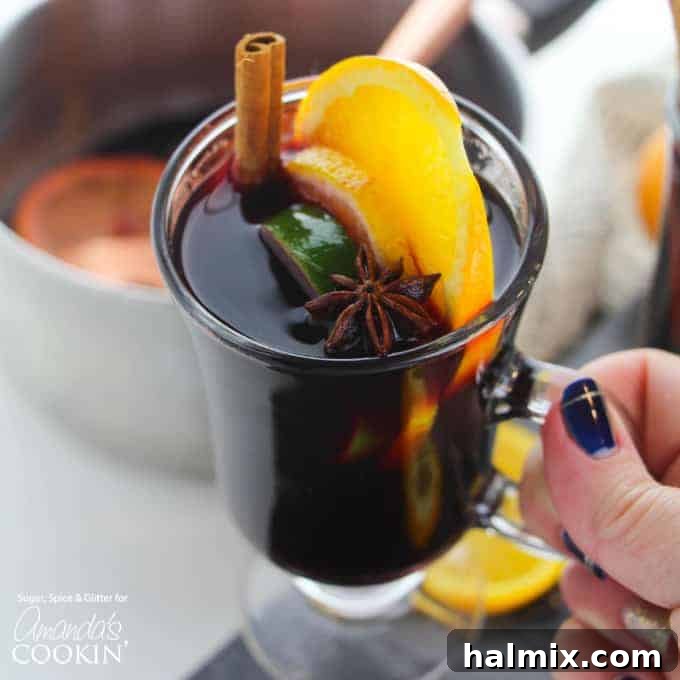
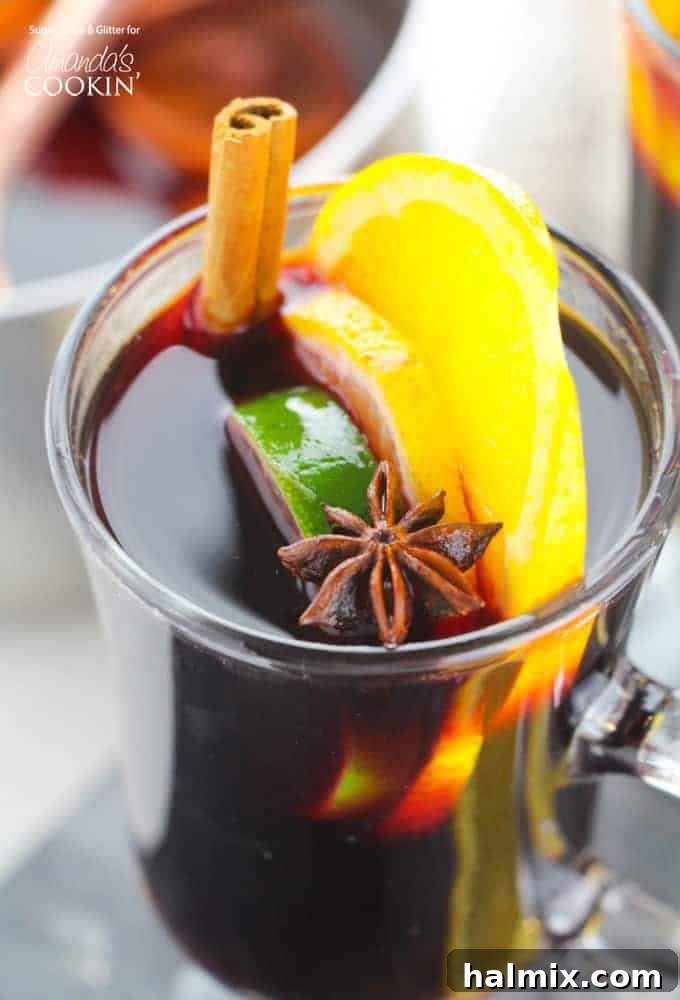
- **Garnish:** Garnish each serving with a fresh cinnamon stick, a slice of orange or other citrus, and a star anise pod for a truly professional and inviting presentation.
Tips for the Best Mulled Wine Experience
- Don’t Boil: Always simmer mulled wine gently; never bring it to a rolling boil. High heat can cause the alcohol to burn off and lead to a loss of delicate flavors.
- Taste and Adjust: The beauty of homemade mulled wine is its customizable nature. Taste the mixture before serving and adjust the sugar, citrus, or even add a splash of brandy or port for an extra kick, if desired.
- Make Ahead: Mulled wine can be prepared a day or two in advance. Store it in an airtight container in the refrigerator. When ready to serve, gently reheat it on the stovetop over low heat. The flavors actually deepen overnight!
- Strain if Preferred: Some prefer to strain out the spices and citrus peels before serving for a smoother drink, while others enjoy the rustic charm of leaving them in.
- Serving Temperature: While mulled wine can be enjoyed cold, it’s traditionally served warm. For larger gatherings, consider keeping it warm in a slow cooker on the “warm” setting.
Perfect Pairings and Serving Suggestions
Mulled wine isn’t just a drink; it’s an experience. Its warm, spicy notes make it a versatile companion for various foods and occasions. For a delightful dessert pairing, consider something that echoes its aromatic profile, like a rich chocolate chai cake. The spices complement each other beautifully, creating a harmonious culinary experience.
For savory accompaniments, think about classic holiday appetizers. A cheese board with strong cheeses, crusty bread, and fig jam would be exquisite. Spiced nuts, sausage rolls, or mini quiches also make excellent choices. Don’t forget the garnishes – fresh citrus slices, cinnamon sticks, and star anise not only look stunning but also enhance the aroma as you sip.
Frequently Asked Questions About Mulled Wine
What is the best red wine for mulled wine?
The best red wines for mulled wine are generally dry, fruit-forward, and medium-bodied. Popular choices include Merlot, Grenache, Zinfandel, or a young Cabernet Sauvignon. Avoid anything too expensive, but also steer clear of very cheap, unpleasant wines. A good rule of thumb is to use a wine you would enjoy drinking on its own, even if it’s an affordable bottle.
Can I make mulled wine non-alcoholic?
Absolutely! For a non-alcoholic version, simply substitute the red wine with cranberry juice, pomegranate juice, or a high-quality apple cider. You can then follow the rest of the recipe as written, allowing the spices and citrus to infuse the fruit juice for a delicious, family-friendly beverage.
How long does mulled wine last?
Homemade mulled wine can be stored in an airtight container in the refrigerator for 2-3 days. Its flavors tend to meld and deepen over time, making it a great make-ahead option for parties. Gently reheat it on the stovetop over low heat when ready to serve.
Can I use ground spices instead of whole spices?
While whole spices are highly recommended for their superior flavor and aesthetics, you can use ground spices in a pinch. However, be mindful that ground spices can make the wine cloudy and may have a stronger, more intense flavor. If using ground, use about half the amount of whole spices specified and consider straining the wine before serving.
What if my mulled wine is too sweet or not sweet enough?
Sugar is added to taste in this recipe, allowing for flexibility. If it’s too sweet, you can add a splash more dry red wine or a squeeze of fresh lemon juice to balance it out. If it’s not sweet enough, add a tablespoon of sugar or honey at a time, dissolving it completely and tasting until you reach your desired sweetness.
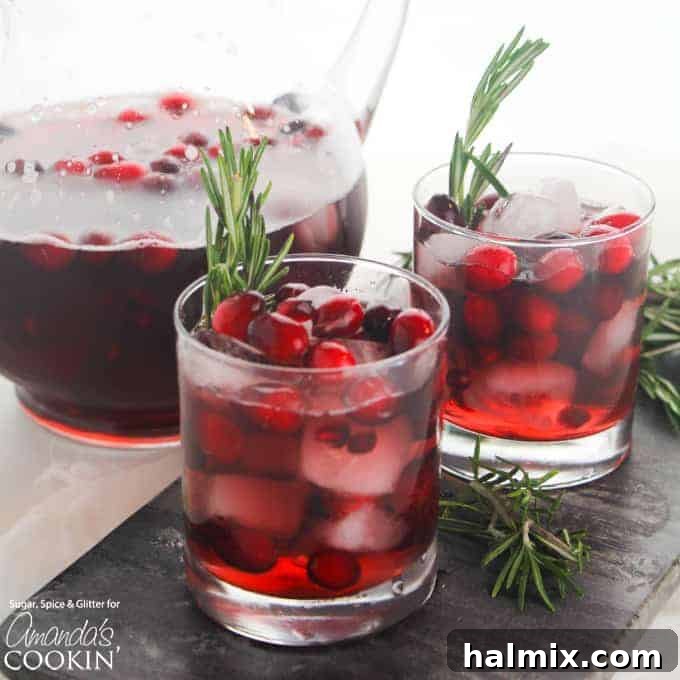
Beyond Mulled Wine: More Festive Drink Ideas
The holiday season is perfect for experimenting with a variety of heartwarming beverages. If you’re looking for other delightful drinks to complement your mulled wine, here are a few suggestions:
- **Hot Buttered Rum:** This indulgent classic, also known as a Hot Toddy, is incredibly comforting and perfect for a chilly evening.
- Cranberry Holiday Punch: A vibrant and refreshing punch that’s ideal for larger festive parties. Its bright flavors offer a lovely contrast to heavier holiday meals.
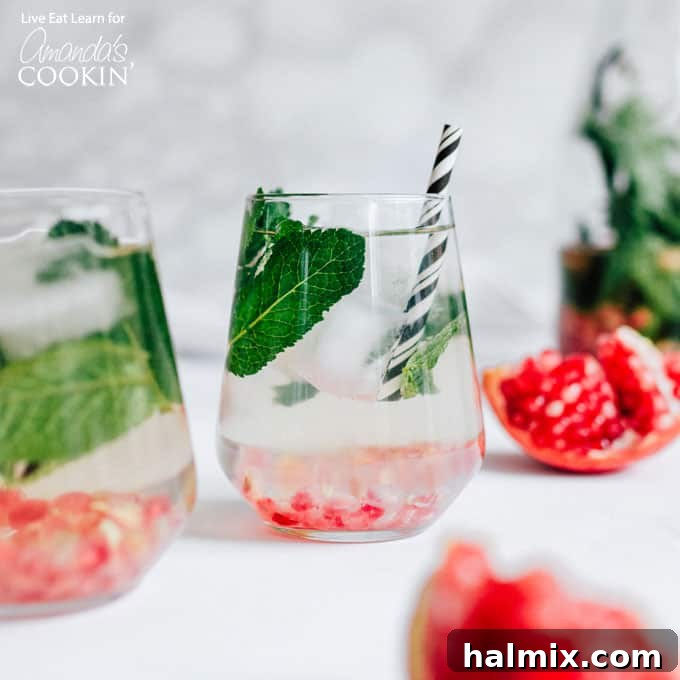
And for those moments after the holiday feasting, when you need a light and refreshing pick-me-up, our Holiday Detox Drink is a perfect choice. With zesty pomegranate and cool mint, it’s a wonderfully hydrating beverage to rebalance and refresh your system.
Mulled Wine Recipe Card
Mulled wine makes the perfect drink for Thanksgiving, Christmas, or any holiday party. This aromatic beverage can be served warm or cold, though most prefer it heated.
Course: Cocktails | Cuisine: European | Servings: 6 | Total Time: 20 mins
Calories: 505 | Author: Amanda Davis
IMPORTANT: There are often Frequently Asked Questions within the blog post that you may find helpful. Simply scroll back up to read them!
Ingredients
- 2 cups sugar, to taste
- 2 oranges
- 2 clementines
- 1 lemon
- 1 lime
- 8 whole cloves
- 2 cinnamon sticks
- 1 whole nutmeg
- 1 vanilla pod
- 2 star anise pods
- 2 bottles red wine (Approx. 50 oz)
Instructions
- Peel your rinds from your citrus fruits before cutting them and juicing them. Split the vanilla pod down the center.
- Combine the sugar, citrus juices, citrus peels, the split vanilla pod, and spices in a saucepan. Add just enough wine to cover the sugar.

- Heat over medium heat until bubbling, and then allow the mixture to reduce by half.
- Turn heat to low and add the remaining wine. Heat through before serving.
- Serve with cinnamon sticks, fresh citrus slices, and a star anise garnish, if desired.
- Mulled wine can be enjoyed warm or cold, but most people enjoy it warm.
Nutrition Facts (per serving)
Serving: 8 oz | Calories: 505 cal | Carbohydrates: 85g | Protein: 1g | Sodium: 11mg | Potassium: 458mg | Fiber: 3g | Sugar: 75g | Vitamin A: 100IU | Vitamin C: 48.1mg | Calcium: 68mg | Iron: 1.6mg
The recipes on this blog are tested with a conventional gas oven and gas stovetop. It’s important to note that some ovens, especially as they age, can cook and bake inconsistently. Using an inexpensive oven thermometer can assure you that your oven is truly heating to the proper temperature. If you use a toaster oven or countertop oven, please keep in mind that they may not distribute heat the same as a conventional full-sized oven, and you may need to adjust your cooking/baking times. In the case of recipes made with a pressure cooker, air fryer, slow cooker, or other appliance, a link to the appliances we use is listed within each respective recipe. For baking recipes where measurements are given by weight, please note that results may not be the same if cups are used instead, and we can’t guarantee success with that method.