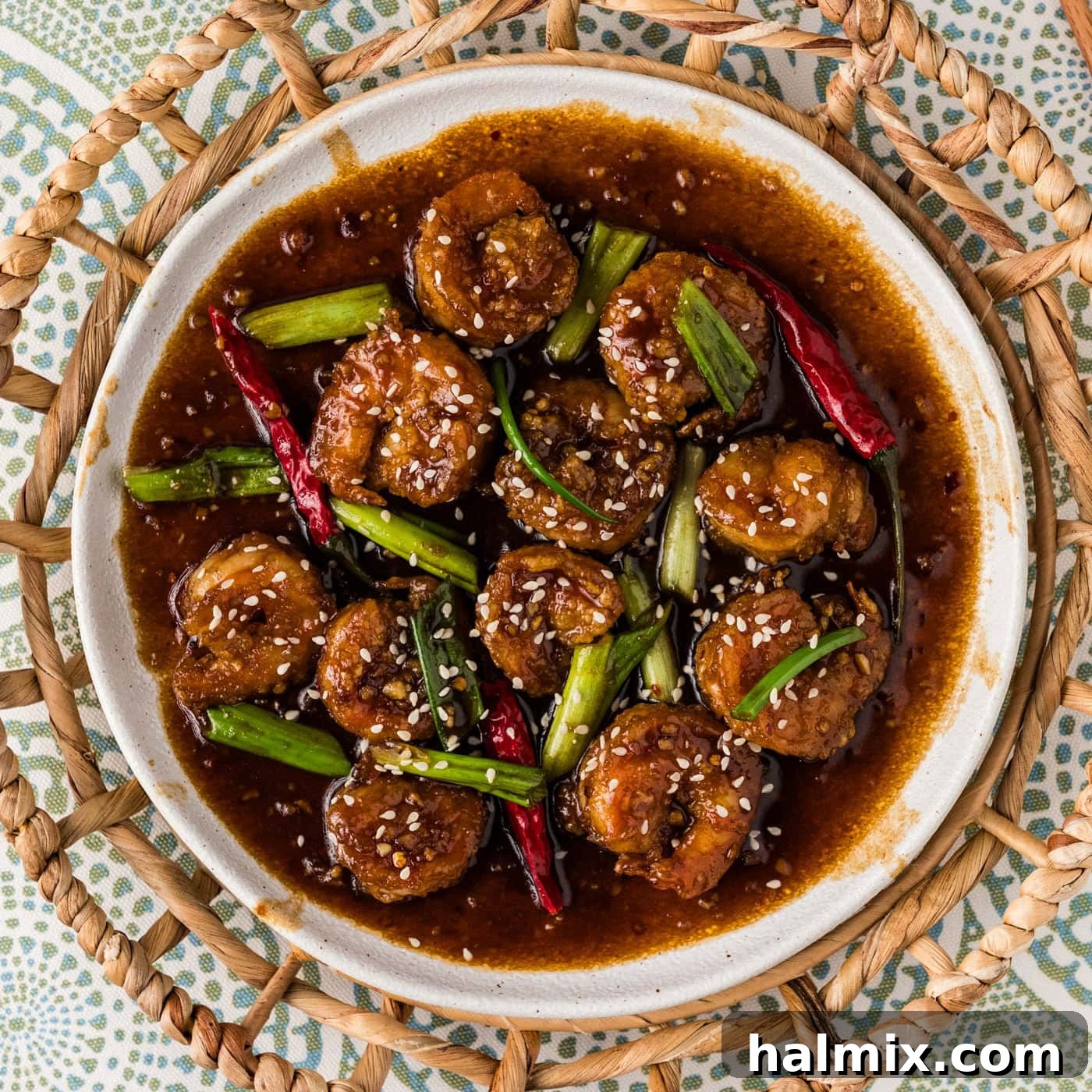
Irresistible Mongolian Shrimp: Your New Favorite Weeknight Meal
Craving the vibrant flavors of your favorite Asian takeout but want a homemade version that’s even better? Look no further than this incredible Mongolian Shrimp recipe. It takes succulent, perfectly breaded shrimp and coats them in a rich, savory-sweet, and mildly spicy sauce that will have your taste buds dancing. Forget soggy, bland shrimp – this recipe elevates the humble crustacean to a culinary masterpiece, perfect for a quick and satisfying dinner.
Why This Mongolian Shrimp Recipe Is a Must-Try
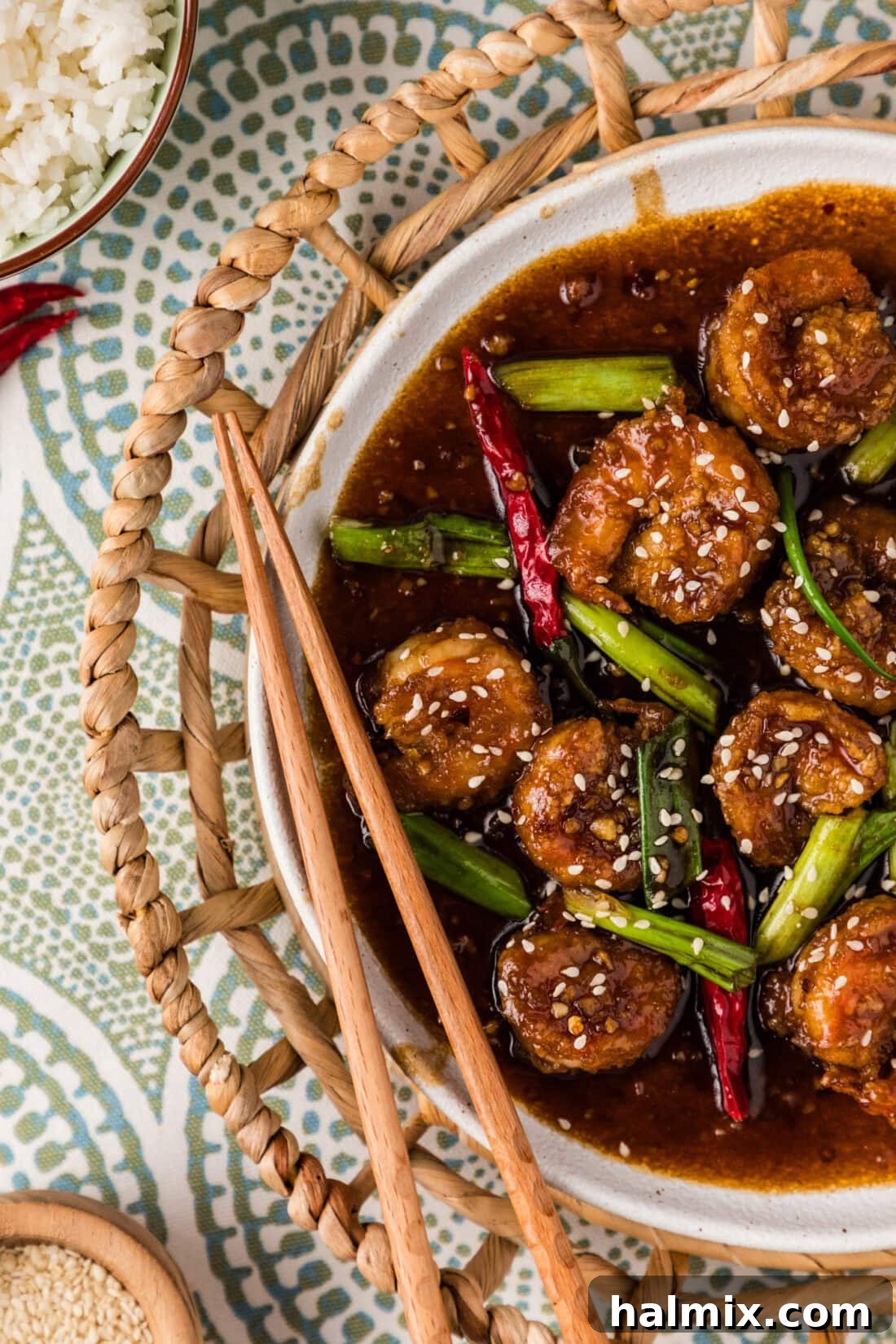
This Mongolian shrimp recipe isn’t just another dinner idea; it’s a flavor revelation. We combine tender, crispy breaded shrimp with our unique take on an Asian-inspired sauce, a harmonious blend of aromatic garlic and ginger, the subtle sweetness of honey, the umami depth of oyster sauce, and a gentle warmth from red pepper flakes. The result is a robust flavor profile that is truly mouthwatering and incredibly addictive.
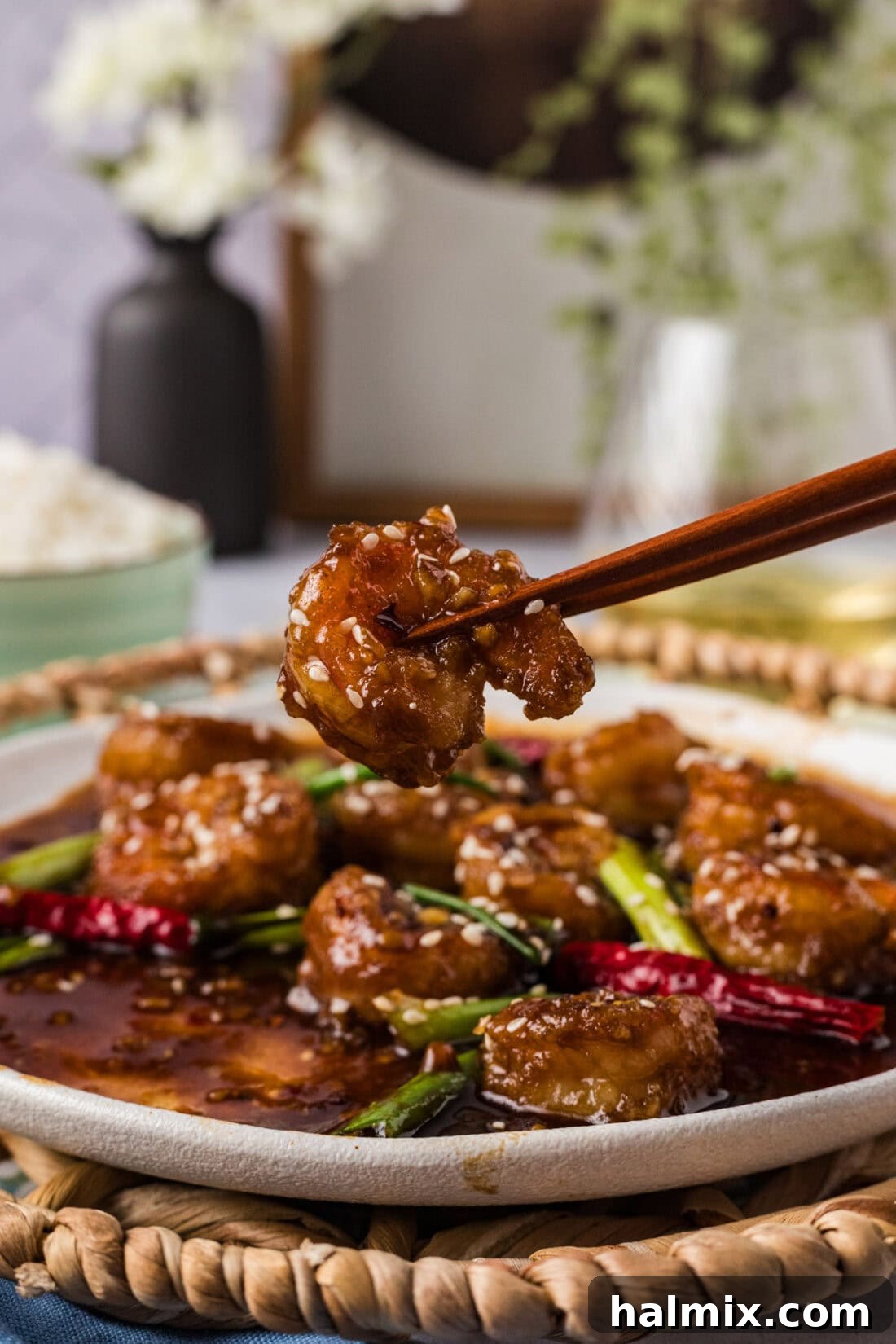
You’re likely familiar with Mongolian Beef from your local Chinese restaurant, renowned for its perfectly balanced sweet and savory glaze. Our Mongolian Shrimp brings that same celebrated balance to the table, but with the added benefit of quick-cooking shrimp and a delightful crispy texture that holds up beautifully to the luscious sauce. The rich sauce boasts a fantastic interplay between savory and sweet, with a mild spiciness that can easily be adjusted. For those who love a serious kick, feel free to toss in some fresh Thai chili peppers or an extra sprinkle of red pepper flakes!
What makes this recipe truly stand out is its combination of ease and elegance. It’s simple enough for a busy weeknight yet impressive enough for entertaining guests. The breading on the shrimp provides a wonderful texture contrast to the silky sauce and helps to seal in the natural juiciness of the shrimp. Plus, by making it at home, you have full control over the quality of ingredients and can customize the flavors to your exact preference, ensuring a fresh and authentic taste every time.
Essential Ingredients for Your Mongolian Shrimp
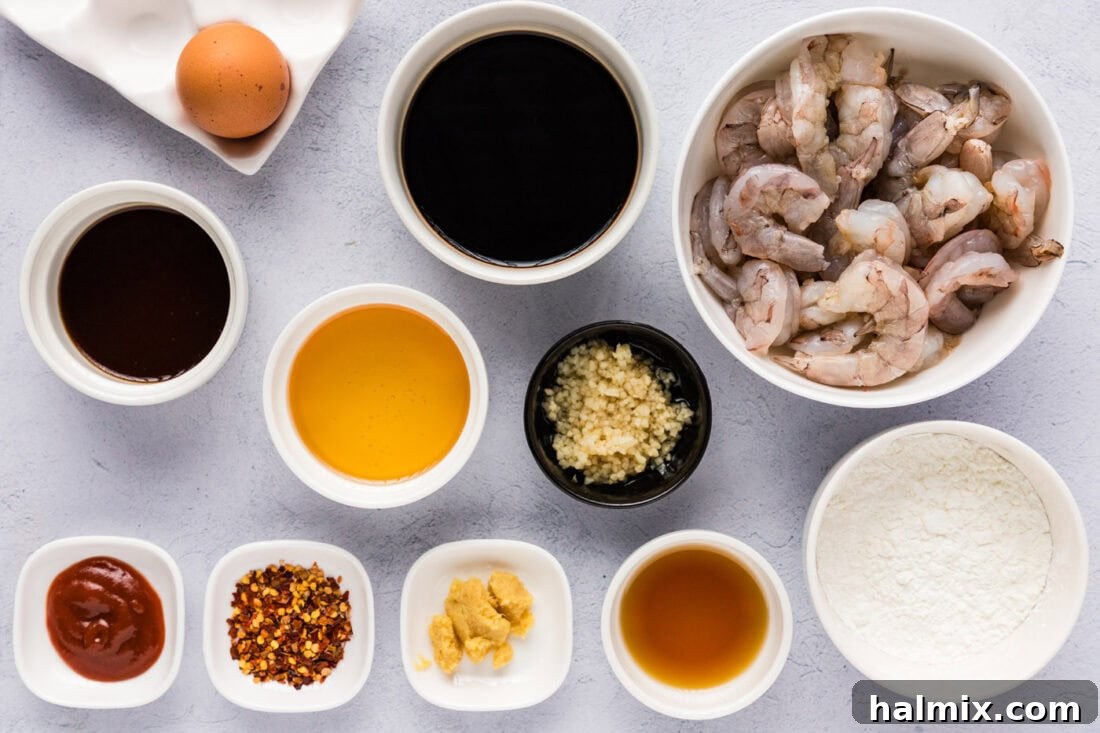
Gathering your ingredients is the first step to creating this delectable dish. While the full, detailed list is available in the printable recipe card below, here’s a quick overview of what you’ll need to make these savory sweet and spicy shrimp, along with some helpful tips and substitution ideas.
Ingredient Information and Clever Substitutions
Understanding each component helps you master the recipe and confidently make adjustments.
SHRIMP – You’ll need about one pound of raw, large shrimp, meticulously peeled, deveined, and with their tails removed. While fresh shrimp are always fantastic, frozen shrimp are perfectly acceptable and often more convenient – just ensure they are fully thawed before you begin cooking. For a quick thaw, place the sealed bag of frozen shrimp in a bowl of cold water, changing the water every 15-20 minutes until thawed. Patting them dry thoroughly before breading is crucial for that desirable crispiness.
- Shrimp Size: Large (21/25 count per pound) are ideal for a hearty bite, but medium or jumbo shrimp will also work. Adjust cooking time accordingly.
- Fresh vs. Frozen: If using fresh, look for translucent, firm shrimp with a mild, ocean-like smell. Avoid any with a strong, “fishy” odor.
- Tail On or Off: Removing tails makes for easier eating, especially when coated in sauce, but keeping them on can make for a more appealing presentation.
BREADING INGREDIENTS – A simple combination of a large egg and all-purpose flour creates the perfect coating for our shrimp. The egg acts as a binder, helping the flour adhere, which in turn creates a crispy exterior that beautifully absorbs the Mongolian sauce.
- Flour Alternatives: For a gluten-free option, you can use a 1:1 gluten-free flour blend. For extra crispiness, some people like to add a tablespoon of cornstarch to the flour.
COOKING OIL – For frying the shrimp, you’ll need an oil with a high smoke point. Vegetable oil, canola oil, or peanut oil are all excellent choices for achieving a golden, crispy breading without burning. The amount will depend on the size of your skillet, but aim for about 1/2 inch depth.
- Healthy Alternatives: While frying yields the best crisp, you can air-fry the breaded shrimp for a lighter option. Preheat your air fryer to 375°F (190°C), lightly spray the shrimp with oil, and cook for 8-12 minutes, flipping halfway, until golden and cooked through.
SAUCE INGREDIENTS – This is where the magic happens! Each ingredient contributes to the complex, balanced flavor profile.
- Olive Oil: Used for sautéing the aromatics. A light olive oil is fine, or any neutral cooking oil.
- Minced Garlic & Ginger: Freshly minced garlic and ginger are non-negotiable for the best flavor. They provide the fragrant, pungent backbone of the sauce. Pre-minced versions can be used in a pinch, but the flavor won’t be as vibrant.
- Sesame Oil: Toasted sesame oil is key here, adding a distinct nutty aroma and deep flavor. Add it at the end of cooking the sauce to preserve its delicate flavor.
- Honey: Provides a natural sweetness and helps create that glossy, sticky texture in the sauce. Maple syrup or brown sugar can be substituted, though honey offers a unique depth.
- Oyster Sauce: This ingredient is essential for the authentic umami richness. It’s a savory, slightly sweet, and thick condiment.
- Vegetarian Option: If you or your guests are vegetarian or have shellfish allergies, look for a mushroom-based vegetarian oyster sauce.
- Ketchup: A surprising but brilliant addition! Ketchup adds a subtle tang, a touch of sweetness, and helps round out the sauce’s flavor profile without making it taste like tomatoes.
- Red Pepper Flakes: These provide the “kick” of heat. Adjust the amount to your preference. For more heat, add finely diced fresh chilies (like bird’s eye or serrano). For less, reduce the flakes or omit them entirely.
- Soy Sauce: The backbone of many Asian sauces, providing saltiness and umami. Use low-sodium soy sauce to control the salt level.
- Gluten-Free: Tamari is an excellent gluten-free alternative to traditional soy sauce.
- Cornstarch & Water (Slurry): This is crucial for thickening the sauce to that perfect glossy consistency that clings to the shrimp. Whisk them together thoroughly before adding to prevent lumps.
How to Make Mongolian Shrimp: Step-by-Step Guide
These step-by-step photos and instructions are here to help you visualize how to make this delicious recipe. For the printable version, complete with precise measurements and instructions, please scroll down to the full recipe card at the bottom of this post.
- Prepare the Breading Station: Set up two breading trays or shallow dishes. In one, whisk a large egg. In the other, add the all-purpose flour. This organized setup makes the breading process efficient and clean.
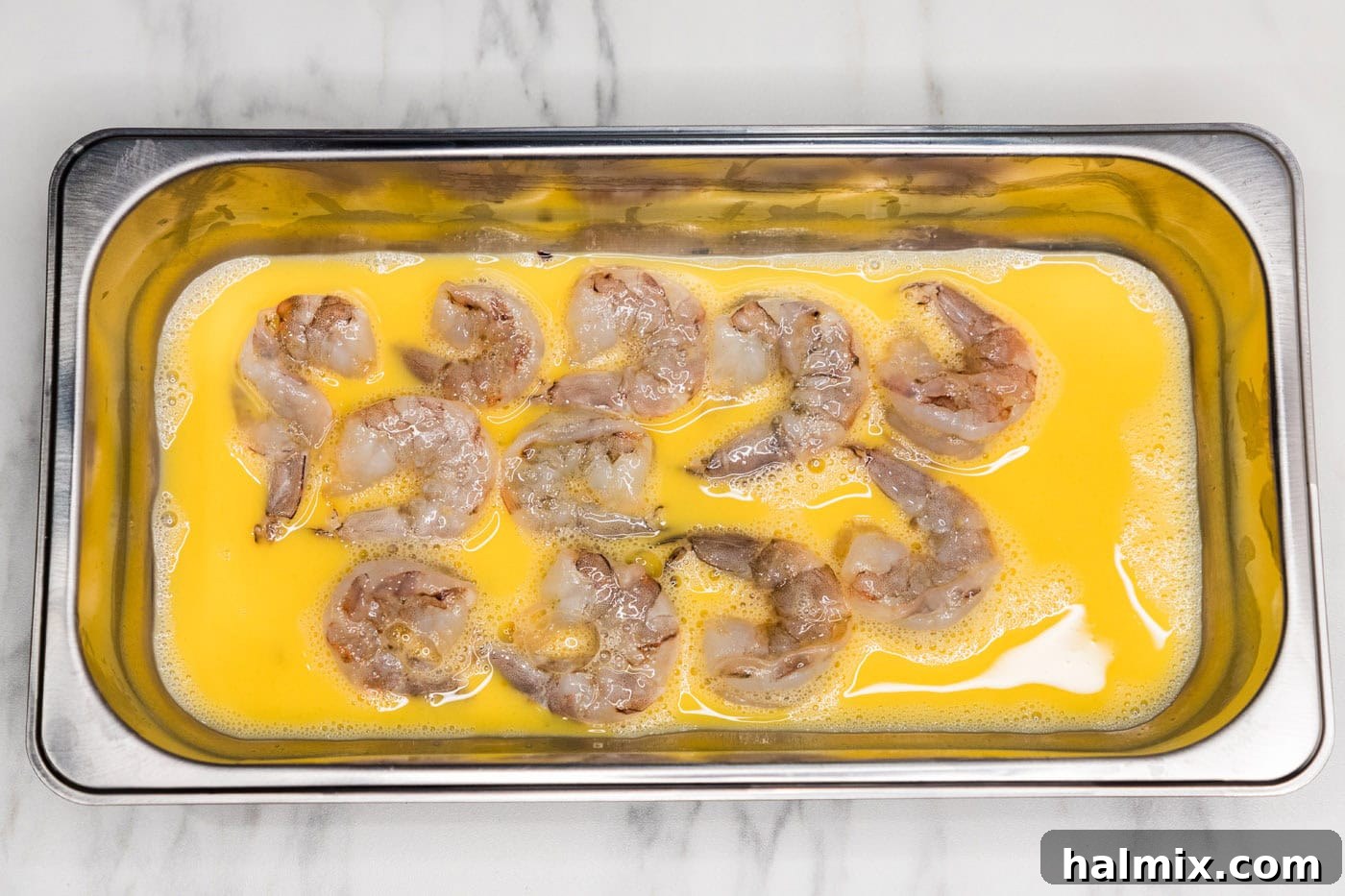
- Coat the Shrimp in Egg: Take each shrimp and coat both sides thoroughly in the whisked egg. Ensure it’s evenly covered, allowing any excess egg to drip off. This creates a sticky surface for the flour.

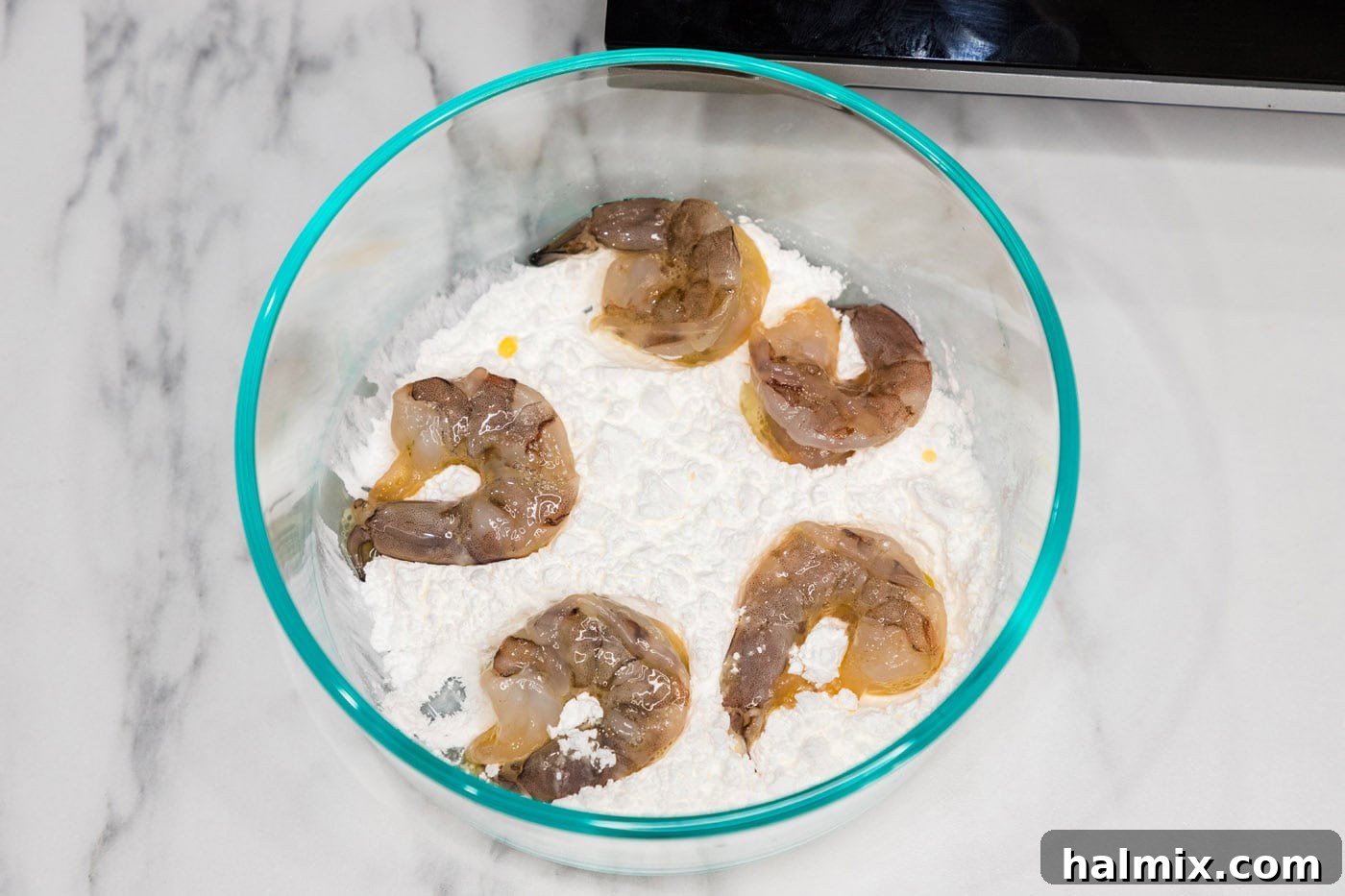
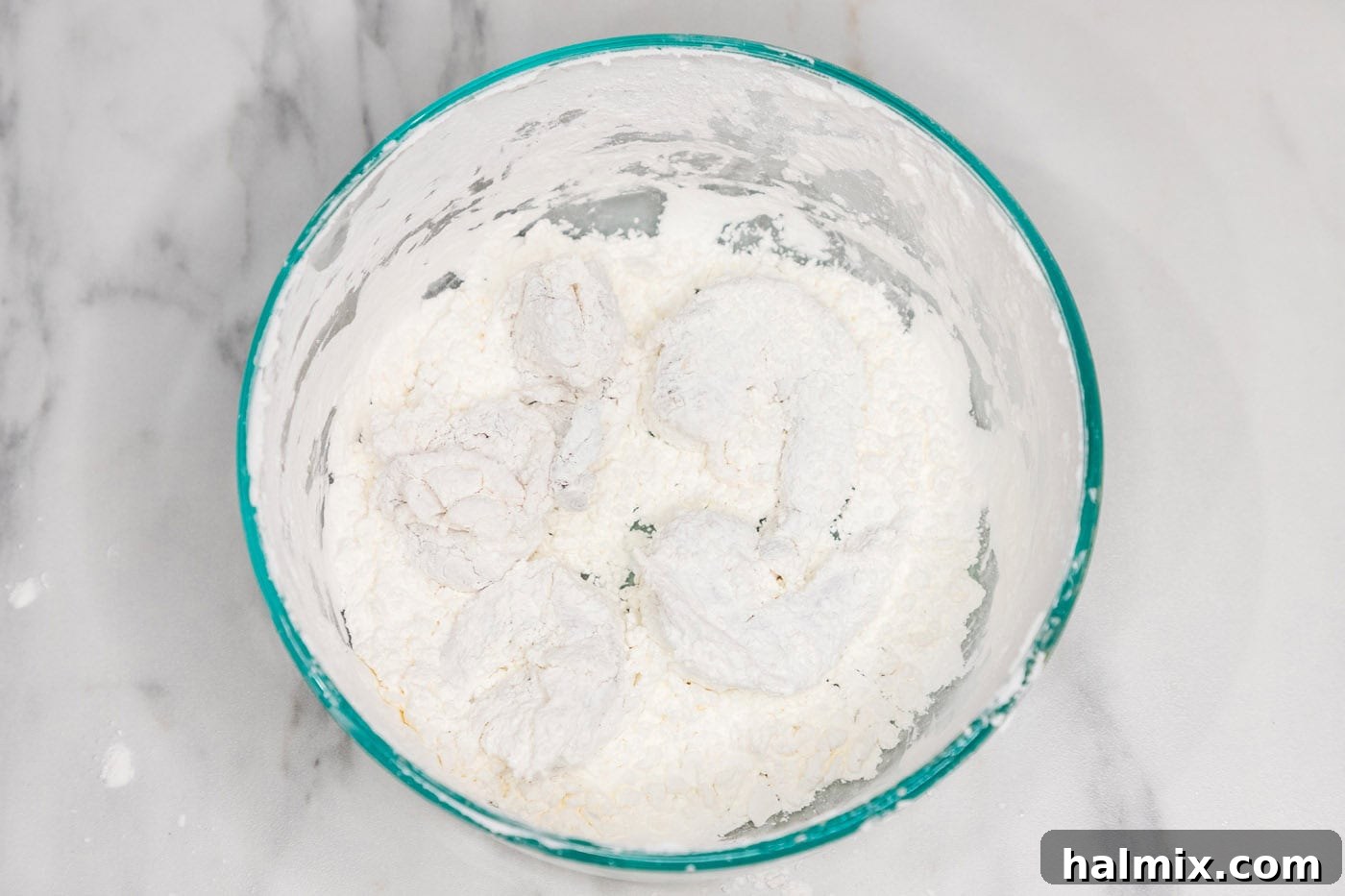
- Dredge in Flour: Transfer the egg-coated shrimp to the flour dish. Dredge each shrimp generously in flour, ensuring it’s completely coated. Gently shake off any excess flour to prevent a thick, pasty coating.
- Prepare for Frying: Place all the breaded shrimp on a wire rack. This allows air circulation, preventing the coating from becoming soggy and ensuring even frying.
- Fry the Shrimp: In a large, heavy-bottomed skillet, add enough cooking oil to reach about 1/2-inch up the sides of the pan. Heat the oil over medium-high heat until it reaches 350°F (175°C). You can use a candy thermometer or simply test by dropping a tiny pinch of flour into the oil – it should sizzle immediately. Carefully, and without overcrowding the pan, place the breaded shrimp into the hot oil. Cook for 2-3 minutes, flipping once, until golden brown and cooked through. Overcrowding will lower the oil temperature and result in less crispy shrimp. Remove the cooked shrimp to a clean wire rack to drain any excess oil, helping them stay crispy.
CHEF TIP – To save on dishes and time, you can use the same skillet for both frying the shrimp and preparing the sauce. Once the shrimp are fried, carefully empty the used oil and wipe the skillet clean with a paper towel.
- Sauté Aromatics: If you’re using the same skillet, heat one tablespoon of olive oil over medium-high heat until it shimmers. Add the minced garlic and ginger. Sauté for about 30-60 seconds, until fragrant, being careful not to burn them. Their aroma will fill your kitchen!
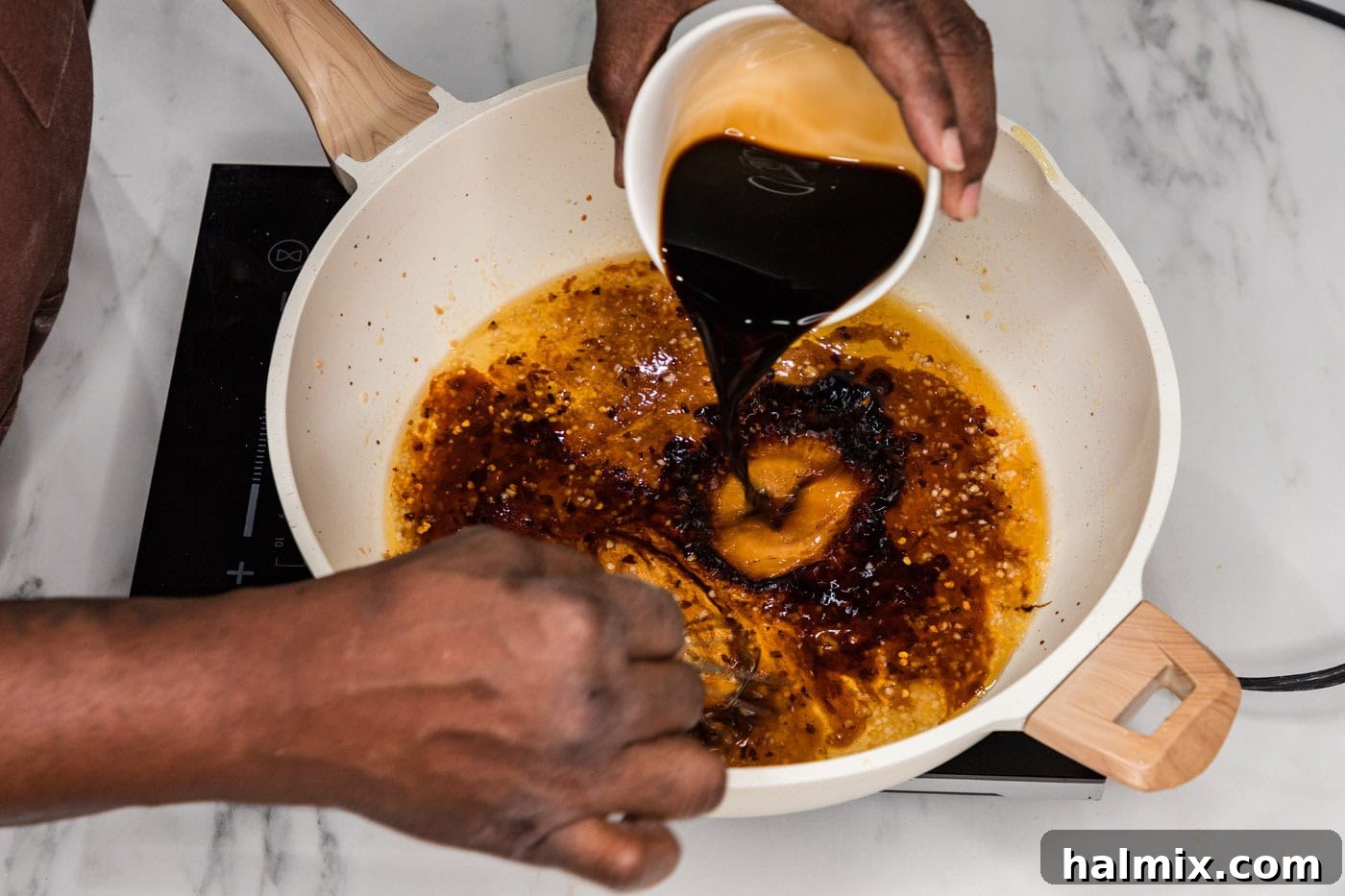
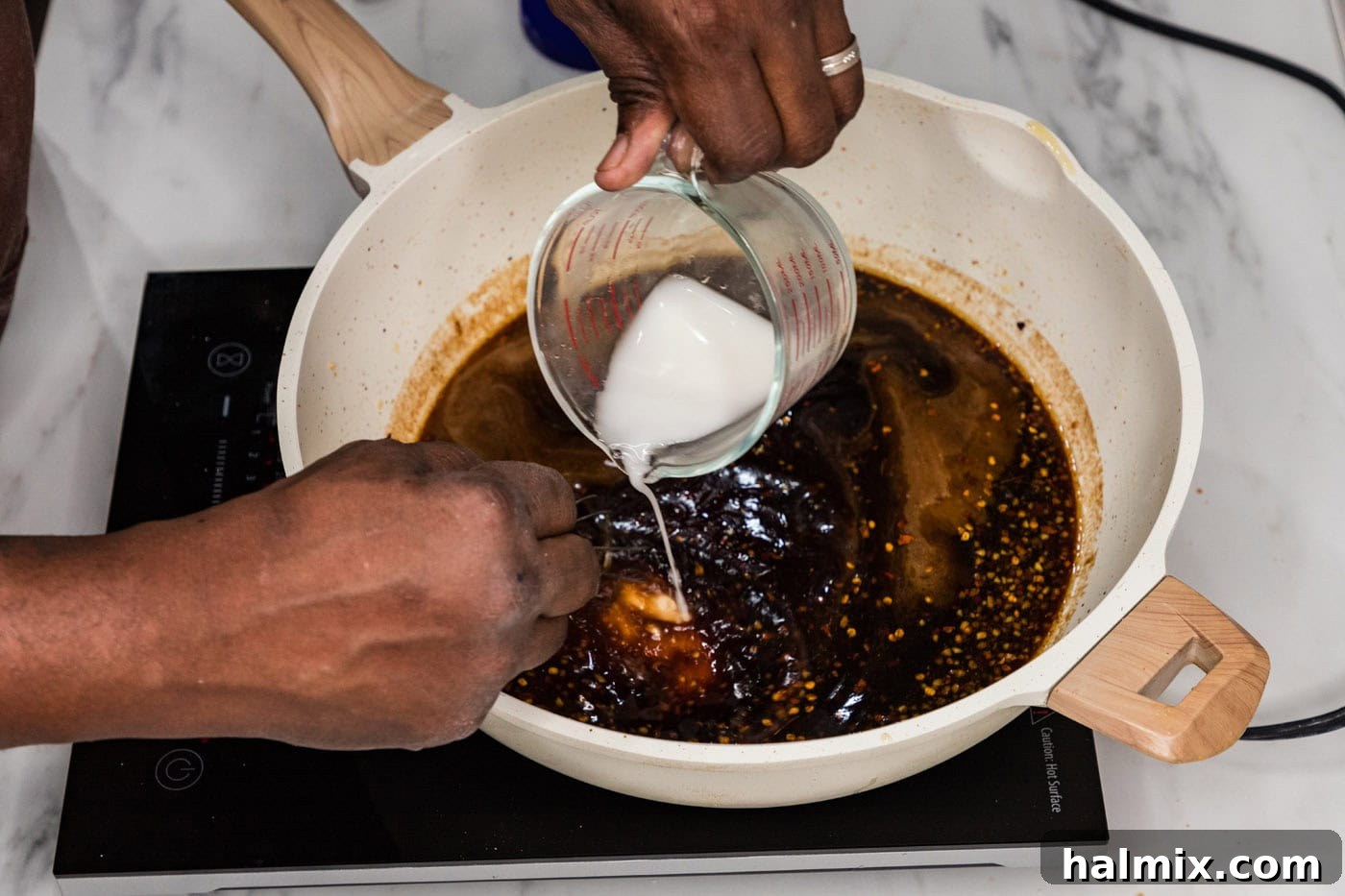
- Whisk in Sauce Ingredients: Add all the remaining sauce ingredients (sesame oil, honey, oyster sauce, ketchup, red pepper flakes, soy sauce, cornstarch, and water) to the skillet with the sautéed aromatics. Whisk the mixture together until well combined and smooth. Ensure the cornstarch is fully dissolved to prevent lumps.
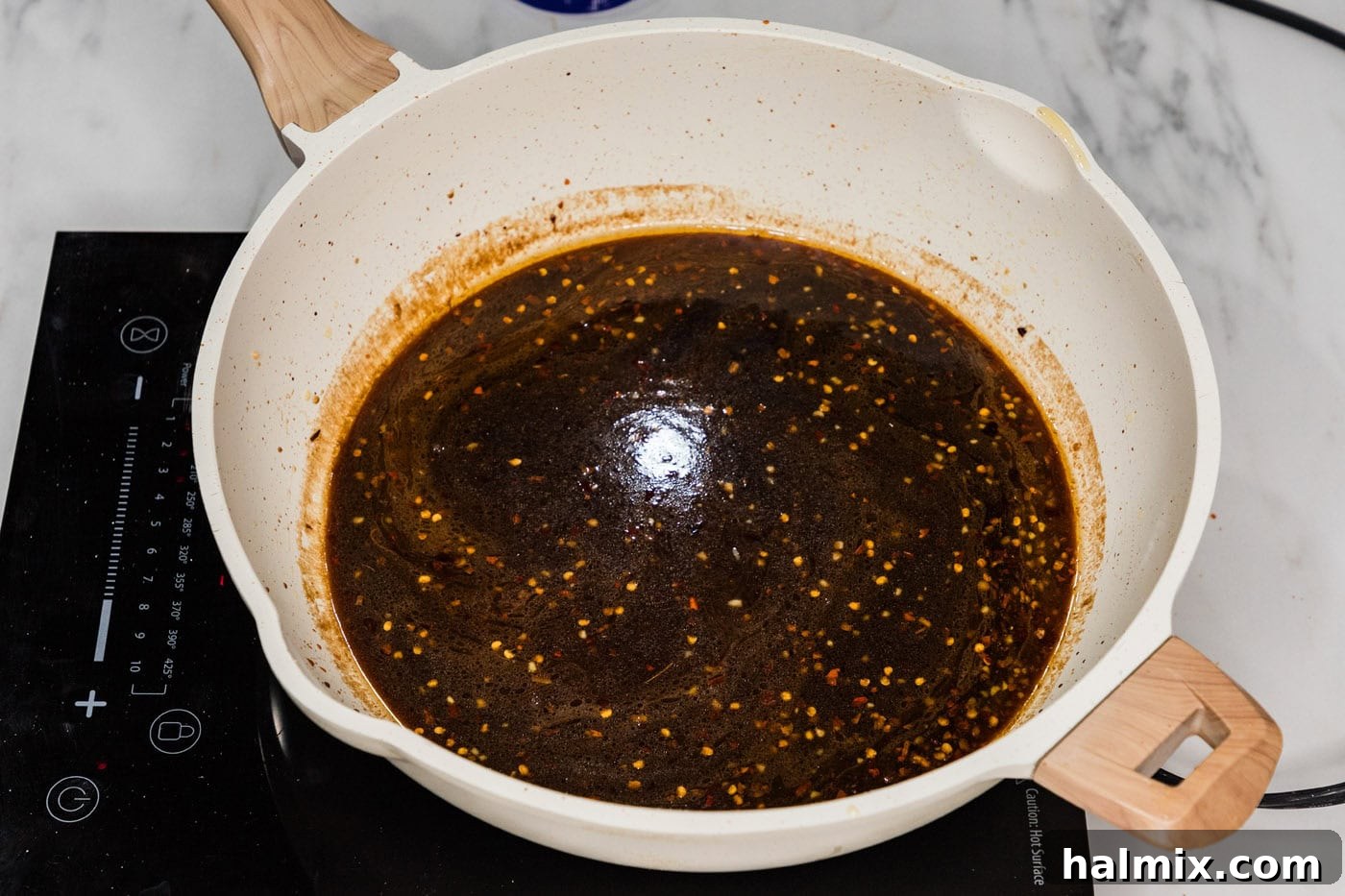
- Thicken the Sauce: Continue heating the mixture over medium-high heat, stirring occasionally, until the sauce begins to thicken to a glossy, desirable consistency that coats the back of a spoon. This usually takes a few minutes. If it gets too thick, you can add a tablespoon or two of water to thin it out.
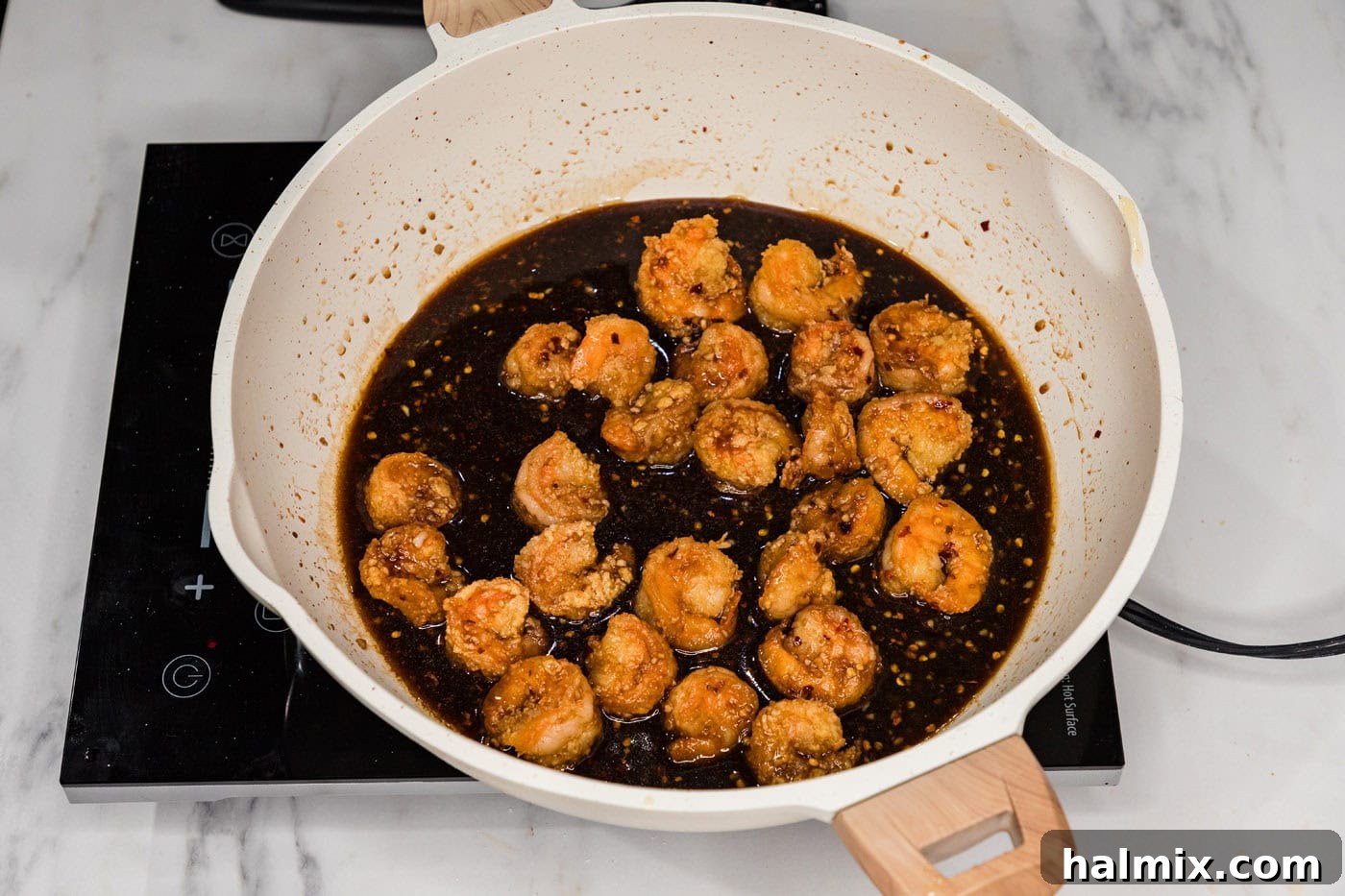
- Combine Shrimp and Sauce: Add the crispy fried shrimp back into the skillet with the thickened Mongolian sauce. Gently toss the shrimp to ensure each piece is evenly coated in the rich, flavorful sauce. Serve immediately to enjoy the shrimp at its crispiest.
Frequently Asked Questions & Expert Tips
Absolutely! This homemade Mongolian sauce is incredibly versatile. It pairs wonderfully with chicken, beef, or even plant-based proteins like tofu or tempeh. For chicken or beef, slice them thinly, pan-fry or stir-fry until cooked, then toss with the sauce. For tofu, press out excess water, cube, fry until crispy, and then combine with the sauce.
Yes, definitely! This dish is excellent with as many or as few vegetables as you prefer, making it a complete meal. I highly recommend adding vibrant vegetables like broccoli florets, sliced bell peppers (red, yellow, or orange), snap peas, sliced mushrooms, julienned carrots, or bok choy. Since shrimp cooks very quickly, your best approach is to sauté the vegetables in a separate pan or quickly blanch them before cooking the shrimp. Add the cooked vegetables to the sauce along with the shrimp, then toss everything to coat evenly.
Store any leftovers in an airtight container in the refrigerator for up to 2 days. Reheating shrimp can be a bit tricky, as it’s easy to overcook them, leading to a rubbery texture. To reheat gently, you can either pop them in the microwave at a low power setting and reheat in short, 30-second bursts, stirring in between. Alternatively, toss the mixture (shrimp and sauce) into a skillet and gently rewarm over low heat on the stovetop until just heated through. Avoid high heat to maintain the shrimp’s tender texture.
The recipe calls for red pepper flakes, which provide a mild to medium heat. For a spicier dish, you can increase the amount of red pepper flakes or add finely diced fresh chilies like serrano or bird’s eye chilies. For a milder version, simply reduce the red pepper flakes or omit them entirely. You can also add a dash of Sriracha or chili-garlic sauce to the finished dish for an extra kick at the table.
Yes, you can! The Mongolian sauce can be made a day or two in advance and stored in an airtight container in the refrigerator. Reheat gently before combining with the cooked shrimp. You can also peel and devein the shrimp ahead of time, storing them in the fridge until ready to bread and fry.
Perfect Serving Suggestions
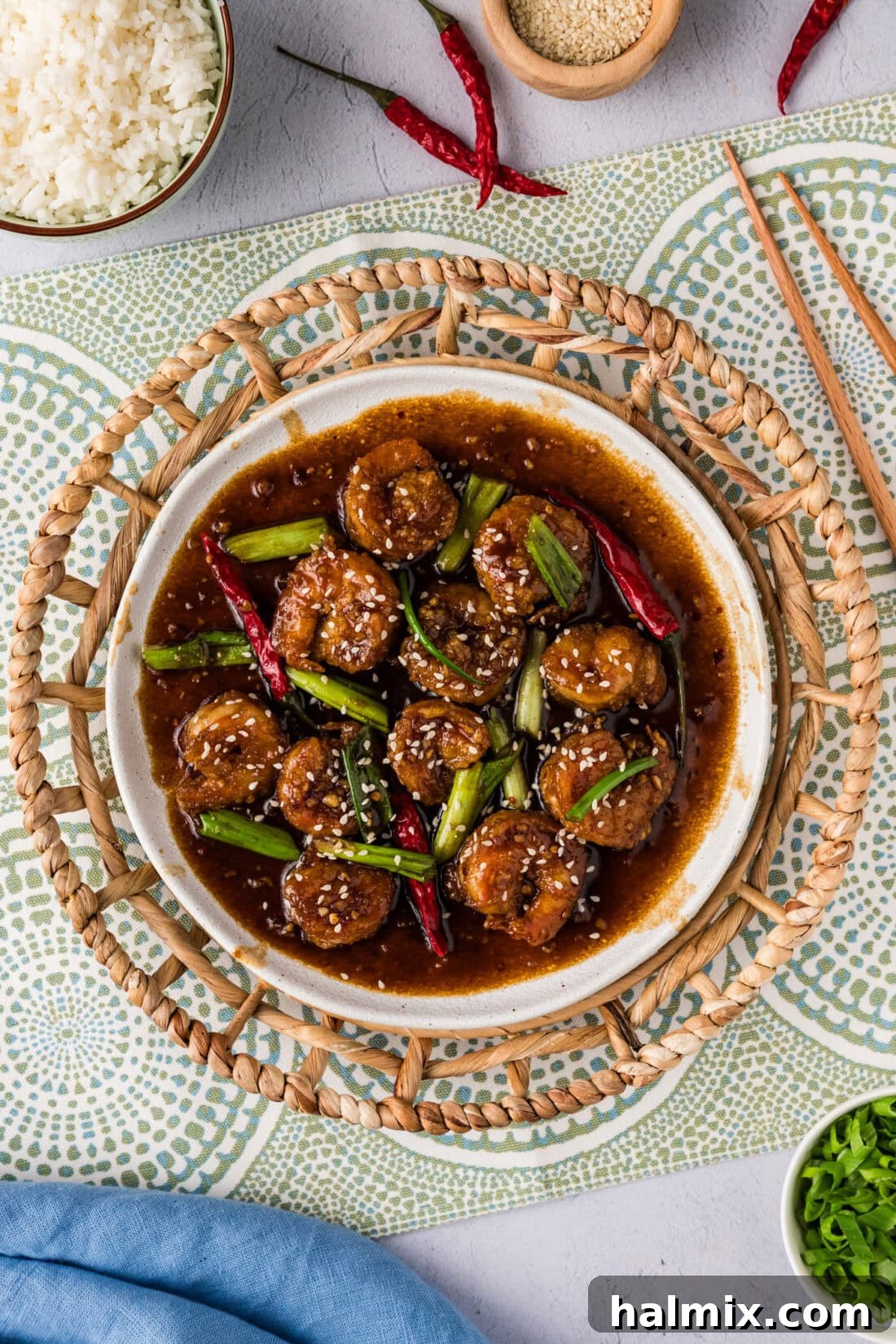
This Mongolian Shrimp is a star on its own, but it truly shines when paired with the right accompaniments. Serve your delectable Mongolian shrimp over a fluffy bed of steamed white rice, which perfectly soaks up the rich sauce. For a heartier meal, serve it with traditional Lo Mein or Cantonese egg noodles. Other excellent choices include brown rice, quinoa, or even cauliflower rice for a low-carb option. To complete the dish, garnish generously with freshly sliced spring onions (green onions) and a sprinkle of toasted sesame seeds. A scattering of fresh cilantro also adds a lovely pop of color and herbaceous note. Enjoy this restaurant-quality meal right in your own home!
Consider serving a light side salad with a ginger dressing or some steamed greens to balance the richness of the dish. A crisp, cool beverage like iced tea, sparkling water with lime, or even a light beer or white wine can complement the flavors beautifully.
Explore More Delicious Shrimp Recipes
If you loved this Mongolian Shrimp recipe, you’re in for a treat! Shrimp is incredibly versatile and cooks quickly, making it a fantastic choice for a variety of flavorful dishes. Here are some other shrimp recipes you might enjoy from our collection:
- Hunan Shrimp – For those who love bold, spicy flavors.
- Kung Pao Shrimp – A classic with peanuts and a zesty sauce.
- Citrus Pepper Shrimp – Bright and refreshing.
- Sweet and Sour Shrimp – A beloved family favorite.
- Shrimp with Lobster Sauce – A luxurious and comforting dish.
I absolutely adore sharing my culinary adventures and kitchen experiences with all of you! It can be tricky to remember to check back every day for new delights, which is why I offer a convenient newsletter delivering a fresh recipe directly to your inbox with every new post. Simply subscribe here and start receiving your free daily recipes – never miss a delicious moment!
Mongolian Shrimp
This Mongolian shrimp recipe combines perfectly breaded, juicy shrimp with our incredible Asian-inspired sauce, bursting with garlic, ginger, honey, oyster sauce, and red pepper flakes for an unforgettable meal.
Rating: 5 out of 5 stars (1 vote)
Pin It
Course: Dinner
Cuisine: American, Asian
Servings: 4 servings
Prep Time: 15 mins
Cook Time: 20 mins
Total Time: 35 mins
Calories: 327
Author: Amanda Davis
Ingredients
- 1 large egg
- ½ cup all-purpose flour
- 1 pound raw large shrimp, peeled, deveined, tails removed
- Cooking oil for frying (such as vegetable, peanut, or canola oil)
Sauce
- 1 Tablespoon olive oil
- 1 Tablespoon minced garlic
- 2 teaspoons minced ginger
- 1 Tablespoon sesame oil
- ¼ cup honey
- ¼ cup oyster sauce
- 1 Tablespoon ketchup
- 2 teaspoons red pepper flakes
- ½ cup soy sauce
- 2 teaspoons cornstarch
- ¼ cup water
Equipment You’ll Need
- 2 Breading trays or shallow dishes
- Whisk
- Large heavy-bottomed skillet
- Wire cooling rack
- Candy thermometer (optional, for frying oil)
Before You Begin
- It’s perfectly okay to use frozen shrimp (most come that way anyhow), however, you will want to thaw them before beginning. To thaw shrimp quickly, place them in a sealed bag submerged in a bowl of cold water. You may need to swap the water out as it thaws. Pat shrimp thoroughly dry before breading.
Instructions
- Whisk an egg in one of the breading trays and put the flour in another.
- Coat both sides of the shrimp evenly in the whisked egg.
- Dredge shrimp generously in flour, ensuring a complete coating.
- Place all breaded shrimp on a wire rack to prepare for frying.
- To the skillet, add enough cooking oil to come about 1/2-inch up the sides of the pan. Heat oil over medium-high heat until it reaches a temperature of 350°F (175°C). Being careful not to overcrowd the shrimp, place each piece into the hot oil and cook for 2-3 minutes, flipping once, until golden and cooked through. Remove the fried shrimp to a wire rack to drain.
- You can use the same skillet: carefully empty the used oil and wipe it out with a paper towel. Heat 1 Tablespoon olive oil in the skillet over medium-high heat until shimmering. Add the minced garlic and ginger, and sauté for 30-60 seconds until fragrant.
- Add all remaining sauce ingredients (sesame oil, honey, oyster sauce, ketchup, red pepper flakes, soy sauce, cornstarch, and water) to the skillet. Whisk the mixture together until smooth.
- Continue heating the mixture, stirring occasionally, until the sauce begins to thicken to a glossy consistency.
- Add the fried shrimp to the skillet and gently turn to coat each piece thoroughly in the delicious Mongolian sauce. Serve immediately.
Nutrition Information (per serving)
Serving: 1 serving | Calories: 327 cal | Carbohydrates: 31g | Protein: 20g | Fat: 14g | Saturated Fat: 2g | Polyunsaturated Fat: 5g | Monounsaturated Fat: 5g | Trans Fat: 0.05g | Cholesterol: 157mg | Sodium: 2243mg | Potassium: 321mg | Fiber: 1g | Sugar: 19g | Vitamin A: 540IU | Vitamin C: 1mg | Calcium: 88mg | Iron: 1mg
Tried this Recipe? Pin it for Later!
Follow on Pinterest @AmandasCookin or tag #AmandasCookin!
The recipes on this blog are tested with a conventional gas oven and gas stovetop. It’s important to note that some ovens, especially as they age, can cook and bake inconsistently. Using an inexpensive oven thermometer can assure you that your oven is truly heating to the proper temperature. If you use a toaster oven or countertop oven, please keep in mind that they may not distribute heat the same as a conventional full sized oven and you may need to adjust your cooking/baking times. In the case of recipes made with a pressure cooker, air fryer, slow cooker, or other appliance, a link to the appliances we use is listed within each respective recipe. For baking recipes where measurements are given by weight, please note that results may not be the same if cups are used instead, and we can’t guarantee success with that method.