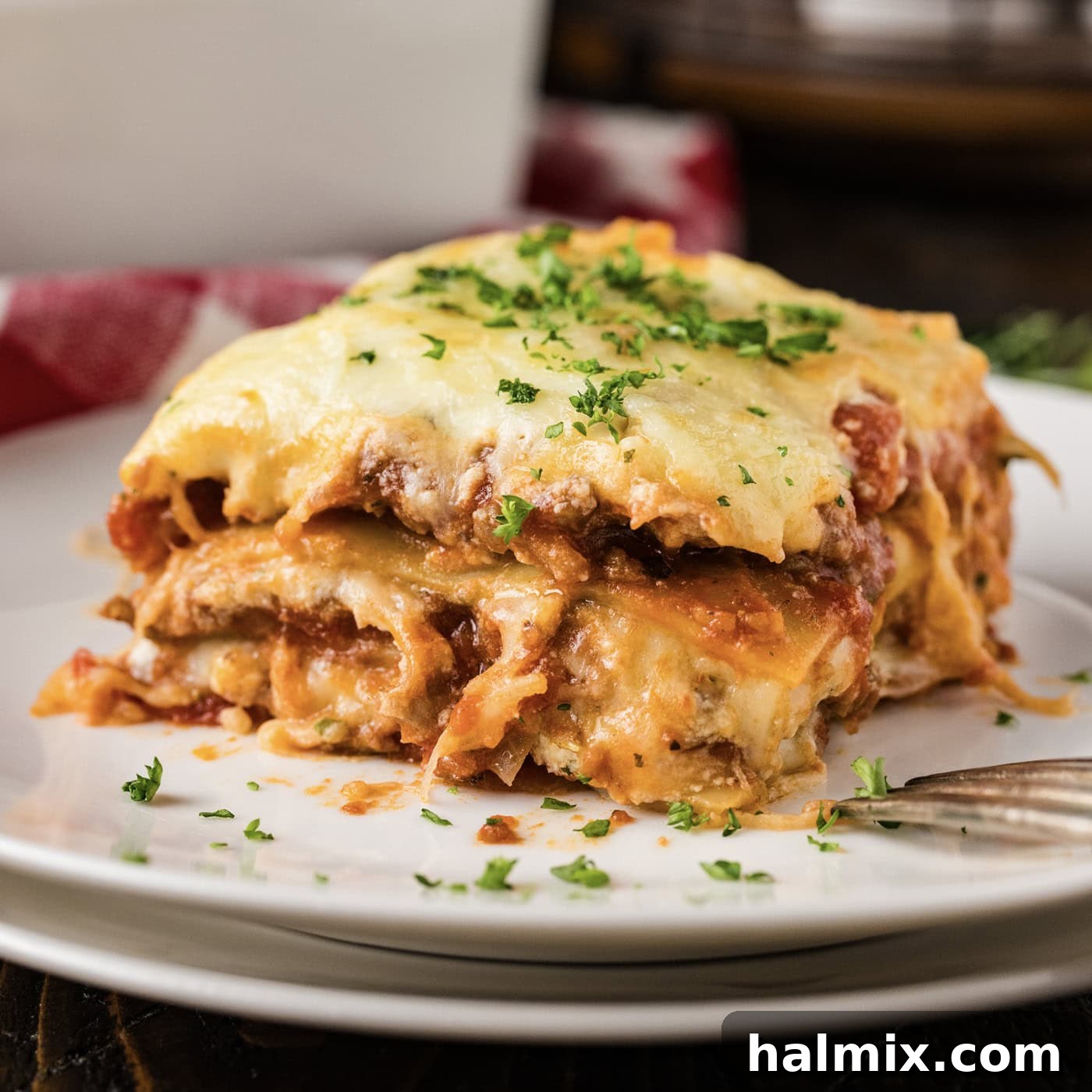
Classic Italian Lasagna with Rich Meat Sauce: A Timeless Family Favorite
Indulge in the heartwarming embrace of a truly classic Italian Lasagna, a recipe that has graced countless family tables for generations. This beloved casserole masterfully combines a rich, slow-simmered meat sauce with layers of tender lasagna noodles, creamy ricotta cheese, and a generous blend of melted mozzarella and Parmesan cheeses. It’s a dish that transcends mere sustenance, offering a comforting culinary experience perfect for any gathering, holiday, or cozy family dinner.
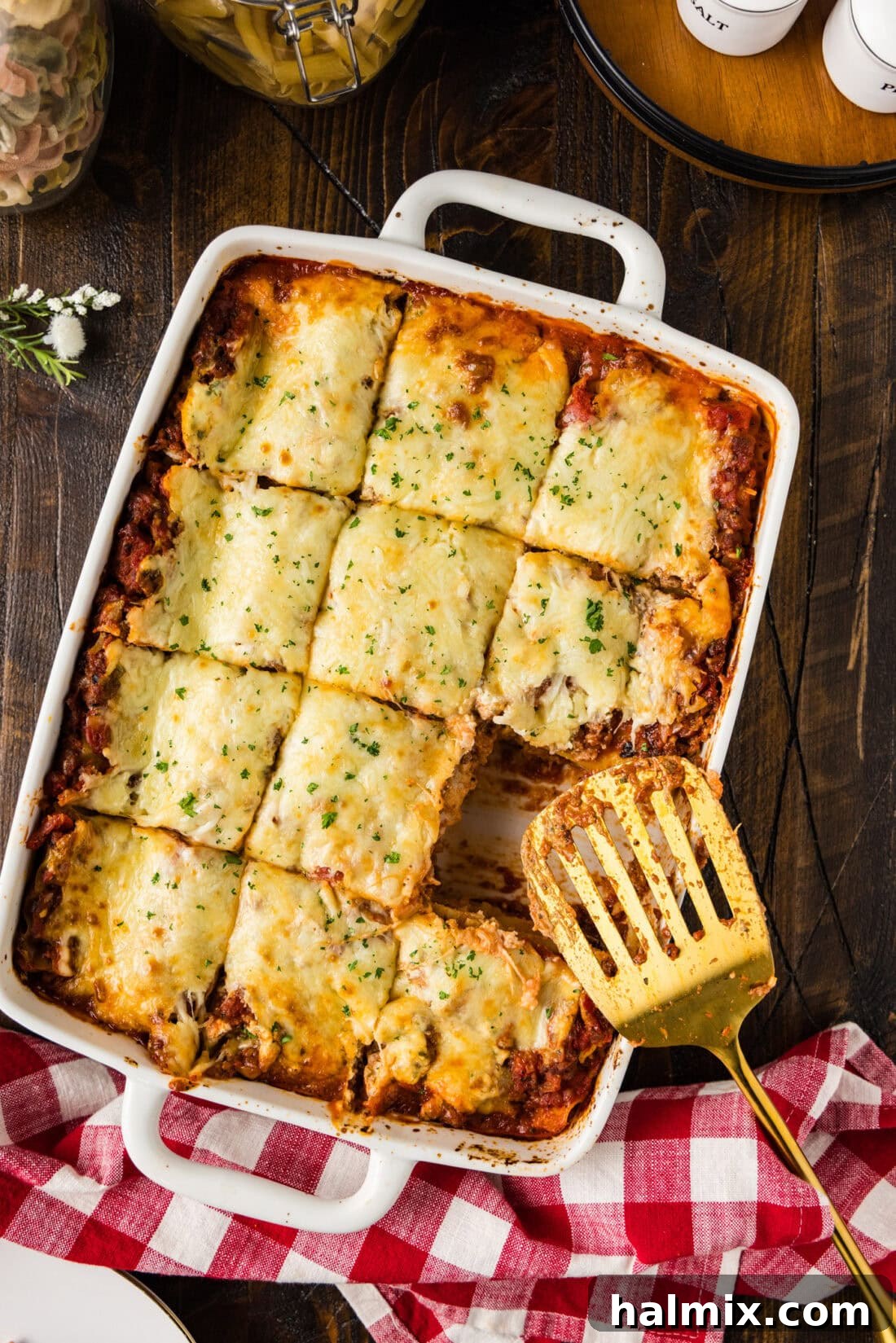
Why This Lasagna Recipe Stands Out
For decades, this particular Italian lasagna recipe has been my unwavering go-to, a culinary anchor in my kitchen. While I would love to claim full credit for its brilliant assembly, its origins trace back to an unexpected but cherished source: the back of a Creamette lasagna noodle box. What started as a simple, convenient guide quickly transformed into an irreplaceable family tradition. The magic lies in its perfect balance of robust flavors and satisfying textures, making it a crowd-pleaser every single time. It’s truly the best lasagna recipe I’ve ever encountered, delivering consistent deliciousness that guests and family members rave about.
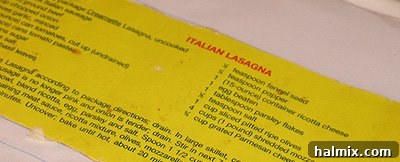
My journey with this recipe took an anxious turn years ago. After years of relying on that faithful box, I faced a moment of panic at the grocery store. The “Italian Lasagna with Meat” recipe, a staple on the Creamette box, had vanished, replaced by a “Vegetable Lasagna” version. A frantic search of every box on the shelf yielded no results for my beloved meat-filled classic. Luckily, I had one last box at home, from which I meticulously cut and preserved the recipe, taping it to a piece of paper for safekeeping. Since 2008, this hand-copied recipe has been my guide, ensuring that the rich, meaty flavor of this lasagna continues to be a highlight of our meals. While a veggie lasagna has its charm, for me, nothing compares to the deep, savory satisfaction of a traditional lasagna with a hearty meat sauce. This recipe has proven itself time and again, delivering an authentic taste of Italy that never disappoints.
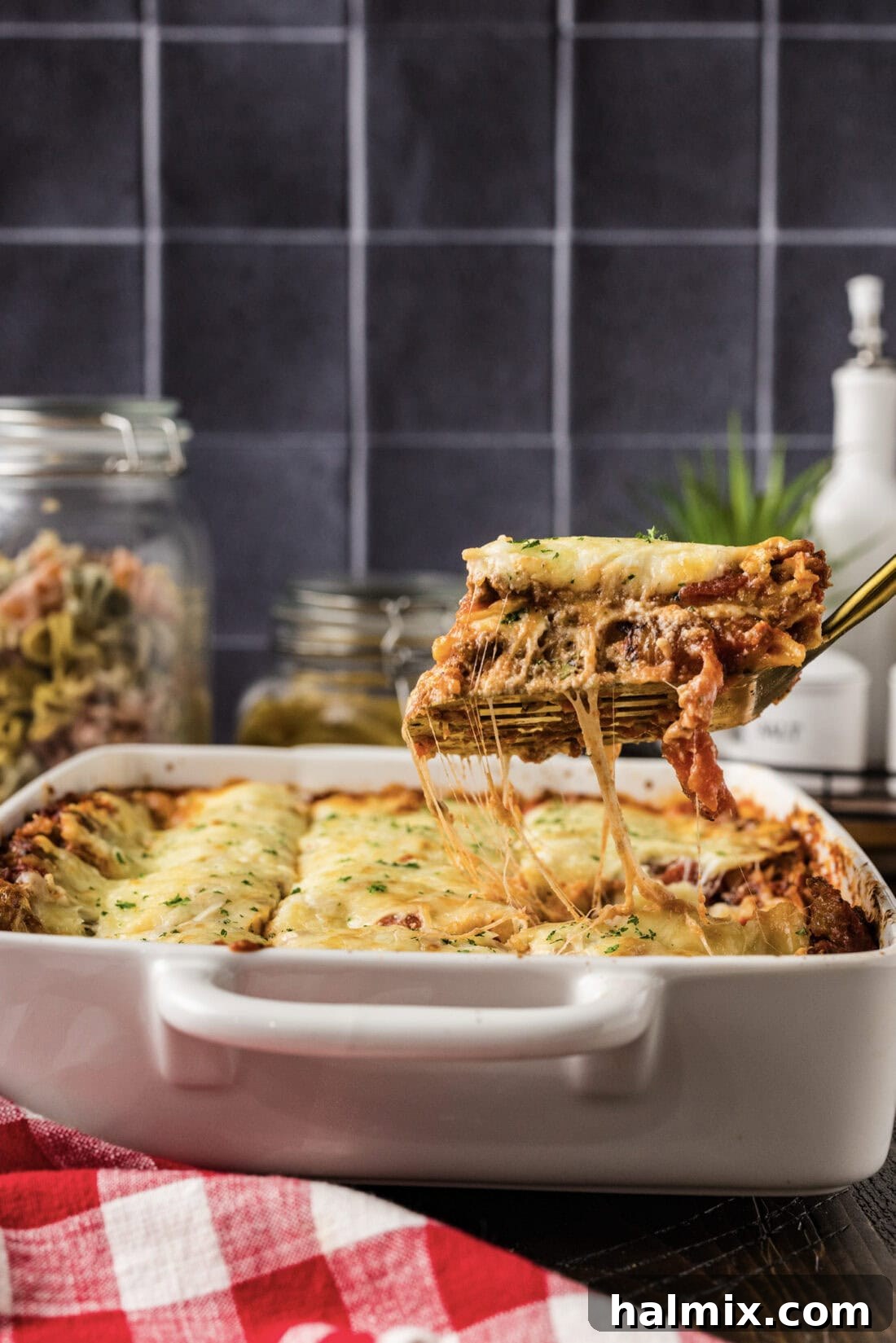
Essential Ingredients for Your Authentic Lasagna
Crafting the perfect Italian lasagna begins with selecting high-quality ingredients. Each component plays a crucial role in building the layered flavors and textures that make this dish so irresistible. Below, you’ll find a detailed list of what you’ll need to create this culinary masterpiece.
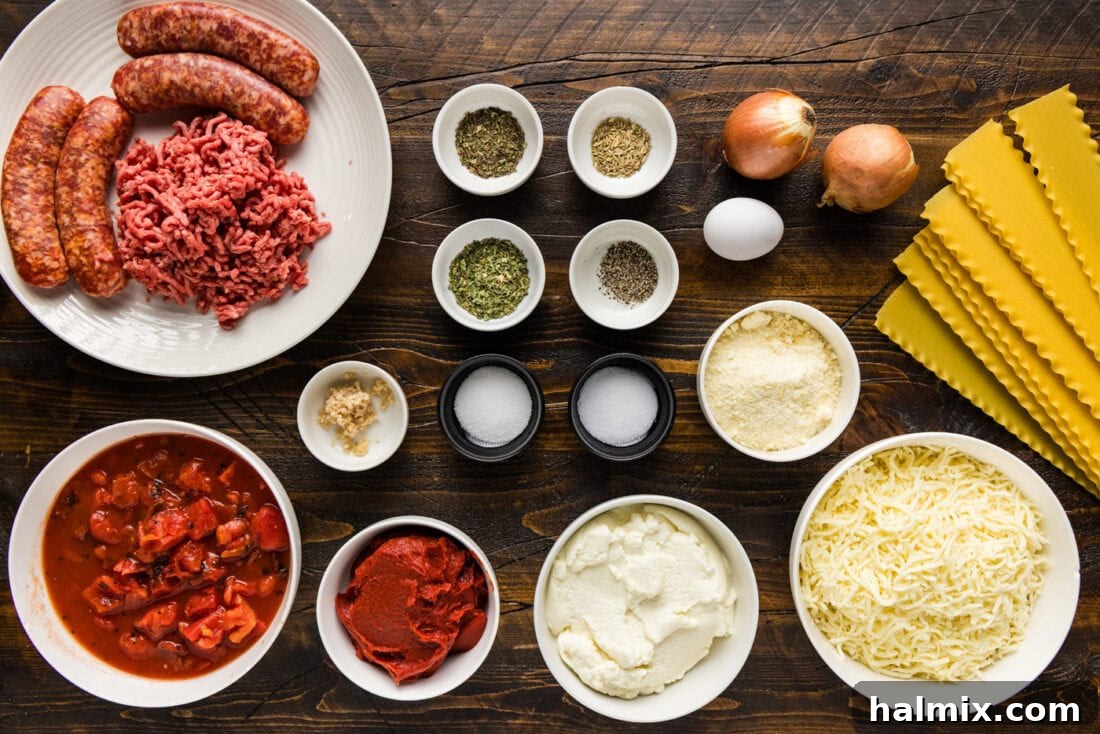
Ingredient Spotlight & Expert Substitution Suggestions
Understanding each ingredient’s role and knowing your options for substitutions can elevate your lasagna experience and make it adaptable to your pantry and preferences. Here’s a deeper dive into the key components:
LASAGNA NOODLES: The foundation of any great lasagna! For this recipe, you’ll typically use about half a box of standard lasagna noodles (often around 12 sheets). If you opt for oven-ready (no-boil) noodles, you’ll likely use an entire box, as these are often shorter and wider, requiring a different layering approach. I often utilize the no-boil variety and find that a brief soak in hot tap water for about ten minutes before assembly makes them wonderfully pliable and easy to work with, preventing any cracking and ensuring even cooking. This pre-soak step effectively eliminates the need for boiling them at all, simplifying the preparation significantly. Just be careful not to soak them too long, especially if many are in the pan, as they can stick together. Look for high-quality pasta for the best texture.
TOMATOES: The heart of the meat sauce, providing a rich, savory base. You’ll need one 28-ounce can of diced tomatoes. For an extra layer of smoky depth and a more complex flavor profile, I highly recommend using fire-roasted diced tomatoes. Their inherent sweetness and char enhance the overall sauce beautifully. If fire-roasted isn’t available, regular diced tomatoes work perfectly fine, but consider adding a pinch of smoked paprika to achieve a similar nuance.
MEAT: What truly makes this recipe exceptional is the combination of ground Italian sausage and ground beef. The Italian sausage brings a vibrant, spiced flavor that complements the richness of the beef, creating a profoundly savory and satisfying sauce. For a milder flavor, you can use sweet Italian sausage; for a kick, opt for hot Italian sausage. If you prefer, or if Italian sausage isn’t available, you can use all ground beef, but be sure to season it well with Italian herbs and a touch of fennel seed to mimic some of the sausage’s unique qualities. Ensure your ground meat is lean to avoid an overly greasy sauce, or drain excess fat thoroughly after browning.
CHEESES: This recipe uses a trifecta of Italian cheeses for ultimate creaminess and flavor. Creamy ricotta forms the backbone of the cheese layer, providing moisture and a delicate tang. Fresh, shredded mozzarella cheese offers that quintessential gooey, stretchy texture when baked. Finally, finely grated Parmesan cheese adds a salty, nutty sharpness that balances the richness of the other ingredients. For the best results, avoid pre-shredded cheeses, as they often contain anti-caking agents that can hinder smooth melting. Shred your own mozzarella from a block and grate fresh Parmesan for superior flavor and texture.
AROMATICS & HERBS: Onion and garlic are the indispensable aromatics that lay the foundation for the meat sauce’s flavor. Dried basil leaves, fennel seed, and black pepper are essential for creating that authentic Italian taste. Don’t skip the fennel seed; it’s a subtle but critical component that gives the sauce its signature Italian sausage-like flavor. A pinch of granulated sugar helps to balance the acidity of the tomatoes, creating a well-rounded sauce. Fresh parsley, either dried flakes or minced fresh, is incorporated into the ricotta mixture for a burst of freshness and color.
Crafting Your Homemade Italian Lasagna: A Step-by-Step Guide
Follow these detailed steps to create a truly unforgettable Italian Lasagna. These instructions are designed to guide you through each stage, ensuring a delicious outcome. For a comprehensive list of ingredients and precise measurements, please refer to the printable recipe card at the end of this post.
- Preheat Oven: Begin by preheating your oven to 375°F (190°C). This ensures the oven is at the correct temperature for even baking from the start.
- Prepare the Meat Sauce: In a large, heavy-bottomed skillet or Dutch oven, combine the ground Italian sausage, ground beef, chopped onion, and minced garlic. Cook over medium-high heat, breaking up the meat with a spoon, until the sausage is no longer pink and the onion has softened and become translucent, typically about 8-10 minutes. Once cooked, carefully drain any excess grease from the skillet to prevent a watery or oily sauce. Stir in the diced tomatoes (undrained), tomato paste, granulated sugar, salt, dried basil leaves, fennel seed, and pepper. Bring the mixture to a gentle boil, then reduce the heat to low, cover, and let it simmer for at least 20 minutes to allow the flavors to meld beautifully. The longer it simmers, the richer the sauce will become.
- Soak the Lasagna Noodles: While your sauce simmers, prepare your lasagna noodles. Fill a 13×9 inch baking pan (or a similar large, shallow dish) with hot tap water. Carefully submerge the uncooked lasagna noodles into the hot water, ensuring they are fully covered. Let them soak for about 10-15 minutes. This step softens them, making them pliable and easy to handle during assembly, and eliminates the need for pre-boiling, saving you time and effort. Once soft, carefully remove them from the water and set them aside on a clean surface or plate, separated to prevent sticking.
- Prepare the Ricotta Mixture: In a medium-sized mixing bowl, combine the ricotta cheese, beaten large egg, parsley flakes (or fresh minced parsley), and ½ teaspoon of salt. Mix thoroughly until all ingredients are well incorporated and the mixture is smooth and creamy. The egg acts as a binder, helping the ricotta layer hold its shape during baking.
- Assemble the Lasagna Layers: Now for the exciting part – assembly! Begin by spooning approximately 1 ½ cups of your rich meat sauce evenly over the bottom of a 13×9 inch baking dish. This prevents the noodles from sticking and creates a flavorful base. Next, arrange a single layer of your soaked lasagna noodles over the sauce. You’ll use roughly one-third of your noodles for each layer. Evenly spread one-third of the ricotta mixture over the noodles. Follow this with another generous layer of meat sauce, then sprinkle one-third of the shredded mozzarella cheese and one-third of the grated Parmesan cheese over the sauce. Repeat these layers two more times, ensuring each component is evenly distributed to build a tall, impressive lasagna. The final layer should be topped with plenty of mozzarella and Parmesan for a golden, bubbly crust.
- First Bake (Covered): Tightly cover the baking dish with aluminum foil. This traps steam, helping the noodles cook through and preventing the cheese from browning too quickly. Bake in your preheated 375°F (190°C) oven for 25 minutes.
- Second Bake (Uncovered): After 25 minutes, carefully remove the aluminum foil. Return the lasagna to the oven and continue baking, uncovered, for an additional 20-25 minutes, or until the top is golden brown, the cheese is beautifully melted and bubbly, and the sauce is simmering at the edges.
- Achieve Golden Perfection (Optional): If you find the top of your lasagna isn’t as golden or browned as you’d like, you can briefly increase the oven temperature to 500°F (260°C) for the last few minutes. However, it’s crucial to watch it very closely during this stage, checking every couple of minutes, as the cheese can brown and even burn very quickly at such a high temperature.
- Rest Before Serving: Once out of the oven, allow the lasagna to stand for at least 10-15 minutes before slicing and serving. This crucial resting period allows the layers to set, making it much easier to cut neat, individual portions without everything falling apart. It also ensures the cheese isn’t molten hot, preventing burnt mouths.
Frequently Asked Questions & Expert Tips for Lasagna Success
Over the years, I’ve experimented with various types of lasagna noodles. Brands like Creamette have introduced oven-ready noodles, also known as no-boil noodles, which many wonder if they still need to be boiled. The great news is, there’s absolutely no need to boil oven-ready noodles. You can layer them directly into your recipe. However, I’ve found that soaking them first in hot tap water, just to soften them, makes them much more pliable and easier to handle during assembly. This simple trick also works wonders for regular lasagna noodles, meaning you can skip boiling them entirely if you prefer! Just fill a pan with hot tap water and place your noodles in about ten minutes before you plan to assemble your casserole. Remember not to soak them for too long, especially if there are many noodles, as they can become too soft and stick together, making them difficult to separate. Aim for flexible, but still firm, noodles.
Absolutely! Lasagna is incredibly versatile and can be adapted for various cooking methods. For a convenient, hands-off approach, you can prepare this recipe as a Crockpot lasagna. This method yields a wonderfully tender and saucy lasagna, perfect for busy days. If you’re short on time, a pressure cooker (like an Instant Pot) is another fantastic option. Check out our Instant Pot Lasagna recipe for a quick and delicious version that delivers incredible flavor in a fraction of the traditional cooking time.
Storing and reheating lasagna properly ensures you can enjoy its deliciousness for days. Allow any leftover lasagna to cool completely to room temperature before transferring it to an airtight container. Store it in the refrigerator for up to 4 days. To reheat individual slices, the microwave is generally the quickest and easiest method. Place a slice on a microwave-safe plate, cover it loosely with a paper towel or microwave-safe lid, and heat for 1-2 minutes, or until thoroughly warmed through. For larger portions or a crispier crust, you can reheat it in a preheated oven at 300°F (150°C) for about 15-20 minutes, or until hot and bubbly.
Yes, lasagna is an excellent make-ahead dish! You can assemble the entire lasagna, up to the point of baking, and store it in the refrigerator for up to 24 hours. Cover it tightly with plastic wrap and then foil. When ready to bake, remove it from the refrigerator about 30 minutes to an hour beforehand to bring it closer to room temperature. You may need to add an extra 10-15 minutes to the initial covered baking time if it’s going into the oven cold. This makes it perfect for entertaining or meal prepping.
Freezing lasagna is a fantastic way to enjoy homemade meals on demand. Once your lasagna is baked and completely cooled, cut it into individual serving-sized portions. Line a baking sheet with parchment paper and place the individual pieces on it, ensuring they don’t touch. Freeze for 3-4 hours, or until fairly solid. Once frozen, wrap each piece tightly in plastic wrap, then an additional layer of aluminum foil, and place them into a large freezer bag or vacuum seal them. Frozen lasagna can be stored for up to 3 months. To reheat, remove from the freezer, unwrap immediately (this prevents sticking), and let it thaw completely at room temperature, covered with a paper towel. Reheat in the microwave for 1-2 minutes per slice, or in the oven at 350°F (175°C) until warmed through. Serve with fresh garlic bread or a simple side salad.
The secret to clean, perfectly structured lasagna slices is allowing it to rest! After removing the lasagna from the oven, resist the urge to cut into it immediately. Letting it stand for at least 10-15 minutes (or even 20 minutes for a large lasagna) allows the molten cheese and sauce to cool slightly and the layers to set. This firming-up period prevents the lasagna from collapsing and makes it much easier to cut neat, individual portions. Use a sharp, sturdy knife and slice straight down.
A Slight Adaptation from the Original Box Recipe
While this recipe remains largely true to its Creamette box origins, I’ve made one minor adjustment over the years to suit my family’s preferences: I omit the olives. The original recipe, as found on the back of the box, includes 1 cup of sliced pitted ripe black olives. If you’re an olive enthusiast and wish to incorporate them, simply layer them in along with the other lasagna ingredients – they add a distinct briny flavor that many adore. Feel free to customize this classic to your own taste buds!
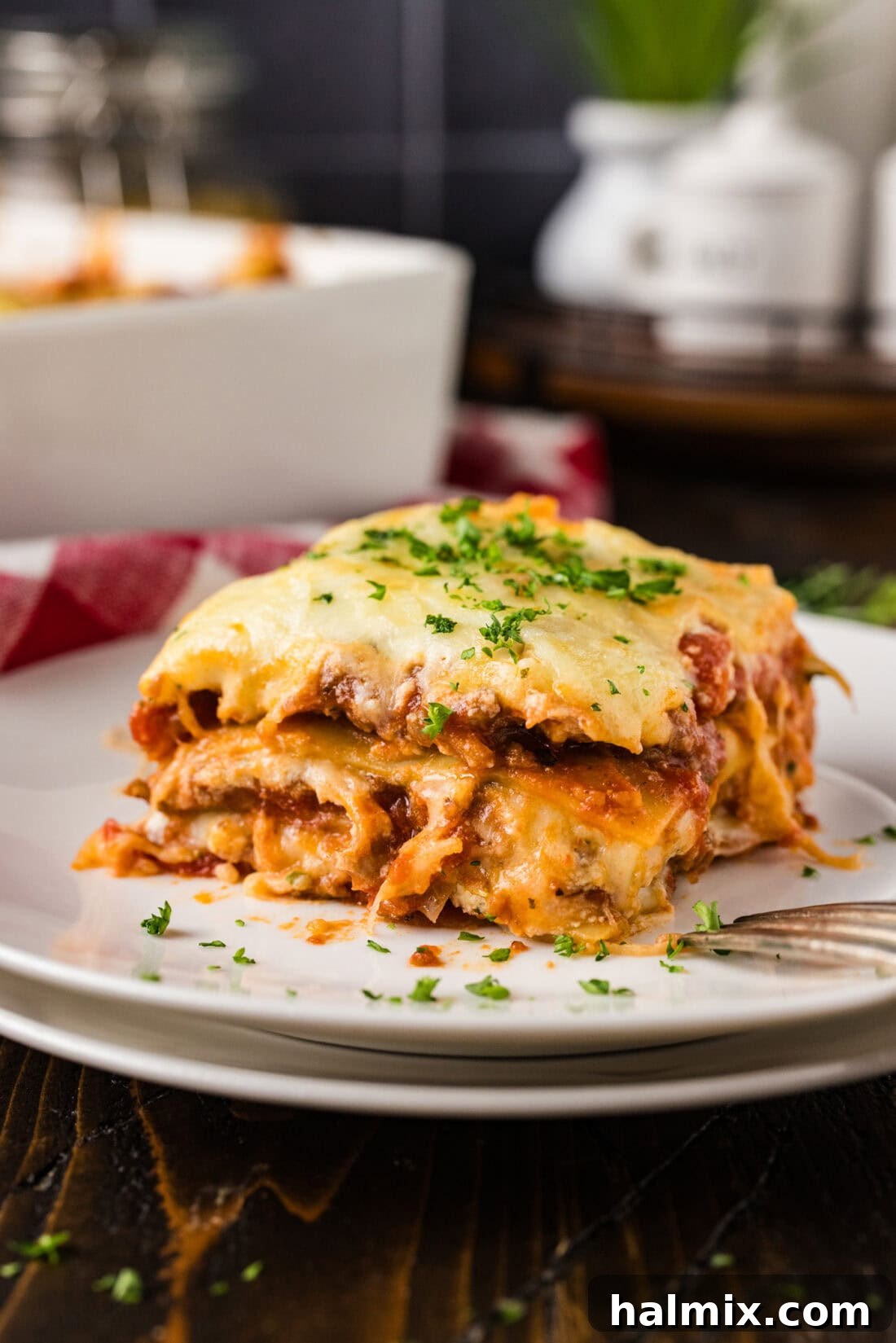
Perfect Pairings & Serving Suggestions
Over the years, I’ve heard from countless readers who, like me, cherished and then almost lost this Creamette lasagna recipe. It brings me immense joy to share this timeless treasure with you all. This Italian lasagna has been a beloved staple in my home for over two decades, and I truly hope it becomes a favorite in yours too!
To complete your authentic Italian meal, serve your warm, bubbly lasagna with some classic accompaniments. A side of sliced homemade Italian bread, crusty garlic bread, or soft breadsticks is perfect for soaking up any extra sauce. A crisp, leafy green salad with a light vinaigrette offers a refreshing contrast to the richness of the lasagna. Consider adding a simple cucumber and tomato salad for freshness, or steamed green beans for a touch of garden goodness. For a more elaborate meal, you could even pair it with a light minestrone soup to start. Enjoy this culinary delight straight from the oven, surrounded by good company!
Discover More Delicious Recipes
If you love lasagna as much as we do, you’ll want to explore these other fantastic recipes from our kitchen:
- Lasagna Soup: All the flavors of lasagna in a comforting bowl of soup!
- Seafood Lasagna: A luxurious twist on the classic, perfect for special occasions.
- Mexican Lasagna: A flavorful fusion dish with vibrant Tex-Mex influences.
- Crockpot Lasagna: Enjoy lasagna with minimal effort using your slow cooker.
- Lasagna Roll Ups: Individual portions of cheesy, saucy goodness, elegantly presented.
I pour my heart into baking and cooking, and love sharing my kitchen experiences with all of you! To make sure you never miss a new recipe, I offer a convenient newsletter. Simply subscribe here and start receiving free daily recipes delivered straight to your inbox!
Italian Lasagna
IMPORTANT – Scroll up to the blog post for Frequently Asked Questions and Expert Tips that you may find helpful!
Print It
Pin It
Rate It
Course: Dinner, Main Dish
Cuisine: Italian, American
(Video placeholder – a recipe demonstration video would typically appear here)
Ingredients
- ½ pound lasagna noodles (OR 1 whole box Oven-Ready)
- 1 pound Italian sausage
- ½ pound ground beef
- 1 cup onion (chopped)
- 2 cloves garlic (minced)
- 28 ounces canned tomatoes (cut up, undrained – diced fire-roasted recommended)
- 12 ounces tomato paste
- 2 teaspoons granulated sugar
- 2 teaspoons salt
- 1 ½ teaspoons dried basil leaves
- ½ teaspoon fennel seed
- ¼ teaspoon pepper
- 15 ounces ricotta cheese
- 1 large egg (beaten)
- 1 Tablespoon parsley flakes (or 2 teaspoons fresh minced parsley)
- ½ teaspoon salt
- 4 cups shredded mozzarella cheese
- ¾ cup Parmesan cheese (grated)
Equipment You’ll Need
-
13×9 inch baking dish
-
Whisk
-
3.5 quart saute pan
-
Herb scissors
Before You Begin
- If you are using regular lasagna noodles, use half of a box (approximately 12 noodles). If you are using oven-ready (no-boil) noodles, use the whole box, as these are typically shorter and wider. My method involves soaking both types of noodles in hot tap water for about 10-15 minutes prior to assembly to make them pliable and easy to layer, eliminating the need to pre-boil them. This technique is demonstrated in the video within the main blog post.
Instructions
-
Preheat oven to 375°F (190°C).
-
In a large skillet, combine Italian sausage, ground beef, chopped onion, and minced garlic. Cook until sausage is no longer pink and onion is tender; drain any excess grease. Stir in the diced tomatoes (undrained), tomato paste, granulated sugar, salt, dried basil, fennel seed, and pepper. Bring to a boil, then reduce heat and simmer for 20 minutes.
-
Fill a baking pan with hot tap water and place the uncooked lasagna noodles into the water to soak for 10-15 minutes. Set aside.
-
In a medium bowl, blend ricotta cheese, beaten egg, parsley flakes, and ½ teaspoon of salt until smooth.
-
Spoon 1 ½ cups of meat sauce into a 13×9 inch baking dish. Layer one-third of the soaked lasagna noodles, followed by one-third of the meat sauce, one-third of the ricotta mixture, one-third of the shredded mozzarella cheese, and one-third of the grated Parmesan cheese. Repeat these layers two more times to complete the lasagna.
-
Cover the baking dish tightly with aluminum foil. Bake in the preheated oven for 25 minutes.
-
Uncover the lasagna and continue to bake for an additional 20-25 minutes, or until the top is hot, bubbly, and lightly browned.
-
If a darker brown top is desired, carefully increase the oven temperature to 500°F (260°C) for a few minutes, watching closely to prevent burning.
-
Allow the lasagna to stand for 10-15 minutes before cutting and serving. This allows the layers to set for cleaner slices.
Expert Tips & Storage
- Store any cooled leftover lasagna in an airtight container in the refrigerator for up to 4 days.
- To freeze this lasagna: Allow the baked lasagna to come to room temperature, then cut it into single servings. Line a baking sheet with parchment paper and place the individual pieces on it, ensuring they aren’t touching. Freeze for 3-4 hours, or until fairly solid. Once frozen, wrap each piece tightly in plastic wrap, then an additional layer of aluminum foil, or use a vacuum sealer for best results. Place wrapped pieces into a gallon freezer bag.
- To reheat frozen lasagna: Remove from the freezer and IMMEDIATELY remove it from the plastic wrap (this prevents the plastic from sticking as it thaws). Place the frozen piece on a plate, covered with a paper towel, and thaw completely at room temperature. Reheat in the microwave for 1-2 minutes, or in an oven preheated to 350°F (175°C) until thoroughly heated. Serve with garlic bread or breadsticks.
Nutrition Information
Tried this Recipe? Pin it for Later!Follow on Pinterest @AmandasCookin or tag #AmandasCookin!
The recipes on this blog are tested with a conventional gas oven and gas stovetop. It’s important to note that some ovens, especially as they age, can cook and bake inconsistently. Using an inexpensive oven thermometer can assure you that your oven is truly heating to the proper temperature. If you use a toaster oven or countertop oven, please keep in mind that they may not distribute heat the same as a conventional full-sized oven and you may need to adjust your cooking/baking times. In the case of recipes made with a pressure cooker, air fryer, slow cooker, or other appliance, a link to the appliances we use is listed within each respective recipe. For baking recipes where measurements are given by weight, please note that results may not be the same if cups are used instead, and we can’t guarantee success with that method.
This post originally appeared here on September 28, 2008, and has since been updated with new photos, expanded tips, and more detailed instructions to enhance your cooking experience.