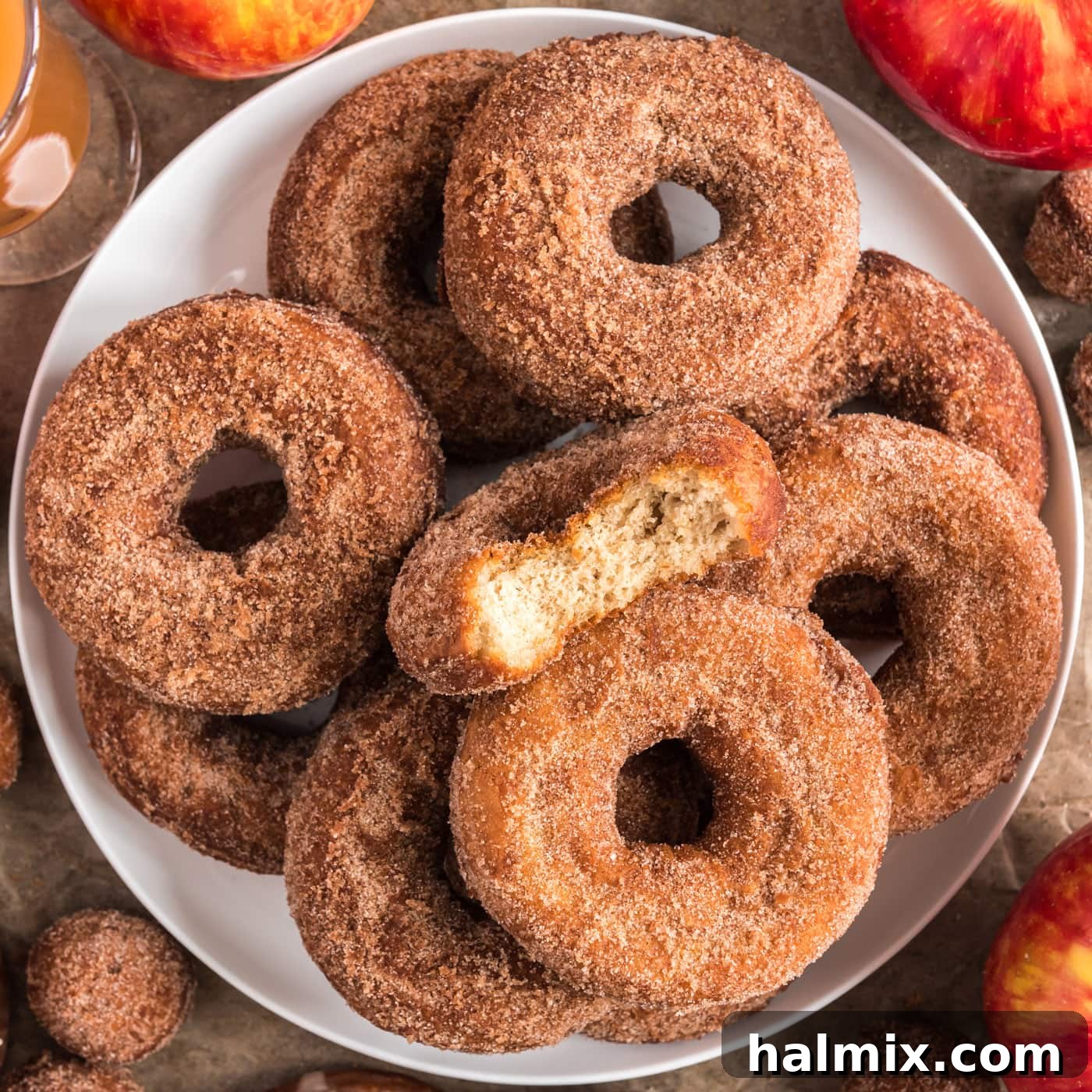
The Best Homemade Apple Cider Doughnuts: A Perfect Fall Treat
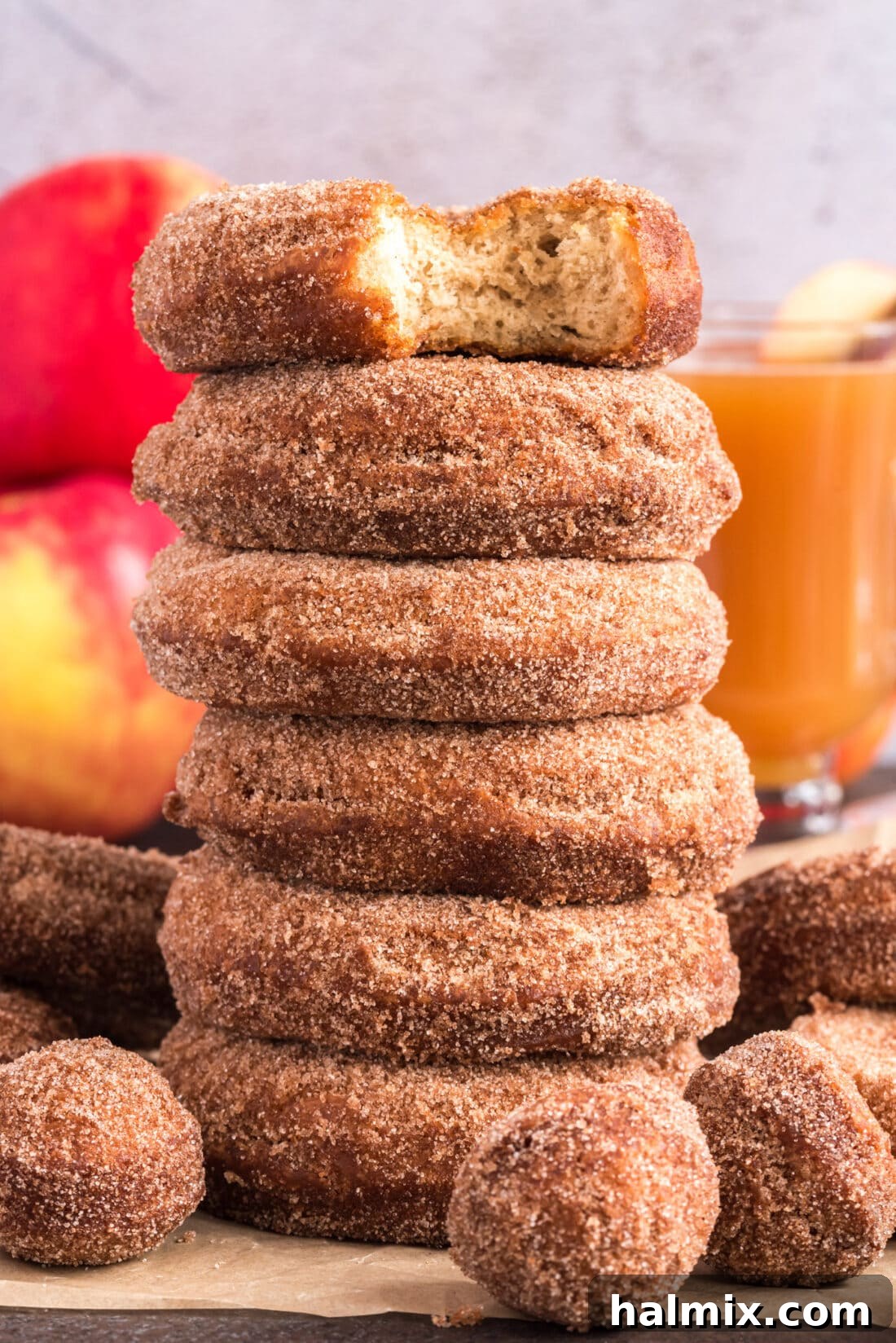
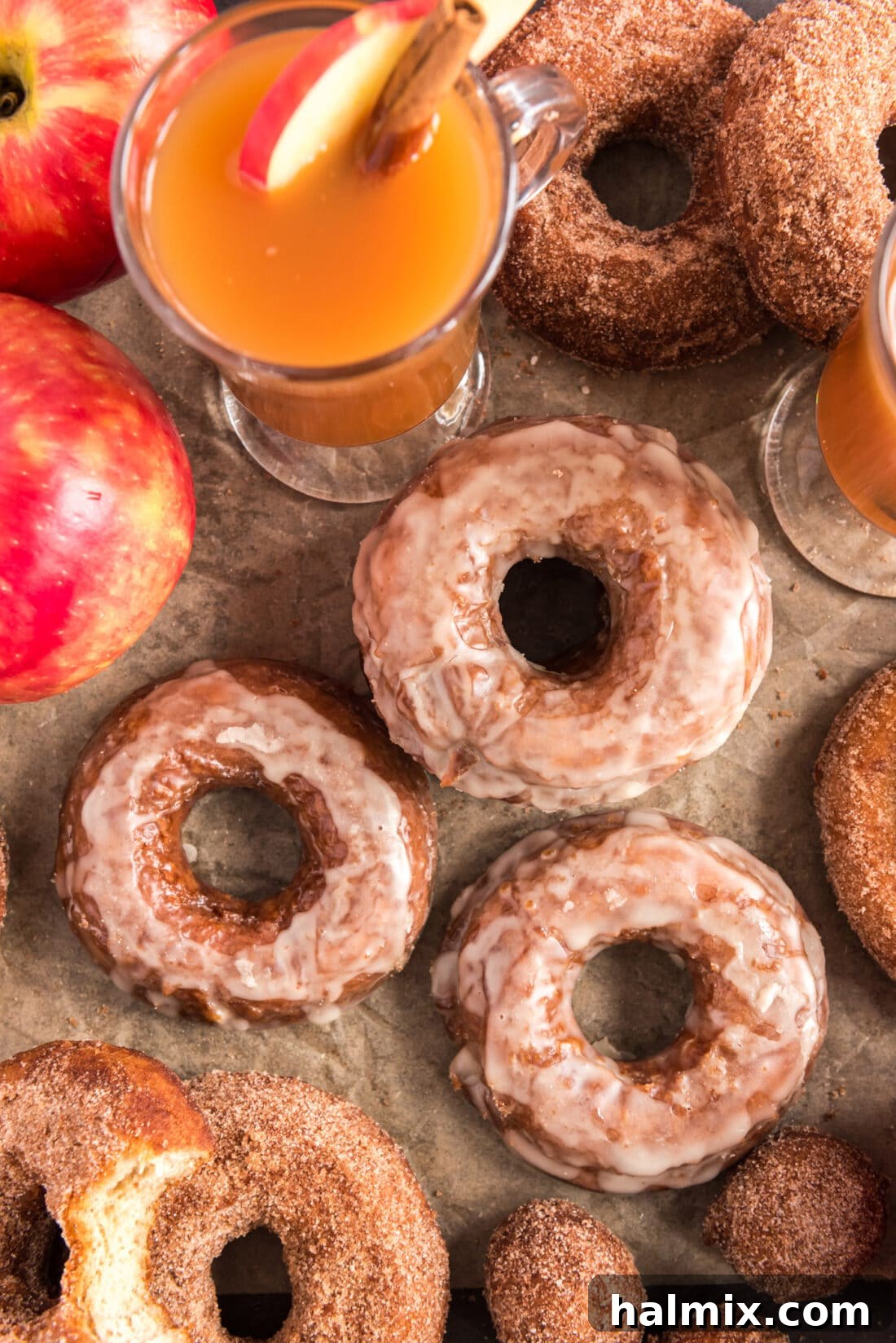
Indulge in the quintessential taste of autumn with these irresistible homemade apple cider doughnuts. Fried to golden perfection, each doughnut boasts a delightfully cakey yet pillowy soft texture, then generously coated in warm cinnamon sugar or elegantly finished with a sweet, tangy glaze. This recipe brings the beloved fall orchard experience right into your kitchen, promising a treat that will captivate your senses and become a cherished seasonal tradition.
Why This Recipe Works: The Secret to Perfect Fall Doughnuts
There’s nothing quite like the aroma of freshly baked (or in this case, fried) apple cider doughnuts to signal the arrival of fall. This recipe isn’t just about making doughnuts; it’s about crafting an experience. We’re guiding you through creating these incredibly delicious apple cider doughnuts, both in classic ring shapes and adorable doughnut holes. Plus, we’ll cover two fantastic finishing options: a luscious sweet glaze or a comforting cinnamon sugar coating.
The magic of these doughnuts lies in a few key steps that truly amplify their flavor and texture. Firstly, the secret to an intense apple flavor isn’t just adding cider; it’s reducing it. By simmering apple cider, we concentrate its natural sweetness and tartness, infusing every bite of the doughnut with an unparalleled autumnal essence. This concentrated cider blends seamlessly with a warm medley of nutmeg and cinnamon, creating a perfectly spiced batter that yields a cakey, moist, and tender crumb. Each component works in harmony to deliver a mouthful of pure fall bliss, making these homemade apple cider doughnuts far superior to any store-bought version. The combination of concentrated fruit flavor and aromatic spices ensures that anyone who tries them will be instantly hooked, eager for another taste of autumn.
Essential Ingredients for Your Homemade Apple Cider Doughnuts
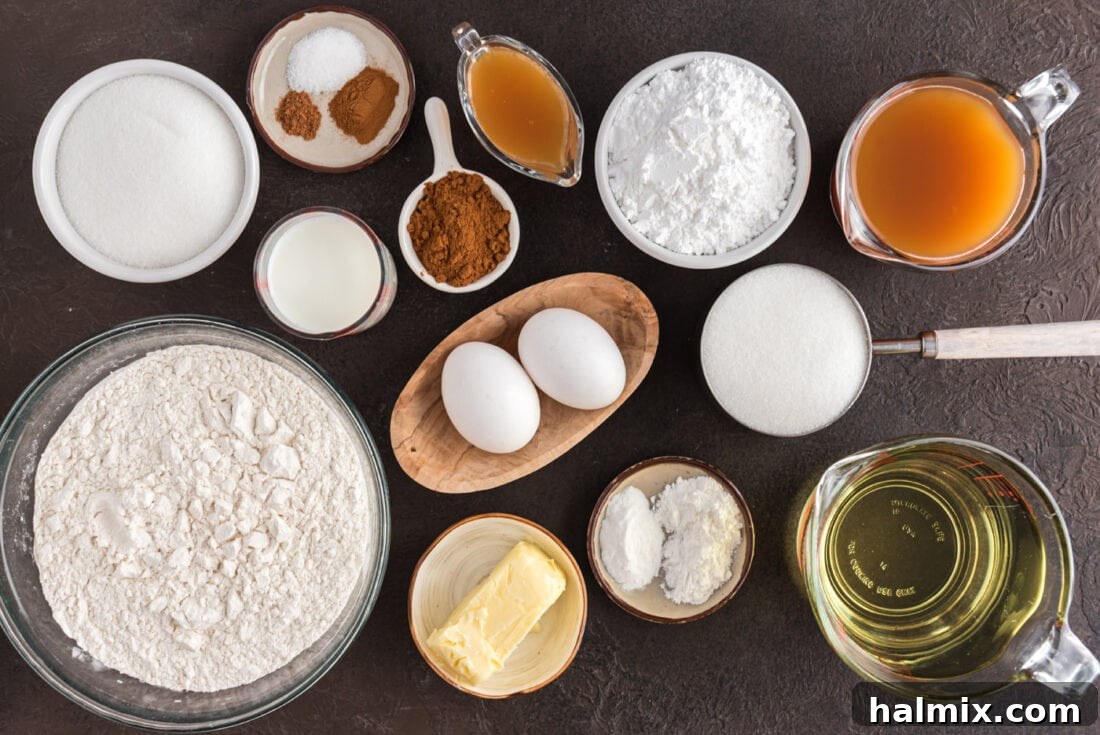
Crafting the perfect apple cider doughnut begins with selecting the right ingredients. Below is a comprehensive list, followed by important notes and substitution suggestions to ensure your success.
Ingredient List
- Doughnuts:
- 1 cup apple cider
- 3 ½ cups all-purpose flour, plus additional for the work surface
- 2 teaspoons baking powder
- 1 teaspoon baking soda
- ½ teaspoon ground cinnamon
- ½ teaspoon salt
- ⅛ teaspoon ground nutmeg
- 4 tablespoons (½ stick or 2 ounces) unsalted butter, softened at room temperature
- 1 cup granulated sugar
- 2 large eggs
- ½ cup buttermilk
- Vegetable oil or shortening, for frying (approximately 3 inches deep in your pan)
- Glaze Topping:
- 1 cup powdered sugar
- 2 Tablespoons apple cider
- Cinnamon Sugar Topping:
- 1 cup granulated sugar
- 1 ½ Tablespoons ground cinnamon
Ingredient Info and Substitution Suggestions
CIDER: The Flavor Concentrator
The cornerstone of an authentic apple cider doughnut is, naturally, the apple cider itself. One of the most crucial steps in this recipe is reducing the apple cider in a saucepan. This gentle simmering process, which takes about 20-30 minutes, concentrates the liquid down to a mere ¼ cup. This reduction intensely amplifies the natural apple flavor, ensuring that your doughnuts aren’t just “apple-flavored” but burst with genuine apple essence. While store-bought cider won’t initially pack the same punch as a freshly pressed local variety, reducing it transforms it into the vibrant flavor profile we seek for these doughnuts. Remember, this recipe calls specifically for apple cider, not apple juice. Apple juice is often sweeter and lacks the robust, slightly tart complexity that cider offers, which is essential for balance in this recipe.
FLOUR: The Foundation
We use all-purpose flour for these doughnuts, which provides the ideal structure for a cakey yet tender crumb. For best results, measure your flour by weight if possible (around 420-440g for 3.5 cups) to ensure accuracy, as volume measurements can vary. If you don’t have enough flour for dusting, a light sprinkle of powdered sugar can also work in a pinch for the work surface, though flour is preferred for dough handling.
BUTTER & SUGAR: For Richness and Tenderness
Softened butter and granulated sugar are creamed together to create a light, airy base for the dough. This creaming method incorporates air, contributing to the doughnuts’ pillowy texture. Ensure your butter is truly at room temperature for optimal creaming.
EGGS: The Binder
Large eggs act as a binder and add richness to the dough. Adding them one at a time and mixing well ensures proper emulsification, leading to a smooth batter.
BUTTERMILK: For Tang and Tenderness
Buttermilk not only adds a subtle tang that complements the apple flavor but also reacts with the baking soda to create a beautifully tender texture. If you don’t have buttermilk, you can make a quick substitute by adding 1/2 tablespoon of lemon juice or white vinegar to a 1/2 cup measuring cup, then filling the rest with regular milk. Let it sit for 5-10 minutes until it slightly curdles before using.
SPICES: The Autumnal Embrace
Cinnamon and nutmeg are the quintessential fall spices that elevate these doughnuts. Adjust quantities to your preference, but the given amounts strike a perfect balance, enhancing the apple cider flavor without overpowering it. Freshly grated nutmeg offers a more intense aroma than pre-ground.
BAKING POWDER & SODA: The Leavening Agents
These two leavening agents work in tandem to give the doughnuts their signature rise and cakey texture. Ensure they are fresh for maximum effectiveness.
OIL/SHORTENING: For Frying
Vegetable oil is a common choice for frying due to its neutral flavor and high smoke point. Shortening is also an excellent option, often contributing to a slightly crisper exterior. Regardless of your choice, make sure you have enough to achieve a depth of about 3 inches in your pan for even cooking.
How to Make Apple Cider Doughnuts: Step-by-Step Guide
Follow these detailed steps and accompanying photos to master the art of homemade apple cider doughnuts. Each stage is crucial for achieving that perfect golden, cakey, and soft result.
- Reduce the Apple Cider: In a small saucepan, gently reduce 1 cup of apple cider over medium to medium-low heat. This process should take approximately 20 to 30 minutes, yielding about ¼ cup of concentrated cider. The goal is to intensify the apple flavor. Once reduced, set it aside to cool completely. This step is critical for a rich apple taste!
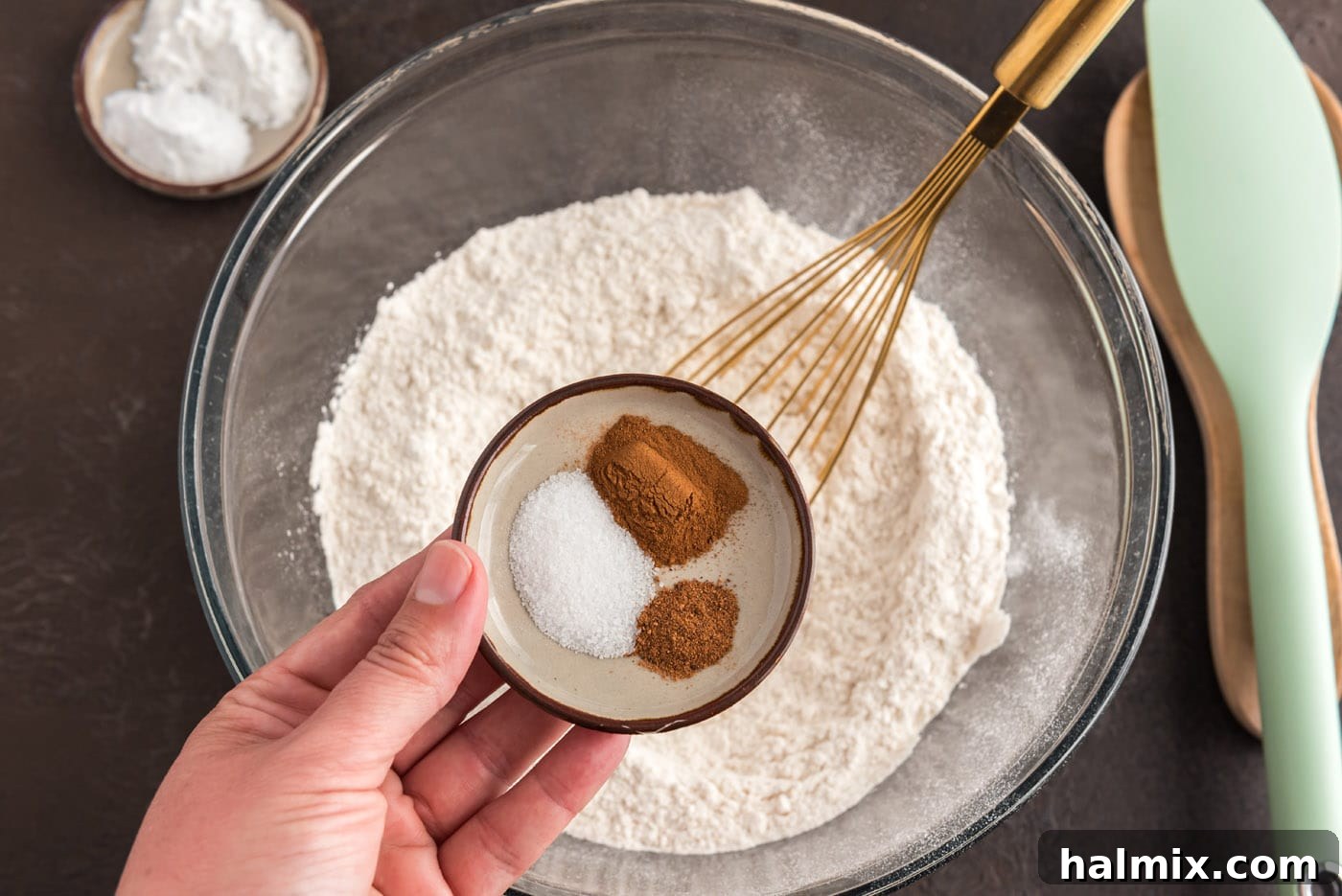
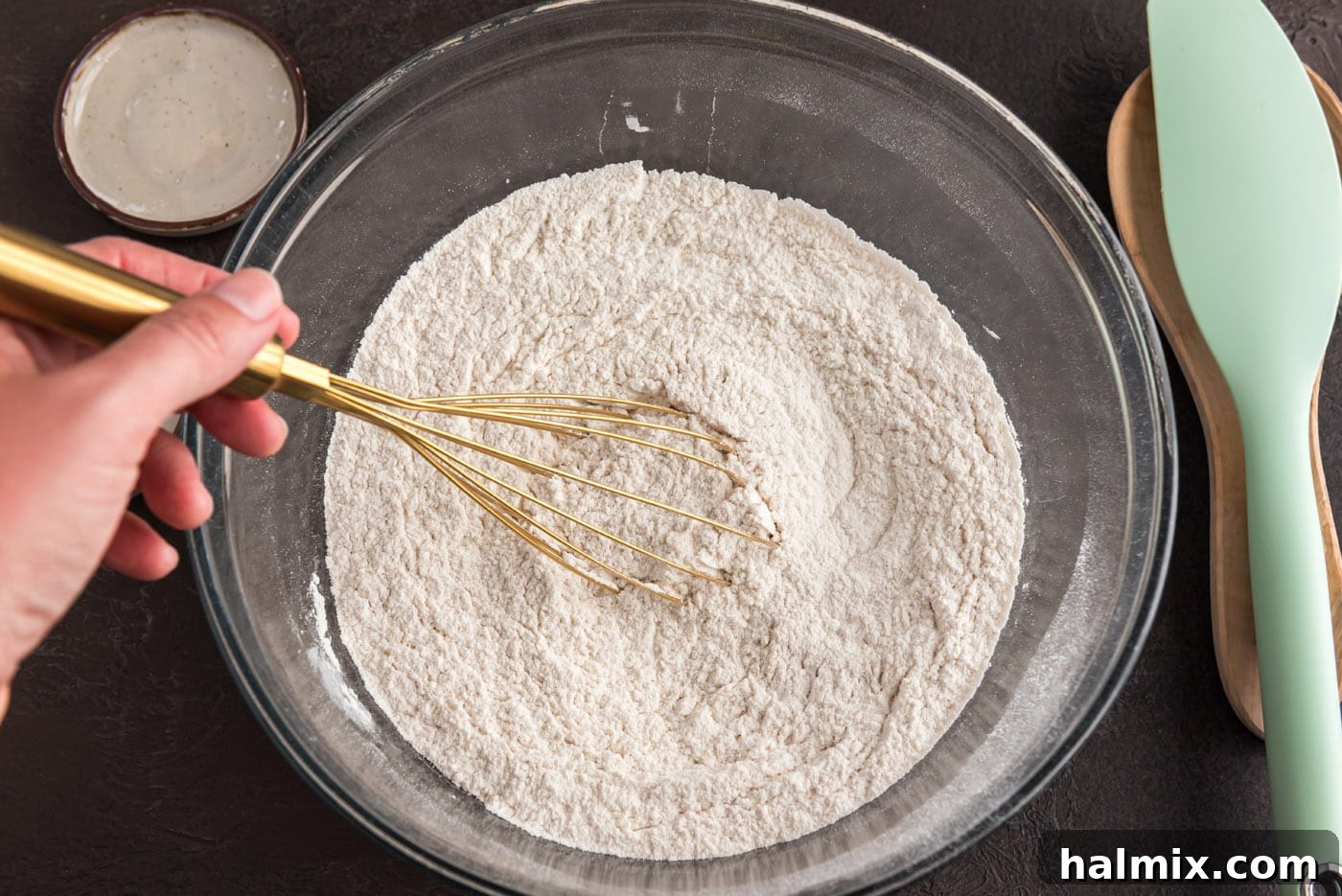
- Prepare Dry Ingredients: While the cider cools, in a large bowl, whisk together the flour, baking powder, baking soda, ground cinnamon, salt, and ground nutmeg. Ensure these dry ingredients are thoroughly combined to distribute the leavening agents and spices evenly throughout the dough. Set this mixture aside.

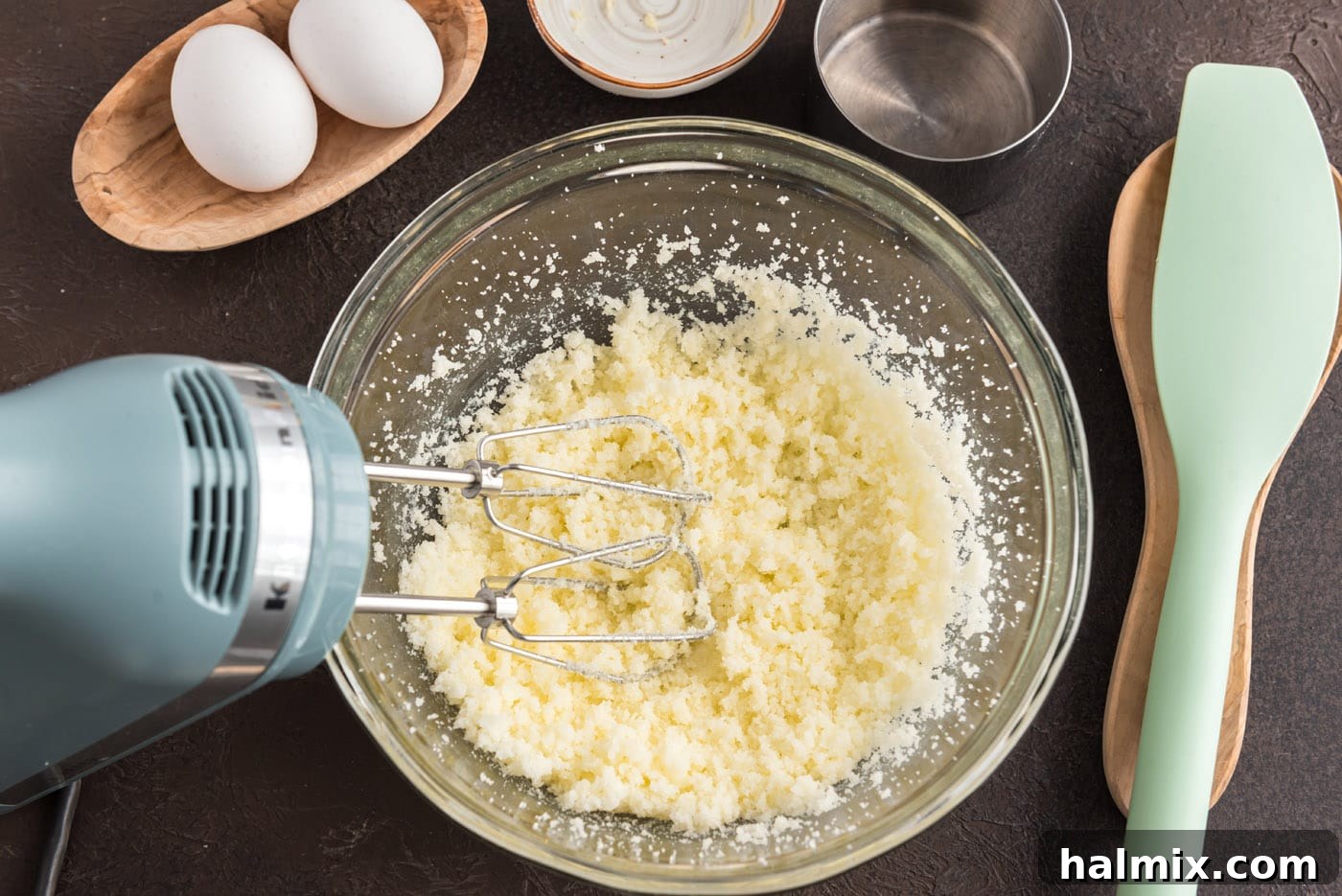
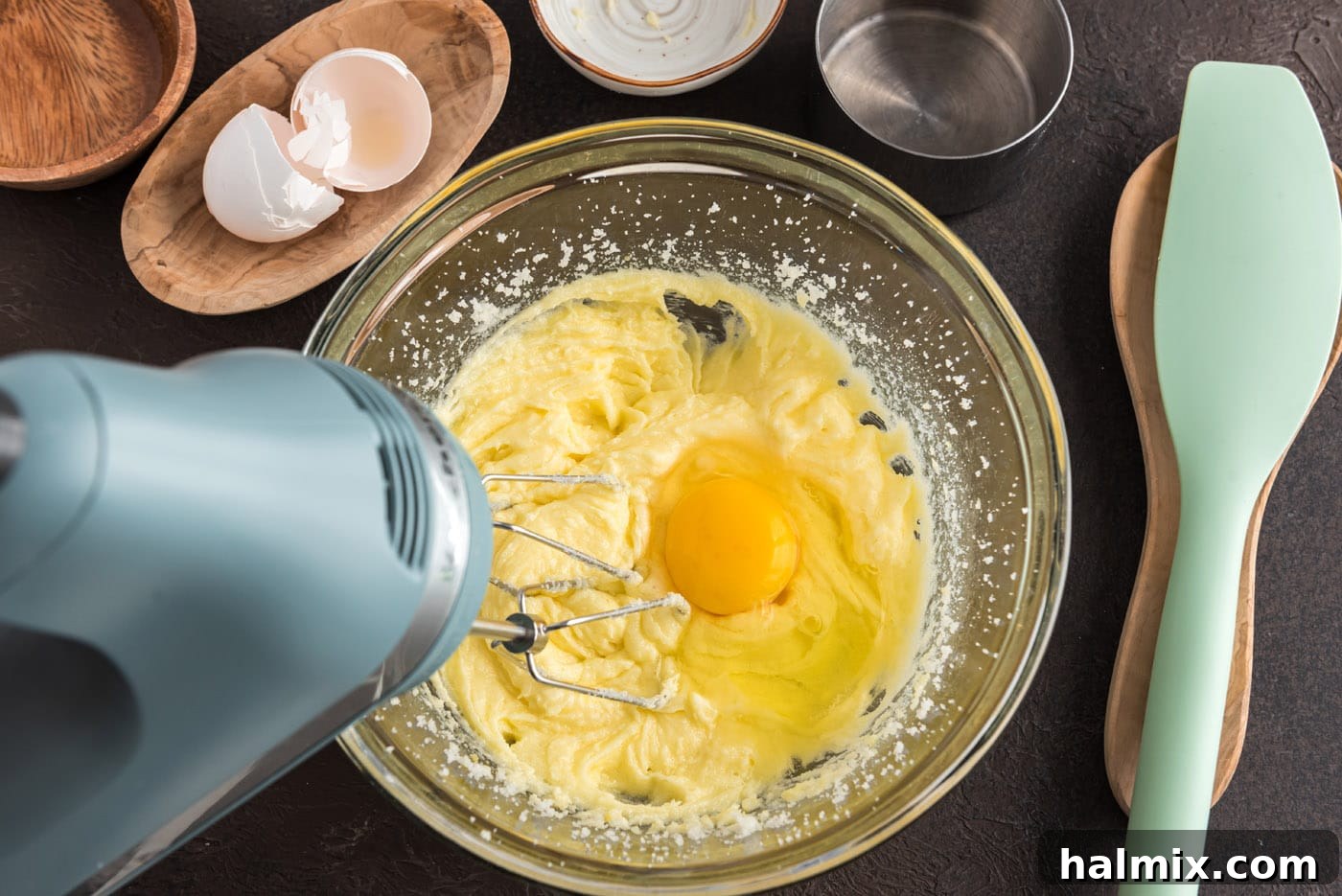
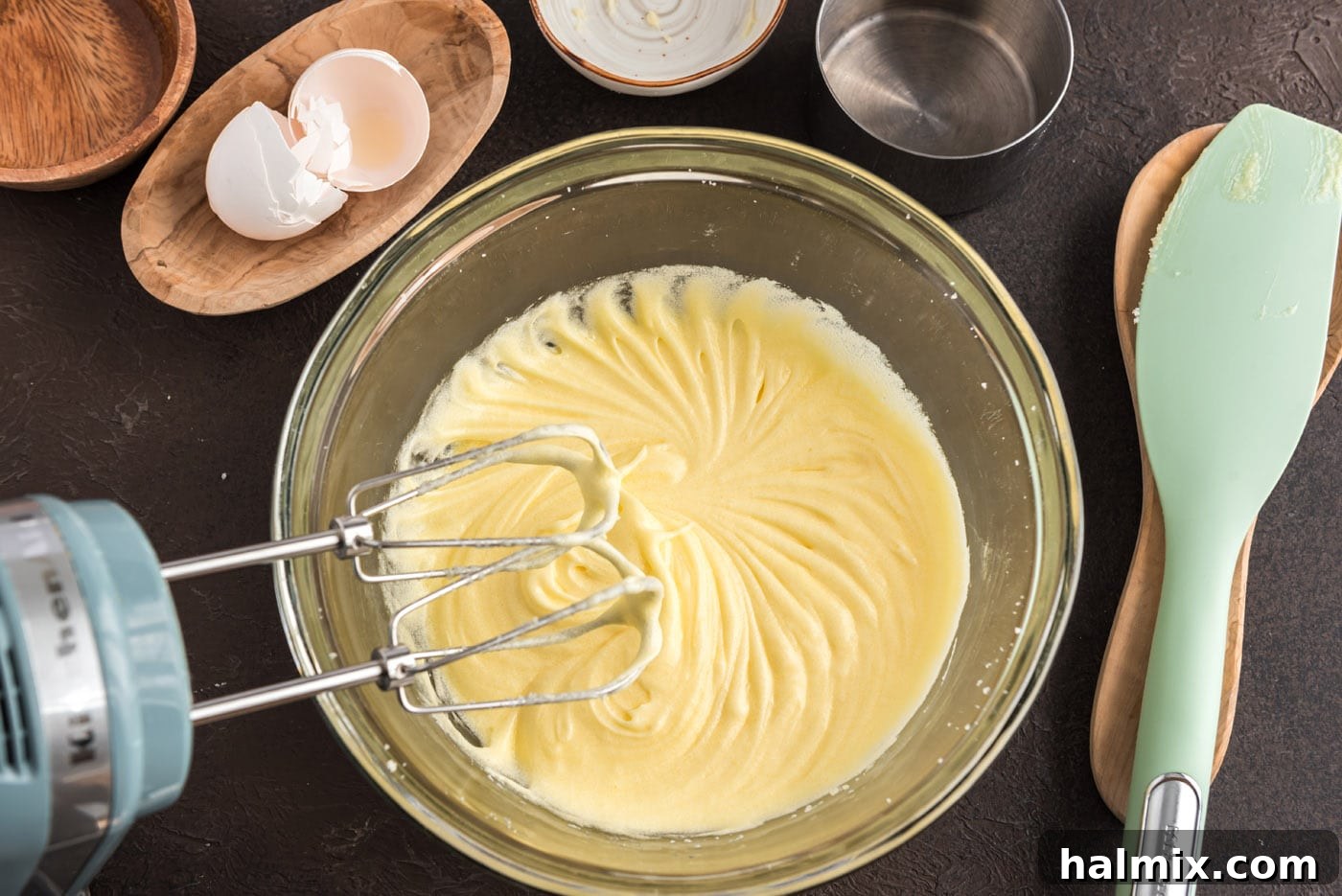
Carefully measuring and combining dry ingredients. Thoroughly whisking the dry ingredients ensures consistent flavor and rise. - Cream Butter and Sugar, Add Eggs: Using an electric mixer (with the paddle attachment if using a stand mixer) on medium speed, beat the softened butter and granulated sugar until the mixture is light and fluffy. This creaming process incorporates air, contributing to a tender doughnut. Next, add the eggs one at a time, beating well after each addition until fully incorporated. Periodically scrape down the sides of the bowl with a spatula to ensure all ingredients are well mixed.
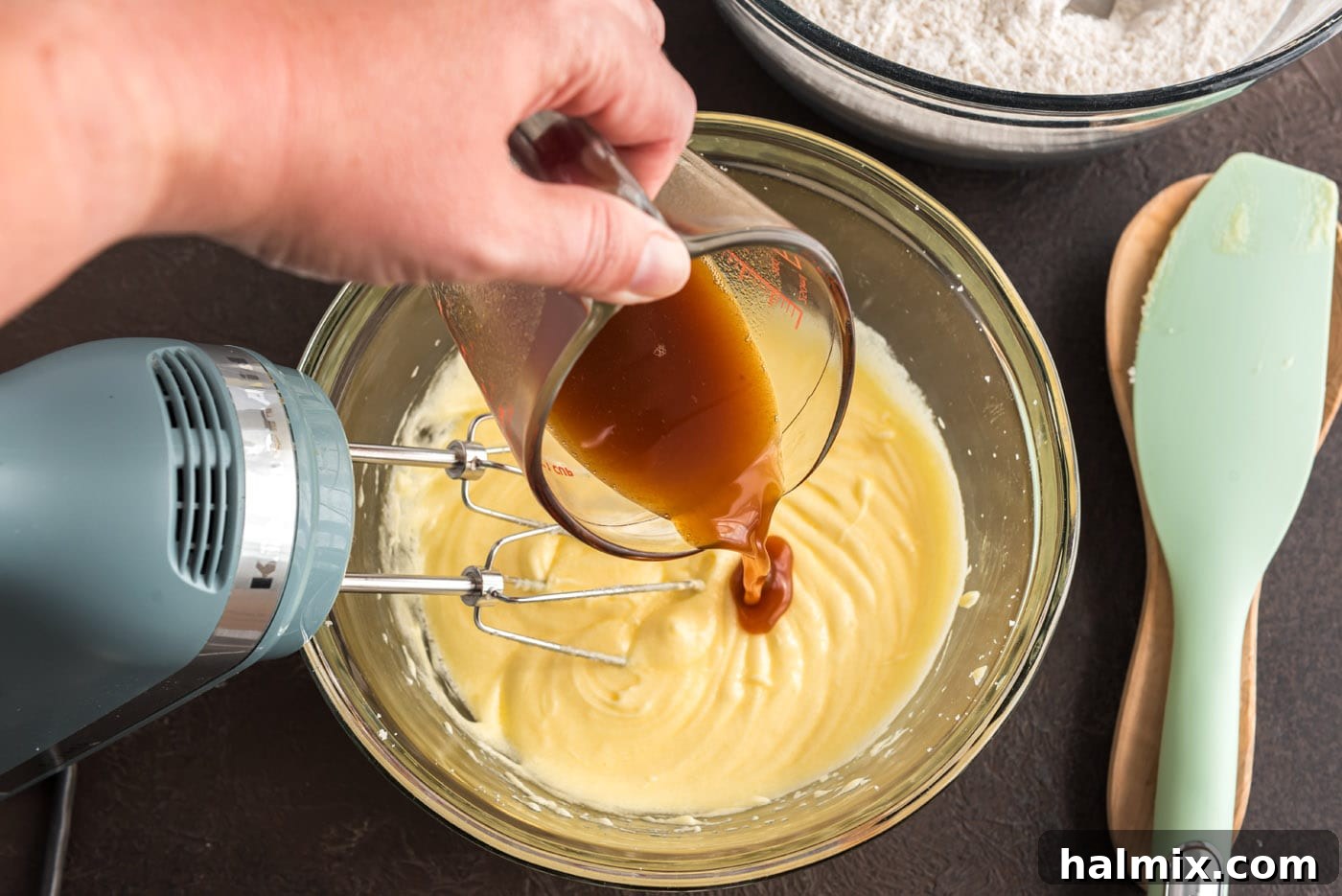
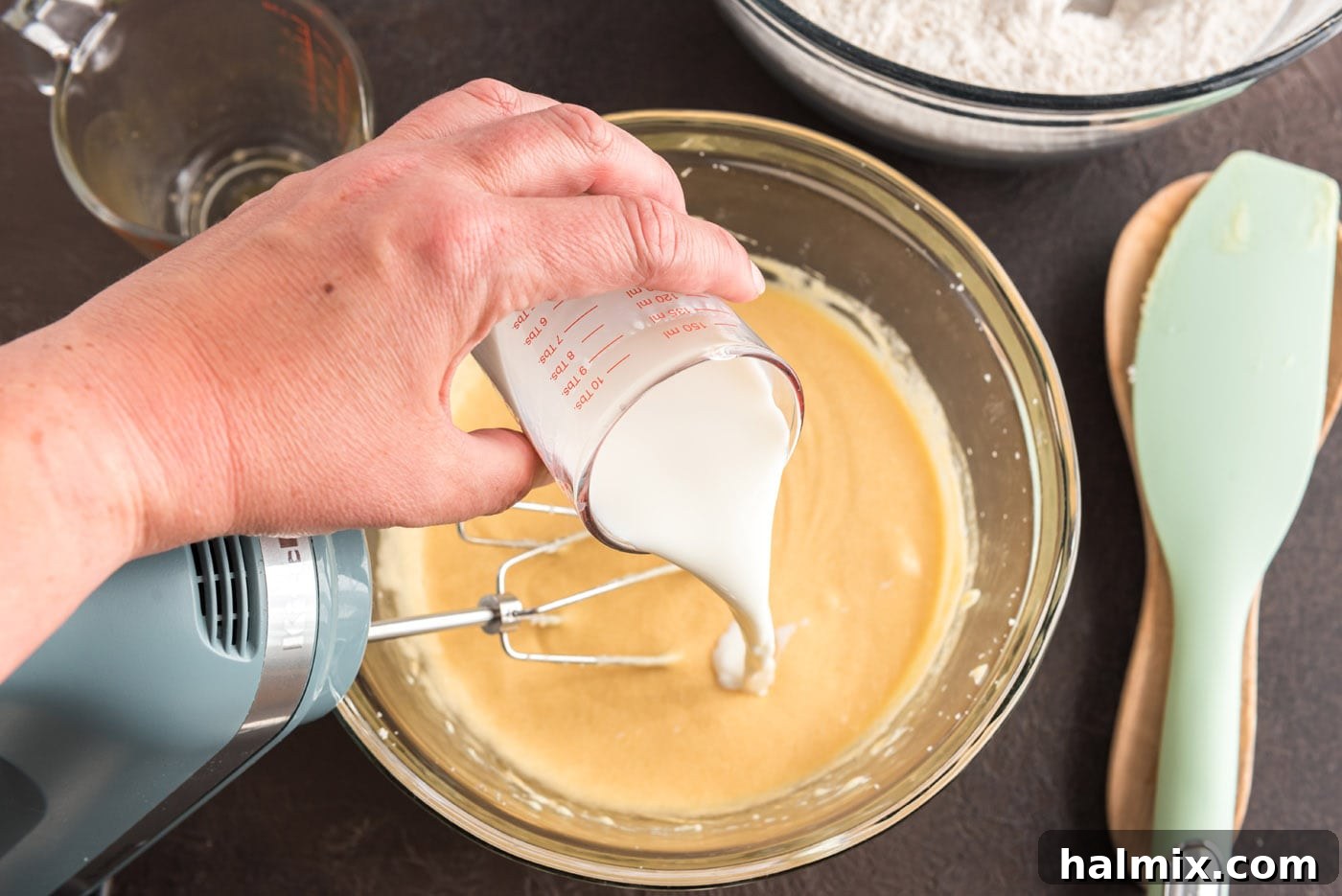
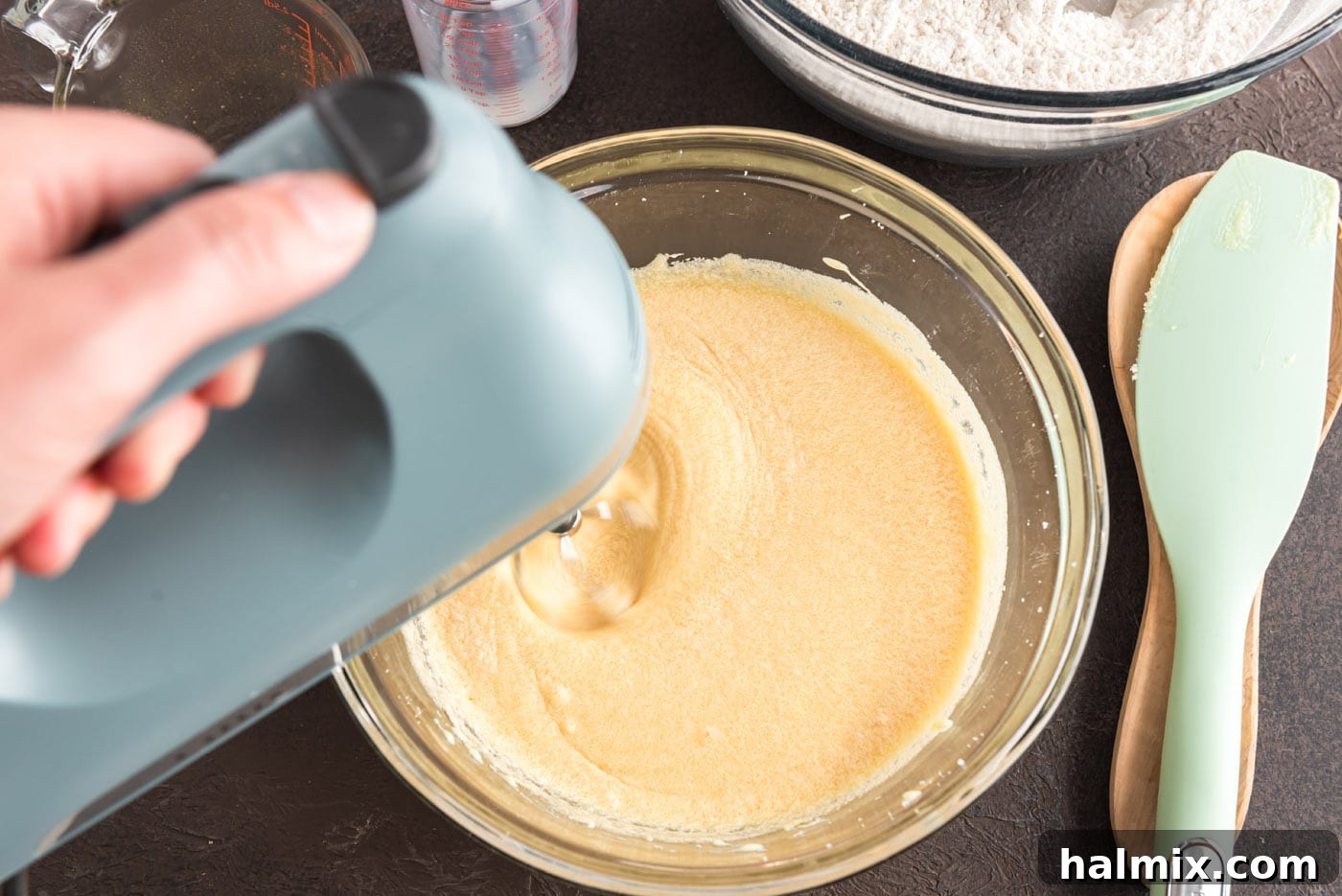
Creaming butter and sugar to create a fluffy base. Incorporating eggs for richness and structure. The perfectly creamy wet ingredient mixture. - Incorporate Liquids: Reduce the mixer speed to low. Gradually pour in the cooled, reduced apple cider and the buttermilk, mixing just until combined. Be careful not to overmix at this stage.
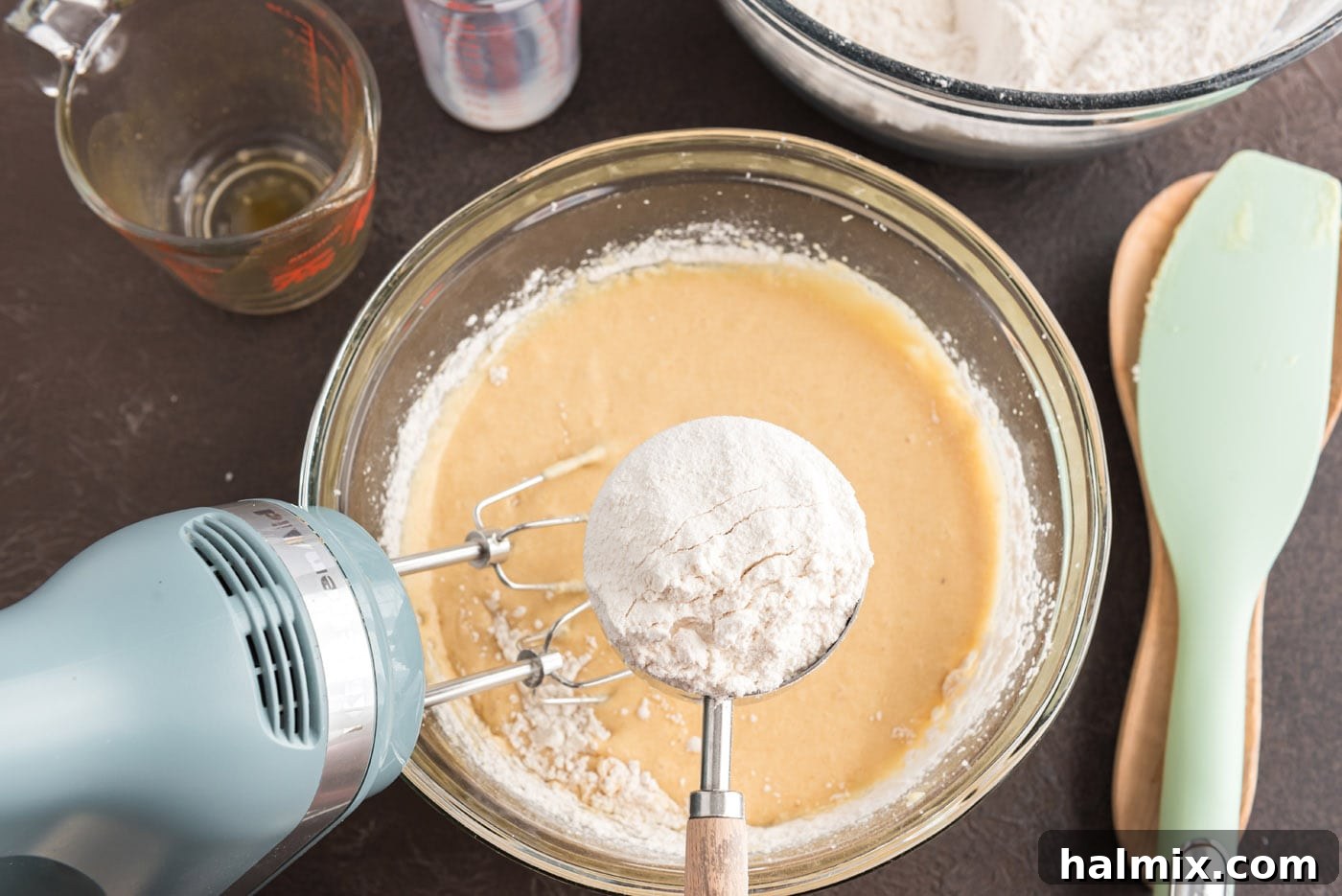
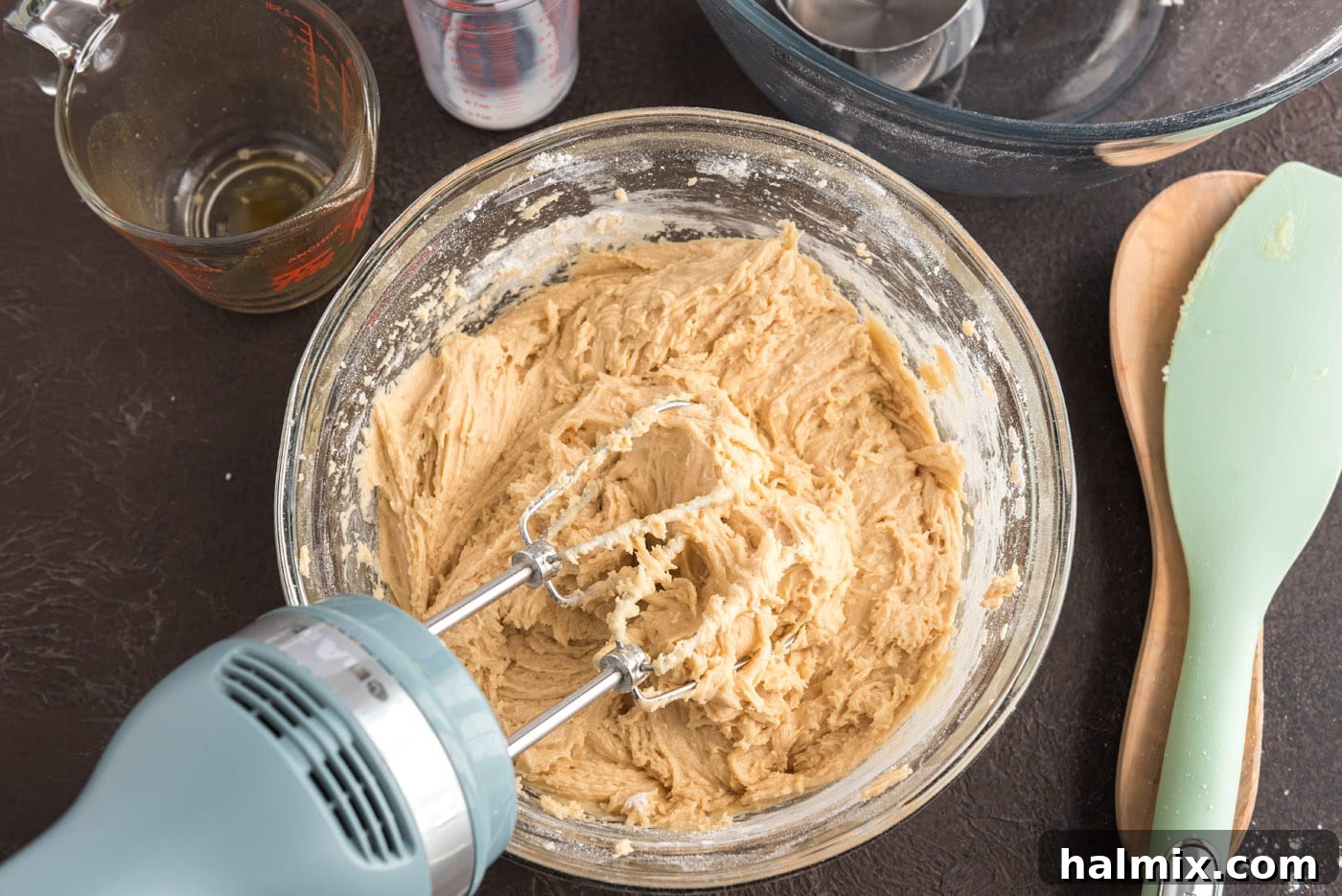
Adding the concentrated apple cider for intense flavor. Buttermilk adds tenderness and a slight tang. Mixing the wet ingredients until just combined. - Add Dry Ingredients to Wet: Slowly add the reserved flour mixture to the wet ingredients. Mix on low speed until the dough just comes together. Again, avoid overmixing, as this can lead to tough doughnuts. A few streaks of flour are acceptable, as further mixing will occur during flattening.
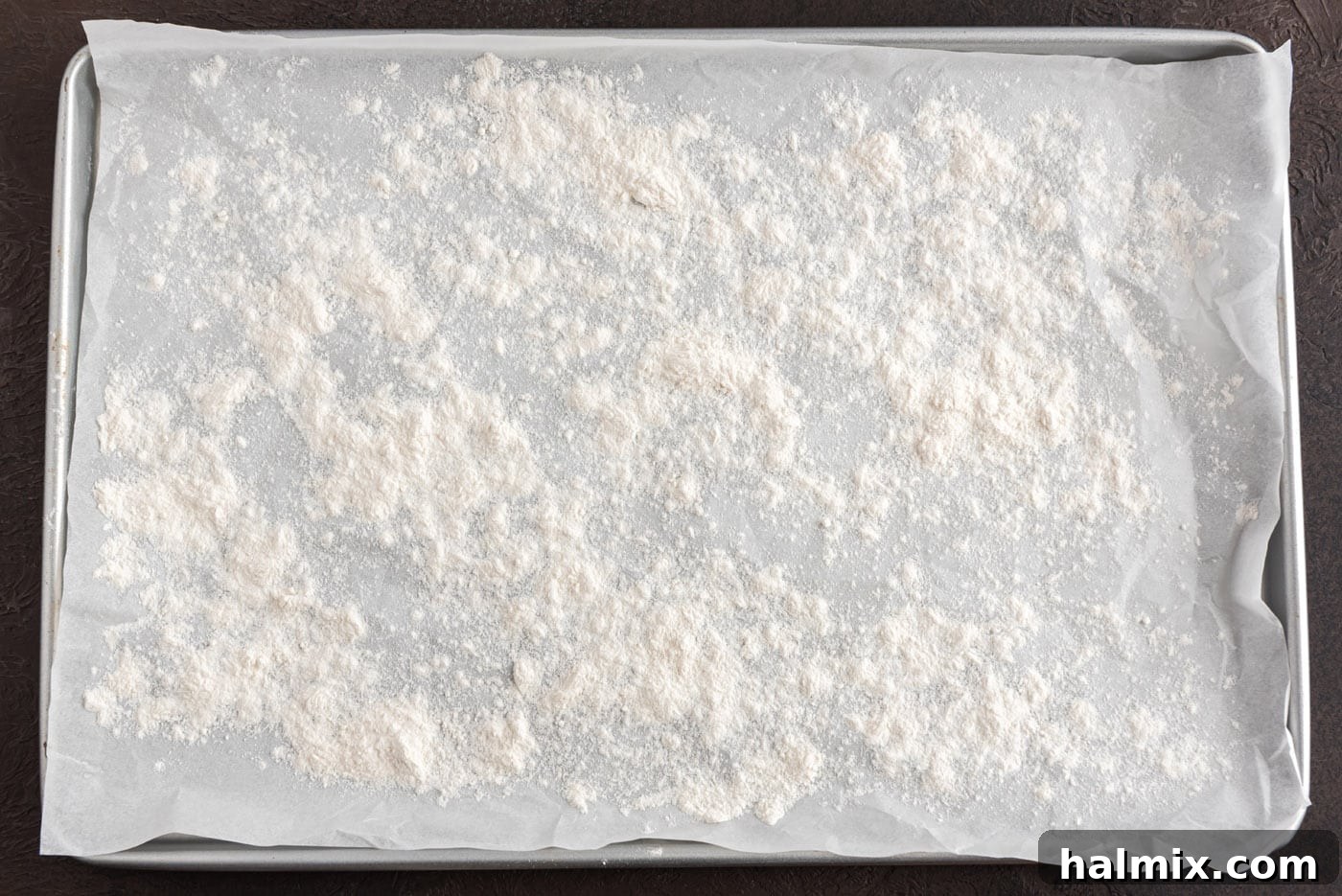
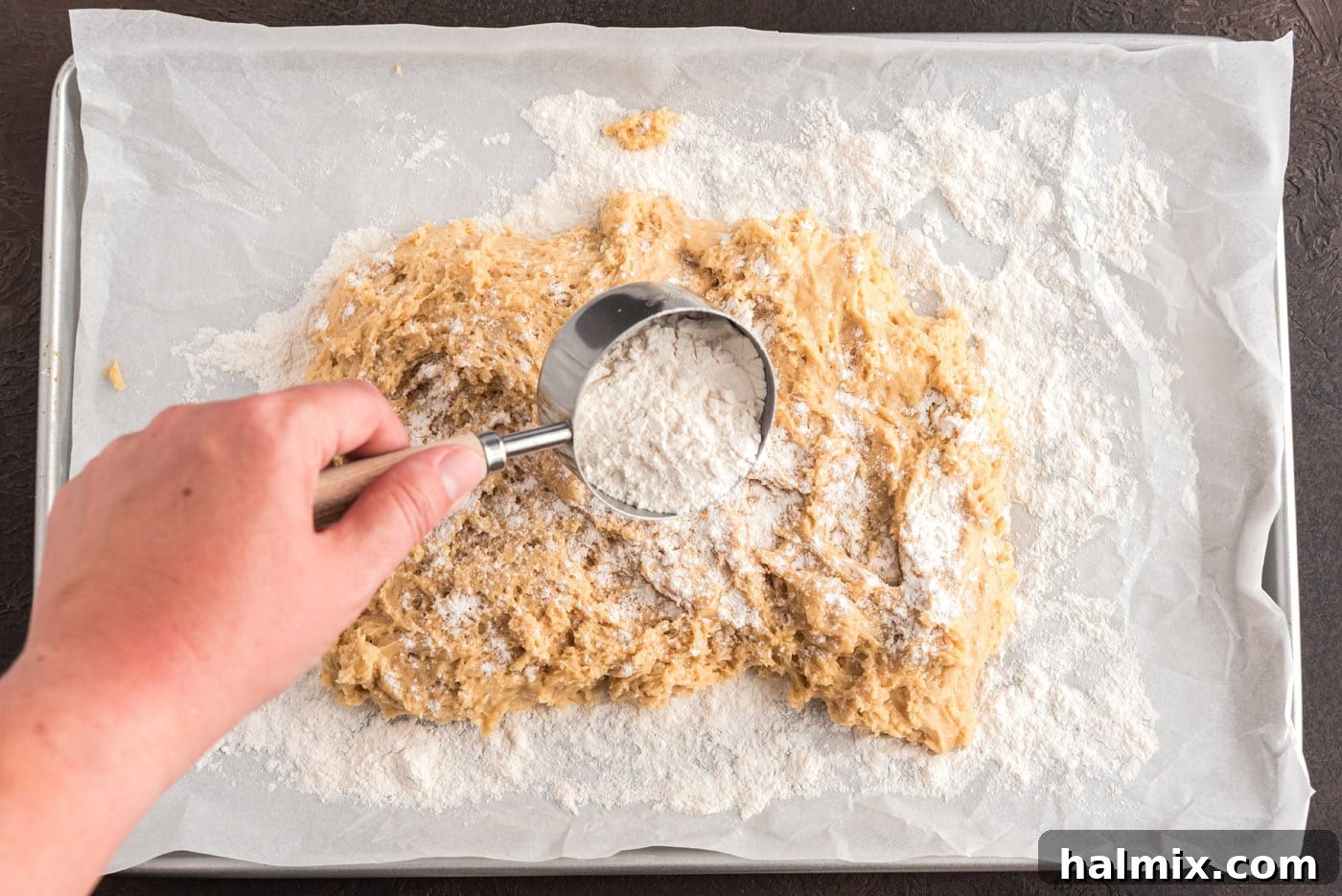
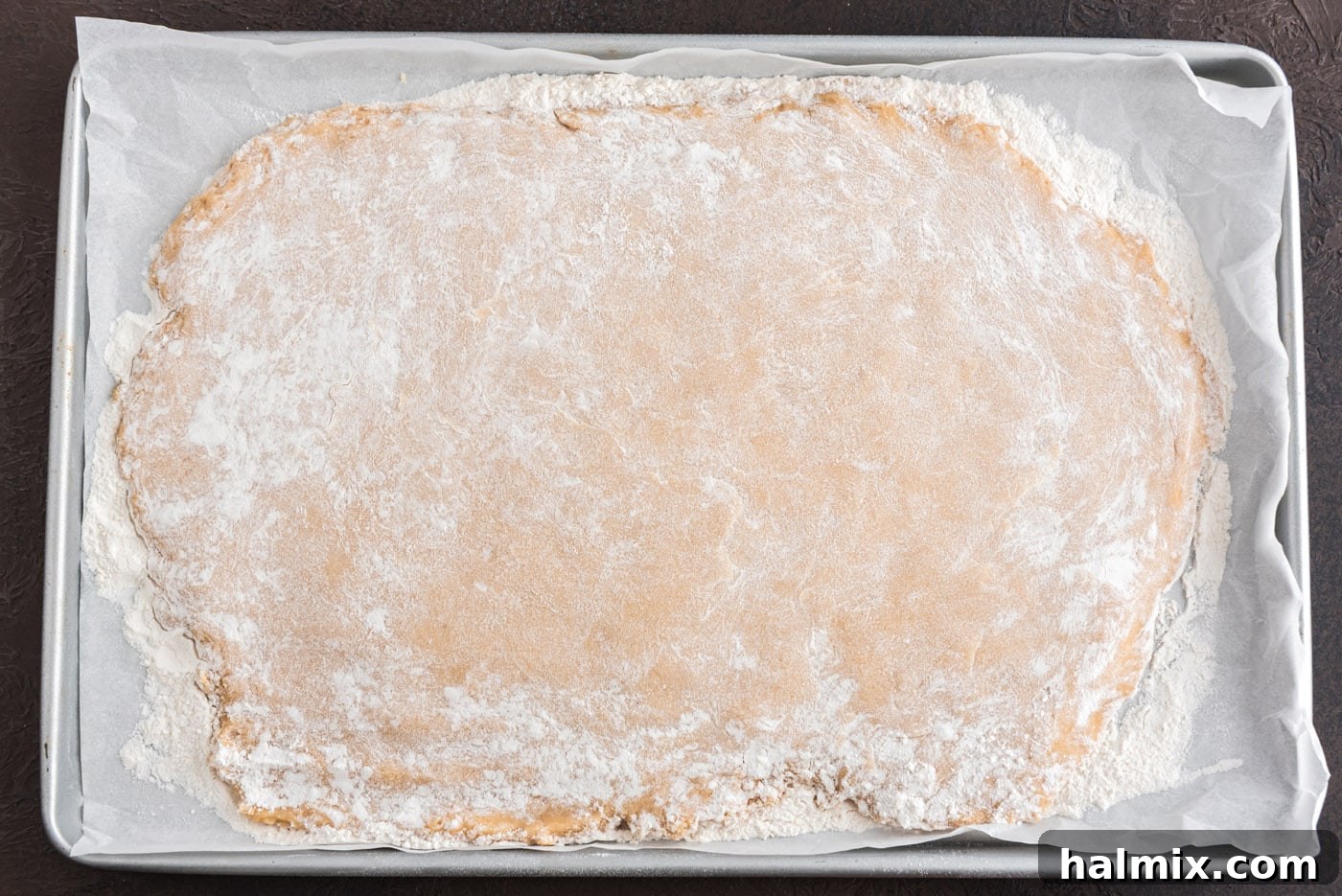
Gradually adding dry ingredients to form the dough. Mixing until the dough comes together, avoiding overmixing. - Prepare and Chill the Dough: Line two baking sheets with parchment or wax paper and generously sprinkle them with flour. Turn the doughnut dough onto one of the floured sheets and sprinkle the top with more flour. Using your hands, gently flatten the dough until it is about ½ inch thick. If the dough is still sticky, add a little more flour as needed. Transfer this sheet of flattened dough to the freezer for about 20 minutes, or until it is slightly hardened. Chilling the dough makes it much easier to cut and helps the doughnuts hold their shape during frying.
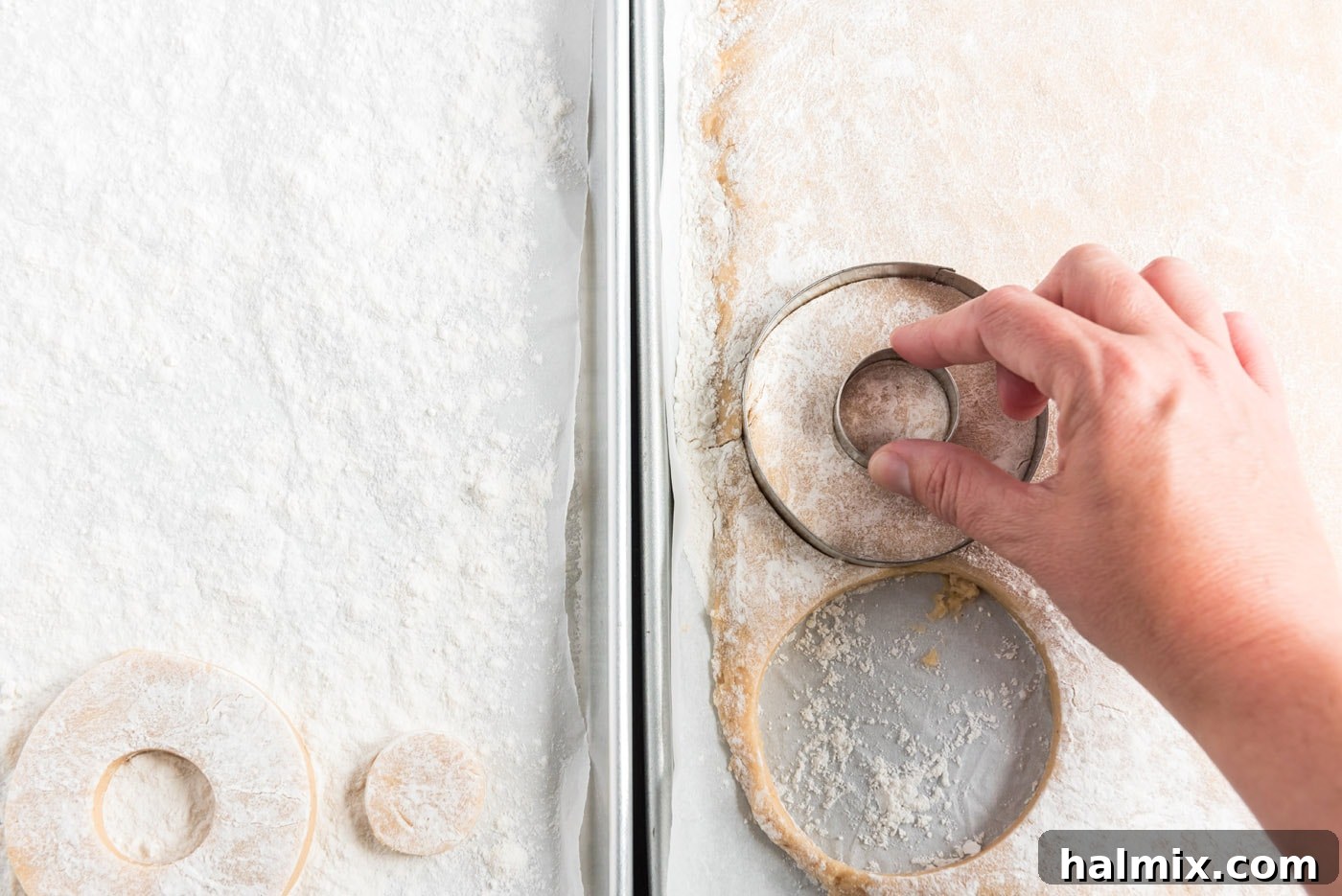
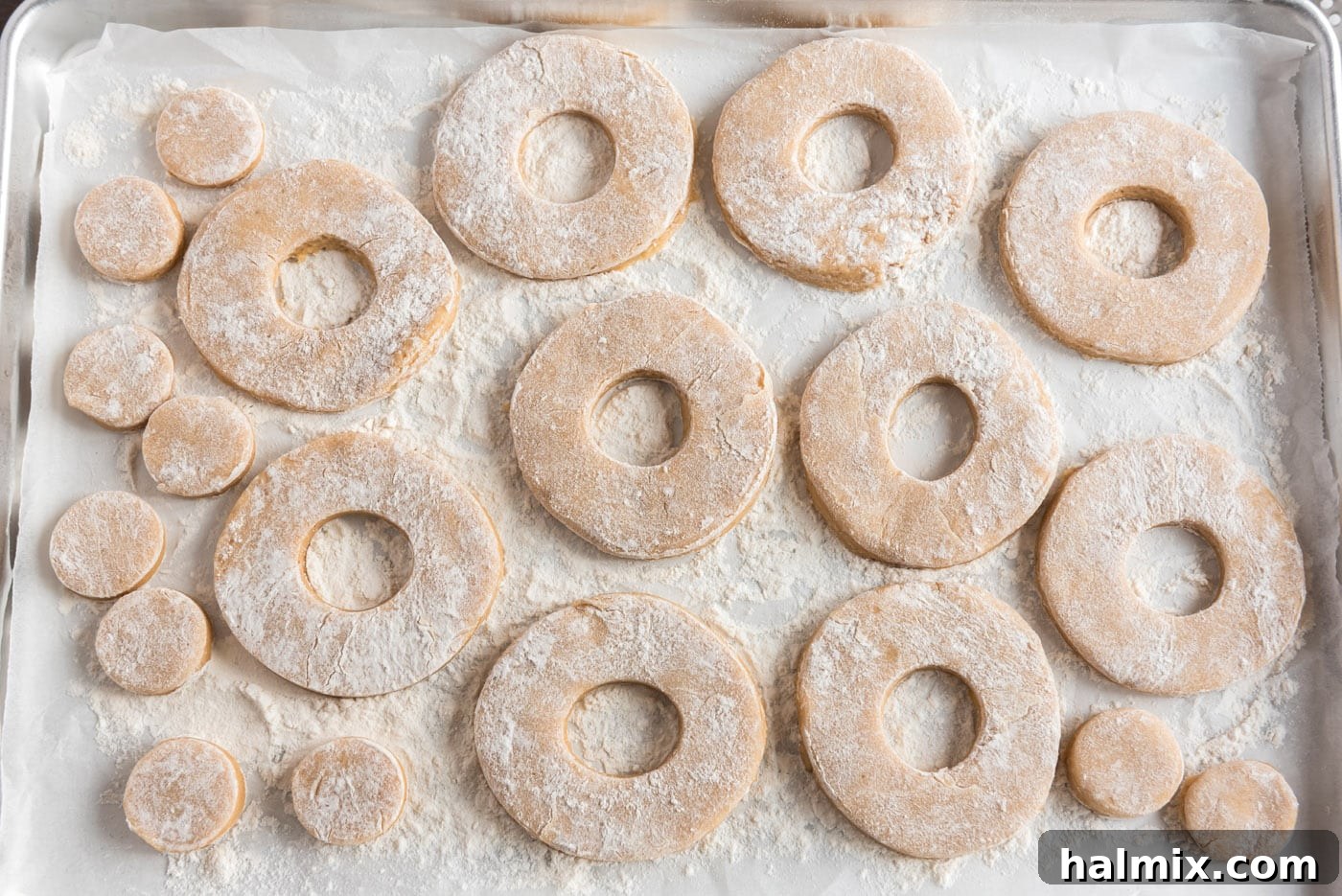
Preparing a floured surface for handling the dough. Dusting the dough with flour to prevent stickiness. Dough flattened to the correct thickness and ready for the freezer. - Cut Doughnut Shapes: Remove the slightly hardened dough from the freezer. Use a 3-inch or 3½-inch doughnut cutter to cut out your doughnut shapes. If you don’t have a specific doughnut cutter, you can use a 3½-inch round cutter for the outer shape and a 1-inch round cutter for the hole. Carefully place the cut doughnuts and the doughnut holes onto the second floured baking sheet. Refrigerate these cut shapes for another 20 to 30 minutes. This second chilling step is crucial; cold dough fries better, maintaining its shape and absorbing less oil.
TIP: Don’t waste the dough scraps! You can gently re-roll them, chill briefly, and cut out additional doughnuts or doughnut holes. Just be aware that re-rolled dough might be slightly tougher.
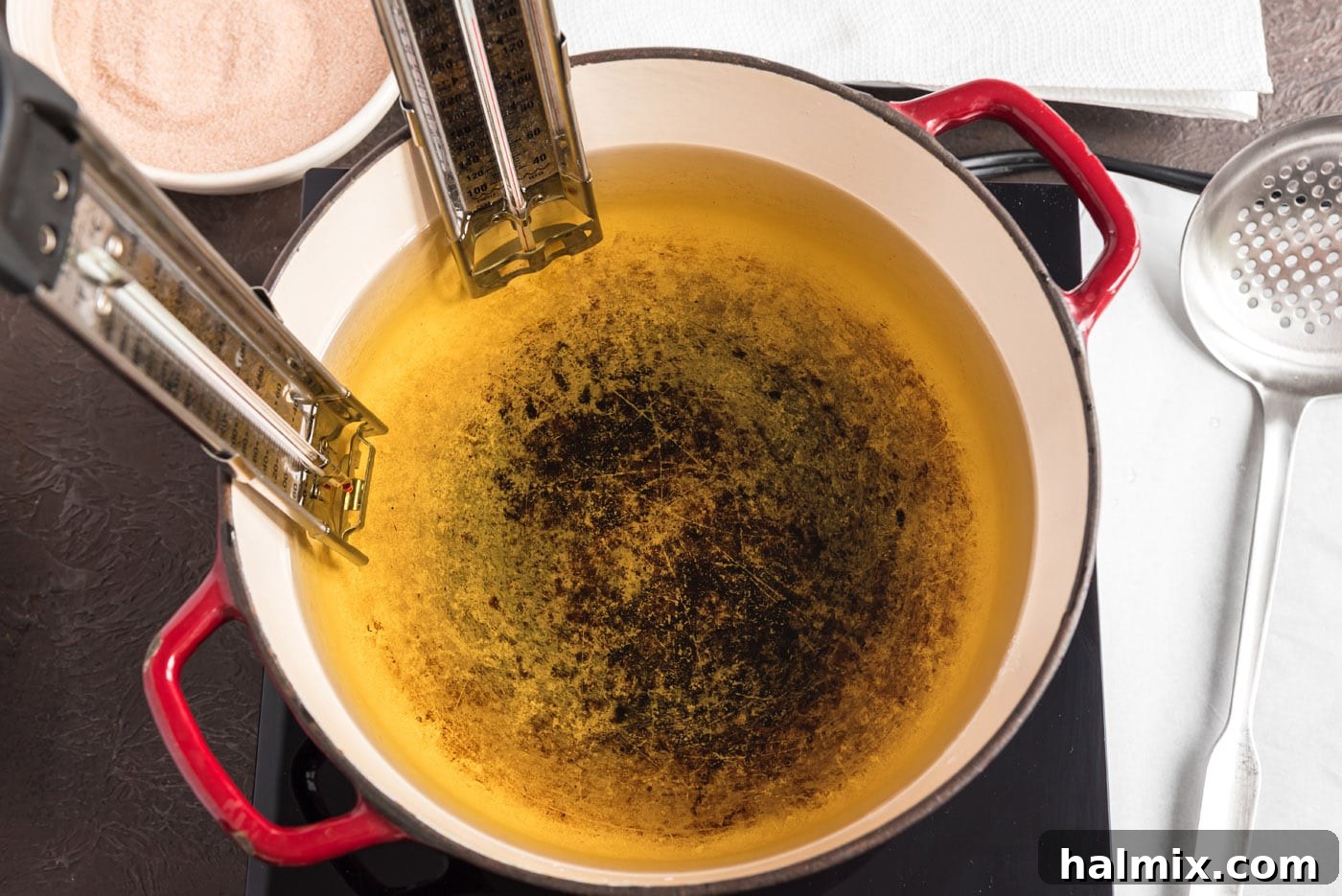
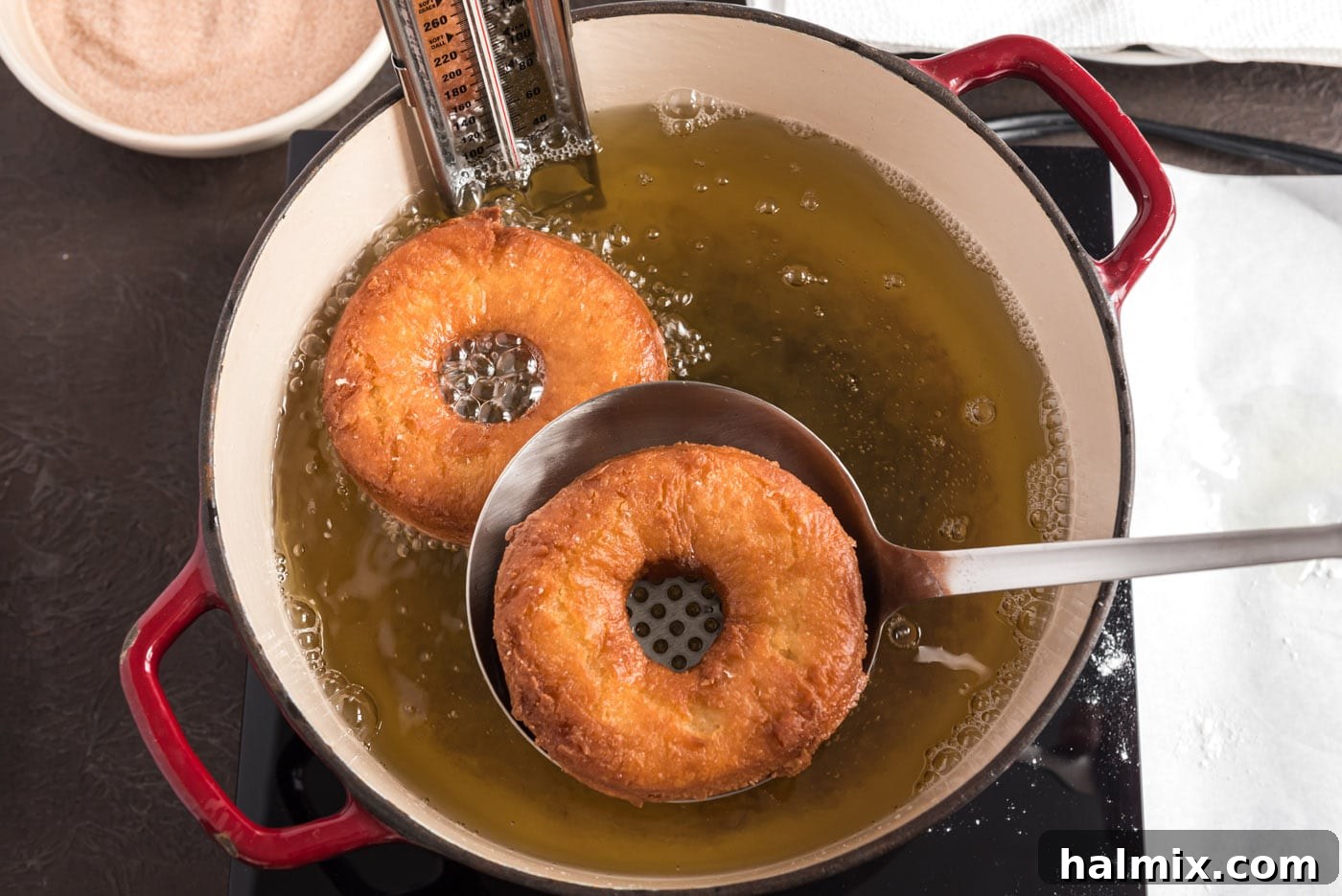
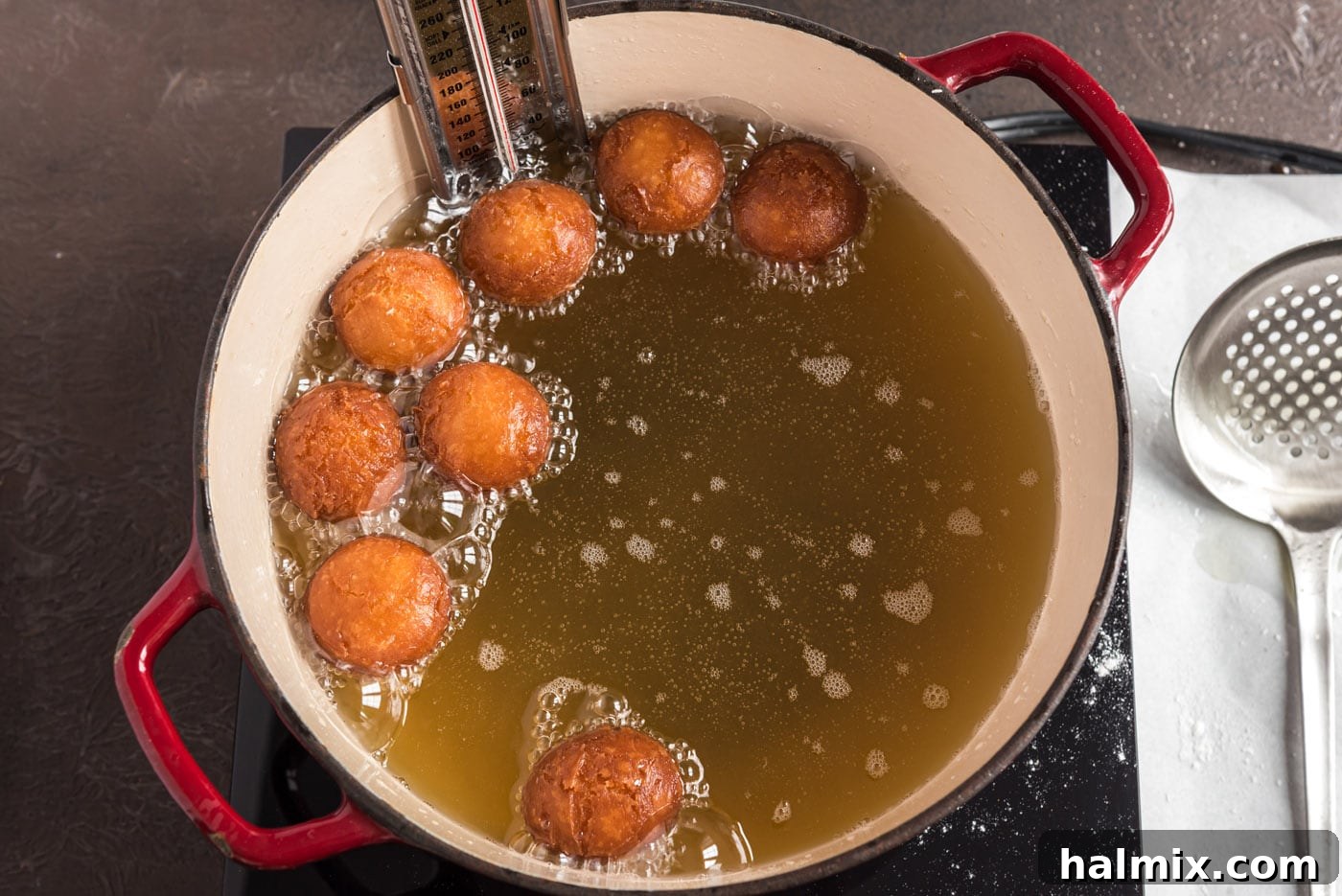
Precisely cutting out classic doughnut shapes. Chilling the cut doughnuts helps them hold their shape during frying. - Heat the Frying Oil: In a deep-sided pan (a Dutch oven or large, heavy-bottomed pot works best), add enough vegetable oil or shortening to measure a depth of about 3 inches. Attach a candy thermometer to the side of the pan. Heat the oil over medium heat until it reaches a consistent temperature of 350°F (175°C). While the oil heats, prepare a plate lined with several thicknesses of paper towels for draining the fried doughnuts. Maintaining the correct oil temperature is vital for perfectly fried doughnuts—too low and they’ll be greasy; too high and they’ll burn outside before cooking through.
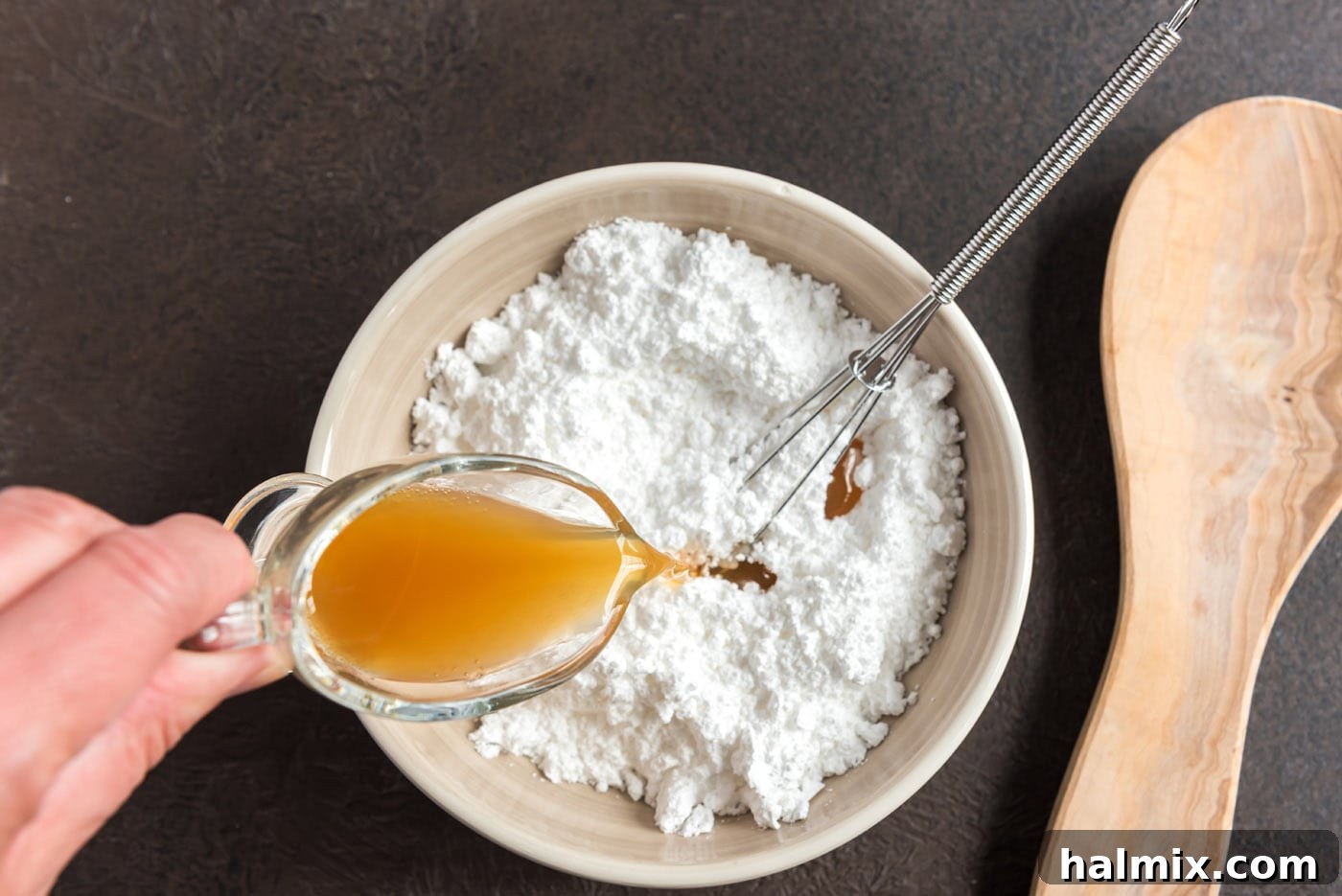
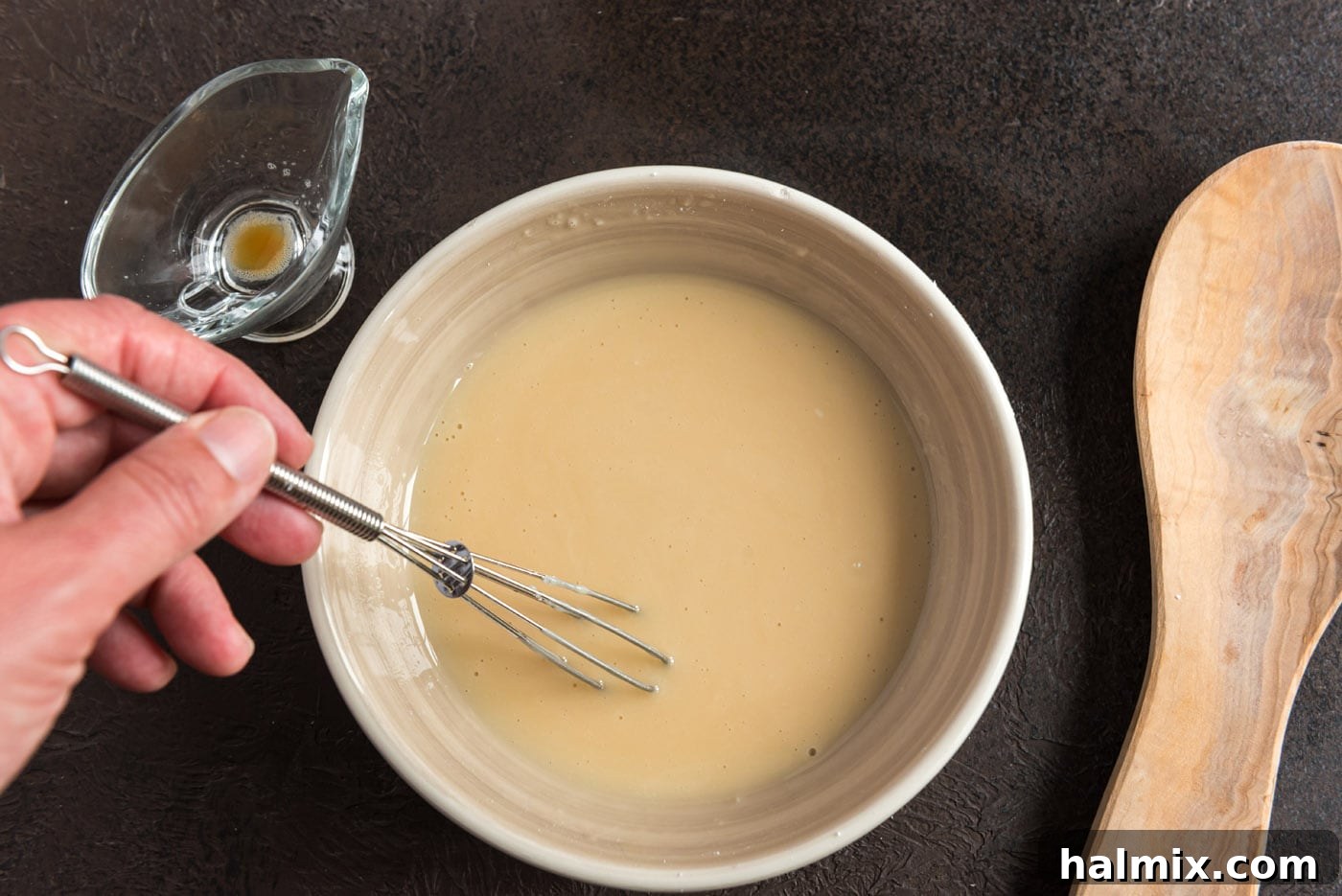
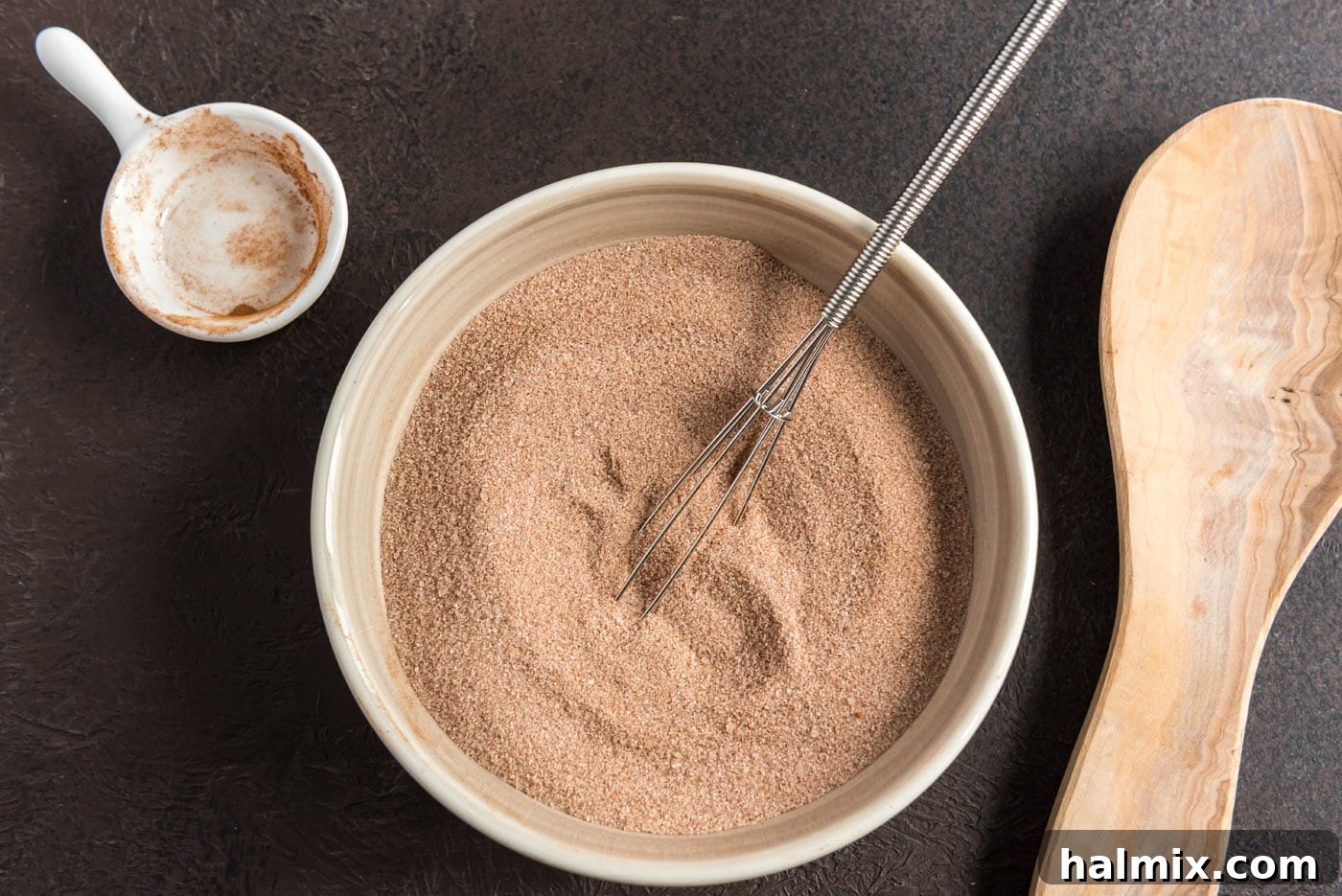
Monitoring oil temperature is key to perfectly fried doughnuts. - Prepare the Toppings: While the doughnuts are chilling and the oil is heating, prepare your chosen toppings. For the glaze, whisk together the powdered sugar and 2 tablespoons of apple cider until you have a smooth, pourable consistency. For the cinnamon sugar, simply mix the granulated sugar and cinnamon in a shallow dish. Set both aside, ready for dipping.
Creating the tangy apple cider glaze. The finished apple cider glaze, ready for dipping. A simple yet classic cinnamon sugar topping. - Fry the Doughnuts: Carefully add a few chilled doughnuts to the hot oil, making sure not to overcrowd the pan. Fry them until they are golden brown, which usually takes about 60 seconds per side. Once one side is golden, gently flip them over with tongs or a slotted spoon and fry for another 30 to 60 seconds until the second side is also golden. Doughnut holes will cook faster, typically about 30-45 seconds per side. After frying, immediately transfer the doughnuts to the paper towel-lined plate to drain excess oil for about a minute.
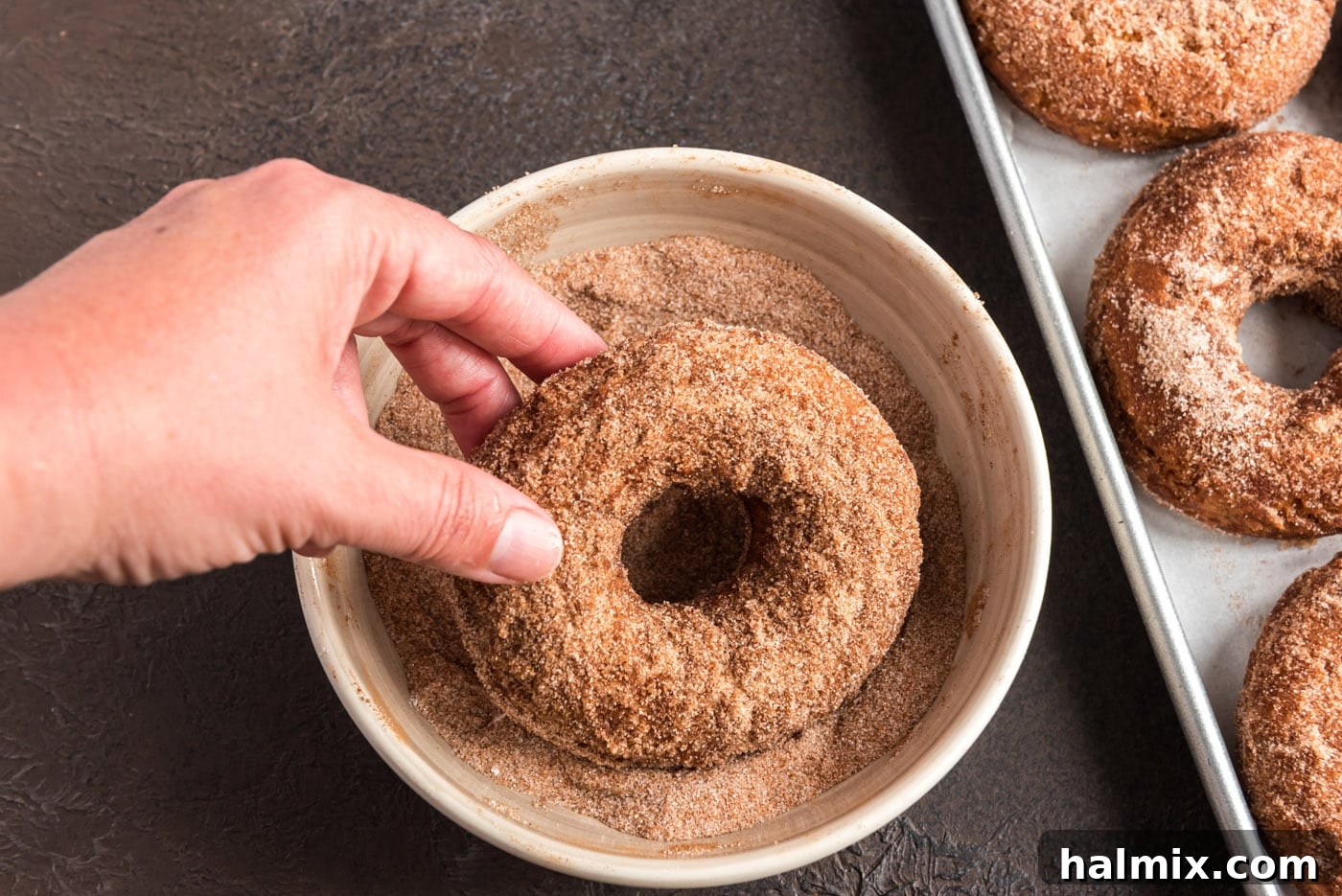
Draining excess oil for lighter doughnuts. Perfectly golden doughnut holes after frying. - Top and Serve: While the doughnuts are still warm, dip the top (or both sides, if preferred) into the prepared glaze or cinnamon sugar mixture. The warmth helps the toppings adhere beautifully. Serve your delicious homemade apple cider doughnuts immediately for the best flavor and texture.
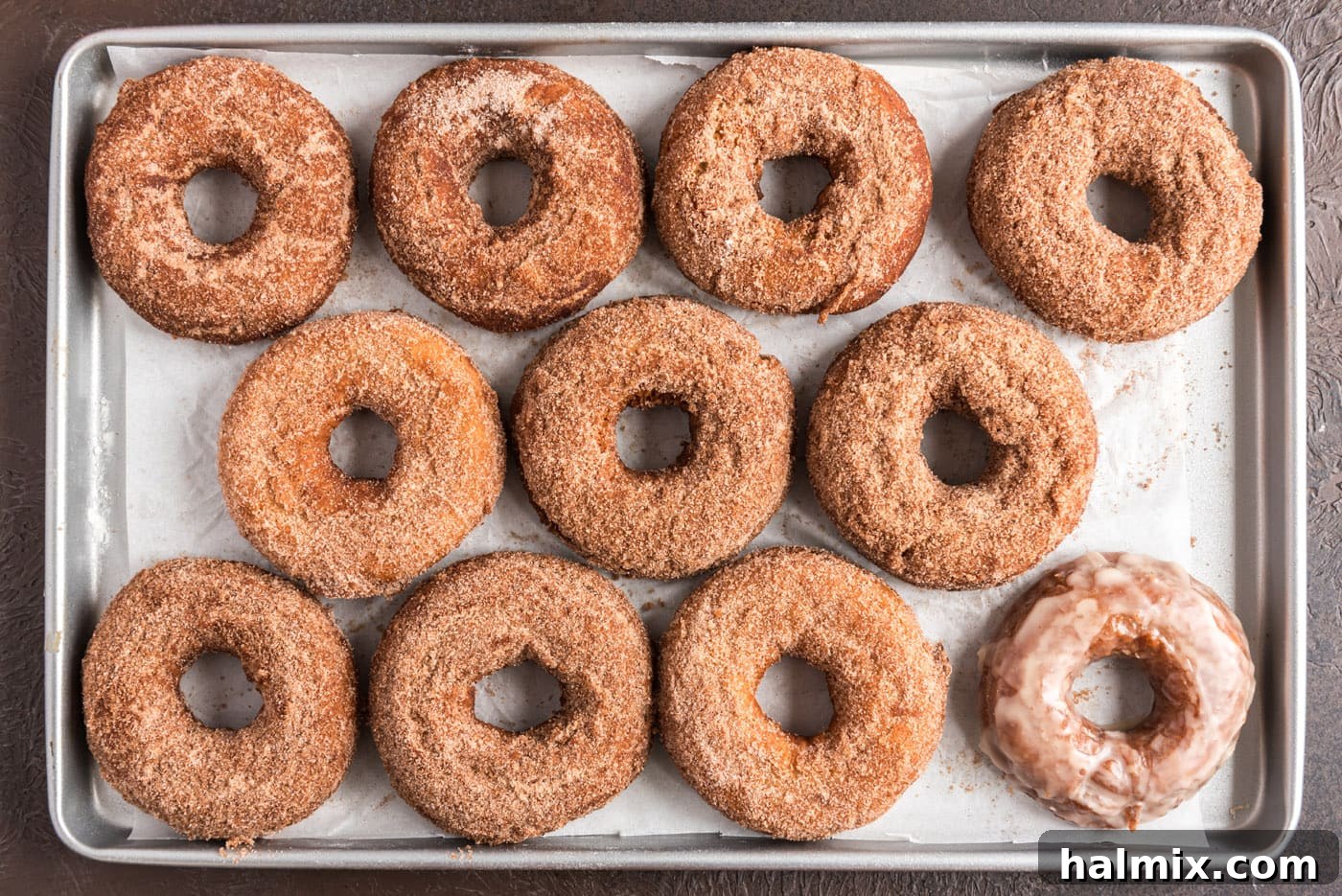
Coating warm doughnuts in cinnamon sugar is a classic finish. These beauties are ready to be served and enjoyed!
Frequently Asked Questions & Expert Tips
Can you use shortening instead of oil to fry doughnuts?
Absolutely, shortening is an excellent alternative to vegetable oil for frying doughnuts. In fact, many professional bakers prefer it for its ability to produce a slightly crispier exterior. When I first made these, I used an entire 3-pound tub of shortening and melted it in my cast iron Dutch oven. It worked beautifully! After frying, I simply allowed the shortening to cool completely, then scooped it back out of the pan and into its original tub for easy disposal. Shortening can also be filtered and reused for other frying tasks if stored properly.
How do you store homemade apple cider doughnuts?
While these doughnuts are truly at their peak when enjoyed the day they are made—offering the fluffiest, softest texture and freshest flavor—they can certainly be stored for later enjoyment. Place them in an airtight container or a large zip-top bag. They will keep well at room temperature for up to 2 days. If you need to store them longer, transfer them to the refrigerator, where they will remain fresh for up to 4 days. For optimal texture after refrigeration, you can gently warm them in a microwave for 10-15 seconds or a toaster oven for a few minutes.
What’s the ideal oil temperature for frying doughnuts?
Maintaining a consistent oil temperature of 350°F (175°C) is crucial for perfectly fried doughnuts. If the oil is too cool, the doughnuts will absorb too much oil and become greasy. If it’s too hot, the outsides will brown too quickly, leaving the insides raw. A candy thermometer is indispensable here. Keep an eye on the temperature and adjust the heat as needed between batches. It’s normal for the temperature to drop slightly when you add doughnuts, so give it a moment to recover before adding more.
Can I bake these apple cider doughnuts instead of frying?
This recipe is specifically designed for fried doughnuts, focusing on that distinct cakey-soft interior and lightly crispy exterior that deep frying provides. While you can adapt many doughnut recipes for baking, converting this one might alter the texture significantly, resulting in a more cake-like muffin than a traditional doughnut. If you prefer baked doughnuts, it’s often best to seek out a recipe specifically formulated for baking to ensure the best results.
Why is chilling the dough important?
Chilling the dough twice—once after flattening and again after cutting—is a critical step. Cold dough is much easier to handle, roll, and cut without becoming sticky. More importantly, chilling helps the doughnuts hold their shape during frying and prevents them from spreading too much. It also helps reduce oil absorption, leading to a lighter, less greasy final product.
Serving Suggestions for Your Fall-Favorite Treat
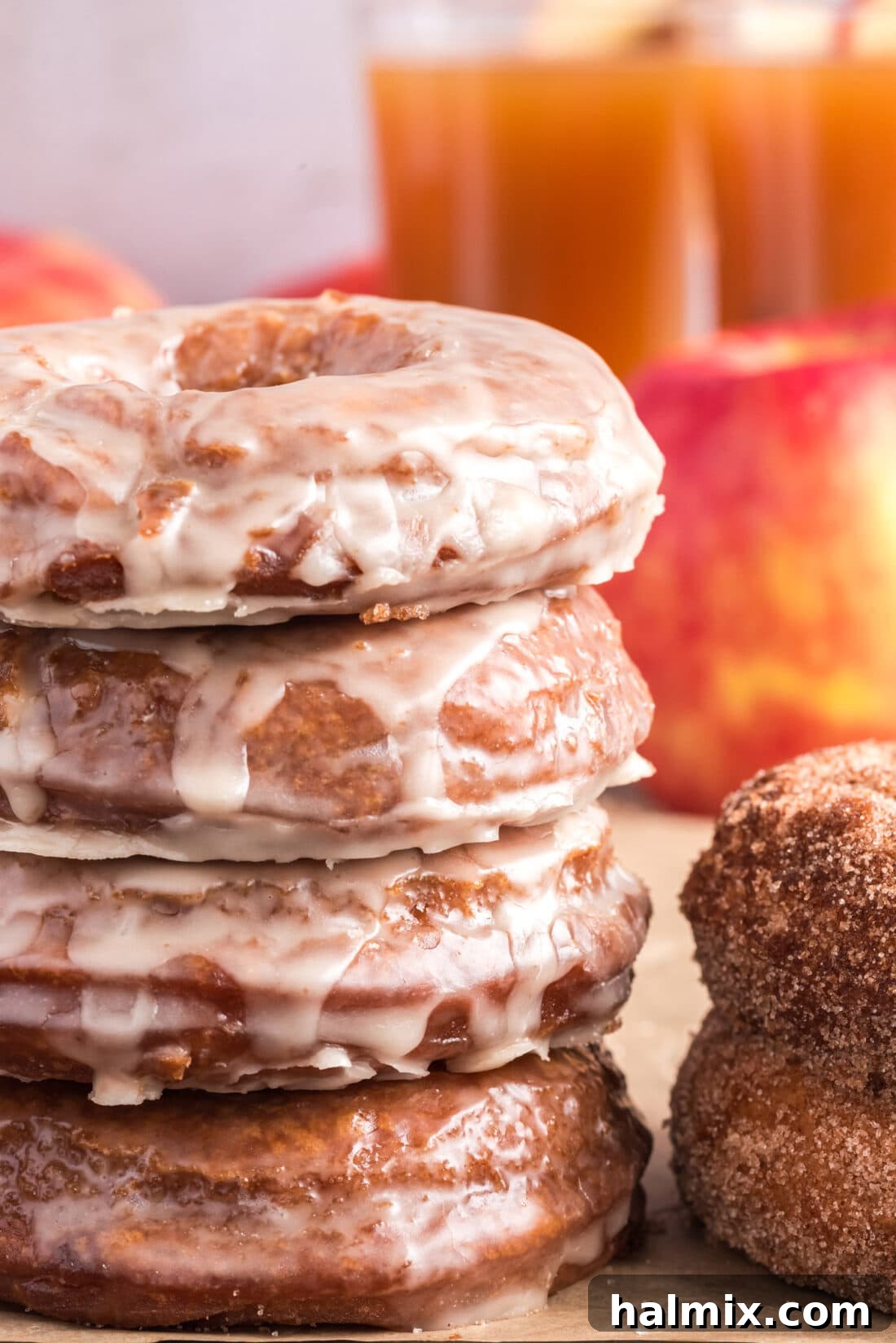
These homemade apple cider doughnuts are best served warm, allowing their aromatic spices and rich apple flavor to truly shine. Offer them with your choice of either a classic cinnamon sugar coating or a delightful sweet glaze. For a wonderful variety that caters to all tastes, we often prepare a batch with half of the doughnuts in cinnamon sugar and the other half glazed. They pair beautifully with a hot cup of coffee, a soothing mug of tea, or a comforting glass of milk.
Elevate your fall experience by serving these doughnuts alongside other seasonal beverages. Have leftover apple cider? Consider whipping up a batch of classic hot apple cider, or for an adult twist, a spiked caramel apple cider. They also make a fantastic addition to any fall brunch spread, holiday breakfast, or as a cozy evening dessert.
Equipment You Will Need
- Saucepan
- Electric mixer (stand mixer with paddle attachment or hand mixer)
- 3-inch or 3 ½-inch doughnut cutter (or two round cutters)
- Baking sheets
- Parchment paper or wax paper
- Large deep-sided pan or Dutch oven for frying
- Candy thermometer
- Tongs or slotted spoon
- Paper towels
- Shallow dishes for toppings
Nutrition Information
Serving: 1 doughnut | Calories: 172cal | Carbohydrates: 31g | Protein: 3g | Fat: 3g | Saturated Fat: 1g | Cholesterol: 28mg | Sodium: 164mg | Potassium: 100mg | Sugar: 12g | Vitamin A: 120IU | Vitamin C: 0.1mg | Calcium: 35mg | Iron: 1.3mg
Note: Nutritional information is an estimate and may vary based on specific ingredients and preparation methods.
More Related Recipes to Explore
- Apple Crumble
- Apple Pie Cookies
- Pumpkin Spice Donuts
- Caramel Apple Cheesecake Bars
- Apple Cider Pound Cake
I love to bake and cook and share my kitchen experience with all of you! Remembering to come back each day can be tough, that’s why I offer a convenient newsletter every time a new recipe posts. Simply subscribe and start receiving your free daily recipes!
The recipes on this blog are tested with a conventional gas oven and gas stovetop. It’s important to note that some ovens, especially as they age, can cook and bake inconsistently. Using an inexpensive oven thermometer can assure you that your oven is truly heating to the proper temperature. If you use a toaster oven or countertop oven, please keep in mind that they may not distribute heat the same as a conventional full sized oven and you may need to adjust your cooking/baking times. In the case of recipes made with a pressure cooker, air fryer, slow cooker, or other appliance, a link to the appliances we use is listed within each respective recipe. For baking recipes where measurements are given by weight, please note that results may not be the same if cups are used instead, and we can’t guarantee success with that method.
This post originally appeared here on Dec 12, 2010 and has since been updated with new photos and expert tips.