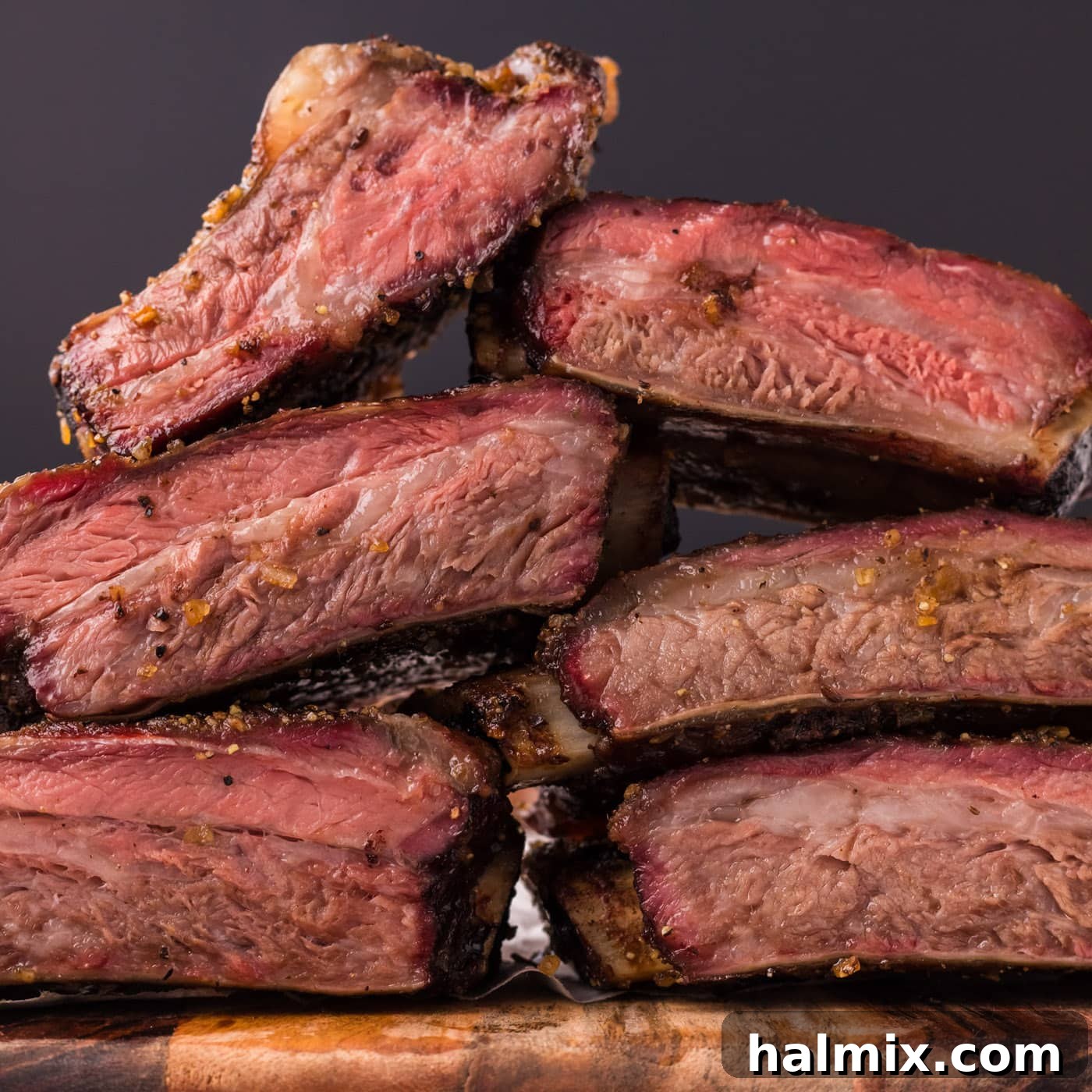
Unlock the secret to incredibly tender, fall-off-the-bone smoked beef ribs that will have everyone clamoring for more. This recipe guides you through the process of transforming simple beef back ribs into a culinary masterpiece, slow-smoked to perfection with a rich, savory bark and mouth-watering juiciness. Prepare yourself for a backyard barbecue experience that will be remembered long after the last bite.
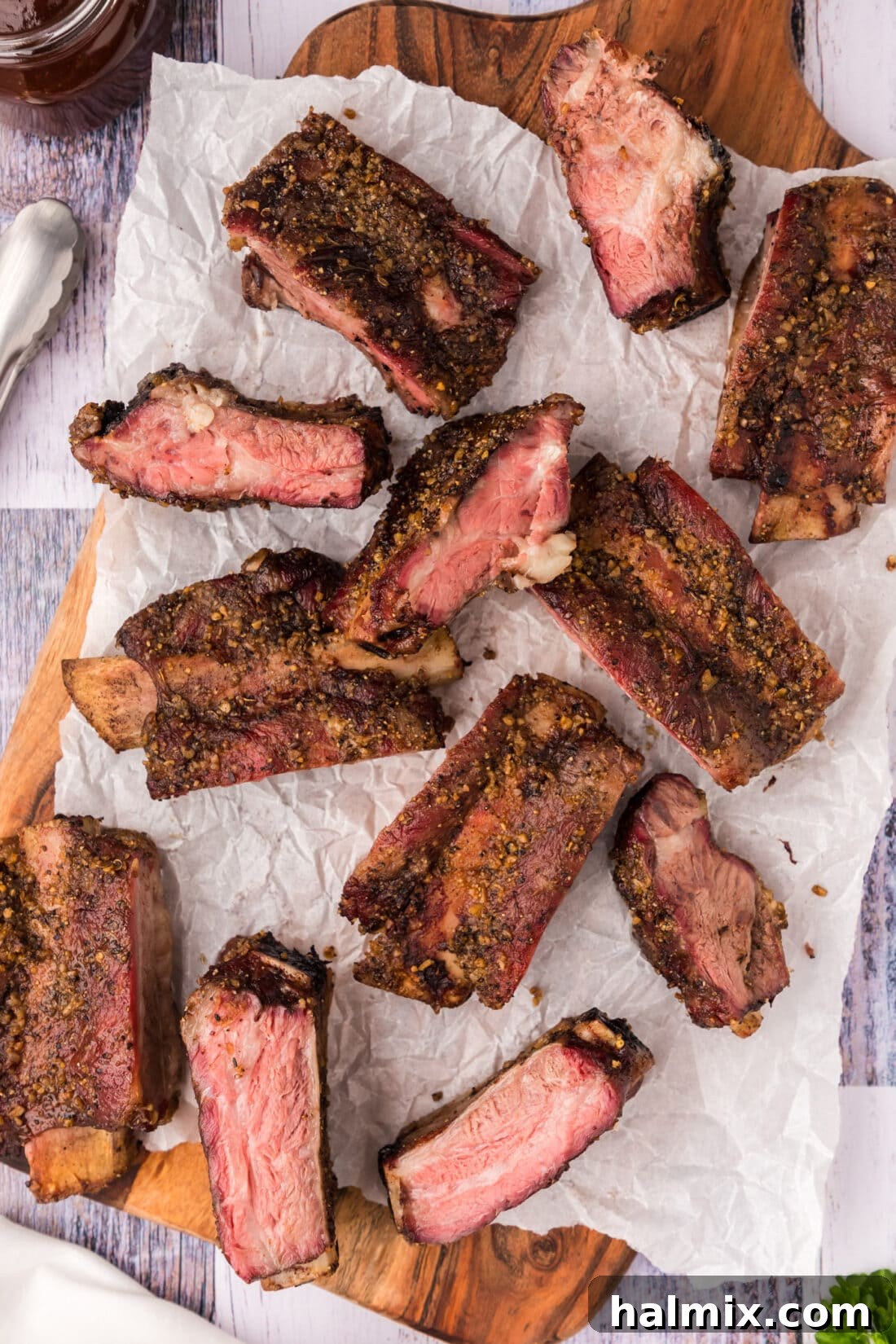
Why This Smoked Beef Ribs Recipe is a Game Changer
If you’re searching for an impressive yet straightforward dish to elevate your next outdoor gathering or family meal, these smoked beef ribs are your ultimate answer. What makes this recipe truly shine is its commitment to the “low and slow” smoking method. This time-honored technique, combined with just a handful of carefully chosen seasonings and a unique spray mixture, ensures that even the toughest cuts of beef back ribs are transformed into incredibly tender, flavorful bites.
The magic happens as the ribs slowly cook at a consistent, low temperature. This process gently breaks down the tough collagen and connective tissues in the meat, rendering the fat and infusing every fiber with deep, smoky flavor. The result is a finished product that is delicately tender, intensely juicy, and boasts a beautiful, flavorful bark – the seasoned crust that forms on the outside of the ribs. Serve these show-stopping smoked beef ribs with your favorite complementary sides and a generous helping of barbecue sauce, and get ready for rave reviews!
Essential Ingredients for Perfect Smoked Beef Ribs
Crafting exceptional smoked beef ribs requires quality ingredients and a precise approach. While the full list of measurements and step-by-step instructions can be found in the printable recipe card at the end of this post, let’s dive into the core components that make this dish unforgettable.
Ingredient Spotlight & Expert Substitution Advice
Understanding each ingredient’s role is key to mastering smoked beef ribs and confidently making substitutions when needed.
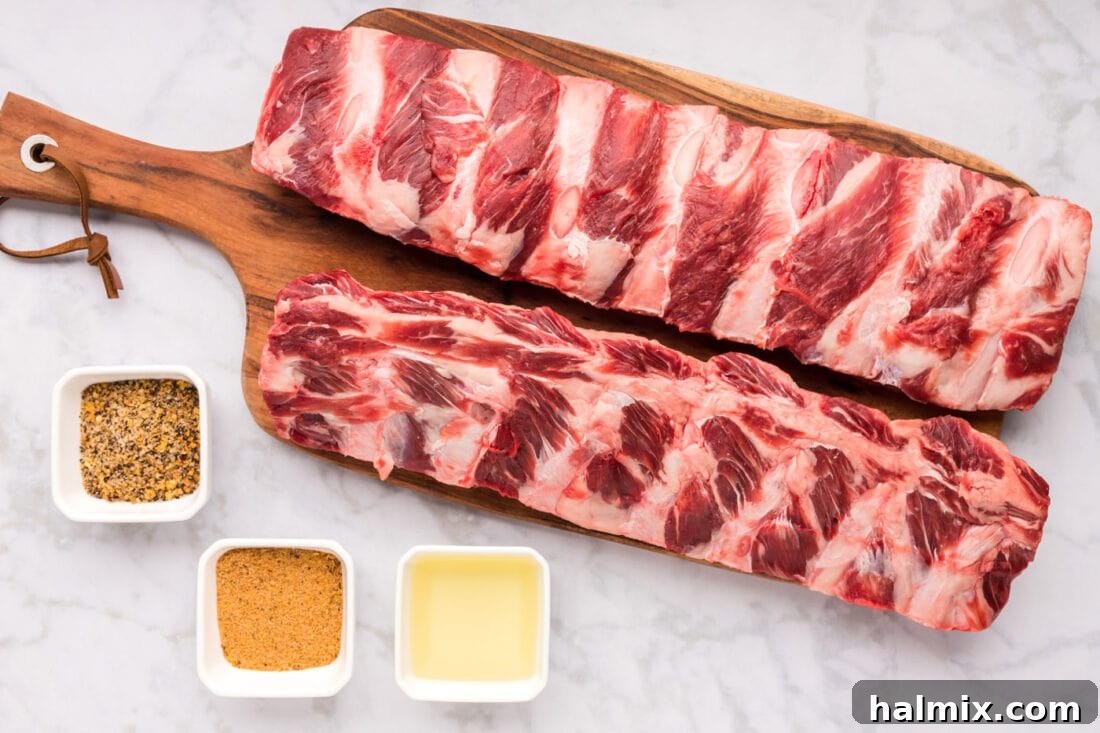
BEEF – For this particular recipe, we highly recommend using beef back ribs. These ribs are cut from the prime rib section, adjacent to the backbone, and are known for their rich beefy flavor. While they typically have less meat between the bones compared to short ribs, they yield an incredibly tender and flavorful result when smoked low and slow. The meat on beef back ribs tends to be thinner and cooks more quickly than their meatier counterparts. If you’re interested in a recipe specifically designed for the more robust and meaty short ribs, we invite you to explore our dedicated guide for smoked beef short ribs, which requires different smoke times and techniques.
SEASONING RUB – The rub is where much of the flavor magic happens. Our preferred combination includes Montreal Steak Seasoning and Famous Dave’s Rib Rub, blended with a touch of olive oil. Montreal Steak Seasoning typically features a coarse blend of salt, black pepper, garlic, onion, and a hint of dill or other herbs, providing a robust and classic beef flavor profile. Famous Dave’s Rib Rub adds a layer of sweet and savory notes with a slight kick, often containing brown sugar, paprika, and various spices. The olive oil acts as a binding agent, helping the rub adhere to the meat and promoting a beautiful bark during smoking. While these specific rubs are fantastic, feel free to personalize your ribs by using any high-quality rib rub or your favorite seasoning combination. Common additions include garlic powder, onion powder, smoked paprika, chili powder, and a touch of cayenne for heat.
SPRAY MIXTURE – This simple yet effective spray mixture, composed of apple cider vinegar, water, and hot sauce, plays a crucial role in the smoking process. Spraying the ribs periodically helps them retain moisture, preventing them from drying out during the long cook. The apple cider vinegar contributes a slight acidity that can aid in tenderization and also helps create that desirable, crispy bark. The water ensures even distribution and maintains humidity around the ribs, while a dash of hot sauce adds a subtle, intriguing layer of flavor without making the ribs overtly spicy. For variations, you could experiment with beef broth, beer, or even a diluted fruit juice like apple juice in your spray.
WOOD PELLETS/CHIPS (FOR SMOKER) – The type of wood you choose for your smoker significantly impacts the final flavor of your beef ribs. Different woods impart distinct smoky notes. For beef, popular choices include:
- Hickory: Offers a strong, classic smoky flavor that pairs exceptionally well with beef.
- Oak: Provides a medium, slightly milder smoke that’s still robust enough for beef without being overpowering.
- Cherry or Apple: These fruitwoods add a sweeter, milder smoke, great for a more subtle flavor or when blended with a stronger wood.
- Pecan: Delivers a rich, nutty flavor that is milder than hickory but still very satisfying.
Ensure your smoker is stocked with high-quality pellets or chips that are compatible with your specific smoker model for optimal results.
Crafting Perfectly Smoked Beef Ribs: A Step-by-Step Guide
These step-by-step photos and instructions are designed to help you visualize the process of creating this delicious recipe. For a convenient, printable version complete with all measurements and detailed instructions, simply Jump to Recipe at the bottom of this post.
- Prepare Your Smoker: Begin by preheating your smoker to a steady 235°F (113°C). Consistent temperature is crucial for low and slow smoking. Before starting, ensure your hopper is generously filled with your chosen wood pellets so you won’t run out during the extended cooking process. This prevents temperature fluctuations and maintains an even smoke.
- Assemble the Spray Mixture: In a clean spray bottle, combine the apple cider vinegar, water, and hot sauce. Securely close the bottle and shake well to ensure all ingredients are thoroughly mixed. This mixture will be essential for keeping the ribs moist.
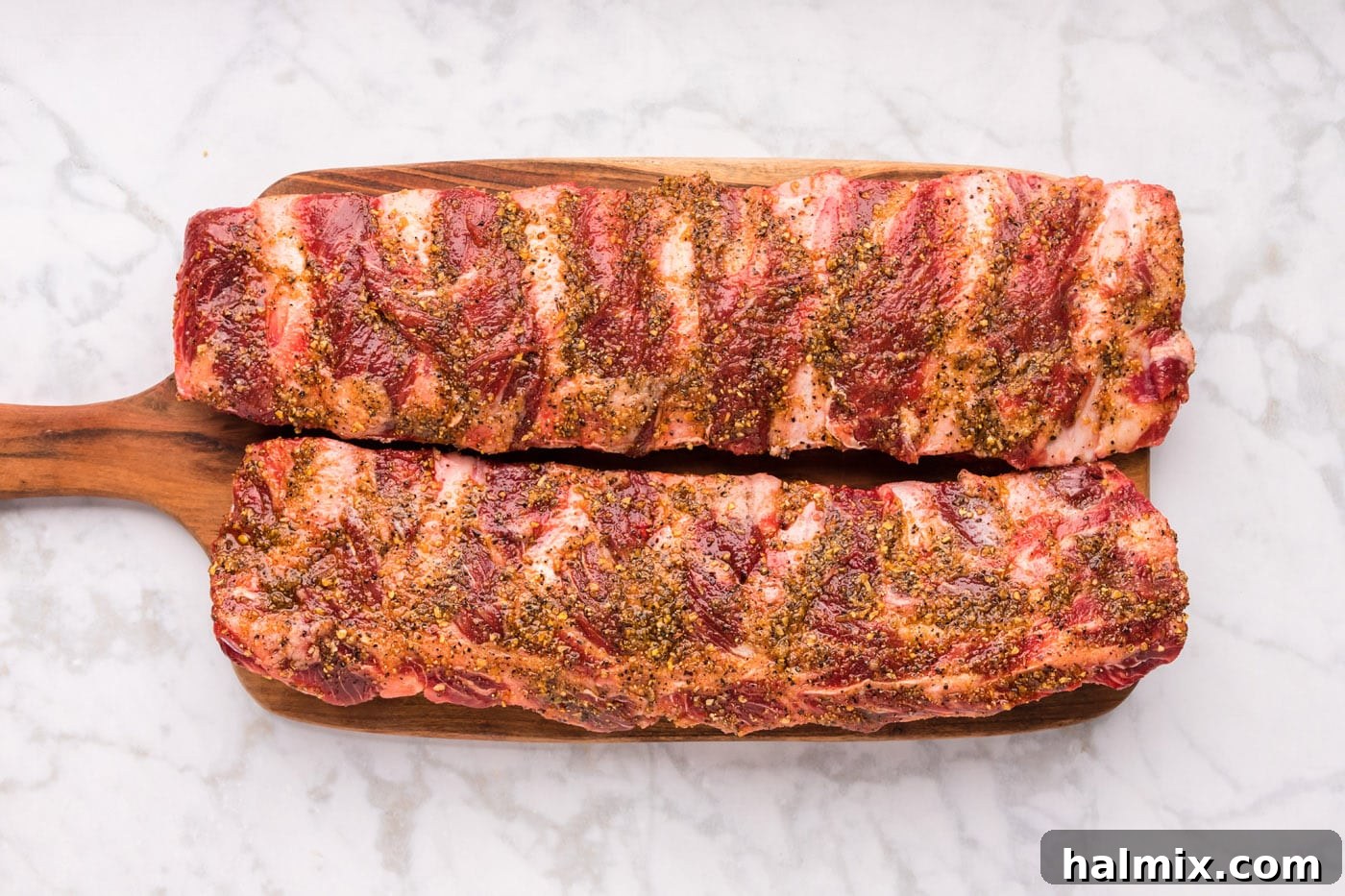
- Create the Flavorful Rub: In a small bowl, whisk together the olive oil, Montreal steak seasoning, and Famous Dave’s rib rub until you achieve a consistent paste. This rub will form the foundation of your ribs’ savory crust.
- Season the Ribs Liberally: Donning a pair of gloves for easy handling and hygiene, apply the prepared seasoning mixture generously over both sides of the beef back ribs. Massage the rub into the meat, ensuring every surface is evenly coated. For best results, you may consider removing the thin membrane from the bone side of the ribs before applying the rub, as this allows for better flavor penetration and a more tender bite, though it’s optional.

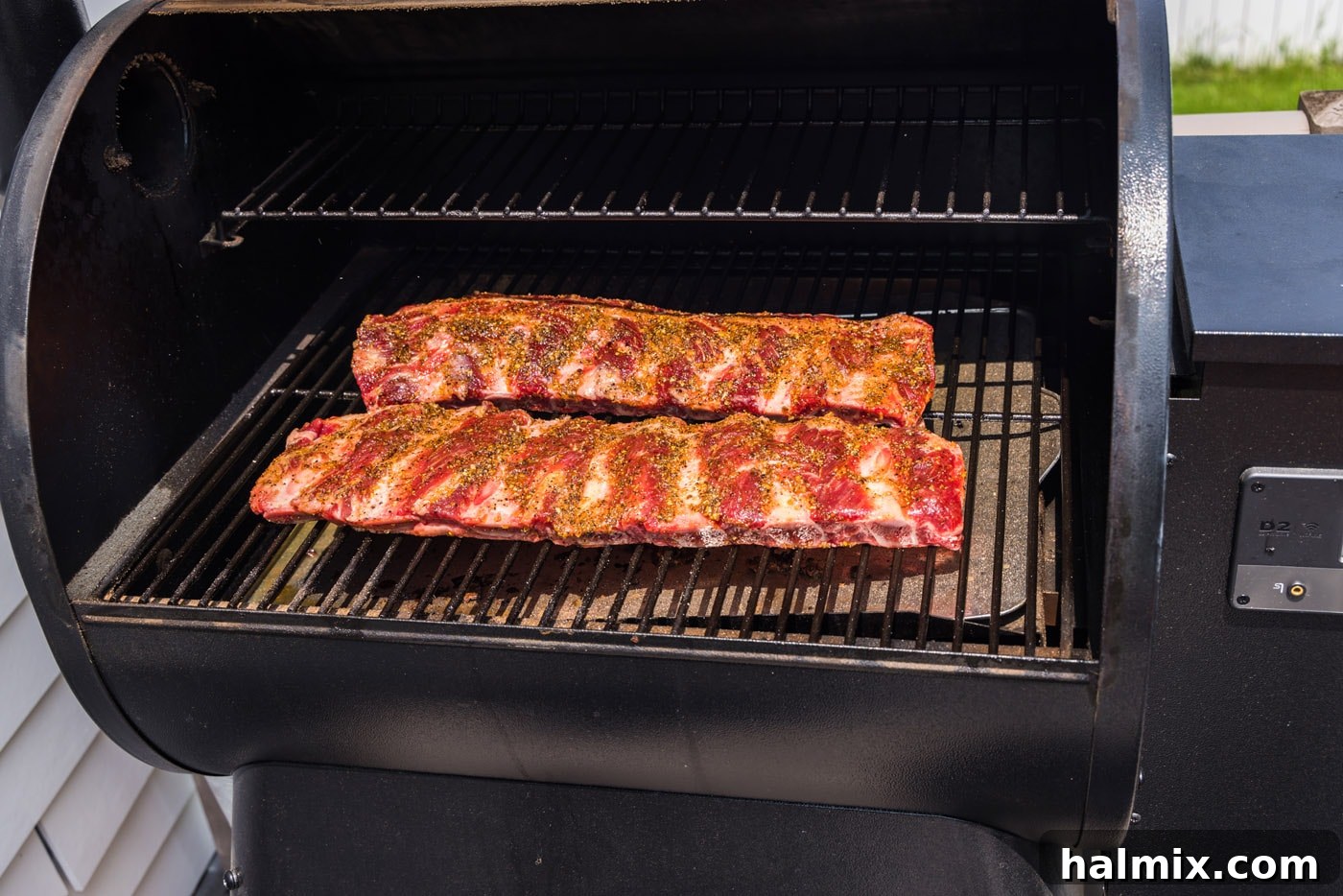
- Initial Smoke Phase: Carefully place the seasoned ribs directly onto the grates of your preheated smoker. Allow them to smoke undisturbed for 2 1/2 hours. During this initial phase, resist the urge to open the smoker lid, as this releases precious smoke and heat, disrupting the cooking process and potentially drying out the meat. This period is vital for developing the smoke ring and forming the initial bark.
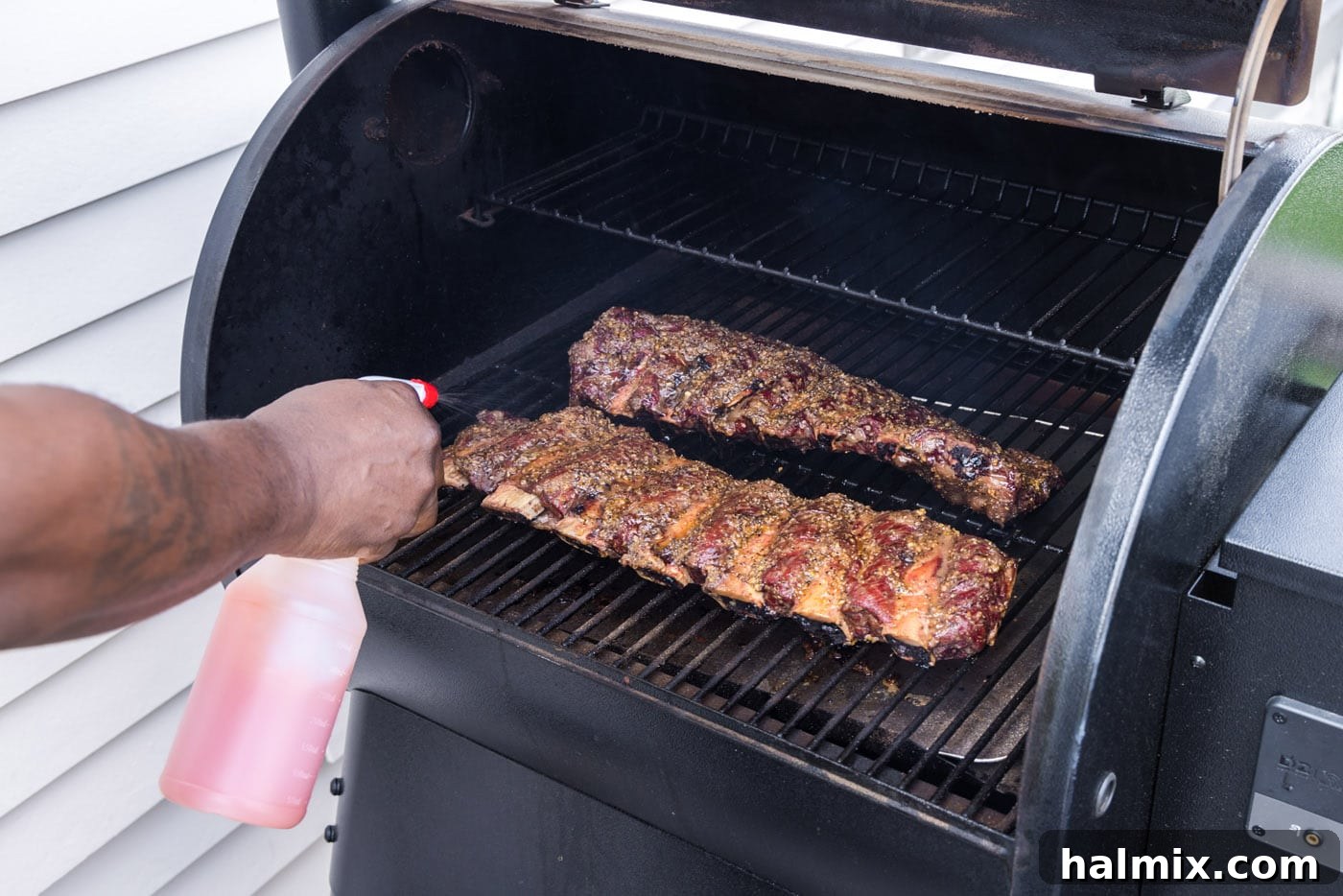
- Elevate Temperature and Moisten: After the initial 2 1/2 hours, increase the smoker temperature to 275°F (135°C). Continue smoking the ribs for another hour, making sure to spray them with your apple cider vinegar mixture every 20 minutes. This regular spritzing helps to maintain moisture, aids in forming a beautiful bark, and adds subtle flavor.
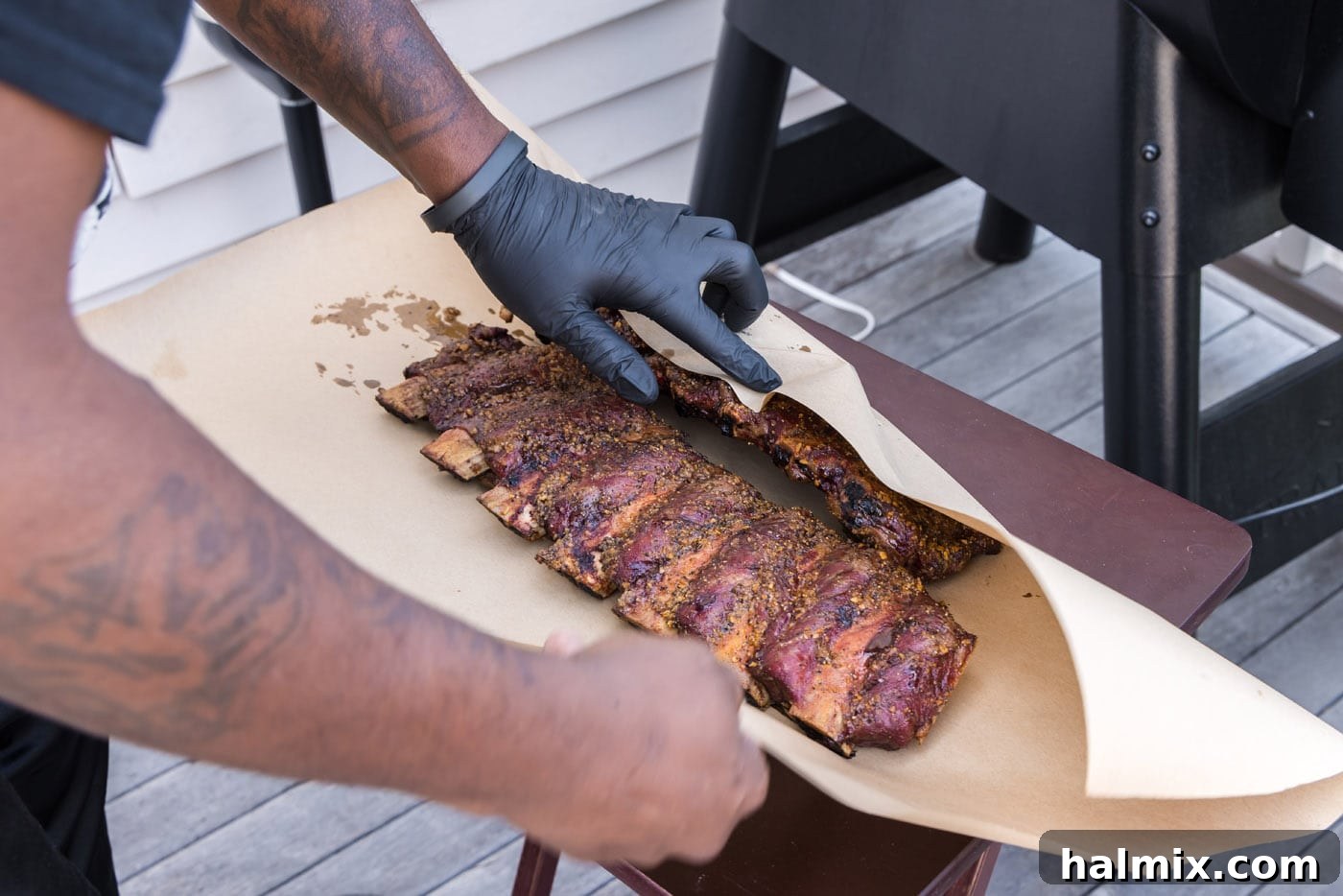
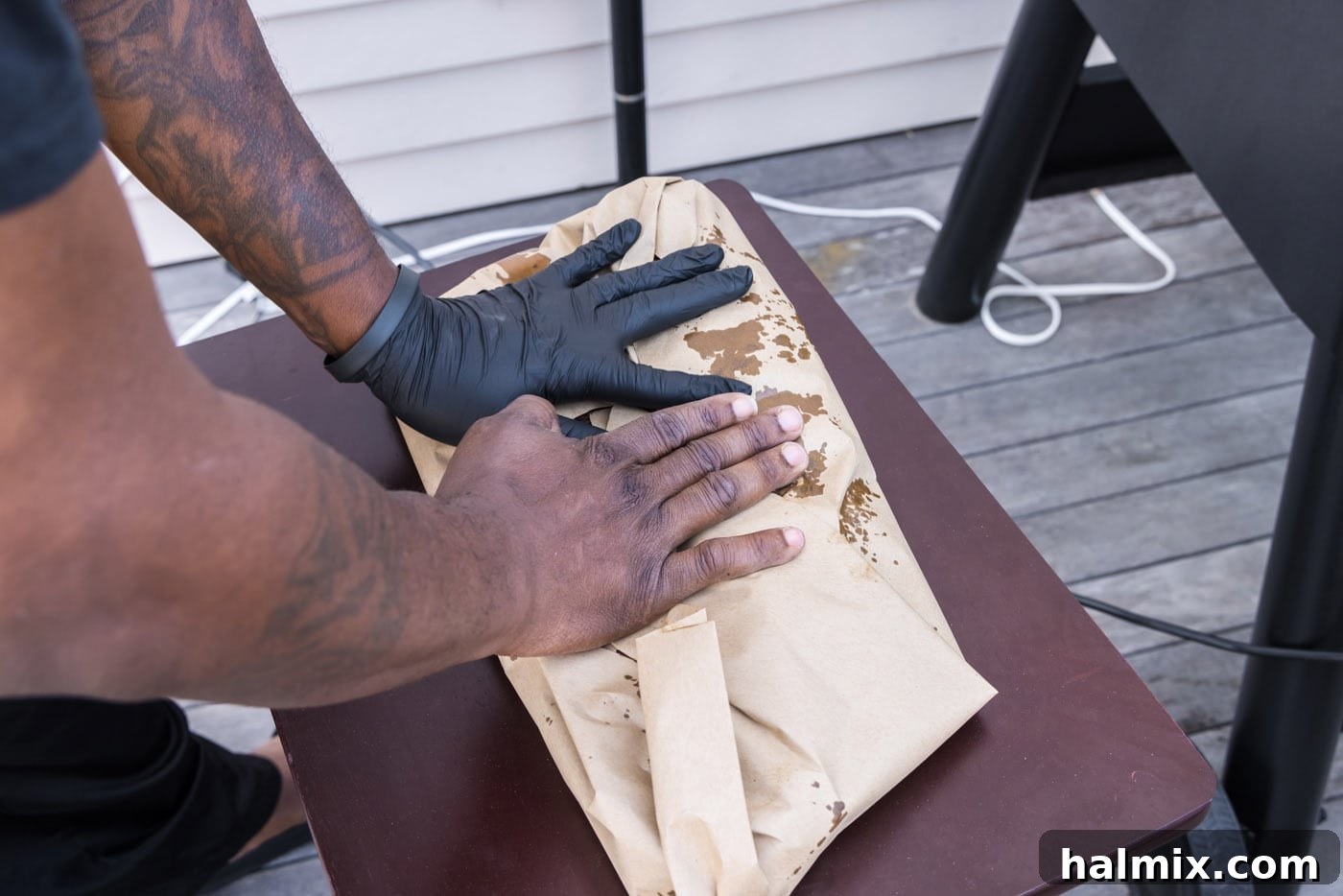
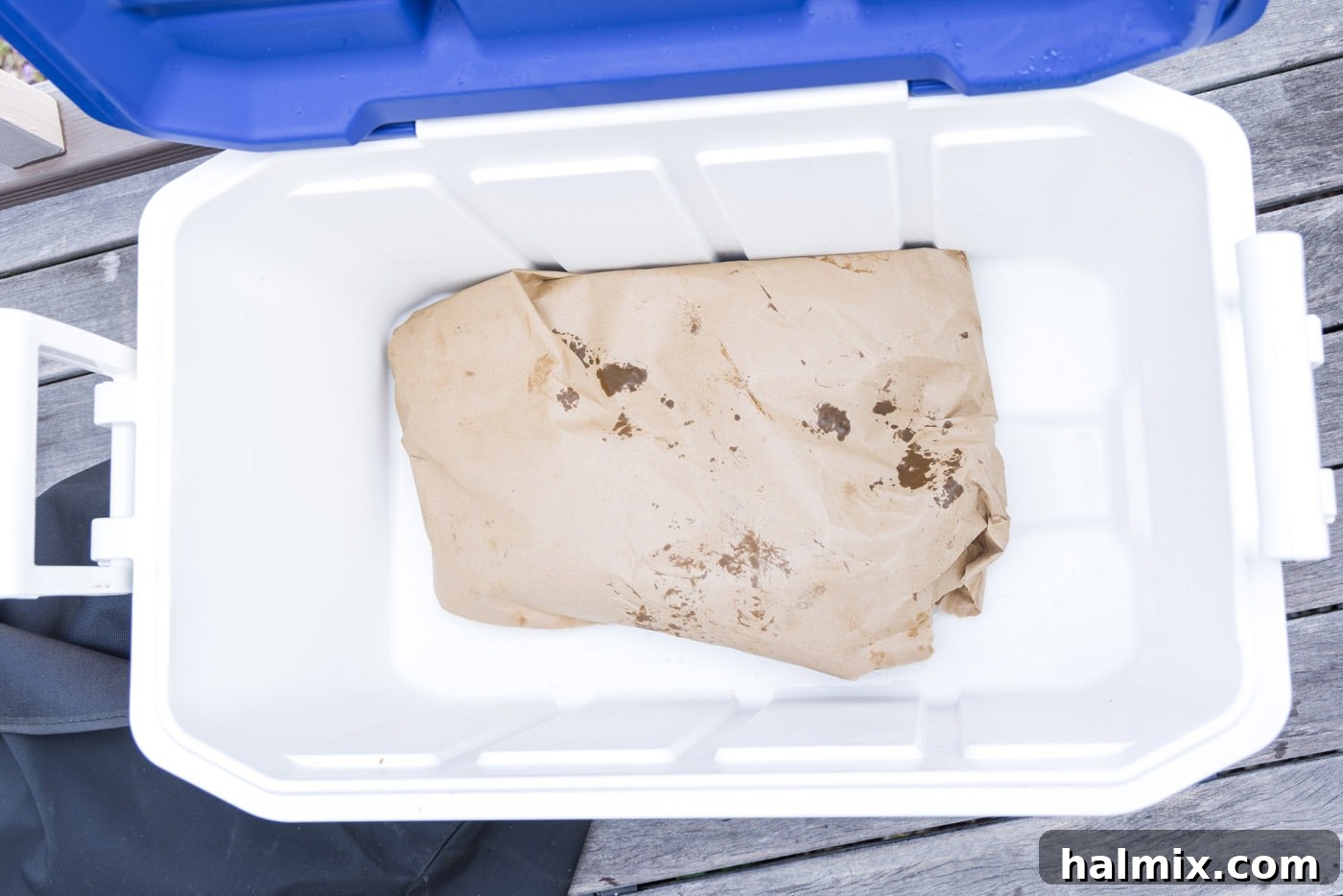
- The Critical Rest Period: Once the ribs have reached your desired tenderness (they should be “probe tender,” meaning a skewer or thermometer probe slides in with very little resistance), remove them from the smoker. Immediately wrap them tightly in butcher paper (or heavy-duty aluminum foil if butcher paper is unavailable). Place the wrapped ribs inside an empty cooler, close the lid securely, and let them rest for 30-60 minutes, or even up to 2 hours for maximum tenderness and juiciness. This resting period is absolutely crucial for the meat to reabsorb its juices, resulting in unbelievably tender and succulent ribs.
Frequently Asked Questions & Expert Tips for Smoked Beef Ribs
Resting beef ribs after smoking is a non-negotiable step for achieving ultimate tenderness and juiciness. This crucial period allows the meat fibers to relax and reabsorb the flavorful juices that have migrated to the center during cooking. This redistribution of moisture results in a more succulent and moist rib, and also makes it easier for the meat to separate from the bone. To facilitate this, we recommend wrapping the hot ribs tightly in butcher paper (which allows the bark to breathe slightly) or heavy-duty aluminum foil (which traps more steam for maximum tenderness). Then, immediately place the wrapped ribs into an empty, insulated cooler. Close the lid to maintain the temperature. A rest of 30-60 minutes is good, but allowing the beef to rest for up to 2 hours will result in unbelievably ultra-tender ribs, with the cooler acting as a crucial insulator during this process.
To maintain their delicious flavor and texture, store any leftover smoked beef ribs in an air-tight container in the refrigerator for up to 3-4 days. For reheating, gently warm them in an oven preheated to 275°F (135°C), wrapped in foil with a splash of beef broth, until heated through. You can also re-warm them on a smoker at a similar low temperature, or even use a sous vide bath for incredibly moist results.
While it’s a common practice for pork ribs, removing the membrane from beef back ribs is often a matter of personal preference. The membrane on beef ribs is typically thinner and can sometimes become crispy, adding a unique texture. However, for maximum tenderness and optimal rub penetration, gently peeling off the membrane from the bone side is recommended. Use a butter knife or spoon to lift an edge, then grip with a paper towel and pull it away. If you leave it on, it won’t be as tough as pork rib membranes.
Unlike other cuts, beef ribs aren’t always about hitting a specific internal temperature, but rather achieving “probe tenderness.” While a target internal temperature of 200-205°F (93-96°C) is a good general guideline, the best indicator is how easily a probe (like a thermometer probe or skewer) slides into the meat between the bones. It should feel like pushing it through softened butter with very little resistance. The meat should also have pulled back from the ends of the bones, exposing them slightly.
Both butcher paper (often called “peach paper”) and aluminum foil serve to help tenderize the ribs by trapping moisture during the latter part of the smoking process. However, they achieve slightly different results. Butcher paper is breathable, allowing some moisture to escape. This helps preserve the integrity of the bark and creates a firmer, more textural crust. Aluminum foil, being non-porous, completely steams the ribs, resulting in extremely tender meat but potentially softening the bark more. For beef ribs, many pitmasters prefer butcher paper to maintain that desirable bark.
Delectable Serving Suggestions for Your Smoked Beef Ribs
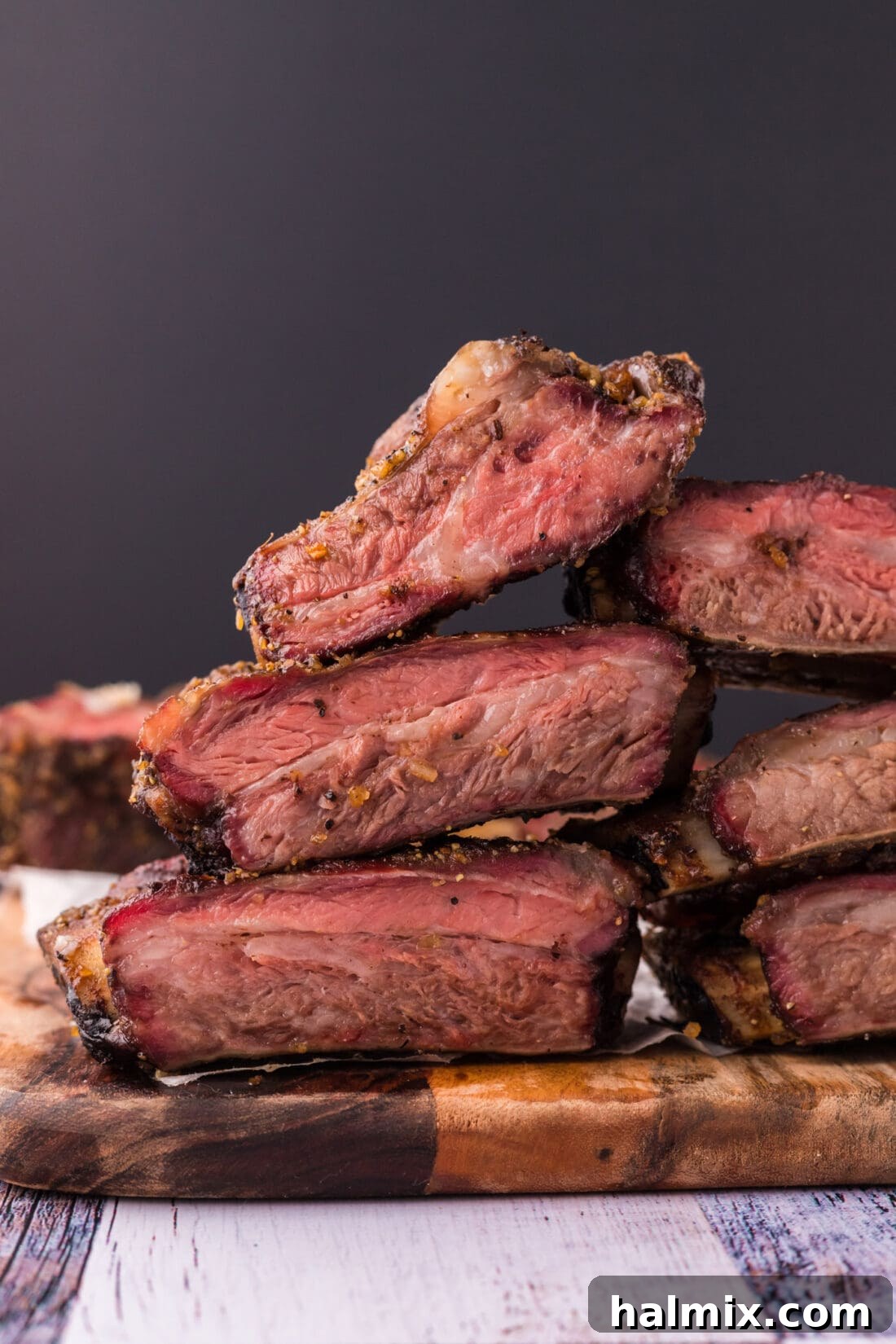
The beauty of smoked beef ribs lies not only in their incredible flavor but also in their versatility. They pair wonderfully with a wide array of classic barbecue and comfort food sides. Some of our all-time favorites include creamy potato salad, rich and gooey macaroni and cheese, refreshing and tangy coleslaw, and sweet, charred corn on the cob.
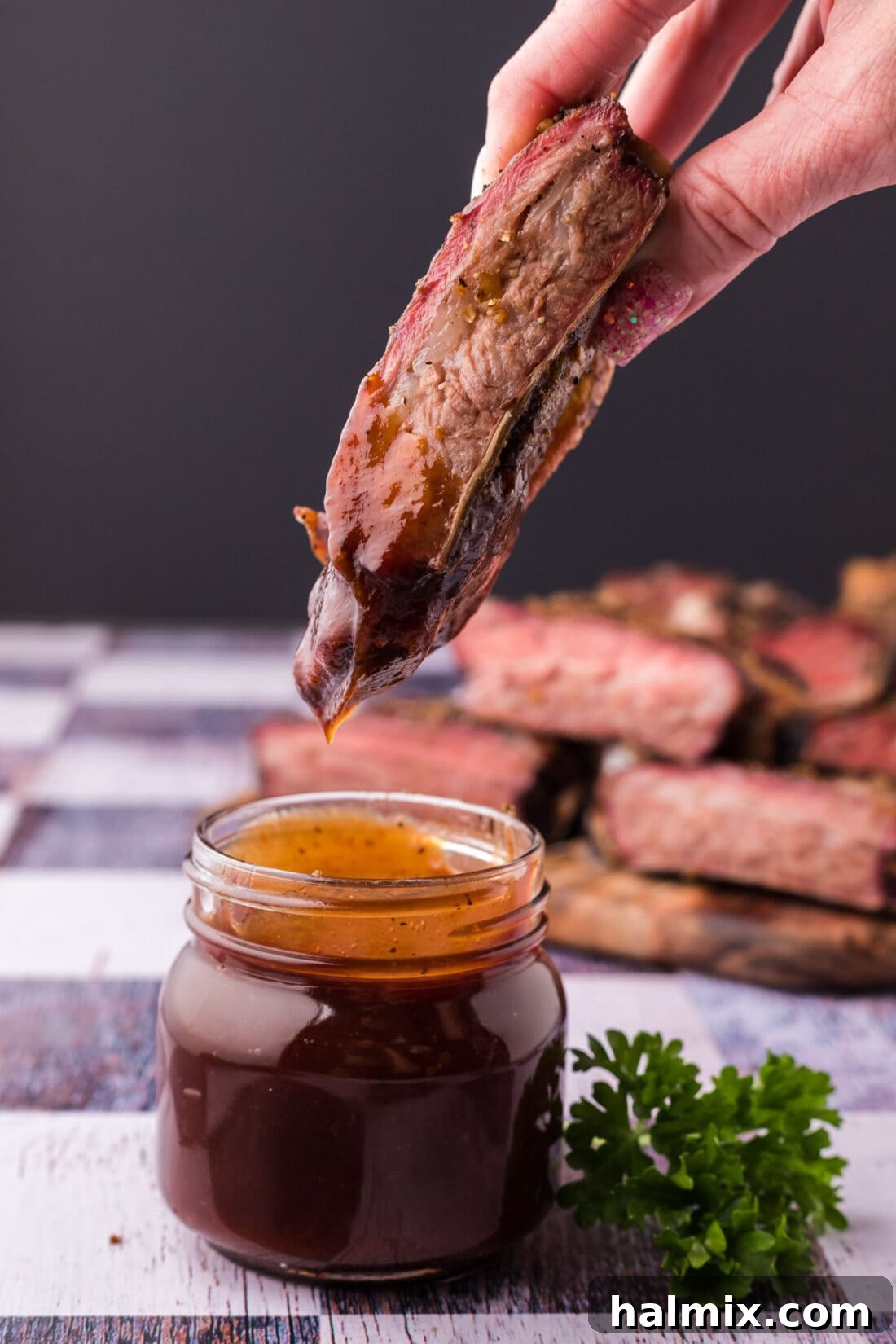
Beyond these staples, consider options like baked beans, collard greens, or a simple green salad with a vinaigrette to cut through the richness of the meat. And, of course, no plate of smoked beef ribs is complete without a selection of your favorite barbecue sauces for dipping or brushing on top. Whether you prefer a sweet, smoky, tangy, or spicy sauce, the right condiment can further enhance the dining experience.
Explore More Mouth-Watering Rib Recipes
- Rib Tips
- Oven Beef Ribs
- Instant Pot Beef Ribs
- Smoked Beef Short Ribs
- Boneless Beef Short Ribs
I love to bake and cook and share my kitchen experience with all of you! Remembering to come back each day can be tough, that’s why I offer a convenient newsletter every time a new recipe posts. Simply subscribe and start receiving your free daily recipes!
Smoked Beef Ribs
IMPORTANT – There are often Frequently Asked Questions within the blog post that you may find helpful. Simply scroll back up to read them!
Print It
Pin It
Rate It
Save ItSaved!
Ingredients
- 3 ½ pounds beef back ribs
- 3 Tablespoons olive oil
- 1 Tablespoon Montreal Steak Seasoning
- 1 Tablespoon Famous Dave’s Rib Rub
Spray Mixture
- ½ cup apple cider vinegar
- ½ cup water
- 1 teaspoon hot sauce
Things You’ll Need
-
Smoker we used a Traeger
-
Spray bottle
-
Vinyl gloves
-
Butcher paper
-
Cooler
Before You Begin: Important Tips for Success
- Customizing Your Rub: Don’t hesitate to experiment with different rib rubs or seasoning combinations to match your personal taste preferences. A good rub is a matter of personal flavor.
- The Power of Spritzing: Regularly spraying the ribs during the smoking process is critical. This helps the meat retain moisture, prevents it from drying out, and contributes to the formation of a delicious, crisp bark.
- The Essential Rest: Resting your beef ribs after smoking is arguably as important as the smoking itself. It allows the muscle fibers to relax, encouraging the redistribution of internal juices throughout the meat. This results in significantly more tender, moist, and flavorful ribs, where the bones will separate from the meat with ease. For optimal results, wrap the ribs tightly in butcher paper or aluminum foil and place them in an empty cooler. The cooler acts as an insulator, keeping the ribs warm while they rest for 30-60 minutes, or even up to 2 hours for ultra-tender perfection.
- Storing Leftovers: Any remaining smoked beef ribs should be stored in an airtight container in the refrigerator. They will maintain their quality for 3-4 days. For reheating, low and slow methods (like wrapping in foil with a splash of broth in a low oven) are best to preserve moisture.
Instructions
-
Preheat your smoker to 235°F (113°C). Crucially, ensure your smoker’s hopper is completely full of wood pellets before you start to avoid interruptions during the long cooking process.
-
Pour the apple cider vinegar, water, and hot sauce into a spray bottle. Seal the bottle and shake vigorously to thoroughly combine the ingredients for your spritzing liquid.
-
In a small bowl, whisk together the olive oil, Montreal Steak Seasoning, and Famous Dave’s Rib Rub until a uniform paste forms.
-
Wearing gloves, generously apply and rub the seasoning mixture all over both sides of the beef ribs, ensuring even coverage.
-
Place the prepared ribs directly onto the grates of the preheated smoker. Smoke undisturbed for the initial 2 hours and 30 minutes, keeping the lid closed to maintain temperature and smoke.
-
Increase the smoker temperature to 275°F (135°C). Continue to smoke the ribs for an additional hour, making sure to spray them with the apple cider vinegar mixture every 20 minutes to keep them moist and develop the bark.
-
Once tender, remove the ribs from the smoker and immediately wrap them in butcher paper (or aluminum foil). Place the wrapped ribs inside an empty, insulated cooler. Close the lid and allow them to rest for 30-60 minutes before slicing and serving.
Nutrition Information
The recipes on this blog are tested with a conventional gas oven and gas stovetop. It’s important to note that some ovens, especially as they age, can cook and bake inconsistently. Using an inexpensive oven thermometer can assure you that your oven is truly heating to the proper temperature. If you use a toaster oven or countertop oven, please keep in mind that they may not distribute heat the same as a conventional full sized oven and you may need to adjust your cooking/baking times. In the case of recipes made with a pressure cooker, air fryer, slow cooker, or other appliance, a link to the appliances we use is listed within each respective recipe. For baking recipes where measurements are given by weight, please note that results may not be the same if cups are used instead, and we can’t guarantee success with that method.