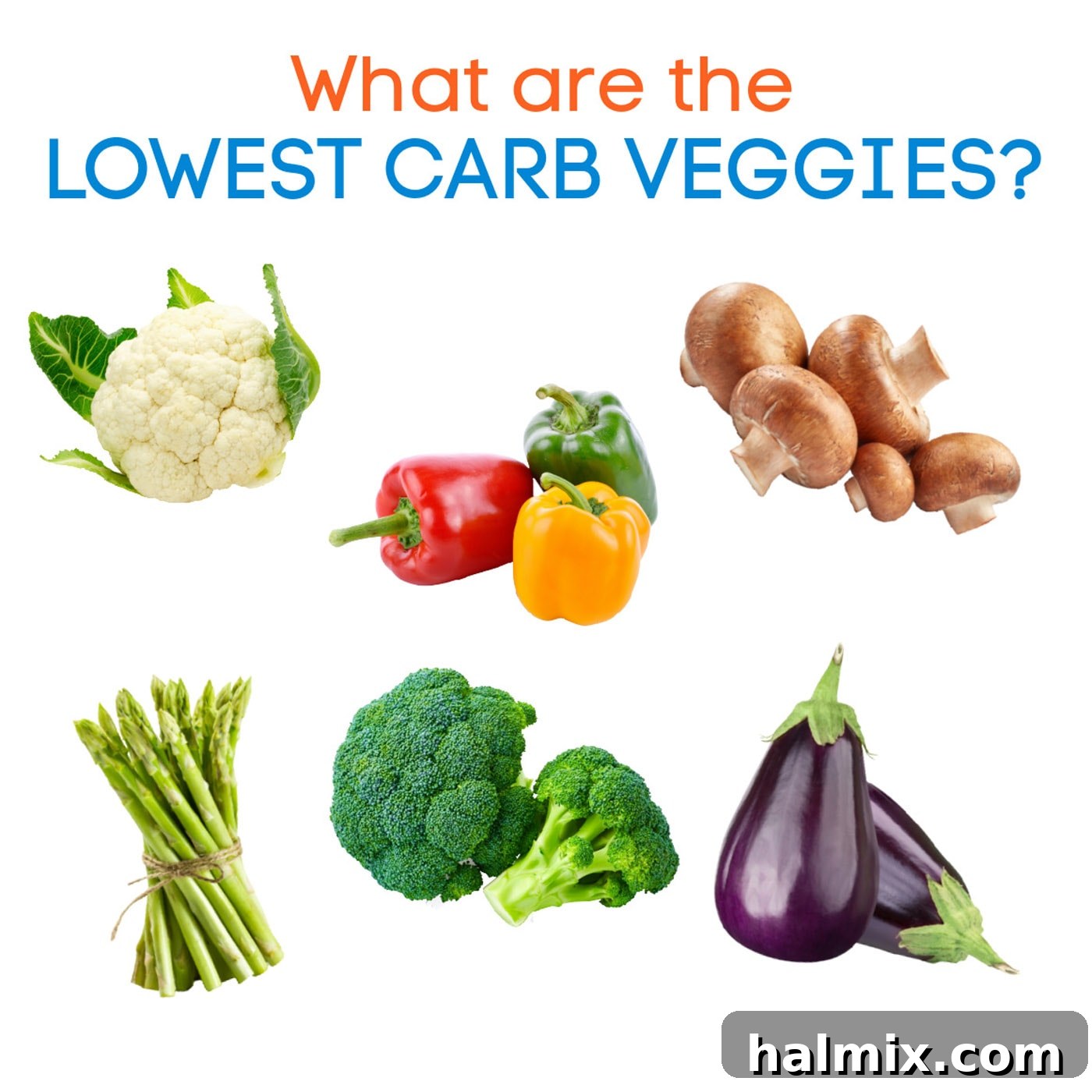
Embarking on a low-carb diet can be a transformative journey, offering significant benefits whether your goal is weight loss, stabilizing blood sugar levels, or simply enhancing overall well-being. This dietary approach emphasizes reducing carbohydrate intake, often leading to improved metabolic health and sustained energy. A cornerstone of any successful low-carb plan is the strategic selection of vegetables. Before you delve deeper into your low-carb lifestyle, it’s crucial to understand which vegetables are your allies and which ones should be consumed with caution.
A Comprehensive Guide to The Best and Worst Low Carb Vegetables
Navigating the produce aisle on a low-carb diet can sometimes feel overwhelming. However, a simple rule of thumb can guide your choices: vegetables that grow above ground are generally excellent low-carb options, while those that grow below ground tend to have a higher carbohydrate content. Think leafy greens, bell peppers, and zucchini as your above-ground champions, and root vegetables like potatoes and parsnips as the below-ground varieties to approach with moderation.
In this comprehensive printable guide to the best and worst low carb vegetables, we’ll unravel the mystery behind net carbs and fiber, introduce you to the most nutrient-dense, low-carb vegetables that deserve a spot on your plate, and highlight those that are best enjoyed sparingly. By the end of this article, you’ll be equipped with the knowledge to make smart, delicious choices and confidently crush your low-carb dietary goals.
How Does Fiber Affect Carb Count? Understanding Net Carbs
To truly master a low-carb diet, understanding the concept of net carbs is fundamental. Also known as digestible carbs, net carbs represent the carbohydrates that your body actually absorbs and converts into glucose. The distinction is crucial because not all carbohydrates impact your blood sugar in the same way.
Most carbohydrates found in food are broken down into individual sugar molecules, which are then absorbed into your bloodstream. However, dietary fiber is a unique type of carbohydrate that your body cannot fully digest or absorb. Instead of being broken down into sugars in your small intestine, fiber travels largely intact to your colon, where it plays a vital role in digestive health.
Because fiber doesn’t contribute to blood sugar spikes in the same manner as other carbs, it can be subtracted from the total carbohydrate count to determine the net carbs. Let’s consider a practical example: if a food item’s nutrition label states 22 grams of total carbohydrates and 8 grams of fiber, you would subtract the fiber from the total carbs (22g – 8g) to arrive at 14 grams of net carbs. This is the number that truly matters for your low-carb calculations.
Foods rich in fiber offer a multitude of benefits, making them invaluable for anyone on a low-carb diet. They promote feelings of fullness and satiety, which can naturally lead to reduced calorie intake and aid in weight loss. Furthermore, fiber is known to help regulate blood sugar levels, improve gut health, and support healthy digestion. Incorporating plenty of fiber-rich, low-carb vegetables is a smart strategy to achieve your dietary objectives while enjoying delicious and satisfying meals.
Top 10 Best Low Carb Vegetables for Your Plate
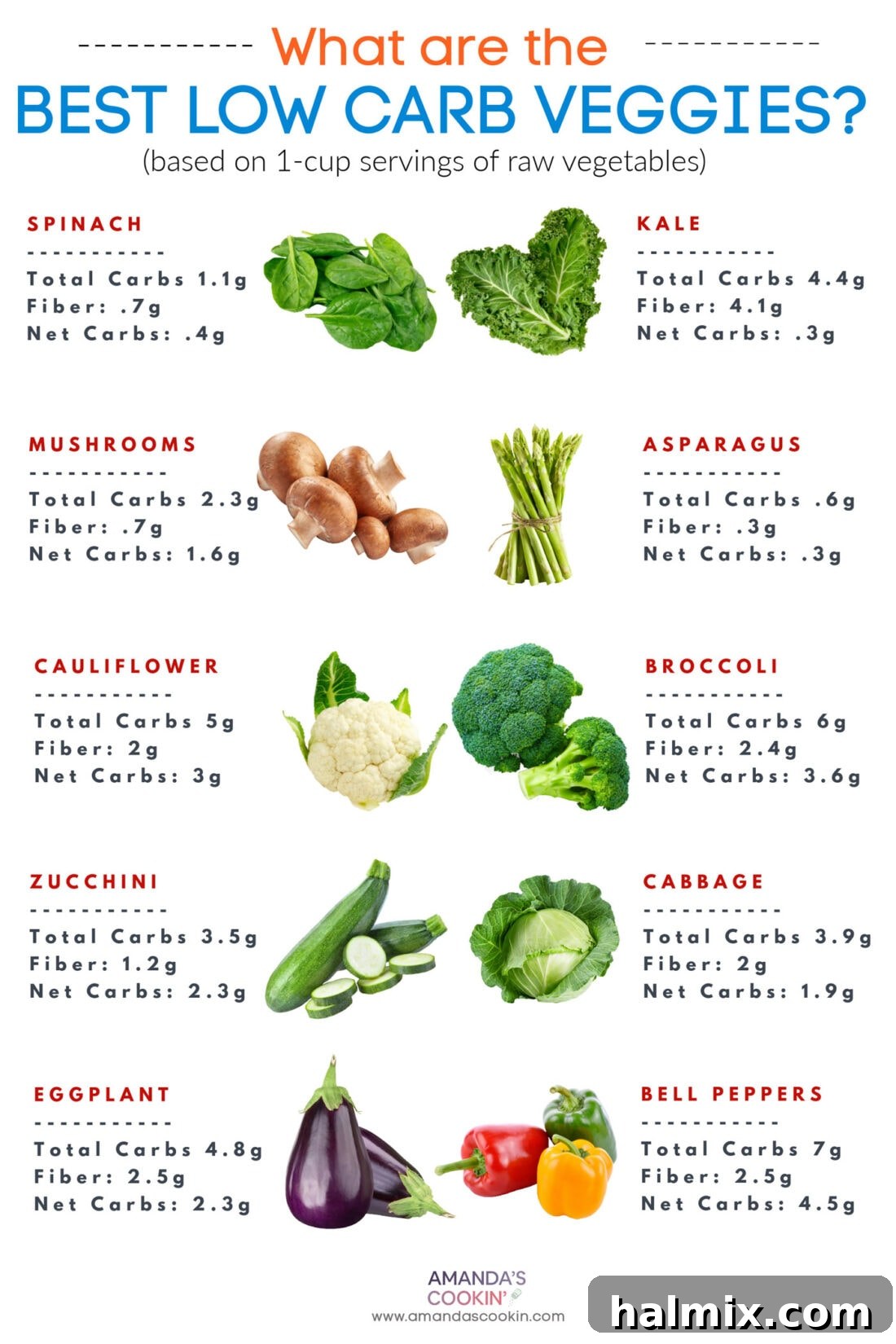
Important Note: The following net carb numbers are based on RAW 1-cup servings. Cooking methods and added ingredients can alter these values slightly.
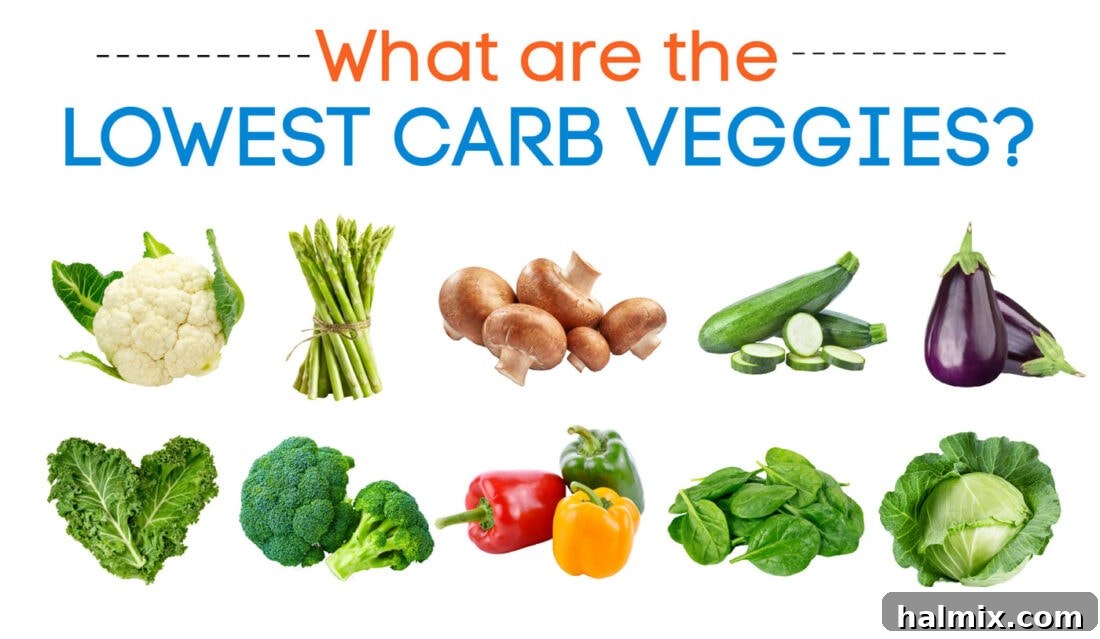
Here are the top 10 best low carb vegetables that are not only low in net carbs but also packed with essential nutrients, making them perfect additions to your daily meals:
1. Spinach
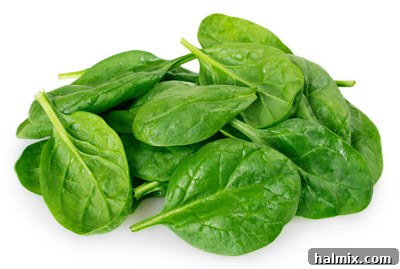
As one of the world’s most popular leafy greens, spinach is a true nutritional powerhouse. This versatile vegetable is incredibly low in calories and boasts an impressive profile of vitamins, minerals, and antioxidants, including Vitamin K, Vitamin A, Vitamin C, iron, and folate. Spinach supports bone health, vision, and immune function. Its mild flavor makes it an excellent addition to almost any dish, from fresh salads and smoothies to stir-fries and soups, wilted into eggs, or blended into sauces. It’s an easy way to boost your nutrient intake without significantly impacting your carb count.
See all of our recipes using spinach.
Serving Size: 1 cup
Net Carbs: 0.4 grams
2. Kale
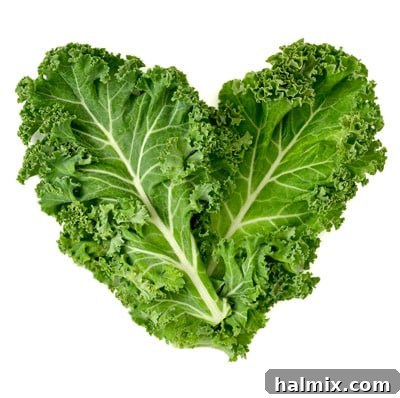
Often hailed as the “king of greens,” kale stands out as one of the most nutrient-dense foods globally. This leafy green powerhouse provides an impressive combination of vitamins (especially A, C, and K), minerals, and powerful plant compounds. A single cup of raw kale can fulfill your daily requirements for Vitamin A, C, and K, making it exceptional for bone health, blood clotting, and vision. Kale also contains potent antioxidants like quercetin and kaempferol, which have protective effects against various chronic diseases. Incorporate it into salads, smoothies, or sauté it as a flavorful side dish.
See all of our recipes using kale.
Serving Size: 1 cup
Net Carbs: 0.3 grams
3. Mushrooms
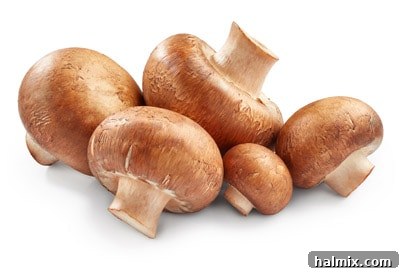
While often grouped with vegetables, mushrooms are actually fungi, but they are incredibly valuable additions to any low-carb diet. They are an excellent low-calorie source of fiber, protein, B vitamins, and powerful antioxidants like selenium. Different varieties, such as cremini, shiitake, and oyster mushrooms, offer distinct flavors and textures. Mushrooms are known for their potential to support brain health, reduce the risk of heart disease, and boost energy levels due to their nutrient content. They can be sautéed, roasted, grilled, or added to omelets, stir-fries, and as a meat substitute in various dishes.
See all of our recipes using mushrooms.
Serving Size: 1 cup
Net Carbs: 1.5 grams
4. Asparagus
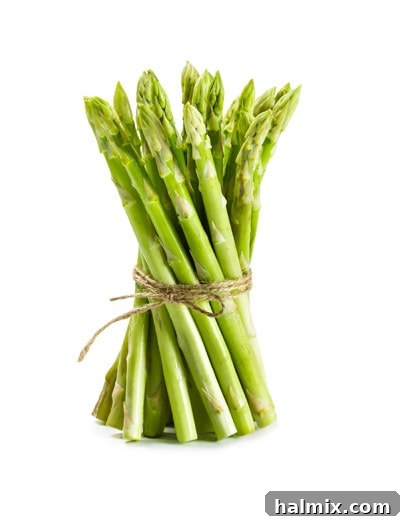
Asparagus is a fantastic, nutrient-dense, and low-calorie vegetable, making it an ideal choice for any diet focused on health improvement or weight loss. These tender green spears are rich in vitamins K, A, C, and folate, as well as antioxidants. Its health benefits are diverse, including improved digestive health due to its fiber content, potential to decrease blood pressure, and boosted brain health. Asparagus is also a natural diuretic, which can help reduce bloating. It’s delicious roasted, steamed, grilled, or simply sautéed with a little olive oil and garlic.
See all of our recipes using asparagus.
Serving Size: 1 cup
Net Carbs: 0.3 grams
5. Cauliflower
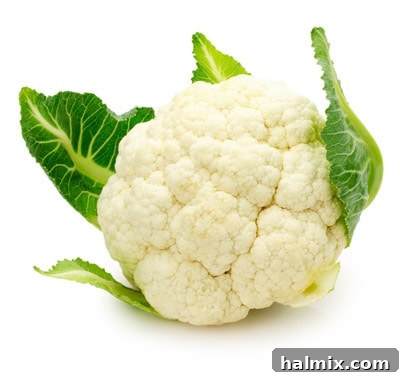
In recent years, cauliflower has rightfully earned its status as the holy grail of the low-carb world. This versatile cruciferous vegetable is remarkably low in calories and teeming with almost every essential vitamin and mineral your body needs, particularly Vitamin C, Vitamin K, and B vitamins. Its neutral flavor and adaptable texture make it an incredible substitute for higher-carb ingredients. From pizza crusts and mashed “potatoes” to rice and even roasted “steaks,” cauliflower offers endless possibilities. If you’re new to the low-carb diet, get ready to become very familiar with this amazing vegetable!
See all of our recipes using cauliflower.
Serving Size: 1 cup
Net Carbs: 3 grams
6. Broccoli
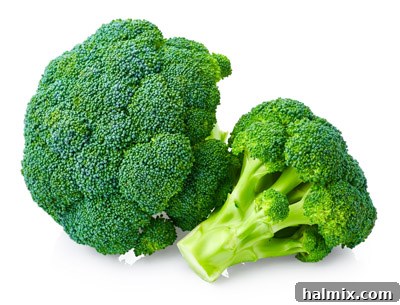
Another prominent member of the cruciferous vegetable family, broccoli is truly a superfood. It is packed with fiber, protein, and an impressive array of vitamins and minerals, including Vitamin C, Vitamin K, and folate. Broccoli is renowned for its powerful antioxidant properties and its potential to support detoxification pathways in the body. Regular consumption can aid in digestion, boost the immune system, and contribute to overall cellular health. Whether steamed, roasted, stir-fried, or added raw to salads, broccoli is an incredibly healthy and satisfying low-carb vegetable to incorporate into your diet.
See all of our recipes using broccoli.
Serving Size: 1 cup
Net Carbs: 3.5 grams
7. Zucchini
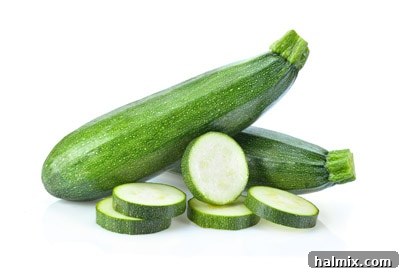
As the most popular type of summer squash, zucchini is a beloved vegetable, especially during warmer months. This low-calorie wonder is rich in various nutrients and antioxidants, including Vitamin C and B vitamins. Zucchini offers impressive health benefits such as improved digestive health thanks to its water and fiber content, and it may help reduce blood sugar levels. Its mild flavor and tender texture make it incredibly versatile. You can spiralize it into “zoodles” as a pasta substitute, grill it, sauté it, bake it into savory dishes, or even add it to low-carb muffins for added moisture and nutrients.
See all of our recipes using zucchini.
Serving Size: 1 cup
Net Carbs: 2 grams
8. Cabbage
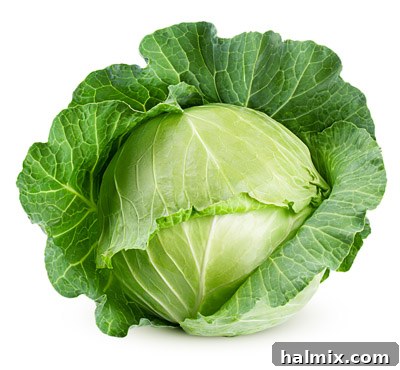
Often overlooked in favor of its more popular cruciferous cousins, cabbage boasts an impressive nutrient content that should not be underestimated. This humble vegetable is packed full of vitamins (especially C and K), minerals, antioxidants, and a significant amount of fiber, making it an excellent low-carb choice. Cabbage supports detoxification, reduces inflammation, and promotes healthy digestion. It’s incredibly versatile and affordable, perfect for coleslaws, fermented foods like sauerkraut, stir-fries, or simply sautéed as a warm side dish. Its crisp texture and mild flavor make it a fantastic base for many low-carb recipes.
See all of our recipes using cabbage.
Serving Size: 1 cup
Net Carbs: 2 grams
9. Eggplant
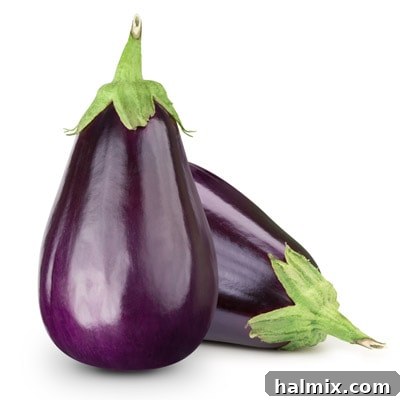
Not only are eggplants rich in a wide variety of vitamins and minerals, but they are also incredibly high in fiber and potent antioxidants, particularly nasunin, which gives them their distinctive purple hue. Impressive health benefits of eggplants include robust digestion support, improved heart health through reduced cholesterol, and potential cancer prevention properties due to their antioxidant content. Eggplant’s meaty texture makes it an excellent low-carb substitute in dishes like lasagna, parmigiana, or grilled as a substantial side. It absorbs flavors beautifully, making it a versatile ingredient for many global cuisines.
See all of our recipes using eggplant.
Serving Size: 1 cup
Net Carbs: 2.3 grams
10. Bell Peppers
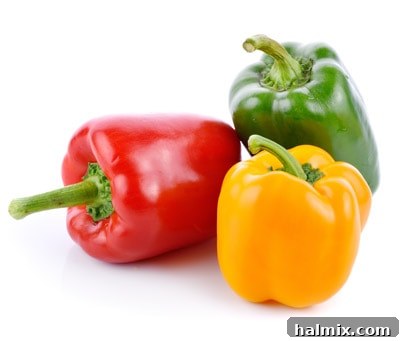
Also known as capsicums, these sweet and crunchy vegetables are loaded with beneficial antioxidants and vitamins, making them a fantastic addition to any low-carb diet. Bell peppers are especially famous for their incredibly high Vitamin C content; just one medium-sized red bell pepper can provide an astounding 317% of the recommended daily intake. They are also rich in Vitamin A, Vitamin B6, and folate. Bell peppers are best known for their ability to reduce inflammation, protect the body from oxidative stress, and support eye health. Enjoy them raw in salads, stir-fried, roasted, or stuffed for a delicious and nutritious meal.
See all of our recipes using bell peppers.
Serving Size: 1 cup
Net Carbs: 4.5 grams
High Carb Vegetables to Enjoy in Moderation (and Low-Carb Substitutes)
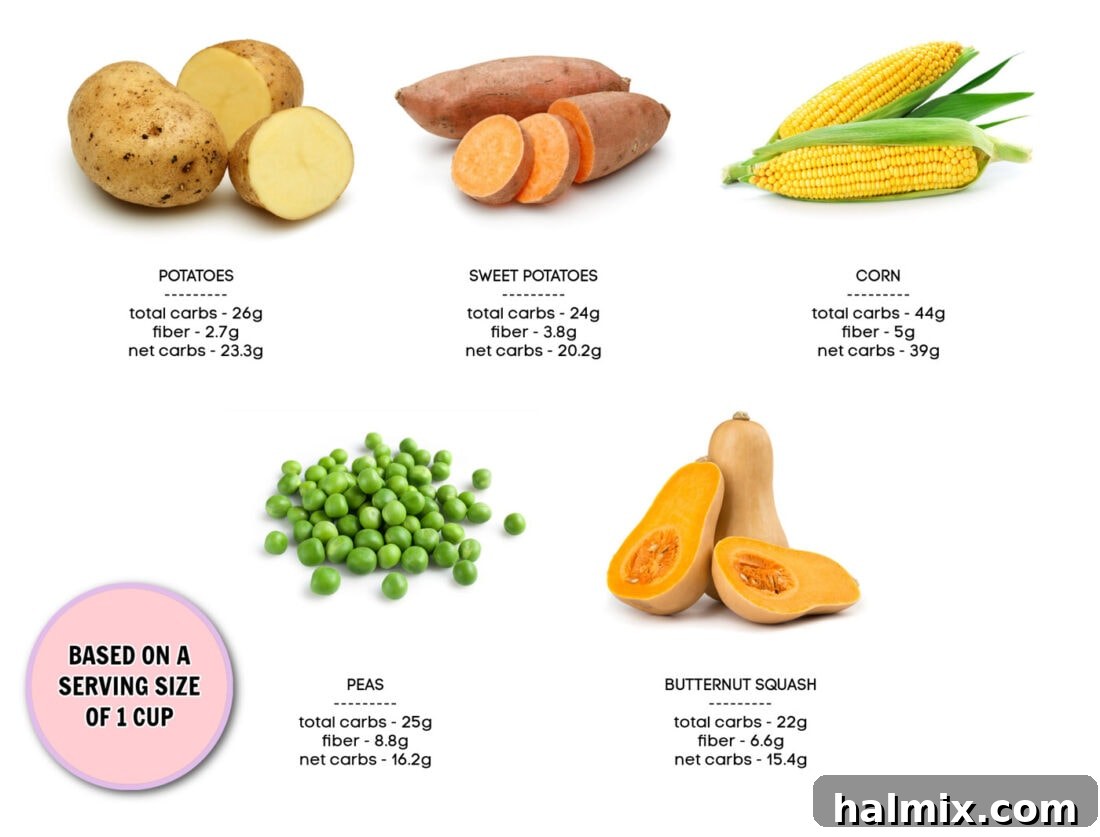
Important Note: The following net carb numbers are based on RAW 1-cup servings. These vegetables, while nutritious, contain a higher carbohydrate content and should be consumed in moderation on a strict low-carb diet.
While these vegetables offer undeniable nutritional value, their higher carbohydrate counts mean they should be enjoyed mindfully when adhering to a low-carb eating plan. Here are some of the highest carb vegetables and smart low-carb substitutes to consider:
1. Butternut Squash
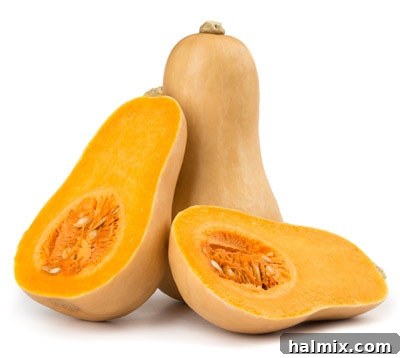
A classic fall favorite, butternut squash is a delicious and versatile vegetable commonly roasted and served as either a sweet or savory dish, such as slow cooker butternut squash soup or butternut squash oatmeal. It is rich in powerful antioxidants, vitamins (especially A and C), and fiber, contributing to eye health and immune support. While highly nutritious, butternut squash is naturally quite high in carbohydrates due to its starch content, though generally not as carb-dense as its even carb-ier cousin, acorn squash.
Low-Carb Substitutes for Butternut Squash: Spaghetti squash, with its pasta-like strands, and zucchini are both delicious and significantly lower-carb squash alternatives that can be used in many recipes where butternut squash would typically feature.
Serving Size: 1 cup
Net Carbs: 15 grams
2. Peas
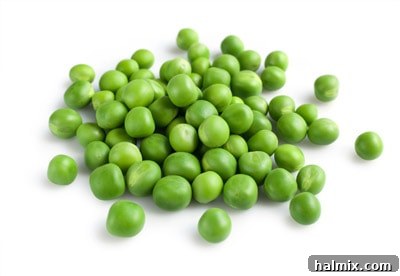
Often used in stir-fries, salads, and as a simple side dish, peas are highly nutritious foods packed with fiber, protein, and antioxidants. Technically, peas are classified as legumes, not vegetables, due to their botanical structure. However, they are commonly lumped in with other green vegetables in culinary contexts. Despite their nutritional benefits, their sugar and starch content makes them higher in carbs compared to many other green options, warranting careful portion control on a low-carb diet.
Low-Carb Substitutes for Peas: Green beans, with their similar color and crunch, and edamame (another legume, but often lower in net carbs than peas when measured correctly) are excellent alternatives that contain significantly fewer net carbohydrates per serving.
Serving Size: 1 cup
Net Carbs: 16 grams
3. Corn
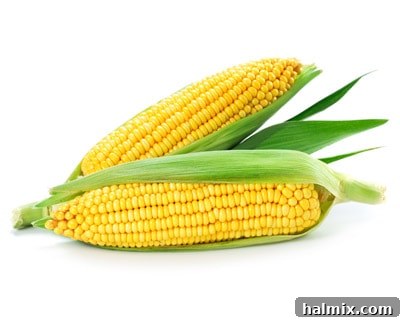
Corn, which can be classified as both a vegetable and a grain, is a fantastic source of fiber and numerous nutrients, including B vitamins and minerals like magnesium and phosphorus. Commonly grilled during the summertime or added to various dishes, corn is loaded with essential vitamins and minerals. However, its high starch content translates to a significantly higher carbohydrate count compared to most low-carb vegetables. Therefore, it’s crucial to watch your intake if you’re aiming for strict carb limits.
Low-Carb Substitutes for Corn: Depending on the dish, there are many creative substitutes for corn. In salads, you can swap it out for cauliflower rice, diced bell peppers, or snow peas for a similar texture and visual appeal. To add that classic sweet corn flavor without the carbs, a tiny amount of corn extract can sometimes be used in cooking.
Note: 1 cup of raw corn kernels is approximately equal to 2 ears of corn.
Serving Size: 1 cup
Net Carbs: 39 grams
4. Sweet Potatoes
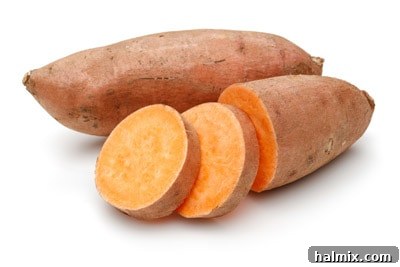
Often considered a superfood due to their incredible nutrient content, sweet potatoes are arguably one of the most popular healthy carb sources. They are packed with fiber and are particularly known for their ability to support gut health, boost immunity with high levels of Vitamin A and C, and provide a steady source of energy. Unfortunately for those on a low-carb diet, their dense starch content means they are also quite high in carbohydrates. While excellent for general health, they can quickly push you over your daily carb limit.
Low-Carb Substitutes for Sweet Potatoes: For a similar texture and nutritional profile without the high carbs, pumpkin, butternut squash (in smaller quantities), and jicama are all great lower-carb swaps for this beloved root vegetable. Try mashing cooked jicama or pumpkin for a sweet potato-like side.
Serving Size: 1 cup
Net Carbs: 20 grams
5. Potatoes
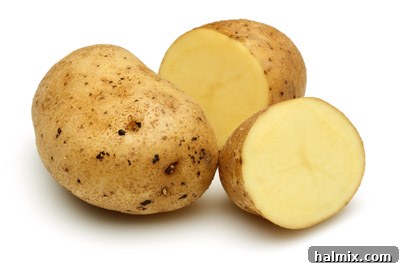
As both a fantastic source of nutrients and one of the most versatile foods on the planet, potatoes are a culinary staple globally. They can be prepared in countless ways – baked, boiled, roasted, fried, mashed – and are loaded with vitamins, minerals, and fiber. Varieties like russets, red potatoes, and Yukon golds offer distinct flavors and textures. As awesome as they are, their very high starch content means they are also very high in carbohydrates, making them a significant challenge for strict low-carb dieters. Therefore, they should be consumed in strict moderation if you are closely monitoring your carb intake.
Low-Carb Substitutes for Potatoes: Turnips, radishes (especially roasted), jicama, and rutabaga are all delicious swaps for potatoes that offer a similar starchy texture and versatility with significantly lower carb counts. Cauliflower is also an excellent substitute for mashed potatoes.
Serving Size: 1 cup
Net Carbs: 23 grams
Eating on a low-carb diet doesn’t mean you need to completely eliminate your favorite high-carb vegetables. Instead, it encourages a shift towards moderation and making informed choices. By understanding the net carb content and utilizing clever low-carb substitutes, you can still enjoy a diverse and flavorful diet while successfully adhering to your low-carb goals.
Sources:
- Why Do You Subtract the Dietary Fiber From the Carb Count? by Christine McKnelly
- The 21 Best Low-Carb Vegetables by Healthline
- 14 Foods to Avoid (Or Limit) on a Low-Carb Diet by Healthline
This post originally appeared on this blog on January 12, 2023.